Category: Tech

Latest Technology News, Alternative, Bio-Tech, Medical, R&D and Innovations

  • Xiaomi Redmi Note May Come to Indian Shores on 2nd December

    Xiaomi Redmi Note May Come to Indian Shores on 2nd December

    It’s been a while since Xiaomi launched a new product in India and as expected, the company has started teasing the India launch of its phablet – the Xiaomi Redmi Note. In addition, a report also claims that the phablet might be available for sale starting 2nd December. The Chinese manufacturer has started a campaign on its Facebook page for the Indian customers which reads, “Want to win a Redmi Note?” The page also says, “Show us your creative side and win a Redmi Note from Mi!”, with he contest deadline being Friday i.e. November 21 till 9:00 PM IST.

    Notably, Xiaomi is sending teasers for the launch the same way it did for Mi3 and Redmi 1S. Also, it's worth noting that the company had stopped selling Mi3 in India to focus more on the Redmi 1S.

    While the Chinese electronics giant is busy preparing for occasional flash sales and celebrating the new tag of being the world’s third-largest smartphone maker, it seems like the company is heading forward in the Indian market with some new offerings. In a recent post on Facebook, Hugo Barra (Vice President of International for Xiaomi) mentioned that the Redmi Note is finally ready for India.

    [caption id="attachment_83382" align="aligncenter" width="650"]With its high specs and big screen, this will be a great device for a multimedia enthusiast on a budget. With its high specs and big screen, this will be a great device for a multimedia enthusiast on a budget.[/caption]
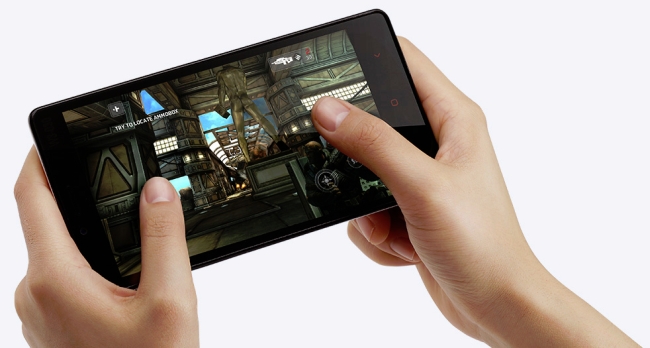
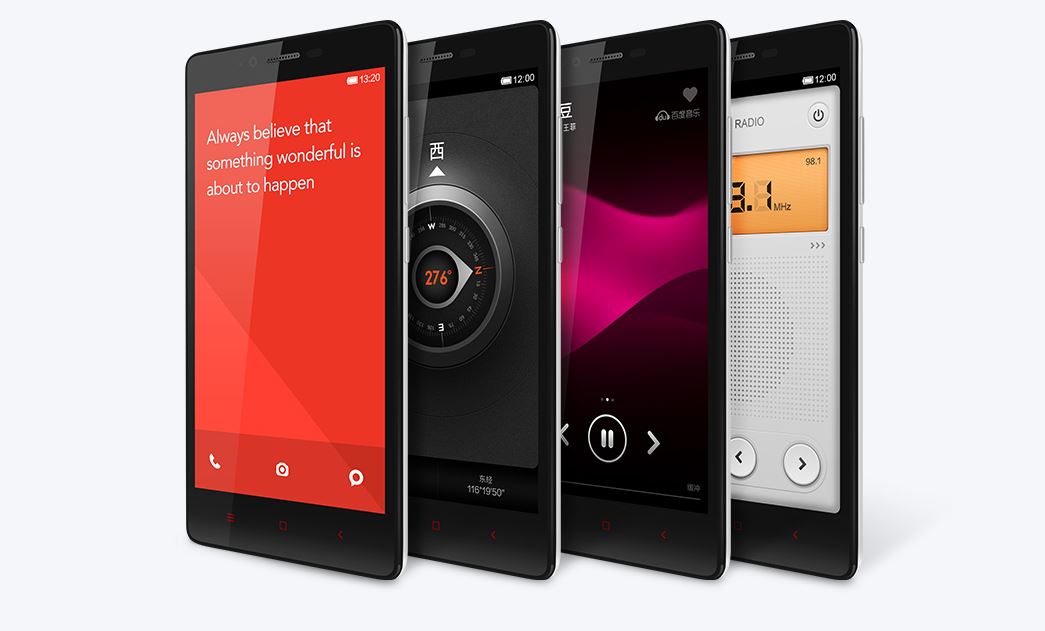
    A good news arriving with the device is its price. The Xiaomi Redmi Note has been priced at just Rs. 9,999. The phone comes with a 5.5-inch 720p IPS display, 1.7 GHz MediaTek MT6592 octa-core processor supported by 2 GB of RAM.

    The device was expected to launch a month back, however, it didn’t happen. In an interview with a popular publication last month, Barra said that the Redmi Note will come to India in late October or early November. It looks like the early November in the Chinese calendar is here.
  • Apple is About to Add Some Beats to its iOS Devices

    Apple is About to Add Some Beats to its iOS Devices

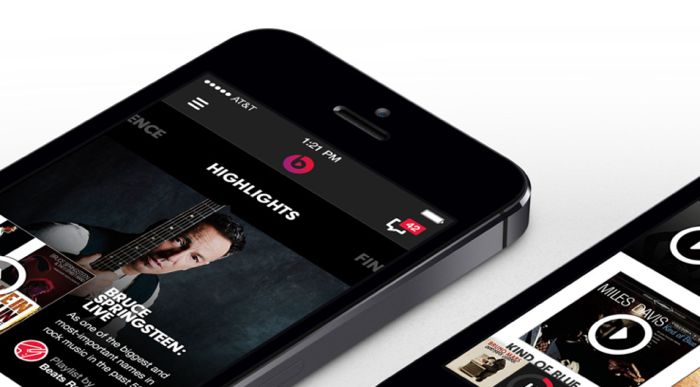
    Apple’s acquisition was a big news for the music industry. This multi-billion dollar deal gave Hip-Hop its first billionaire in Dr. Dre. There were no clear directions though as to what the company was planning to do with the popular audio equipment brand. Looks like the first step in the Apple-Beats saga is about to unveil itself. Financial Times reports that the Cupertino-based tech giant will be integrating Beats Music app on all the iPhone and iPads.

    Beats Music is a subscription-based music service that uses algorithms to curate music according to your interests. Beats also has tie-ups with some of the major labels in the music industry and thus, has a huge library of songs that you can listen. The songs are downloadable, so you can listen to the tunes when you are not online. The service will be a part of the default offerings of Apple such as iMovie, Garageband amongst others.

    By forcing the Beats Music on its customers, Apple will be benefitting a lot. The company already has iTunes that let you buy music, but with this music streaming service, the company can take on market leaders like Spotify. Be ready for some Apple power, dear music industry.

  • BitBite is Your Mom on the Move, Tells You to Eat Right and Chew Slowly

    BitBite is Your Mom on the Move, Tells You to Eat Right and Chew Slowly

    Eating healthy is hard. With the massive amount of junk food options in the market to gobble up, a healthy diet takes a back seat. So how do you keep fit in the times when you have to be on the move and eat fast to get back to work? Your mom cannot be everywhere with you to make sure you eat right, but one tinsy tiny gadget might just take her place to maintain your eating habit.

    Say hello to BitBite, a tiny wearable that slips comfortably in your ear and using sound and motion, observes if you are eating right and chewing through. This wearable tracks what you eat, when you eat and how you eat. Using the analysis of sound and tracking patterns of your jaw movement, it observes what you eat. In the future, the device will be able to suggest you healthy alternatives to what you are eating.

    The mobile app does the number crunching and analyzes your eating habits.
    The mobile app does the number crunching and analyzes your eating habits.

    According to the creators of the device, this minuscule device was developed in co-operation with dieticians and nutritionists. It contains a microphone and additional sensors that record and perform initial processing of the incoming sounds, after which the smartphone app takes care of the number crunching bit. Fortunately, unlike your mom, you can turn it off when you are really in a mood to indulge into some gooey goodness.

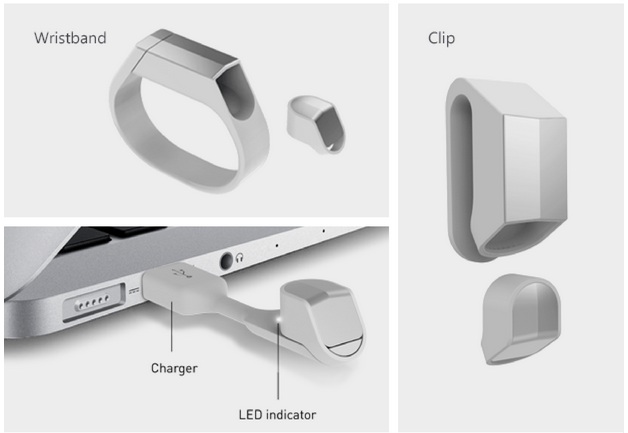
    If you don’t want to join the BlueDouche tribe, then there are some other options to get BitBite by which can start healthy grubbing. The device gives you the option of wearing it on your lapel with a clip in a wristband. It functions as a regular Bluetooth device when not eating.

    There are multiple attachments for the BitBite.
    There are multiple attachments for the BitBite.

    The device works with both iOS and Android devices. The company has achieved 75% of its initial goal of $60,000 on Indiegogo, with 22 days still left to go.

    Well, it’s great to see what you eat but it’s also great to indulge once in a while. We as humans have invented a plethora of amazing foods that varies with the palate of different places. Eating right is just a part of healthy living; it’s also important to exercise and drink loads of water. But it is great to see how technology can be used for the benefit of an average person, and with apps like Google Fit, it’s easier than ever to stay fit. So after reading this, get up and do some jumping jacks for your sake.

  • Qualcomm Announces its Entry into Server Chip Market

    Qualcomm Announces its Entry into Server Chip Market

    Qualcomm, after excelling in the market of smartphone processors and cellular chips, is aiming to target the data centre markets with new server chips based on ARM technology. Qualcomm CEO Steve Mollenkopf revealed during a meeting with financial analysts that the firm is working on chips for the data centre. However, he didn’t give away any specific product details.

    This means that Qualcomm will join the already established companies like AMD, AppliedMicro and Cavium, which manufacture chips based on ARM Holdings’ 64-bit ARMv8-A architecture. The company stayed quiet on important questions, such as how many cores, how fast will they work and when they will be available?

    ARM-Chip-lead-600x250

    He did say, however, that the market for ARM server processors could be worth $15bn by 2020 and that Qualcomm plans to capture a piece of it. Qualcomm sees big opportunities with the Internet of Things (IoT) and views it as the next logical step from the mobile era in that wearable technology and all those connected gadgets will be gathering enormous quantities of data that need to collect in a data centre.

    Qualcomm is the world leader in ARM chips for smartphones with around 58 percent revenue share, according to market research firm Strategy Analytics. In fact, the Chinese government has accused it of having a monopoly in the region, despite local competition from the likes of Allwinner, MediaTek, and Rockchip.

    Mollenkopf did not reveal as when Qualcomm will bring a server chip to the market, but he stressed on the fact that it would take time for the company to build this new business.

  • Yahoo Steps Into the Shoes of Google as Default Search Engine on Firefox

    Yahoo Steps Into the Shoes of Google as Default Search Engine on Firefox

    Of course, Google is the ultimate king of internet search engines and there is no doubt in it. With almost all the popular browsers using Google Search as their default search engine, the American internet giant enjoys a monopoly in the social-networking arena.

    Well, Yahoo is trying to revive its lost glory and has taken a major step to challenge the supremacy of Google over internet search. Starting in December, Firefox will use Yahoo as its default search engine in the United States on mobile and desktop.

    “I’m thrilled to announce that we’ve entered into a five-year partnership with Mozilla to make Yahoo the default search experience on Firefox across mobile and desktop,” Yahoo Chief Executive Marissa Mayer wrote in a Wednesday blog post. “This is the most significant partnership for Yahoo in five years.”

    It is estimated that Google has been paying Mozilla around $100 million for the privilege of being the default search engine used in the Firefox browser. That deal, last renewed for a three-year period in 2011, has come to an end and will not be renewed as Yahoo has grabbed the contract for the next five years.

    “Our teams worked closely with Mozilla to build a clean, modern, and immersive search experience that will launch first to Firefox’s U.S. users in December and then to all Yahoo users in early 2015. The interactive and integrated experience also better leverages our world-class content and personalization technologies.” Mayer wrote. She further talked about the company’s vision saying, “At Yahoo, we believe deeply in search – it’s an area of investment and opportunity for us.”

    Market leader Google accounts for 67% of searches from US desktop computers. That compares to about 20% for Microsoft and 10% for Yahoo, according to research firm comScore. Let’s see how much popularity this American multinational giant gains with this deal.

  • Jolla Achieves Crowdfunding Target in a Day for its New Tablet

    Jolla Achieves Crowdfunding Target in a Day for its New Tablet

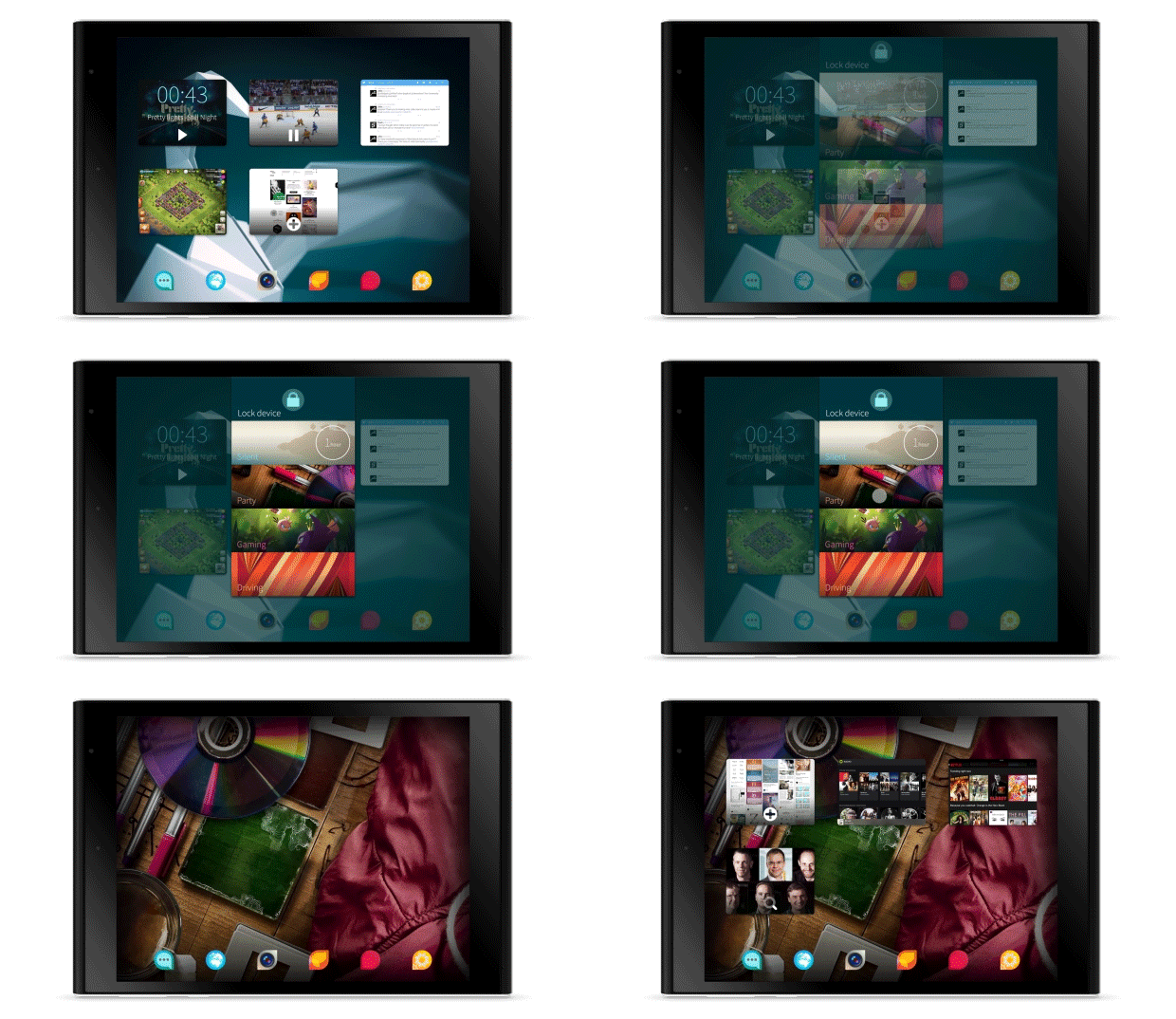
    Jolla, the Sailfish OS-powered company formed by ex-Nokia employees, is ready to launch its first tablet. The company’s phone has been appreciated for its innovative new OS and features and is said to be a good challenger to the predominant market powers of Android and iOS.

    The company had launched a crowd funding campaign on indiegogo to fund its latest tablet. The popularity of the company can be assessed by the fact that it has achieved its funding target of $380,000 in just a day. As of now, they have achieved in access of 228% of their original goal and are fast approaching a million dollars.

    specs-device-3

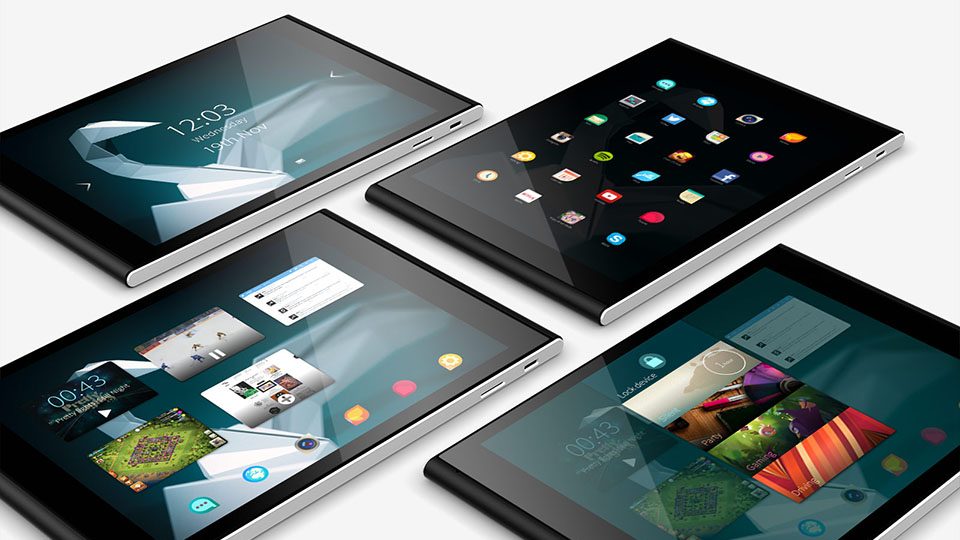
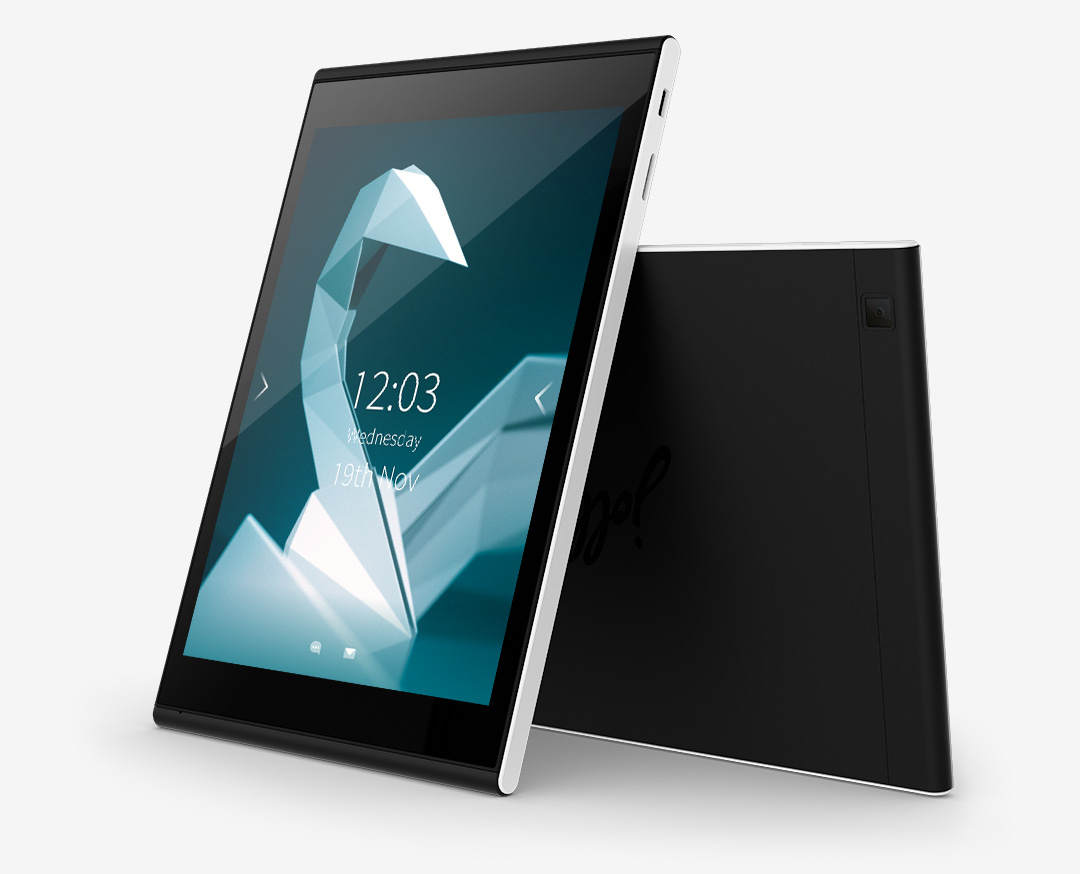
    The tablet in itself looks sexy as hell with its dual tone color scheme. It has a 7.85-inch 2048×1536 pixels display at a density of 330ppi, which would be capable of capturing some stunning visuals. The tablet will run on the upcoming Sailfish 2.0 operating system.

     Jolla tablet will be powered by a 1.8GHz quad-core 64 bit processor along with 2 GB RAM. The 32 GB of internal storage comes with an expandable option which will let you use the full potential of the amazing display. It gets its juice from a 4300 mAh battery, which is smaller than most of its competition, so we have to wait till the tablet comes out to judge the battery performance of the device.

    20141118002939-single_tablet_ambience

    The camera on the device is equivalent to the iPad Mini 3. It has a 5MP main camera and a 2MP front camera. Where the device wins, is its price; the company promised a $189 price tag and is $60 cheaper than the upcoming Nokia N1 and almost half of the iPad Mini.

    From its first look, the tablet looks great but the fact still remains that the tablet market is in a state of slowdown. In a time when large screen phones have dissuaded people from going tablet, it would be interesting to see if Jolla’s fresh new approach to tablet would be appreciated by the market. We just have to wait till May 2015 when the tablet starts shipping.

  • Nexus 7 Experiencing Performance Issues Post Lollipop Upgrade

    Nexus 7 Experiencing Performance Issues Post Lollipop Upgrade

    Well, Android 5.0 Lollipop got all of us excited when we got hold of it. The new operating system (OS) update is described as a ‘quantum leap forward’ by Google and has got an overwhelming response from the critics, escalating the desire for the software exponentially.

    However, it’s just one side of the story. Many early adopters of the Android’s latest upgrade are complaining about the new OS. One of the most talked-about issues is that the update causes Google’s own Nexus 7 tablet to run slowly and crash repeatedly.

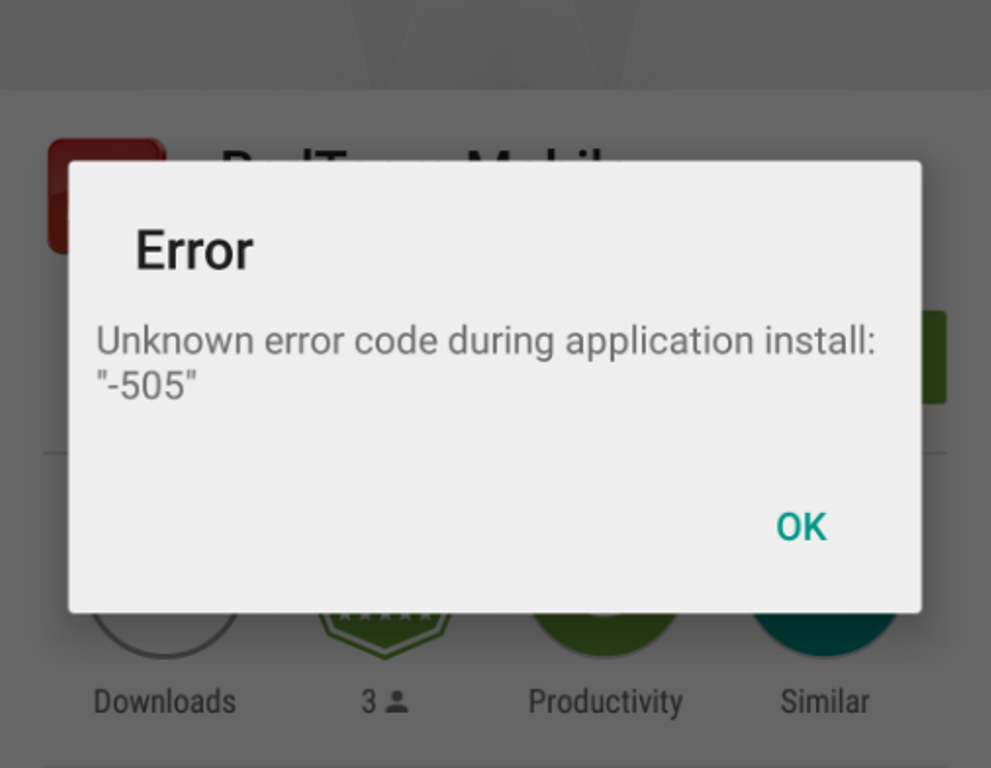
    The users have also complained on Adobe forums that installing Air apps would show a non-descriptive error message, “-505”. On this, Adobe said that it had not been aware of this ‘critical’ bug before Tuesday and had escalated it to Google. According to a post by Program Manager Chris Campbell, the issue has been ‘escalated to Google,’ seemingly pointing the finger at the search giant rather than in its own camp. Campbell said that the company had not been aware of what he described it as a ‘critical’ bug before November 18.

    error 505

    Although, the first wave of the update has already reached the users, many Android-based smartphone makers are withholding the OS till the device testing is complete. It is quite notable that most of the complaints appear to be related to Google’s own-branded smartphones and tablets.

    Nvidia, LG and Motorola have also released Android Lollipop update for some of their handsets and tablets. Dozens of complaints have been posted to Google’s forums stating that owners of the 2012 version of the Nexus 7, in particular, are experiencing performance issues. If nothing else, Google is likely working quickly to ensure these problems are fixed as more devices are expected to receive the update soon.

    It has been a weird year for both the mobile operating system giants. Even the new iOS launch was mired in complaints regarding decreased performance and Apple had to face some flak for that. The pressure of bring new product in the earliest possible time to leads to bugs like these. Updates are fast becoming the buzzword for judging an operating system so it is advisable to the companies to take time with their homework so that they can give a quality update. As the old saying goes slow and steady gives the best bug-free update, or something like that.

  • Top 5 Websites that Let You Send Fax for Free

    Top 5 Websites that Let You Send Fax for Free

    Before there were emails and video conferences, fax machines were the convenient mode of instant communication. It was one of the fastest way to send important documents and memos across the sea. However, there were some glitches and it led to the wastage of paper. You needed a print out of the document first to send it over. Fax is still deep-rooted in many parts of the world. Some enterprises still hold on to the fax machines for their documentation and office matters. In case you don’t have a fax machine, you have to run around looking for shops to send a fax. But not anymore.

    Here is a list of websites that will send your faxes for free:

    1. eFax

    efax

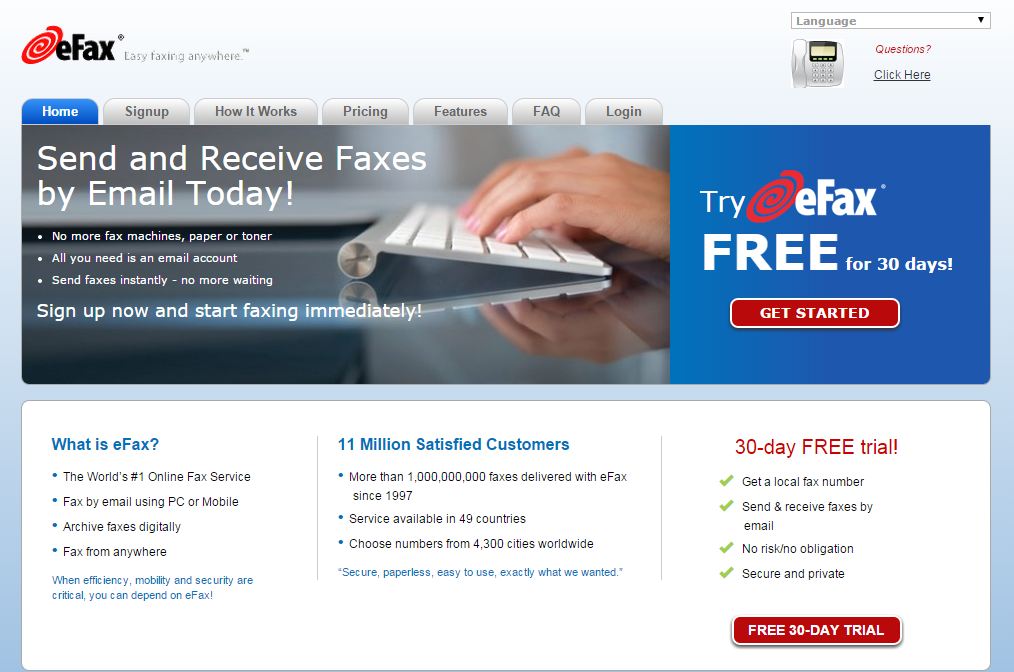
    Well, as the name suggests, this is one of the most popular websites to send faxes over the internet. However, eFax is not a free service but you get 30 days trial. You will get a local fax number to send and receive faxes. This service is running since 1977 across 49 countries including India. After the free trial, you can go for a monthly plan.

    2. Superfax

    superfax

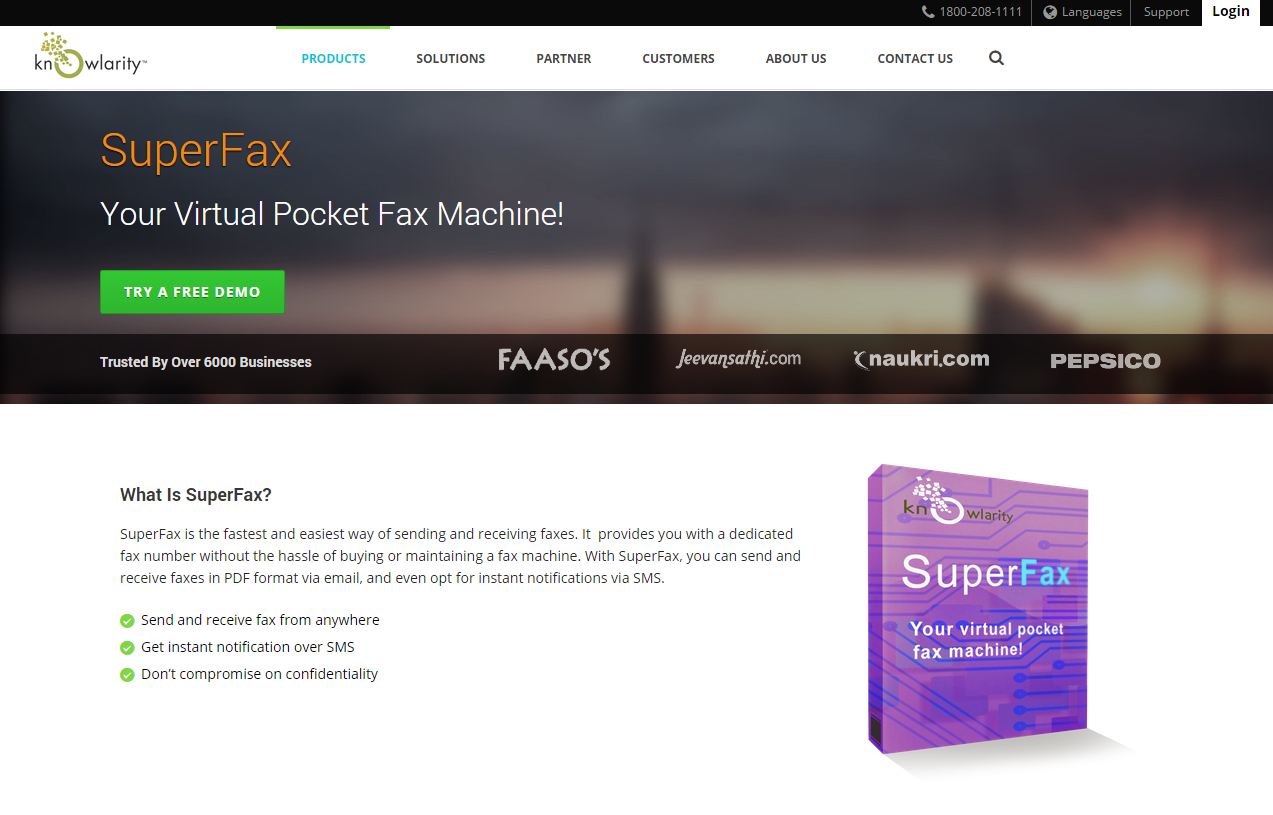
    It is the most popular website with pricing in Indian currency and office in India, which adds credibility. It is an email to fax service which gives you free demo account for three days. You will get 10 incoming and outgoing faxes with the demo account. After three days, you can sign up for an annual or a lifetime plan.

    3. Speedfax

    speedfax

    Another Indian company, SpeedFax is also an email-based service to send and receive faxes. You get three days trial pack and after that you can go for six months or one-year plan.

    4, SendFreeFax

    sendfreefax

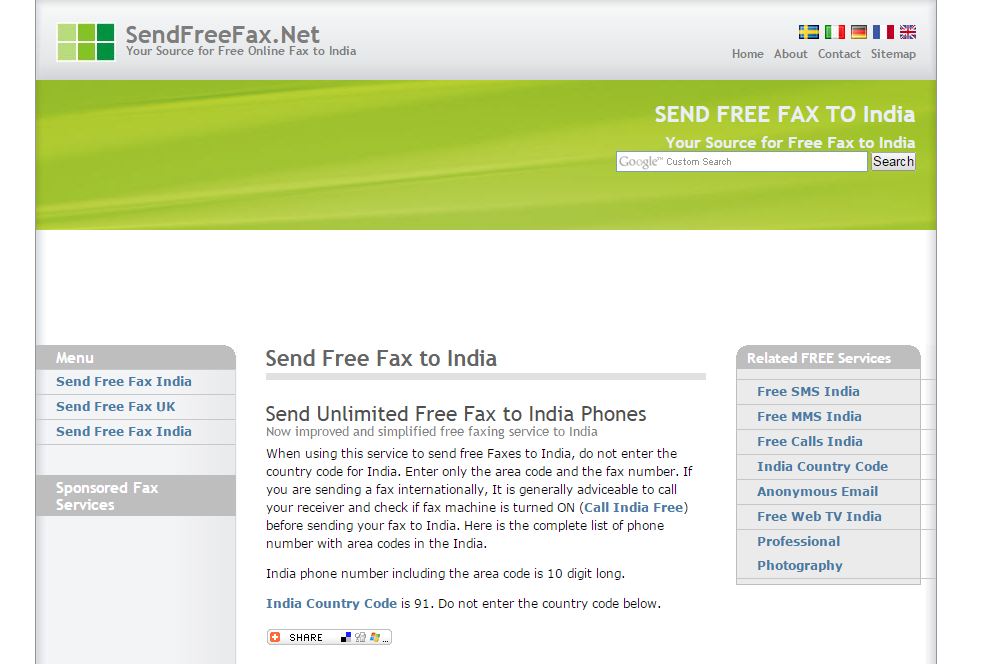
    Sending a fax from this is similar to sending an online SMS. This service is only for Indians and it is absolutely free. To use this service, you do not have to enter a country code. It is basically a hassle-free service, however, we can’t comment on the credibility of the website.

    5. Popfax

    popfax

    It is quite the same service as all the above with one added advantage. You can use this service from your mobile and yes, you do not need credit card to use this trial. The website provides services in 500 cities across 20 countries.

  • KIRAN : Samsung’s Tizen-Based Answer to Google’s Android One

    KIRAN : Samsung’s Tizen-Based Answer to Google’s Android One

    Two months back, some reports spilled the beans that the new low-end smartphone by Samsung will run on Tizen OS. However, details about the same were quite sketchy then, but now information has been leaked.

    After cancelling the Samsung Z project, the Korean company is now focusing on the low-end of the marketplace for its Tizen-based smartphone. The first handset to run the new OS is expected to be Z130H. According to SamMobile, the rumoured Samsung SM-Z130H is codenamed KIRAN, however, the official name is not known.

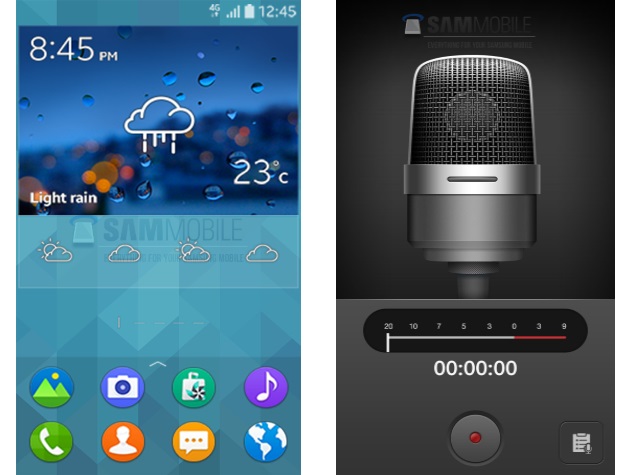
    In addition to this, the report claims that it has been able to obtain icons, lock screen themes, and default wallpaper from a system dump of the Tizen 2.3 OS on the device. According to the leak, the KIRAN is powered by a dual-core Spreadtrum SC7727S processor clocked at 1.2 GHz and a Mali-400 graphics processing unit. The smartphone will be packed with only 512 MB of RAM, but there’s no mention of internal memory.

    tizen_2.3_os_leak_screenshot

    On the back, the device features a 3.2-megapixel camera with LED flash, while its front camera is a VGA. The smartphone sports a WVGA (480×800 pixels) display of unknown size. Connectivity-wise, the KIRAN will offer dual-SIM capability along with Wi-Fi, Bluetooth 4.0, GPS with A-GPS support and microUSB 2.0. FM Radio will also be included in this phone.

    Moving on, the Tizen interface will rather closely mimic Samsung’s TouchWiz UI for Android. It has basically the same general design language. Samsung with KIRAN is trying to achieve what Google couldn’t with Android One. An earlier report hinted that Samsung would launch its Tizen-based smartphone this month in India. As of now, there is no announcement from the South Korean giant regarding any Tizen-based smartphone launch in the country.

  • iPhone 6 Successor Might Feature a ‘DSLR Quality’ Camera

    iPhone 6 Successor Might Feature a ‘DSLR Quality’ Camera

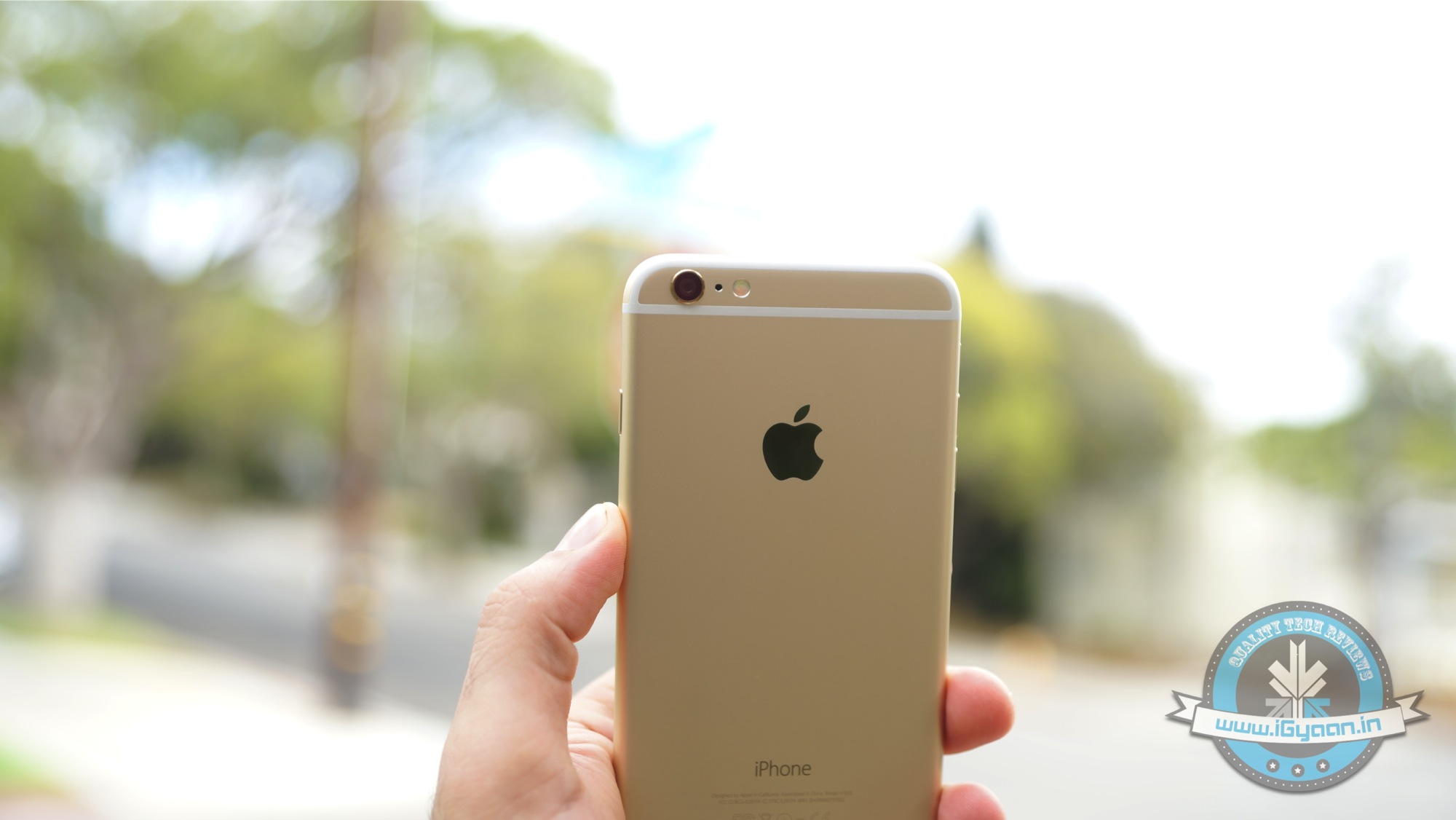
    It’s hardly been three months since the launch of the latest flagship from Apple, the iPhone 6. But it’s the next-gen model which is now on everyone’s radar. According to a recent report, the successor of the iPhone 6 might feature a camera that is capable of DSLR level performance. Sources close to the Cupertino giant have revealed in a podcast that the next-gen iPhone will have two lens system. Apple blogger John Gruber, who has a long history with the company, attributes the information.

    “The specific thing I heard is that next year’s camera might be the biggest camera jump ever. I don’t even know what sense this makes, but I’ve heard that it’s some kind of weird two-lens system where the back camera uses two lenses and it somehow takes it up into DSLR quality imagery,” said Gruber.

    But there could be other possibilities that we cannot ignore. For instance, the HTC One M8 has a ‘dual camera’ feature that includes two sensors that work in tandem to produce images. So what exactly this ‘two lens’ system refers to is still unclear.

    The iPhone camera is still considered to be one of the best in the industry, adding DSLR quality to it will just put it miles ahead of the competition. Other smartphone manufacturers like Sony, Samsung, etc. use 16-20 megapixels, while iPhone still carries an 8MP resolution sensor.

    The first iPhone ever launched came with a 2MP camera, which was upgraded to 3.2 MP in the iPhone 3GS, while iPhone 4 had a 5MP camera. Though, it was in 2011 when the camera was significantly enhanced to 8 MP in the iPhone 4S, and is still stuck with the same.

    So, an upgrade to the iPhone camera is certainly long due. We are likely to find out next year if this turns out to be a reality or just one of the many rumors that pop up before every iPhone launch.

  • ‘Back To the Future’ Style Auto-Lacing Shoes are Here, Finally!

    ‘Back To the Future’ Style Auto-Lacing Shoes are Here, Finally!

    Well, Michael J. Fox made them popular in 1980s, even though they were pure science fiction. If you are ‘Back to the Future’ fan, you must be knowing what I’m talking about. Yes, someone has finally built McFly’s auto-lacing shoes.

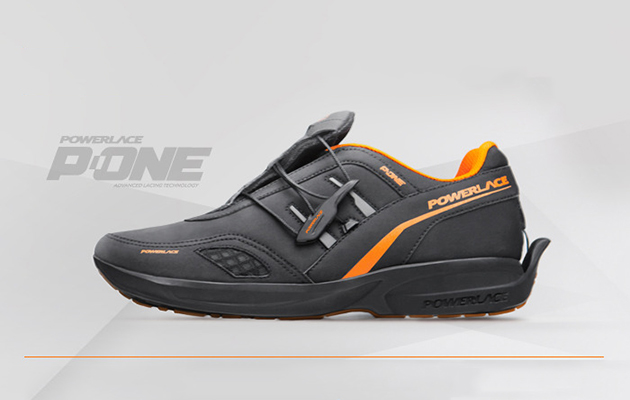
    Interestingly, as we’re closer to 2015 when McFly arrives in the future, a company is set to launch the first shoes with auto-lacing capabilities. The shoes named as Powerlace P-One doesn’t look similar to the sneakers in the movie, however, they certainly get the job done.

    11b5753f08f02e45dff86775b4bb945c_large

    The company has launched a Kickstarter campaign to launch its first auto-lacing shoes and they are looking to raise some $577,000 to make the project a reality. A pair of Powerlace P-One costs around $155 under the early bird deal and its market price will go to $170 when it will be released.

    The Kickstarter page explains, “The mere insertion of the foot automatically engages the lacing system’s mechanism. The activation of the small lever found at the lower rear end of the shoe unlocks the power system. It’s really that simple! The total energy required for the lacing system’s mechanism is provided for by the weight of one’s body.  The Powerlace shoe has been extensively tested in laboratories and has been subject to the wear and tear conditions when in actual use.”

    With 56 days left to reach its goal, the team has already raised over $19,500 and should start shipping the shoes in May 2015 if the funding is successful. The Powerlace shoes have a simple mechanism for auto-lacing that doesn’t involve any voice commands, complex chips, apps, batteries or motors.

  • IBM Verse Integrates with Social Media to Declutter Your Inbox

    IBM Verse Integrates with Social Media to Declutter Your Inbox

    IBM has launched a new e-mail application, for its enterprise customers, that integrates social media, file sharing and analytics to learn a user’s behavior and predict interactions with co-workers.

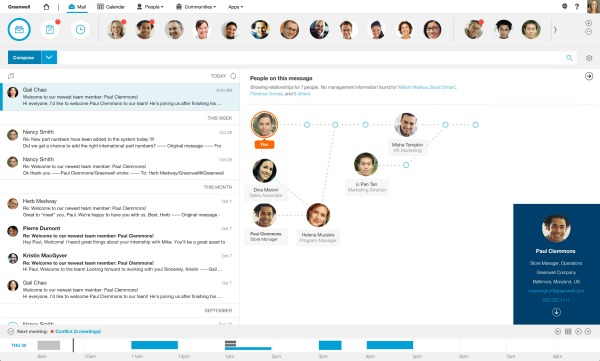
    Verse e-mail application is built to eliminate as much clutter as possible. The app learns your habits and puts the highest priority people and tasks at the top level. You’ll know if a key team member e-mails you during lunch hours, or that you have a meeting in 10 minutes.

    In fact, IBM Verse is said to have a certain level of sentience. Since it is capable of picking up your e-mail habits, and at the same time sends the highest priority people and tasks right to the very top, it minimizes the chance of you missing out on an important e-mail.

    2014-18-November-IBM Mail Verse

    It also allows users to transform e-mail content into a list of blogs and social media, view the relationships between different employees in an e-mail, mute a chain and search through attachments. The e-mail’s interface pins a user’s most frequent contacts, schedule and lists of assignments to a dashboard for easy access.

    “We came at this from the perspective that this is about changing the game, not just incremental improvements in e-mail,” said Jeff Schick, IBM’s General Manager of Social Solutions. “Guided by analytics, IBM Verse learns your behaviors to adapt to the way you work, wherever you work. And because it’s built for business, it understands you have special security and privacy needs, too.”

    IBM Verse runs on IBM’s SoftLayer cloud with the company’s enterprise-grade security. IBM officials say that a beta release will be available to select clients and partners this month. A freemium version delivered via the IBM Cloud marketplace will be available in the first quarter of 2015. IBM Verse will also be offered as an app for both iOS and Android.

  • Nokia Gets Overwhelming Response on Play Store for The Z Launcher

    Nokia Gets Overwhelming Response on Play Store for The Z Launcher

    Nokia may be down but in no way out. After announcing its upcoming N1 tablet, the Finnish giant has now declared its Z launcher on the Google Play Store. Originally announced earlier this summer with a limited beta program, Z launcher is a third-party Android home screen and launcher for Android. The app has received an overwhelming response from its users. It has been downloaded over half a million times within few hours of its announcement.

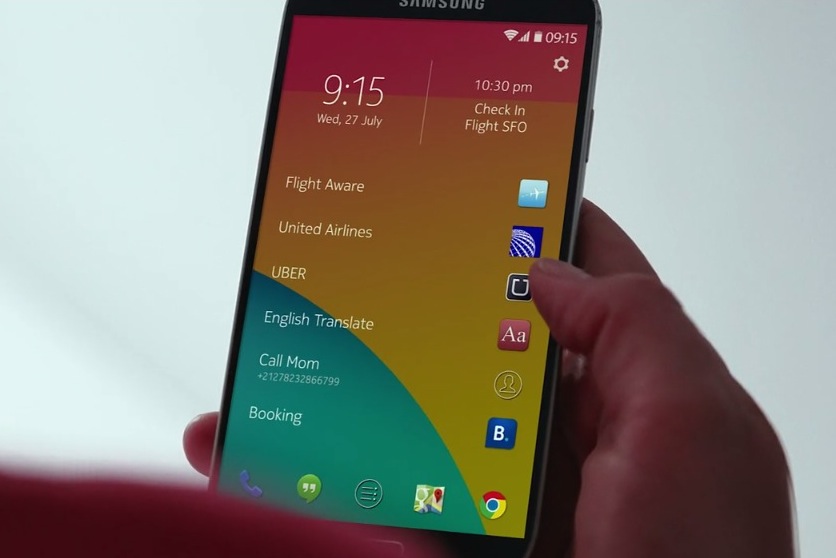
    The Z launcher has an entirely different take on the home screen. It removes the hassle of multiple home screens and provides users with one single page. The new launcher can analyse users’ habits and displays apps that they need most depending on the time of the day. It also allows users to search apps quickly on the surface of the screen; for instance, an F shape will pop up Facebook and other apps that start with the letter F.

    zlauncher

    Nokia has done some fine-tuning with the Z launcher with improvements to speed and performance, scribble recognition and better prediction algorithm. The app is available for devices running on Android 4.1 to Android 4.4. As of now, the Lollipop version has not been rolled out, but we can expect Nokia to release a compatible version very soon.

  • Google Summons Artificial Intelligence to Boost Image Search

    Google Summons Artificial Intelligence to Boost Image Search

    Google’s image search is one of the best offerings from the search giant. It has helped millions of students to easily finish their projects a night before submission. It has also helped folks get easy access to the database of images that they can use for free without crediting the source. It also comes handy when using shopping apps that let you look for products by just clicking an image. With a variety of options to search for the perfect image, this is the go-to address for anyone looking for images. Now Google is bringing in Artificial Intelligence (AI) to boost the performance of this valuable tool even further.

    The project is led in partnership with Stanford University. The AI system is said to have the most advanced image recognition skills in the world. It is able to recognise the contents of the image better than any other tool out there.
    The new system being an AI system is capable of learning from its actions. The researchers feed the system with images and captions. It then recognizes the relation between the caption and image and uses the information for the next search.

    The new system being an AI system is capable of learning from its actions. The researchers feed the system with images and captions. It then recognises the relation between the caption and image and uses the information for the next search.

    The team believes that there are multiple uses of technologies like this. They speculate that soon the teams will be ready to help the blind understand images and provide alternate text for images in parts of the world where mobile connections are slow. This, apart from the obvious use of helping folks, let’s find the right image on Google.

    Though the uses of this new system sound amazing, there are certain concerns. First of all, this technology can come really handy for surveillance. There are already concerns about the privacy rights of citizens in this CCTV camera-aided Big Boss state we live in now, where all our actions are captured wherever we go. It might also lead to a system like the one in the movie Eagle Eye. Tesla founder Elon Musk has recently stated that getting Artificial Intelligence online is like summoning the demon, and we won’t be able to control it. Google’s new system is more powerful than all other systems. But they should definitely create an off switch, just in case.

  • Falling Sales Lead Samsung to Decrease its Smartphone Portfolio By 25-30 Percent

    Falling Sales Lead Samsung to Decrease its Smartphone Portfolio By 25-30 Percent

    Things haven’t been great for Samsung lately. The company’s phones are being berated for their generic designs and offering low specs at high price. It is also facing a profit margin that is lower than before it unveiled the Galaxy line of phones. Looking at the numbers, it can be said that the company is going on a reinvention drive.

    It was reported just a few days back that the company was launching ‘Project Zero’ to reinvent its next flagship from scratch. This model will be an inspiration that can be later carried down the food chain. But apart from creating a new product, the South Korean giant will shelve as much as a quarter of its devices.

    Head of Investor Relations Robert Yi has said that the cuts in the portfolio can be up to 25 to 30 percent. Presently, Samsung’s margins from its mobile and information technology business squeezed to just 7% in the third quarter that ended September. It is at the lowest level since the end of 2008, before it launched its first Galaxy smartphone. This should be worrisome as the mobile business has almost become the face of the company, and a loss would severely affect the company’s perception in the eyes of its consumers.

    Samsung is also getting beat by brands like Xiaomi, Motorola and local brands who are rapidly clearing the dominance of Samsung devices in the market. The company got a massive jolt this year when it dropped to second spot in India and China. This must have finally led the company to see the light and create a new strategy.

    It’s not sure as of yet as to what devices will get the boot but considering the massive stock of the Grands and Primes and Autobots and Decepticons, there is a scope for decreasing the number of devices in the portfolio. The company is also targeting the mid and lower segment of the market where the maximum volume of the sales takes place.

    Samsung has the potential and resources for beating Xiaomi at its own game. It even has enough financial cushioning to take some unwanted hits. So, it would be advisable to Samsung to take on some more serious risks and give the consumers an offering that will actually be aspirational.

iGyaan Network
Privacy Overview

This website uses cookies so that we can provide you with the best user experience possible. Cookie information is stored in your browser and performs functions such as recognising you when you return to our website and helping our team to understand which sections of the website you find most interesting and useful.