Category: Tech

Latest Technology News, Alternative, Bio-Tech, Medical, R&D and Innovations

  • Latest Flipboard Update Adds Large Number of Customisation Options

    Latest Flipboard Update Adds Large Number of Customisation Options

    Flipboard, a popular news aggregation app, has rolled out a new update Flipboard 3.0, which involves better curation of the millions of customized magazines that readers have created — using recommendation technology from Zite, acquired earlier this year.

    The app, which has over 100 million users, has lost some of its buzz to Facebook which has increasingly been used by social networkers for aggregated news. Flipboard now lets you pick from 34,000 topics to help narrow down what specifically matters most to you, and presents curated, topical stories in a form of ‘Personal Magazine’ that pops up as soon as you open the app. This Personal Magazine includes stories shared by friends, and also the top stories from popular topics you’ve followed like hygiene, business, lifestyle, etc.

    Flipboard has added a new feature called ‘The Daily Edition’, an editorially curated news section which gets pushed to you every morning at 7 AM, much like Yahoo News Digest. The Daily Edition is a quick list of main news stories across a variety of topics like sports, business and more, and is selected by an in-house team led by Josh Quittner, Time’s former Director of Digital Editorial Development.
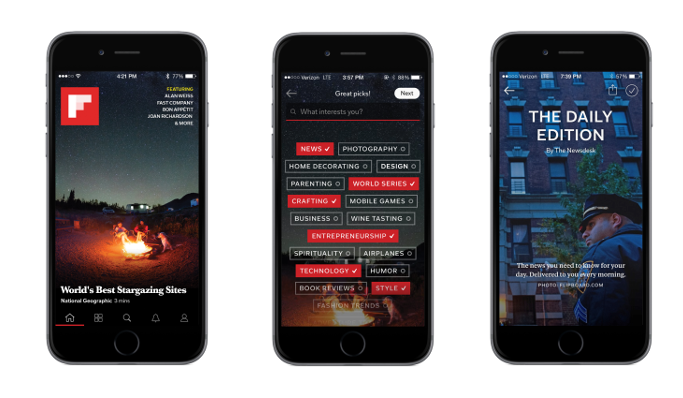
    flipboard-snapshots

    While these new features proved to be hugely popular, the Flipboard Co-Founder and CEO Mike McCue said that after watching readers create more than 10 million magazines on a wide variety of topics, it became obvious that a lot of worthy content was getting lost in the shuffle, because there weren’t enough discovery tools.

    The company also said that their new algorithm for the selection of the news combines the user’s preference and element of surprise together, which has been the result of the Zite acquisition in March.

    The fact that users can choose from more than 30,000 topics now, makes Flipboard the most comprehensive online magazine app. The topic engine also pulls in ‘magazines’ that other Flipboard users have put together. So, for example, you like potato salads, the app will create a steady feed of stories it finds from across the web.

    “That’s the magic here,” Mr. McCue spoke, “It’s people’s perspectives coming together with an algorithmic curator to create something that’s almost like a bionic curator.”
  • Truecaller Brings Out the Truedialer App for Outgoing Calls

    Truecaller Brings Out the Truedialer App for Outgoing Calls

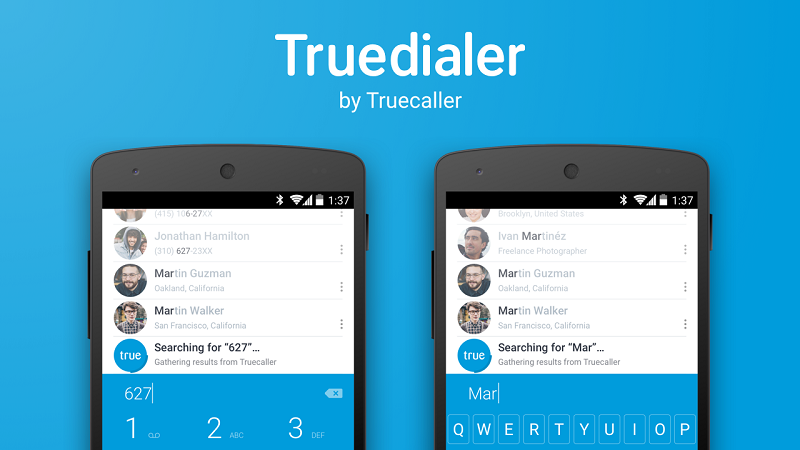
    Truecaller is an app that put caller ID on an adrenaline rush. Developed by True Software Scandinavia AB, the app has gained immense prominence since its launch specially because of its multiplatform access. The app also keeps itself updated through social media integration and keeps the phonebook up-to-date with pictures and birthdays. The company now has released a new app called Truedialer that will let keep a track of the numbers you are dialing.

    Truedialer will provide instant access to relevant information about contacts that users are trying to dial. When users dial a number that isn’t present in their phonebook, they will be able to see the name and a profile photo of whom they are about to dial before they place a call. This will come really handy for folks who don’t have the time or patience to store contacts in the phonebook individually.

    The company said that the integrated Truecaller technology works in conjunction with Truedialer. But the company has no plans of bringing the two apps together, though that would have been more convenient.

    Truecaller co-founder and Chief Strategy Officer Nami Zarringhalam said, “Until now, phone dial pads have not truly improved since the feature phone days. With the same infrastructure that powers Truecaller, our ambition with Truedialer is to replace the phone’s phonebook app.” It is clear that the company intends to make the phonebook obsolete. Truecaller currently has over 85 Million users worldwide, and it’s a healthy market for the company to try out their new app.
    For now the phonebooks on our phones are safe. But you can easily expect an app to replace it just like the contacts app replaced the physical phonebooks. Truedialer is currently available for free download at the Google Play store and at Windows Phone App Store.

  • Lenovo Introduces the New Yoga Tablet 2 With a Convenient Keyboard Option

    Lenovo Introduces the New Yoga Tablet 2 With a Convenient Keyboard Option

    Lenovo has become a star among the PC lovers with its range of Yoga products. The original Yoga, a 13-inch Ultrabook whose screen could fold all the way back, became a favourite of all be it a professional or a student. Recently the company added a spinoff Yoga tablet into its Yoga collection.

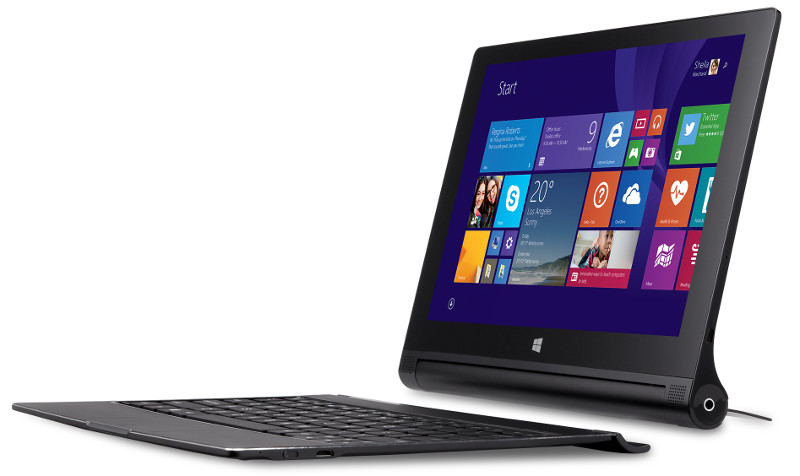
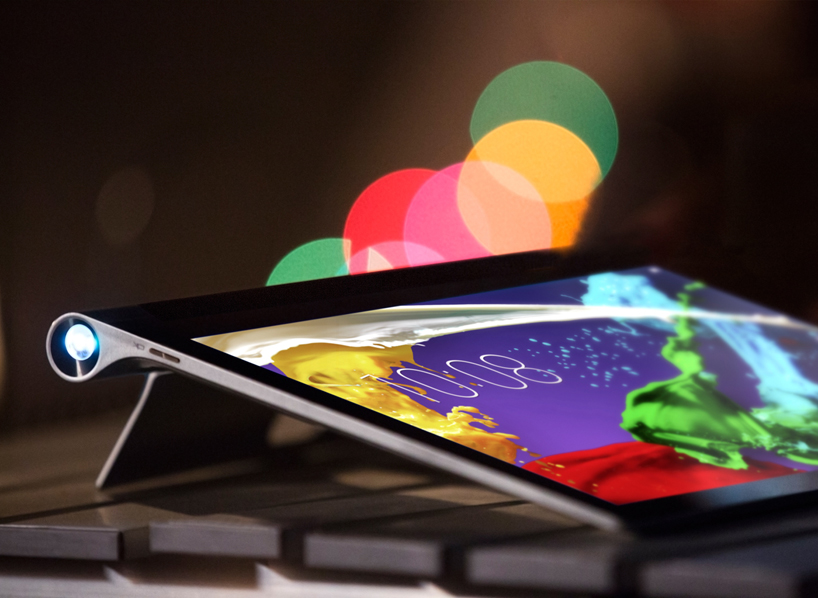
    Blurring the lines between the ultrabooks and tablets, the company has now launched new Yoga tablet called the ‘Lenovo Yoga Tablet 2’, which is the same size as the original Yoga Ultrabook. The new tablet has been designed with a kickstand that folds out on the back, and an optional keyboard which works in sync with the tablet with any contact. Now, the tablet line-up includes 8-10 inches tablets both on Android and Windows platform.

    Lenovo-Yoga-Tablet-2-10-inch-with-Windows

    The 13-inch tablet, which is as sharp as the Ultrabook with a screen resolution of 2,560×1,440, runs on a Quad-Core Atom processor with 4 GB of RAM. The battery life is rated at 15 hours in a single charge, which is far better than the Ultrabooks available in the market at present.

    The tablet is also lighter than the usual Ultrabooks, weighing around 2.27 pounds. It also comes with a premium audio system which includes 5 W subwoofers. However, the new tablet doesn’t include a projector, which was the main highlight of the company’s previous offering.

    The new Lenovo Yoga Tablet 2 will be available from November at a price of $699, which includes the keyboard and a cover.

    Specs

    Lenovo Yoga Tablet 2

    Processor Intel Atom Processor Z3745 (2M cache, 4 cores, up to 1.86 GHz)
    Display 13-inch IPS, 2,560×1,440
    Memory/ storage 4 GB/64 GB
    Ports microHDMI, microUSB, audio in/out, microSD
    Camera 1.6 MP (front)
    Battery 12,800 mAh, up to 15 hours
    Connectivity Wi-Fi (a/b/g/n), Bluetooth 4.0
    Dimensions 12.8×8.7×0.2-0.6 in; 324.1x221x3.7-14 mm
    Weight 2.27 lbs (without keyboard)
  • Microsoft Outs its Fitness Wearable with 10 Sensors Onboard

    Microsoft Outs its Fitness Wearable with 10 Sensors Onboard

    Microsoft has just listed its new fitness offering on its official website. ‘Microsoft Band’ will go on sale today for $199 at the company’s online and physical stores, for US customers only, and in ‘limited quantities’.

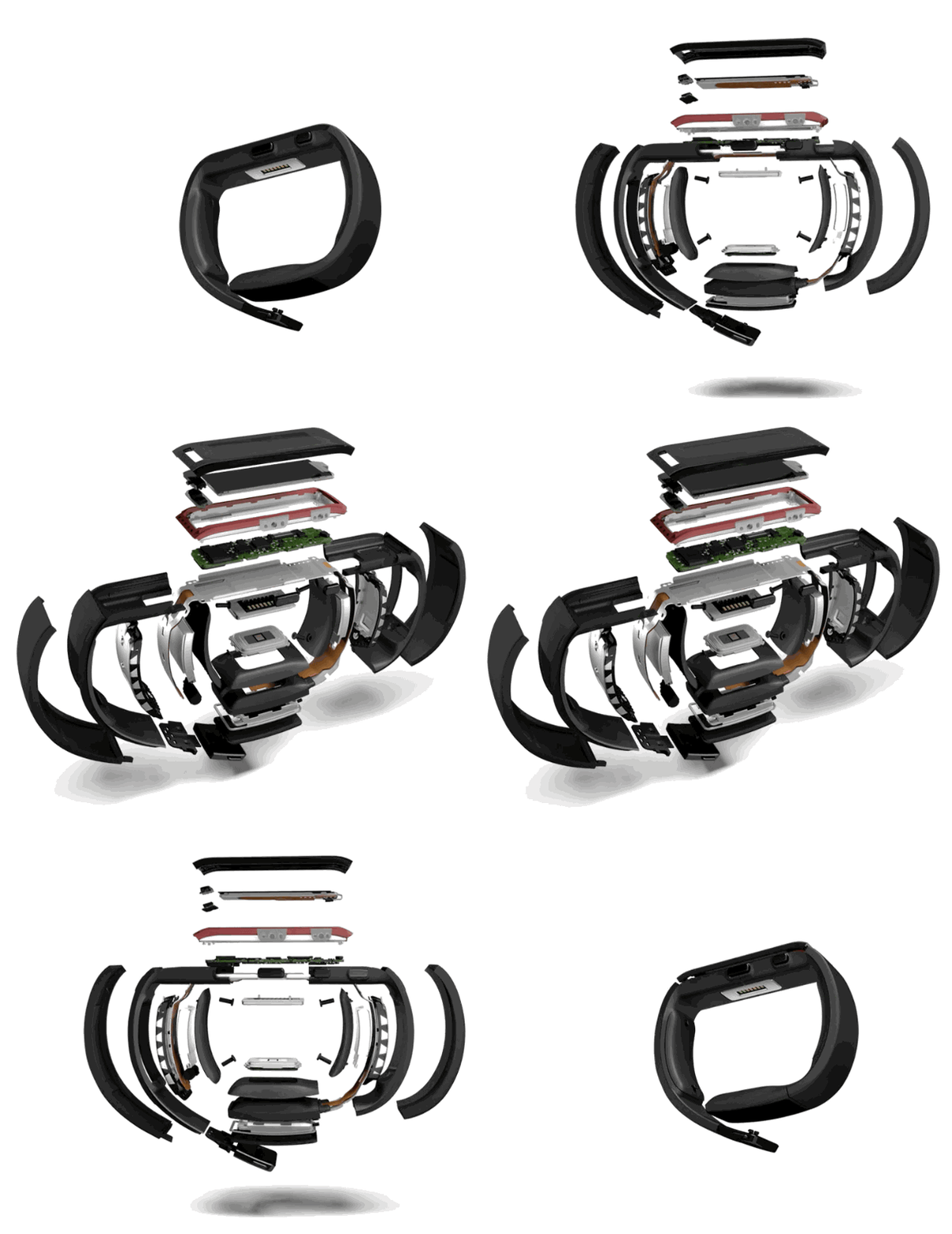
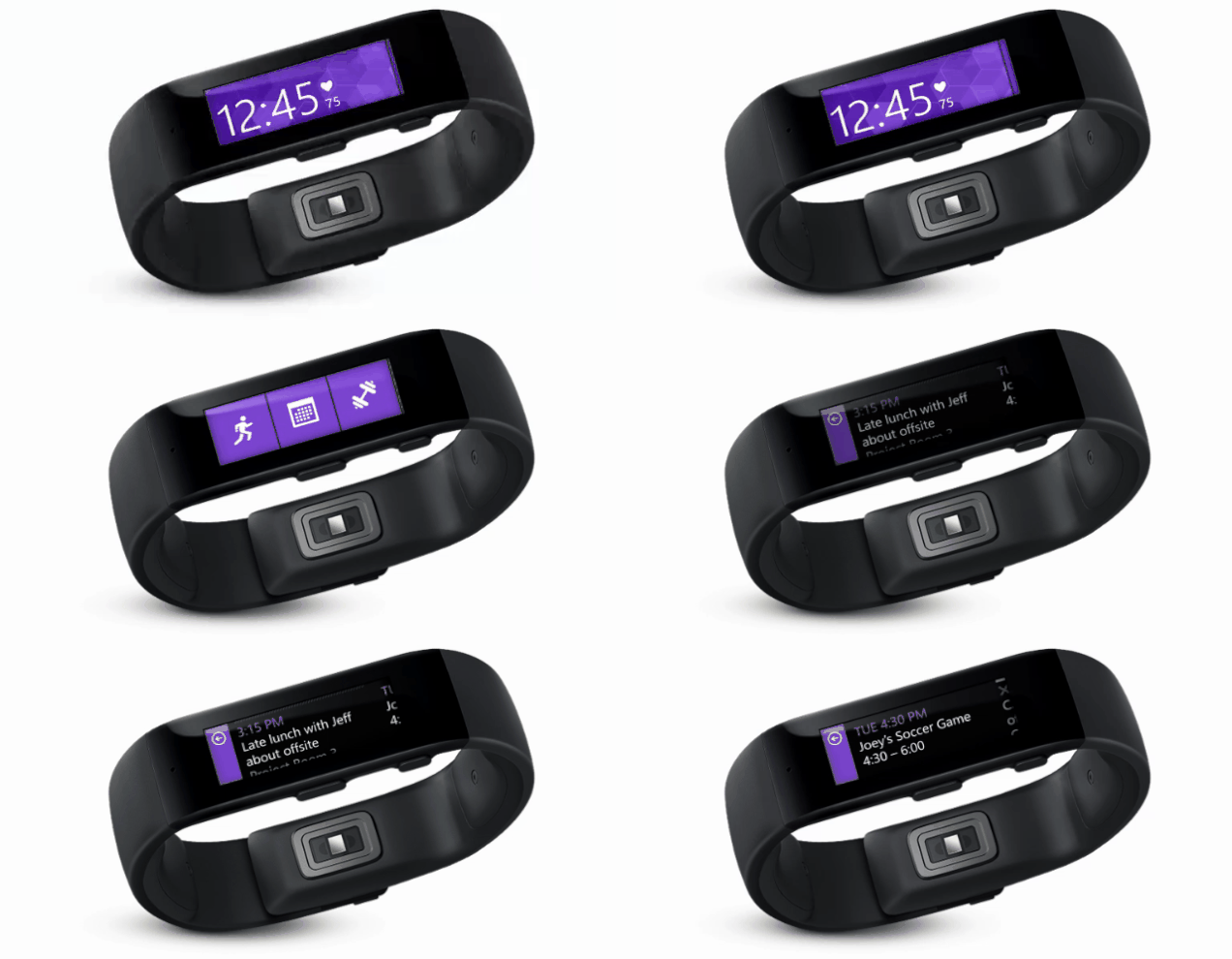
    Microsoft Band is a 10-sensor fitness tracker which would last two days on a charge, according to the company. In addition to the obvious optical heart rate monitor, which is evident on the design itself, the new Microsoft’s wearable includes a UV sensor to keep track of your sun exposure, a galvanic skin response sensor to measure stress, and a built-in GPS.

    Designed by Quentin Morris (who also developed the Xbox One controller), it comes with 18.5 mm band, which is made up of thermoplastic elastomer making it soft and quite stretchy. It has got a 1.4-inch touchscreen display with 320×106 resolution and is powered by two 100mAh lithium-ion batteries.

    band

    The new fitness band is a part of Microsoft’s Health initiative to track and analyze world’s health data and is also just one way to collect it. It is to be noted that the company has opened it up for use on devices and platforms built by others. Microsoft plans to let people use the Health app with other personal trackers.

    Also, not only is the device cross-platform ready, it is said that Microsoft will look for other companies (maybe Samsung, HTC, Pebble, Fitbit) to make their devices Microsoft Health compatible. That way, they can sync into the data and notifications immediately, all powered by the Microsoft backend.

    bhv8yw372enejuh9jr8r

    One of the main highlights of this device is that it comes with a microphone to issue voice commands to Cortana. However, it will only work if you pair the band to a Windows Phone device. In addition to that, the Microsoft Band will be able to perform usual task of Smartwatches such as e-mail messages, calendar reminders, phone calls, Twitter and Facebook notifications, weather and stock information.

    Microsoft has already partnered with major health-related service providers such as  Jawbone, MapMyFitness, MyFitnessPal and RunKeeper. Another feature that the company has added is its ability to share data from the HealthVault with your medical provider. Microsoft is aiming for folks active both at work and in the gym and according to them, they have come up with a perfect system for such consumers.

  • Motorola’s Newest Smartphone Comes with 3900mAh Battery and 21 MP Main Camera

    Motorola’s Newest Smartphone Comes with 3900mAh Battery and 21 MP Main Camera

    Motorola has officially launched the Droid Turbo, a Verizon-exclusive smartphone manufactured by Motorola, and it appears to be their most powerful yet. Verizon and Motorola have always shared close relationship, at a time where AT&T was the exclusive US carrier for the iPhone.

    The Droid Turbo’s biggest catch is its battery life, though moreover, it’s a fact that it has much more powerful specs than any of Motorola’s available flagship. The Droid Turbo has a Qualcomm Snapdragon 805 with four Krait 450 cores clocked at 2.7 GHz and 3 GB of LPDDR3 memory. It sports a 2560×1440 AMOLED display, which we see quite often these days on Android flagship smartphones. The device comes with a 2MP front-facing camera capable of recording 1080p video along with three capacitive navigation buttons, which means we won’t see any on-screen buttons that Motorola has been using on their devices.

    Key Specs

     Droid Turbo

    Display 5.2-inch 2560×1440 AMOLED at 565ppi
    Processor APQ8084 2.7 GHz Snapdragon 805 with 4xKrait 450 + Adreno 420
    Storage 32/64 GB
    RAM 3 GB LPDDR3
    Camera 21 MP (5248×3936) Rear Camera with F/2.0 aperture, 2 MP Front Camera
    Battery 3900 mAh
    Operating System Android 4.4.4 KitKat

    As already mentioned, the most striking aspect of the phone is its 3900 mAh capacity battery and it claims to last up to 48 hours of usage. The Droid Turbo will also support Motorola’s Turbo Charger, a new accessory from Motorola that is said to provide 8 hours of battery life in a mere 15 minutes of charging. It will have support for 4G LTE with LTE Cat 4, apart from CDMA, EVDO Rev A, GSM/ UMTS/ HSPA+. Meanwhile, the back of the phone houses the 21 MP primary camera, which Motorola claims is capable of recording 4k videos at 24fps, along with support for 1080p recording at 30fps. The back of the phone is quite similar to what we have seen in the Moto X and Moto G, but slightly less curvy. There’s also a lot of branding on the back with a logo for Verizon, the Droid brand, and of course, Motorola. Even with those, it still emanates Motorola’s design language.

    The Droid Turbo will have two choices of materials. One is a metallic finish which comes in black or red and is lighter and slimmer of the two. They will all have 32 GB capacity. Meanwhile, the 64 GB version will only get the Nylon Ballistic Black finish, which is slightly thicker and heavier.

    The Droid Turbo has been priced at $199.99 (approximately Rs. 12,250) for the 32 GB variant, while the 64 GB version costs $249 (approximately Rs. 15,300), both on a two-year term.

    To us, it’s yet another Droid that India won’t get its hands on.

  • OnePlus is Developing a New Android ROM for the OnePlus Two

    OnePlus is Developing a New Android ROM for the OnePlus Two

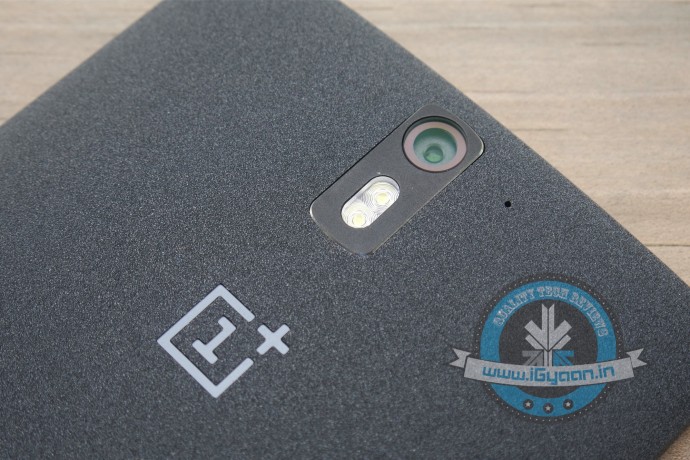
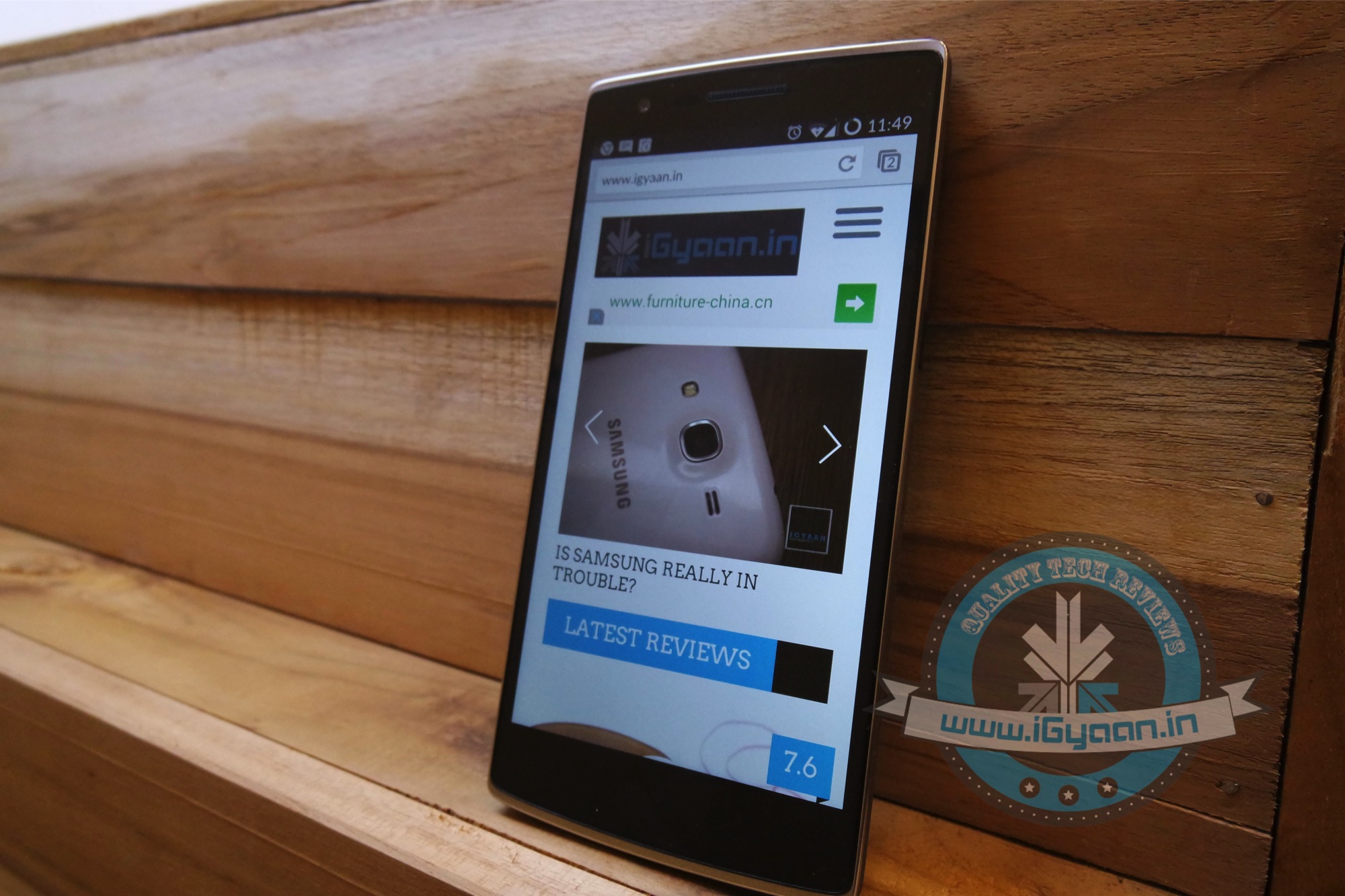
    Chinese mobile superstar, OnePlus is reportedly creating a new Android ROM for the upcoming OnePlus Two. The CEO of the company told the Chinese media that the company is planning to ship one variant of the Two with a home grown ROM.

    OnePlus One is known and demanded world over for its high specs, awesome design and low price. The device is especially appreciated for running the Android based CyanogenMod, that keeps the devices updated. Apart from this, the device ships with Color OS in China. Color OS can be found on the devices from OnePlus’s sister enterprise, Oppo. It seems that OnePlus might bid farewell to the Color OS for its own operating system.

    The OnePlus One currently runs CyanogenMod and it is unanimously appreciated for it.
    The OnePlus One currently runs CyanogenMod and it is unanimously appreciated for it.

    In the past, the company has taken multiple steps to reduce its dependency on CyanogenMod. They had released a stock Android ROM for their devices. Apart from that they had also offered support for other ROM’s like Paranoid Android and SlimKat ROM.

    It is highly unlikely though that the company may dump CyanogenMod altogether after a regularly updated ROM is one of the centerpieces of the device. But it will be interesting to see if a homegrown ROM will match up to the amazing CyanogenMod.

    OnePlus has also just announced that they will be bringing the One to India with a geography limited invite system. Considering the massive demand for the device, we will assume that they will repeat the millisecond vanishing act that has been perfected by its compatriot, Xiaomi. As for the OnePlus Two, it would be arriving somewhere around the second or third quarter of next year. We are waiting for your arrival OnePlus.

  • Facebook-Owned WhatsApp Lost Close to $200 Million in 2 Years

    Facebook-Owned WhatsApp Lost Close to $200 Million in 2 Years

    As a result of the official closing of Facebook’s acquisition of cross-platform instant messaging application WhatsApp, the first clear picture of WhatsApp’s financial results emerged. A Form 8-K/A filed with the Securities and Exchange Commission has revealed that in 2014, WhatsApp lost $140 million and generated just $10 million in revenue. And in 2012 and 2013, the app lost a total of $192.8 million.

    In the six months ending June 30, 2014, WhatsApp brought in $15.921 million in revenue but suffered a net loss of $232.5 million. However, $206.5 million of the net loss was for share-based compensation expenses and issuance of common stock below fair value. Its net cash used in operating expenses during the first half of 2014 was $13.5 million, which sounds much more reasonable.

    “We’re the most atypical Silicon Valley company you’ll come across,” Brian Acton, a WhatsApp co-founder, once said in an interview. “We were founded by thirty-somethings, we focused on business sustainability and revenue rather than getting big fast, we’ve been incognito almost all the time, we’re mobile first and we’re global first.”
    mark zuckerberg

    Essentially, due to WhatsApp’s quickly rising valuation, it used share-based compensation to attract top talent. Eventually, the $22 billion acquisition by Facebook largely made the ‘expenses’ of issuing that stock moot. This is standard for growing companies hiring new talent, and shouldn’t convey that WhatsApp was burning money irresponsibly. $148 million is a lot to lose for a small company, but the company seems to have been doing it wisely. Fewer than $10 million was burned in 2013 in actual operating expenses.

    Overall, Facebook broke down the money it spent on WhatsApp as $2.026 billion for the user base, $448 million for the brand, $288 million for technology, and $21 million for the rest. That left it to chalk up the $15.314 billion difference as “good will” aka the value “from future growth, from potential monetization opportunities, from strategic advantages provided in the mobile ecosystem from expansion of our mobile messaging offerings.”

  • Award-Winning App from iOS ‘djay’ Finally Comes to Android

    Award-Winning App from iOS ‘djay’ Finally Comes to Android

    Apple always had an upside when it comes to sophisticated apps. iOS has long been the king in terms of music performance and production apps. But now, Algoriddim, the team behind the popular music mixing app djay, has launched it for Android through the Google Play Store and Amazon App Store, making the app its first on Google’s platform.

    The dj-ing software was demoed onstage at the iPad 2 launch and it won Apple’s much craved Apple Design Award in 2011 and Apple’s App of the Year award in over 100 countries. Djay is so well-liked that it’s even being pre-installed on many of the Apple’s demo units in store.

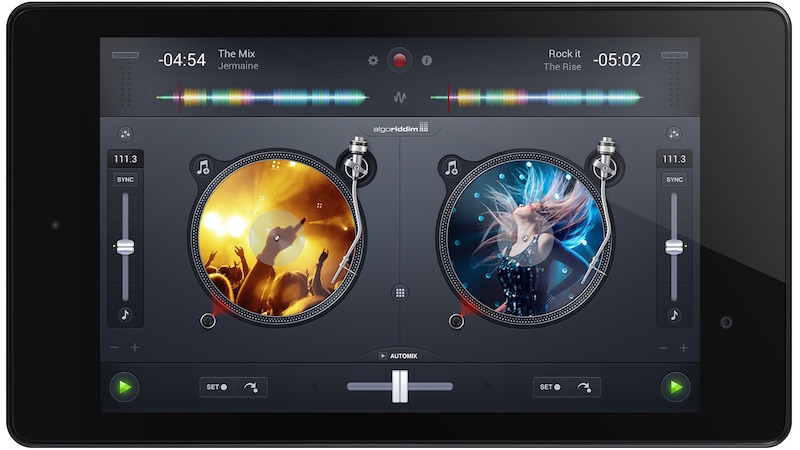
    djay_android_tablet

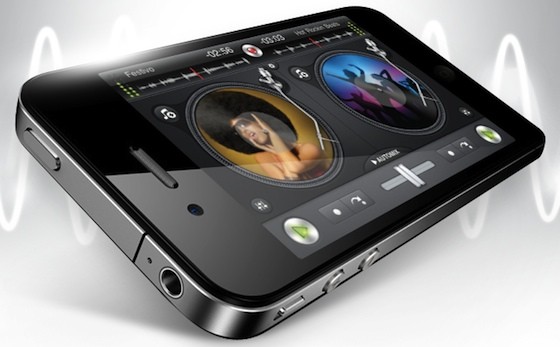
    Djay 2 gives you a pair of virtual turntables on which you can load any music from your library or through Spotify (premium account required). Just about everything you can do on real turntables, you can do with djay 2. It’s not limited to the capabilities of physical turntables, though. This app has a full suite of audio effects, waveform views, a drum machine, auto-synchronization, and more.

    Spotify music is streamed directly to djay, so you don’t even need the Spotify app installed – simply log in through the music selection pane – and it performs as if the music was stored locally on your device as long as you’re online. You can pick up a seven-day free trial of Spotify Premium to use with djay through the app if you aren’t already a subscriber.

    This is a huge feature especially if you don’t typically sync your music library to your device or have a storage limitation that prevents syncing huge libraries. If you do save music directly on your device, djay for Android includes fast access to your own music library with the native Android user interface for quickly picking the desired music and returning to the turntables.

  • Wi-Fi Comes to Bangalore Railway Station, More Stations to Follow Soon

    With the Railway Budget announced this year, the Indian Railways has made a revelation that it would be introducing Wi-Fi connectivity to its Bangalore City Railway station. The plan will cost taxpayers a sum of Rs. 55 crores. The idea met wide appreciation and was necessary for travellers over the Internet age. India’s Silicon Valley aka Bangalore is going to be the first station to have Wi-Fi connectivity.

    Union Railway Minister D. V. Sadananda Gowda inaugurated the facility for the passengers of the Bangalore Station. This will be a pilot project which will be extended to about a hundred ‘A1’ and ‘A’ category stations over the nation. It will also be introduced in 50 rakes of important trains, like Rajdhani, Shatabdi and Duronto.

    The facility will be available free of cost for the first 30 minutes, after which you can purchase scratch cards for more access. The prices of these scratch cards are nominal; you can get 30 minutes of access for Rs. 25, and Rs. 35 for one hour of access that would be valid for 24 hours. You can also buy access using your credit or debit cards.

    The facility will be provided by RailTel Corporation of Indian Limited (CIL), which is a public sector undertaking under the Ministry of Railways. It provides Telecom and IT solutions to the railways.

  • At 255 Terabits/s, This is One Ultra Fast Optical Fiber

    At 255 Terabits/s, This is One Ultra Fast Optical Fiber

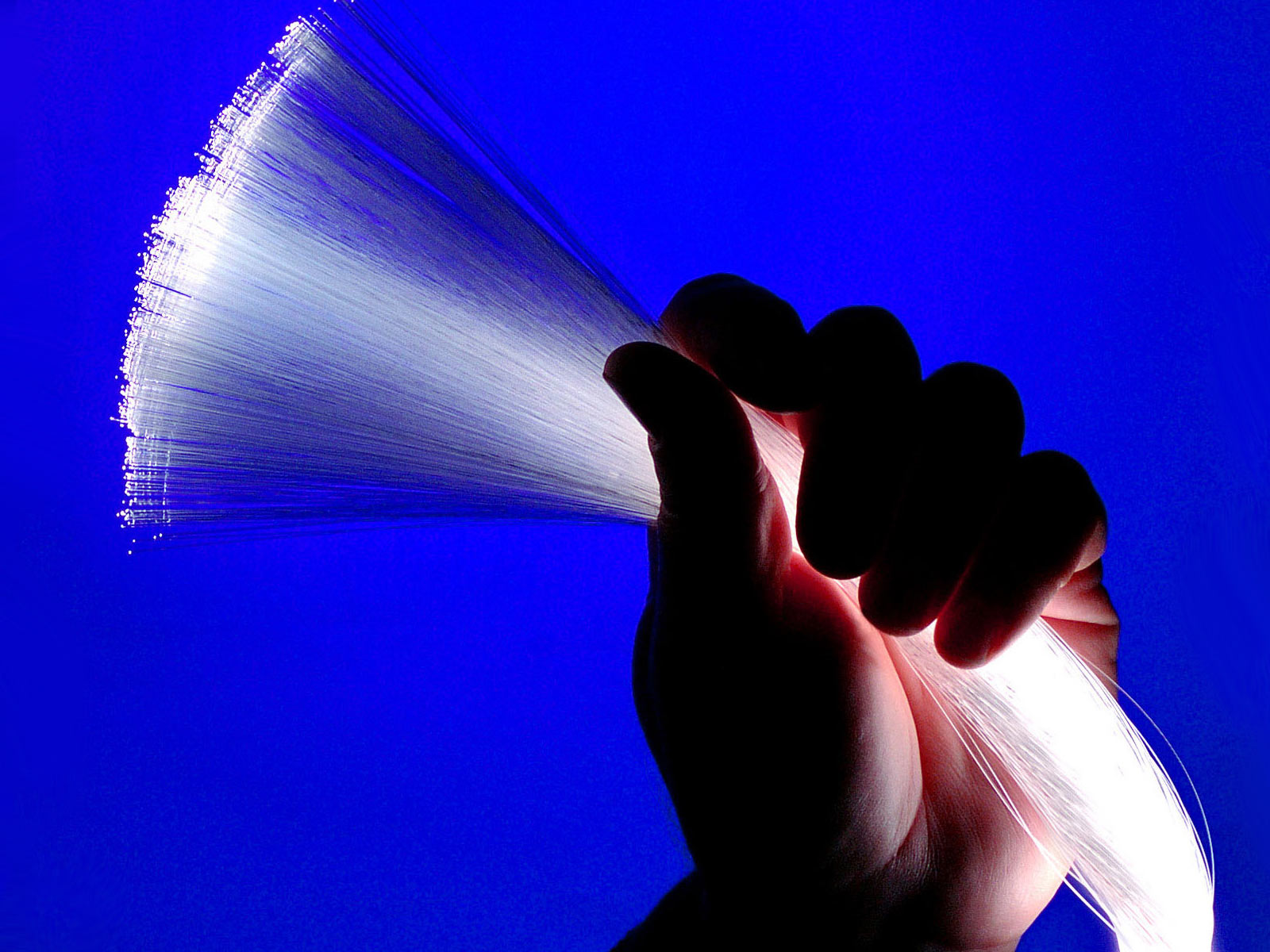
    Internet is now an essential utility in our lives. It has become at par with the telephone, electricity and for some more important than food. It’s a breeding ground for most of the world’s innovation and where people go to cut-copy-paste their assignments. But with the rapid increase in the new population gaining access to the service, the demand for bandwidth has also risen sharply. To meet this demand new technology has to be created, and one such research has brought out an optical cable that transmits data at an unbelievable speed of 255 Terabits per Second (Tbps).

    Researchers at the Eindhoven University of Technology (TU/e) in the Netherlands and the University of Central Florida (CREOL) have published a report in the journal Nature Photonics. The team reports that they were able to transmit data at a whooping 255 Terabits/s over a new type of optical fiber. Previously a team of Dutch scientists had achieved a speed of 43 Tbps. This new fiber is almost six times the speed of the Dutch efforts.

    To achieve this feat, the researchers used a new fibre that passes the information through seven different cores. The light waves that travel through these fiber’s face less photonic nonlinear effects, which limit the amount of information that can be recovered after transmission over the standard fiber. The fibre also makes a single road system into a seven-lane highway and also allows two additional vertical dimensions which significantly increases the transmission speed. It can be seen as a multilayered highway.

    The European Union Horizon 2020 research program is focused on creating Petabits per Second (Pbps or 1000 Tbps) connections. TU/e and CREOL say that their 200 microns thick optical fiber can possibly achieve that high target. That would be one great feat to look forward to. Get ready guys, things are going to get interesting on the internet space, but not if you are getting your internet from an Indian ISP. Literally only Bhrama can fix that issue.

  • Google Challenges Apple’s HealthKit with New Google Fit

    Google Challenges Apple’s HealthKit with New Google Fit

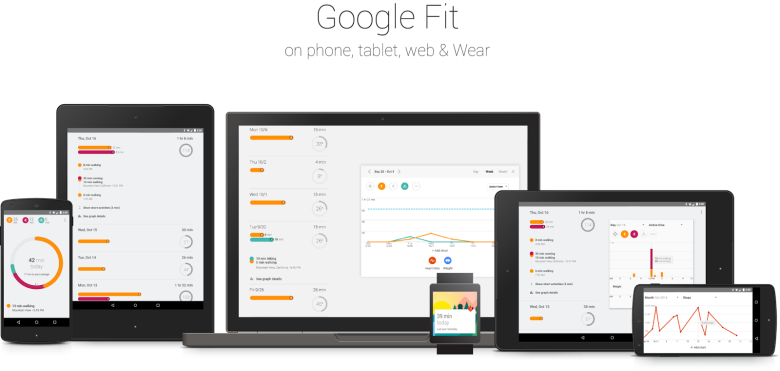
    After overcoming a few hurdles along the way, Apple’s HealthKit is making its way into mainstream slowly. However, Apple is not the only one to tap on potential market of health related applications and hardware. Yesterday, Google released Google Fit, a standalone app and fitness platform designed to compete with Apple’s HealthKit, in the Google Play store.

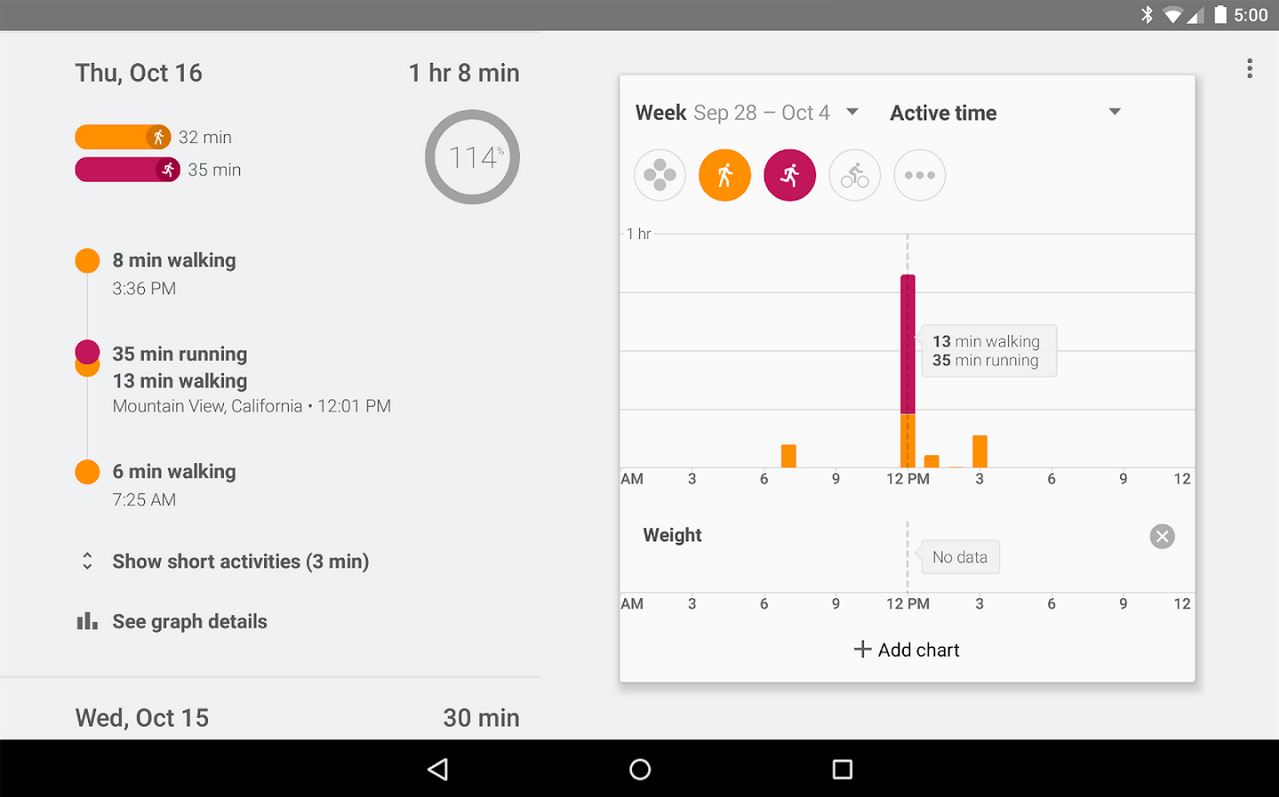
    The app, which connects to your existing Google account, functions as a central dashboard for tracking fitness and health goals. Like HealthKit, Google Fit taps into the sensors in your smartphone to keep tabs on daily activities like steps and active minutes. Users can also manually add exercise and other activities like biking and walking.

    google-fit

    According to Google, the newly launched app includes your run-of-the-mill activity tracking features, supports third-party integrations and Android wear devices, and enables users to “set goals based on either duration or steps.”

    To help enable third-party app integration, the company also rolled out full versions of its Google Fit APIs for developers. Google released a preview version of its software development kit for Google Fit earlier this year, and announced a series of early partners, including Nike, Runtastic, RunKeeper, who will be among the first developers to make their apps Google Fit-compatible.

    google fit

    Google Fit also has a web-based destination at Google.com/fit which doesn’t appear to be live just yet, and it’s likely we’ll see more features introduced to the app as developers begin to explore and work with the platform.

    Although this fitness app follows Google’s new Material Design guidelines and was announced alongside Android L (now known as Lollipop), Google Fit is available to all users running Android 4.0 and newer. This is also another reminder that Android 5.0 Lollipop’s release is just around the corner, with the first consumer devices sporting the OS coming next week.

  • Elon Musk Cautions Against Creating Artificial Intelligence

    Elon Musk Cautions Against Creating Artificial Intelligence

    In the knowledge and information age that we live in now, a great amount of research is targeted towards creating Artificial Intelligence (AI). The goal is to create a computing system which is as sentient as a human being with same levels of intelligence. But a barrage of people have warned against the creation of such a machine. Adding to the list is Tesla and SpaceX CEO Elon Musk.

    At MIT’s annual AeroAstra Centennial Symposium, Elon Musk said that developing an artificial intelligence maybe akin to summoning the demon. He explained, “You know those stories where there’s the guy with the pentagram, and the holy water, and he’s like – Yeah, he’s sure he can control the demon? Doesn’t work out”.

    He said that there is an immediate need for a regulatory oversight over the efforts of AI development. “I’m increasingly inclined to think there should be some regulatory oversight may be at the national and international level, just to make sure that we don’t do something very foolish.”

    Musk also warned that HAL 900 from 2001 A Space Odyssey is a Puppy dog infront of what humans can create
    Musk also warned that HAL 900 is a Puppy dog in comparison to what humans can create

    He went ahead to call it the biggest existential threat to humanity and added that the HAL 9000 from 2001 A Space Odyssey would look like a puppy dog in comparison to what humans can build.

    As a trusted name in the field of scientific research, this warning is concerning for folks who were dreaming of incorporating a JARVIS-like system in their house someday. Movies like Terminator, Matrix and many others have warned us about the consequences of AI taking over human civilization. A system that can get instant access to all of humanity’s knowledge in the first couple of seconds of its existence may indeed revolt against its imperfect human masters and overpower them. This is one cautionary tale that should be taken notice by not just the stakeholders but the entire population. We might inadvertently lose the alpha predator tag  to our own creation and become its prey.

  • Hands On : Micromax Canvas 4 Plus

    Hands On : Micromax Canvas 4 Plus

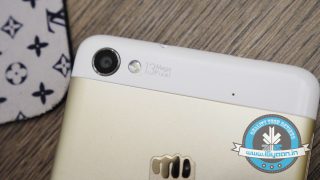
    Micromax has dropped a few handsets in the past months, that have made big news. The Canvas Nitro, Canvas Gold and the A1 Android One Phone, are a few examples of products that made headlines. The Canvas 4 Plus will make headlines of its own, however, it may be the iPhone 6 plus’ bendgate that influences this one.

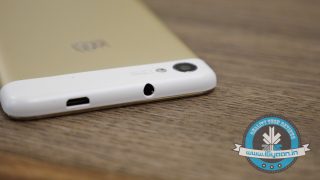
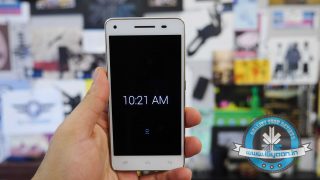
    The Canvas 4 plus, is a new entrant and features a 5-inch 1280 x 720 p display along with an octa core Mediatek chipset, 1 GB of Ram and micro SD card expansion. The phone is might slim at just 7 mm thick and boy, does it bend easily.

    In our unboxing of the phone, just because the phone looks so similar to an iPhone, we lightly attempted a bend test and it bent out of shape. We didn’t go all the way, as it would totally ruin the review of the phone. However, once the whole mumbo jumbo is over we might give it another go.

    The phone also shows signs of warming up during basic usage and especially so during browsing the internet. The phone comes preloaded with a bunch of applications and the Quick Look blinkfeed-esque interface that takes away from the user experience and you will find yourself trying to remove them sooner than expected.

    The phone other than the bending issues feels good in the hand and has metallic buttons, however the bending really makes you worry about the build and the plastic top and bottom parts come off easily at the back.


    Specs

    Micromax Canvas 4 plus

    Gionee Elife S5.1

    Gionee Elife S5.5

    Huawei Ascend P6

    Display

    720×1280 pixels, 5.0 inches 720×1280 pixels, 4.9 inches 1080×1920 pixels, 5.0 inches 720×1280 pixels, 4.7 inches

    Processor

    MediaTek 1.7GHz octa-core Qualcomm Snapdragon 400 Mediatek MT6592, Octa-core 1.7 GHz Cortex-A7 Huawei K3V2
    Quad-core 1.5 GHz Cortex-A9

    RAM

    1 GB 1 GB 2 GB 2 GB

    Storage

    16 GB (expandable upto 32GB) 16 GB (non-expandable) 16 GB (non-expandable) 8 GB/16 GB

    Camera

    13 MP rear, 5 MP front 8 MP rear, 5 MP front 13 MP rear, 5 MP front 8 MP rear, 5 MP front

    Battery

    2000 mAh 2100 mAh 2300 mAh 2000 mAh

    Operating system

    Android 4.4.2 Android 4.3 Android OS, v4.2 (Jelly Bean), upgradable to v4.4.2 (KitKat) Android OS, v4.2.2 (Jelly Bean), upgradable to v4.4.2 (KitKat)
  • Fitbit Unveils Three New Motion Trackers Including a GPS Watch

    Fitbit Unveils Three New Motion Trackers Including a GPS Watch

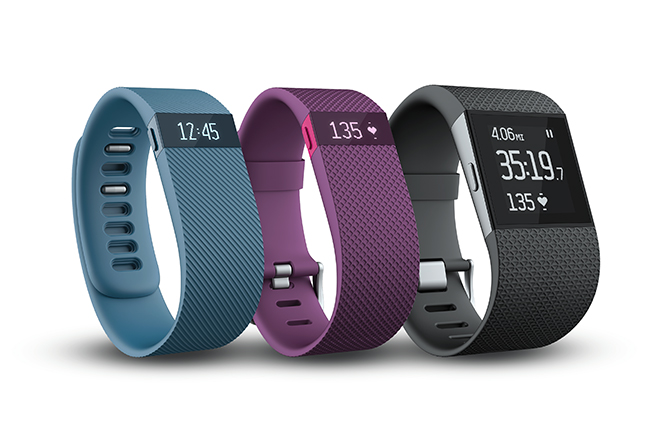
    After nine months of interval, Fitbit on Monday announced three new devices for the wrist: Charge, Charge HR and Surge. Last year, the company was highly criticized for Fitbit Force as it caused skin irritation and blistered the wrists of some owners.

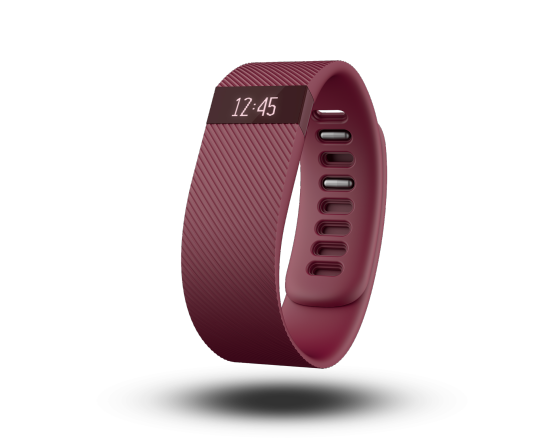
    The devices measure activity and sleep, and when you pair them up with your smartphone, they give you an idea of how active you’ve been through the day and how well you’ve rested. The Charge is essentially a replacement of the Force and has been priced at $129.95. It encompasses the same features of the Force, including the caller-ID function.

    chargeburgundy_unique_ortho_flat_72dpi-e1414371959474
    Fitbit Charge is priced at $129.95

    Also, Fitbit has finally cracked the code for automatic sleep tracking. That means no more adjusting the alarms before you sleep. The design has changed slightly since last year, and now it’s made up of a softer rubber with slightly textured surface. But for the most part, the Charge is a direct clone of the Force. It’s roughly the same size, has the same basic feature set and even the same seven day battery life.

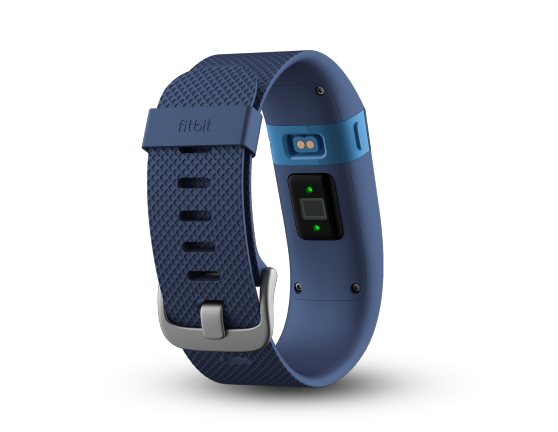
    charge_hr_blue_back_flat_72dpi-e1414372016726
    Charge HR costs $149.95and comes with a LED heart rate sensor

    The Charge HR, which cost $149.95, adds an LED heart rate sensor. The company says that the sensor will work continuously whether you’re working out, working on your computer, or sleeping. Data from the heart rate sensor isn’t used to measure your sleep, though that could come in the future, which would make sleep tracking more accurate. Battery life, Fitbit says, is five days.

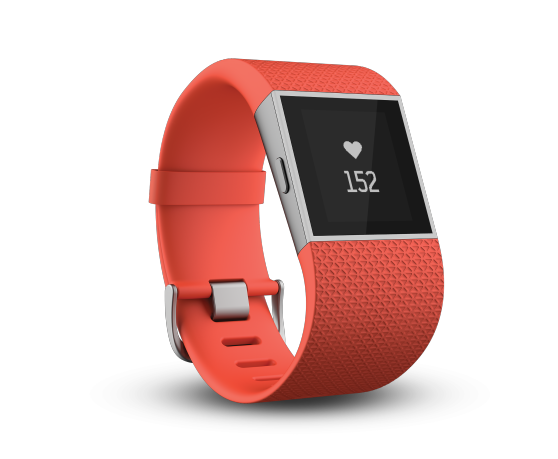
    The third Fitbit offering, the Surge, is priced at $250. The company dubs it as a “super watch”, something between a fitness tracker and a full-on smartwatch. It is essentially a basic sports watch with light smartwatch capabilities. The Surge includes GPS, heart rate monitoring, bluetooth LE-based call and text notifications, and also supports different workout modes like runs, weight training, or elliptical use. It is bigger in size than the usual sports watch and claims to have seven days of battery life.

    surge_3qtr_tangerine_heartrate_custom_radial_72dpi-e1414372048641
    The ‘super watch’ Surge is bigger in size than usual sports watch

    Fitbit has also made a few updates in its mobile app. It now includes challenges, so you can compete with other Fitbit users and get motivated. Also, the company has added some simple fitness coaching which will automatically calculate your heart rate zones and divide them into three basic areas – fat burn, cardio, and peak performance, rather than the more complex five to seven zones that elite athletes practice.

  • Nextbit’s Baton App Brings iOS-like Continuity Features to Android

    Nextbit’s Baton App Brings iOS-like Continuity Features to Android

    Just when we thought Apple is leading the race of technology convergence with it’s new ‘Continuity’ feature on OS X Yosemite and iOS 8.1, Nextbit, a startup formed by ex-Googlers, launched a forward-thinking cloud sync and backup service for Android called Baton.

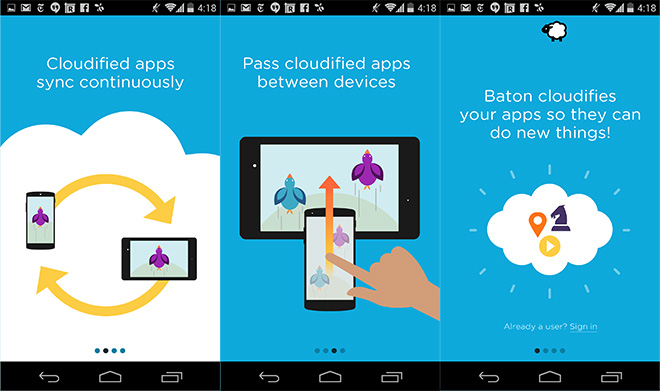
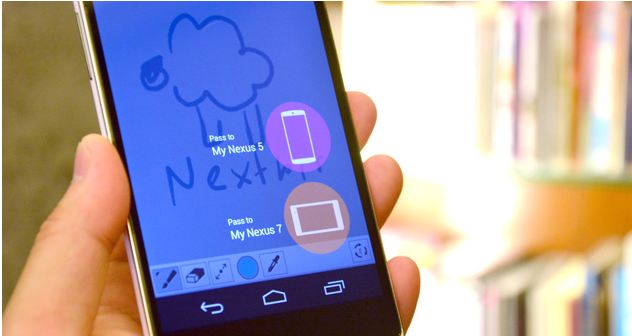
    It lets you quickly pass an app’s state from one Android device to another, which means you can continue playing on the same level in a game, editing the same document in an app or browsing the same web page right away. The only precondition being that the second device must also have Baton and the same app installed.

    Nextbit Baton has three main features—sync, pass, and backup/restore. The sync feature is capable of keeping your app data in sync across all your devices. So, if you’re using a fitness app on a phone to track your stats, you can use a tablet to view all that data as it exists on the phone. This is a lot more than restoring app data which is already provided by Android (though underutilized). Nextbit constantly updates app data across all devices, but you can also disable sync on any app of your choice.

    nextbit baton

    The Pass feature is probably the most impressive. A long press of the multitasking button will let you beam the current state of your app to another device and allow instant pick up where you have left off. The Nextbit backup lets you store apps and data in the cloud for easy restoration to new devices, similar to Google’s new app restore in Lollipop. All the cloud data in Nextbit is kept in Amazon’s AWS, and the data only syncs over Wi-Fi to avoid destroying your data cap or battery life.

    Baton by Nextbit is available in private Beta form for users running the latest CyanogenMod version. The service will be available to public via a CyanogenMod release. It is said that Baton’s first public release will be on the “commercially distributed Cyanogen operating system” at some point this year, which means that OnePlus One users will be getting it for sure.

iGyaan Network
Privacy Overview

This website uses cookies so that we can provide you with the best user experience possible. Cookie information is stored in your browser and performs functions such as recognising you when you return to our website and helping our team to understand which sections of the website you find most interesting and useful.