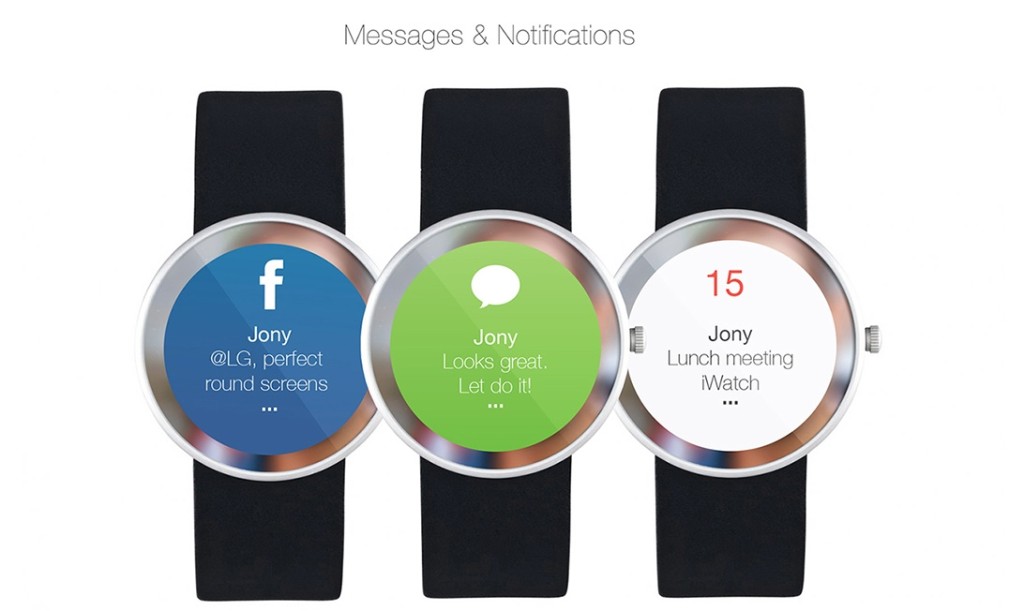
This may be the last round of rumours surrounding Apple’s most mysterious wearable. We’ve been waiting to have a Apple product wrapped around our wrist for quite some time. Now we’re wishing and hoping that Apple unveils it on its 9th September event.
The latest leaks have pointed out to the fact that the expected iWatch might come in two sizes, both with curved OLED displays, will be able to track health and fitness data, and will include NFC for to make mobile payments directly from your wrist.
OLED display has been criticised for having over-saturated colors but now, Apple may use the OLED display for its first ever wearable. An OLED display only needs to light up pixels that are actively in use, meaning that Apple’s watch could potentially display some basic information such as an analogue watch face while leaving the rest of the screen black. Using OLED display can save battery in the smartwatch.
The addition of NFC in the smartwatch comes in line with rumors of inclusion of the same technology in iPhone 6, too. This will simplify the process of pairing an iWatch and an iPhone as well as both can be used for encouraging mobile payment directly from the smartwatch, which many companies are trying to achieve but have failed until now.
It is said one of the main features of Apple’s upcoming iWatch is the variety of health sensors. However, the details about this has been scarce. A heart-rate sensor is believed to be one of them. As far as display sizes goes, reports have varied, however, earlier reports have pointed to sizes between 1.3-inches and 2.5-inches. If this to be believed, Apple’s iWatch will have one of the biggest watch face in the smartwatch market.
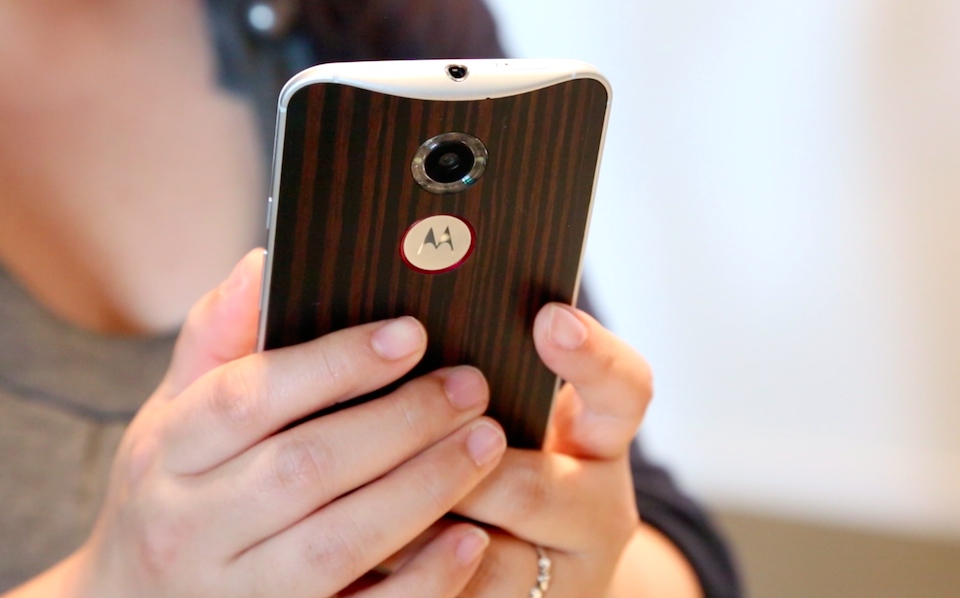
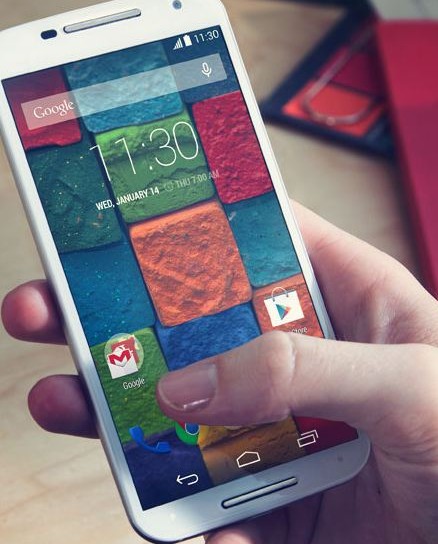
Along with the Moto G (Gen 2) and Moto 360, Motorola has just introduced the much-awaited 2nd gen Moto X. The new Moto X is bigger, bulkier and it boasts a number of new features and designs that should definitely increase X’s demand.
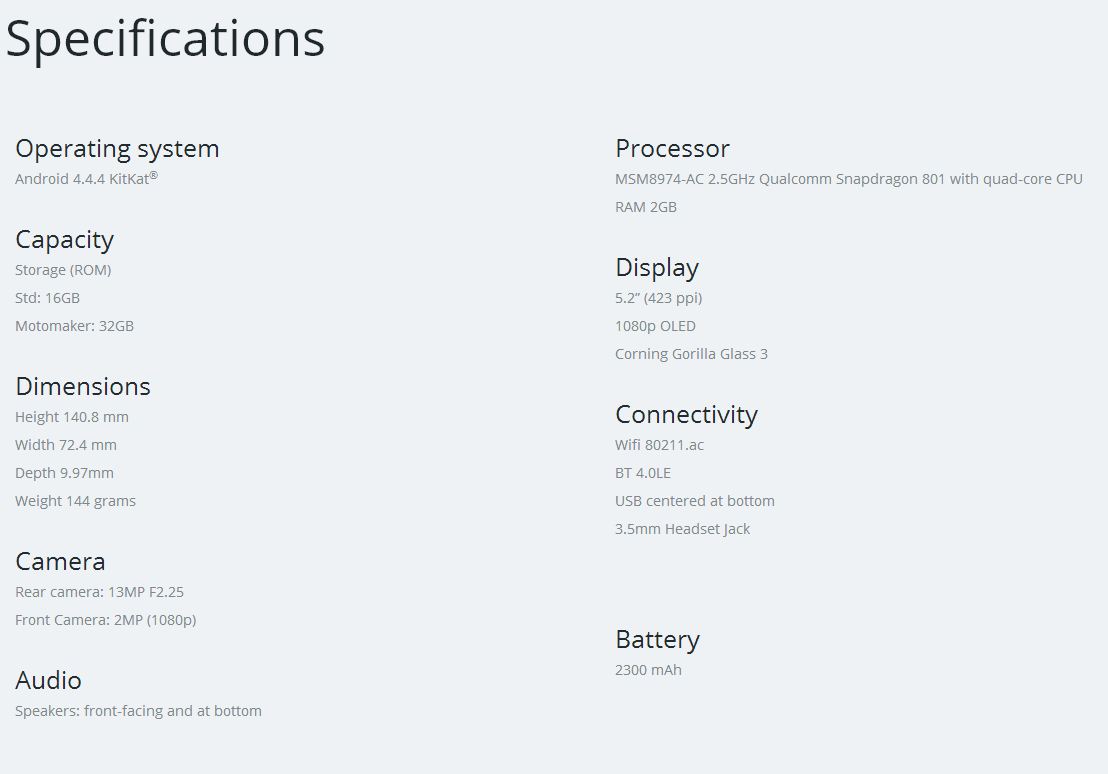
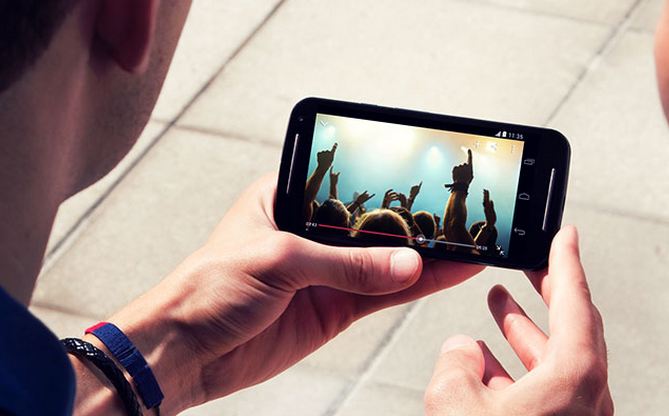
The new Moto X is not much bigger than the previous one, with a 5.2 inch AMOLED display and it is still protected by Gorilla Glass. Moto X 2nd gen is about 0.5 inch wider than last year’s X. However, the refreshed model sports a 1080p full HD display instead of a 720p one.
The screen takes almost all the space on the front, leaving the bare minimum for bezels. It measures 72.4mm wide by 140.8mm tall and weighs 144 grams. To give the device a premium feel, the company has added a smooth piece of aluminium wrapping the entire edge of the phone.
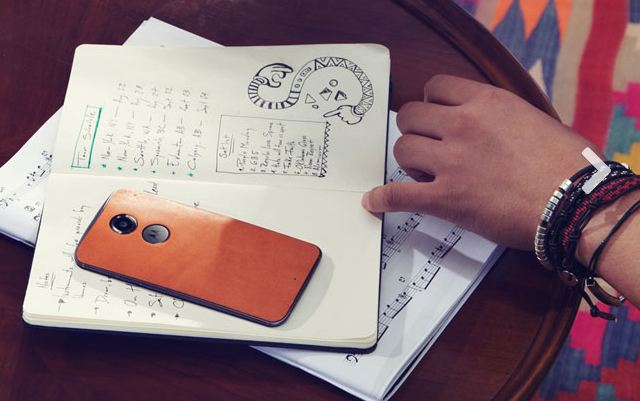
Motorola has kept the Moto Maker customization option alive with a new leather option for new Moto X. Additionally, Moto Maker also now lets you add metal accents to power and volume buttons, speaker grills and the Motorola logo on the back.
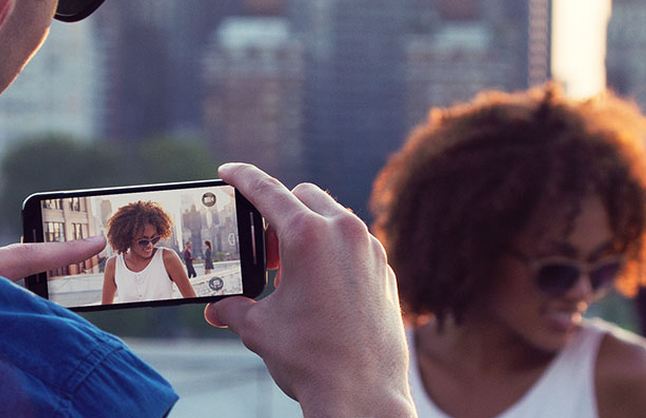
At the back, it has an updated 13-megapixel camera lens with 4x zoom and a ring flash. The camera has the ability to capture 4K video instead of just 1080p and it’s also got a new feature called Best Shot.
It essentially maintains a rolling photo cache in the background, constantly capturing additional shots before and after a photo is taken. An algorithm then analyzes those photos to find what it thinks is the “best shot,” filtering out blurry shots or pics of people blinking. You can choose the picture selected by the feature or the original one. Another new camera feature is the “Highlight Reel,” which essentially compiles all of your day’s photos and videos into a single video collage much like Google+ photo highlights.
As far as the hardware is concerned you won’t be disappointed. The device runs on a Qualcomm Snapdragon 801 processor with a 2.5GHz quad-core CPU, an Adreno 330 578MHz GPU and 2GB of RAM. It is powered by 2,300 mAh battery which Motorola claims will last a full day. The new Moto X has four microphones to help reduce background noise, and comes in a “splash guard” water repellent coating and will be available in both 16GB and 32GB variants.
One the software side, new Moto X comes with hand full of softwares same as older Moto X including Migration tool and some of the tools like Touchless Control, Active Display and Motorola Assist have been renamed in the new Moto X as Moto Actions, Moto Display and Moto Assist respectively. Another great iteration in the new Moto X is that instead of ‘OK Google’ as a voice prompt, you can customize the voice command prompt to anything you like.
The company said that they have more than 1.6 million devices stocked for Indian market which only means they will have enough stocks this time. Pricing details are not yet revealed by the company. The new Moto X will go on sale in late september along with Moto 360.
Motorola has just announced two of its most anticipated smartphones : Moto X and Moto G. The company decided to stick to the previous names, keeping things simple by calling them 2nd Gen devices. The new Moto G has been launched at the price of Rs. 12,999 for 16 GB and is going on sale later today with special offers on Flipkart. The company said that last time around they sold 1.6 million devices through Flipkart for Indian customers, and this time they’ve made sure they have sufficient stock for prospective buyers.
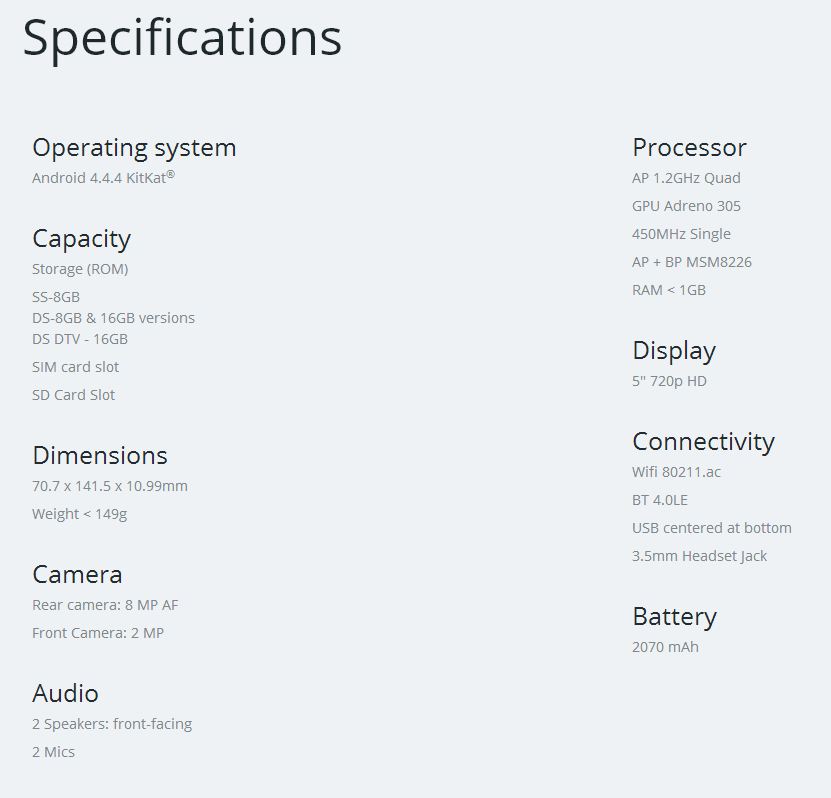
The 2nd Gen Moto G has a 5.0-inch 720p HD IPS display made out of Corning Gorilla Glass. Other improvements to the G include two front stereo speakers and an 8-megapixel rear camera and a 2-megapixel front-facing one.
The new G will also now finally come with a microSD card slot, which is located underneath the back cover. It’ll still come with 16GB built-in storage, but an expandable memory slot is always nice to have. However, underneath is the same 1.2GHz Snapdragon 400 processor and 2,070 mAh battery. The new Moto G still shoots in 720p. However, they considered going for 1080p video capability, to compete with the Xiaomi Mi3.
It’ll ship with Android 4.4 KitKat and is upgradeable to Android L as soon as it is released. It does come with a few Motorola apps like Migrate, which helps you transfer old phone contacts to the new one, and Assist, which provides a voice-activated Drive Mode when you’re on the road.
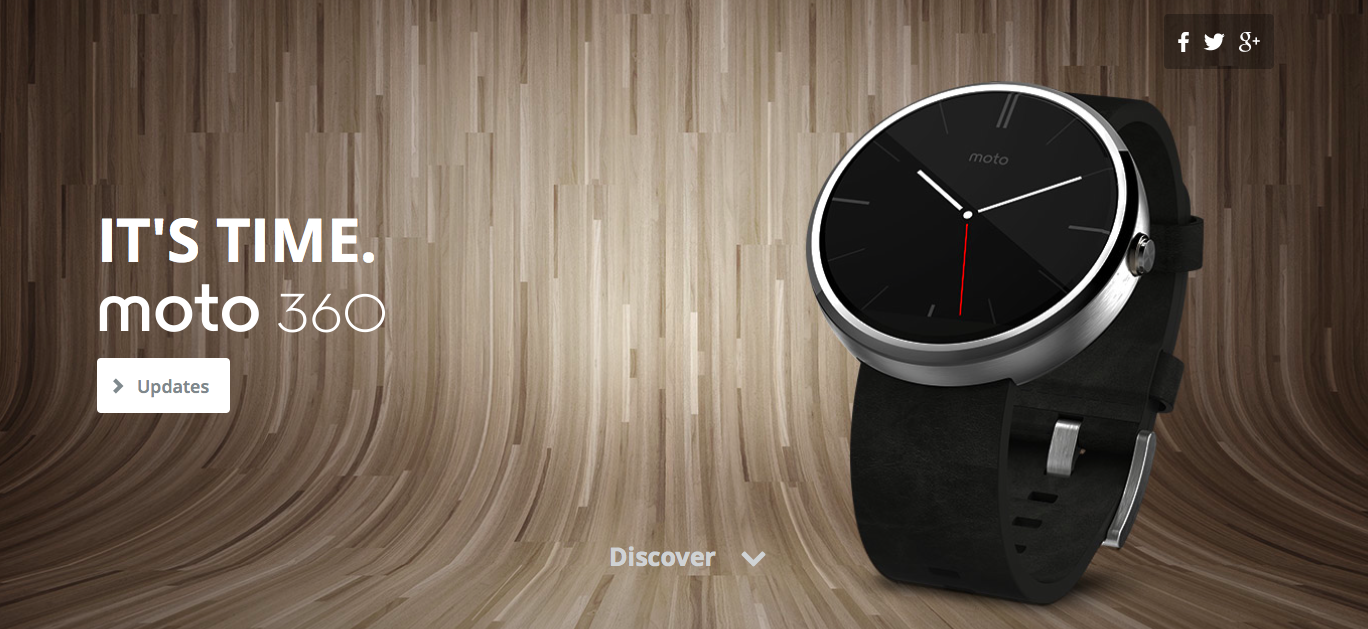
We’ve spent months tracking its every move; it is the only smartwatch which promised style as well as utility. And today, amidst all the September Tech madness, Motorola revealed all the details of its most awaited wearable – the Moto 360.
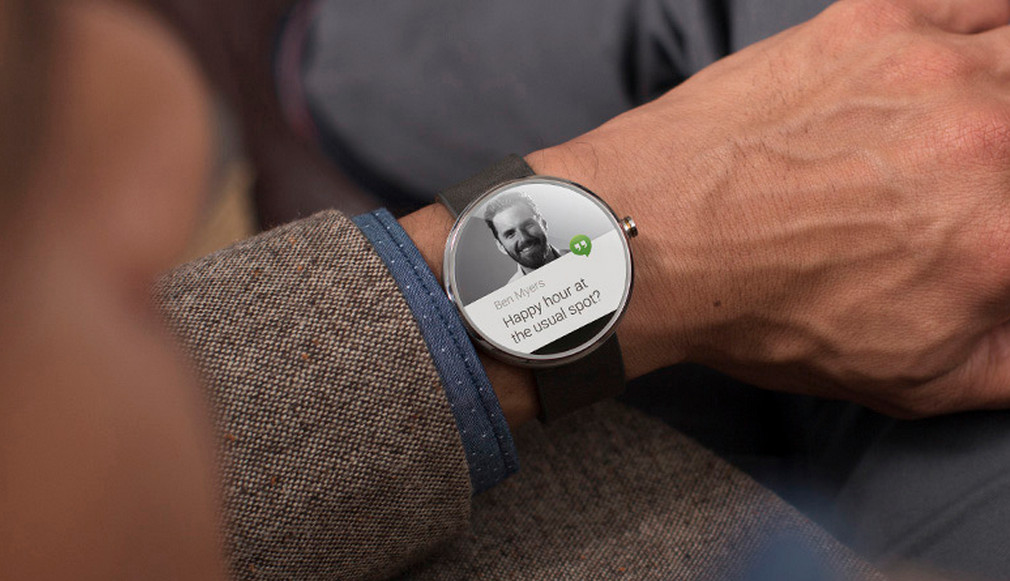
It has stuck to the classic design that it promised months back. The 1.65-inch display is encased in stainless steel, the watch comes in leather straps and has Gorilla Glass protecting the screen from unwanted scratches. We’re extremely pleased with Motorola’s choice of design. Instead of going for bulk, it has stuck to the sleek style of a traditional wrist watch.
The water-proof Moto 360 is going to be a super useful wearable. Powered by Android Wear, it will give timely updates based on location, such as Weather, Time, Reminders, Location and Traffic. It has been enabled with voice control, so even when you’re driving you can easily ask for directions and traffic updates. “Ok Google” can also be used to send text messages. The watch comes with a charging dock, and the battery life is said to last a day.
Like most wearables, Moto 360 has paid attention to our health needs, and provided a heart activity app that tracks daily routine. Priced at $249.99, we’d say it’s a beautiful meddle of leather, glass and technology. Moto 360 comes in two colour variants – silver and black and will be available in India by late September.
Fitness trackers have created their own niche market in the tech industry. While they are small, easy to manage and minimalistic than most smartwatches, they are also seem restricted to certain features.
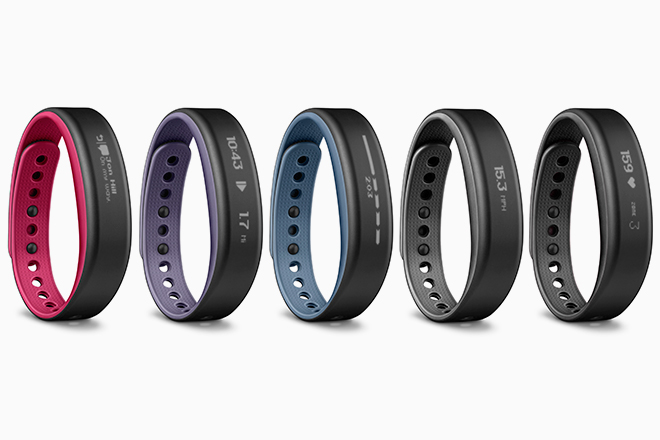
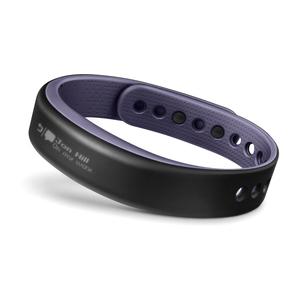
At the ongoing IFA 2014, Garmin, popular in-car navigation systems maker, has introduced a new wearable device that combines the communication features of a smartwatch with the fitness-centric capabilities of an activity tracker. The Vivosmart does what typical activity trackers do best, along with which it borrows some of the key features typically found in smartwatches.
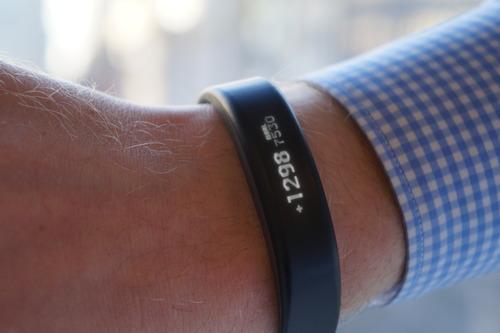
Unlike its predecessor, Vivofit, Vivosmart can also receive notifications from your smartphone for everything from social media updates to emails and text messages, all displayed on the device’s horizontal screen. You can also use the Vivosmart to control your smartphone’s music player.
Vivosmart has a hidden OLED display which light ups with a double tap. A finger swipe on the display rotates through various customizable display pages, like the fitness-focused ones. The Vivosmart is waterproof up to about 50 meters and is fueled to get up to 7 days of battery life.
It also tracks your sleep, based on movement, and offers daily reports on how much time you spent moving vs being still. In fact, through the Garmin Connect app, all your activity data gets translated into easier-to-understand charts and graphs.
None of the fitness trackers from the likes of Jawbone or Fitbit, two of the biggest names in fitness bands, can do this, giving the Vivosmart a huge advantage over its rivals. The Vivosmart goes on sale in mid-September exclusively at Best Buy for $169 or $199, it is already up for pre-order.
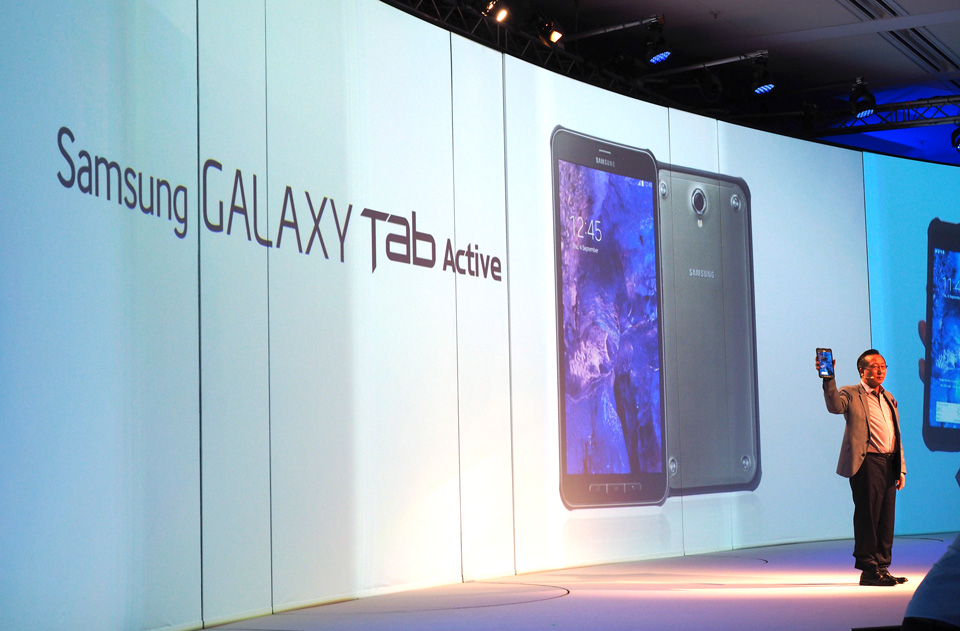
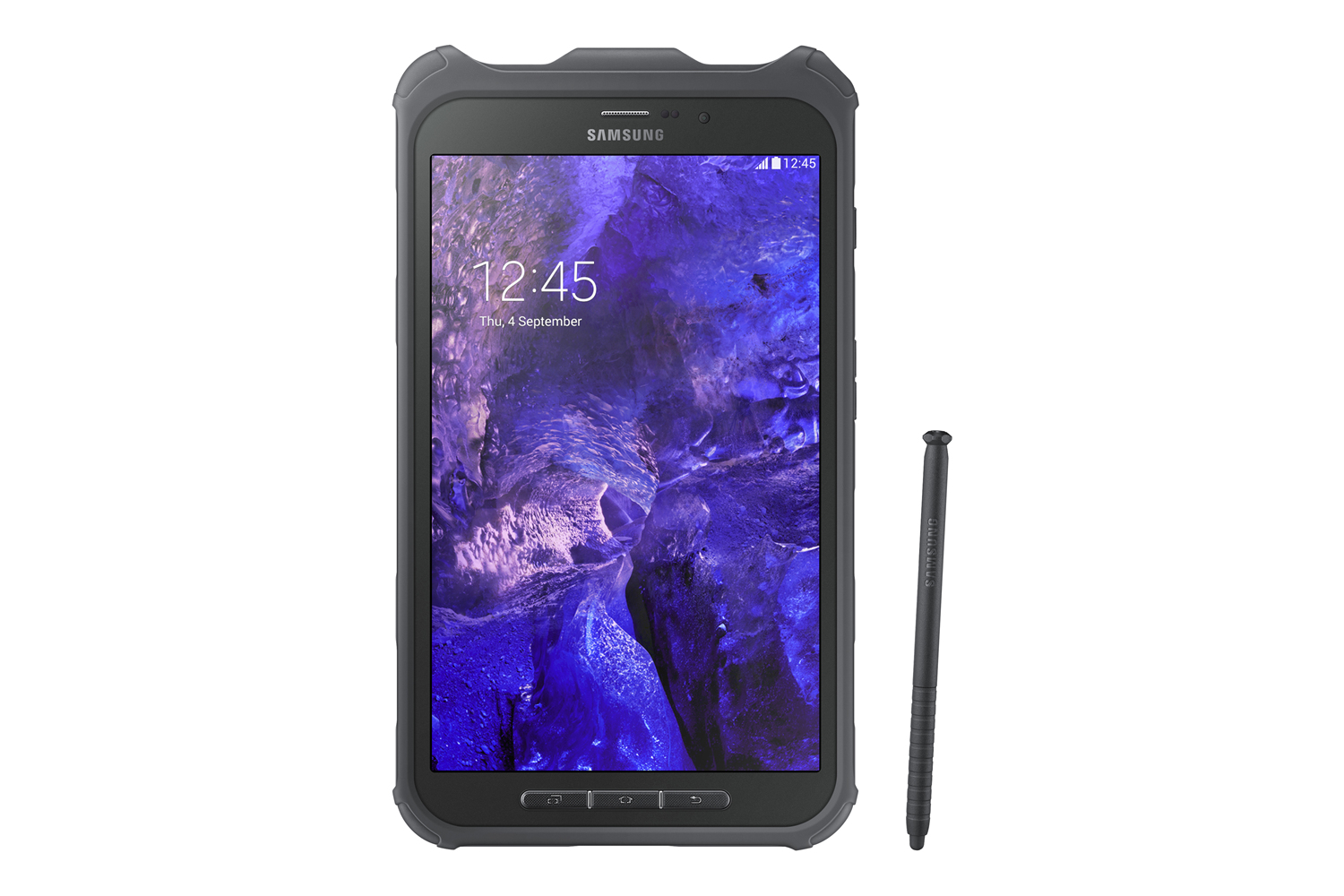
It has been raining smartphones at the IFA Berlin 2014, not that we’re complaining. Amidst the madness, Samsung has surprisingly launched a new tablet called Galaxy Tab Active. It is a rugged version of its predecessor and comes with IP67 certification for water resistance and an anti-shock covering that can withstand a 1.2-meter drop.
The Tab Active is the company’s very first dust and water-resistant tablet. However, unlike other water-resistant gadgets in the market, the new Samsung slate isn’t really made for adventure sports, but for businesses.
The Galaxy Tab Active boasts 10 hours of power from a detachable, 4,450mAh battery with POGO pin charging, and a UI designed for tough work. It also comes with the variant of S Pen, named as C Pen. The company has added the digital pen for those who have to wear gloves in their field of work can use as an alternative to standard touch input.
Running Android 4.4 KitKat, the Samsung Galaxy Tab Active features an 8-inch TFT display with 800 x 1200 pixels, LTE connectivity, Samsung KNOX for enhanced security, 1.2 MP front-facing camera, and a 3.1 MP rear camera.
Furthermore, the rugged slate comes with a quad-core 1.2 GHz processor, 1.5 GB of RAM, 16 GB of expandable internal memory, and a 4,450 mAh user replaceable battery (for up to 10 hours of usage). The device weighs 393 grams, and measures 213.1 x 126.2 x 9.75 mm.
The Galaxy Tab Active will be available in both Wi-Fi and LTE variants sometime later this year, and will come with the C-Pen and a Protective Cover right in the box. Samsung is only offering the Titanium Green color option. However, pricing hasn’t been revealed, it is expected to be priced same as the Galaxy Note 4.
In addition to two new smartphone, Lumia 830 and Lumia 730, Microsoft has launch two new tools for the Windows ecosystem at IFA Berlin 2014.
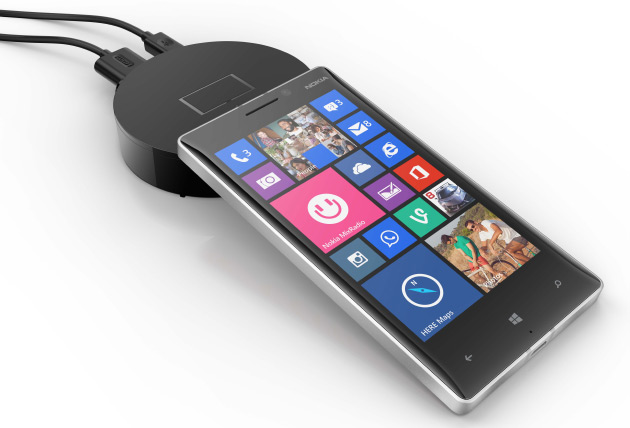
Focusing on the first, Microsoft announced a new screen-sharing tool for Lumia devices which will be compatible with any television or other display with an HDMI port. The compact box is 1080p compatible and is powered by a micro-USB. It lets you mirror the content from your Windows phone. It will ship with an NFC “coaster” that lets you pair your handset without walking over to the box itself. The device will work with Lumia devices that support screen projection, along with WiFi Miracast products.
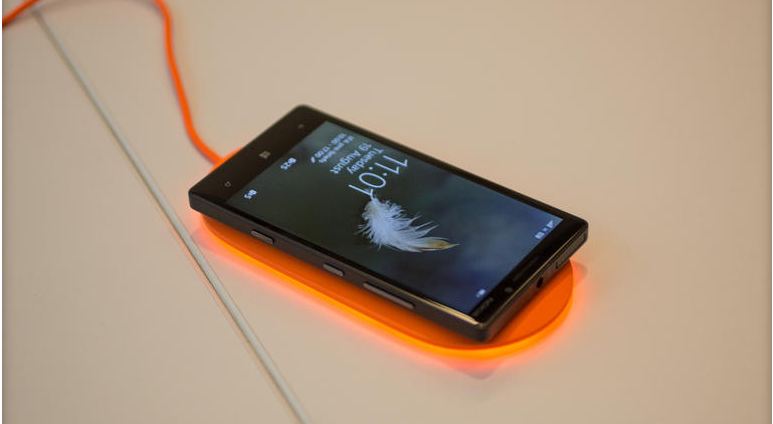
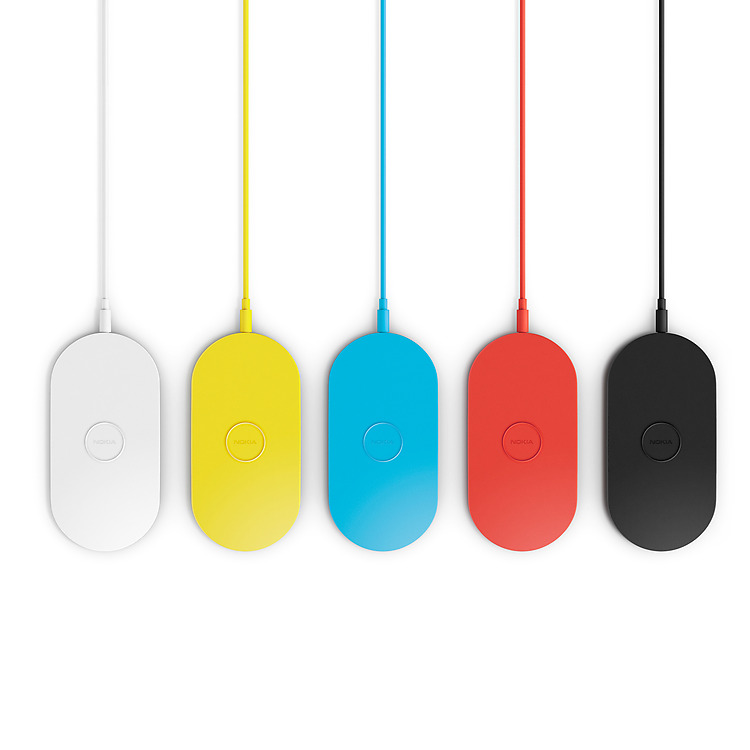
Also, company has announced a new Qi wireless charger which glows for missed calls and texts, or a low battery below 30 percent. The wireless charger is equipped with bluetooth connectivity and fancy LED lights. You can pair it to your phone when it’s off the charger, and it’ll glow if you get any missed calls or texts.
The colour of lights are matched with the green, orange or white color options, and will light in different patterns depending on the notification. Obviously, it also charges your phone or tablet wirelessly, provided it’s a Qi-enabled Lumia model with Windows Phone 8.1.1 and Bluetooth 4.0
Both the tools are expected to ship later this month and mirroring tool is priced at $79, while the Qi wireless charger is priced at $59.
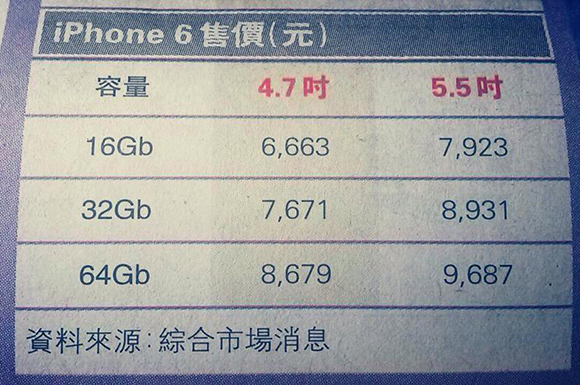
While techies all over the world are busy keeping tabs on the IFA Berlin 2014, the iPhone 6’s prices have been quietly revealed in a leaked image from Hong Kong. Tech blog TK Tech News has posted an image that shows the alleged prices of the highly anticipated 4.7-inch and 5.5-inch iPhone 6 models.
The Apple iPhone 6 with 4.7” display will purportedly cost 6,663 HKD, 7,671 HKD, and 8,679 HKD . The aforementioned prices are for devices with 16, 32, and 64GB of built-in memory respectively. According to the leak listing of prices, the iPhone 6 with 5.5-inch display is unsurprisingly more expensive (it is rumored to have more powerful hardware on board). It is reportedly priced at 7,923 HKD for a 16GB model, 8,931 HKD for a 32GB unit, and 9,687 HKD for a device with 64GB of onboard memory.
If you convert these purported prices into Indian currency and add the standard import duties, iPhone 6’s 4.7 inch variant will come at the starting price at Rs. 61,900 approx and the 5.5 inch variant may come at starting price of Rs. 71,800. These prices are more than the introductory price of the iPhone 5S, which was launched last year for Rs. 53,500. If this is true, then Apple may lose a large segment of prospective buyers. Especially since unlike other companies in the market, Apple is never the one to drop its prices after launch.
It is said that new iPhones will come with new-gen iOS 8 out-of-the-box. Both the 4.7-inch and 5.5-inch variants said to feature an iPod touch-inspired design; the Touch ID fingerprint sensor; the new Apple A8 SoC, and the long-awaited NFC connectivity.
Apple is expected to unveil the next iPhone in less than a week, so we won’t have to wait too long for official pricing. In the meantime, take the above numbers with a small pinch of salt.
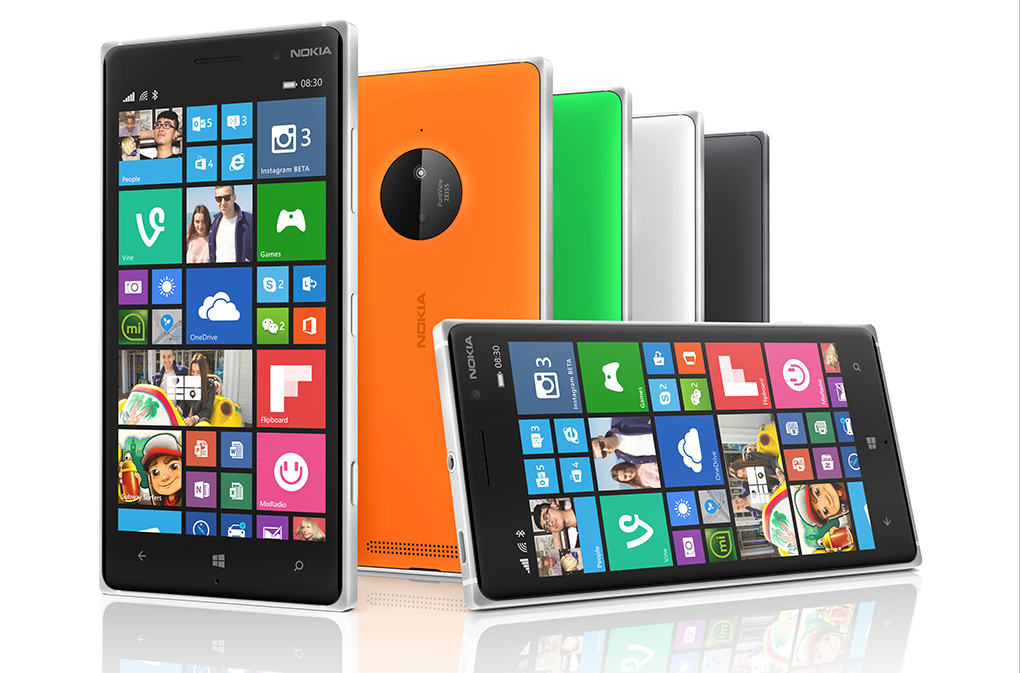
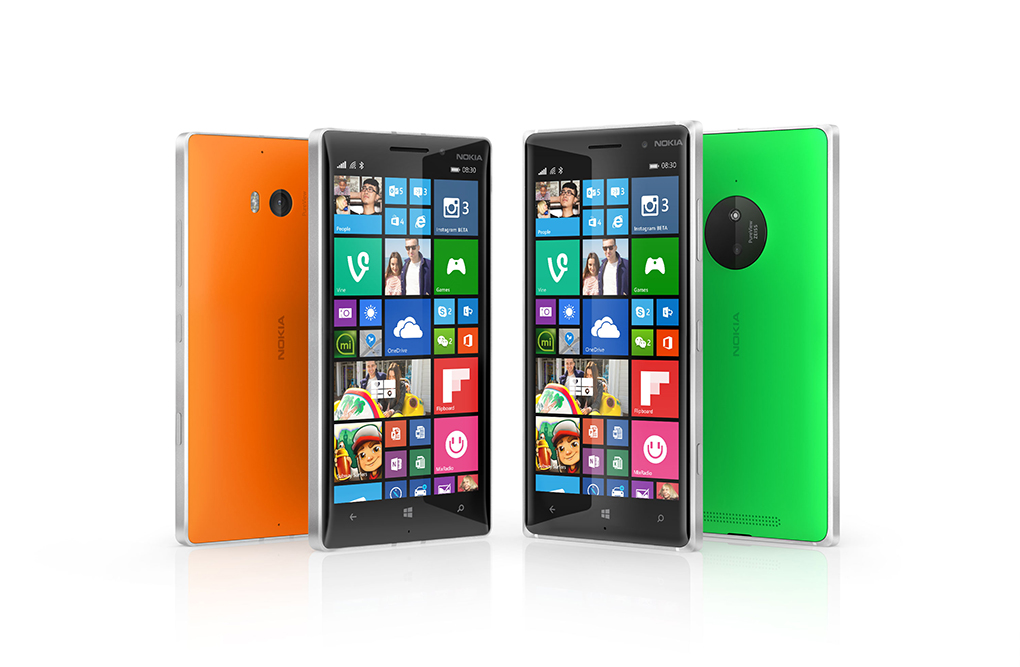
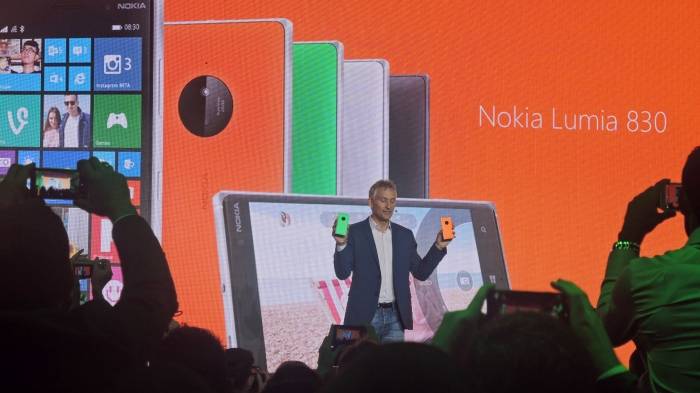
Microsoft, today at IFA Berlin 2014, has launched a new affordable smartphone, the Lumia 830. The company has added a PureView camera feature in the new affordable handset which has typically been associated with Nokia’s premium phones.
The device looks very similar to the Lumia 930, it comes with an aluminum frame and a polycarbonate back. While it uses the PureView name, rumour has it that the rear camera’s 10MP resolution isn’t quite as good as the 930 or 1020.
Further, the company has added a lot of extra software enhancements to improve the experience. The Lumia 830 is essentially a thinner, less bulky, and lighter version of the Lumia 930 on the outside. However, inside there are a ton of differences between the two.
The Lumia 830 is powered by a 1.2GHz quad-core Snapdragon 400, 1GB of RAM, and 16GB of storage. The 830 is also a 5-inch handset, but Microsoft has opted for a 1280×720 resolution instead of the beautiful 1080p display on the Lumia 930.
As for the hardware specifications, the Lumia 830 comes with with a 5-inch 720p display, Gorilla Glass 3, slightly curved (2.25D) glass, a 2,200mAh battery and a 1.2GHz quad-core Snapdragon 400. The device will ship with the Lumia Denim update, which is Microsoft Device’s specially-packaged version of Windows Phone 8.1.1 (Update 1).
That new ‘affordable flagship’ comes with a new version of Lumia Camera, which comes with faster shot-to-shot and pocket-to-picture times and several other enhancements to the imaging experience. Lumia Denim also includes 4K-quality video recording and general improvements to low light images.
Lumia Denim also includes 4K-quality video recording and general improvements to low light images. Microsoft’s Lumia 830 will be available globally this month. It is priced at 330 euros, which when converted is approximately Rs. 27,000.
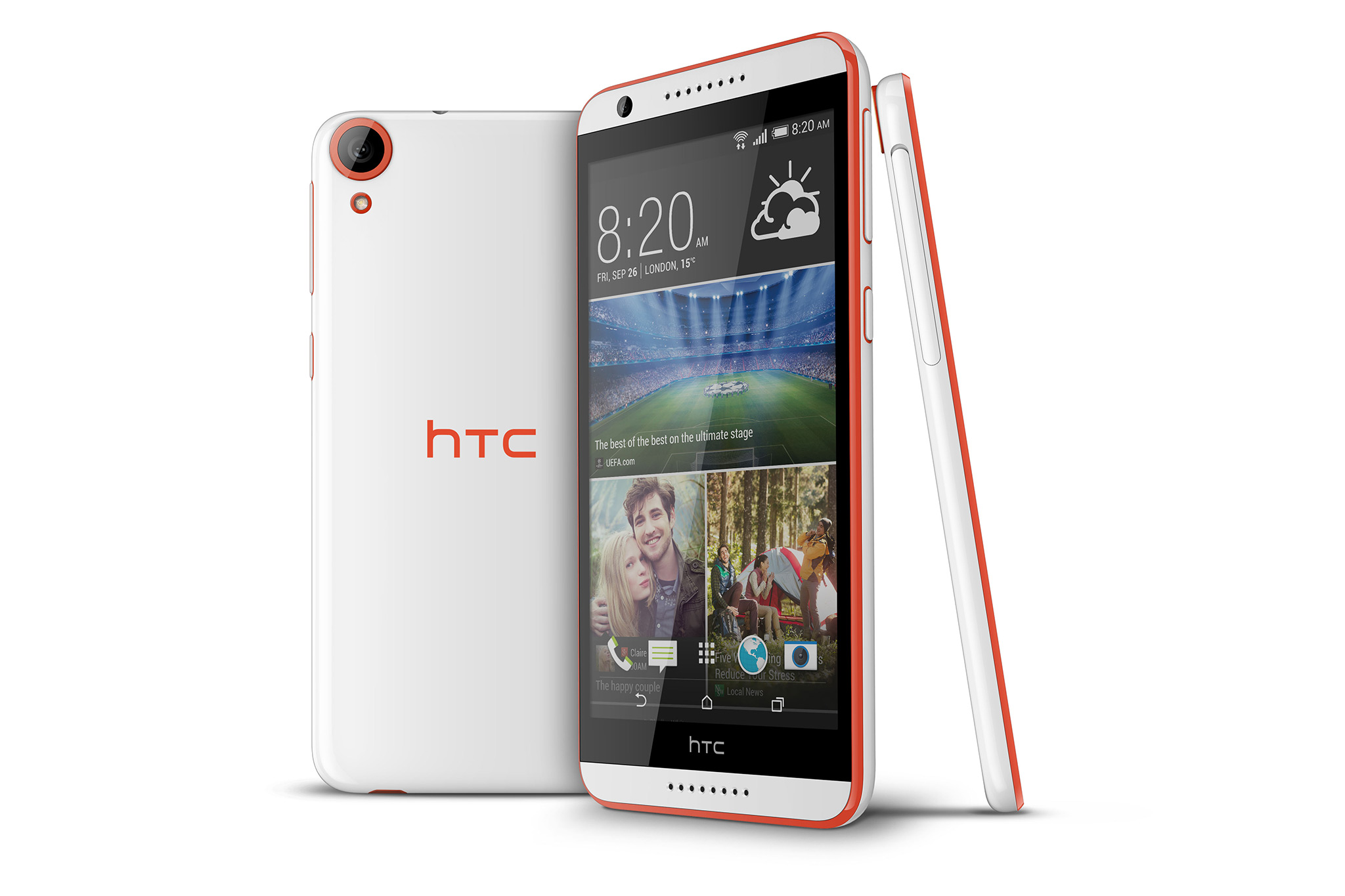
HTC has had a good year. With the success of HTC One M8 and the Desire line-up, things are looking good for the company. Now HTC is about to bring another phone is its Desire line-up called the Desire 820. The phone was announced at the ongoing IFA event.
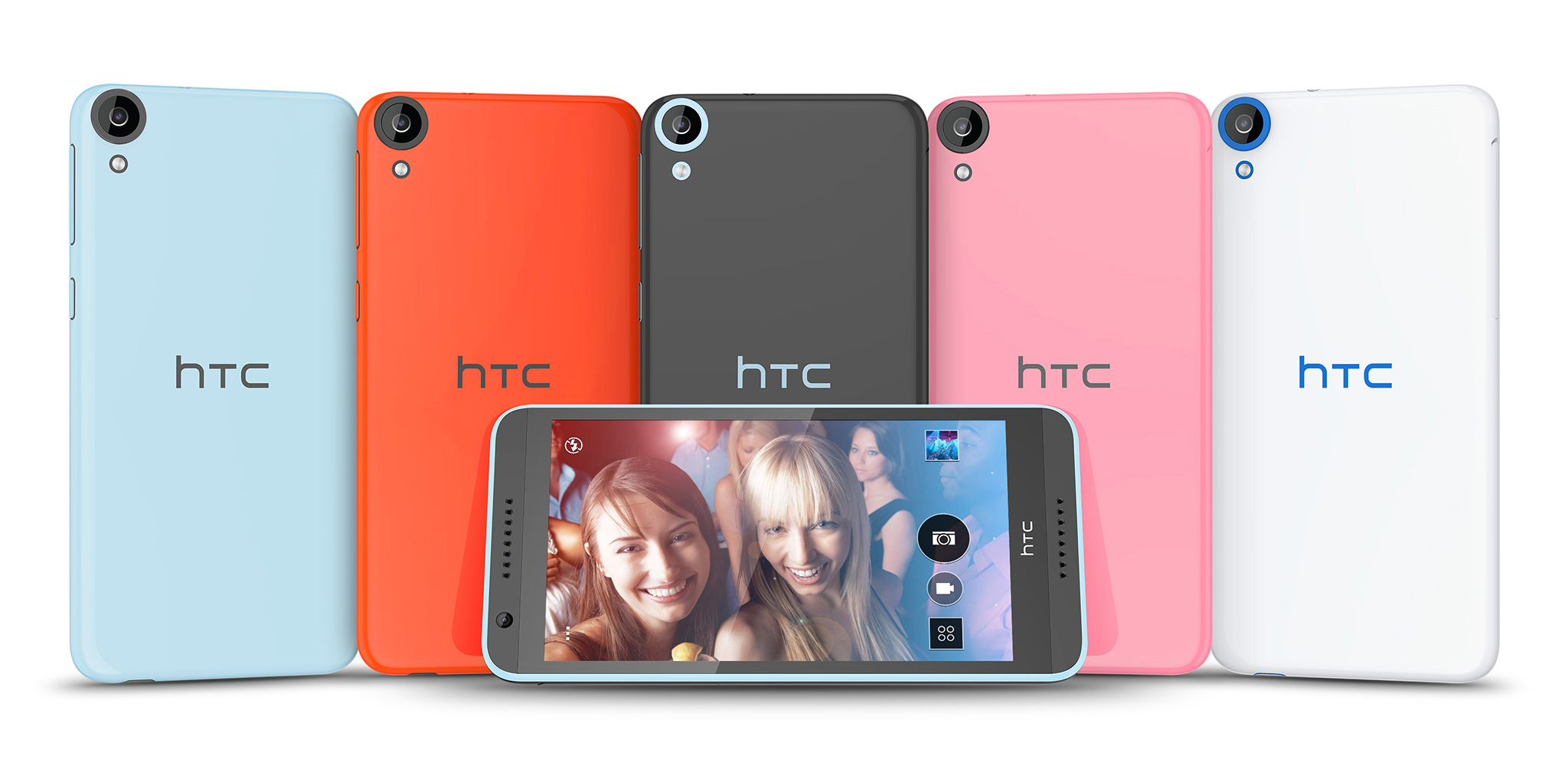
The phone is a looker and comes with a bold two-tone color scheme that makes the device standout. Even the HTC logo on the back gets a different color treatment for each phone color option. The device is made in a unibody, polycarbonate casing that HTC defines as its “double shot color technology.” The color scheme surely has a youthful appeal and is pleasing to the eyes.
Like the Desire 816 before it, the Desire 820 comes with a 5.5 inch 720p HD screen. The new phone will be one of the first phones to come with a 64 bit Qualcomm’s octa-core Snapdragon 615 chipset. The processor runs on two quad-core chips of 1.5GHz and 1.0GHz. It comes with 2 GB RAM and 16 GB internal storage.
The Colors and powerful front camera makes the Desire 820 a youth friendly device.
The main camera on the device is a 13 MP shooter with f/2.2 aperture. Now the shining glory of this phone is the front camera, it packs an 8 MP camera on the front. This can be a selfie hogs’ favorite toy. Unless, of course, you got the money to enjoy the superior selfie and weefie capabilities that were showcased last night on the Note 4.
The device is powered through a 2600 mAh battery. HTC says that the phone will be updated with Android L when it comes out. HTC has been one of the first companies to promise the Android L upgrades for most of its devices. It will also hold HTC’s Dual Boomsound front facing speakers. It will also have its version of the dot view case.
The Desire 820 will come to the markets by the end of September and will be available in glossy and matte colors. This is one colorful treat, and if priced right, it can prove to be some serious competition for others.
The Xiaomi Redmi 1S went on Sale for a price of Rs 5999, with a limited 40,000 phones for sale and the phone got the usual response. But is the phone worth the mega hype that it has created? Lets find out!
Overview
The Redmi 1S just like the Xiaomi phones in the past has built a burning desire in everyones hearts to own the phone, it comes with an impressive price tag and a good spec sheet. The performance on the phone is excellent and everything just seems to be too good to be true. The Redmi 1S will truly change the market perception for starting – lower end smartphones.
Hardware
[pullquote_left]Loaded with Hardware![/pullquote_left]
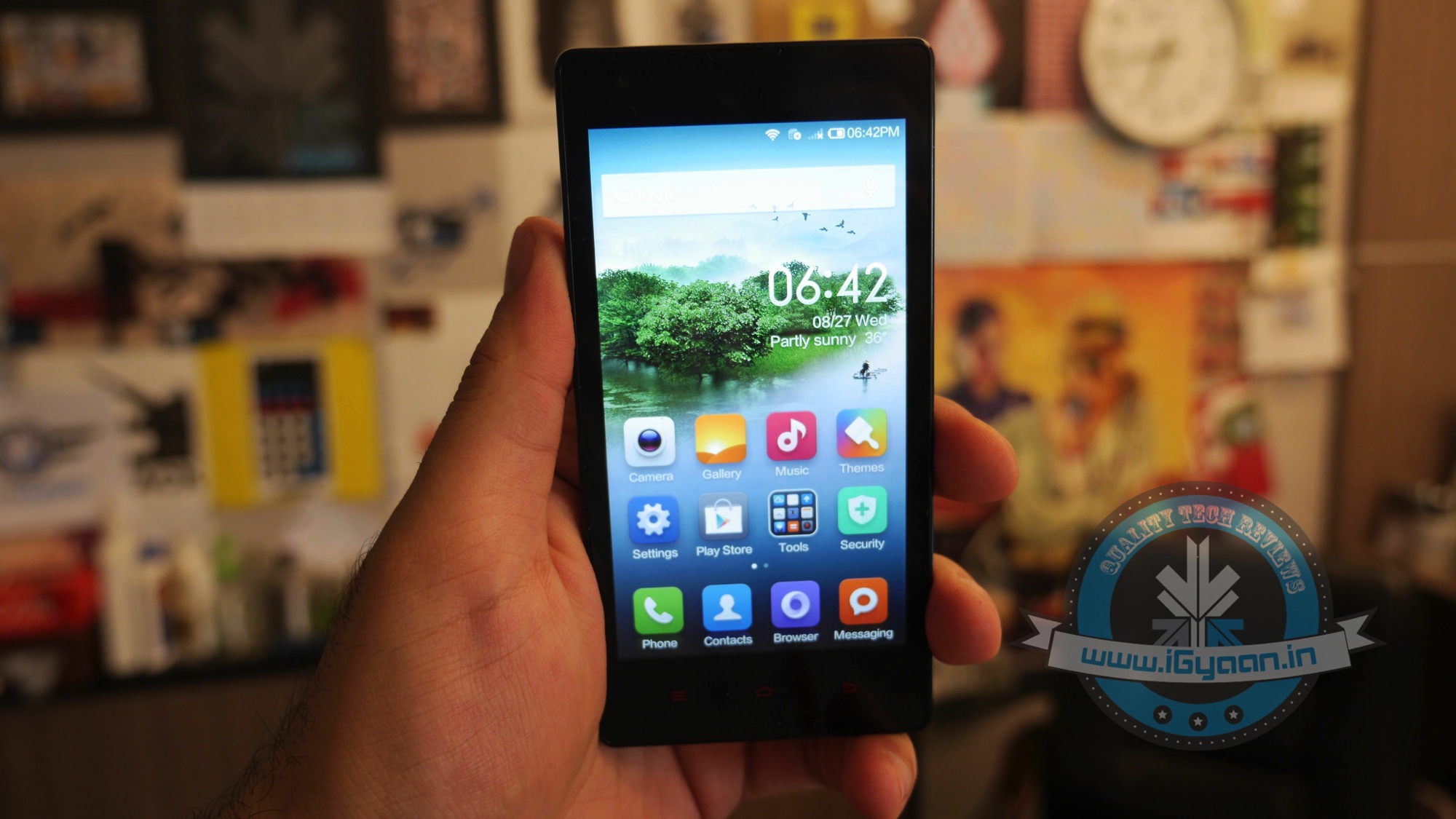
Powered by a Qualcomm Snapdragon 400 chipset the Redmi 1S has a Quad Core 1.6 GHz CPU the Adreno 305 GPU, 1 GB of RAM and 8 GB of inbuilt storage. The front of the Redmi 1S has a 4.7 inch 1280 x 720 p display a total of 312 ppi it’s protected by Asahi Dragontrail glass and is an IPS panel. Cameras comprise of an 8 MP snapper with a wide f2.2 aperture and a 1.6 MP front camera. The Main camera is capable of a 1920 x 1080p Full HD video capture.
The phone runs on a 2050 mAh battery pack, which is replaceable, has dual SIM card slots, one of which is a 3G (GSM-WCDMA) and one is 2G (GSM). The Redmi 1S also has a memory card slot to add a memory card upto 64GB.
Build quality and Design
The Redmi 1S is a pretty good looking phone, it’s not Moto G, but then it’s almost half the price. The replaceable back panels give you the ability to give the phone a personal look and feel. The phone is essentially made out of plastic, but in no way does it feel cheap or poorly built. The front has a Asahi Dragontrail glass, which many argue that it is equally good when compared to Gorilla Glass variants.
[pullquote_right]Buttons are not Backlit![/pullquote_right]
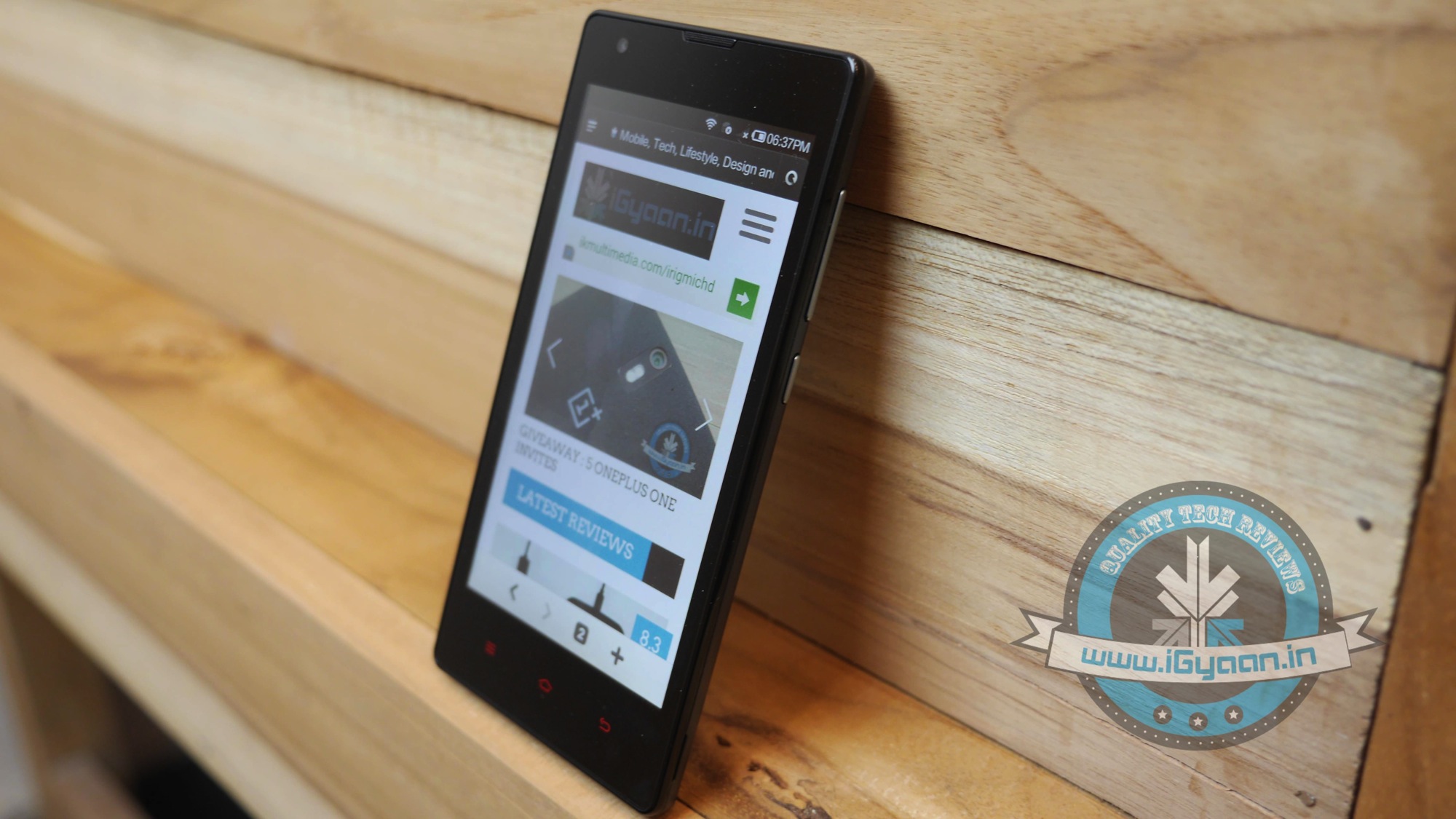
The buttons are nice and tactile, for volume and power. The touch buttons are responsive and easily reached, they however are not backlit, which is rather disappointing, and difficult in low light situations and at night. The phone has a good fit and feel in the hand, the edges are soft and the outsides curve to match the shape of your hand really well.
Performance and Gaming
We were surprised to see the performance from this sub Rs. 6000 handset. The UI is fast and responsive and you really cannot complain about the performance of this handset. Usually budget phones end up being turnoffs, however the Moto E changed that in the past and the Xiaomi Redmi 1S tops that by almost double.
With an average of 330 MB of Free RAM available at all times, the Redmi 1S also has a built in app kill switch that frees up the RAM for usage. Overall the phone is capable of delivering more than you can expect from a phone in this budget. Our Benchmark and Gaming video shows you exactly that below.
The Gaming is pretty good too, even though really graphic intensive games will not work on full graphics, the phone is able to handle gaming pretty decently and without duress. You will get good viewing angles, good touch response, and great gaming feedback. Audio from the speakers is a bit low but acceptable.
Camera
As far as the Camera is concerned, you will be surprised to see what this phone can achieve. You get the exact same UI from the Mi3 for the Camera app and an excellent 8 MP sensor that does Full HD video, where most struggle to even do video in the first place at this price. Composition of the shot is quick and autofocus is snappy, colours are a bit dull – and contrast is pretty acceptable. We like additional options like filters, HDR and delayed shots all of which works well and intuitively. You also get quick face detection and a zero lag shutter; mighty impressive.
Great Macro
Good Focus
Low Light Sample
Twilight Sample
Dark Sample
Android and MIUI
[pullquote_left]MIUI is fantastic![/pullquote_left]
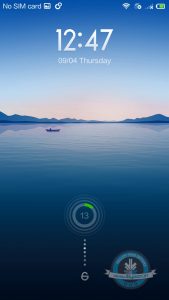
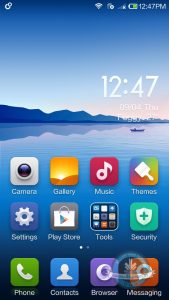
Even though you get an older version of Android, I don’t see people complaining anytime soon. The phone is really fast and responsive and thanks to the awesome MIUI overlay, there are additional functions and shortcuts that one can really learn to appreciate.
LockScreen
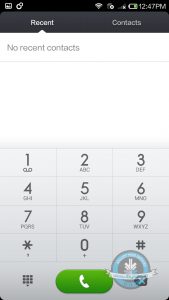
Dialer
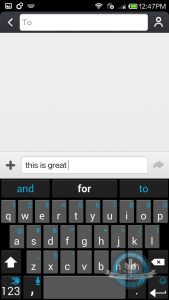
Messaging
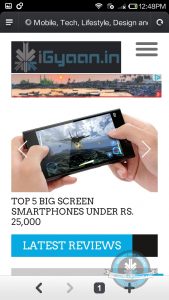
Browser
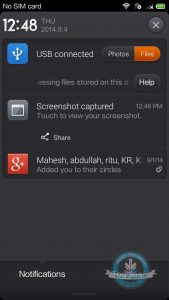
Notification Panel
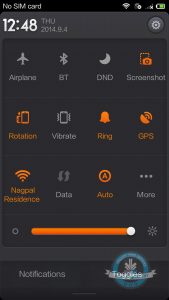
Toggles
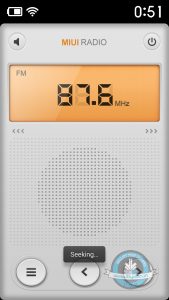
FM RADIO
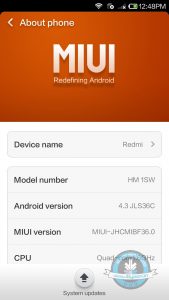
Software Info
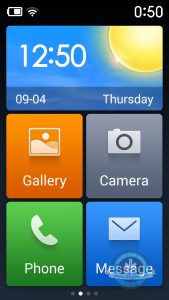
Lite Mode
Lite Mode Quick Dialer
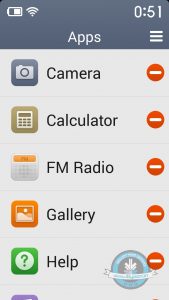
Lite Mode Apps List
The version of MIUI is also fairly old, however, there is an imminent update promised for the Redmi 1S to MIUI v6 by the end of the year. You get Google Now style weather updates and notifications, iOS style app layout and folders, and lots of skinning options. All of this with very little load on the RAM and the CPU department, ensuring smooth sailing throughout.
Even though competition is currently offering Android KitKat and more soon, Redmi 1S has the capabilities of holding its own, mostly thanks to the enabled hardware. The future update is expected to free up some RAM on the phone making performance much better, giving you an average of 420 plus MB of free RAM vs the current average of 320-340.
The Phone also has a lite-mode which was initially intended for senior citizens, but however in the indian edition is been designed to give an easier usage experience to the first time user.
Phone and Battery
Phone networks ar good, but not great. We feel that there is a low network reception indoors with the Redmi 1S when compared to other devices. Outdoors however is great and we have no complaints with audio quality on the incoming or outgoing while on a call.
Battery life is not the best, on an average the phone will run out before end of day, and if you are a heavy user, expect to carry a charger/ powerbank at all times. Xiaomi is also planning to sell additional spare batteries and external battery chargers.
With the existing battery expect 5-6 hours of real talk time, or a mix of internet usage and apps with 3-4 hours of talk time.
Conclusion
While the Redmi 1S is going to have the same issues like the Mi3, i.e. the lack of available units to sell, service centre issues, Flipkart selling woes, and what not. The Redmi 1S still makes for one hell of a device for one hell of a price, that you can’t beat right now. The hardware is equivalent to devices almost twice the price and performance even better.
[pullquote_right]You simply can’t beat this Phone![/pullquote_right]
The phone is good looking, well built and supported with respect to the OS and UI, with the added advantage of cheap accessories and quick updates one really can’t complain. For the price you will not find a better device, even if you add another 50$.
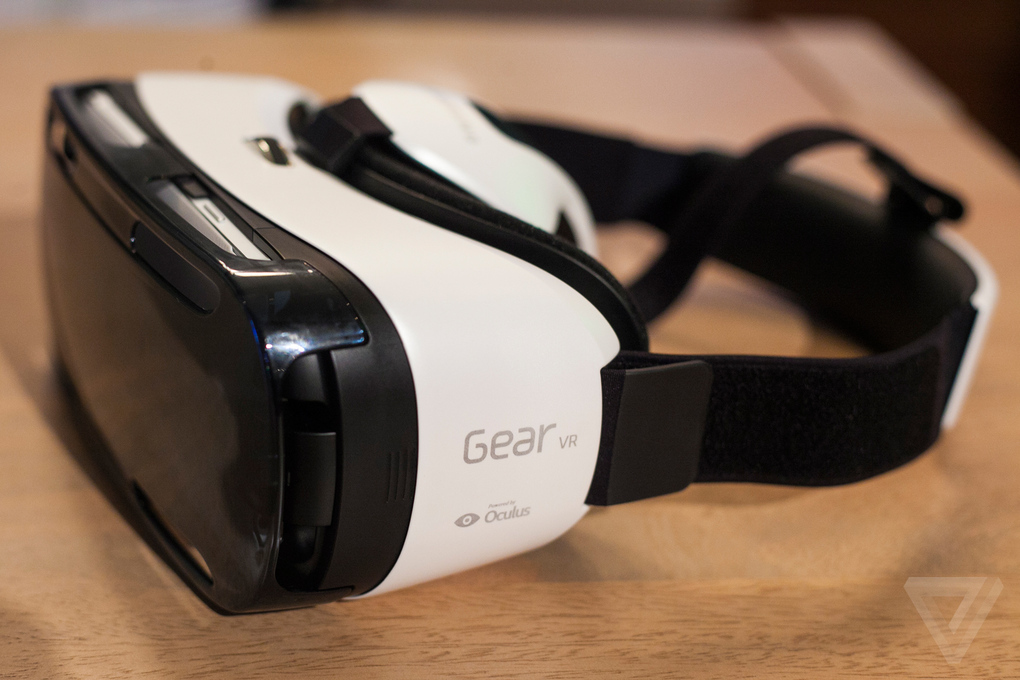
Samsung had quite an eventful, launches filled day today. After facing immense amount of criticism for lack of innovation, Samsung flexed out its innovation muscle for its critics. The company released varied products that were impressive in their own strengths. One major release is the Gear VR which is a virtual reality headset that uses the Note 4 for displaying content.
Few weeks back we had heard of oculus using the Note 3 screen for its display. Guess there were bigger plans at work and Samsung working in coordination with Oculus brought out this piece of gadgetry.
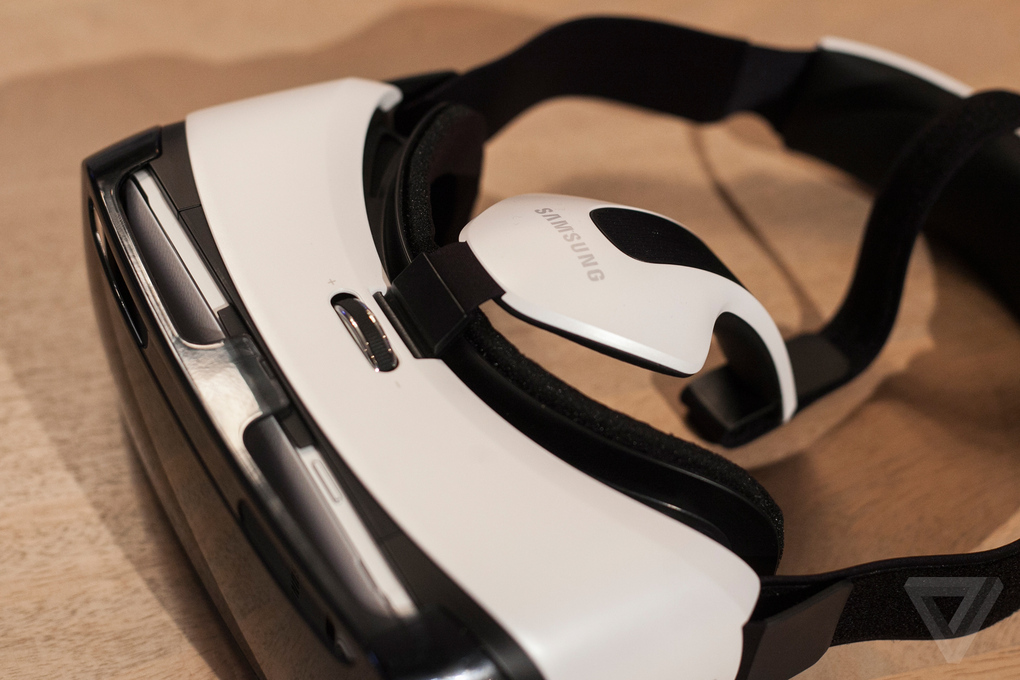
Apart from the focus control and the trackpad, there aren’t any manual controls/ Image Credit: The Verge
The device looks like Oculus but is untethered and only works with the Note 4. The only control it has is a trackpad on the right and focus adjusting wheel on the top.
The Gear VR does remind you of the Google Cardboard project but much more complete. It also has a safety support for the head so the device stays stable on the head.
The device comes with some preloaded content, and you can use it to play games, watch immersive videos. The coolest aspect of the device would be the Tony Stark labs which let you peer at the world with Tony Starks perspective, We are Sold!
The release date of the device is not mentioned yet, but it hopefully will arrive by this fall. We’ll be vigilantly looking forward to this one.
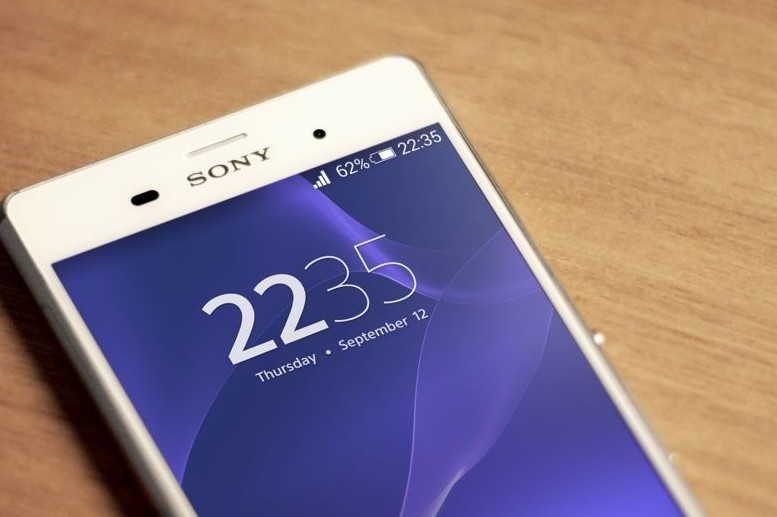
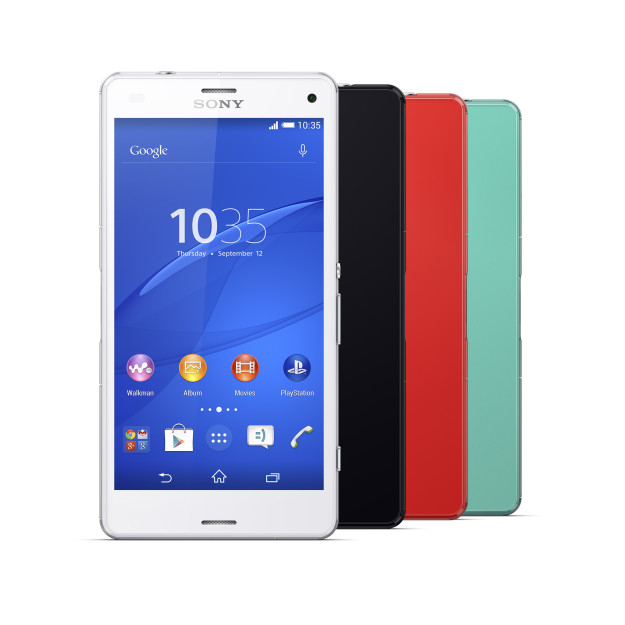
Sony has presented a decent Xperia line up at today’s pre-IFA event, with the star attraction being the Xperia Z3. It’s a huge device with a 5.2-inch display. But Sony has provided its consumers another option who aren’t ready to make the leap to 5+ inches – new Xperia Z3 Compact with a 4.6-inch display.
The only difference between the Xperia Z3 and the Z3 Compact is the size of the display — the Z3 Compact features a 720p 4.6-inch screen. Other than that, it’s nearly identical to the flagship. Without compromising on specifications, Sony has built two variations of a single smartphone in order capture wider market base.
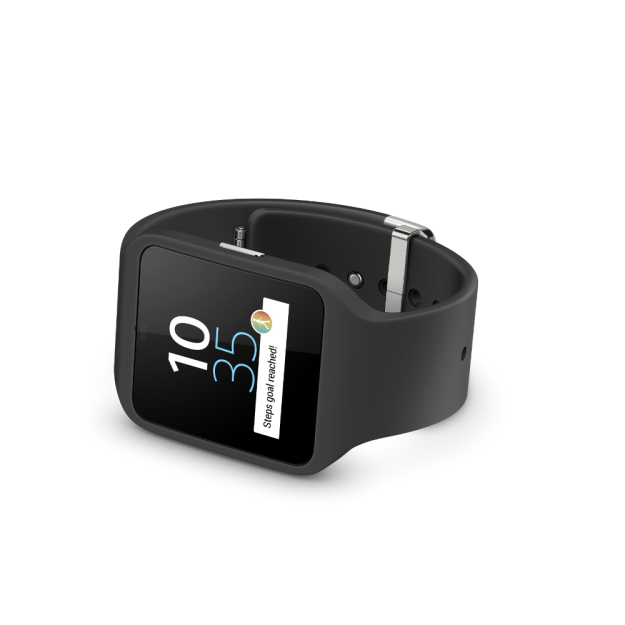
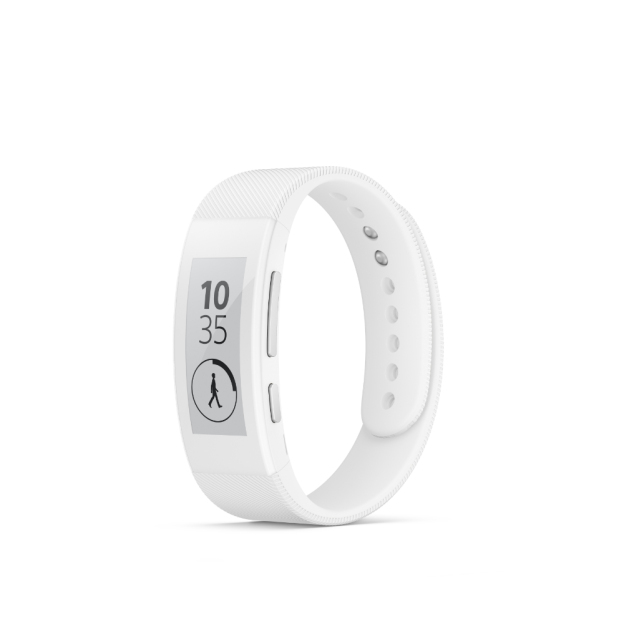
IFA is expected to go big on the wearable category. Just like Samsung, LG, Motorola and others, Sony has launch two wearable devices – Sony Smartwatch 3 and SmartBand Talk.
Unlike earlier versions, Sony Smartwatch 3 is based on the Google’s Android Wear. The device sports 1.6-inch 320 x 320 LCD display. It runs on 1.2 GHz quad-core processor, 512MB of RAM, 4GB of storage, NFC, Bluetooth 4.0 and 420mAh battery. And also, following the Sony’s waterproof obsession he SmartWatch 3 comes with IP68 waterproof and dustproof certification.
The company didn’t revealed any pricing details, however, it is expected to be priced around $300 ith an additional watchband priced at $30 per band.
The company announced another wearable, called SmartBand Talk. The company described it as a “powerful lifelogging wearable, with intuitive features” that will cost $200 later this year. The device can run 3 day on a single charge and have built in microphone and loud speaker.
The device lets users record various fitness and health-related activities, while also supporting voice calls when paired with a smartphone. The SmartBand Talk has a 1.4-inch e-ink display, 32-bit ARM Cortex-M4 processor, 2MB of internal flash memory, a 70mAh battery, NFC, Bluetooth 4.0 LE and microUSB support. The device is also IP68 certified, and is supposed to work with Android devices running KitKat or later courtesy the special Lifelog Android application.
Sony has launched a long list of devices at it’s pre-IFA event today. In addition to the Sony Xperia Z3 and Z3 Compact flagship smartphones, company has also announced affordable Xperia E3 and Xperia Z3 Tablet Compact.
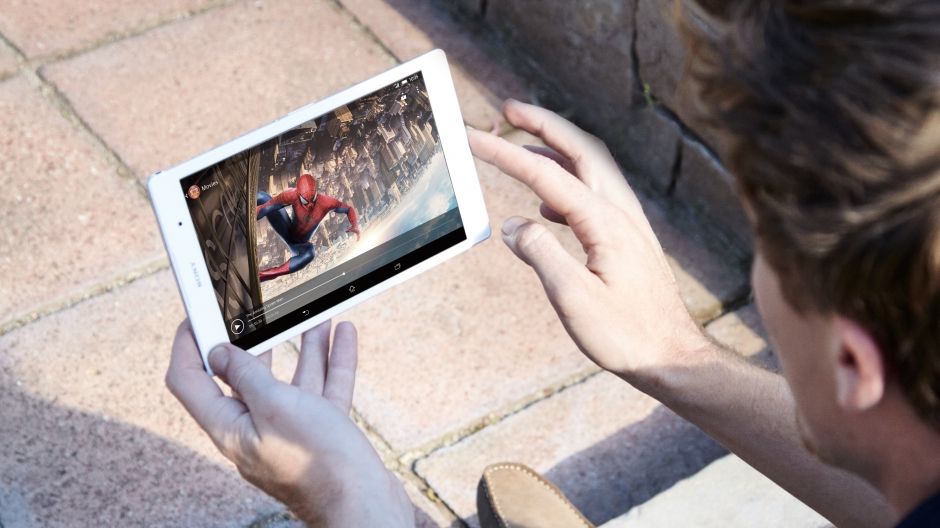
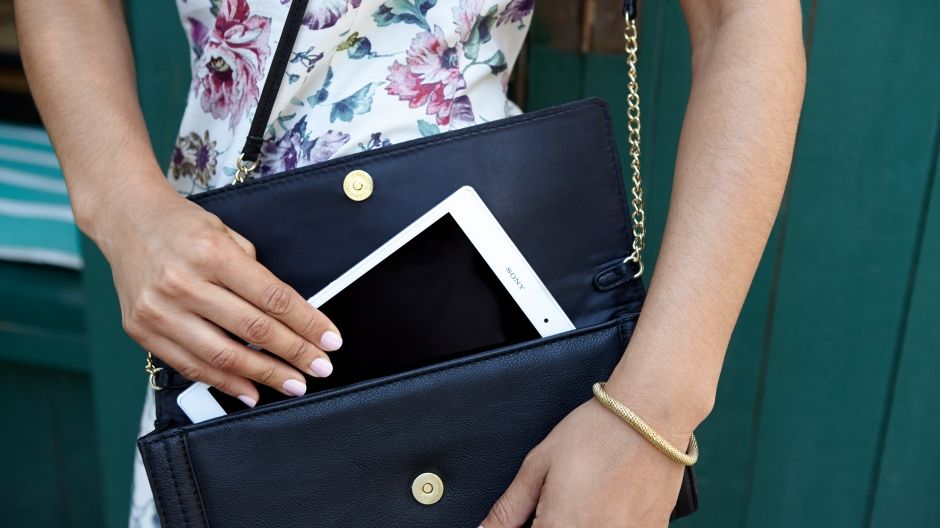
The Xperia Z3 Tablet Compact is 8-inch tablet will compete against similarly sized devices from Sony’s rivals including the Google Nexus 9 and the 2014 Retina iPad mini later this year when it hits stores. The Compact Z3 Tablet has an ultra-slim 6.4 millimeter profile, weighs 270 grams, and comes with IP65/68 waterproof and dustproof certification.
When it comes to hardware, this compact tablet will offer users an 8-inch Full HD Triluminos display, a 2.5GHz quad-core Qualcomm Snapdragon 801 processor, 3GB of RAM, 8.1-megapixel camera, 2.2-megapixel front-facing camera, up to 16GB memory, microSD support, Android 4.4 KitKat and a 4,500mAh battery capable of delivering up to 13 hours of video playback.
But the most interesting part about this device is PlayStation 4 support., Xperia Z3 Tablet Compact owners will be able to pair their tablet with the console and play PS4 games on the 8-inch display using the DualShock 4 controller with the new Remote Play feature, whenever the TV is being used for other
purposes.
The Xperia Z3 Tablet Compact will launch globally in autumn 2014, in both LTE and Wi-Fi versions, although pricing details are not available yet.
The company also launched an affordable Xperia E3, to expand it’s range more budget friendly market. The specs of the Xperia E3 are losses some important specifications in order to accommodate the lower price point, but this is still a perfectly capable device for anyone who aren’t looking for a high-end Android smartphone.
The E3 features a scratch-resistant 4.5-inch display made of durable tempered glass and corners on its body which are designed to stand up to the occasional falls. Other specs include a 1.2GHz quad-core Qualcomm Snapdragon processor, 1GB of RAM, up to 4GB of internal storage and a 5-megapixel camera. The phone is expected to launch this fall alongside the Xperia Z3, but there is no set release date yet.






 at all times. Xiaomi is also planning to sell additional spare batteries and external battery chargers.