Everyone is moving towards virtual reality. Indeed VR is the next phase for technology and the biggest names in the tech industry have already begun working towards it. We have already seen Samsung come out with its Gear VR, Google with its Cardboard, HTC with its Vive, Oculus with its Rift, and now Apple wants to join in too.
Over the past few months we have been seeing Apple’s growing interest in VR technology. The Cupertino-based giant has made some big acquisitions to boost its VR development. While a proper VR headset is still far away, Apple has released VR binoculars to fill the gap for now.
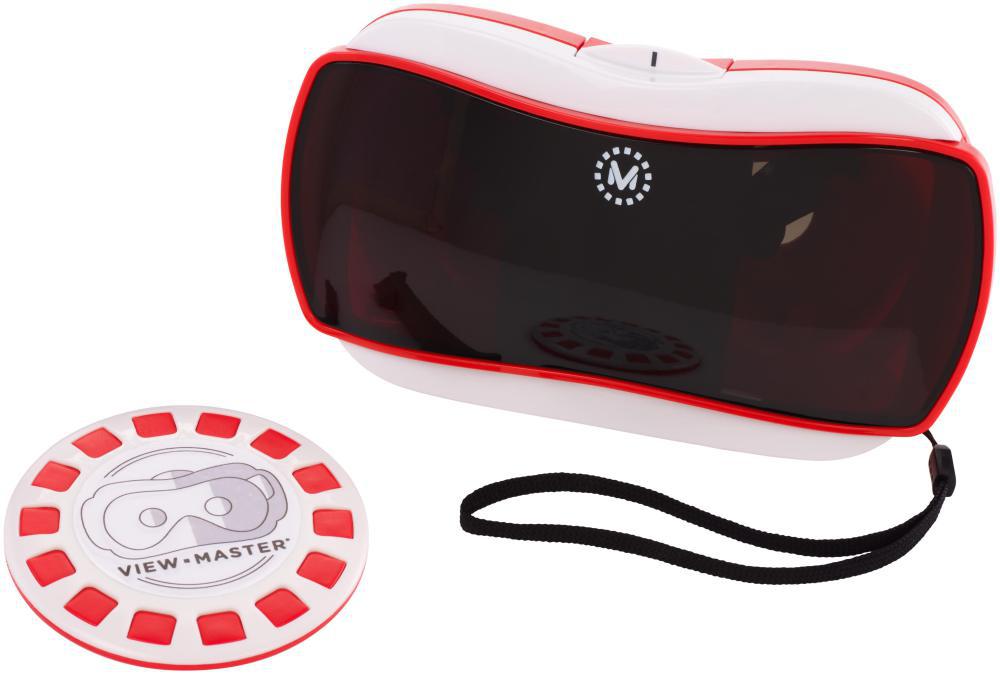
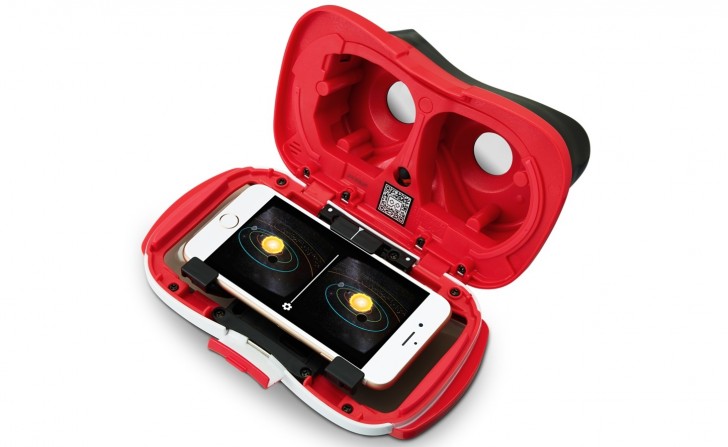
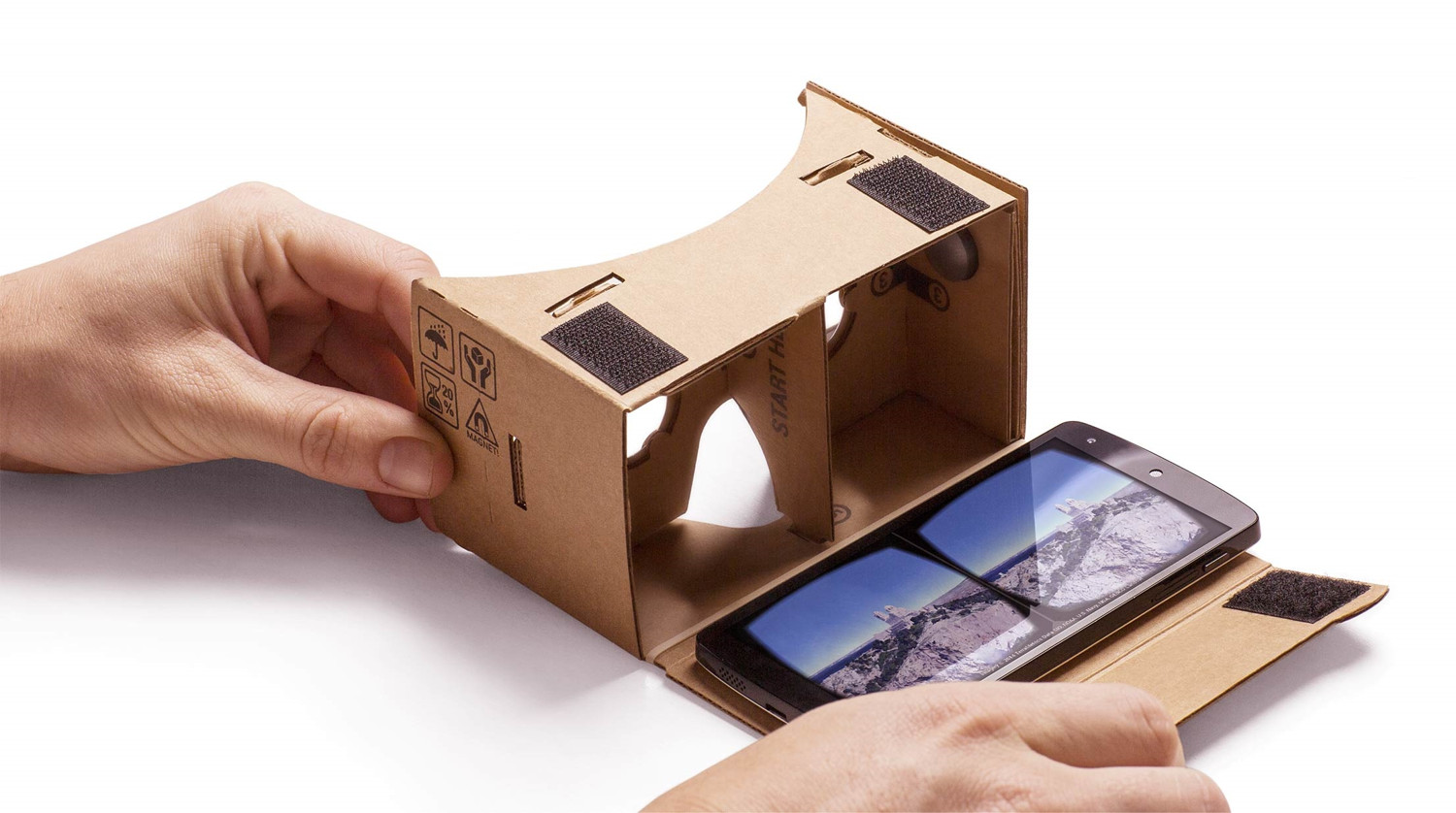
The View-Master VR binoculars from Apple has made a quite appearance in the App Store for a price of $29.95. The binoculars work a lot like the Gear VR and Google Cardboard. It needs a smartphone – in this case the iPhone – in order to create a virtual environment for the wearer.
The View-Master is not a hands-free device. It requires the user to hold the device up to their eyes just like the old school View-Masters. Like the Google Cardboard, the View-Master lets consumers get a taste of the virtual space. A sort of baby step to know whether consumers are ready for the major VR headsets like the Oculus Rift.
This is just an easy, affordable offering from Apple, which is planning in all likeliness to come out with its own Rift-like VR headset in the near future.
If you think wearables are a piece of tech, from the future, here are wearables for your pets to take things a step further. From electric bow ties to little paw-cams, there is every kind of wearable out there available for your pets. And you thought pet-wearables were only about GPS trackers, didn’t you? Forget those obsolete little devils, they are a thing of the past. However, sadly enough, the majority of these wearables are for dogs, but hey, that’s a start.
1. FitBark : Dog Activity Monitor
FitBark, as the name suggests, is a tracker for your dog’s daily activities. It would monitor sleep which would be converted into what the company calls ‘BarkPoints’. The fitness tracker would explain changes in your dog’s behaviour based on biological and physiological changes. It can be linked to your FitBit helping to track both your and your pet’s fitness. Priced at $54.95, the FitBark can bought off the official website here.
2. WonderWoof Bluetooth Bow Tie
This is another kind of activity-tracker for your dog which uses Bluetooth to connect itself with its companion WonderWoof app. It is compatible with both iOS and Android devices. The monitor would keep you updated about the health status of your dog based on its breed, gender, age and size. This device also helps you set up a social network of sorts for your pet. Your friends’ pets can be connected to your tracker which would then give you notifications if they are in the vicinity.
Using the tracker, play dates, vet appointments and grooming sessions can be fixed. WonderWoof also has a waterproof rating of IP67. It can be bought off the official store for $95. At CES this year, where WonderWoof was launched, the company also mentioned a product called WonderMeow, but it won’t be able until the end of the year. No other details have been mentioned
3. PawsCam Remote Video Camera
Ever wonder what your pet was up to when you were not around? No, they don’t just sit there all day waiting for you to come back. And here is a device to prove that. PawsCam takes a 6-second video when it detects any movement which is auto-uploaded to PawsCam cloud. The user can access it on iOS devices or on the web. To make sure you get an uninterrupted record of your pet’s escapades, the device has been made to be shock-proof and is capable of lasting seven days with a single charge. The videos recorded are of 480p 30fps and require Wi-Fi to be sent to the cloud. PawsCam is available for $100.
4. Taillights
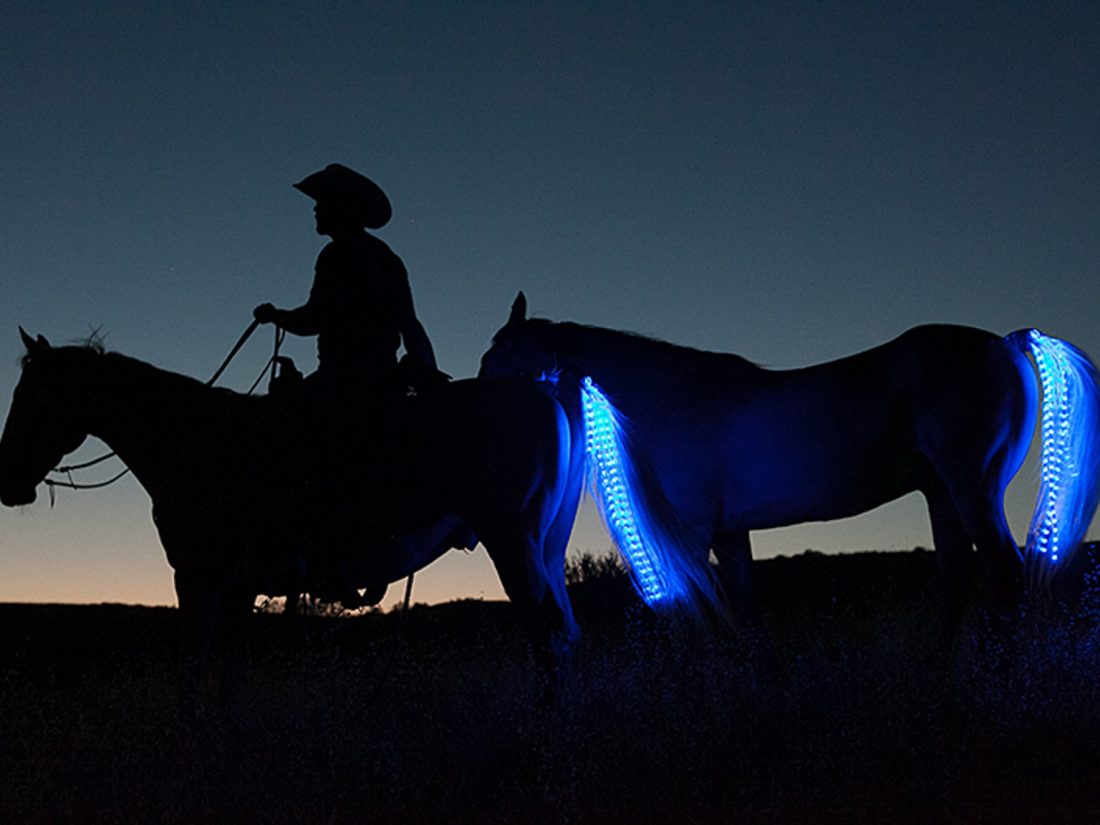
This is one of a kind wearable -even for the animal world. Taillights is a series of LED lights meant for horses. There are four strips of lights which are attached to the tail of the horse, making it visible even on a dark for up to a mile. This fantastic wearable is surely a good measure against road accidents. Police officials in the US and Canada use it for patrol-horses. The lights are available in multiple colours and flash patterns, along with festive options. Guess who can have a horse with a tail incandescent with red and green lights for the festive season this year? Taillights cost $145 on the official website.
5. GoPro Fetch
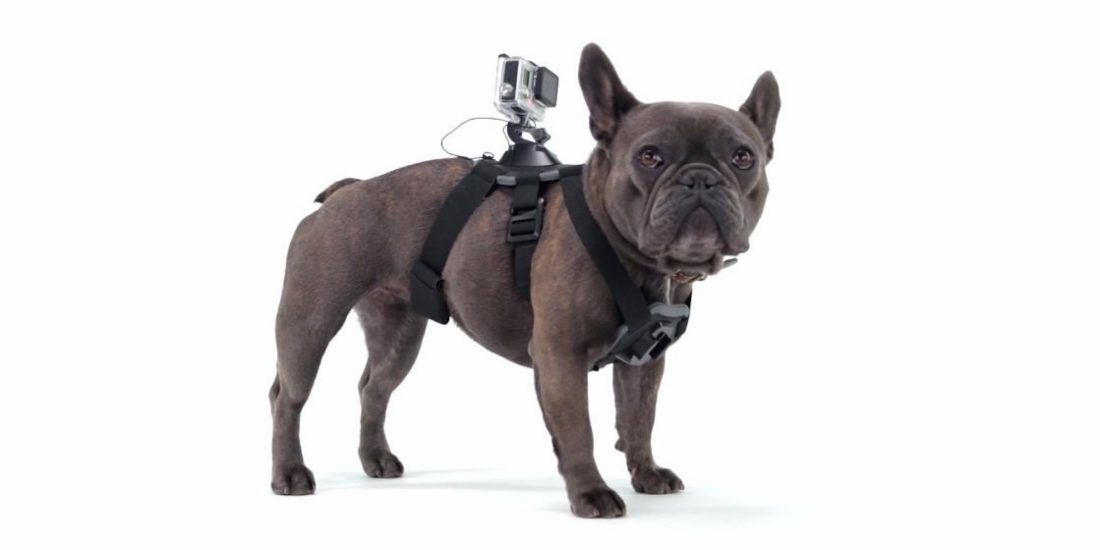
GoPro Fetch is basically a harness made by the company that lets you attach a GoPro (to be bought separately) to your little canine friends and then view the world from their point of view. Use it to watch your dog during “bone-chewing, digging and front-paw action”. The harness is washable, sturdy and tough enough to withstand exposure to mud and water. It can be purchased for a price of $49.99 off the GoPro website.
Early in January, it was reported that Google is working on its own virtual reality headset. New reports now suggest that the successor to the Google Cardboard will see the light of day sometime this year.
Not much is known at this time as to what and how Google’s VR will look like, but sources close to the development of the device report that the company will attempt to take on Samsung’s Gear VR. This means that the Google VR will need to pair with a smartphone in order to work. However, unlike Samsung which allows only 2015 flagship devices to be compatible with its headset, Google will allow users compatibility with a wider range of devices.
Google will also likely release an Android VR software along with the VR headset that will look to enhance the VR experience by making the software native to the Android operating system.
The details as to when exactly Google plans to launch its headset is still a mystery. There is a possibility that the company will make the announcement or at the least discuss its VR intentions at this year’s Google I/O conference, which begins on May 18.
A new patent granted to Samsung hints that the south Korea based tech giant may bring to the wearable-market a concept futuristic enough to put the Terminator to shame. Samsung plans to incorporate a new biometric user authentication system in its smartwatches and other wrist-based wearables of the future.
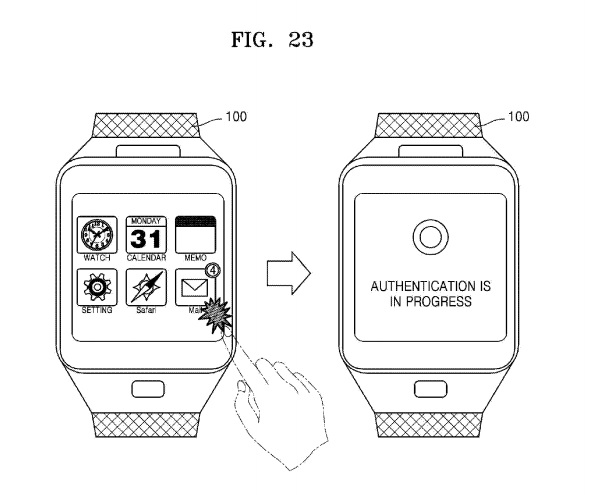
According to a new patent filed by Samsung, the company is toying with the idea of using advanced biometrics in its smartwatches of the future that will recognize you by your veins.
The patent talks about a system in which light sensors work in tandem with the camera sensors trace the user’s vein structure and simultaneously also detect the user’s pulse. Since vein structure and pulse are unique to individuals they will be used for identification when the user puts on the smartwatch.
The patent information indicates that the software could offer custom contact lists and ringtones upon identification of the user. Further uses of a smartwatch equipped with such high-level biometric tech could be the smartwatch being used like a key to open a car door or your house. It also could be used to authenticate a mobile payment, replacing the currently used fingerprint sensor or password sign-in.
The patent filing describes the tech as:
“A wearable device comprising: a sensor configured to capture a vein image of a user;…identify the user by comparing the captured vein image with at least one registered vein image; and in response to determining that the identified user has an execution authority for the selected function or application, execute the function or the application.”
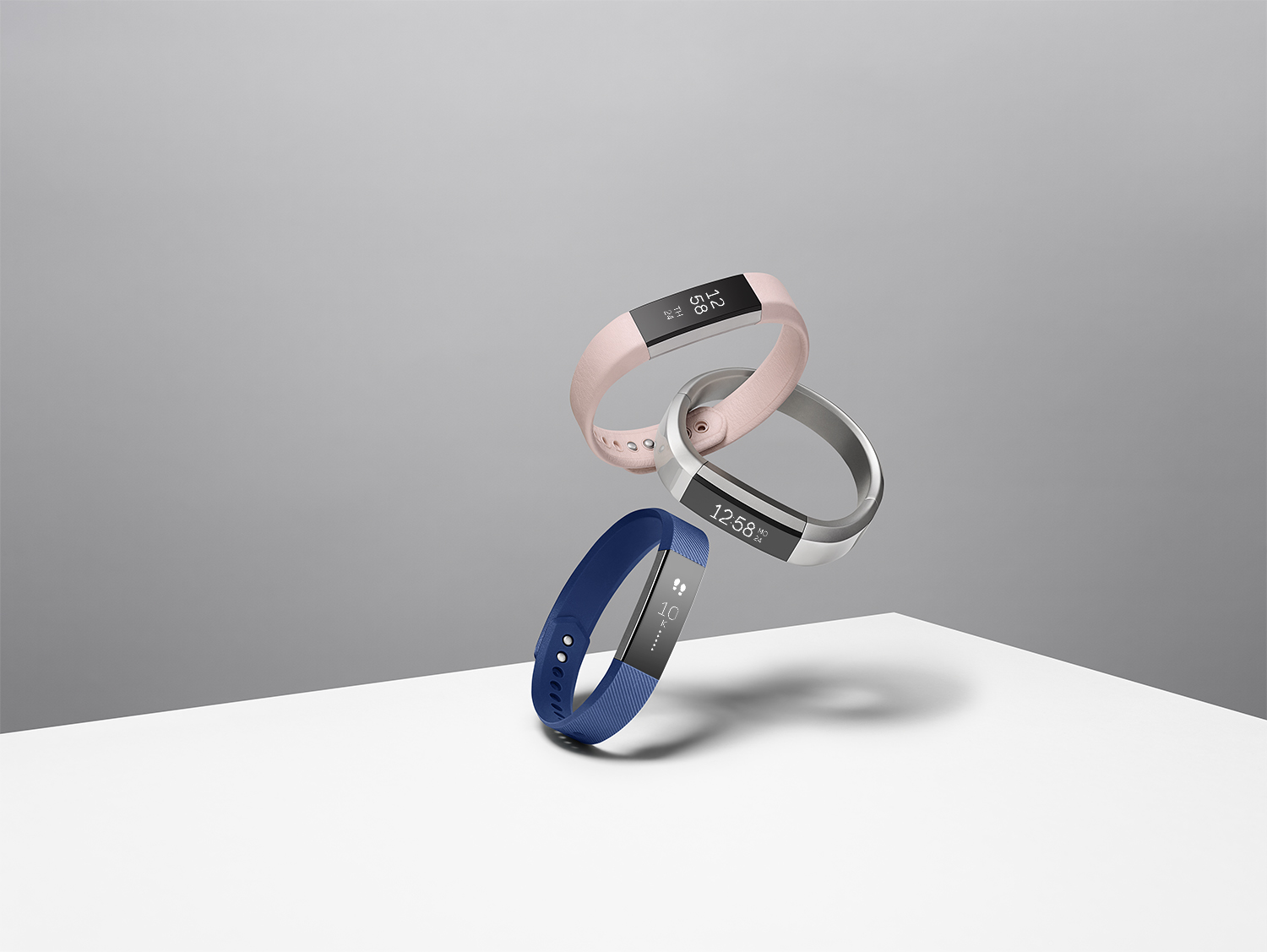
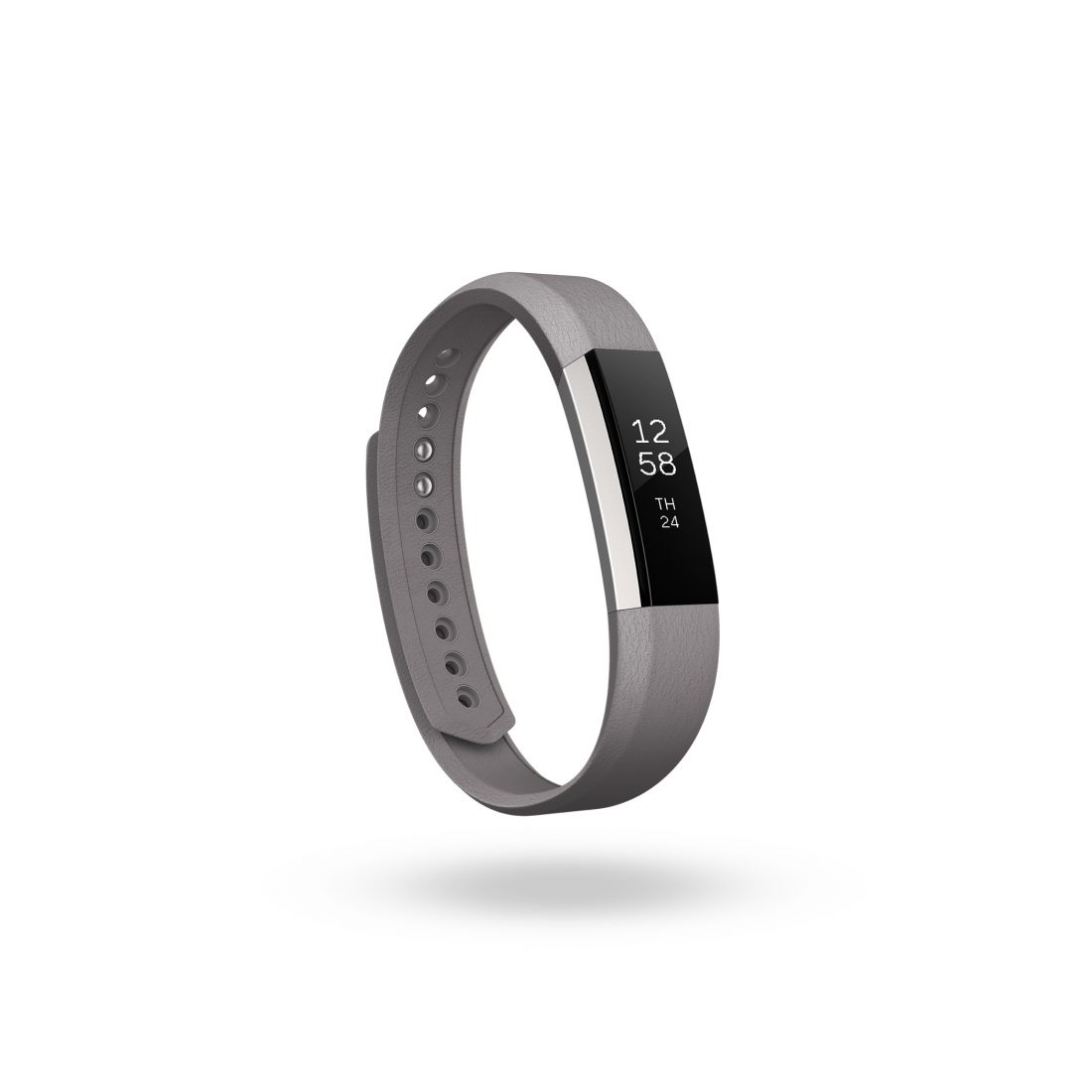
Fitbit Alta, a sleek new wristband fitness tracker has been announced by the company which recently introduced a bigger Fitbit Blaze at CES this year. Fitbit Alta is a slim, sleek fitness wristband that can be personalized to fit your style. Alta comes equipped with features which enable it to automatically track the users day to day activity, exercise and sleep patterns.
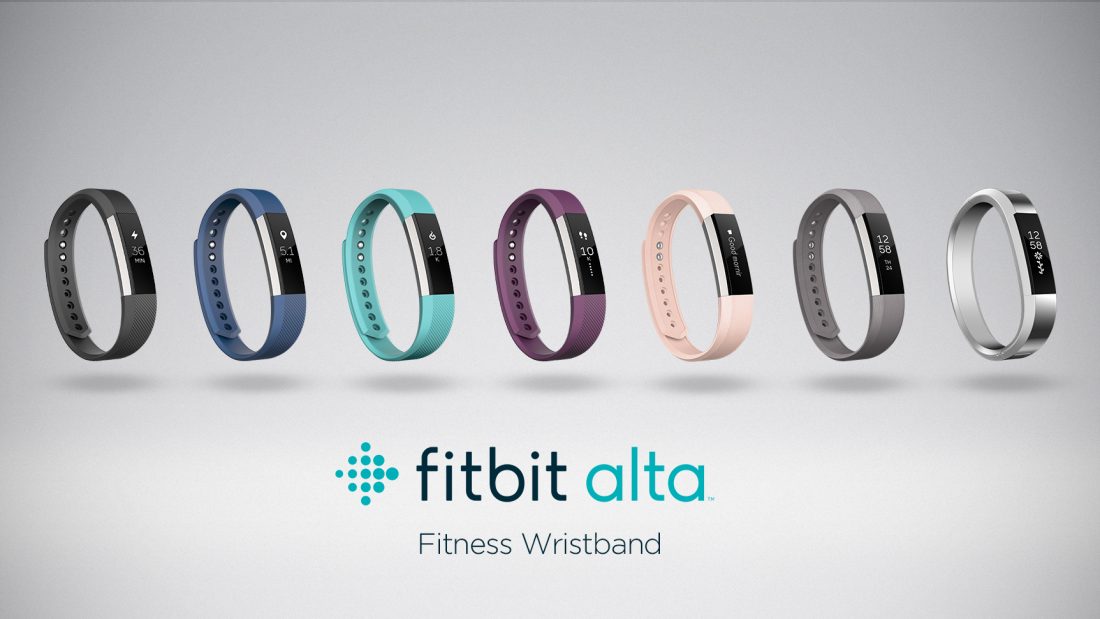
Fitbit left no stones unturned when it came to styling the device. The fitness tracker is designed with a satin finish, stainless steel body and features a line of stylish interchangeable bands in multiple popular colors and premium materials.
Speaking about the Fitbit Alta, the CEO and Co-Founder of the company James Park, said
“Fitbit Alta will turn heads as our most fashionable device yet. The attractive, versatile design of this new fitness tracker fits seamlessly into daily life – from the gym to the office to a night out.”
The company says that the Alta will remind you to move, and nudge you to stay active throughout the day. It will congratulate you on reaching personal health milestones daily, and help keep track of your progress. Users can customize the prompts based on the schedule and can put it on “Do Not Disturb” during long meetings or appointments.
Fitbit Alta Lineup
The Fitbit Alta works in tandem with the Fitbit app which records the users daily activities and shows them in the app along with the weekly goals. The goals can also be personalised to the user’s fitness routine. The Fitbit Alta will start retail with a price tag of Rs. 12,999 available starting March via Amazon India and retail stores.
Chinese Smartphone maker LeEco, according to reports, has plans of selling virtual reality headsets and bring to the markets smart Tv’s for its consumers in India during the next quarter.
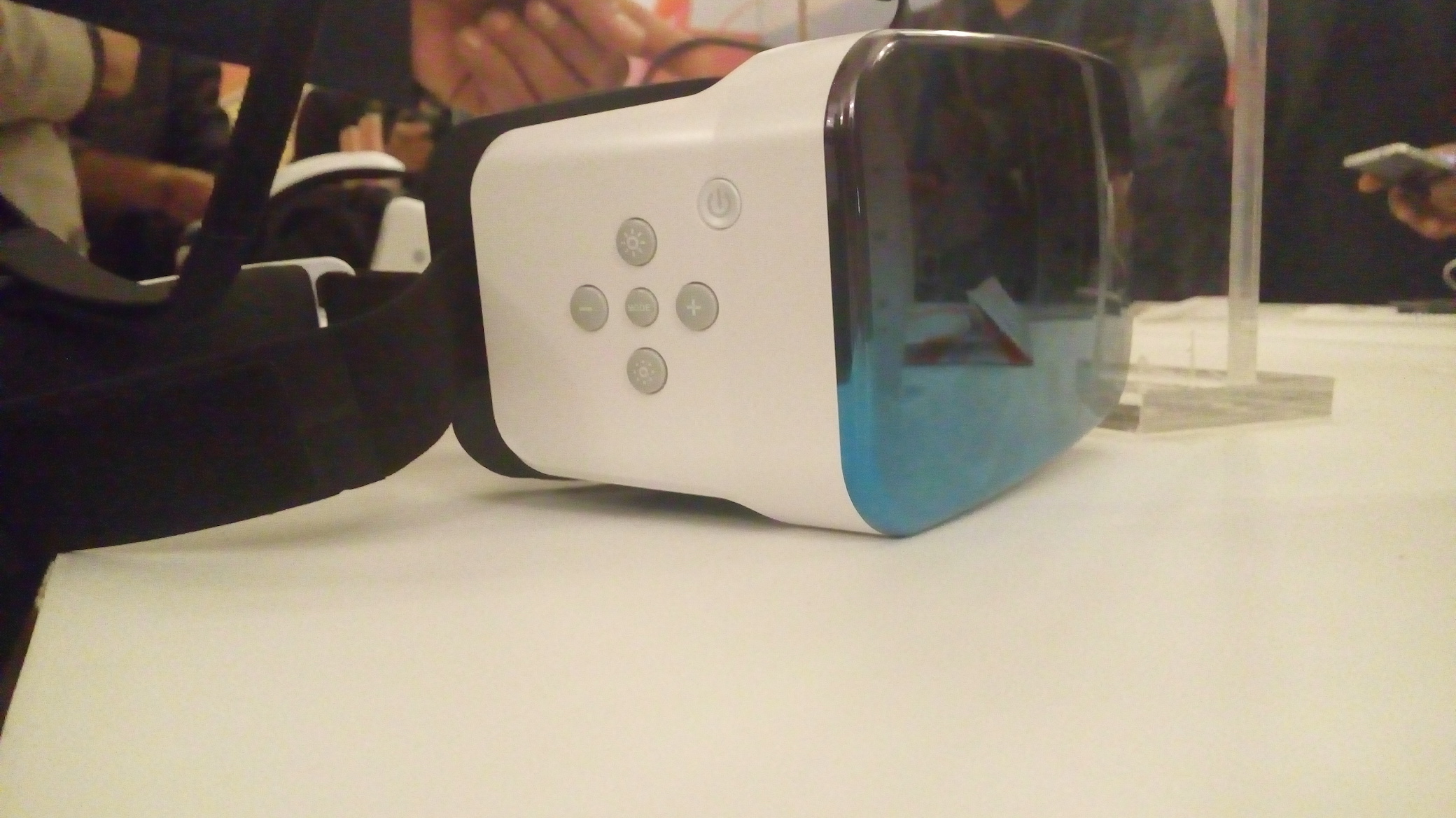
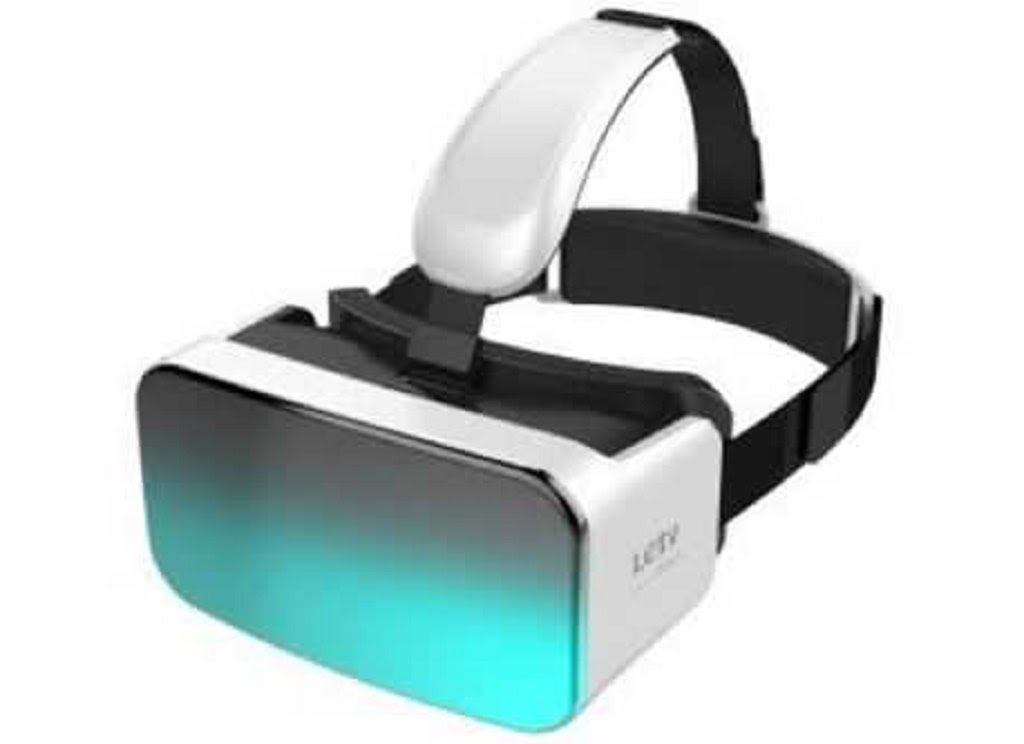
LeEco’s VR headset which will be called the Le 3D Helmet will come equipped with a 5.5 inch, 2K resolution display with a 70 degree view. The 3D headset was launched in China and soon will make its way to India.
Virtual reality (VR)is soon becoming the next big thing in India but not too many VR headsets have made way to the Indian markets as of now, and as such there is a growing market space to be catered for VR hardware, and LeEco plans to take full advantage of that.
Atul Jain, India chief operating officer of LeEco, is keeping his cards close to his chest and has declined to disclose the price of the company’s VR device.
The company earlier this month unveiled three new smartphones to the Indian market and has disclosed impressive registration numbers for a flash sale which will see them retail on Flipkart. More than 300,000 customers have registered for the sale but the company expects numbers to go higher for subsequent sales.
Today’s HTC news is not about smartphones but smartwatches and tablets. Whispers and rumours have been floating about that HTC is set to join the growing list of brands to have their own smartwatches. That and a new tablet being spotted on GFXBench are what’s trending today.
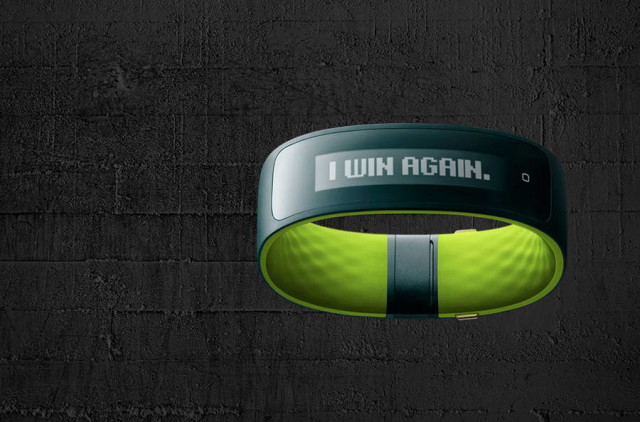
Talking about the smartwatch first, HTC is said to be working on a proper smartwatch after having partially launched the HC Grip fitness band last year. We say partially because the band was launched as a part of an Under Armour Healthbox package that included a chest strap for heart rate monitoring, a smart scale and smart sneakers. The package was launched at CES earlier this month.
The rumor about a smartwatch in the works was revealed by popular leakster @evleaks. However, not much is known about the smartwatch at this time. Some past rumours have suggested that HTC’s smartwatch would use Android Wear as its platform and that the watch would sport a round display.
On the tablet front there are some concrete facts. The alleged tablet was spotted on GFXBench with some key specs listed. The tablet called Desire T7 will be the first-ever tablet under the Desire series and will likely sport a 6.9-inch display with HD (1280 x 720) resolution.
The Desire T7 comes with a Spreadtrum SC8830 quad-core processor clocked at 1.3GHz. It is supported by a Mali-400 GPU and 1GB of RAM. There is 16GB of internal storage. The tablet is also listed to feature a 5MP primary and secondary camera and will run on Android 5.0 Lollipop.
While a lot of uncertainty looms over the smartwatch, you can expect an unveiling of the tablet at the MWC in February. HTC is also likely to mention the smartwatch at the event or would save it for March where the company will hold a separate event for the launch of the HTC One M10.
Samsung launched the Gear S2 smartwatch in India on Thursday. The launch sees company’s entry into the Indian smartwatch market, which isn’t so hot as of now. One of the reasons Samsung delayed the launch of the Gear S2 in India was due to license and the need for the right content. The Gear S2 comes with a starting price of Rs 24,300.
Manu Sharma, Director, Product Marketing, Samsung Electronics India, unveiled the devices at the event and spoke about the importance of the smartwatch trend in the country. Sharma was especially gleeful about the Gear S2 in India which has partnered with Samsung’s R&D Centre, Samsung Research Institute in Bangalore and other third party partners as part of the ‘Make in India’ initiative to cater to the specific needs of Indian customers.
The smartwatch trend in India is still in its early stages. The wave hasn’t really caught on and consumers here aren’t sold on the usability and practicality of a smartwatch. Part of the reason behind this is the lack of any localized applications, tailor-made for the Indian consumer. Smartwatches, after all, is meant as a fitness device, among other things.
Samsung has tried to address this problem in a bid to attract the Indian customers by partnering with apps like Obino Gear Up that monitors and suggests ideal meals based on Indian food preferences along with exercise options. The meal suggestions come from an extensive Indian food database along wth relevant measuring indices like ‘katori’ (a bowl) ensuring enhanced tracking of diet.
Apart from this, the sensors in the watch like accelerometer, gyro sensor, proximity sensor, etc help monitor physical game-play for sports popular in India such as Cricket, Tennis, and Golf, as of now. “We are aiming at providing a differentiated experience altogether with our smartwatches, which consumers can customise as they want. Our main focus is to increase the use cases for Indian consumers,” said Sharma.
The goal as Samsung sees it, according to Manu Sharma, is to make the smartwatch the primary device, something you look at you reach for your smartphone. In order to do that, the smartwatch needs to have enough and more applications to convince users that looking at their wrists is far more practical and efficient than digging into their pockets. Having a smartwatch that has applications customized for the Indian audience is one way to go about it, which Samsung has achieved with the Gear S2. Is it enough for the smartwatch win over the Indian market? Only time will tell.
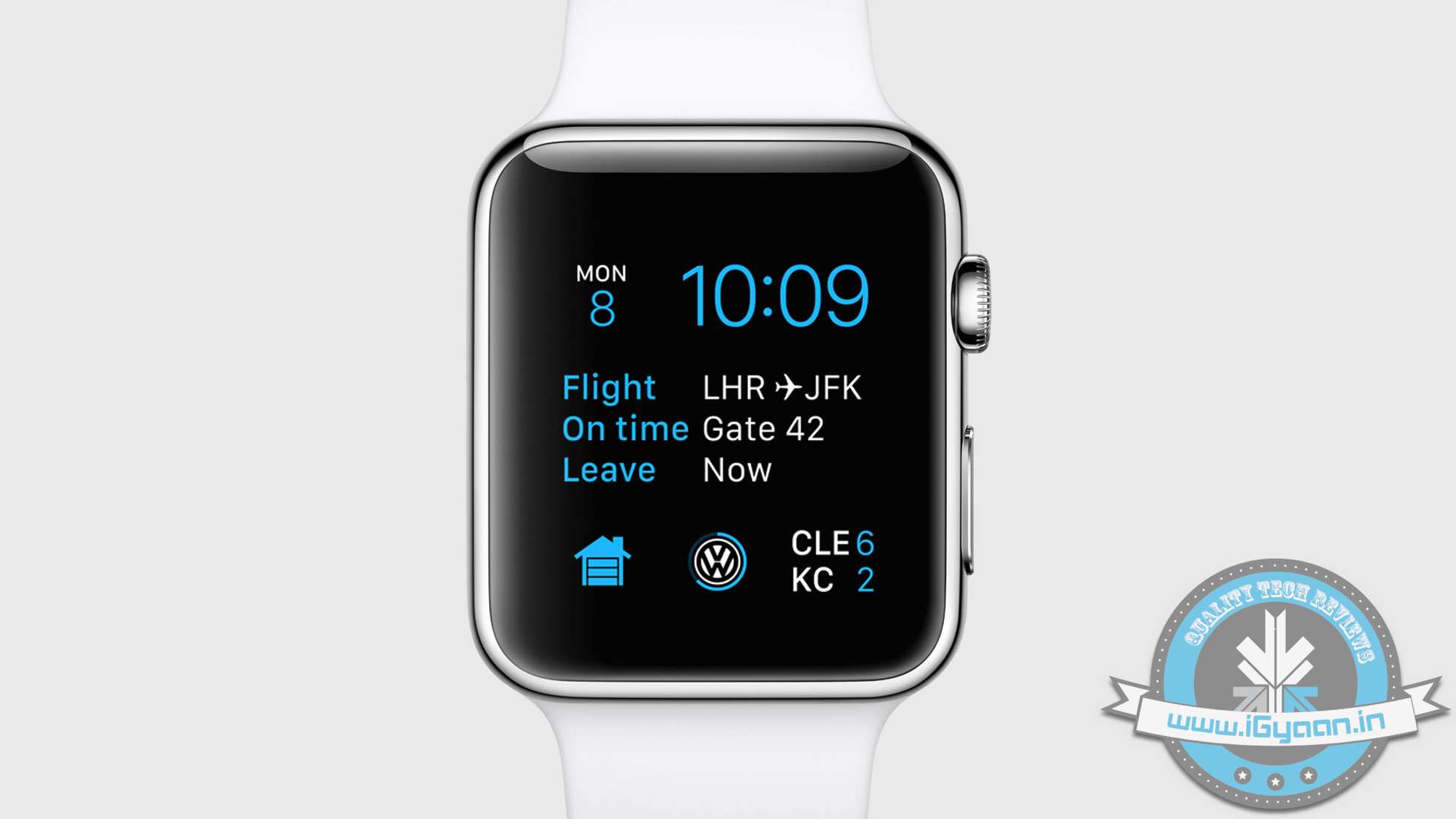
According to latest rumours, it has been claimed that the new redesigned Apple Watch might not be ready before September. According to these reports Apple will talk about the Apple Watch at an event in March, but will only unveil a new range of band color options and other accessories.
Apple will unviel the new bands at this rumored March event and also announce the release of watchOS 2.2, a software update that adds some minor functionality to Maps and lets iPhones sync with multiple Apple Watch devices.
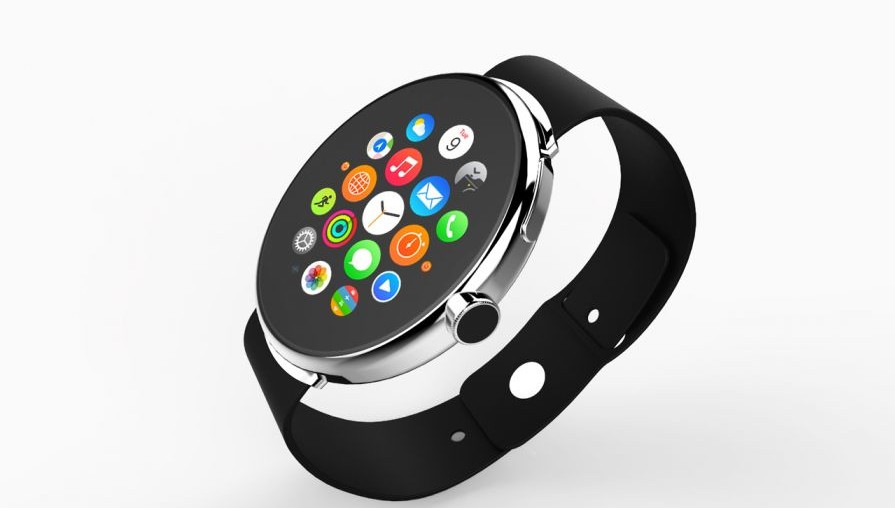
A redesigned new iteration of the Apple Watch isn’t expected to be unveiled by Apple later this September, along with the iPhone 7. It is expected that the second-generation Apple Watch will likely feature new hardware functionality, and come equipped with more health-focused sensors. A front camera is also being expected.
The smartwatch category seems to be heating up some more with every passing day. For the past couple of months, we have seen a number of manufacturers jump into this space, and sell to us wristwear for the future. While
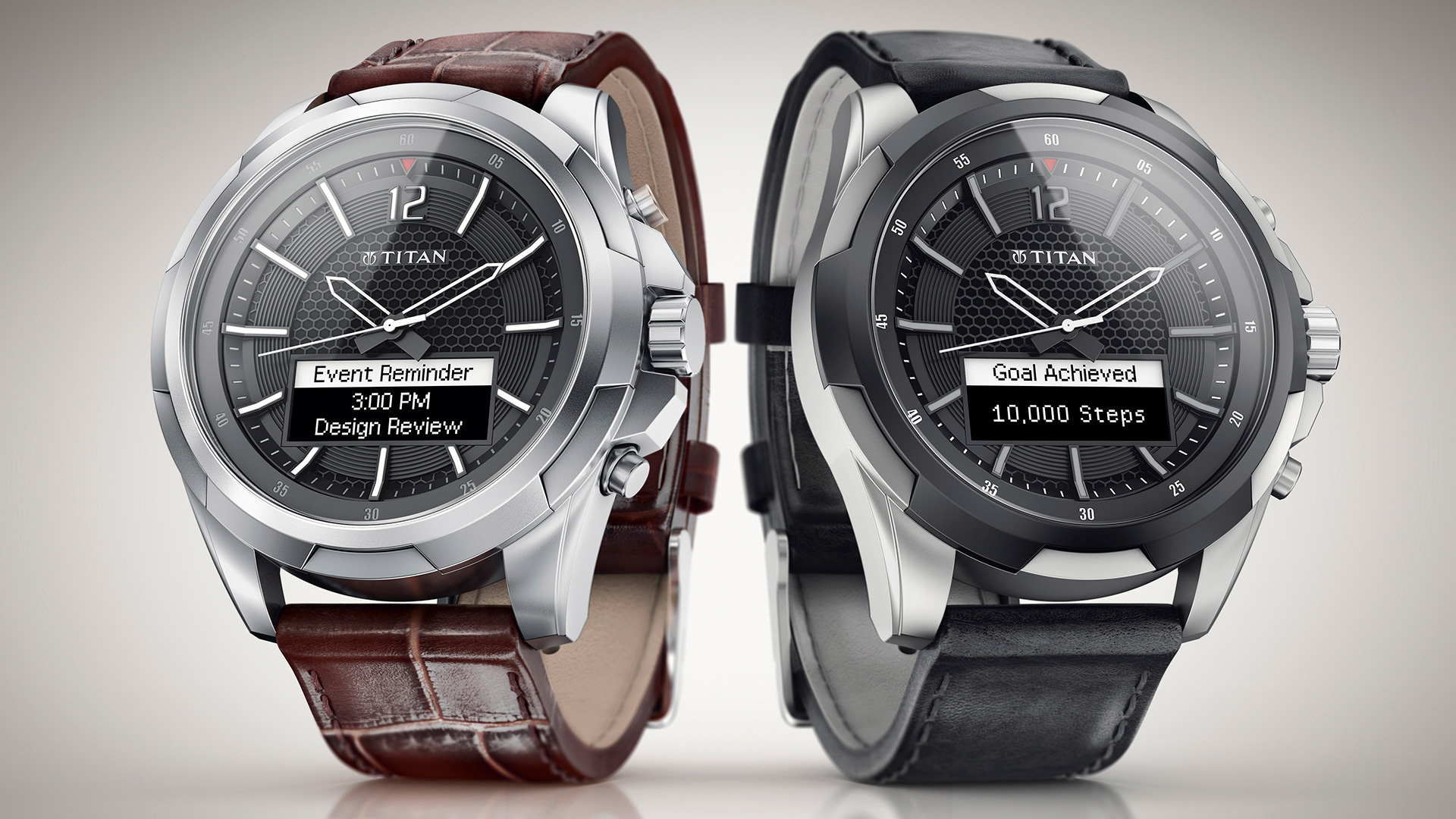
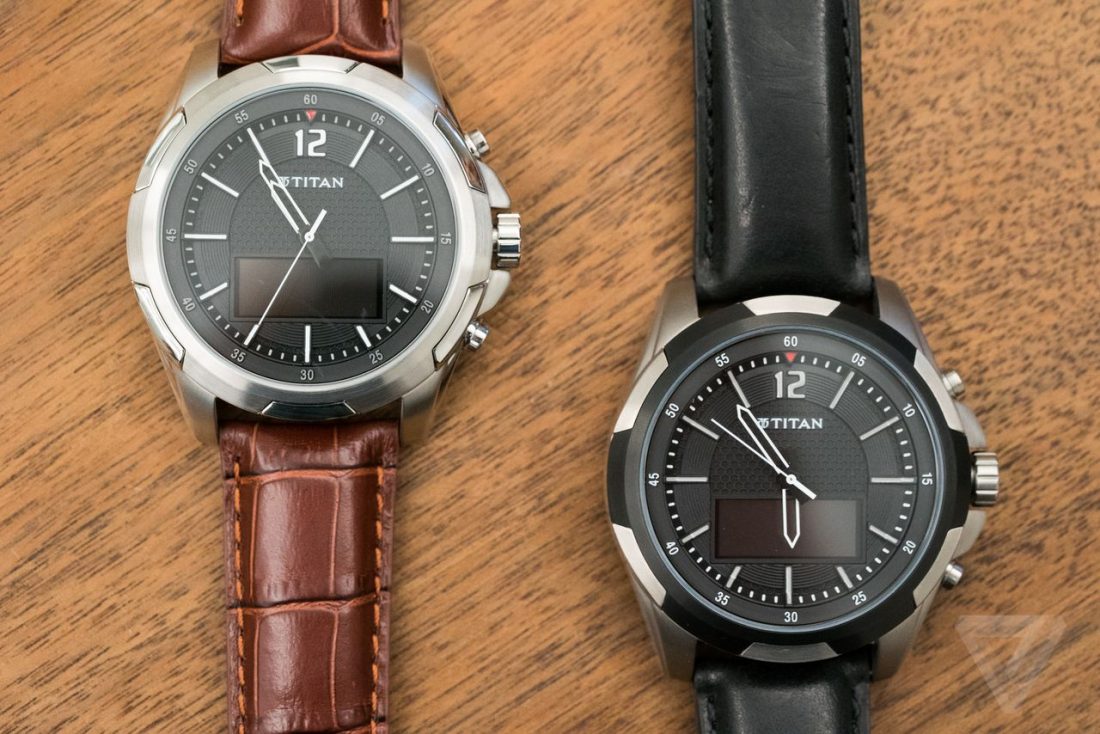
While yestreday Samsung launched its much-awaited Samsung Gear S2 smartwatch to much fanfare, there was another launch which being equally as big for Indian customers still went under the radar a bit. Enter the Juxt.
Juxt is Indian watchmaker Titan’s foray into this growing market of smartwatches in India. This smartwatch will be sold in India and other markets as well at a starting price of Rs 15,995. The company also has plans of bringing different two more variants of the smartwatch to the market. The first will be Rose Gold Stainless Steel which will retail at Rs 17,995 and the other Titanium on sale for Rs 19,995.
The watch comes equipped with a Three piece body in stainless steel material and a beautiful OLED display, and is water resistant to 50m. It can connect both to your Android, and iOS devices. The watch can track your steps, connect to your social media apps and also gives you alerts on your watch for calls.
At the launch Titan’s CEO, S. Ravi Kant said, “JUXT is India’s most stylish smartwatch. It has been designed for those who are appreciative of classic watches, yet want smart capabilities in their timepiece.”
Juxt is launched in collaboration with HP, and it is expected this collaboration will help Titan to make an international presence in the markets like the United States, U.K and Canada. Titan will use HP’s distribution network to sell its smartwatches outside the country, starting with the above three, but later plans to expand to six-seven more countries.
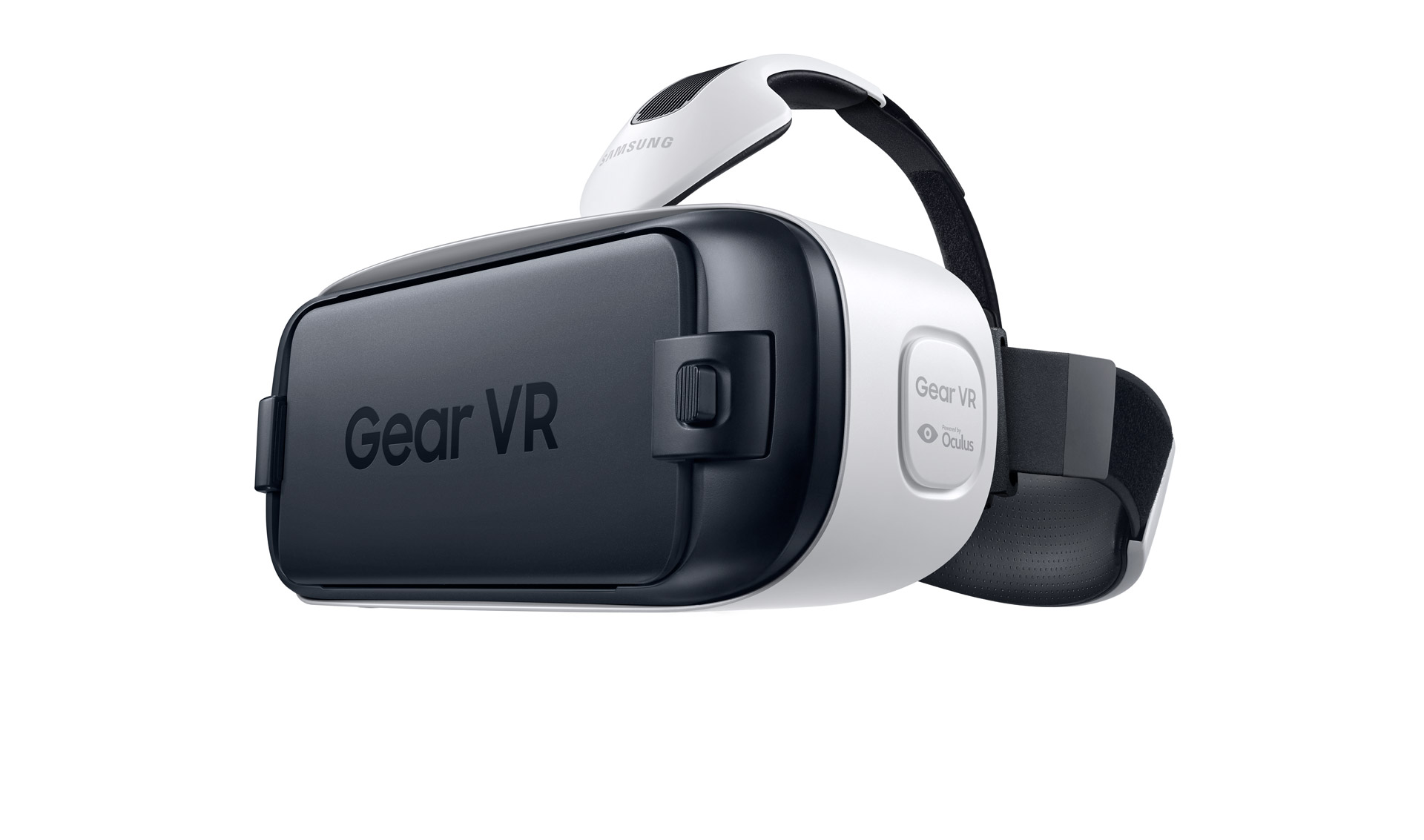
The Samsung Gear VR Headset, alongside the Gear S2, and Gear S2 Classic Smartwatch launches for a price of Rs 8,200 today to eager Indian customers. The product will be available through the company’s retail stores, as well as through Flipkart.
The focus on virtual reality is growing with every passing day. As more and more important names from the tech industry are coming forward with their products, Samsung too has decided to jump into the fray with its new VR offering for its millions of fans around the globe.
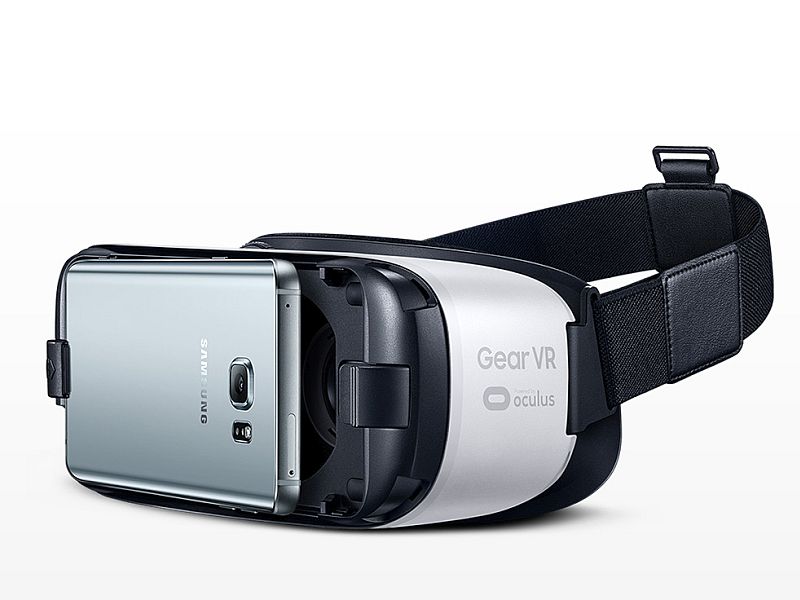
The Gear VR Headset features a wide interface, ergonomic design and a large touchpad. Gear VR promises convenient and accurate control to enjoy games and videos. At the launch the company stressed that Gear VR Headset works seamlessly with Galaxy smartphones. As of now, the Gear VR supports the latest high-end Galaxy smartphones including the Galaxy Note 5, Galaxy S6 Edge+, Galaxy S6, and Galaxy S6 Edge. Samsung also added the recently unveiled Galaxy Note 5 Dual SIM to the compatible devices list.
Samsung stresses that the new Samsung Gear VR Headset is 19 percent lighter compared to the previous model. The new VR Headset features a large touchpad for control. It will weigh 318 grams and measures 201.9×116.4×92.6mm. The Gear VR comes with an impressive field of view of 96 degrees. It also houses back, volume, and focus adjustment wheel button for controls.
Samsung’s new offering packs sensors such as gyro, accelerometer, and proximity, and the device will support Micro-USB charging. The Gear VR comes with soft, flexible cushioning material, and also features adjustable straps for ease use of use.The Gear VR Headset will also support 360-degree videos.
Announcing the product Manu Sharma, Director, Marketing said, “Gear VR presents the unique opportunity for consumers to get an immersive virtual reality experience. Samsung will be at the forefront of this exciting revolution to create further ‘wow’ moments in our consumer lives.”
Samsung unveiled the Gear S2 at IFA Berlin last year. The smartwatch has been launched slowly in select countries for the past few months and has now launched the smartwatch in India along with the Gear VR headset.
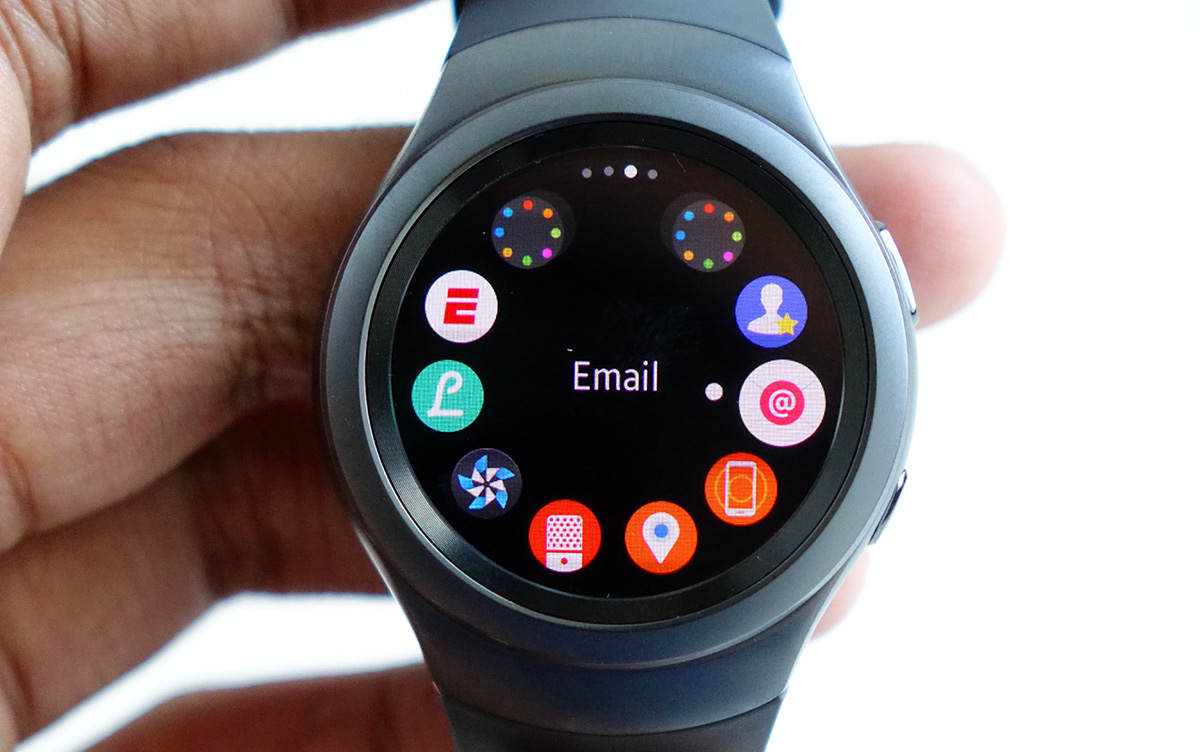
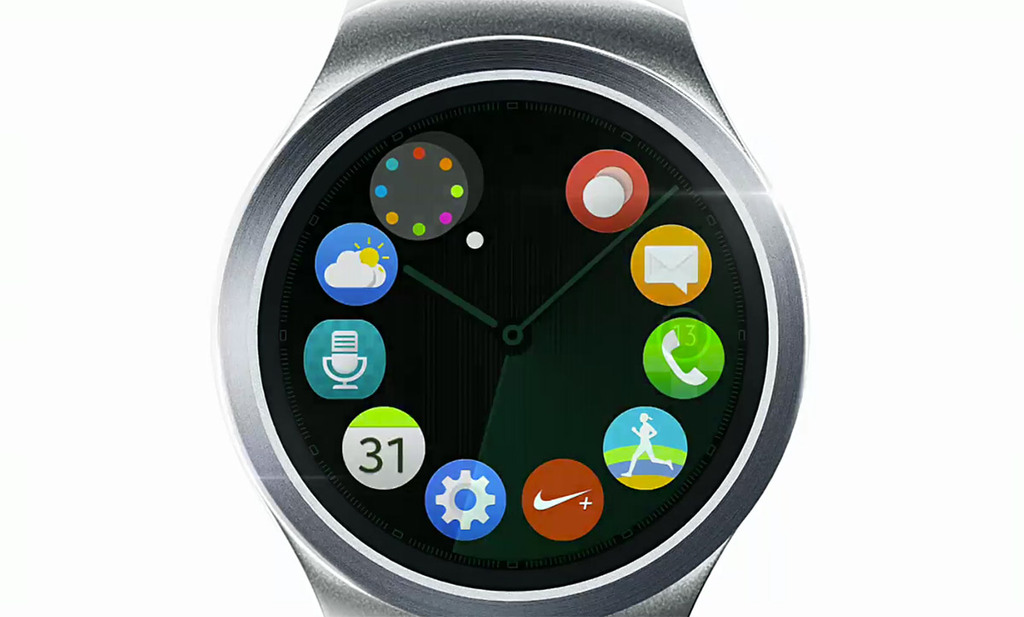
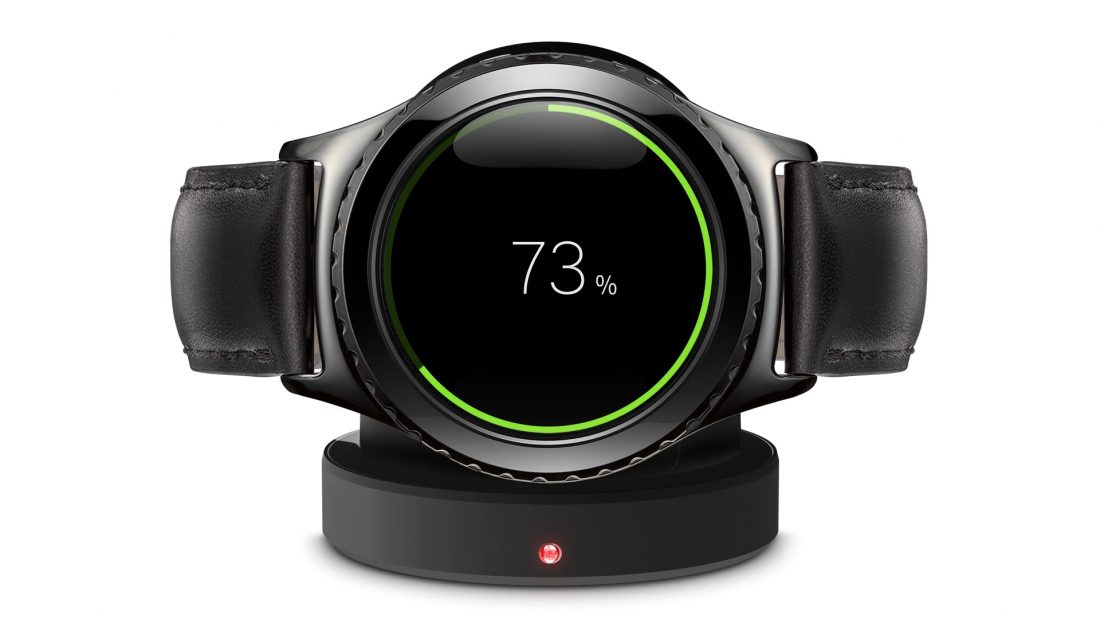
The new smartwatch comes with a 1.2-inch screen with a 360x360resolution (302ppi). To power the device, Samsung has used 1GHz dual-core processor and provided the option of 3G Connectivity. The Gear S2 runs on the company’s very own Tizen OS and uses a rotating bezel, along with the Home and Back buttons, for navigation. Samsung has also added NFC for mobile payments.
Perhaps, the highlight of the device would be the fact that the company claims it lasts upto 2-3 days on a single charge. Since a wearable is an extra ‘smart’ device that you need to carry around, a long-lasting battery is a necessity. You can rotate the bezel to navigate through the device.
One of the exciting announcements is that the smartwatch has been announced in two variants – Gear S2 and Gear S2 Classic. Other than the design, the only major difference between the two is their size. The Classic has been built smaller and lighter than the Gear S2.Titanium and Rose Gold version for S2 Classic will be available later on. For its timeless design, we’re leaning towards the Classic which comes with a black dial and a leather band.
Furthermore, The Gear S2 will be iOS compatible later this year. As of now, the wearables can only work with an Android device.
Specs
Samsung Gear S2
Display
1.2-inch, Circular Super AMOLED, 360×360, 302ppi
Processor
Dual-core 1.0 GHz
OS
Tizen-based wearable platform
Storage Memory
4GB Internal Memory
RAM
512MB
Connectivity
Wi-Fi: 802.11 b/g/n, Bluetooth® 4.1, NFC
Battery
250mAh Li-ion
Misc
IP68 Certified Dust and Water Resistant, Wireless Charging
Price
Rs. 24,300 for Gear S2 and Rs 25,800 for Gear S2 Classic
The pricing is Rs.24,300 for Gear S2 and Rs 25,800 for Gear S2 Classic, and they are available on Flipkart as well as in offline retail stores like those of Chroma and Reliance.
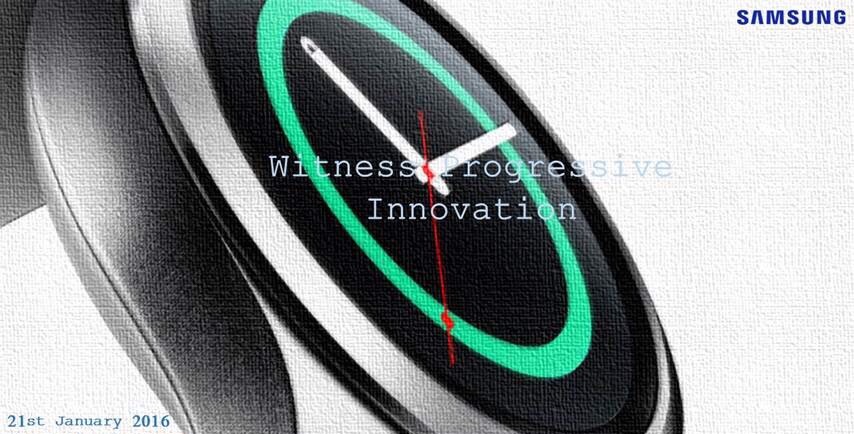
Samsung unveiled the Gear S2 at IFA Berlin last year. The smartwatch has been launched slowly in select countries for the past few months, and will now come to India this week. Samsung India has sent out media invites for the launch event on the 21st of January.
The new smartwatch comes with a 1.2-inch screen with a 360x360resolution (302ppi). To power the device, Samsung has used 1GHz dual-core processor and provided the option of 3G Connectivity. The Gear S2 runs on the company’s very own Tizen OS and uses a rotating bezel, along with the Home and Back buttons, for navigation. Samsung has also added NFC for mobile payments.
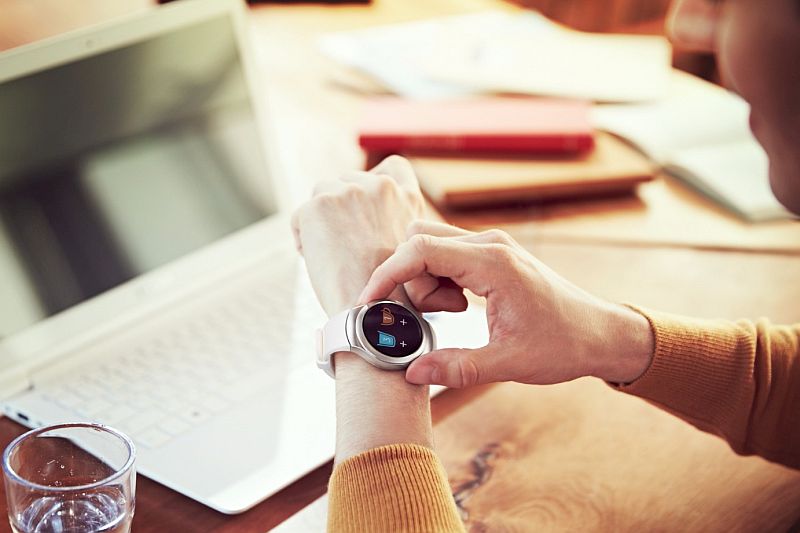
The Samsung Gear S2 Reflects Samsung’s Most Progressive Innovation. It Is The Perfect Complement For Any Occasion, Easily Taking You From Day To Night, From Work To Workout
Perhaps, the highlight of the device would be the fact that the company claims it lasts upto 2-3 days on a single charge. Since a wearable is an extra ‘smart’ device that you need to carry around, a long-lasting battery is a necessity. One of the exciting announcements is that the smartwatch has been announced in two variants – Gear S2 and Gear S2 Classic. Other than the design, the only major difference between the two is their size. The Classic has been built smaller and lighter than the Gear S2. For its timeless design, we’re leaning towards the Classic which comes with a black dial and a leather band.
Furthermore, The Gear S2 will be iOS compatible later this year. As of now, the wearables can only work with an Android device.
The event will also see the launch of the Gear VR headset. The Oculus-powered virtual reality headset is compatible with a number of Samsung smartphones including the Galaxy S6, Galaxy S6 Edge, Galaxy S6 Edge+ and the Galaxy Note 5.
Specs
Samsung Gear S2
Display
1.2-inch, Circular Super AMOLED, 360×360, 302ppi
Processor
Dual-core 1.0 GHz
OS
Tizen-based wearable platform
Storage Memory
4GB Internal Memory
RAM
512MB
Connectivity
Wi-Fi: 802.11 b/g/n, Bluetooth® 4.1, NFC
Battery
250mAh Li-ion
Misc
IP68 Certified Dust and Water Resistant, Wireless Charging
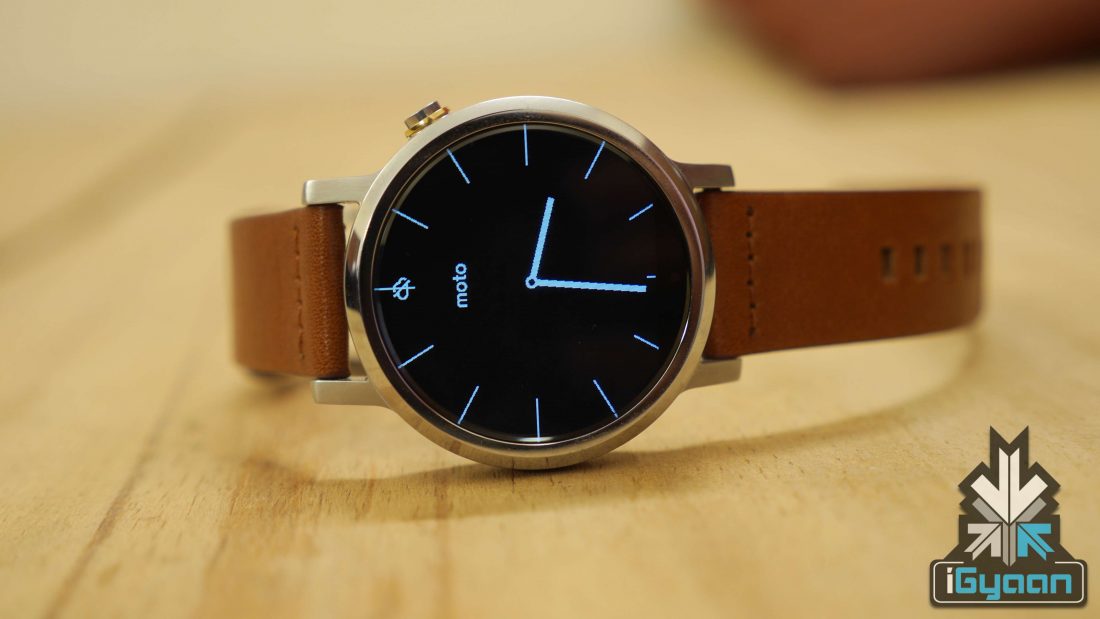
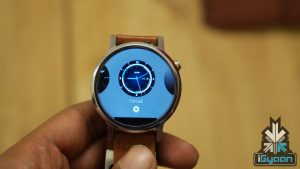
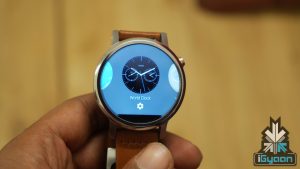
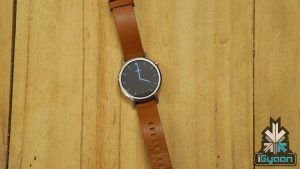
The original Moto 360 was met with a lot of hype, and quite rightly so as it was the device that kicked off the Android Wear trend. While the first iteration was met with a lot of praise, finding a lot of things to love about it and a few faults as well, the second generation Moto 360 builds on its predecessor and improves where it needed to.
Overview
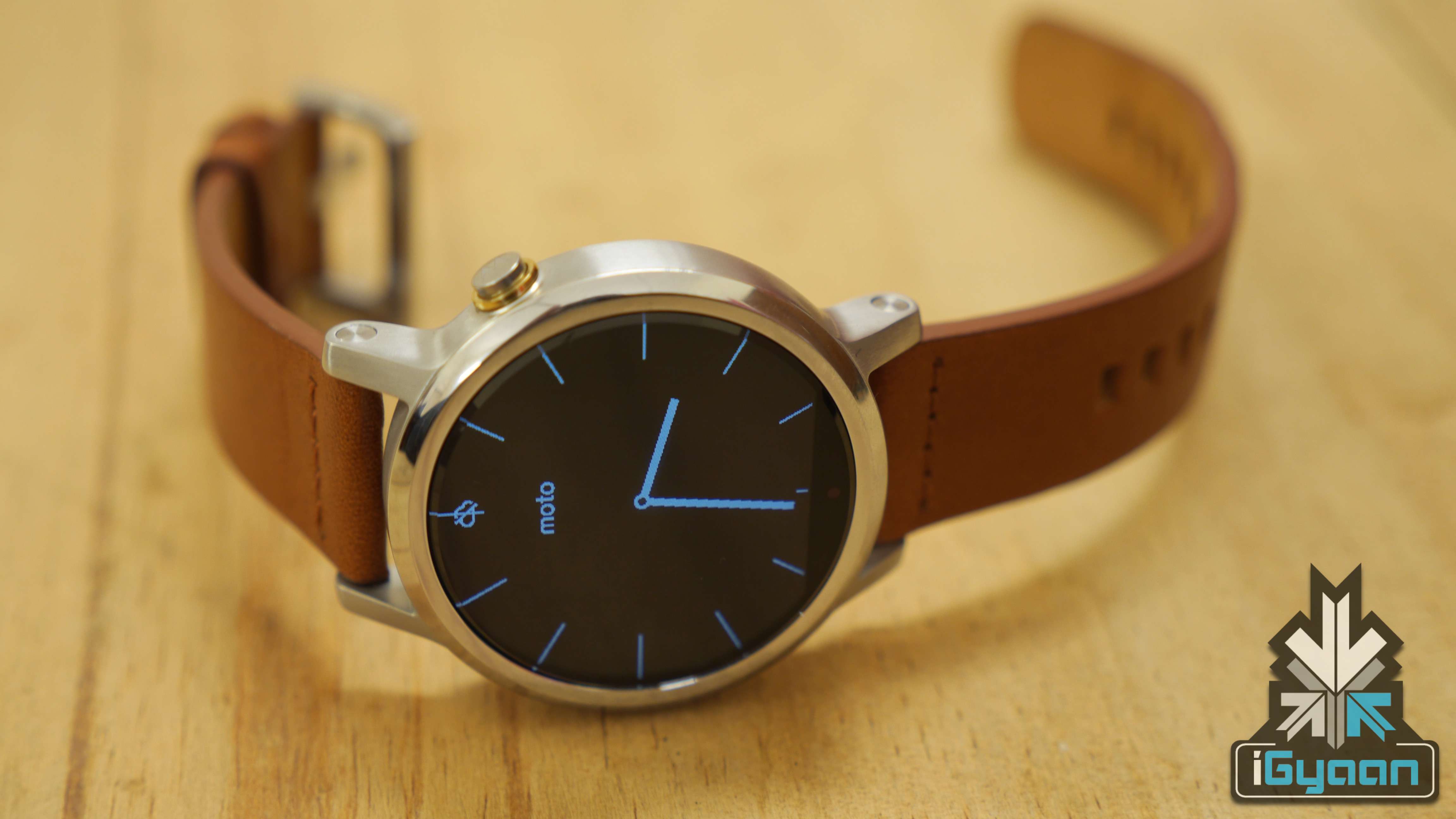
The Moto 360 2nd Gen was unveiled at IFA Berlin last year and was launched in India early September. The smartwatch comes with new design language and customization options including Moto Maker, which, however, is not available in India yet.
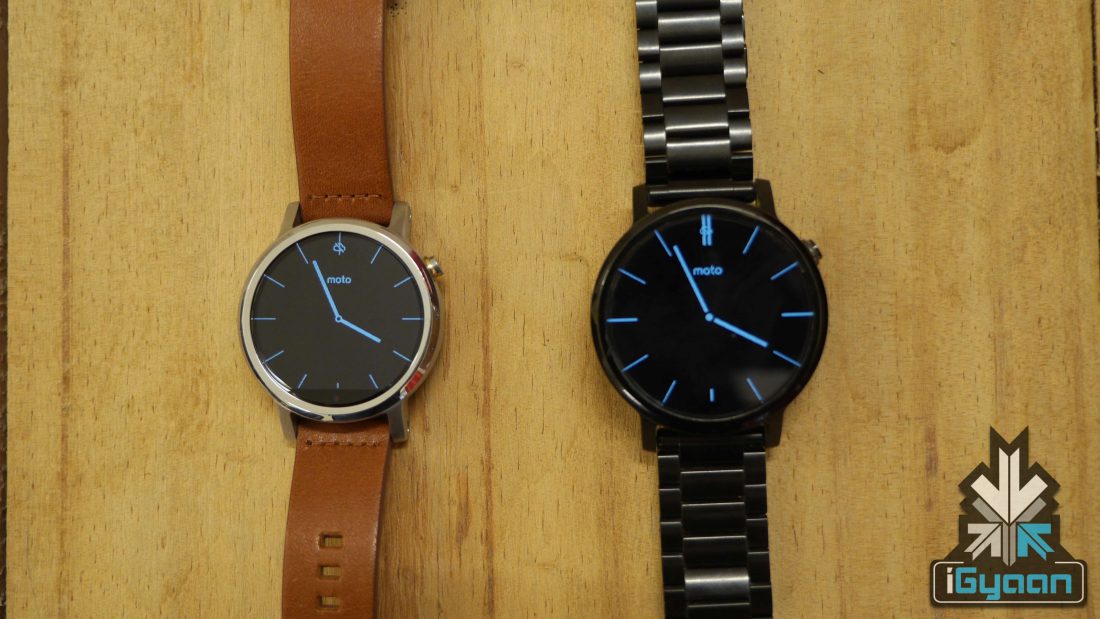
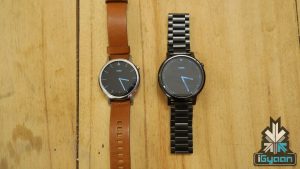
42mm (left), 46mm (right)
The Moto 360 2nd Gen starts at a price of Rs 19,999 for the 42 mm variant and Rs 23, 999 for the 46 mm option. The smartwatch is available on Flipkart and Amazon.
Build Quality and Design
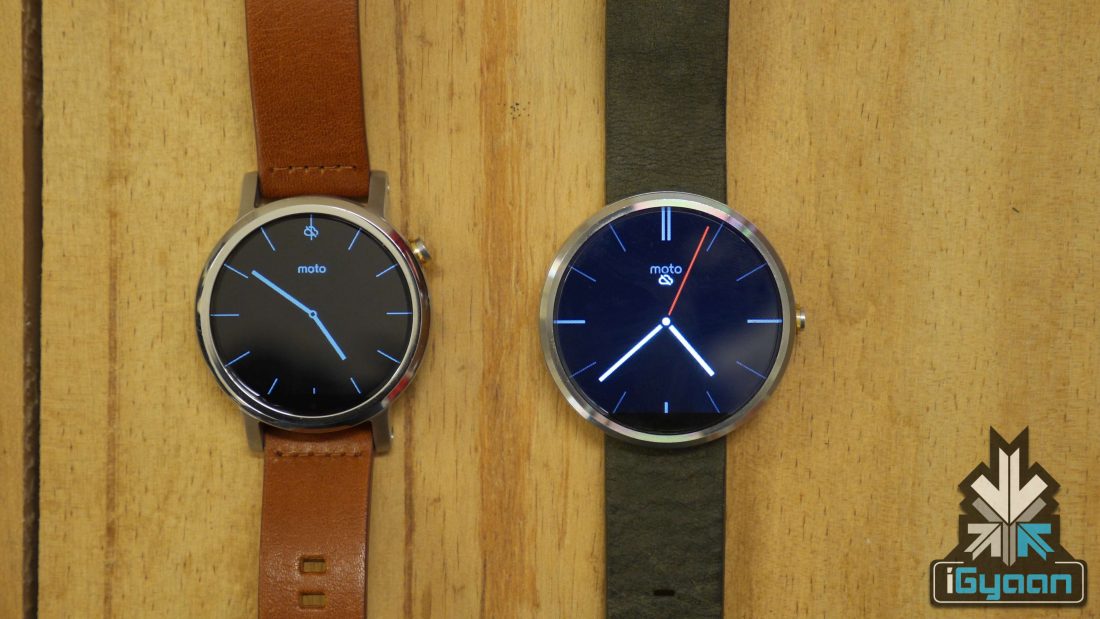
Moto 360 2nd Gen (Left) Moto 360 1st Gen (Right)
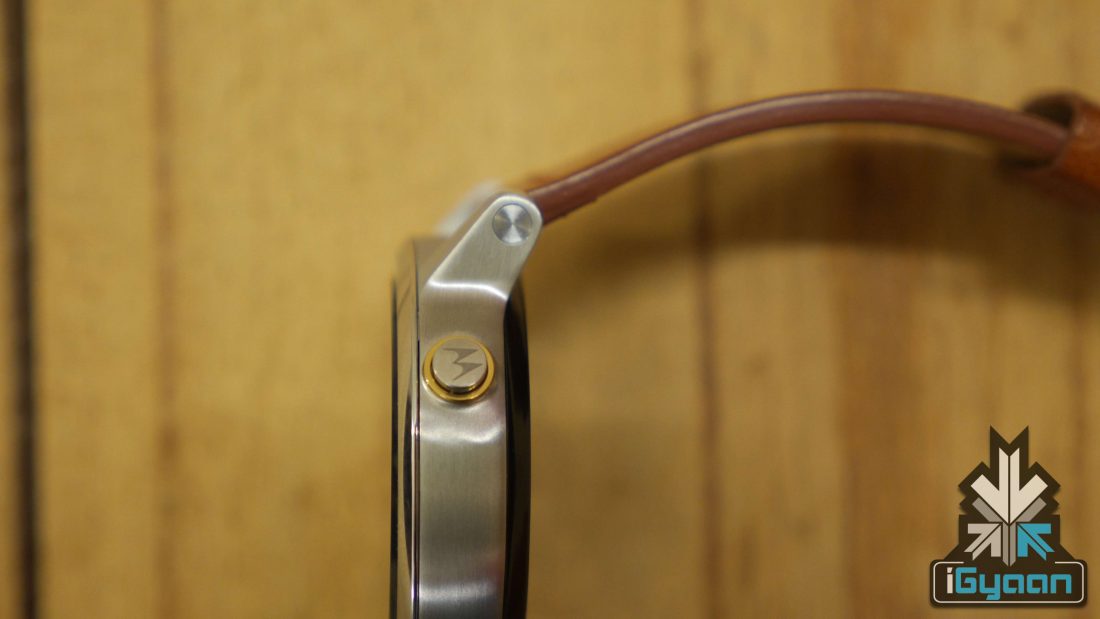
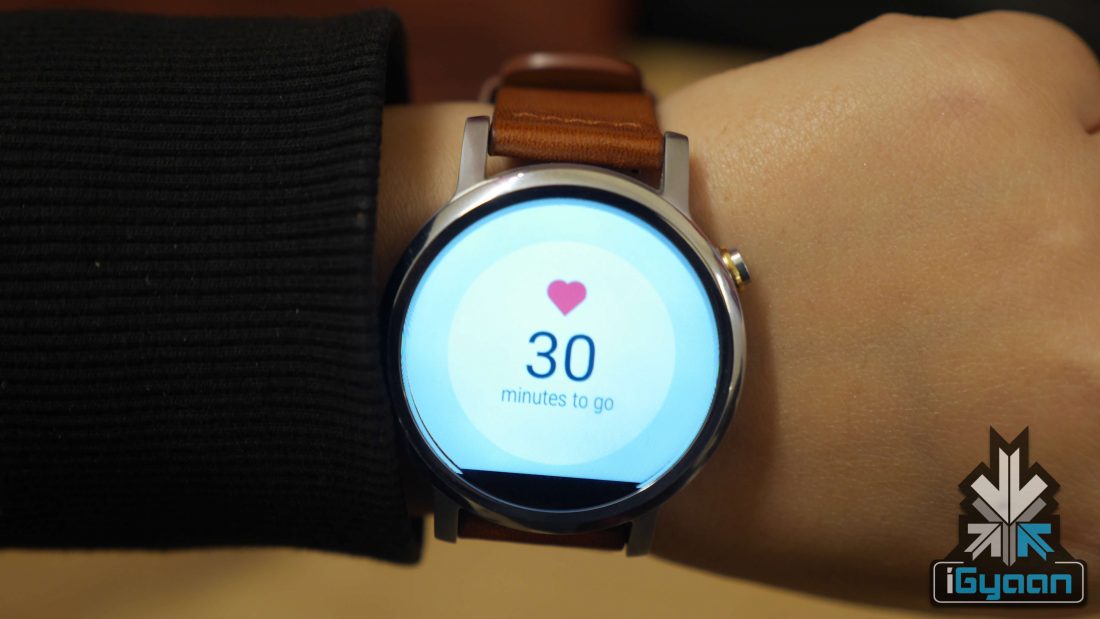
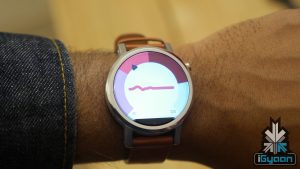
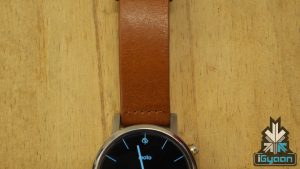
The Moto 360 2nd Gen’s new design language is pretty great. The smooth metallic edge is complemented with thin, refined aluminium bezels. The watch has a firm, strong build and the added nubs give it a better shape and rigidity and gives the device a more watch-like feel to it. The nubs also make changing the straps easier and the lugs are pretty simple to unclasp the band as well. The crown has shifted up a bit to the 2 o’clock position and the top sports the ‘M’ logo.
The Moto 360 2nd Gen is available in three different sizes – a 42 mm male and female version and a male-only 46 mm model. The difference between the male and female version is that the latter attaches itself to a thinner 16 mm strap while the former is compatible with a 20 mm strap only. The 46 mm variant is compatible with a strap that measures up to 22 mm. While the size of the straps differ, the models are all 11.4mm thick, which feels just right without looking too bulky.
The button moves to the 2 o’clock position
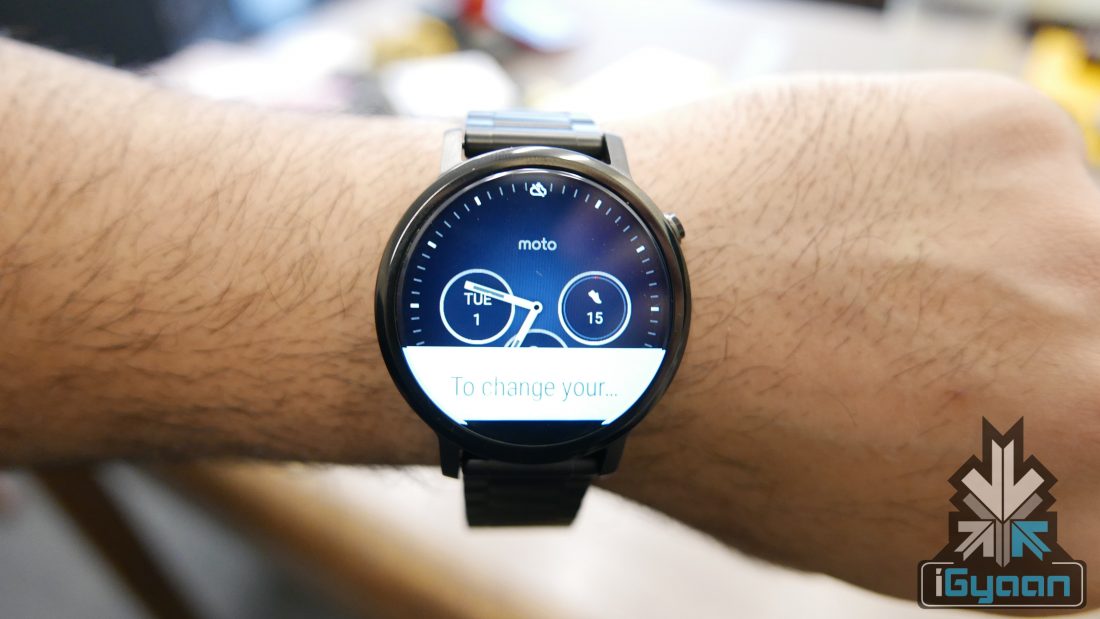
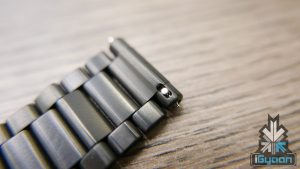
Size isn’t the only point of variation the Moto 360 offers; it comes with a variety of bands to pick from – metal, leather and silicon. However, the silicon version will not be arriving in India any time soon. The smartwatch also comes with gold, rose gold and silver cases and bands. The leather on the 42 mm variant looks elegant on both men and women, while a metallic strap for the 46 mm model looks great on larger wrists.
Display
The 42 mm and 46 mm variants have a 1.37 inch and 1.56 inch LCD display, respectively, and both come with Gorilla Glass 3 protection. The 46 mm version comes with a 360 x 360 pixel resolution and 233ppi, while the 42 mm version has a display resolution of 360 x 325 and 263ppi.
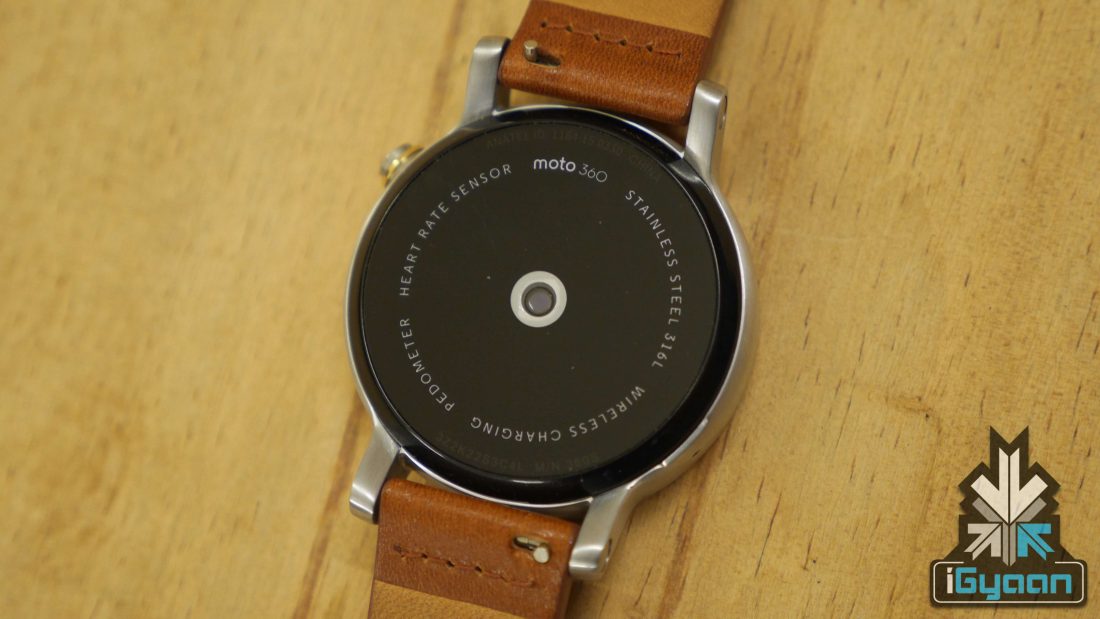
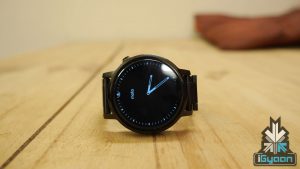
The Moto 360 has received a lot of polarising opinions regarding the display. The popular opinion of it being the first round smartwatch without actually having a fully rounded display stays with the 2nd Gen as well. This is because the screen has a flat-tire like band on the bottom that houses the sensors.
Though many felt the band a little distracting, Motorola has decided to stick with it, and it has come to become something of a defining trait for a Moto smartwatch. After a while with the Moto 360, you tend to grow used to the little band and it really doesn’t feel like an issue. The band also allows Motorola to keep the bezels thin, which is what adds to the look of the device.
The display is quite bright but the LCD screen lacks the vibrancy of an AMOLED display. The light sensor which helps to dim and brighten the screen allows just the right amount of brightness under both light and dark conditions without hurting the eyes. Outdoor visibility is questionable. There’s a ot of glare on the display under sunlight, but you’ll be able to see it just fine when facing the watch directly to yourself.
Hardware and Performance
The Moto 360 Gen 2 is powered by a quad-core Qualcomm Snapdragon 400 processor, an Adreno 305 GPU and comes with a 512 MB of RAM space with a 4GB internal storage on board. Connectivity options include Bluetooth and Wi-Fi. The watch also supports a GPS connectivity, however, it only comes with the Sport range (which unfortunately isn’t available in India yet).
One of the concerns people had with the first iteration was that the device came with a slower OMAP 3 chip, but the second generation rocks a quad-core SD400 processor, and needless to say, there are some differences when using the device. The interface on the 2nd Gen is a lot snappier with very little lag.
Specs
Moto 360 2nd Gen
Display
Men and Women 42mm: 1.37-inch 263ppi (360×325)
Men 46mm: 1.56-inch 233ppi (360×330)
Corning Gorilla Glass 3, backlit LCD
Watch Case Dimensions
Mens:
46mm diameter by 11.4mm high
42mm diameter by 11.4mm highWomens:
42mm diameter by 11.4mm high
Processor
Qualcomm Snapdragon 400 with 1.2 GHz quad-core CPU (APQ 8026)
Adreno 305 with 450MHz GPU
Performance of the Moto 360 2nd Gen is pretty smooth, however, it isn’t the smoothest smartwatch out there. The Moto 360 falls just short of the Apple Watch and Samsung’s Gear S2, but given the price of the Moto 360, we can’t be greedy.
Battery life is good too and an improvement over the first Moto 360, but that’s not saying too much. One of the main problems with smartwatches has been the battery, or the lack therof. Luckily, the Wi-Fi feature helps conserve battery life just a little more.
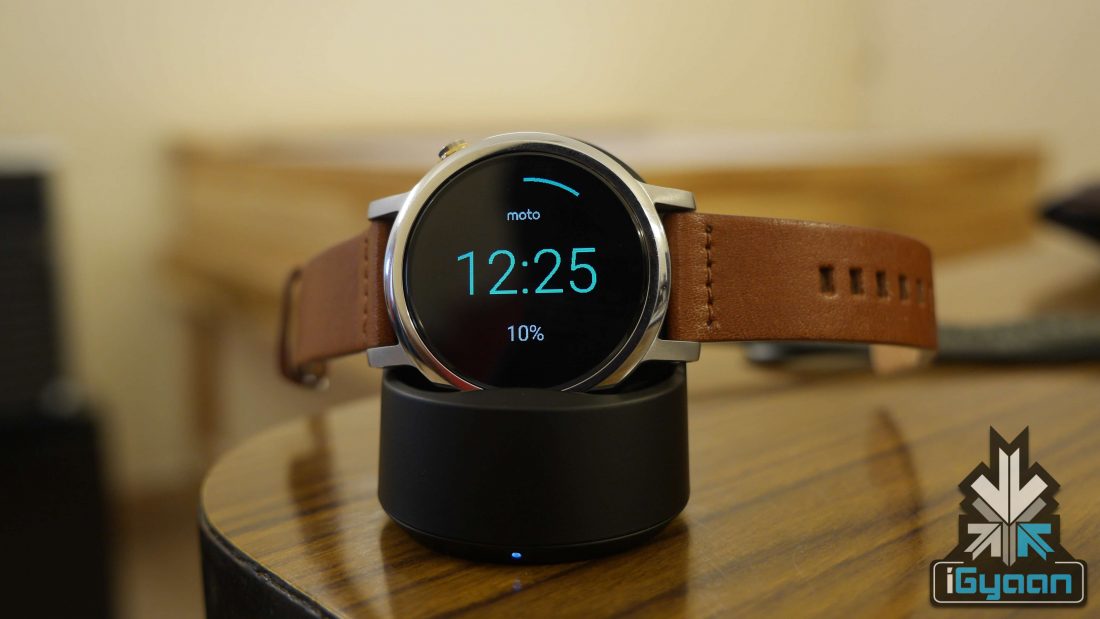
With the Ambient Mode that leaves the display on and dim continuously turned on, the smartwatch lasts a full day. Consequently, with the Ambient Mode turned off, the smartwatch can go on for a day and a half (for the 42mm 300mAh variant) on a single charge. The wireless charging is zippy too, powering up the Moto 360 to about 50% in under an hour.
42mm: 300mAh – Up to 36 hours of use with Ambient Mode off and up to 9 hours with Ambient Mode on (both on basic daily usage)
46mm: 400mAh – Close to 2 days with Ambient Mode off and 11 hours with Ambient Mode on (both on basic daily usage)
Features
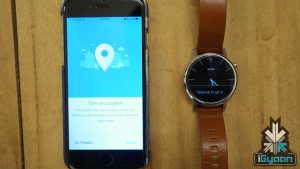
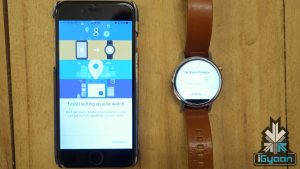
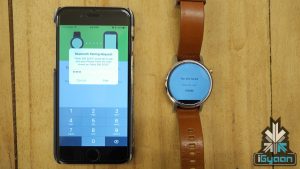
The new Moto 360 is compatible with Android devices as well as iOS due to Android Wear’s move into the Apple Store. This gives the Moto 360 an edge over the Apple Watch as the latter is pricier and works only with iOS. The pairing with iOS is pretty seamless and the watch displays your phone’s or tablet’s notification and messages to which you can voice reply. You need only download the Android Wear app on your iOS device and reset your Moto 360 to begin pairing.
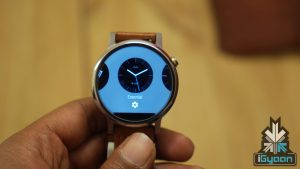
The Moto 360 has a unique feature called Live Dial, which allows its users to set dials on their home screens. Other than a bunch of options provided by Motorola, users can also use their own pictures as the watch-face. There are a number of dials available and you can use your paired smartphone or tablet (including iOS) to set the faces for your watch.
The smartwatch also supports the Moto Body software, that keeps a tab on calories burnt and bpm stats with the help of an optical heart rate monitor. It is packed in with a 400 mAh and 300 mAh battery for the 46mm and 42mm versions respectively. Both variants will come with a charging dock station.
Additionally, the watch is rated at IP67 which means it can be soaked in 1 m (3.3 ft) of water for half an hour. With a leather strap, however, we stress caution and would advise keeping the smartwatch away from water at all costs.
Conclusion
The Moto 360 2nd Gen is a great Android Wear device and a starting price of Rs 19,999 keeps it in the affordable range. The fact that it is iOS compatible makes the watch a strong competitor for the pricier Apple Watch. Changing the straps is easier and the display is sharper. However, there are some cheaper smartwatches out there like the Asus Zenwatch 2, which comes with an AMOLED display and Sony Smartwatch 3. But for those who want a smartwatch that looks like a watch, then the Moto 360 2nd Gen is worth spending a few extra bucks on. indeed, it is the most elegant looking rounded smartwatch currently in the market.
The Moto 360 2nd Gen does feel more like a watch this time around with a solid build thanks to the added nubs, and the customization options here are quite extensive. Furthermore, the upgraded processor makes the Moto 360 pretty snappy to work with. There aren’t too many noteworthy apps here but there’s enough to make it smartwatch-worthy. The design is a big win and it is worth considering just for that. Another noteworthy point is that the Wi-Fi option here will help conserve battery life and you won’t have to leave Bluetooth on all day.
Apple’s second run at striking gold is expected to start sooner than expected. If leaks coming out of China are anything to go by, Apple has decided to start trial productions of the Apple Watch 2 before this month’s end.
The manufacturing of this much awaited second generation smartwatch will be handled by Quanta, the same company which manufactured the Apple Watch last year, but the Cupertino based company is looking at new partners for handling the manufacturing of Apple Watch 2.
Not much is known about the specs of the Apple Watch 2, but rumours suggest the second generation watch could come equipped with a Face Time Camera, different display, and an improved processor. Addition health related features are also being rumoured for the Apple Watch 2.
The product is expected to launch alongside the 4-inch iPhone 5e that has been doing rounds on the Internet sometime in March. Watch this space for latest updates.