Category: World

  • 5 Tech Patents that Thankfully Never Worked Out

    5 Tech Patents that Thankfully Never Worked Out

    In the world of technology, there is no space for redundancy. Technology is getting updated time after time since tech fanatics are always carving out the next great gadget. The major number of brains swell up for innovating and creating such devices. Gadgets are continuously upgraded and tweaked, but some do not turn out as planned.

    We will see some of the weirdest patents filed by the biggest tech powerhouses today:

    Nokia’s Vibrating Tattoos
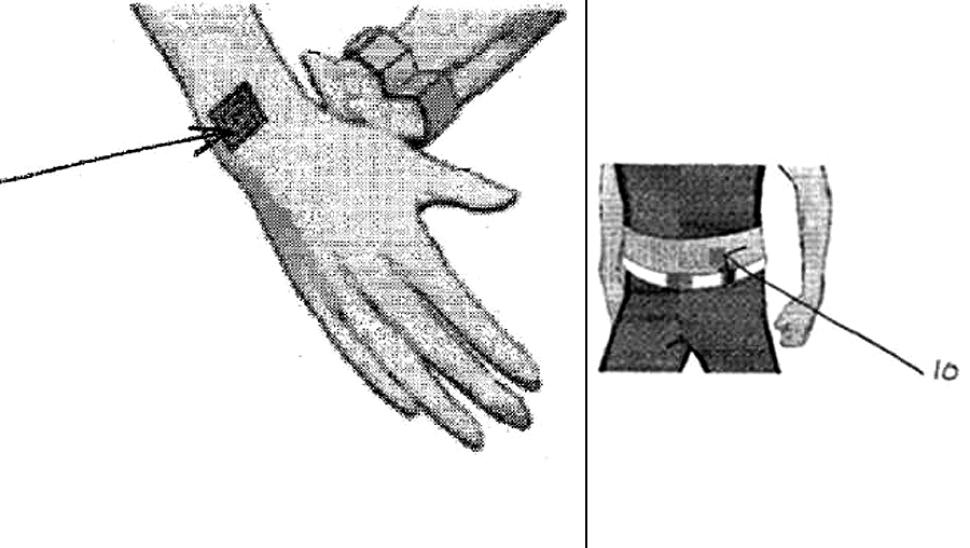
    nokia vibrating tattoo

    In 2011, Nokia signed a patent for the first vibrating tattoo. Yes, a vibrating tattoo that alerts users when their phone is ringing. According to the official patent, the apparatus would be able to detect a magnetic field and transfer a ‘percievable stimulus’ to alert its users about an incoming call, text ot dead battery.

    But for some people, getting inked for the sake of technology was too much. People said the device plunges into a ‘creepy territory’. In an era of iPhones and Android devices, what would be the cost of unplugging a permanent tattoo?

    Nokia never discussed anything about the tattoo including the potential health risks.

    Google Background Advertising

    Google background advertising

    Google, in 2012, signed a patent that would enable the search giant to base advertisements on background noise. According to the patents, Google would install sensors on handsets that would detect temperature, humidity, sound, light or air distribution near a device and ads would be served accordingly.

    For example, if you are at the gym and make a call, Google will be able to catch the gym machinery in the background and then serve up adverts for home gym equipment.  If it is 30 degrees or more outside, Google will throw in adverts for sun cream, air conditioning units or ice creams.

    But it raised the question of privacy. People were not pleased with the idea of Google tracking down their location wherever they went. Although from the use and productivity aspect, this patent was quite useless.

    Amazon Airbag
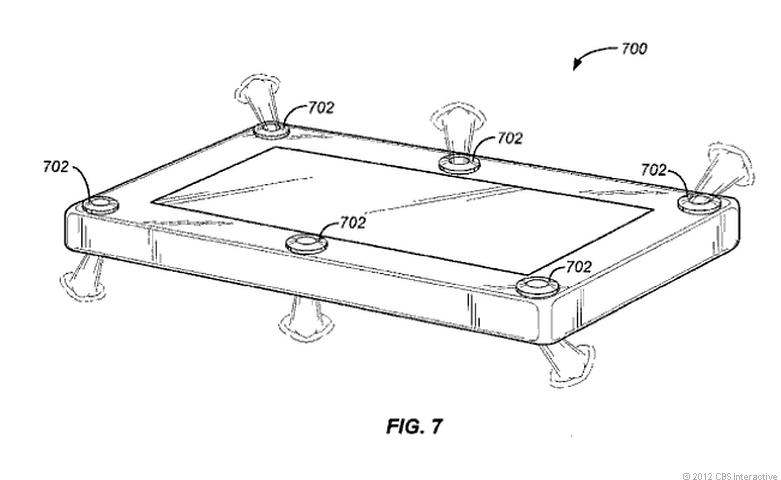
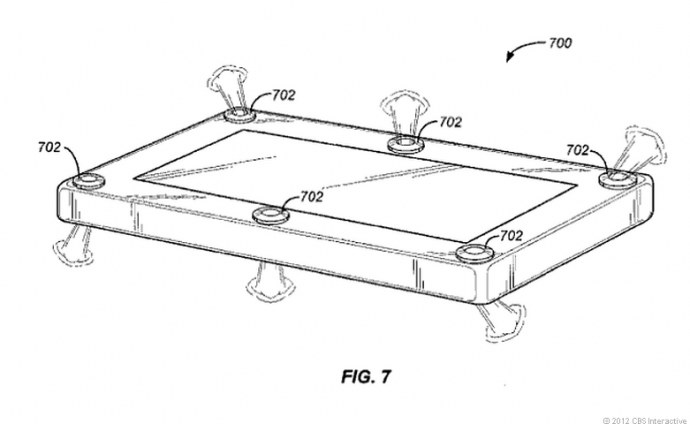
    Amazon Airbag

    Amazon came up with this idea in 2012 for a protective system for mobile phones. The patent describes a system that utilizes a gadget’s built-in gyroscope, camera, accelerometers and other onboard sensors to decide if the device has entered an airborne state. If it has, the technology will release airbags to decrease potential damage – or possibly even alter the trajectory of its fall by firing jets of air.

    But this idea gathered much criticism like ‘What’s next, smartphones with built-in parachutes? Or maybe handsets with wings and propellers?’ and ‘From a logistical point of view, the handset would have to be rather big to hide an airbag.’

    There has been no track of progress regarding this airbag. Let’s wait and find out!

    Microsoft Remote Control Charging Patent
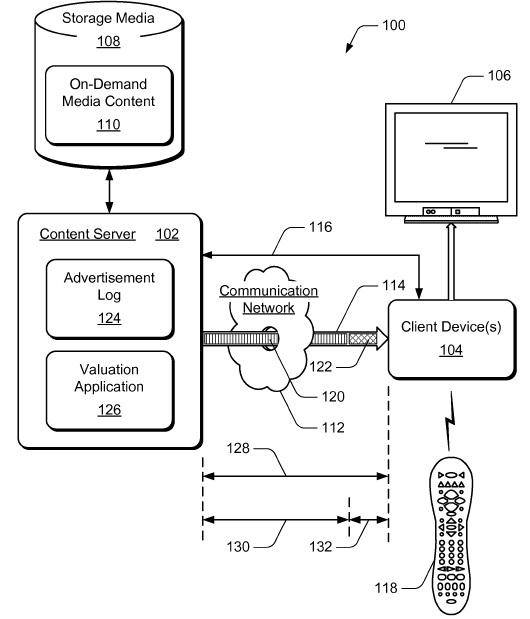
    Microsoft remote control charging patent

    Imagine a situation where you have to pay more for skipping an ad while watching a movie or watching a sporting event and you have to pay extra for accessing the replay. Luckily, this patent did not fly off as imagined by Microsoft when they filed this patent back in 2004. This wasn’t very welcomed by the masses because these charges would be on top of the base price as a way to boost up profits.

    Apple Air Jet Keyboard Patent
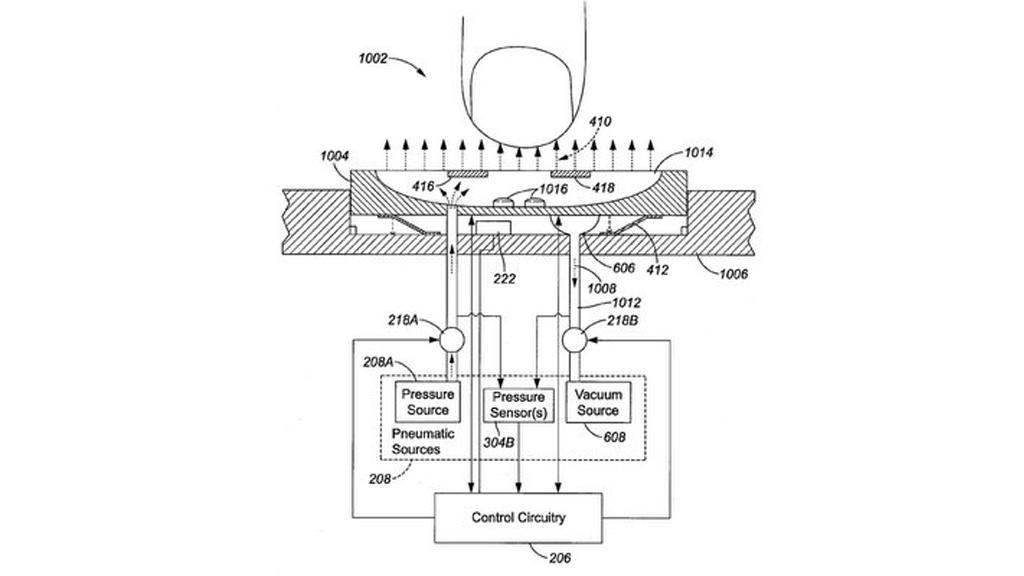
    Apple Air jet keyboard patent

    It isn’t too hard to imagine a flat keyboard without keys- we don’t really look at our fingers when we type, ourselves. But, it’s still a little hard to imagine actually using one. In 2011, Apple patented a unique keyboard design that uses micro-perforations to shoot air at the user’s fingers upon touch, giving tactile feedback to whoever is. One of the biggest objections about virtual keyboards is the lack of tactile feedback, making it much laborious to touch-type at any speed, with much accuracy.
  • Top 5 Tech Companies With the Coolest Employee Perks

    Top 5 Tech Companies With the Coolest Employee Perks

    Keeping employees happy is the key to success for any company. No one knows more about a workplace than its employees. Employee ideas reflect on fundamental measures, such as pay, perks, benefits, and hours worked. But they are also determined by factors such as a company’s culture and general mood.
    Below are our pick of the top 5 tech companies to work for:

    Google

    googleplex

    It is the people who make Google the company that it is today. They are motivated by the fact that their work has a positive impact on the lives of others. Google topped the list of ’50 Best Places to Work’ by Glassdoor. Since the inception of the list in 2007, Google has been steadily climbing the ranks and now is one of the top tech companies in the world.

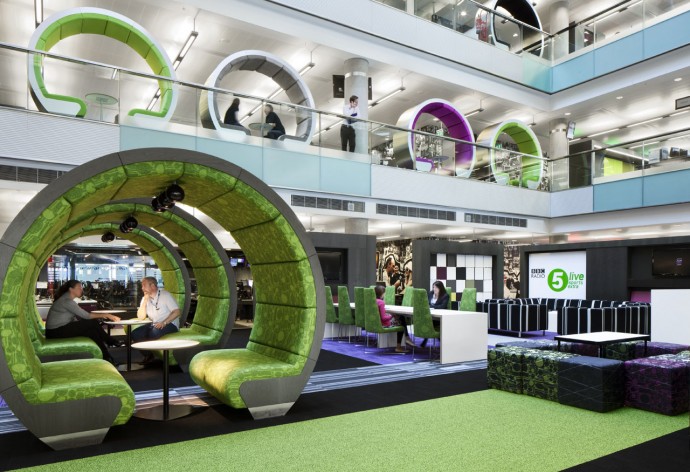
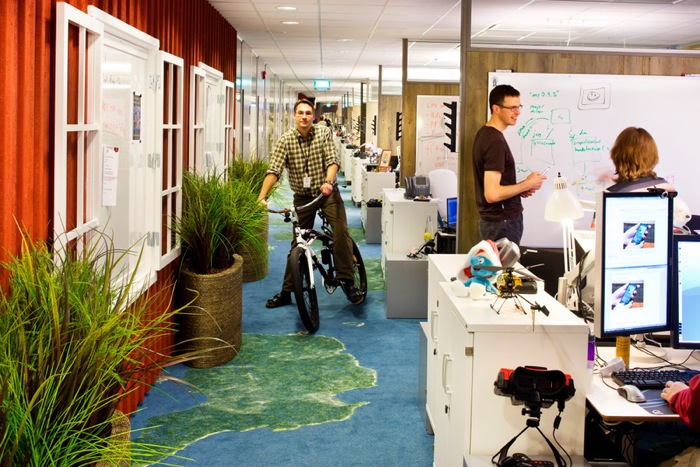
    Googleplex is Google’s headquarters in Mountain View, California. The interiors are furnished with items like shade lamps and giant rubber balls. You can access facilities like free laundry rooms, two small swimming pools, volleyball courts and around 18 cafeterias with a broad range of menu from around the world. The building has a series of solar panels that feed power to the whole facility.

    Every given perk in Google has calculated reasons that are designed to keep its employees happy and satisfied. The company has everything, from on-site doctors, hairdressers to cafeteria food. It also offers parental leave from 12 weeks to 22 weeks.

    googleplex 2

    Plus, if in any case, an employee decides to leave, having Google on their resume never hurts. Click here to apply.

    Facebook

    gensler_facebook_1259
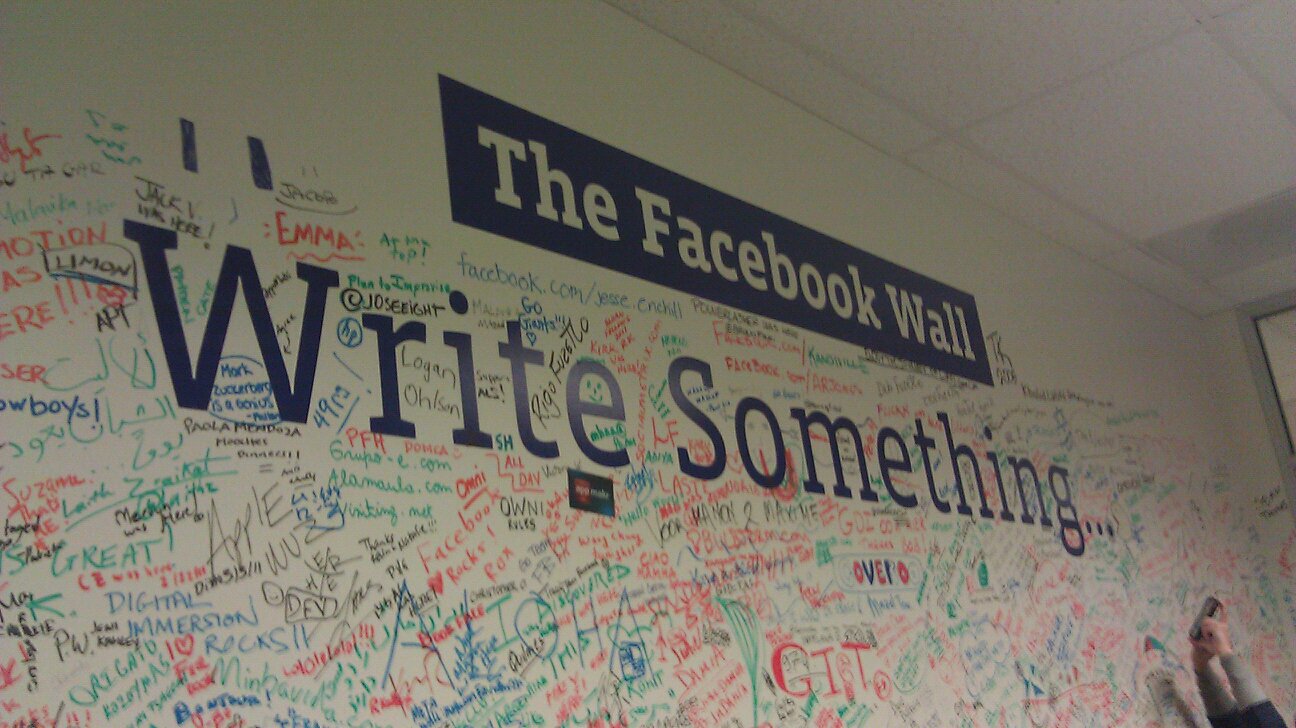
    Facebook’s official headquarters is located in Menlo Park, California, and it employs an approximate number of 10,082 employees. The critical autonomy of Facebook is – We don’t have rules. Here, employees are their bosses in their space. Much of the designing on the wall are created by the Facebook employees themselves.

    facebook hq2

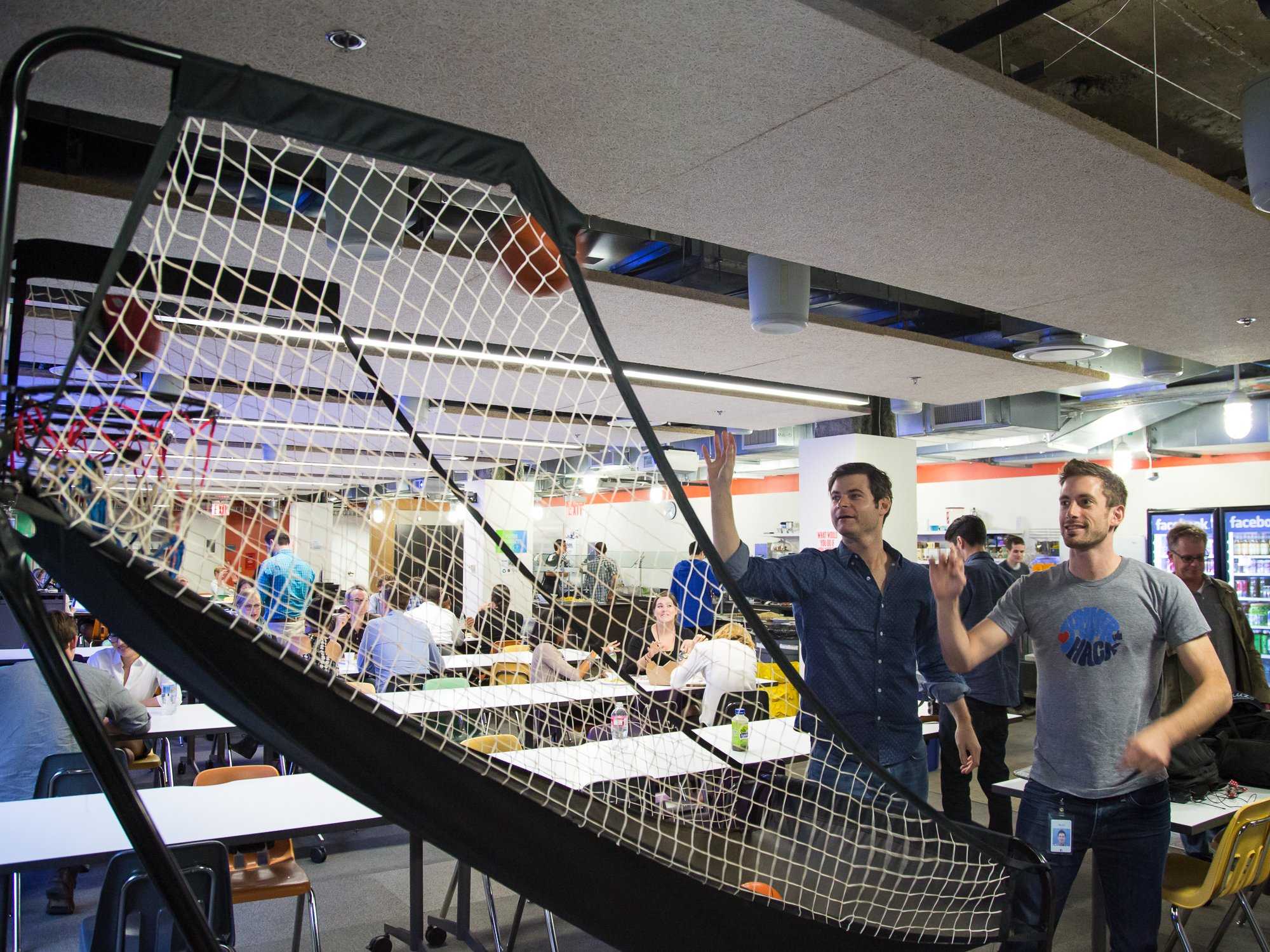
    The company offers gourmet food courts, on-site doctors, laundry services and bikes to commute around the campus. New moms and dads are entitled to 4 months of parental leave with $4,000 in baby cash.

    facebook hq

    The idea behind the luxuries is to remove stress from the employee’s daily life so that they can concentrate on the company without having to worry about anything at all. Its emphasis on establishing a high-quality work environment makes it one of the best companies to work for.

    Payscale? An experienced worker earns a median on $135,000 annually while interns earn around $6,000 to $7,000 per month. Click here to apply.

    Adobe

    Adobe_HQ

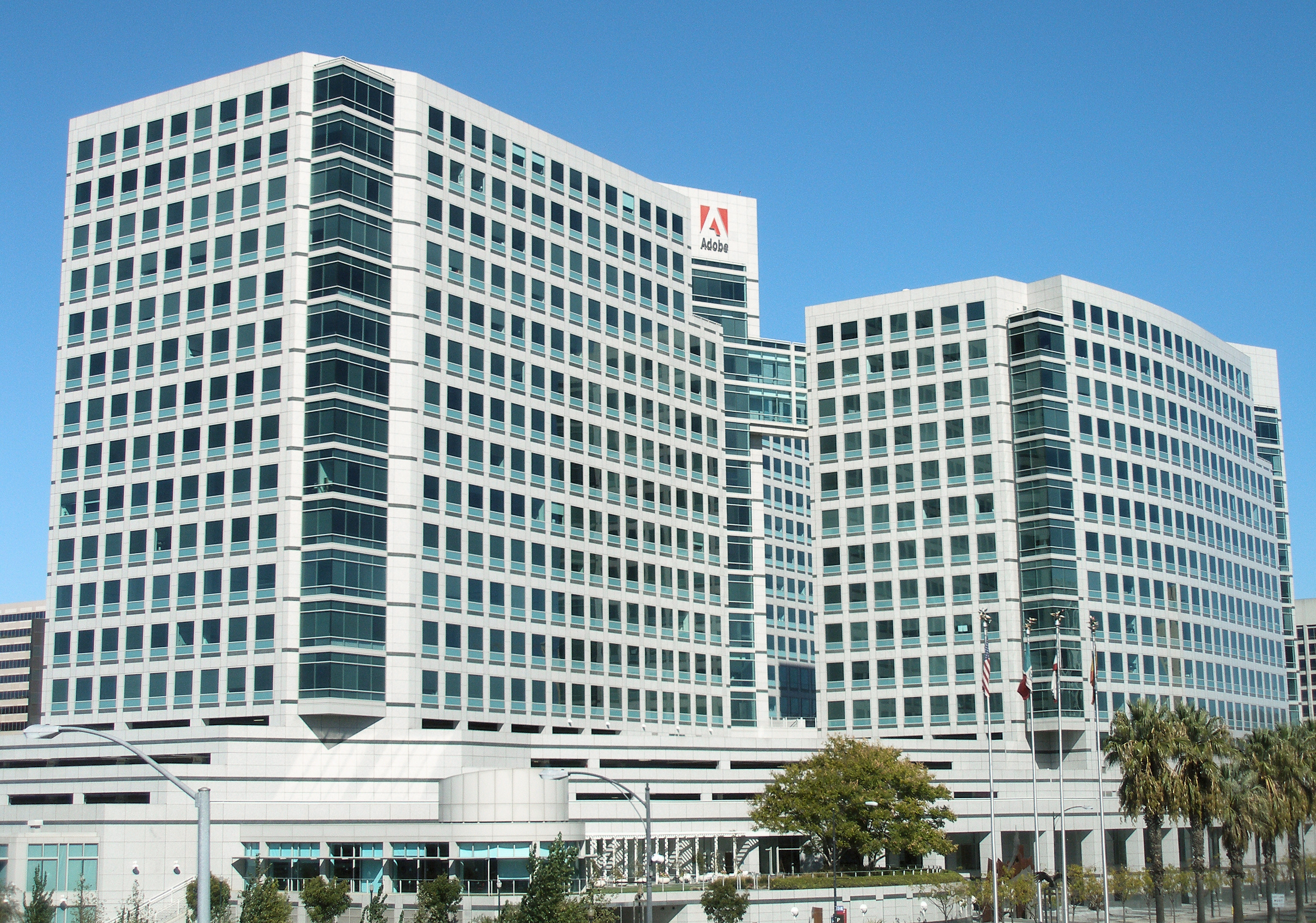
    Adobe was listed in the top ’50 Best Places to Work’ by Glassdoor in 2014. The company’s headquarter in downtown San Jose, California, is a huge skyscraper complex. The three towers, namely, West, East and Almaden, are known for their environmentally friendly designs that inflict minimum harm to the environment.

    adobe

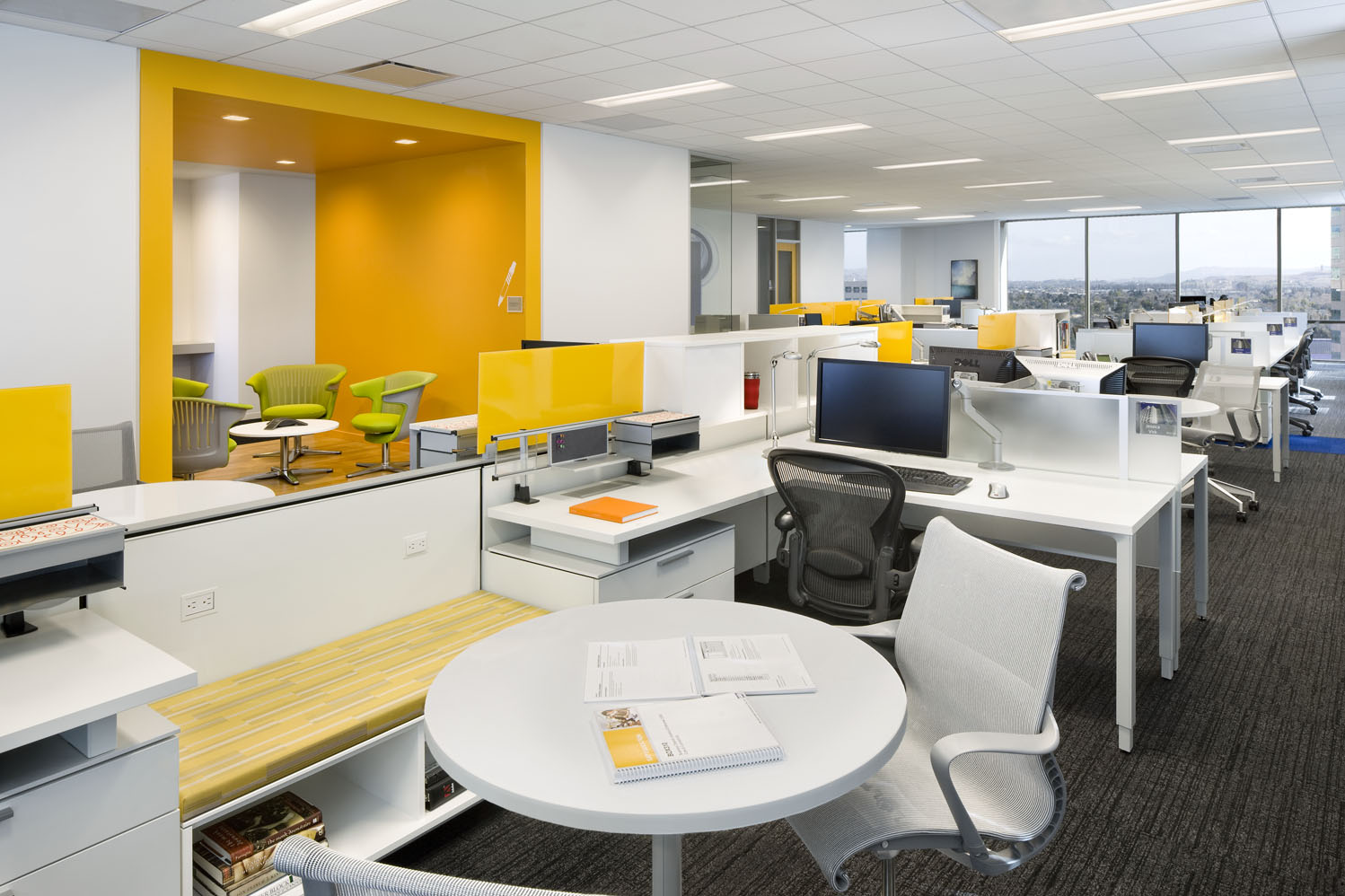
    From the perk point of perspective, the company offers educational reimbursement up to $10,000 each year. Unlike most companies, employees here are entitled to Winter and Summer breaks. Employees are also entitled to a leave of 4 weeks after five years and five weeks after ten years. $360 are given for wellness activities like skydiving, surfing, kayaking, swimming, etc. Just like in college, employees have different fun clubs like soccer, photography, hiking, etc. Some of the other perks offered by Adobe are pet insurance, adoption assistance, backup child/adult care and financial wellness.

    Click here to apply.

    Apple

    apple

    Apple is considered one of the most challenging companies to work for. Given Apple’s high-end products, employees have to be on top of their game to meet the ever-increasing pressure. But, working with Apple has more pros than cons. Apple’s newest campus has an area of a behemoth 2.8 million square foot, which is it is a 176-acre site and houses over 13,000 Apple employees. Apple offers benefit to its employees like college tuition fees, gym membership, healthcare, discounts off selected products and services, and much more. Expecting mothers can take up to four weeks to 14 weeks of leave.

    apple cafeteriaEmployees praised the leadership of the company, Tim Cook notching up 94% approval rating. Click here to apply.

    LinkedIn

    linkedin

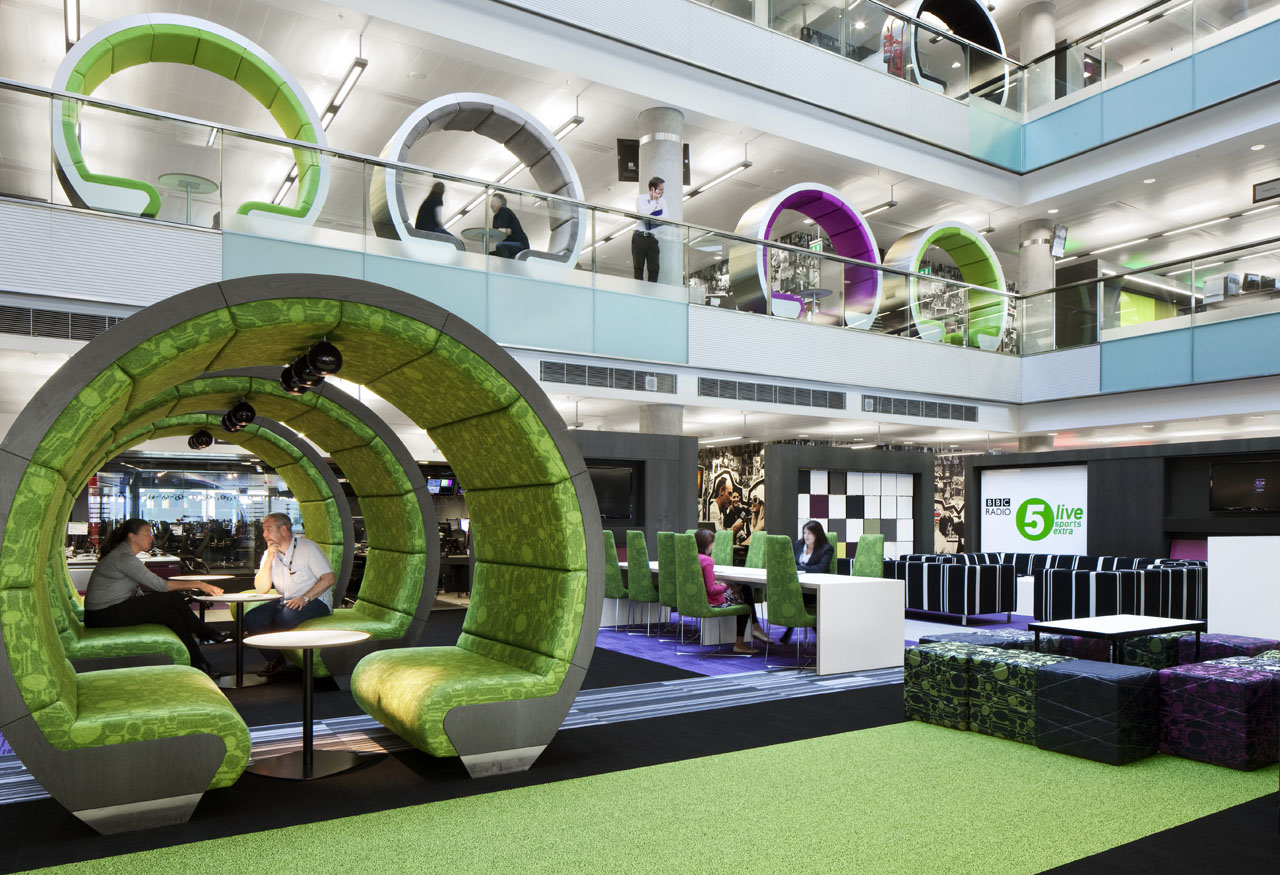
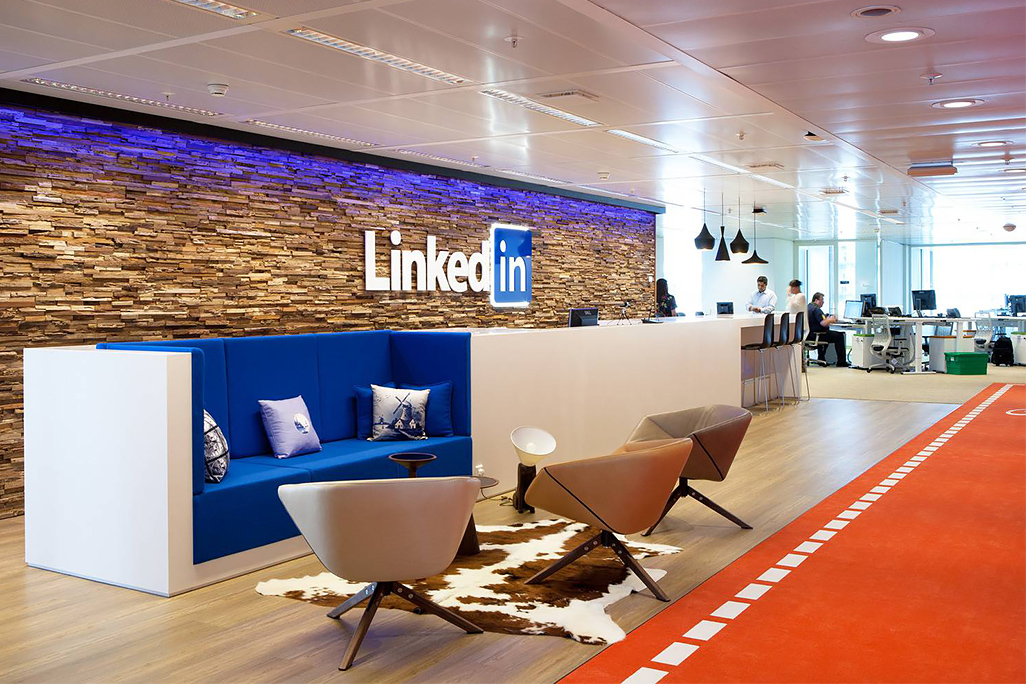
    LinkedIn is a social media site where instead of making friends, you connect with people in your field of work. It is also one of the newest tech companies in the world. While most companies have inbuilt gyms where employees can work out, LinkedIn has free classes for Tai Chi, Zumba, InShape (a boot camp class), BOSU, TRX, Power Yoga and strength levels in the gym. Every month on a Friday, employees work on projects outside their daily grind. For instance in July, the theme was “LinkedIn for Good” where LinkedIn employees worked on 54 projects that got them interested in their communities.

    linkedin2

    Employees get $5,000 per year for professional education and get to pitch and run startup-like projects. They can grant up to $10,000 from the LinkedIn For Good Foundation to help their favorite charity or to start their own. Click here to apply.

  • 5 Amazing Ways Drones Are Helping Out

    5 Amazing Ways Drones Are Helping Out

    Slowly and steadily, drones are finding their space across several kinds of industries in this world. Some companies use it to provide WiFi signals to remote places, while some high-end resorts use it to follow skiers and videotape them as they come downslope.

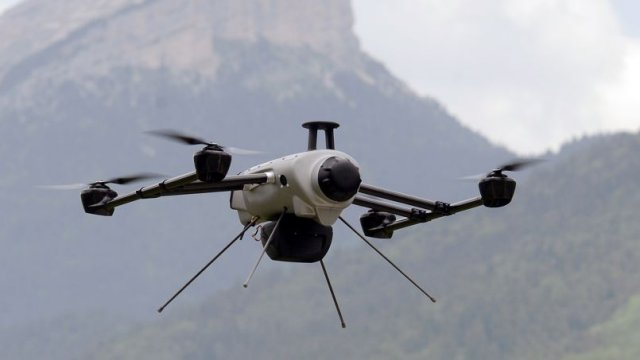
    Drones, or Unmanned Aerial Vehicle (UAV), are aerial vehicles that do not need to be piloted by any person on board. Drones are scaled up functionality model aircrafts that serve more of purpose than the enjoyment of flying a remote-controlled aircraft.

    They are remotely controlled by a pilot or a computer, which means that some drones are pre-programmed to carry out actions without direct human piloting.

    Here are some amazing examples of how this tech is making our lives easier:

    Saving Lives

    drones nepal earthquake
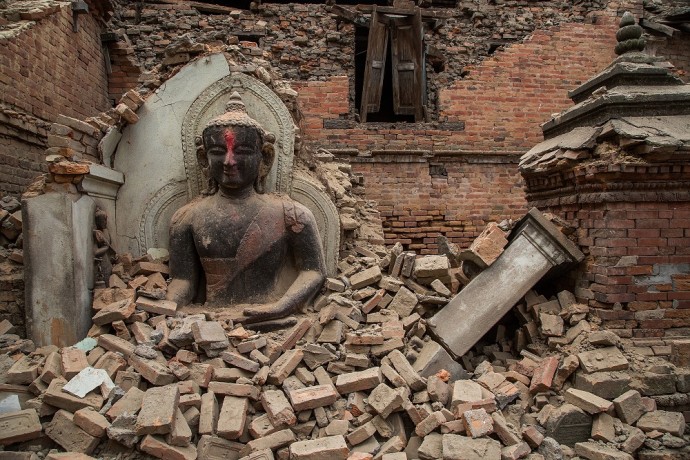
    Drones were used during the Nepal earthquake to search for survivors under the debris of buildings.

    From firefighters to rescue personnel, a drone can be used to fly over hard-to-reach areas to check for survivors before rescuers risk their lives through the thick bush. Rescue drones are equipped with infra-red cameras that can help in search-and-rescue efforts. They also help determine the hottest area during a house fire. In the recent chain of earthquakes in Nepal, drones were put to use to search for survivors.

    Supporting law enforcement

    police drine

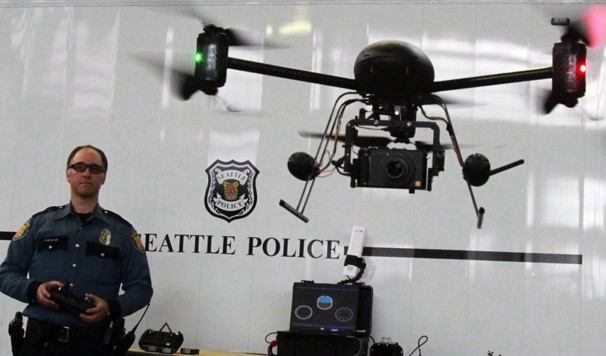
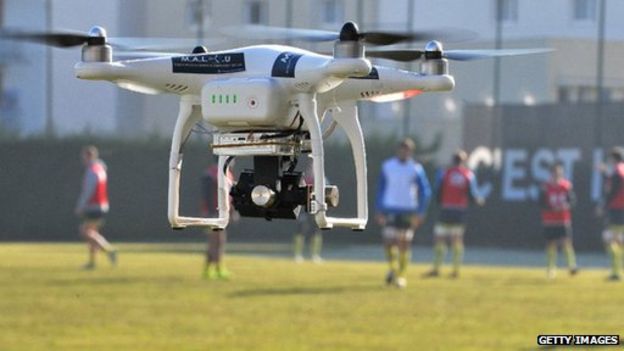
    Police forces around the world are slowing starting to see the advantages of UAVs to aid them in their work. Drones are now being used to give the cops a wide range of view and to provide quick and accurate information. If used on a regular basis, drones will soon revolutionize the way police force operates.

    Safe Infrastructure Management

    construction drone

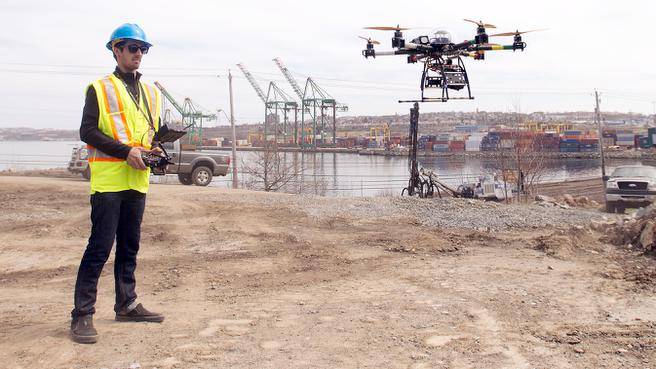
    Across countries, drones are already being used on a considerable scale for the betterment of the society and community. Considering the difficulty to inspect the top of a skyscraper or under a bridge, drones can help in minimizing the risks taken to otherwise examine such areas. These UAVs can just be deployed to assess a structure’s condition remotely, thus reducing the need for cranes or harnesses, along with the associated risks.

    Agriculture Management

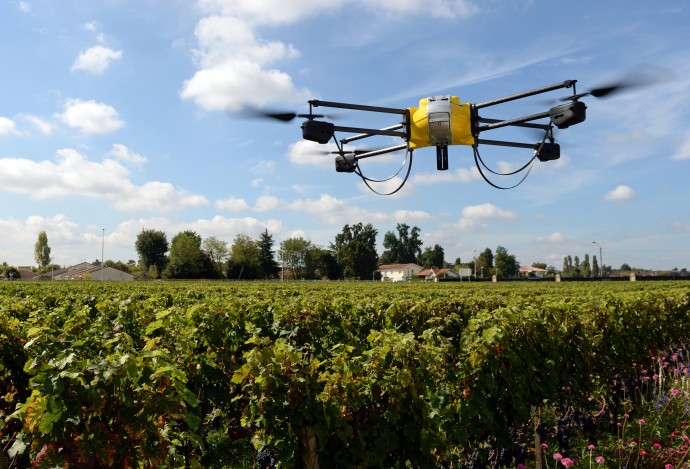
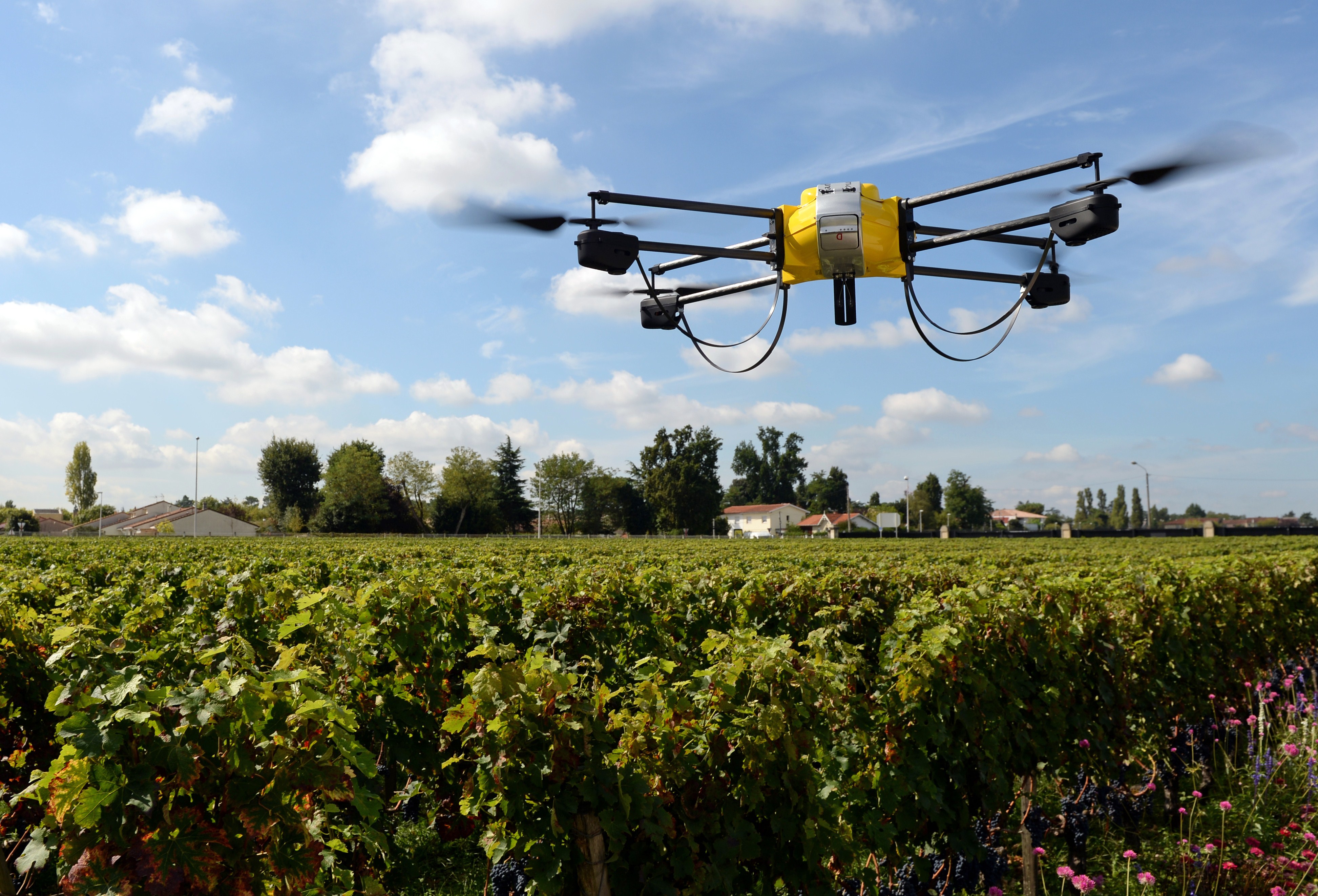
    TO GO WITH AFP STORY BY LAURENT ABADIE A photo taken on September 9, 2014 shows a drone flying over vineyards of the Pape Clement castle, belonging to Bordeaux winemaker Bernard Magrez in the soutwestern French town of Pessac. Magrez is the first winemaker to have bought last February a drone equipped with a infrared camera to determine the optimal maturity of the domain's grapes and thus harvest them at different times.  AFP PHOTO JEAN PIERRE MULLER.        (Photo credit should read JEAN PIERRE MULLER/AFP/Getty Images)

    Using drones, farmers can target areas that need special attention. Most of the farms are acres in size, and it is not viable for a farmer to access far ends of the farm every day. By working in those areas, farmers can improve their yield and avoid wastage of resources.

    Media Access for Hard-to-Reach Places

    news drone

    While we can already understand how this power might be abused by the media, if utilised cautiously,  photography for a news channel can easily be taken using drones without risking the lives of the media person.

    Some of the other potential uses where drones can be utilized are earth and climate monitoring, mapping, wildlife research and anti-poaching, temporary communications, etc. Besides in Disaster Management, India should soon start using UAVs for other purposes as well as its usage is almost endless and will prove to be beneficial for the nation.

  • Nepal’s Homegrown Solar Company Makes an Innovative Contribution to Help Nepal

    Nepal’s Homegrown Solar Company Makes an Innovative Contribution to Help Nepal

    On 12th May, Nepal was hit by yet another earthquake measuring 7.9 on the Richter Scale. Before this, an earthquake of 7.8 magnitude struck the country on April 25th, leaving more than 20,000 people dead, injured or missing.

    During this phase of time, many technological powerhouses like Facebook, Google, and telephone subscribers pooled in resources for the people of Nepal. Google People Finder app helped a lot of people search for their friends and family while Facebook collected a grand sum of $10 million through its Donation Drive. Companies like Airtel, Vodafone, etc. lowered down their call rates for a few days.

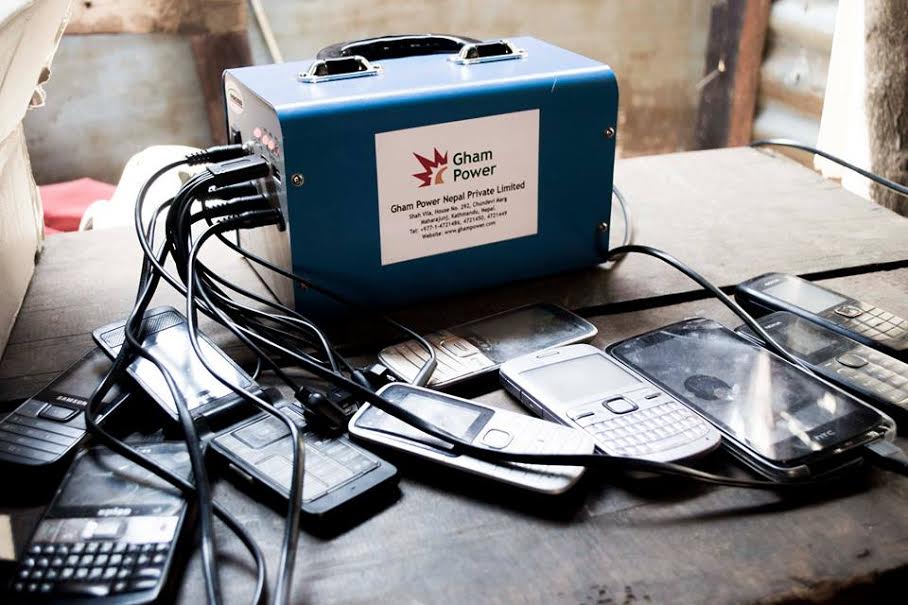
    Nepal’s own solar power company, Gham Power, has played a pivotal role in providing relief and helping the victims. Run by Sandeep Giri, Gham Power sprung into action to deploy solar power systems to help  lighting up camps and mobile charging stations.

    gham power

    Sandeep Giri says that two major issues interfere while addressing basic needs like medical attention, food, water, and shelter.

    Firstly, you don’t want to be in the dark, as it’s scary, you don’t feel safe, and it is also very cumbersome to get, or administer relief without light. Second, in this day and age, your first instinct is to reach out for your loved ones to check if they are okay and let them know you are okay, and when you reach for your mobile phone, it’s dead and there is no place to charge it.

    Gham Power has teamed up with many other local solar companies and is right now working with Global Nepali Professional Network to raise money and build as many solar power systems as possible. The project has been named ‘Rebuild with Sun’ and has been launched on Indiegogo campaign. Its initial fundraising goal is $150,000. The contribution has been broken down to provide energy supply in different areas like: $50 provides lights and charging for one family, a hundred dollar buys a 20-watt system that can serve three families and $500 can provide a 100-watt system aiding 15 families and up to 100 phone users.

    You can read more about how different tech powerhouses joined hands in an effort to help out Nepal in distress here.

    Click here to see the aftermath of the deadly earthquake that hit Nepal on 25th April.

  • The Most Captivating Entries from National Geographic’s Traveler Photo Contest

    The Most Captivating Entries from National Geographic’s Traveler Photo Contest

    National Geographic has announced the commencement of its yearly traveler photo contest. Anyone who has traveled places just for the zeal of photography can make their submission in the contest. The last date for entries is June 30.

    The bar of competition is really high this time. Photographers have waited long to capture the perfect shot, and their submissions narrate a story of utmost patience. The winner of the contest will win an eight-day National Geographic photo expedition for two to Costa Rico and Panama Canal.

    Here’s a glimpse of stunning pictures that capture the devotion of participants to the art:

    Giant waves converge is of napali coast of Kauai. (Lee Scott / National Geographic Traveler Photo Contest)
    Giant waves converge is of napali coast of Kauai. (Lee Scott / National Geographic Traveler Photo Contest)
    The picture was taken at Karo Village in the Omo Valley of Ethiopia. The Karo are famous for their body-paint culture and skill. ((S. Ram / National Geographic Traveler Photo Contest)
    The picture was taken at Karo Village in the Omo Valley of Ethiopia. The Karo are famous for their body-paint culture and skill. ((S. Ram / National Geographic Traveler Photo Contest)
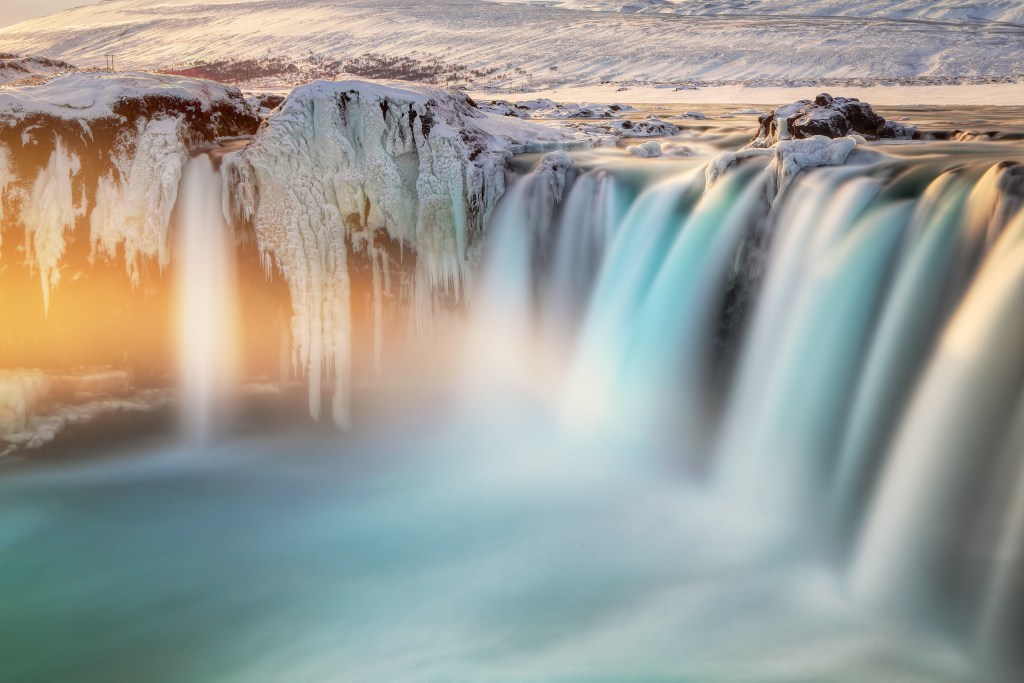
    The image is of  Godafoss waterfall in Iceland . The photographer used 10 stop ND filter to capture the movement of the water as the sun set in the distance.(Ed Graham / National Geographic Traveler Photo Contest)
    The image is of Godafoss waterfall in Iceland. The photographer used 10 stop ND filter to capture the movement of the water as the sun set in the distance.(Ed Graham / National Geographic Traveler Photo Contest)
    It's a view of Jalmahal during sunrise. (Ravikanth Kurma / National Geographic Traveler Photo Contest)
    It’s a view of Jalmahal during sunrise. (Ravikanth Kurma / National Geographic Traveler Photo Contest)
    Birdview of a surfer in the famous beach of Praia Mole located in Florianopolis, Brazil. This image has been made with the help of a drone.
    Clicked by a drone, a surfer in Florianopolis, Brazil. (Chris Schmid / National Geographic Traveler Photo Contest)
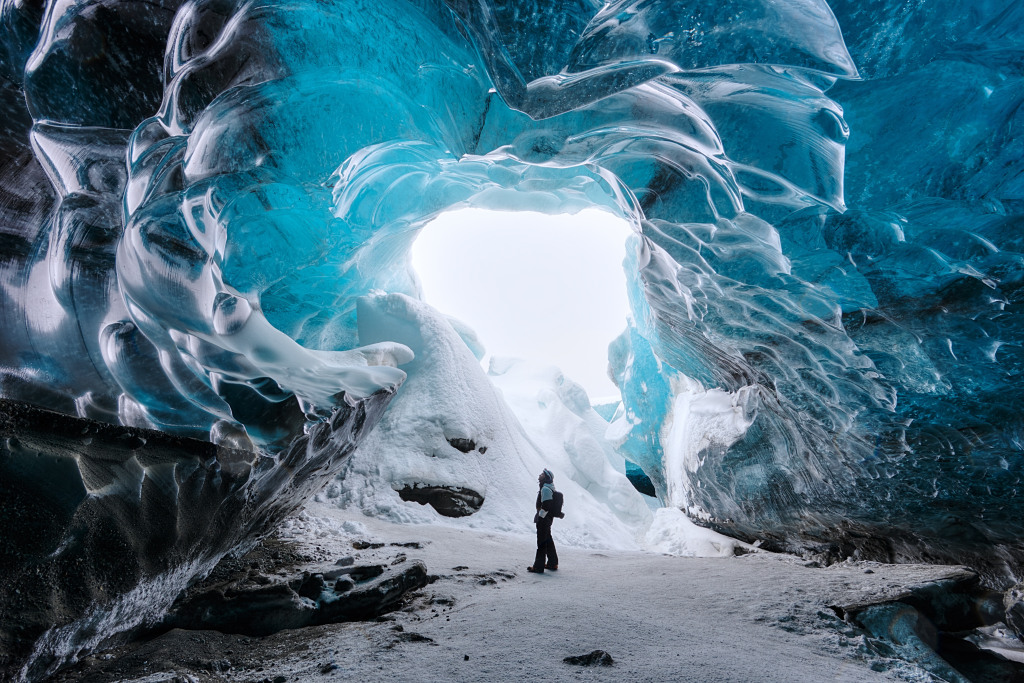
    Ice cave at the Vatnajokull Glacier in Iceland.(Shane Wheel / National Geographic Traveler Photo Contest)
    Ice cave at the Vatnajokull Glacier in Iceland.(Shane Wheel / National Geographic Traveler Photo Contest)
  • Here’s How Drones Are Helping Search for Earthquake Survivors in Nepal

    Here’s How Drones Are Helping Search for Earthquake Survivors in Nepal

    Nepal was hit by one of the most dangerous earthquakes, with the death toll rising more than 6,000 and many more missing. The quake toppled most of their buildings,  from where people and dead bodies are still being removed. Technology has played an important role in managing the after-disaster effect. From Google’s Person Finder and Facebook’s donation drive to major telecom operators proving cheaper or free services, technology is doing its best to help Nepal regain its losses.

    Drones are playing an indispensable role in the search mission to inaccessible areas. Experts of Etobicoke, Ontario-based GlobalMedic, which manages Unmanned Ariel Vehicles (UAV) have already sent a fleet to the Himalayas. The drones are now aerially mapping the crisis-hit area and compiling the images into maps. A GlobalMedic spokeswoman says searching for survivors becomes very much extensive using drones. For now, the organization is using three high-end drones built by Aeryon Labs and are controlled by a touch-screen interface. These are equipped with thermal cameras that come in handy while locating for people under rubble or snow.

    drones nepal earthquake

    Other than the drones, crowdsourcing maps is another important tech that is being used right now in Nepal. This mapping works by calculating distances and plot-driving routes using satellite imagery, private images and open-source mapping technology to re-map areas that are affected by the earthquake. All damaged structures and difficult areas are marked, thus making it easier for rescue workers to engage through less dangerous routes. 48 hours after the earthquake hit Nepal, 2,000 online mappers made three million edits. This tech was first used during the Haiti earthquake in 2010.

    mapping

    Read more about how Facebook, Google, and major telecom services played their part in helping Nepal at this time of crisis here.

    Click here to see the aftermath of the Nepal Earthquake.

  • Facebook Donation Drive Collects $10 Million to Help Nepal

    Facebook Donation Drive Collects $10 Million to Help Nepal

    Last weekend, Nepal was hit by a devastating earthquake which claimed more than 6,000 lives and many more missing are still missing. The earthquake’s epicentre originated 17km south of Kodari, Nepal and measured 7.9 on the Richter scale. Its after-tremors could be felt in places as far as Delhi and Uttar Pradesh. Many communication and technological powerhouses came forward to aid Nepal in this time of crisis. Google came up with an app that can be used to locate missing people, telecom enterprises like BSNL, MTNL, Idea, Vodafone and Airtel lowered down their call rates or made it entirely free of charge.

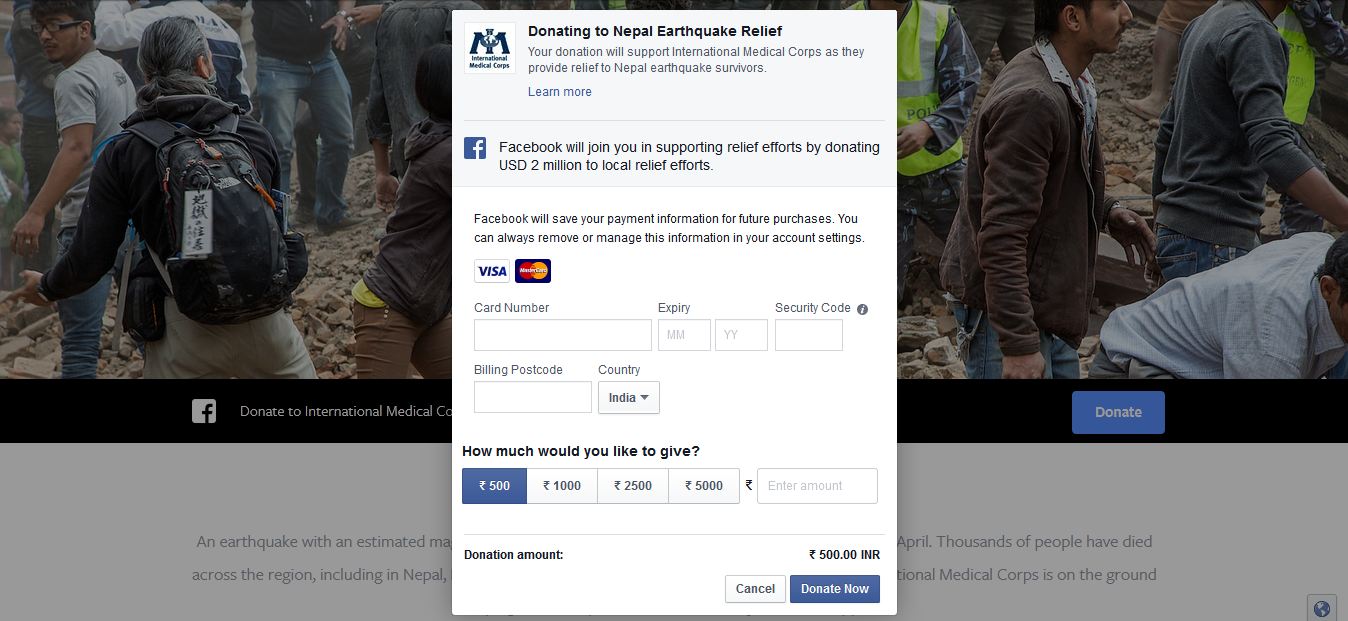
    Facebook initiated a donation drive in order to collect money for Nepal. The social networking giant launched a donation button that reached out almost 1.4 billion users worldwide. Facebook successfully raised over $10 million (Rs. 1.2 billion) within two days. Zuckerberg stated that the company would add $2 million, bringing the total to $12 million.

    We’ve seen our community come together in some amazing ways since the earthquake in Nepal. We activated Safety Check... Posted by Mark Zuckerberg on Thursday, April 30, 2015

    All the money will be handed over to a non-profit organization, International Medical Corps, who will be providing medical care, medicines, food, water, and other basic amenities for the Nepalese community. Zuckerberg states this effort have been amazing.

    Capture

    Read more in detail about how different technological powerhouses joined hands to help Nepal here.

    A picture is worth a thousand words. Click here to witness the devastation in Nepal after the earthquake.

  • This Remarkable New Ad Campaign Will Make You Think Twice Before Littering

    This Remarkable New Ad Campaign Will Make You Think Twice Before Littering

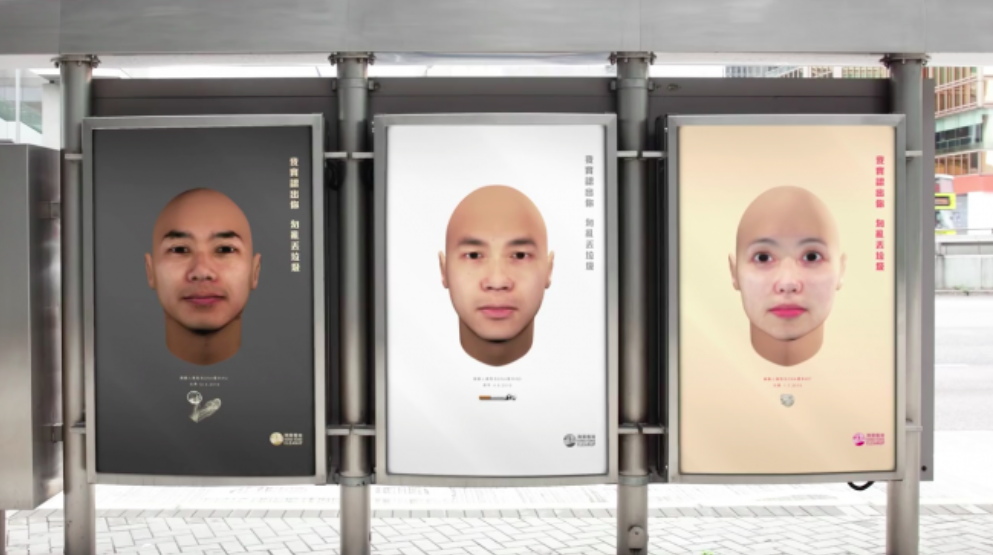
    Ad agency, Ogilvy & Mather has come up with an ingenious method to curb littering in the streets of Hong Kong. By using the DNA lifted off the litters and Snapshot DNA phenotyping, they’re now recreating the faces of the litterbugs.

    The campaign, known as ‘The Face of Litter’ was formulated after Hong Kong Clean up, Ecozine and the Nature Conservancy joined hands for the same cause. The campaign was launched on Earth Day and will be targeting key locations. Using the DNA, visual representations of the litterbug will be created and put up across the city and online. This gives a warning call to other litterers too.

    [quote text_size=”small” author=”Reed Collins” author_title=”Chief Creative Officer Ogilvy & Mather Group Hong Kong”]

    This campaign is one of a kind, It’s interactive. It’s innovative. It’s our own science experiment that we’re using to create social change. Litter is such a major problem in Hong Kong and thanks to technology we can now put a face to this anonymous crime and get people to think twice about littering.

    [/quote]

    Check out the video below that explains how the whole procedure works:

    Overall, the country has been battling the problem of pollution for a long time. Each year, 300 million tons of waste gets generated. This initiative may seem small, but it is a start.

  • These 20 Images Capture the Devastation of Nepal Earthquake

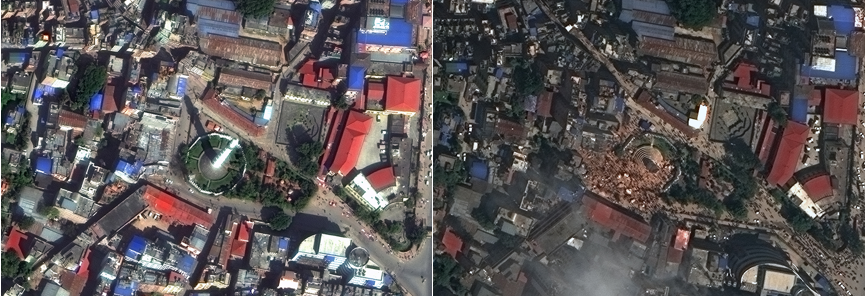
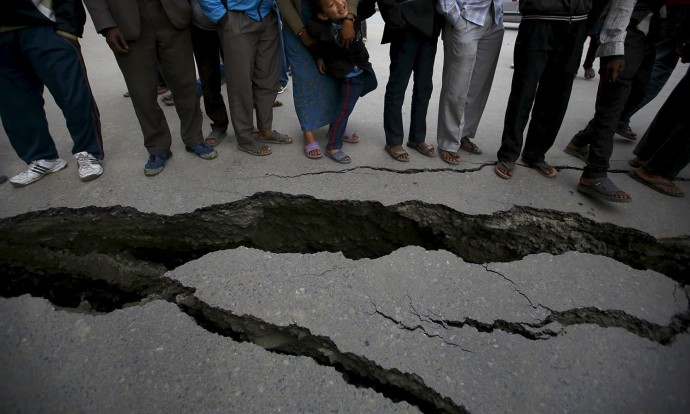
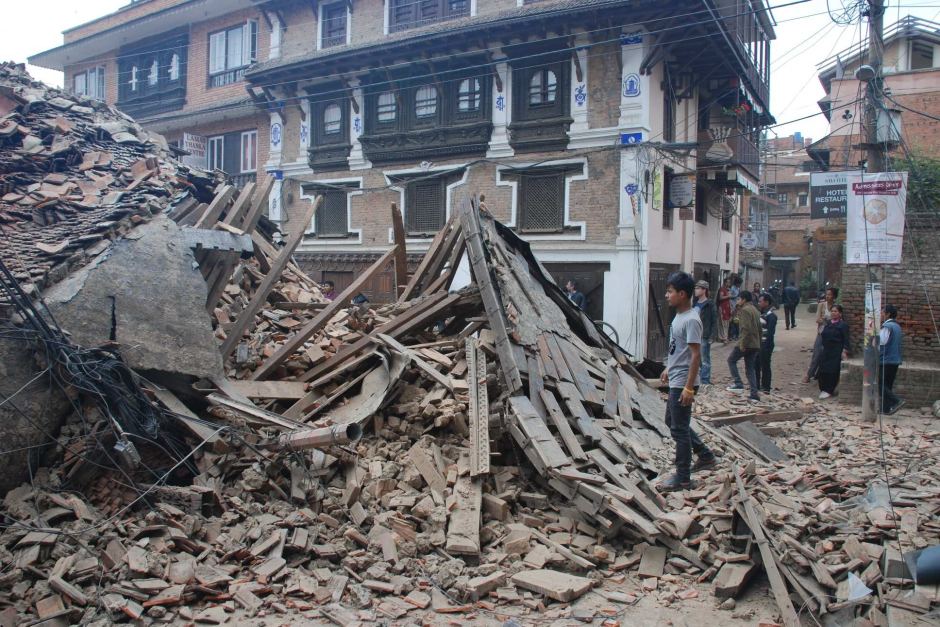
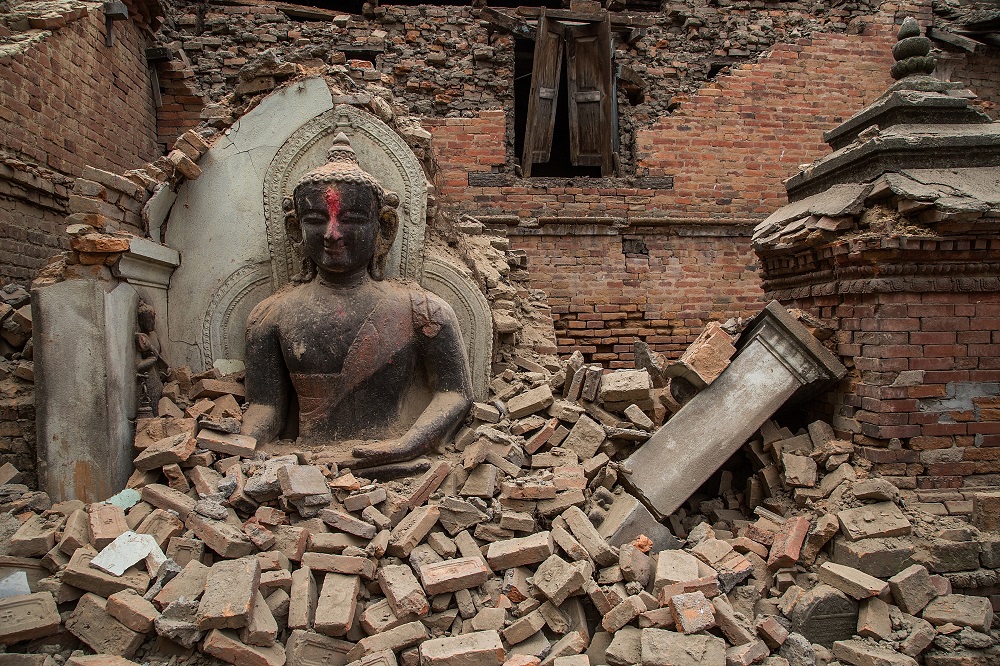
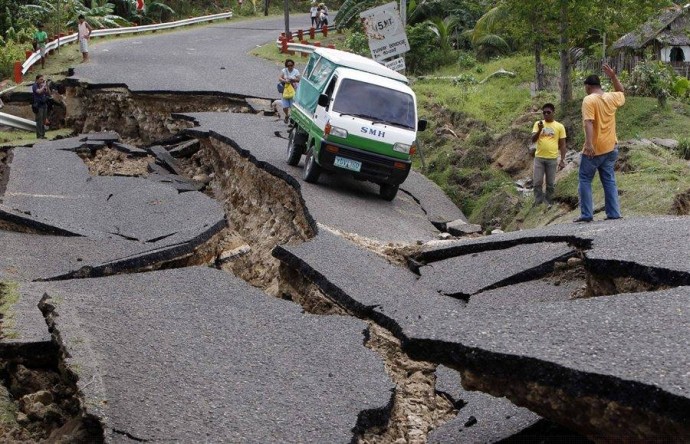
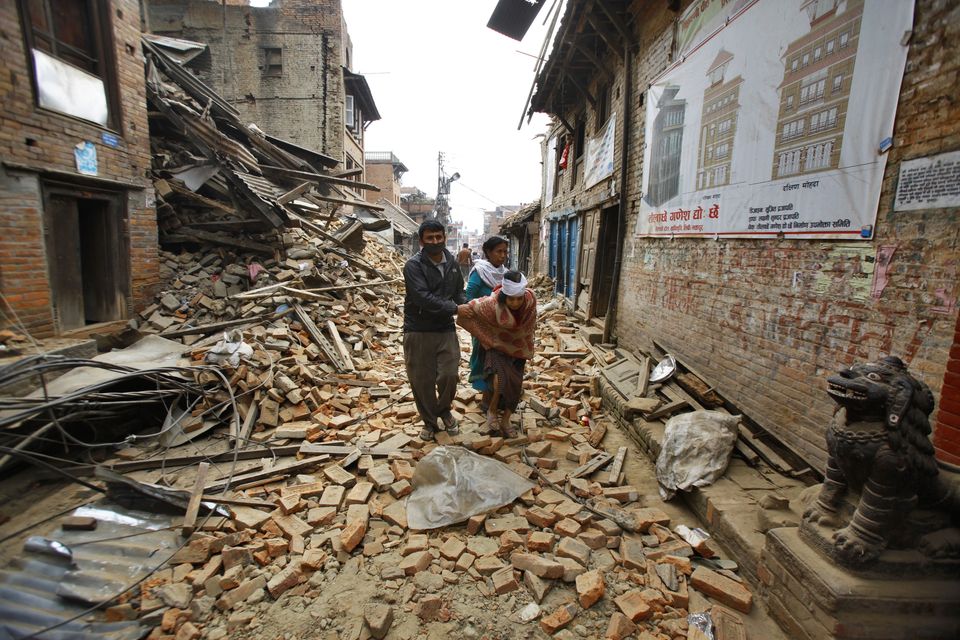
    These 20 Images Capture the Devastation of Nepal Earthquake

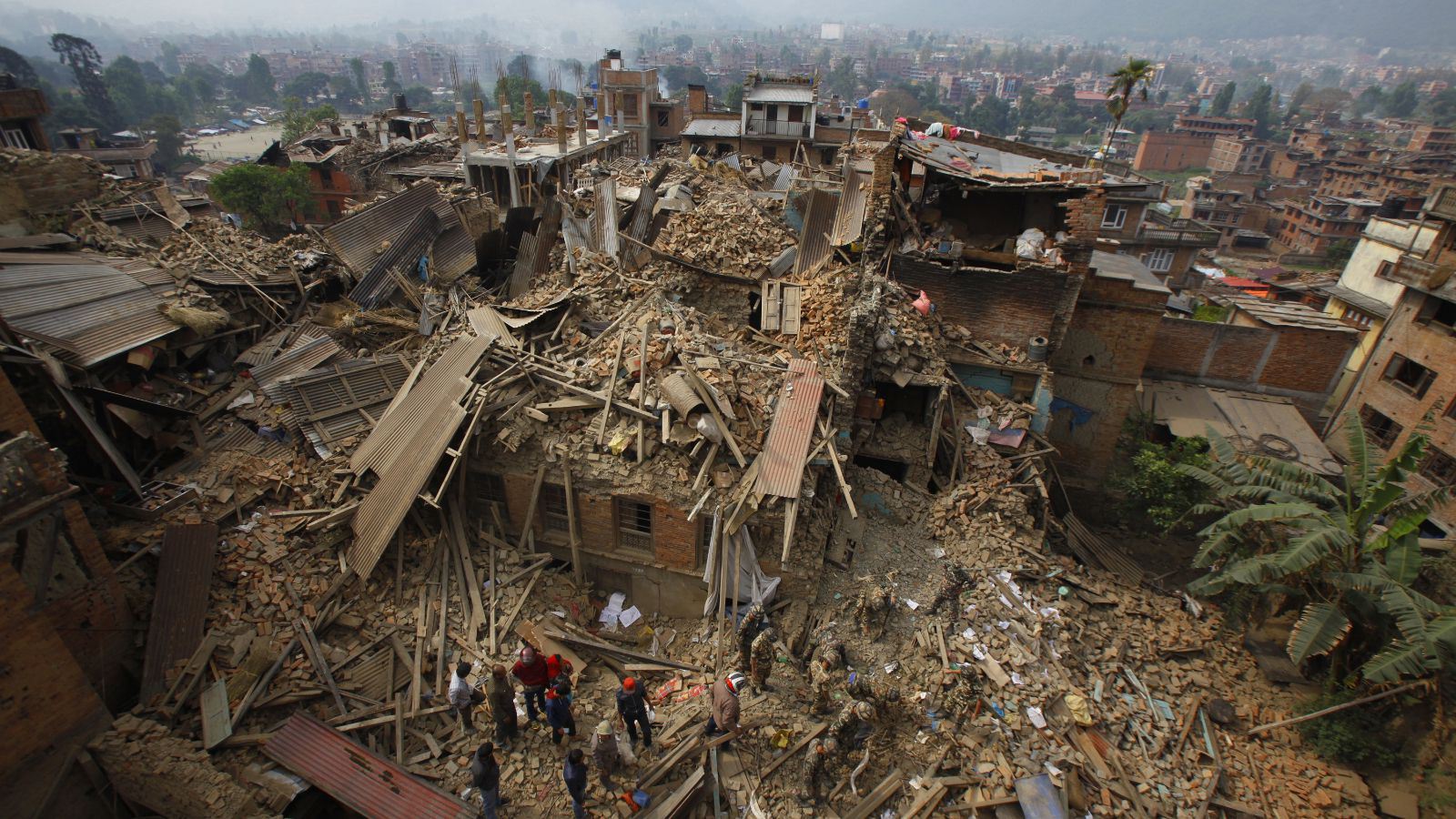
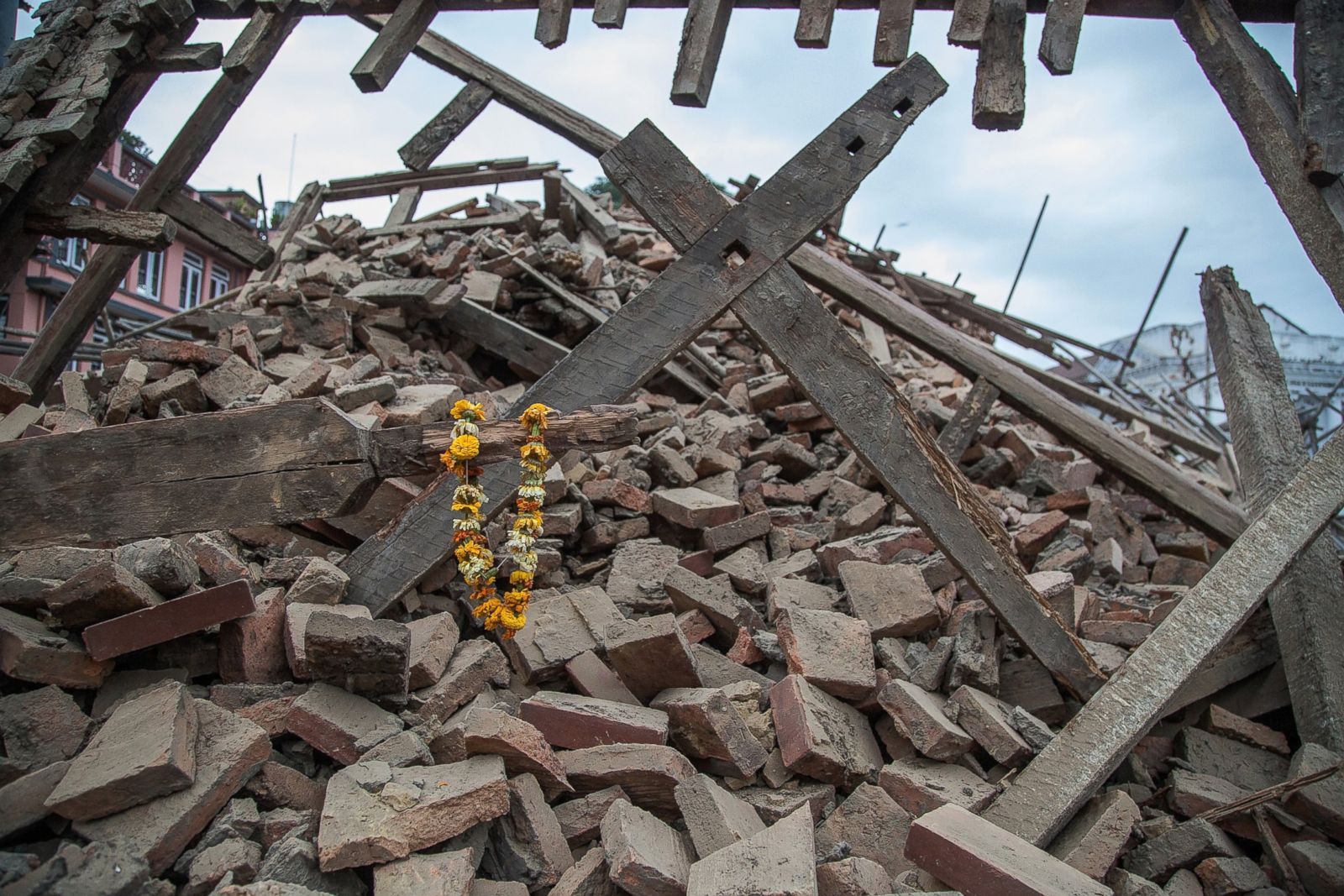
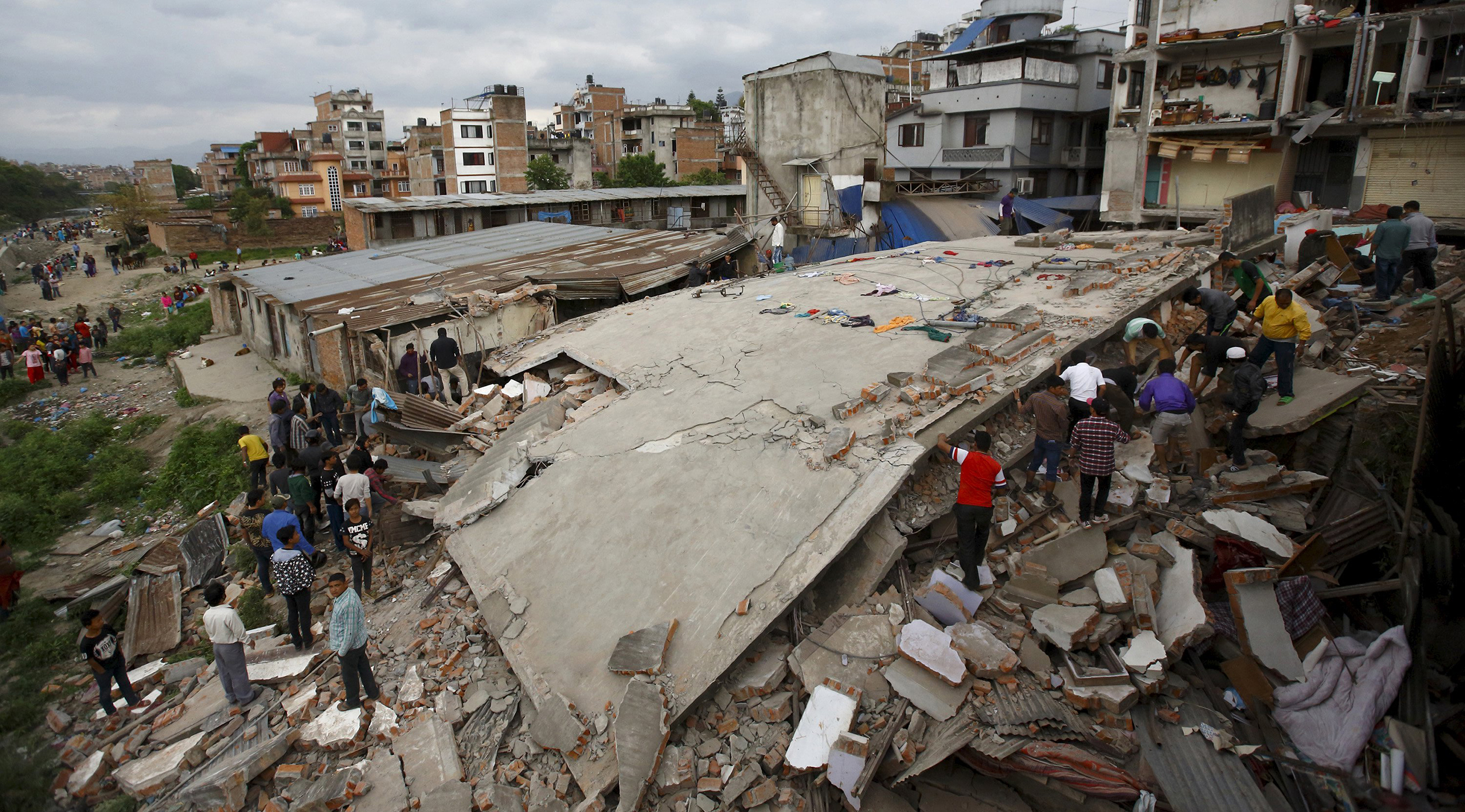
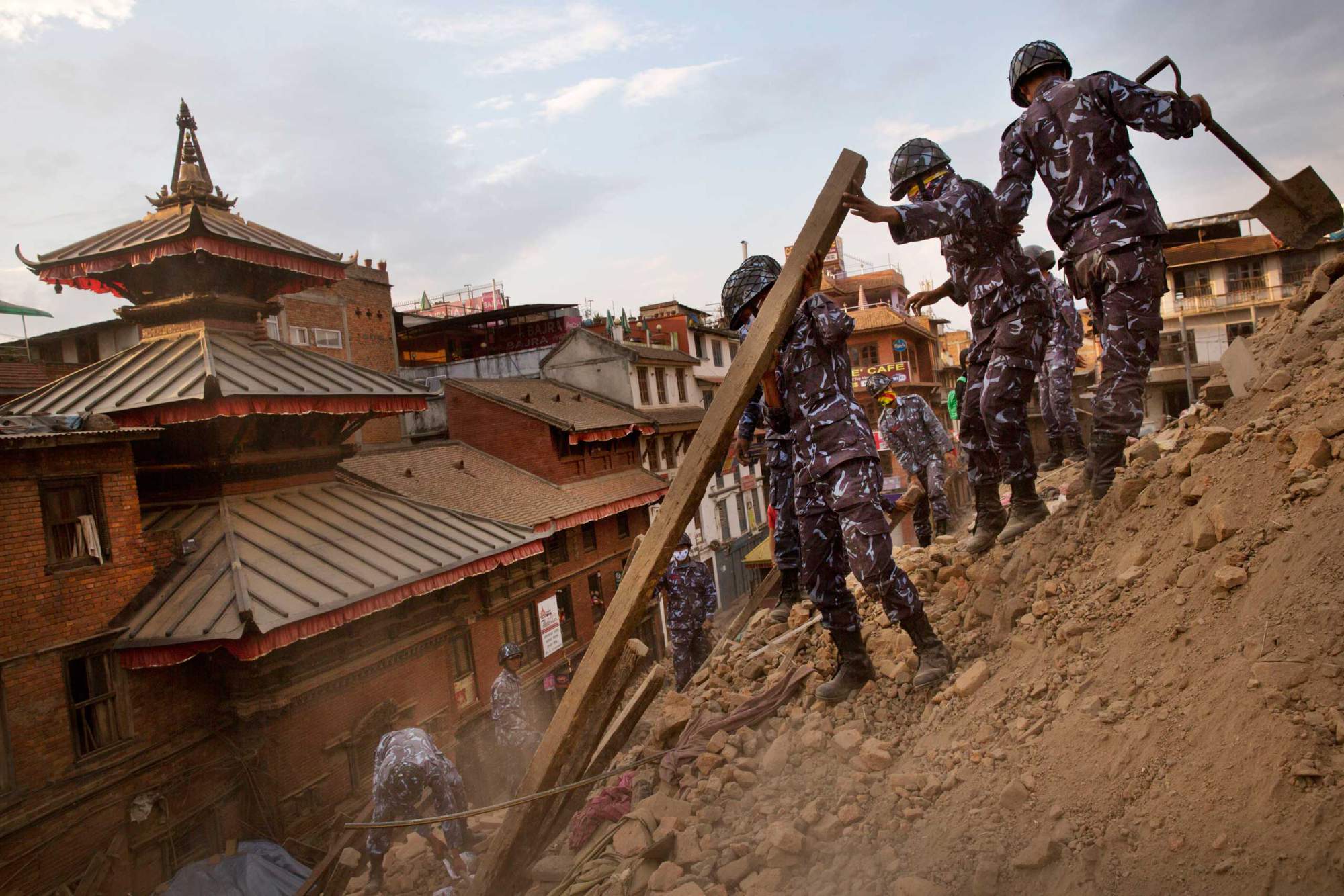
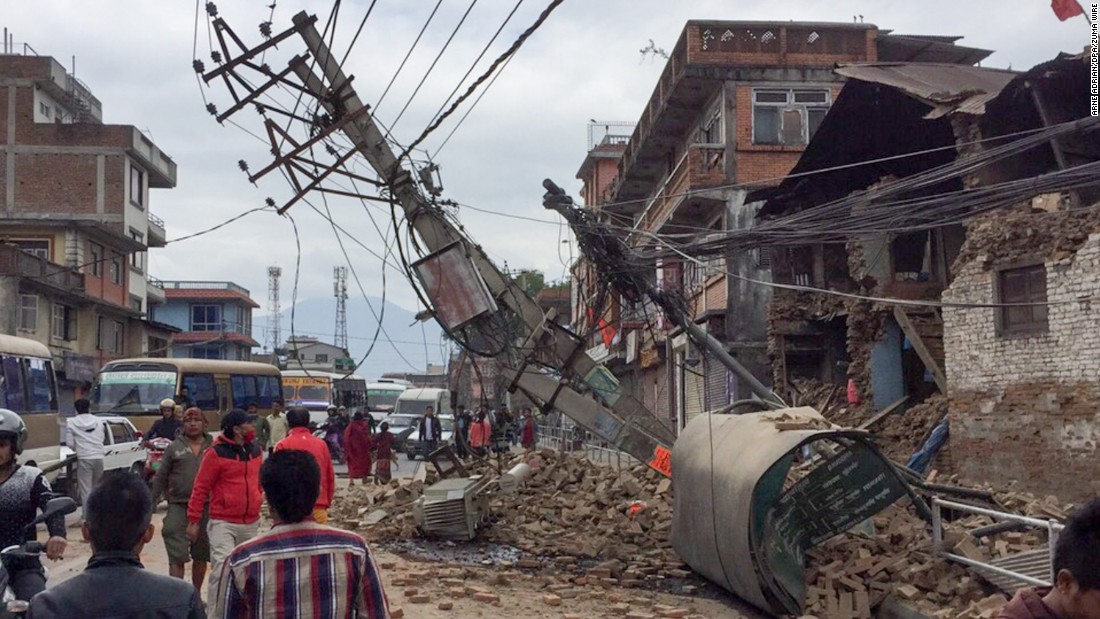
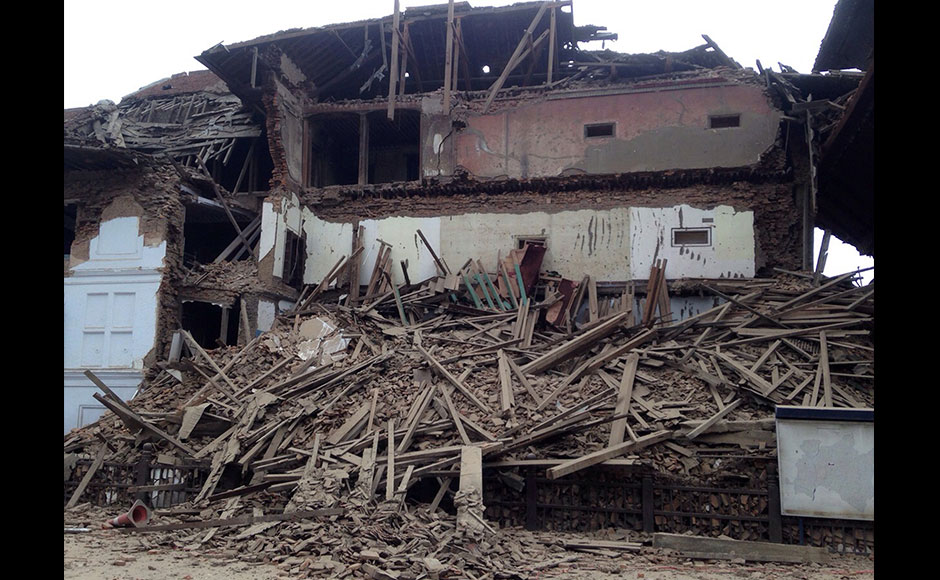
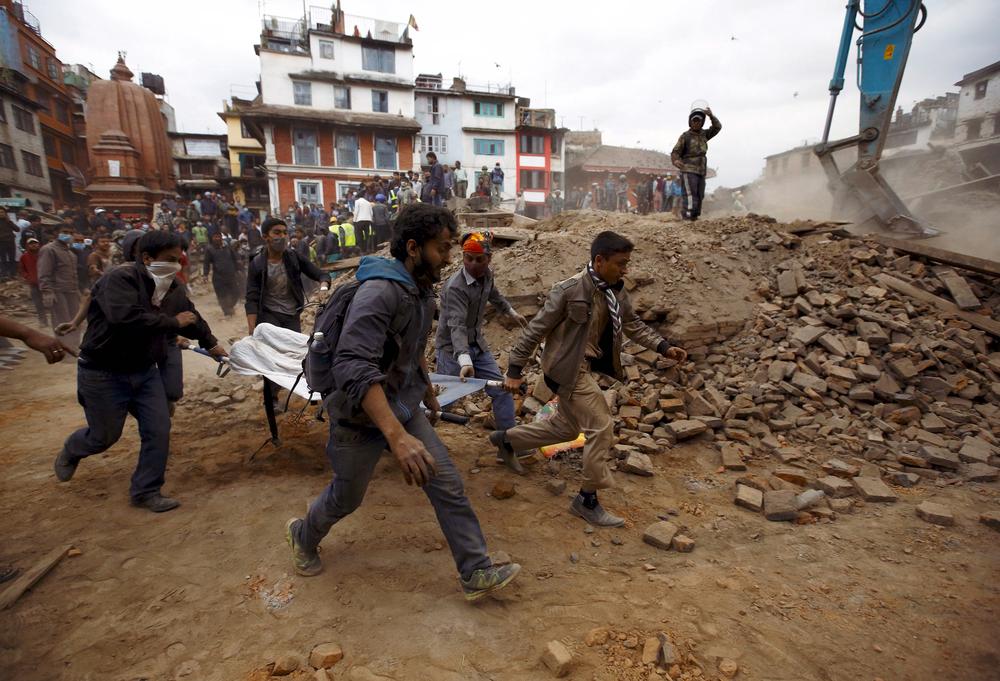
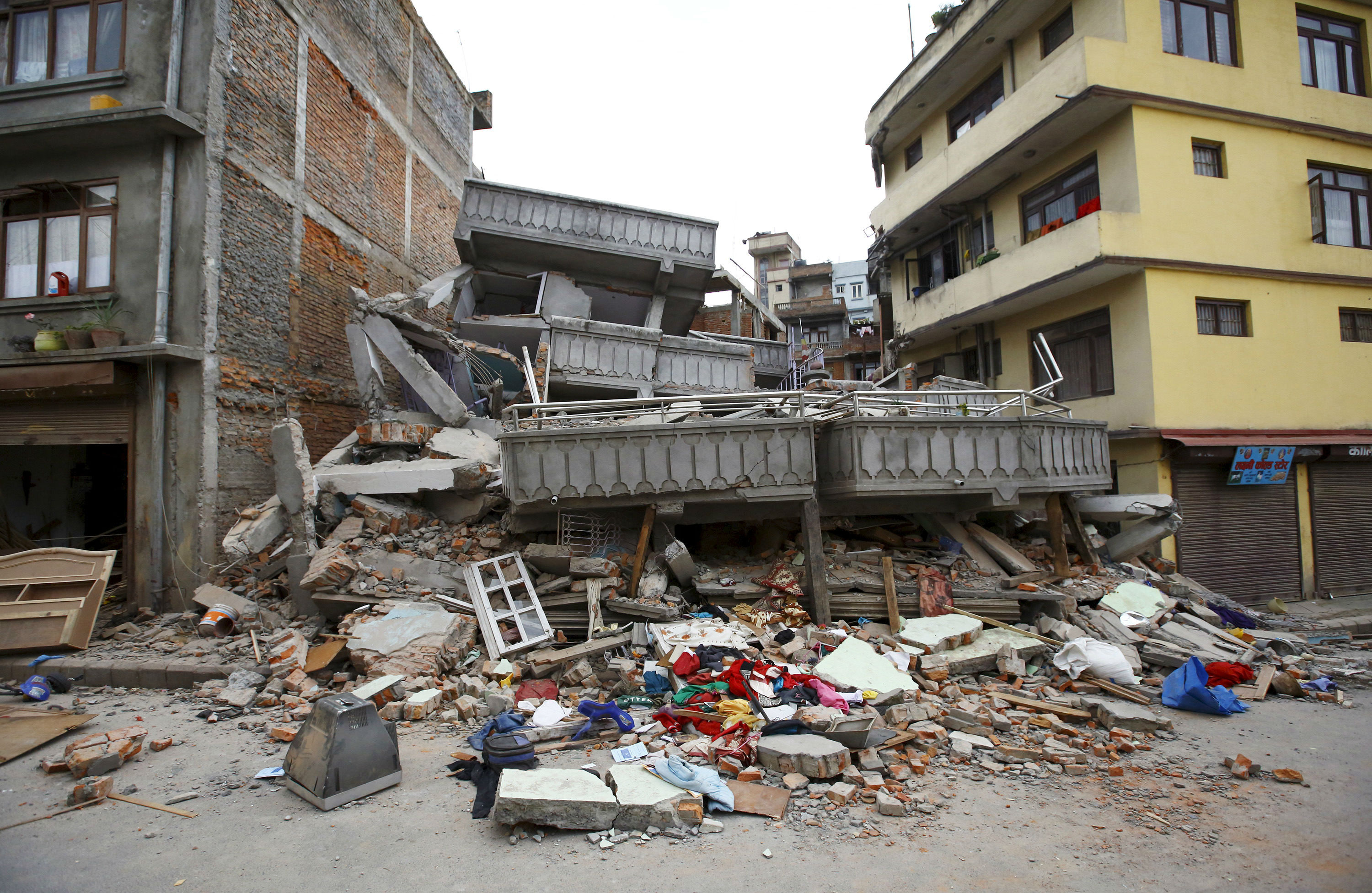
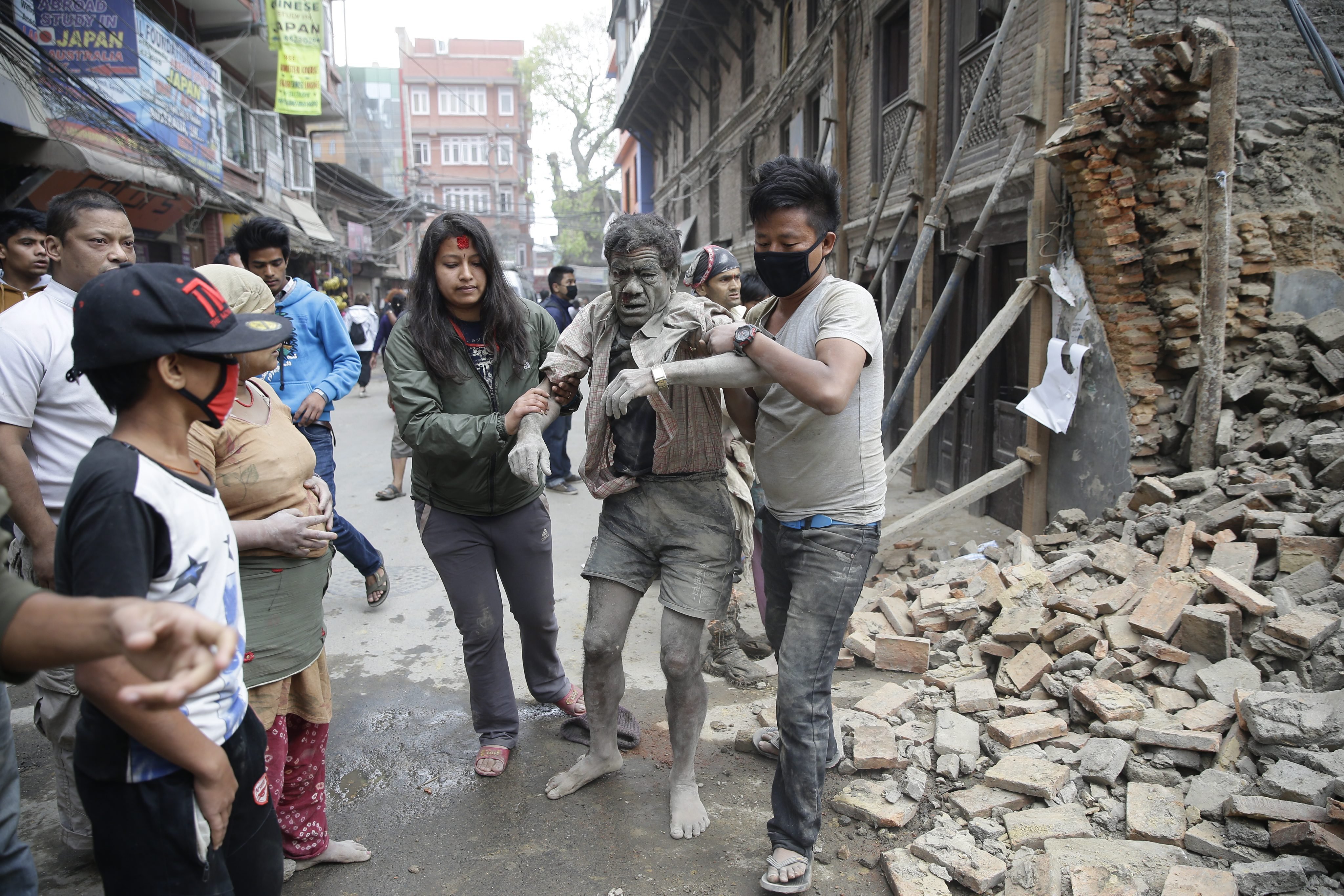
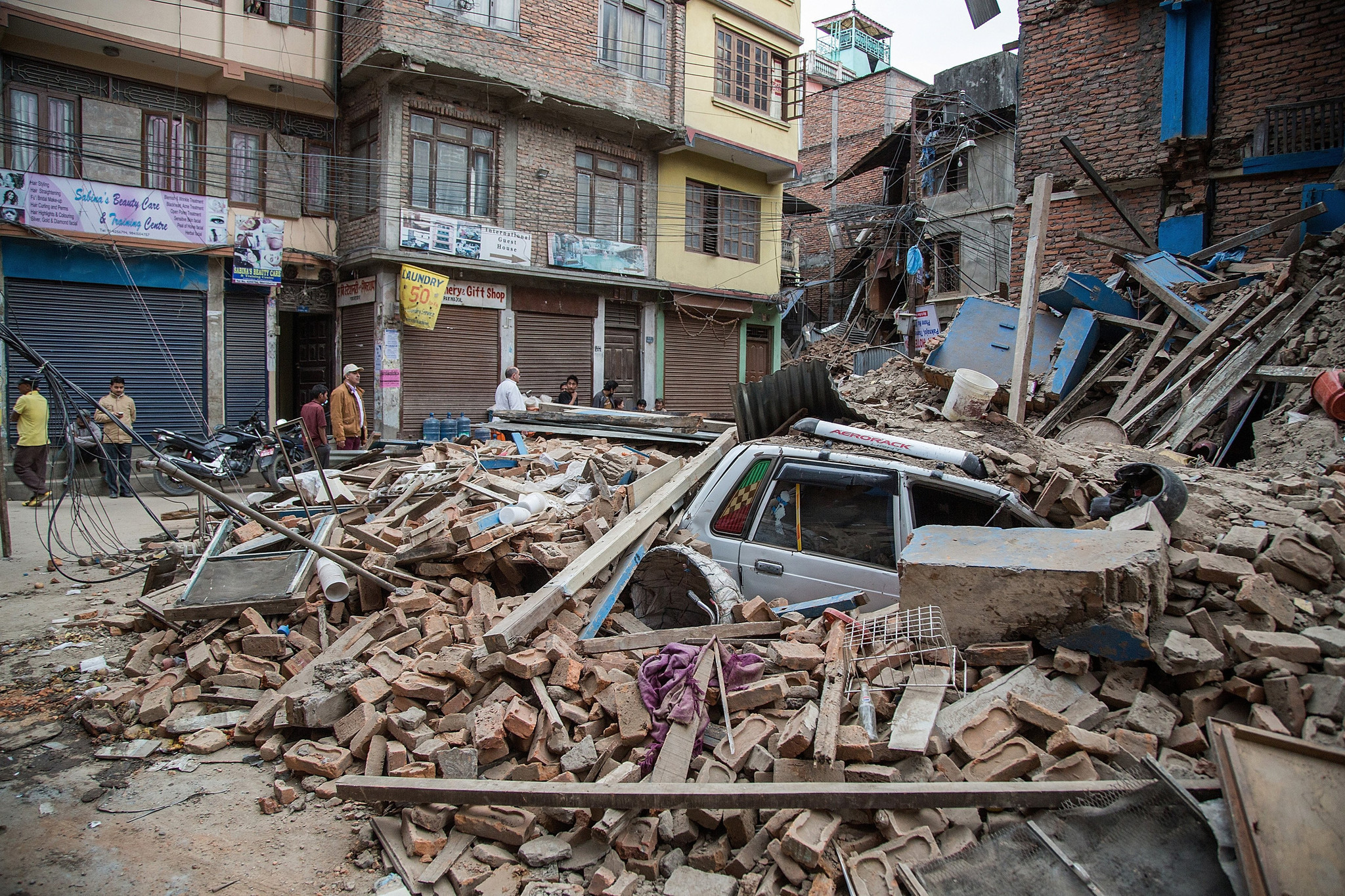
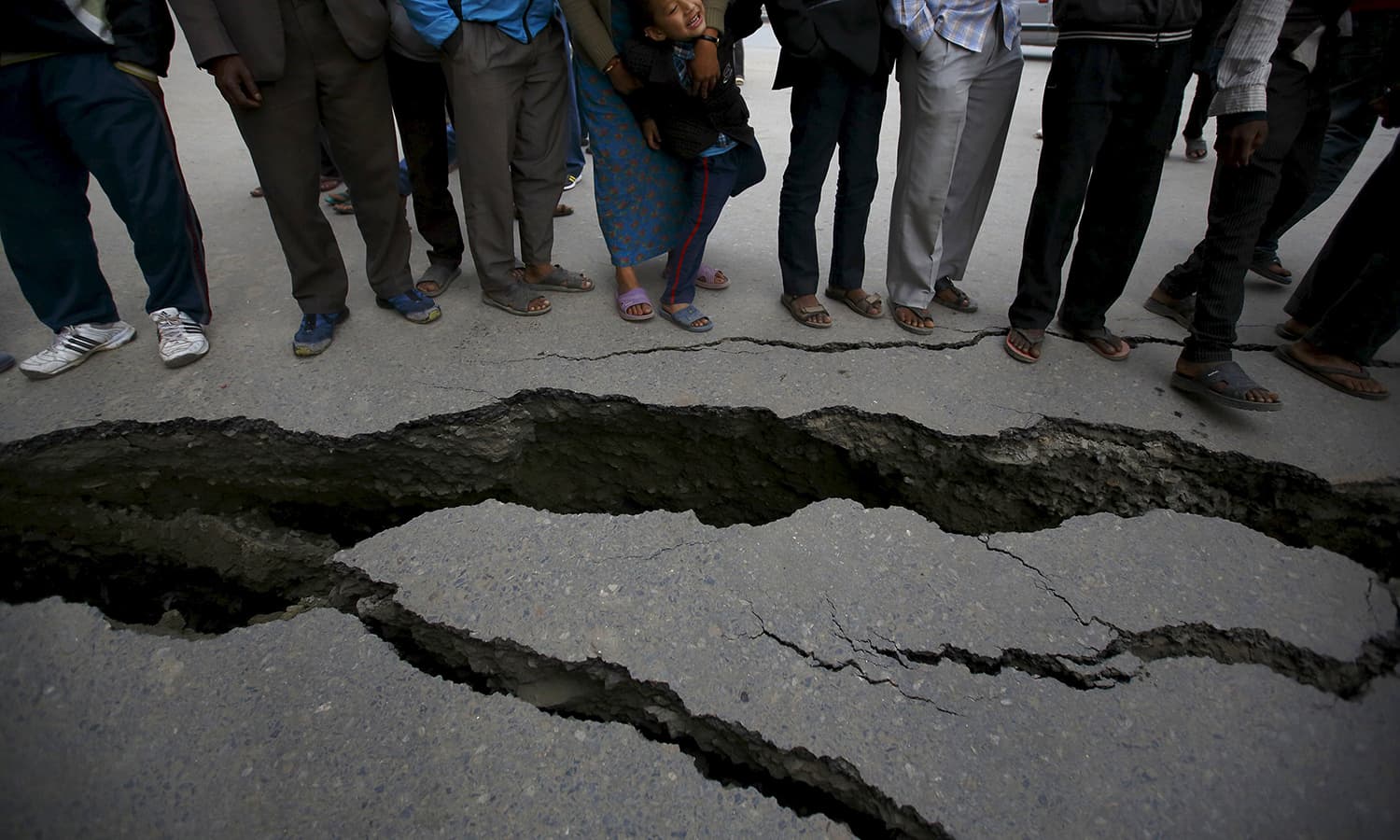
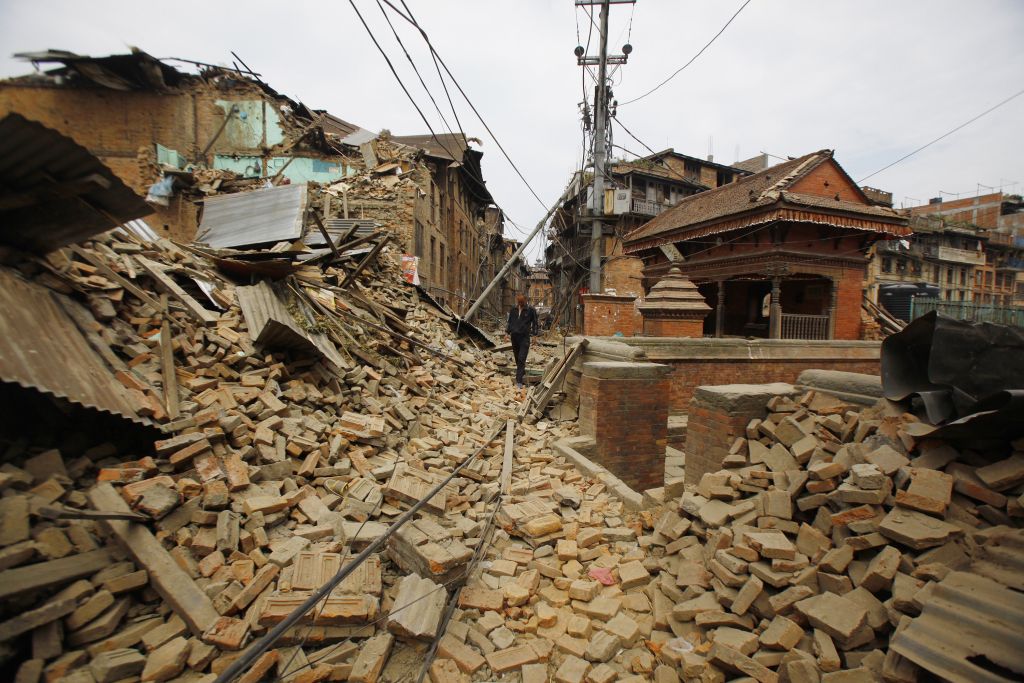
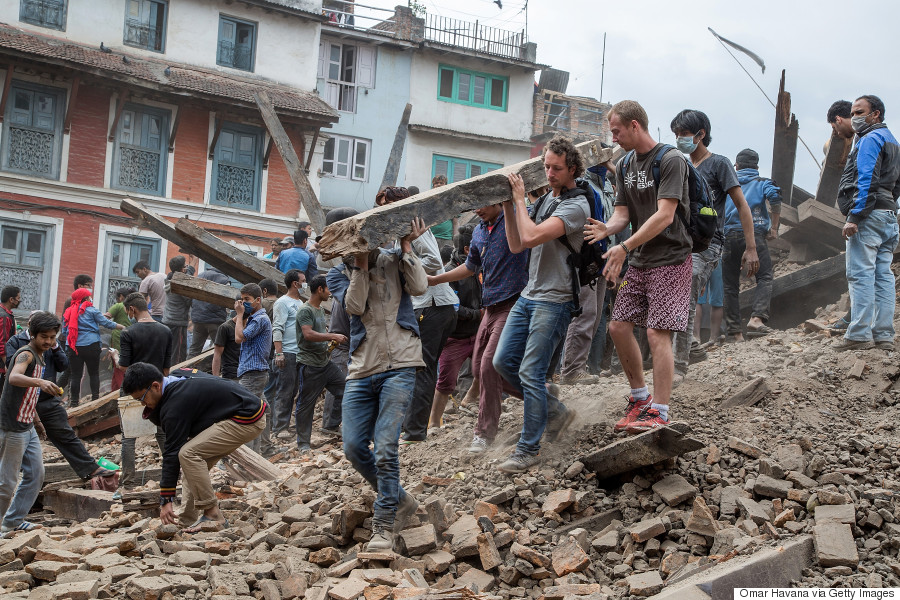
    On Saturday, April 25, Nepal was hit by a 7.8-magnitude earthquake. At least 2,500 people have died in this disaster till now, and the number is still increasing. Thousands of people are missing in Nepal following the earthquake, and the rescues teams are constantly working to reach the needy stuck under the pile of bricks.

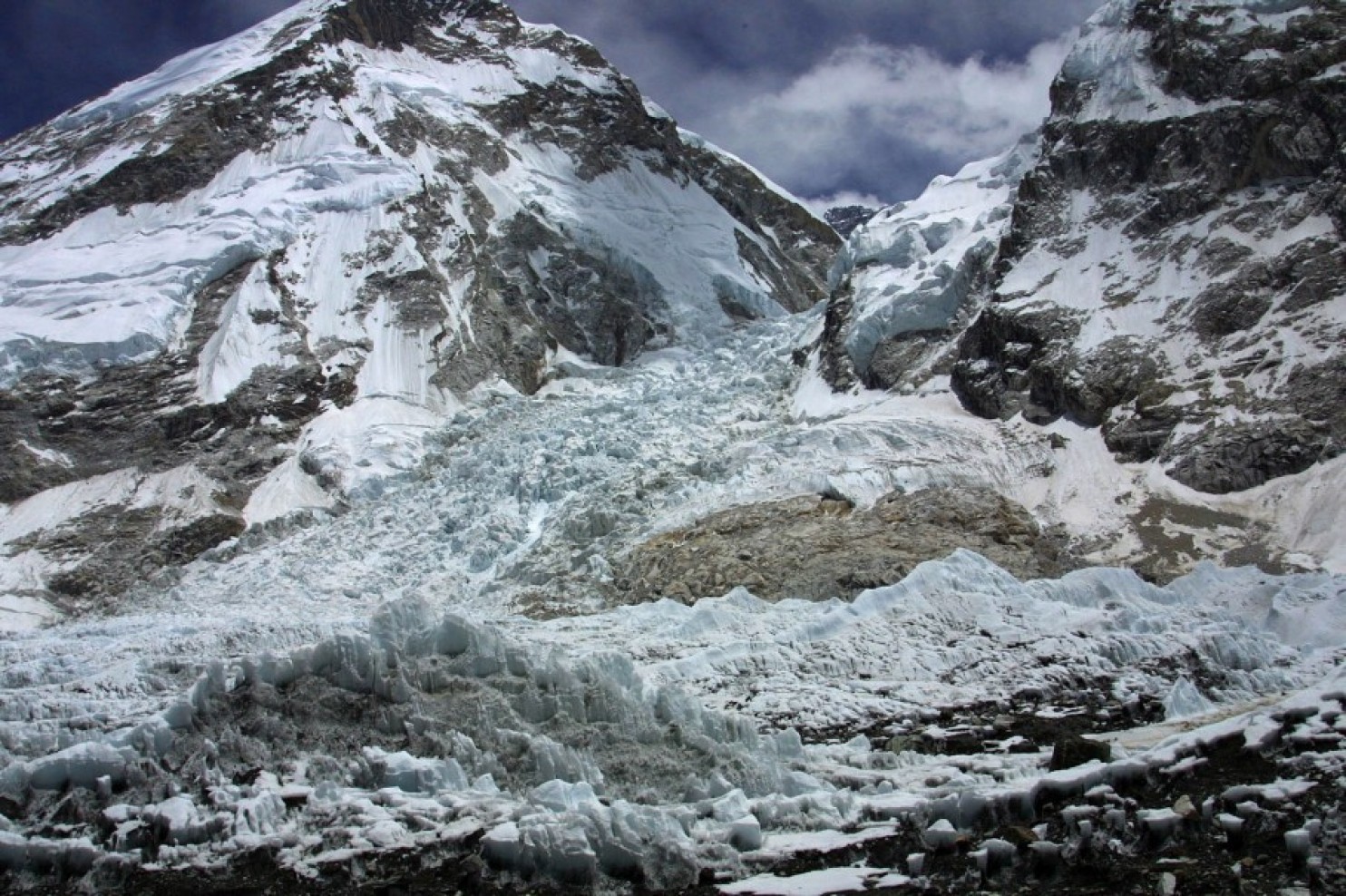
    The earthquake also triggered deadly avalanches in and around Mount Everest. Below is a set of images that captures the image of devastation:

    Image Source: http://www.qz.com/
    Image Source: QZ
    Image Source: www.abcnews.go.com
    Image Source: abcnews
    Image Source: www.nbcnews.com
    Image Source: nbcnews
    Image Source: time.com
    Image Source: time
    Image Source: www.abc.net.au
    Image Source: abc.net
    Image Source: www.thestar.com
    Image Source: thestar
    Image Source: www.timesofisrael.com
    Image Source: timesofisrael
    Image Source: www.huffingtonpost.com
    Image Source: huffingtonpost
    Image Source: www.allindiaroundup.com
    Image Source: allindiaroundup
    Image Source: www.wsbradio.com
    Image Source: wsbradio
    Image Source: www.cnn.com
    Image Source: www.cnn.com
    Image Source: www.abc7.com
    Image Source: abc7
    Image Source: www.inforum.com
    Image Source: inforum
    Image Source: www.washingtonpost.com
    Image Source: washingtonpost
    Image Source: www.inforum.com
    Image Source: inforum
    Image Source: www.chicagotribune.com
    Image Source: chicagotribune
    Image Source: www.3news.co.nz
    Image Source: 3news
    Image Source: www.nbcnews.com
    Image Source: nbcnews
    Image Source: www.chicagotribune.com
    Image Source: chicagotribune
    Image Source: www.dawn.com
    Image Source: dawn
iGyaan Network
Privacy Overview

This website uses cookies so that we can provide you with the best user experience possible. Cookie information is stored in your browser and performs functions such as recognising you when you return to our website and helping our team to understand which sections of the website you find most interesting and useful.