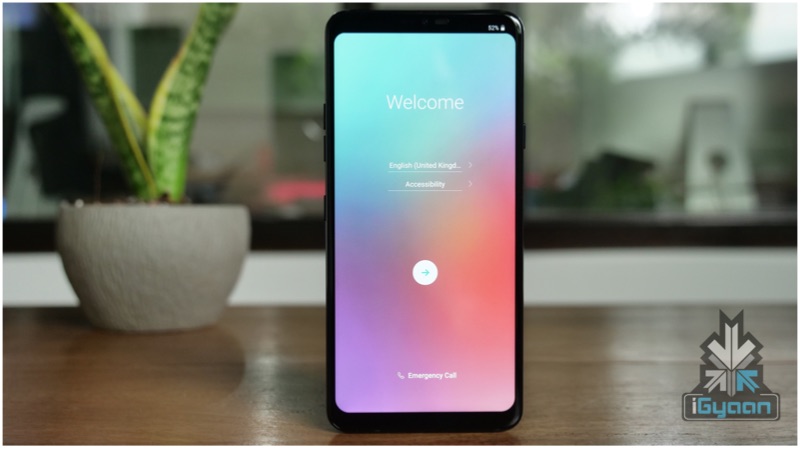
With the anticipation of the new LG G8 ThinQ building up, the company has confirmed that the LG G8 ThinQ will sport CSO (Crystal Sound OLED) technology. CSO uses the smartphone’s display as an audio amplifier to produce sound, which means you don’t necessarily have to place your ear near the speaker. The LG G8 ThinQ will be unveiled at the MWC (Mobile World Congress) 2019 this month.
About CSO
Basically, the entire OLED display of the device acts as a diaphragm, so the entire screen will vibrate to produce sound. In case you switch your phone to speakerphone mode, however, the sound will be produced through the speakers at the bottom. LG claims that this technology can work perfectly in smartphones, the same way it worked in LG TVs. Crystal Sound OLED technology boosts every musical note you hear while improving sound clarity at the same time. Also, the device has the capability to generate dual channel audio by using the bottom speaker & the display together.
Features
LG is using Meridien to deliver high quality audio via the LG G8 ThinQ. In addition to this, the LG G8 ThinQ will have support for DTS:X 3D surround sound as well as Hi-Fi Quad DAC. Using Quad DAC, you can listen to high quality sound which is very close to the original sound. Interestingly, the smartphone has Master Quality Authenticated (MQA) so that you can listen to studio quality recordings of your favourite music. Like the LG G7 ThinQ, the G8 will pack a Boombox Speaker too.
Specifications & Expected Price
The leaked renders of the LG G8 ThinQ were received with mixed emotions, but nonetheless, the phone will sport a dual-rear camera module with a front camera that has support for 3D facial recognition. The LG G8 has a glossy back panel with a fingerprint sensor placed just below the camera setup. The device will be powered by a 3,400 mAh battery, and will have a 6.1 inch display with a 19.5:9 aspect ratio.
The price of the handset hasn’t been confirmed as of now, but it is supposed to be priced around $ 900 at its launch. We’ll have to wait for the MWC to get complete details regarding the LG G8 ThinQ.
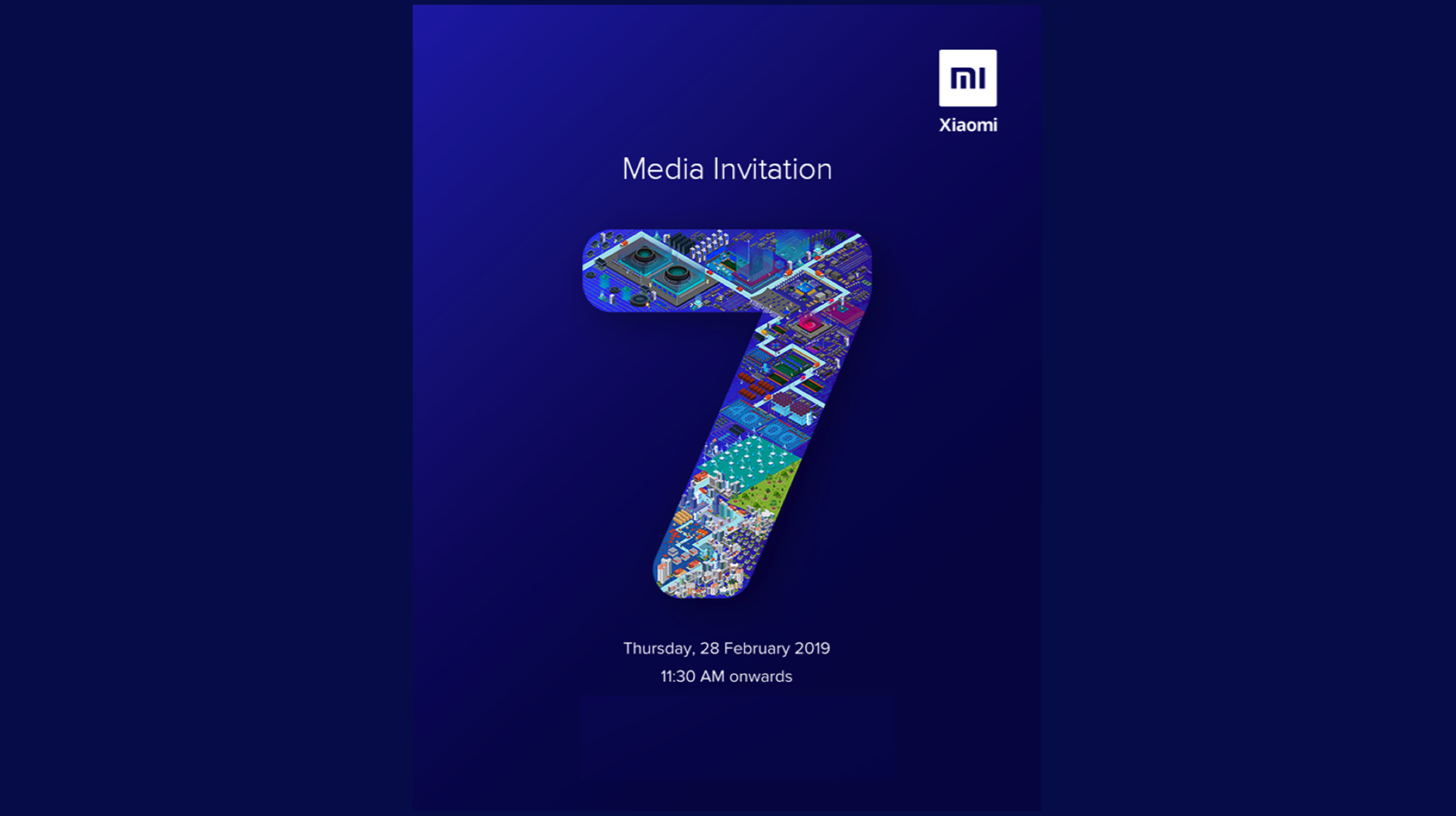
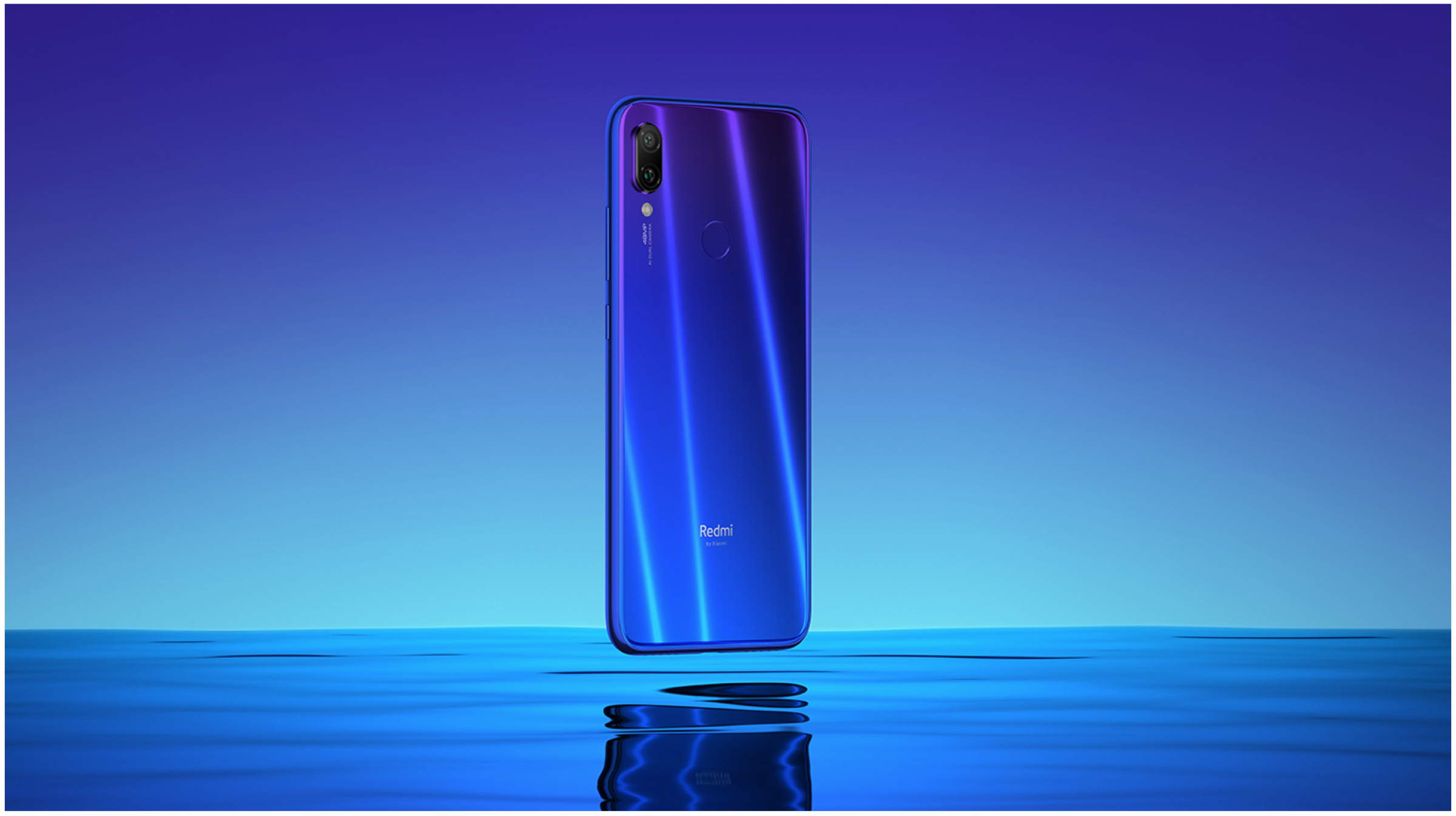
Redmi has finally confirmed the launch date for the Redmi Note 7 in India. The phone will be launched on February 28. This news comes after Redmi India’s official Twitter account confirmed the news and the date of the launch. It has also started sending out media invites for the launch event. The company has also been teasing the launch of the phone for a while now on social media.
Redmi Note 7 was launched in January in China after Redmi separated from its parent company Xiaomi to become an independent brand. It is the first device by Redmi after it became independent. It is a budget device with a standout feature, it has a 48MP main camera.
Redmi Note 7 Specifications
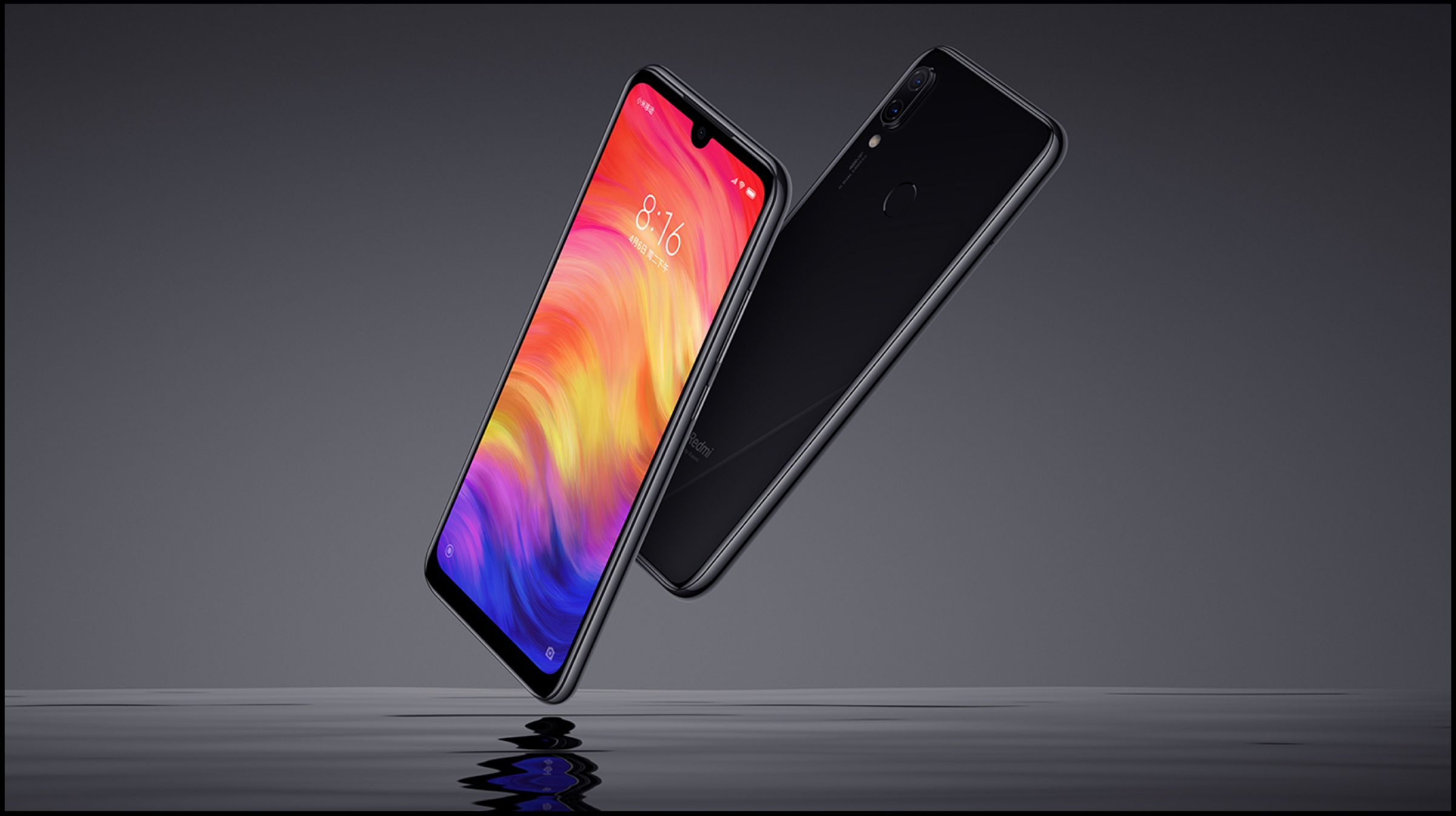
The Redmi Note 7 is a budget device from Redmi. Featuring a 6.3-inch Full HD+ LTPS display with a waterdrop notch. It has Gorilla Glass 5 for protection against scratches. It runs on the Qualcomm Snapdragon 660 chipset with an option of 3GB, 4GB or 6GB of RAM. Storage options also include a 32GB and 64GB variants. The device features a rear-mounted fingerprint scanner.
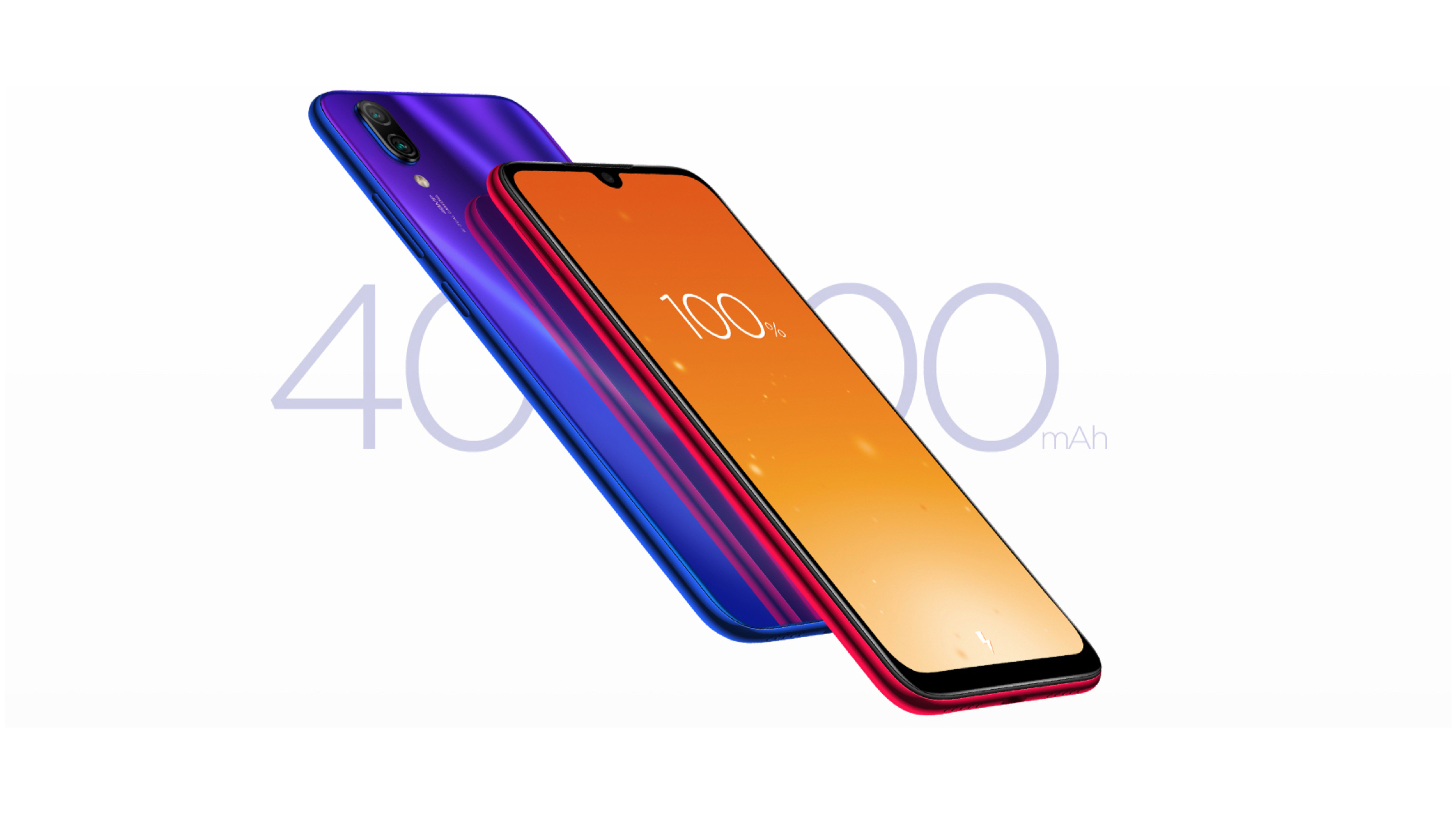
The standout feature is the dual camera set up at the back featuring a 48MP Sony IMX586 sensor with f/1.8 aperture. This is also paired with a 5MP depth sensor. At the front, there is a 13MP selfie camera embedded in the notch. This is all powered by a 4000mAh battery with Qualcomm Quick Charge 4 support. There is also a USB Type-C port on the device, which is rarely seen in a budget device.
The Redmi Note 7 has been launched in China for the starting price of 999 yuan (Rs 10,500) for the variant with 3GB of RAM and 32GB of storage. The model with 4GB RAM and 64GB of storage sells for 1199 yuan (Rs 12,400)while one with 6GB RAM and 64GB of internal storage retails for 1399 yuan(Rs 14,500). There is also no confirmation on which variants Redmi will bring to the Indian market.
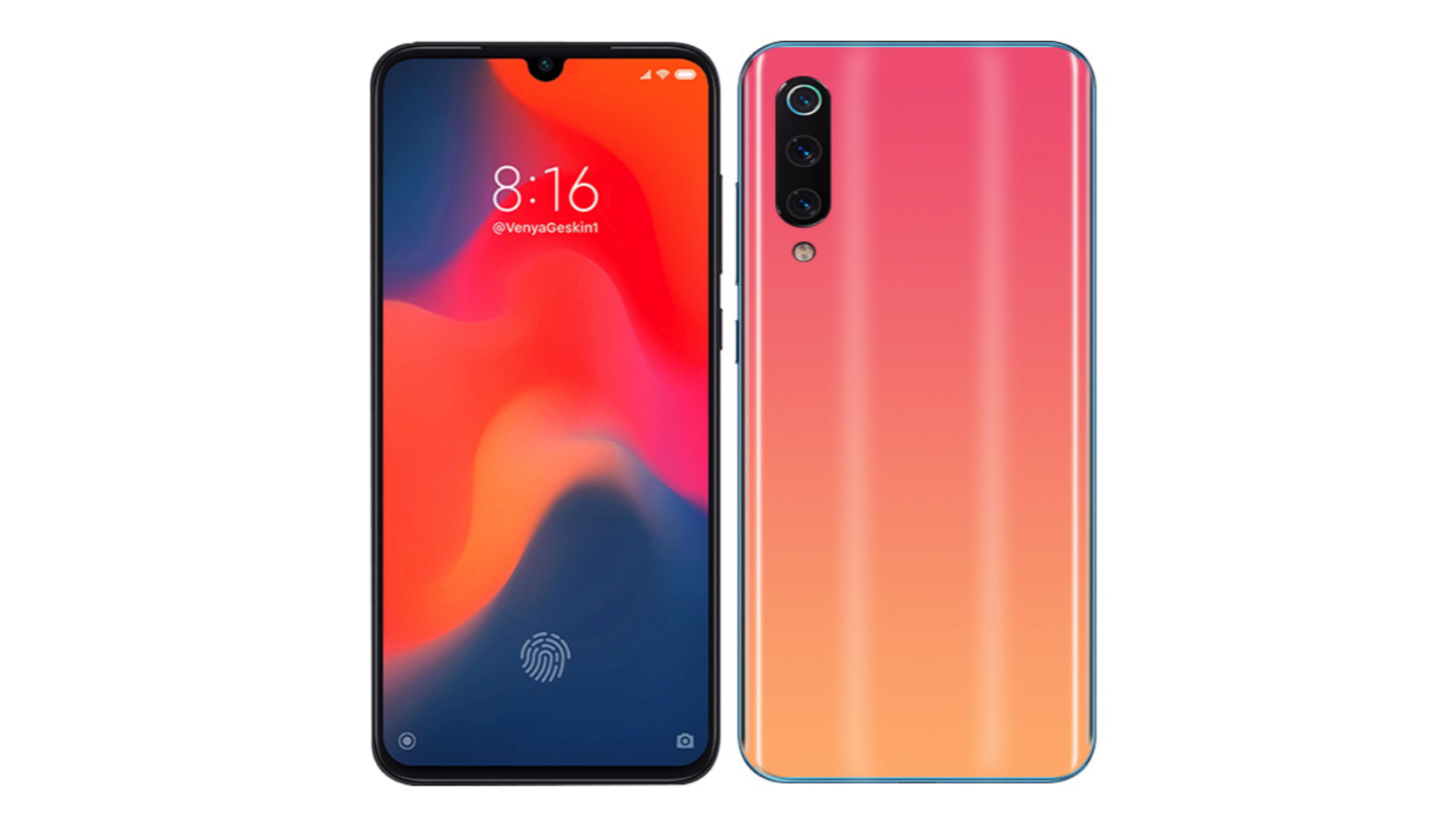
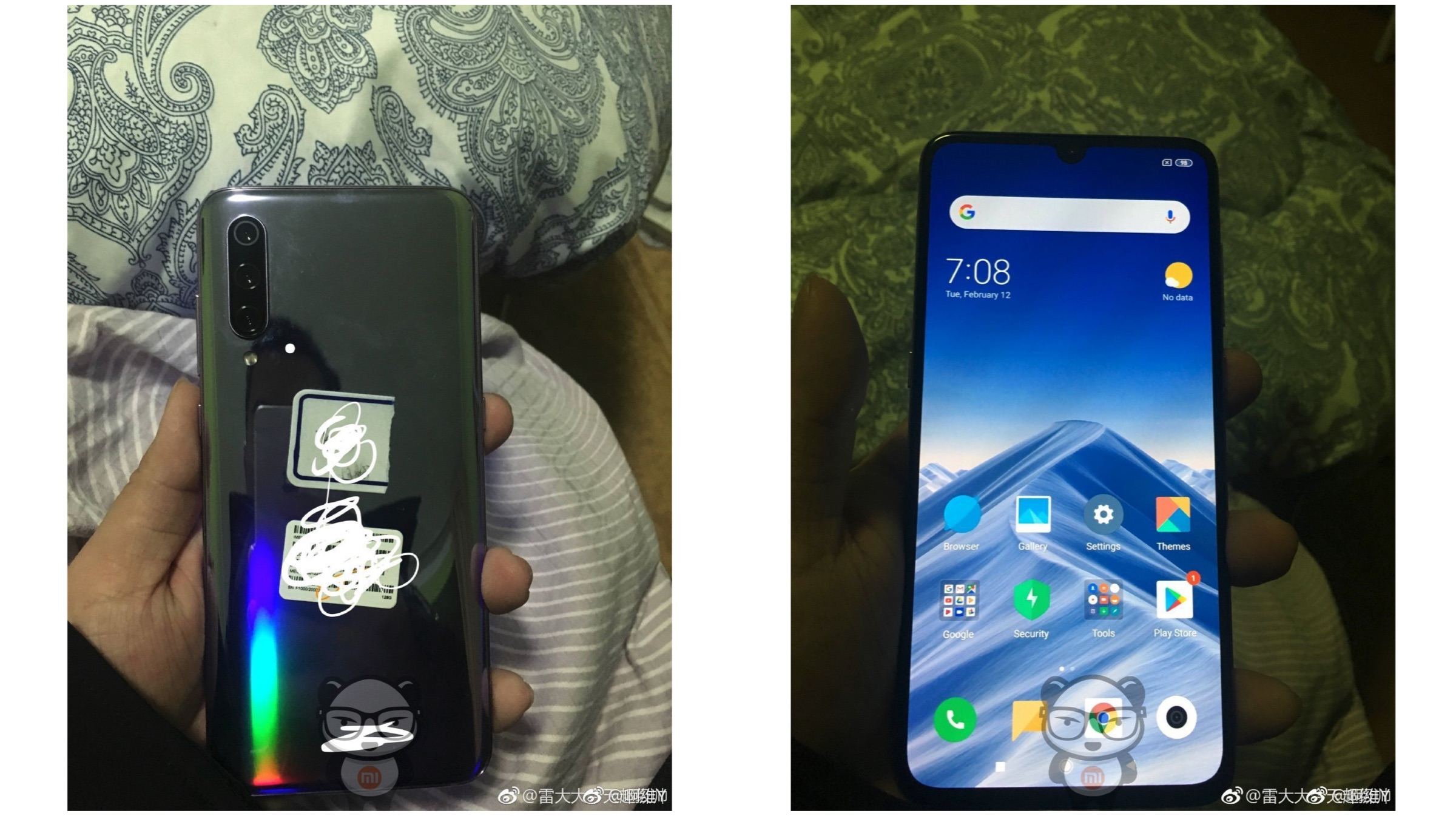
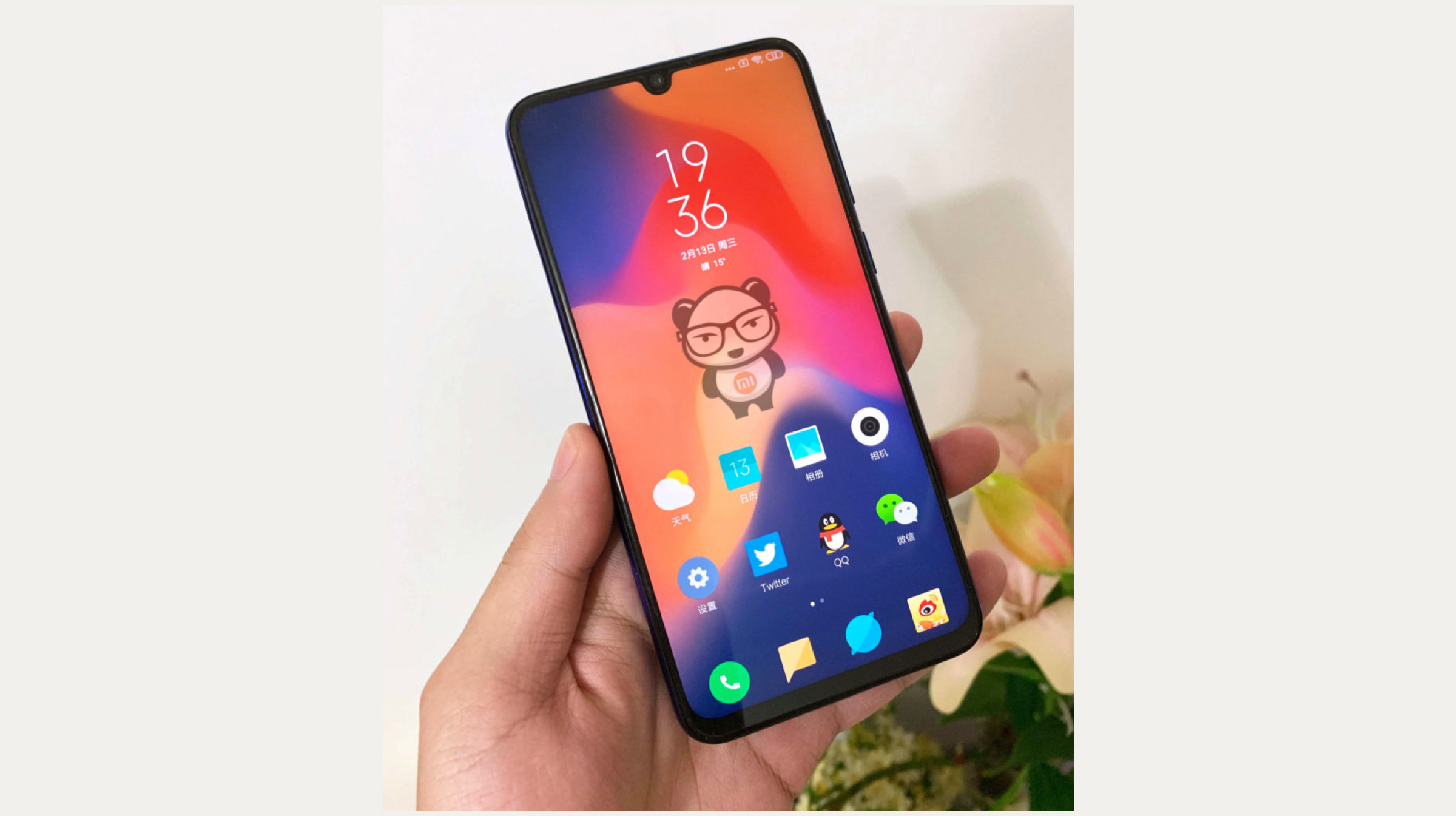
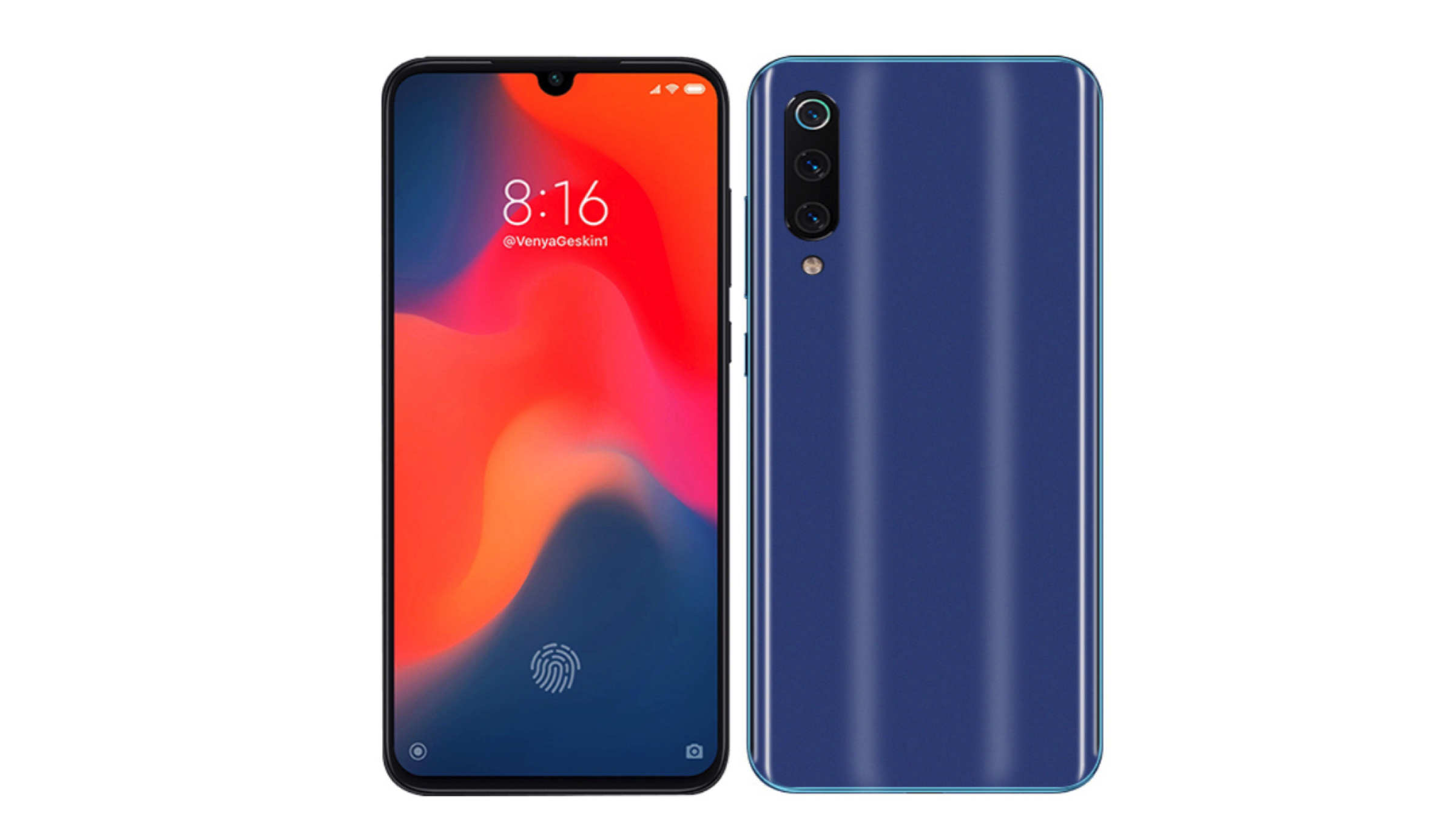
Xiaomi will launch its next flagship, the Mi 9 on February 20 in China. The phone will also be shown off at the Mobile World Congress 2019 in Barcelona on February 24. But even before its launch, the final images and specifications of Xiaomi’s latest and greatest has leaked online. This confirms the previous speculations about the device and also confirms what the device will look like.
The Mi 9 will be a successor to the Mi 8 launched last year. The Mi series by Xiaomi has always been about providing flagship level specifications at a mid-range price. This year too, the Mi 9 is expected to bring out some features that are mainly seen in expensive smartphones.
Xiaomi Mi 9 Specifications
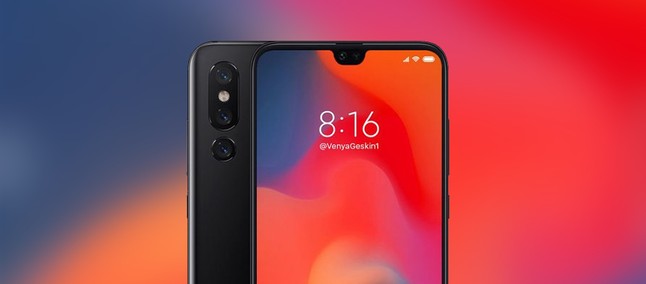
The Mi 9 will be a flagship device, so it is naturally expected to be riddled with features and specs like it. The Mi 9 will reportedly feature a 6.4 inch AMOLED display with a waterdrop notch. It will be protected by Gorilla Glass 5. It will be run on the latest Snapdragon 855 SoC and will have 6GB of RAM and 128GB of storage. There may be a variant with 8GB of RAM and 256GB of storage in the works. The Mi 9 will have a fingerprint sensor embedded in the display.
The optics will be taken care of by three sensors at the back. These will include a 48MP, one 12MP and also a Time Of Flight(TOF) sensor. The selfie camera will be a 25MP sensor. It will feature NFC and will support 27W fast charging and Quick Charging 4+ by making use of the Type-C port provided. The device will have the latest version of Android Pie with MIUI 10 on top. It will all be powered by a 3500mAh Battery. According to reports, there is also a version with 5G support that may be announced at the event.
The Xiaomi Mi 9 will be launched on February 20 in China. The pricing and availablity in India isn’t known yet, but early estimates suggest that the Mi 9 could start around CNY 2,999. This would mean that the device may cost around Rs. 30,000 if it ever arrives in India.
A lot of Instagram users and brands have reported losses of millions of followers on the popular image sharing social media platform due to a bug. Big brands like Nike and even influencers like Don Benjamin, Yanet Garcia & Kyle Jenner faced a huge drop in their follower base. Some months ago, Instagram reported that they will take steps to keep fake followers and likes in check. We can’t help but wonder if this is a step that went wrong in the process.
Instagram’s Update
Instagram, however, made a twitter post announcing that the number of followers is decreasing because of a bug inside their system. At the moment, they were trying to investigate the source of the bug.
We’re aware of an issue that is causing a change in account follower numbers for some people right now. We’re working to resolve this as quickly as possible.
Instagram made it clear that it’s not a crackdown policy implemented by them. We believe the affected accounts and brands are supposed to get their ‘lost’ followers back very soon, as per Instagram. There is no clarification as of now regarding the details of the bug.
Influencers & Their Reactions
A lot of celebrities and creators from the ‘million follower club’ took to Twitter to express themselves.
why did I just lose over half a million followers @instagram wyd sis
As per an update by Instagram, they will have the issue resolved by 10:30 pm tonight. They consoled their users by informing that their team is working hard to fix the bug.
Update: we’re expecting to have this issue resolved by 9 a.m. PST tomorrow. We understand this is frustrating, and our team is hard at work to get things back to normal.
Previously, a teaser video was released, indicating the fact that Samsung is ‘maybe’ working on a dual sided smartphone. Speculations rose around the fact that if the display is on the outside of the phone housing, it’s not a foldable smartphone at all.
https://youtu.be/1KIKaS2221I
The text in the teaser video actually seemed to ‘curl around’ something. A freshly published patent reveals more about the kind of Galaxy Smartphones Samsung is working on.
About The Patent
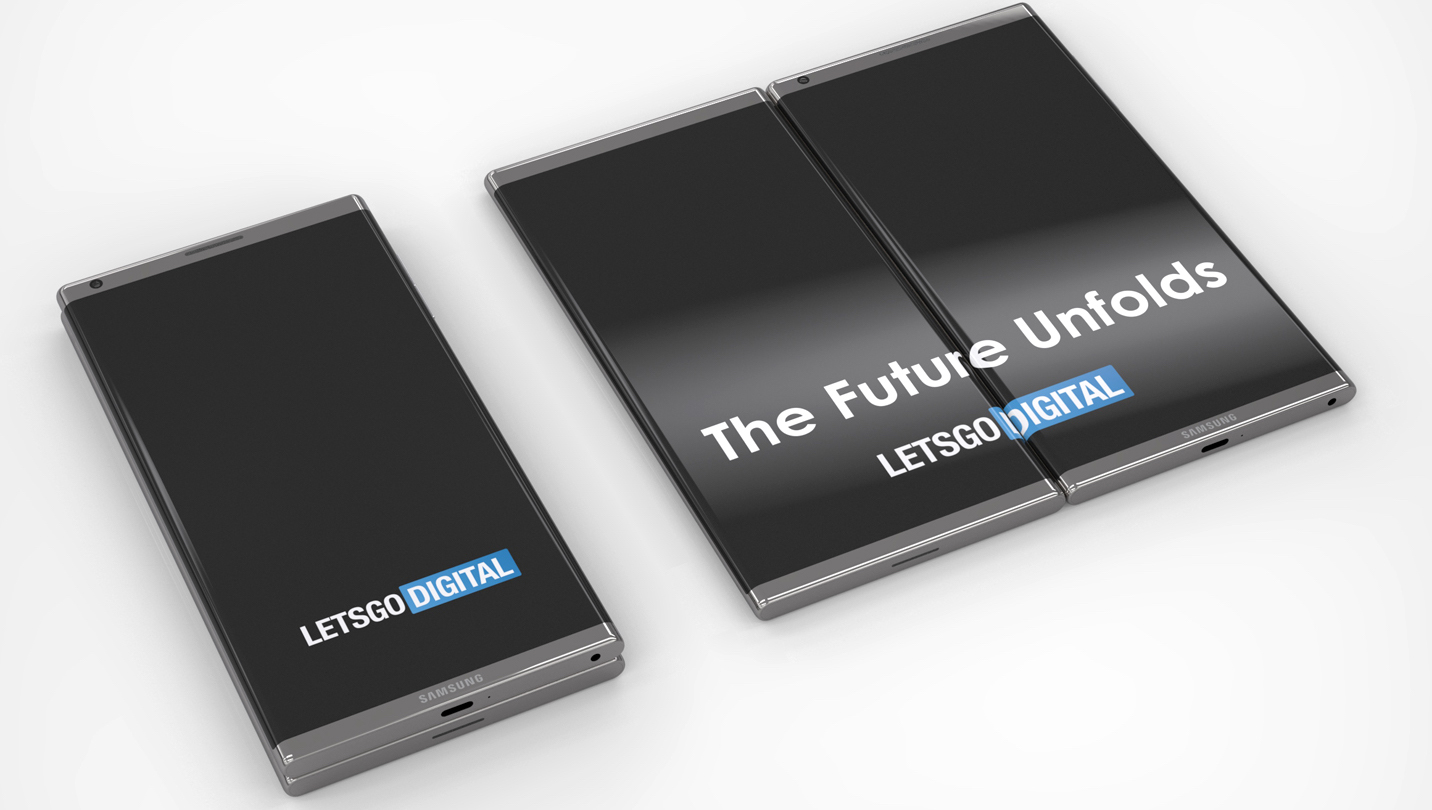
Samsung has a design patent published at the USPTO (United States Patent and Trademark Office), which is titled as an ‘Electronic Device’. The patent shows a smartphone that has two separate display parts, and apparently can be folded. The smartphone has very thin sides with an edge-to-edge display, which gives it a very elegant look, especially when the device is folded.
Design & Features
For mobility, the device can be folded so that the display gets shifted to the inside. This will ensure the protection of the display, as the screen won’t be scratched or broken while carrying the device. According to your convenience, the smartphone can be folded all the way back, so that you can use one single display just like a regular smartphone.
Images from the design patent show enough space at the front to house a selfie camera. The rear of the smartphone has a dual camera setup which is vertically positioned. Interestingly, the Samsung smartphone also features a 3.5 mm headphone jack.
Everyone is eagerly waiting for a device like this which could combine elegance and mobility into one single foldable smartphone. Samsung may or may not release any information about its foldable device anytime soon, but if it does so, we’ll have to wait for the MWC 2019 for that.
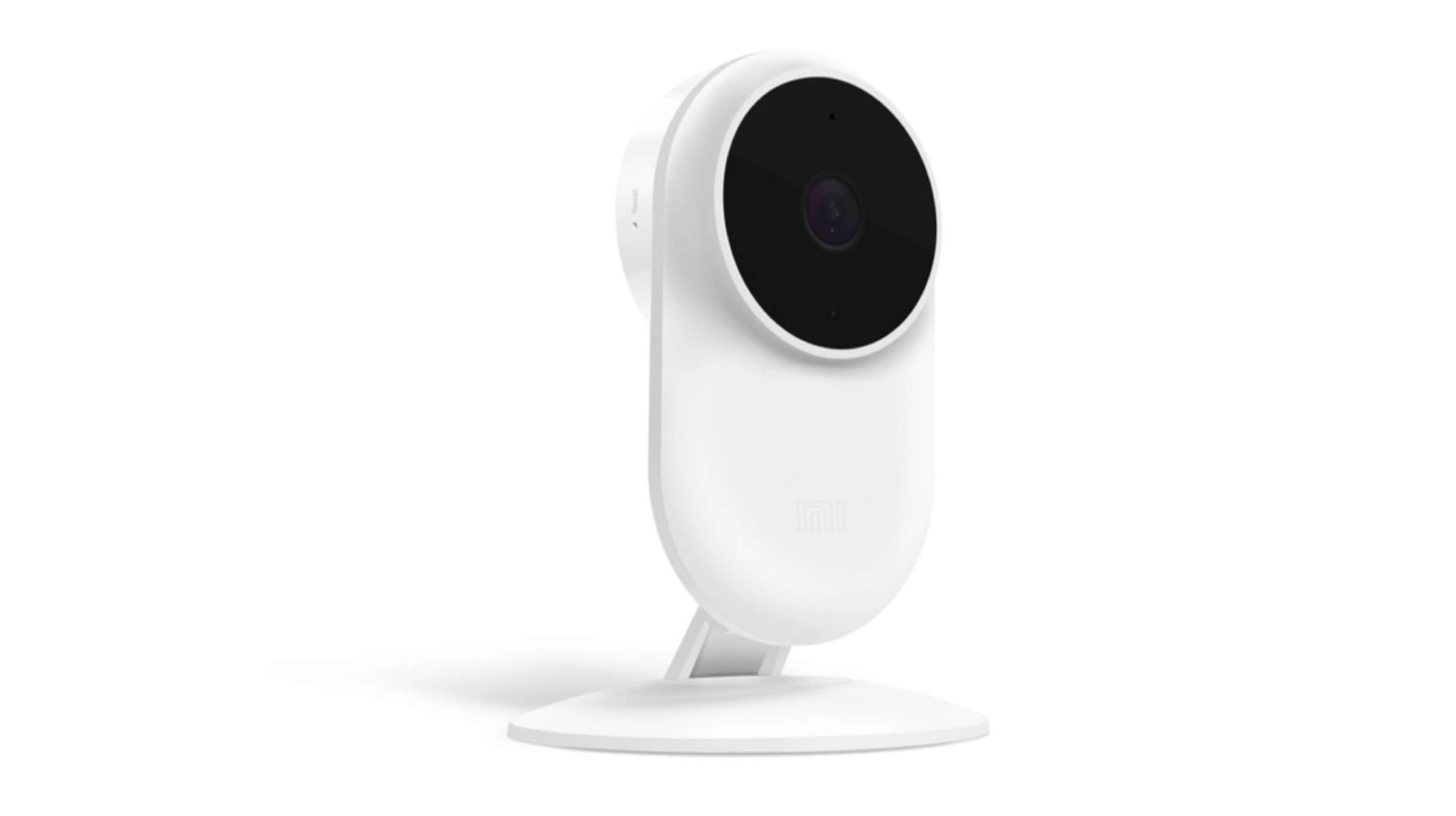
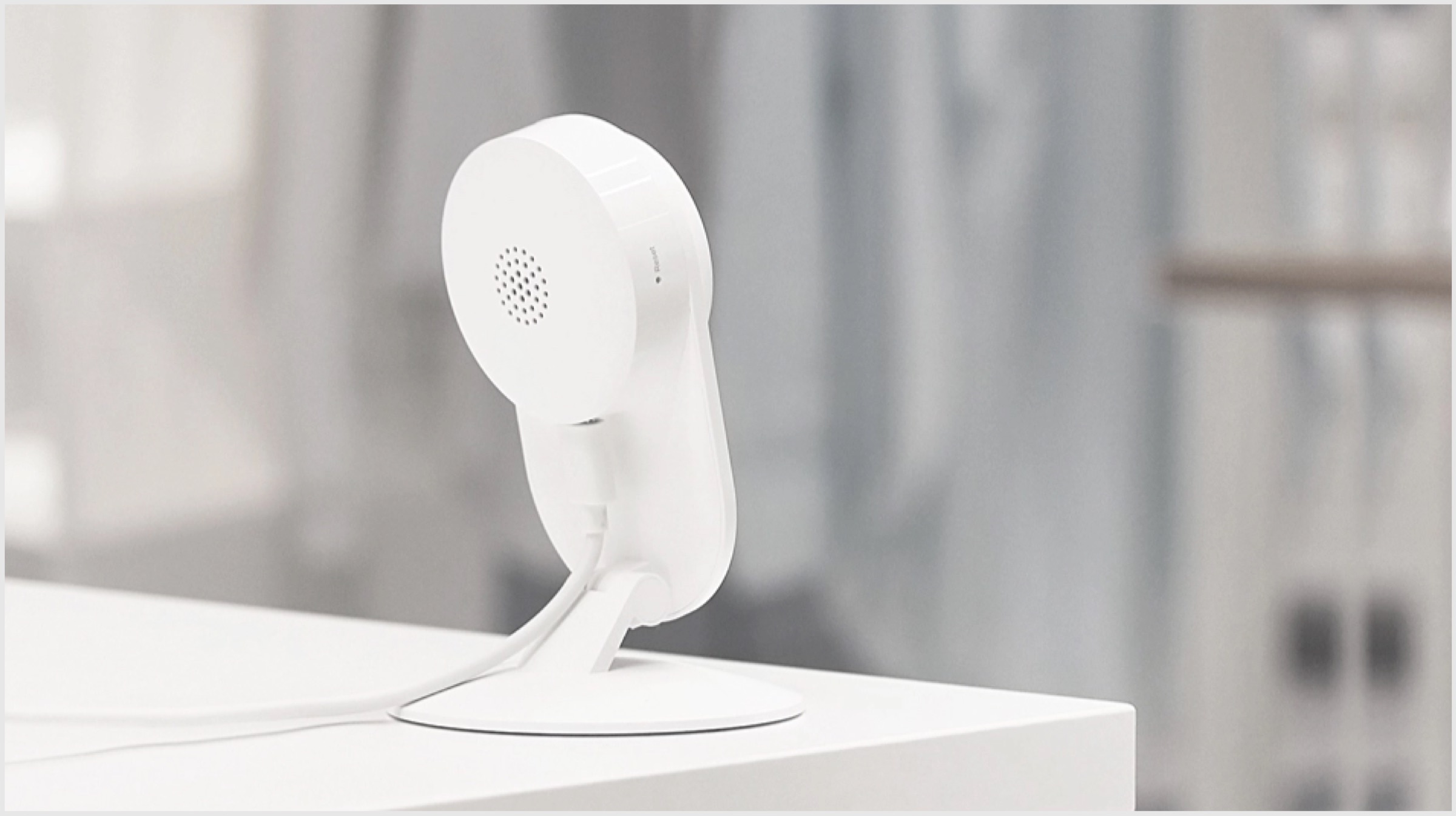
Xiaomi has launched the Mi Home Security Camera Basic in India after teasing it on social media for a long time. Xiaomi plans on expanding its home security portfolio. The security camera offers a plethora of features and will be available on sale starting tomorrow on Xiaomi India’s website. It is priced at Rs 2299 but will be on a discount for a limited time.
Mi Home Camera Basic
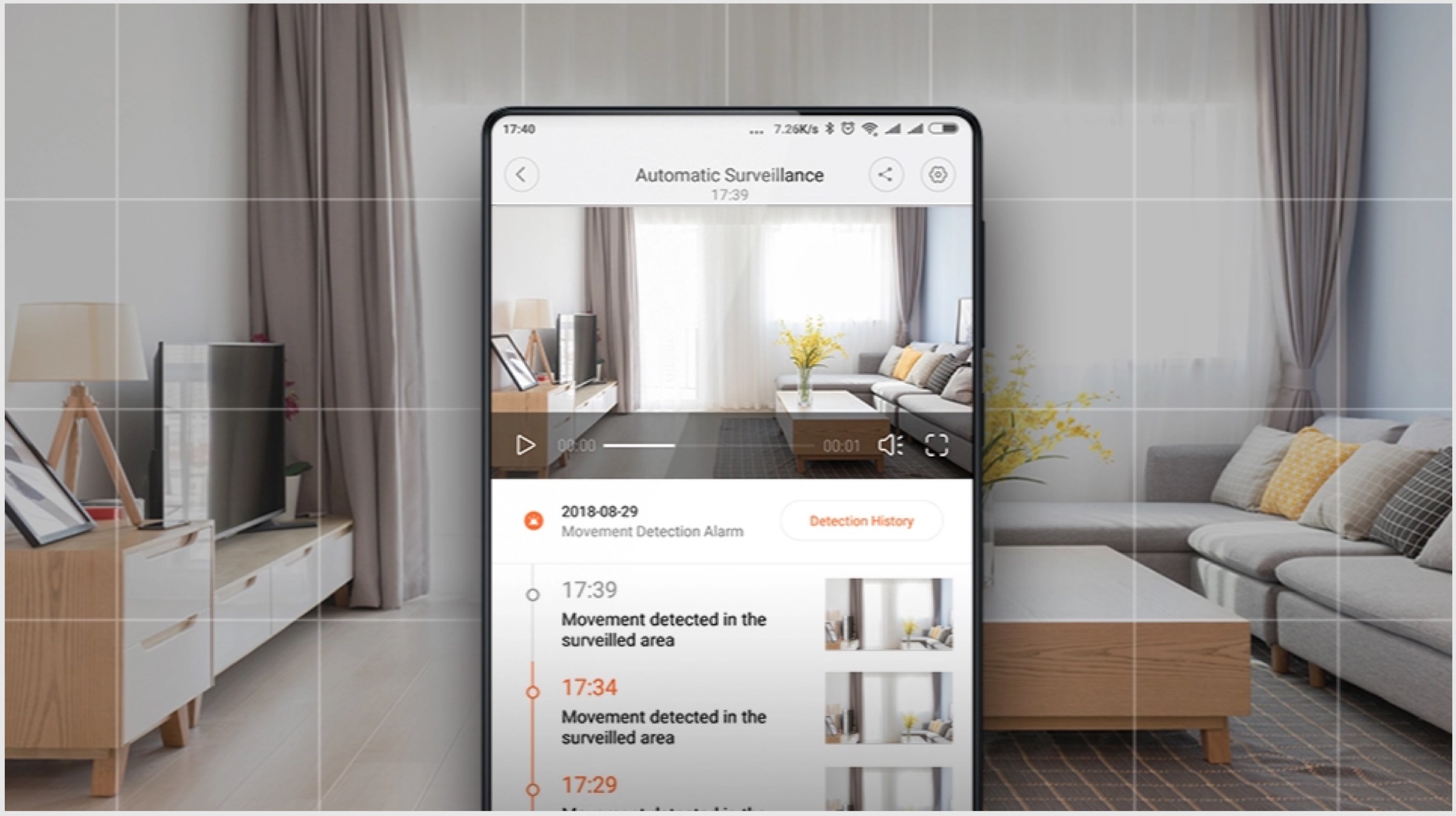
The Mi Home Security Camera Basic has a 130-degree lens which is capable of recording in 1080p. The maximum frame rate captured by the device is 20fps. The camera is capable of sensing motion through Artificial Intelligence(AI). It is also capable of capturing images and videos in the dark by using 10 940nm infrared dimming lamps. When paired with its app, the security camera offers a talkback feature with voice calls with full duplex voice call design. The camera’s app also has features like picture-in-picture mode for easier multitasking on the phone.
It also lets users pair multiple cameras and view all of them in one screen with a multiple view feature. This functionality will be supported on some mainstream phones running on iOS and Android. Other features include secure local storage via microSD cards, and cloud NAS storage as well. As far as specifications go, the Mi Home Security Camera Basic has a 5V-1A power input, a microSD card support up to 64GB (above class 10), and a Wi-Fi 802.11 b/g/n 2.4GHz support.
This is the second security camera Xiaomi has launched in the country. Last year, Xiaomi launched the Mi Home Security Camera 360 which had a 360-degree lens. The Mi Home Security Camera Basic will be available starting February 14 in white color on Xiaomi India’s official website for a price of Rs 1,999 for a limited time.
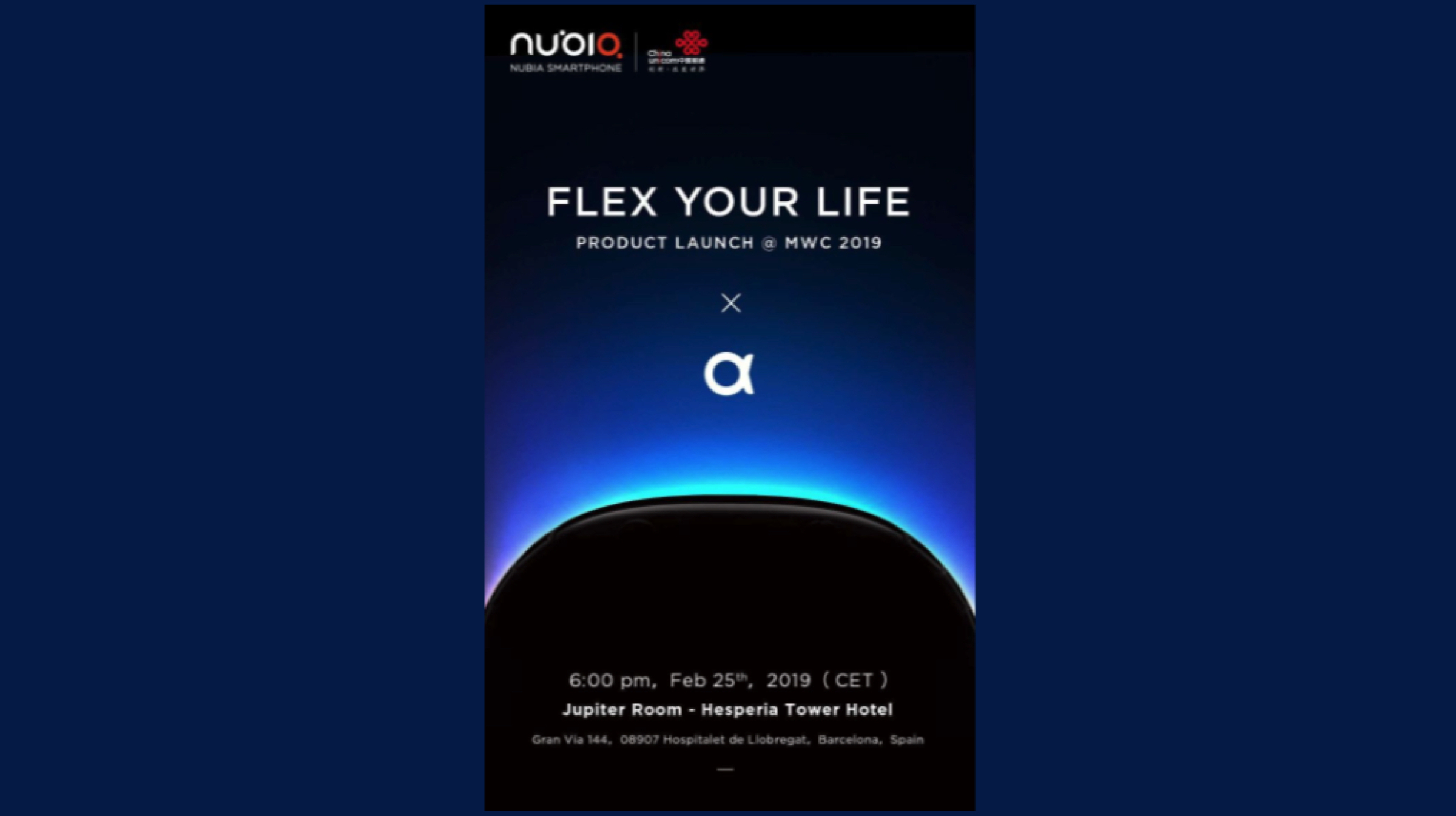
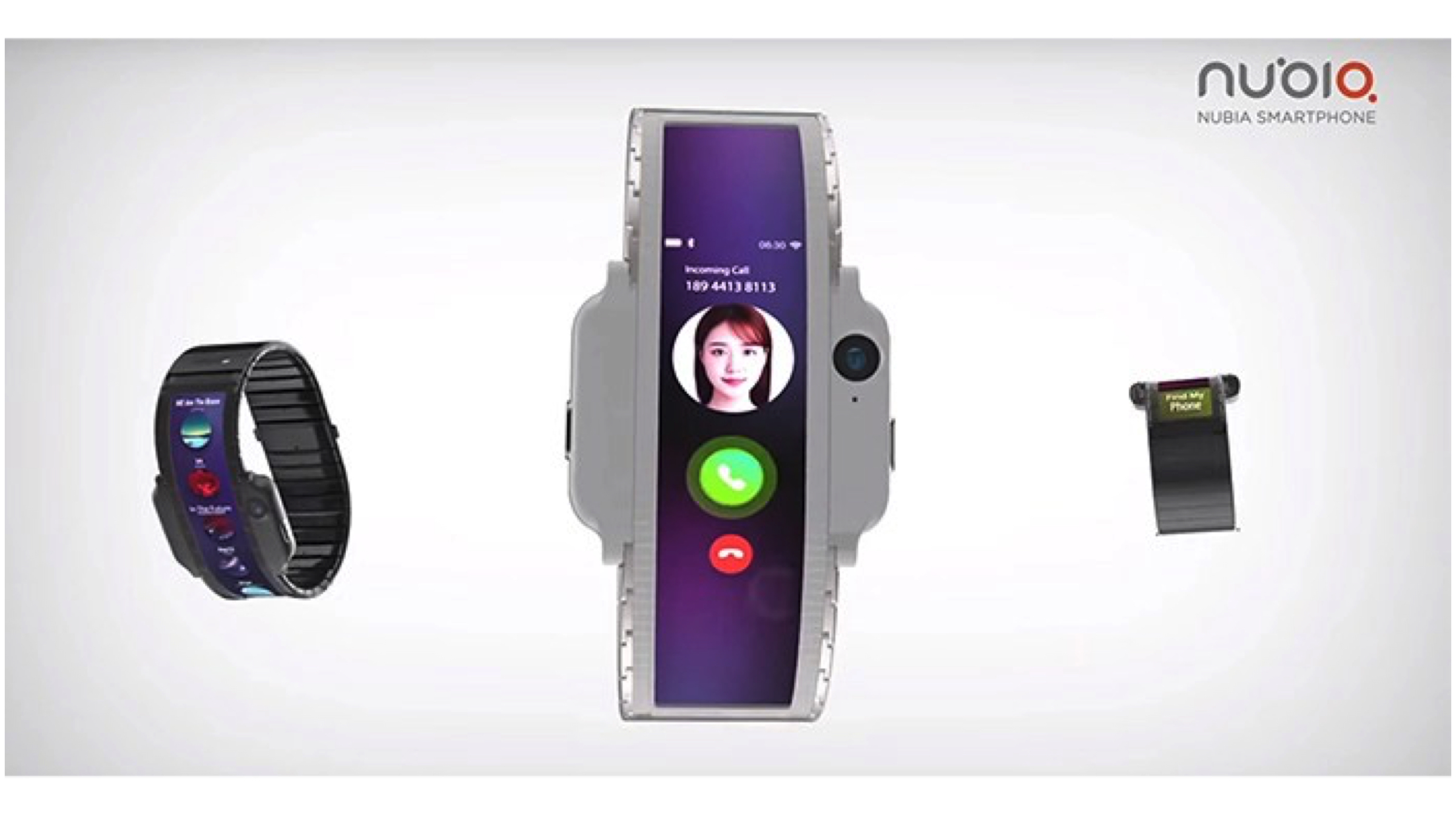
Nubia earlier confirmed that it will launch a flexible device at the Mobile World Congress(MWC) on February 25. More details about the device have surfaced as Nubia has sent out invites for the event. The event will see the launch of the Nubia Alpha, a foldable wearable phone that can be tied around the wrist.
The event’s uses a tagine “Flex your Life”. It also shows a device with a flexible display. It wasn’t clear what kind of flexible device we could expect, earlier when Nubia made the announcement, but the graphic on the official invitation resembles the shape of a display. The Nubia announcement shows up after companies like Samsung and Huawei have already announced that they will showcase a foldable smartphone at the MWC. Those announcements will both arrive before the Nubia event.
Nubia Alpha: The Future?
The Nubia Alpha was shown as a concept back in August. It was a smart wearable that can be tied around a wrist. Nubia didn’t reveal anything about the device and it wasn’t even available to be tried out back then. But it seems that the company is ready with the device and it may be available soon. While the specs of it aren’t known, the Alpha in the trailer looks like a smartphone on the wrist, making the use of a tall, flexible OLED display for its flexible needs. It might also have a Type-C port for charging and a single camera on the front.
The device may end up looking different than what was shown at the IFA as it was a concept back then. The flexible wearable idea looks to make a compelling case for flexible smartphones and may end up actually proving to be useful. The pricing and availablity of the Nubia Alpha isn’t known yet, but we won’t have to wait long to find out more about the device.
After launching the Moto G7 series lineup, Motorola is gearing up for the launch of their next series of smartphones. As per sources, the Motorola P40 is next in line to launch in the arena. The successor to 2018’s Motorola P30, the smartphone is expected to be powered by Samsung’s Exynos chipset. In addition to this, the device will also house a 48 MP primary camera & a punch hole display.
Expected Specifications
As mentioned before, The Motorola P40 will pack Samsung’s very own 10nm Exynos 9610 octa-core SoC. The device will probably be available in three different RAM & storage options, most likely in 3GB + 32GB, 4GB + 64GB and 4GB + 128GB. The Moto smartphone will sport a 48 MP primary camera.
Design And Features
Sources say that the Motorola P40 will have a punch hole display design, with a single front camera. Since the P30 was an Android One device, we can expect the same offering from the Motorola P40. The smartphone is also rumoured to support NFC technology, unlike the P30.
The Motorola P40 is expected to pack a 3,500 mAh battery, and the handset may be available in two different colours, Blue and Gold. There is no concrete information regarding the device’s launch as of now. The Motorola P30 was exclusively launched in China, but hopefully, we can see it’s upcoming successor making its way into the global market under the Motorola One branding.
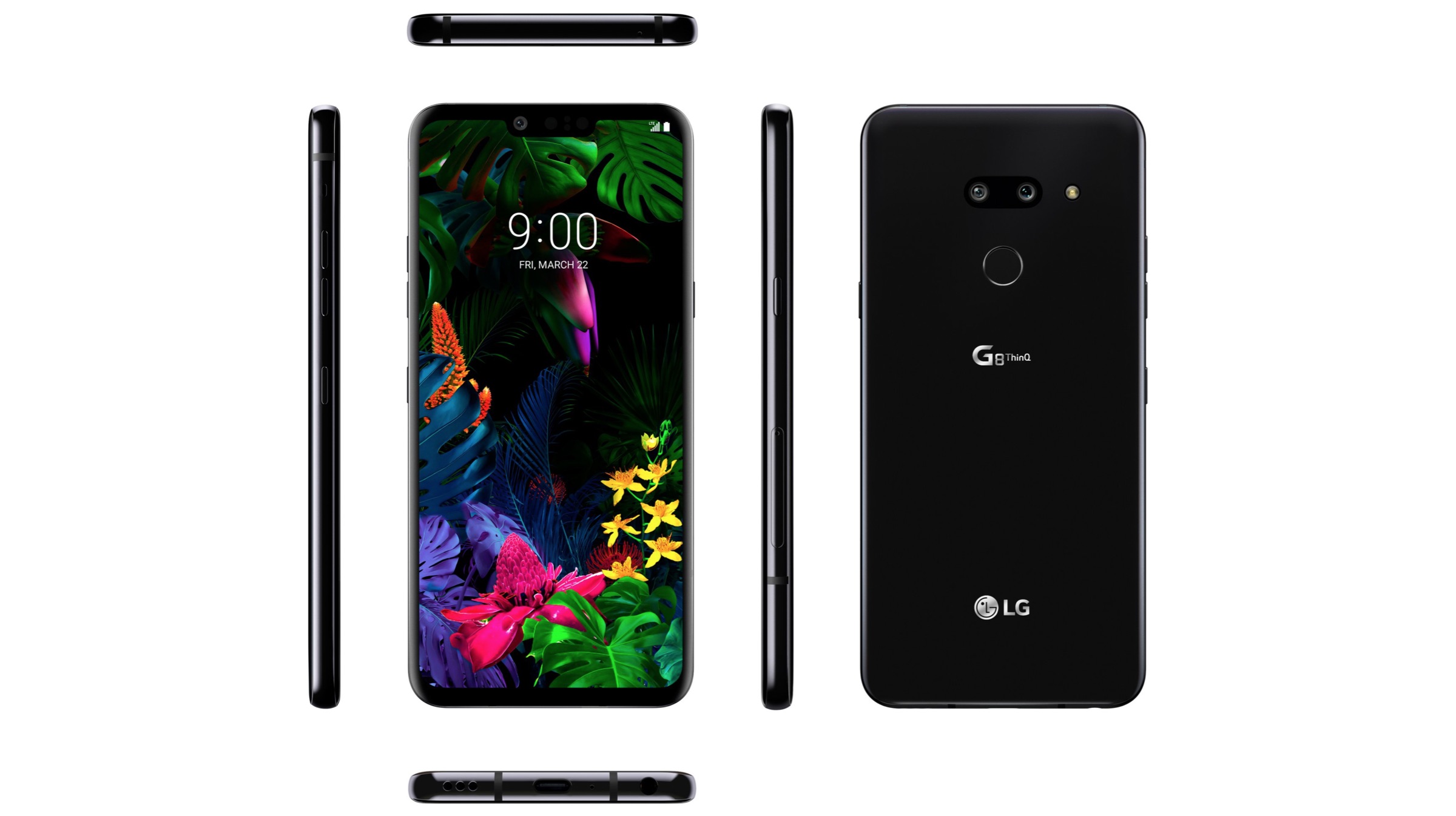
We already know that LG is launching the G8 ThinQ at the Mobile World Congress (MWC). Ahead of the event, fresh renders of the G8 ThinQ have been revealed by leakster Evan Blass, which show the smartphone from all angles.
The LG G8 ThinQ Render & Design
The front render of the phone gives it an uncanny resemblance to the LG G7 ThinQ smartphone. The display is equipped with a notch, which, again, resembles the notch of the G7. However, the phone has clearly distinguishable thinner side bezels than it’s predecessor. The G8 ThinQ has a glass back, featuring a horizontal dual-camera setup, unlike the G7 ThinQ’s vertical camera module.
The smartphone houses a rear fingerprint sensor, with the G8 ThinQ branding just below it. The handset retains the 3.5 mm headphone jack, which lies just next to the USB Type-C port. The left side of the G8 ThinQ houses the volume rockers and a button with dedicated Google Assistant support. The right side of the smartphone holds the power button.
Expected Specifications
The G8 ThinQ may have a 6.1 inch OLED display and might offer a QHD+ resolution at 3120 x 1440 px. It is possible that the device is powered by the Snapdragon 855 SoC. The smartphone may or may not be available in different variants, but it is sure to have 6 GB RAM and 128 gigs of internal storage for one of its variants. The LG G8 ThinQ is expected to pack a 3,400 mAh battery, with Android 9 Pie powering the device.
The LG G8 ThinQ will probably be announced on February 28 at the Mobile World Congress 2019, which will be held in Barcelona, Spain. According to sources (mentioned below), the device may release in the US on March 22, and will be priced around $900. The G8 is expected to launch in Canada with a price tag of $1,999 CAD.
Xiaomi shared an image on its Weibo account yesterday, which indicated that an important announcement regarding a new smartphone is on the line. A lot of people expected the device to be the new Mi 9. Even though the poster didn’t reveal a lot of information, it pointed towards a time of 10.00 a.m. While keeping things interesting, they used an all-black image of a digital alarm clock from MIUI.
Launch Information
As of today, Xiaomi has announced that they will host a launch event for the Mi 9 on February 20. The Mi 9 will be a flagship device, and Xiaomi Executives are claiming that the smartphone is the best looking handset from Xiaomi so far. They also claim that the device will be very powerful in terms of performance, which we’ll have to see when the device gets launched.
Expected Specifications
Previous reports indicate that the upcoming Xiaomi Mi 9 will be powered by a Qualcomm Snapdragon 855 SoC, with an octa-core CPU. The phone’s performance can be analyzed from its Geekbench score, which showed up back in January. The Mi 9 racked up a single-core score of 3158 and a multi-core score of 11174 points.
The device is also expected to support 27W fast charging, and it will probably run Android 9 Pie out-of-the-box, with MI’s custom UI on top. The smartphone may have a triple-camera setup (arranged vertically) to compete with the other smartphones in the category. A 48 MP + 12 MP + 3D ToF camera setup may be revealed to us in the end after all. The phone is speculated to sport a 6.4 inch display, with an in-display fingerprint sensor. The Mi 9 may be powered by a 3,500 mAh battery.
All these features hint towards the fact that Xiaomi is looking to compete aggressively in the mid-budget phone segment. The Chinese brand is going up against brands like Motorola, Honor, and Samsung. And looking at Xiaomi’s position in the market right now, it’s a risk-worthy step to take.
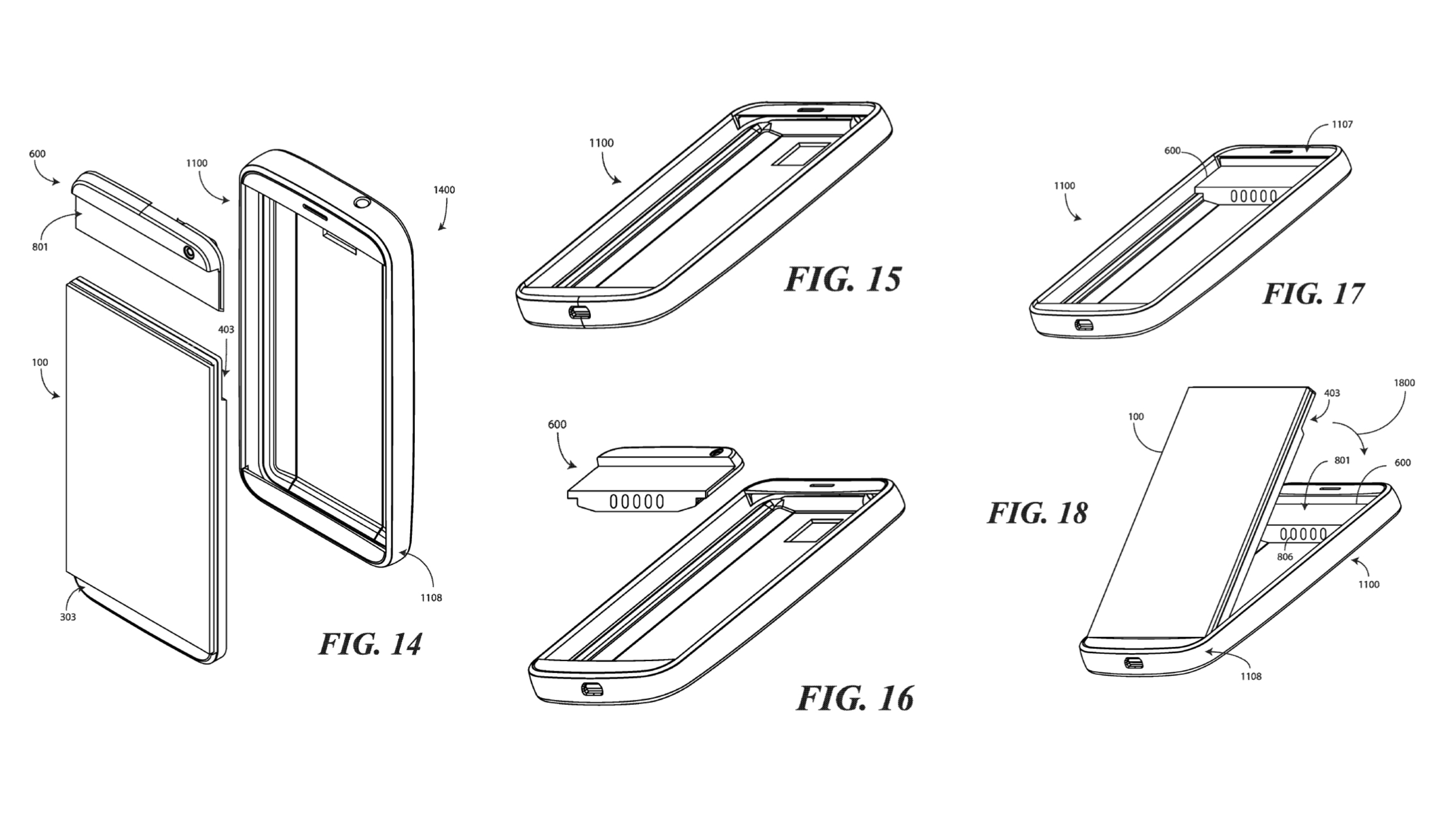
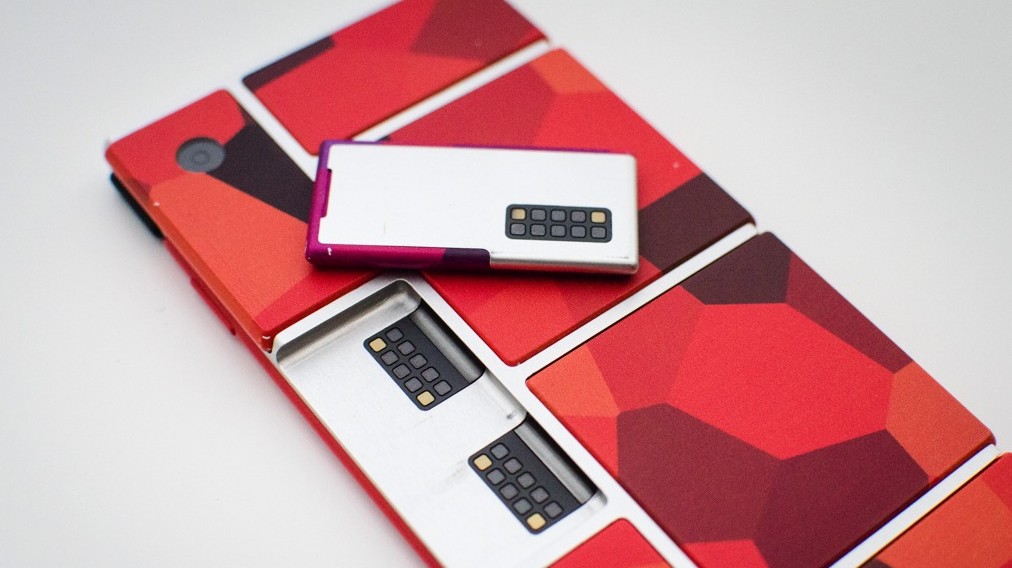
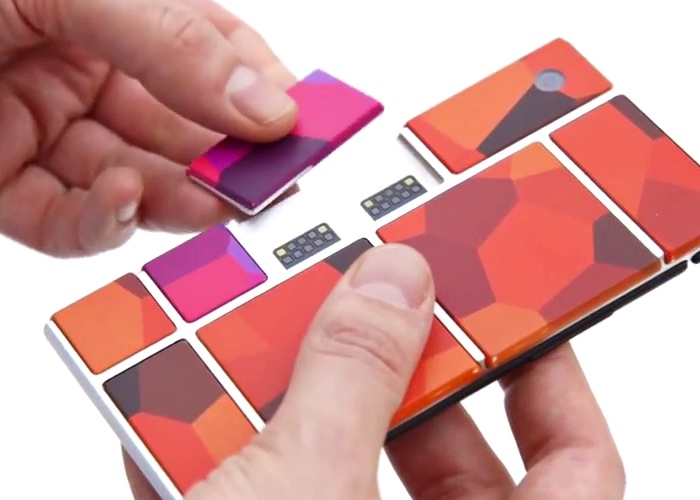
Google suspended the overly ambitious Project ARA in 2016, putting the dream of getting a fully modular smartphone to rest. Since then, we have seen smartphone makers try and recreate modularity and to an extent, they have succeeded too. Motorola launched the Moto Mods in 2016 as a way to attach accessories to improve the functionality of the smartphone. Now fresh patents filed by Google show that they are also working on a similar project to make a smartphone fully modular.
The patent was filed at the World Intellectual Property Organization or WIPO and was published on January 31, 2019. The patent is titled “MODULAR DEVICE AND METHODS THEREFOR”. This could mean that the next Google device may arrive with the option for modularity.
Google And Project ARA
When Google acquired Motorola, it used its patents to develop a modular smartphone concept. This eventually gave birth to Project ARA in 2014. It focussed on arranging the essential components of smartphones in modules or blocks. The idea was to replace the modules for better ones whenever an update was required. The project was short lived and was finally shelved in 2016. When Google finally sold Motorola to Lenovo, it kept most of the patents with themselves. Motorola, under Lenovo, launched Moto Mods in 2016 which was another idea on making smartphones modular.
It is completely possible that the concepts we are seeing in the patents once belonged to Motorola. Now that Google is has filed a patent for a modular technology in a smartphone, it might mean that a device in the near future may include this concept. A patent doesn’t necessarily translate into a finished product or a promise of there ever being one. It would just mean that Google is toying with the idea and it may make it to a consumer product in the future.
But an idea like this is still exciting to look at. Maybe Google will eventually release a foldable smartphone or maybe it will get shelved again like its predecessor. But the fact that a shelved project is being experimented with again, makes it exciting and worth looking forward to.
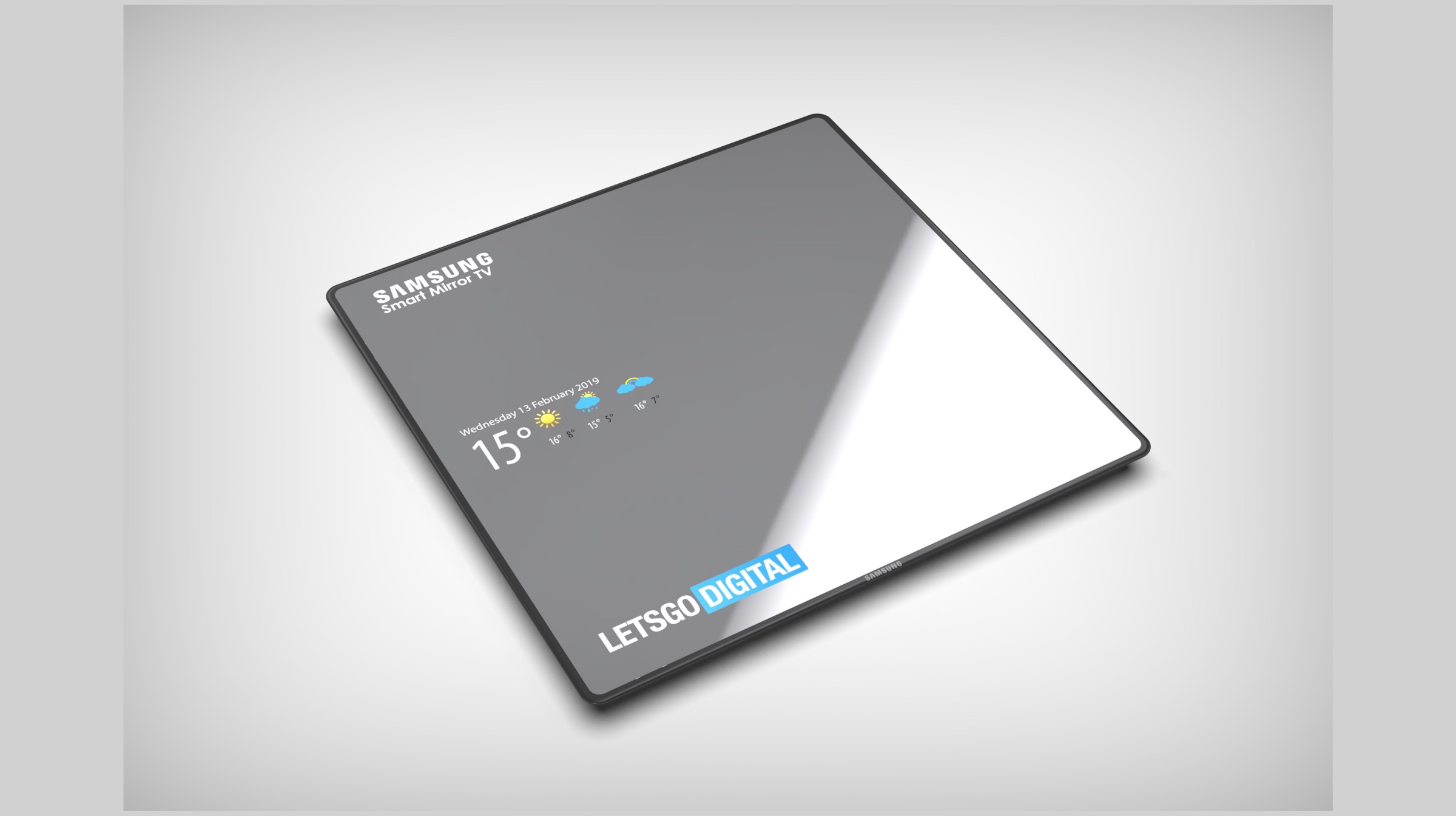
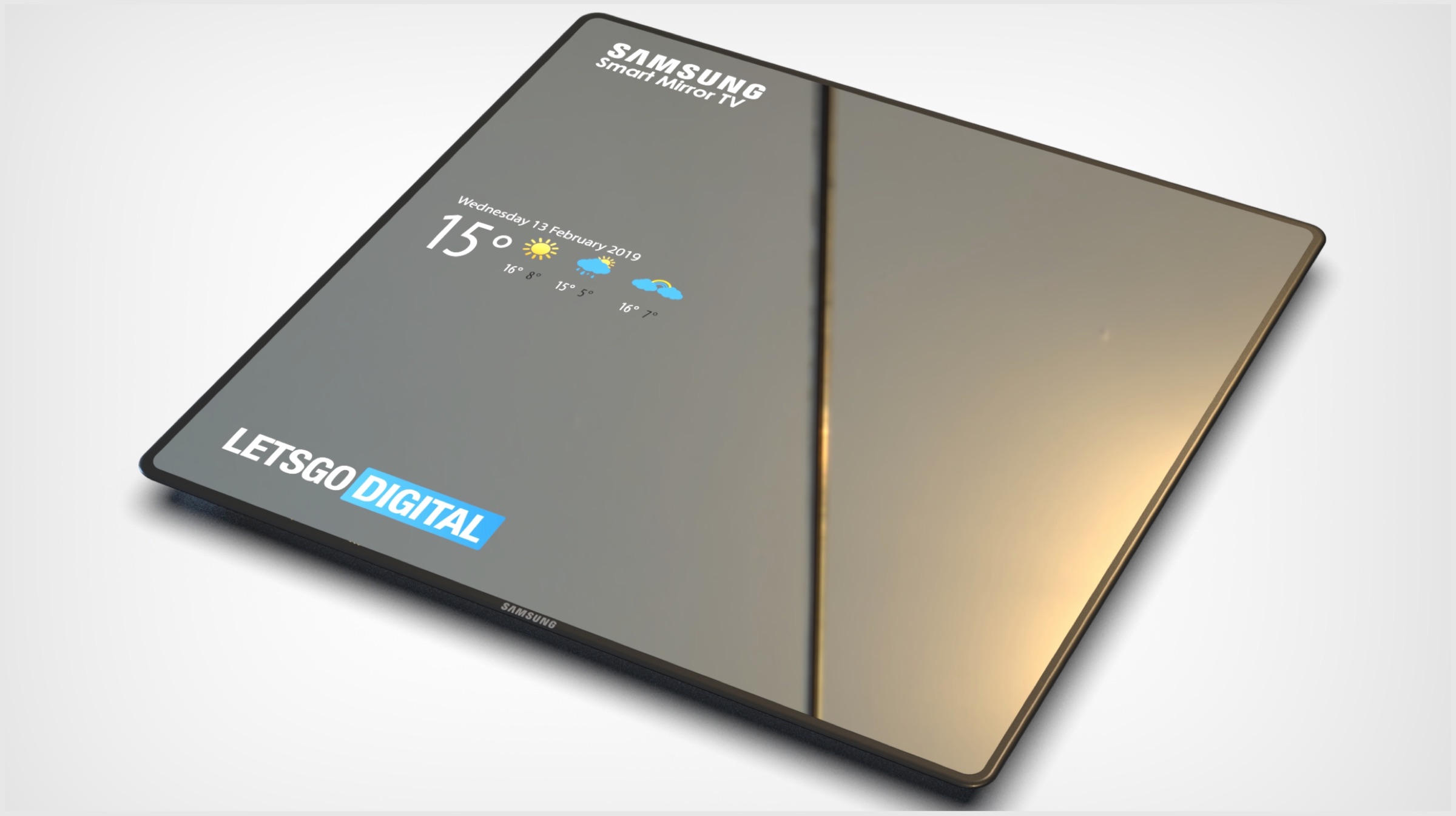
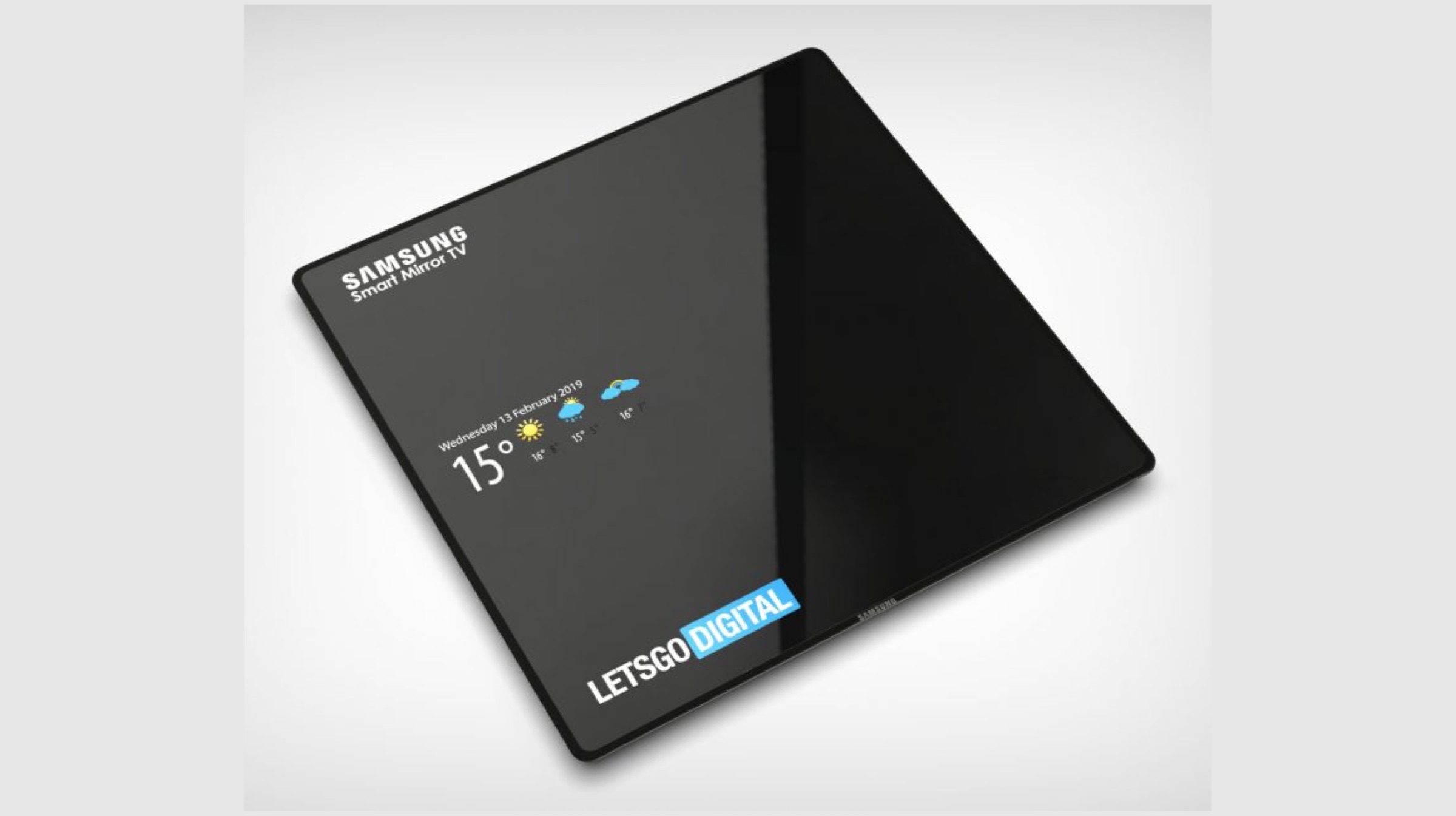
Consumer Electronics Show (CES) 2019 saw a lot of smart mirrors being unveiled. Smart mirrors are basically mirrors which have built-in assistants to receive voice commands. Some touchscreen mirrors can also display apps on the screen with extended functionalities, for instance, a smart speaker. It looks like Samsung is also targeting the same market, as it recently published a design patent. The patent clearly indicates that Samsung is working on a smart mirror. However, not taking the conventional approach, Samsung’s newly patented idea shows a TV that can convert into a smart mirror.
We have seen Samsung Smart TVs making their mark in the market. Samsung even designed a lifestyle television called “The Frame” which could be used as an art frame when the TV wasn’t being used. Samsung can use the same concept with the Smart Mirror with some tweaks.
The Patent And Design
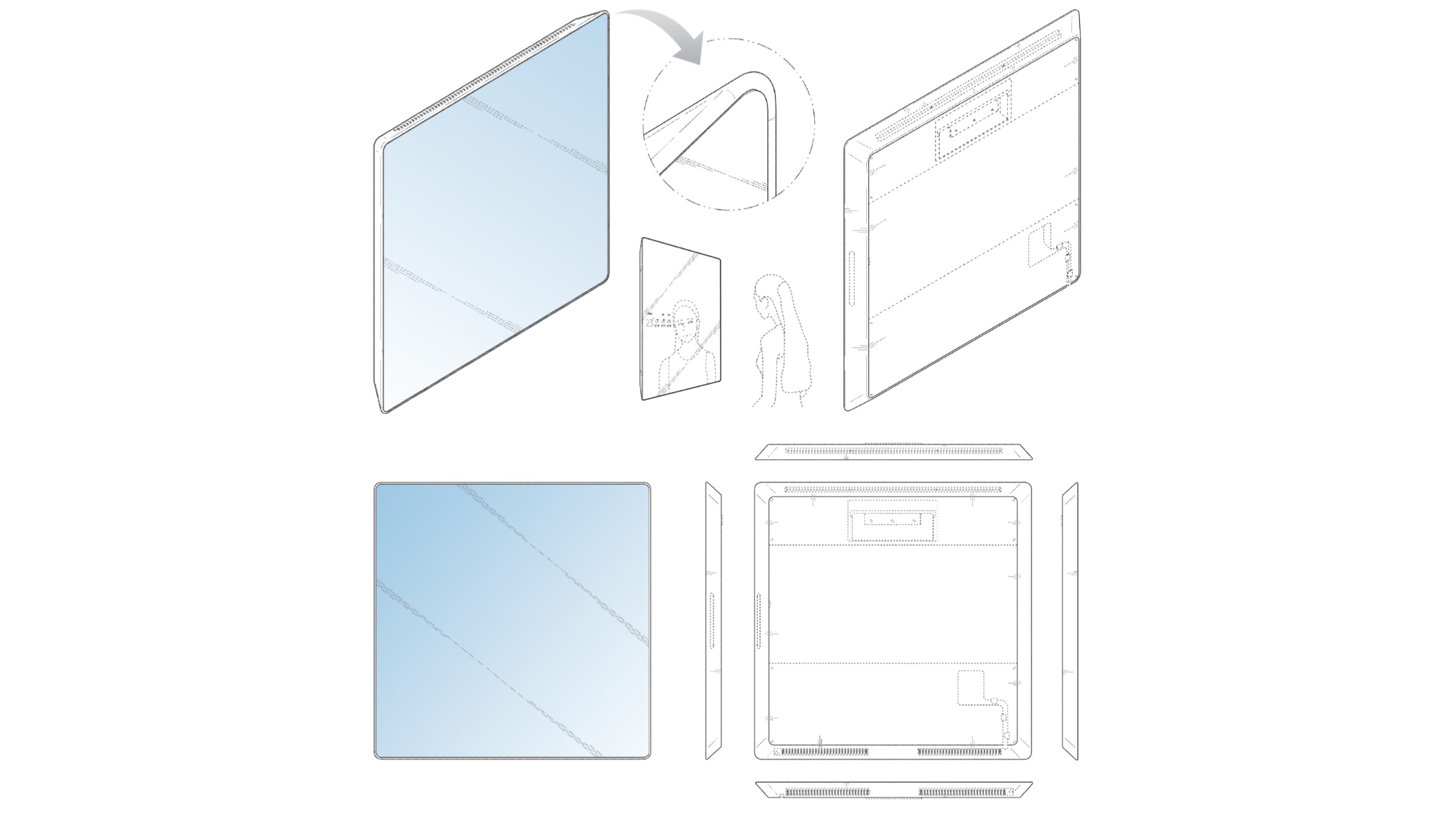
The patent was filed in the US with the United States Patent and Trademark Office (USPTO). Shortly afterward, the patent was registered with the Global Design Database of the World Intellectual Property Office (WIPO). The patent was actually filed on October 16, 2018. According to the design patent, the Samsung Mirror TV will have a square design with rounded corners. The screen edges look to be almost non-existent, indicating that the device can be illuminated from all sides. The rear of the Mirror TV had space for all the connections and the power supply.
Features
The Mirror TV is supposed to have two different states. In the first state, you can use the device as a television, whereas, in the second state, you can use the device as a mirror. A similar principle was used with Samsung’s “The Frame”. It still isn’t clear how a square television can take the place of the conventional rectangular television, but all we can do is wait for an official launch in the distant future. As per the images included in the patent, it’s possible that you can display the contents of your smartphone directly on the TV. The device is also expected to have touchscreen enabled on the Mirror TV, in addition to Samsung’s very own voice assistant, Bixby.
Samsung’s Mirror TV design will probably take a lot of time to implement, but once it does, Samsung will have one of the best TV models portfolio in the market.
You can view the patent for the Samsung smart Mirror TV here
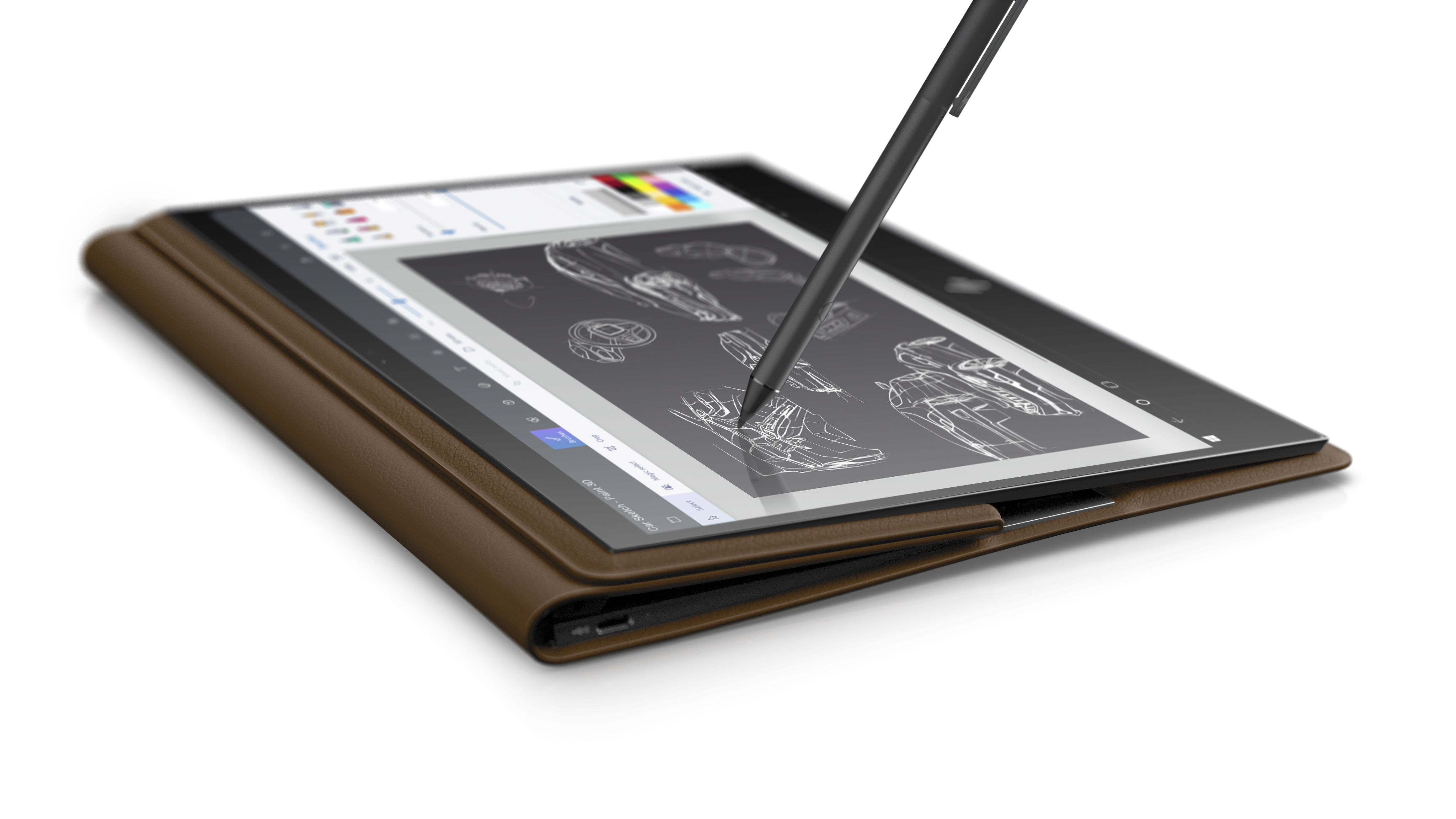
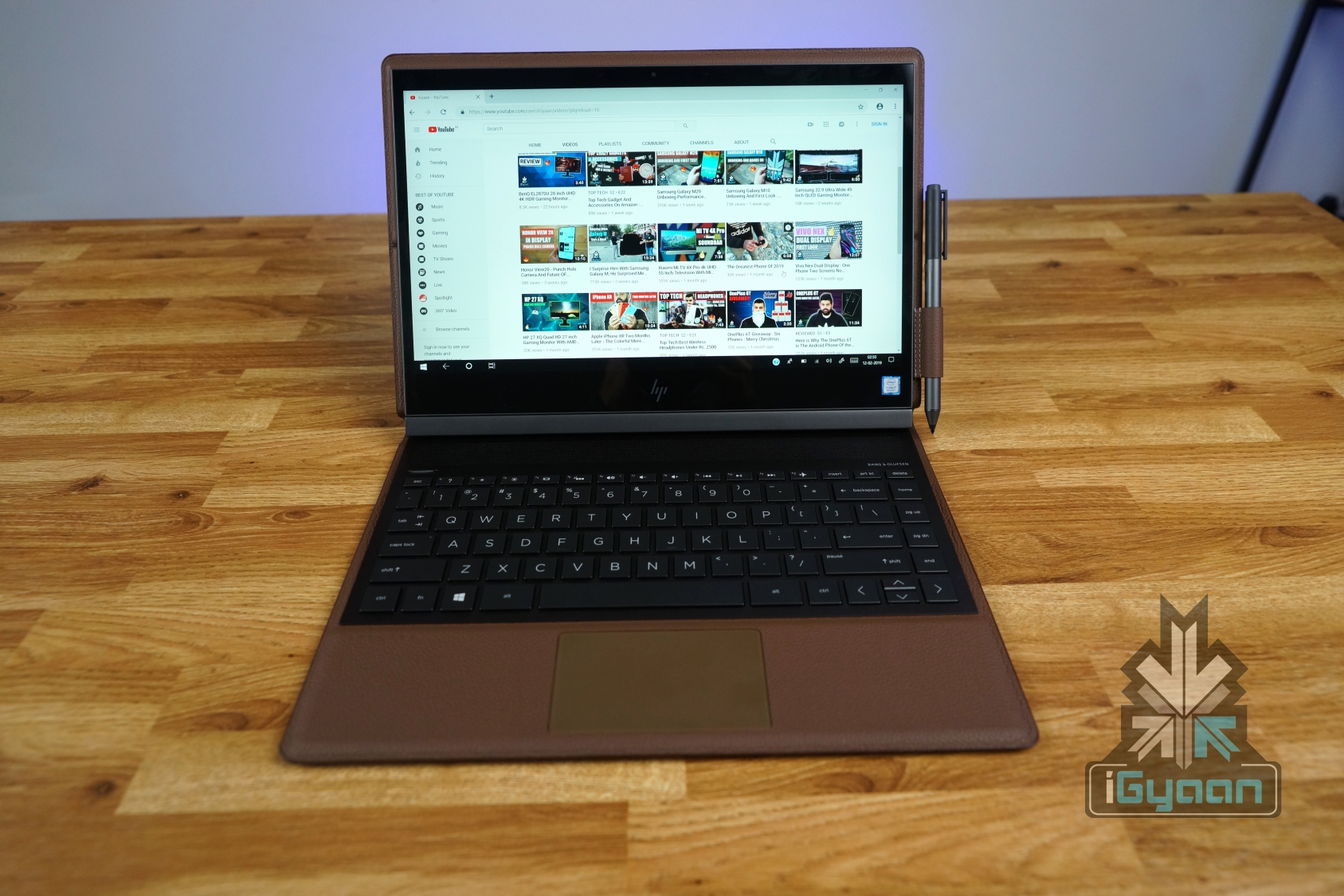
American computer maker HP has launched its latest premium offering, the Spectre Folio in India. It is the world’s first convertible to arrive in an all leather casing. With features like 8th Gen Intel CPUs, and a HP Pen, the Folio is targetted towards business users. Here is our experience with the Unboxing and Hands-On with the device.
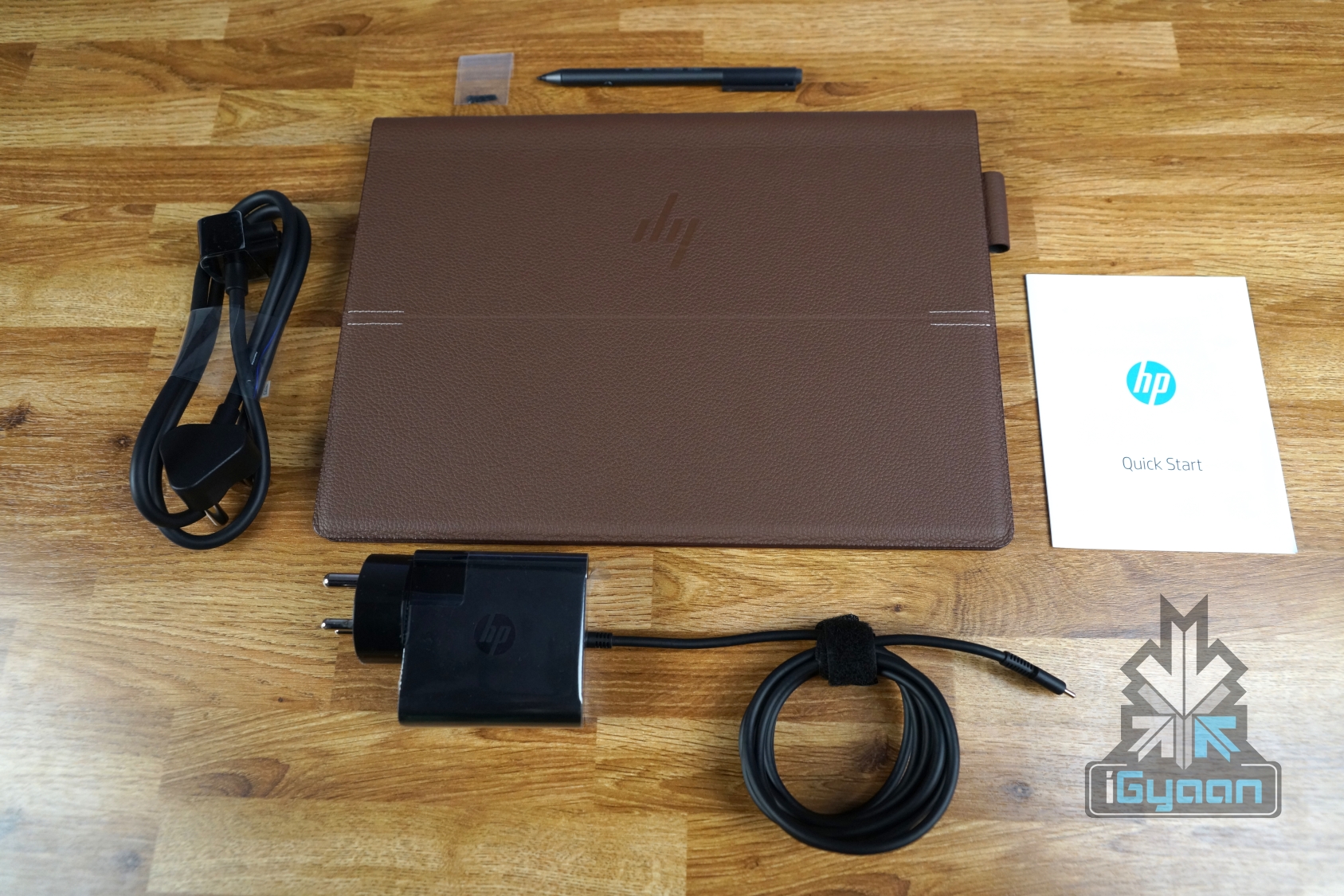
What’s Inside The Box?
HP Spectre Folio
USB Type-C Charger
Quick Start Guide
Power Cable Chord
HP Pen
Design & Build
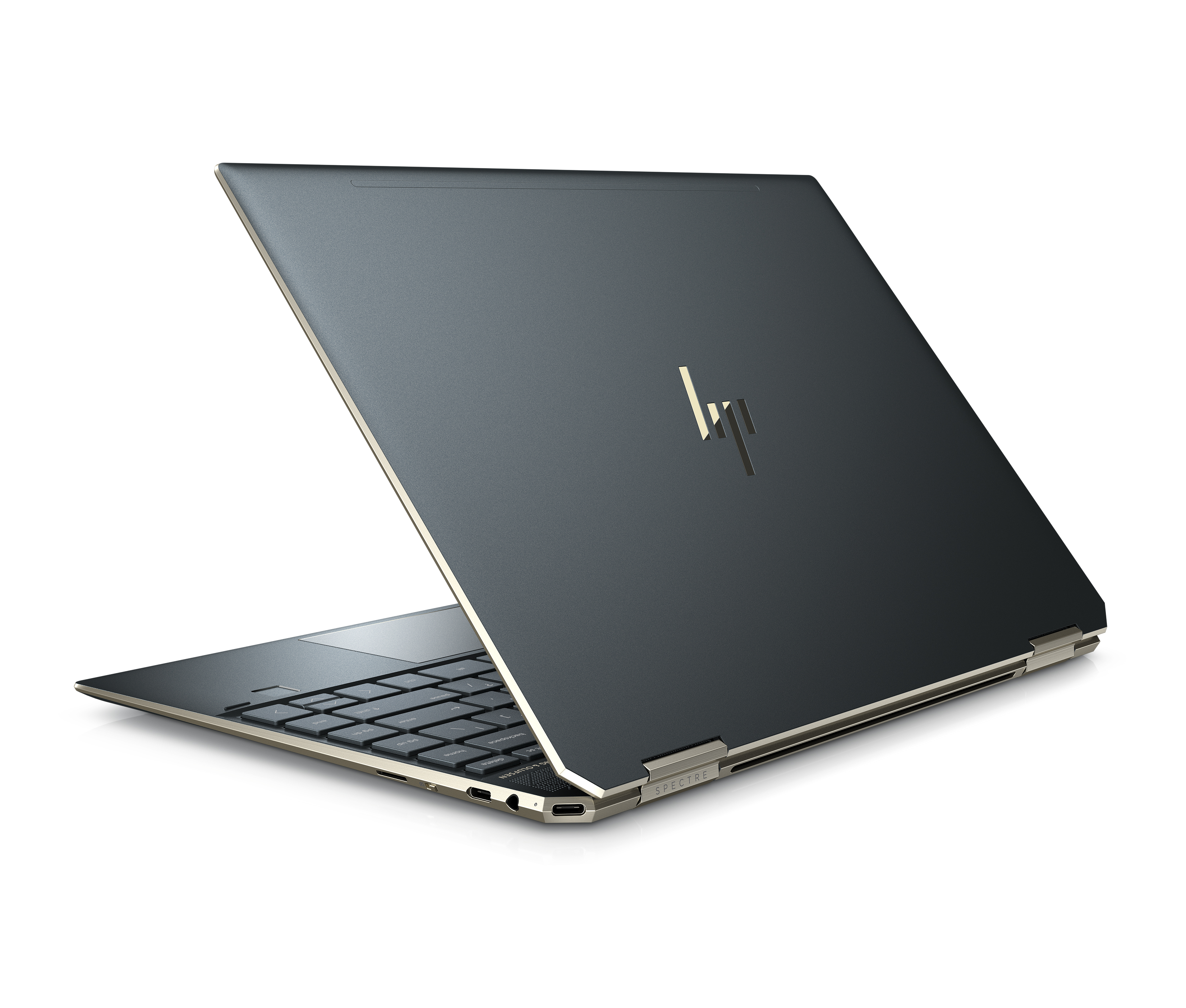
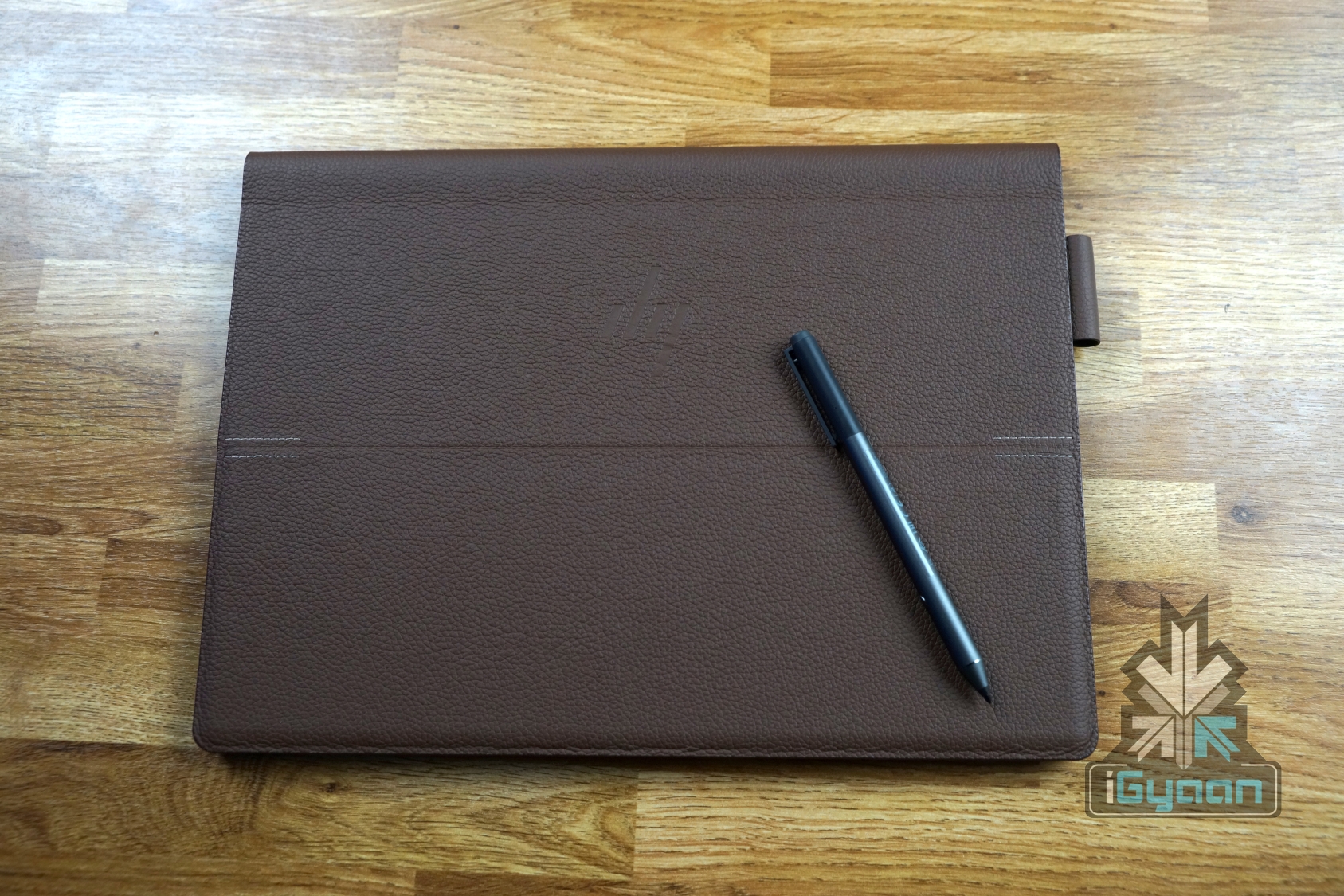
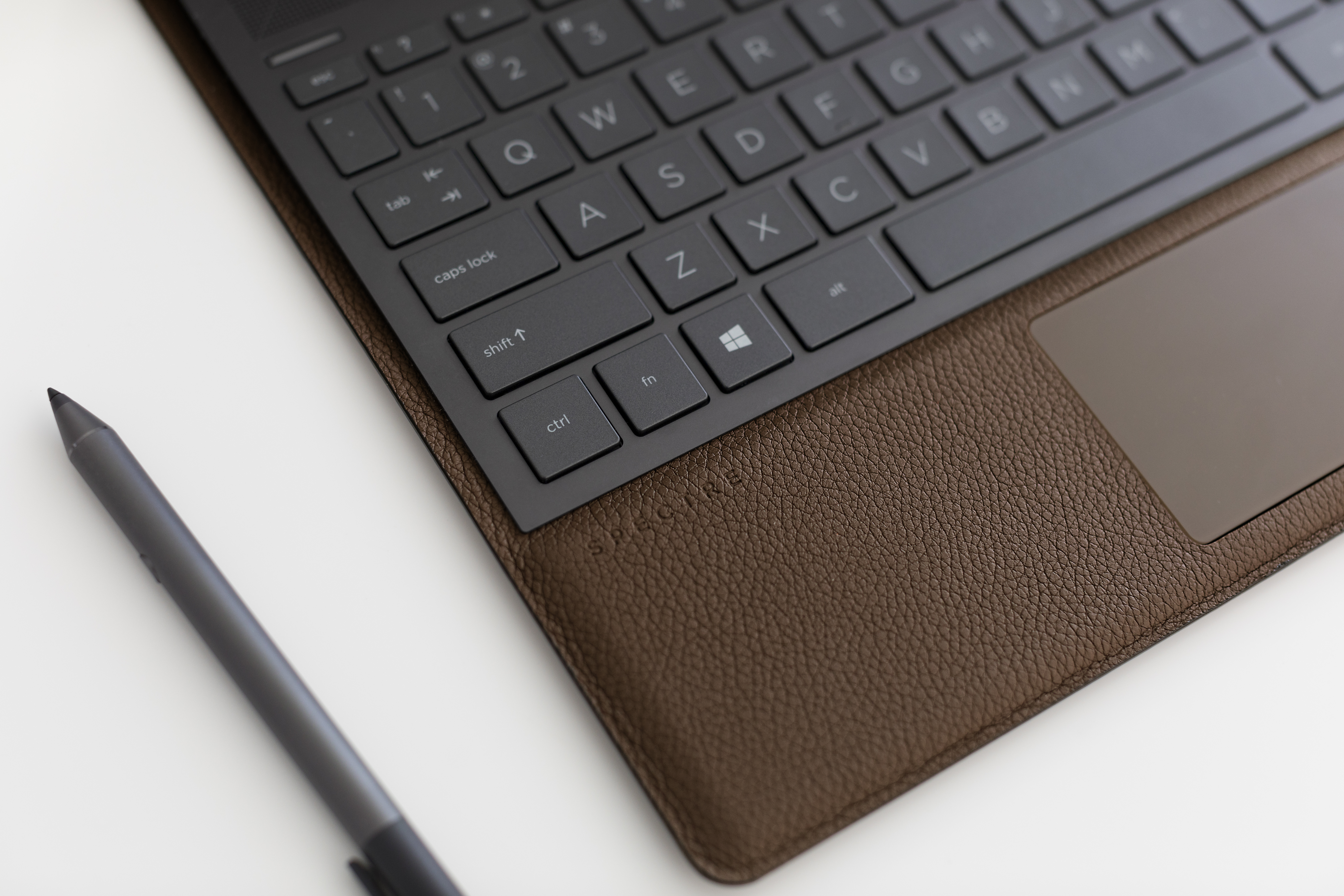
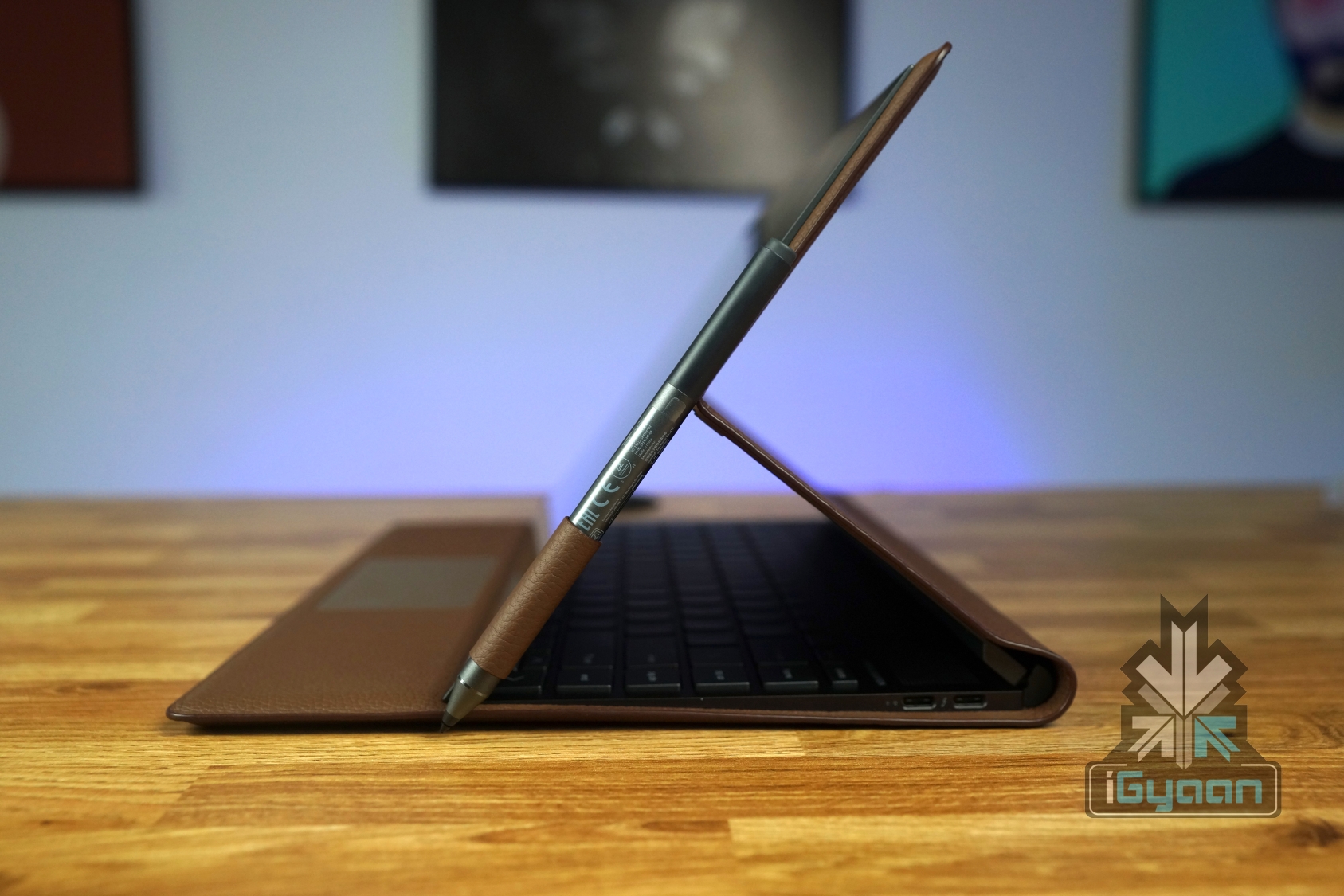
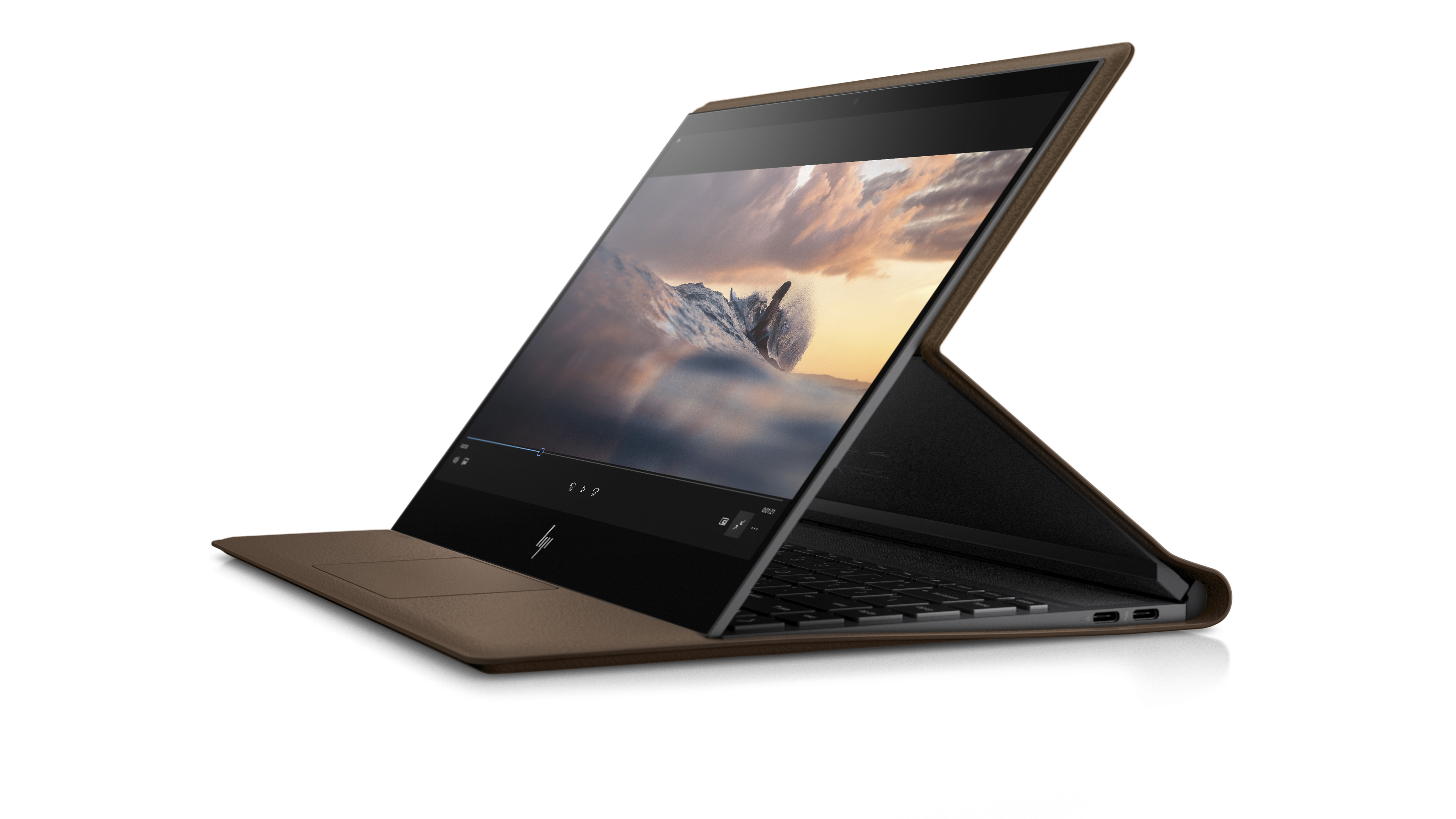
The HP Spectre Folio is a premium laptop. The Folio is completely wrapped in leather. The device has an aluminum casing inside, but it feels as if the leather was part of the device right from the start. The device feels sturdy and very premium. The feel is unlike any laptop in the market. The Build quality of the device is solid and the Folio is a joy to hold in hands.
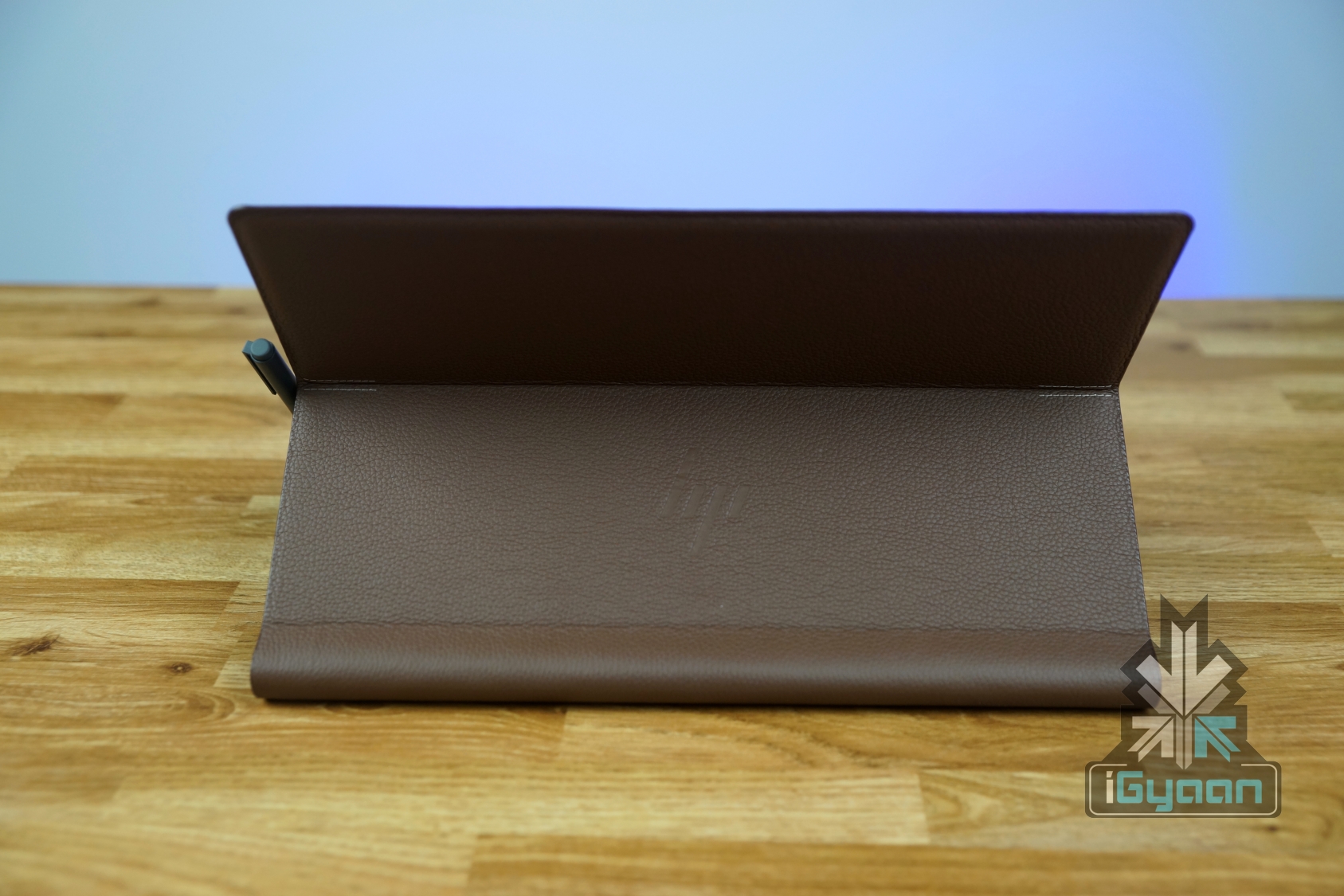
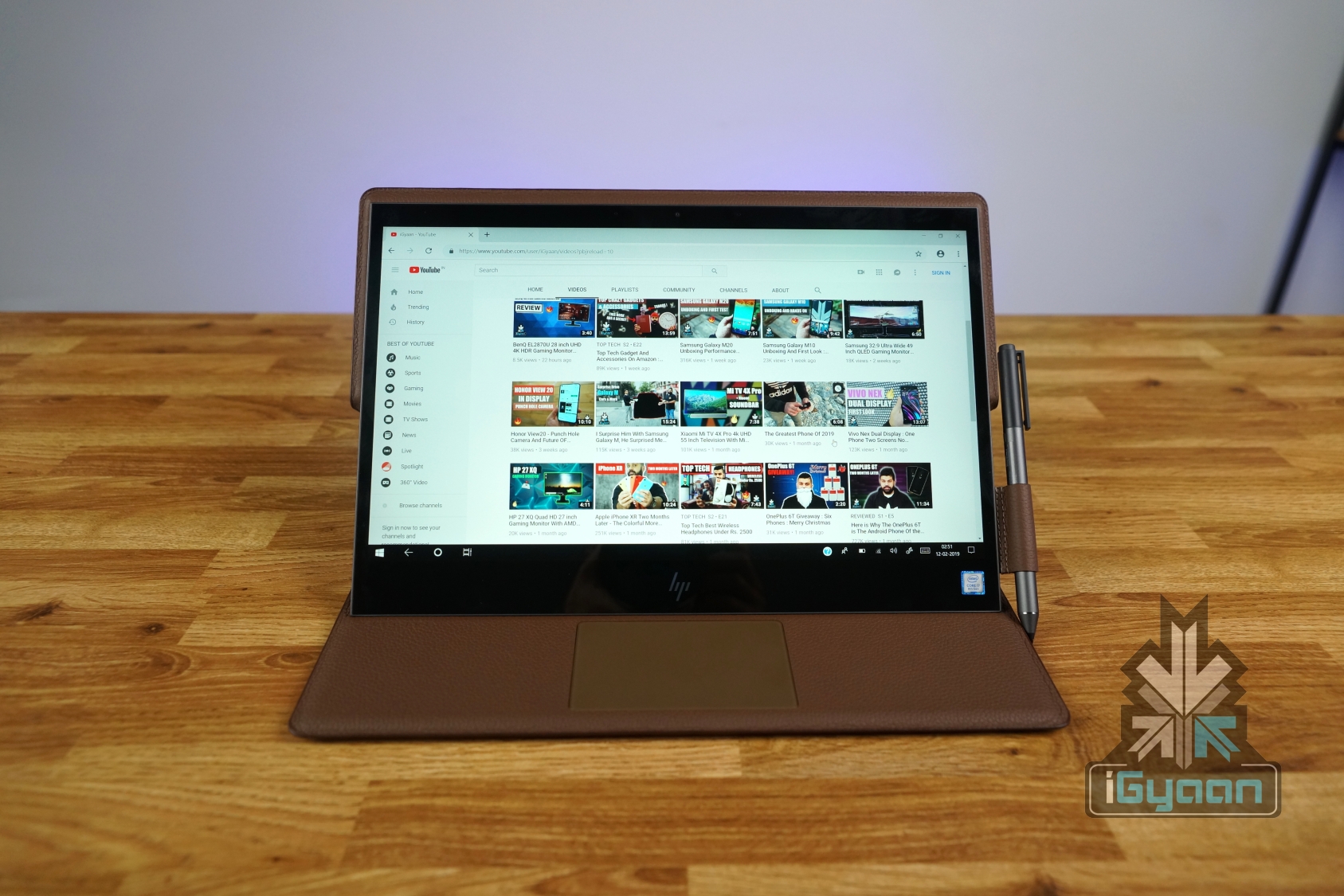
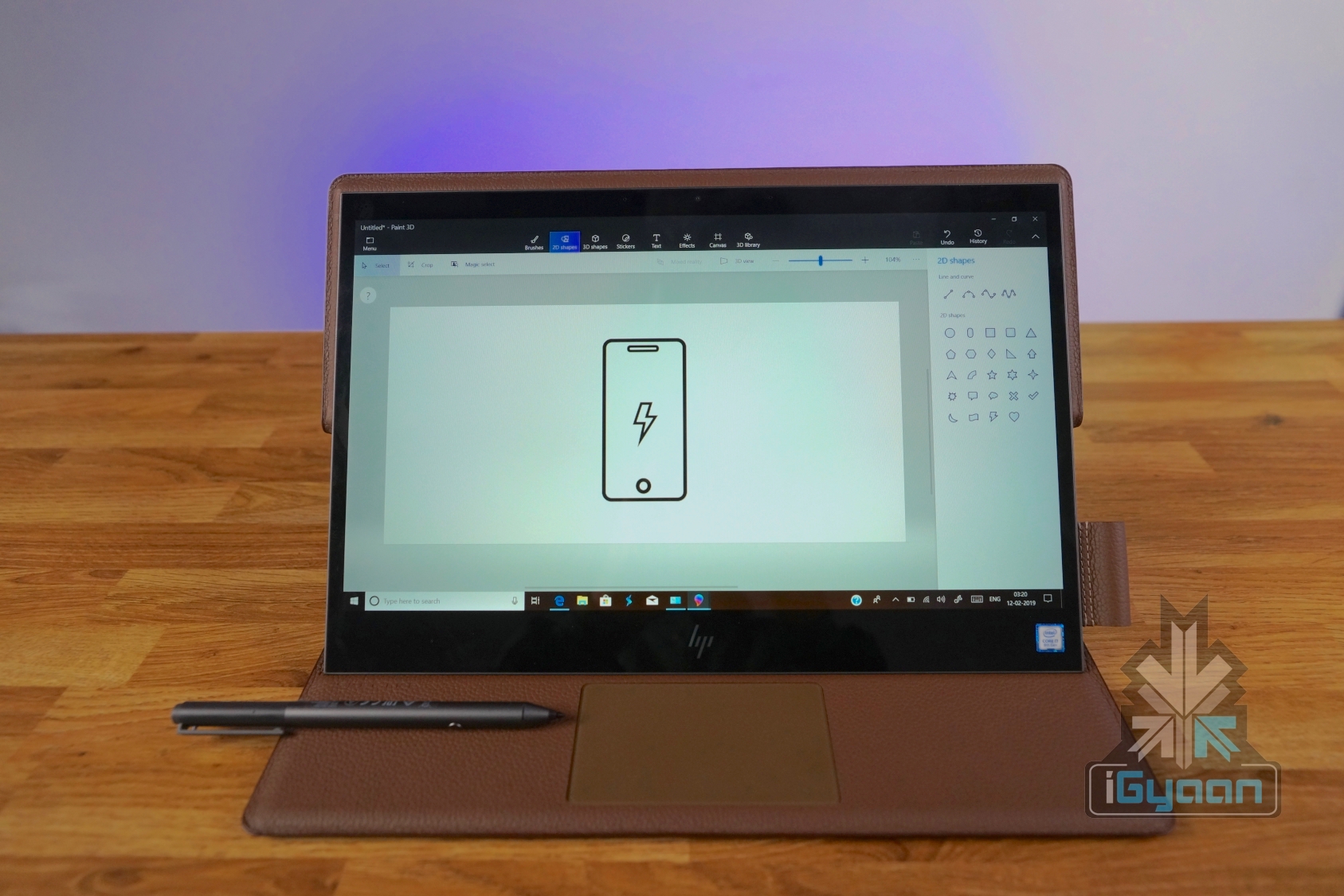
There are also many modes on the Spectre Folio. The display is split in half and held by magnets that are as stable as any clamshell notebook. Then, the display can be flipped inward at the center and pulled forward to just behind the touchpad, where magnets hold it in media mode. Finally, the display can be pulled even further inward to a tablet mode. Unlike 360-degree convertible designs, the keyboard is covered by the display here.
Display
The display of the Spectre Folio is pretty great too. The 13.3-inch 1920 x 1080 panel is a 1W panel. This means the display won’t take up much juice out of the battery. The colors on the Folio’s display are sharp, have good contrast and should be pretty good for occasional usage. The display doesn’t get a lot bright but this won’t be a problem if you plan on using this device indoors. The bezels though, feel a little chunky for 2019 and it feels like HP could have made them a little smaller.
Keyboard, Trackpad, & Speakers
The Spectre Folio has a full-size keyboard and a trackpad. But because of its thin and light nature, the keyboard on the Folio has a little travel so the keys feel a little mushy. If you are coming from a tactile keyboard, you would need to adjust to the keyboard on the Spectre Folio. The trackpad is also fine on its own, it’s just a very small one. If only HP provided a bigger trackpad with the device. The speakers too, are average for casual movie watching and get plenty loud. Tent mode of the Folio is a genius idea as it creates a sound chamber behind the display, making it easy to immerse in the media.
Pen and Touch Input
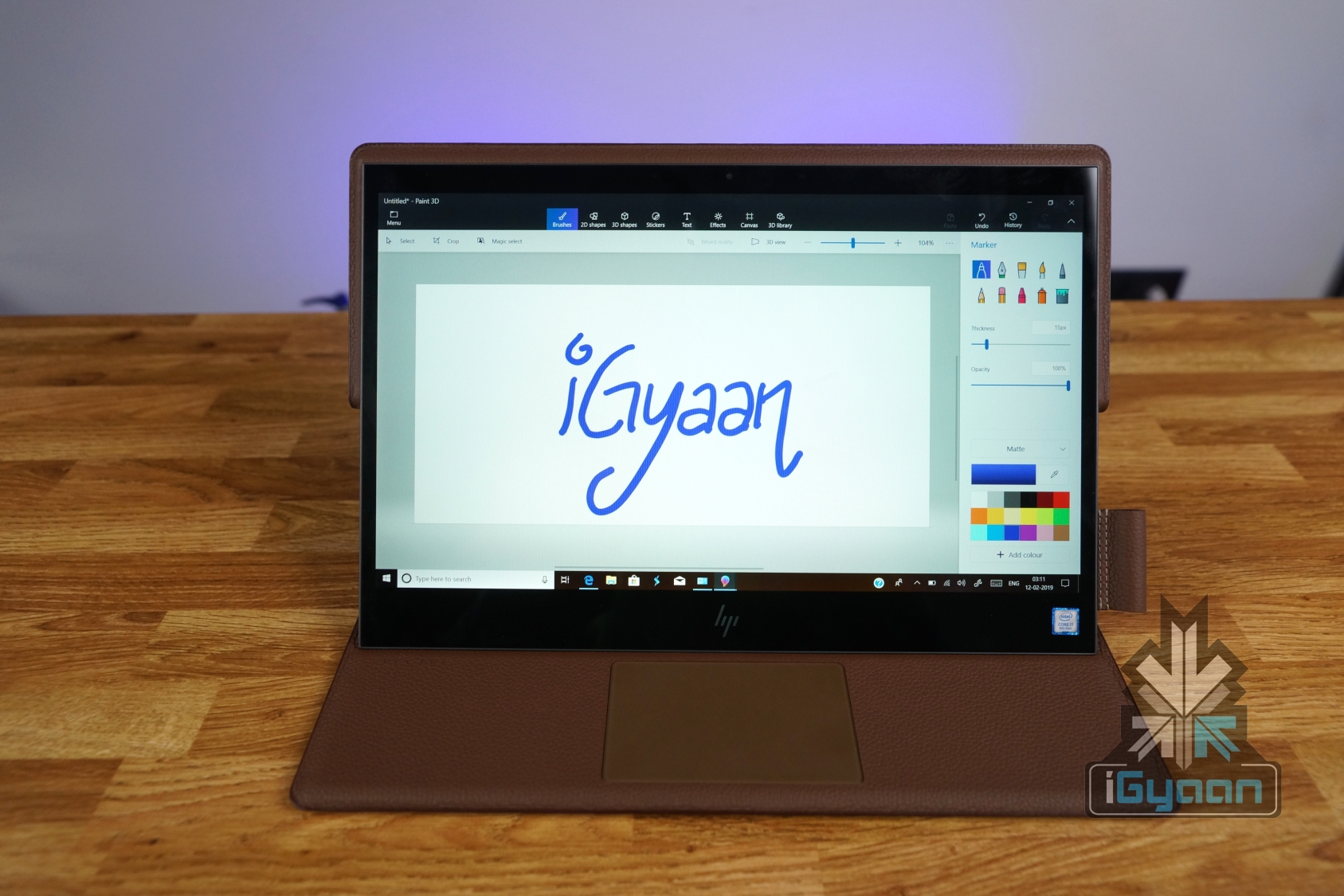
The Spectre Folio has a stylus inside the box, which is a good thing. But there is no magnetic connector for the stylus. There is though, a leather pocket HP has made near the display to keep the pen in. The touch input on the laptop works as good as it gets. The pen also is good for drawing and registering more precise touches. Overall, the touchscreen on the Spectre Folio is a good addition to the convertible and it makes it more useful.
Performance
Because of its fanless nature, the HP Spectre Folio runs on the Intel Core i7 8500Y processor and 16GB of RAM. The ‘Y’ here means it is the low power variant of the i7 and it shows in day to day usage of the device. It runs fine while doing everyday tasks like browsing the web or using Microsoft Office for your, well office work. But give the Spectre Folio something intensive and it would struggle. While trying out photo or video editing on the device, it became sluggish to use.
Gaming also isn’t a USP of the device as the device doesn’t have a discrete GPU. Overall, the performance of the Spectre Folio is good for everyday usage and office work. It is not made for gaming or editing though. But there is a Thunderbolt port for those seeking extra power and can plug in an external GPU for gaming. The RAM on the device is adequate though, as 16GB will be more than enough for most people for day to day usage.
Connectivity And Other Features
The HP Spectre Folio has 2 Thunderbolt ports and one Type-C 3.1 port. It also has a 3.5mm jack for connecting speakers or headphones. The port selection on the Folio is great and the addition of Thunderbolt makes things better. The webcam on the device is a FullHD one but the quality is average. It is fine for occasional video calls. The Spectre Folio also has support for Windows Hello facial recognition and it is very quick to login.
The HP Spectre Folio will be available from authorized HP retailers across the country for a price of Rs. 1,99,990. With the price tag, the laptop is undoubtedly premium and will attract business users.
The detailed video for the HP Spectre Folio is available now.
Apple is planning to launch its paid “Apple News Subscription” at an event expected on March 25. The event will probably take place at the Steve Jobs Theater on the Apple Park Campus, with a special focus on Apple’s newest News service.
About The Event
Apple hasn’t ‘officially’ sent out invitations yet, but its only a matter of time before Apple announces the event. In the past, Apple has targeted its March events in the past towards iPad launches. We can expect to get a refreshed iPad Mini. Especially because the iPad Mini would be the perfect companion to the new Apple News Subscription service. We could also see the new AirPods or the long-awaited AirPower charger.¸
About The Apple News Service
For a long time now, reports have been passed around that the company will soon add a paid subscription to the Apple News Bundle, which will include premium magazine and news subscriptions in a single package. This looks very similar to the service that Hulu provides for movies and shows. Last month, images surfaced which showed the Apple news service in an iOS 12.2 beta update, so this confirms the fact the service is indeed going to launch soon. Also, Apple is reportedly asking for a 50 percent cut from the publishers, depending on the number of times their articles will be read.
Although the subscription cost hasn’t been revealed yet, it is rumoured that the Apple News Service will launch at approximately $10 per month. Apple is known to take bigger steps than its competition and succeeding at them, so we’ll have to wait for the event to unearth all the details.
US Electronic giant HP at an event today in New Delhi has launched two products under its premium Spectre series. The company has launched the Spectre Folio and the Spectre x360 in India. Both the devices are a 2-in-1 and feature 8th generation Intel chipsets.
HP Spectre Folio
The HP Spectre Folio is the world’s first leather convertible PC. The device has a 13.3-inch low-power, 1W 400-nits FHD display which supports touch input. It also has an 8th Gen Intel Core i7 processor. Boasting of a fanless thermal design, the device weighs 1.47Kg. Other features include up to 16 GB of RAM, and 512 GB of SSD storage. The device arrives with Windows 10 Pro preinstalled. It also features four front-facing speakers tuned by Bang & Olufsen. The Spectre Folio will be available in Cognac Brown at a price of Rs. 1,99,990.
HP Spectre x360
The Spectre x360 is another convertible offering launched by HP today. The device is available in a number of variants, differing in screen size, screen type, and internal specifications. The Spectre x360 is available in a 13-inch display in either FullHD or 4K resolution with a touchscreen. The device features either an 8th Gen Intel Core i5 or an i7 processors and will be available in 8GB or 16GB memory configuration. The convertible can be configured with up to 1TB of storage. The device also comes with a privacy camera kill switch which allows the user to electrically turn off the webcam when not in use. The Spectre x360 Dark Ash Grey is available at a starting price of INR 1,29,990, and in Poseidon Blue at a starting price of INR 1,39,990.
Both the devices come with McAfee Livesafe which will be free for a period of 12 months. The HP Spectre series is a premium lineup of convertibles and is targeted towards businessmen and students.
 Basically, the entire OLED display of the device acts as a diaphragm, so the entire screen will vibrate to produce sound. In case you switch your phone to speakerphone mode, however, the sound will be produced through the speakers at the bottom. LG claims that this technology can work perfectly in smartphones, the same way it worked in LG TVs. Crystal Sound OLED technology boosts every musical note you hear while improving sound clarity at the same time. Also, the device has the capability to generate dual channel audio by using the bottom speaker & the display together.
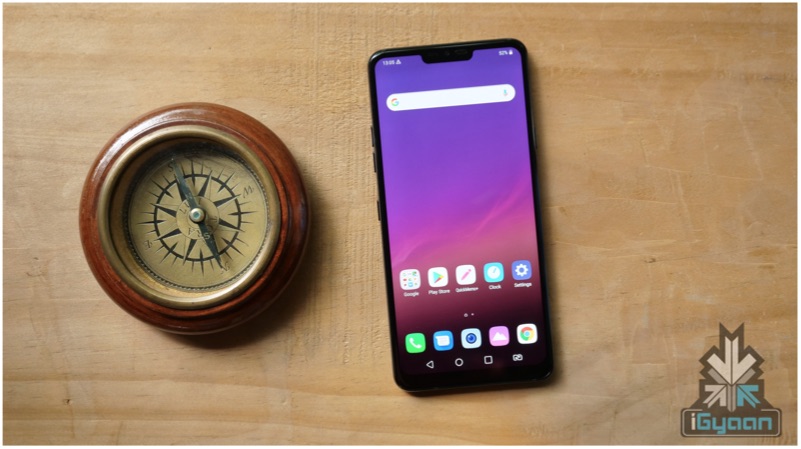 LG is using Meridien to deliver high quality audio via the LG G8 ThinQ. In addition to this, the LG G8 ThinQ will have support for DTS:X 3D surround sound as well as Hi-Fi Quad DAC. Using Quad DAC, you can listen to high quality sound which is very close to the original sound. Interestingly, the smartphone has Master Quality Authenticated (MQA) so that you can listen to studio quality recordings of your favourite music. Like the LG G7 ThinQ, the G8 will pack a Boombox Speaker too.
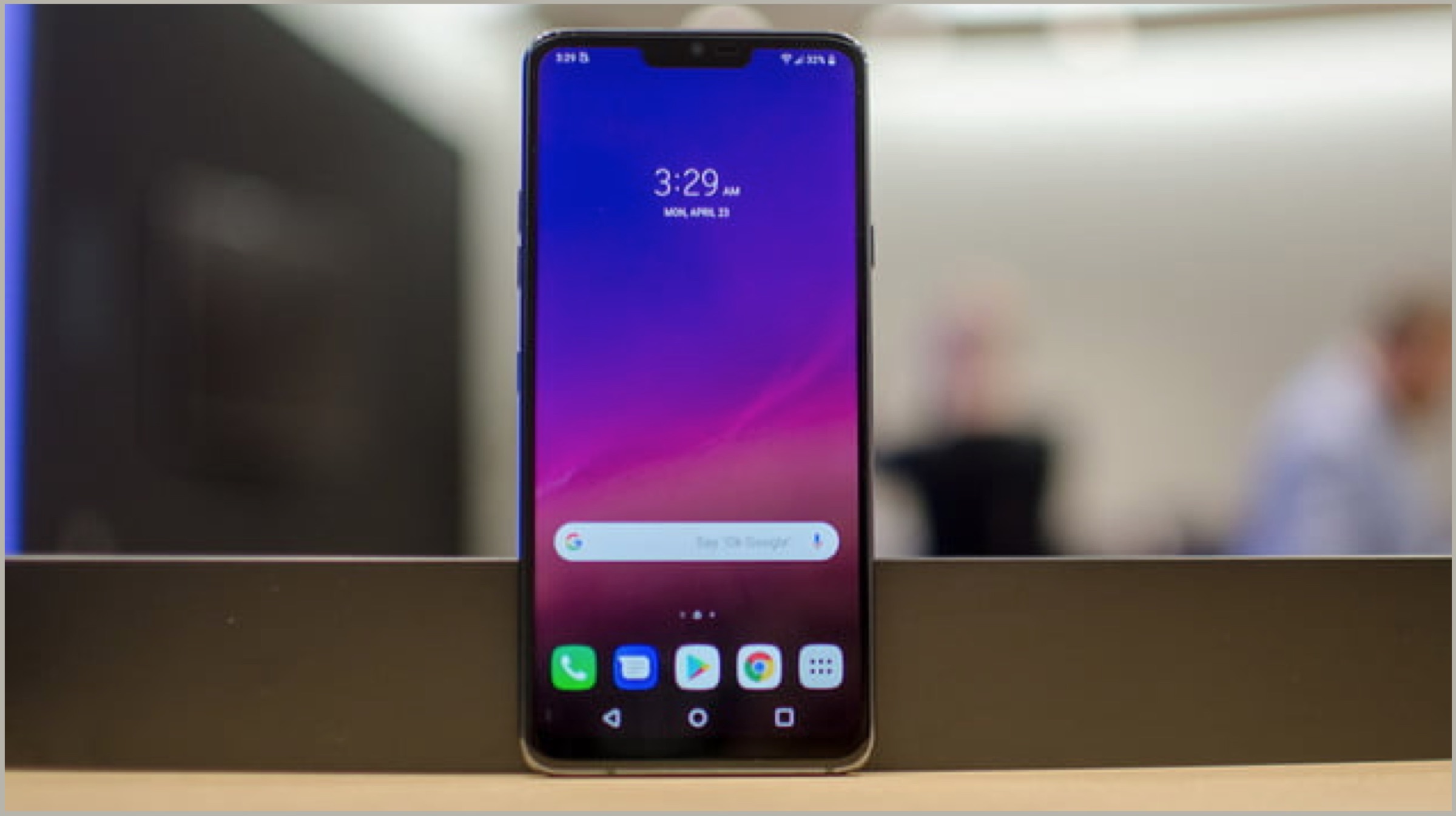 The leaked renders of the LG G8 ThinQ were received with mixed emotions, but nonetheless, the phone will sport a dual-rear camera module with a front camera that has support for 3D facial recognition. The LG G8 has a glossy back panel with a fingerprint sensor placed just below the camera setup. The device will be powered by a 3,400 mAh battery, and will have a 6.1 inch display with a 19.5:9 aspect ratio.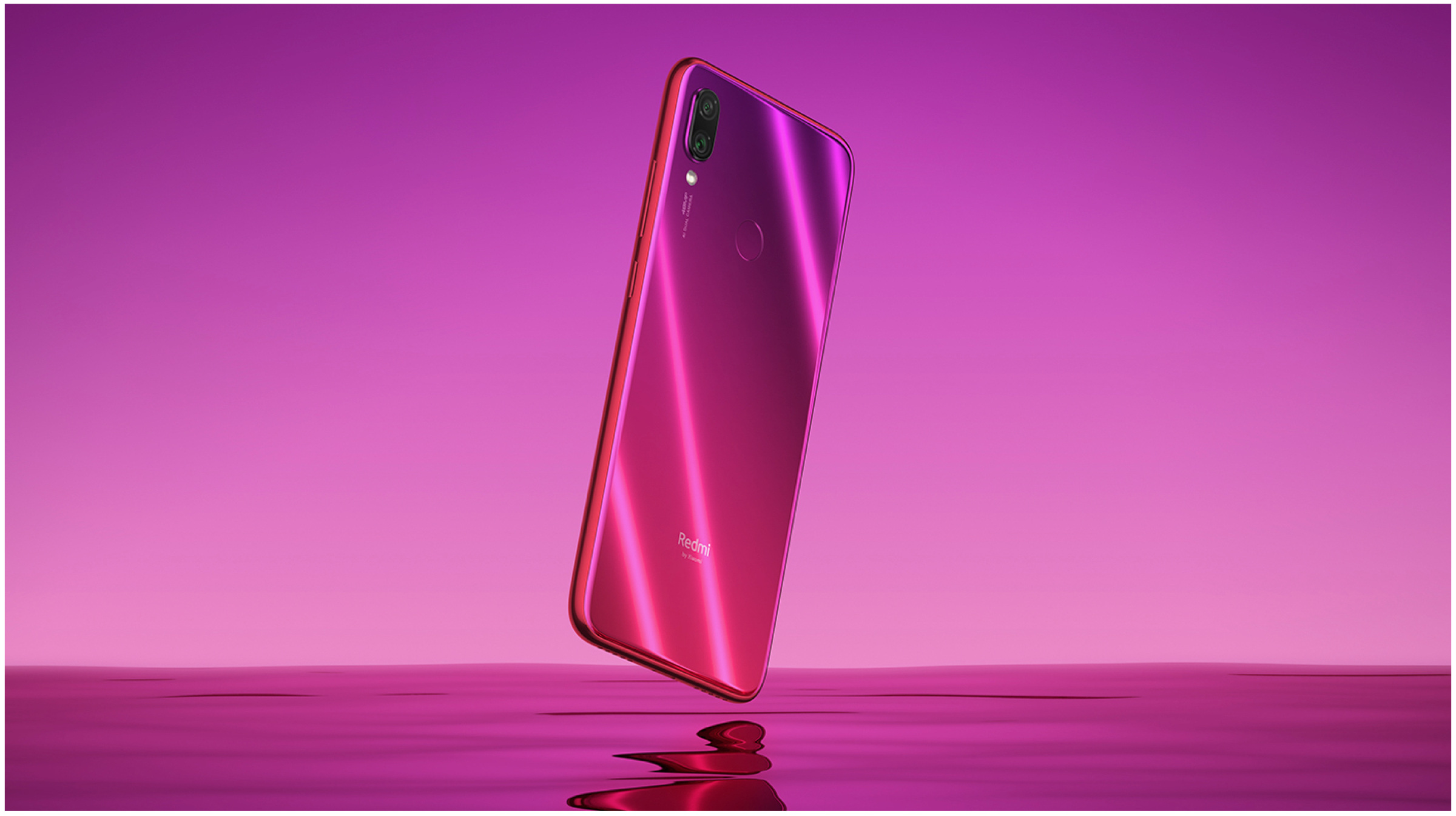

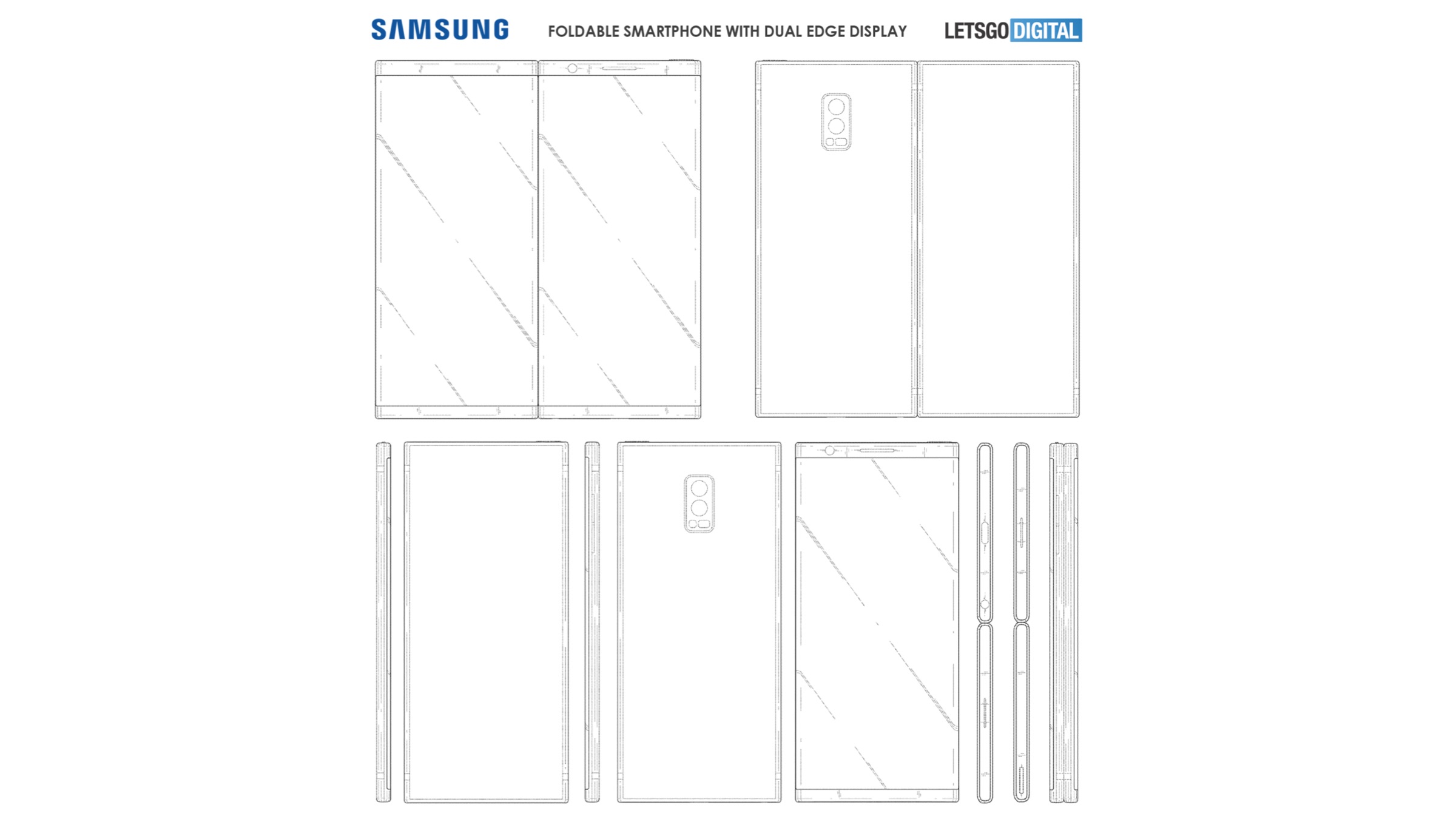 Samsung has a design patent published at the
 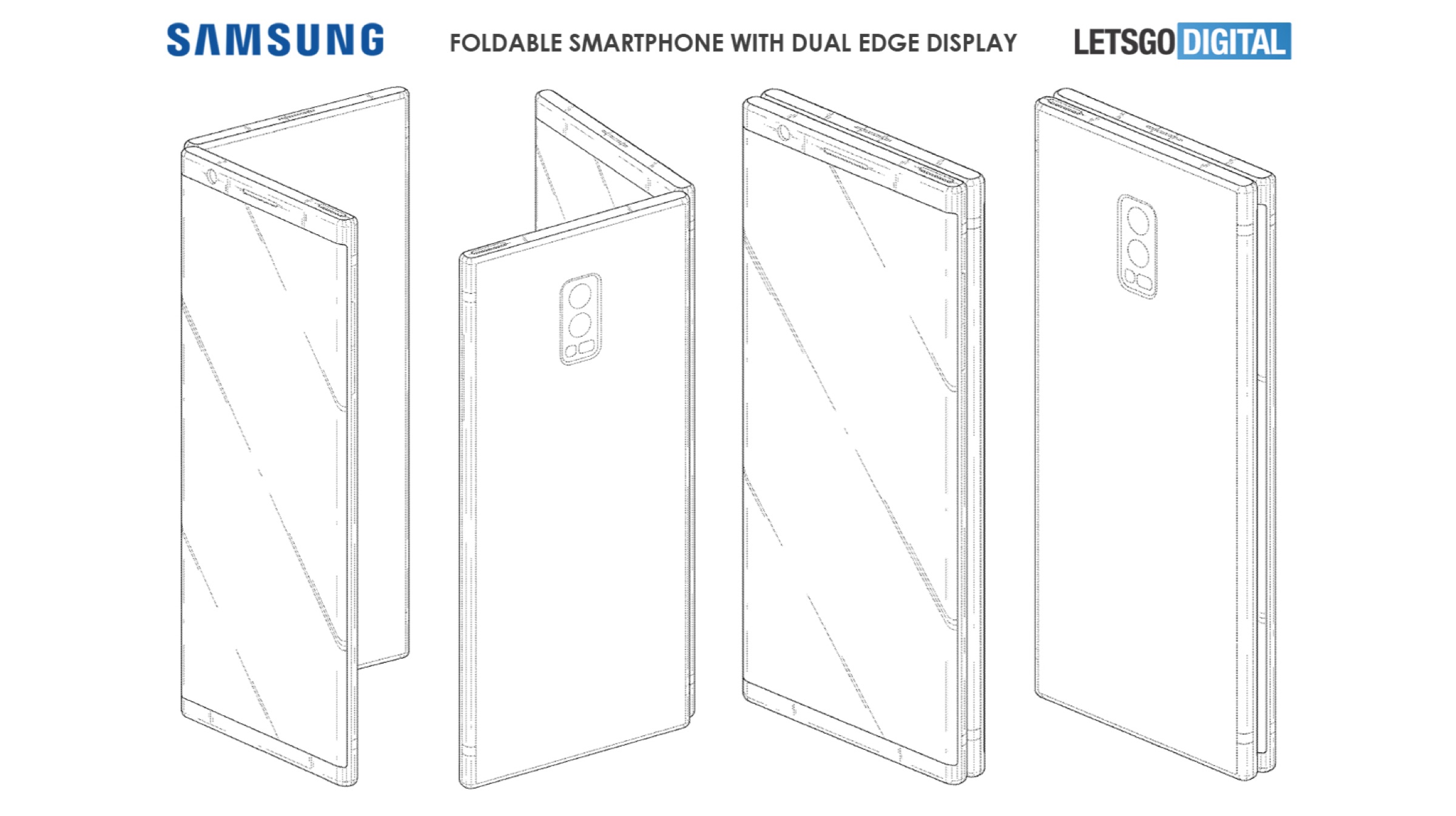 For mobility, the device can be folded so that the display gets shifted to the inside. This will ensure the protection of the display, as the screen won’t be scratched or broken while carrying the device. According to your convenience, the smartphone can be folded all the way back, so that you can use one single display just like a regular smartphone.
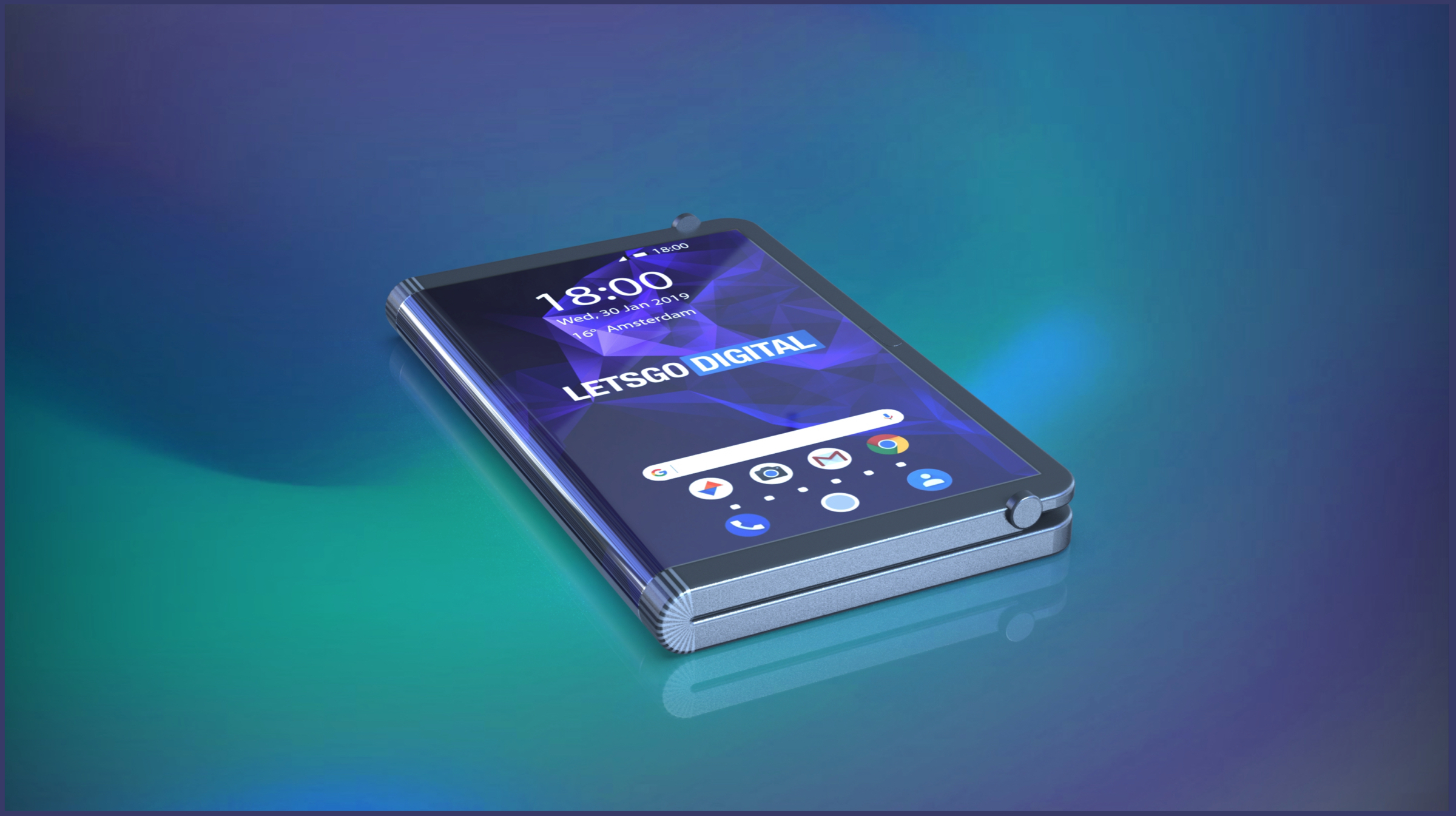 Everyone is eagerly waiting for a device like this which could combine elegance and mobility into one single foldable smartphone. Samsung may or may not release any information about its foldable device anytime soon, but if it does so, we’ll have to wait for the MWC 2019 for that.
 Also read:
 Also read:
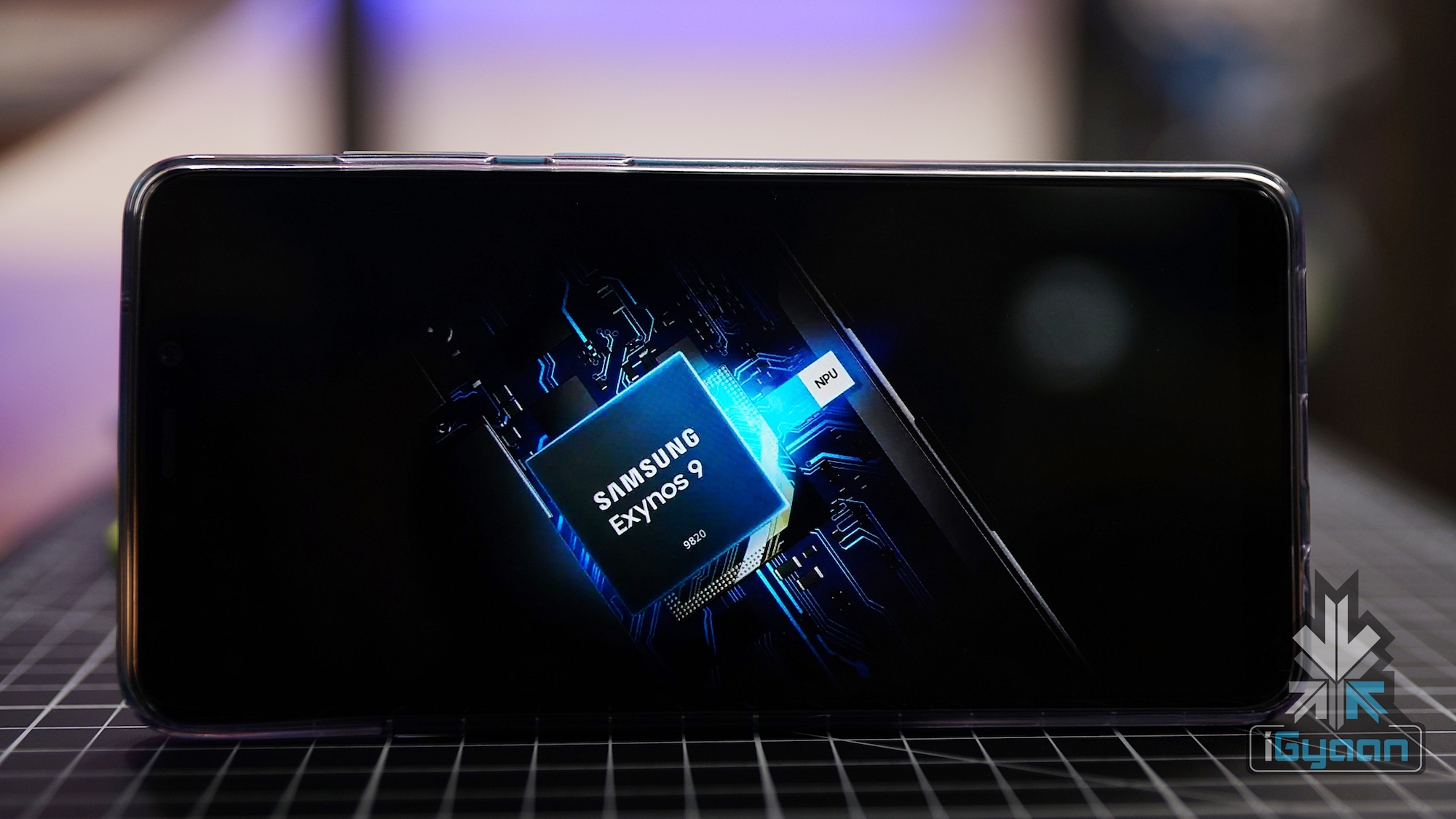 As mentioned before, The Motorola P40 will pack Samsung’s very own 10nm Exynos 9610 octa-core SoC. The device will probably be available in three different RAM & storage options, most likely in 3GB + 32GB, 4GB + 64GB and 4GB + 128GB. The Moto smartphone will sport a 48 MP primary camera.
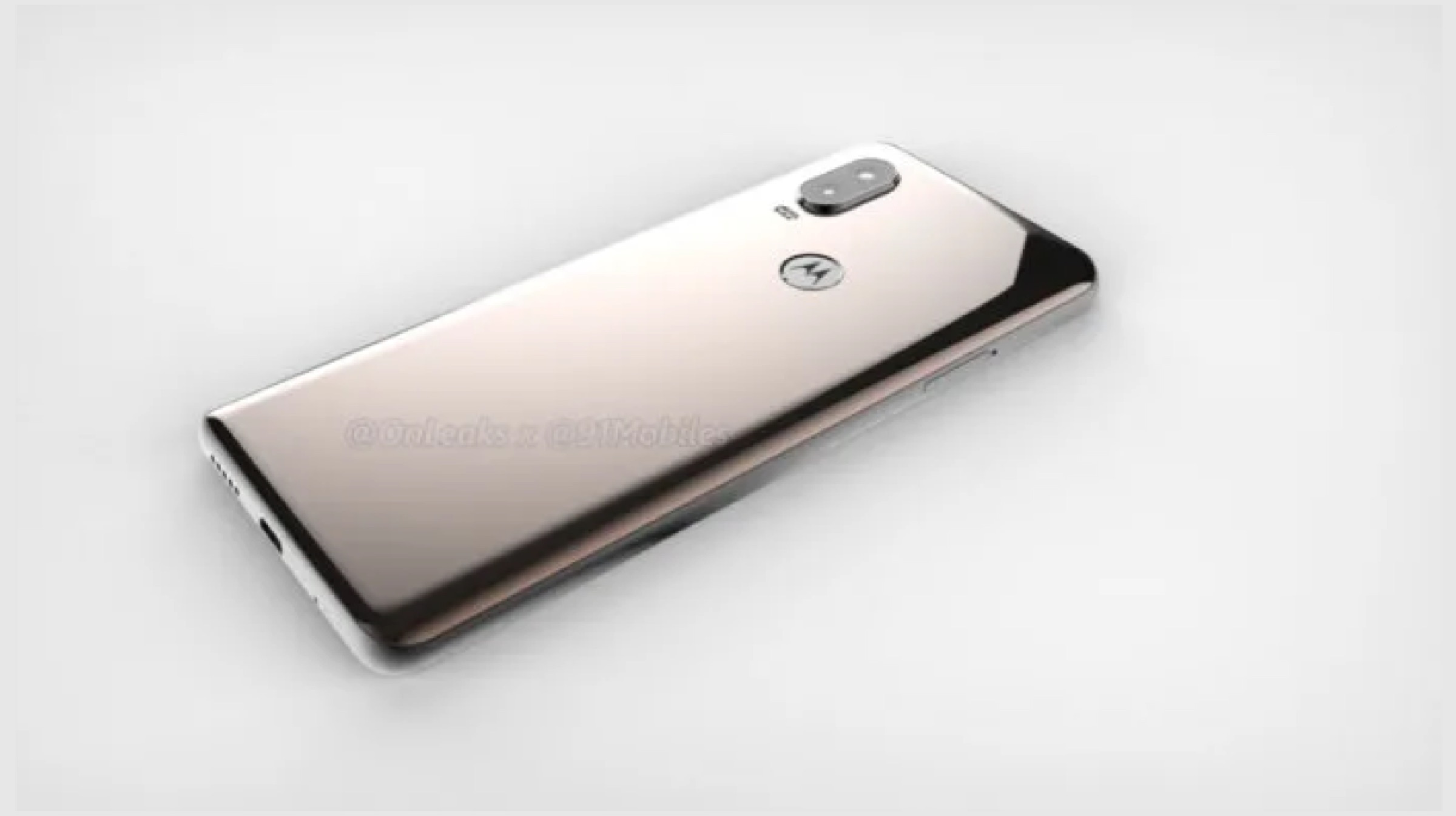 Sources say that the Motorola P40 will have a punch hole display design, with a single front camera. Since the P30 was an Android One device, we can expect the same offering from the Motorola P40. The smartphone is also rumoured to support NFC technology, unlike the P30.
 The G8 ThinQ may have a 6.1 inch OLED display and might offer a QHD+ resolution at 3120 x 1440 px. It is possible that the device is powered by the Snapdragon 855 SoC. The smartphone may or may not be available in different variants, but it is sure to have 6 GB RAM and 128 gigs of internal storage for one of its variants. The LG G8 ThinQ is expected to pack a 3,400 mAh battery, with Android 9 Pie powering the device.
 As of today,
 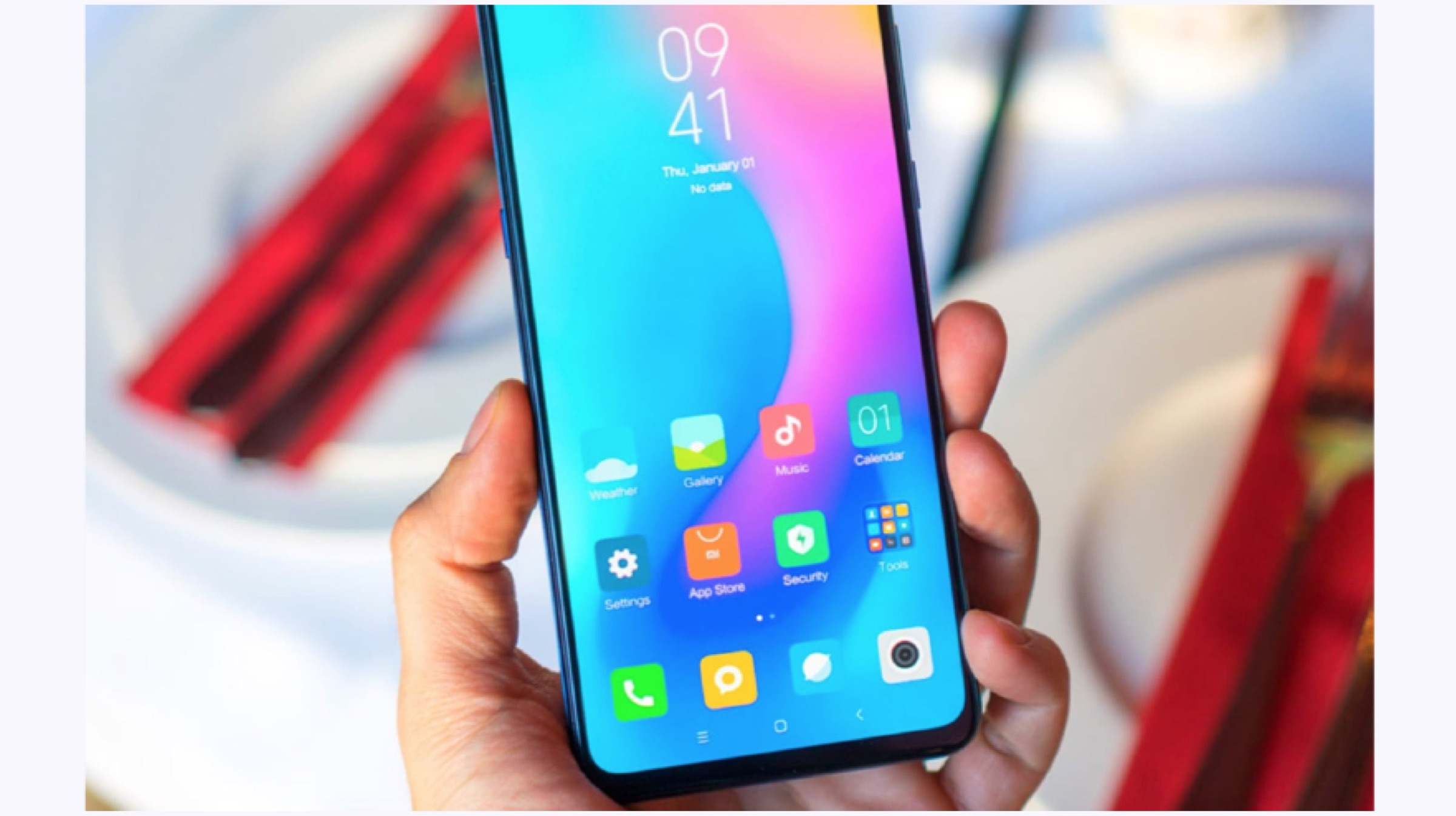 Previous reports indicate that the upcoming Xiaomi Mi 9 will be powered by a Qualcomm Snapdragon 855 SoC, with an octa-core CPU. The phone’s performance can be analyzed from its Geekbench score, which showed up back in January. The Mi 9 racked up a single-core score of 3158 and a multi-core score of 11174 points.
 Also Read:
 We have seen Samsung Smart TVs making their mark in the market. Samsung even designed a lifestyle television called “The Frame” which could be used as an art frame when the TV wasn’t being used. Samsung can use the same concept with the Smart Mirror with some tweaks.
  The patent was filed in the US with the United States Patent and Trademark Office (USPTO). Shortly afterward, the patent was registered with the Global Design Database of the World Intellectual Property Office (WIPO). The patent was actually filed on October 16, 2018. According to the design patent, the Samsung Mirror TV will have a square design with rounded corners. The screen edges look to be almost non-existent, indicating that the device can be illuminated from all sides. The rear of the Mirror TV had space for all the connections and the power supply.
 The Mirror TV is supposed to have two different states. In the first state, you can use the device as a television, whereas, in the second state, you can use the device as a mirror. A similar principle was used with Samsung’s “The Frame”. It still isn’t clear how a square television can take the place of the conventional rectangular television, but all we can do is wait for an official launch in the distant future. As per the images included in the patent, it’s possible that you can display the contents of your smartphone directly on the TV. The device is also expected to have touchscreen enabled on the Mirror TV, in addition to Samsung’s very own voice assistant, Bixby.
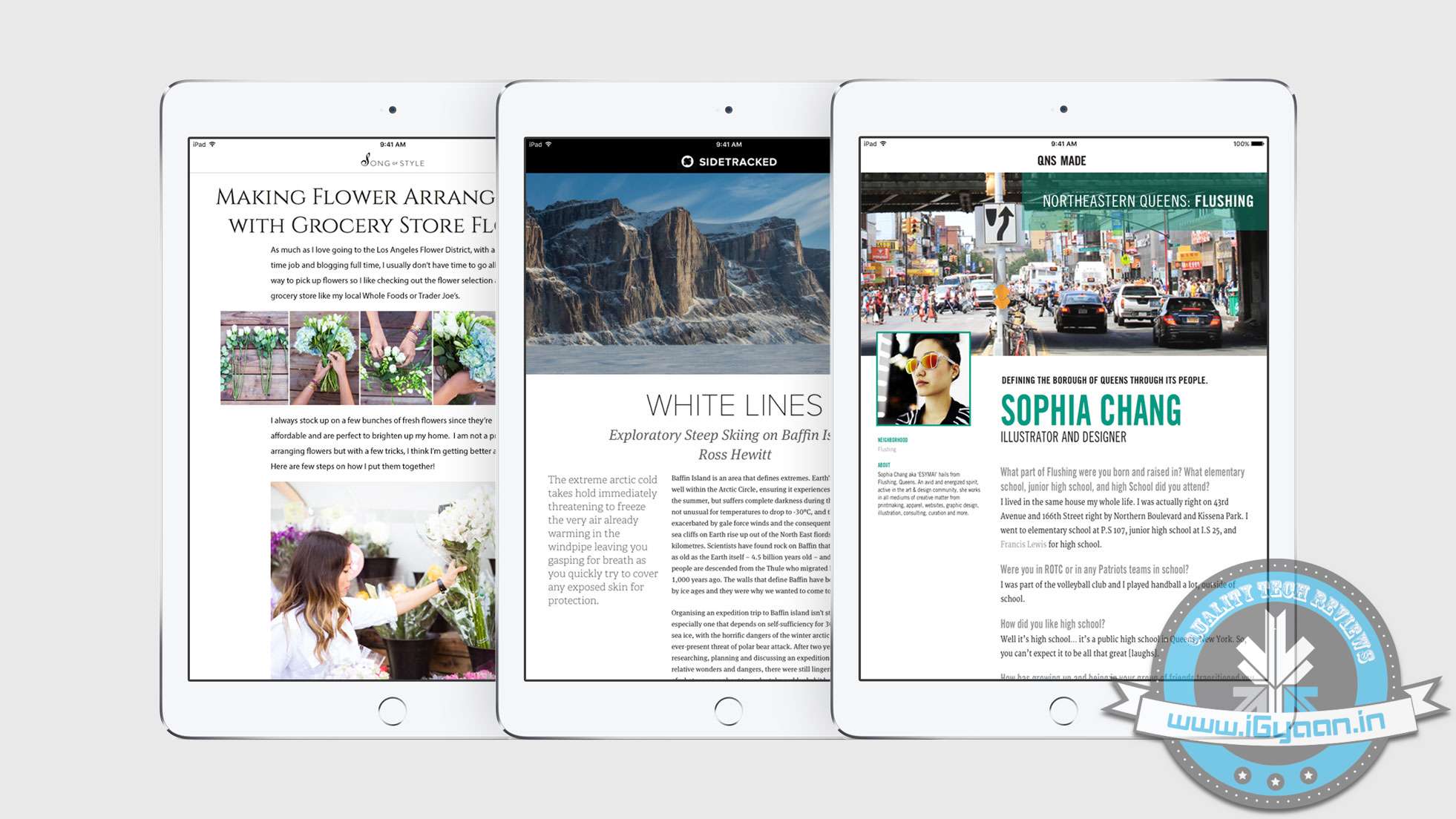

 For a long time now, reports have been passed around that the company will soon add a paid subscription to the Apple News Bundle, which will include premium magazine and news subscriptions in a single package. This looks very similar to the service that Hulu provides for movies and shows. Last month, images surfaced which showed the Apple news service in an iOS 12.2 beta update, so this confirms the fact the service is indeed going to launch soon. Also, Apple is reportedly asking for a 50 percent cut from the publishers, depending on the number of times their articles will be read.