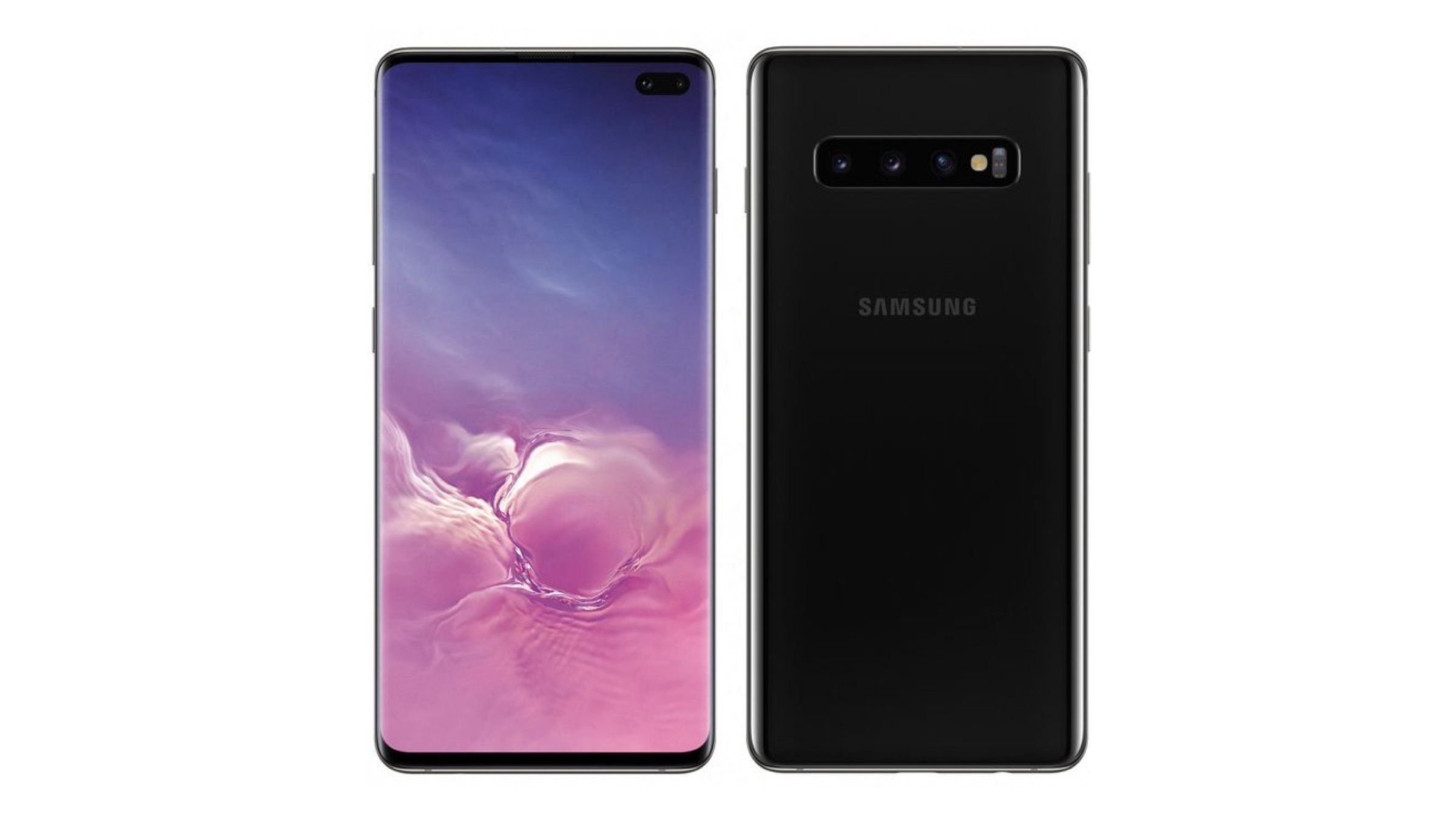
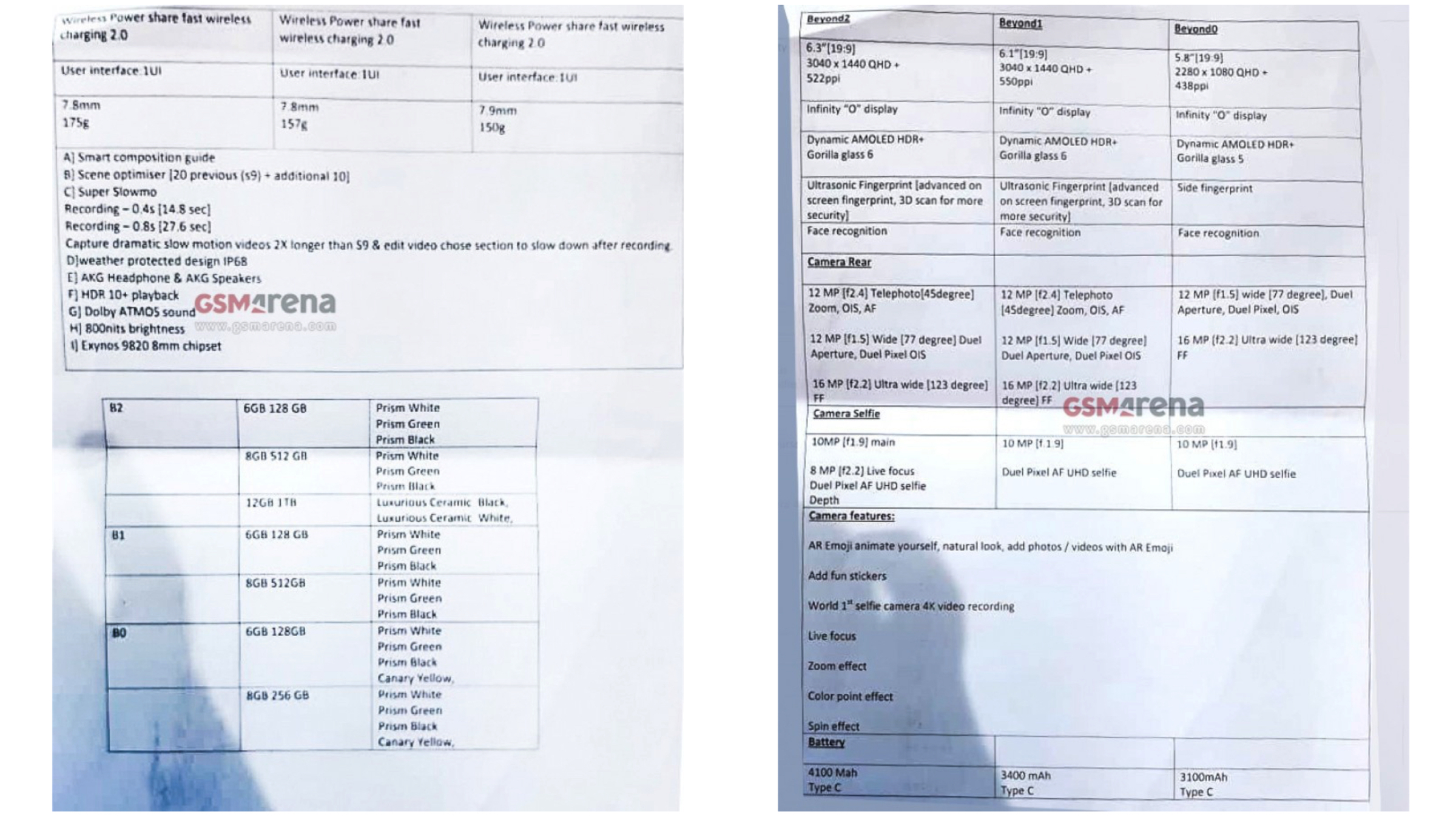
On February 20, Samsung will launch the Galaxy S10 lineup at its Unpacked event. This is the tenth anniversary of the Galaxy ‘S’ series so the devices are expected to be riddled with innovative features. There have been leaks here and there but now we finally have everything in one place. A spec sheet containing all the final, detailed specs of the Galaxy S10 series has been leaked reportedly. This confirms most of the already known details and gives us a lot of new information about the Galaxy S10 series
At the Galaxy Unpacked event, Samsung is expected to announce three devices. These three devices will be the Galaxy S10e, the Galaxy S10, and the Galaxy S10+. The devices will be the next flagships of the Korean smartphone maker and are expected to employ a lot of world’s first in technology.
Galaxy S10e
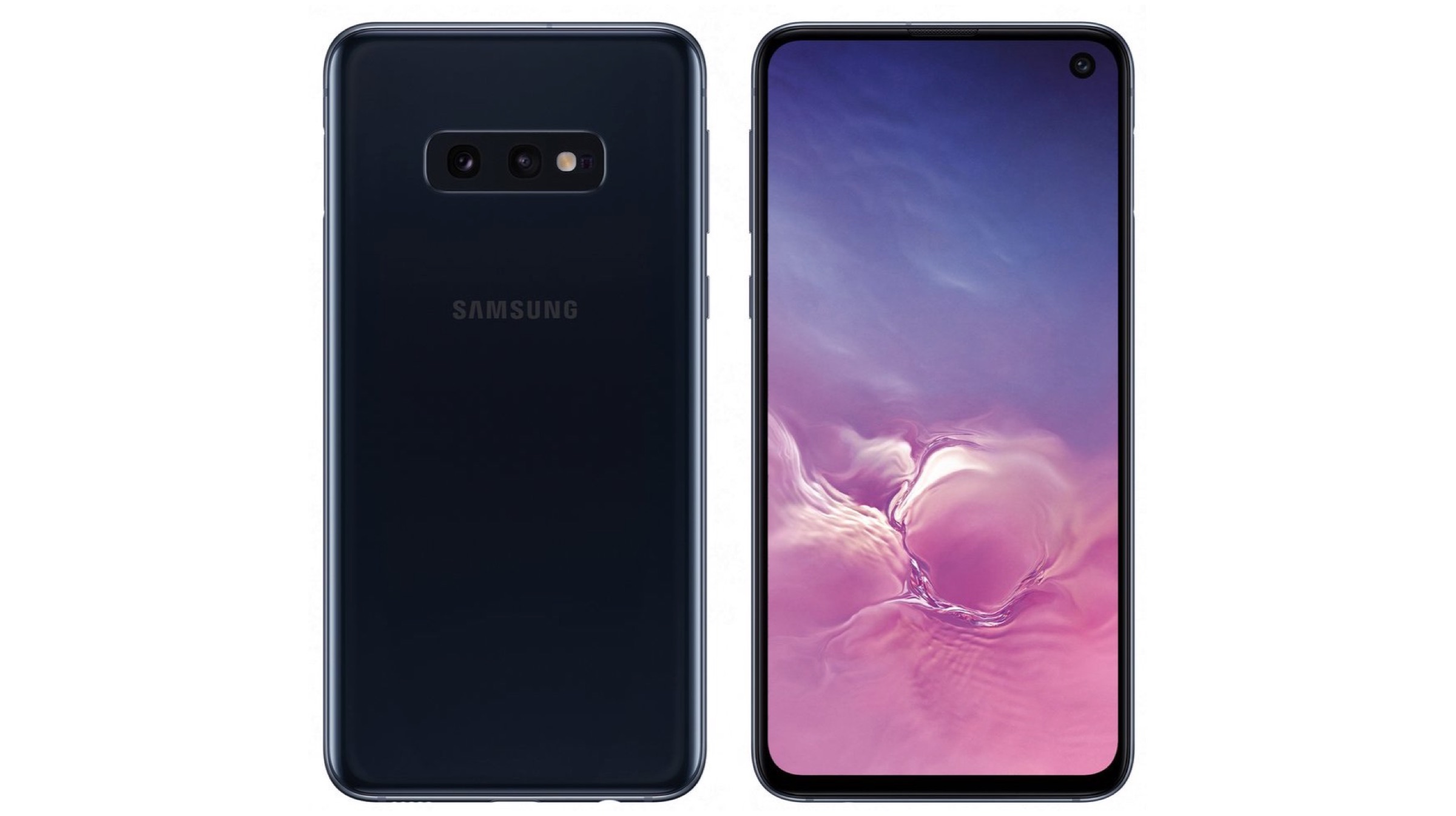
via @evleaks
The Galaxy S10e will be the cheapest, entry-level device of the three. According to the spec sheet, The S10e features a 5.8-inch Infinity-O display with a resolution of 2280 x 1080 px. The display technology is called Dynamic AMOLED HDR+. Gorilla Glass 5 is used to protect the display from scratches and falls. It will feature a side mounted fingerprint sensor that may double as a power button. The device will be powered by the Snapdragon 855 or the Exynos 9820 depending on the region. The listing only mentions Exynos 9820, so the leak may be from outside of North America.
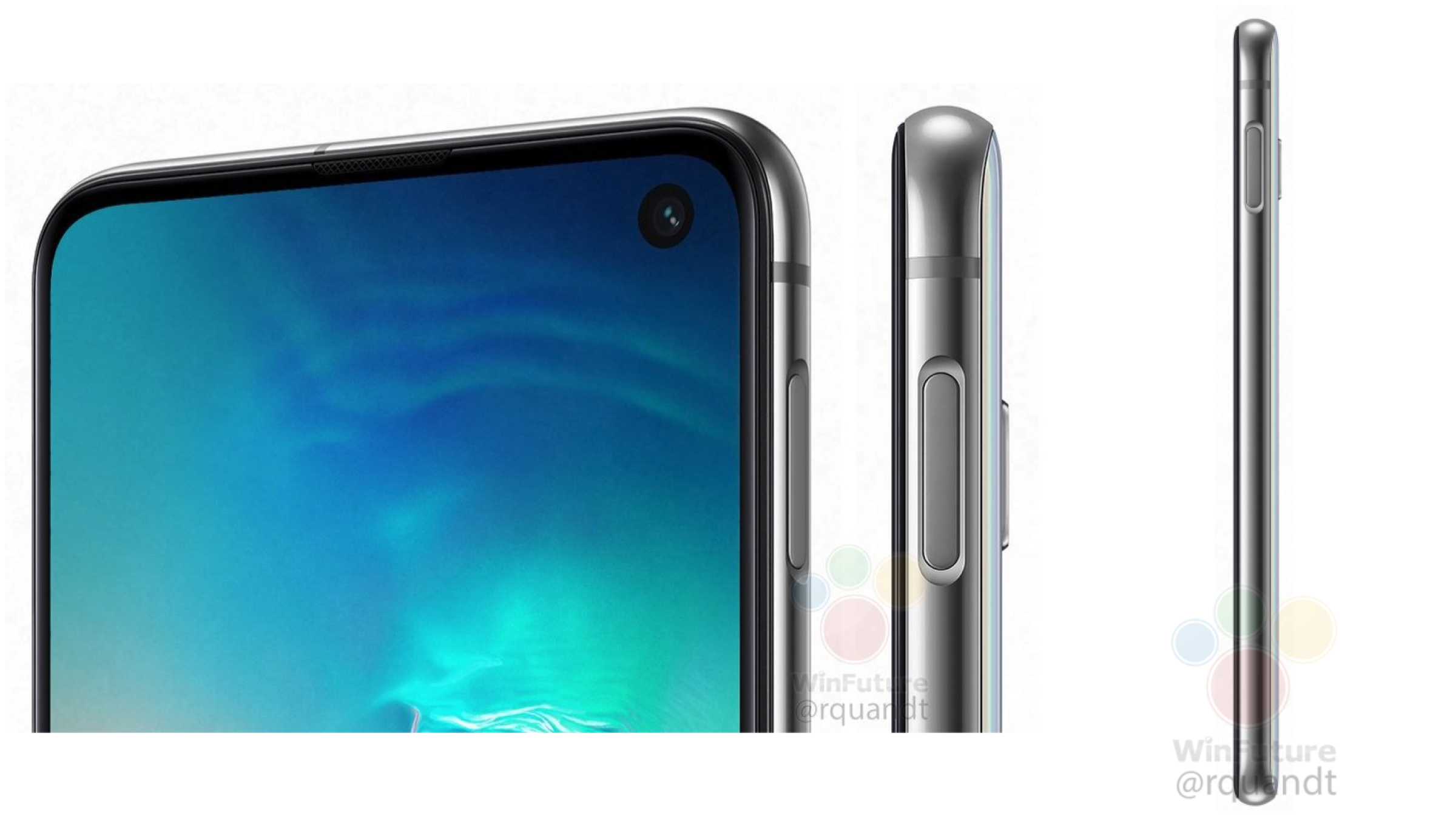
In terms of optics, the S10e will have dual cameras on the back. These cameras will be 12MP (f/1.5-2.4) and 16MP (f/2.2) ultra-wide lenses. The selfie camera will be a 10MP (f/1.9) one. The device will be available in two variants, one with 6GB of RAM and 128GB of storage and another one with 8GB of RAM and 256GB of storage. The S10e will also be available in four colors at launch. These colors will be Prism White, Prism Green, Prism Black and Canary Yellow. The pricing of the device is expected to start around Rs. 50,000.
Galaxy S10
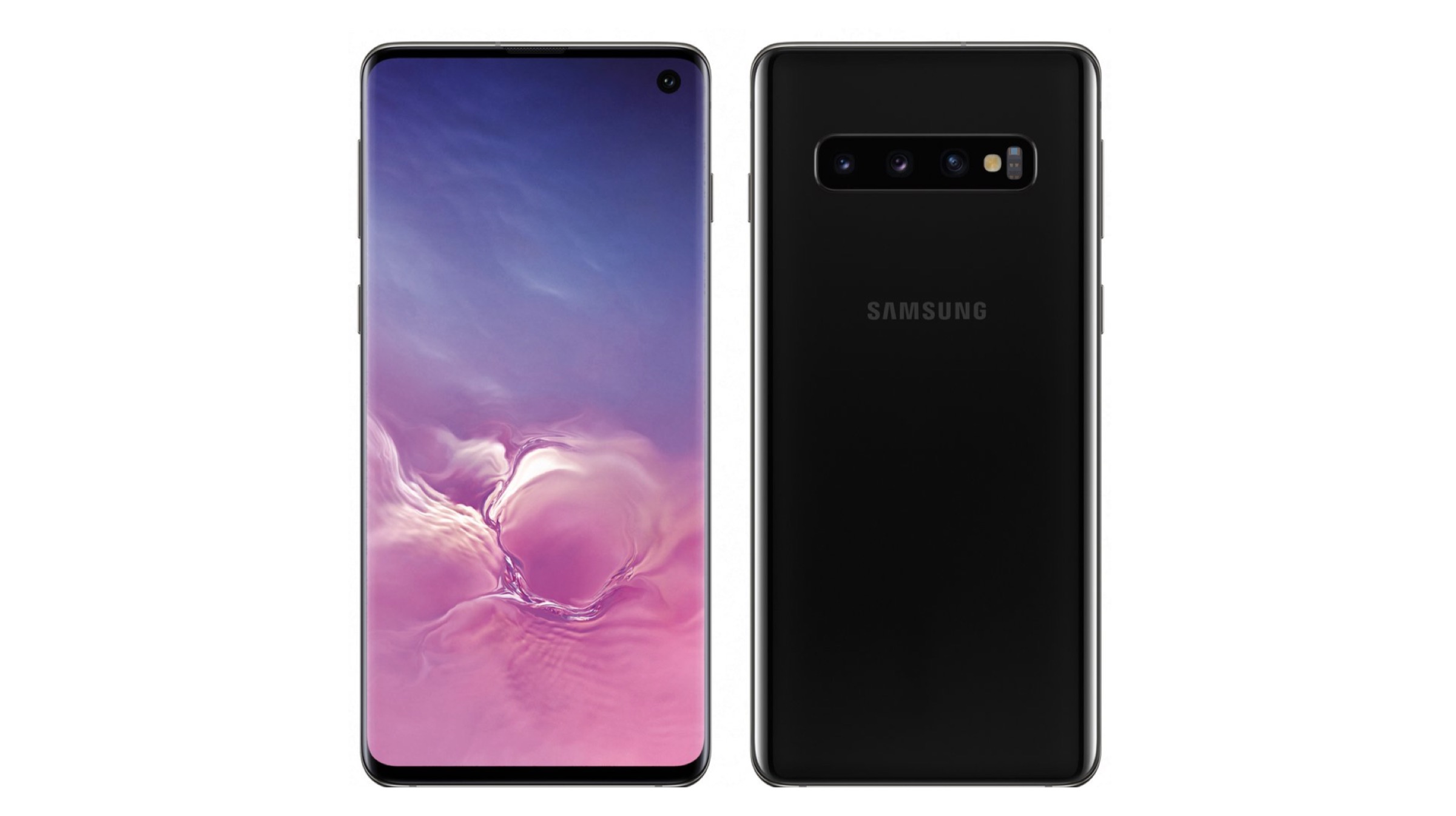
The regular S10 sits between the S10e and the more premium S10+. The device will feature a 6.1-inch Dynamic AMOLED HDR+ Infinity-O display with a resolution of 3040 x 1440 px. It will have Gorilla Glass 6 for protection. The device also may run on the Snapdragon 855 or the Exynos 9820 depending on the region. It will be the world’s first phone to have an ultrasonic In-Display fingerprint scanner. It will also feature 3D face scanning for unlocking the device.
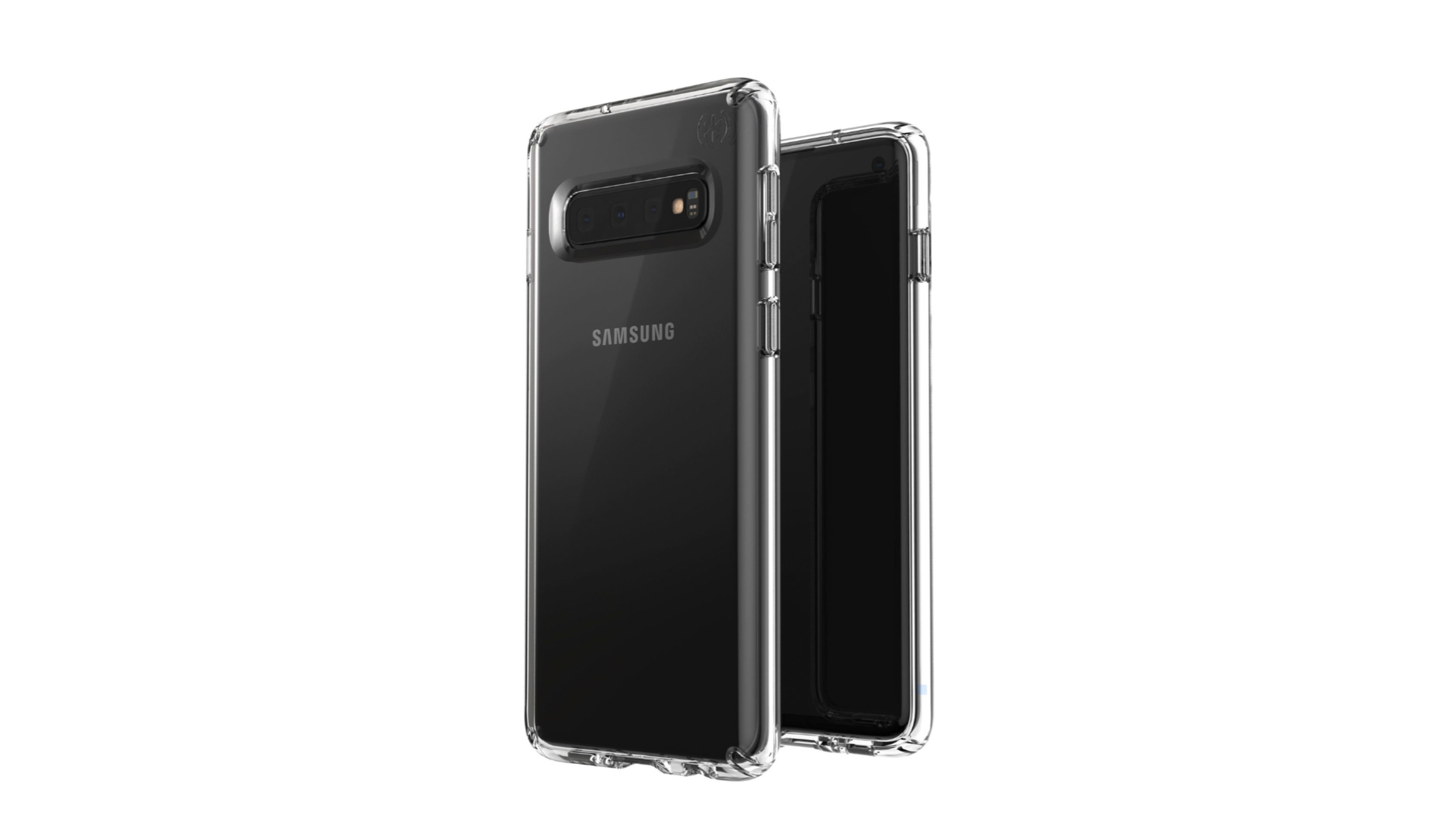
In terms of optics, the Galaxy S10 will feature triple cameras at the back. These cameras will be a 12MP (f/1.5-2.4) sensor combined with a 12MP (f/2.4) telephoto camera and the third will be a 16MP (f/2.2) ultra-wide camera. For selfies, the device will have a 10MP (f/1.9) front camera. The device will be available in two variants. One with 6GB of RAM and 128GB storage and another with 8GB RAM and 512GB storage. There will be three colors for the device. They will be Prism White, Prism Green and Prism Black. Pricing for the S10 might start around the Rs 65,000 mark.
Galaxy S10+

The Galaxy S10+ will be the most expensive of the three. It features a 6.3-inch Dynamic AMOLED HDR+ Infinity-O display with a resolution of 3040 x 1440 px. It will also have Gorilla Glass 6 for protection. The S10+ will also, either feature the Snapdragon 855 or the Exynos 9820 depending on the region. Along with the S10, it will have an ultrasonic In-Display fingerprint scanner and a 3D face recognition.
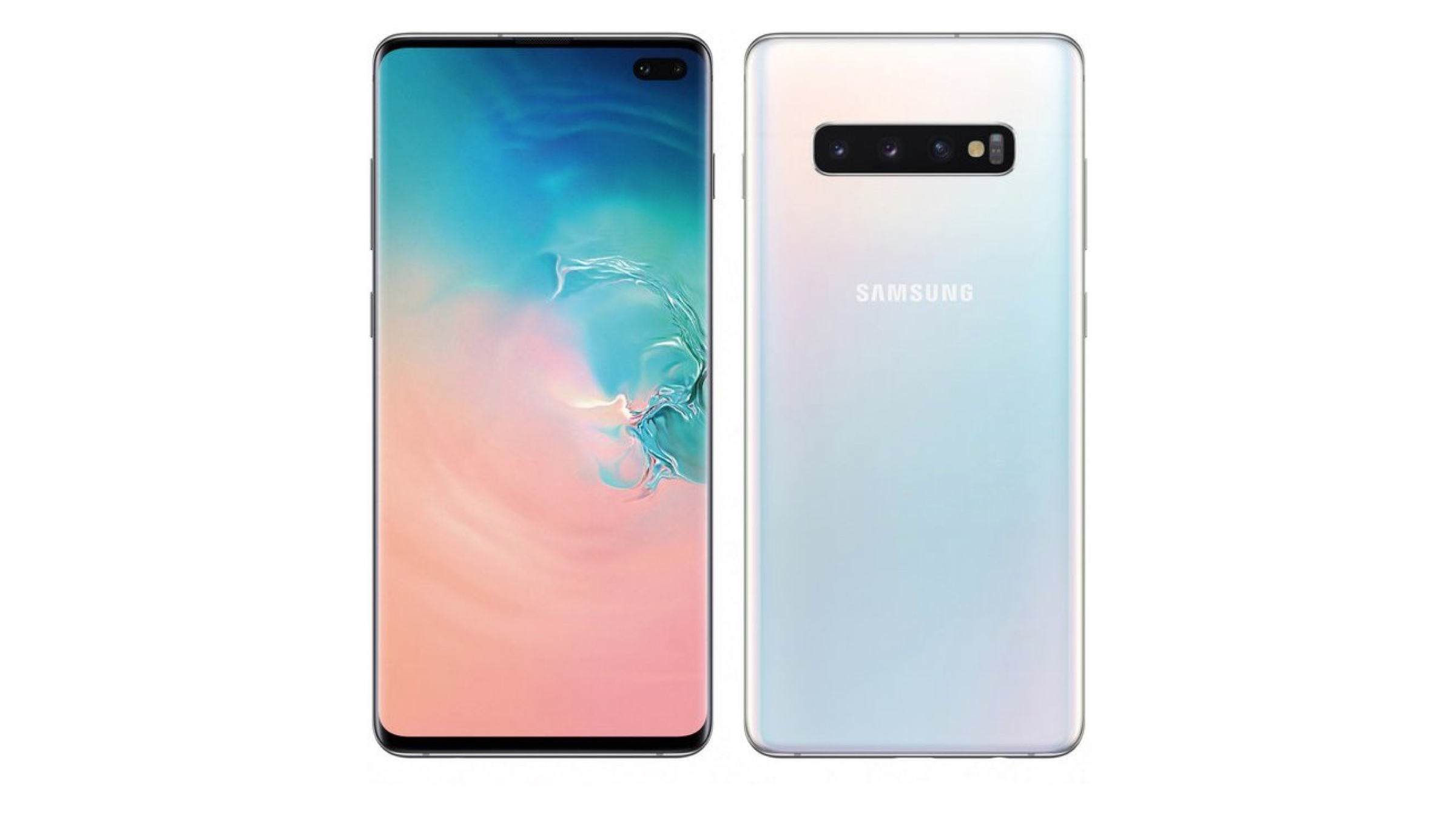
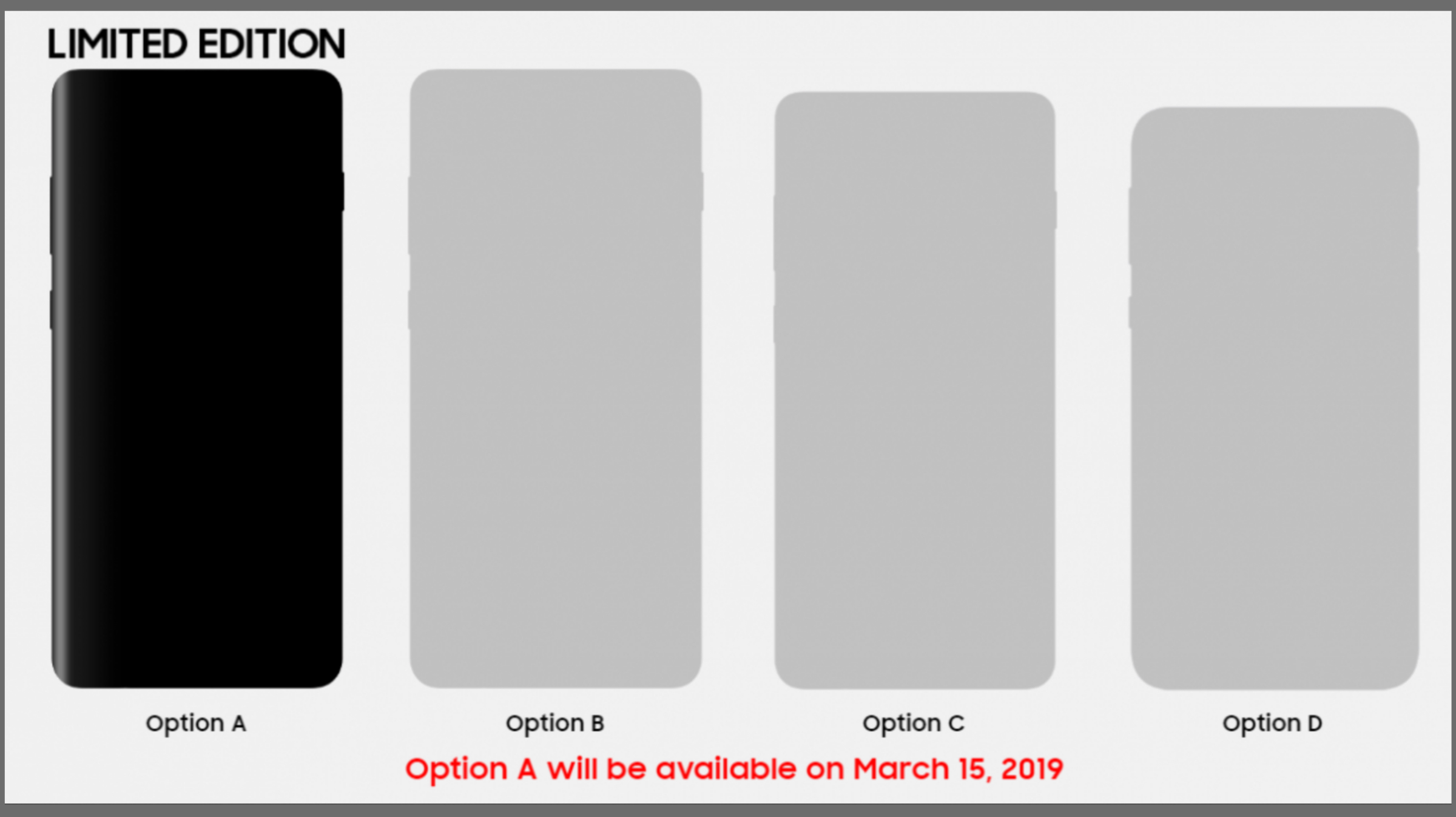
The device will also have a triple camera set up on the back which will be the same as the S10. The front will be different though. The S10+ will feature a dual camera setup on the front. These will be a combination of a 10MP (f/1.9) lens with an 8MP (f/2.2) camera. The device will be available in Three variants. Which will be one with 6GB RAM and 128GB storage, another with 8GB RAM and 512GB storage and a limited edition version with 12GB RAM and a whopping 1TB storage. The standard variants will be available in the same colors as the S10, but the limited edition will add a ceramic black and a ceramic white to the mix. The S10+ is expected to start at around Rs 75,000.
Also read: WhatsApp for Android Redesigns The Settings Menu
These devices will all feature wireless charging and will be IP68 water and dust resistant. The devices will be the first in the world to feature 4k recording on the front camera. The Galaxy S10 series already looks like a monumental change over the Galaxy S9. Samsung is also expected to start taking pre-orders soon after the unveiling.




 All three cards look like the variants of the upcoming Nvidia GeForce GTX 1660 Ti. The speculated graphics card is supposed to release on February 22. Previously, a launch date of February 15 was expected, but that has been postponed to exactly a week later.
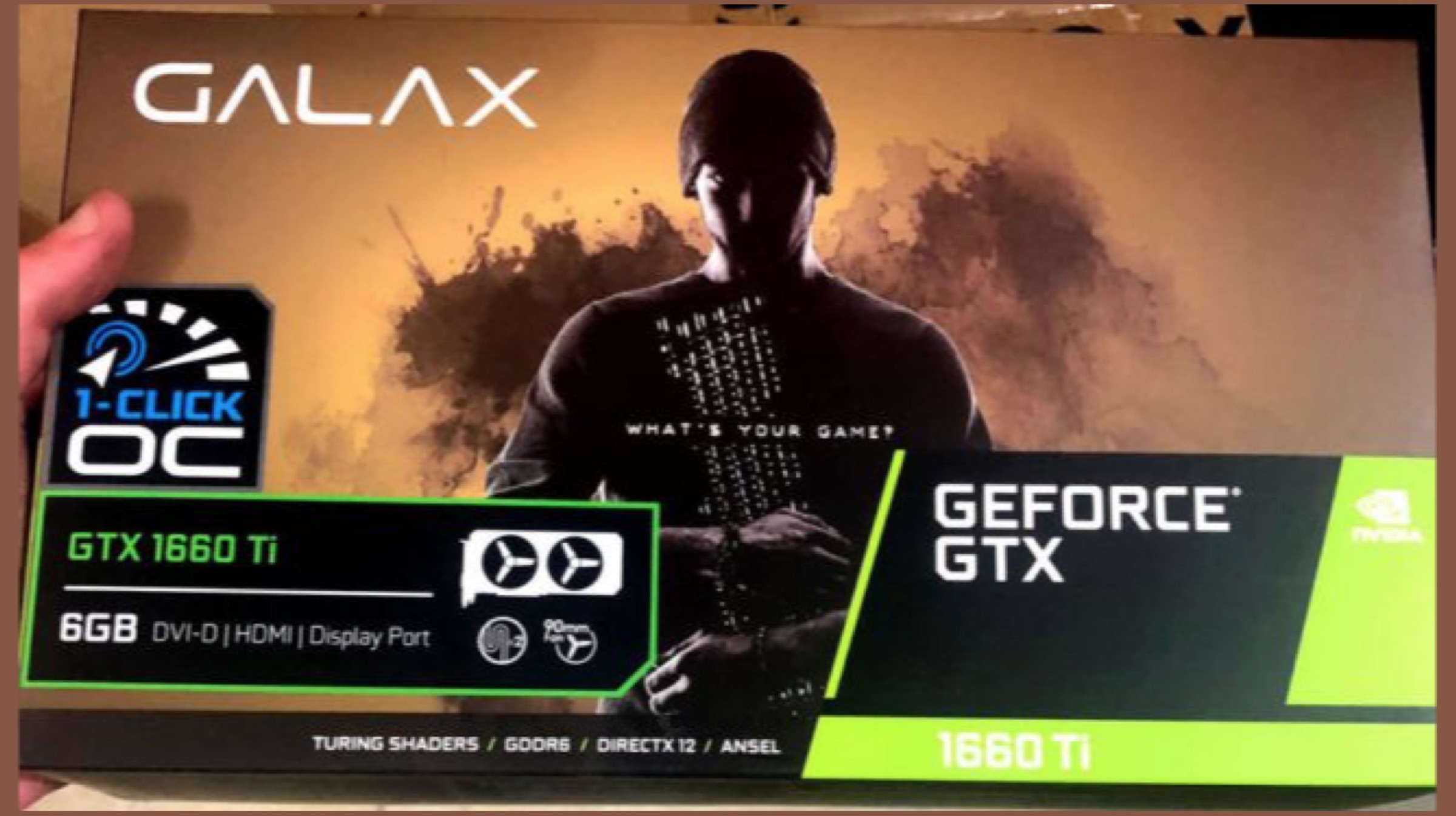 The retail packaging images clearly show the presence of the much-speculated GPU’s Turning Shaders. It also shows that the 1660 Ti will have 6 gigs of GDDR6 memory. One thing to note here is that the absence of any Ray Tracing information on the retail box may mean that the 1660 series won’t support Ray tracing.



 Now, Epic Games’ Fortnite is currently the biggest competitor to this new battle-royale game. Four months after launch, Fortnite had a total of 45 million registered players across all platforms. Apex legends has already achieved more than half that player base in almost 1/16th of the same time. We can say that Apex Legends is going to hit the mark soon enough because graphs don’t lie.
 One of the most important factors in making this game a success is the fact that the game is free-to-play across all the platforms. Furthermore, it’s available on PC, PS4 and Xbox One, just like Fortnite. Also, the game is planning to integrate cross-platform gaming across all devices in the distant future, including smartphones. Recently, a lot of hype has been raised around mobile gaming, and we can’t help but wonder about when the initiative will take place.
 It’s still very impressive how Apex legends has managed to optimize a lot of features and servers in accordance to the rising number of players. A lot of Apex Legends communities have sprung up across social media, encouraging new gameplay styles and tips/tricks. Respawn Entertainment already has its first e-sports tournament for Apex Legends starting tomorrow. It’s also planning to launch a battle pass subscription at the beginning of the next month.
 Respawn CEO posts “Since we launched Apex Legends last week on Monday we’ve seen the creation of an Apex Legends community that is excited, thriving, and full of great feedback and ideas. Our goal is to build this game with you, our community, so keep giving us your feedback because we really are listening”. The game’s popularity was boosted by famous professional player/streamer, Michael Grzesiek aka “Shroud”. The Polish-Canadian player has a massive viewer base on the popular streaming platform, Twitch. A lot of gamers were intrigued when they saw the streamer hands-on with the game. Hence, the player base of Apex Legends just skyrocketed.

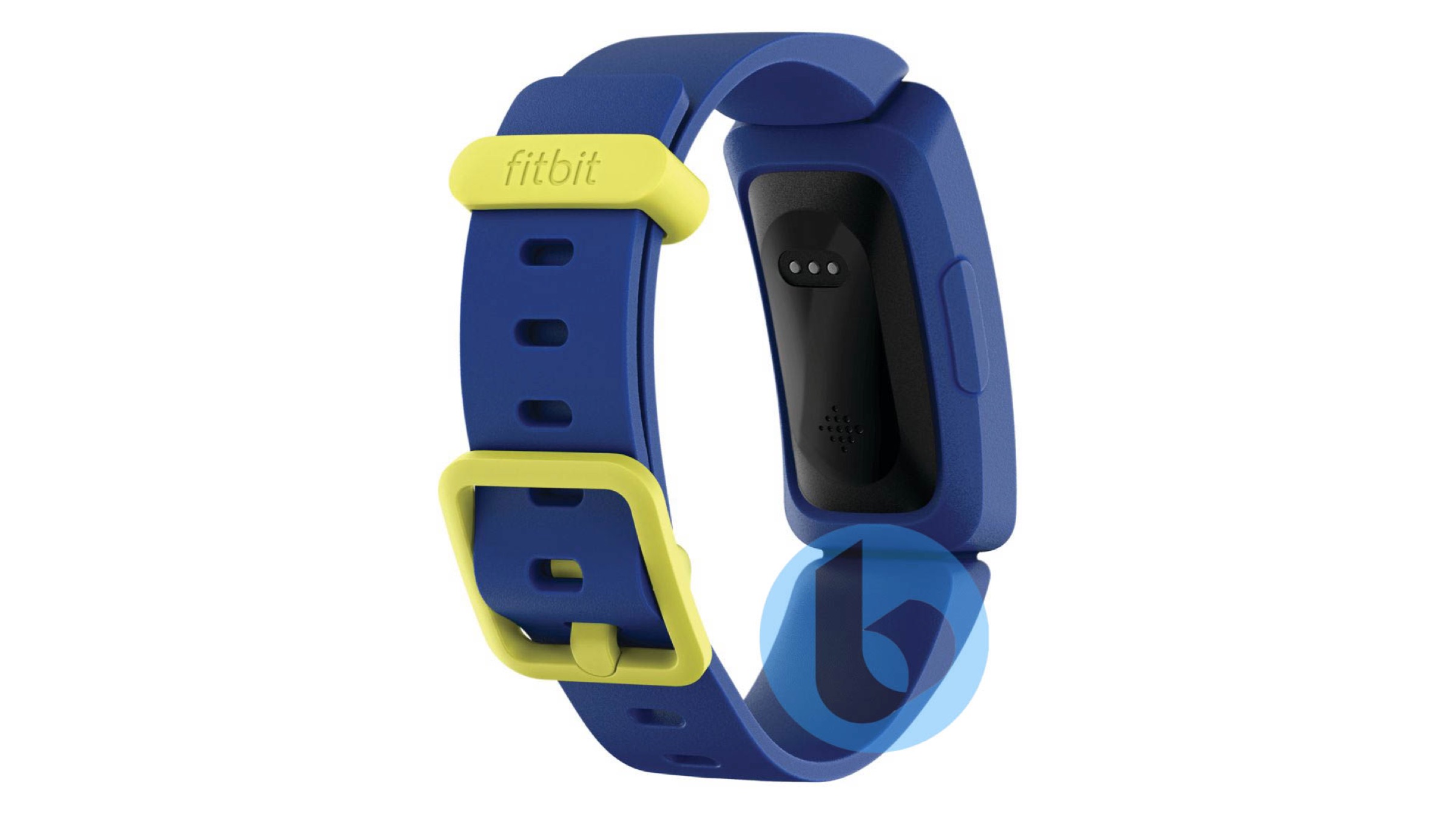 According to Technobuffalo, the exclusive images of the kid-friendly fitness tracker have been revealed. This looks to be a completely different line of products in comparison to the Fitbit Ace, which released last year. Also, the Ace was more of a smart band, rather than a fitness tracker. The new wearables have a significantly larger monochrome screen, and more a kid friendly design. Available in two colours, blue and pink as seen in the images.
 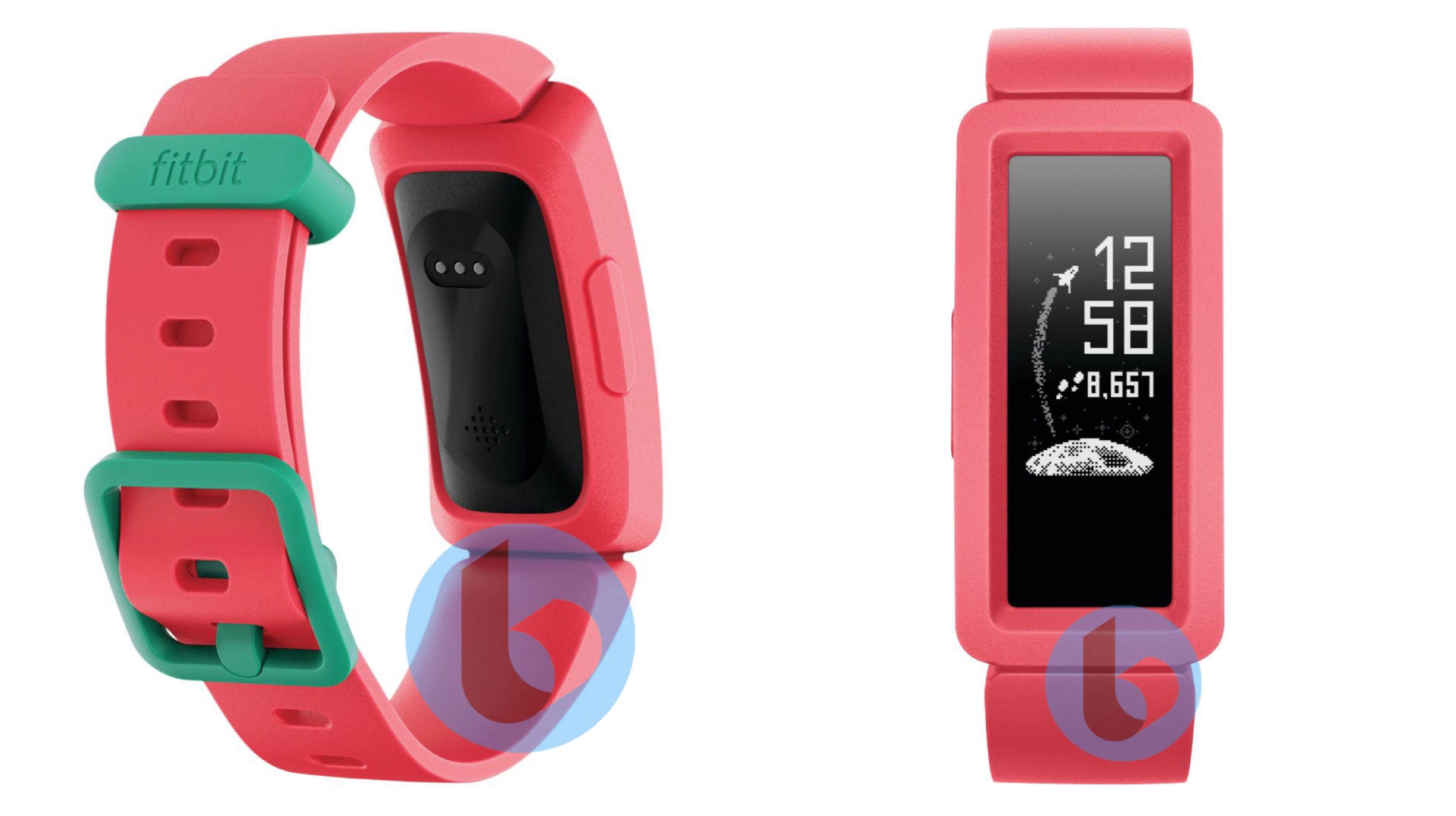 Brighter colours, combined with a ‘seemingly’ rugged design will make the new Fitbit band extremely suited for a young audience. The Fitbit band is expected to have similar features to the Fitbit Ace. This includes long battery life, activity tracking and some kind of water resistance.

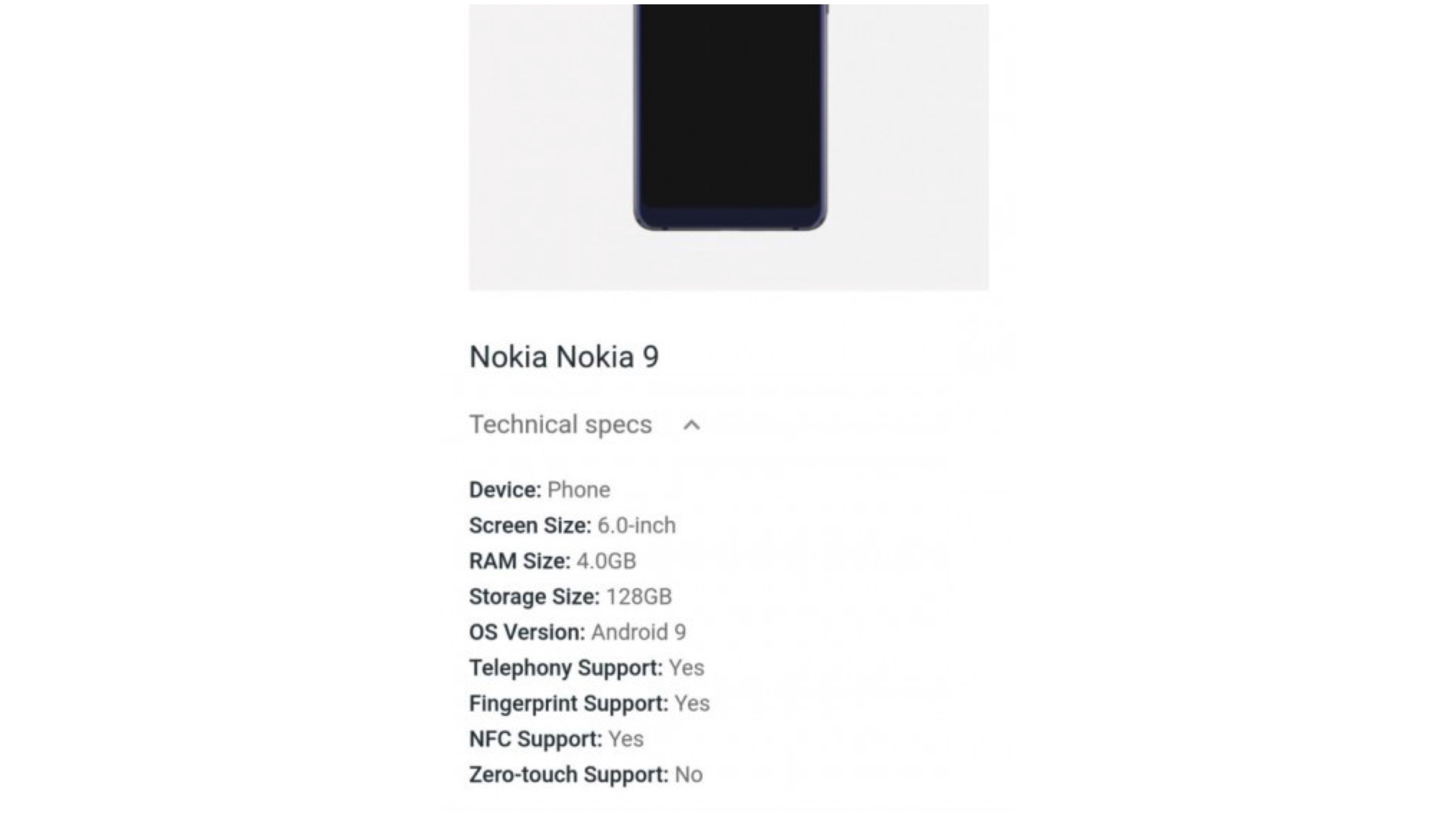
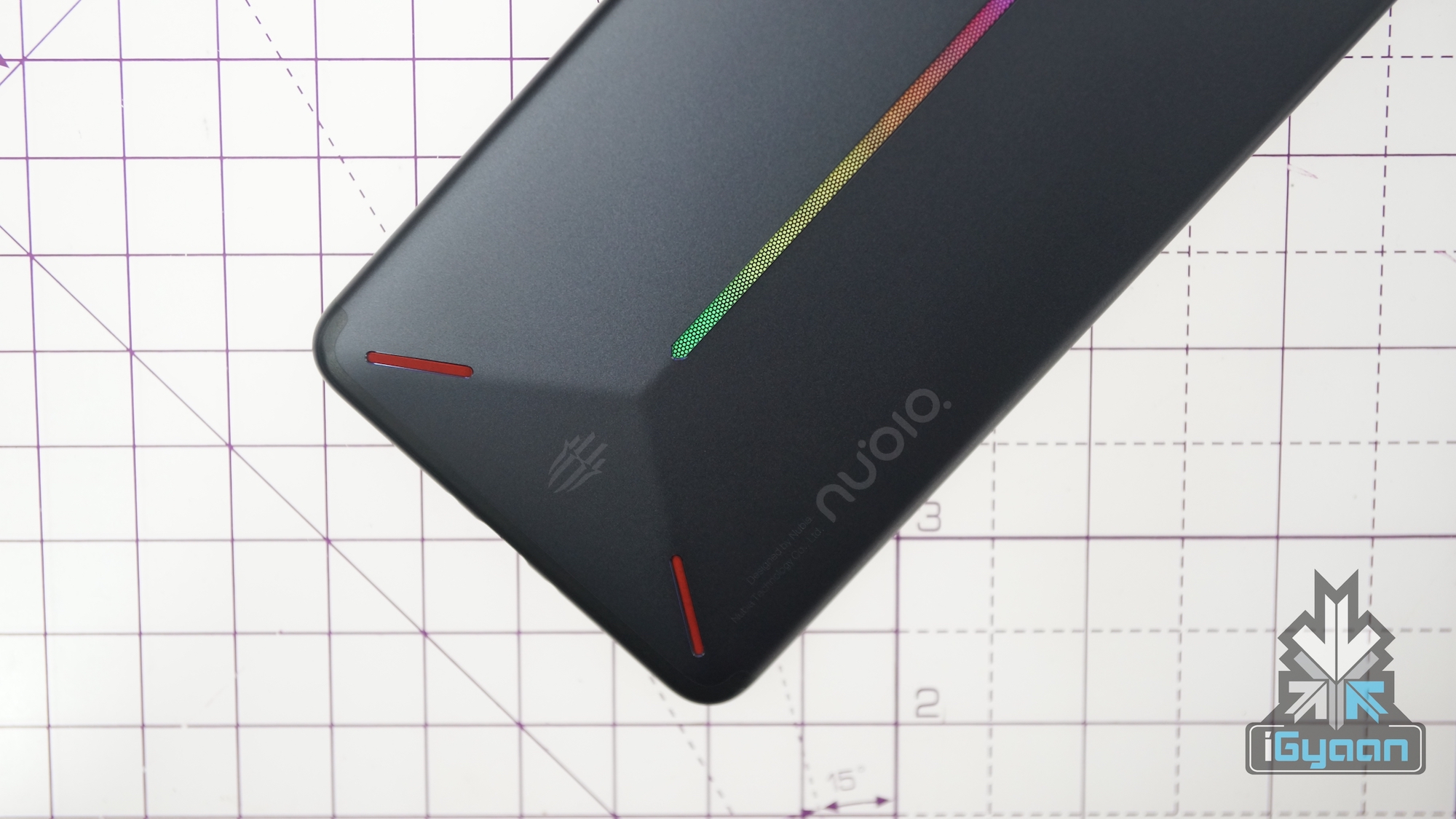
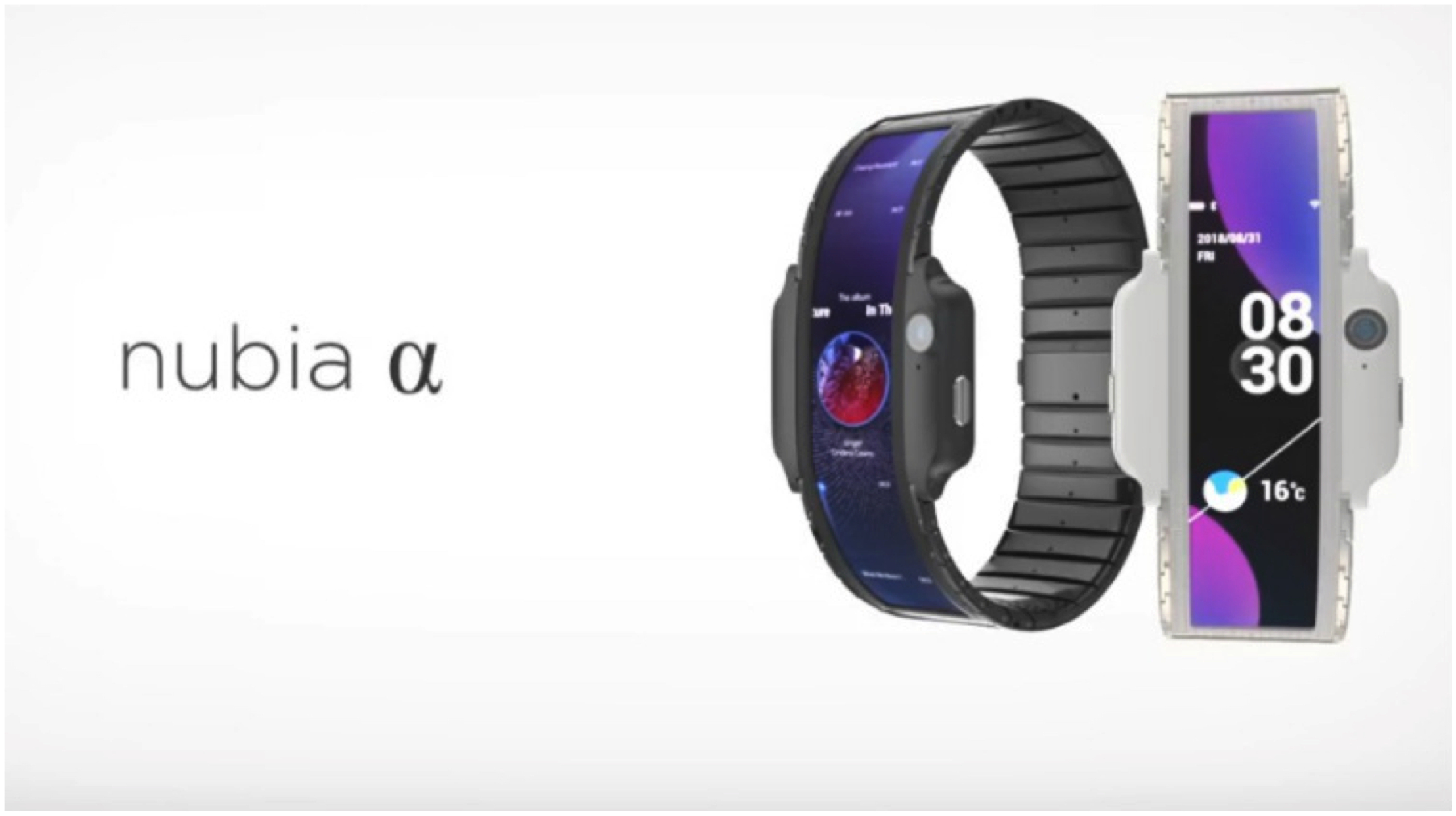
 However, a newly published patent reveals that Huawei is trying to pair the AR glasses with a smartwatch, not a smartphone. The patent indicates that the smartwatch can be attached to the glasses. The patent for “Eyeglass frame” was published by the World Intellectual Property Organization. According to the patent, the device is a lightweight, discrete and a relatively inexpensive AR headset.
 It is interesting to note that the glasses don’t have any camera, display or communication means installed. For all these functions, you may need to have your smartwatch with you. Furthermore, the glasses have an adapter and a mirror to reflect the display towards the user. The adapter is present close to the smartwatch. The new AR glasses also support audio playback.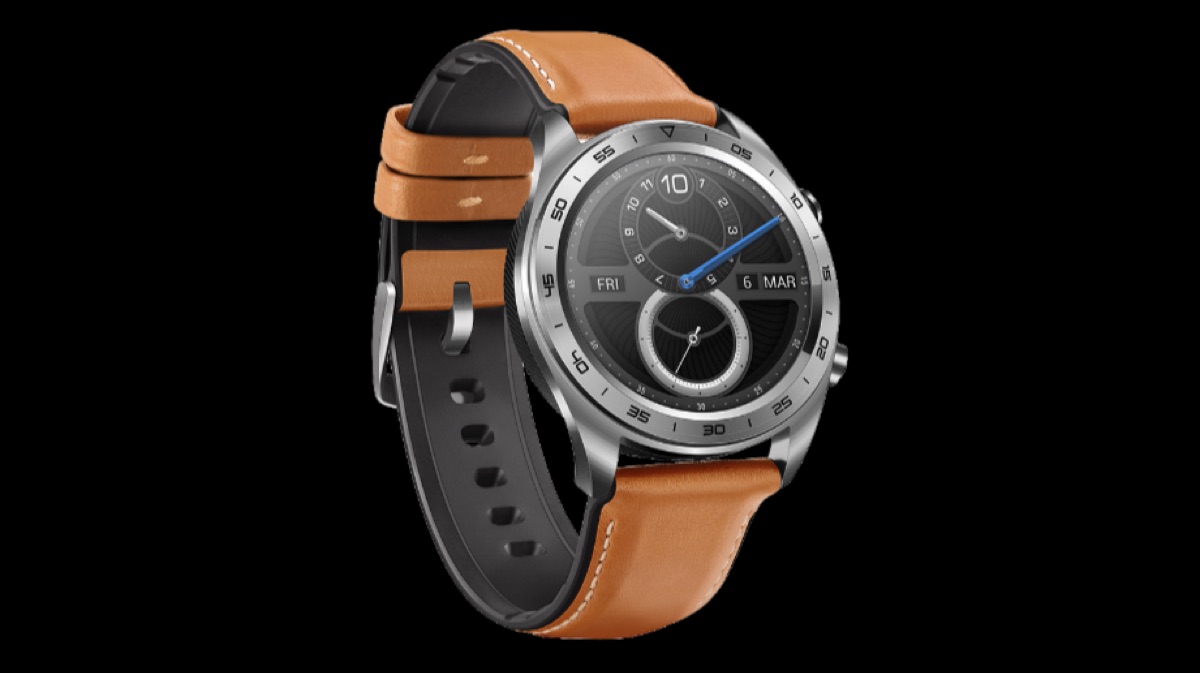

 This is is a clear indication that Google is already working in the smartwatch domain, and therefore looking for employees to work under its wearable department. As per the job description, “As the VP of Hardware Engineering for Wearables, you’ll work collaboratively with the Senior Leadership team for Google Hardware and will be responsible for the design, development, and shipment of all Google’s Wearable products. You will lead and enable the effectiveness of a large engineering organization primarily based in Mountain View to develop multiple next-generation wearable products simultaneously.”