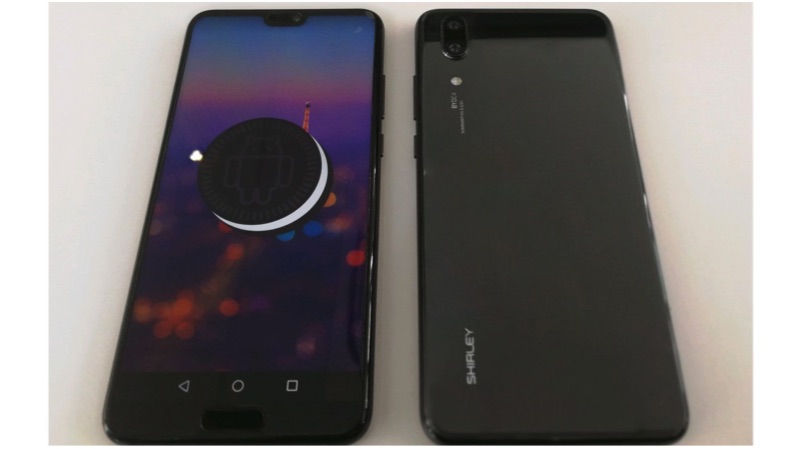
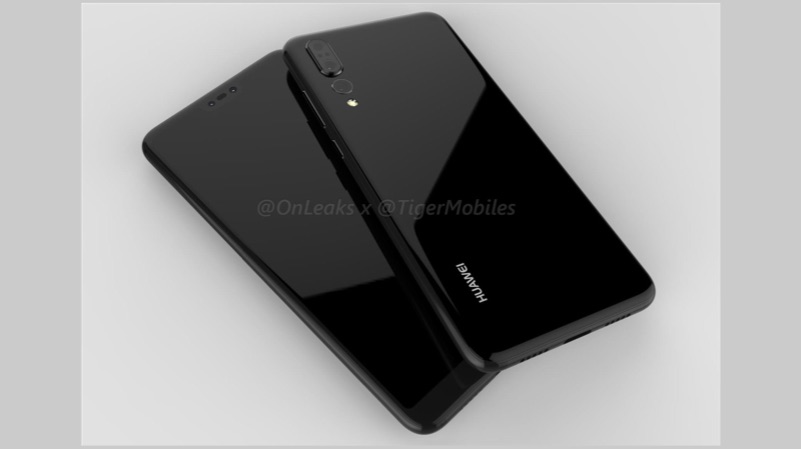
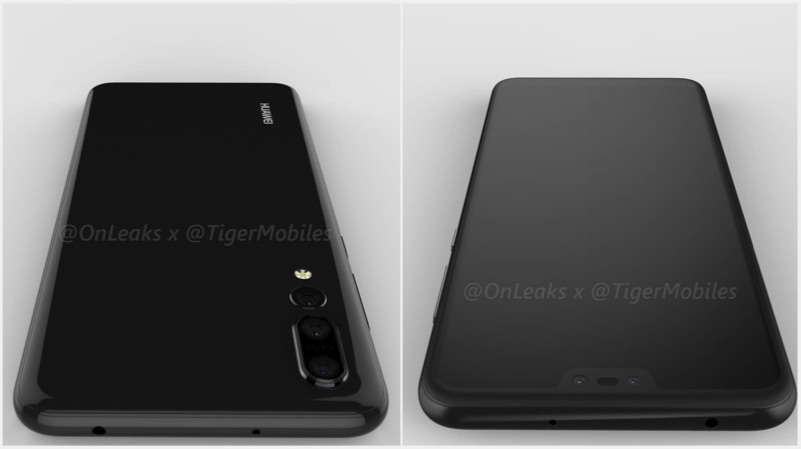
It is now confirmed that the Huawei P20 will be launched in France on the 27th of March. However, one thing that is not clear is the main camera setup on the Huawei P20. Until now, most of the sources predicted the existence of triple camera setup.
The company had a big banner at the MWC 2018 on the Huawei P20 product launch in France on 27th March, which gave us an insight into the triple camera setup. So, we might see a Huawei P20 Plus, which might sport a triple primary camera setup.
However, a new leak from the tipster @evleaks confirms that the smartphone has a dual camera setup, not triple camera setup. In fact, the presence of the notch has been confirmed on the live image of the smartphone.
Initial findings:
The Huawei P20 runs on Android Oreo 8.1 out of the box with the custom EMUI skin on the top. Similar to the Honor View 10, the smartphone has a front-facing fingerprint scanner. The smartphone has a three-sided bezel-less design with a notch on the top.
Due to the placement of fingerprint scanner on the bottom, there is a substantial amount of bezel at the bottom. At the back, there is a LEICA branded dual camera setup similar to the Huawei P10. The camera setup is placed vertically, similar to the Apple iPhone X.
Expected specifications:
The smartphone is expected to have a 6 inch 2160 x 1080 px IPS LCD display with a notch on the top. Under the hood, the smartphone will be powered by the HiSilicon Kirin 970 Octa-core chipset with 6GB RAM and 128GB storage. However, we might also see a plus version with OLED display and 8GB RAM.
The smartphone is likely to house a triple lens primary camera setup with RGB + wide angle + telephoto lens combination. On to the front, the smartphone is likely to have dual camera setup. In fact, the dual front-facing camera can aid the facial recognition system as well.
Conclusion:
In a recent interview at the MWC 2018, Huawei CEO confirmed that the Huawei P20 will be more powerful than the Apple iPhone X. In fact, the device has a lot of similarity to the Apple counterpart.
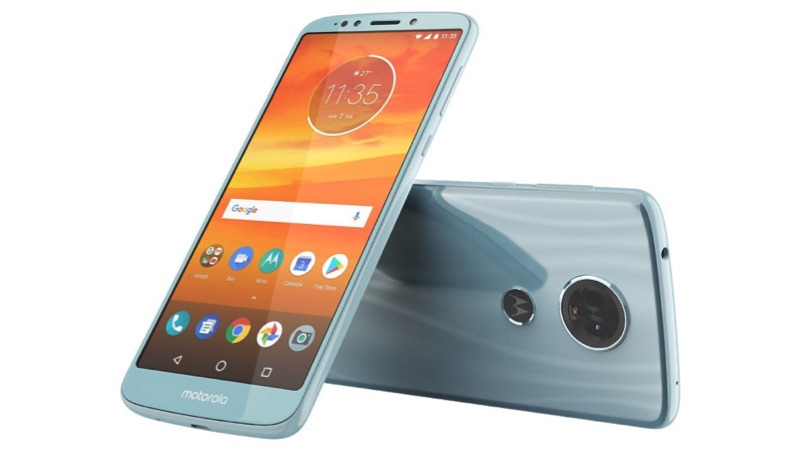
A new Motorola Moto E5 Plus smartphone leaked online by the tipster Evan Blass. However, this time it is an E series device rather than the G series device. At the first glance, we couldn’t make much of difference between the two. This is the first smartphone from Moto E lineup with the premium glass design.
Interestingly, the fingerprint sensor will be housed inside the Moto logo on the back. Rumours predict that the company might launch the upgraded Moto G6 and Moto E5 series at the MWC 2018.
Specifications:
The Moto E5 Plus comes with 5.8-inch 1440 x 720px IPS LCD display with 2.5D tempered glass protection. Under the hood, the smartphone is powered by an unknown quad-core chipset with 3GB RAM and 32GB/64GB onboard flash storage.
The mobile has a primary camera setup with dual camera cutout like the recently leaked Moto G6 lineup. However, it just has a single 13 MP primary camera and an empty cutout. However, on the front of the smartphone will be a dual camera setup of a 5MP primary sensor coupled with a 2MP depth sensor.
The smartphone is expected to run on nearly stock Android 8 Oreo OS. In fact, there were rumours of Motorola adopting Lenovo’s custom skin for its upcoming line of budget smartphone. That, however, does not seem plausible.
Conclusion:
With the launch of 6th generation Moto smartphones, the is getting ready for the bezel-less frontier. However, as this is just a leak we have to wait until official announcement for the detailed specifications. Moto E5 Plus looks great with the modern design. In fact, it might contend with the Honor 9 Lite.
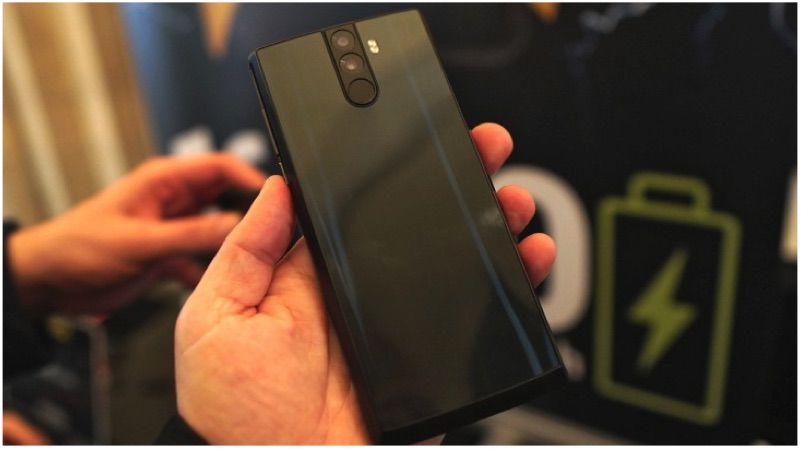
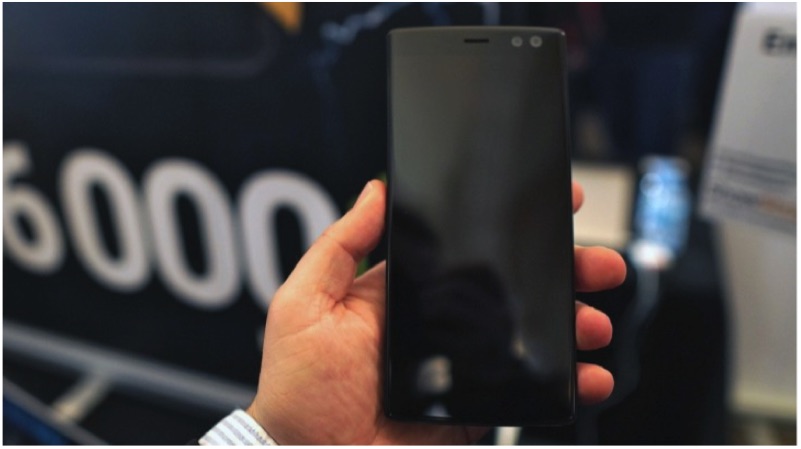
Energizer, the premium battery maker launched the Energizer Power Max P16K Pro at MWC 2018. This is the only production smartphone with a massive 16000 mAh battery.
The dimensions of the smartphone are a bit unusual with a tank-like design. The smartphone looks like a beefed-up version of the Cat S60. For sure, this is the thickest modern smartphone with the modern internals.
Pricing and availability:
As of now, there is no information on pricing or availability.
Credits: GSM Arena
Specifications:
The Energizer Power Max P16K Pro has a 5.9 inch 2160 x 1080px IPS LCD display. Under the hood, the smartphone is powered by Helio P23 chipset with 6GB RAM and 128GB storage. The smartphone also retains the 3.5 mm headphone jack, which means one can go on movie marathon on this mobile.
The phone has a dual primary camera setup with 16 MP + 13 MP camera with 4K video recording capability. The front-facing camera setup also has a 13 MP primary sensor and a 5 MP depth sensing sensor for bokeh effect. So, the smartphone offers decent camera modules at least on paper.
The device measures 15.2 mm at its thickest point and weighs around 300 grams. Considering the mammoth 16000 mAh battery, the weight of the device is quite acceptable.
The Energizer Power Max P16K Pro supports fast charging via USB type C with the 12V rating. However, there is no information on the time required to charge the battery from 0 to 100 percent.
Conclusion:
The concept of a smartphone with a massive battery on the Energizer Power Max P16K Pro is very interesting. Probably, a smartphone with truly impressive battery life that no one complains about.
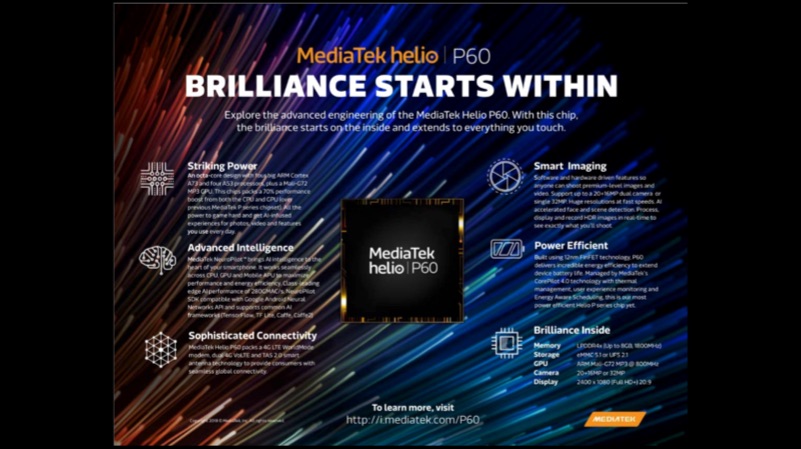
MediaTek launched the MediaTek Helio P60 chipset at MWC 2018. The is the most powerful P series chipset from the Chinese chipset manufacturer, which is based on 12nm FinFET architecture. This is the first processor from the brand with native features like hardware accelerated AI and a dedicated NeuroPilot Core.
Features:
The processor is manufactured by TSMC based on 12 nm FinFET technology based on big.LITTLE architecture. The four high-performance cores are based on ARM Cortex-A73 cores and the other four efficient cores are based on ARM Cortex-A53 cores. Compared to the Helio P30 chipset, the Helio P60 offers up to 70% improved CPU performance.
The same goes for the GPU as well. The Mali-G72 MP3 is a flagship-class CPU, which is used in the chipsets like Kirin 970. The chipset offers a staggering 70% boost in overall GPU performance compared to its predecessor. In fact, the performance will be similar to Qualcomm Snapdragon 660 chipset.
The dedicated NeuroPilot can handle native AI tasks using Android Neural Networks API with class-leading performance. The three image sensing processors support dual camera module. In fact, this uses 16% less power by combining Ai accelerators with the real-time image enhancement.
The MediaTek Helio P60 chipset supports displays with up to 1080p resolution. In fact, the smartphone manufacturers can go with a display with up to 20:9 aspect ratio. In terms of storage and RAM, the chipset can handle up to 8GB LPDDR4x RAM. The chipset can handle UFS 2.1 storage.
Finally, coming to the connectivity the processor can handle dual LTE and VoLte network with Cat 7 download speeds and Cat 13 upload speeds.
Comparison:
MediaTek Helio P60
MediaTek Helio P30
MediaTek Helio X30
CPU Configuration
4 x ARM Cortex A53 @2.0GHz
4 x ARM Cortex A73 @2.0GHz
4 x ARM Cortex-A53 @ 1.65GHz
4 x ARM Cortex-A53 @ 2.3GHz
4 x ARM Cortex-A35 @ 1.9GHz
4 x ARM Cortex-A53 @ 2.2GHz
2 x ARM Cortex-A73 @ 2.5GHz
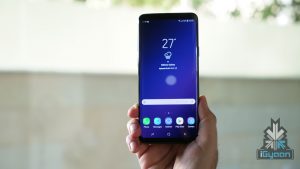
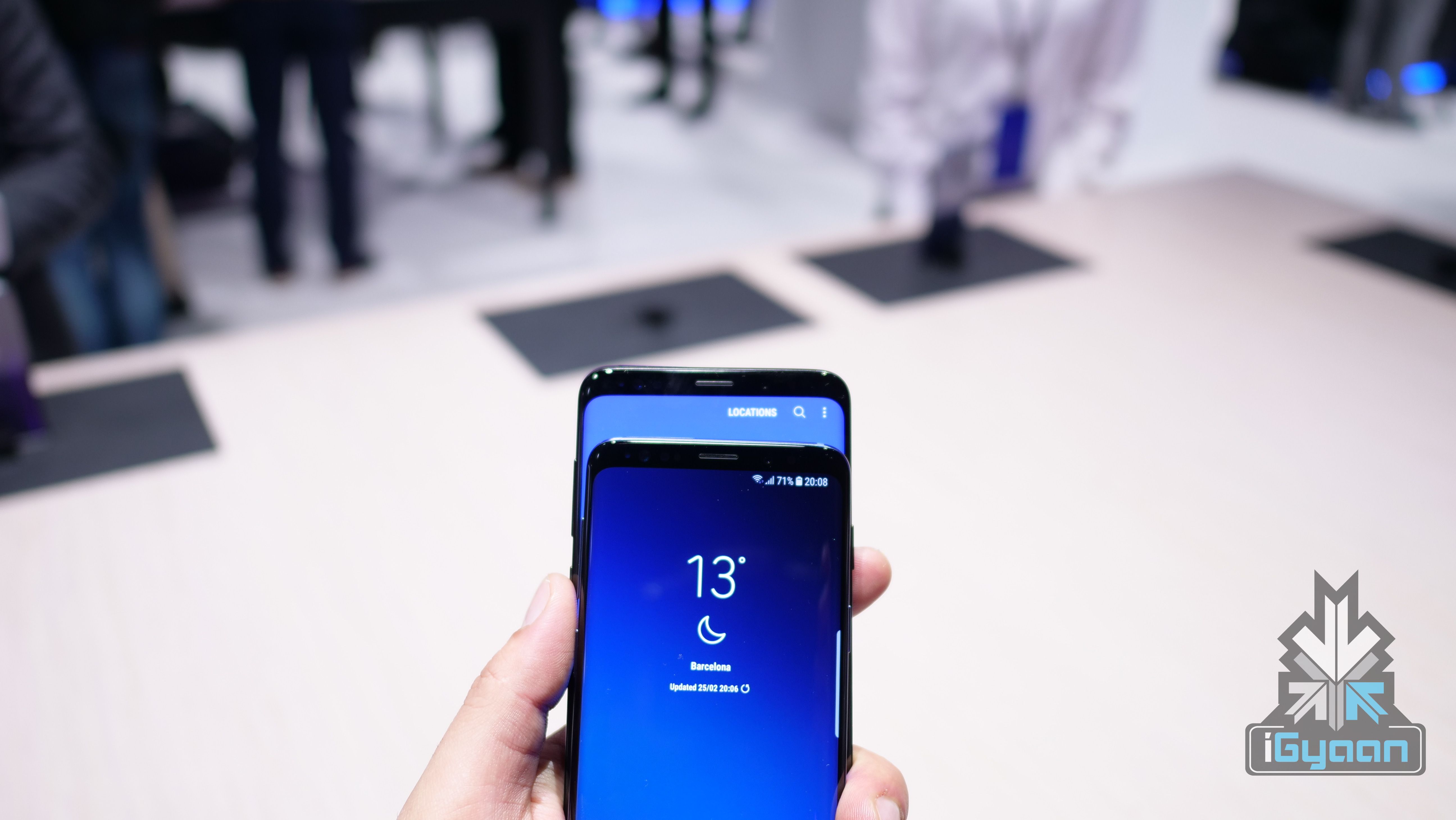
After weeks of multiple leaks, Samsung has launched the Galaxy S9 and Galaxy S9+ at an event in Barcelona. The design, specifications, and a lot of the features were leaked ahead of the launch. The Galaxy S9 is priced at US$ 719.99 for the unlocked version in the US. However, the starting price of the Galaxy S9+ is US$ 839.99. The smartphones will go on sale on the 16th of March globally. In India, the devices will be launched on the 6th of March and go on sale on the 16th of March along with the rest of the world.
The Samsung Galaxy S9 and its bigger sibling, the Galaxy S9+ succeeds the Galaxy S8 and S8+ as the 2018 flagship phones. Unlike the previous generation smartphones, the Samsung Galaxy S9 and Galaxy S9+ have more differences than just the display and battery sizes. Samsung has made the Galaxy S9+ a bit more feature-packed to justify the higher price tag.
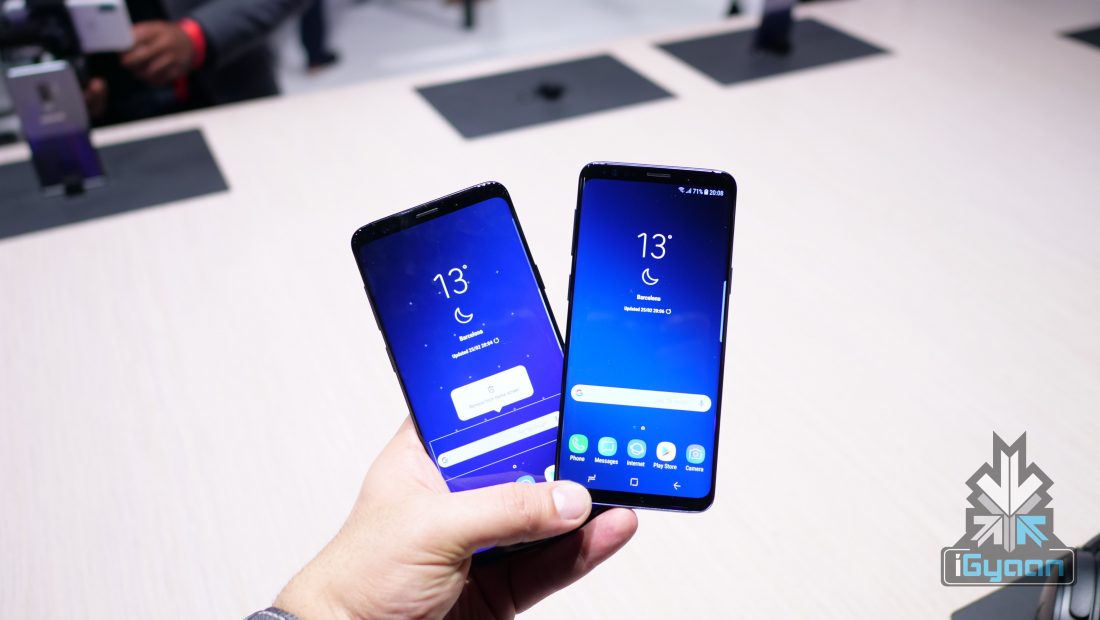
Subsequently, the Samsung Galaxy S9 and Galaxy S9+ look extremely similar to their predecessors. The bezels are slightly thinner but, it is hard to differentiate between the two generations, at least from the front. To the back of the devices is where you see the difference. While the Galaxy S8 and S8+ were two of the most successful Android smartphones of 2017 and were lauded for their looks, there was an issue with the design.
Due to the decreased bezels, Samsung had to move the fingerprint sensor to the back of the phone. However, the execution left a lot to be desired as the sensor was placed next to the camera module. It looks like Samsung took the criticism into consideration. The Galaxy S9 and S9+ come with a fingerprint sensor placed below the camera module. This is a much more ergonomic placement for a rear-facing fingerprint sensor.
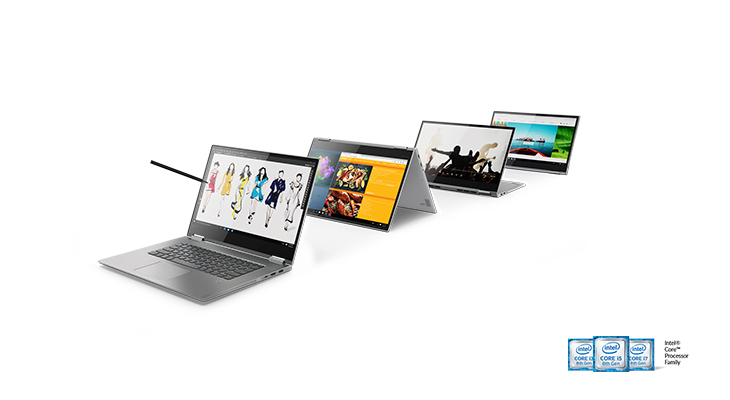
Lenovo launched two new notebooks at MWC 2018. The Lenovo Yoga 730 is a premium offering, which comes with built-in far-field-mics with Alexa AI. The Flex 14 is more of an affordable offering from the company. Both the notebooks are powered by Windows 10 OS.
Pricing and availability:
The Lenovo Yoga 730 comes in Iron Grey and Platinum Silver, which will be available from April, starting at US$ 879.99. The Flex 14 will be available in onyx black colour, which will be available from April, starts at US$ 600.
Design and features:
Both the notebooks from Lenovo offers flip to tablet mode with support for touch input. The display edges have been curved to offer a smoother tablet-using experience on the Lenovo Yoga 730. The Yoga 730 also offers a built-in fingerprint scanner. However, it misses out on the Windows Hello camera feature.
The laptop acts as Alexa hub, which can be used to control other Alexa accessories. However, the notebooks need to be up and running to access Alexa AI.
Specifications of Lenovo Yoga 730:
The Lenovo Yoga 730 comes in 13 inch and 15 inch display with 1980 x 1080p resolution. Under the hood, the notebook is based on 8th generation Intel Core i5 or i7 processor with 8/16GB RAM and 512/1TB SSD. The 13 inch variant is equipped with Intel UHD 620 GPU and the 15 inch variant has a powerful GTX 1050 GPU.
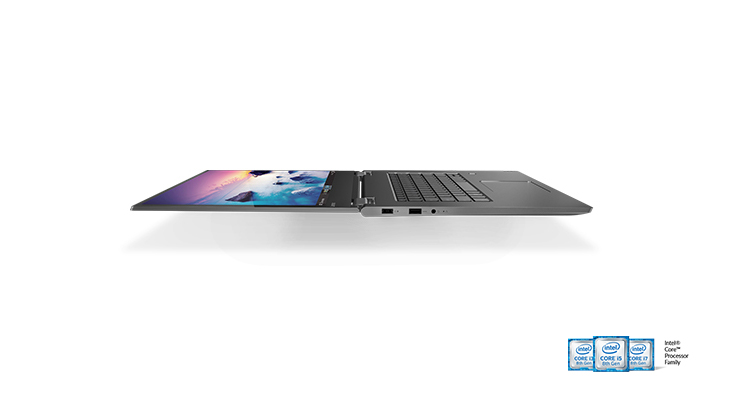
The notebook comes with plenty of port options, including dual Thunderbolt 3 port, one full-sized USB 3.0, USB type C port, and a mini HDMI port. The notebook also supports Active Pen 2, which has to be bought separately. In fact, the Thunderbolt can be used to connect external GPU for additional power.
Specifications of Lenovo Flex 14:
The Lenovo Flex 14 will also be called as Lenovo Yoga 530 in the European markets. As the name suggests, the Lenovo Flex 14 has a 14 inch full HD 1980 x 1080px resolution display with touch input. Similarly, one can choose between the 8th gen Intel Core i5 or i7 processor with up to 16GB RAM. However, the storage is limited to a maximum of 512 GB SSD.
The choice of ports on the Flex 14 includes 2x USB-A 3.0 ports, one USB C 3.1 port, 3.5 mm headphone jack and a mini HDMI port. However, like the Yoga 730, there is no Alexa AI integration.
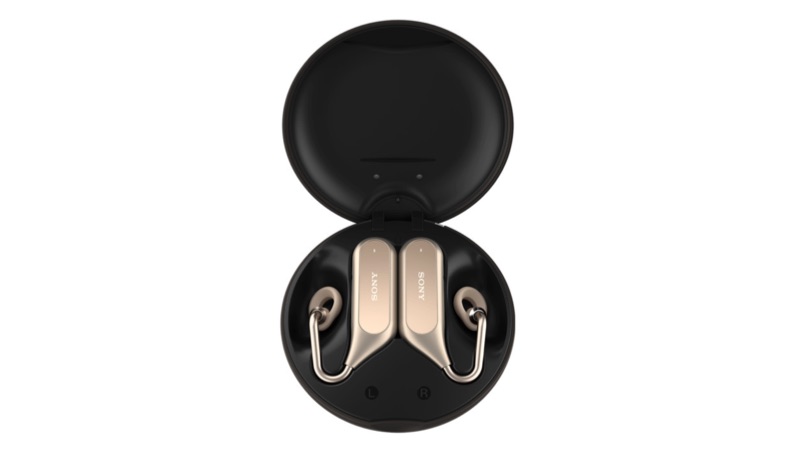
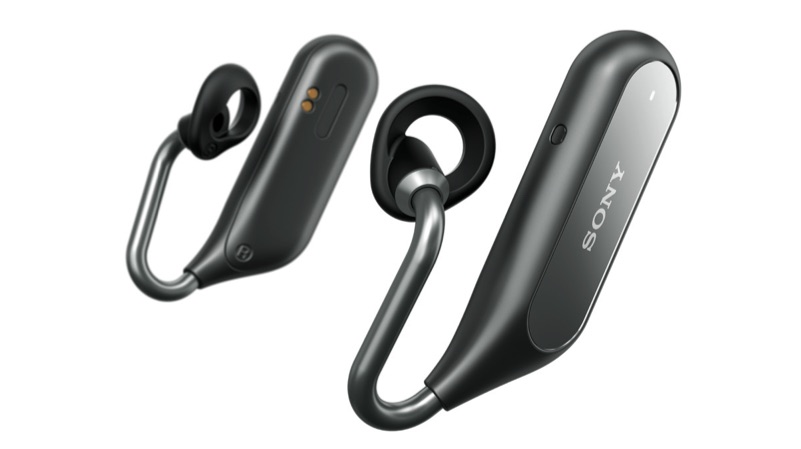
Sony has officially launched the Xperia Ear Duo at MWC 2018. Just like Google, Sony has launched a pair of wireless Bluetooth earphones after removing the 3.5mm headphone jack from its new Xperia XZ2 and XZ2 Compact. These are a universal pair of Bluetooth earphones, which works with iOS and Android devices.
Pricing and availability:
The Sony Ear Duo will be available in selected markets in Black and Gold style from Spring 2018. However, the pricing is yet to be announced.
Hiroshi Ito, Deputy Head of Smart Product Business Group at Sony Mobile Communications said:
Xperia Ear Duo represents what we’ve learned from audio and acoustics research. Ear Duo is the first wireless headset to deliver a breakthrough Dual Listening experience – the ability to hear music and notifications simultaneously with sounds from the world around you.
Features of Sony Xperia Ear Duo:
These wireless earphones are based on the new Sony concept called “Dual Listening”. The earphones bring the capability, which enables to listen to a music track + environmental sound.
Sony has developed a special Spatial Acoustic Conductor, which transmits the sound directly into the ear. The specially designed ring surrounds the ear canal, which blends the music and the sound from the environment seamlessly.
The earphones use AI to adjust the volume according to the external factors, which enables the crystal clear audio listening experience using Sony’s Clear Chase technology. The Xperia Ear Duo are IPX2 certified for splash proof. Which means one can use this while exercising without any worries.
The Sony Xperia Ear Duo is equipped with a low power consuming CXD5602 chipset with a multisensor platform. In fact, the headphones support various head gestures like nodding to decline a call, shaking your head from left to right to change the music etc.
The earphones do not come with a dedicated voice assistance. Instead, one can use voice control to access Google Assistance or Siri. This works in most of the situations due to the quad microphone system.
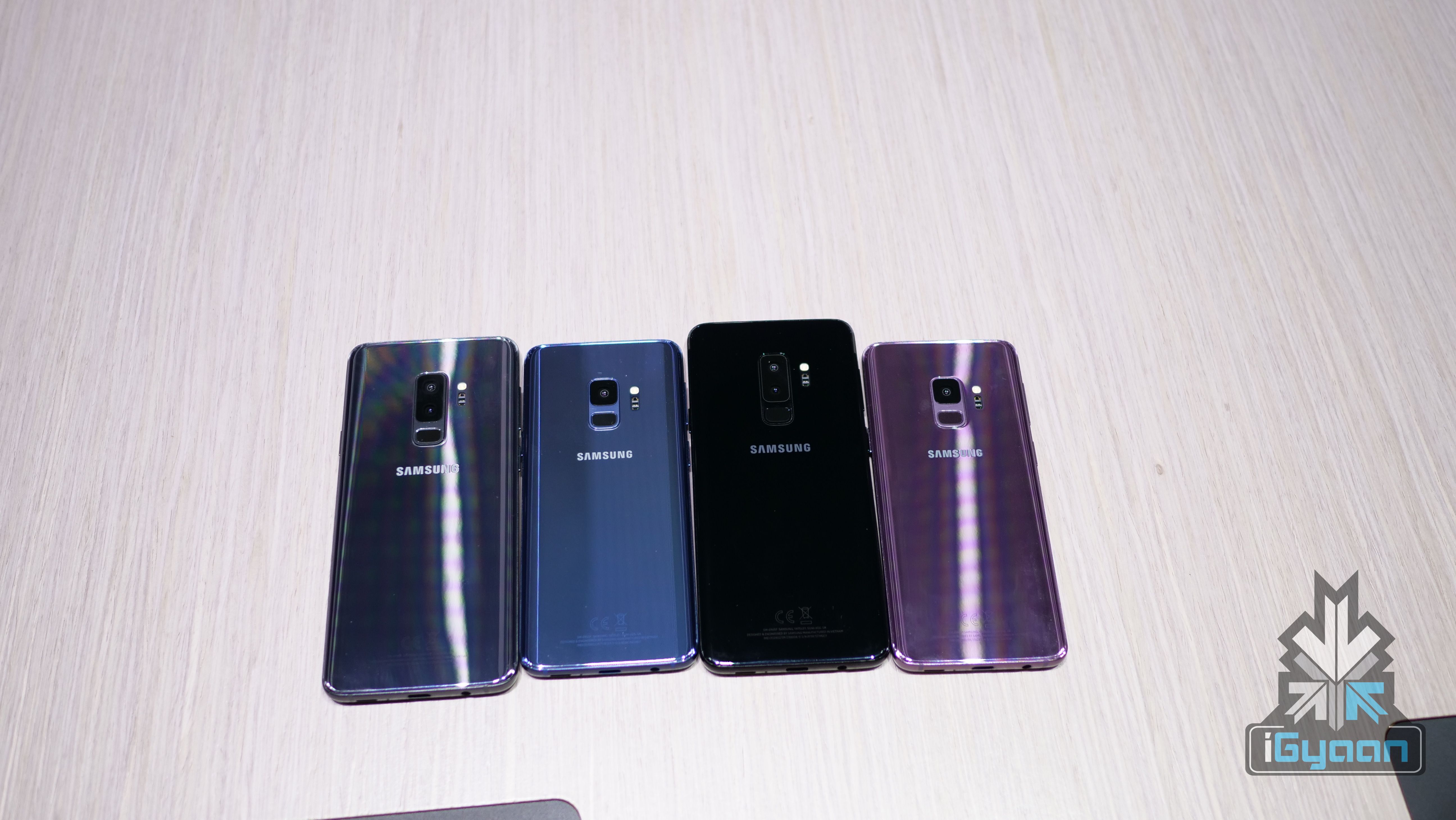
Samsung officially launched the Samsung Galaxy S9 and the Galaxy S9+ at MWC 2018. In the US, the Galaxy S9 is priced at US$ 719.99 and the Galaxy S9+ retails for US$ 839.99. In fact, the direct conversion to Indian rupees comes to around Rs 46,600 and Rs 54,400. However, the price will be higher than that in the Indian market.
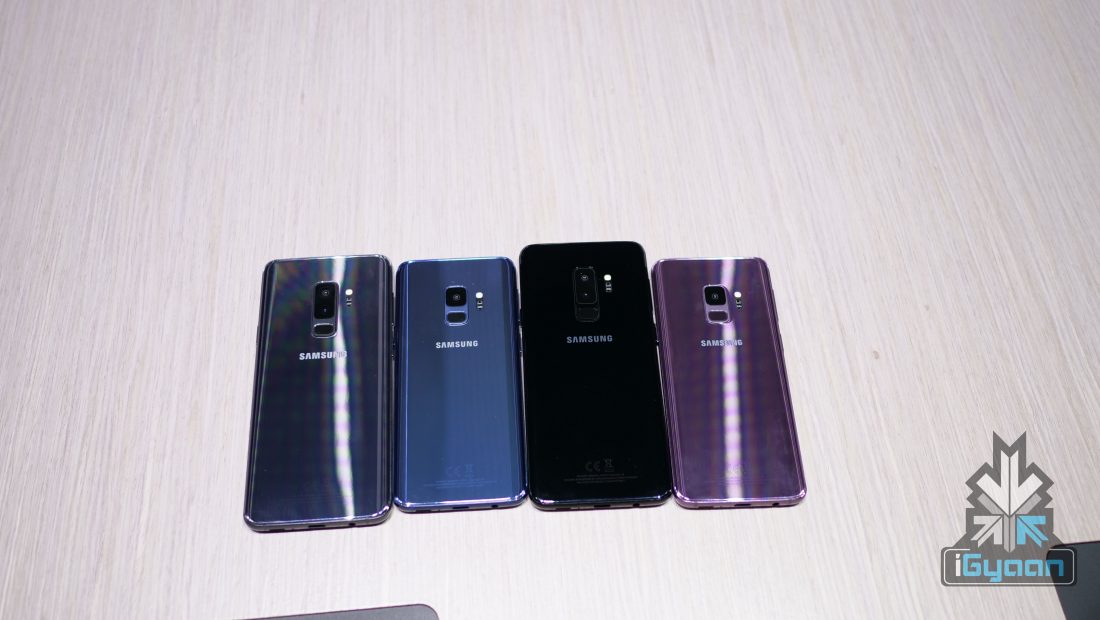
Samsung is yet to make an announcement about the retail prices of these phone in India. However, these phones are already up for pre-booking on the Samsung India official website. The 64GB variant will be available in Midnight Black, Coral Blue, Lilac Purple and the 256GB variant is limited to Midnight Black as of now. However, there is no information about the inclusion of complimentary wireless charging dock for the pre-orders like the Galaxy S7 and S8 pre-booking.
Once the phone goes official, you will receive a text message with the complete pricing details
Apply the pre-book coupon, which adjusts Rs 2000 from the final amount
Specifications of Galaxy S9:
The Samsung Galaxy S9 has a 5.8 inch Super AMOLED display with a 2960 x 1440 px resolution. This translates to an 18.5:9 aspect ratio, which means it is slightly taller than the usual bezel-less smartphones.
The smartphone is powered by the new Exynos 9810 chipset. Coupled with the chipset is 4GB of RAM and 64GB or 256GB of onboard storage. Similar to a lot of Samsung smartphones, the storage will be expandable up to 256GB via a MicroSD card.
The Galaxy S9 has a single Dual Pixel 12 MP sensor with dual /1.5 and f/2.4 apertures. In bright lighting conditions, the camera will use the f/2.4 aperture, while the wider f/1.5 aperture is used in dark lighting conditions. It also captures 720P videos at 960fps and 4K videos at 60fps, similar to the Apple iPhone X. On the front of the smartphone is an 8MP camera with an f/1.6 aperture and records 4K videos.
Specifications of Galaxy S9+:
As is with its smaller sibling, the Galaxy S9+ has the same screen size as the Galaxy S8+. It sports a 6.2 inch Super AMOLED display with a 2960 x 1440 px resolution.
Under the hood, it is powered by the Exynos 9810 chipset. Unlike the Galaxy S9, the S9+ will be available in 6GB RAM/64GB storage and 6GB RAM/256GB models in major markets across the world. Similarly, the phone does support external micro SD cards up to 256GB.
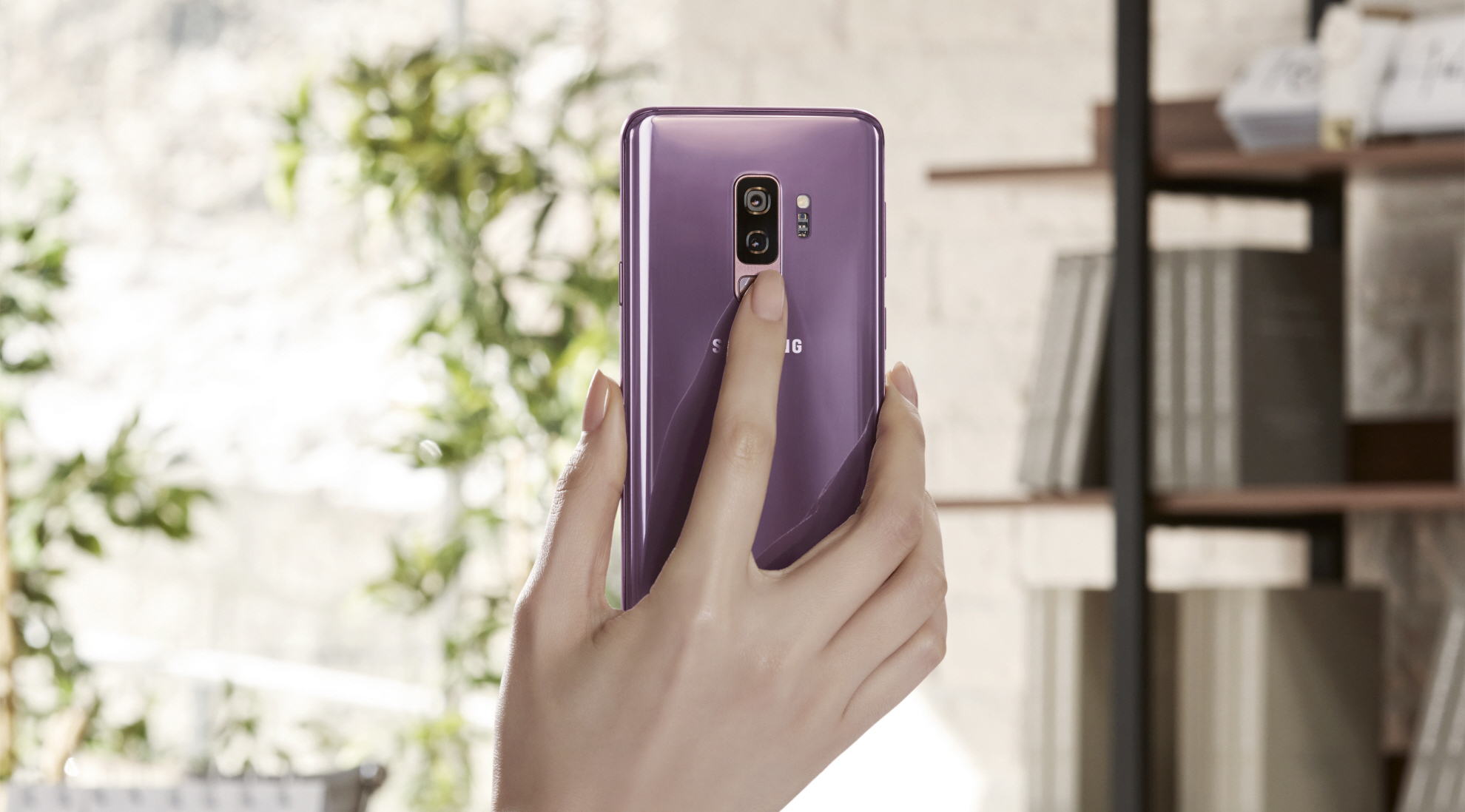
The main difference between the two S9 models this year is in the camera department. Unlike its predecessor, the Galaxy S9+ has a dual-camera setup on the back. The Galaxy S9+ has one wide-angle 12MP camera with an f/1.5 aperture and the other is a 12MP telephoto lens with an f/2.4 aperture. The telephoto lens is the same one found on the Galaxy Note8, which means it has OIS. On the front of the smartphone is an 8MP camera with an f/1.6 aperture and records 4K videos.
Samsung launched the Galaxy Note8 back in August 2017 to a great reception. It built on the success of the Galaxy S8 devices and offered a lot more at a slightly higher price. However, it was still the most expensive Samsung Android device almost touching thousand dollar mark. The Samsung Galaxy S9 and Galaxy S9+, according to early rumours were going to be these radically different smartphones with almost no bezels on the display.
However, that seemed too good to be true and as we moved closer to the imminent launch, we saw more accurate renders. The renders revealed something that will hold true for the smartphone industry in general. As we approach the future of completely bezel-less smartphones, the difference in design between two generations will be minimal. The Galaxy S9 and S9+, represent that future.
Galaxy S8
On the 25th of February, Samsung finally launched its two new flagship smartphones, the Galaxy S9 and Galaxy S9+. As is with almost every launch these days, there was barely anything for Samsung to tell us that would be a surprise.Right from the volume rockers placement to the stereo speakers, everything about the devices was leaked well in advance. However, the Samsung flagship phones will dominate smartphone sales this year and these are two of the most important Android smartphones of 2018.
So, from the Galaxy S8 of 2017 to the Galaxy S9 of 2018, what really has changed, and what remains constant?
Galaxy S9, Galaxy S9+
Design
The Samsung Galaxy S8 and S8+ were some of the best-looking smartphones of 2017. Samsung incorporated its edge design with thinner bezels and called it the “Infinity Display”. The glass on the front and back with a metal frame meant that the smartphones looked stunning. However, they were also fingerprint magnets. Somebody once said, “Don’t fix it if it ain’t broken,” and someone at Samsung followed the philosophy.
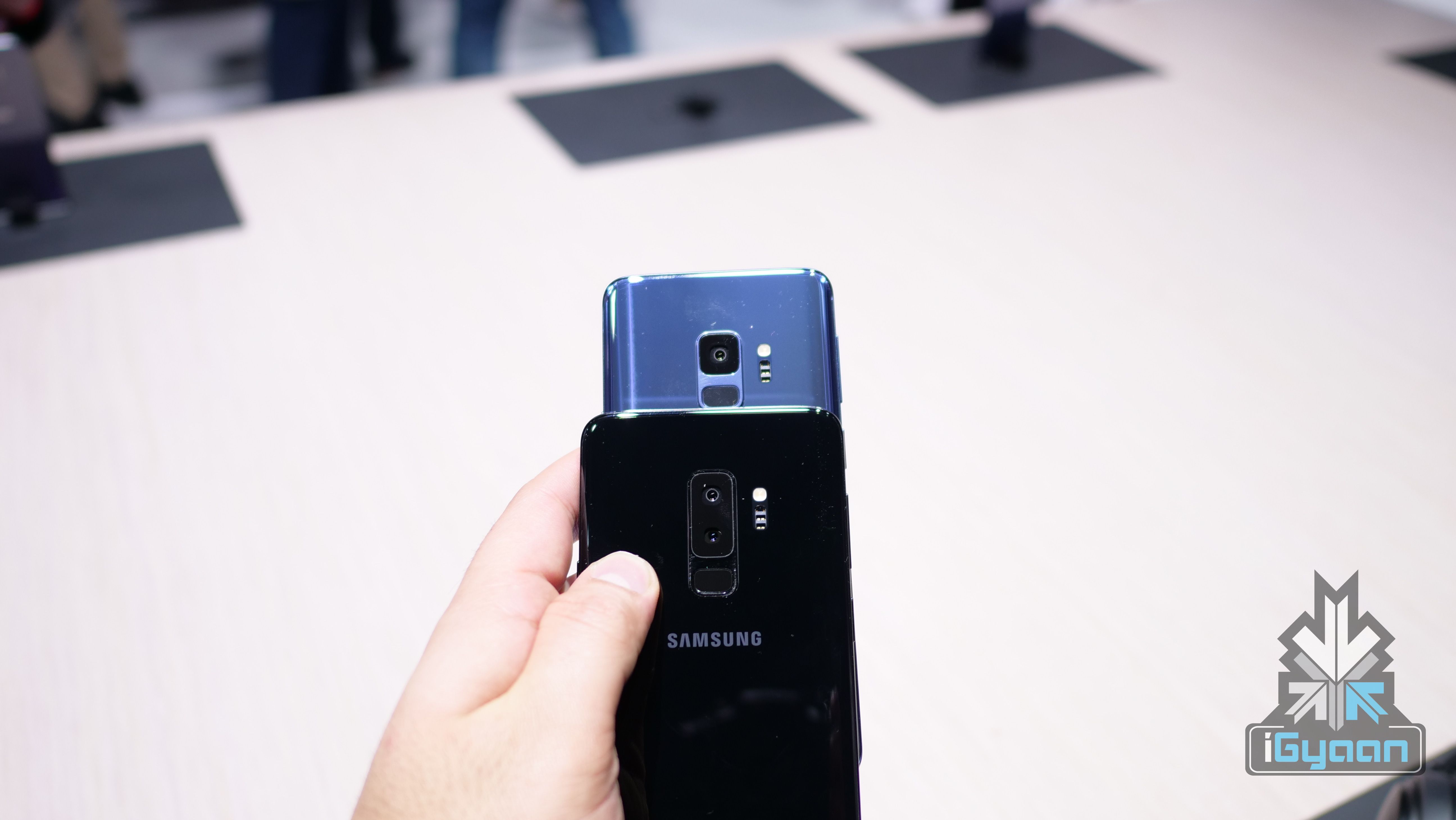
The Galaxy S9 and S9+, barring slightly thinner bezels, look very similar to their predecessors. In fact, it is hard to pick the correct one out when put side by side, at least from the front. To the back is where Samsung has made a necessary change. The Galaxy S8 and S8+, while lauded for their design, had a very suspect fingerprint sensor placement. With the new flagship phones, Samsung has fixed that and moved the sensor below the camera module.
Also, the Galaxy S9+ now has a dual-camera setup which is similar to the Galaxy Note8. However, the Galaxy Note8 had a horizontally placed setup while the S9+ has a vertically placed dual-camera setup.
Galaxy S9, S9+ Colour Variants
Display
The Samsung Galaxy S9 and Galaxy S9+ have the exact same displays as their predecessors. Smaller of the two siblings, the S9 has a 5.8 inch Super AMOLED display while the S9+ has a 6.2 inch Super AMOLED display. Both smartphones have a 2960 x 1440 px resolution which translates to an 18.5:9 aspect ratio. This means that the Galaxy S9 devices are slightly taller than the usual 18:9 devices. The smartphones have a curved display where the edges can be used for shortcuts. This has become a standard for Samsung flagship phones now.
Under The Hood
It is understandable if the design and display don’t get an upgrade over a generation. However, seldom do you see a company launching a new generation smartphone with the same hardware. Same is the case here as well. The Galaxy S9 and Galaxy S9+ are powered by the new and faster chipsets. For the US and South Korean markets, the S9 and S9+ will have the Snapdragon 845 chipset under the hood. For the rest of the world, they will be powered by Samsung’s own Exynos 9810 chipset.
The Galaxy S9 has 4GB of RAM while the Galaxy S9+ has 6GB of RAM. Both the smartphones will be available in 64GB, 128GB and 256GB storage variants which will be expandable via a microSD card. Also, for the first time in the Galaxy S series, Samsung has included a dual stereo speaker setup. These speakers are tuned by AKG and come with Dolby Atmos integration as well. Samsung has also decided to stay away from the herd and include a 3.5mm headphone jack which is great for people who still prefer wired headphones over Bluetooth ones.
Galaxy S9+
Similar to the predecessors, the Galaxy S9 is powered by a 3000 mAh battery while a 3500 mAh battery powers the S9+. Both devices support QuickCharge 4.0 and wireless charging as well. This time around, the iris scanner is more advanced and there is a Face Unlock feature called Intelligent Scan. If someone is not a fan of the rear-facing fingerprint sensor, there are more ways to unlock their smartphone now.
Software
The Samsung Galaxy S9 and S9+ will run Android 8 Oreo out of the box with Experience UI 9.0 on top. Samsung’s custom skin has come a long way since the days of TouchWiz. It definitely holds up for a longer period of time and looks much better. There will be a lot of customisation options as well. In fact, this also means that smartphones like the Galaxy Note8 will also finally start receiving Android 8 Oreo update.
Cameras
Before even unveiling the new smartphones, Samsung revealed what will be new in them. The teaser poster clearly stated that the Galaxy S9 and S9+ will have much better cameras than their predecessors. On paper, that is definitely true but, we will test out the cameras in detail before giving our two cents on it. However, the Galaxy S9 and S9+ do have improved specifications in the camera department.
The Galaxy S9 has retained a single camera setup on the back. It is a Dual-Pixel 12MP camera with a variable aperture of f/1.5 to f/2.4. In bright lighting conditions, the camera will use the f/2.4 aperture, while the wider f/1.5 aperture is used in dark lighting conditions. It also captures 720P videos at 960fps and 4K videos at 60fps, similar to the Apple iPhone X. On the front of the smartphone is an 8MP camera with an f/1.6 aperture and records 4K videos.
The Galaxy S9+ gets a dual-camera setup on the back. The primary 12MP camera is the same one found on the Galaxy S9. The secondary telephoto lens is a 13MP camera with OIS and an f/2.4 aperture. This telephoto lens is the same one found on the Galaxy Note8. As is with S9, it records 720P videos at 960fps and 4K videos at 60fps. This is one more feature where the Galaxy S9 devices will go head to head with the iPhone X.
Some people might call it an Animoji rip off but, Samsung is calling it AR Emoji. Basically, the smartphone captures the face data, analyses it, which allows users to make animated versions of themselves. These can later be customised further. It is a fun feature to have on your smartphone but, you probably won’t spend all that money just for AR Emojis. However, it is something that Samsung demoed at the launch and believes it has enough customisation options to make it interesting.
Conclusion
While there is no information about the exact pricing of the two devices in India, they will be pricier than their predecessors. The pre-booking for the S9 and S9+ has already begun India and will go on sale from the 16th of March. Will you be buying one?
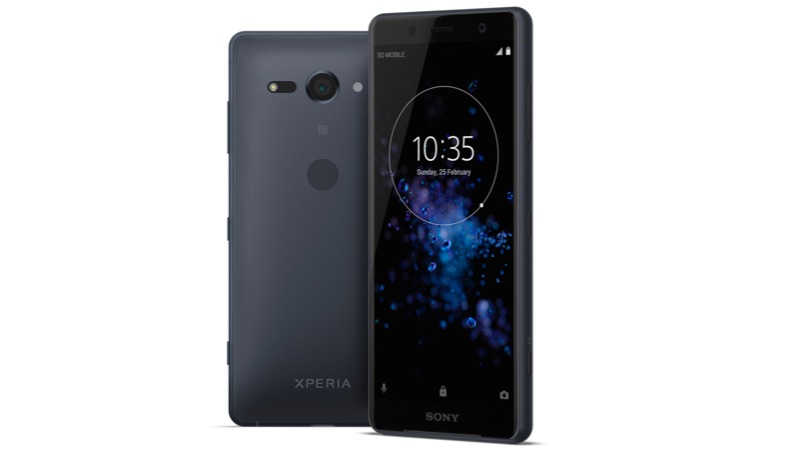
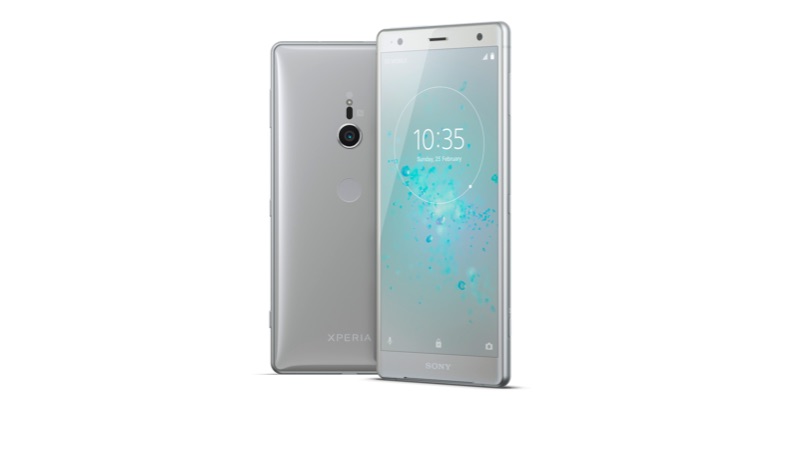
Sony has officially launched the Sony Xperia XZ2 and the Sony Xperia XZ2 Compact at MWC 2018. Both the smartphones have been significantly redesigned inside out, with a new design philosophy.
These are the first batch of smartphones from Sony to boast an 18:9 display with a curvier back. Sony is the second smartphone maker to announce the smartphone based on this new Snapdragon 845 chipset. With this new flagship series, Sony no longer offers 3.5 mm headphone jack.
Pricing and availability:
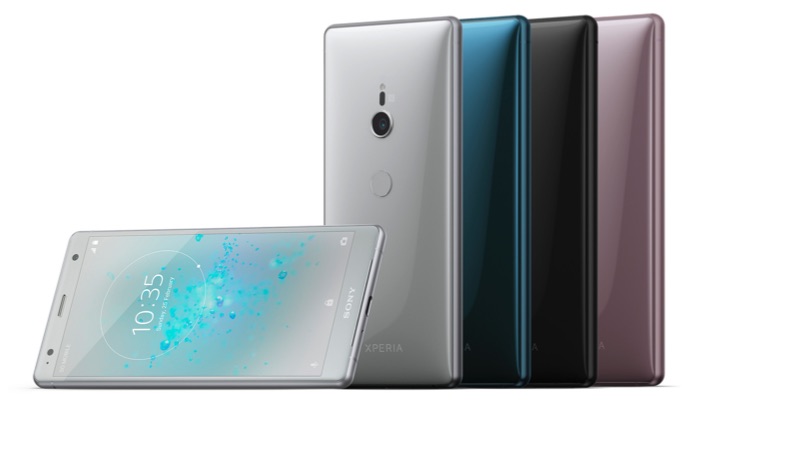
The Sony Xperia XZ2 and the XZ2 compact will be available from March 2018 in Black, White Silver, Moss Green and Coral Pink colours. However, there is no information on the pricing yet.
Specifications of Sony Xperia XZ2 Compact:
The Sony Xperia XZ2 Compact has a 5 inch FHD+ 2160 x 1080px IPS LCD display with 18:9 aspect ratio. Under the hood, the smartphone is powered by Qualcomm Snapdragon 845 Octa-core chipset based on Kryo 385 architecture, with 4GB RAM and 64GB storage. The storage is also expandable using micro SD card up to 400GB.
The smartphone has an “anti-twist” aluminium frame with a “frosted-glass” like polycarbonate shell. Sony claims that the polycarbonate shell is scratch resistance. However, Sony is still missing out on the dual camera setup, which has been widely adopted in the industry.
The phone has a 19 MP primary camera with support for 4K video recording and super slow motion video up to 960 fps. For the front-facing camera, the company is using a 5MP wide-angle lens with f/2.2 aperture that records 1080p videos. In fact, the front camera also comes with EIS. The smartphone runs on Android 8.1 Oreo with the Xperia UI on the top. In fact, even the Xperia XZ had similar slow-motion video recording capability.
The Sony Xperia XZ2 Compact has a 2870 mAh sealed battery with fast charging support. However, the device does not support wireless charging.
Specifications of Sony Xperia XZ2:
Like the Sony Xperia XZ2 Compact, the Sony Xperia XZ2 offers flagship class specifications. The Sony Xperia XZ2 has a bigger 5.7 inch screen with the same 2160 x 1080px resolution. The smartphone is powered by the same Qualcomm Snapdragon 845 chipset with 4GB RAM and 64GB storage. The smartphone also offers support for external SD card. However, the Xperia XZ2 uses a similar aluminium frame with the back panel is made using 3D Gorilla Glass shielding, which enables the wireless charging capability.
However, the cameras found on the Xperia XZ2 are the same as the XZ2 Compact. The smartphone offers a 19 MP primary camera with an f/2.0 aperture and a 5 MP front-facing camera with an f/2.2 aperture.
The phone has a slightly bigger 3180 mAh battery with fast charging and wireless charging capability. Like the compact variant, the Xperia XZ2 is also IP68 certified for the water and dust resistance.
Conclusion:
The Sony Xperia XZ2 and the Sony Xperia XZ2 Compact represents a design change necessary for Sony devices and do not look anything like the Xperia flagships of the yesteryears. However, Sony’s pricing strategy will determine the two smartphone’s fate in markets like India.
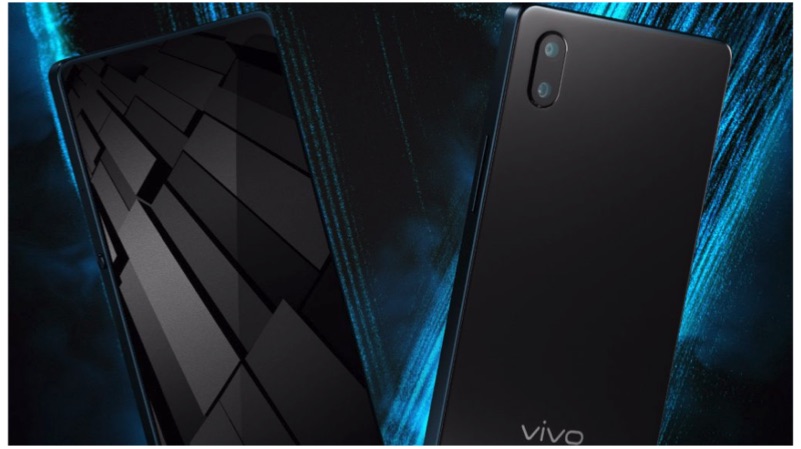
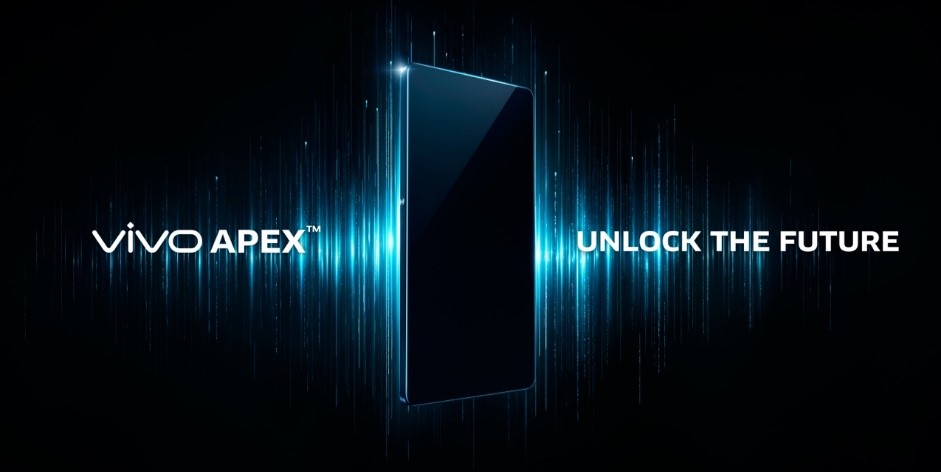
Vivo showcased a smartphone with an in-screen fingerprint scanner at CES 2018. At the ongoing MWC 2018, the company has announced a new concept smartphone with an impressive screen to body ratio. The Vivo APEX FullView is the first production smartphone to achieve this ratio. The smartphone has minimal bezels on all four sides. In fact, the uses a retractable mechanism for the front-facing camera.
However, the company hasn’t revealed the exact tech specifications, pricing, or the availability of the Vivo APEX.
Features:
The Vivo APEX also offers an in-screen fingerprint scanner with a much bigger footprint. Unlike the Vivo X20 Plus UD, half of the screen portion of the Vivo APEX acts as a fingerprint scanner. The device comes with 1.8 mm bezels on three sides with 4.3 mm bezels on the bottom. In fact, it does not have a microphone, instead, it uses the SounCasting technology similar to the one found on the Mi MIX, which turns the entire display into a speaker.
The 8 MP front-facing camera uses elevating mechanism, which rises within 0.8 seconds whenever it is required. The phone uses OLED display, which might use the similar fingerprint scanner unit from Synaptic.
The device also offers a new system in package (SIP) technology to integrate the DAC with three amplifiers, which reduces the space of circuit board up to 60%. The reduction in the circuit size has enabled the company to fit in a larger battery.
Alex Feng, Senior Vice President of Vivo said:
APEX is an iteration of our constant pursuit of setting new industry standards and to deliver the ultimate mobile experience. From breakthroughs in audio, photography to In-Display Fingerprint Scanning Technology, Vivo has remained committed to realizing our vision for future smartphones. What we showcase in this concept phone is only a fraction of our innovation pipeline. We will continue to explore all possibilities to bring the best possible experiences to our consumers.
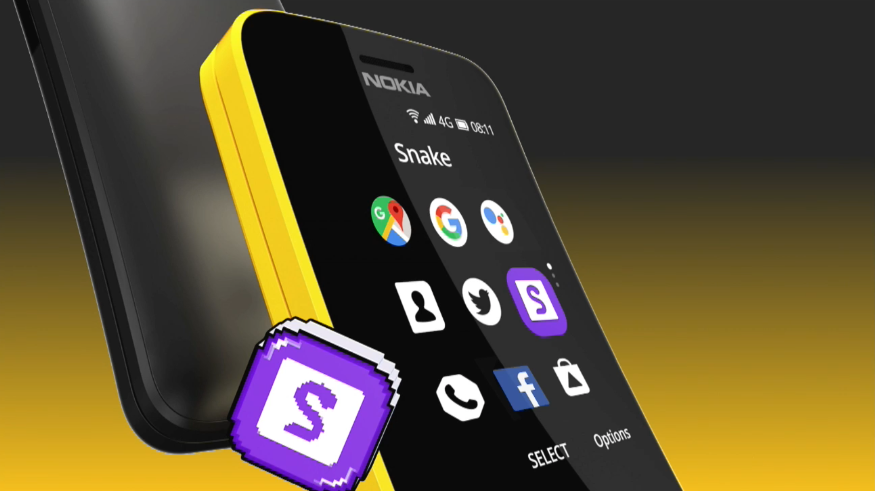
Nokia launches a refreshed version of the infamous version of the Nokia 8810 with 4G capability. The company calls the Nokia 8810 4G as the vacation or weekend phone. However, for the phone of this calibre, it packs powerful internals and an impressive design.
Design:
The Nokia 8110 4G comes with unique curved design, with a swappable keypad cover, which comes in black and banana yellow colour. However, the device will be available from April 2018 for an average price of 79 Euros.
The Nokia 8810 4G takes the design hints from the original Nokia 8810, which was launched in 1998. The phone comes with a T4 keypad with a replaceable back panel. The design does bring back the nostalgia feelings back into 2018.
Specifications:
The Nokia 8810 4G comes with a 2.4-inch display with 240x 320 px resolution. Under the hood, the smartphone is powered by Qualcomm Snapdragon 205 1.1 Ghz dual core chipset with 512 MB RAM and 4GB onboard storage. However, the smartphone does memory expansion using an external SD card.
The phone comes with 2 MP primary camera with an LED flash, with VGA quality video recording capability. The phone packs in a user replaceable 1500 mAh battery with micro USB port for charging and data syncing. However, there is no front-facing camera on the phone, which is little disappointing.
The device supports dual SIM cards with support for 2G, 3G and 4G LTE networks. In fact, the 4G data can be wirelessly shared using the built-in WiFi hotspot feature. Unlike the Nokia 8 Sirocco, the Nokia 8810 does retain the 3.5 mm headphone jack.
The smartphone runs on custom Smart Feature OS, which comes with Google Maps, Google Assistance and Google Now. In fact, it also features apps like Facebook and Twitter. Additional apps can also be downloaded via the app store.
After weeks of multiple leaks, Samsung has launched the Galaxy S9 and Galaxy S9+ at an event in Barcelona. The design, specifications, and a lot of the features were leaked ahead of the launch. The Galaxy S9 is priced at US$ 719.99 for the unlocked version in the US. However, the starting price of the Galaxy S9+ is US$ 839.99. The smartphones will go on sale on the 16th of March globally. In India, the devices will be launched on the 6th of March and go on sale on the 16th of March along with the rest of the world.
The Samsung Galaxy S9 and its bigger sibling, the Galaxy S9+ succeeds the Galaxy S8 and S8+ as the 2018 flagship phones. Unlike the previous generation smartphones, the Samsung Galaxy S9 and Galaxy S9+ have more differences than just the display and battery sizes. Samsung has made the Galaxy S9+ a bit more feature-packed to justify the higher price tag.
As expected, the Samsung Galaxy S9 and Galaxy S9+ look extremely similar to their predecessors. The bezels are slightly thinner but, it is hard to differentiate between the two generations, at least from the front. To the back of the devices is where you see the difference. While the Galaxy S8 and S8+ were two of the most successful Android smartphones of 2017 and were lauded for their looks, there was an issue with the design.
Due to the decreased bezels, Samsung had to move the fingerprint sensor to the back of the phone. However, the execution left a lot to be desired as the sensor was placed next to the camera module. It looks like Samsung took the criticism into consideration. The Galaxy S9 and S9+ come with a fingerprint sensor placed below the camera module. This is a much more ergonomic placement for a rear-facing fingerprint sensor.
The Samsung Galaxy S9 and S9+ have a new feature similar to Apple’s Animojis. It is called AR Emoji. Basically, the smartphone captures the face data, analyses it, which allows users to make animated versions of themselves. These can later be customised further.
Samsung Galaxy S9
The Samsung Galaxy S9 has a 5.8 inch Super AMOLED display with a 2960 x 1440 px resolution. This translates to an 18.5:9 aspect ratio, which means it is slightly taller than the usual bezel-less smartphones.
Depending on the market, the Galaxy S9’s chipset will vary. For the US and South Korean market, the S9 will be powered by the Qualcomm Snapdragon 845 chipset. The Galaxy S9 and S9+ are the first-ever smartphones launched with the new flagship chipset. For the rest of the world, it will be powered by the new Exynos 9810 chipset. Coupled with the chipset is 4GB of RAM and 64GB of onboard storage. Similar to a lot of Samsung smartphones, the storage will be expandable up to 256GB via a MicroSD card.
Out of the box, the Samsung Galaxy S9 will run Android 8 Oreo out of the box with Experience 9.0 on top. Powering the smartphone will be a 3000 mAh battery, just like the Galaxy S8. The smartphone will have QuickCharge 4.0 compatibility and support wireless charging. Similar to its predecessor, the Galaxy S9 also has an IP68 rating for water and dust resistance. The Galaxy S9 also has a dual stereo speaker system tuned by AKG and Dolby surround sound.
The Galaxy S9 has a single Dual Pixel 12 MP sensor with dual /1.5 and f/2.4 apertures. In bright lighting conditions, the camera will use the f/2.4 aperture, while the wider f/1.5 aperture is used in dark lighting conditions. It also captures 720P videos at 960fps and 4K videos at 60fps, similar to the Apple iPhone X. On the front of the smartphone is an 8MP camera with an f/1.6 aperture and records 4K videos.
Samsung Galaxy S9+
As is with its smaller sibling, the Galaxy S9+ has the same screen size as the Galaxy S8+. It sports a 6.2 inch Super AMOLED display with a 2960 x 1440 px resolution.
Under the hood, it will either be powered by the Snapdragon 845 chipset or Exynos 9810. This will again depend on whether it is being sold in the US, South Korea or rest of the world. Unlike the Galaxy S9, the S9+ will be available in 6GB RAM/64GB storage, 6GB RAM/128GB storage and 6GB RAM/256GB models in major markets across the world.
Out of the box, the Galaxy S9+ will also run Android 8 Oreo out of the box with Experience 9.0 on top. Powering the smartphone will be a 3500 mAh battery, just like the Galaxy S8+. The smartphone will have QuickCharge 4.0 compatibility and support wireless charging. Similar to its predecessor, the Galaxy S9+ also has an IP68 rating for water and dust resistance.
The main difference between the two S9 models this year is in the camera department. Unlike its predecessor, the Galaxy S9+ has a dual-camera setup on the back. The Galaxy S9+ has one wide-angle 12MP camera with an f/1.5 aperture and the other is a 12MP telephoto lens with an f/2.4 aperture. The telephoto lens is the same one found on the Galaxy Note8, which means it has OIS. On the front of the smartphone is an 8MP camera with an f/1.6 aperture and records 4K videos.
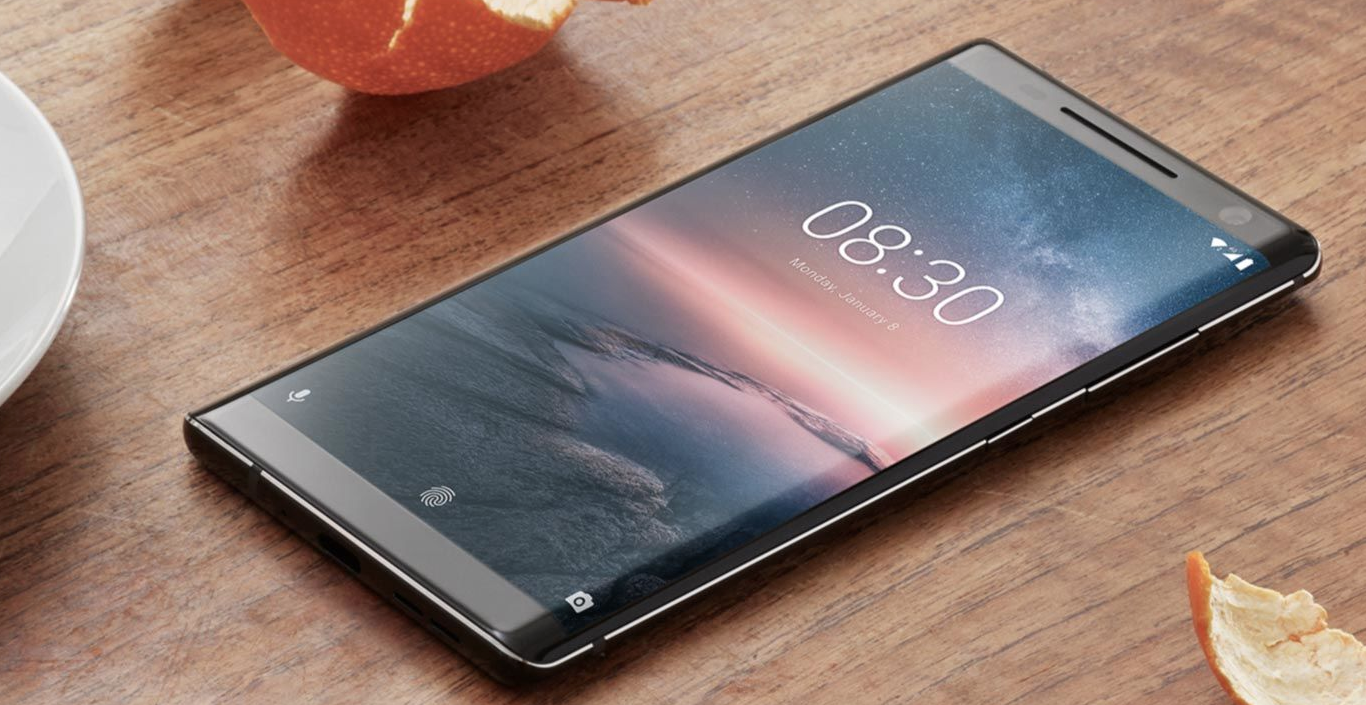
Nokia has officially launched the Nokia 8 Sirocco edition at MWC 2018, which will be available from April 2018 for 749 Euros. In fact, this is the most premium smartphone that supports Android One Programme.
The smartphone is constructed from a single block of stainless steel like the Apple iPhone X. This makes the Nokia 8 Sirocco a strong smartphone, as stainless steel is 4 times harder than the Aluminium, with IP67 water and dust resistance certification. In fact, it measures 7.5 mm at its thickest point and 2 mm at it thinnest. This is the first Nokia Android smartphone to support wireless charging.
Specifications:
The Nokia 8 Sirocco has a 5.5 inch pOLED QHD+ 2560 x 1440 px display with 18:9 aspect ratio. The display offers a dual curved design with the vacuum moulding technology with Gorilla Glass 5. The device is powered by Qualcomm Snapdragon 835 chipset with 4GB RAM and 128GB storage.
The Nokia 8 Sirocco comes with dual primary camera setup, powered by Zeiss. The primary 12 MP sensor has an f/1.75 aperture with 1.4-micron pixel size and the secondary 13 MP telephoto lens has an f/2.6 aperture. The device has a 5 MP front-facing camera with f/2.0 aperture and 1.micron pixel size. In fact, the primary camera setup found on the smartphone is exactly similar to the Nokia 7 Plus’s camera specifications.
The device does offer additional features like NFC, 4G VoLte, Bluetooth 5.0, and a rear-facing fingerprint scanner. However, this is the first Nokia smartphone to remove the 3.5 mm headphone jack.
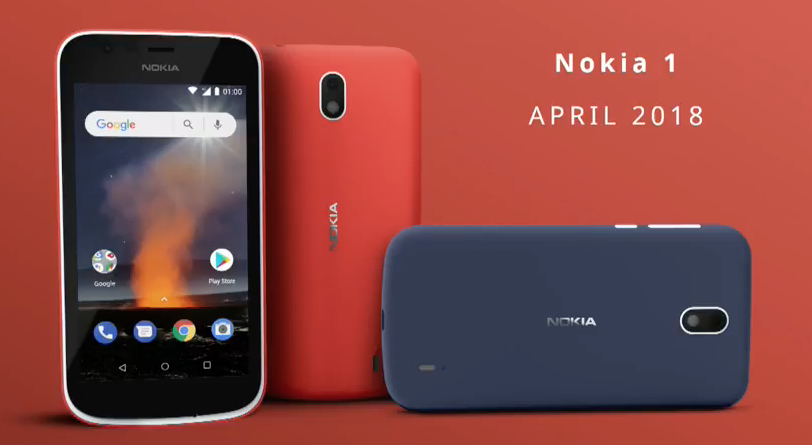
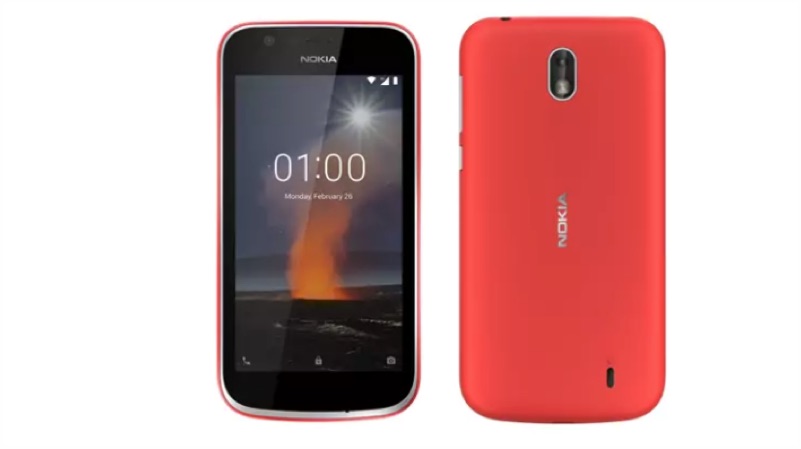
HMD Global has launched the Nokia 1 at an event in Barcelona along with a few other smartphones like the Nokia 7 Plus. The Nokia 1, as speculated, is an entry-level Android Go device which will retail for US$ 85 (Rs. 5500 approx.), excluding taxes and subsidies. However, the company has claimed that this a global price. Hence, it is expected to be launched in India at a price of Rs. 5000 or less.
The Nokia 1 will be the most affordable Android smartphone from the company, which right now, is the Nokia 2. While there are no details pertaining to its launch in India, the Nokia 1 will go on sale in April globally. It will be available in Dark Blue and Warm Red colour variants. Along with that, the company will also sell Xpress-on covers priced at $7.99 (Rs. 500 approx.) in Azure, Grey, Yellow and Pink colours.
Specifications
The Nokia 1 4.5 inch FWVGA display with an 854 x 480 px resolution. Under the hood, the Nokia 1 has the MediaTek MT6737M chipset with a 1GHz quad-core processor. This is coupled with 1GB of LPDDR3 RAM and 8GB of onboard storage.
Out of the box, the smartphone will run Android 8.1 Oreo based Android Go operating system. Powering the smartphone will be a 2150 mAh battery which the company claims will deliver up to 9 hours of talk time and up to 15 days of standby time.
Android Go
Google claims that Android Go’s Oreo edition will be a variant of Android Oreo that a manufacturer can just set by ticking off a configuration flag. What this basically does is that it sets up the phone to use the “Go” versions of a handful of Google apps such as the main Google app, Google Assistant, Google Maps, Gmail, and others.
Google claims that the smaller apps and slimmer OS can as much as halve the amount of storage that’s taken up by default on a new phone running default OS.
Conclusion
While the Nokia 1 seems like an interesting phone, the Indian entry-level market has come competition. If it launches at the global price, the Nokia 1 will compete with the likes of Xiaomi Redmi 5A which offers much better specifications at a similar price point. However, this will depend on the pricing of the smartphone.