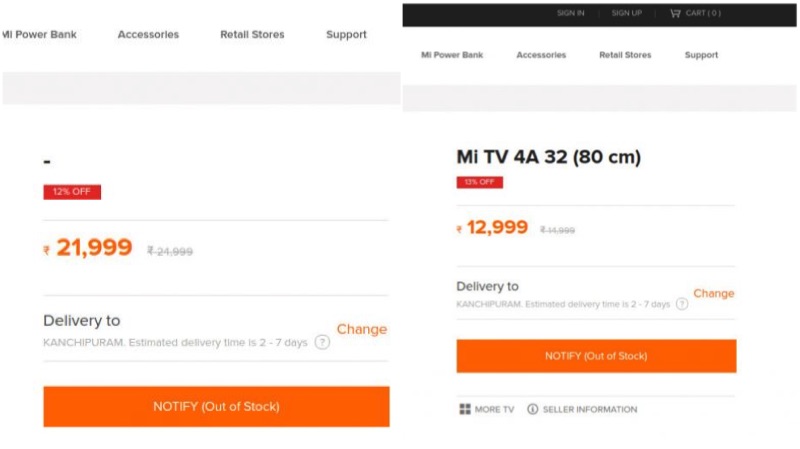
Update: Xiaomi India has removed the listings from the website.
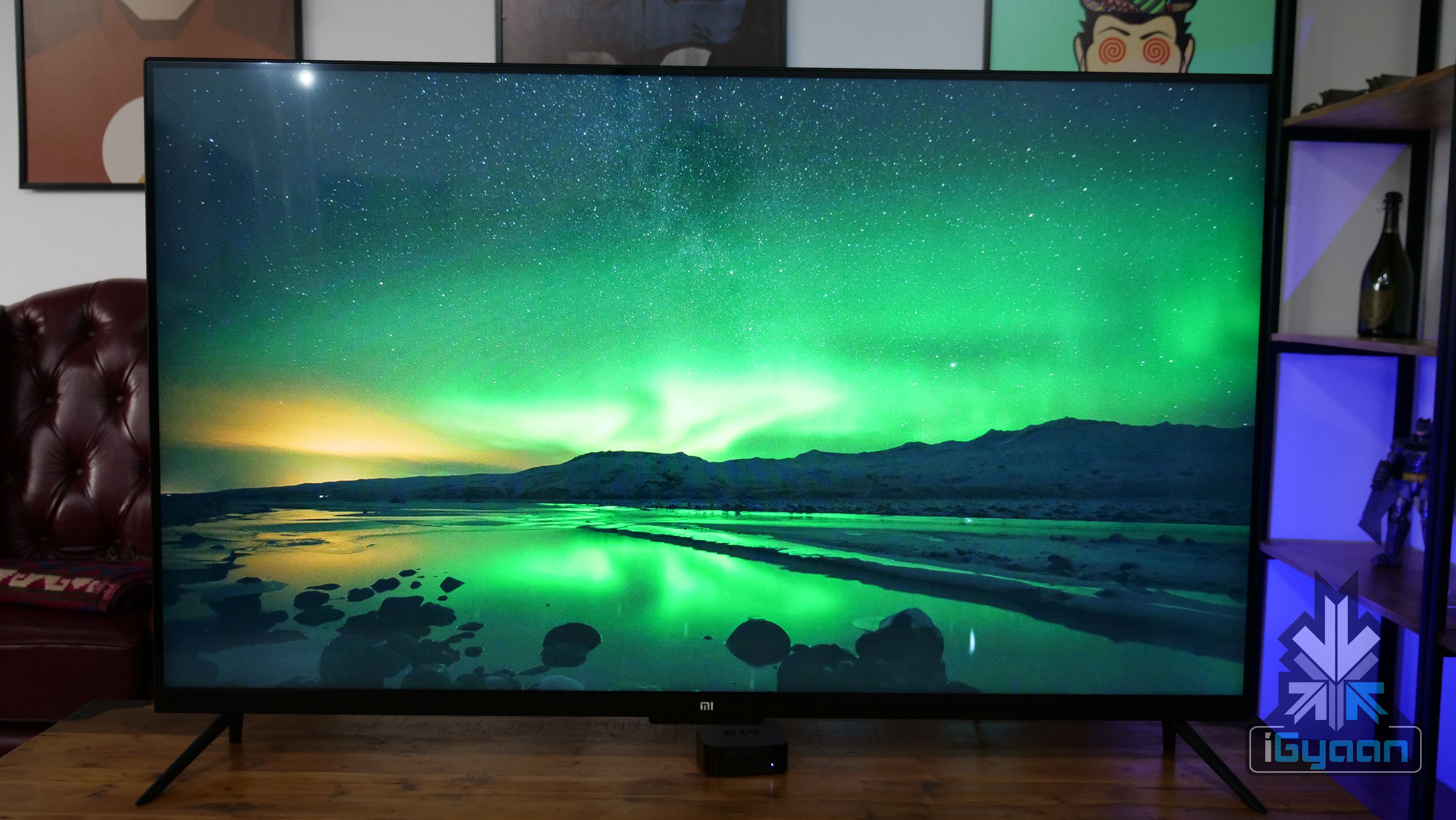
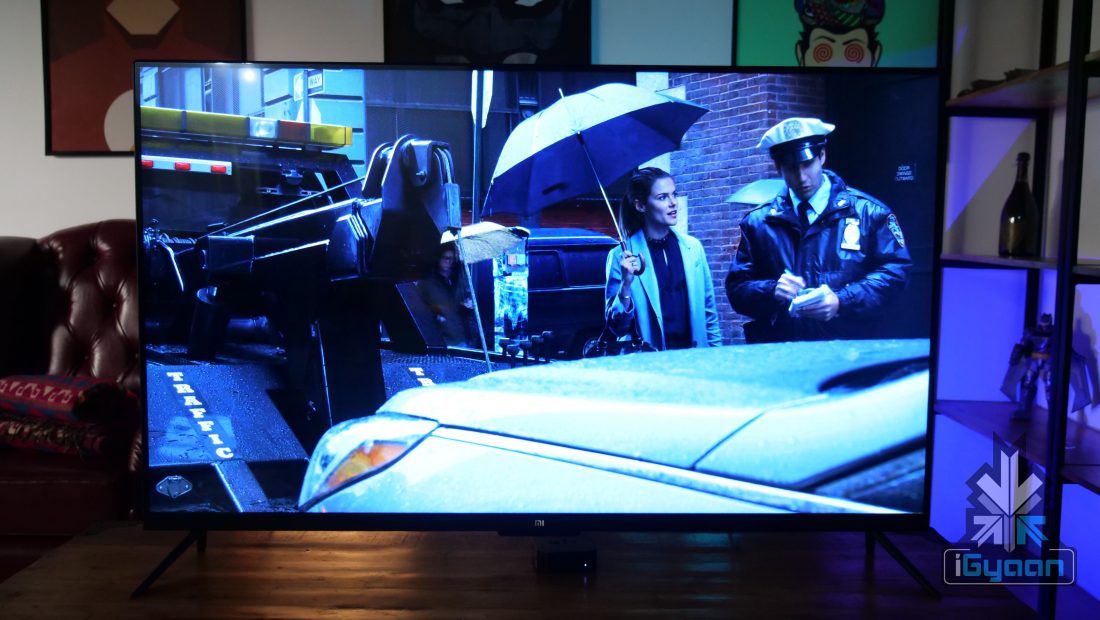
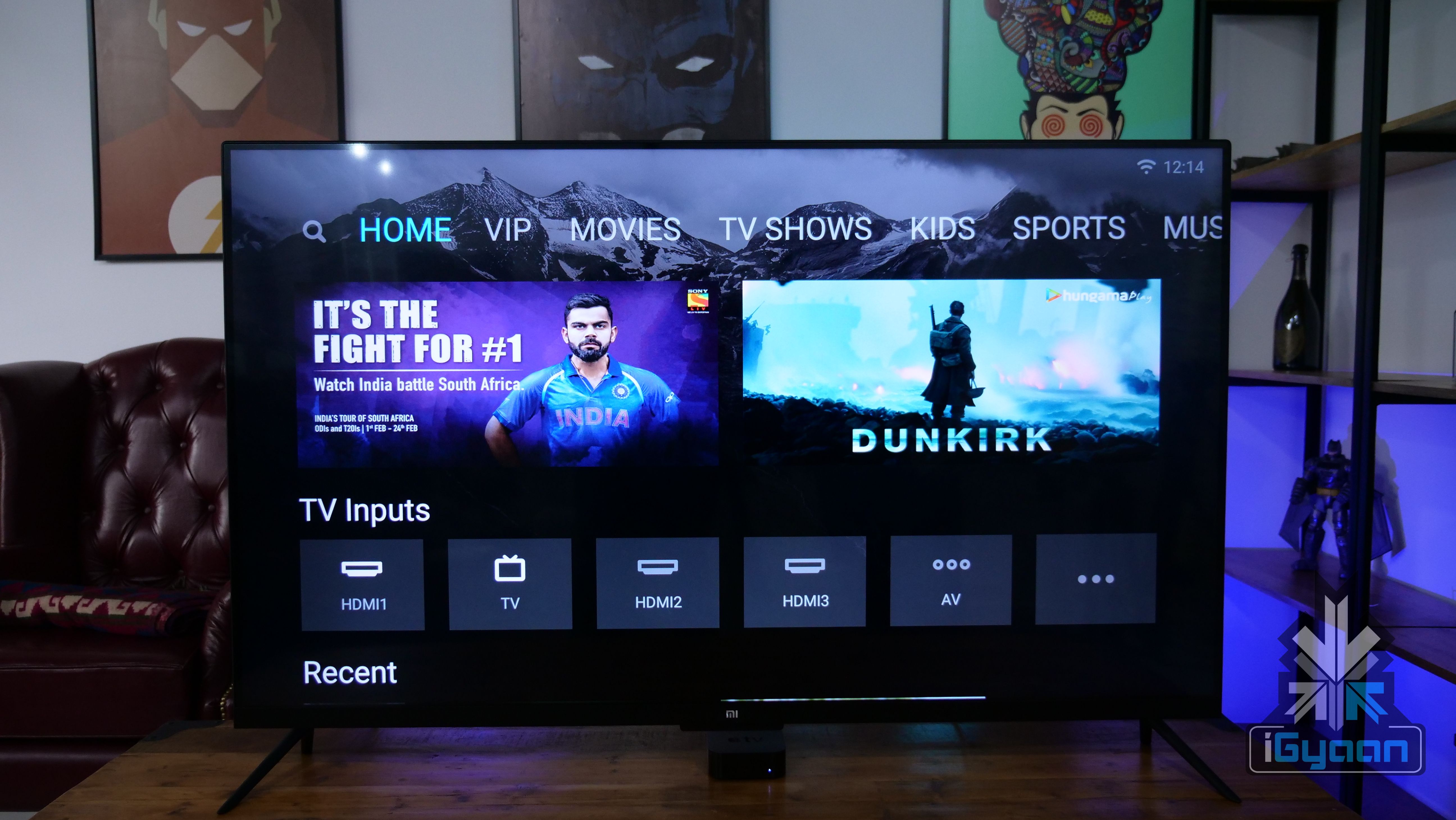
Xiaomi India is expected to launch the Xiaomi Mi TV 4A in India in the next few days. The company might launch the 32 inch and 43 inch version of the TV in India. Subsequently, the prices of these TVs have also been leaked online. In fact, the televisions are expected to look like the Xiaomi Mi TV 4.
According to the listing found on the Xiaomi, the 32 inch model is priced at Rs 12,999 and the 43 inch model is priced at Rs 21,999 respectively. However, nothing can be said with 100% surety as of now.
Xiaomi Mi TV 4A 32 inch
The Xiaomi Mi TV 4A 32 inch has a 13366 x 768px LCD screen. The panel offers up to 3000:1 contrast ratio. Similar to the Mi TV 4, the TV runs on custom PatchOS based on Android OS powered by Amlogic 1.5 GHz Quad-core chipset with 1GB RAM and 4GB storage. The TV does support WiFi 802.11 b/g/n, dual HDMI port and a USB 2.0 port. However, do note that this specific model does not have Bluetooth connectivity. So, one cannot use Mi smart remote.
Xiaomi Mi TV 4A 43 inch
The Xiaomi Mi TV 4A 43 inch has a Full HD 1980 x 1080 px LG panel with 178-degree viewing angle. Similarly, the TV is powered by Amlogic Quad-core processor with 2GB RAM and 8GB Storage. The TV is powered by Xiaomi’s custom PatchOS based on Android OS. The 43 inch model gets Bluetooth support, which will be missing in the 32 inch model. In fact, this TV has all the smart features like the original Mi TV 4.
Features
Xiaomi Mi TV 4A 32 inch
Xiaomi Mi TV 4A 43 inch
Display
1366 × 768px LCD Display with 3000:1 contrast ratio
Barcelona, Spain hosted yet another edition of MWC 2018 in February. While smartphones like the Galaxy S9 and Xperia XZ2 were heavily leaked, there were a few surprise launches that caught a lot of attention. Nokia, for instance, launched as many as 5 devices. So, what are the top five smartphones that launched at MWC 2018? Let’s find out!
Samsung Galaxy S9, Galaxy S9+
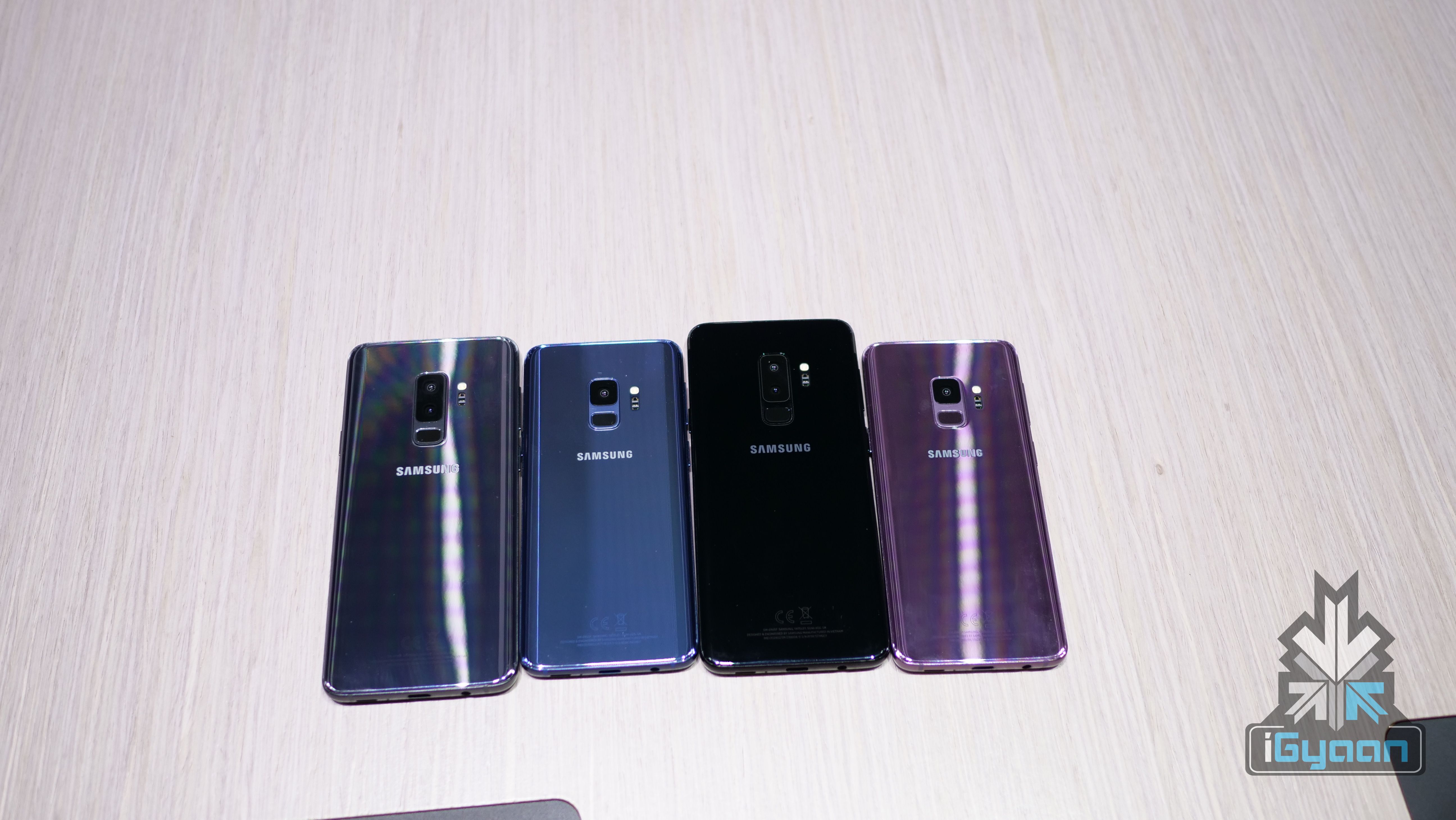
Galaxy S9, S9+ Colour Variants
This is an obvious entry on the list. The Galaxy S9 and S9+ were the most anticipated smartphones of MWC 2018. Follow up to 2017’s successful flagship duo, a lot was expected from the Galaxy S9 and S9+. As was expected from the numerous leaks, the Galaxy S9 and S9+ did not look too different from their predecessors.
However, there are a few important upgrades that could be interesting. First one is in the camera department. The Galaxy S9 and S9+ now feature a variable aperture. The Dual Pixel 12 MP sensor has a dual f/1.5 and f/2.4 aperture. In bright lighting conditions, the camera will use the f/2.4 aperture, while the wider f/1.5 aperture is used in dark lighting conditions. It also captures 720P videos at 960fps and 4K videos at 60fps, similar to the Apple iPhone X.
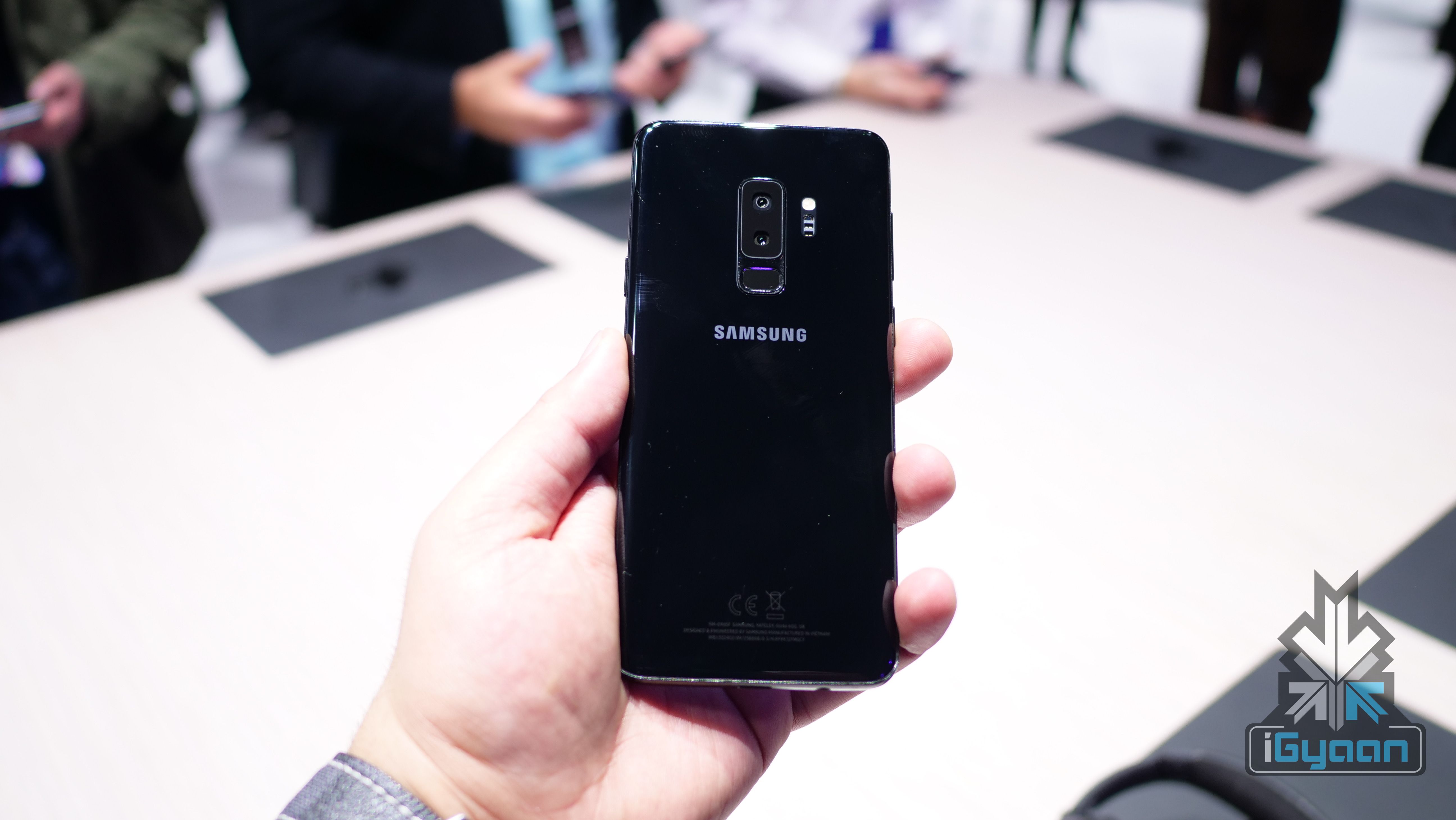
Also, the fingerprint sensor is finally placed below the camera module, something we saw on the Galaxy A8+ as well. The S9 has a single camera setup while the S9+ now has a dual-camera setup similar to the Galaxy Note8. Both the smartphones will be launched in India on the 6th of March and go on sale on March 16th.
This smartphone is not a consumer-ready product yet. However, it is still one of the coolest devices displayed at MWC 2018. Over the years, MWC has been a witness to some amazing concept phones. Even this year, Nokia was expected to unveil the Penta-lens concept phone. However, that did not happen. But, Vivo did turn up and one-upped its CES 2018 unveiling.
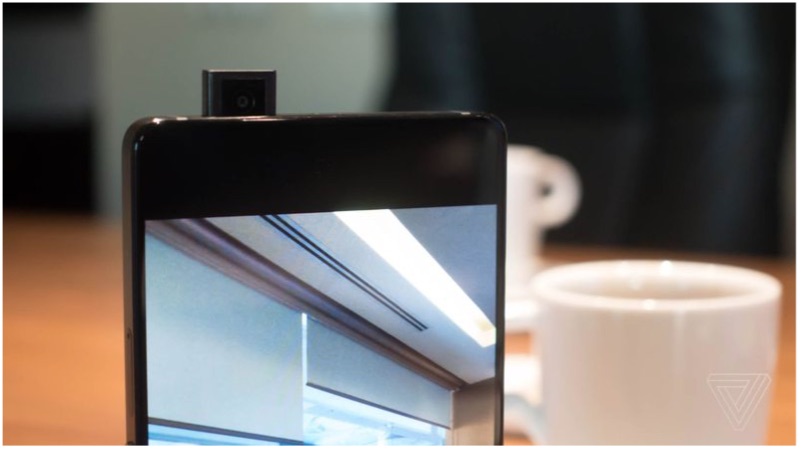
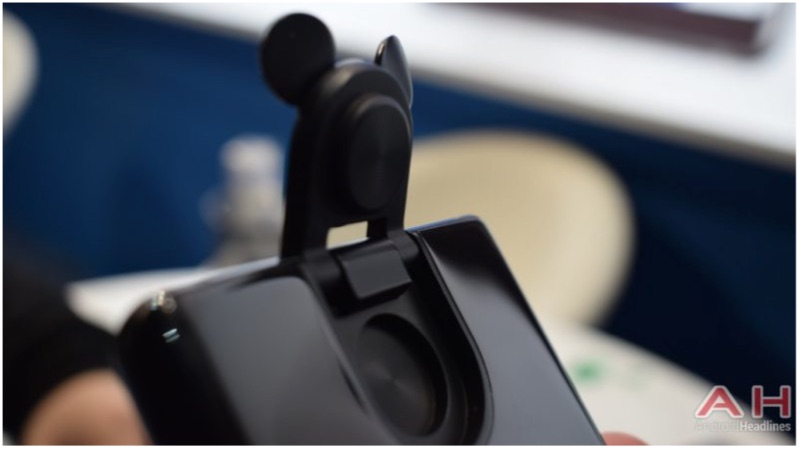
The Vivo Apex has an in-display fingerprint sensor that covers almost half the display. While the Vivo X20 Plus UD only had a regular-sized fingerprint sensor underneath the display. In fact, this is not even the most interesting feature of the Apex. To accommodate probably the thinnest bezels on a smartphone, Vivo came up with a very different implementation of the front camera. The Apex has a hidden front camera which pops out every time it has to be used.
Although it is still a concept phone, the implementation is very interesting here. Let’s hope more companies come up with consumer-ready products with such intricate and satisfying design elements.
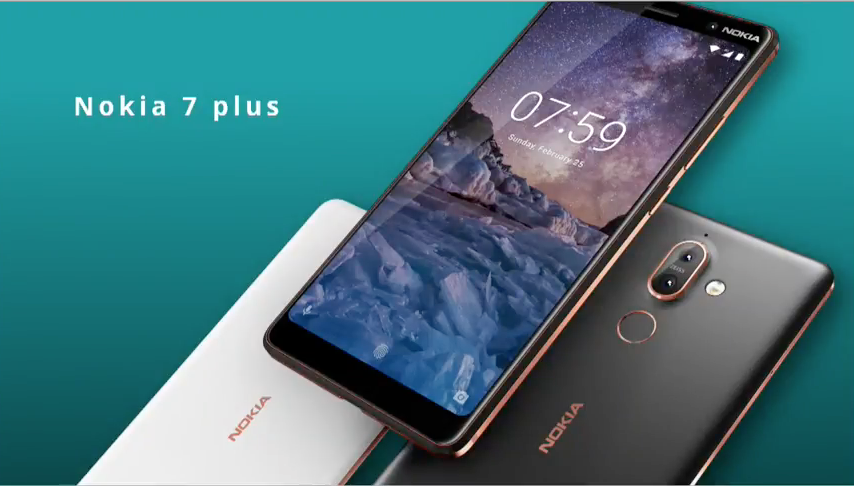
HMD Global launched not one, not two, but five devices at MWC 2018. Apart from the smartphones, it also announced that all Nokia devices will now be Android One devices. The Nokia 7 Plus, another heavily leaked device was one of the five phones to be launched. Along with the Nokia 8 Sirocco, the Nokia 7 Plus is the only Nokia smartphone with an 18:9 aspect ratio and thin bezels. A follow up to the China-only Nokia 7, the 7 Plus has a great design and build quality.
Under the hood, the 7 Plus has the Qualcomm Snapdragon 660 chipset and 2.2GHz octa-core processor. That is coupled with 4GB of RAM and 64GB of onboard storage which will be expandable via microSD card. The fingerprint sensor is now placed on the back and has the similar colour accents found on the Nokia 6 (2018).
If the European price of the smartphone is anything to go by, it will have a steep price in India. However, for it to work in the Indian market, HMD Global will have to price below Rs. 25000 to keep the Honor View10 at bay, which has flagship specifications and costs Rs. 28999. At under Rs. 25000, the 7 Plus will compete with the likes of the Moto X4.
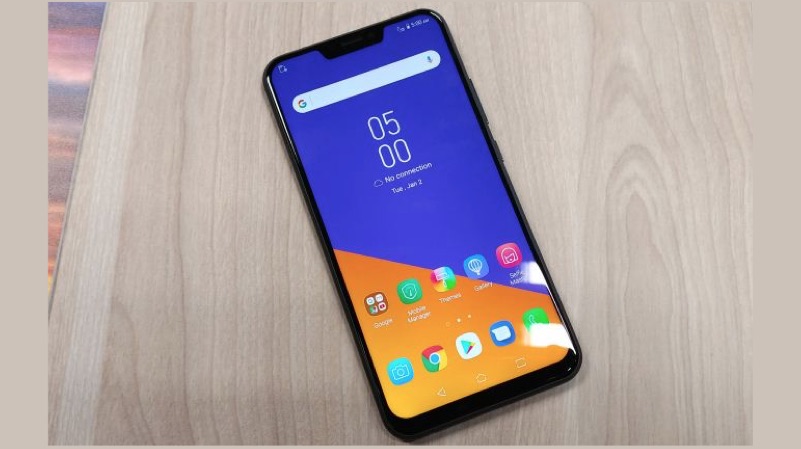
At MWC 2018, companies like Sony and Samsung were expected to launch Snapdragon 845 powered smartphones. However, the most interesting device powered by the flagship chipset was unveiled by Asus. Apparently, this smartphone flew under the radars of leakers online and Asus had a worthy unveiling in its hands. From the moment you look at it, the Zenfone 5Z looks like an iPhone X lookalike.
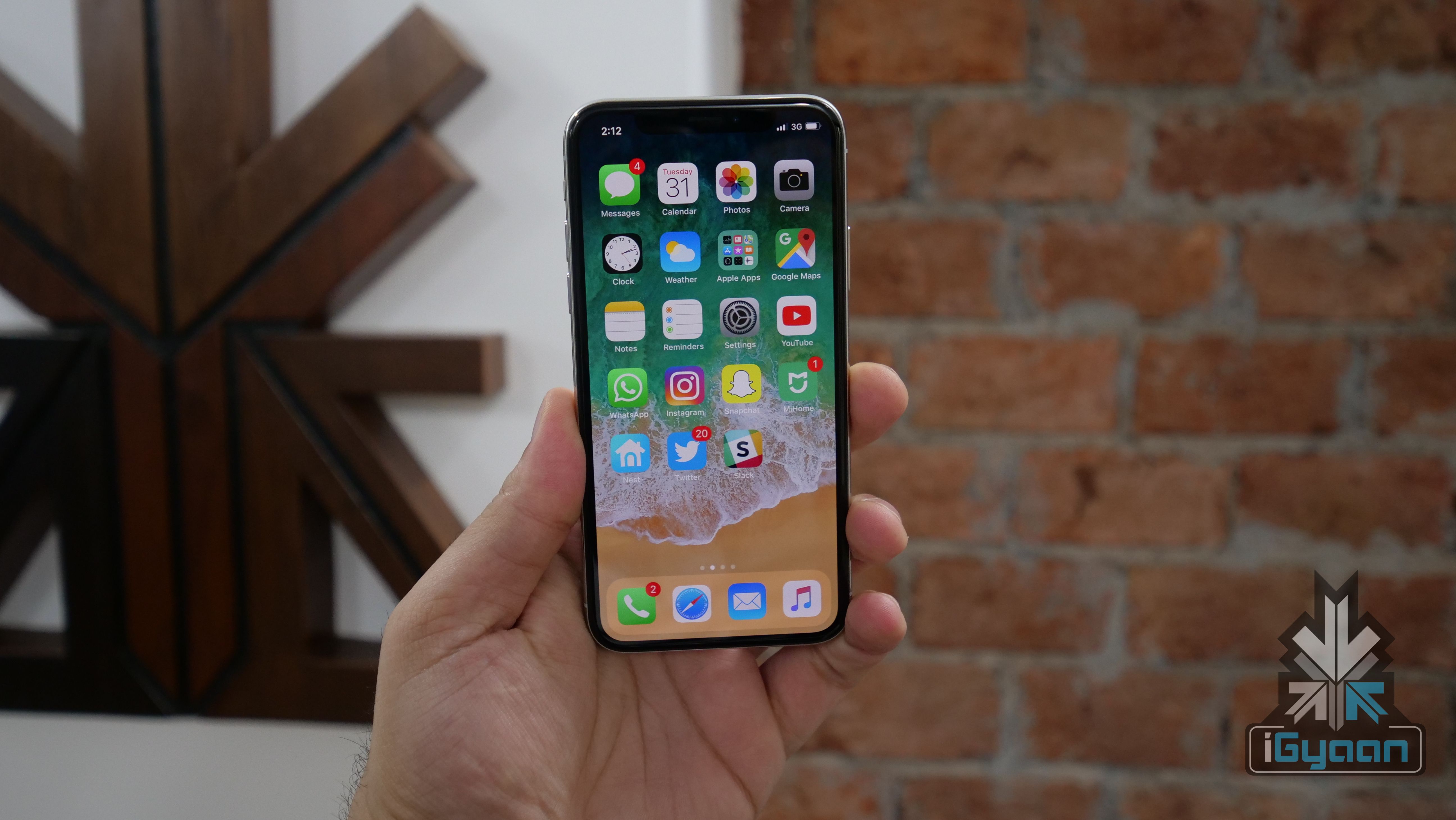
Although Asus claims the notch on the Zenfone 5Z is smaller than that of the iPhone X, it is still a notch. Also, one thing that the iPhone X achieved was uniform bezels around the display, thanks to the notch. However, the Zenfone 5Z kind of defeats the purpose of a notch as it also carries a thicker chin. That being said, the flagship Asus device has a lot going on for it.
If and when Asus launches the Zenfone 5Z in India, it could nullify the effect of the OnePlus 5T if launched at a price of Rs. 40,000 or less. That is until the OnePlus 6 is launched.
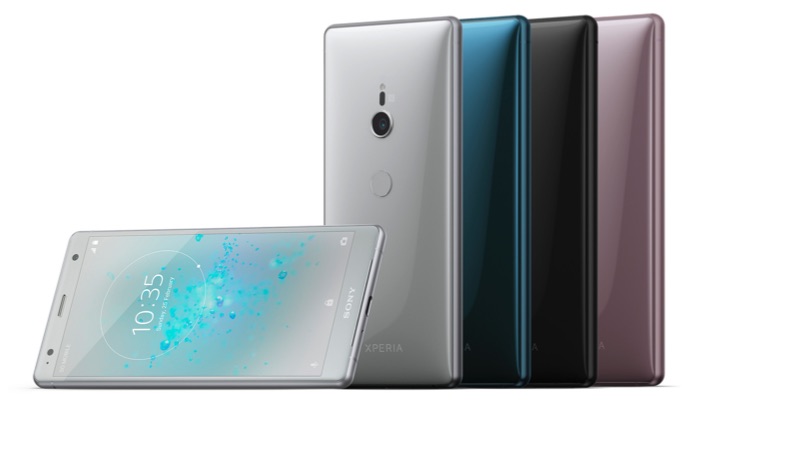
For the past couple of years, Sony smartphones have failed to capture the imagination of many consumers. Even in 2017, when many smartphone makers made a shift to bezel-less design, Sony continued to launch its signature boxy style devices. However, that finally changed at MWC 2018. Sony unveiled the Xperia XZ2 and Xperia XZ2 Compact with an 18:9 aspect ratio and thin bezels. However, still not the thinnest bezels you’ll see this year.
The Sony Xperia XZ2 and the smaller sibling also run on the latest and greatest Snapdragon 845 chipset. Apart from the Galaxy S9 and Zenfone 5Z, they are the only devices to run on the new flagship chipset. Sony still has a single camera setup on the front and back. So, it has still clinged on to a few Sony signature features.
Even for the Sony Xperia XZ2 and XZ2 Compact, the devices will have to be priced competitively in India.
Xiaomi’s Mi TV 4 is one of the best smart TV that one can get for the budget of Rs 40,000. However, the 55-inch size with 4K resolution is not everyone’s cup of tea. In fact, the 55 inch TV from Xiaomi is too much for an average Indian house. To bridge this gap, the company might launch a new TV with 42 inch screen size with 1o80p resolution. Similarly, the TV is likely to be called as Xiaomi Mi TV 4 Lite.
The Xiaomi Mi TV 4 Lite will have all the features of the Original model with a smaller footprint. The TV will have a 1080p panel, which will be similar most of the TVs. Not only that, it will have all the smart TV functionalities as well.
In terms of pricing, the Xiaomi Mi TV 4 Lite is expected to be priced around Rs 20,000 price mark. If they can launch a smart TV the price tag similar to the speculated one, then this will be a blockbuster.
Samsung started the OLED trend in the early smartphone days. Now, most of the premium smartphone makers including Apple and LG have shifter to OLED screens.
OLED screens are known to produce better colours, better contrast ratio and consume low energy. Similarly, they are also known for the premature burn-in issues as well. According to a leak, Xiaomi might be the next smartphone maker to make LCD to OLED technology shift on its upcoming smartphones.
A Recent report suggests that Xiaomi ordered 1.1 million 6.01 inch OLED displays in December and 2.2 million in the second month from Samsung. This means the upcoming Xiaomi Mi MIX 2S and the Xiaomi Mi 7 might feature 6.01 inch OLED displays.
Expected features of Xiaomi Mi 7
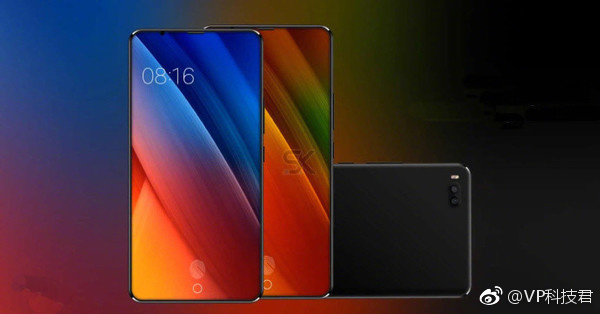
The Xiaomi Mi 7 will be the successor of the Xiaomi Mi 6, which is expected to go official in the Q2 of 2018. Considering the fact that, the smartphone features an OLED display, the smartphone might also feature an In-display fingerprint sensor like the Vivo APEX.
The Xiaomi Mi 7 will be powered by Qualcomm Snapdragon 845 chipset with at least 4GB RAM and 64GB Storage. We might also see models with higher RAM and storage as well. The recent partnership with the Xiaomi and Wireless Power Consortium (WPC) indicates that the smartphone might support Qi-based wireless charging.
Expected features of Xiaomi Mi MIX 2S
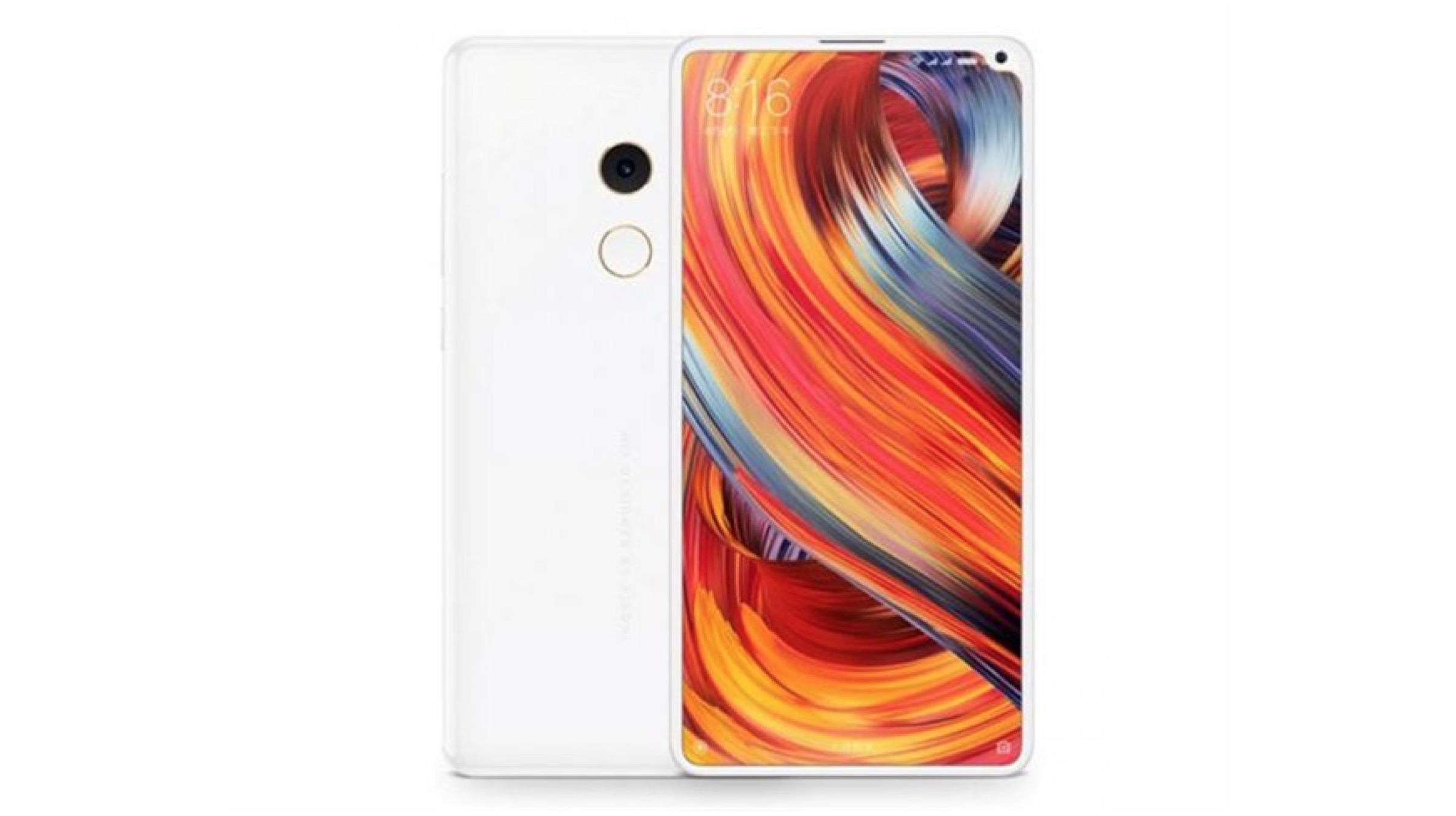
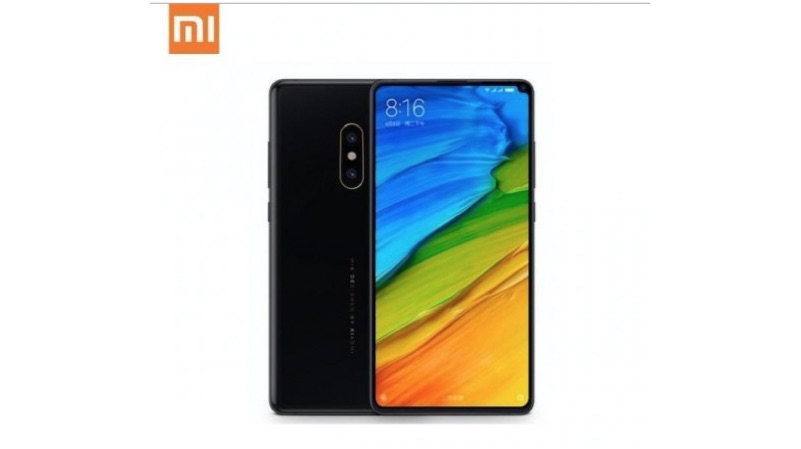
Most of the specifications of the Xiaomi Mi MIX 2S are already known. In fact, the company announced that the Mi MIX 2S will be powered by Qualcomm Snapdragon 845. The smartphone will be launched in China on 27th March. Similarly, the smartphone will have a notch on the right corner, which houses the front-facing camera.
As this is a premium smartphone, we are anticipating 8GB RAM and 256GB storage. This time around, the Mi MIX 2S is expected to offer superior camera performance compared to the Mi MIX.
Unlike the Xiaomi Mi 7, the MIX 2S has a rear-facing fingerprint sensor. The device will have a massive 4400 mAH Li-ion battery with fast charging. However, we are unsure about the wireless charging, as the last two Mi MIX models featured ceramic panel, which doesn’t support wireless charging.
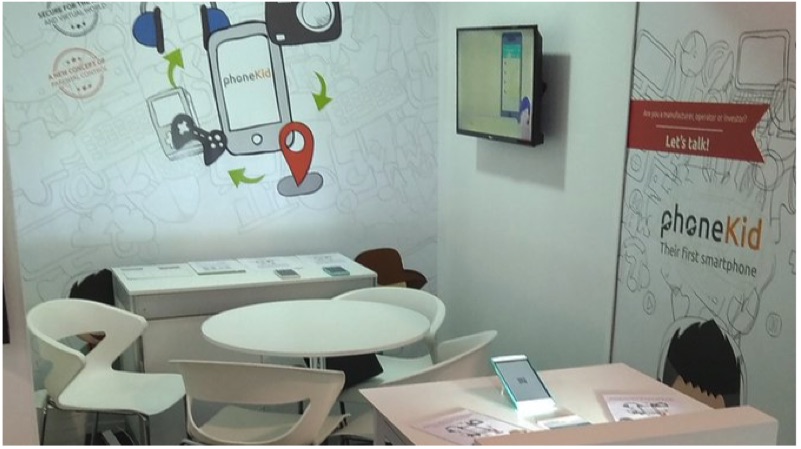
Most of the parents are afraid of exposure that their children get on a smartphone. In fact, most of them do not let their children use a smartphone until a specific age. In this modern world security is also a major concern. To solve this riddle, a Spanish company has come up with a new smartphone, the PhoneKid. It was officially launched at MWC 2018. However, there is no information on the specifications, pricing, or, availability.
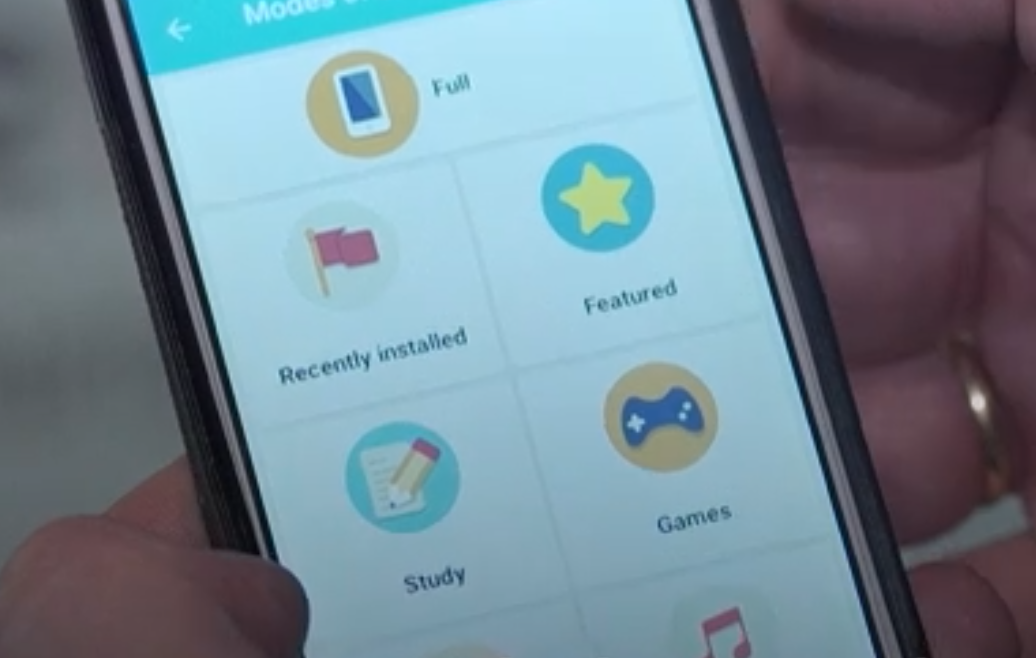
The PhoneKid is a regular smartphone based on the Android operating system. Similarly, it also gives a layer of control for the parent. A parent can enable or disable certain functions (remotely) by just using an app. In fact, they can replace the phone’s screen into an activity command page.
However, the child cannot do two things on the PhoneKid. One, he/she cannot turn off the smartphone, two, they cannot disable GPS or global positioning service. So, the parent will have the added advantage of tracking their children at all the time. Similarly, if the battery runs out, then there is no alternative what so ever.
What is PhoneKid?
PhoneKid is a fully fledged Android smartphone with support for Google Play store. However, it depends on the parents to give or not to give access to these services. There is a hidden SOS mode, which can be used to call the parent, whenever the user is in some kind of trouble.
This would be a great smartphone for the kids. However, the kids might not appreciate the fact that, the parents can control all the actions on the smartphone.
Conclusion:
The idea behind the concept looks promising. However, these actions can be duplicated by just installing an app on any Android or iOS smartphones. In fact, here are some the some of the apps that can give complete control over your children’s smartphone.
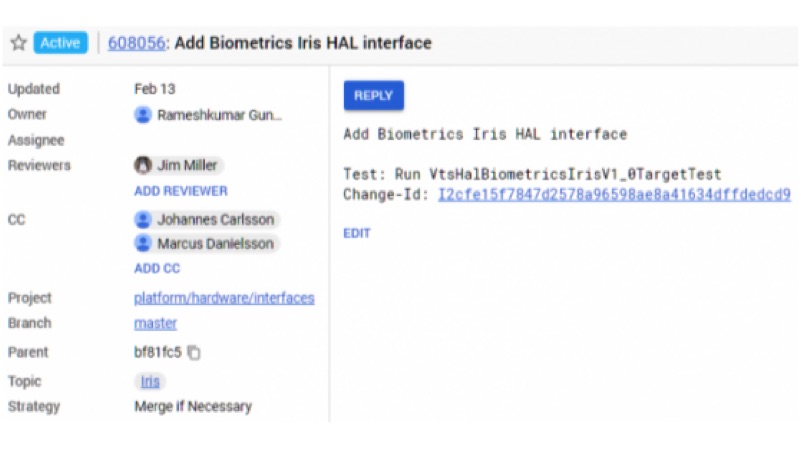
Samsung introduced fingerprint scanner on the Samsung Galaxy S5, it made into stock android on Android Marshmallow. Samsung introduced multi-window mode on the Galaxy Note 4, it made into native Android on Android Nougat. Now Google is all set to adopt the support for Iris scanner in the Android P natively.
What does it mean?
This means that the Google Pixel 3 lineup from Google is expected to feature Iris scanner. Companies like OnePlus, Honor, and Xiaomi have already come up with the phones with face recognition. However, the technology used on these devices is not foolproof like the Iris Scanning.
In fact, the Samsung Galaxy S9 uses both Iris scanner and Face scanning to improve the over experience. Do note that, Samsung is the only mainstream smartphone maker to offer Iris scanner.
Is Iris scanner a safe authentication method?
For the most part yes. It scans different parts of the eyeball, which are very distinct even on twins. However, as of now, the one has to look at the phone from a specific distance to unlock the smartphone. Similarly, it takes an additional second more than the fingerprint scanner.
In fact, one cannot fool it using a 3D model or an identical twin like the Face ID. So, it is safe but not the fastest thing in the world. Even the hardware requirement for the Iris scanner is not as complex as Face ID, so it will be easy to mass produce.
Conclusion
The implementation of Iris scanner has been spotted on the alpha build of the Android P. Google should officially announce this new feature at the Google I/O 2018. The Google Pixel 3 and Pixel 3 XL could be the first set of non-Samsung smartphones to feature this new technology.
At MWC 2018, Huawei was expected to launch the Huawei P20 Lite and save the other two devices for the March event. However, it only launched its MateBook X Pro and MediaPad M5 . This means that on the 27th of March, the company will unveil three smartphones out of which, the P20 Plus will have a triple-camera setup.
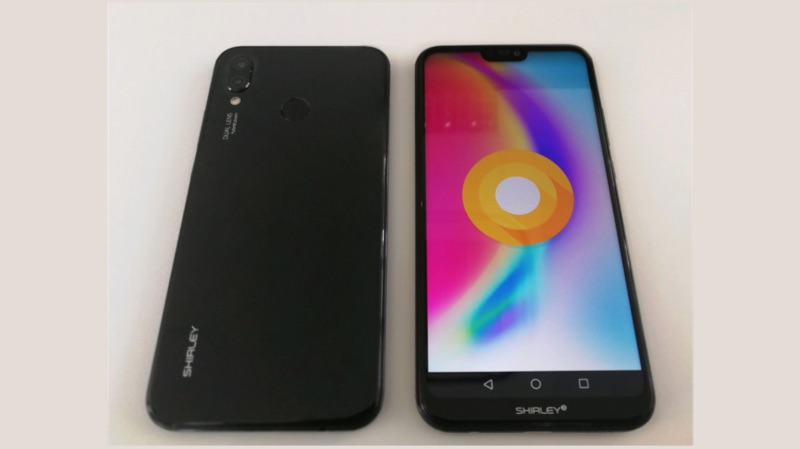
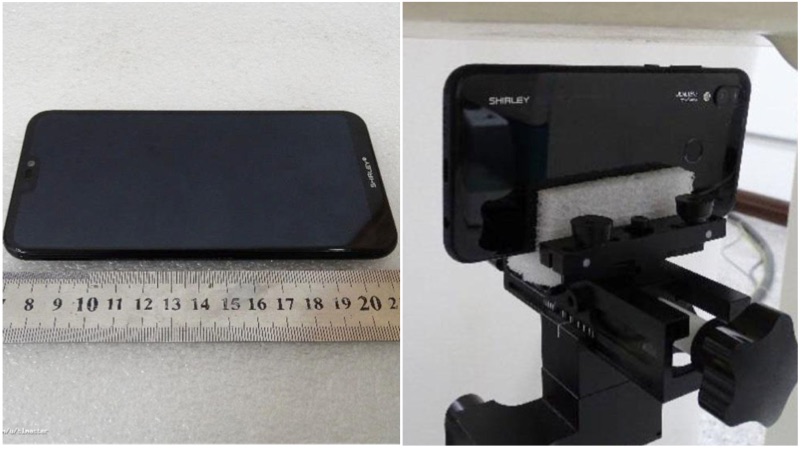
A few days ago, 360-degree renders of the P20 Lite were leaked by OnLeaks. However, live images of the smartphone have now been leaked by another popular leaker on Twitter, Evan Blass. As expected, P20 Lite will follow the footsteps of many Android phones unveiled at MWC 2018. It will have an iPhone X-like notch on the display which will house the earpiece, sensors and front camera.
Previous P20 Lite Leaked Images
On the back of the smartphone are a few decisions reminiscent of the iPhone X as well. The dual-camera setup is placed vertically and resembles that of the iPhone X. However, unlike the iPhone X, the LED flash is placed below the camera module, instead of between the two cameras. The fingerprint sensor is placed in the centre, which many missed on the iPhone X. The smartphone has a matte finish possibly made of aluminium.
Specifications
With bezels getting thinner, the standard size of a smartphone has increased from 5.5 inches to 6 inches. However, that won’t be the case with the Huawei P20 Lite. It is expected to have a 5.6 inch display with a 2160 x 1080 px resolution. Expect the resolution to be a little different, because of the notch.
Under the hood, it will have the HiSilicon Kirin 659 chipset, also found on the likes of the Honor 7X and even Honor 9 Lite. This will be paired with either 4GB or 6GB of RAM and 64GB of onboard storage. Powering the smartphone will be a 3520 mAh battery and it will run Android 8 Oreo out of the box. However, the smartphone will have Huawei’s EMUI on top as well.
LG is rebuilding its flagship smartphone for 2018. In fact, the company might completely ditch the G series. However, that does not mean that the company didn’t have a plan for the LG G7.
Last year LG launched the LG G6 with a year old processor. Though the smartphone had a lot of potentials, it didn’t do well in terms of business. Since LG doesn’t want to repeat the mistake, it is taking its time to shape up a new smartphone with exciting features and specifications.
An Israeli publication has posted a hands-on video of the alleged LG G7 that could have been.
Details of the LG G7
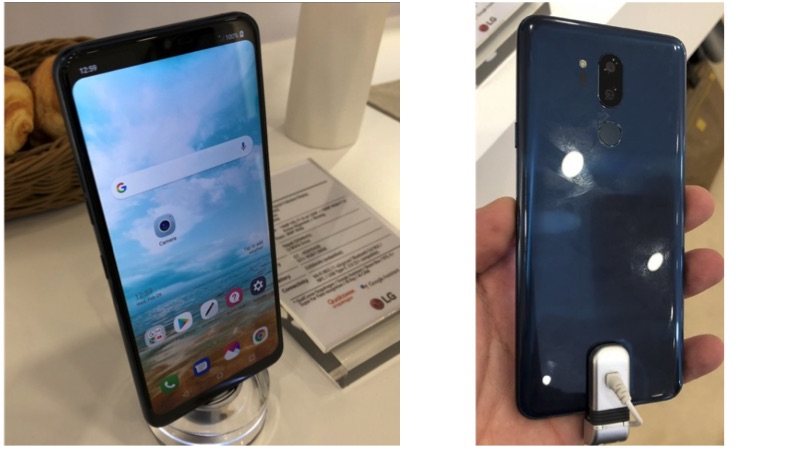
The LG G7 looks like a refined version of the LG V30+, which is the current flagship smartphone from LG. As the name suggests, this would have been the flagship device from the South Korean smartphone manufacturer. However, this concept didn’t make the cut thanks to LG’s revamped plans.
As it is clearly visible, LG directly copied the notch from Apple iPhone X and pasted on to the LG G7. However, like the Asus ZenFone 5, the notch might be used just for styling. The specifications of the smartphone are also on-par with the latest Android flagship smartphones of 2018.
The device has a 6 inch pOLED QHD+ 3,120×1,440px display with a notch. Under the hood, the smartphone was powered by Qualcomm Snapdragon 845 chipset with 4/6GB RAM and 64/128GB storage. Like every other LG smartphone, the G7 does have a micro SD card slot.
The smartphone has a dual 16 MP cameras at the back with f/1.6 aperture. However, the primary lens has OIS and the secondary lens didn’t. The front-facing 8 MP wide-angle sensor is hidden in the notch.
The LG V30+ has glass on the back
Finally, the phone has a 3000 mAh battery, which fast charging and wireless charging support. The OS was based on Android 8 Oreo with custom LG skin on the top.
Expected changes on the upcoming LG flagship
LG has given the code name for the flagship smartphone as Judy. The company has planned to go with MLCD+ display technology instead of OLED for added brightness and battery conservation. Similarly, the smartphone is also expected to offer premium DTS:X and boom box feature for the improved stereo experience. However, just like the LG G7, the Judy will be powered by the Qualcomm Snapdragon 845 chipset.
Tekken, the classic arcade action game is now available on Android. What makes this news even more interesting is the fact that, it is available for free. Head to the Google Play store to download Tekken Mobile. The app itself weighs around 196 MB + additional 150 MB for the in-game content.
Though the game is free to download, you can make in-app purchases to fasten your game progress. In fact, the app maker has monetized everything. To upgrade a loot box or the healing resource item, one has to spend real-world money.
Features:
However, do note that the plot of the game doesn’t sync with the original Tekken Mobile. So, if you are trying to get that 90s experience of playing this game in an arcade you will be half happy and half sad.
The gameplay is similar to the Injustice 2 and the Transformers: Forged to fight. So, if you have played these games, then you will understand and controls and the gestures in no time. Similarly, the complete gameplay is based on tapping either or the right side or the left side of the screen to make a move. As usual, to block a move on has to hold on to the right side of the screen for a brief second.
One thing that is really new about the gameplay is the new card system. The Cards represent the special move, which helps to win the battle in fewer moves. Using the cards, one can guard break the opponent. Though everything seems complex theoretically, practically the system is easily understandable.
Conclusion:
We tried this game on the Xiaomi Redmi Note 5 Pro with Qualcomm Snapdragon 636 chipset with 4GB RAM. The overall gaming experience was very smooth, still in some part of the game the graphics look dated. Finally, if you are into action games, then Tekken is a must try.
We all love bezel-less smartphones. Even since the turn of 2017, the bezels have become increasingly thinner and displays have become taller. All this while, the size of the whole device has remained constant. The trend has caught on so much that capable devices like the OnePlus 5, even the iPhone 8 and 8 Plus were deemed “archaic” for the modern times. By no means are they bad-looking devices, they just have modern looking siblings that are more appealing.
But, while we despise anything with bezels, we need to remember that bezels on a display have a role. While we like to call smartphones like the iPhone X or the Galaxy S9as “bezel-less,” in reality, they aren’t. No smartphone has a 100% screen-to-body ratio and there is a genuine reason behind that. Modern day smartphones have different implementations of the front-facing cameras and the earpieces. Along with that, you need space to store all the sensors as well.
While the Mi Mix and Mi Mix 2 moved the front-facing camera on the bottom bezel to trim the other three sides, it hasn’t been a popular decision. The Galaxy S9 and S9+ with their infinity displays still have a chin and forehead which houses the sensors, camera and an earpiece. The iPhone X has a notch that houses everything. Similarly, the Essential Ph-1 has a cyborg eye-like notch for the front camera while the rest is situated just above the display.
However, it looks like two companies might have the answer to the front camera conundrum. At the ongoing MWC 2018, Vivo unveiled a concept phone, the Vivo Apex. Apart from having some of the thinnest bezels on a smartphone, it has an interesting implementation of the front camera as well. The Apex has a camera housed in the smartphone. It essentially means that when a user has to take a selfie, a camera pops out of the smartphone. It doesn’t use up any screen real estate which allowed the company to keep the bezels at 1.8mm thick.
While this is still a concept phone, it is an interesting implementation. Certainly, it is better than what Xiaomi did with the Mi Mix and Mi Mix 2. Another interesting smartphone unveiled at MWC 2018 is the Bluboo S2. However, the Bluboo S2 has an interesting implementation of the camera as well. Similar to what the OPPO N1 did, the Bluboo S2 has a rotating camera. You basically lift the camera from behind and it stands upright for front-facing functionalities.
While this does seem futuristic, more brands, and mainly, bigger brands need to adapt these for it to grow. Until we get a screen-embedded camera, these could be some of the best options to completely get rid of the bezels.
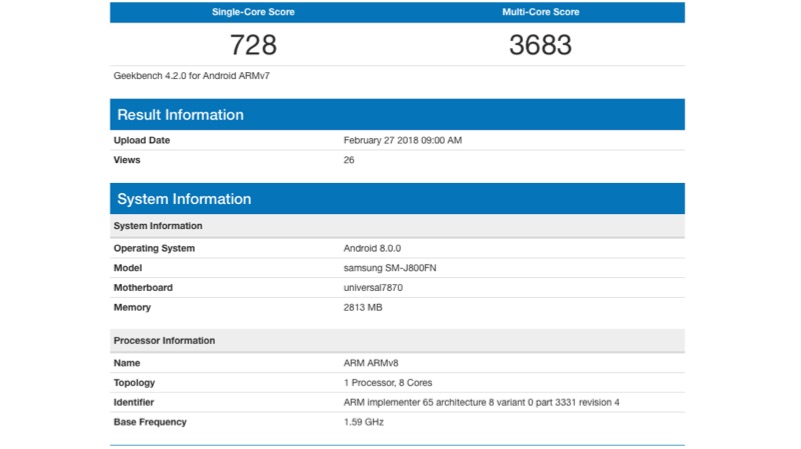
Samsung is expected to launch a new series of entry-level smartphones in the coming weeks. On 27th February, we covered a leak on the Samsung Galaxy J6 2018. Similarly, a new Samsung smartphone is now listed on Geekbench, which is expected to be the Galaxy J8 2018.
The interesting thing about the Galaxy J8 2018 is the fact that, the only difference between the Galaxy J6 2018 and the Galaxy J8 2018 is the amount of RAM. The J6 2018 offers 2GB RAM and the J8 2018 offers 3GB RAM. Similarly, we might see a similar design with a different screen size and resolution on the J6 and the J8.
The smartphone scores 728 points on the single core performance and 3683 points on the multi-core performance, which is similar to the other smartphones with the same chipset. In fact, the Galaxy J6 2018 scores 726 points on a single core and 3643 points on the multi-core performance.
Specifications:
The Samsung Galaxy J8 2018 is listed under the model number SM-J800FN. The device is powered by the Exynos 7870 Octa-core chipset with 3GB RAM. In fact, this chipset has been used on several smartphones including the Galaxy J6 2018 and the Galaxy J4 2018. The smartphone runs on Android 8 Oreo with expected Experience UI skin on the top.
The Exynos 7870 chipset is manufactured by 14 nm FinFET architecture with eight Cortex A-53 cores. Similarly, the chipset is equipped with Mali-T830 GPU.
Considering the chipset capabilities, the Galaxy J8 2018 might feature up to two 16 MP cameras with 1080p @30fps video recording capability. The chipset can drive displays with a max resolution of 1980 x 1200px. On that point, the smartphone might feature either 720p or 1080p full HD display unit.
Conclusion:
Samsung might launch the Galaxy J4, Galaxy J6, and the Galaxy J8 2018 in India in the next few weeks. However, we don’t expect features like 18:9 aspect ratio display and dual camera setup on these devices, as the chipset might have certain limitations on the hardware that it can support.
Xiaomi has recently confirmed that its first device to run on Snapdragon 845 will be the Mi Mix 2S. However, it is fair to assume that the launch of the Mi 7 is not too far away. Many expected the Mi 7 to be launched at MWC 2018 but, the company has decided to keep its flagship smartphone under the wraps for a few more months.
However, that has not stopped more rumours to surface about the Mi 7. The Mi 7 could be launched with one of the most anticipated features of 2018 devices, an in-display fingerprint sensor. Vivo launched the first-ever smartphone with an in-display fingerprint sensor at CES 2018 and one-upped its own feat with the Vivo Apex. Apart from a futuristic “pop out camera,” the Apex has an in-display fingerprint sensor spread across half of the device’s display.
Vivo X20 Plus UD
The Xiaomi Mi 7, on the other hand, might have an implementation similar to the Vivo X20 Plus UD. If this turns out to be true, the Mi 7 might see an increase in price. The Vivo X20 Plus UD, for its specifications, is very pricey, mainly due to the technology it possesses.
Another interesting feature the company might debut in the Mi 7 is wireless charging. This was also rumoured back in September 2017 when Xiaomi joined the Wireless Power Consortium. Wireless Power Consortium was formed back in 2008. It’s sole purpose is to promote wide market adoption of the Qi wireless charging technology.
This means that the Mi 7 will have a glass build, similar to the likes of the Galaxy S9 and iPhone X. Again, the price of the Mi 7 could be defining factor in the success or failure of the device.
Conclusion
The buzz around the launch of the Mi Mix 2S won’t die out soon. However, the Mi 7 is expected to have a few features that will be a first for Xiaomi. The pricing and launch date will be interesting, considering devices like the OnePlus 6 and Asus Zenfone 5Z will be on the market as well.
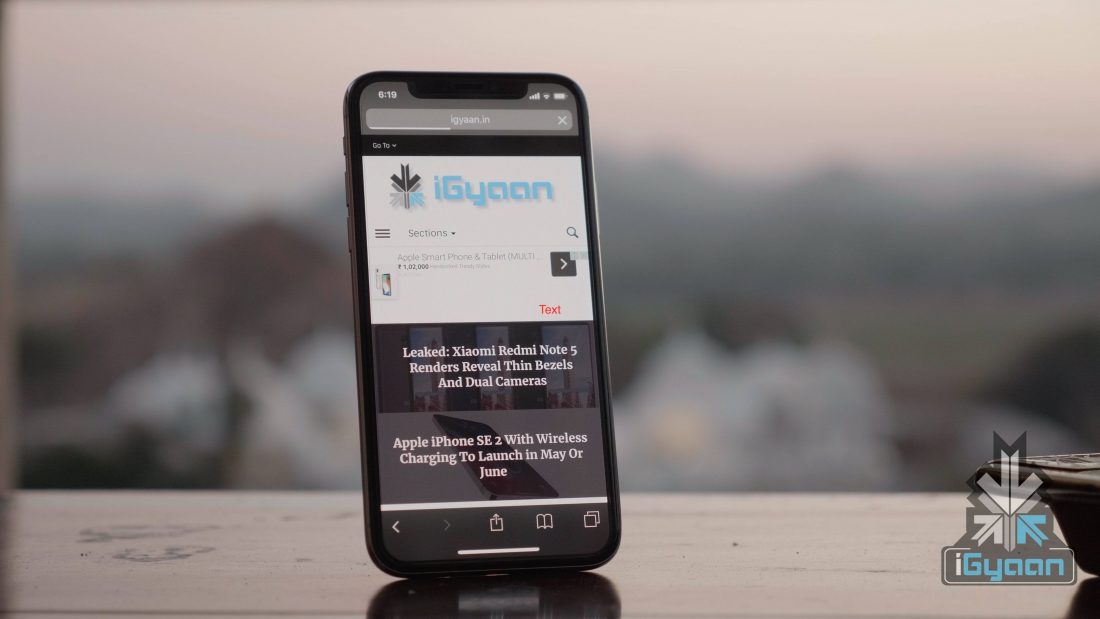
Despite the recent controversy, there is no denying that Apple iPhones age very well and you won’t have to worry about Apple’s software tweaks kicking in at least a couple of years after you buy a new iPhone. The Flipkart Apple Days sale offers great discounts on the latest iPhone models. In fact, this might be the right time to upgrade from an older smartphone.
Here are the top offers from Flipkart on various Apple iPhone X models.
Apple iPhone X
Apple iPhone X is the latest flagship smartphone from the California tech giant. The smartphone was launched in India for Rs 89,999 and Rs 1,02,000 for the 64GB and 256GB storage variant. Now, on the Flipkart sale, the same model is available for Rs 82,999 and Rs 89,999 respectively.
Apple iPhone 8 and 8 Plus
The Apple iPhone 8 and the iPhone 8 Plus share similar hardware with the Apple iPhone X. However, these two offerings from Apple are more affordable. The iPhone 8 is now available for Rs 54,999 and Rs 69,999 for the 64GB and 256GB storage variants. Similarly, the iPhone 8 Plus will be available for Rs 64,999 and Rs 79,999 for the 64GB and 256GB storage variants.
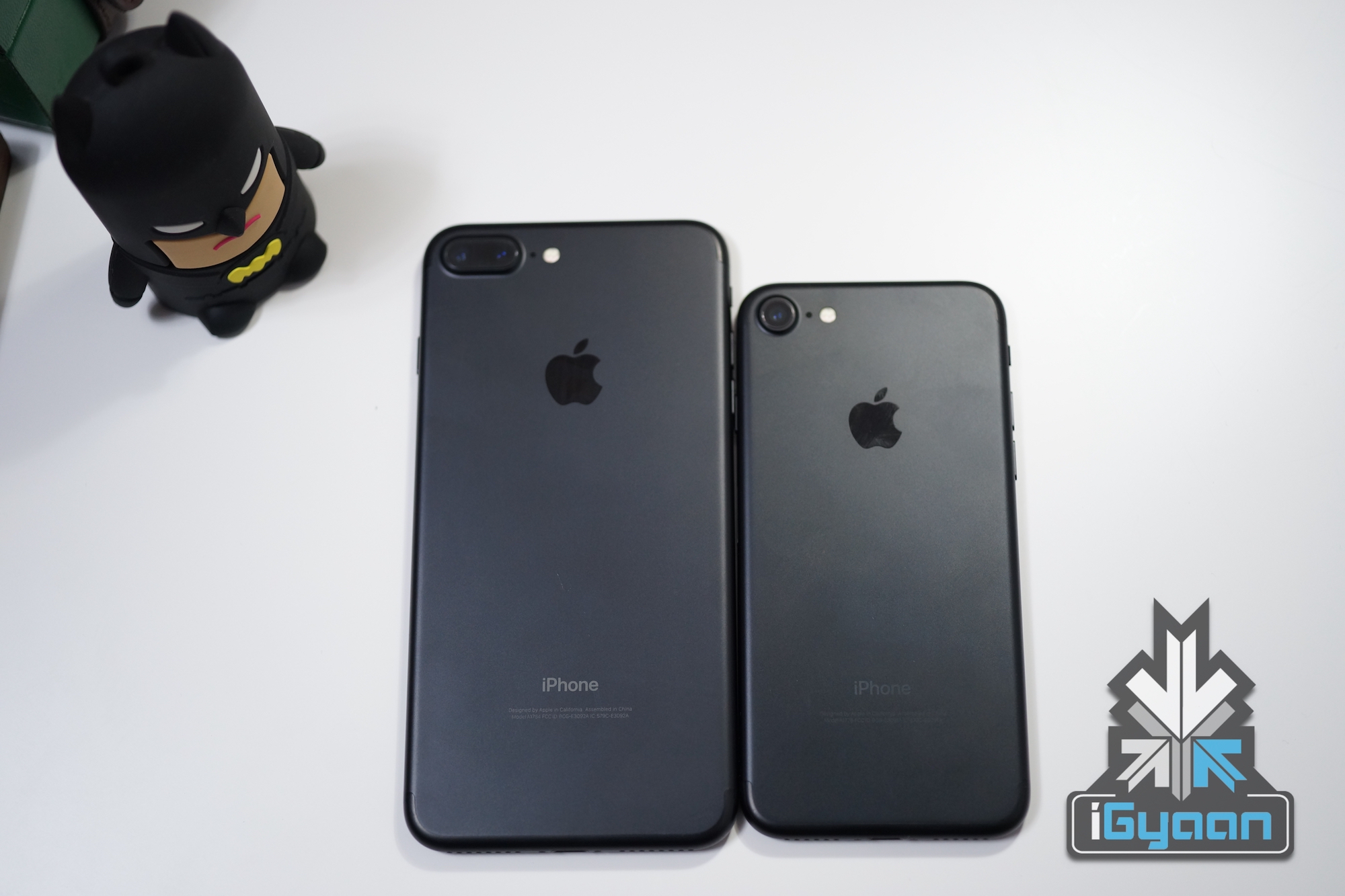
Apple iPhone 7 and 7 Plus
The Apple iPhone 7 and the iPhone 7 Plus are the last generation flagship smartphones from 2016. However, these smartphones still pack a punch and give tough competition to the Android counterparts. The iPhone 7 is now available for Rs 41,999 and Rs 55,999 for the 32GB and 128GB version. Similarly, the iPhone 8 Plus is now available for Rs 56,999 and 65,999 for the 32GB and 128GB storage variants.
iPhone 7, iPhone 7 Plus Do Not Have The Hardware Updates
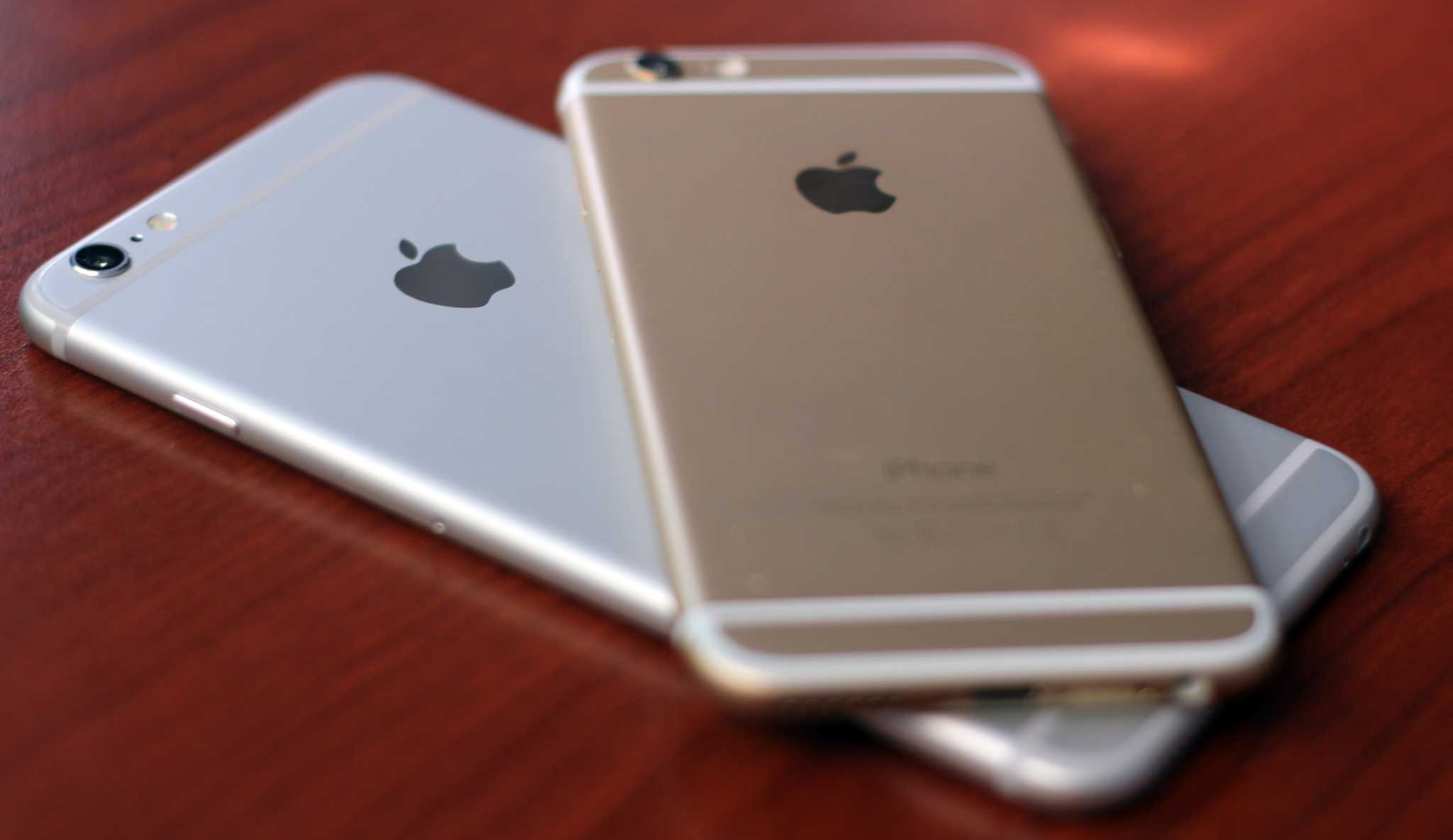
Apple iPhone 6 and 6s
These models of iPhone will suite for those who are looking into the affordable iPhone model. Unlike Android counterpart, one will not experience any unresponsive experiences what so ever. In fact, these two have an added advantage of 3.5 mm headphone jack. The Apple iPhone 6 with 32GB is now available on Flipkart for RS 24,999 and the iPhone 6s 32GB model is available for Rs 32,999.
Apple iPhone SE
The Apple iPhone SE is a compact version of the original iPhone 6s. In fact, this is the most affordable iPhone available in India. The 32GB variant of the iPhone SE is now available on Flipkart for Rs 18,999.
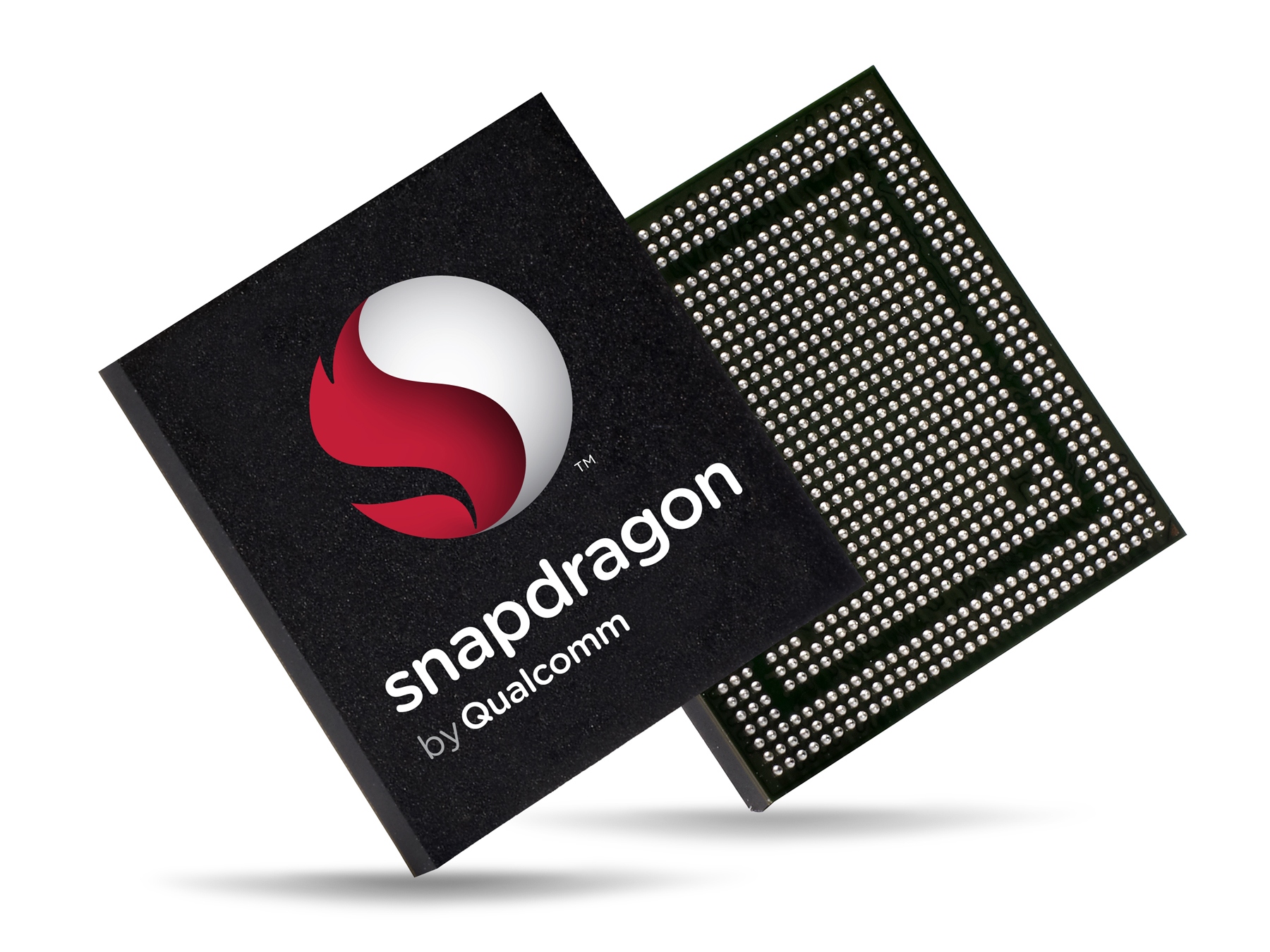
Qualcomm launched the Snapdragon 700 series chipset at MWC 2018. The Snapdragon 700 series of chipsets from Qualcomm offers premium tier-1 performance in the mid-tier smartphones.
In fact, the company claims that the Qualcomm Snapdragon 700 chipset will be able to deliver up to two times the AI performance compared to series 600. This series of chipsets will bring features and performance that was previously available on the series 800 chipset. However, the company did not unveil any chipset on this newer lineup.
Alex Katouzian, senior vice president and general manager, mobile, Qualcomm Technologies, said:
From our cutting-edge Qualcomm AI Engine to superior camera, device performance and power. The Snapdragon 700 Series is optimized to support the experiences consumers have come to expect from the most advanced mobile devices at a lower price point.
Features:
The new series will support premium features like Qualcomm Spectra ISP, Qualcomm Kryo CPU, Qualcomm Hexagon Vector Processor and Qualcomm Adreno Visual Processing to improve the overall user experience.
The chipset from the new series will offer 30% better battery efficiency compared to the Qualcomm Snapdragon 660 chipset. The chipset also supports latest WiFi standards with carrier WiFi features. Similarly, the chipset also offers Bluetooth 5.0.
The chipsets will be available for the OEMs in the first of 2018. Similarly, we will see smartphones by the end of Q3 2018.
Conclusion:
The Qualcomm Snapdragon 700 series chipset will enable OEMs to create a new smartphone segment. With this chipset, we can expect flagship smartphones at a much affordable price tag.
On the 25th of February, Samsung launched the Galaxy S9 and Galaxy S9+ in Barcelona. In India, the devices will be launched on the 6th of March and go on sale on the 16th of March. While the prices of the smartphones will be unveiled at the launch event, they are already up for pre-orders on the official Samsung India website.
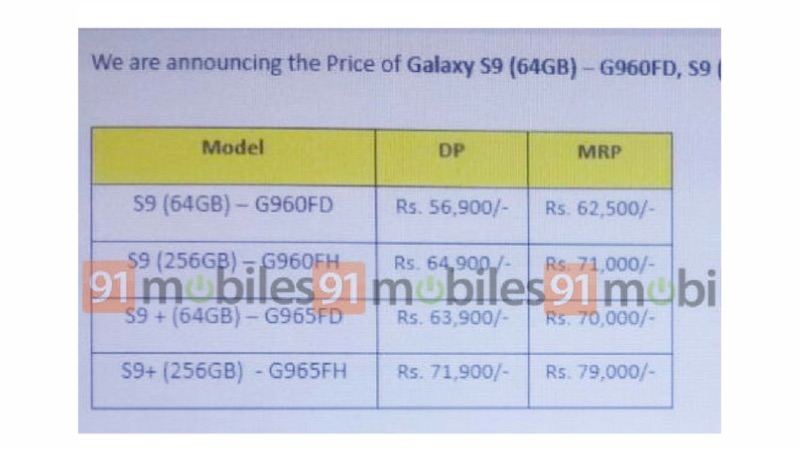
However, days before the official launch, the price of the devices was leaked yesterday. The Samsung Galaxy S9 will start a price of Rs. 62,500 and the 256GB variant will be priced at Rs. 71000. The Galaxy S9+, however, will start at Rs 70,000 and the 256GB model will retail for Rs 79000. In fact, the Galaxy S8 was launched at a price of Rs 57900 and the S8+ for Rs 64900. The smartphones will be sold online via Flipkart and the official website of Samsung India.
Samsung Galaxy S9, S9+
From the Galaxy S8 to S9 devices, the physical changes are very minimal. The fingerprint sensor is now at a much better placement and the smartphones have a dual stereo speaker system tuned by AKG. The Samsung Galaxy S9 has a 5.8 inch Super AMOLED display with a 2960 x 1440 px resolution. The Galaxy S9+ sports a 6.2 inch Super AMOLED display with a 2960 x 1440 px resolution.
The Galaxy S9 and S9+ will be the first-ever smartphones launched in India with the new Exynos 9810 chipset. Coupled with the chipset is 4GB of RAM and 64GB/256GB storage for the Galaxy S9. The S9+, however, will be available in 6GB RAM/64GB storage and 6GB RAM/256GB models in India.
The Galaxy S9 has a single Dual Pixel 12 MP sensor with dual /1.5 and f/2.4 apertures. Unlike its predecessor, the Galaxy S9+ has a dual-camera setup on the back. The Galaxy S9+ has one wide-angle 12MP camera with an f/1.5 aperture and the other is a 12MP telephoto lens with an f/2.4 aperture. On the front of the smartphones is an 8MP camera with an f/1.6 aperture and records 4K videos.