Blog

  • Google Adds Video Calling Through The Phone, Contacts, Android Messenger Apps

    Google Adds Video Calling Through The Phone, Contacts, Android Messenger Apps

    Google is finally bringing a feature that has been in the iOS ecosystem for a while, video calling without leaving your phone app. Apple devices have had this feature for a while and it’s been appreciated by the users as well. Google posted a blog on October 12th to announce that it has integrated video calling feature in its Phone, Contacts and Android Messenger app.

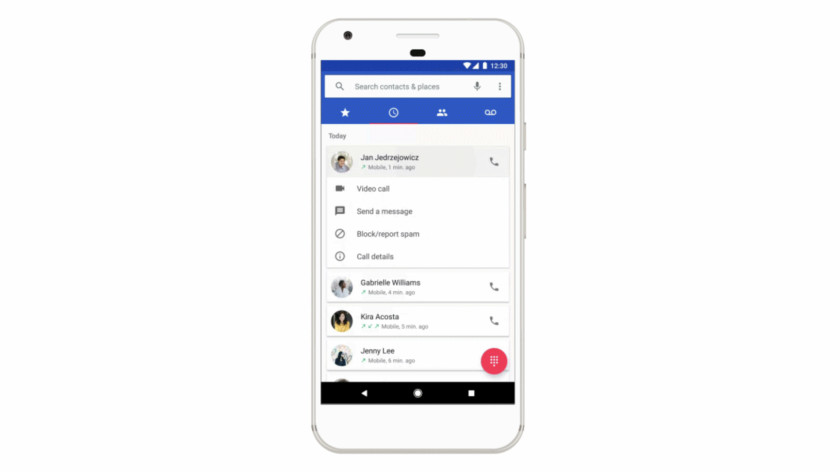
    We want to make it even easier to start a video call from your Android device, so we’re making video calling an integrated part of your phone. You can now start a video call directly from where you call or text message your friends, through your Phone, Contacts, and Android Messages apps. Later this year, we’ll also add the ability to upgrade an ongoing voice call to video with just a tap.

    Google has accomplished this integration by tying up its video calling app Duo and the ViLTE standard, the latter of which is an extension of the existing VoLTE that focuses on increased video call quality over an LTE network. The video calls will be routed through ViLTE but, Duo will be the fall back option if your network doesn’t support the standard. This move by Google ties the Duo app deep in the Android ecosystem. Google has also promised that by later this year it will add the ability to upgrade to an ongoing voice call to video with just a tap.

    There are a few things to keep in mind, the first being that you and the person you’re calling must have Duo installed and activated if ViLTE isn’t used. Next up, you must also have the latest versions of the Phone, Contacts, Android Messages, and Duo apps installed.

    This feature is rolling out to Google powered devices namely the Pixel, Nexus and Android One smartphones. Google said it is working with carriers and device manufacturers to have integrated video calling across a wider variety of devices.


  • Razer Teases Its First Smartphone Announcement On November 1st

    Razer Teases Its First Smartphone Announcement On November 1st

    It seems like Razer will be joining the smartphone race and the announcement will be made as soon as 1st November. For the past few months, Razer has been dropping vague hints about its first ever smartphone and the company took to Twitter to share the news.

    The teaser shows a person holding what clearly seems like a smartphone.

    In January 2017, Razer acquired Nextbit, the company that made the Android device Robin. This was the first major hint that the company, best known for its gaming accessories for PCs and consoles, along with high-end PC gaming laptops, was planning to enter the smartphone market.

    A few weeks ago, Razer CEO Min-Liang Tan confirmed that the company was going to launch a mobile device before the end of 2017, and that it would be focused on “gaming and entertainment”. Last week, a Twitter post by Tom Moss, the head of Razer’s mobile division, had him standing next to Tan, who had what appears to be a conveniently covered prototype of Razer’s phone in his pocket.

    There is not much known about the smartphone except for the fact that it will concentrate on gaming and content consumption, and that it’ll be powered by Android. Considering the premium price tag of most of the products that have Razer’s name on it, the smartphone could enter the flagship category dominated by the likes of Apple, Samsung and Google.


  • Fujifilm Launches The New Mirrorless X-E3 Camera In India

    Fujifilm Launches The New Mirrorless X-E3 Camera In India

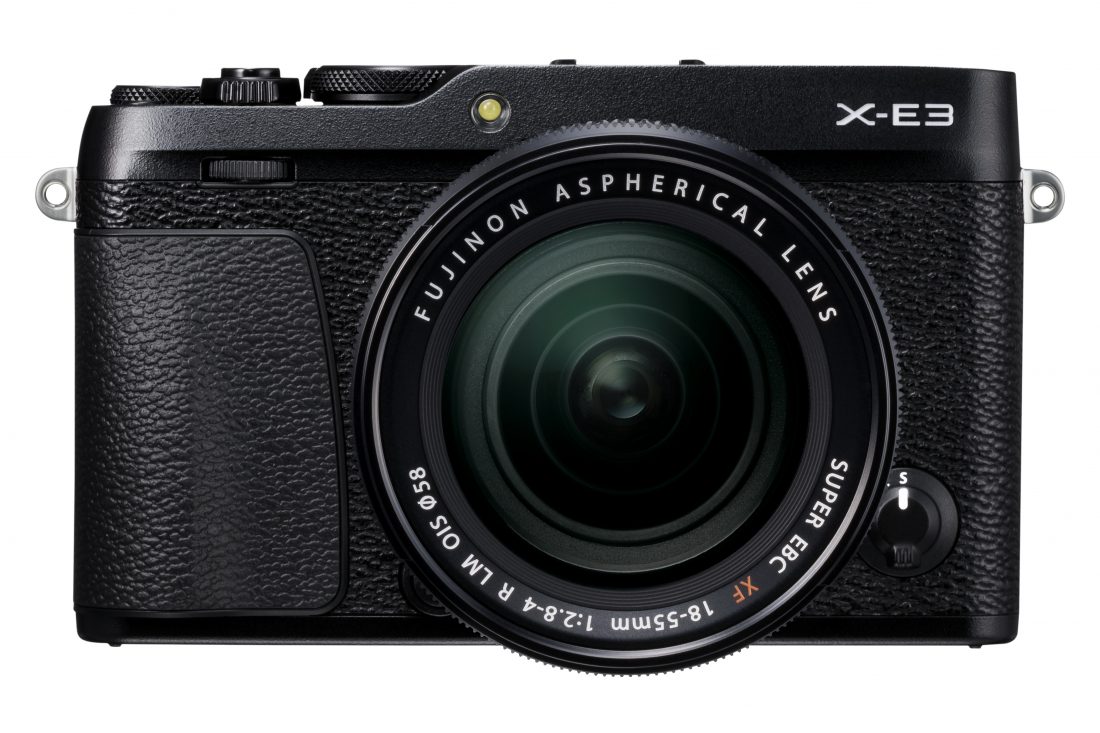
    Fujifilm has launched a new mirrorless camera in India, the X-E3 at a starting price of Rs 70,999. The company claims that the mirrorless camera market has a 25% market share in the global camera market which is currently dominated by DSLR Cameras. The situation however is expected to change as the demand for DSLR is expected to decline and mirror-less is expected to exceed DSLR market within 3 years.

    Talking about the launch of the X-E3 in India, Mr. Yasunobu Nishiyama, Managing Director, Fujifilm India Pvt. Ltd. said:

    The X series was first introduced in March 2011 and is now the most widely accepted mirrorless camera among photographers across the world.  In India too, we see much potential in the Mirrorless Camera Segment due to the rise in professional photography, increase in Wedding Photography and Commercial Photography for Brand communication and advertisements and increased use of Social Media to showcase ones work. The advantage of an X Series mirrorless camera lies in its compact size packed with cutting edge innovative technology and unique features that provide great controls along with excellent colour reproduction and image quality.

    The X-E3 has a 24.3MP APS-C sized X-Trans CMOS III sensor and X-Processor Pro image processing engine. The company claims that the X-E3 has an AutoFocus speed of 0.06 seconds. The camera has a 3 inch LCD monitor which is touch sensitive. Th camera is capable of recording recording 3840 x 2160 px videos at 29.97 FPS and 1920 x 1080 px videos at 60 FPS.

    The camera has built in Bluetooth 4.0 to transfer images and videos to your smartphones o tablets on the go. It has a NP-W126S Li-ion battery which has a life of 350 frames when the LCD is turned on.

    In terms of pricing and colour variants, the X-E3 is available in Black and Silver colours and is priced at Rs.70,999 (Body only), X-E3 with 18-55 kit is priced at ?.102,999 and X-E3 with 23mm F2 kit is priced at ?.89,999.


  • Amazon Alexa Can Now Recognise Different Voices And Give Personalised Response

    Amazon Alexa Can Now Recognise Different Voices And Give Personalised Response

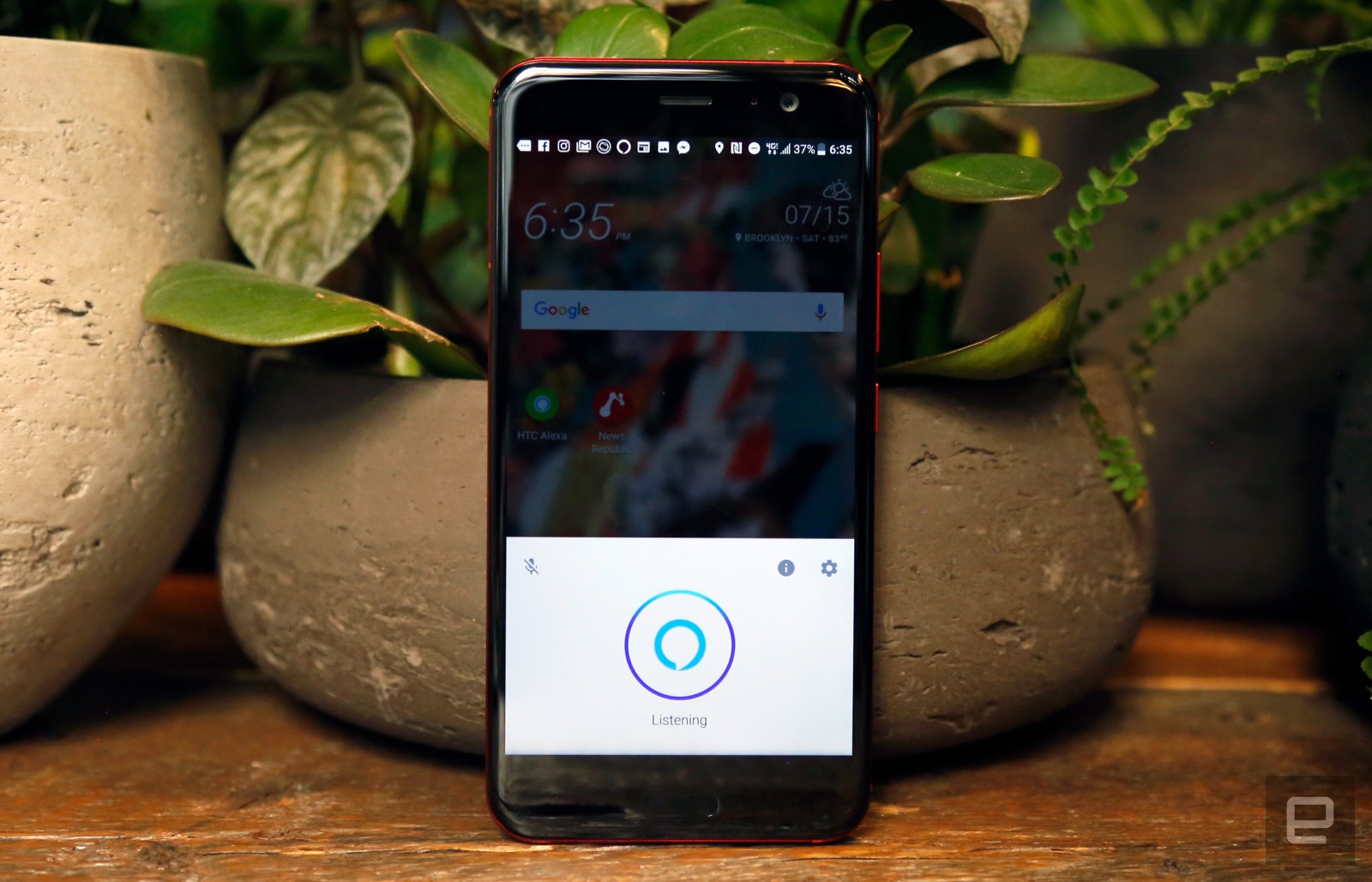
    The smart speakers market has seen a constant one-on-one between Amazon’s Echo and Google’s Home. For a while, Amazon had a US$50 alternative, the Echo Dot to the relatively expensive Echo. On 4th October, Google unveiled a smaller and cheaper alternative to the Google Home, called the Home Mini for a price of US$50. In April of 2017, the Google Home got the ability to recognise different voices in the home and have personalised responses. Amazon has announced that Alexa can do the same thing.

    This basically means that if there are three people in the house and you ask Alexa to call a friend, Alexa will look through your profile your contacts by recognising the voice. Same thing will happen with calendars and even the playlists. You can set up voice recognition using the Echo, Echo Dot, or Echo Show. Users are asked to read aloud 10 phrases, and Alexa will then use that data to create a voice profile. After that’s done, voice profiles work across other Echo devices and most of the Alexa-powered third party apps.

    Amazon says:

    Once you set up the feature, Alexa will learn your voice (versus your spouse/partner/roommate’s voice) and be able to deliver a more personalised experience. Today the feature is available for calling/messaging, flash briefing, shopping, and the Amazon Music Unlimited Family Plan, and it’ll be rolling out to additional Alexa features in the future.

    Amazon recently announced the entry of the Echo, Echo Dot and Echo Plus in India. The purchase can be done via an invite only as of now. The cheapest of the three is the Echo Dot priced at Rs 4499.

  • Qualcomm Hit With a US$773 Million Fine In Taiwan

    Qualcomm Hit With a US$773 Million Fine In Taiwan

    Qualcomm, theSan Diego-based chipset maker was fined for US$773 million by Taiwan’s Fair Trade Commission. The Commission said that Qualcomm misused the monopoly in the smartphone business to squeeze higher licensing fees and better terms out of its customers.

    The commission said that Qualcomm’s dominance in CDMA and LTE chips, as well as its major patent holdings for both technologies, let the company abuse its position and refuse to license necessary patents. It’ll now be required to end those practices and parts of unfavourable deals it forged with other companies. This is not the first time that Qualcomm has been fined, South Korea and China have also fined Qualcomm in the last 2 years and Apple is involved in a series of lawsuits globally against Qualcomm over similar practices.

    On its website, FTC says:

    Qualcomm holds big number of standard essential patents in CDMA, WCDMA and LTE segments and is the dominant provider of CDMA, WCDMA and LTE baseband chips. It abused its advantage in mobile communication standards, refused to license necessary patents.

    By not providing products to its clients who don’t agree to its terms, Qualcomm is abusing the monopoly it has in the business, therefore violating the local anti trust laws. According to FTC, local companies purchased around US$30 billion worth of Qualcomm’s chips, which is way more than the fine it was dealt with.

    In response to the fine, Qualcomm has said:

    The fine bears no rational relationship to the amount of Qualcomm’s revenues or activities in Taiwan, and Qualcomm will appeal the amount of the fine and the method used to calculate it.

    Even though Qualcomm’s Snapdragon processors power most of the Android devices in the market with the only real resistance coming rom MediaTek, Qualcomm’s main money minting business is that of licensing patents. That business however, is under attack right now around the world. Countries and companies have finally decided to take action against the alleged unfair practices of Qualcomm.

  • Apple Could Partner With LG For Foldable Smartphones

    Apple Could Partner With LG For Foldable Smartphones

    The smartphone industry has seen a gradual slump in innovation over the past few years. Bezel-less display has been the rage of 2017 but, other than that you barely see anything new nowadays. Samsung stirred things up a little with the news of it launching a foldable Android phone in early 2018. Now, there is news that Apple might be teaming up with LG to work on a foldable smartphone.

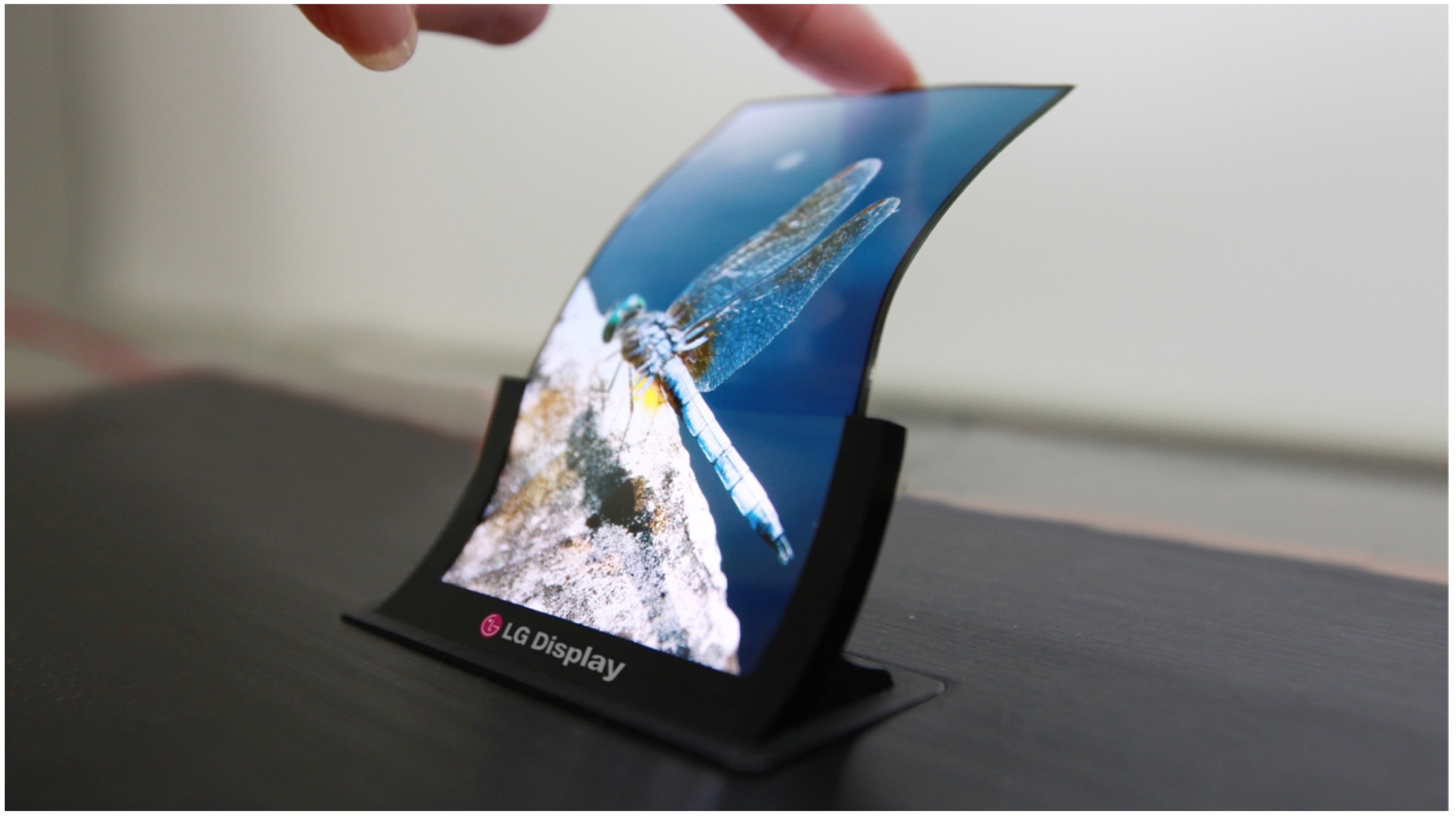
    Samsung has been at the top of its game in the OLED market but, it hasn’t yet commercialised the flexible OLED displays. LG had also revealed a foldable display at CES and has the opportunity to take over that segment of the market and that might be the reason why Apple would choose to team up with LG. This news also falls in line with another report from July about Apple potentially investing over US$2 billion in LG’s new OLED plant.

    According to a report from The Bell (via The Investor), Apple will use flexible screens supplied by LG Display for an upcoming folding smartphone. Meanwhile, LG’s Innotek business is already said to be gearing up to produce the rigid flexible printed circuit boards, or RFPCBs, that would feature inside the phones. Apple would be seeking to release this device in 2020, which could give competitors like Samsung and LG itself a head-start.

    Samsung already seems well on its way to launch a foldable smartphone in early 2018 with the Galaxy X getting certified in Samsung’s native country, South Korea.

    All these are still speculations and as we say it always, take these rumours with a hint of scepticism.

  • Airtel Rivals JioPhone With A 4G Smartphone At A Price Of Rs 1399

    Airtel Rivals JioPhone With A 4G Smartphone At A Price Of Rs 1399

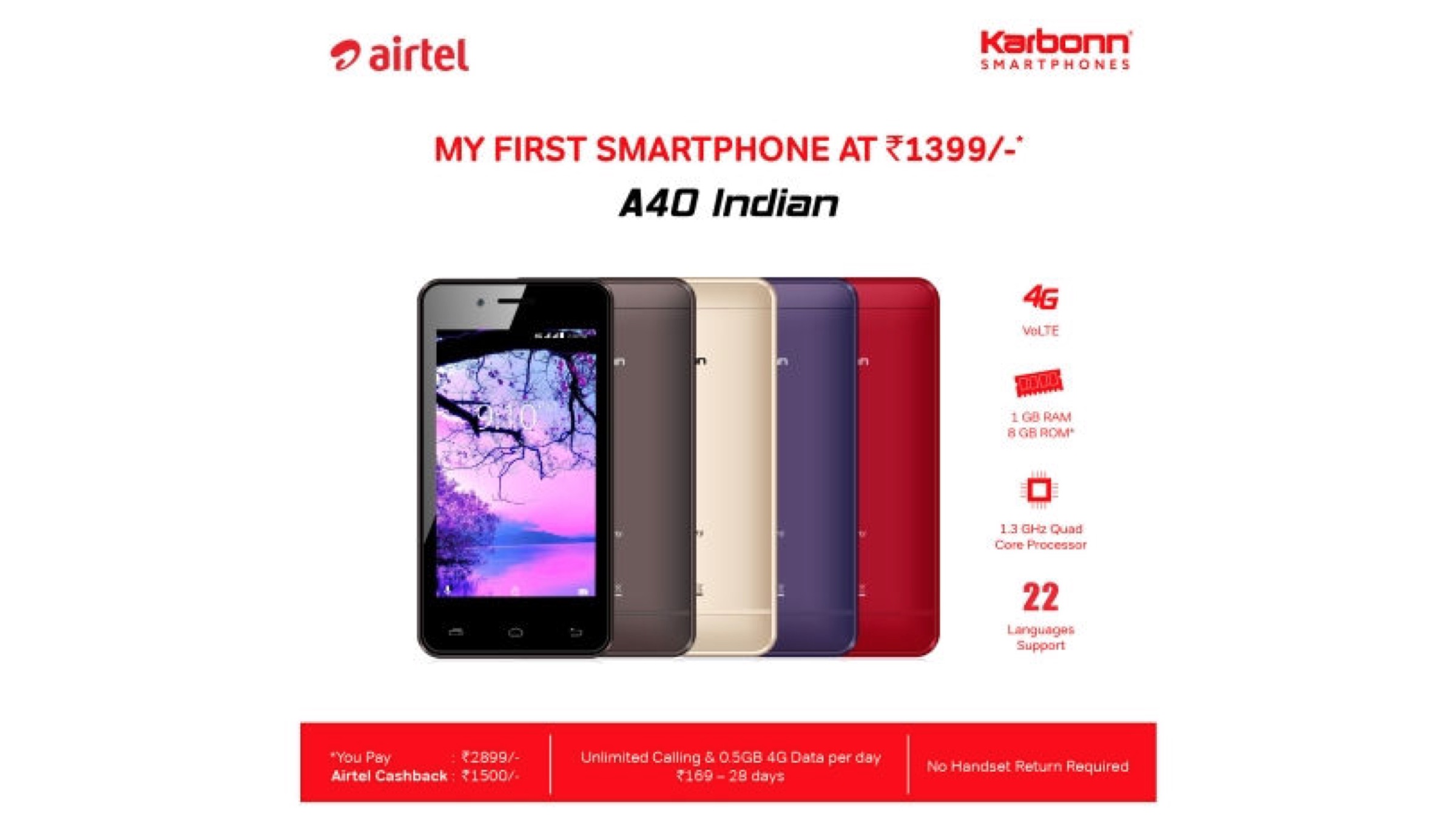
    In order to keep up with the growing rise of Jio, Airtel has decided to rival the JioPhone which was recently announced. Airtel has announced a partnership with Indian smartphone manufacturers for its ‘Mera Pehla 4G Smartphone’ initiative. First phone to come our of this initiative is in association with Karbonn, called the Karbonn A40 Indian. The smartphone is said to be available at an ‘effective price of Rs 1399’, clearly taking on the JioPhone with the same terminology.

    Talking about the new initiative, Airtel has said that:

    This initiative is aimed at enabling every Indian to buy a 4G smartphone and get on to the digital superhighway. This initiative will bring highly affordable bundled 4G smartphone options to the market and fulfill the digital aspirations of millions of Indians.

    Raj Pudipeddi, Director – Consumer Business & CMO, Bharti Airtel said:

    As the market leader and pioneer of 4G services in India, Airtel’s aspiration is to digitally empower every Indian with high speed data access. We are delighted to partner with Karbonn to remove barriers to smartphone adoption and enable millions of Indians to leapfrog to a full touchscreen smartphone experience. We plan to partner with multiple manufacturers to bring affordable smartphone options to the market and build an ‘open ecosystem’ of low cost devices. This is yet another step in our ongoing journey to deeply understand customers and bring innovation that delights them.

    Airtel explained how the Karbonn A40 Indian, a smartphone which was launched in July and has a market price of Rs 3499, will be available at an ‘effective price’ of Rs. 1,399. Customers will have to make a down payment of Rs. 2899 for the device, and then make a minimum amount of recharges over the course of three years to receive cashbacks worth Rs 1500. To put things into perspective, users will need to make recharges worth at least Rs 3000 in the first 18 months to avail a Rs 500 cashback, and then make recharges worth at least Rs 3000 again over the next 18 months to avail a Rs 1000 cashback. Therefore, you are effectively paying Rs 1399 for the smartphone.

    In its statement, Airtel mentioned that the phone will be with the customers and the users won’t have to return the phone to Airtel or Karbonn at any point to claim the cash benefit. S The A40 Indian is a smartphone, which means that it will have access to the Google Play Store and apps like Facebook, Instagram and more. These are the apps people use to spend their internet on, something that the JioPhone doesn’t have.


  • Samsung Galaxy J2 (2017) Officially Listed On Samsung India’s Website

    Samsung Galaxy J2 (2017) Officially Listed On Samsung India’s Website

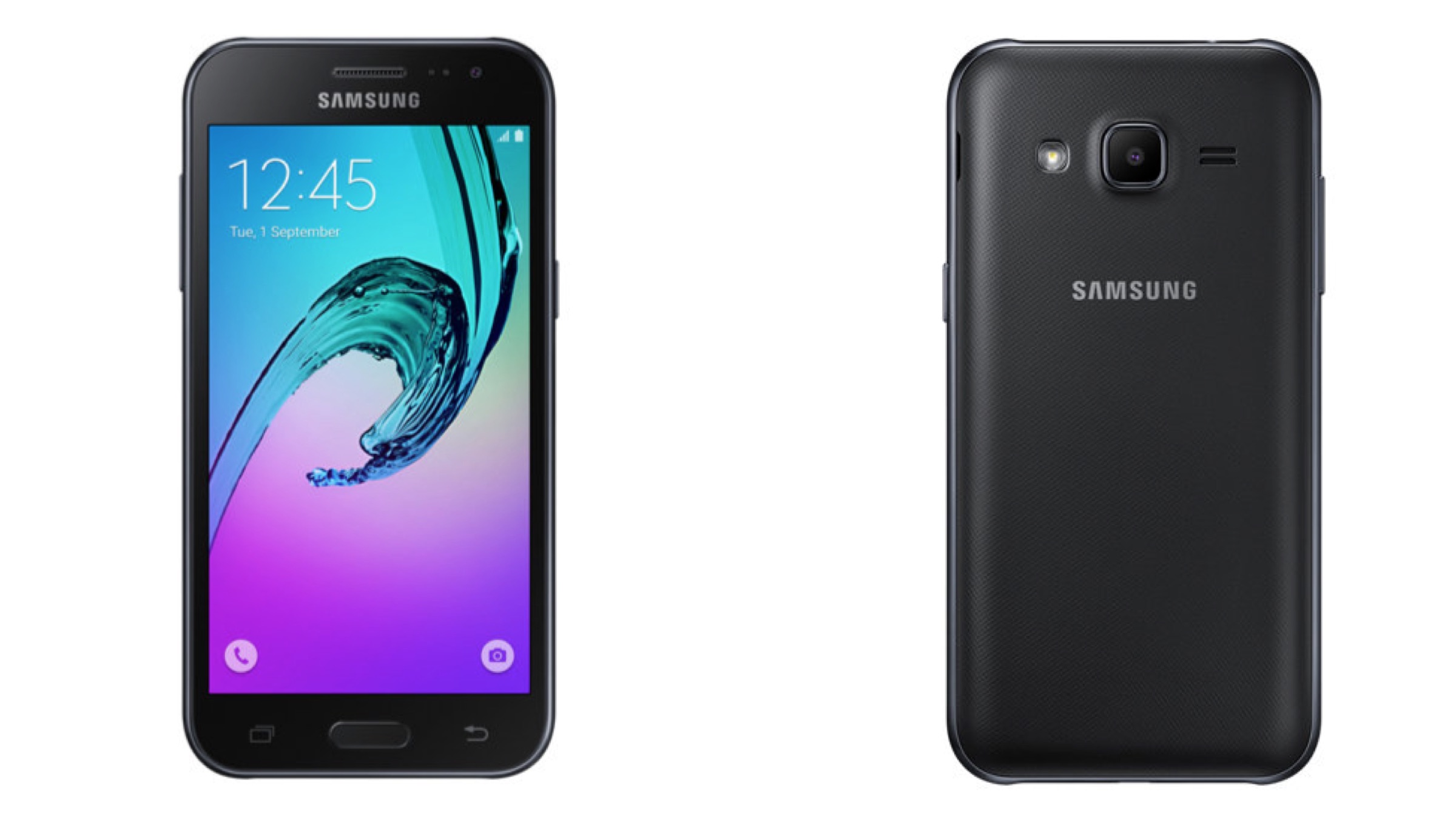
    Samsung has quietly listed the Samsung Galaxy J2 (2017) on its official India website. The price of the phone however, has not been revealed yet but, indicates that the smartphone will be available in India soon. It will be available in two colours, Metallic Gold and Absolute Black.

    The Galaxy J2 2017 has a 4.7 inch 960 x 540 px Super AMOLED display. The device is powered by a 2000 mAh battery while there is no mention of the OS version the device is running but, it is fair to assume that the smartphone will run Android 7.0 Nougat out of the box. Under the hood, the device has the Exynos chipset, 1.3 GHz quad core processor, 1GB RAM, and 8GB of onboard storage which is expandable via microSD card. The Galaxy J2 (2017) comes with Smart Manager for automatic memory management which will help delete duplicate images on the device automatically, and also delete saved APK files to utilise the storage. The smartphone also comes with Ultra Data Saving mode that the company claims can help consumers save up to 50 percent data.

    On the optics front, the device has a rear-facing 5MP camera with autofocus and a flash. On the front is a 2MP camera.

    Prolific Mumbai-based retailer Mahesh Telecom has a history of accurately predicting the price of Samsung smartphones. The offline retailer has said that the device will be available at a price of Rs 7390. At this price, the smartphone will compete with the likes of Xiaomi Redmi 4A, Moto C and the Moto E4 Plus.

  • This Could Trick You Into Giving Away Your Apple ID Password

    This Could Trick You Into Giving Away Your Apple ID Password

    If you are an iPhone user, you must be used to the random popup asking for your Apple ID and password because of some app running in the background. It is as normal as it gets and we barely think twice before entering the password. However, there is a new phishing attack which can trick you into giving up your password and cause serious privacy concerns.

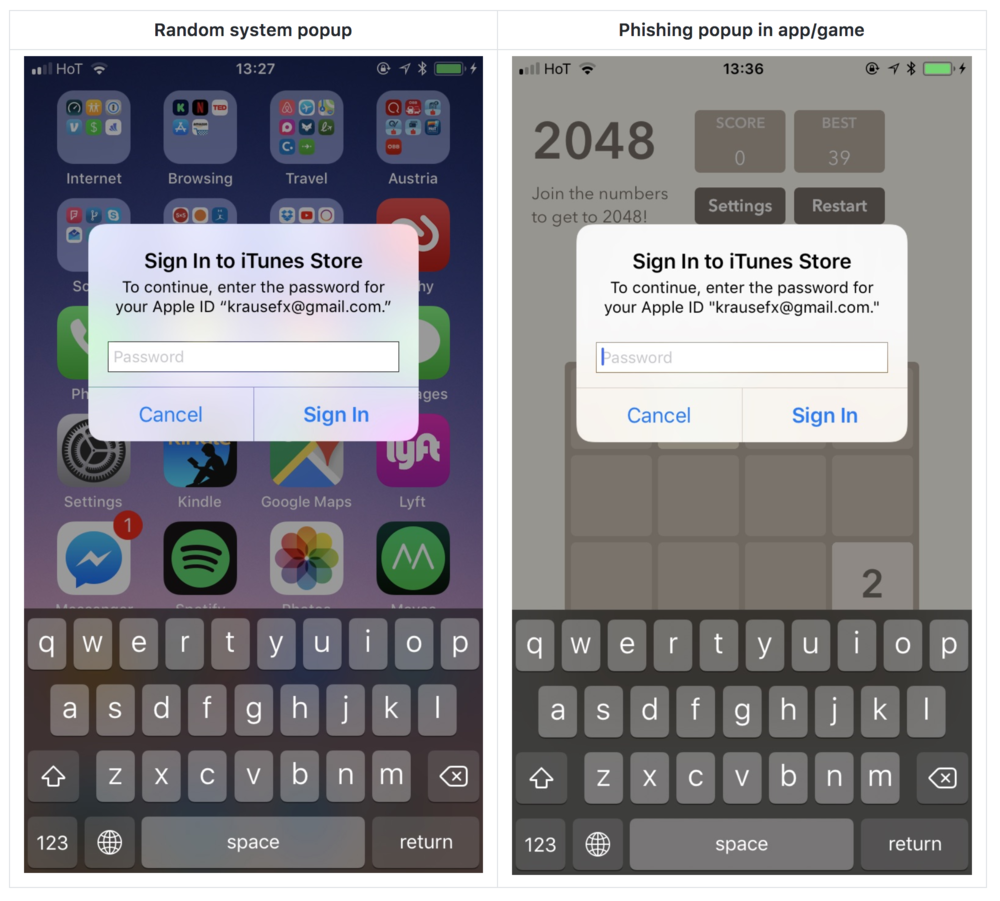
    A blog post from developer Felix Krause explains how a fake popup could be easily used to trick someone into handing over their Apple ID and password. The developer explains that creating a fake popup doesn’t require extraordinary coding skills. Any iOS engineer can make the Apple ID password prompt and send that popup. The password can then be logged in the app for anyone to access it. It takes less than 30 lines of code and could seemingly be dropped in any legitimate iOS app and sneak past App Store review teams.

    Showing a dialog that looks just like a system popup is super easy, there is no magic or secret code involved, it’s literally the examples provided in the Apple docs, with a custom text. I decided not to open source the actual popup code, however, note that it’s less than 30 lines of code and every iOS engineer will be able to quickly build their own phishing code.

    He says he’s already filed this issue as a radar with Apple and explains that it could be fixed by Apple not allowing passwords to be entered in popups, but rather only in the Settings app/App Store. He notes in his blogs that this has been an issue with desktop browsers for years, with websites sending popups which look identical to the system popups.

    This seems like a serious issue and until Apple comes up with a solution, Krause has pointed out a few ways you can protect yourself from this phishing attack:

    Hit the home button, and see if the app quits:

    • If it closes the app, and with it the dialog, then this was a phishing attack
    • If the dialog and the app are still visible, then it’s a system dialog. The reason for that is that the system dialogs run on a different process, and not as part of any iOS app.
    • Don’t enter your credentials into a popup, instead, dismiss it, and open the Settings app manually. This is the same concept, like you should never click on links on emails, but instead open the website manually
    • If you hit the Cancel button on a dialog, the app still gets access to the content of the password field. Even after entering the first characters, the app probably already has your password.
  • Acer Nitro 5 Spin Convertible Gaming Notebook Launched In India Starting At Rs 79,990

    Acer Nitro 5 Spin Convertible Gaming Notebook Launched In India Starting At Rs 79,990

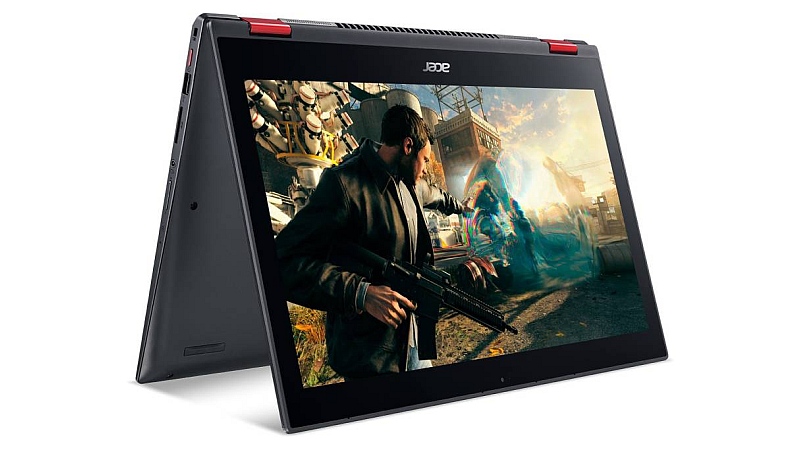
    Acer has launched a new gaming laptop in India, the Nitro 5 Spin for a starting price of Rs 79,990.

    The laptop has a 15.6 inch 1920 x 1080 px IPS LCD touch enabled display. The laptop boasts of Dolby Audio Premium, Acer Smart Amplifier and Acer TrueHarmony which the company claims will produce immersive sound experience thanks to the two front facing speakers and a sub-woofer. The device has the latest 8th generation Intel Core i7-8550U or Core i5-8250U  processor along with Nvidia GeForce GTX 1050 graphics, up to 8GB of GDDR5 RAM, and coupled with a 256GB SATA SSD and 1TB HDD hard drives. The laptop runs Windows 10 Home and is powered by a 4-cell 3320 mAh Li-ion battery.

    The Acer Nitro 5 Spin includes a USB 3.1 Type-C port, a USB 3.0 port (featuring power-off USB charging), two USB 2.0 ports, and an HDMI 2.0 connection.

    The Nitro 5 Spin is a convertible laptop and hence can be folded into tablet while media consumption or gaming.

    Chandrahas Panigrahi, Chief Marketing officer and Consumer Business Head, Acer said in a statement :

    We are excited to launch the first convertible gaming Notebook ‘Nitro 5 Spin’ in India. Its convertible design and 8th Gen Intel Core processor with Nvidia 10 series graphics card makes it a versatile gaming device that opens up new usage scenarios for enthusiast gamers and creative professionals on the go.

    Available to buy via Flipkart and leading offline retail stores, the Intel Core i7 option with the 256GB SSD + 1TB HDD is priced at Rs. 94,990.

  • Some Google Home Minis Just Won’t Stop Listening To You

    Some Google Home Minis Just Won’t Stop Listening To You

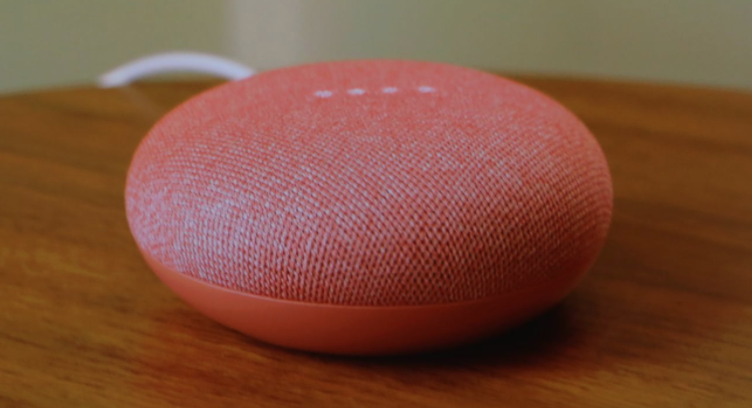
    Google recently hosted its launch event on October 4th and announced the new Google Home Mini. A US$49 smart speaker to compete with Amazon Echo Dot but, with Google’s own AI Google Assistant. The Home Mini was available for pre-orders from 4th October and some of the early units shipped have a defect that was anticipated due to the “always listening” feature.

    Smart home products are a great addition and smart speakers like the Amazon Echo, Google Home do make your life easier with voice commands. But, the fact that these speakers are always listening to you and how much of that is recorded and sent back to the company is a cause for scepticism in the minds of a lot of consumers.

    Artem Russakovskii of Android Police had his Google Home Mini delivered a few days ago and started experiencing abnormality in the smart speaker’s behaviour. The speaker won’t respond to most of the commands and the reason turned out to be the fact that it was constantly being triggered to listen to commands.

    Google has responded to this defect and acknowledged that some of the Google Home Minis do have this serious issue :

    We have learned of an issue impacting a small number of Google Home Minis that could cause the touch mechanism to behave incorrectly. We are rolling out a software update today that should address the issue.

    Google says that the long press function, also found on the Google Home is at the centre of this issue. The Home Mini fell prey to a “phantom touch” issue wherein it registered a physical long press and started listening to the users in order to provide an answer. Google however, was quick to work on fixing this major privacy issue. A minor software update has been already pushed to Home Mini which disables that hardware gesture, leaving the Home Mini only accessible via the “OK Google” command. Google has already updated its documentation to reflect that this is temporarily disabled, and it may stay that way once units are fully available on the market.


  • TAGG Launches Sports+ Bluetooth Earphones For Rs 5999

    TAGG Launches Sports+ Bluetooth Earphones For Rs 5999

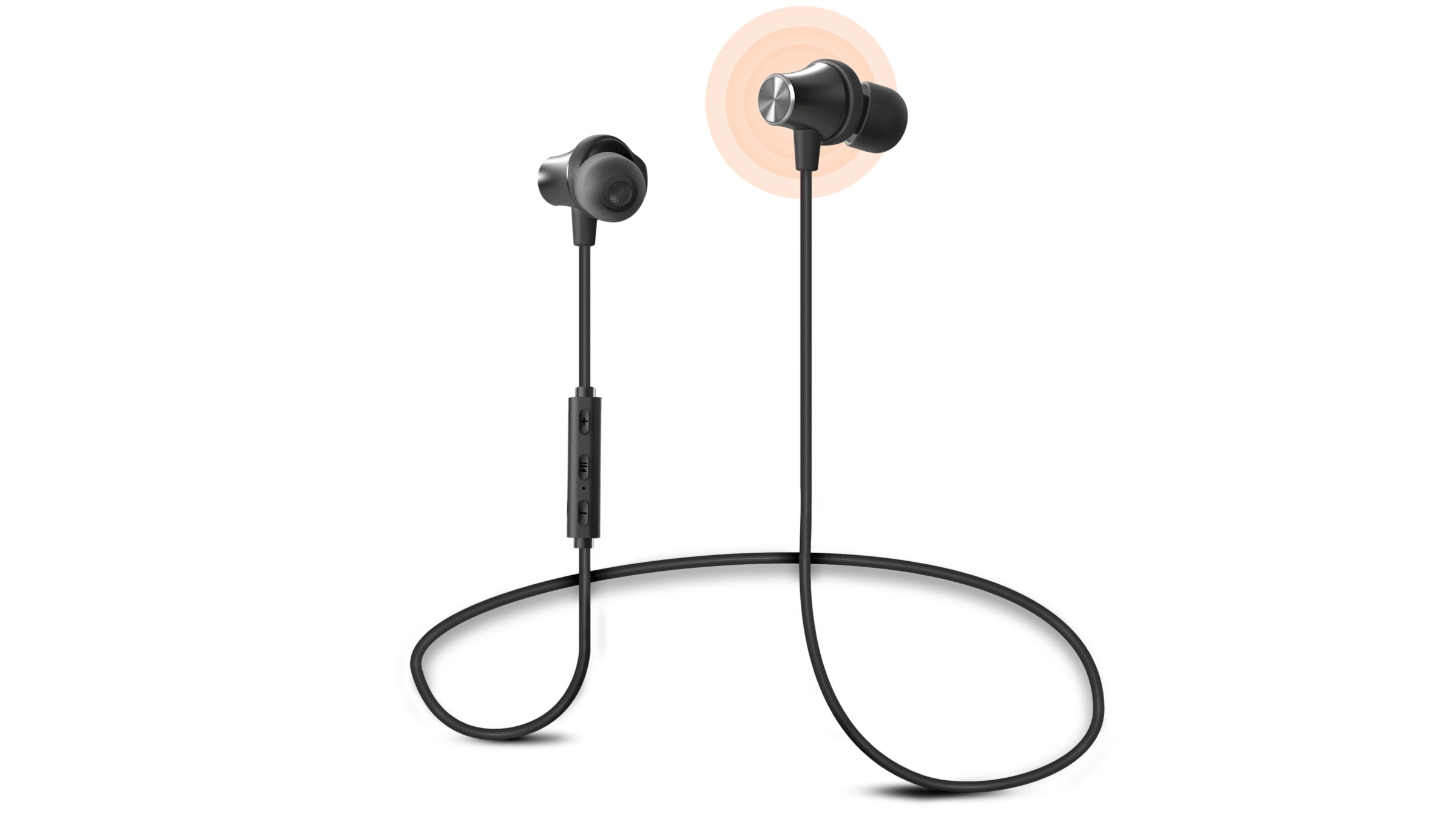
    TAGG has launched the new Sports+ bluetooth earphones in India at a price of Rs 3499.

    TAGG Sports+ comes with a Nano-coating technology that protects the wire from sweat. The earbuds have a built-in microphone and in-line controls like the play, pause and the volume buttons on the wire itself. The earphones are equipped with Bluetooth 4.1 with a range of about twenty feet and are compatible with both iOS and Android devices.

    The earphones have a magnetic lock so that they can sit tightly on your neck without flailing about while you work out. With a 120 mAh battery, the earphones have a battery life of up to 8 hours and a standby time of up to 180 hours. The earphones are charged via micro USB cable and a carrying pouch is included in the retail box.

    The earphones are only available in a black colour and can be bought right now for a discounted price of Rs 3499.

  • OnePlus Found Recording Personal Data Of Users

    OnePlus Found Recording Personal Data Of Users

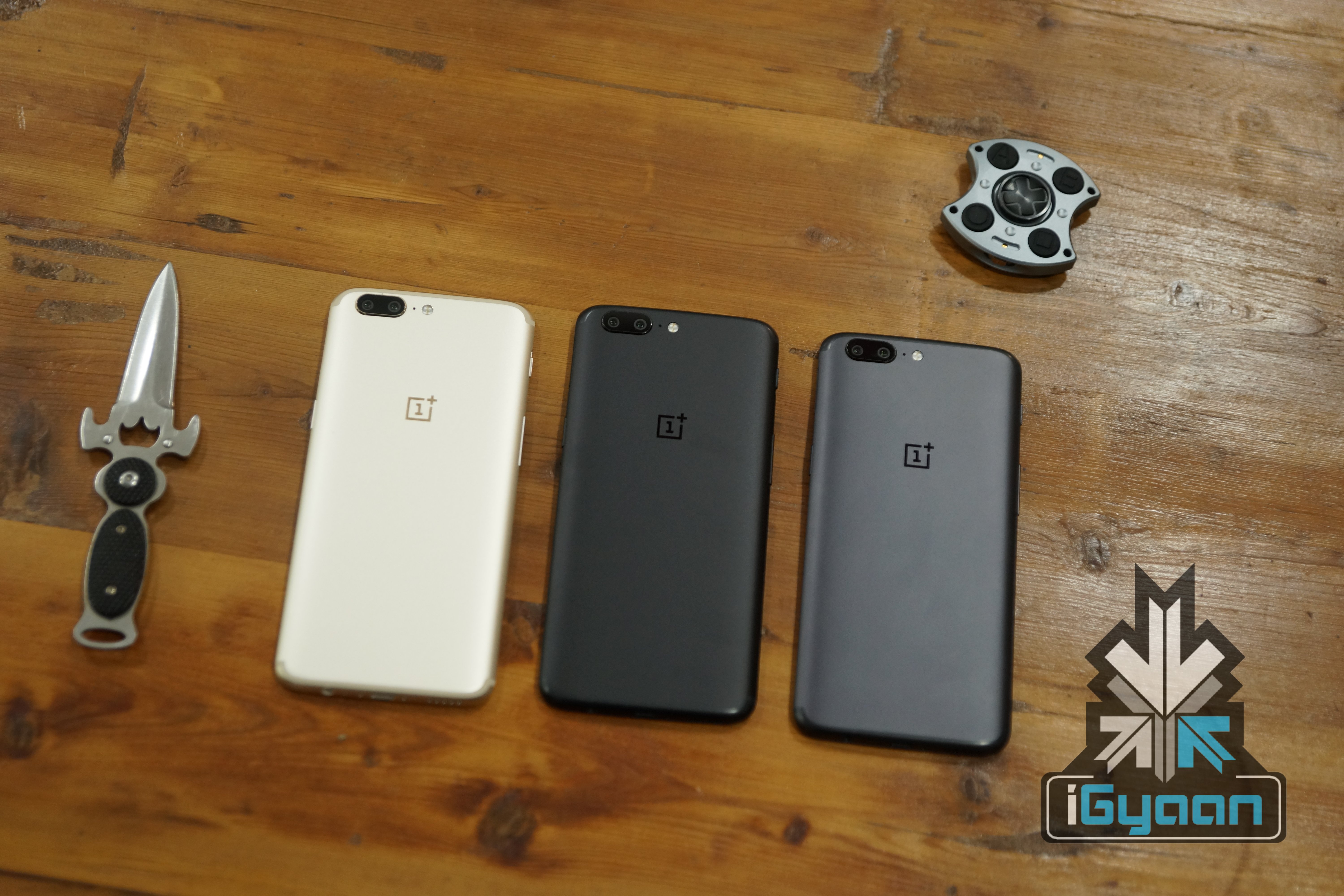
    In a yet another case of a Chinese smartphone maker recording sensitive data of its users, OnePlus has been found to do something similar. Normally, there is a certain level of information sent to the company like crashes, bugs and general issues that could be fixed by a software update. However, OnePlus was found to collect data that includes IMEI numbers, MAC addresses, mobile network names and IMSI prefixes, serial numbers, and more.

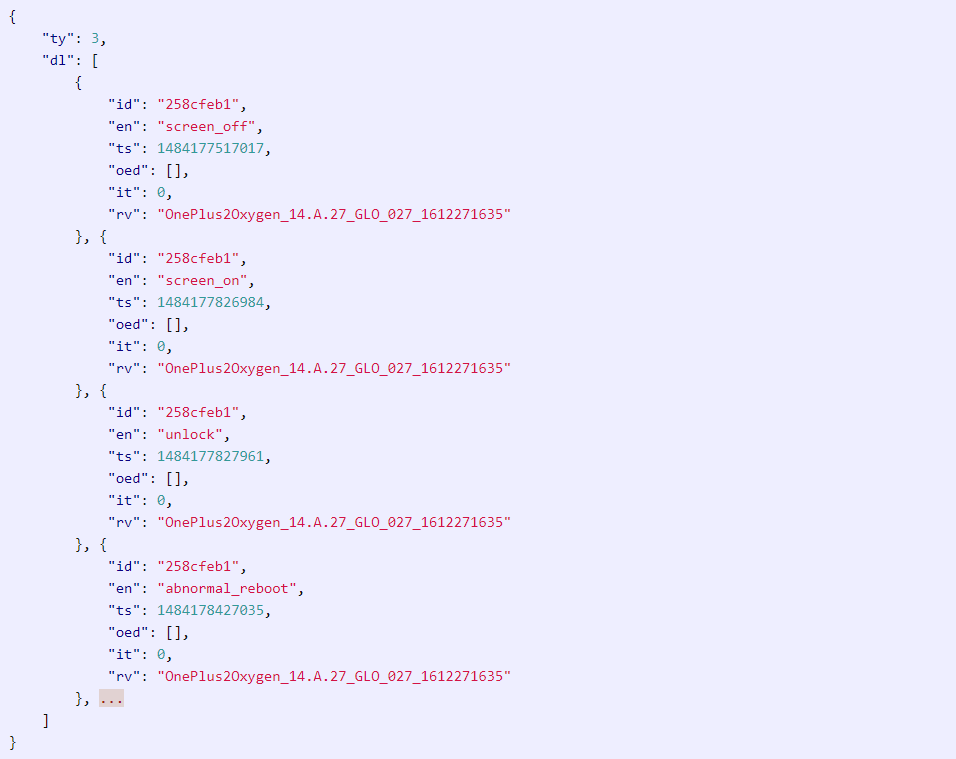
    Christopher Moore, a software engineer, made a post on his personal blog showing his discoveries. During a Hack Challenge, Moore began proxying the internet traffic from his OnePlus 2 using OWASP ZAP. What this means is that it essentially allowed him to view all incoming and outgoing internet traffic from his phone. Among the usual network activity, he noticed a large amount of requests to open.oneplus.net. Through deeper inspection, he found the domain name to be an Amazon AWS instance owned by OnePlus. He was able to decrypt the data (using the authentication key on the phone) which revealed that his OnePlus 2 was sending time-stamped information about locks, unlocks, and unexpected reboots.

    It is quite usual for a phone to log OS crashes as it allows developers to find a fix for such bugs. But, as Moore notes in his blog, sending the data of every time the phone is locked or unlocked seems a bit intrusive. Moore discovered that some of the data being sent to OnePlus’ servers included the phone’s IMEI number, the phone number, MAC addresses, mobile network names and IMSI prefixes, Wi-Fi connection info, and the phone’s serial number. He later found out that the data included every time an app was opened.

    OnePlus had this to say in response:

    We securely transmit analytics in two different streams over HTTPS to an Amazon server. The first stream is usage analytics, which we collect in order for us to more precisely fine tune our software according to user behavior. This transmission of usage activity can be turned off by navigating to ‘Settings’ -> ‘Advanced’ -> ‘Join user experience program’. The second stream is device information, which we collect to provide better after-sales support.

    There are rumours that OnePlus is working on the OnePlus 5T which might be launched in November and it is to be seen if this information of sensitive data recording will have any repercussions on the company’s plans.

  • Samsung Launches The Galaxy Tab A In India For Rs 17990

    Samsung Launches The Galaxy Tab A In India For Rs 17990

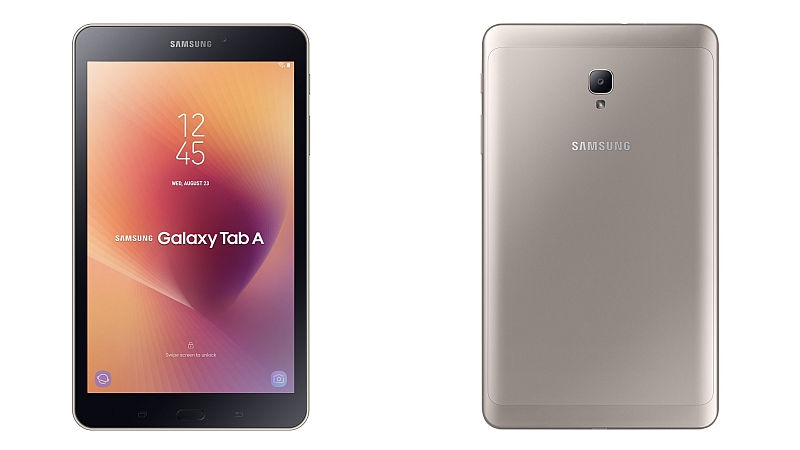
    Samsung has continued to keep refreshing its tablet lineup by launching the Galaxy Tab A in India at a price of Rs 17990. The same tablet was first launched in Vietnam as Galaxy Tab A 8.0.

    The Galaxy Tab A (2017) has an 8 inch 1280 x 800 TFT display with a brightness of 480 nits. The tablet is powered by a 5000 mAh battery and runs Android 7.1 Nougat out of the box with Samsung’s custom ToucnWiz UI on top. Under the hood, the device has the Qualcomm Snapdragon 425 chipset, 2GB of RAM, 16GB onboard storage which can be expanded up to 256GB via microSD card.

    In terms of optics, the tablet has an 8MP rear-facing camera with an f/1.9 aperture with an LED flash. To the front of the tablet is a 5MP camera.

    One of the highlights of the Galaxy Tab A (2017) is the new Bixby Home support that brings Samsung’s AI assistant to the mid-range tablet. Bixby understands and responds to the user’s behaviour and routine to suggest content and apps based on usage and location, among other things.

    The tablet will go on sale on October 10th across retail outlets and will be available in Black and Gold colour variants. The Samsung Galaxy Tab A (2017) is 4G-enabled, and Samsung has announced a data offer for Reliance Jio users, who will get up 180GB additional 4G data over the course of one year. Another launch offer includes a one-time screen replacement offer for those who buy the tablet before November 9.

  • Samsung Galaxy Note 9 Might Have A Screen Embedded Fingerprint Sensor

    Samsung Galaxy Note 9 Might Have A Screen Embedded Fingerprint Sensor

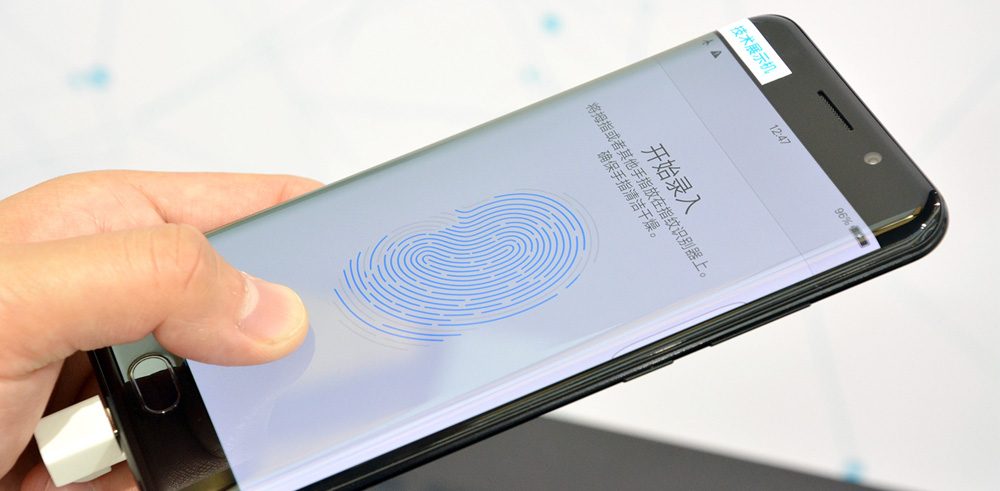
    Ever since Qualcomm showed off the screen embedded fingerprint sensor earlier in 2017, there were rumours of the Samsung Galaxy Note8 and the iPhone X will adopting the technology. However, it was determined that the time was too less for these companies to implement a technology that was in a nascent stage. The Galaxy Note8 was launched with the similar awkwardly placed fingerprint sensor at the back and the iPhone X got rid of the TouchID all together and replaced it with facial recognition system called FaceID.

    Now, Ming-Chi Kuo of KGI Securities has stated that Samsung’s next Note device may have such an “under-display optical fingerprint” technology when it launches in the second half of 2018. A fingerprint sensor has slowly become a staple in all smartphones nowadays. With bezels getting thinner and smartphone manufacturers not convinced with a fingerprint sensor at the back, thiis technology seems to be the next big thing in the smartphone industry. It is however, a tricky technology to implement and there aren’t a lot of successful products in the market which use this technology. In May 2016, LG developed a fingerprint sensor that sits under the display and earlier in 2017, at MWC Shanghai, Vivo unveiled the first smartphone with a under-display fingerprint sensor based on the technology developed by Qualcomm.

    There are three companies vying to be the supplier to Samsung, of which, BeyondEyes and Samsung LSI have already reported to have shipped samples to Samsung. Egis is the third of the top contenders, who currently supplies fingerprint sensors for Samsung’s phones.

    If and when this technology is perfected by the smartphone makers is yet to be seen and the question is more about when rather than if. The Samsung Galaxy Note9 and the 2018 iPhone are far from launch right now and the closer we get to their eventual launch, the more details about the screen embedded fingerprint sensor will be spilled out.

iGyaan Network
Privacy Overview

This website uses cookies so that we can provide you with the best user experience possible. Cookie information is stored in your browser and performs functions such as recognising you when you return to our website and helping our team to understand which sections of the website you find most interesting and useful.