Blog

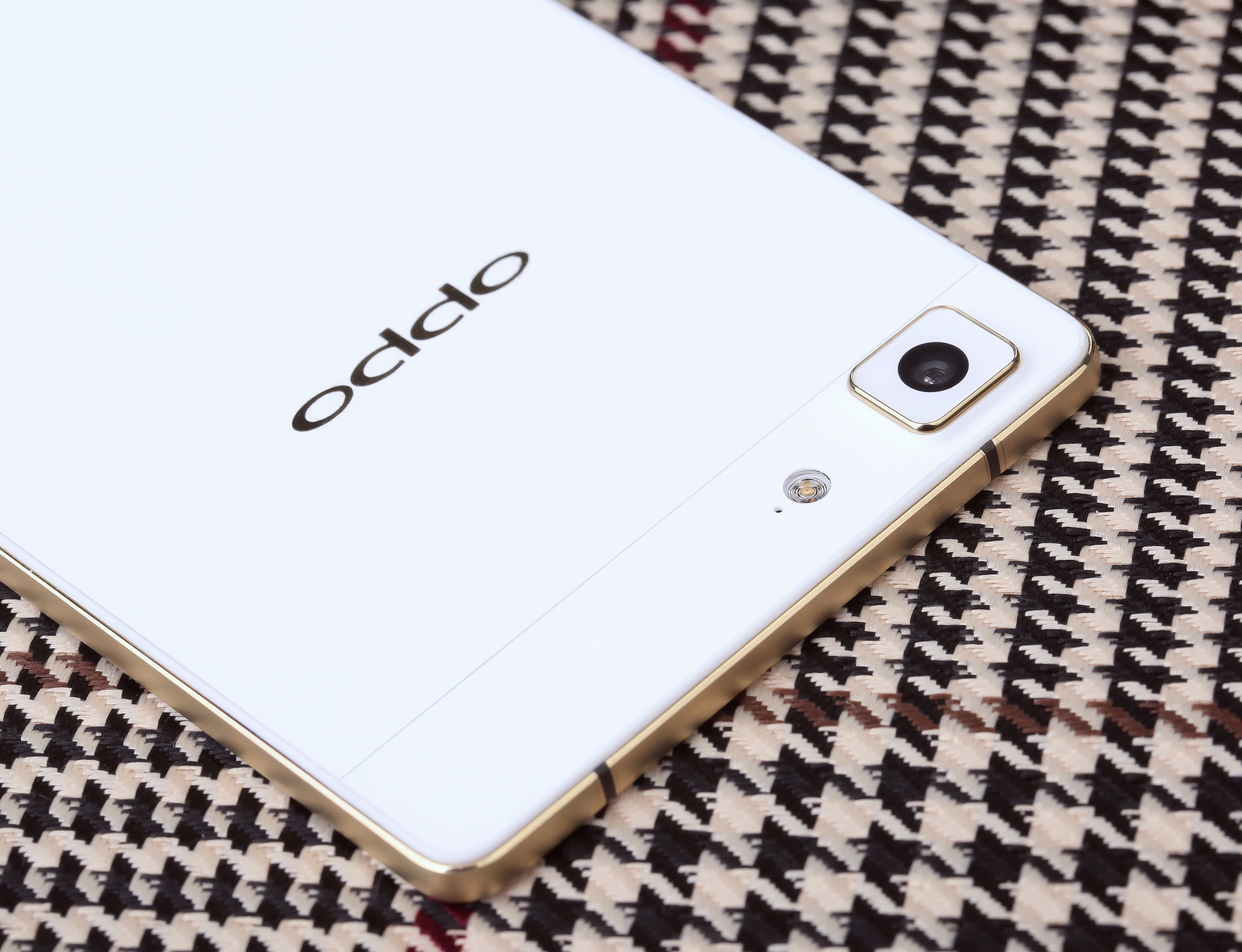
  • Oppo F1 for Photography Enthusiasts to Launch on 28th Jan

    Oppo F1 for Photography Enthusiasts to Launch on 28th Jan

    CES 2016 has seen a number of high profile launches, and device confirmations already, and now jumping into the mix is the Chinese Smartphone maker, Oppo, which in its latest official communications has invited the media, and its partners to a launch event on the 28th of this month.
    Keeping in mind how Oppo conducts its business, this press event could well see the Chinese company bring to the market its much awaited Oppo F1.

    OPPO-F1-2
    Teasing the media, and fanboys alike, the company tweeted,”Attention photography lovers! Something exciting is coming your way. Stay tuned.”
    The phone is rumoured to come equipped with an above par 13 Megapixel snapper, with ‘Phase Detection Autofocus’ technology, and will be the camera centric F series phone that Oppo had previously talked about.

    Sadly, there isn’t much clarity about the other specs of the phone, but an 8 Megapixel front camera, backed by 3GB of RAM, and a Snapdragon processor could be expected. On the upside the phone will sport a 5 inch display.

  • Lenovo May Kill the Motorola Brand

    Lenovo May Kill the Motorola Brand

    It looks like another popular name in the mobile phone industry is set to follow the same fate as Nokia (although the latter might be making a comeback this year). Buzz around the internet is that Motorola will soon be phased out.

    Lenovo, which bought Motorola from Google back in 2014, announced at CES 2016 that it will phase out the Motorola brand for its phones. “We’ll slowly phase out Motorola,” said Motorola Chief Operating Officer Rick Osterloh.

    The decision is particularly interesting when seen in light of Lenovo’s statement back in 2014 when it said that, “We plan to not only protect the Motorola brand, but make it stronger.”

    Motorola logo

    What this means is that Motorola’s phone business will now come under Lenovo and the Motorola name will disappear from its phones this year. Meanwhile, Lenovo will still use the ‘Motorola Mobility’ name for its phone division, but any upcoming phone or wearable will fall under the brand of ‘Moto’ and ‘Vibe’.

    Motorola fans need not despair. The brand name will continue to live on, albeit in a more minimalist way. Future Moto products will continue to sport Motorola’s batwing-like ‘M’ logo along with Lenovo’s blue logo. Indeed, Motorola will be missed, and will always be remembered as one of the earliest, if not first brand to produce a mobile phone.

  • Microsoft Lumia 650 Leak Confirms New Design Language

    Microsoft Lumia 650 Leak Confirms New Design Language

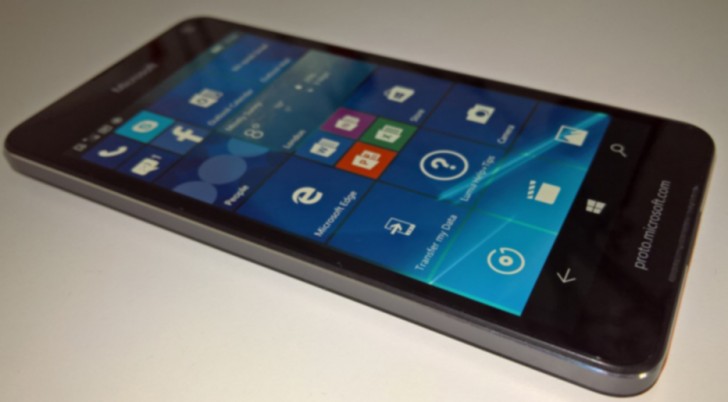
    Not much has been spoken or revealed about Microsoft’s upcoming smartphone, Lumia 650. Indeed, the company has managed to keep a tight lid on the device. That is until now at least. The Lumia 650 handset has been spotted in a live photo that reveal design. The same source has also provided some information on specs.

    Lumia 650

    The obvious design element that we first spot from the picture is the metal frame. The leaked specs of the Lumia 650 are underwhelming to say the least. The 5-inch 720p display device is likely to come bearing the Snapdragon 210 chipset clocking at 1.1GHz. A 2,000mAh battery pack in the 650 is small, especially when compared to the Lumia 640 (2,500mAh) and the Lumia 550 (2,100mAh).

    From what the specs tell us, and this is yet unconfirmed, the Lumia 650 lacks in juice and power, and a pricing of under Rs. 10,000 (similar to the Lumia 550) will be needed for this device to tempt the masses.

  • Coolest Tech at CES 2016 So Far

    Coolest Tech at CES 2016 So Far

    CES 2016 kicked off in the most spectacular way possible. The technological fest had everything a tech junkie could ask for. While drones and hover boards were the ones that stole the spotlight, there were some others that just inspired awe. Here are some of our favorites so far.

    Razor Blade Stealth
    razer-blade-stealth-04

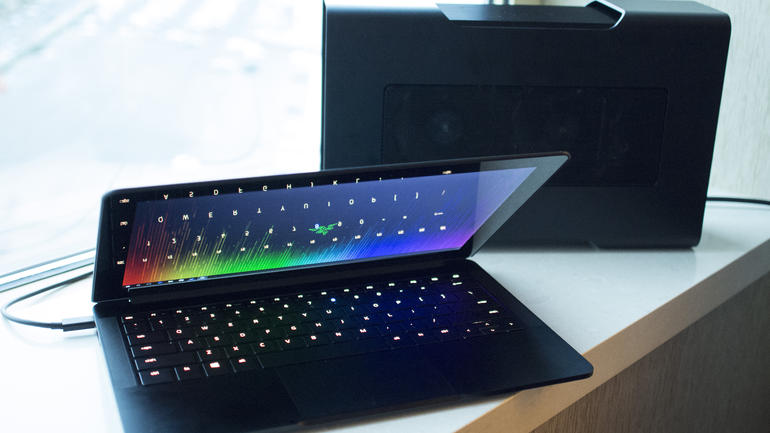
    Razer – maker of the coolest and most badass gadgets around – unveiled its 12.5-inch Razer Blade Stealth with Super HD 2,560×1,440-pixel resolution touchscreen display, a Core i7 processor, 8GB of memory and 128GB of solid-state storage. And since the laptop is a Razer product, the device comes with RGB backlit keyboard that lets you program every key to light up in individual colors.

    Saving the best for last, the laptop also features Razer Core, an external graphics docking station which will arrive for an undisclosed price in the first half of this year.

    Intel RealSense Technology
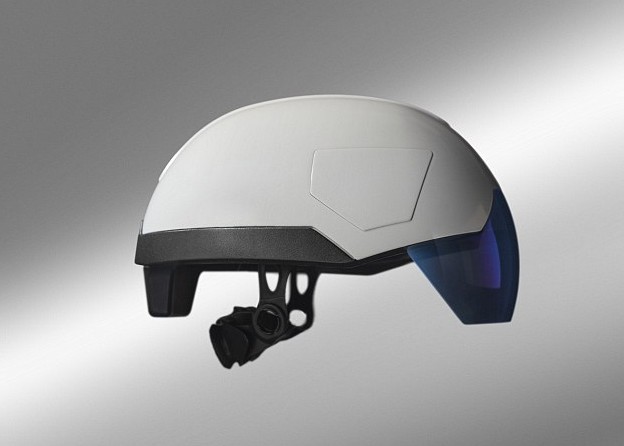
    Intel reminded everyone that the future is indeed here. The chipmaker showed off its RealSense sensor technology, which allows computers to map an environment in real time and react to it. Intel used this technology in three different products – a helmet, a car, and a robot.

    The Daqri is a smart helet that is aimed at construction workers and athletes. The helmet has inbuilt glasses that are AR-ready. The helmet uses RealSense 3D camera to create augmented reality on the screen of the glasses. The RealSense technology was also seen in Segway’s Advanced Personal Robots, which is a hoverboard that doubles into a robot. Finally, the technology was seen in a race car that showed movements on the screen following the driver wherever they turned their head.

    Ehang 148 Drone
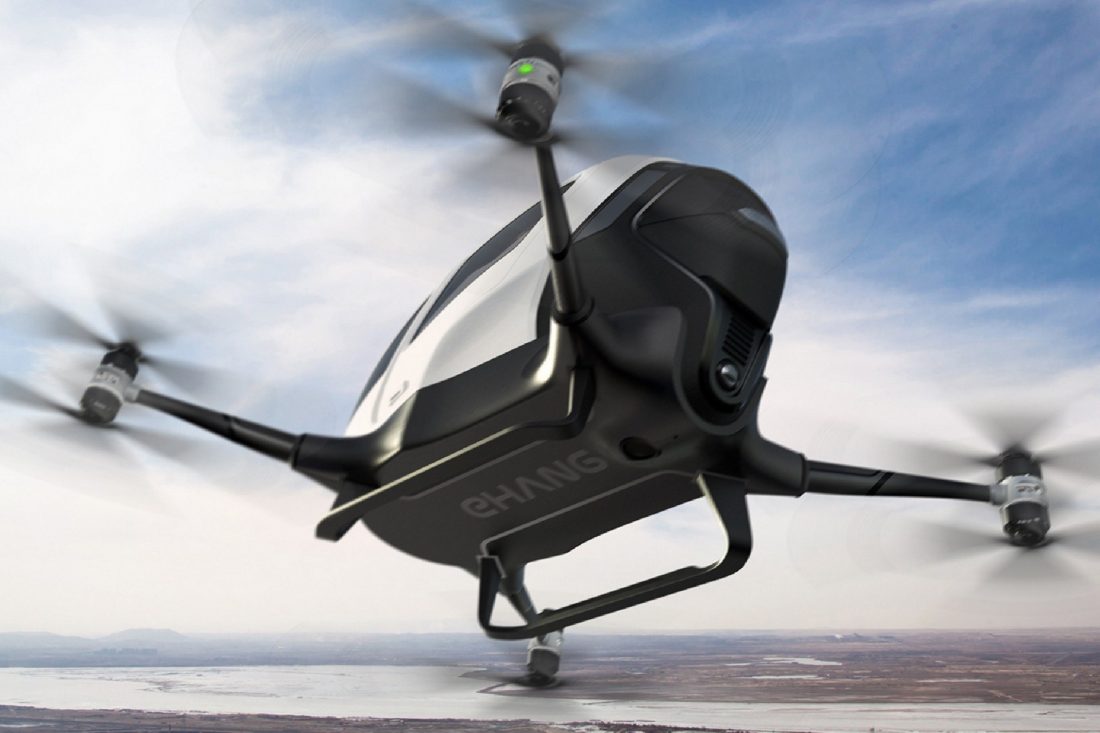
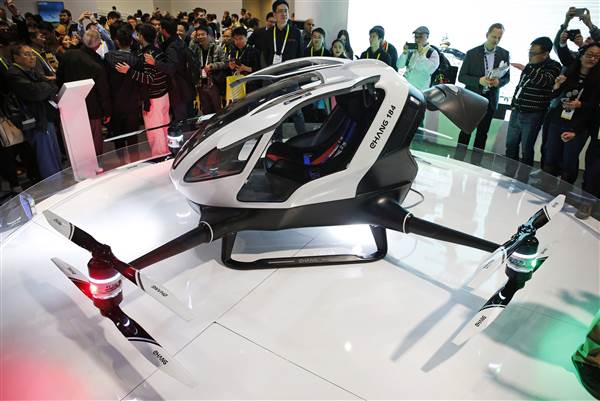
    Ehang 184 Human Carrying Drone

    A Chinese company, Ehang Inc., unveiled what is being touted as the first ever drone capable of carrying a human being, on Wednesday at CES.

    The Ehang 184 was unveiled yesterday as an electric-power drone that can carry up to 220 pounds and is capable of flying for 23 minutes. It looks like a small helicopter, but of course, along with the four doubled propellers of a drone. The air-conditioned cabin has room for one person and is capable of being charged fully in only two hours. It also has a reading light and space for a back-pack, just because.

    Faraday Future’s FFZero1 Electric Concept
    faraday-future-03-690x345

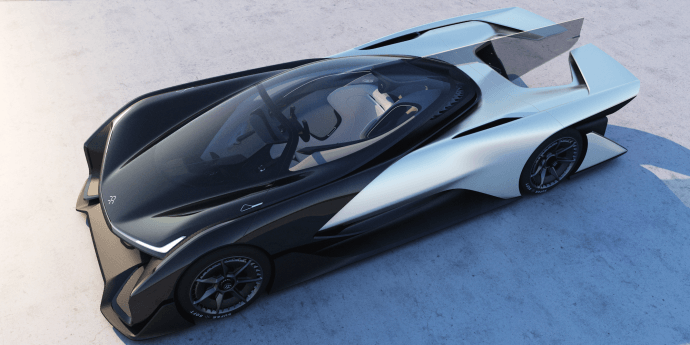
    One of the coolest unveiling in the automotive departments comes from Faraday Future. The startup, which is backed by Chinese internet TV provider LeTV, unveiled its first-ever electric concept, the FFZero1 which will be production ready by 2018. The exterior design of the vehicle draws inspiration from the 1960s Batmobile.

    The FFZero1 has a smartphone embedded in the steering wheel to give the vehicle a “sixth sense” that understands the driver’s preferences and is also capable of driving itself. The internet-connected FFZero1 has a top speed of 200mph (321 kph) and accelerate from 0 to 60 mph in less than 3 seconds. Furthermore, the car has what the company calls ‘aero tunnels’ that channels air through the car to reduce drag and cool the batteries.

    Faraday Future research chief Nick Sampson said that the company can achieve production of the FFZero1 faster than other automakers thanks to its adoption of “variable production architecture”. “Our lifestyle is becoming very digital and connected, and the car industry isn’t responding to those needs quick enough,” Sampson said. “Our architecture allows us to create different batteries without completely re-engineering the thing each time.”

    Fitbit Blaze
    Fitbit Blaze Smartwatch

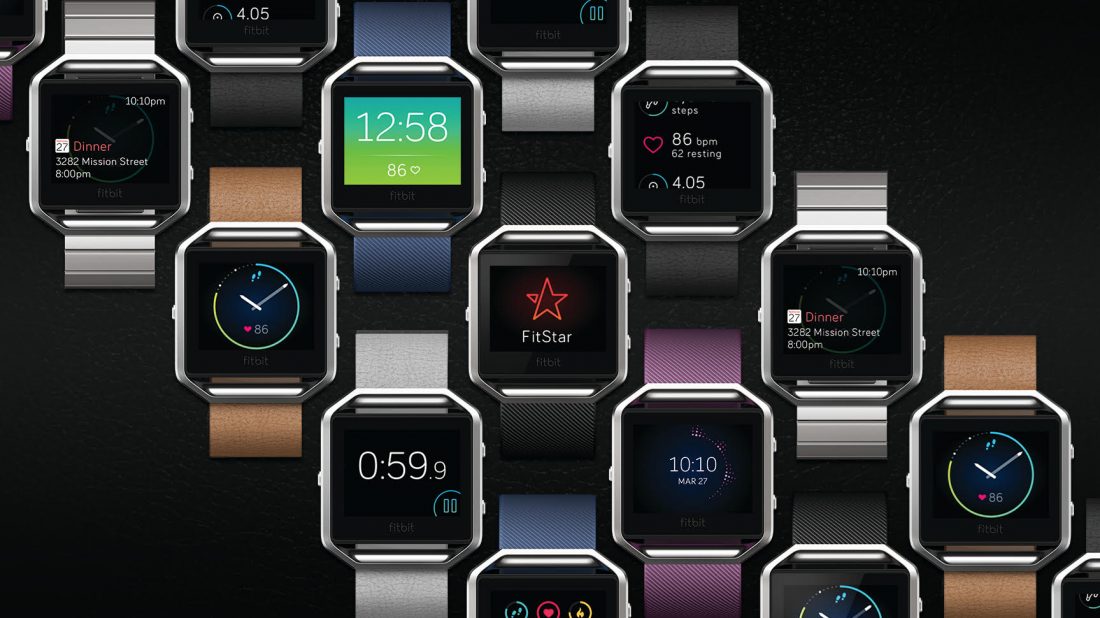
    Fitbit – the company that’s currently dominating the fitness tracking market – showcased its new wearable that looks more like a smartwatch than any of its previous offerings. The smartwatch was also launched in India yesterday at Rs. 19,999 and is up for pre-orders.

    The watch comes equipped with a sleep-tracker, GPS and Bluetooth Smart which notifies the user of calls, texts and calendars notifications. The user can also accept or reject calls using the watch when its connected to a compatible smartphone. On-screen controls also allows the user to navigate and play music from the connected smartphone. PurePulse feature of Blaze tracks the heart-rate of the user and helps make training routines more efficient.

    Blaze seems high on design with its interchangeable bands, modular design and a high resolution colour touchscreen. It has a stainless steel display which further has three options to choose from -black, mist grey and camel. There is another option of a Luxe stainless steel band paired with the display frame available in silver.
  • Xiaomi Teaser for Redmi 3 Confirms Launch Date

    Xiaomi Teaser for Redmi 3 Confirms Launch Date

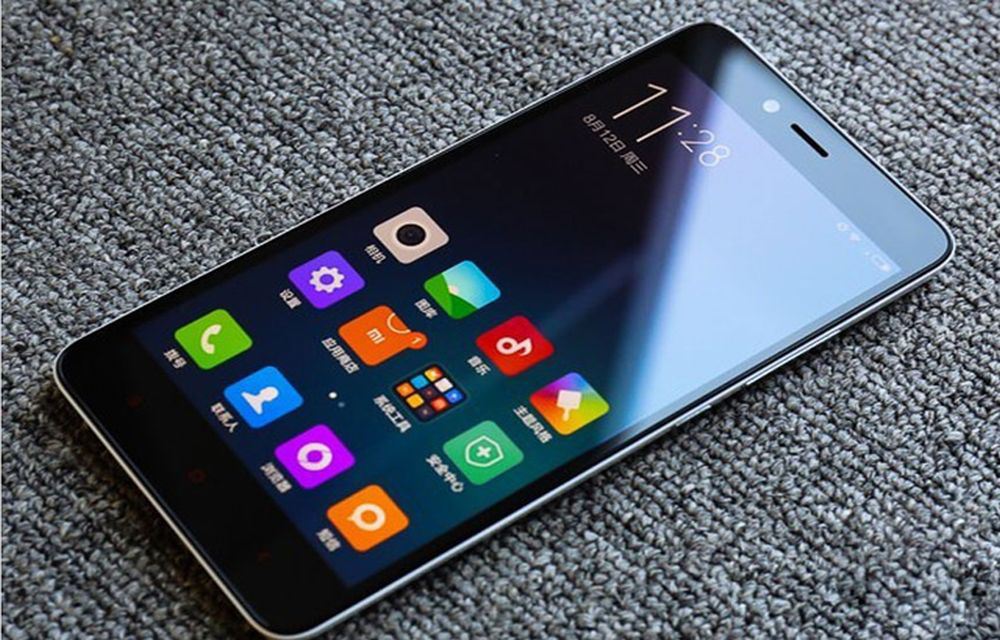
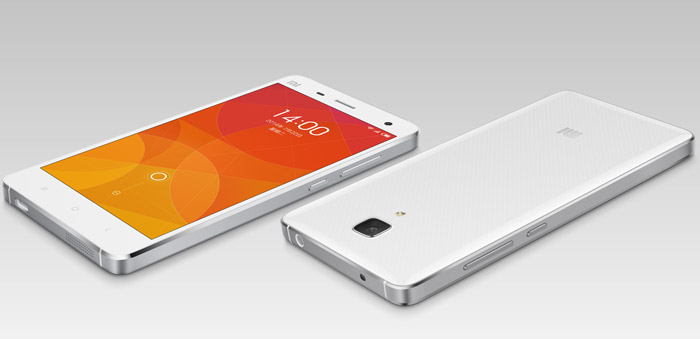
    Xiaomi has released a new teaser for Redmi 3 which confirms its global launch date. The phone will arrive next week on 12th January. The teaser was posted by the company on its official Weibo account. Xiaomi Redmi3 Teaser

    It was further revealed that the device will have a 5-inch display and an all-metal body which sports a plaid design on the back. There is no word on any other specs of the device yet but speculations place it at 1.5GHz CPU  with a resolution of 1280 × 720 for its 5-inch display.

    The RAM is marked at 2 GB and the memory is at 16 GB. The cameras would have 13 MP for the main camera and 5 MP for the selfie camera. Furthermore, the device is expected to be powered by Android Lollipop 5.1. Watch this space for all other updates.

  • OnePlus X Ceramic Limited Edition Variant Goes on Sale in India Tomorrow

    OnePlus X Ceramic Limited Edition Variant Goes on Sale in India Tomorrow

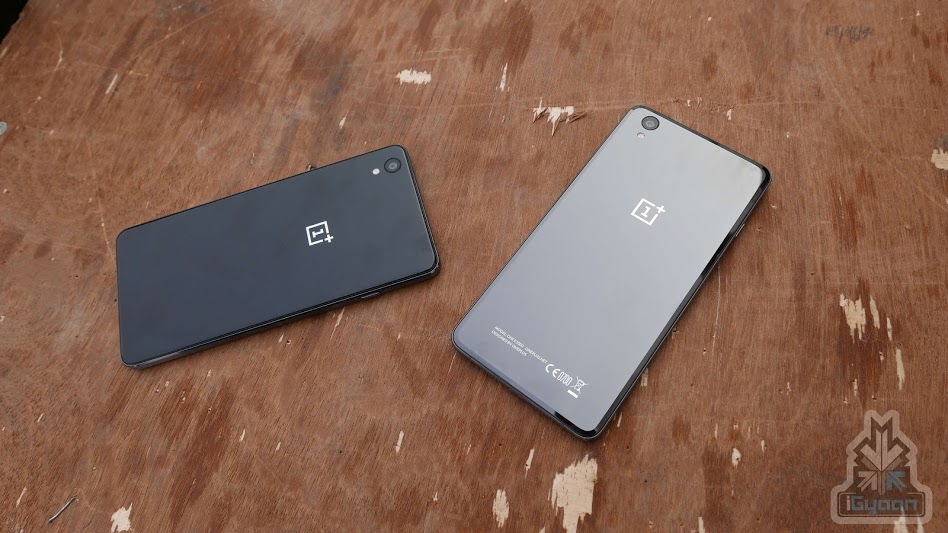
    Once again, a OnePlus device is going to be made available in an invite-free way. On 8th of January, consumers can buy the OnePlus X limited edition Ceramic variant minus an invite. However it will be available only in selected locations.OnePlus X Ceramic EditionThe phone will be available at some French Connection stores in Delhi, Mumbai and Hyderabad between 7 to 9 PM. Additionally, there will be a 10% discount on the smartphone. The first 50 buyers would also get a gift bag that includes a voucher of Rs. 500 by the retailer.
    Starting 9th January, OnePlus X Ceramic variant will exclusively be available on Amazon.in using invites. It’s currently priced at Rs. 22,999. More details can be found on the official OnePlus blog.

    Specification OnePlus X
    Display 5-inch full HD AMOLED screen, Corning Gorilla Glass 3
    Resolution 1920×1080 pixels, 441ppi
    Dimensions 140 x 69 x 6.9 mm
    Weight 138 g (Onyx)/ 160 g (Ceramic)
    Chipset  Qualcomm Snapdragon 801
    CPU 2.3 GHz Quad-core processor
    GPU Adreno 330
    RAM 3 GB
    Front Camera 8 MP f/2.4
    Rear Camera 13 MP f/2.2 ISOCELL
    Storage 16 GB eMMC v5.0
    Expandability Up to 128 GB via MicoSD
    Battery 2,525 mAh embedded rechargeable battery
    Connectivity Wi-Fi 2.4 GHz b/g/n WCN3680 / Bluetooth 4.0
    Operating System Oxygen OS based on Android 5.1.1
    Price Rs. 16,999 (Onyx)/ Rs. 22,999 (limited edition Ceramic)
  • Nikon D5 D-SLR Camera Launches in India

    Nikon D5 D-SLR Camera Launches in India

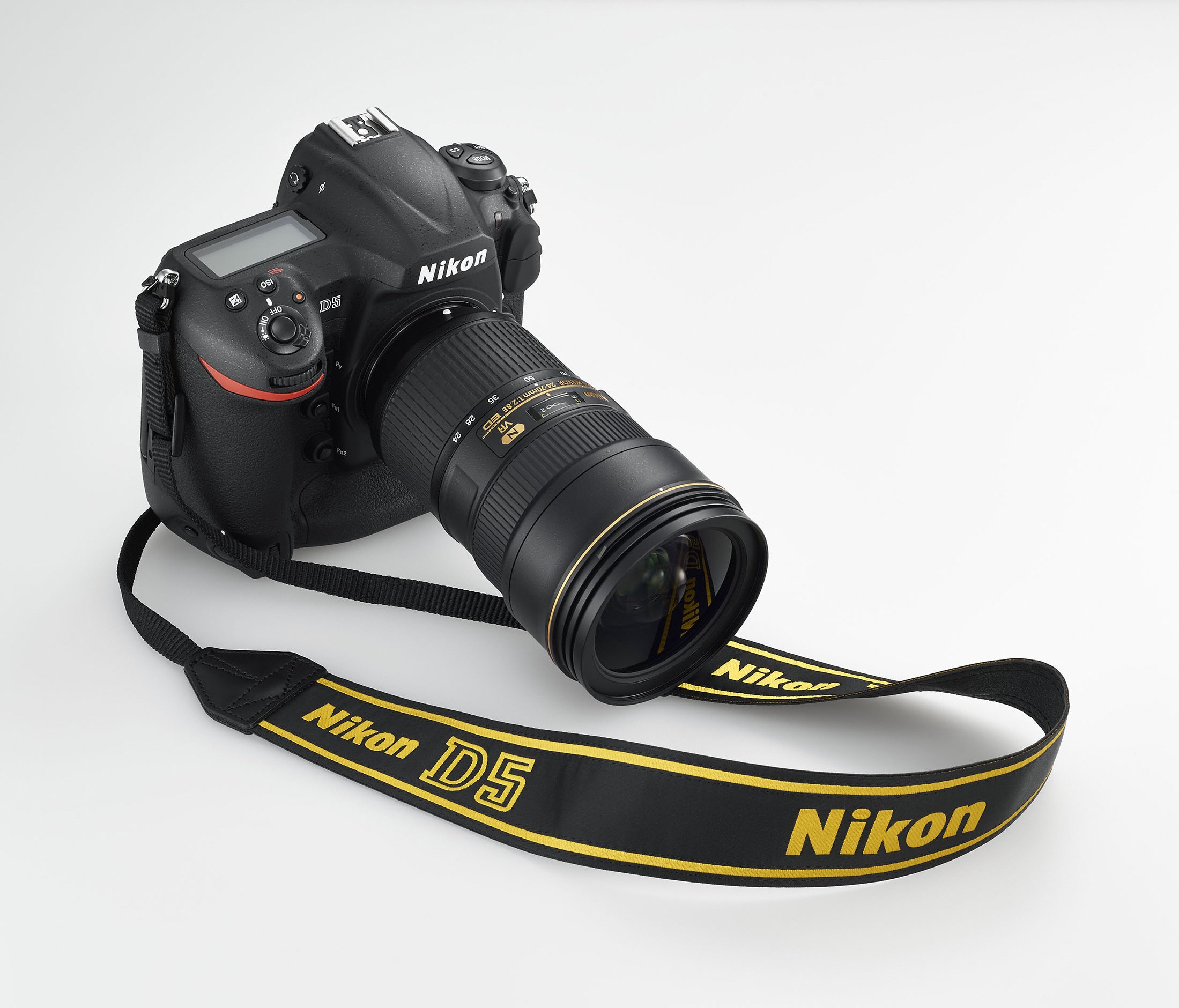
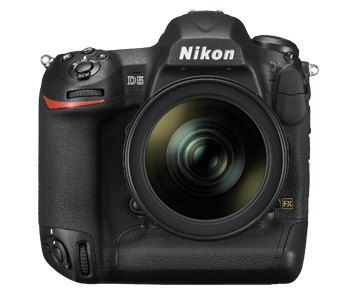
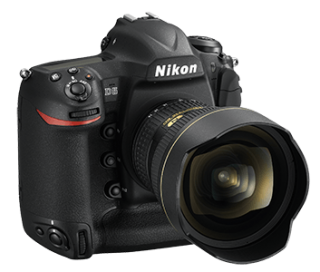
    Launched globally two days ago, Nikon D5 arrives in India today. The new Nikon camera was officially unveiled at CES on Tuesday. The camera boasts a new 20.82-megapixel full-frame CMOS sensor. This along with  a 180,000-pixel RGB metering sensor will deliver more accurate tonal gradations and detail, according to Nikon.

    3245352727

    Nikon’s newest flagship camera is powered by a new EXPEED 5 image processing engine. Some notable features include 4K/UHD video recording. The Nikon D5 can shoot 4K movies (3840×2160 pixels) at 30p/25p/24p in dot-by-dot native pixel crop, which ensures the highest image quality as well as record Full HD (1080p) videos at frames up to 50p/60p in multiple formats.

    2039650605

    Capturing lowlight images will be a cinch as the camera provides a native ISO range from 100 to 102,400, extendable up to a whopping 3,280,000 equivalent at the Hi 5 setting. The D-SLR also comes with what Nikon calls a ‘next-generation AF’ system boasting 153 focus points and 99 cross-type sensors.

    “Nikon D5 is a professional’s formidable photography partner, sporting a phenomenal new autofocus system, highest standards of expanded ISO sensitivity, turbocharged workflow, and exceptional durability, for superlative flexibility to shoot both stills and 4K movies. The new-fangled D5 outperforms the expectations by delivering a potent fusion of extensive image capturing power alongside a detailed and immediate acquisition performance, regardless of the environment. Nikon D5 is ‘I AM VISION OUTPERFORMED’.” said, Mr. Sajjan Kumar, Vice President – Imaging Division, Nikon India Pvt. Ltd.

  • Uber Fined $20,000 Over ‘God View’ Tool in the US

    Uber Fined $20,000 Over ‘God View’ Tool in the US

    Uber’s ‘God View’ tool allowed employees to access and track the location of Uber drivers and customers without their permission or their knowledge. The company ran into trouble with the tool in 2014 when an Uber executive tracked the whereabouts of a Buzzfeed journalist while she was not aware of it.

    When the issue was brought out in the public, required action was taken against the executive. The concerned executive explained the act by saying the reporter’s location was monitored because she was 30 minutes late for a meeting. Uber later declared the act to be one of “poor judgement”.uber-taxiHowever, the cat was out of the bag now and had attracted the attention of the lawmakers. What started in 2014 has now finally concluded with a $20,000 fine being imposed on Uber. The settlement was reached between the company and New York Defence Attorney General  Eric Schneiderman yesterday.

    The settlement also requires Uber to revise its privacy policy. Geolocation for both the driver and the customer would now be encrypted and password protected. Additionally, ‘God View’ would now be available only to a handful of employees, unlike before when a large number of them could use it. The use of the tool is justified only for “legitimate business purposes”, says the company.

  • Microsoft Surface Pro Range Launches in India

    Microsoft Surface Pro Range Launches in India

    Microsoft fanboys, the day you’ve been waiting for is here. United States based tech giant, Microsoft has launched its highly appreciated laptop killer range, the Surface Pro in India today. The Surface Pro 3 models start at Rs 73,990, while the Surface Pro 4 range starts at Rs 89,990. The country being a make or break market for Microsoft, this over-the-top pricing for the Pro 3, and Pro 4 range could hurt Microsoft in the long run.

    The Surface Pro 4 features a 12.3-inch Pixel Sense display, that can output a maximum resolution of 2736 x 1824 (267 PPI). It will run on a 6th Gen Intel Core m3, i5, or i7 processor. The device will have 4GB,8GB,16GB RAM depending on the variant of choice, and will be available in storage options of 128GB, 256GB, 512GB, 1TB SSD drives. To add to this, the Surface Pro 4 will also come equipped with Intel HD Graphic chips, or an Intel Iris chip for the top of the line i7 variant.

    Microsoft Surface Pro 4


    The hybrid tablet will be powered by Windows 10, and the cool thing about the the device is that it turns into a fully-powered laptop while running a desktop software. Battery life is promised at just over 9 hours on a single charge, and the device will weigh not over 786 grams.A 5MP front, and 8MP camera at the back are also found on the tablet.

    surface-pro-4-with-type-cover

    Surface Pro 3, on the other hand, has a smaller 12-inch ClearType screen that can output maximum resolution of 2160x1440p and will be available in Core i3 and Core i5 processor options. Further specifications reveal variants with 4GB RAM and 128GB SSD; 8GB RAM and 128GB SSD; and 8GB RAM and 256GB SSD. The tablet comes with the same connectivity options as its newer sibling, but the camera on the front and back have 5MP resolution.


  • This Drone Can Carry a Man

    This Drone Can Carry a Man

    If you’re looking for little man-made contraptions humans could fly in, seek no more. A Chinese company, Ehang Inc., unveiled what is being touted as the first ever drone capable of carrying a human being, on Wednesday at CES .

    The Ehang 184 was unveiled yesterday as an electric-power drone that can carry up to 220 pounds and is capable of flying for 23 minutes. It looks like a small helicopter, but of course, along with the four doubled propellers of a drone. The air-conditioned cabin has room for one person and is capable of being charged fully in only two hours. It also has a reading light and space for a back-pack, just because.

    The passenger is required to give two commands “take off” and “land” once the flight plan has been put in order; both these commands are taken care of using the Microsoft Surface tablet. The drone is designed to fly 1,000 to 1,650 feet off the ground with a maximum altitude of 11, 500 feet. The highest speed it can reach is 63 miles per hour.

    Shang Hsiao, co-founder and Chief Financial Officer for Ehang aims to sell the drone at $200,000-$300,000. However it seems there will be a while before the drone is declared legally safe in all aspects. The Federal Aviation Administration is already trying to regulate America’s sudden increased interest in drones. It would be interesting to see them tackle another addition to the territory.

  • iPhone 7 Leaked Parts Reveal Design Change from iPhone 6S

    iPhone 7 Leaked Parts Reveal Design Change from iPhone 6S

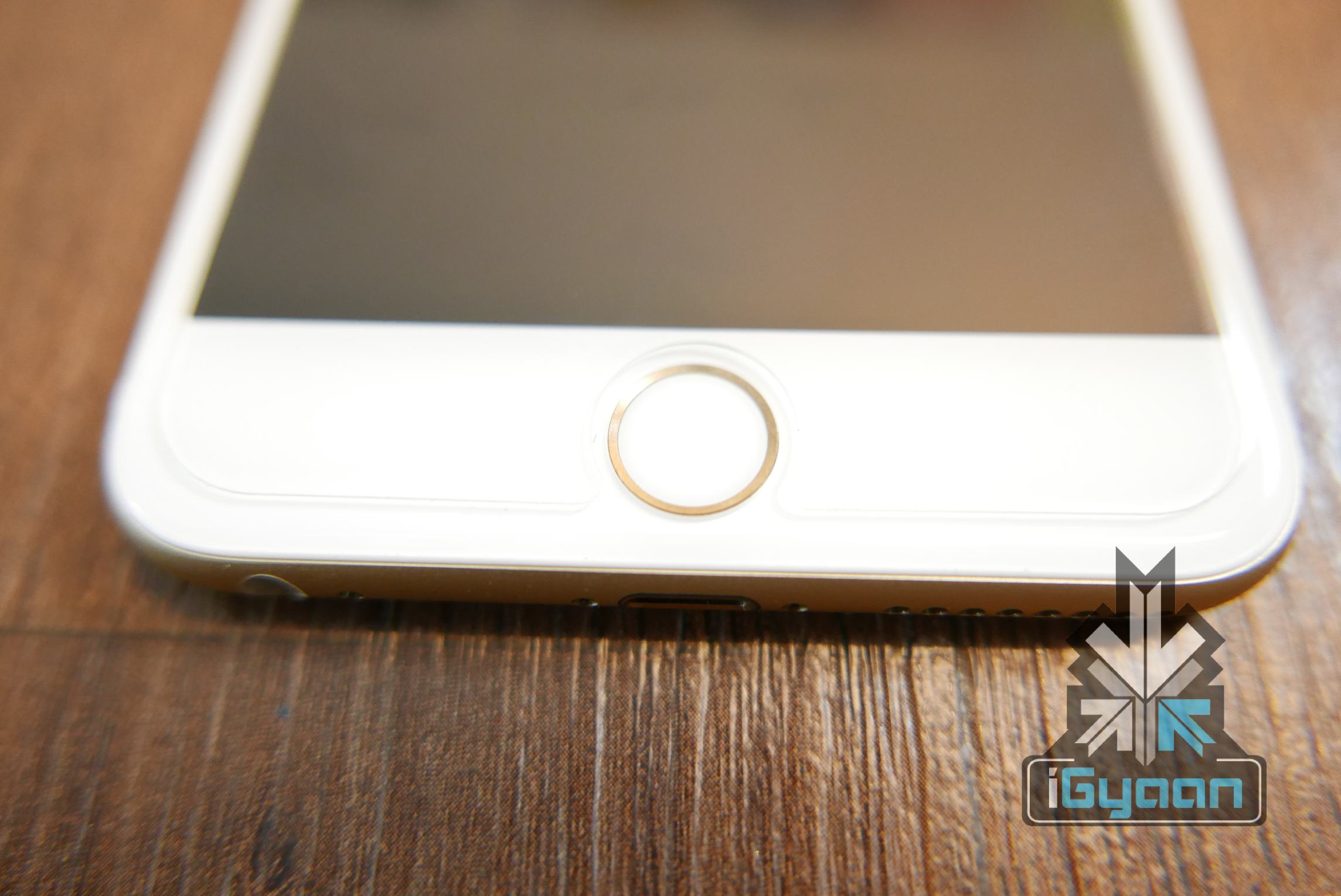
    Following the release of the iPhone 6s series, the crowded corridors of internet have already been abuzz with news,and leaks of the next range of phones from the Cupertino based company. Some might call it pre-mature to make predictions about the iPhone 7 and 7 Plus, which are not due until September this year, but fresh leaks surfacing on the Internet seem credible enough to be worth taken note of.


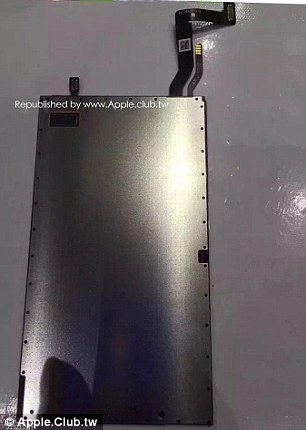
    According to new leaked pictures of the the backlight screen for the iPhone 7 published by Taiwanese website Apple Club, there are clear suggestions of design changes in the upcoming iPhones. It had been previously claimed that the handset will win the race to dump the headphone socket, relying on the lightning port, or use wireless headphones to do its work. This new leak has only made these rumours grow stronger.

    Leak pic 3

    Side-by-side pictures comparing the leaked images with the one used in the Apple iPhone 6s also show flex cables located on the left side of the iPhone 7 backlight while the iPhone 6s backlight has it on the opposite side.

    These moves will possibly help the new range of iPhones achieve between 6.0 mm and 6.5mm thinness, and a design that’s waterproof. The devices may also have a faster TSMC-built A10 chip and non-metallic casing with hidden antenna bands.

  • Self-Charging Batteries to End Smartphone Battery-Life Woes

    Self-Charging Batteries to End Smartphone Battery-Life Woes

    We have seen some incredible breakthroughs in technology lately but one issue that still needs to be solved is that of battery trouble. No matter how fancy a gadget gets, it is almost always limited by its battery life. The next big thing the world of tech requires is never-ending batteries, and looks like MIT is paying attention.

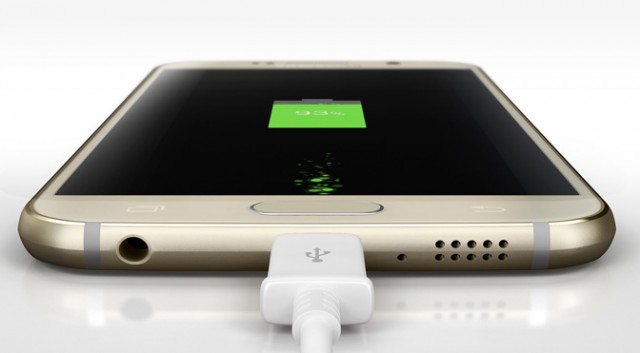
    A group of researchers at the university are working on self-charging batteries, which in turn means never-ending battery life. The idea is to produce electrical energy out of the mechanical energy of locomotion. The mechanical energy produced as a result of walking can be used to charge electronic devices.samsung battery

    The procedure involves two thin sheets of lithium alloys to serve as electrodes with a porous sheet of polymer, after it has been soaked in liquid electrolyte, placed in between. This design is efficient at moving lithium ions, while at the same time being attached to sensors on the joints on the body like knees or wrists. The sensors would absorb mechanical energy of locomotion and convert it to electrical energy.

    This tech could also be used to charge wearables like smartwatches, along with phones. However there is still a long way to go. Right now, the use of this technique can achieve 15% efficiency for a gadget at best. The research team hopes to increase this efficiency to a 100% soon.

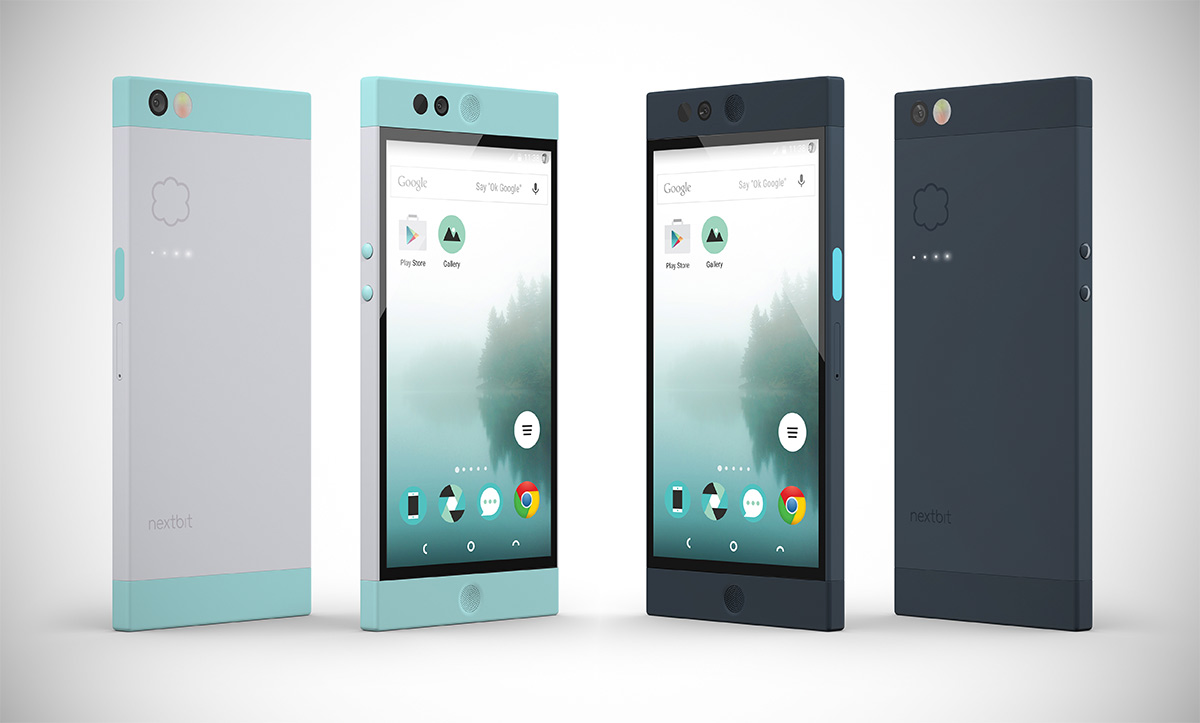
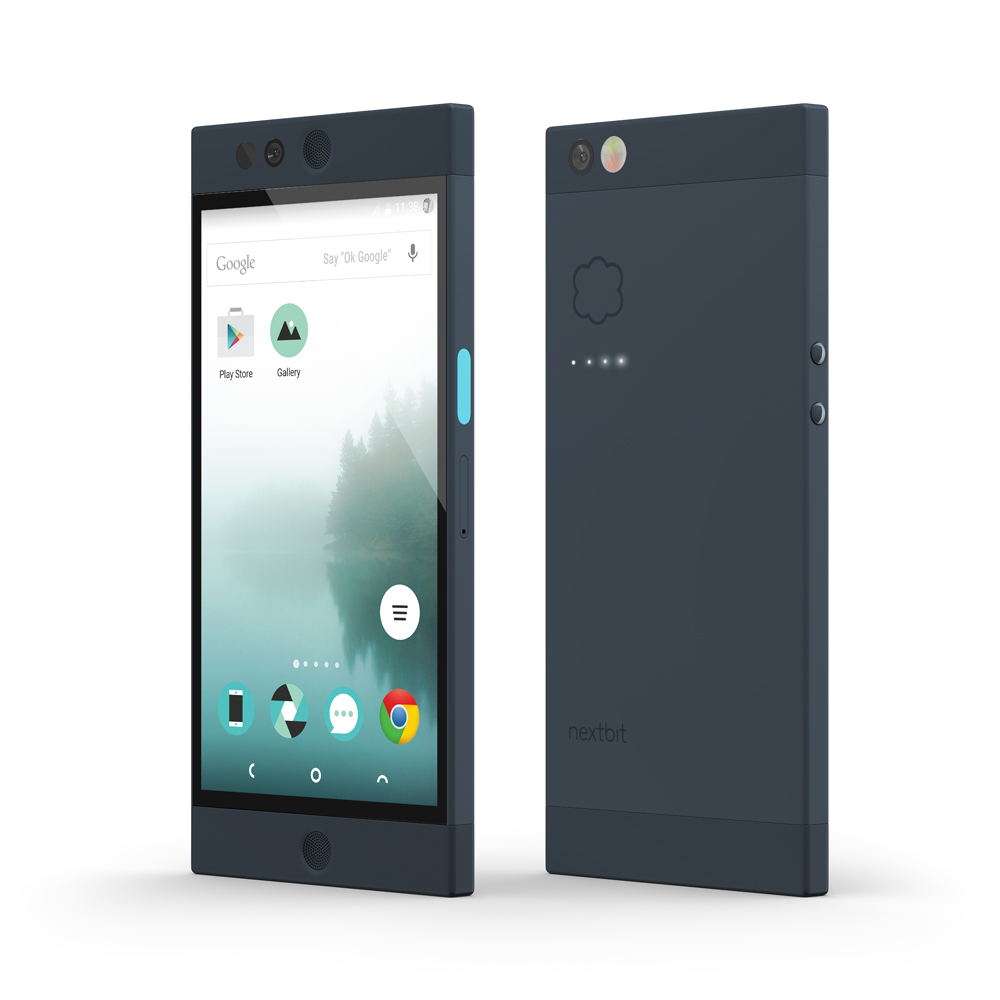
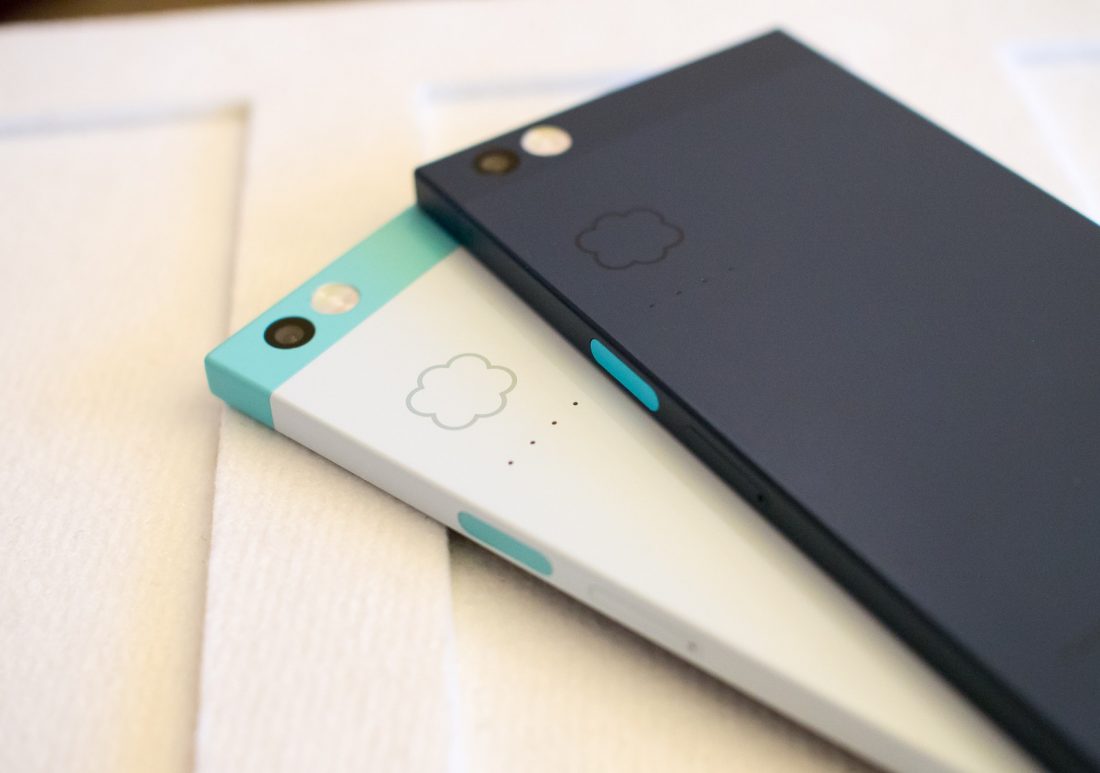
  • Nextbit Robin ‘Cloud Phone’ to Start Shipping in February

    Nextbit Robin ‘Cloud Phone’ to Start Shipping in February

    Back in September, we brought you news that Nextbit Robin – the first smartphone to offer cloud storage, which was started as a Kickstarter campaign, had begun pre-orders in India along with a bunch of other regions. The price of the phone is Rs. 26,000 ($399), which excludes shipping charges of Rs. 4,600 ($70).

    Now, two months later word is that the startup will start shipping of the devices in February. Nextbit has announced that it will deliver the Robins to the first 1000 people who backed the project on February 16. The initial deliveries, however, will be of the GSM versions, while the CDMA models will ship later this year.

    Nextbit Robin Midnight
    Nextbit Robin Midnight

    Nextbit Robin is equipped with features sure to woo customers, the highlight of which is the cloud-based storage option. The phone promises no more storage woes by automatically backing up your data to the cloud, and therefore emptying the phone’s inherent storage.

    Robin was initially put up as a Kickstarter project from where it received an immense response of $1,362,000 (about Rs. 8.9 crores) in terms of funding. The company’s goal had been no more than $500,000 or about Rs. 3.26 crores.

    Nextbit Robin

    The specifications of Nexbit Robin include a 5.2 inch HD screen along with 1080×1920 p resolution. The plastic body of the phone has Qualcomm hexa-core Snapdragon 808 processor on the inside. 3 GB RAM and 32 GB of in-built non-expandable storage are some of its other specs. The phone also boasts of a fingerprint sensor.

    In terms of the two cameras, the phone packs a 13 MP for the main camera and a 5 MP for the front camera. The battery is marked at a 2,689 mAh, and it has a USB Type-C port. The operating system is Android 6.0 Marshmallow. There are two colour variants for the handset: Mint and Midnight.

  • Netflix Available Globally

    Netflix Available Globally

    Netflix arrives in India -guess who can finally use the phrase “Netflix and chill”? The announcement was made during a keynote by Co-founder and Chief Executive Reed Hastings at CES 2016, while the service went live simultaneously. Netflix-Living-Room

    Netflix is now available in 190 countries and needless to say, India is one of them. Viewers can now stream their favourite movies and TV shows on almost any Internet-connected device like smartphones, computers or tablets.

    The Basic plan costs Rs. 500 per month while the Premium one is priced at Rs. 800 per month. Users can try the service for free for the first one month by signing up at www.netflix.com/in . Which Netflix show will you be streaming first? Let us know in the comments below.

  • Xiaomi Mi 5 Running Snapdragon 820 SoC Confirmed for February Launch

    Xiaomi Mi 5 Running Snapdragon 820 SoC Confirmed for February Launch

    Rumours of Xiaomi’s next flagship had been doing rounds on the internet for sometime now, and earlier today Xiaomi Co-Founder and Senior VP Liwan Jiang through a Weibo post put them to rest by confirming to the world the Chinese phone maker’s plans of launching the much anticipated Xiaomi Mi 5 in the coming months.

    As revealed by Jiang himself, Xiaomi has already started mass production of its next flagship, Mi 5, and the phone will hit markets shortly after the Chinese Spring festival, which will be February the 8th this year.

    The Xiaomi Mi 5 with the latest Snapdragon 820 processor is ready and in volume production. It will be released after the Spring Festival to have enough time for stocking up – Xiaomi Senior VP Liwan Jiang

    Xiaomi-Mi-5-specs

    Though no official word is out on the specifications of this much awaited device, but according to leaks, and the ever churning rumour mills of the Kingdom of Internet, the Mi 5 is slated to feature a 5.2-inch display with Quad HD resolution. 3GB or 4GB RAM, with a minimum of 32GB  Internal storage. The camera on the device is expected to be a 16-megapixel at the back, and an equally impressive 13-megapixel snapper at the front.

    This power hungry device is set to pack a battery of 3600 mAh with support for Quick Charge 3.0 technology. At the software end, the handset will run MIUI 7 based on Android 6.0 Marshmallow.

iGyaan Network
Privacy Overview

This website uses cookies so that we can provide you with the best user experience possible. Cookie information is stored in your browser and performs functions such as recognising you when you return to our website and helping our team to understand which sections of the website you find most interesting and useful.