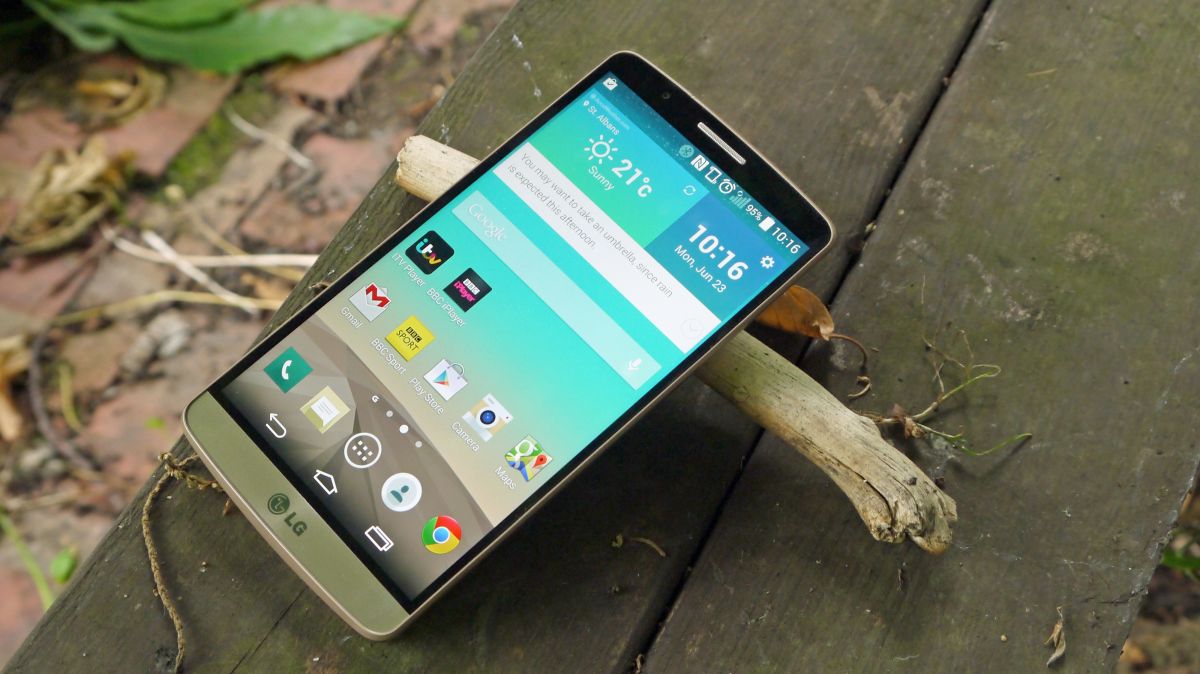
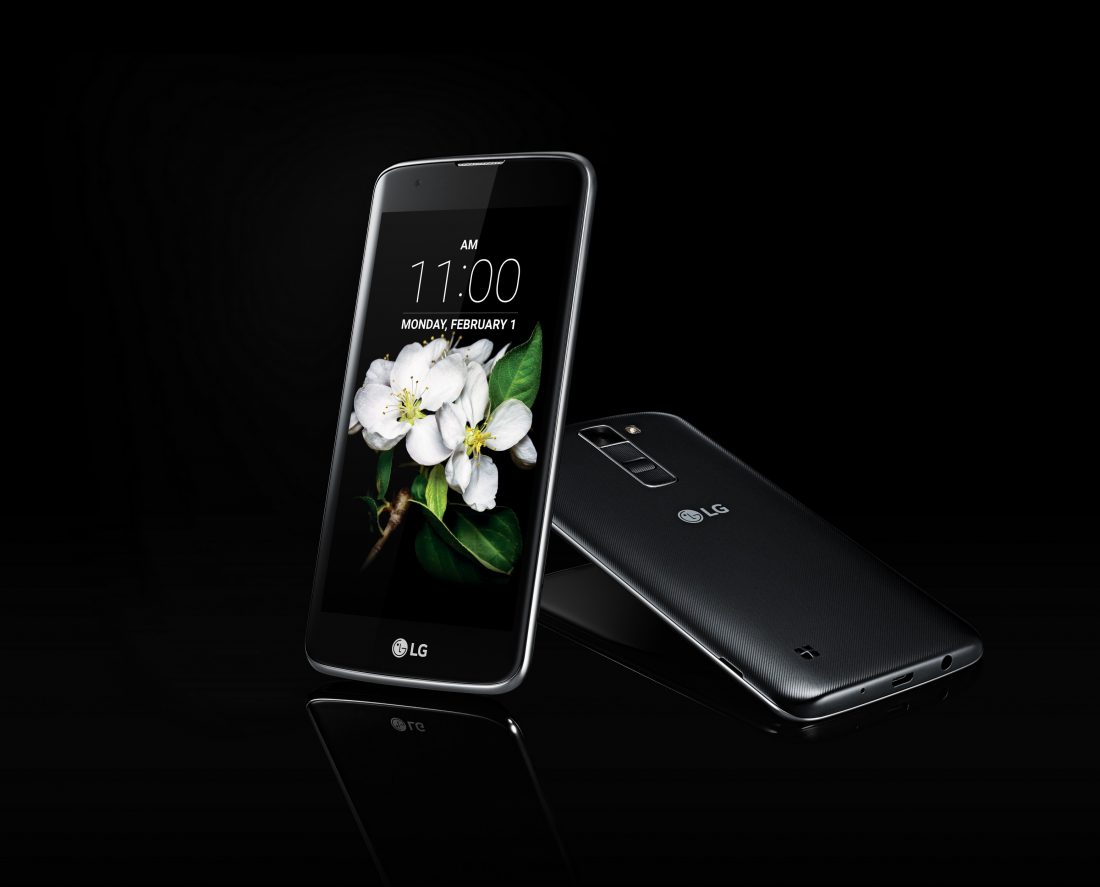
South Korean electronics giant, LG, has decided to launch two smartphones under its new K series. LG K10, and LG K7 will be displayed at CES 2016, in Las Vegas, and will replace the phones from its L series.
The phones, which as claimed by LG, are targeted towards users looking to create or view multimedia content, will come in two versions, LTE and 3g. The LTE baseband version of the K10 will house a 1.2 GHz/1.3 Ghz Quad core or 1.14GHz Octa Core process under the hood, while the 3g version will be powered by 1.3 Ghz processor. RAM amount will range between 1 and 2 GBs, while the internal storage will be either 8 or 16 GB. The device will be available in three colors -white, indigo, and gold.
The K10 will have a 5.3 inch , 720p display and will come with Android 5.1 Lollipop pre-installed. The LTE model will be equipped with a 13 MP rear camera, while the 3g version will have to do with an 8 MP shooter. Powering the K10 will be a 2300 mAh battery.
It’s younger sibling, the K7 will also come in two variants. The LTE variant will have a 1.1 GHz quad-core CPU, while the 3G iteration will sport a 1.3 GHz quad-core processor. The back camera will either be 8 MP or 5 MP, while the RAM will be 1.5 GB or 1 GB, and the built-in storage 8 GB or 16 GB. It will also house a 5-inch 480 x 854 resolution display, and will be driven by a 2125 mAh battery. The color options available for the K7 will be ‘Titan’ hue which will only be available on the LTE version, while the 3G version will be offered in white, black, and gold.
LG has further revealed that both these phones will include the new 2.5D arc glass tech, and other major features aimed at photophiles such as Gesture Shot, and Gesture Shot Interval, will also be available with these phones. Also, both these phones will have LG’s new pebble glass displays, and will use a woven pattern at the back to prevent those expensive out of hand slips.
The wait now is to see how LG prices them at CES, 2016. These K series phones from the stables of LG, if priced right, backed by the decent under the hood specs, and a good firmware support might just prove to be a good options for consumers across the globe.
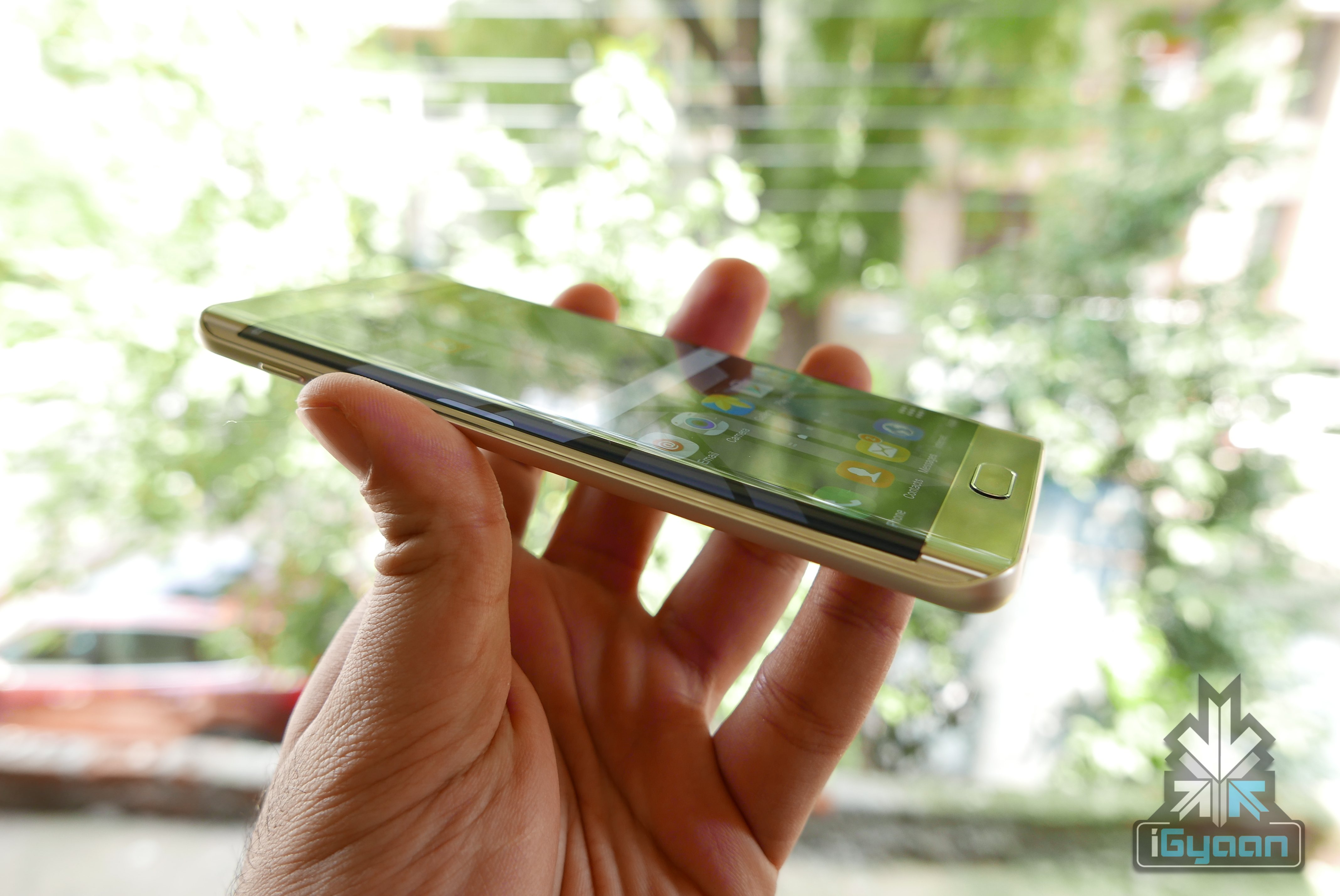
The latest update in the series of rumours regarding the Samsung Galaxy S7 flagship devices says the devices will be waterproof. They are also expected to arrive with an IP67 rating which makes them dustproof as well.
Additionally, they will also have larger batteries that would make them last longer than their predecessors. The S7 will come equipped with a 3,000 mAh battery while the S7 Edge will be marked at 3,600 mAh. The S6 and S6 Edge have 2,550 mAh and 2,600 mAh battery capacities respectively. While the S7 batteries are the best Samsung has offered so far in its flagship, they would not be user-replaceable. But you can still expect the S7 to charge wirelessly in 2 hours and S7 Edge in 2.2 hours.
The phones will also have a microSD card slot, a feature that was not present in the preceding S6 series. It has been speculated for a while that Samsung is looking to improve its camera quality rather than upgrade its pixels. So a 12 MP camera for the S7 series wouldn’t be all that surprising. Reportedly, the S7 phones will be unveiled on the 21st of February. Watch this space for all the latest updates.
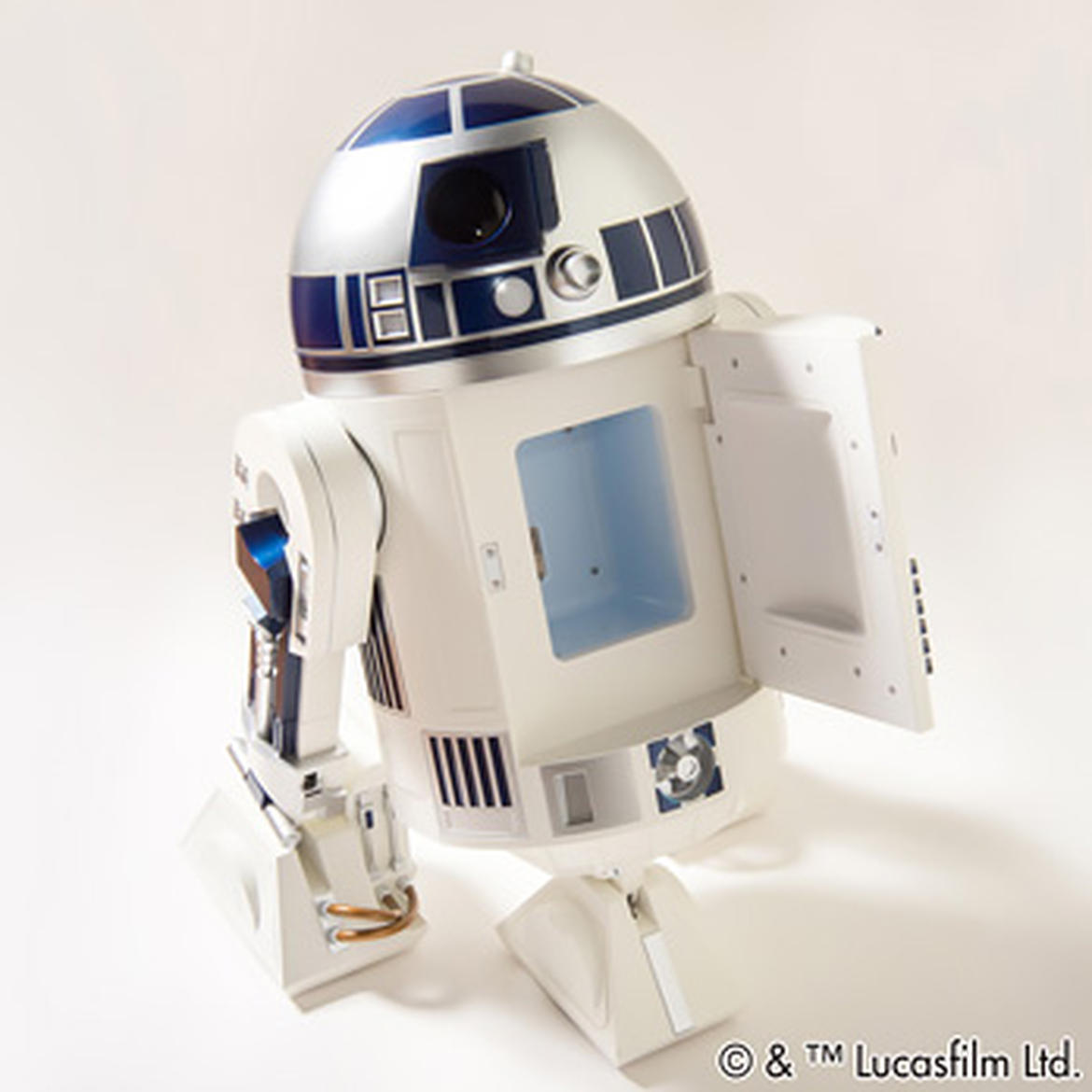
While the entire world is gripped by the Star Wars craziness, Haier has not lagged behind. The manufacturer of consumer electronics and appliances has jumped on the bandwagon with its remote controlled refrigerator inspired by everyone’s favourite droid -R2-D2.
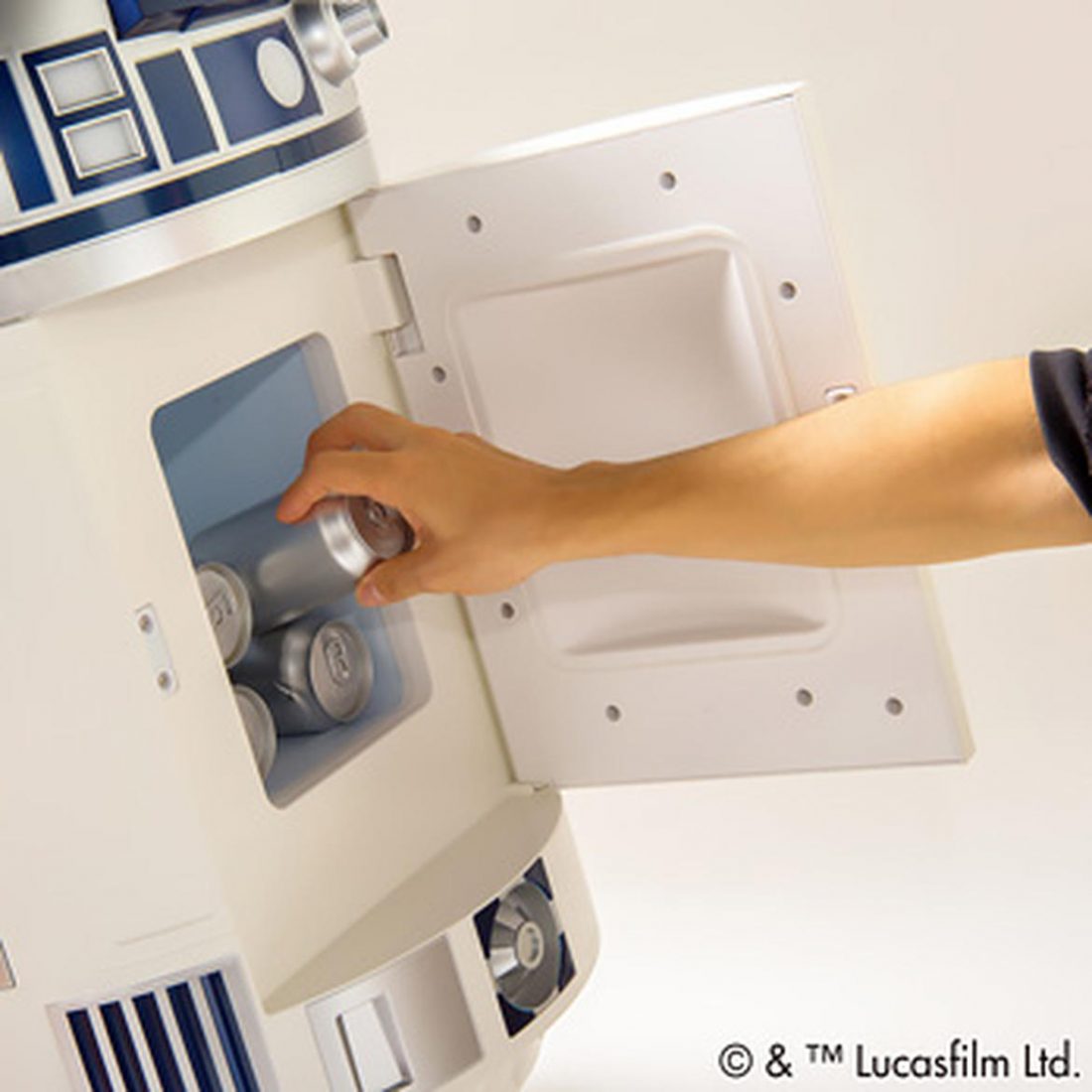
Haier will unveil its life-size refrigerator modelled after the Star Wars character at CES. The refrigerator mimics the droid in sound and movement. It will keep your drinks chilled and deliver them to you with its cooling and movement capabilities.
The appliance also has an in-built projector which is fully functional, making this little refrigerator useful for more than just taking care of your drinks. It is developed and produced by Haier Subsidiary Haier Asia in Japan, is made to order and comes with a serial number, and therefore is a collectible item. Take note all serious Star Wars fans.
Last year saw some incredible smartphones that pushed the boundaries of design and specification, making it difficult to pick out just one favourite. This year promises to do the same. We take a look at some of the most anticipated smartphone launches expected in 2016 and what we know about them so far.
iPhone 7
Apple’s iPhone 7 and Samsung’ Galaxy S7 are perhaps the most talked about flagship devices today. There’s just a lot of anticipation attached to the upcoming handsets and along with it comes a lot of rumours as well. The first round of rumours a few months ago suggested that the iPhone 7 will lose the home button and will sport an OLED display thereby giving up on LCD display that it has relied on so far. Apple followers will know that the Apple Watch is the only Apple device to sport an OLED display currently. Furthermore, the OLED display will either be supplied by LG or Samsung, or both.
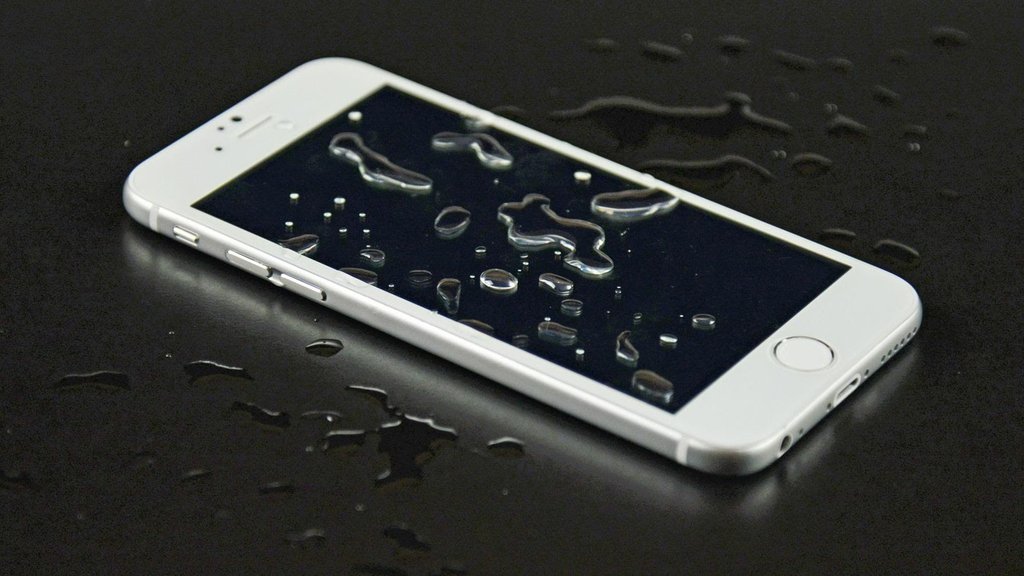
Next up, the iPhone 7 is rumoured to be waterproof and will feature 3 GB of RAM. More recently, there have been talks related to Apple’s decision to ditch the headphone jack. This is part of Apple’s plan to improve the quality of music streaming. Furthermore, the loss of a headphone jack means more space for Apple to add a larger battery to the iPhone 7, as well as make the device thinner. We’ll just have to wait and see how this strategy plays out.
Samsung Galaxy S7 and S7 Edge
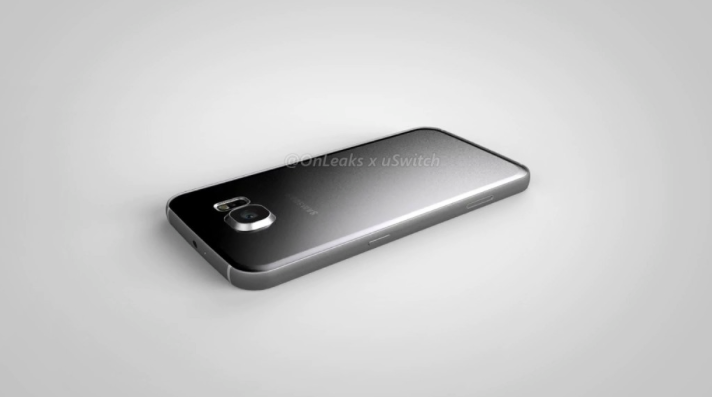
Samsung S7 Render
There have been a lot of rumours and a lot of questions regarding the launch and specs of Samsung’s upcoming flagship Galaxy S7 devices. What everyone is expecting is Samsung to pull out another stunning flagship that pushes the boundaries of design and power, like it did with the Galaxy S6 series.
It’s almost confirmed that the Galaxy S7 will arrive in two variants – one powered by the new Snapdragon 820 chipset and the other by Exynos 8890.
Among the many rumours that have been making the rounds, some that have caught our attention is that the S7 devices will feature Apple’s 3D Touch-like pressure sensitive display called ClearForce that’s being developed by Synaptics. Additionally, the Galaxy S7 will have a Type C USB Port which means the device will charge significantly faster.
The flat Galaxy S7 will likely sport a 5.2-inch Super AMOLED display while the ‘Edge’ variant will come with a 5.5-inch display of the same kind. As for the S7 Edge, very little is known as to how the curved screen device is going to look. Whether Samsung is going for a different curved design or rather just tweak the previous S6 design is still a mystery. The flagship devices are slated for a February launch at the MWC.
HTC One M10
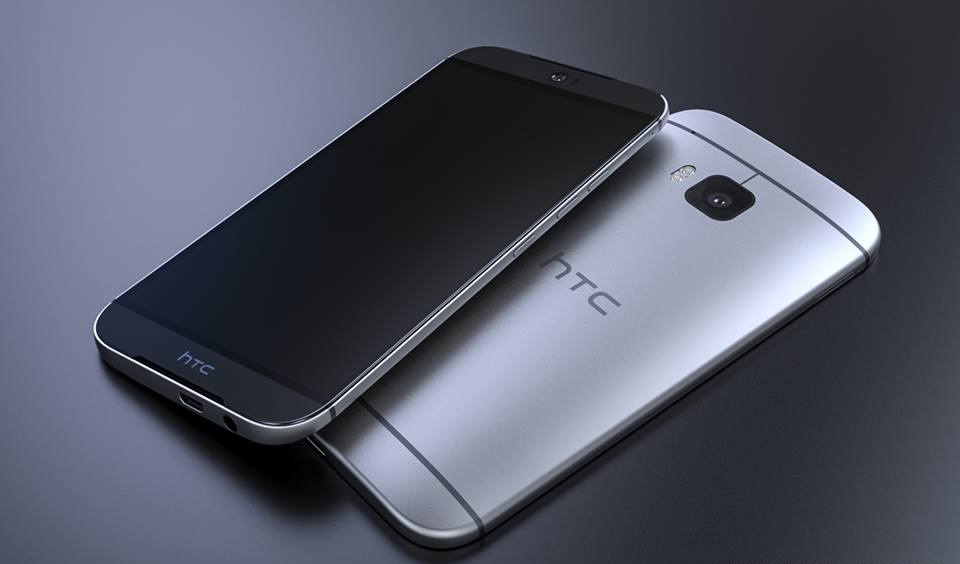
HTC One M10 Render
Being a successor to the One M9, the HTC One M10 will look to improve on specs wherever it can. The new iteration is said to come with a 5.5-inch QHD display. You can expect some bright, crisp colours under a Gorilla Glass 4 protection.
On the design front, the device will have the all-metal, unibody form associated with HTC flagships, along with curved edges and bezels to give it an attractive look. The HTC One M10 will sport a Snapdragon 820 chipset under the hood along with a powerful graphics card.
Other features include a Touch ID fingerprint scanner, 4 GB of RAM with 16 GB and 32 GB internal storage variants, and a battery capacity of 3,500 mAh. The device is expected to come out sometime in March.
Xiaomi Mi 5
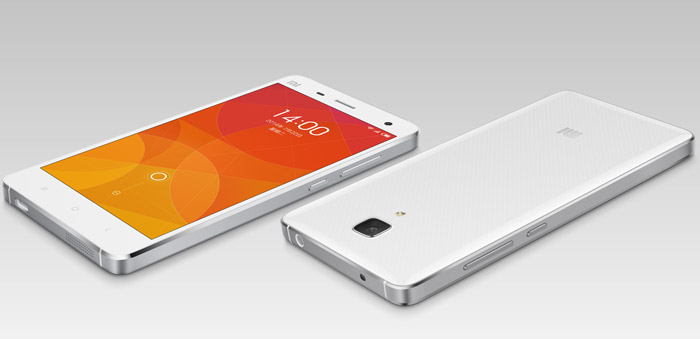
Xiaomi Mi 4
Xiaomi fans have been eagerly awaiting the Mi 5 flagship smartphone, which has been delayed due to the launch of the Snapdragon 820 chipset. Since Samsung has claimed exclusivity of the new chipset for the first quarter, the Mi 5 along with any other device sporting the new, powerful processor will all likely see a post-March release.
On the specs front, the Mi 5 will sport a 5.5-inch screen with quad HD (2560×1440) display, Snapdragon 820 chipset, 20MP primary camera and an 8MP front camers. The device will also come with 3,800mAh battery and 4G LTE support. RAM is set at 4GB and the phone will offer 16GB/64GB/128GB storage options.
OnePlus 3
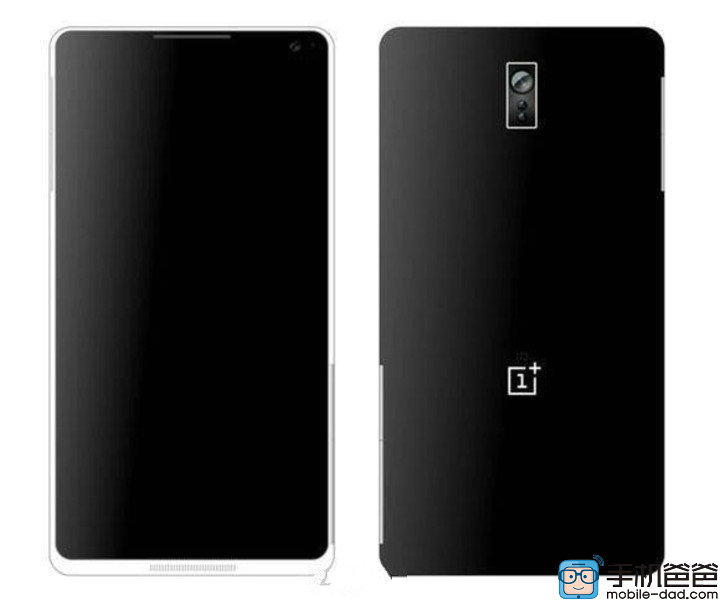
OnePlus 3 Render
OnePlus has done so much in so little time. The company, still in its infancy, has already released 3 spectacular devices -OnePlus One, OnePlus 2 and OnePlus X in the span of two years. This year, OnePlus will look to reclaim the title of the ‘flagship killer’ with the upcoming OnePlus 3 smartphone. Not much is known about the third flagship device, and only a couple of leaked renders have appeared giving rise to possible hardware specs.
The image above shows a brushed metal back instead of the usual sandstone panels. The new OnePlus might also feature a front speaker. The render shows that the handset could possibly come in two different colours.
From what we’ve heard so far, the new OnePlus device will sport a 5.5-inch UHD display with 5GB RAM. Sources also reveal a little about the hardware and display citing that the handset could arrive with the Snapdragon 820 chipset and a 1080p display resolution.
LG G5
LG G4
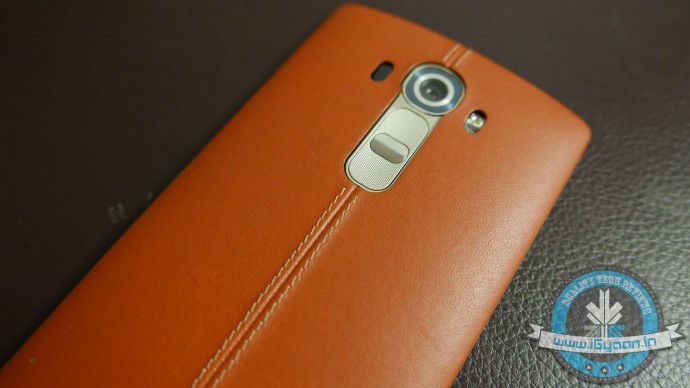
A Redditor recently leaked some specs and images of the LG G5. The device will sport a 5.3-inch Quad HD display, powered by the new Snapdragon 820 SoC with 3 GB of RAM and an 8 MP front camera. Other specs include a full metal body, SIM and MicroSD slot, heart rate sensor that’s under the camera module, a fingerprint sensor embedded in the power button, a USB Type-C port, bottom firing speaker and an IR blaster on top.
A leaked image also suggests that the LG G5 will sport a dual camera set-up at the back – 16 MP and 8 MP. No word yet on when LG plans to launch the device.
Sony Xperia Z6
Sony Xperia Z5 Premium
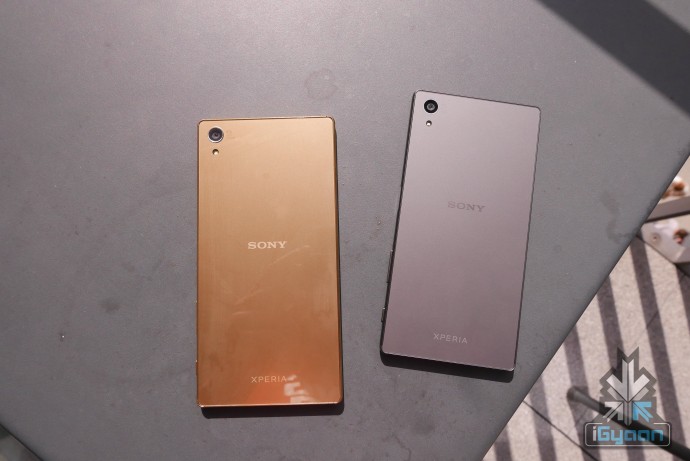
It looks like Sony is planning to launch a slew of devices under the Z6 line. It is rumoured that a total of six Z6 devices will be launched this year: a 4-inch Xperia Z6 Mini, a 4.6-inch Xperia Z6 Compact, a 5.2-inch Xperia Z6, a 5.8-inch Xperia Z6 Plus, a 6.4-inch Xperia Z6 Ultra, and a 5-inch Z6 Lite. Now, Sony is yet to confirm the rumours, but you can expect some, if not all, to be true.
What you can expect from the Xperia Z6 is a build that’ll reflect the Z5 with a squarer, flatter design rather than the traditional rounded edges that Sony had previously stuck to with the older models. The Z6 will also come with a fingerprint scanner added to the power side button.
The burning question is whether Sony will go for a 2K display with the 5.2-inch Xperia Z6 or will it continue with a Full HD display as it has with the Z5. Doing the former would mean having to sacrifice battery life, which Sony isn’t all too fond of doing at the moment.
Nokia C1
Nokia C1
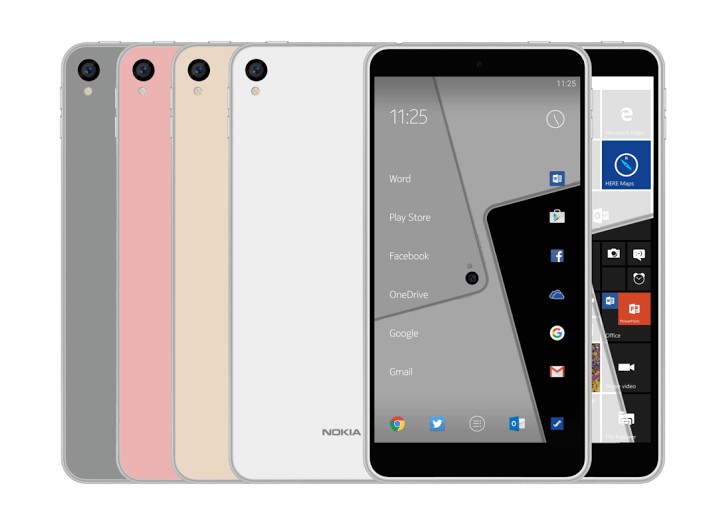
Nokia is all set to make a comeback with a new smartphone. This new device, allegedly called the C1, will be the first flagship device to bear the Nokia logo since the Finnish company was sold to Microsoft a few years ago.
There have been a number of leaked renders that claim the design of the C1, though each source has leaked different designs. One of the more recent renders show a very minimalist and sleek design, which actually looks pretty good, if confirmed as legit. The C1 is also depicted running both Android and well as Windows 10 OS.
Rumours suggest that the Nokia C1 will come in two variants. The first one will sport a 5.5-inch Full HD display and a 13 MP rear camera and 5 MP front camera. The device will also come with 3 GB of RAM and 64 GB of internal memory expandable via microSD card slot.
The second variant will have a 5-inch Full HD display and will sport an 8 MP rear camera and 5 MP front camera, 2 GB of RAM and 32 GB of memory.
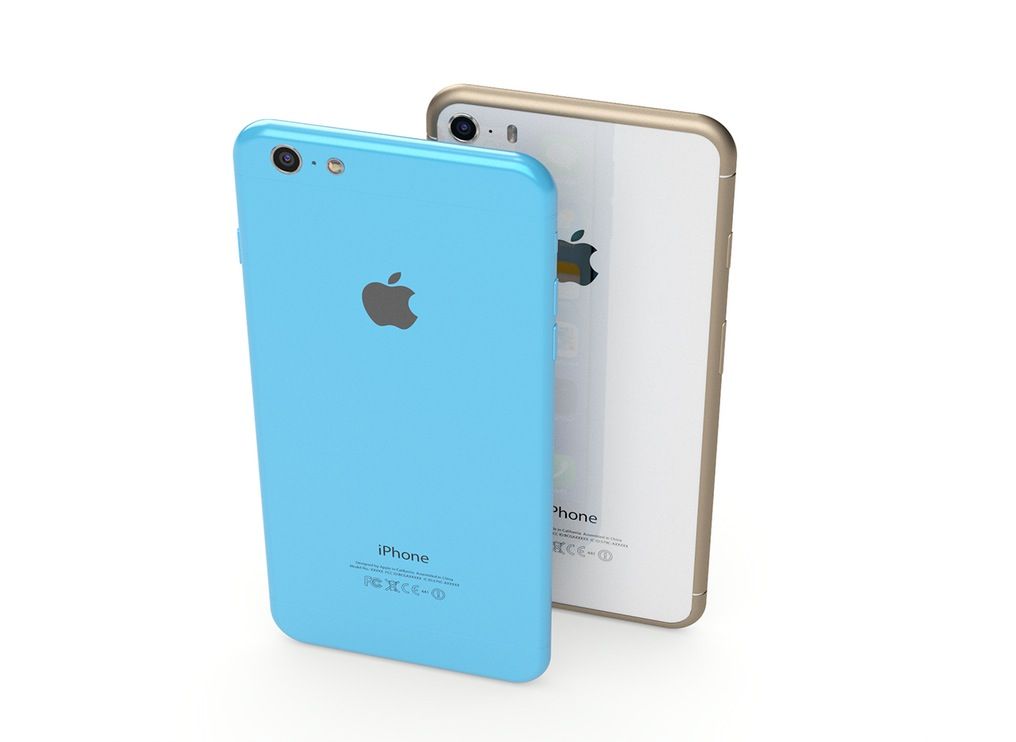
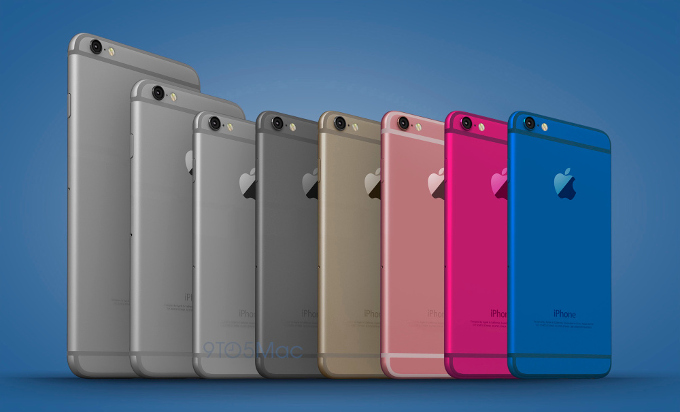
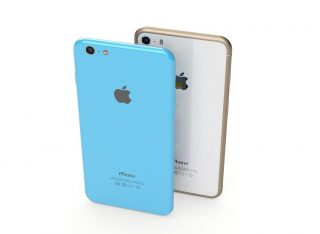
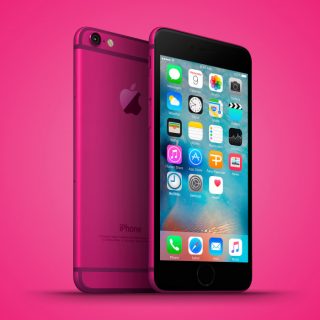
The rumour mill has been working around the clock on its speculations of what to expect from Apple this year. The latest update we have is in the form of new renders of iPhone 6c.These renders are created by Ferry Passchier and suggest more variety in the design department. Following suit with iPhone 5c, 6c can also come sporting a varied colour palette.
In terms of design, there have been various rumours so far but it remains unknown whether the iPhone 6c will follow the aluminum iPhone 5S design or the candy-colored polycarbonate iPhone 5c. We’re leaning towards the latter as some colourful polycarbonate frame will be a welcome sight rather than the usual colours of silver, space grey, gold, and rose gold.
Some rumours have also suggested that the miniature iPhone will not come with a physical home button and will also ditch the 3D Touch feature, which makes sense if Apple is going for a cheaper device. We can hope to see the device in March this year, when Apple is expected to unveil it along with the second gen Apple Watch. Come March, 2016 and we’ll see how close have we hit the mark with these rumours.
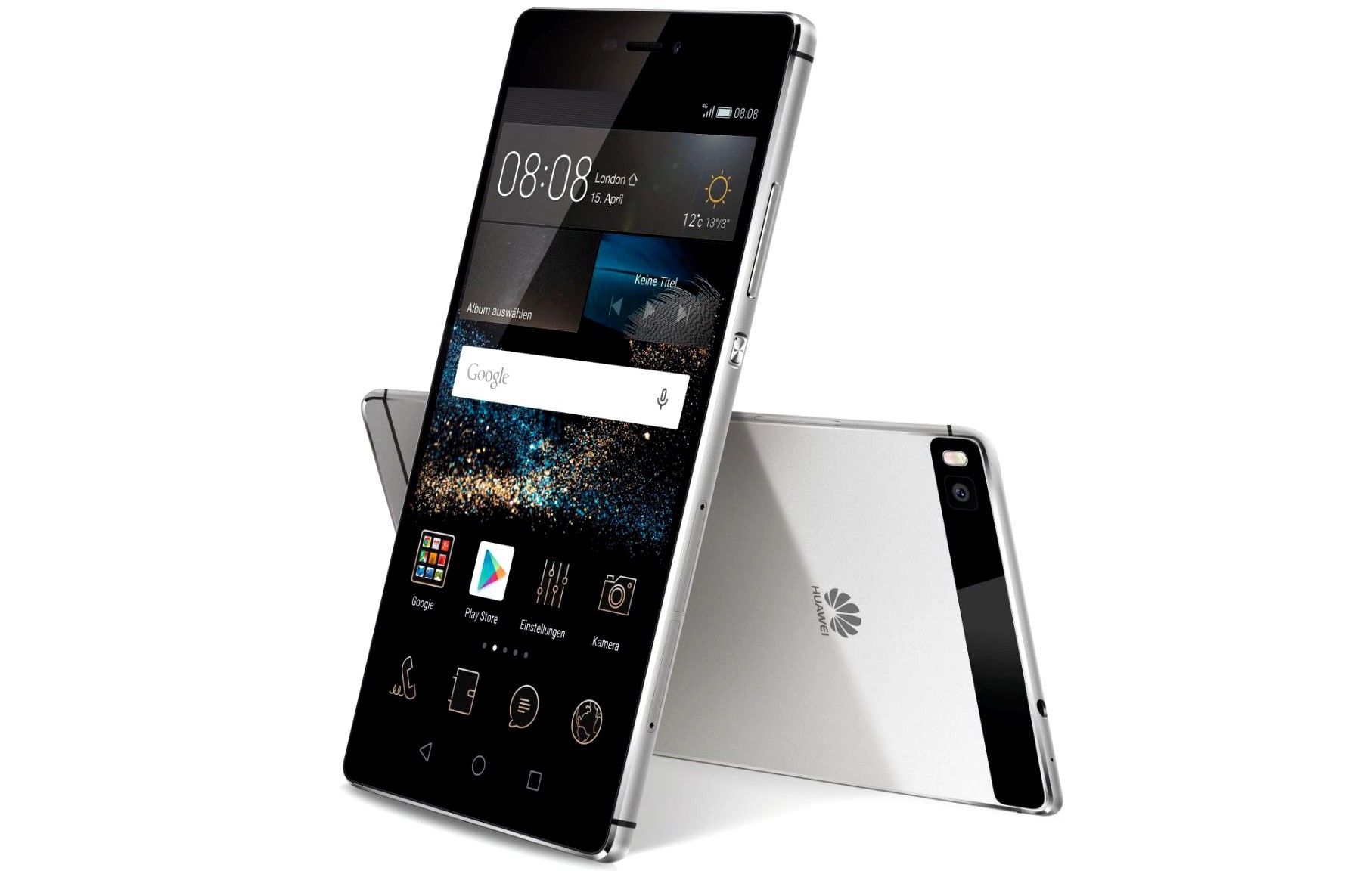
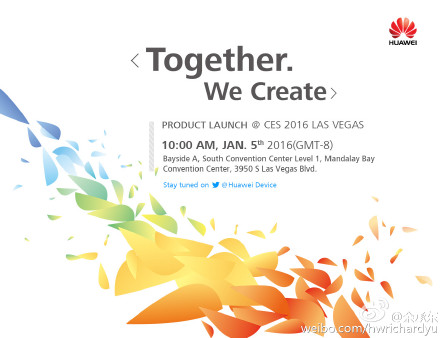
There have been rumours in the past that Huawei was planning to launch the P9 flagship smartphone was set for a March release. However, it looks like Huawei is not planning on waiting that long to unveil the device. Fresh rumours out of China suggest that the Huawei P9 will be made official at the company’s pre-CES event, scheduled to be held tomorrow, January 5.
The specs that’s really grabbing everyone’s attention is the whopping 6 GB RAM inside the device, and a dual rear camera setup. Other rumored specs of the device include 5.2-inch display, Kirin 950 SoC, and a fingerprint sensor.
This along with the Huawei Mate 8 are the two devices Huawei plans on unveiling at CES as of now. Follow this space as we cover CES 2016 starting January 6 – 9.
Mark Zuckerberg revealed yesterday that he will be working on an AI butler for his home this year. He hopes to make it efficient enough to be able to recognise his friends’s faces and let them in, to keep an eye on his baby daughter’s room and take care of other basic controls of the house like music, temperature and light.
Zuckerberg put up a status update on his Facebook page stating,
My personal challenge for 2016 is to build a simple AI to run my home and help me with my work. You can think of it kind of like Jarvis in Iron Man.
He intends to use his work on the AI to also help him with research in VR as he says, “On the work side, it’ll help me visualize data in VR to help me build better services and lead my organizations more effectively.”
This won’t be the first time, however, when someone is going the Tony Stark way. Tesla’s Elon Musk already has a lab which is heavily inspired by the snazzy Avenger character.
Looks like things on the tech-front are going to get quite interesting as real-life tech geniuses borrow from popular culture to add that extra edge to their lifestyle.
Every year, I take on a personal challenge to learn new things and grow outside my work at Facebook. My challenges in…
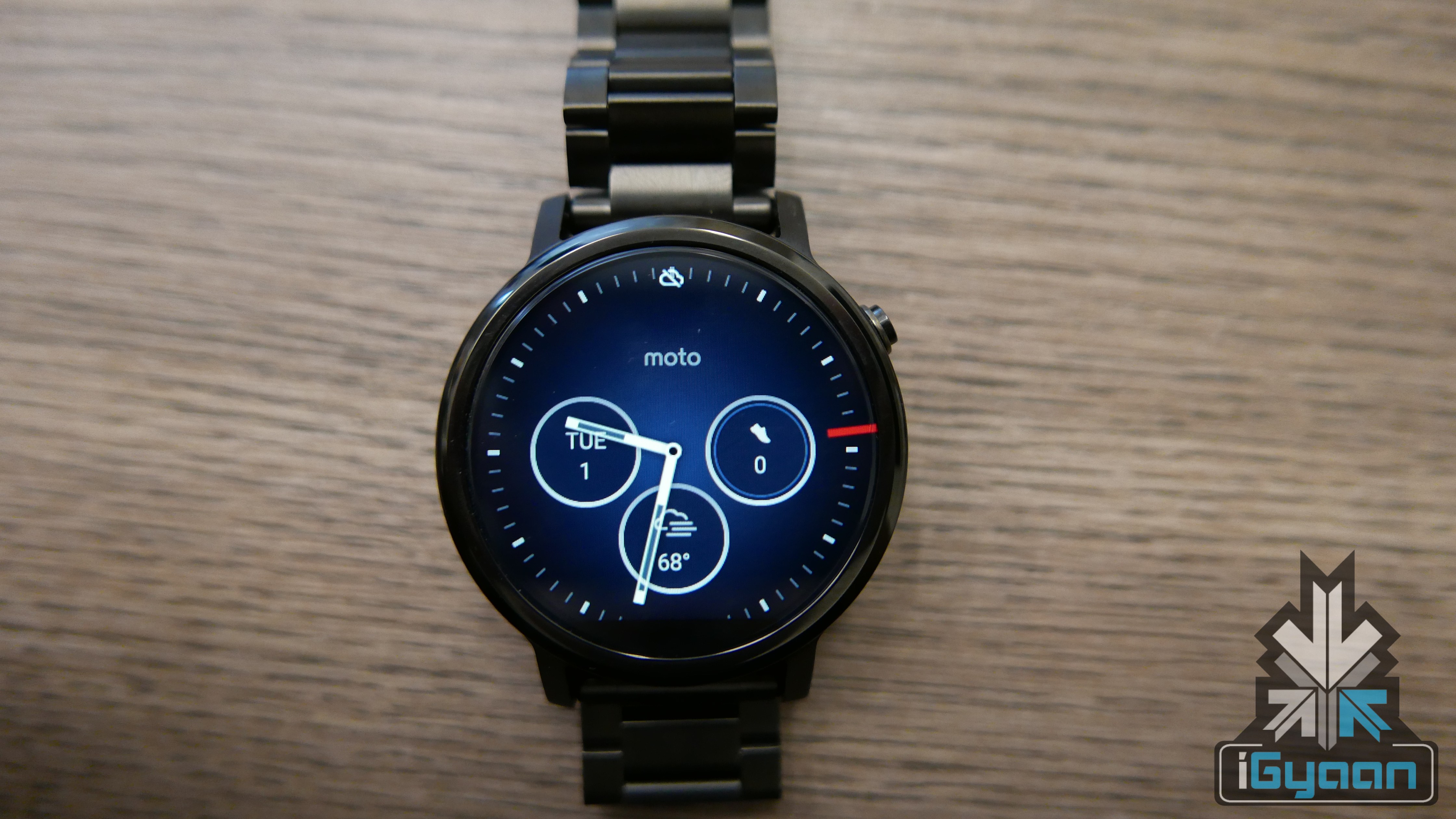
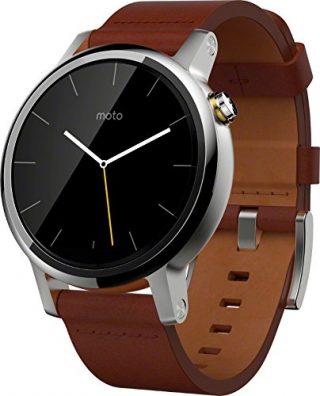
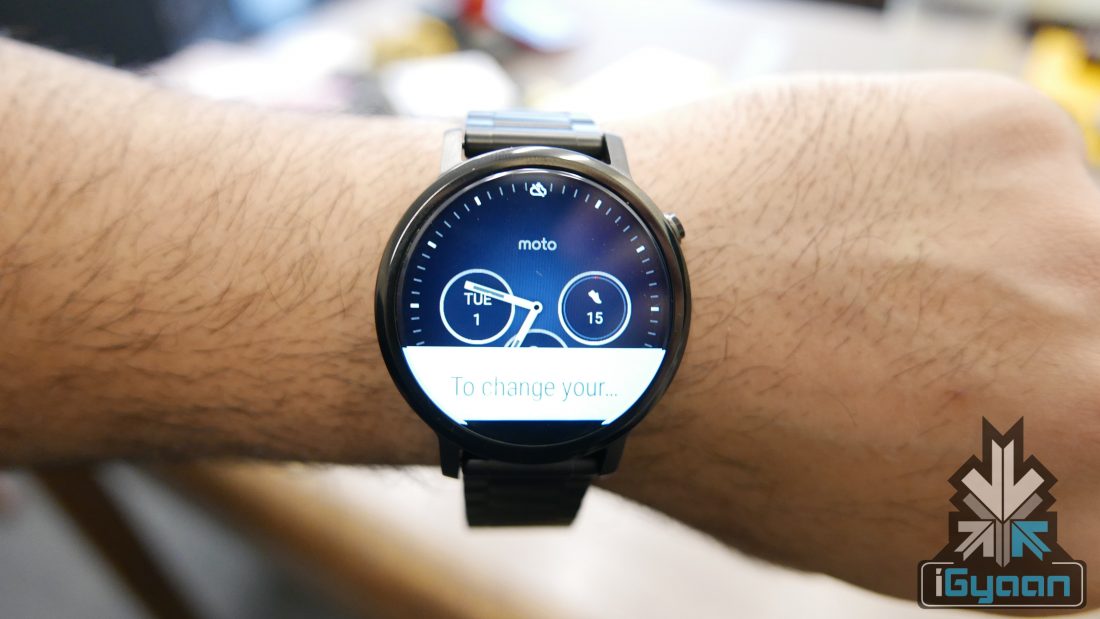
Motorola is kicking off 2016 with some exciting new offers for its newly launched Moto 360 (2nd Gen) smartwatch. Consumers can avail the Moto 360 (2nd Gen) men’s collection on Amazon.in from today. The collection includes cognac leather, black leather and black metal variants of the smartwatch. The collection also introduces, for the very first time in India, a 46mm Cognac Leather variant.
Other than the size and range, there have been very subtle changes to the new design from the previous Moto 360, such as – a re-positioning of the button to the 2 o’clock position and one can even customize the finish of the small bezel that surrounds the display. With respect to the processor, Motorola has upgraded its device with a Qualcomm Snapdragon 400 processor.
They have also further improved the battery life and say that the 46 mm watch will last up to two days between charges, while the 42 mm watch will be able to last about a day and a half.
The Live Dials of Moto 360 Gen 2 give access to summarised information in one glance. Depending on what matters to the user most, the watch will give weather updates from among footsteps count, rate of heart activity and calorie count etc. The Moto Body is a feature that will keep an account of not just footsteps and heart rate, but also sleep patterns and nutrition of the user.
Additionally, the watch is rated at IP67 which means it can be soaked in 1 m (3.3 ft) of water for half an hour. The watch further boasts of voice controls. You can check out our unboxing of the Moto 360 (2nd Gen) to know more.
The product will be available at the given below prices.
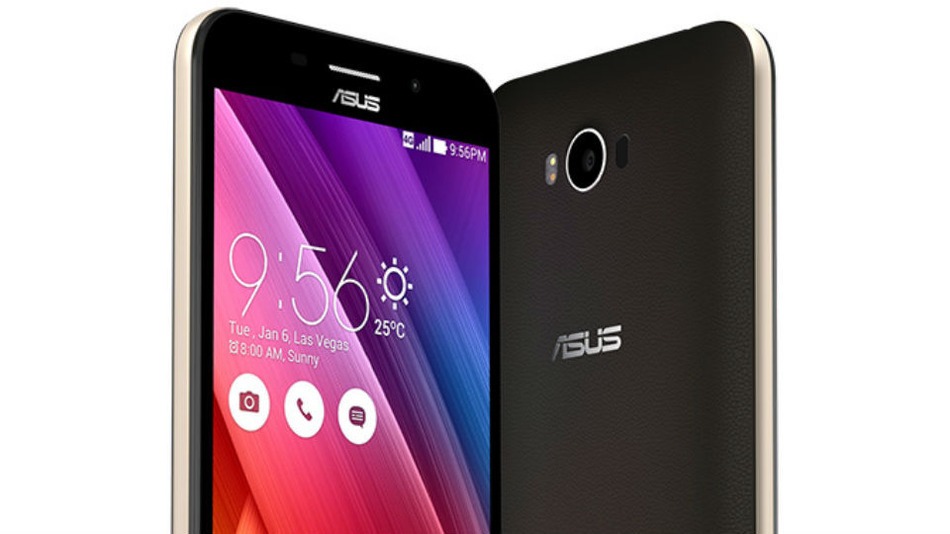
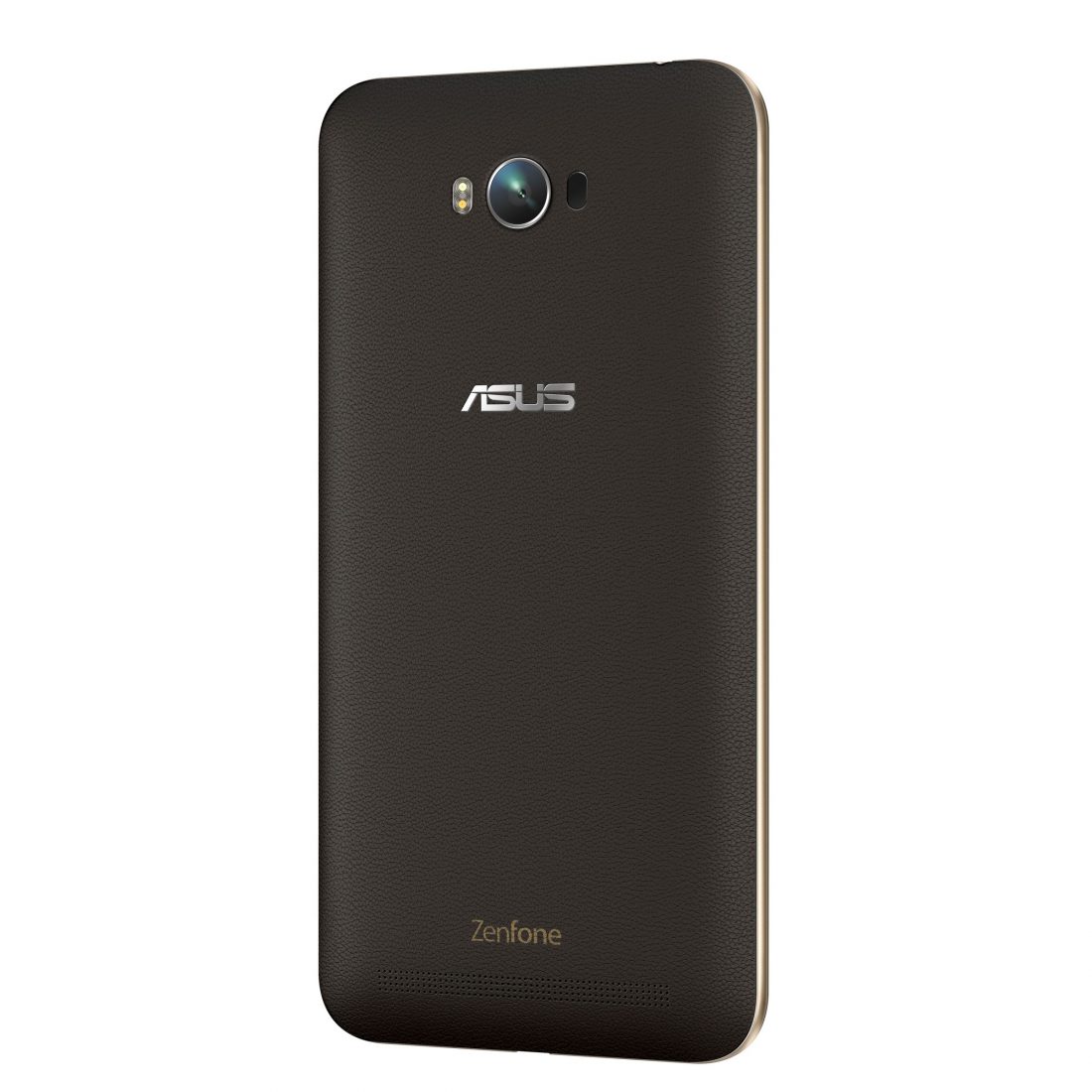
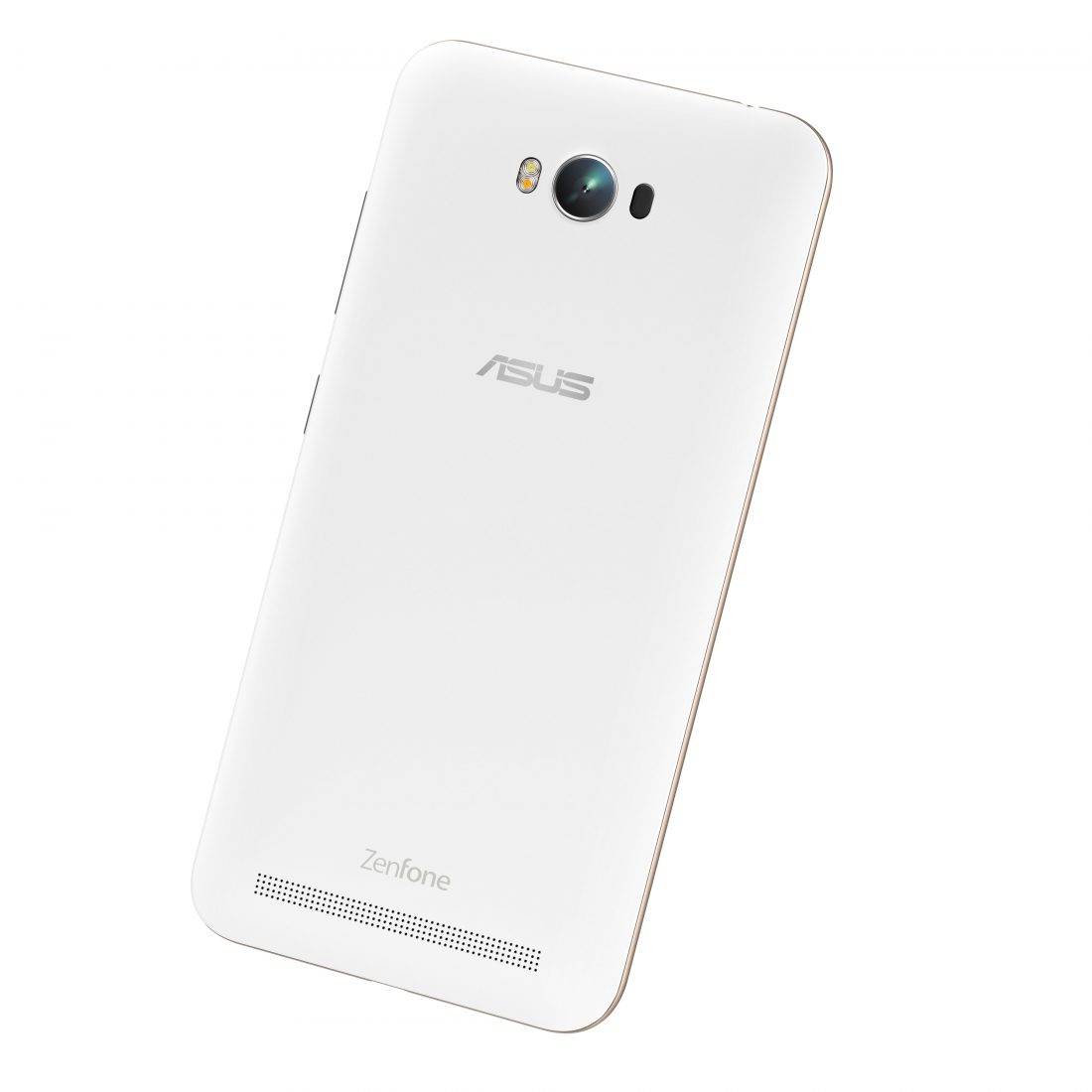
Asus ZenFone Max launches in India today priced at Rs. 9,999. The highlight of the device is its 5,000 mAh battery. The massive battery on the Zenfone Max also lets you use the device as a power bank to charge other smartphones and tablets. Additionally, it requires less charging cycles, making it more efficient and last longer, according to Asus.
In terms of specs and hardware, the phone comes in a 5.2 mm thin body, along with 13 MP main camera and 5 MP front camera. ZenFone Max is powered by Snapdragon 410 quad-core processor with 2 GB RAM and 16 GB in-built storage expandable up to 64 GB.
Pre-booking for the ZenFone Max began today at 12 PM on Flipkart and Amazon, and it will be up for sale at Asus Exclusive stores and other retail stores starting the second fortnight of January.
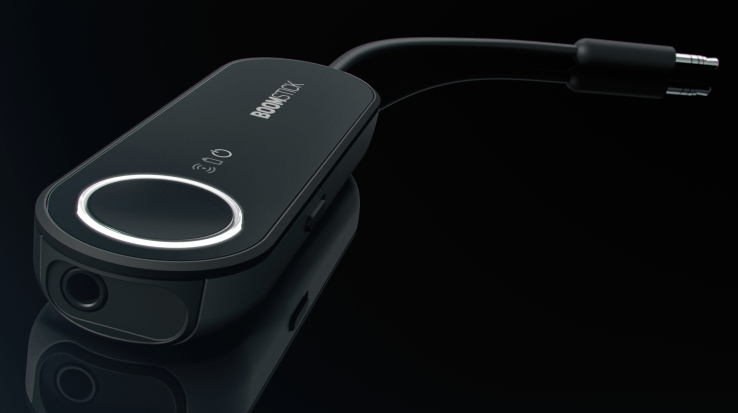
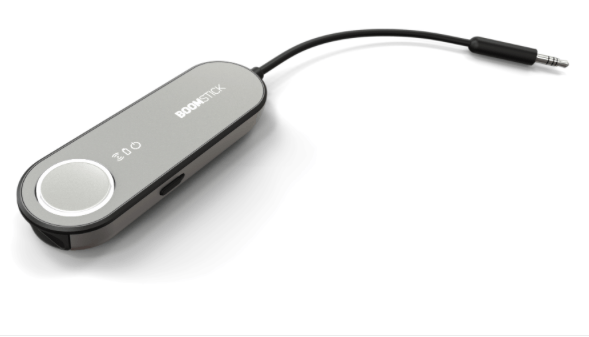
Everyone loves listening to music at the highest quality possible. For a long time now, not much has been done to improve the sound quality of music or audio in general. This year could prove otherwise. A company called BoomCloud 360 has created a device that uses algorithms to enhance the sound of anything it’s plugged into.
The BoomStick dongle is one among a suit of products BoomCloud 360 is planning to unveil at CES 2016. At $99, the BoomStick makes for a great purchase . It’s a small and light device that has a battery life of up to 14 hours. Using the dongle is fairly simple. You plug in your headphones to the dongle, and the dongle to the smartphone.
The company promises an improved audio experience likening it to the evolution from black and white to 4K TVs. The device os promising in that it hints at a future where the technology could be fitted within a phone. However, for now, a separate dongle might be a little too cumbersome for people to carry around everywhere.
You can try the BoomStick’s sound quality on the company’s website. There people can choose a handful of pre-selected songs, and a virtual BoomStick will let you toggle on and off to hear the difference. We’ll just have to wait and see all the devices BoomCloud has up its sleeve at CES.
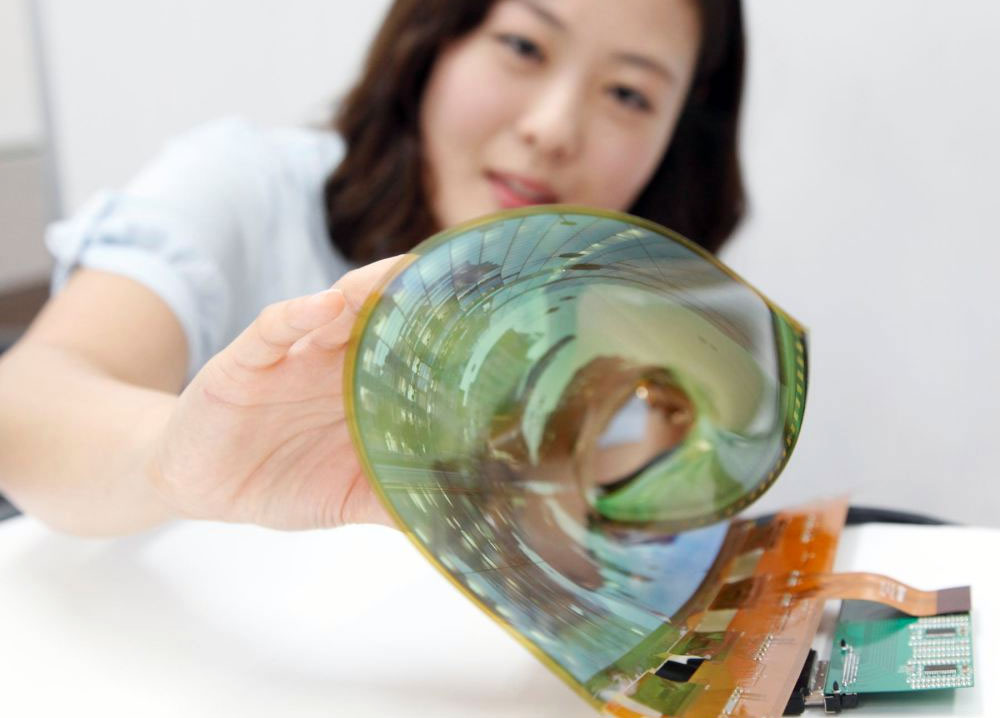
LG has taken foldable and bendable displays a step ahead this year. The company had hinted at similar tech last year at CES but had kept mum the entire year. However, now the company is ready to display a prototype at CES ’16 this time around.
LG is ready with a prototype of an 18-inch rollable screen it will showcase at the Consumer Electronics Show this time around. Similar concept displays have been seen in the past by companies like Samsung, Sony and Sharp. Now LG follows suit and marks an important moment for displays of smartphones, tablets and television sets. It is concentrating on making OLED screens bendable, curvable and rollable.
The company is also expected to unveil a 25 inch curvable screen installed in a car as part of the Auto Zone of CES ’16. We can also expect to see a 55-inch “paper thin” television with all its components installed independently according to LG. Watch this space for more updates.
Over the next few weeks, you can expect a lot of leaked images and specs of Samsung’s upcoming Galaxy S7 flagship devices. Since we’re getting closer and closer to the launch, there’s a lot of hype and expectations surrounding the devices. Recent rumours suggest that Samsung might unveil 4 Galaxy S7 variants – two flat screen, and two with dual-curved displays.
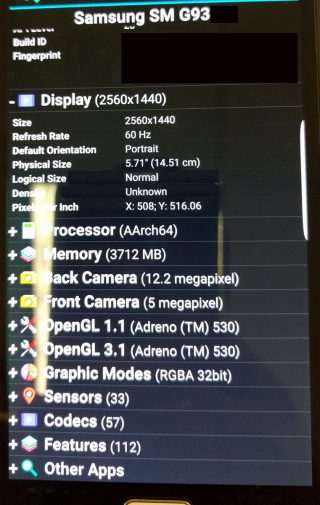
Today, we have a leaked photo that reveals a 5.7-inch Galaxy S7. A Redditor posted an image showing a 5.7-inch screen (with 1440 x 2560 pixels) that’s curved, which suggests it might be the Galaxy S7 Edge Plus.
The photo also reveals some important specs. The 5.7-inch Galaxy S7 features Qualcomm’s Snapdragon 820 chipset and Adreno 530 GPU, 4 GB of RAM, 12 MP primary camera and a 5 MP front. It has been speculated for a while that Samsung is looking to improve its camera quality rather than upgrade its pixels. So a 12 MP camera for the S7 series wouldn’t be all that surprising.
Needless to say, you should take this with a pinch of salt. Samsung is likely to unveil its flagship devices at the MWC in February. Follow this space for more.
According to reports, Apple is holding an official event in March where it is expected to unveil the iPhone 6c along with iPad 3 and the new Apple Watch. Needless to say, the rumour mill is working round the clock. Here’s a look at some of them:
Release Date:
Even if the Apple Watch 2 gets announced in March, it won’t be ready for shipping before April at the earliest, suggests 9to5Mac. Another rumour places May as the probable date for the Watch.
Quant, the Chinese manufacturer of the previous model of the Apple Watch, is expected to manufacture the second generation model as well. Therefore when Bary Lam, the Chairman of Quant comments on this, we sit up and listen. Reportedly, he claims that near the end of Q2 2016, a limited stock of the Apple Watch 2 would be available, followed by more in Q3. Following this, the Apple Watch 2 can be expected to make an appearance in June this year.
Camera:
The Apple Watch 2 is expected to have a front camera to allow for FaceTime; the user would now be able to receive and make video calls from the Watch itself, if this speculation turns out to be true. The front camera will probably be embedded in the top bezel of the face of the Watch.
Wireless Chipset:
Other than some basic features like playing music or tracking activity, the current version of the smartwatch relies almost entirely on an iPhone to perform any other function. However, the new , updated smartwatch is expected to come with a wireless chipset which would make the Watch ‘tether-less’. It would no longer require connection with an iPhone to perform functions, owing to the chipset which would make it more independent of the phone.
Battery:
One of the main drawbacks of the first generation Apple Watch is its battery life. Even though it was initially expected to last an entire day, many users discovered to their disappointment, that this was not so. The Watch would be drained of battery even before the day ended. Additionally, it was a big strain on the battery of the iPhone it was connected to.
However, there are not any big rumours about battery improvement in the second gen. This news is a little disheartening for Apple fans all over.
Apple Watch
Design:
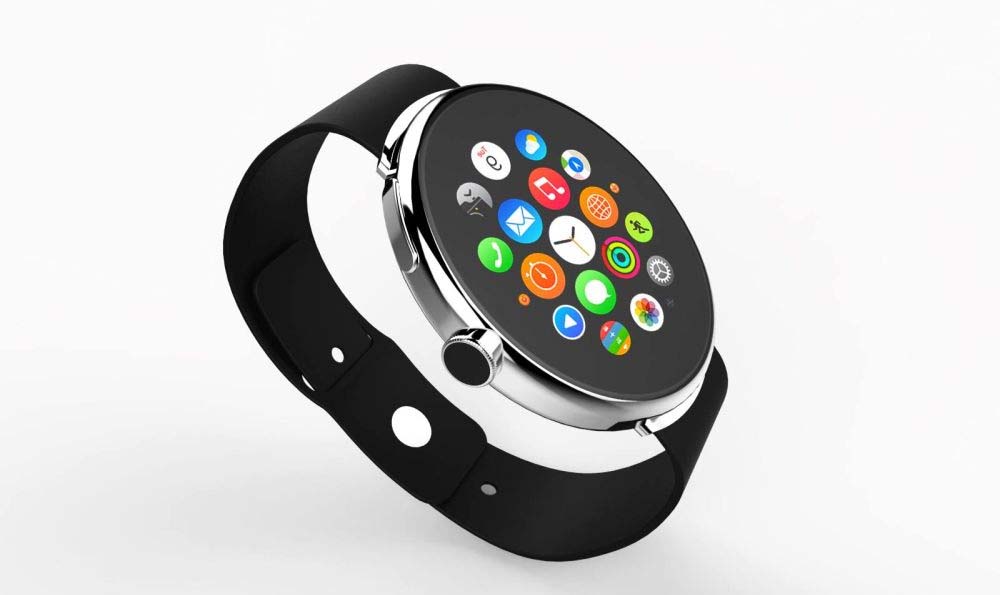
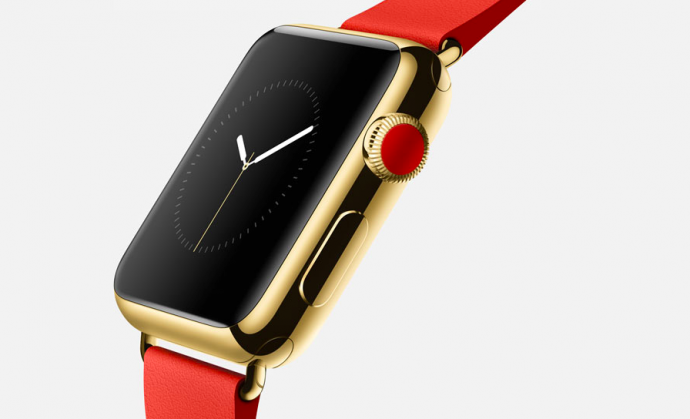
In terms of design, Apple is expected to introduce a new variant priced between the steel Apple Watch at £949 and the Apple Watch Edition at £8,000. We hope for some more variety like a circular watch face as well as a thinner design, along with more strap options to choose from.
Some of its other features we hope Apple would include in the second gen smartwatch are in-built GPS and better durability against water, dust and scratches. We’ll keep you updated as more rumours hit the scene and if anything gets confirmed. Let us know what would you want to see in the Apple Watch 2.
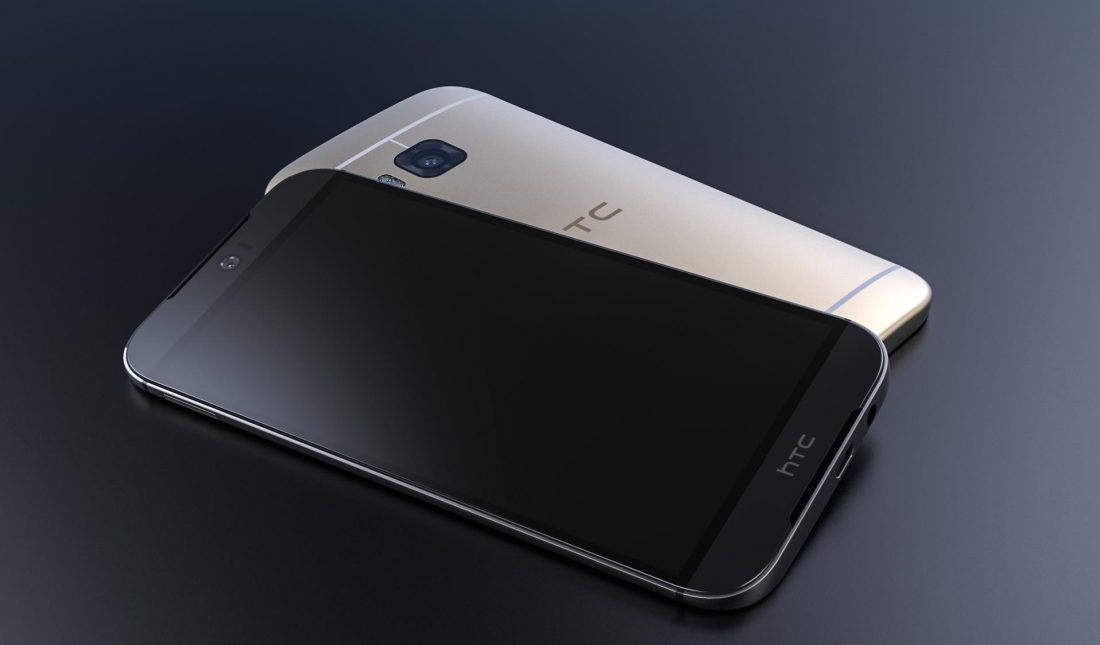
There’s a lot of uncertainty surrounding the launch of HTC’s next flagship device. The HTC One M10 has been floating between CES and MWC for a while. HTC is still enjoying the launch of the One A9, but fans have already been asking about the One M10, and HTC is likely to reveal the device within the first quarter. Here’s everything we know about the flagship device so far.
Display
Being a successor to the One M9, the HTC One M10 will look to improve on specs wherever it can. The new iteration is said to come with a 5.5-inch QHD display. You can expect some bright, crisp colours under a Gorilla Glass 4 protection.
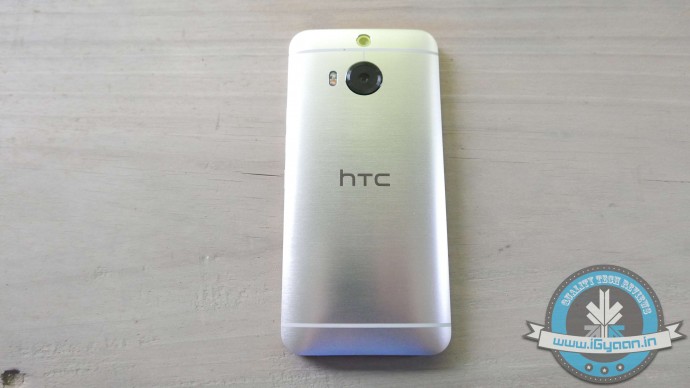
HTC One M9+
Design
The design of the One M10 is expected to be slimmer and sharper than its predecessor. To help with that, the device will carry the all-metal, unibody form factor associated with HTC flagships, along with curved edges and bezels to give it an attractive look.
Camera
The One M9 had 20 MP primary camera that proved a little underwhelming, especially in comparison to the sharper, brighter images seen in Samsung’s Galaxy S6 and LG’s G4. HTC is going to have to make some serious improvements in the camera department if it wants to be a killer device. Rumours suggest that the One M10 will sport a bigger 27 MP camera with face detection autofocus technology.
The front camera also boasts of high megapixels for selfie lovers. However, these rumours should be taken with a pinch of salt. It is also possible that HTC will continue with a 20 MP camera and will rather focus on improving the quality of images.
HTC One M10 Concept
Processor
HTC is perhaps waiting till the end of March to release the One M10 so that it can release its device with the new Qualcomm Snapdragon 820 chipset under the hood. You may remember that Samsung has claimed exclusivity of the new chipset for the first three months.
If HTC wants to come out with a powerful new flagship, then it will need to sport a powerful new chip to compete with the likes of the upcoming Galaxy S7 and Xiaomi Mi 5 devices, to name a few. Apart from the Snapdragon 820 chip, the One M10 will also use a graphics card that will improve graphic quality of images for visually appealing gaming experience,
Other Features
One of the highlights of the upcoming flagship is that it will feature a Touch ID fingerprint scanner for maximum security for the device. Other than that, the One M10 will likely sport 4 GB of RAM with 16 GB and 32 GB internal storage variants. The device is also rumoured to feature a battery capacity of 3,500mAh. The device will come pre-installed with Android 6.1, which is another good piece if information.
The above mentioned specs are merely a roundup of all the rumours that have been floating around. Over the next few weeks, you can expect more details to emerge as well as some confirmation for the existing rumours and some images of the device as well. Follow this space for more on HTC’s upcoming flagship smartphone.
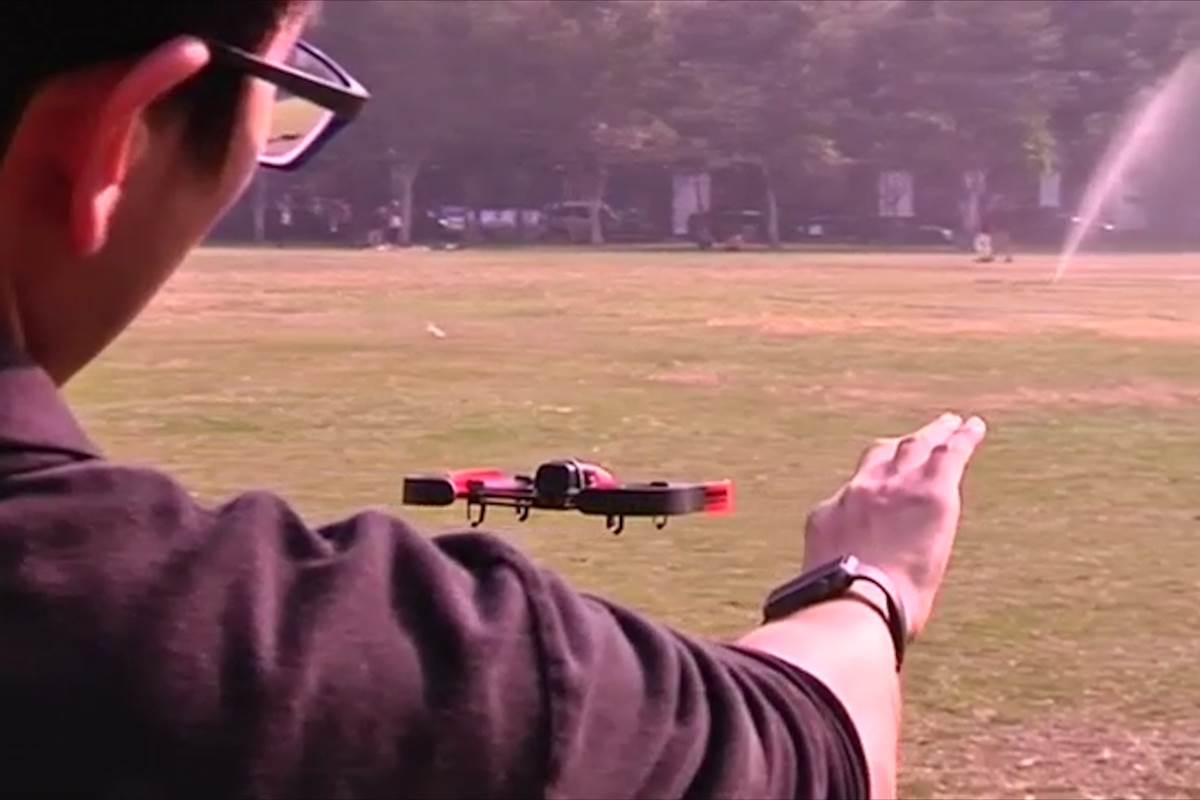
It’s a beautiful thing when science meets Star Wars. A group of Taiwanese tech researchers at PVD+ have created an app for the Apple Watch that allows you to control a drone using your arm movements. Yes, the Force is strong with this Apple Watch.
Reuters caught the motion-controlled drone in action. You can check it out in the video below. “Previously we’ve needed complicated controls to fly drones, but now we can use a wearable device, and through human behavior and gestures directly interact with them – using a hand to control and fly drones directly,” PVD+ founder Mark Ven told Reuters.
https://www.youtube.com/watch?v=YX8ZkgFk_Rw
But that’s not all. The researchers also channeled their inner Jedi to create an app that controls light levels and colors via hand movements, and a spherical robot resembling the adorably rolly BB-8 droid seen in Star Wars: The Force Awaken. “We can also control a ball, like that in Star Wars’ BB-8 droid, using a wearable device as well,” Ven said.
PVD+ is calling the software Dong, and is working on securing a patent for it. Looks like it won’t be long before the line between science fiction and reality disappears completely.