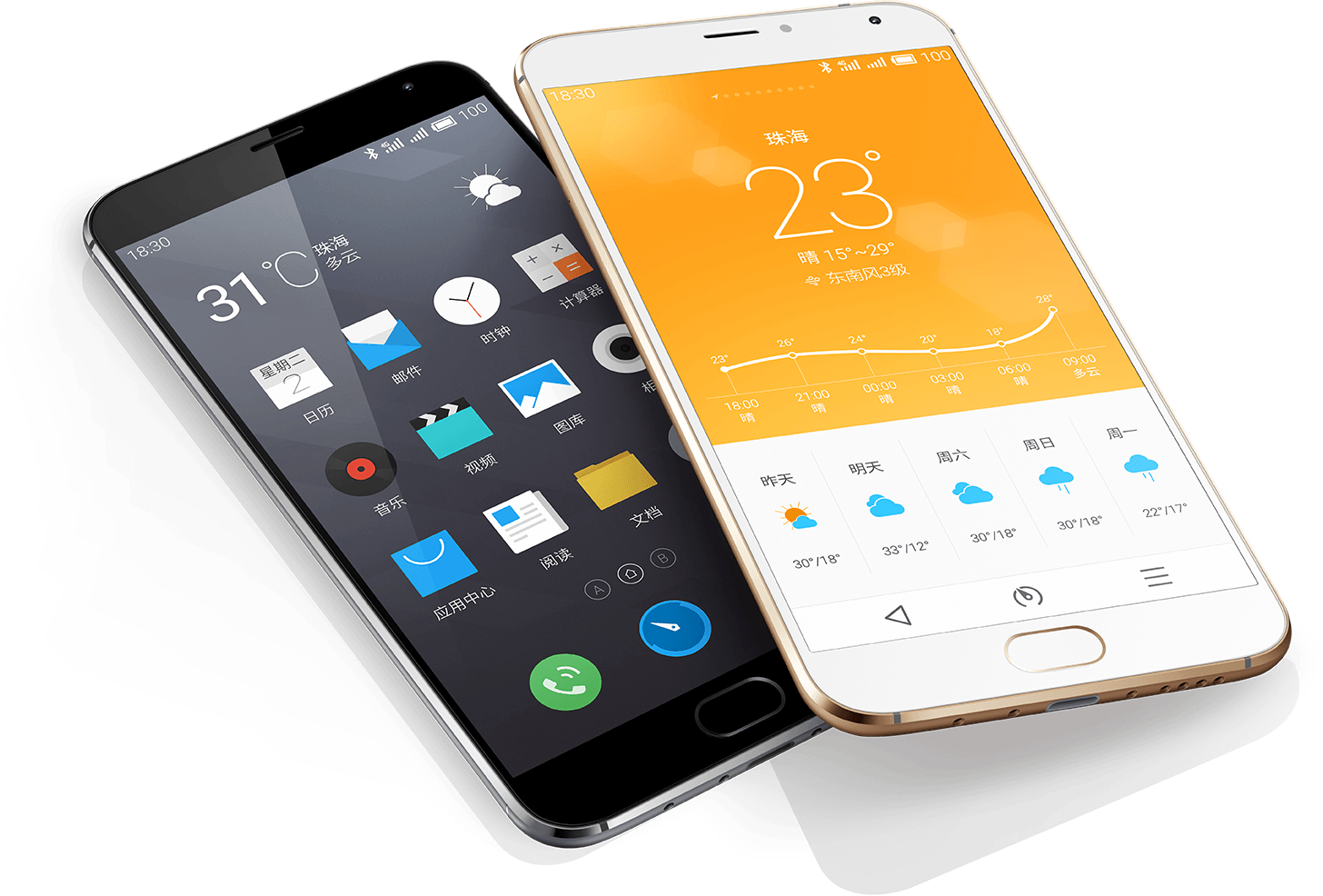
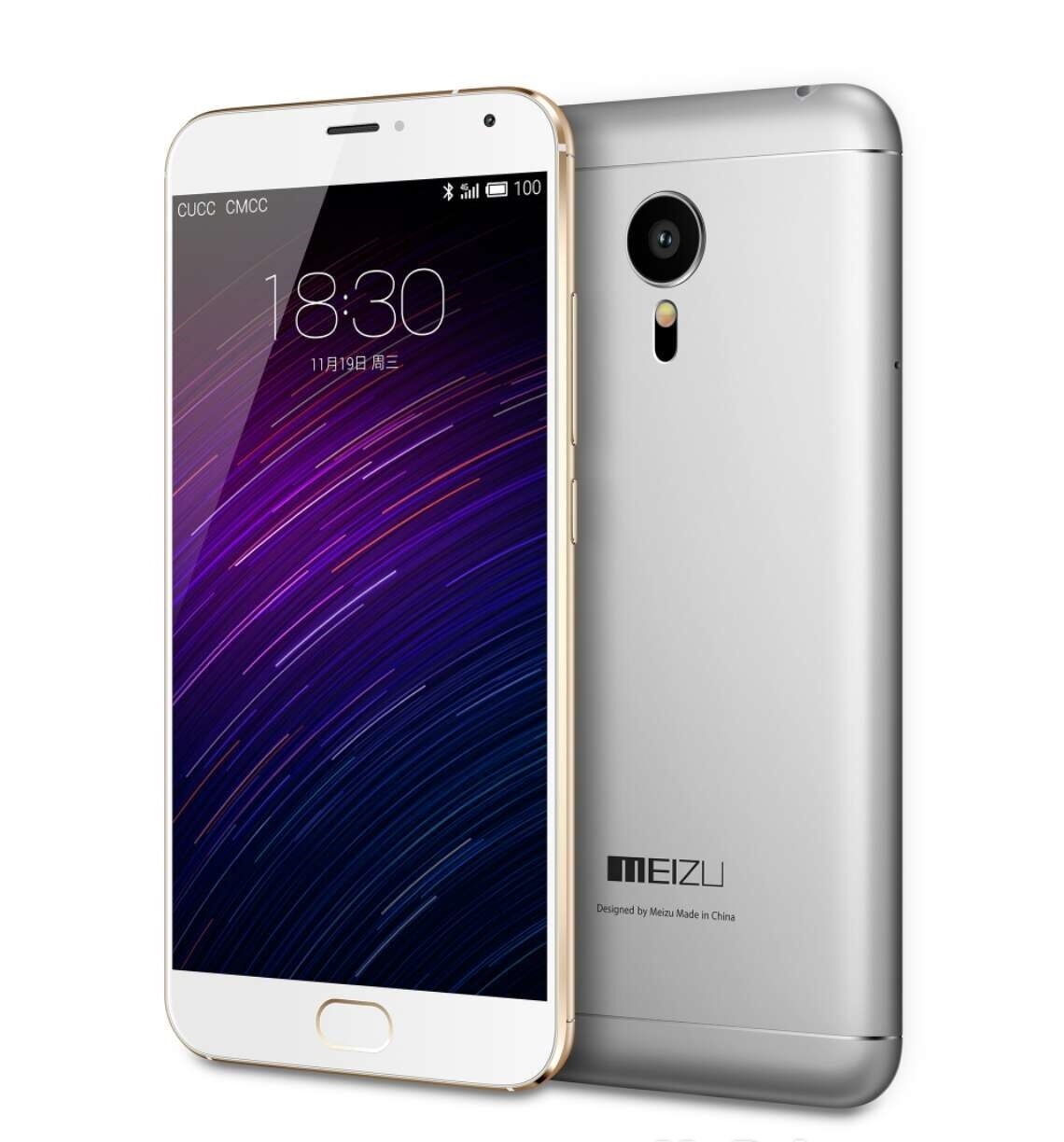
We have been covering Meizu quite regularly here at iGyaan. Today we bring you more updates about this smartphone brand – Meizu has exclusively partnered with Snapdeal for its flagship model, MX5.
You can preorder this smartphone on Snapdeal, however, the price of this product is yet to be announced. The specification of the MX5 include an AMOLED display from Samsung that comes with an infinite contrast range while producing more vivid pictures and clearer text. The mCharge for quick charging, the mTouch 2.0 which makes the identification sensing technology faster, it has a full metal body, 12-gun 3D sand blasting,and comes with a 5 step anodizing process.
It is also powered by the Mediatek Helio X10 is a 64-bit octa-core CPU and a 28nm HPM processor. Other connectivity features include, a dual SIM with dual-standby and dual 4G. On the camera front, it comes with a 20MP camera and a 6P lens. The MX5 runs on the advanced 64-bit Flyme OS 4.5 Popular Flyme system.
As users complain of call drops and call lags, the government has asked Telecom companies to improve their standards by ‘focusing on improving capital expenditure and optimising resource utilisation to curb call drops,’ as stated by Business Standard.
“The projected acute shortage of towers due to non-cooperation of state government and local bodies can’t be accepted as a reason for the call drops in last four to six months as this problem has assumed severe proportion during this period,” it said.
A meeting was held on Tuesday with the Telecom Secretary Rakesh Garg and the CEOs of telecom service providers (TSP) and the main issue of call drops was discussed at length. Garg concluded the meeting by saying that the government was lending as much support as possible regarding ‘the issue of dispelling of unfounded fears from EMF radiation and other issues raised by TSPs.’
He also asked the TSPs to look into areas such as deployment of additional sites to ensure optimum coverage, use of geo-spatial tool for micro-analyzing time-spatial performance, real time network optimization and load balancing etc, which will all lead to the betterment of the QoS (Quality of service.)
In response, the operators have claimed an investment of Rs.134,000 crore, out of which Rs.24,000 crore is for capital equipment with a capital expenditure revenue ratio of 73% against global coverage of 12-18%.
The government issued another statement saying:
“There is an immediate requirement of rigorous optimisation exercise to be taken up by all service providers.”
Now that the operators have been picked up for not being able to deliver good service quality, they have assured the government that they will take action for optimisation of networks and do it on a regular basis, thereby improving the overall performance.
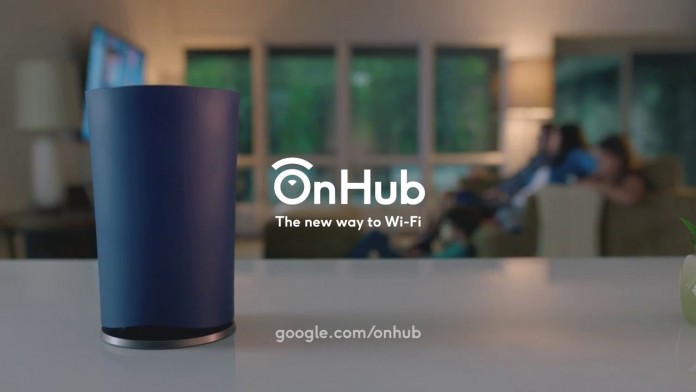
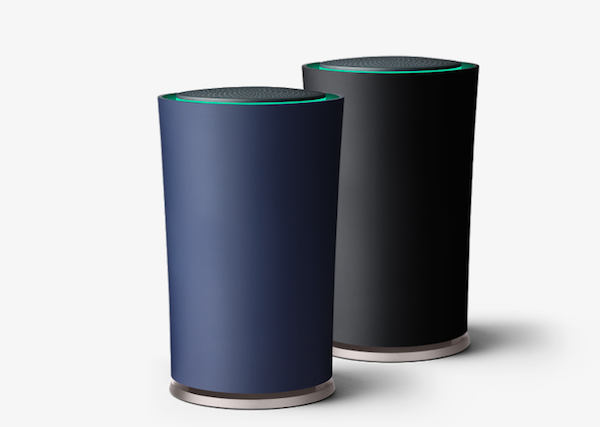
Google has created a new Wi-Fi router called OnHub that promises to “end your Wi-Fi headaches for good.”
This router has been designed in partnership with TP-LINK and features:
“a unique antenna design and smart software” that “keeps working in the background, automatically adjusting OnHub to avoid interference and keep your network at peak performance.”
It also has the ability to scan available airwaves and find the best congestion while allowing you to prioritize some devices in a way that you can pick certain apps over others that are running in the background.
Reports also suggest, that OnHub can be managed via a smartphone app and can also tell you how much bandwidth your devices are using, allows you to run a network check and in case there is a problem with your network, it offers you suggestions to help.
One can order the OnHub router on Amazon, however it will be available at select retail stores in the coming weeks.
Apple Music was set to become the next big thing.The thought of having millions of tracks available to stream, and that could be saved online, seemed like a recipe for success. However, a recent survey conducted by The New York Post showed that nearly half of the iOS users that enthusiastically downloaded the trial version of Apple Music have shockingly, stopped using it even before their trial period gets over.
The stats revealed that 48% of early Apple Music users have given up on the service while 52% are still using it. Of those 52%, nearly two-thirds said they were “extremely or very likely” to start paying for the service once it starts charging them money. This survey was conducted by MusicWatch and if we do assume that those 52% are going to stick to their word then Apple Music should have 3.8 million subscribers once the free trial ends.
Not bad right? But MusicWatch managing partner Russ Crupnick said that it should’ve had a larger user base considering how many Apple loyalists there are, all over the world.
“In terms of benchmarking Apple Music, 40 percent of iOS users are buying digital downloads from iTunes, suggesting trial of Apple Music could be higher,” he explained.
However, Apple lashed back at these statistics via The Verge, saying that 79% of the people who’ve signed up for the service, actually use it on a weekly basis. While we would like to believe them, lets hope that their retention rate converts into actual paid subscribers, proving that Apple Music won’t be an epic fail, after all.
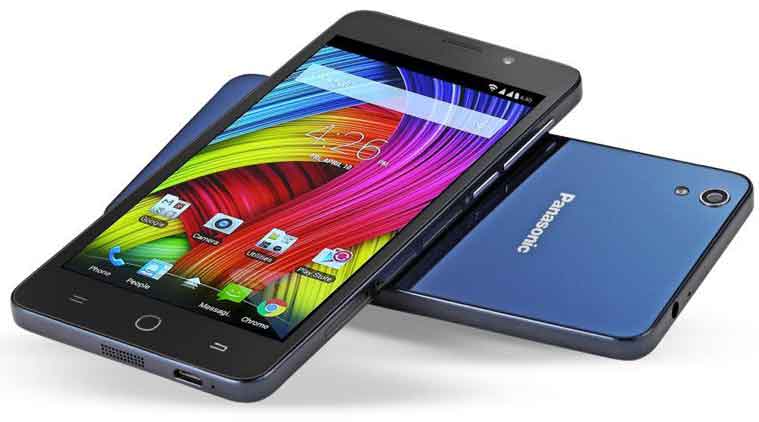
Panasonic has announced three new 4G LTE enabled smartphones today – the Eluga I2, Eluga L2, and T45 4G . All four phones are supported by the Android 5.1 Lollipop OS and priced at Rs. 8290, 9,990, and Rs. 6,990 respectively.
The Eluga models support a dual 8MP LED flash camera and a 2MP front facing camera. It also comes with an Oncell Touch panel and is powered by a 2500mAh battery and a 2000mAh battery in the L2 and I2 models, respectively.
The L2 comes with a 5.5 inch display and comes in a gray moondust or black leatherette finish while the I2 comes with a 5 inch display and come in a gold, silver or gray metallic glaze. All three models – the Eluga I2, Eluga L2, and T45 4G, come with a 1GHz Quad Core processer and offer 1GB RAM with 8GB internal memory expandable up to 32GB.
“The Panasonic smartphone range has become synonymous with innovation and foresight in India. We always keep a track of tech trends and advancement in the mobile market. With the launch of three additional gadgets in the 4G space, we will continue to expand our product offerings with the aim to provide an uncompromised smartphone experience, at very competitive prices.” – Mr. Manish Sharma, Managing Director, Panasonic India
The display also comes in a true-colour IPS resolution, while the T45 4G is equipped with a full connectivity package – Dual SIM, WiFi, Bluetooth and GPS – and is qualified with 21 regional languages to advance 4G LTE technology across India.
The phone will be available at all stores across the nation.
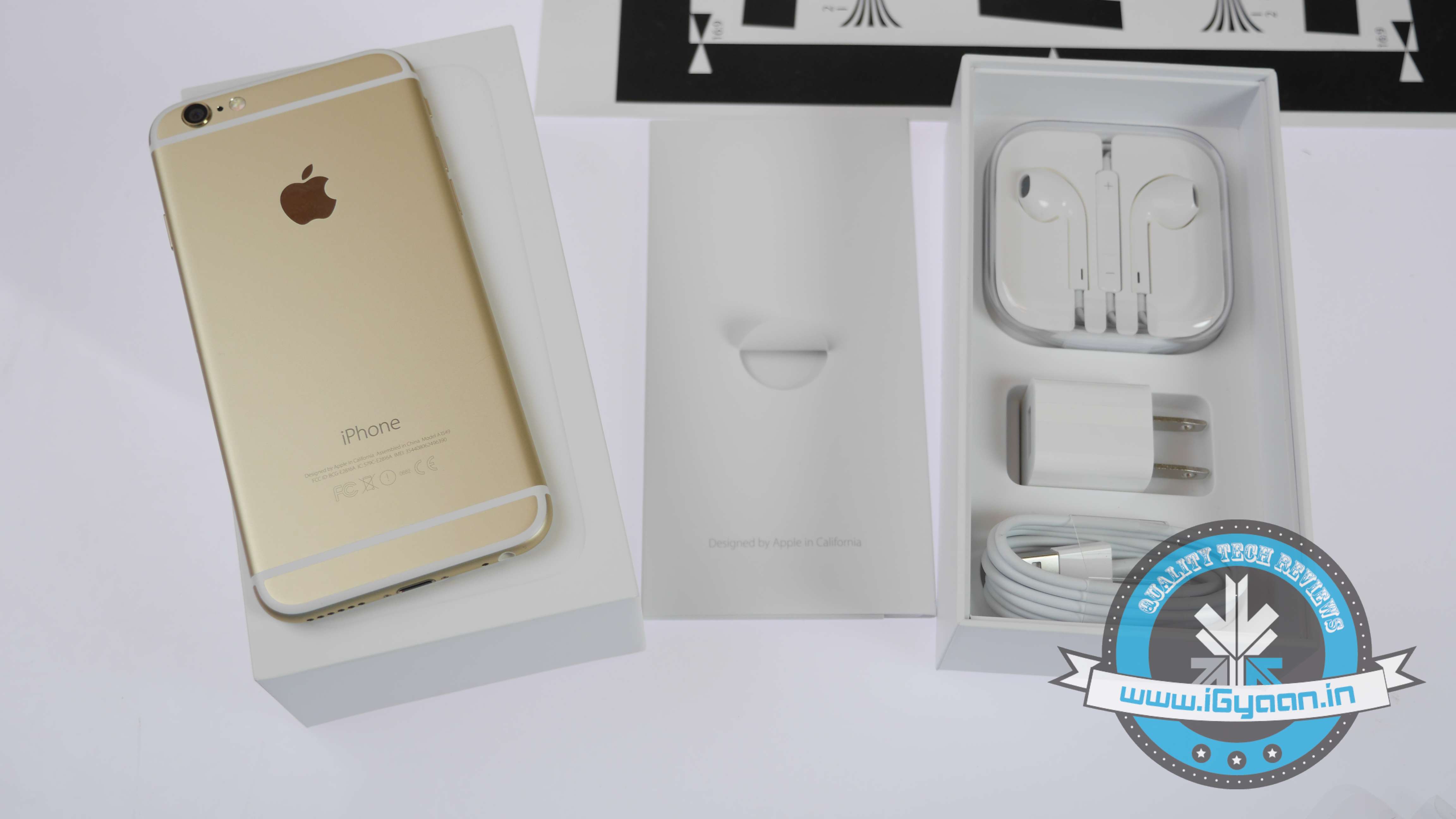
As we get closer to the release date of Apple’s newest iPhone, there are several speculative reports suggesting the tentative day we might be able to get our hands on the smartphone. A recent report suggests that major German carriers are planning to launch the iPhone 6s on September 18th 2015. However, the companies have not been identified yet, though it is known that O2, Vodafone and T-Mobile already carry the iPhone 6.
This indicates that people living in first-tier launch countries will be able to purchase the phone from stores on 18th September. While the announcement event of the phone remains unchanged for 9th September.
According to previous reports, Apple is expected to reveal two iPhones on the 9th of September 2015 and then ship them later that month. The phone will be shipped to Apple’s ‘first-tier’ countries – Germany, Australia, Canada, France, Hong Kong, Japan, Singapore, the U.K. and the U.S, and mainland China.
As a small recap – the device is rumoured to have a Force Touch display, an “A9” processor, and 2 GB of RAM. Watch this space for more updates.
New research from GfK suggests that the smartphones prices in India may fall by 11% in 2015 with the demand for 4G devices capturing 6% of the smartphone unit demand. This research also says that India would soon become the largest smartphone market, globally.
GfK, Germany’s largest market research institute has commented saying:
“4G unit share was 58 percent globally in the second quarter of 2015, up from 26 percent in the second quarter of 2014. This represents a unit growth of 129 percent year-on-year, with China leading the global 4G ramp up,”
As their forecasts suggest – the 4G smartphone sales will continue to grow at the expense of 3G smartphone devices, with GfK director Kevin Walsh stating that, “India is expected to be the largest contributor of absolute smartphone unit growth globally this year.”
They noted a regional difference in 4G take up stating price polarisation in North America, saturation in Western European markets, local brands tackling global players in India and China, and intense price competition in emerging markets.
Apart from this, we have also seen the interest of Chinese vendors in the Indian market, which has intensified the competition between international and local vendors in India.
However, they have mentioned a smartphone average selling price (ASPs) decline of 12% in India in the second quarter of 2015.
Delhi is one of the most polluted states in the world and India has three out of ten such states that contribute to the world’s pollution. In such a situation, the concept of electric cars really does seem like a viable option and is one that should be explored in our country, slowly and steadily. However, England has gone a step ahead, in a direction that can prove to actually solve a lot of environmental problems.
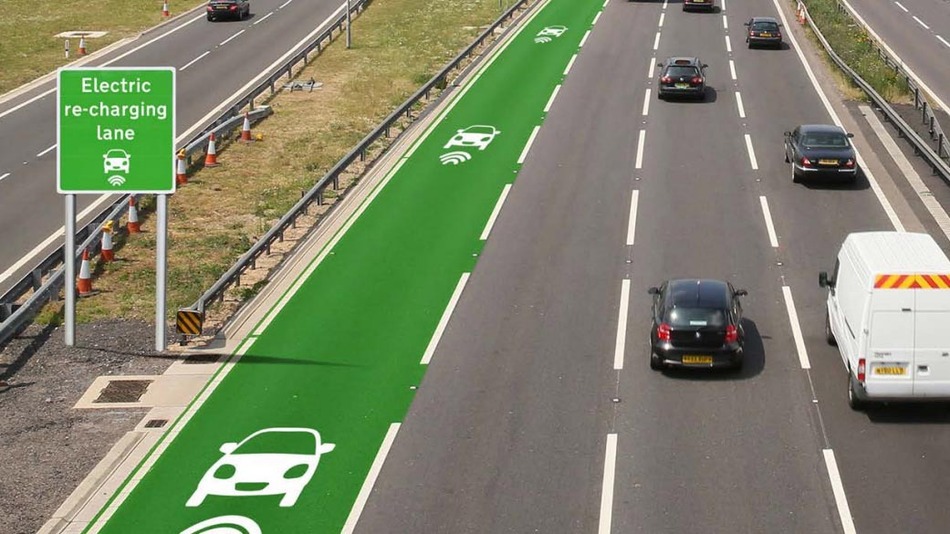
In a report released last night, a trial in England is attempting to boost the range of electric cars by trying to get roads that charge these vehicles as you drive along them.
We all know how tedious charging ones electric cars can be. You have to be either at home or near a charging station and forget abroad, we don’t have such facilities in our country, as yet. Therefore, roads that help you charge your car making it go more than the average 260 miles, that electric cars usually go, sounds ideal.
Highways England has decided to run an 18 month scheme to work on trial charging lanes after completing a feasibility study, of course. (The texting however, won’t be on public roads, yet.) Mashable reported:
Transport minister Andrew Jones said,”the government is already committing £500 million over the next five years to keep Britain at the forefront of this technology.”
How it will work is that, certain electric cars will be fixed with wireless technology and special equipment will be installed under the roads to portray motorway conditions. Through this and electric cables, an electromagnetic force will be generated which will be picked up by a coil, inside the car, thus converting it into electricity.
The trial is set to take place later this year and isn’t the first time something like this is going to be attempted. In South Korea, a 7.5-mile (12 km) stretch of road charges up electric buses as they drive along, via a process called Shaped Magnetic Field in Resonance (SMFIR).
If the trial is successful, it will lead to an increase of electric vehicles and a decrease in pollution, which is what the world needs right now. However, some skeptics have spoken against the scheme. Dr Paul Nieuwenhuis, the director of Cardiff Business School’s Electric Vehicle Centre of Excellence, told the BBC that “it sounds very ambitious and the cost will be the biggest issue.” He concluded, “I’m not totally convinced it’s worth it.”
While England conducts the trials, we hope that India has similar breakthroughs that make us move towards a greener society. What do you think? Let us know in the comments below.
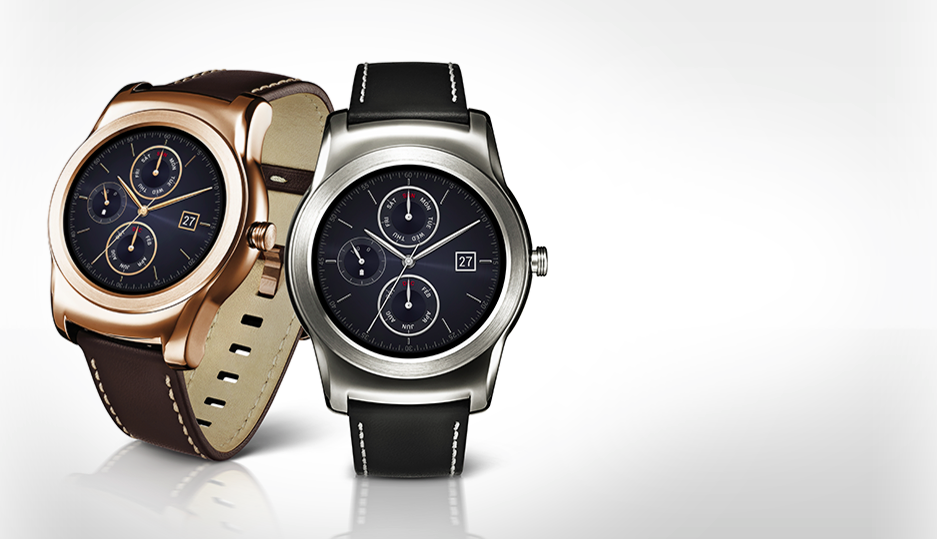
New reports suggest, that LG is working on a new Android Wear watch codenamed “Nemo”. And this could be the first Nexus smartwatch. What is known about the smartwatch is that it will have the highest resolution display any Android Wear watch has ever had at 480 x 480 resolution.
The connection that has been made is the due to the codename used. In the past, Nexus devices have used a similar nomenclature. Nexus 6 was codenamed ‘Shamu’, and Nexus 9 was ‘Hammerhead.’
Other rumours suggest that the watch will have a circular 1.3-inch display size with a pixel density of around 340 to 400 ppi. The importance of this pixel density is that it should ideally be able to eliminate readability issues.
With LG catching up in the smartwatch race with the anticipation of its new smartwatch, you can watch this space for more details about this new device.
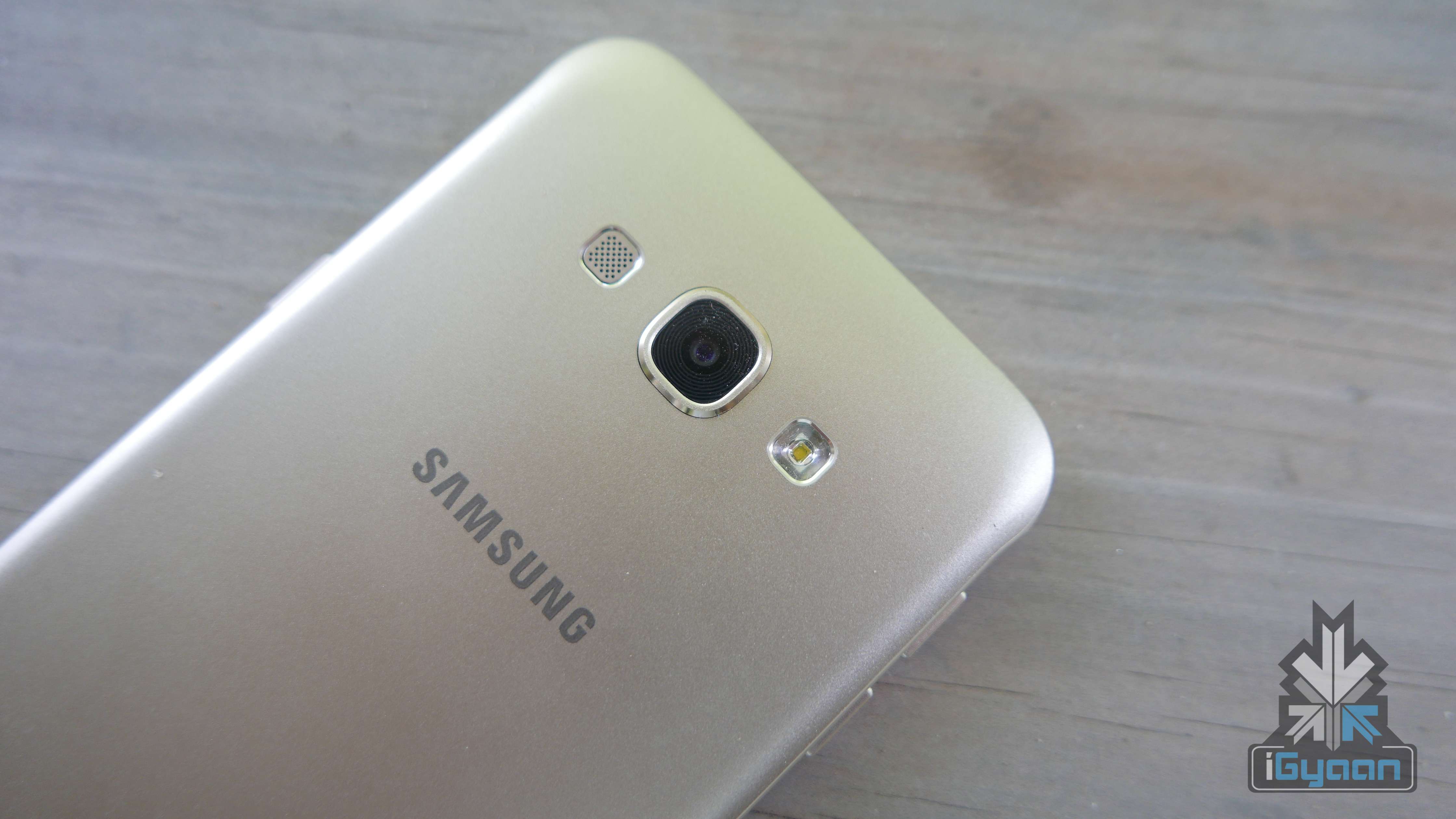
According to reports, Samsung is currently working on two new smartphones, called the SM-G550 and the SM-G600. These two new devices are said to be released under the new Galaxy O series. Therefore, it has been concluded that SM-G550 will most probably be named the Galaxy O5 and the the SM-G600 will be called the Galaxy O7.
In 2014, Samsung had begun improving their smartphones by grouping all the new launches under different letters of the alphabet such as – Galaxy J, Galaxy E, Galaxy A, Galaxy O, Galaxy S etc. The market is currently flooded with Samsung smartphones available in all sizes and prices. The only unchanged factor amongst the large variety of smartphones is its form factor. It is still to be seen whether the Galaxy O series comes with a new design that would be easier for users to differentiate it from other smartphones made by the company.
Apple on the other hand (Samsung’s direct competitor), has only one solid line of smartphones and more often than not, have higher profits than Samsung. This happens regardless of whether Samsung occupies a larger market share or not.
However, no confirmation about the specification or release date of the devices have been made by the company itself.
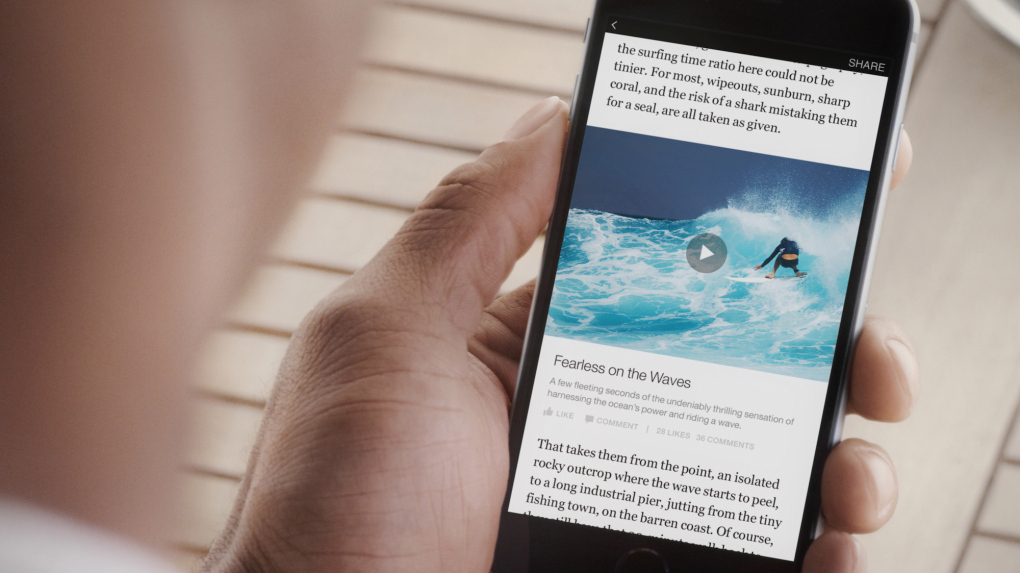
Most of us may not know that Facebook did have a small ‘Notes’ feature back in 2006, where one could write longer statuses, pictures, articles etc. This feature got buried, when the Timeline came into being in 2011. However, with blogging currently being the hottest trend amongst college graduates and job-seekers, Facebook has decided to bring back its ‘Notes’ feature with a bang.
With Facebook now testing design updates for Notes; it is said that the new features include nearly full-width images without cluttered sidebars, and big cover images like Facebook profiles.
“We’re testing an update to Notes to make it easier for people to create and read longer-form stories on Facebook.” – Facebook
The new Notes’ sleek design caters to both business entrepreneurs, politicians, and other public figures alike. However, questions have been asked as to whether Facebook is willing to put the power of the feed behind it. With the design still being updated, it is yet to be seen, whether the new Notes gathers momentum and helps Facebook expand over the internet, even more than it already has.
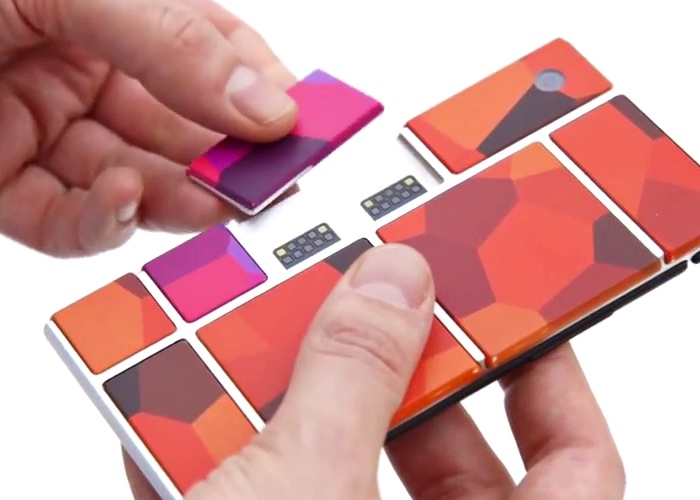
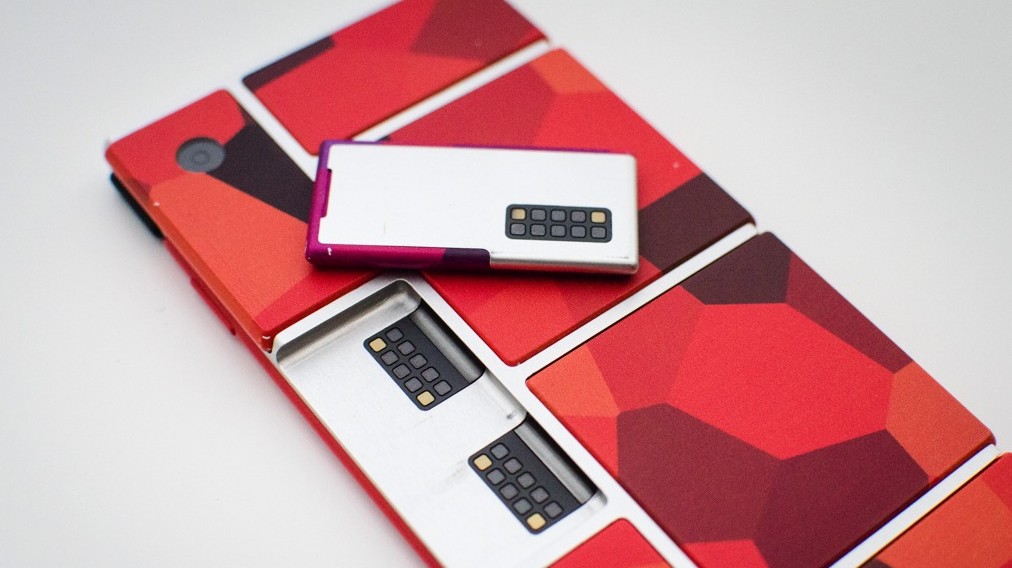
One of the most futuristic innovations till date, Project Ara, set tongues wagging all across the world due to its sheer concept. The fact that one could have a smartphone with detachable components that can be replaced, seemed novel and right out of a sic-fi movie. However, once Google took this initiative under its belt, there was no looking back.
Although, we were all waiting for this lego like phone to hit the markets starting in Puerto Rico, this year, it looks like we are going to have to wait at least another year. A launch Puerto Rico might not happen at all. Reports suggest that the prototyping phase of the phone has taken longer than was expected and Google is now looking at locations in the United States to launch the phone.
Last night, Google’s mobile operating division announced its latest update and calls it the Android 6.0 marshmallow (sorry, not mithai). This puts an end to our speculation of what the statue of a green droid holding the new dessert figurine meant.
This news was announced by Dave Burke, Android’s VP of Engineering via his Twitter account on Monday. Reports also suggest, that Google has released a “near-final” SDK version of the new operating system for developers.
“Whether you like them straight out of the bag, roasted to a golden brown exterior with a molten centre, or in fluff form, who doesn’t like marshmallows? We definitely like them,” wrote Jamal Eason, Product Manager, Android in the blog post.
The Android 6.0 is said to largely be aimed at delivering stability and performance improvements, and will bring new features such as – the Android Pay, Tap on Now, new app permissions model, built-in support for fingerprint scanner, as well as support for the USB Type-C standard. Reports also say, that this new version also offers native support for the 64-bit ARMv8 architecture.
The Android v6.0 will be shipped later this year while the company is also rumoured to be releasing two Nexus smartphones along with it.
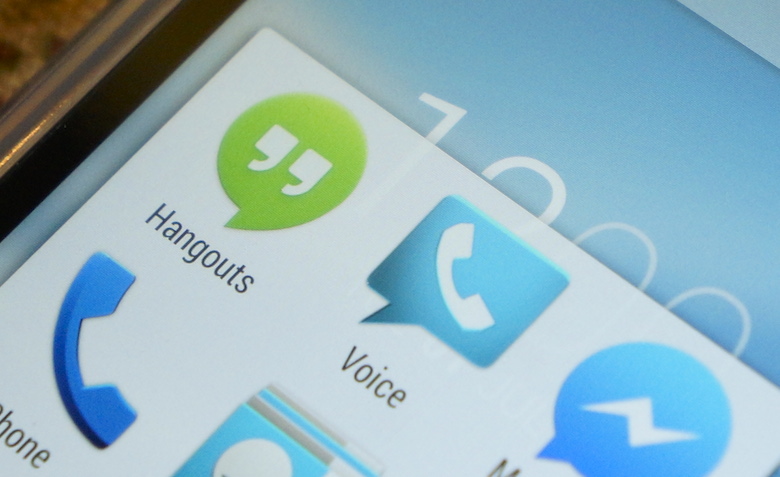
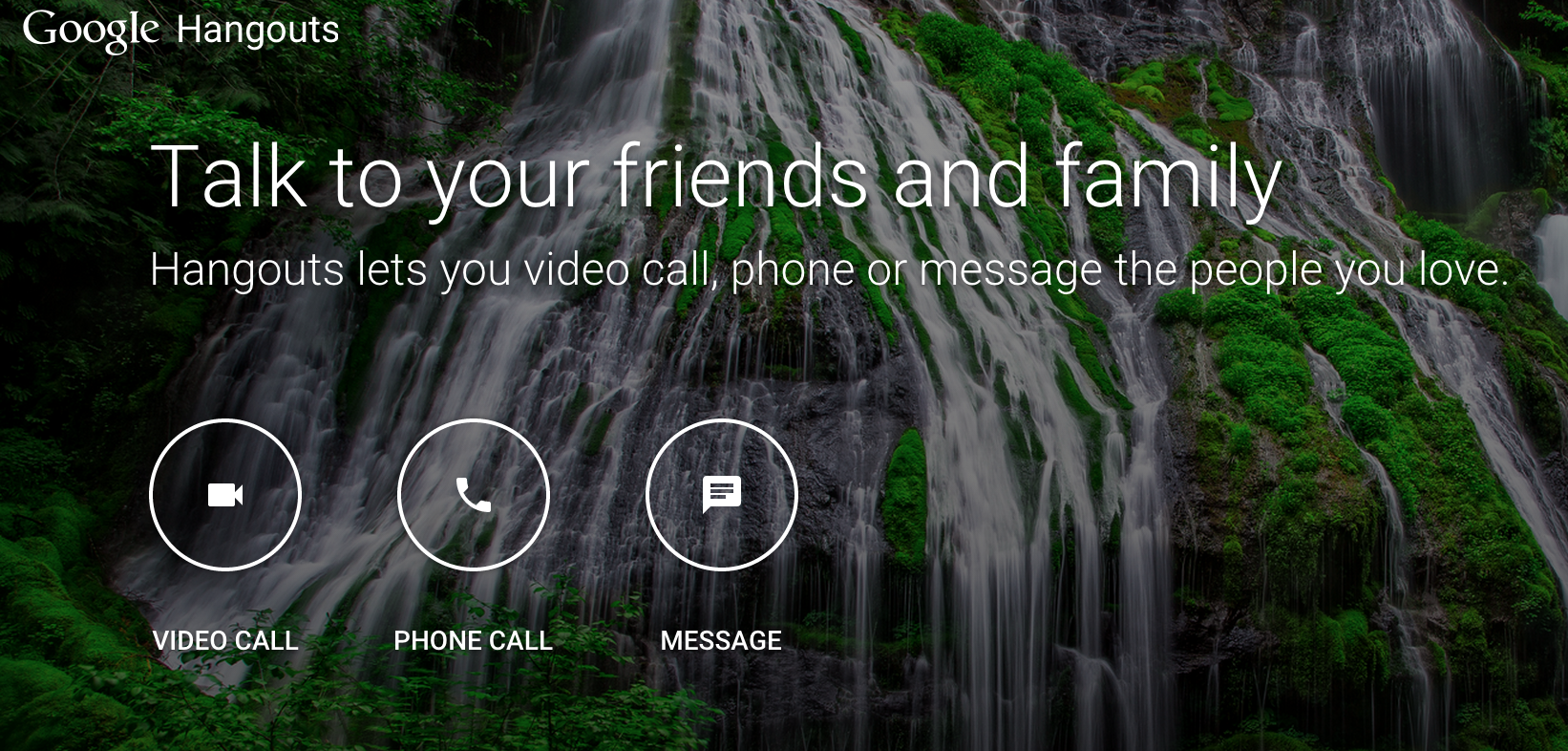
The successful Google Hangouts has now been given its very own space by Google. As of last evening, the messaging service will not be restricted to just Google+ and Gmail. You can just go to hangouts.google.com to start talking.
The site puts Hangouts’ three key features — instant messaging, voice calls, and video chats — front and center, with big buttons to start up each of them. Thus, this change is going to allow every type of user to be on hangout in comparison to just those, who were always on Gmail and could hence use the facility.
It is natural for Google to have invested their time into giving Hangouts its own web service and a modern design. There are a large number of people using Google accounts and it only made sense for the company to pick up on that and make it easier and convenient for everybody, just like Facebook did, by separating its messenger.
The Verge stated that the Hangouts app has been overhauled on both iOS and Android, bringing it up to date with Google’s Material Design style and making the service a bit easier to use. So now, anyone can use Hangouts in any manner they wish, without its strings being attached to Gmail or Google+.
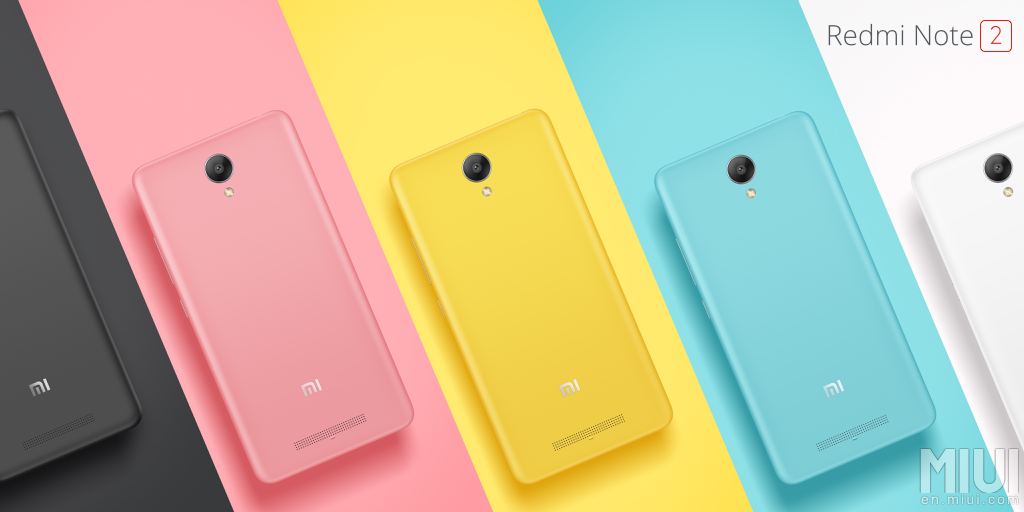
The Redmi Note 2 turned out to be a huge success in China, soon after its launch last week. Xiaomi claimed to have sold 800,000 units in just 12 hours, which set a new record for the company. With this success riding on their backs, one would assume that the device will launch in India as well, however, the company stated that it had no such plans.
Unfortunately, for Indian fans, Xiaomi has run into some legal tussles and hence, will refrain from launching the Note 2 in India. The Redmi Note 2 and Redmi Note 2 Prime run on MediaTek’s Helio X10 chipsets and hence Ericsson filed a patent infringement lawsuit against the Chinese company, barring it from launching a device that boosted Xiaomi’s success rate. However, the court has allowed the company to sell devices running on Qualcomm’s silicon.
A Xiaomi spokesperson commented:
We are continuously evaluating new products that can be launched in India. But, as of now we do not have plans to launch Redmi Note 2 in India.
The case was filed because of Ericsson’s Standard Essential Patents for wireless technology standards like GSM, Edge and 3G. Ericsson is supposed to licence their patents under the FRAND (Free Reasonable and Non-Discriminatory) terms. However, they claim that Xiaomi did not pay them any royalty before or after using technology innovations that were covered under their patents.
We hate to be the bearer of bad news, but it looks like all Redmi Note 2 fans are going to have to wait a while or look for other options.