Blog

  • Xiaomi Ventures into Gaming Hardware; Launches Super-Cheap Bluetooth Gamepad 

    Xiaomi Ventures into Gaming Hardware; Launches Super-Cheap Bluetooth Gamepad 

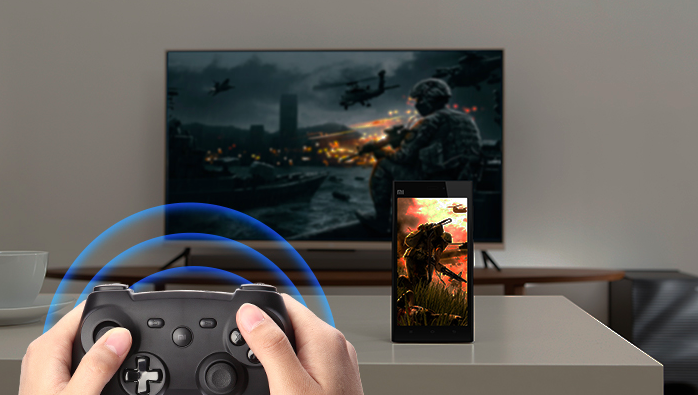
    Xiaomi, few days back, teased a gaming hardware with the launch date expected to be 20th January. Now it has been revealed that this mysterious device was none other than a bluetooth game controller, which carries an amazingly low price tag (surprise, surprise) of 99 Yuan.

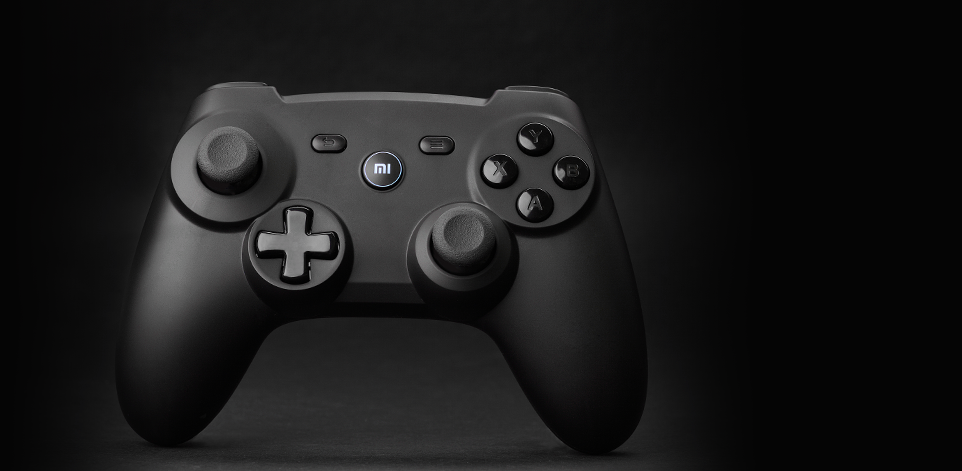
    The Xiaomi game controller sports a D-pad, analogue sticks, Y, X, A, and B buttons, as well as two shoulder buttons on either side. It also has a back button, menu button, and a home button with Mi branding. It is powered by 2xAA batteries.
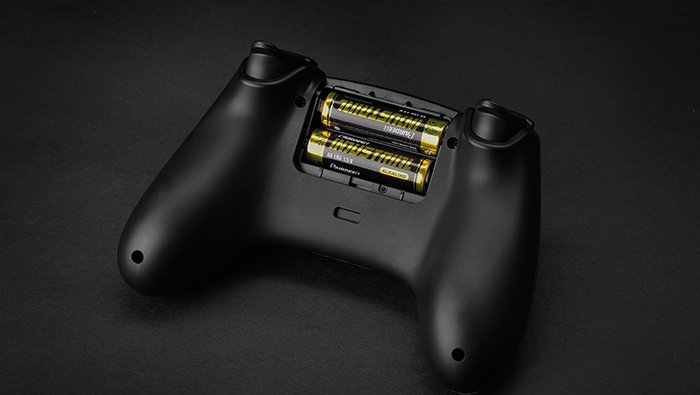
    xiaomi gaming controllerScreen Shot 2015-01-21 at 9.57.56 am

    It looks awfully similar to the XBox One controller and according to the company, has a very ergonomic and comfortable feel while holding. The shell is made of tough materials manufactured by Samsung. Xiaomi claims that the remote controller is made using the same quality manufacturing process as the Sony PS4 remote.

    Another interesting thing about the controller is that it is scratch and sunlight resistant. The company hopes that you can play your games for hours without getting tired.
    xiaomi gaming controllerScreen Shot 2015-01-21 at 9.57.48 am

    The controller comes with some serious features for heavy gamers; 360-degree field of precision positioning, which has an accuracy of 0.172 degrees, shaking, center-specific anti-tampering measures of 0.5 degrees and high precision arrow keys which have a 360 degrees movement technology, ensuring a uniform gap around the keys. It connects with Android devices using Bluetooth 3.0 and comes with a power management system which turns the device into standby mode after 5 minutes of remaining idle.

    The official website states that the first 300 buyers of the Bluetooth game controller would only have to shell out just CNY 1 (roughly Rs. 9) for the device. As mentioned above, the controller is priced very competitively at 99 Yuan which rounds up to about Rs. 1000 in India currency.
  • Microsoft’s New Prototype Can Charge a Smartphone Wirelessly Using Lasers

    Microsoft’s New Prototype Can Charge a Smartphone Wirelessly Using Lasers

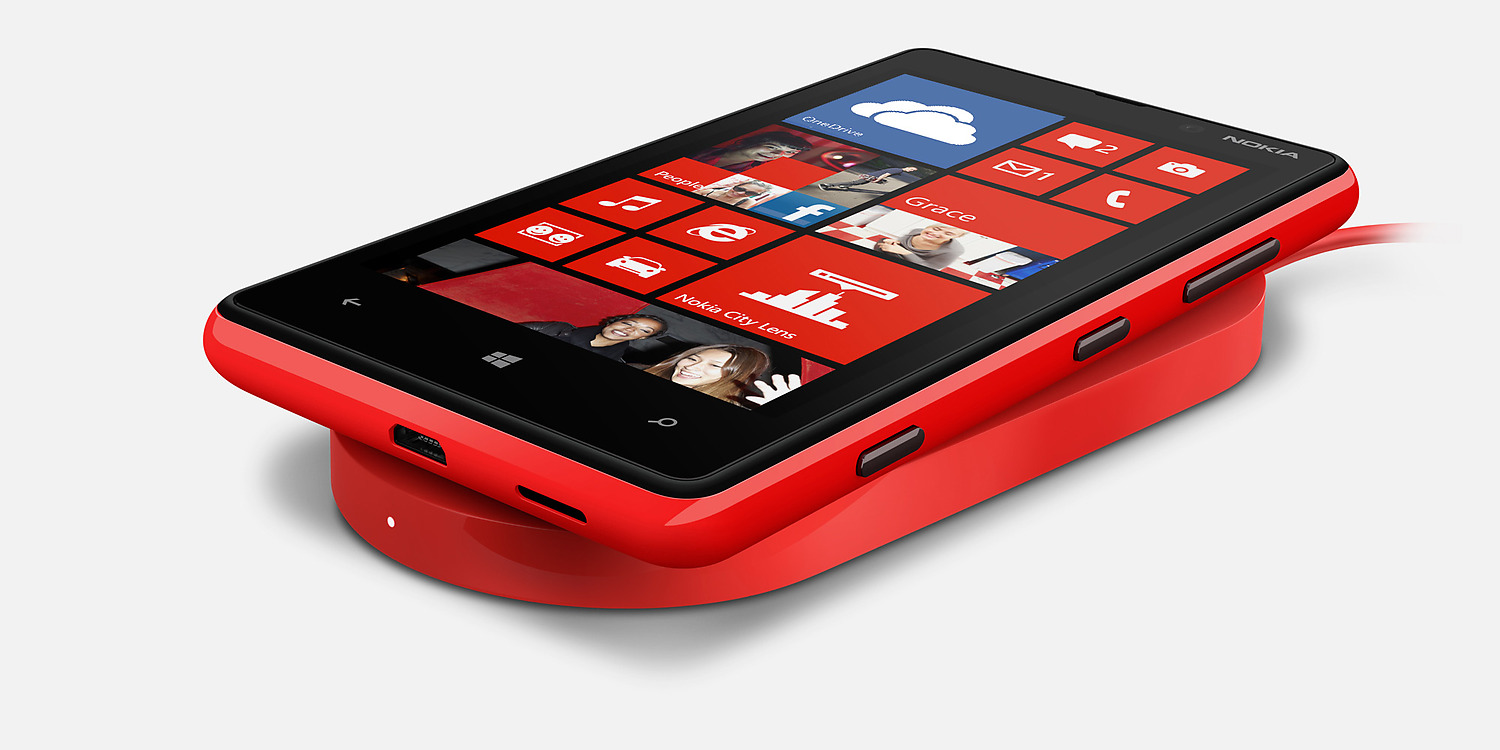
    Wireless charging is efficient and convenient but it requires you to keep the phone on a particular surface. Microsoft wants to make your life even easier. The company has created a prototype device that can charge your device without the need of a charging dock or surface.

    The technology is called AutoCharge and for now it uses Microsoft’s motion sensor, Kinect. The AutoCharge setup is placed overhead from where it constantly scans the surface of smartphone shaped objects. Once it recognises that the smartphone is in view it, sends out a beam of light on the surface of the phone. The phone surface is made of photovoltaic panel that will absorb the light to generate electricity.

    AutoCharge uses Kinect to detect the phone that needs to be charged.
    AutoCharge uses Kinect to detect the phone that needs to be charged.

    To make sure that AutoCharge recognises the smartphone and assess if the device needs charge, the device is provided with a microcontroller and a LED light. The light blinks in a specific pattern to indicate the amount of charge in the device. Once the device is all juiced up the LED, blinks in a different pattern and tells AutoCharge to cease charging.

    The team behind the project has agreed in their paper that this technology will take a while to reach the hands of the consumer. There aren’t many devices either which have photovoltaic films on them yet. The biggest disadvantage of wireless charging is that you need to keep it on the specific surface. A system that lets you use the device however you choose, while charging, would really help the customers. But you have to agree that the good old wired charger works great. Wireless charging has a long way to go before it matches up to the convenience like that.

  • ASUS Brings Out the Fonepad 8 in India for Rs. 13,999

    ASUS Brings Out the Fonepad 8 in India for Rs. 13,999

    Today Asus launched one more product for the Indian market – the Fonepad 8 (FE380CG). The new Fonepad supports 3G functionality and comes at a price of Rs. 13,999. The 8-inch device, initially launched at Computex 2014, is a modified version of Fonepad 8 tablet. It runs on Android 4.4 KitKat out-of-the-box and features dual-SIM support.

    The device flaunts an 8-inch 1280x800p display and is powered by 64-bit Intel Atom Z3530 1.33GHz quad-core processor, paired with 2 GB of RAM. The tablet runs on the company’s Asus ZenUI; comes with 16 GB of inbuilt storage that can be expanded up to 64 GB via MicroSD card.

    asus_fonepad_81

    On the camera front, the Fonepad 8 (FE380CG) has a 5MP rear camera along with a 2MP secondary camera. Connectivity options include Wi-Fi, MicroUSB, Bluetooth v4.0, GPS, and a 3.5mm audio jack. The device houses a 4000mAh battery that the company claims can last up to 21 hours of talk time.

    For now, the Fonepad 8 will be available exclusively on Flipkart. The device will come in two colour variants – Black and Gold.

  • Samsung Wants to Partner With BlackBerry, Not Acquire it

    Samsung Wants to Partner With BlackBerry, Not Acquire it

    Few days back, rumours about Samsung’s plans to acquire BlackBerry made the rounds. It was said that the South Korean company had offered close to $7.5 billion for the buyout. However, when the companies were approached for comment, both Samsung and BlackBerry denied the story. To reaffirm the same, the Co-Chief Executive of Samsung Electronics, J. K. Shin, made a statement that the company wants to work on an extended partnership but doesn’t aim to acquire BlackBerry at all.

    [quote text_size=”small” author=”J.K. Shin”]

    We want to work with BlackBerry and develop this partnership, not acquire the company.

    [/quote]

    Shin further added that they wish to extend the existing agreement, however, they are carefully keeping the details under wraps.

    Late last year, Samsung closed a deal with BlackBerry which gave access to both the companies to sell mobile security technologies of the other company. Samsung also signed similar agreements with other companies such as Trix Systems Inc., Good Technology Inc., MobileIron Inc. and AirWatch.

    The world’s largest maker of handsets respects its relationship with other companies and clarified that it is not eyeing the patent portfolio of BlackBerry, which carries the highest value in the technology world.

  • A Look at Technology Predictions Made By Michio Kaku 11 Years Back

    A Look at Technology Predictions Made By Michio Kaku 11 Years Back

    Michio Kaku is one of the most famous physicist and futurist in the world. He has for years given us the ‘vision of the future’. We look at this interview he gave in 2004 for the show ‘Screen Savers’ about the future of technology, computers and artificial intelligence. Most of what he predicted seems to be coming true.

    [quote text_size=”small” author=”Wikipedia”]

    Moore’s law is the observation that, over the history of computing hardware, the number of transistors in a dense integrated circuit doubles approximately every two years. The observation is named after Gordon E. Moore, co-founder of the Intel Corporation, who described the trend in his 1965 paper.

    [/quote]

    Mr. Kaku predicted 11 years back that processing technology would get so shrunk down that it would reach its limit. We are already looking at beginning of that collapse. The processing might of our phones and computers are fast becoming static or have reached maturity. This is the reason why companies are investing in new product families such as wearables and the Internet of Things. Our present gadgets though, still have a few years before they become obsolete, so don’t worry yet.

    Quantum Computing is still in its infancy, but we have seen some results that are encouraging. At present, Google and NASA possess a quantum computer capable of handling 512 qubits and is known as the D-Wave system.

    Artificial Intelligence is also a major topic of discussion and we have heard concerns raised by famous tech personalities. Dr.Kaku says that there may be a time when the robots might want to take over human masters, but he also presents a solution to it using an Asimov chip.

    Watch the whole video for some exciting nerdgasms:

  • Second Batch of Yu Yureka to Go on Sale, Number of Units Undisclosed

    Second Batch of Yu Yureka to Go on Sale, Number of Units Undisclosed

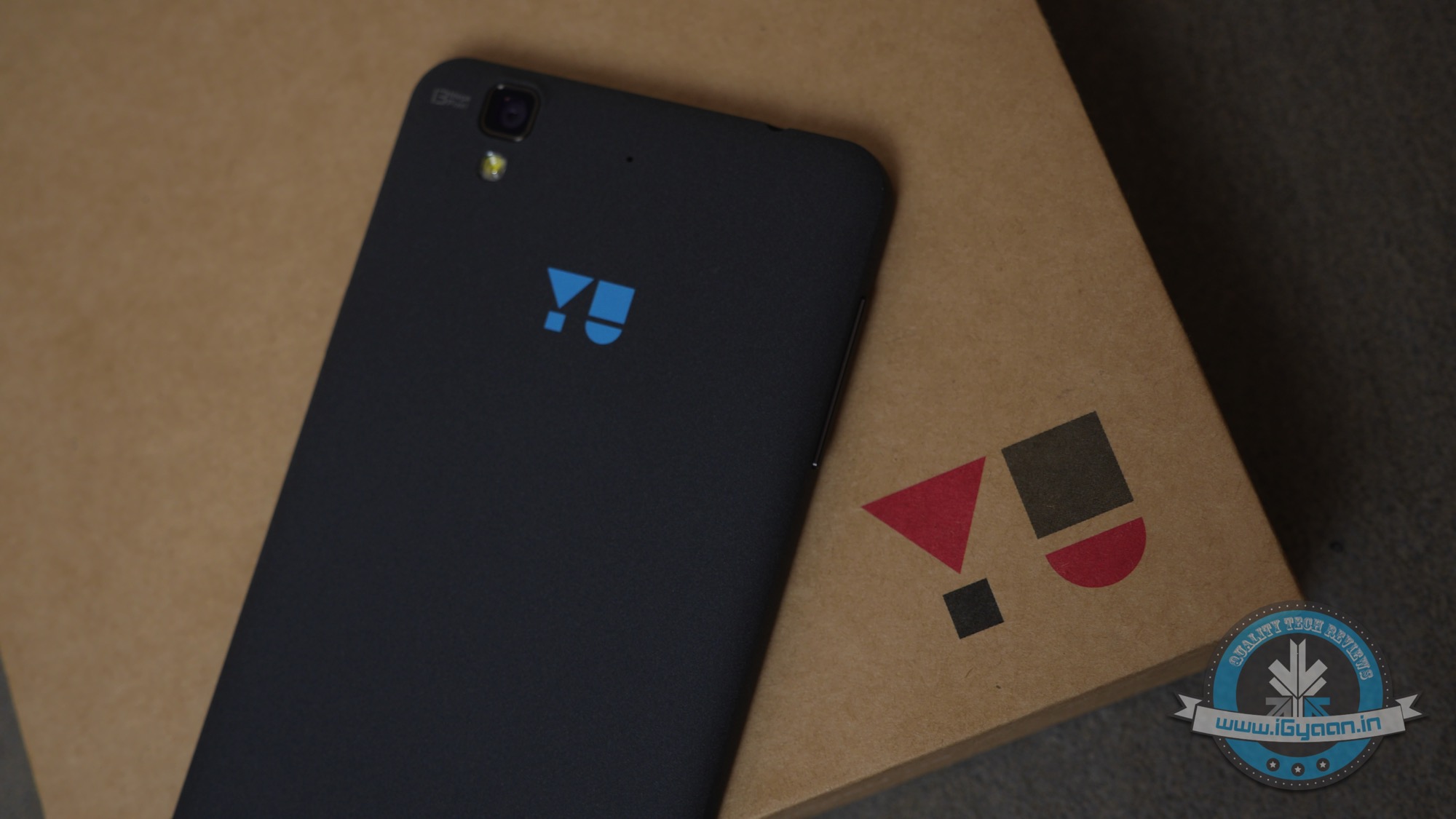
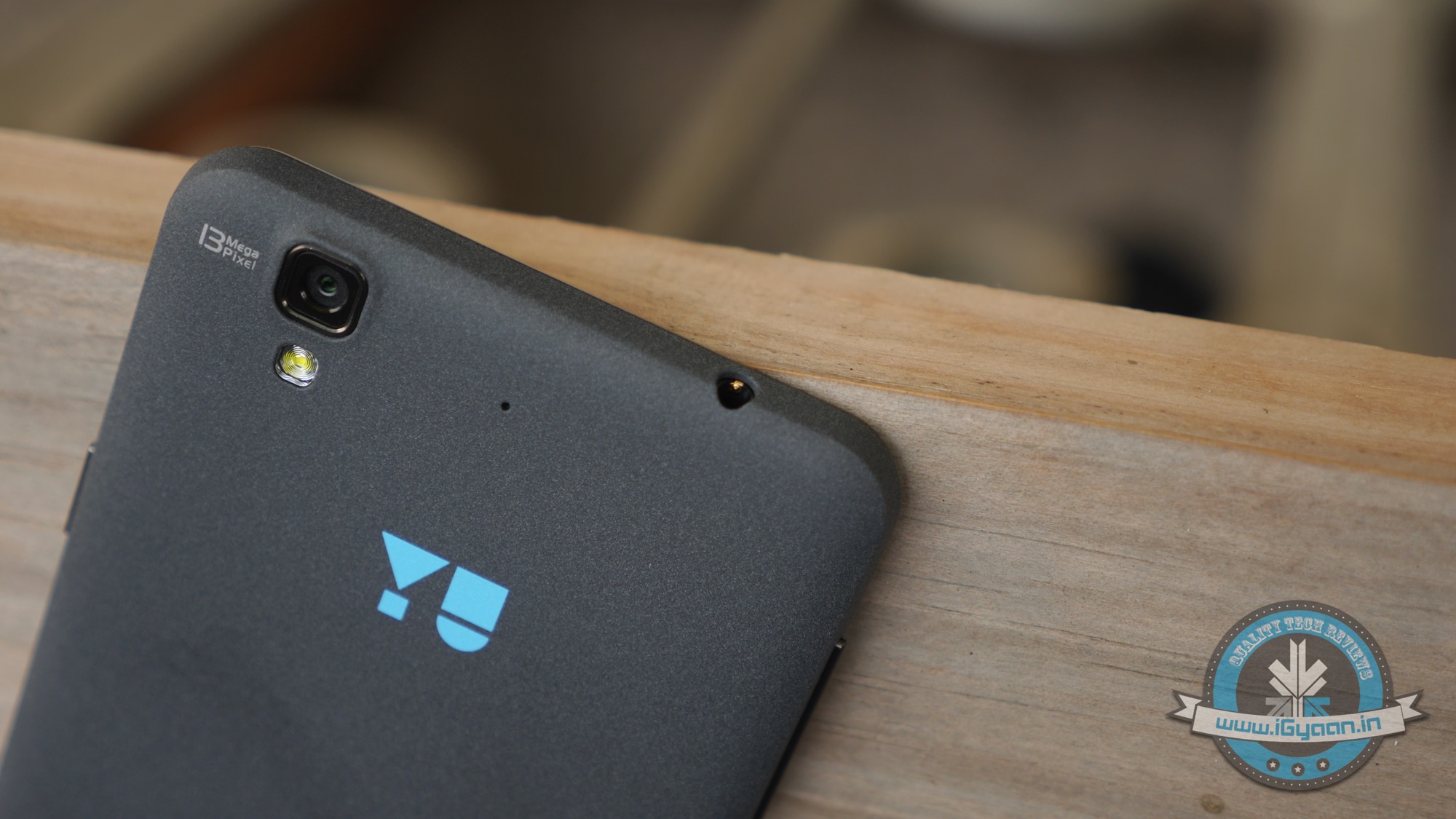
    The recently popular smartphone from the homegrown manufacturer, Yu, is again going up for sale exclusively on Amazon India. The second round of registrations has commenced, and the phone will be up for grabs on 22nd January for a price tag of Rs. 8,999.

    Micromax is imitating Xiaomi’s successful marketing scheme to entice more customers. However, last time, things didn’t go so well as Amazon India was unable to cope with the heavy rush. The first round of flash sale saw around 3 lakh registrations, but only 10,000 units were available for sale. The inadequate availability of the phone resulted in an outrage from interested buyers who were left disappointed. However, the company announced that the phone received a superb response, and the stock cleared in just 3 seconds.

    Another glitch that added to the fury of the customers is that Amazon India showed the final price of Yu Yureka as Rs. 12,499 instead of the actual price (Rs. 8,999). However, the e-commerce website later apologised for the technical hitch.

    Yu Yureka iGyaan4

    As of now, there is no clue about the number of units that will go up for sale as both Micromax and Amazon are tight-lipped on the topic.

    Coming to the specifications of the Yu Yureka, the smartphone sports a 5.5-inch 1280x720p display. The screen has a protection of Gorilla Glass 3. The device is powered by Snapdragon 615 CPU along with Adreno 405 GPU. The device features 2 GB of RAM and 16 GB of internal storage capacity, out of which 12 GB is free. The phone gets its juice from a 2500mAh battery. On the camera front, the handset has a 13MP snapper along with a 5MP shooter on the front. The most significant feature of the device is the attractive Cyanogen OS 11.

    For those who haven’t seen our review, can check out the video below:

  • Microsoft Patents New Tech Which Senses When You Don’t Want to Be Disturbed

    Microsoft Patents New Tech Which Senses When You Don’t Want to Be Disturbed

    A smartphone’s loud ring is highly distracting when you’re in the middle of something important. In spite of the available do-not-disturb mode, there’s no feature that is intelligent enough to sense your presence at different places and function accordingly. However, Microsoft has found a solution for this – the inconspicuous mode – which transforms your smartphone smart enough to turn down your device when necessary.

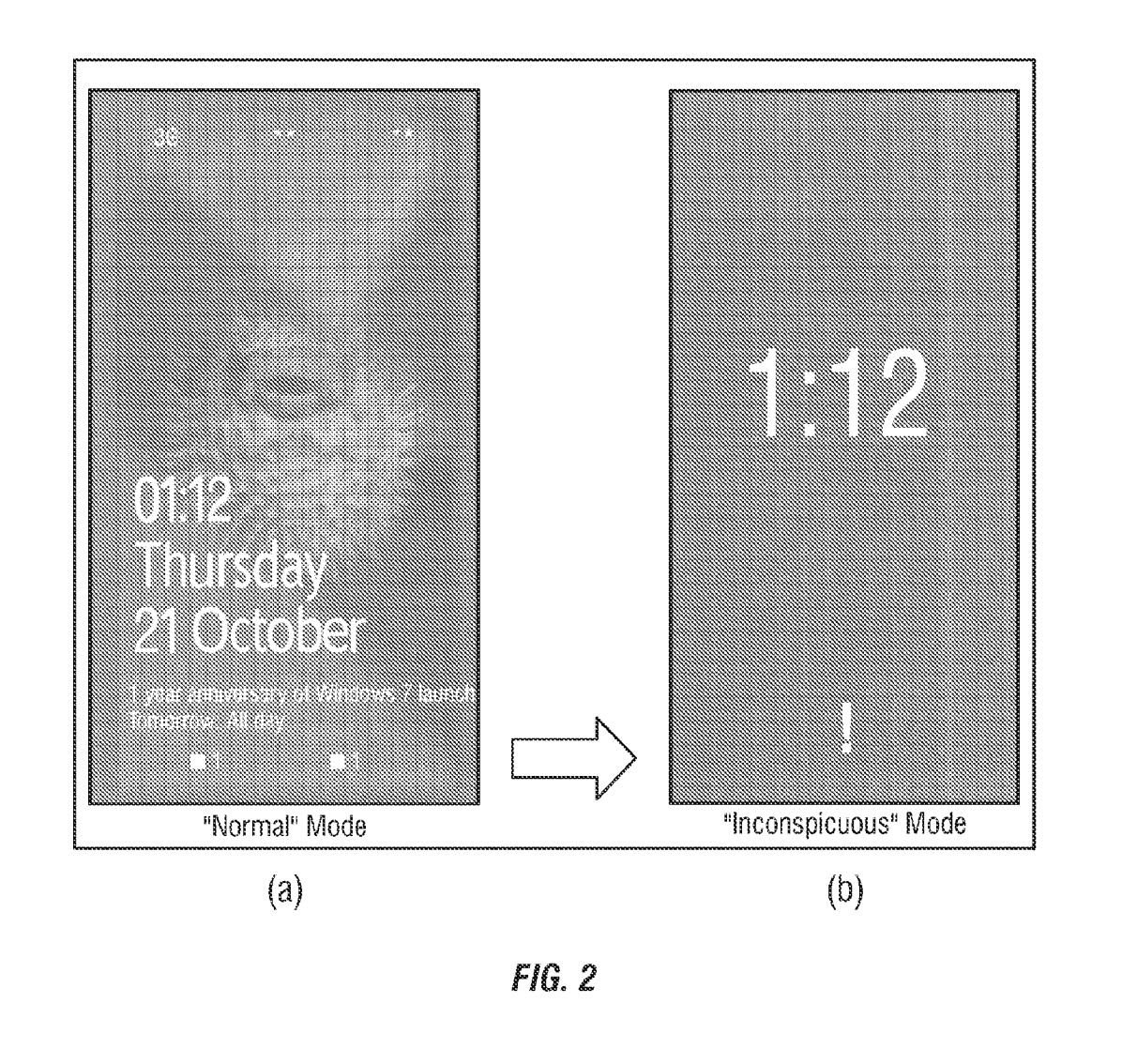
    inconspicuous mode

    As per the latest patent granted to Microsoft this week, the ‘inconspicuous mode’ on the smartphone detects when the user is in a meeting, theatre or is going to bed. Once detected, it automatically turns on and adjusts the brightness and volume level of the device. The mode also reduces the number of notifications on the lock screen so the user does not get distracted from the ongoing happening.

    This intelligent  feature works using the internet. The application checks when the mode is required and detects using GPS, sound, NFC, Wi-Fi  and other data. It also syncs with your Calendar and picks up information that can be of use. For e.g. meeting schedules, movie plans, bedtime, wake up time, etc. If the application finds a meeting schedule, it automatically enters the inconspicuous mode to avoid outside interruptions. The feature is extremely handy and can be turned off when required. Also, it exits the mode on its own as soon as the event that triggered it, finishes.

    If this feature lands on the Windows Phone platform, it will be the next big thing for the brand. Meanwhile, there are bigger announcements by Microsoft coming up soon.

  • Ban Imposed on Mobiles with Duplicate IMEI Numbers

    Ban Imposed on Mobiles with Duplicate IMEI Numbers

    The Indian Government has enforced a ban on the import of mobile handsets in India which don’t carry a unique identity number. This measure is taken citing security concerns as such handsets can be untraceable.

    GSM phones carry an IMEI (International Mobile Equipment Identity) number while CDMA handsets carry a ESN (Electronic Serial Number)/MEID (Mobile Equipment Identifier) which gives them a unique identity. This unique identity helps to keep a track of the device and can be used to retrieve the device following a theft.

    Mobile handsets with duplicate or fake IMEI numbers can be used for nefarious activities. There are already instructions to ban import of handsets with fake numbers or have no numbers or with ’00…00’ IMEIs. With this new order the government intends to add handsets with duplicate IMEI on that list too.

    Duplicate handsets are a menace for the security agencies who find it hard to keep track of the devices. It also creates issues for the consumers who use them as well as the service providers. This ban would help the government to crack down on the importers.

  • What to Expect from Microsoft’s 21st January Windows Event

    What to Expect from Microsoft’s 21st January Windows Event

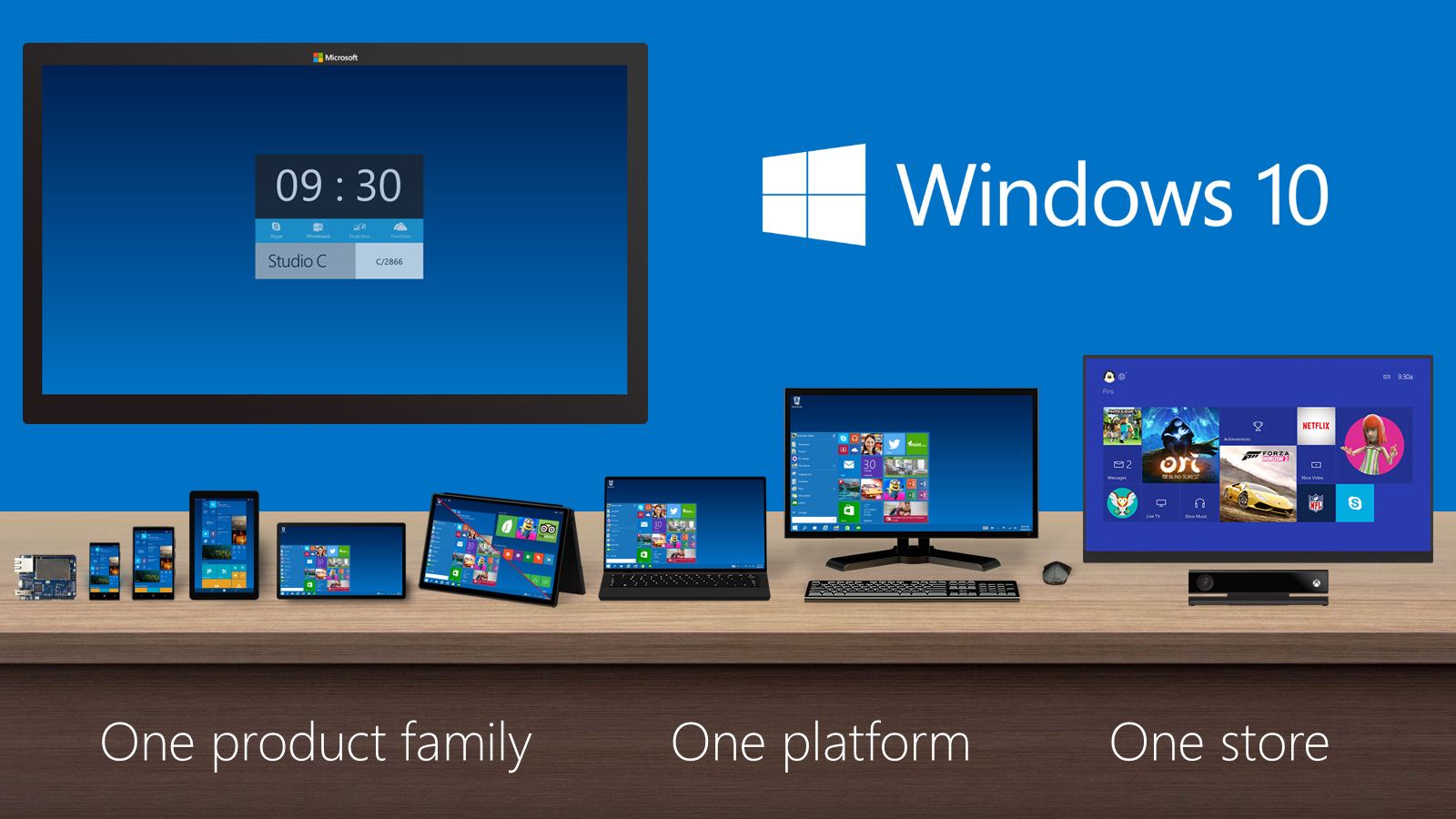
    Microsoft is holding a special Windows 10 event in Redmond on January 21st. The software giant has already rolled out invites to members of the press, asking them to be a part of the unveiling of “the next chapter.” The new OS is expected to bring new advancements in the consumer-end of the software. The 21st will give us the first glimpse into how Microsoft plans to compete in the consumer field of tablets and phones.

    Let’s look at what we can expect for Microsoft’s January 21st event:

    windows10invite.0

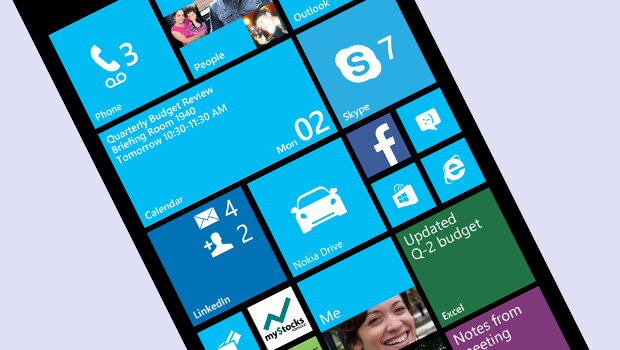
    Windows Phone 10

    It is no secret that Windows Phones so far has been a failure, with Android and iOS giving it a tough competition. According to IDC, Windows Phone holds petty 3% of market share which is the result of drastic dip in 2014. With Windows Phone 10, Microsoft is betting to change this scenario. The company is expected to take wraps off the first version of Windows Phone 10 on January 21. According to the reports, the next mobile OS will be a combination of the Windows Phone and Windows RT operating systems. Microsoft is aiming to take advantage of its universal applications model to align its tablet and phone software to run the same apps across tablets and phones.

    Windows-Phone-8-Update-3

    Windows 10

    Windows 10, in particular, is a crucial tipping point for the company. It’s first and foremost an opportunity for the company to follow through on its promise to make good with consumers, many of whom were turned off by the company’s last version, Windows 8. The most important change in the next installment will be the unification of the OS’s touch and traditional software. Another significant change is the return of Start Menu which was eliminated in Windows 8.

    In a recent tweet, Microsoft teased Windows 10’s ability to handle multiple desktops on a single device – saying that more is coming 1.21.15. Multiple desktops allows users to open a number of “virtual desktops” and spread their work out amongst them all – imagine them as virtual monitors you can flip between.

    Microsoft will be presenting a consumer preview of Windows 10 on January 21

    ‘Spartan’ Internet Browser

    Microsoft’s new Windows 10 internet browser, codenamed Spartan, is expected to debut with Windows 10 as a separate app along with Internet Explorer. Various leaks and rumors suggest that Spartan will be one of the major elements of Microsoft’s upcoming Windows 10 operating system and will come with some ground-breaking features which are currently missing in competing browsers such as Chrome and Firefox.

    spartan-browser

    According to the reports, Spartan will include digital inking support which allows Windows 10 users to annotate a web page with a stylus and send the notes and annotations to a friend or colleague. It is also said that Spartan web browser will be heavily linked to Microsoft’s Cortana digital assistant.

    PC Gaming

    A post on Xbox Wire noted that Phil Spencer, head of Microsoft’s Xbox unit, will be shedding light on Windows 10’s consumer experience, by including the role of gaming in consumer products.  According to the post, the company’s goal is “to help PC gaming flourish”, part of which will involve extending the Xbox experience across Windows 10 gaming PCs and other devices.

    Microsoft-PC-gaming

    The company previously announced that Windows 10 will ship with DirectX 12, which promises to help developers deliver better performance from hardware, in addition to bringing benefits to integrated graphics solutions such as Intel’s HD Graphics series.

  • Xiaomi Fans Get Ready, the Mi4 is Coming to India

    Xiaomi Fans Get Ready, the Mi4 is Coming to India

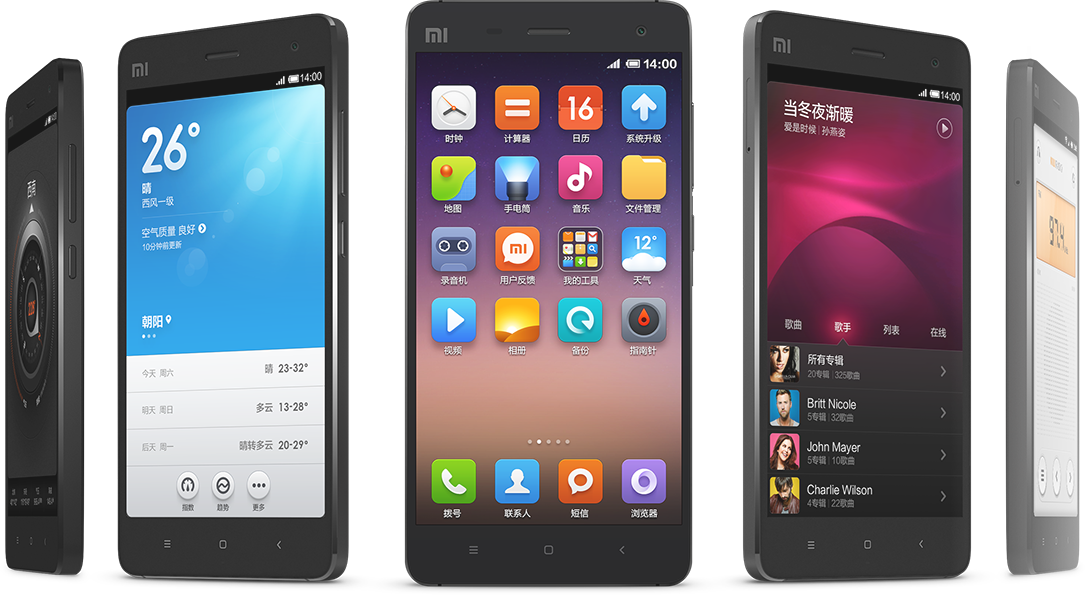
    The long wait for Xiaomi’s Indian fans is coming to an end. For those who were anxiously waiting for the Mi3 to make a return for a Flipkart flash sale, this might be a bit disappointing. But for those who were eyeing the Mi4, it’s time of a happy dance.

    In an exclusive interview with Indian Express, Xiaomi’s India Head Manu Jain, said that the company would be bringing the Mi4 to India on the 28th of January.

    The Xiaomi Mi4 flaunts a 5-inch Full HD IPS LCD display. Its processing might comes from a 2.5 GHz quad-core Snapdragon 801 processor and possesses 3 GB of RAM. The device is available in 16 and 64 GB variants. It is powered by a 3080 mAh battery.

    The Mi4 sports a 13 MP main camera and an 8 MP front camera and the device runs on Android 4.4.3 KitKat operating system.

    The price of the device is expected to be around Rs 20,000. So if you were waiting for the Mi3 and had saved for it, you have about nine days to gather the rest of the money before the stampede begins.

  • China Offers 100% Ownership to Foreign Investors of E-Commerce Companies

    China Offers 100% Ownership to Foreign Investors of E-Commerce Companies

    China is doing everything in its power to excite foreign investors to come invest their resources in their country. The government of China has now allowed foreign investors to hold 100% stake in e-commerce companies in Shanghai’s Free Trade Zone.

    This new policy comes from China’s Ministry of Industry and Information Technology. Previously the investors needed to partner with a Chinese company to conduct business. They were also only allowed to own 55 percent stake in the company. China aims to gather more access to retailers and consumers outside the country.

    The Shanghai Free Trade Zone (SFTZ) was established in 2013. It is the first free trade zone in mainland China and spans across 29 square kilometers. The intention is for the SFTZ to expand gradually to cover the entire 1,210 square kilometres.

    Chinese E-Commerce company Alibaba made history by offering a $25 Billion IPO.
    Chinese E-Commerce company Alibaba made history by offering a $25 Billion IPO.

    At present, there are more than 12,000 companies operating in the SFTZ. This number also includes 1,677 foreign-funded firms. This decision today will help the foreign companies such as Amazon to infiltrate into the Chinese e-commerce space.

    The Chinese e-commerce market is profitable and growing at a rapid rate. At present, there are about 330 million online shoppers in the country, which, for perspective, is more than the entire population of the United States. Chinese e-commerce company, Alibaba.com had also shown its might on the NYSE when if offered the biggest IPO in history worth US$ 25 Billion. Alibaba is planning to enter India and was in talks with Snapdeal in September 2014.

  • Newly Discovered Glass Material Can Help Increase Your Smartphone’s Battery Life

    Newly Discovered Glass Material Can Help Increase Your Smartphone’s Battery Life

    Ever thought of a display that can prove useful in extending the battery life of your smartphone? Well, we certainly didn’t consider it. However, with the new glass material developed by researchers, the devices will last for double the amount of time they used to with normal lithium-ion batteries.

    A team of ETH Zurich researchers led by Dr. Semih Afyon and Reinhard Nesper invented a Vanadate-borate glass that when embedded on the phone will act as an electrode in lithium-ion batteries. An electrode is a conductor that transfers electric current from one substance to another. The materials used in the formation of the glass are the chemical components – vanadium oxide (V2O5) and lithium-borate (LiBO2) precursors. These chemicals are later covered with a coating of reduced graphite oxide (RGO). The coating is done to increase the electrode properties of the material.

    The purpose of using Vanadate as one of the compounds is that vanadate is a transition material, and the powered vanadium pentoxide and borate are mixed to produce the desired material. The scientists heated the powder at 900 degree Celsius and then cooled it promptly to form glass. These glass sheets are later crashed into powder to increase the surface area along with creating more pore space.

    The research team drew light on its study saying, “Borate is a glass former; that’s why the borate compounds were used, and the resulting glass compound is a new kind of material, neither V2O5 nor LiBO2 at the end.”

    Both the Vanadate and borate compounds are inexpensive and are efficient to produce energy density of approximately 1000 watt-hour per kilogram when coated with graphite oxide (RGO). The energy generated is enough to power a device 1.5 to 2 times more than the usual lithium-ion batteries.

    Since the glass material is said to be cheap, there’s quite a possibility that we can see future smartphones embedded with the Vanadate-borate glass.

  • DriveClub Gets a Collection of Fresh Race Tracks from Japan

    DriveClub Gets a Collection of Fresh Race Tracks from Japan

    Evolution Studios have confirmed via their official Driveclub Facebook page that five new tracks are coming for the PS4 exclusive title today. The five new tracks are located in Japan and the studio has published previews of the four other tracks on Facebook and YouTube, a mix of race circuits and point to point blasts.

    In addition, the preview videos also give us a sneak peek of some of the new cars that’ll feature in the game via the Apex Expansion Pack coming on January 27-29. The pack is a part of the season pass which brings new cars like the Jaguar c-X75 Concept, Enzo Ferrari, Caterham R500 Superlight along with the Chevrolet Corvette ZR1.

    [quote text_size=”medium” author=”Evolution Studios”]

    Along with our own research and gameplay data analysis, your input has been a big help in shaping all of the tracks we’re developing for Japan. Especially the many, many requests for an epic point-to-point like this and for wider tracks to make fighting for position less frustrating, particularly in online races.

    [/quote]

    Meanwhile, for those of you wondering about the delayed free PlayStation Plus Edition of DriveClub, Evolution Studios said that it’ll come as soon as they are able to improve server performance, so that players will be able to take its full advantage.

  • Toshiba Brings Out a New Range of Android-Powered LED Smart TVs in India

    Toshiba Brings Out a New Range of Android-Powered LED Smart TVs in India

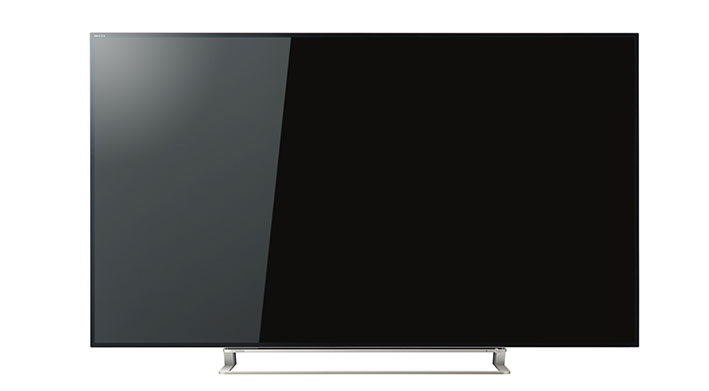
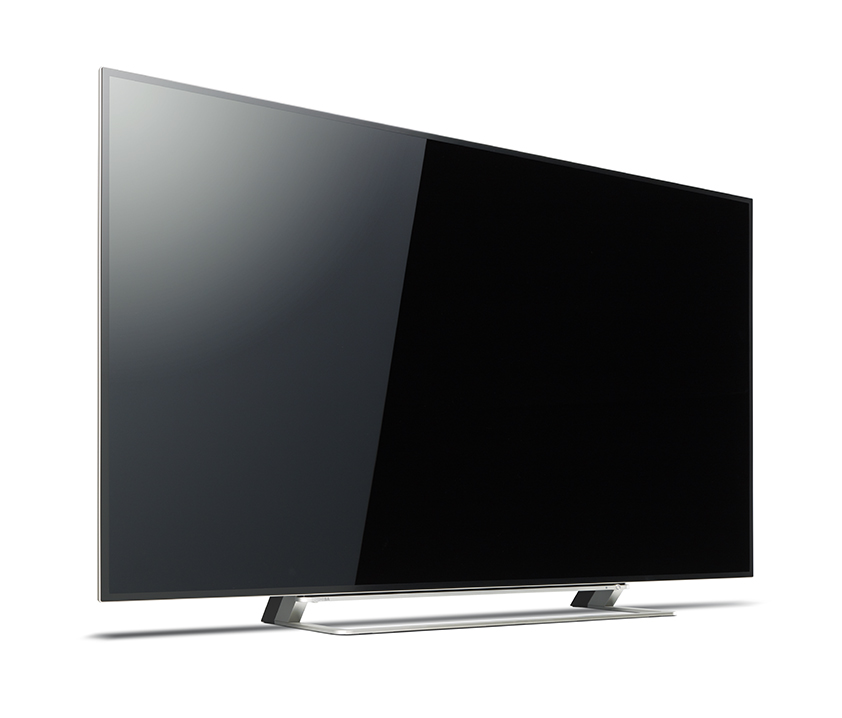
    Toshiba is one of the first television manufacturers to offer Android TVs in the Indian market. The japanese electronic giant has launched a new range of smart TVs powered by Android (v4.4.2 KitKat with access to Google Play) that will allow viewers to access a wide range of apps, games and videos.

    Launched under the brand Regza, the Ultra HD 4K L9450 and the full-HD L5400 seriesfeature personalized content, visual details, stunning graphics, built-in Wi-Fi, and a Web browser to access any website.

    toshiba android tv 1

    The smart TVs support up to eight user accounts, allowing each member of the family to have their own apps such as Facebook without having to log in and out each time. And obviously, the new range also allows viewers to use plug-and-play wireless keyboards and mice.

    There’s also an option to side-load apps or install your own app markets, as the Google Play store loaded on the TV is limited to free apps only. You can also download paid apps that you’ve already bought on your Google account.

    toshiba android tv

    All three models will come with digital video broadcasting support (DVB-T2) for watching free-to-air HD channels.  L9450 UHD 4K series is available in 50, 65 and 84 inches screen sizes priced between Rs. 1.99 lakh to 10.49 lakh. While L5400 HD & Full HD series is 32, 40, 47 and 56-inch screen sizes are priced between Rs 38,990 to Rs. 1.29 lakh.

  • Xiaomi Invests in Gaming and Software Giant Kingsoft

    Xiaomi Invests in Gaming and Software Giant Kingsoft

    After gaining huge success in India and overseas through its impressive smartphone line-up, the Chinese electronics manufacturer Xiaomi has plans to expand further. Seems like the company is now eyeing the games and software market.

    Xiaomi recently acquired 3% of Kingsoft’s share and the deal was finalised at approximately $68 million. The partially acquired company is a Chinese games and software giant, which started by developing PC games and is now a renowned name in security, entertainment and enterprise products. With this buyout, Xiaomi seems to be laying the ground for dedicated a gaming experience and improved services for its loyal customers.

    Until now, Xiaomi was inking deals in hardware only – a whopping $203.7 million investment in home appliance maker Midea Group and a strategic funding in wearable start-up Misfit. The Chinese top smartphone manufacturer bought the shares of Kingsoft from the Chinese investment holding Tencent and the deal is likely to finish by January end.

    mi note 1

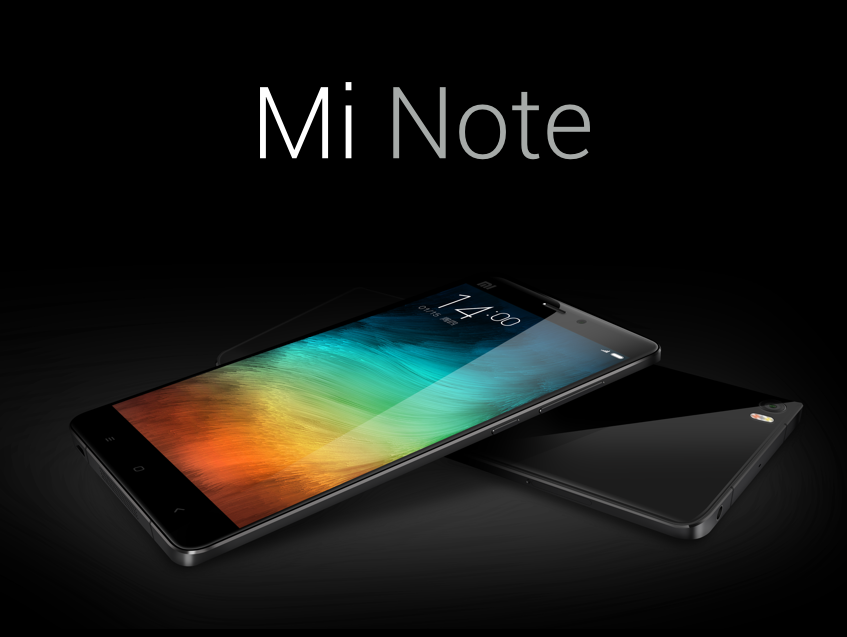
    Last week, Xiaomi amazed everyone with the launch of the 5.7-inch Mi Note. The company still has something in its bag and will unveil it on 20th January; it left its fans longing with an image that speaks of a mysterious new gaming hardware.

    Recently, the news cropped up that the smartphone giant has plans to invest in Indian tech start-ups, as well as overseas media content. With Xiaomi investing in almost every business segment, there will be soon a day when this Chinese producer will beat the current top-listers and will dominate the tech industry.

iGyaan Network
Privacy Overview

This website uses cookies so that we can provide you with the best user experience possible. Cookie information is stored in your browser and performs functions such as recognising you when you return to our website and helping our team to understand which sections of the website you find most interesting and useful.