Blog

  • Microsoft’s Nokia Lumia 530 Officially Arrives

    Microsoft’s Nokia Lumia 530 Officially Arrives

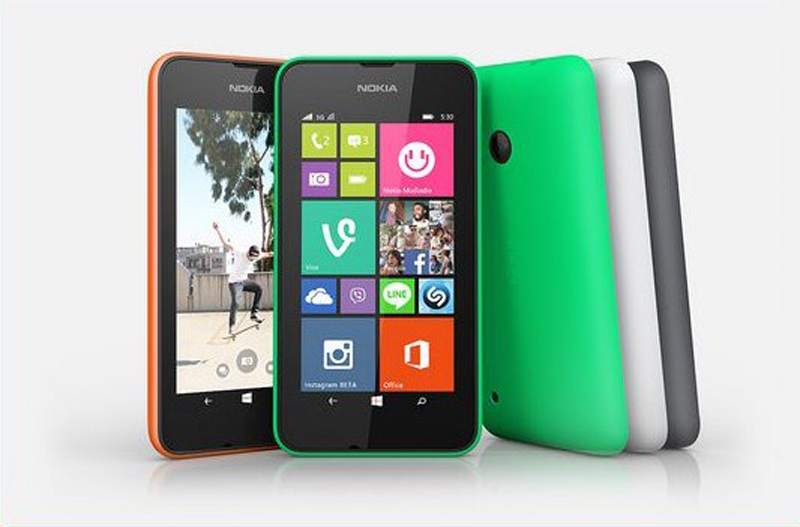
    After taking in the Nokia brand and completely trashing away the Android based Nokia X series, Microsoft Mobility has come back with their Lumia series. The new phone known as the Lumia 530 will come in single and double Sim variants.

    The Nokia Lumia 530 will come with a 4-inch FWVGA (480x854p) display. It gets its processing power from a 1.2GHz Snapdragon 200 quad-core processor with a 512 MB RAM. Though the phone comes with a 4 GB internal storage but is expandable upto 128 GB which is definitely welcome. The device is juiced up through a 1430 mAh battery which seems good enough for a 4-inch screen.

    The camera on the phone is a 5MP fixed focus shooter without an LED Flash. The phone also lacks a front facing camera so that might be a dissuading factor for prospective buyers. Connectivity wise, the Lumia 530 offers Bluetooth 4.0, FM Radio, Wi-Fi, 3G and A-GPS.

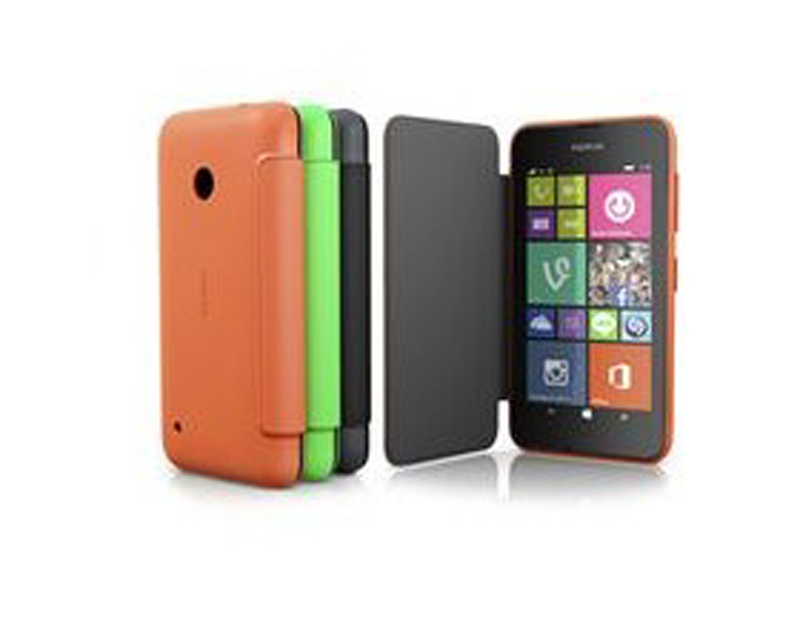
    Lumia 530 comes with multi color Flip cover options
    Lumia 530 comes with Multi color Flip cover options

    The phone comes preloaded with Microsoft Office apps and provides 15GB of free cloud storage space via OneDrive. Storage wise the phone is a warehouse but might lose in the feature race. The phone comes with multiple back panel color options like Orange, Green, Black and White. The company also provides multicolored Flip covers which is known as Flip shells.

    Lumia 530 will be released globally and selective roll-outs will begin in August 2014. The expected price of the device is around 6,900 which is pretty steep when compared to what the competition offers at that price.

    Considering this was the first independednt release from Microsoft they should have offered a lot more instead of a generic release. This phone doesn’t even match its predecessor, the Nokia Lumia 525 in terms of specs. A Moto G or E like release would have really set brand Microsoft in the Phone business. This phone seems inadequate except in terms of storage.

  • Google Play Store 4.9.13 with Material Design Comes To Your Phone

    Google Play Store 4.9.13 with Material Design Comes To Your Phone

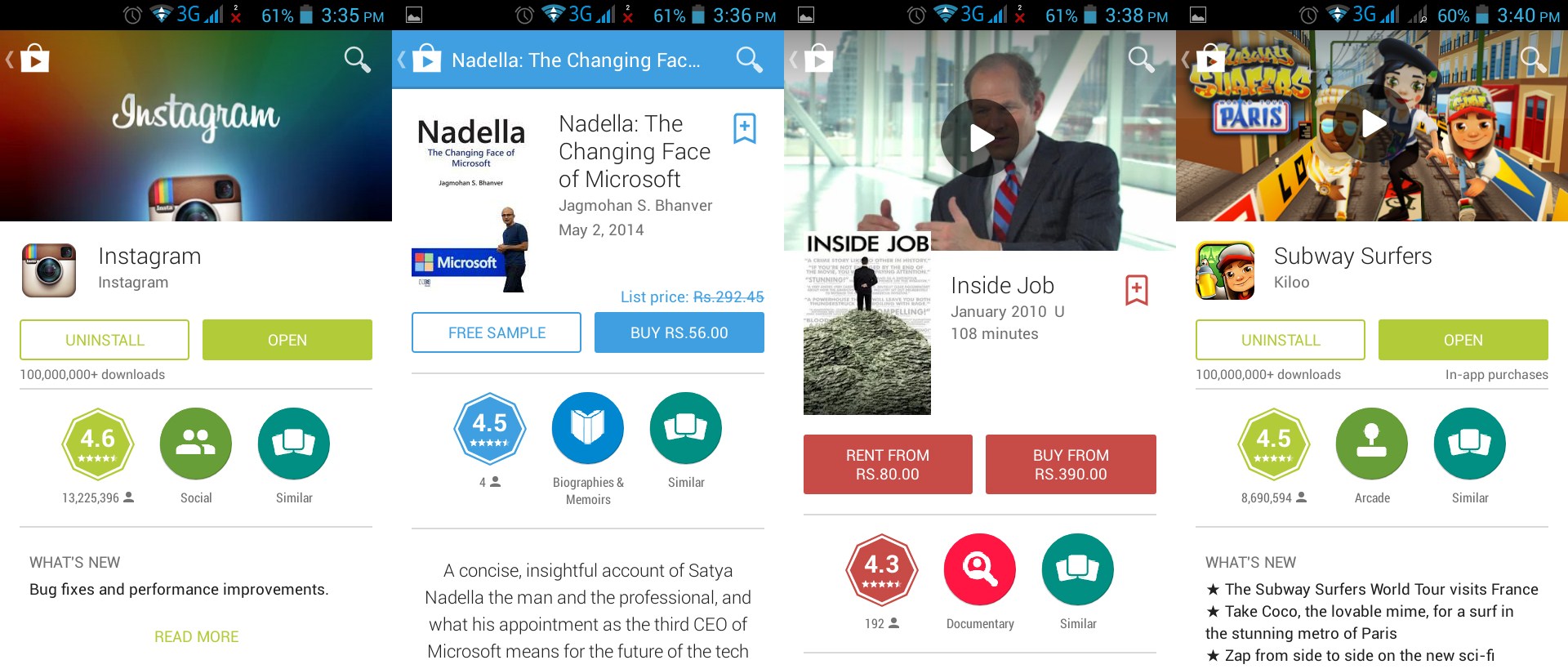
    We saw material design at Google I/O and it was impressive with its minimalistic and clean user interface. Now Play Store Version 4.9.13 has been rolled out by Google and it has got the material makeover.

    The new Play Store gets a visual makeover and this one does look more appealing. The app view especially looks much cleaner and better organized than its predecessors. The books, album and movie listing pages are much easier to move around in.

    The material design elements, with drop shadows, add dimensional features to the interface which is fun to move around in. There is a lot of moving around that needs to be done as the bigger cover designs introduced by this update so that’s a tiny downer. Though the new animations and introduction of a lot more color, covers up that flaw.

    Overall, this is a great new update from Google and we can’t wait for material design to now come to our phone and the entire Google ecosystem.

  • Unlock Your Motorola Device With A ‘Digital Tattoo’

    Unlock Your Motorola Device With A ‘Digital Tattoo’

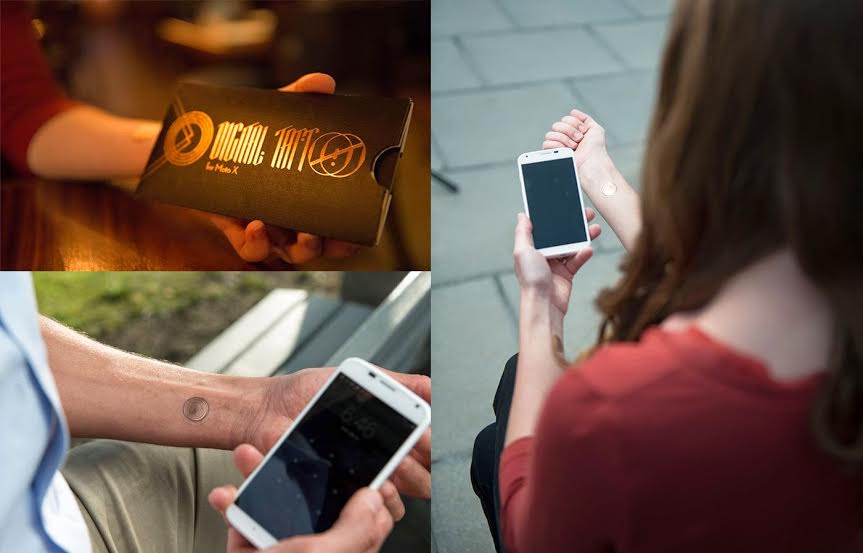
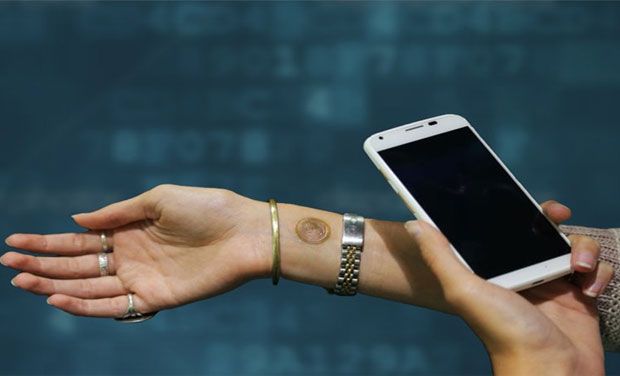
     This is what we love about wearable technology. They keep on trying to simplify your life even further. This time it’s Motorola’s turn, and they have teamed up with a company called VivaLnk to create a ‘digital tattoo’ that unlocks your phone when you simply tap the phone against it. Yes, it’s that simple.

    digital tattoo 3
    Tap on the tattoo to unlock your phone without a password

    Now Motorola says that an average user unlocks their device 39 times a day. Out of these, 50% find punching in their password/PIN too cumbersome, leaving their data and personal information exposed to theft and other malpractice. This was why they introduced the Motorola Skip last year. The Skip is a small clip that attached to any of your clothing, and unlocked your Moto X with a simple tap. The concept was simple, and it saved the user from the annoyance of typing in the password every time they wanted to use their phone. This ‘digital tattoo’ aims to take it a step further, using the same technology in an even simpler form.

    The tattoo, as was the case with the Motorola Skip, uses Near Field Communication (NFC) to interact with your smartphone. The device recognizes it within a second, and forgoes the password entering stage to unlock your smartphone.

    So basically put, the ‘digital tattoo’ is an ultra-thin NFC circuit, wrapped up in medical grade 3M adhesive that won’t harm your skin. It is also water resistant, and should be able to survive showers and exercise routines just fine.

    A 10 piece pack comes with at a price of $10.
    A 10 piece pack comes with at a price of $10.

    While the $10 asking price for 10 such tattoos sounds like a fair bargain, prospective buyers should keep in mind that a single piece would last you only 5 days on a stretch, so that 10 piece pack optimally lasts you around a month and a half.

    Another catch is that the tattoo currently works only with the Moto X. That is understandable, because every niche product is first tested with a limited customer base. If you’ve got any other phone, you’re going to have to wait, and still waste all of 2.3 seconds fumbling in your password each time you want to use your phone.

    By Pranav Arora

  • Sennheiser Launched a New Range of Lightweight Headphones For India

    Sennheiser Launched a New Range of Lightweight Headphones For India

    The German audio giant, Sennheiser has announced a new range of headphones, PX 95 mini-headphones, rotatable neckband earphone PMX 95 and the in-ear PCX 95 in India. The new headphones targets the new-age Indians who need their personal entertainment on the go.

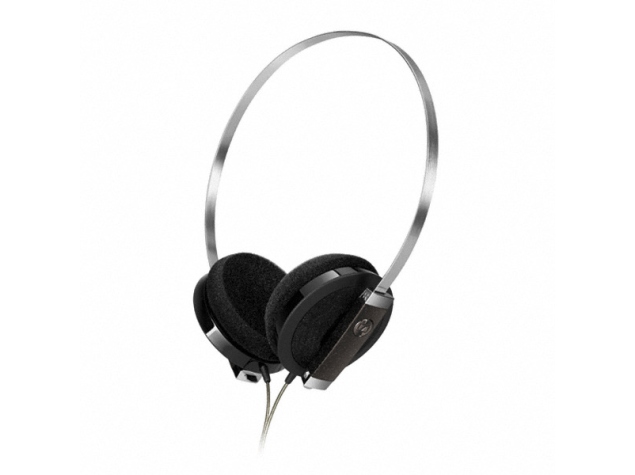
    sennheiser_px_95
    Sennheiser PX 95 Mini headphones

    The three new audio devices are said to have been made specifically for Indian consumers, and are rated to be highly durable and lightweight. Available via the Sennheiser India online store, the PX 95, PMX 95 and the PCX 95 are priced at Rs. 3,990, Rs. 4,990 and Rs. 5,490 respectively.

    The PX 95 mini-headphones provide a detailed stereo sound reproduction, while still being light enough to wear comfortably for hours. The audio device is equipped with slender steel headband is amazingly flexible, thus providing a proper fit. The headphone’s earpad foam and quality fabric mesh enhances acoustics and the adjustable ear cups ensure a personalized fit.

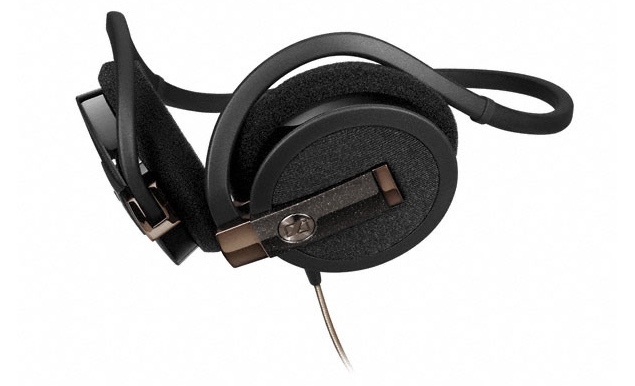
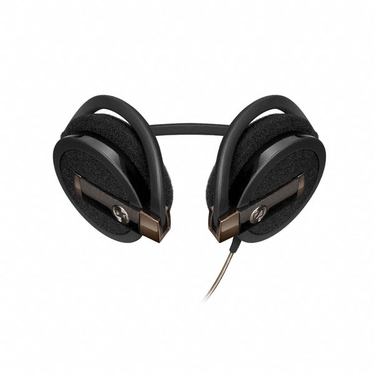
    Rotatable neckband earphone PMX 95
    Rotatable neckband earphone PMX 95

    The Sennheiser PMX 95 comes with uni-sided anti-friction cable that the company says provides better handling, and with rotational ear cups for a better fit. The headphones also feature an ergonomic neckband and weigh only 54 grams.

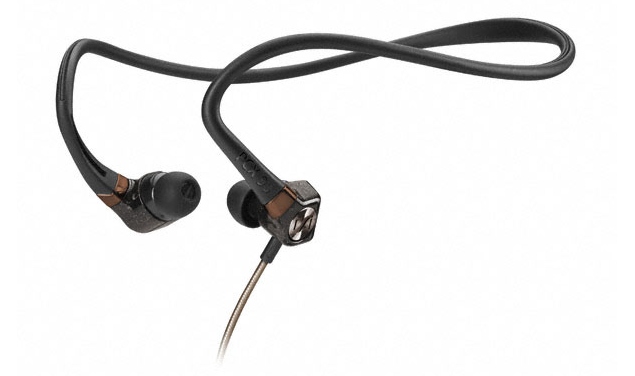
    PCX 95 is company’s first ever in ear neckband design. The audio device is capable of delivering detailed, bass-driven sound with amazing depth, as explained by the company. The device also have a single-sided cable same as the PXM 95 to better mobility.

    sennheiser_pcx_95
    Sennheiser in- ear PCX 95

    “In this day and age of mobile infotainment consumption there is a need for good quality audio to supplement HD video and the new age Indian customer is telling us that they want a brand that is relevant to them and makes products that cater to their needs while offering great vale to them. Sennheiser is extremely excited to launch this new range of headphones created especially for the new age Indians keeping in mind the requirements of the Indian consumer,” stated Kapil Gulati, Vice President, Sales and Marketing, Consumer Segment, Sennheiser Electronics India during the launch.

    The company is providing 2 years of warranty with each handset and are compatible with iPods, MP3, iPhones and other portable media players.

  • Sony Launched 7.7mm-Thin Xperia T3 in India

    Sony Launched 7.7mm-Thin Xperia T3 in India

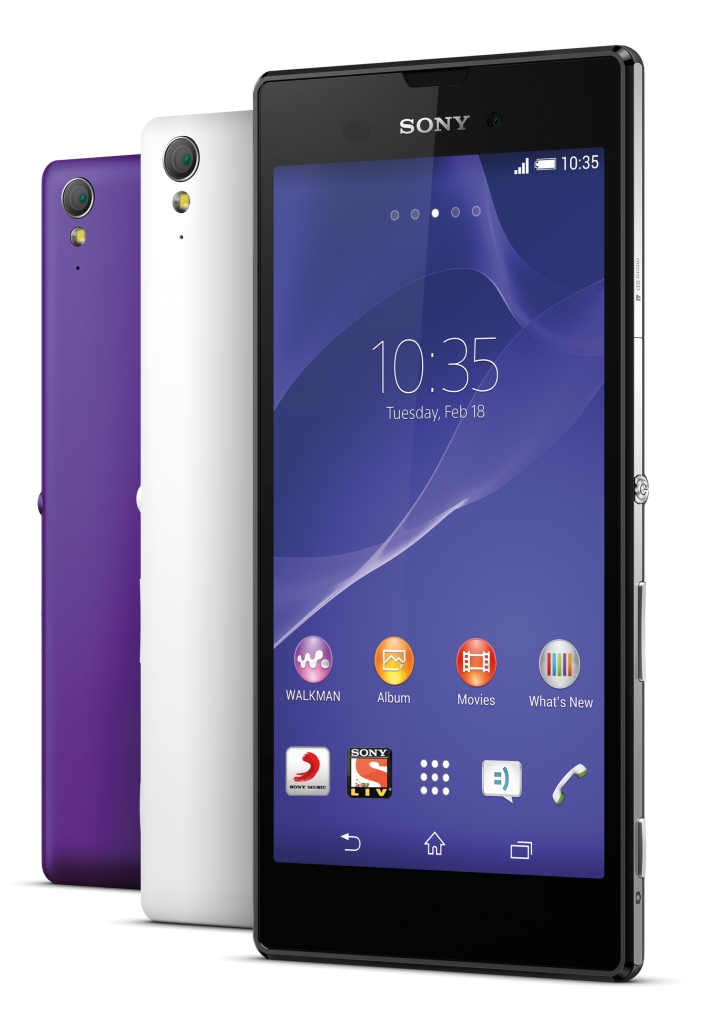
    Sony, refreshing its mid-range smartphone segment, launched the Xperia T3 in India and the phone will be available starting Monday, 28th July.

    It runs Android 4.4 KitKat OS out of the box, and has been launched in a single SIM variant, with no word on if a dual-SIM variant will be available soon. The company is proud of the large-screen smartphone’s slim design, giving it a thickness of 7.7mm, and a weight of 148 grams.

    Xperia T3_1

    The T3 is a distinct looking device and it features a stainless steel frame around the sides, which immediately sets it apart from other mid-range Sony phones, which normally feature matte plastic on the sides. The Android smartphone from Sony features a 5.3-inch (720×1280 pixel) HD Triluminos display powered by a BRAVIA Engine 2. The display offers a pixel density of 277ppi. A quad-core Qualcomm Snapdragon 400 (MSM8228) processor powers the device, clocked at 1.4GHz, with 1GB of RAM.

    Xperia T3_3

    The smartphone sports an 8MP rear camera with auto focus Sony Exmor RS for mobile image sensors. The Xperia T3’s rear camera comes with features such as scene detection, HDR, face recognition, red-eye reduction, sweep Panorama and geo tagging. It also houses a 1.1-megapixel front-facing camera.

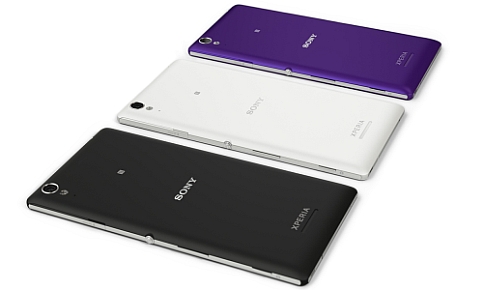
    In terms of connectivity, Xperia T3 supports Wi-Fi, Miracast, NFC, LTE and A-GPS. It comes with 2500mAh battery promising standby time of up to 688 hours and talk time of up to 12 hours 46 minutes. It will be available in three colour options including Black, Purple and White.

    sony_xperia_t3_back

    The high pricing of the device may cost them some of their potential buyers, especially when there are so many great alternatives available. The Nexus 5, LG G2 and the Galaxy S4 come within the same price range and feature better specs.

  • Apple’s iTime Patent Strongly Hints Their Entry into The Wearable Market

    Apple’s iTime Patent Strongly Hints Their Entry into The Wearable Market

    While iPhone 6 is making rounds on the internet with new renders and rumours everyday, Apple’s much-awaited smart watch seemed to have gotten lost in the crowd. But recent evidence of Apple’s interest in wearable devices surfaced on Tuesday with the publication of the company’s latest U.S. patent.

    itime patent

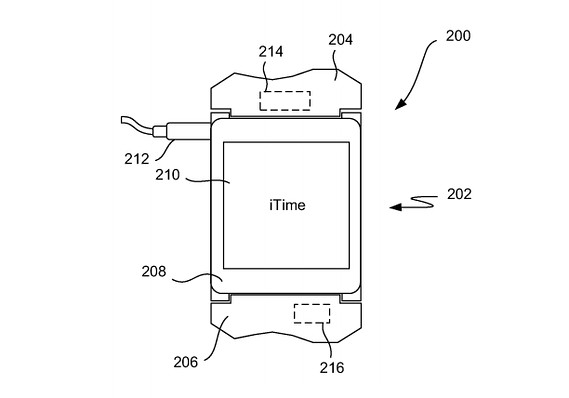
    Apple has never publicly acknowledged that it’s working on a smartwatch, although it’s widely expected that an “iWatch” could be introduced as soon as this September. On Tuesday, the United States Patent and Trademark Office granted a patent to Apple for a smartwatch concept referred to as ‘iTime’. The documents was first spotted by AppleInsider, disrupting the secrecy code regarding company’s wrist-based ambitions at least a little bit.

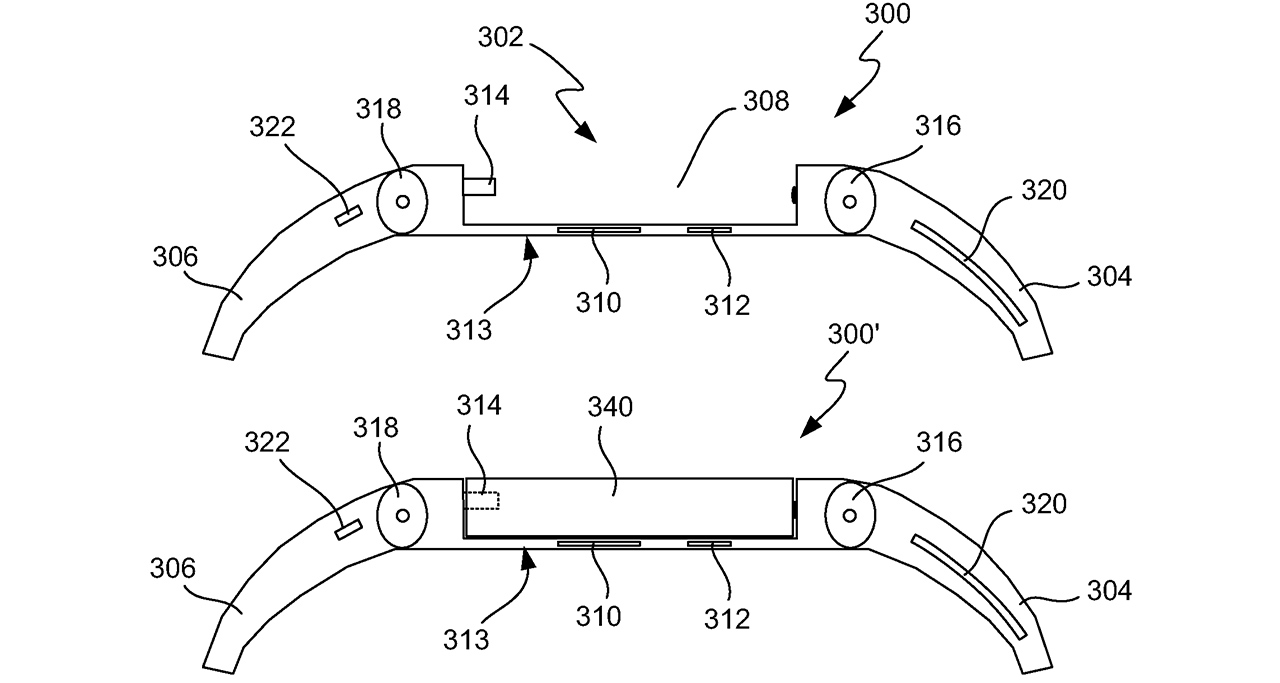
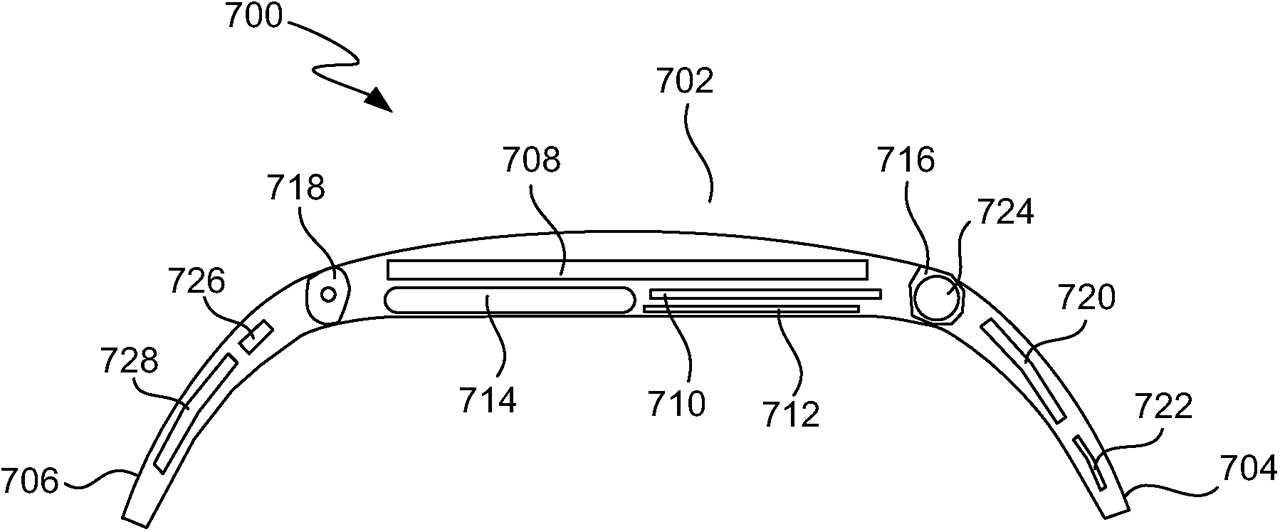
    Unlike the all-in-one smartwatch devices already revealed by Samsung and LG, the iTime will actually feature two main components: a smart strap, which can apparently be swapped out to change functionality, and a small touchscreen media player reminiscent of the sixth-generation iPod Nano, which is mentioned by name in the patent. Although, you can certainly expect the display technology used on the iTime to be vastly superior to the old Nano.

    itime

    Based on the patent, Apple envisions a smartwatch with a range of functions, including notifying the user of incoming messages and allowing a user to remotely control other devices. “An incoming phone call, a text message, a social network post, or a news feed directed to a user’s electronic device (e.g., mobile phone) can cause a notification to be provided to a nearby electronic wristband of the user,” the document said. The electronic wristband can also “provide remote controls to a user.”

    s2orjwypko1mmhzfl03b

    Apple is widely expected to introduce a wearable device with functionality very similar to that described in the patent. According to the most recent speculation, Apple’s first attempt into the wearables game may sport a “slightly curved” 2.5-inch OLED display and could come in three sizes. The device is also said to have a heavy focus on health and wellness, with possible fitness tracking functions built-in.

    Based on what Apple told us at WWDC of company’s plans for health, fitness and home automation, a new wearable (or wearables) could fit perfectly into the its grand scheme of things. And if this patent is any indication, they’ve already been devising that scheme for years.

  • Apple Releases Its Q3 Results And It Looks Good

    Apple Releases Its Q3 Results And It Looks Good

    Apple released its third quarterly results and it looks good for the company. The Cupertino based tech giant saw quarterly revenue of $37.4 billion and quarterly net profit of $7.7 billion, or $1.28 per diluted share. This growth was mostly powered by iPads, Mac sales and services. The Earning Per Share (EPS) has increased grown by 20 percent. The company saw an increase of about $2 billion in revenue over last year’s $35.3 billion with net profit of $6.9 billion.

    The Gross margin also increased to 39.4 percent compared to 36.9 percent from last year. International sales accounted for 59% of this quarter’s revenue.

    These favorable figures lead the board of directors to declare a cash dividend of $0.47 per share of Apple’s common stock.

    With Yosemite and iOS 8, the future looks good for Apple
    With Yosemite and iOS 8, the future looks good for Apple

    Apple’s CEO Tim Cook sounded rather elated when he said “Our record June quarter revenue was fueled by strong sales of iPhone and Mac and the continued growth of revenue from the Apple ecosystem, driving our highest EPS growth rate in seven quarters. We are incredibly excited about the upcoming releases of iOS 8 and OS X Yosemite, as well as other new products and services that we can’t wait to introduce.”

    Apple’s target for the fiscal fourth quarter of 2014 are:

    • revenue between $37 billion and $40 billion
    • gross margin between 37 percent and 38 percent
    • operating expenses between $4.75 billion and $4.85 billion
    • other income/(expense) of $250 million
    • tax rate of 26.1 percent

    Considering the hype generated by Apple’s phenomenal show this year at the WWDC and the regular product leaks, these targets are definitely realizable. With the release of the new generation OSX and iOS 8 later this year and Apple’s enterprise tie-up with IBM, it seems like this will be the year of the Apple.

  • Xiaomi Announced a Super Cheap Mi Band Along With Mi 4

    Xiaomi Announced a Super Cheap Mi Band Along With Mi 4

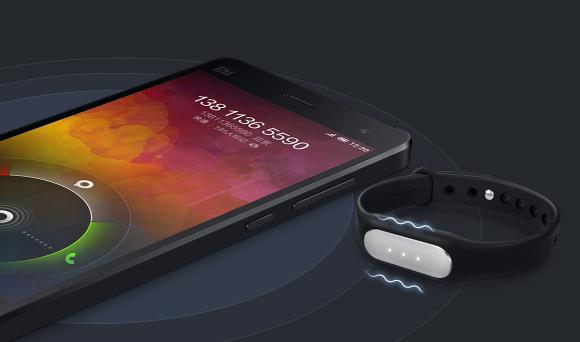
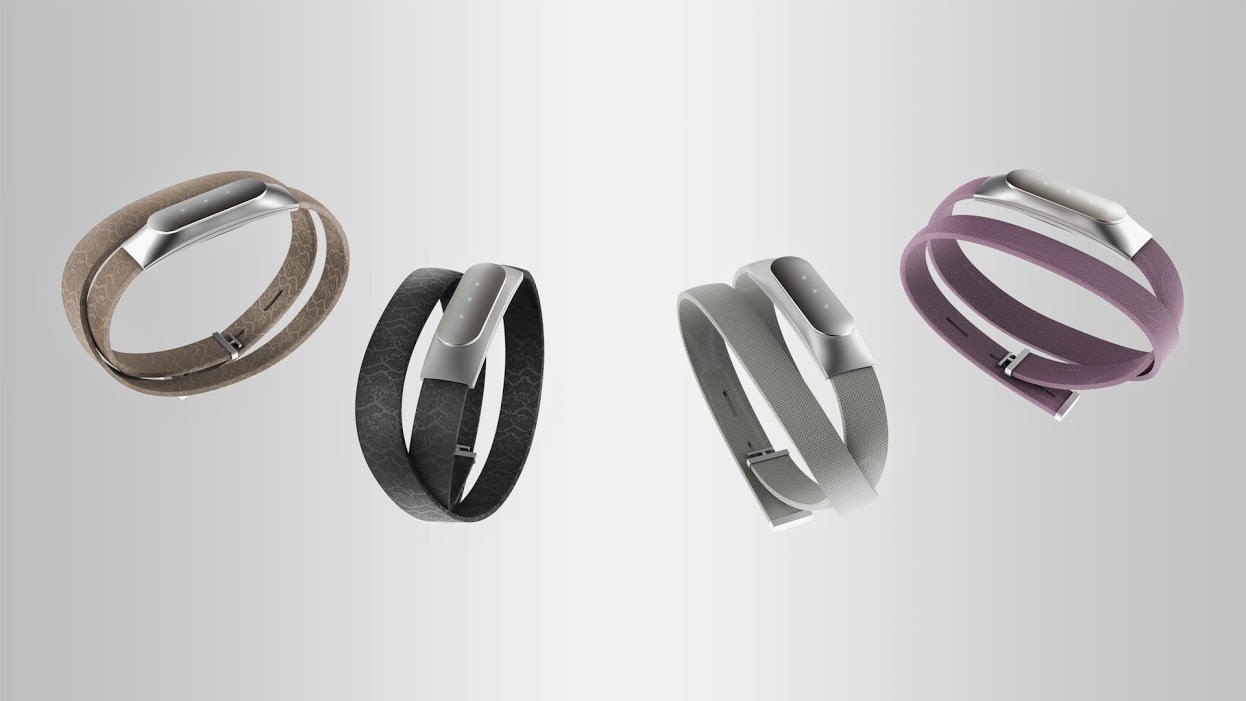
    Since the Xiaomi Mi 3 sold in India like hot cakes, we’re keeping our eyes on any and every device the company might soon offer. Yesterday, Xiaomi not only introduced the new flagship phone Mi4, but also a fitness tracker. The band looks quite simple with no display. It is a bold step for the company to enter the wearable market, but with their aggressive pricing strategy they are mostly likely to sell out within hours.

    140722-xiaomi-mi-band-05

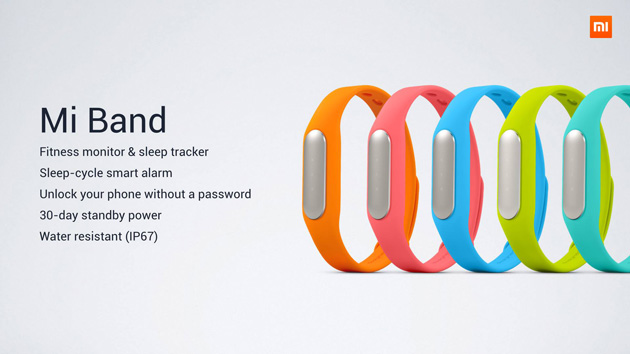
    The Mi Band tracks your movement (walking or running) plus sleeping pattern, and you can also use it as a smart vibrating alarm to wake up feeling better. Interestingly, a single charge on this waterproof device will last up to 30 days, which easily beats its competitors that tend to last for a week or less.

    xiaomi-mi-band-en

    Just like Xiaomi’s smartphones, the band is super-cheap compared to the ones available in the market priced at CNY79 (approximately Rs 789). At this price point, the Xiaomi could take the reach of wearable tech to a new level, in case it is launched as a standalone device that works with other devices too. However, there is the possibility that it may work only with Xiaomi phones.

    nexusae0_Mi-Band.003

    Equipped with an aluminium surface with a micro laser perforation and no display screen, the Xiaomi Mi Band is water resistant (IP67). Once paired with the smartphone, the Mi Band can be used to unlock the user’s smartphone without typing a password or patterns. The Mi Band will be available in range of colour variants including Blue, Pink, Brown, Black, Purple and Grey.

    There is no word on the availability of the device in India. We wonder if Xiaomi plans to bundle it with the Mi 4. While, Xiaomi is little known in the West, where it does not yet sell devices, there is an emerging popularity of the company in India. Furthermore, the firm disclosed that its first batch of Mi 3 went on sale in India and sold out within 38 minutes earlier.

  • Wearable Technology You Should Know About

    Wearable Technology You Should Know About

    Wearable technology is the next technology boom. Since the saturation of the mobile phone market, companies have been looking for an alternative and wearable tech was a godsend for them.

    Now if you are wondering that if this is another column about Smartwatches and Google glass then you are about to be surprised at what the market has in store for you.

    Here we bring you some cool wearable tech which performs some amazing tasks while being rather pocket friendly.

    1. Vrase

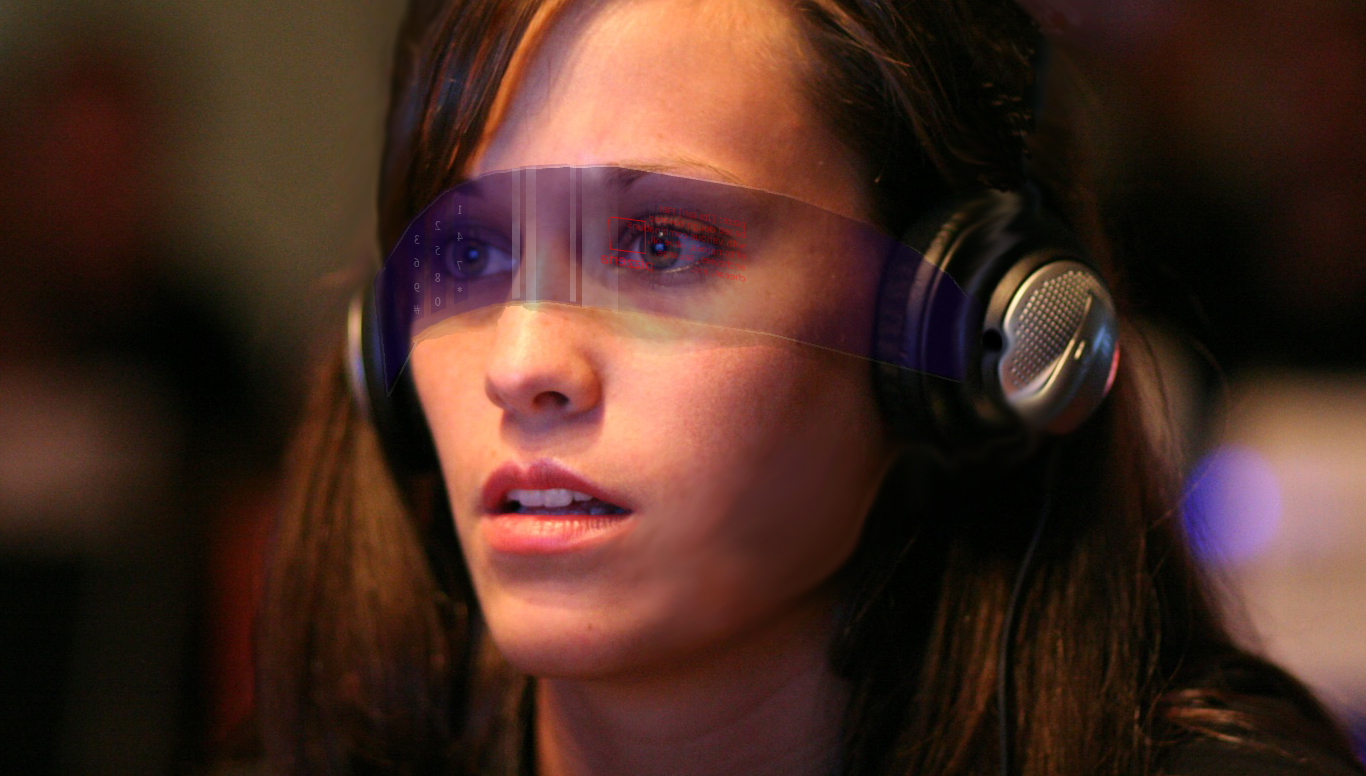
    Now we all have been waiting for the Virtual Reality glasses to come in our reach. Well, there is a start-up that promises the experience using just your phone. Introducing Vrase, a VR and Augmented reality capable wearable. Simply load the content on your phone and slide it in the Vrase moble holder. This easy to use device gives options to attach peripherals like earphones and joysticks. All this makes Vrase perfect for movies, gaming and Augmented Reality purposes. The best part you ask, this incredibly simple device comes at less than half the price of Oculus and Project Morpheus and is compatible with multiple mobile phones.

    2. Recon Jet


    Google Glass’s real nemesis is Recon Jet. Unlike the Glass, the Recon Jet is for health and adrenaline junkies. It is the stud of wearable technology. The jet comes with onboard processing capabilities. It has 3D accelerometer, 3D gyroscope and 3D magnetometer and ambient temperature sensors along with altimeter and barometer applications and GPS. The device has an optical touch sensor like the Google glass to help the user interact with the device. The device is also compatible with health sensors so you can have real time update while you are drillin it out.

    The device has a 1 GHz Dual-Core ARM Cortex-A9 processor with 1GB DDR2 SDRAM and 8GB flash memory. It also has an HD camera to substitute it for a go-pro, because POV shots are always the best. You can also connect the Recon Jet with your phone and check your text and messages.

    3. The Dash


    This is every outdoor lover’s dream headphone set. These wireless headphones don’t just entertain you with your music but also give you vital stats on the go. The device is perfect for people who like to track their performance. It is water resistant so feel free to take them for your next rafting trip. The headphones can measure Heart rate, Oxygen Saturation, Body temperature and calories burned. Along with the basics, the headgear also measures distance, speed, pace, rotation, G-force, drop rate, altitude, etc. The device also has an touch controls for changing songs and answering calls by connecting it to a phone through Bluetooth.

    The device has 4 GB flash storage and is powered by a 100 mAh battery. The processor on-board is a 32bit ARM processor. Their neonish lighting design gives it a Tron-like feel.

    At about 300$, these headphones are worth the money.

    4. MBODY


    These are pants which monitor your workout. You might be asking, why buy a pair of pants that measures vital stats instead of just a watch? Well the answer is that the MBODY does a lot more that a smart watch. It is capable of measuring Muscle Load, Heart Rate, Speed, Candence, Balance, Route etc. It is also capable of measuring electrical activity in your muscles and hence gives one of the best analysis amongst health hardware. If doings legs have been the pain for you, then MBODY will definitely help you out. The pants also measure the strengths of your muscles and body balance.

    The “pants” come with their own MCell Bluetooth receiver which sends the information to its live app in your smartphone.

  • Windows 9 Leaks Show The Revival Of The Start Menu

    Windows 9 Leaks Show The Revival Of The Start Menu

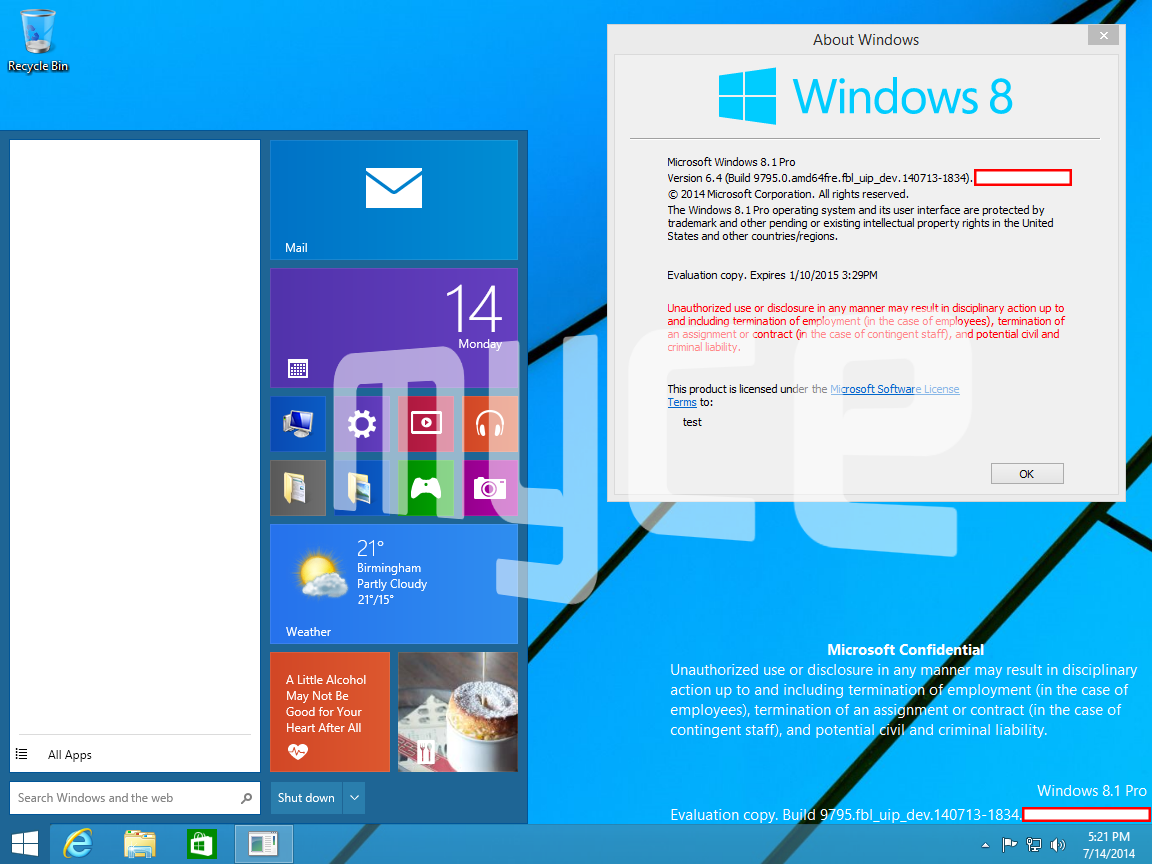
    Windows 8 never became as successful as Microsoft had hoped. One of the major reasons cited was the entirely new ‘Tiled’ interface and gesture support which helped unify the tablet, mobile and desktop experience. The new interface dissuaded a lot many folks and enterprises from switching over to the new OS. One of the major demands from the consumers who did switch over to the latest Windows OS was the inclusion of a start menu. Now in a recent leak by Myce (sounds like a great name for a mole) shows that Microsoft might finally revive the Start button.

    The new revamped Start menu, if this really is what it would look, is quite impressive. According to Myce, the build is 9795 and was compiled on 13th July. It is said to be from the User Interface and Platform team. Although it was widely rumored that the Start menu would resurface with this year’s release of Windows 8.2, it seems now that it will only be ready for release with Windows 9. Even though the leaked images refer have Windows 8 written over it, they are for Windows 9.

    Microsoft had showcased a demo of the menu option during the Build conference this year. That version had a mix of traditional windows experience with the new metro features.

    WIndows 9n2

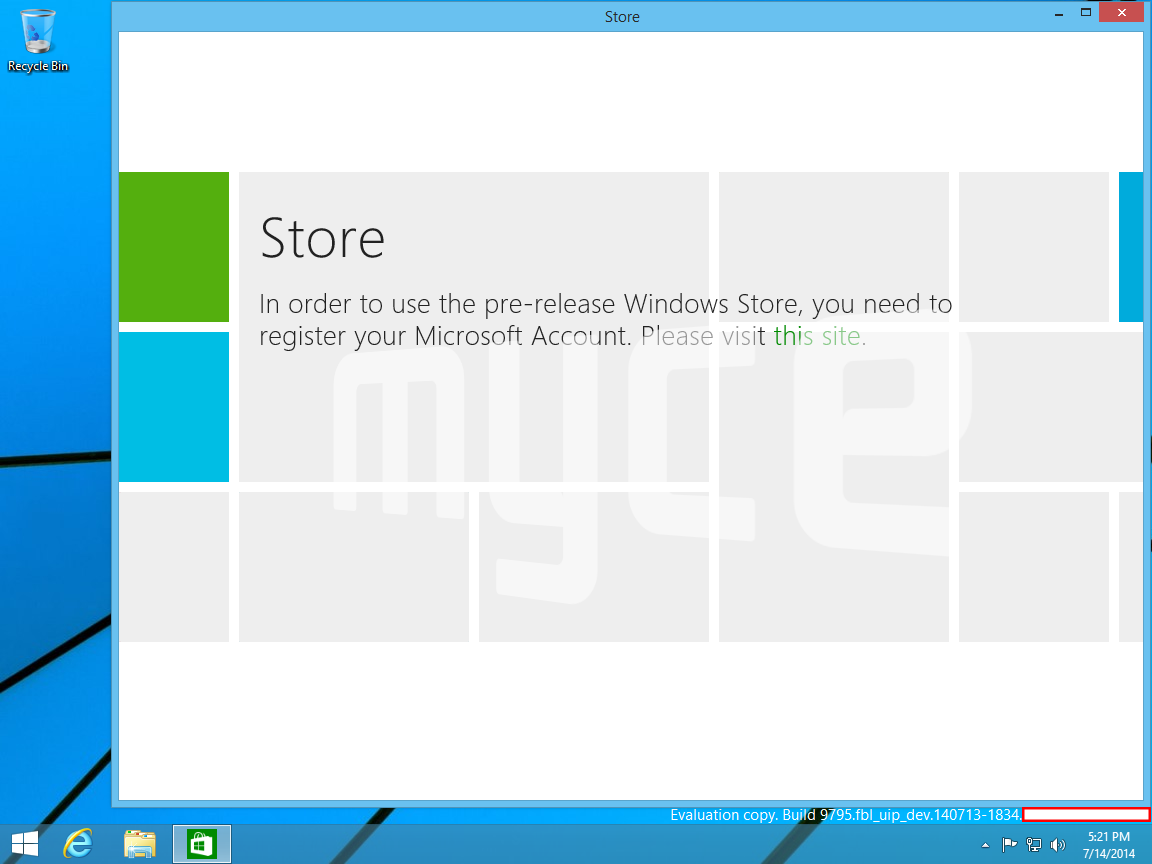
    A second leaked image shows a new App store design. Though these design elements can be seen as a precursor to new windows styling too.

    Now these are still images from ‘work-in-progress’ situation so it’s advisable to not get your hopes high. There are several glitches and compatibility issues that the developers have to work out. Hence, this should be taken as what it is, a leak!

  • HTC Desire 816 Vs 616 : Which One Is More Desirable?

    HTC Desire 816 Vs 616 : Which One Is More Desirable?

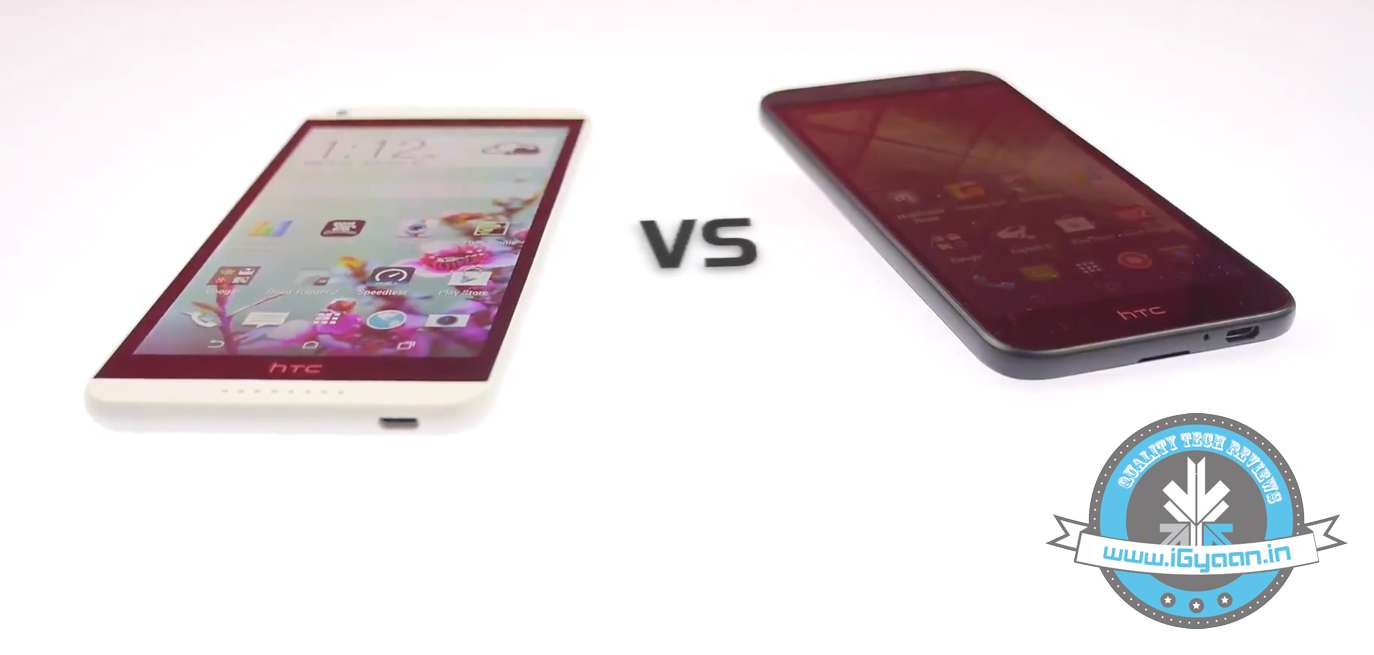
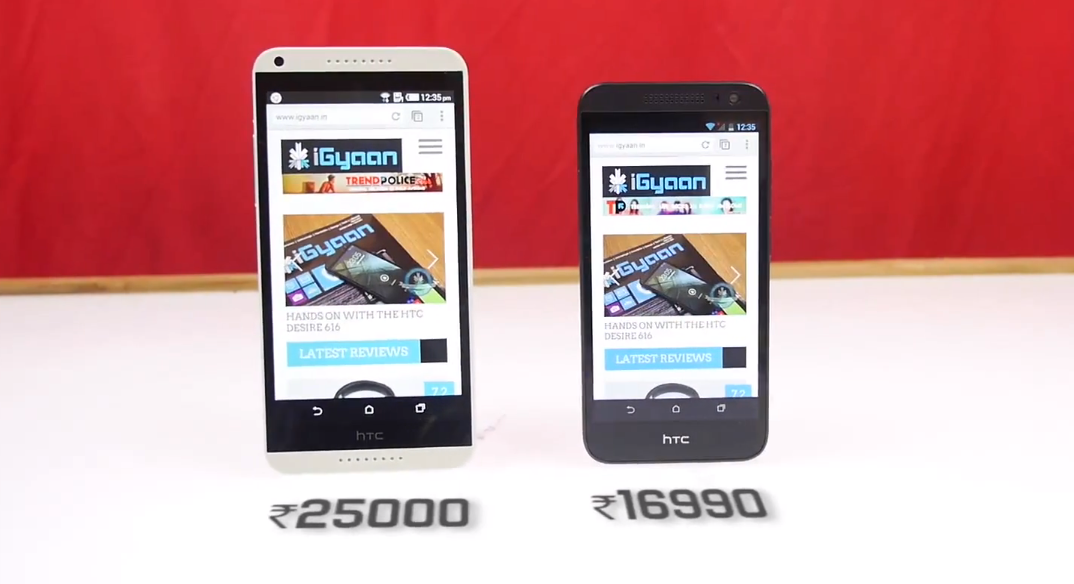
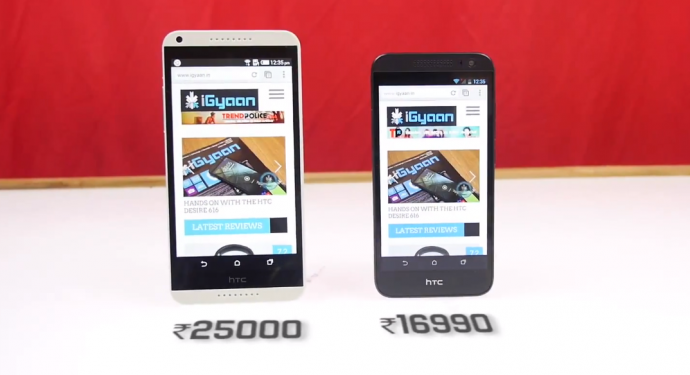
    HTC has come up with two amazing phones recently; Desire 816 and 616. Though, these two devices belong in different price brackets, they are actually very similar in terms of of design and other specifications. The Desire 816 came out some time back, priced at Rs 25,000, where as the Desire 616 is awaited and is priced at Rs. 17,000.

    The Innards

    The Desire 816 runs on a Qualcomm Snapdragon 400 quad-core chipset which runs on  at 1.6 GHz. Where as the Desire 616 runs a Mediatek MT6592 processor which is on Octa-core at 1.4 GHz. Now, whether you consider Snapdragon stronger or not, we personally feel that Octa-core chipset is slightly more powerful at 1.4 Ghz than the 1.6 GHz Snapdragon 400 in Desire 816. That means Desire 616 will give a slightly better performance than the Desire 816.

    Display
    Screen Shot 2014-07-22 at 3.59.21 pm

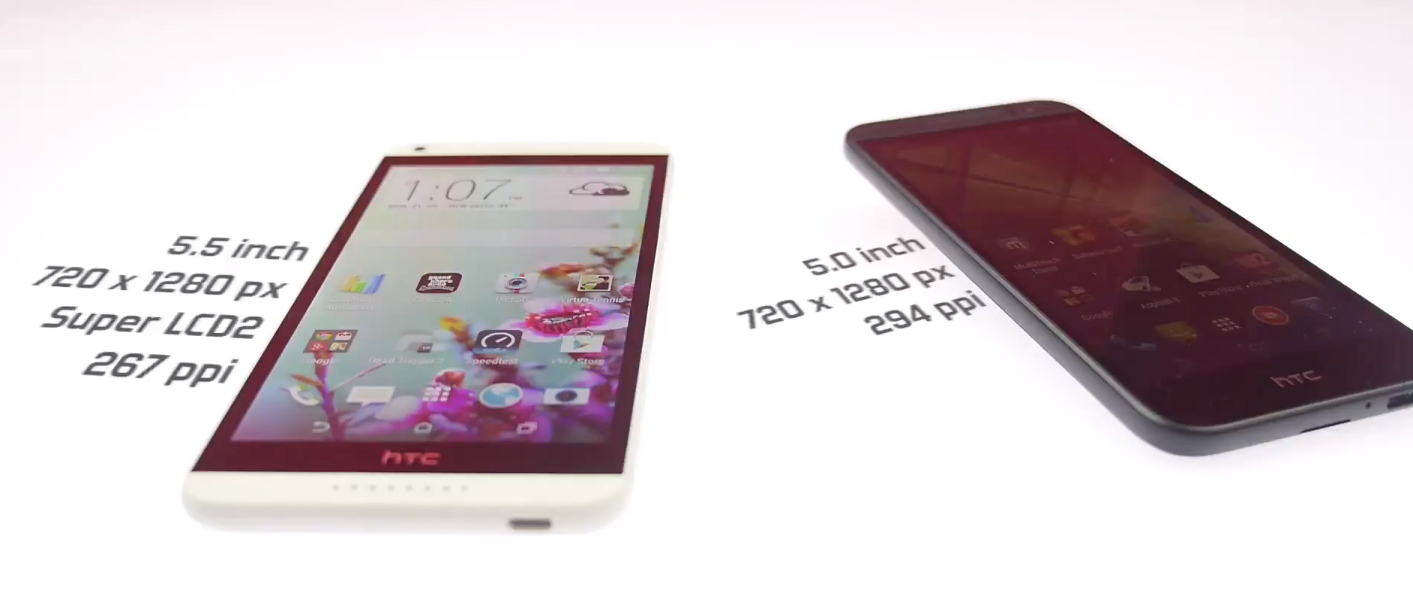
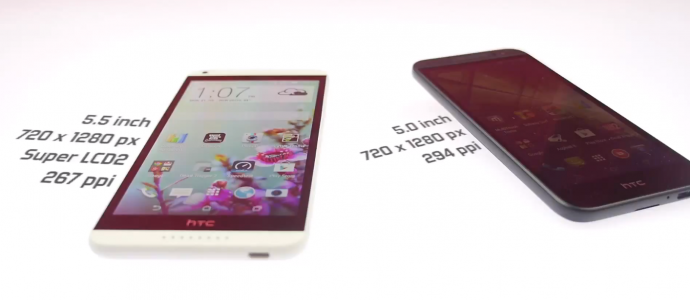
    The 5.5 inch Desire 816 has a 1280X720 pixel resolution which is same as the Desire 616 which fashions a 5-inch screen. This means, the 5.0 inch 616 has a better resolution and higher pixel per inch ratio, thereby giving it a better display in comparison to the Desire 816.

    Operating System

    Now, this is the category where Desire 816 easily wins. The 816 sports Android 4.4 out of the box, also the device has HTC sense as well as HTC BlinkFeed, which come fully loaded to the device. Although, you do get BlinkFeed and HTC Sense 5.5 with the 616, but it is not a full version and the device runs on Android 4.3 JellyBean.  So, the 616 doesn’t possess latest version softwares and there is no schedule for any update either.

    Camera

    As far as the imaging is concerned the Desire 816 wins with its 13 MP camera  at the rear and a 5 MP on the front. Both the rear and the front camera are capable of shooting 1080p videos. It fashions an f/2.2 aperture lens with various additional features for the HTC Sense camera.  Whereas in the 616 only the 8MP rear camera supports 1080p video capturing, the 2MP front camera shoots at 720p only and also you don’t get those fancy camera features.

    Battery
    Screen Shot 2014-07-22 at 4.00.11 pm

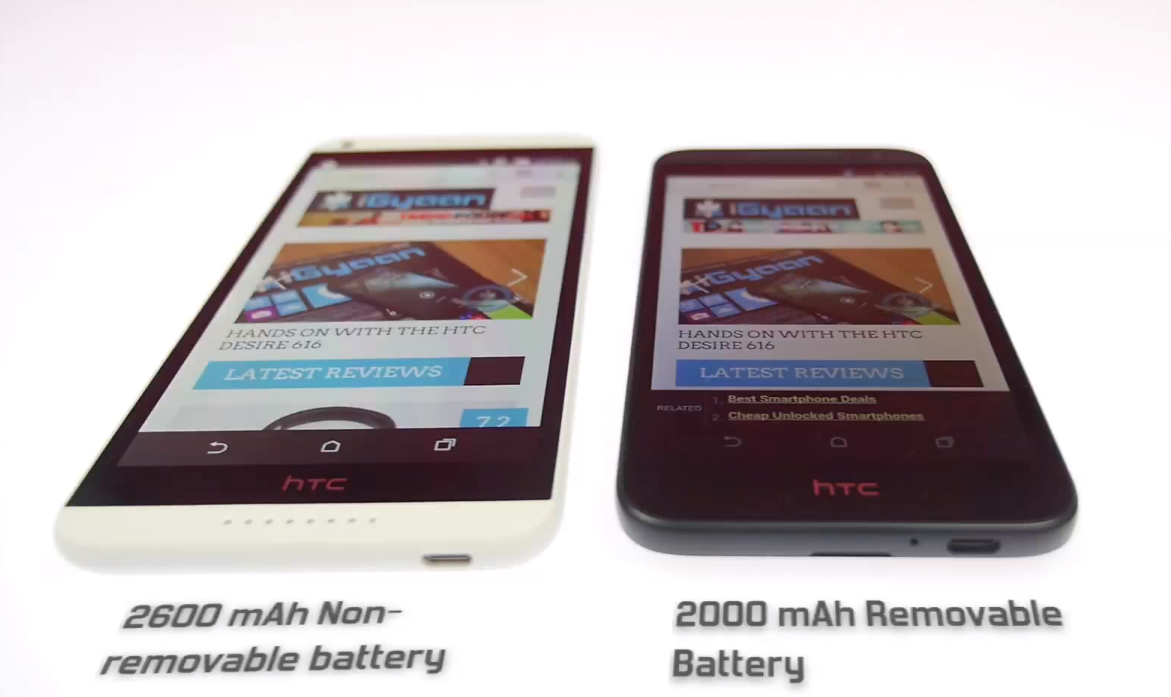
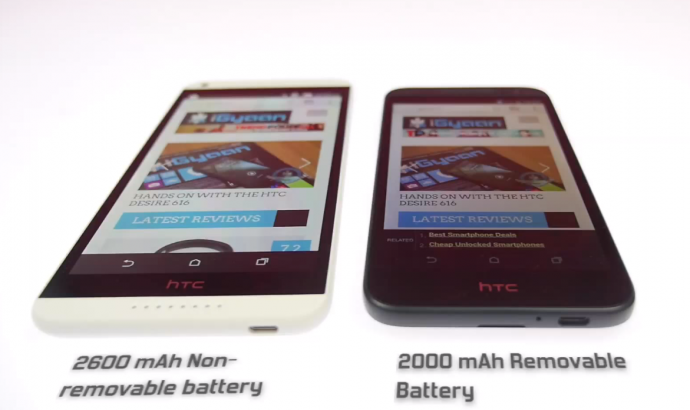
    Desire 816 sports a pretty impressive battery at 2,600 mAh where as  the 616 gets a 2000 mAh battery. We have experienced that 816 has a phenomenal battery life while 616 lags behind in this segment.

    Memory and RAM

    Desire 816 holds a much larger internal storage than 616 i.e. 8 gigabytes against 616’s 4 gigabytes. Both devices support microSD cards with 616 supporting expansion of only 32 GB while the 816 being capable of expanding to 128 GB of additional memory. Also Desire 816 gets 1.5 GB of RAM whereas you get only 1 GB RAM with Desire 616.

    Design
    Screen Shot 2014-07-22 at 4.02.21 pm

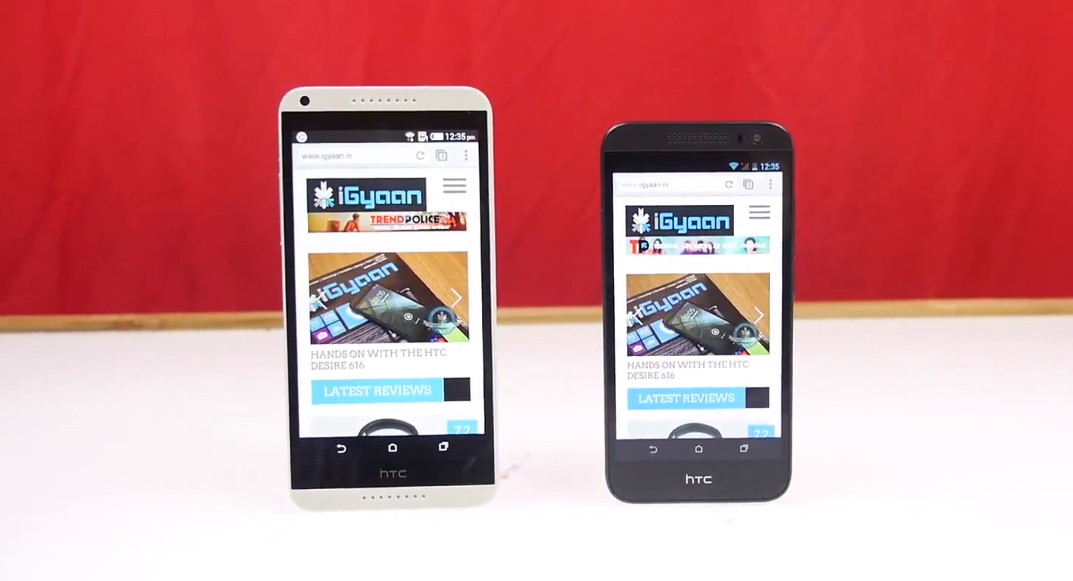
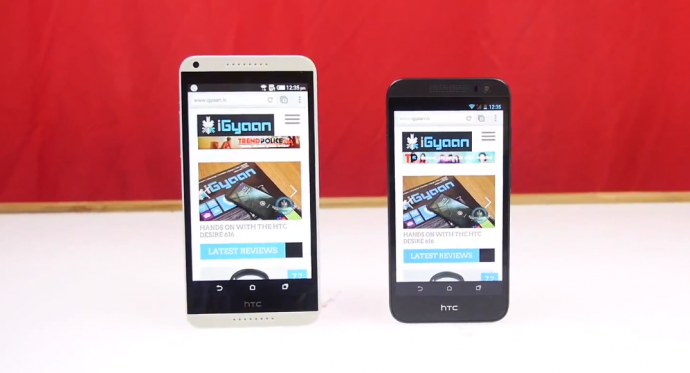
    In terms of design, Desire 816 looks impressive with its matte plus gloss finished body, which looks amazing. Overall the device feels sturdy . You don’t get a removable back panel which some people may not like, but the aesthetics as well as the shiny steel barrel around the camera steals the show.

    The Desire 616 is slightly thicker and has an overall plastic shell (even the buttons are plastic). It’s back panel is removable. The plastic body makes it look less impressive when compared to the 816. But still the 616 is a really good looking device, in fact one of the best looking ones in it’s price bracket.

    Summary
    Screen Shot 2014-07-22 at 3.57.16 pm

    Overall, both the devices are the hottest selling commodities in their respective categories and there is good reason for that. They are fantastic in terms of build quality, software and obviously the support you get from the HTC. 616 gives you an octa-core processor at the price in which other devices provide you with dual core where as 816 brings out a large screen and fantastic built quality t0 the Rs. 25,000 segment. You do have several good alternatives in both these categories such Nexus 5 and also LG G2in 25k price bracket while you can get various handsets from the likes of Gionee, Micromax and others in the 17k segment. But with this purchase, you get amazing customer support from HTC. The company has proved that they have well built phones and have great service and support in India, which very crucial in today’s market place.

    Phone HTC Desire 816 HTC Desire 616
    Display 5.5 inches720x1280 pixels 5.0 inches720x1280 pixels
    Memory 8GB 4GB
    Ram 1.5GB 1GB
    Camera 13MP rear5MP front 8MP rear2MP front
    OS Andriod 4.4 KitKat Android 4.3 Jelly Bean
    Processor 1.6 Ghz Quad-coreQualcomm Snapdragon 400 chipset 1.4 GHz Octa-coreMediatek MT6592 processor
    Battery 2,600 mAh Non-removable 2000 mAh removable
    Price Rs. 25,000(approx) Rs. 17,000(approx)

  • Fresh Renders Surface of The iPhone 6 And Retina iPad Mini

    Fresh Renders Surface of The iPhone 6 And Retina iPad Mini

    We have seen a plethora of dummies of the much-awaited iPhone 6 over the span of the past few months. However, it has been reported that the existing iPhone 6 dummy mockups have had major design flaws.

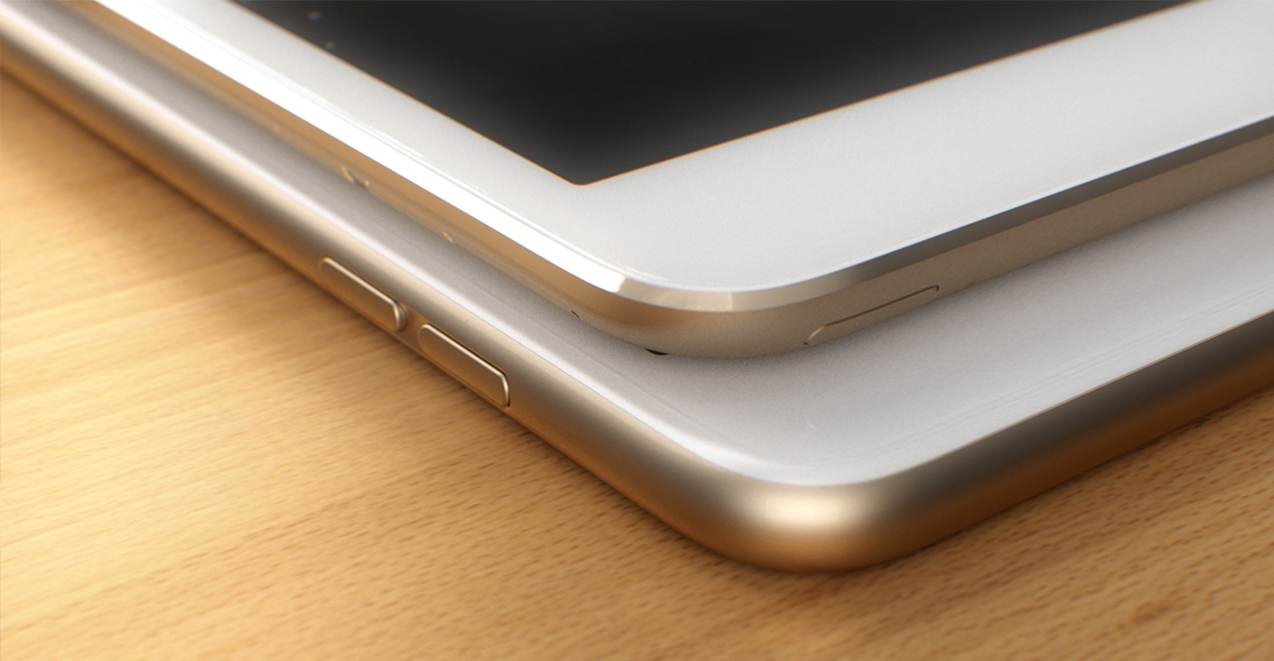
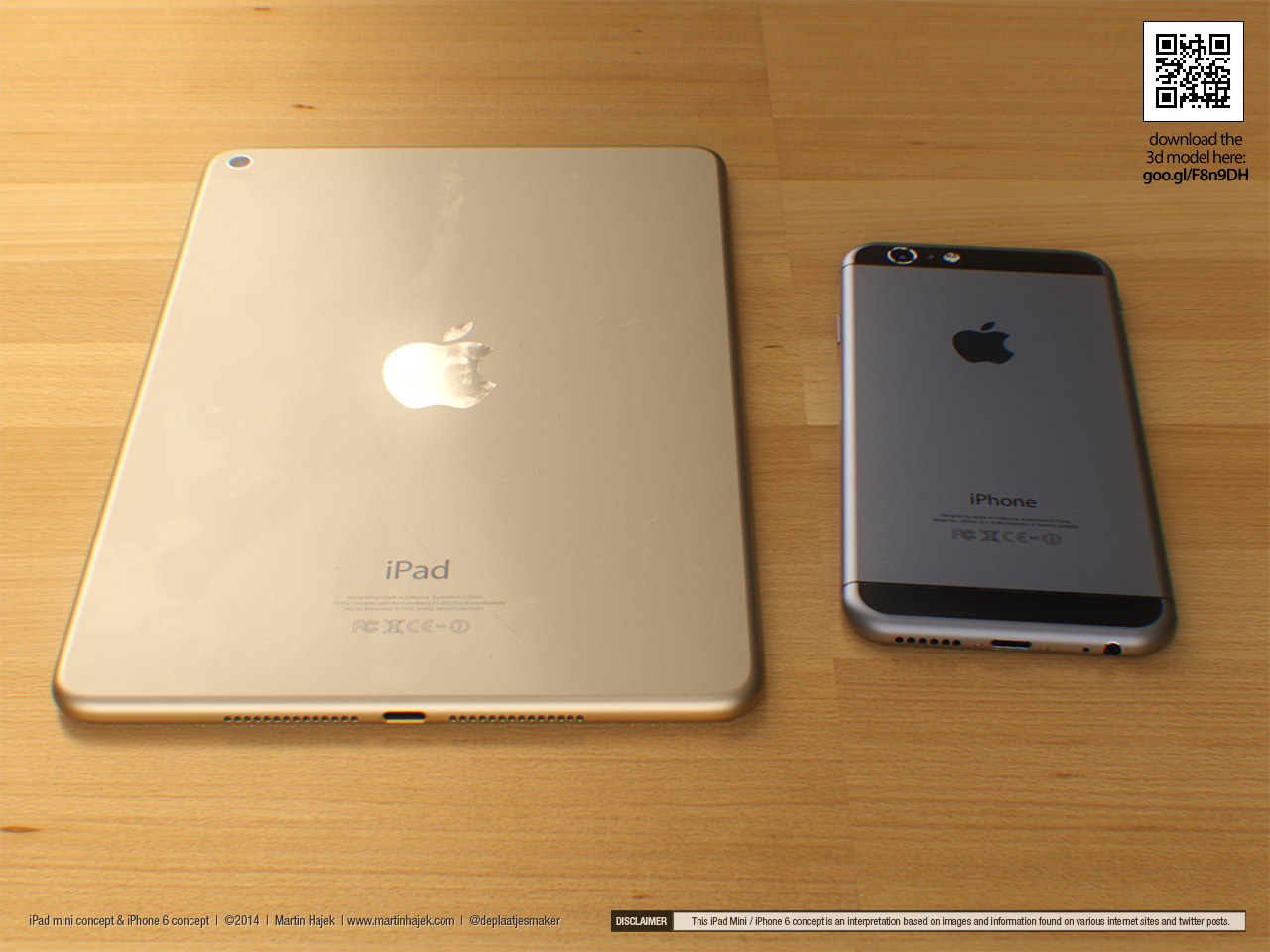
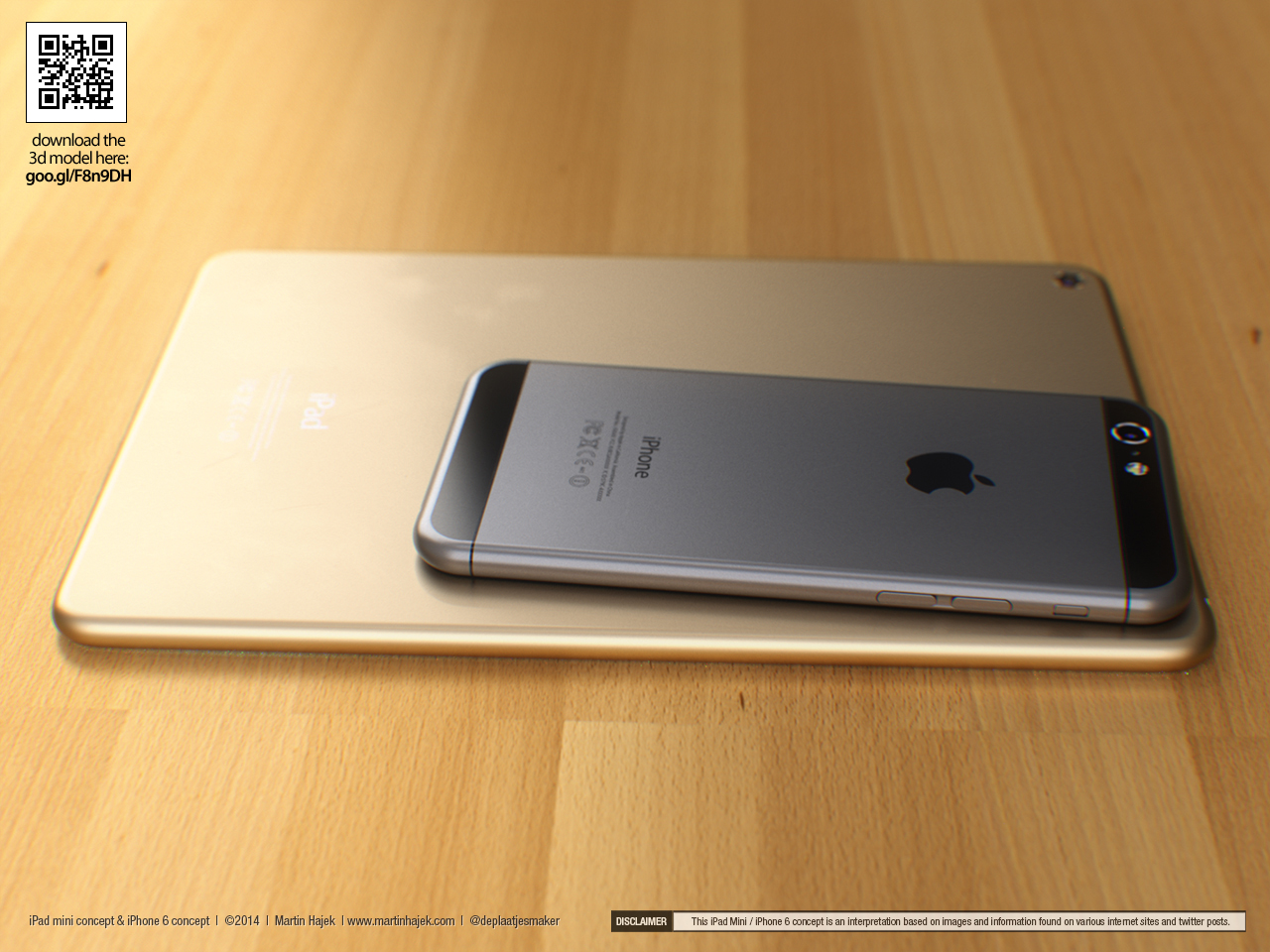
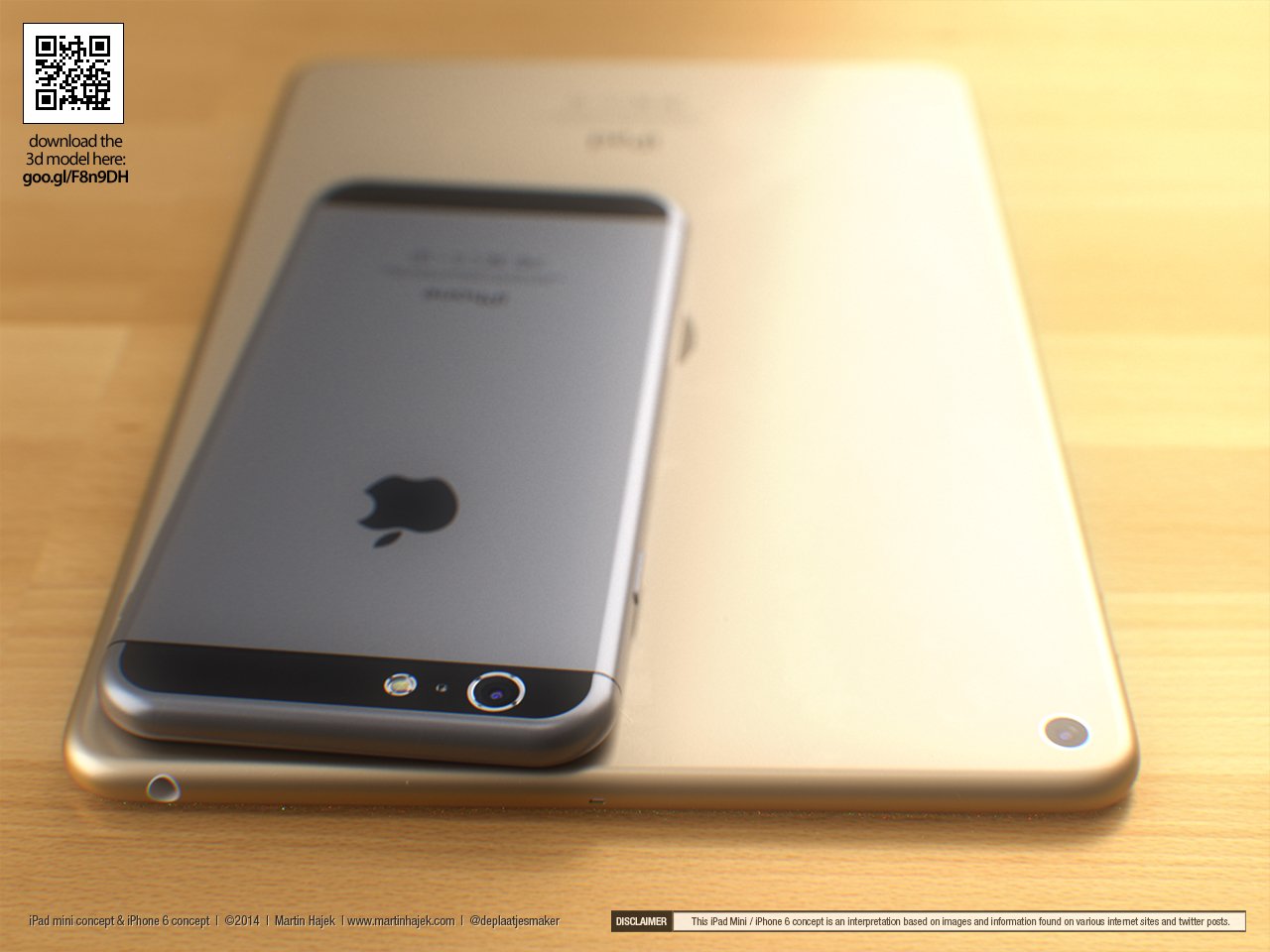
    A graphic designer, Martin Hajek, popular for his various dummy mockups, has created beautiful renders of the two upcoming Apple products.

    14489572990_75eb5b91f3_o

    “Based on rumors and images of the purported iPhone 6 all over the internet, I decided to do a concept study of what an iPad mini would look like with this new, soft and round iPhone 6 design ‘language’ slapped all over it,” Hajek wrote on his blog while publishing his most recent work.

    14696126473_8577b3331f_o

    For example, a number of reports suggest that the tablet will indeed feature Apple’s Touch ID fingerprint scanner beneath the home button. However, the iPad mini case is not expected to feature any major design changes, so we will most likely have to wait until next year before we see anything that might resemble Hajek’s design.

    14673055441_eec26fbe2a_o

    As far the much anticipated iPhone 6 is concerned, this mockup seems like the closest we got to the real device. It shows a thick black plastic line on the top and bottom at the rear-side of the phone. However, many reports point out that those lines are from the leaked iPhone 6 schematics and they actually designate areas on the back of the phone that contain glass panels, similar to the ones on the back of iPhone 5 and iPhone 5s.

    Well, again, we can’t help but point out that these render simply based on rumors and are subject to change.

  • Xiaomi Introduces The Mi 4 With LTE and an 8MP Selfie Cam

    Xiaomi Introduces The Mi 4 With LTE and an 8MP Selfie Cam

    After taking India by storm with their Xiaomi Mi 3, the chinese smartphone dragons have released their next “flagship,” the Mi 4. Yesterday Xiaomi did something that nobody thought was possible; they pulled a MOTO. Xiaomi’s first India offering, the Mi 3, flew off the shelves within an hour of launch on Flipkart. Even though the companies had provided a pre-registration option, the phones simply vanished, and also managed to crash the website.

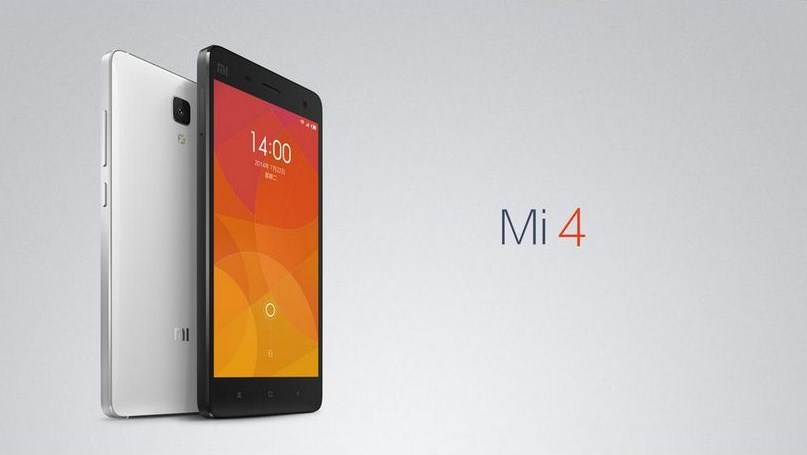
    Coming back to the star of the moment, the Mi 4. The phone comes with stainless steel styling elements which sets it apart from the Mi 3. The 5-inch 1080p smartphone gets its processing powers from the 2.5GHz quad-core Snapdragon 801 SoC. The phone has 3GB of RAM and comes with 16/64 GB internal storage options.

    The camera on the phone is a 13 megapixel shooter with a wide f/1.8 aperture, so night shooting is going to get a boost from it. The selfie camera is a massive 8 MP; a major upgrade in the MI series. The phone also gets an LTE radio and is juiced up by a 3080 mAh battery. The phone will be sold at CNY 1999 which in Indian currency is about Rs. 19,000 and CNY 2,499 for the 64 GB model which would come out to Rs. 24,000 in India.

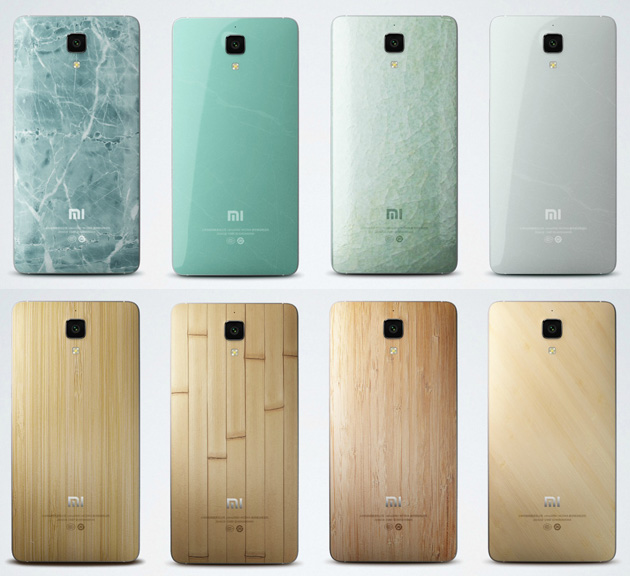
    The Phone provides multiple back panel options
    The Phone provides multiple back panel options

    The phone also comes with IR blaster so that it can be used as a TV remote, a feature that is available in some of the top-end phones in India. Staying true to its customizable origins, the MI 4 also comes with options for designer back panels.

    Xiaomi and MIUI fans will probably wait for the phone to come to India as it is only released in China currently. Considering the massive response the Mi 3 got in India, Xiaomi would want to take maximum advantage of the market. It has also increased the appreciation for Chinese products in India. With the amount of specs packed in the Mi 4, its seems that the ‘Apple of China’ already has the next winner of the smartphone race in their hands.

  • New Facebook ‘Save’ Feature Helps Bookmark Content For Later Viewing

    New Facebook ‘Save’ Feature Helps Bookmark Content For Later Viewing

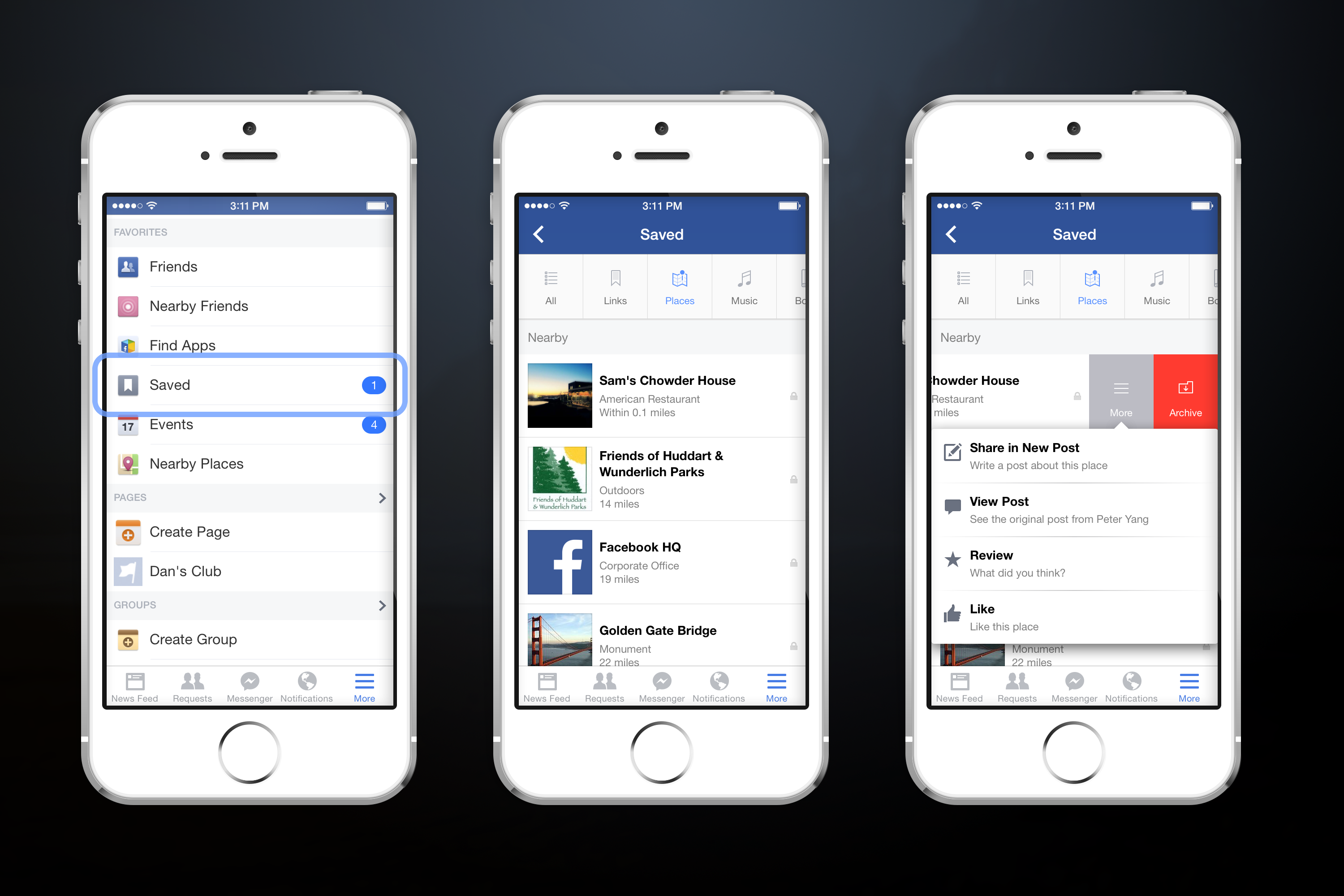
    Well Facebook updates usually take time to get accustomed to but this new feature seems to solve a huge problem for the people who use Facebook on the go regularly. The new ‘Save’ feature, as it is called, lets you save links, pictures, places, music etc. to go through later when you have time.

    “Every day, people find all sorts of interesting items on Facebook that they don’t have time to explore right away,” said Daniel Giambalvo, software engineer at Facebook, in a blog post. “Now you can save items you find on Facebook to check out later when you have more time.”

    facebook save

    Facebook’s Save feature rolls out to all iOS, Android, and web users over the next few days. You’ll notice the option in your newsfeed either as a button on the bottom of some posts or in the drop-down menu beside each post. Users can then re-visit their saved items using the “More” tab on mobile, or by hitting the “Saved” link on lefthand rail of the desktop version. The save option can only be seen by you on your your phone or web browser.

    The new feature, like almost all components of the social network is to keep you inside Facebook. Instead of saving items to Pinterest, Instapaper, Pocket, or other read-it-later services, you can use Facebook as a bookmarking service. It’s also a good way to keep track of restaurants and stores you may want to visit.

    screen-shot-2014-07-21-at-10-13-46-am

    There’s a very good reason Facebook may not be caching content: it would rob its publisher partners of ad views. If Facebook simply scraped the destinations of links for their text, images, and videos, and let you view them on a stripped down page in Save, why would you go to the actual Page? It seems Facebook likely doesn’t want to offend these publishers since they contribute content to its service through Pages, and buy Facebook ads to grow their audience.

  • Samsung Answers The Galaxy Tab S Back Cover Deformation Issue

    Samsung Answers The Galaxy Tab S Back Cover Deformation Issue

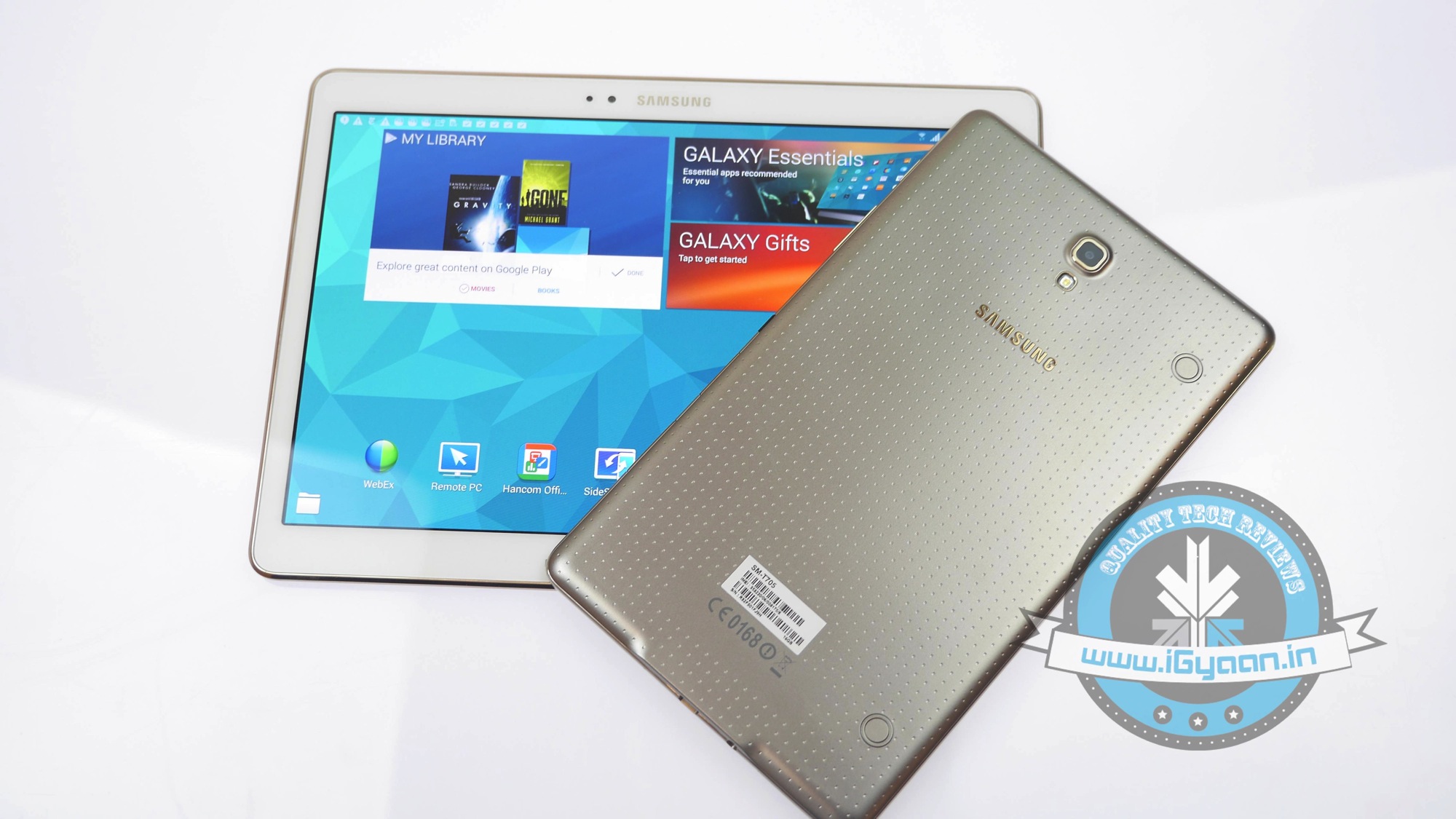
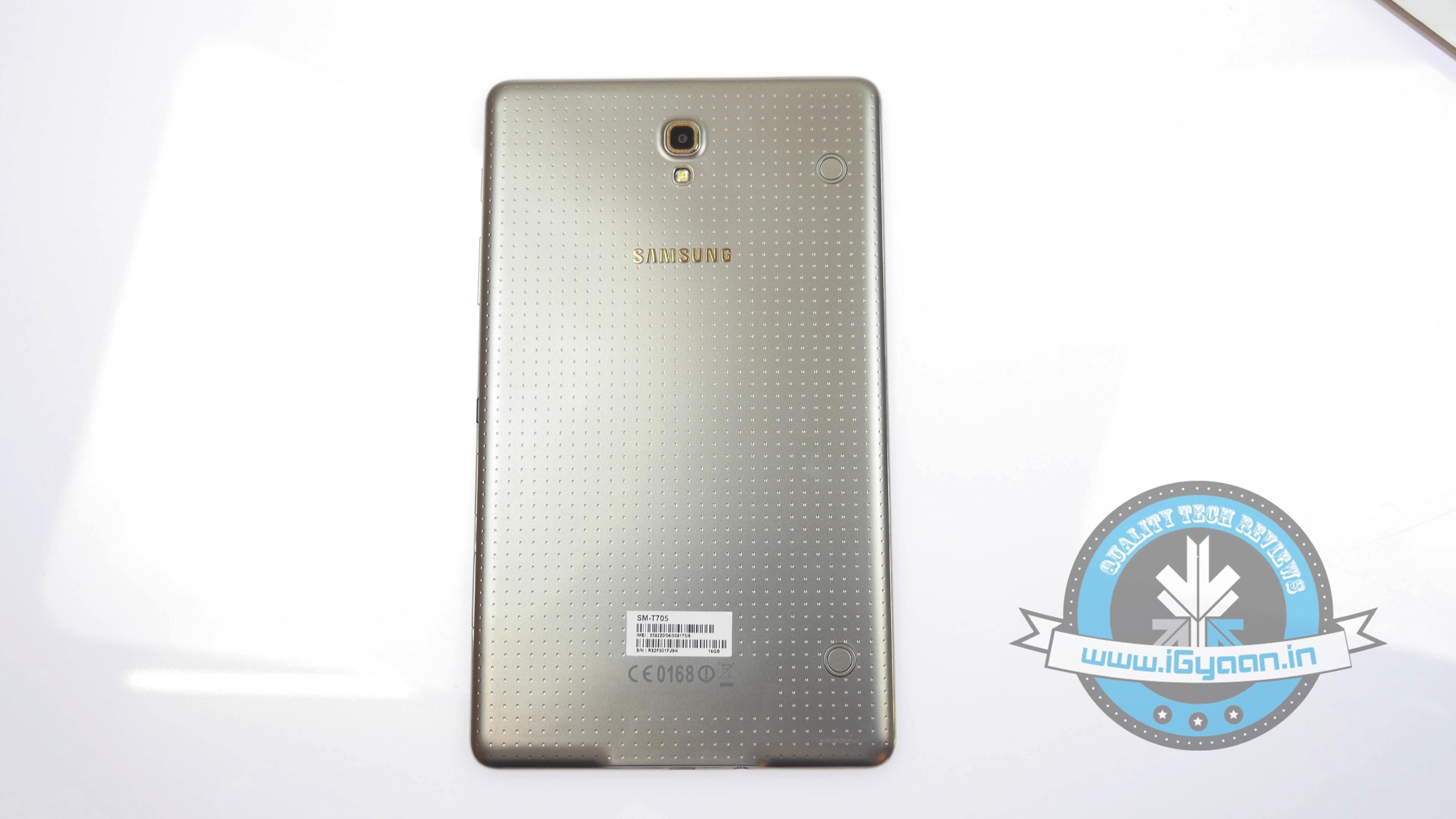
    Samsung’s Galaxy Tab S are one heck of an offering from Samsung. It wouldn’t be wrong to say that they are one of the best tablets out there. The stunning 1600 x 2560 pixels display makes it stand out in the crowd. Both Tab S tablets are sleek, sexy and flauntworthy. But recently one major issue has been troubling some consumers. The beautiful back design is getting deformed due to overheating of the devices. Though it’s not an extensive deformity, it is still noticeable.

    The back on some Tab S were deforming due to overheating.
    The back cover on some Tab S were deforming due to overheating.

    It has been speculated that the deformity is caused because of the heat generated by the application processor while running a 1600 x 2560 pixels display. The heat causes the Tab’s sexy back to bulge out in an uncomplimentary manner.

    In an official statement issued by Samsung, they have negated this perception saying:

    [quote text_size=”small”]

    Contrary to certain media reports, the slight disfiguration that has formed on the rear surface of the Galaxy Tab S has been attributed to a limited number of defective back covers, which has no relation to the overheating of the application processor or the material used for the back cover. We would like to assure our customers that we have already resolved the issue. We ask affected customers to please contact their nearest Samsung Electronics customer service center.

    [/quote]

    Samsung is providing replacement and repairs for the affected customers. Considering the hefty pricing of the tablets, this is the least they could do. Samsung haters can give Samsung a break in this case.

iGyaan Network
Privacy Overview

This website uses cookies so that we can provide you with the best user experience possible. Cookie information is stored in your browser and performs functions such as recognising you when you return to our website and helping our team to understand which sections of the website you find most interesting and useful.