Blog

  • Samsung Enters The “Premium Audio” Market With Its Level Series

    Samsung Enters The “Premium Audio” Market With Its Level Series

    By Pranav Arora

    Premium headphones seem to be the craze right now. With artists like 50 Cent and Ludacris starting their own brand of headphones, the potential of this market seems to be sky high. Now if you are thinking this is just a move by Samsung to score some of Apple’s market share following the recent Beats acquisition by Apple, you may not be completely right. These headphones started their development long before the Apple-Beats deal had ever happened. Even the announcement took place in April. So no, this isn’t just a cheap shot at Apple.
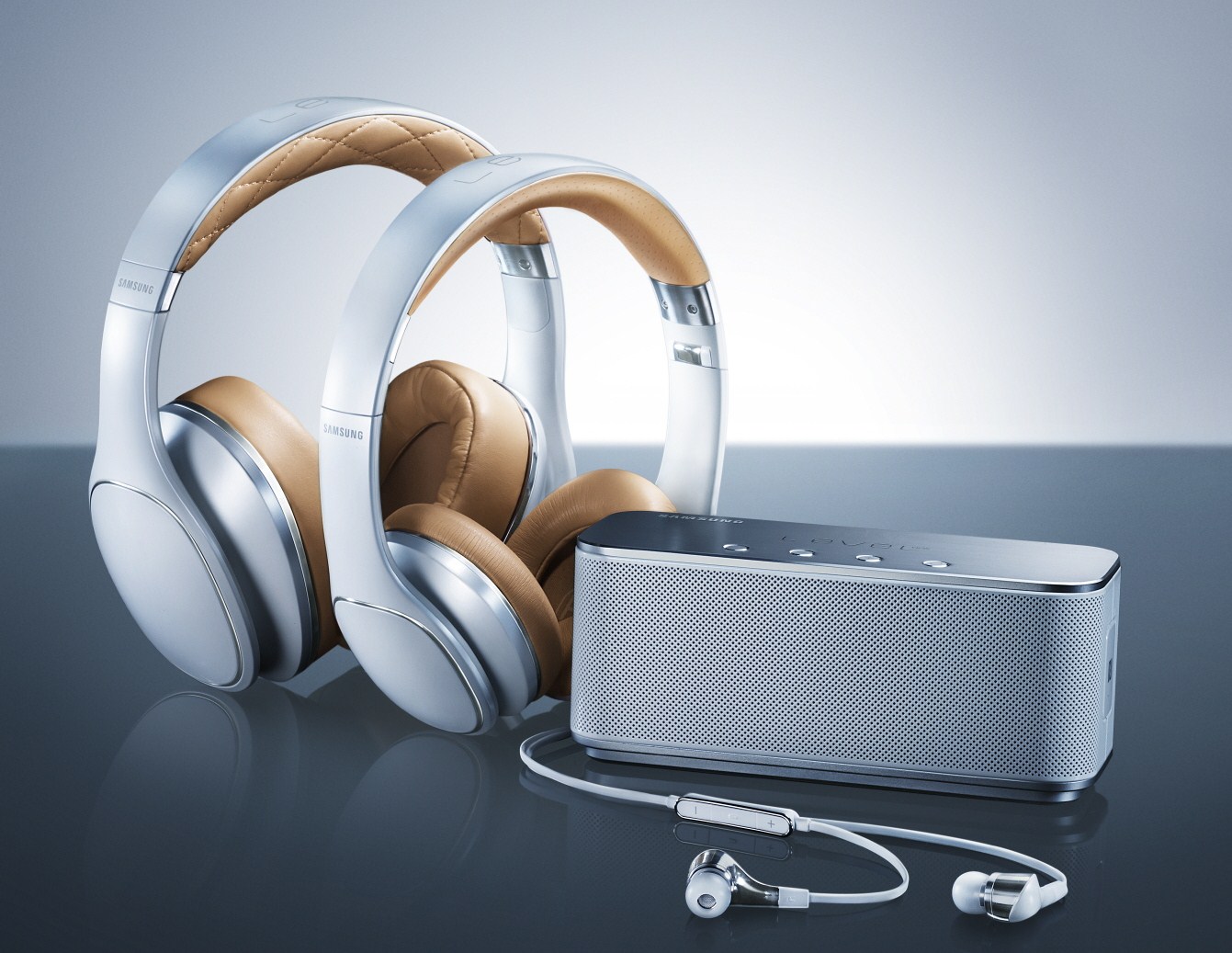
    Samsung Level 1
    Samsung’s Level series will take on the giants of Premium Audio business
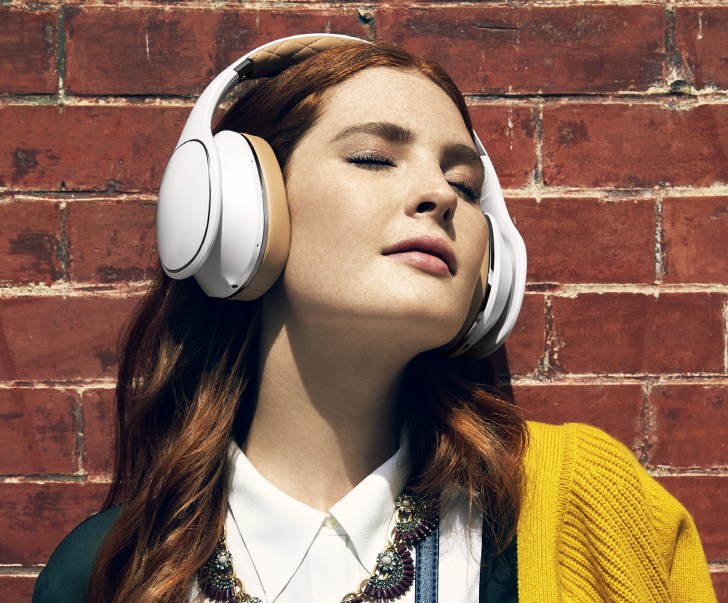
    Samsung Level 4
    Level Over sure appears massive on this model

    The headphones, on paper at least, look pretty impressive. The lineup is led by the Level Over (Over-ear) headphones, which are priced at $349.99. They feature 50mm drivers with neodymium magnets, to reproduce “deep, powerful and realistic sound”. These are Bluetooth headphones, so no more dangling wires. Other features include NFC pairing, Active Noise Cancellation, and touch panel controls.

    These are followed by the $179.99 Level On (On-ear) headphones, a set of foldable, wired cans that promise to deliver “powerful, clear, and pure sound.” These don’t come with the fancy Bluetooth connectivity, or the touch panel controls, but Samsung is hoping that their sound quality will make up for that.

    Moving further down, we have the Level In (In-ear) earphones, a pair of $149.99 earphones that aim to deliver “clear sound separation and rich, natural sound quality.”
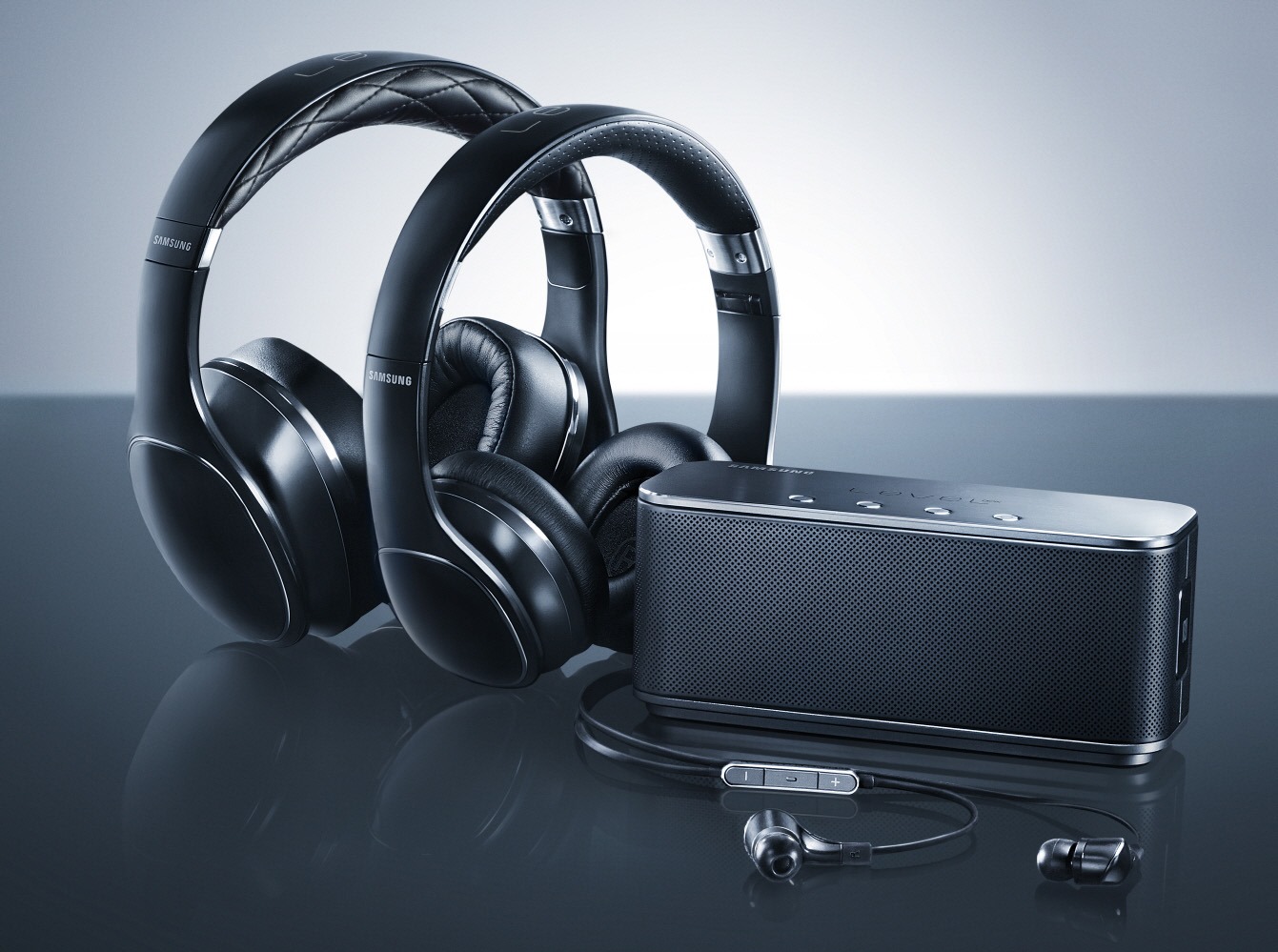
    Samsung Level 2
    These look pretty impressive on the design front

    Finally we have the Level Box, a portable Bluetooth speaker, that aims to take on a vast array of competitors from Bose, Logitech, Jawbone and unsurprisingly, Beats. It is priced moderately at $169.99, and based on early reviews, delivers nicely in the design and performance departments.

    All these may seem good on paper, but Samsung still has a mountain to climb if it plans to trump the massive name that is Beats. It’s going to be pretty hard to sell a pair of headphones for $349.99 without the massive ‘b’ logo on them, and it seems like Samsung will have to use all of their advertising muscle that they’ve become known for.

    The Level Series looks like a good start, and we’ll just have to wait and watch how they sell. They’re currently only on sale at luxury store Gilt in the United States, but Samsung will surely expand to a wider market soon, as they have done in the case of their smartphones.
  • BlackBerry’s Personal Assistant is Here To Take On Siri

    BlackBerry’s Personal Assistant is Here To Take On Siri

    By Pranav Arora

    BlackBerry seriously needs to pull up its sleeves now. The smartphone market is slowly but surely being taken over by the three Silicon Valley giants – Apple, Google and Microsoft. BlackBerry needs to catch up. It needs to aim for the fourth position and give the market competitive alternative.

    To achieve this BlackBerry has decided to start with a personal voice assistant. Announced officially on the company’s blog, BlackBerry Assistant (BB Assistant) is the latest new feature that we can expect in the BlackBerry OS 10.3 launch. Taking clues from the top dogs of the game; Siri, Google Now and Microsoft’s Cortana. BB Assistant is BB’s own little assistant that lives inside your Blackberry smartphone.

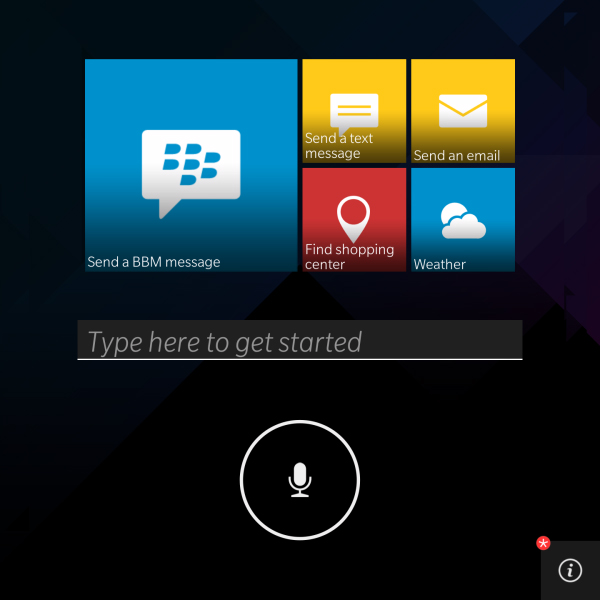
    The tiles design  remind you of Windows OS
    The tiles design reminds you of Windows OS

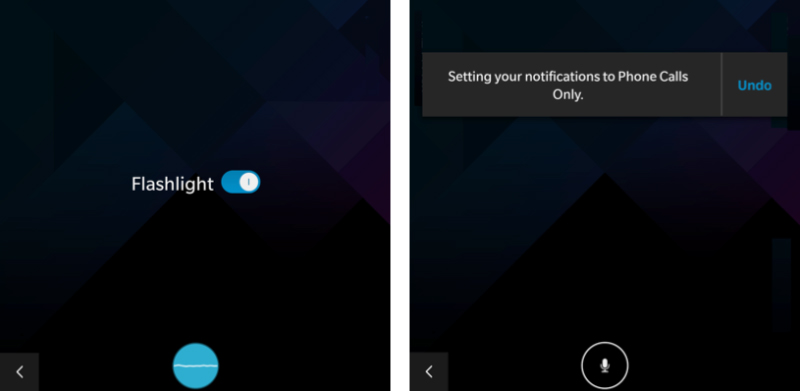
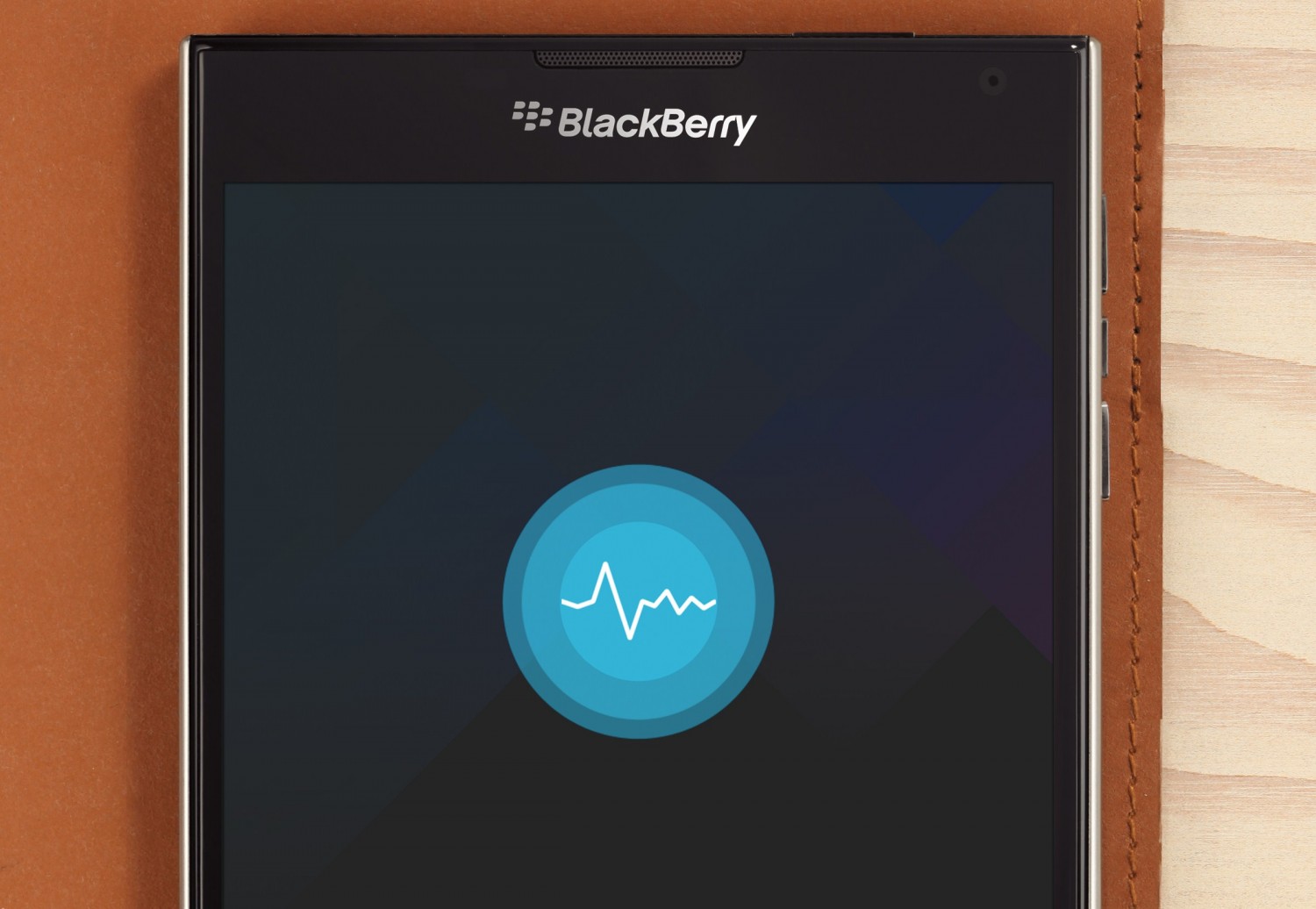
    In terms of design, it’s uncannily similar to the likes of Cortana and Siri. It appears as a small mic-in-a-cirle that pulsates when you talk to it. Along with it is a basic tile layout for other instructions and information. BlackBerry is going for the formal, business look that they’ve been known for, and it shows.

    BB3
    Blackberry claims BB provides all features provided by other Personal Assistants

    In BlackBerry’s words “the BB Assistant will keep you organized, informed and productive.” So what can it really do? While BB hasn’t released a full feature list yet, you can expect BB Assistant to do pretty much what we’ve come to expect from the dominant personal assistants. It can call people, send BBM/text messages, set reminders and alarms for you, read out and write emails and check Twitter trends if that’s your thing.

    Like Google Now’s latest feature, BB Assistant will be in an ‘always on’ state which means; you can trigger it through a voice command without actually closing the application you’re in. Pretty neat. BB also claims that it’ll get better with multiple usages, by learning your habits and needs.

     This is clearly not a new feature by brought out by BlackBerry. They’re not even trying to promote it as new. The other competitors have had quite a bit of a head start. But as an attempt to catch up, BB Assistant is not a bad attempt in any way. Things might get better for BlackBerry. They really need to.

  • Say Hi to Jibo: World’s First Family Robot

    Say Hi to Jibo: World’s First Family Robot

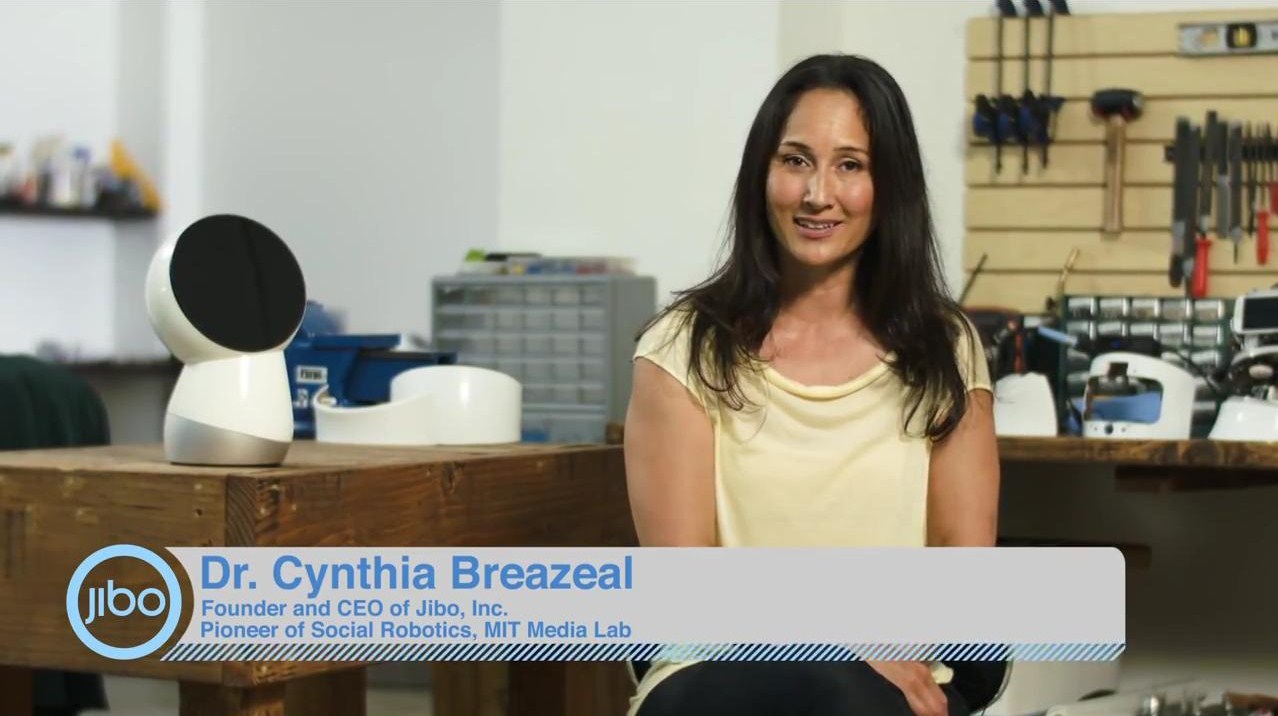
    If you remember watching Robin Williams’ forgettable Bicentennial Man, you must have felt the thrill of having a robotic companion in your family. The best part about Robin Williams’ character is that it was a robot capable of human emotions and learning new things just like a human being. Now a company called Jibo Inc, founded by an ex-MIT professor, Cynthia Breazel has brought an incredible new family pet in Jibo.

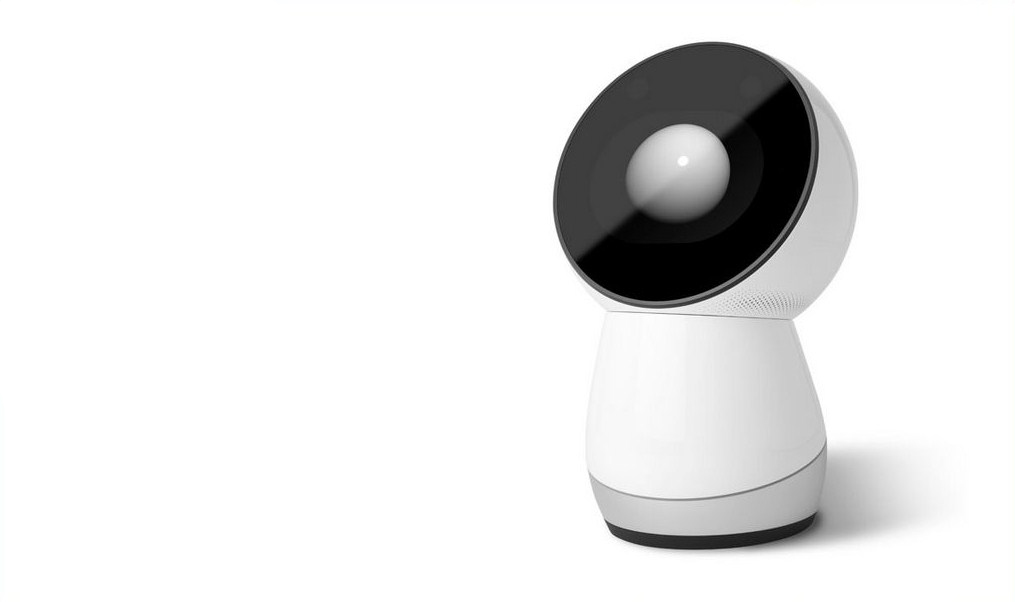
    This Linux powered robot has a cylindrical base and a circular screen which makes it look like a smaller and rather enthusiastic version of Marvin the Paranoid Android from The Hitchhiker’s Guide to the Galaxy. Alan Rickman as a sad robot was the only humorous part of that movie.

    jibo 2Jibo is about a foot tall family friendly robot that is capable of doing everything your dog can’t do. It has six microphone inputs that help Jibo to take voice instructions and reply back. Jibo can take pictures; assist you in your daily chores, read out your messages. But here is the best part; it can be a cute little tutor to your kids, which is surely going to make a lot of private tutors angry, especially in India.
    One of the feature that is really impressive is the boost tele-presence will get with Jibo. With Jibo the person on the other end can physically move about and interact with all who are present in the room. This is our favorite feature. Jibo also seems fun to interact with and even though some of its functions can be currently done by a smartphone but the fun interaction aspect is missing from them.

    In future, the company wishes to integrate Jibo with your home automation system so it can take care of the security of your house and the power management. They also intend to add health features so that it can gather up information from devices like heart rate monitors, glucometers and scales and can maybe become your personal trainer.

    Unfortunately you can’t buy Jibo just yet, but you can surely pre-order it and you can also contribute towards the project through their Indiegogo page. Jibo will arrive at the doorstep of folks who have preordered. Guess the robots are finally ready to invade our houses and if they are as cute as Jibo, they’ll be sure welcomed with an elation from everyone in the house.

  • Five Inspirational Young Self-Made Tech Millionaires

    Five Inspirational Young Self-Made Tech Millionaires

    Technology has brought immense advancement to our civilizations as a whole. It also gave a chance to budding entrepreneurs with brilliant ideas a launchpad to take their dreams to the skies. Here is a list of some of these individuals, who in a small period of time have used their intellect to not just make some of the most interesting and innovative tech products but got rich doing it.

    These self-made richies are also an inspiration in times when young people constantly fear their upward mobility is being hindered by businesses. So if you have an idea that you are passionate about, just start working on it, maybe the next time we make a list, you might be in listed in.

    1. Mark Zuckerberg

    Mark_Zuckerberg

    Age: 29

    Net Worth: $28.5 billion

    So let’s start this list with this famous or for some, infamous billionaire. There would hardly be a person who won’t know this guy. With his social network Facebook becoming the indomitable social network which turned 10 this year the Zuckman is on his lifetime high right now. He is also known for ferocious takeovers of start-ups. Just this year itself his company has acquired Whatsapp and Oculus in Billion dollar plus deals. He is also a philanthropist who has signed the Giving Pledge, thereby committing to pay over half of his fortunes in charity.

    2. Blake Ross

    Blake_Ross

    Age: 29

    Net Worth: $150 million

    The co-founder of the third most used web browser in the world truly deserves his fortune. The open source browser has grown phenomenally over the 11 years of its existence. The browser currently has over 450 million users. Blake was in high school when he had started working on the Firefox. At age 14 he started working on Netscape. So if you are in high school and need an inspiring figure, this man should be it. He is responsible for giving a true alternative to folks frustrated by Microsoft’s Internet Explorer and turning it into a browser that people used to download Firefox. He also worked with Facebook from 2007 to 2013 as the Director of Product.

    3. Matthew Mullenweg

    Matt_Mullenweg

    Age : 30

    Net Worth: $40 Million

    A lot of people need to thank this Texan for giving a phenomenal web tool called WordPress. The idea behind WordPress was to provide a blogging platform, but quickly it became a content management system which most websites, including the popular ones have begun using. Mullenweg attended the High School for the Performing and Visual Arts where he studied jazz saxophone. Mullenweg is also a Dvorak Keyboard user and can type over 120wpm.

    4. Drew Houston

    Drew-Houston

    Age: 31

    Net Worth: $1.2 Billion

    Dropbox is one of the most popular and fastest growing cloud services. Its founder Drew Houston is as versatile as his Cloud tool. He holds a degree from MIT and has worked with multiple start-ups like Bit9, Accolade and Hubspot. The service initially took assistance from Y Combinator‘, who might consider it their best investment yet. Drew is also politically active and is one of the founders of a lobbying group called FWD.us (aimed at lobbying for immigration reform and improvements to education).

    5. Kevin Systrom

    instagram

    Age: 30

    Net Worth: $400 Million

    Instagram is responsible for the menace called “amature food photography” which your friends share around social media, which ends up making you crave munchies at 2 AM at night, a time when nothing is open. Its co-founder is Kevin Systrom is a Stanford graduate who began the service with Mike Krieger. Both their bank balances got a serious boost after Facebook acquired Instagram in a Billion dollar takeover.

    (Note: A previous version of this story said that the Firefox browser had 450 users. The error has been corrected. )

  • Google Partners With Novartis To Create World’s First Smart Contact Lens

    Google Partners With Novartis To Create World’s First Smart Contact Lens

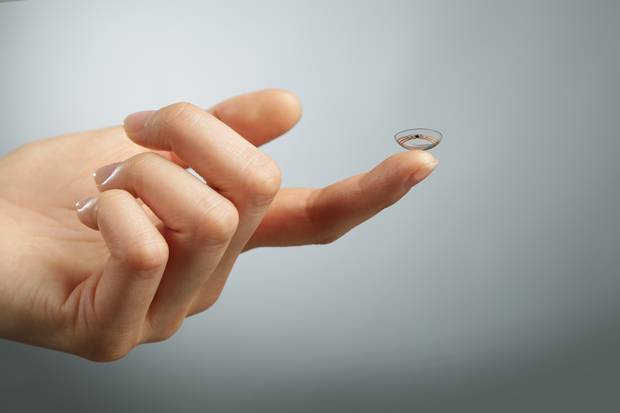
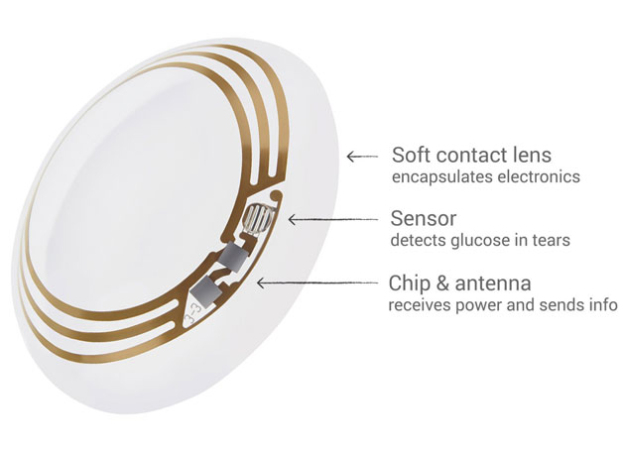
    Google and Novartis join hands to set new boundaries of wearable technology. Google’s smart contact lens technology is one step closer to reality with the company announcing its partnership with Swiss pharmaceutical firm Novartis .

    The press release stated that Novartis’s Alcon unit will work with Google’s secretive Google X division on lenses with non-invasive sensors, microchips and embedded miniaturized electronics to monitor insulin levels for people with diabetes, or to restore the eye’s natural focus in people who can no longer read without glasses. No terms of the deal are yet disclosed.

    atelier-lentille-connectee

    Google said it hoped the technology would help diabetics around the world by removing the need to perform regular, painful blood tests. Novartis has said that in addition to helping diabetics manage their disease, it is hoped that the technology can also be modified to help those suffering from vision loss that occurs with age.

    Novartis’ CEO Joe Jimenez identified eye care as one of three key divisions, along with branded and generic drugs, in announcing a $28.5 billion restructure of the company in April that involved selling off the vaccines and animal-health units and buying GlaxoSmithKline PLC’s cancer business.

    “The promise here is the Holy Grail of vision care, to be able to replicate the natural functioning of the eye,” Jimenez said. “Think about a contact lens that could help the eye autofocus on that newspaper and then when you look up it would autofocus in the distance.This is a key step for us to go beyond the confines of traditional disease management, starting with the eye.”

    google-smart-contact-lens-1

    The smart contact lens technology were originally developed by Google X, the “audacious” research and development lab that is responsible for the company’s self-driving cars, internet weather-balloons and Google Glass.

    Google co-founder Sergey Brin said: “Our dream is to use the latest technology in the miniaturization of electronics to help improve the quality of life for millions of people. We are very excited to work with Novartis to make this dream come true.”

  • Google with Udacity Offers You a Course in Android App Development

    Google with Udacity Offers You a Course in Android App Development

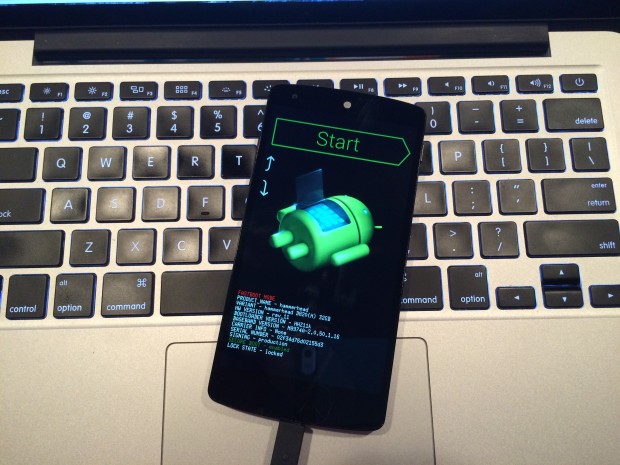
    Android is going places. There is no other operating system that has been integrated simultaneously in so many multiple platforms. From Mobiles, Tablets, Gaming Consoles to Television and Cars, Android seems like it’s taking over everything. Now all this integration requires apps and developers who make that app. With over a billion devices activated, Android is here to stay for a considerable while. A lot many people have shown interest in making apps but they don’t have the skill sets for it. Google understands that and has tied up with Udacity.

    Install-Android-L-Beta-on-Nexus-5-620x465
    You can be a part of the Android ecosystem with this course

    The program is called “Developing Android Apps: Android Fundamentals” and the course is exactly what the name suggests. The program aims at giving assistance to programmers who don’t have the skillsets to make android apps.

    Google Developer Reto Meier, Dan Galpin, and Katherine Kuan will train potential Android developers. Their curriculum gives step by step instructions in building an app. The course will also teach the basics of mobile app development in general and Android development in particular. The best part, you can get personalized support and feedback from the instructor.

    By the end of the 8 week course, programmers would be able to build a cloud-connected Android app, and understand the tools, principles, and patterns that underlie all Android development.

    For applying to this course you need a strong working knowledge of Java or another object-oriented programming language. Access to an Android device is not compulsory but is advisable for this course.

    The program on Udacity is free for a 2 week trial after which the course costs $150/month, which is pretty reasonable as it comes with verified certificates on completion. So if you have an idea for a brilliant app but were limited by your programming capability, this is an opportunity for you. Most importantly, just remember that there is no stupid idea, the living proof for that is an app called YO (yeah, that exists.) So go ahead, maybe your app will be the next silly app to be valued at $10 million, this one is harder to believe but is true too.

  • After Airtel, Aircel Joins The 4G Race With its Launch In 4 Circles

    After Airtel, Aircel Joins The 4G Race With its Launch In 4 Circles

    Aircel India has recently launched its 4G services which will be offered across four circles, namely, Andhra Pradesh, Assam, Bihar and Odisha. Aircel already provides 2G and 3G  services and it is now become the second Indian telecom operator after Airtel to launch its 4G services in the country.

    Aircel holds 20MHz of spectrum in the 4G LTE 2300 MHz band across eight circles – Andhra Pradesh, Tamil Nadu, West Bengal, Bihar, Odisha, Assam and North East and Jammu and Kashmir.

    Aircel’s enterprise customers will experience a 4G LTE high-speed network to receive dedicated internet and secure VPN (Virtual Private Network) services whereas its Home customers will experience various infotainment services on high-speed broadband that will help connect any Wi-Fi device to support services such as faster internet access, Smart TVs, Virtual Home Solutions, Home Security, online gaming and much more.

    Aircel hopes that existing technological leadership position further lends to providing a promising and reliable 4G LTE service to our customers. They also promise that the wireless broadband services offered will help customers transform their workplaces and homes into ‘smarter’ entities.

    The parameters that will differentiate Aircel’s 4G LTE services include customized offerings with a quick turnaround time for deployment of services to Enterprise and Home customer, beating existing industry standards; high speed and low latency, which are critical to any enterprise service experience, will be Aircel’s key focus deliverable building on Reliable MPLS (Multiple Protocol Label Switching) core network.

    So far, Airtel has launched 4G services in a few circles, while a pan-India availability is still awaited. Though, there is no information as of now about their 4G data charges as of now. Aircel’s entry will finally bring some competition in the segment, perhaps encourage other players to launch their services. From customers’ point of view, competition gives possibility of lower tariffs and even more affordable devices.

  • Apple and IBM Join Hands for Enterprise Mobility Solutions

    Apple and IBM Join Hands for Enterprise Mobility Solutions

    Apple and IBM announced an exclusive partnership to enhance their market in Enterprise Mobility. The goal is to use each other’s strengths to take on the competition. Apple intends to use IBM’s big data and analytics capabilities on its mobile platform of iPhones and iPads.

    This is a huge deal as this brings two of the industry giants together in a landmark partnership. This alliance is almost relatable to an international treaty. The companies will try to redefine the workflow process, address key industry mobility challenges and inspire mobile-led business evolution.

    Apple has struggled for long to make its mark in the enterprise space
    Apple has struggled for long to make its mark in the enterprise space

    With this partnership the companies plan to develop a new class of more than 100 industry-specific enterprise solutions including native apps, developed exclusively from the ground up, for iPhone and iPad. They also want to incorporate IBM cloud services optimized for iOS, including device management, security, analytics and mobile integration. Also, a new AppleCare service will be introduced, and support offering tailored to the needs of the enterprise will be provided. Finally, a new package will be offered from IBM for device activation, supply and management.

    IBM will introduce its MobileFirst Platform for iOS that will aim to provide comprehensive business related solutions. From analytics, workflow and cloud storage, to fleet-scale device management, security and integration. It will also provide private app catalog, data and transaction security services, and productivity suite for all MobileFirst systems.

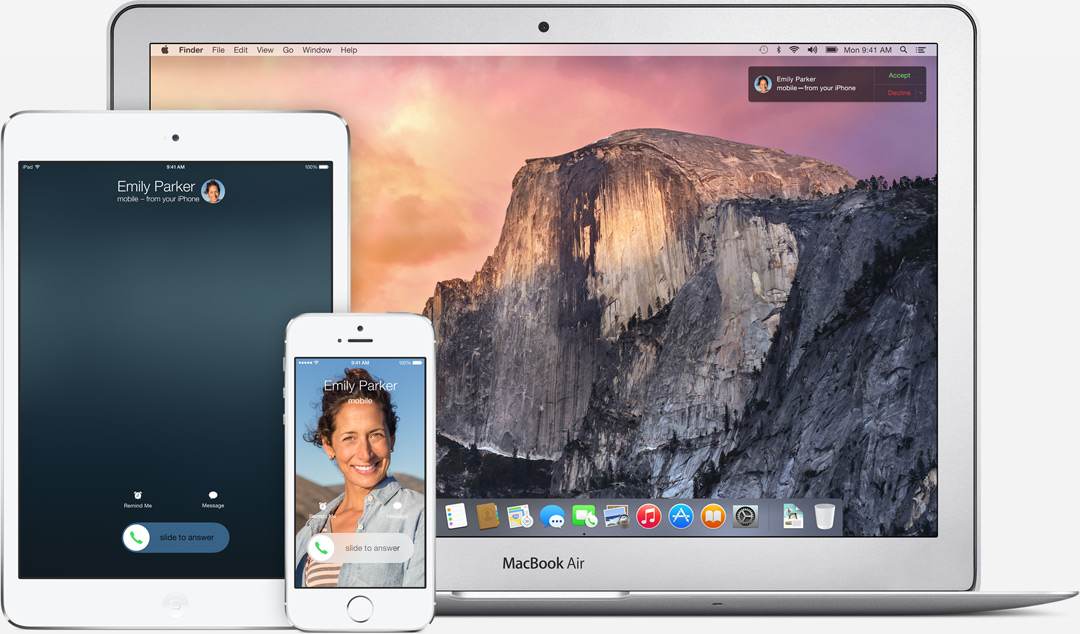
    Businesses will get a boost with iOS 8 features like Handoff
    Businesses will get a boost with iOS 8 features like Handoff

    iOS 8 will also play a major role in this relationship. Apple has provided lots of features for developers to create new apps. This will give a lot of freedom to enterprise developers to build a new IT model for a mobilized workforce by improving the way users are informed of how their devices are configured, managed or restricted. It will also have expanded security, management and productivity features.

    IBM has a huge resource of about 5000 mobile experts who, using its 4,300 patents, help in easing the adoption process of mobile solutions. Along with the operating system support from Apple, enterprises might get a good bargain shifting to an advanced Apple based workflow.

    Even though, this is a mobility partnership it will be a huge boost for Mac OSX ecosystems too. As Apple has provided some great interlinking features between the iOS and Mac, enterprises might shift entirely to Apple systems. This will be a huge challenge for Microsoft’s Windows systems which have had an almost monopolistic rule in the enterprise computing space. The Windows mobility options are still not evolved enough to take on Apple, so there might be trouble for Windows ahead. This of course will not happen immediately as Windows systems are a lot cheaper and enterprises have invested huge amounts on their computers, but mobile is the way forward. Apple might have finally got the advantage it has been waiting for over 30 years.

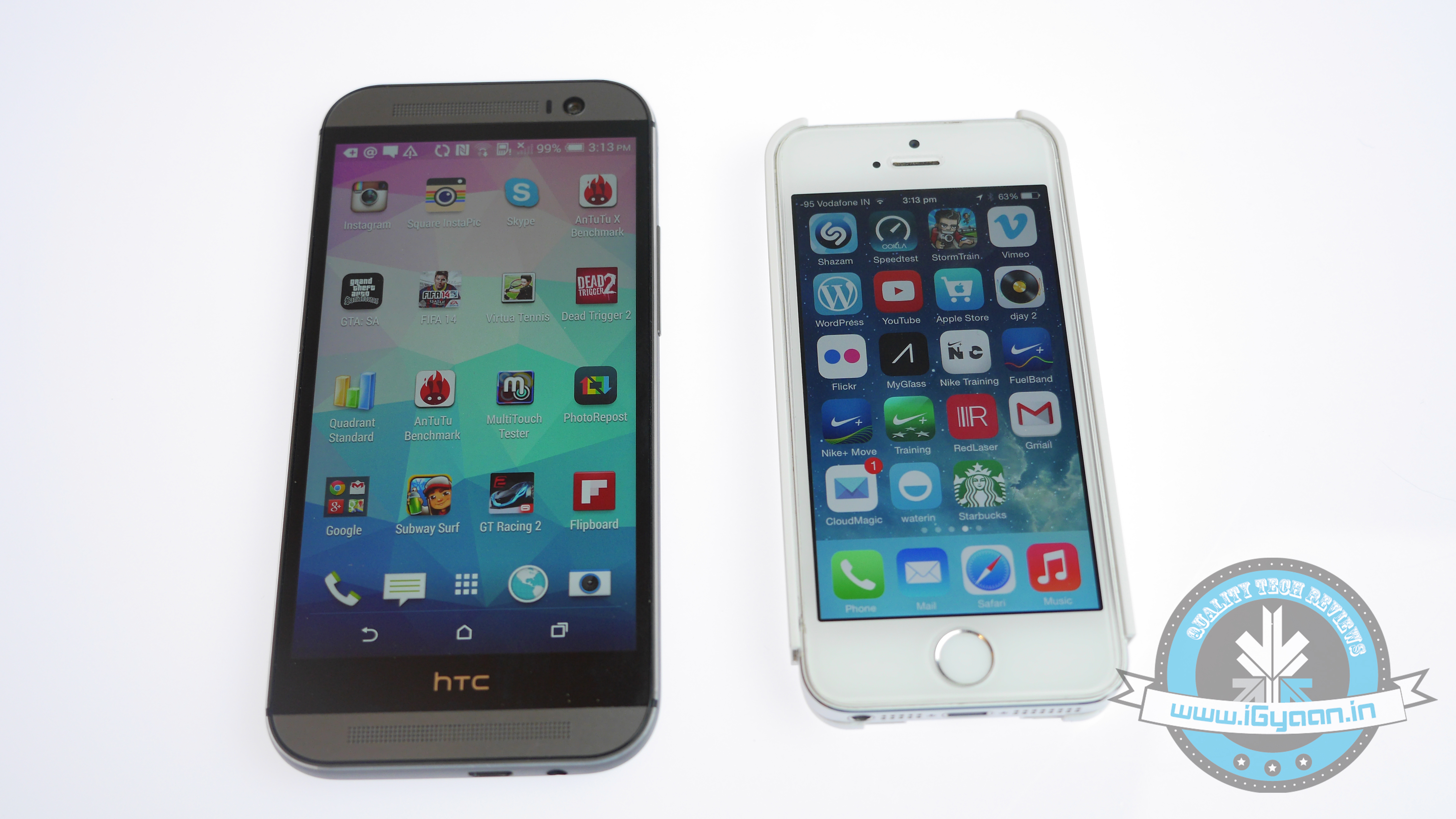
  • What the iPhone 6 Needs to Take on The HTC One M8

    What the iPhone 6 Needs to Take on The HTC One M8

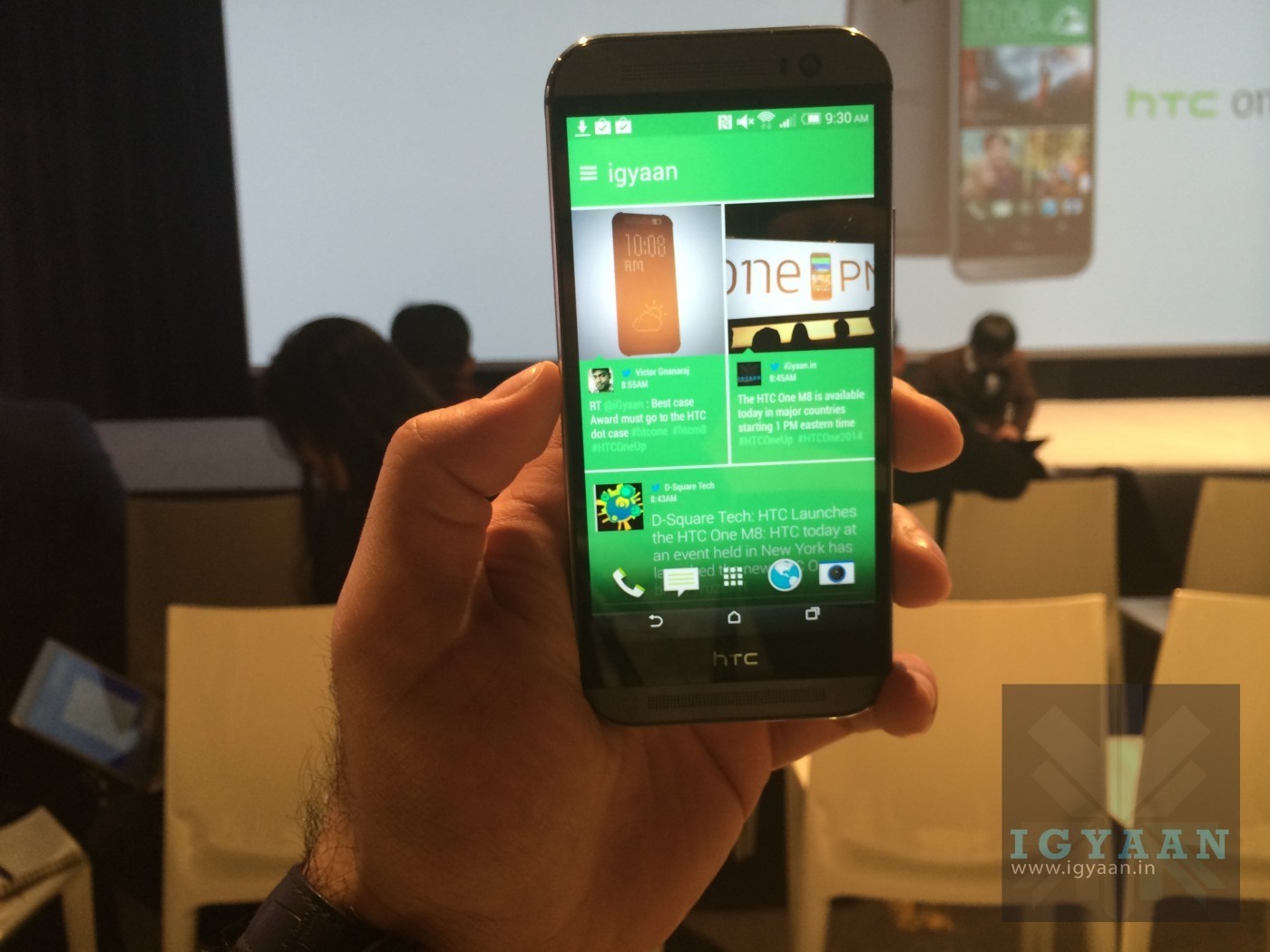
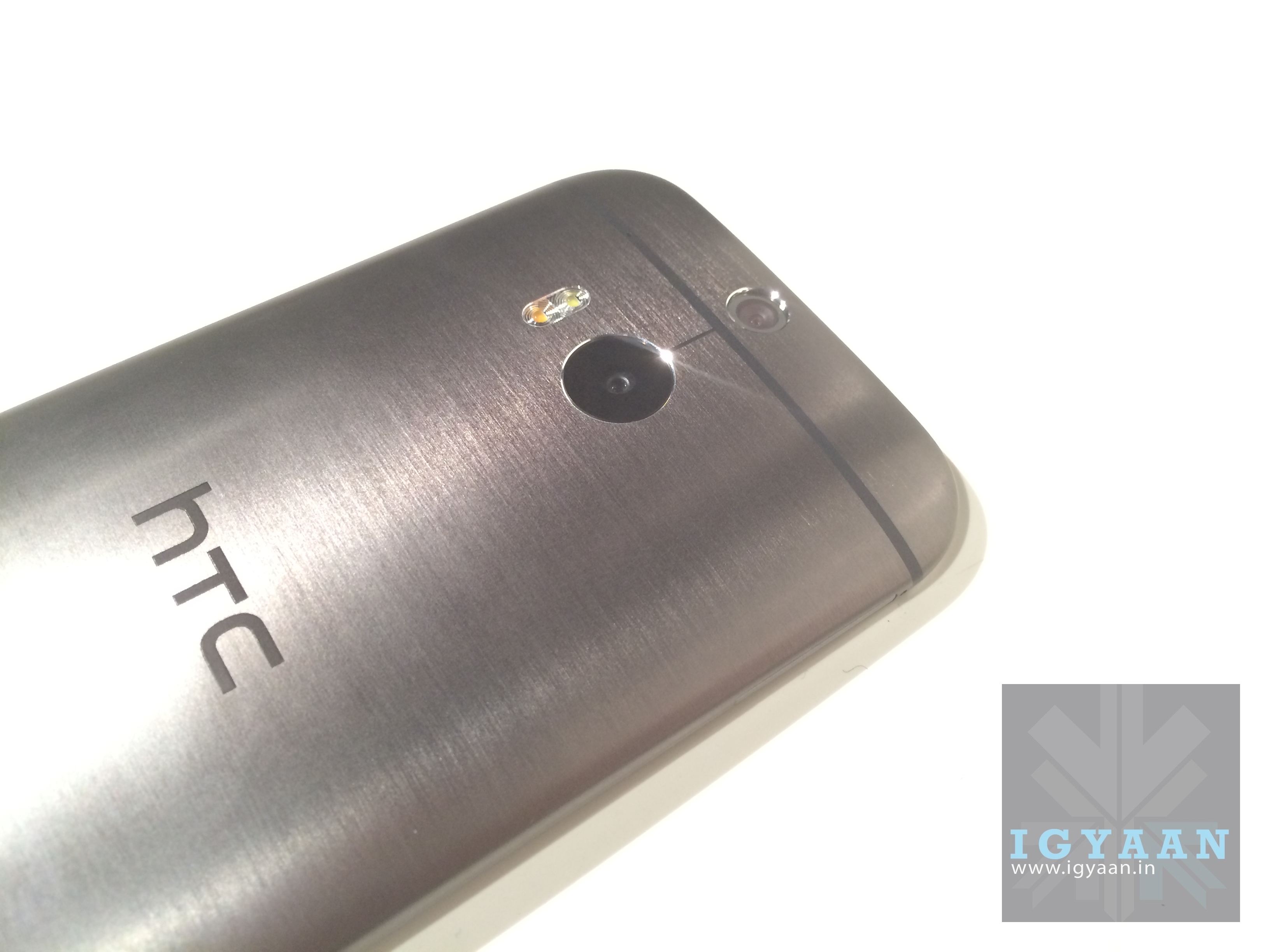
    Ever since its release, the HTC One M8 has been one of the most admired flagships. With its aluminum unibody metallic design, the phone announces its distinguished class. Now HTC has decided that it will be giving LTE support to the One M8, making the phone future proof and a serious contender for a good while.

    Now we see what the next version of the Apple iPhone needs to have to take on the HTC One M8.

    Display:

    htc-one-m8-launch-2
    The HTC One comes with a spectacular 441 ppi display

    The HTC One M8 comes with a 441 ppi dense 1080p HD screen, with Corning Gorilla Glass 3. In comparison, the iPhone, with its bigger sized display is speculated to come with a Sapphire Glass, which is one of the toughest glass out there. The glass is literally capable of surviving not just key chain scratches, but a full on knife assault.

    Design:

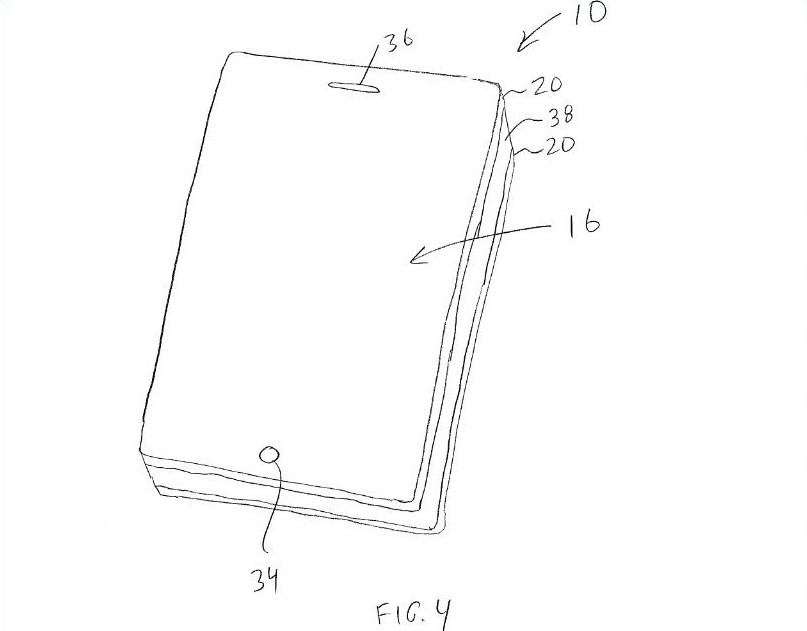
    Now here’s an impressive update for you. Apple has won a patent to make a casing of the Sapphire Glass. This might just be for the next iPhone outing. Unlike the glass design on the iPhone 4S, this one will be an unbreakable version and will prevent your precious iPhone and your emotional stability from shattering. According to the abstract on the patent document, the design might have multiple glass pieces fused together for overall protection of internal components.

    The next Iphone might be entirely  made of Sapphire glass casing.
    The next Iphone might be entirely made of Sapphire glass casing.

    In comparison, HTC’s Aluminum casing is one of its most appreciated features. Apple will own the flagship casing fight if they integrate Sapphire Glass casing, but that will raise the price of the device significantly.

    HTC has also evolved their dual speaker Boomsound feature quite efficiently on the HTC One M8. Also special mention should go the Dot Cover as its visually appealing.

    Camera:

    With its dual camera feature, HTC has pioneered selective focus ability in the smartphone space. The phone also gives a brilliant software support to its camera system. Though some of the features are a bit gimmicky, but the average user will be able to add some incredible effects on their photos.

    With the iOS 8 update the iPhone will get new composition tools, easy adjustment features, new filters and editing tools, and the best of all is a Time-lapse feature. After the slow-motion update in the previous generation, time lapse seems like the next logical step for the iPhone to take.

    Software:

    Inter connectivity with OSX is the cornerstone of iOS 8
    Inter connectivity with OSX is the cornerstone of iOS 8

    HTC has announced that the HTC One M8 will be one of the first devices, along with some more from the HTC family, to get the Android L update. The L comes with significant visual overhaul along with many functional changes making the system a lot more user friendly.

    Apple, on the other hand, has packed the iOS 8 with some visionary features. The revamped notification center would make your life easier as you can access to all your important updates at one place. The interconnectivity features between the iOS and OSX devices are pioneering, and we saw Google showcasing something similar between the Android phones and Chromebooks.

    Battery:

    HTC One M8 Launch 1

    As the HTC One M8 will be one of the first devices don the Android L apparel, it will be the beneficiary of project Volta. With this new feature developers will be able to extend the life of the battery considerably. The 2600 mAh battery on the One M8, gives a day’s worth of charge but the web browsing coupled with the giant screen drains out the battery real fast.

    iPhones batteries have always faced criticism for their dispiriting performance. Recently Samsung took a shot at iPhone users and called them “wall huggers.” Apple conceded and agreed that some of its phones faced reduced battery life. Now it’s to see if Apple makes the correction in the latest version, or the wall huggers will again be on their quest to find the charging sockets.

    Conclusion:

    Overall, with increased screen size and hopefully better battery backup, the iPhone 6 will be capable of taking on the HTC One M8. HTC might hit back with a better user interface using the new Android L. On the software front though both OS are competitive with Apple getting the advantage for its better interconnectivity feature with the OSX. Even if you don’t have a Mac OSX device, the iOS would be suitable as a standalone device too. HTC should definitely gear up for the upcoming war.

  • Top 5 Gadgets Every Tech Geek Should Have

    Top 5 Gadgets Every Tech Geek Should Have

    A man’s greatness can be measured by the number of cool gadgets in his home, or at least, the number of cool gadgets he’d like to have at home. We’re talking about the kind that are so cool that you’ve just gotta own them. So in the spirit of all things awesome, we bring you this list of gadgets every tech geek should have, or at the very least, want to have.

    1. Star Trek Style Glasses

    Geordi-La-Forge-Gets-Downgraded-to-Google-Glass

    If you don’t mind looking like Star Trek’s Geordi La Forge, this pair of virtual television glasses are for you. With these glasses, you can watch movies and even play console games. There are several manufacturers including China-based Teleplus Electronics with an offer price of around $120. It also offers an 80-inch screen model which will set you back an additional $100. Brookstone’s iDesign Digital Video Glasses serve up a 50-inch screen for use with the iPhone or iPod and will cost you back about $150.

    2. Print Your Toaster

    printing-your-toast-2-500x430

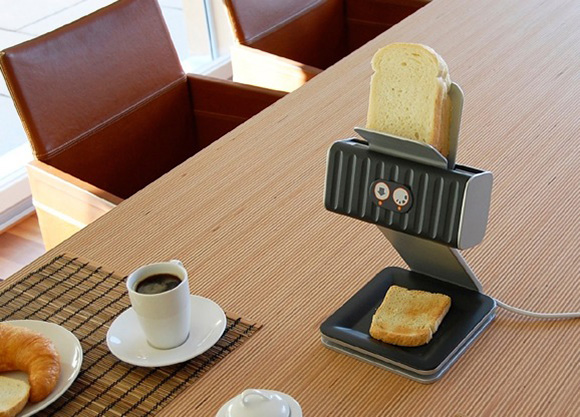
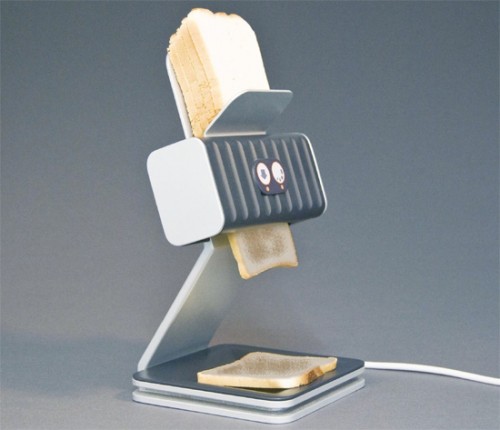
    Designed by Othmar Muehlebach, this toaster thinks that it’s a printer. The idea is to lay a stack of bread on the top and it runs through the toaster, and each slice comes out with a print. It could be modified to burn any kind of graphics on the bread and run ussing USB. While it’s still just a concept product, the big question is — would you like to spend all morning wrangling with jammed pieces of toast?

    3. Roomba

    roomba1

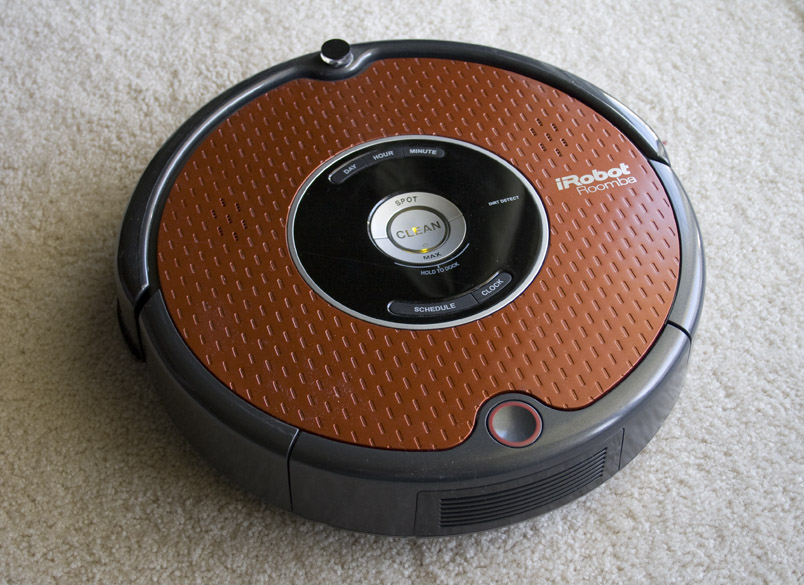
    Roomba is a series of autonomous robotic vacuum cleaners sold by iRobot. Roomba can change direction on encountering obstacles, auto-detect dirty spots on the floor and detect steep drops to keep it from falling down stairs. It is the perfect solution for Post-Star Wars Marathon cleaning.

    4. Nvidia Shield

    nvidia-shield-root

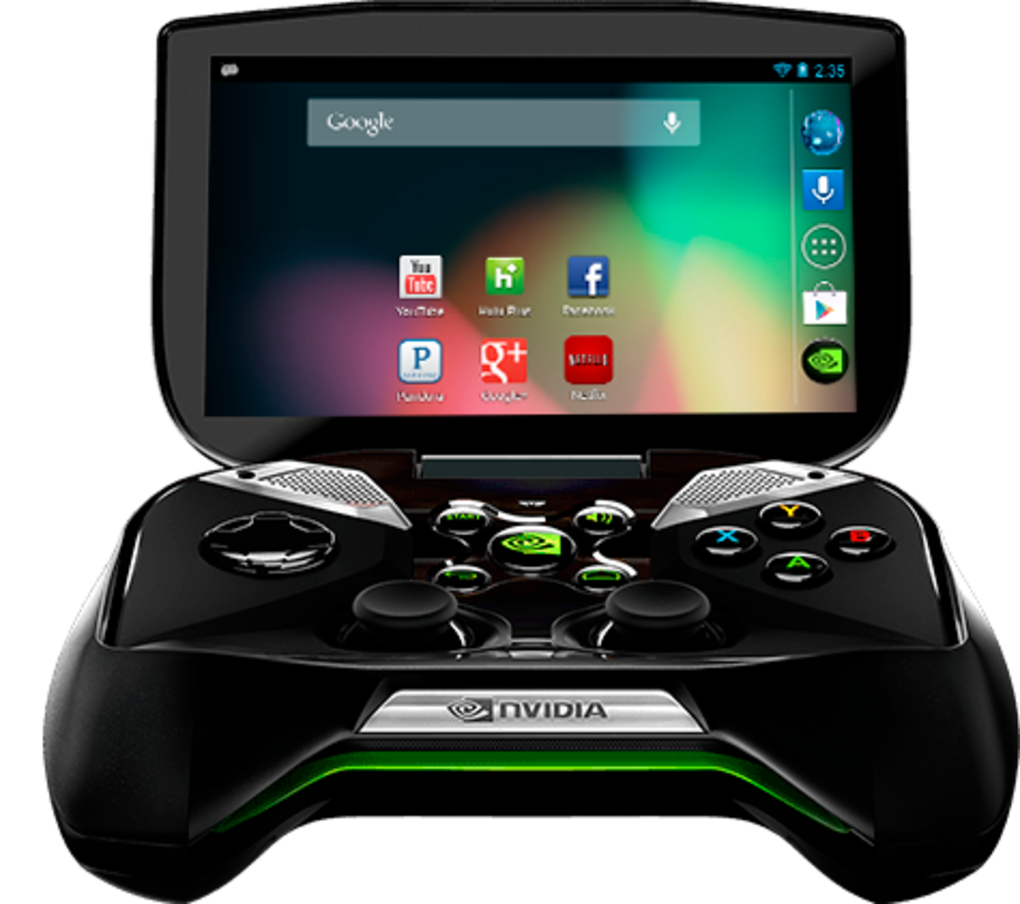
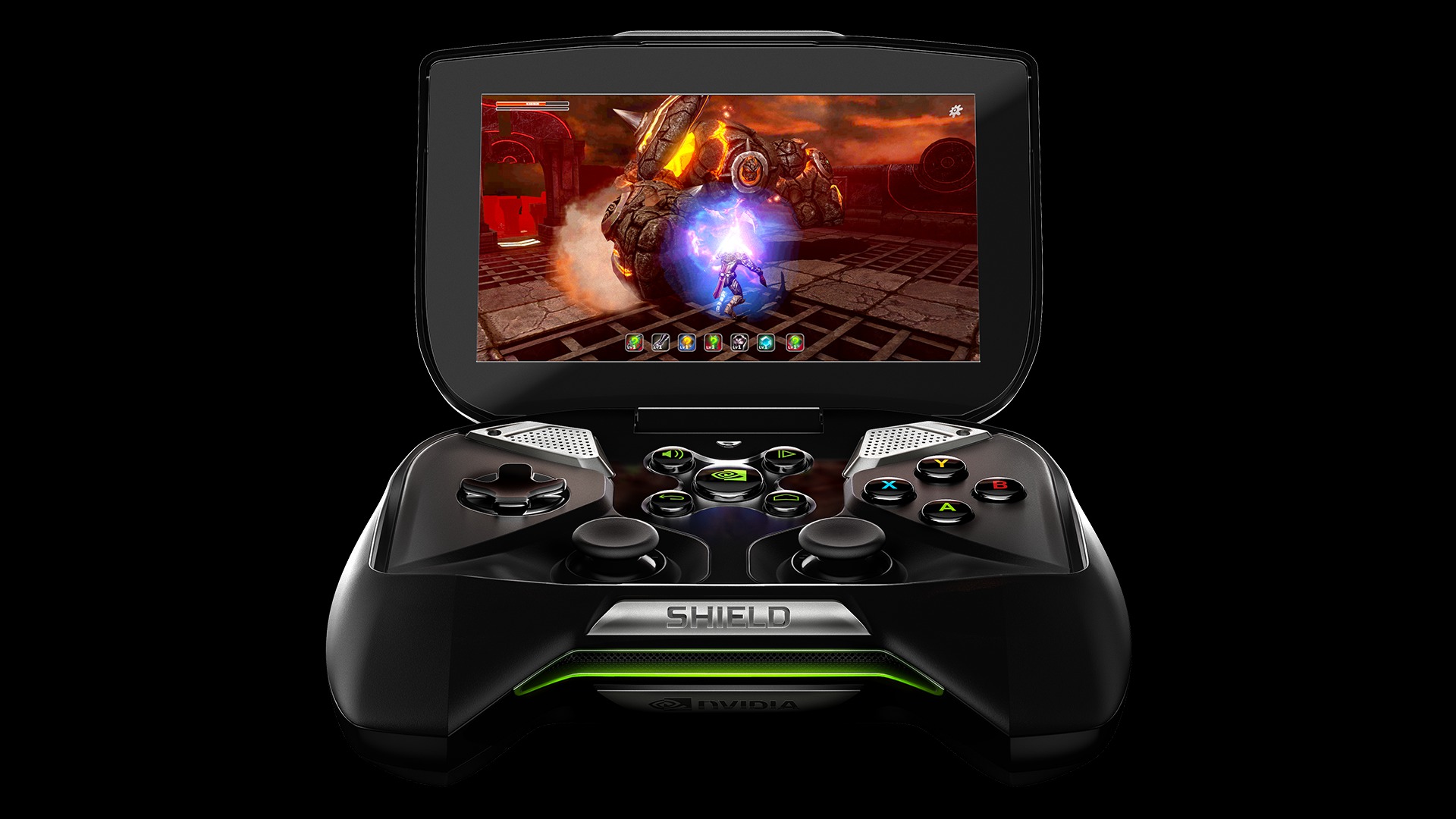
    This Android Console is portable enough to play on a bus. As well as having access to hundereds of games via Google Play, the shield can stream full PC titles from your PC. Pretty damn cool.

    5. Trikke Tribred Pon-E

    trikke_lean_med

    Possibly the most exciting three-wheeler we have ever seen, this electric scooter runs for a good 40 KM on a single charge and hits a top speed of 25 kmph. To top it all, you don’t even need a license to ride one of these on the road.

  • Samsung Launches The Galaxy Core 2

    Samsung Launches The Galaxy Core 2

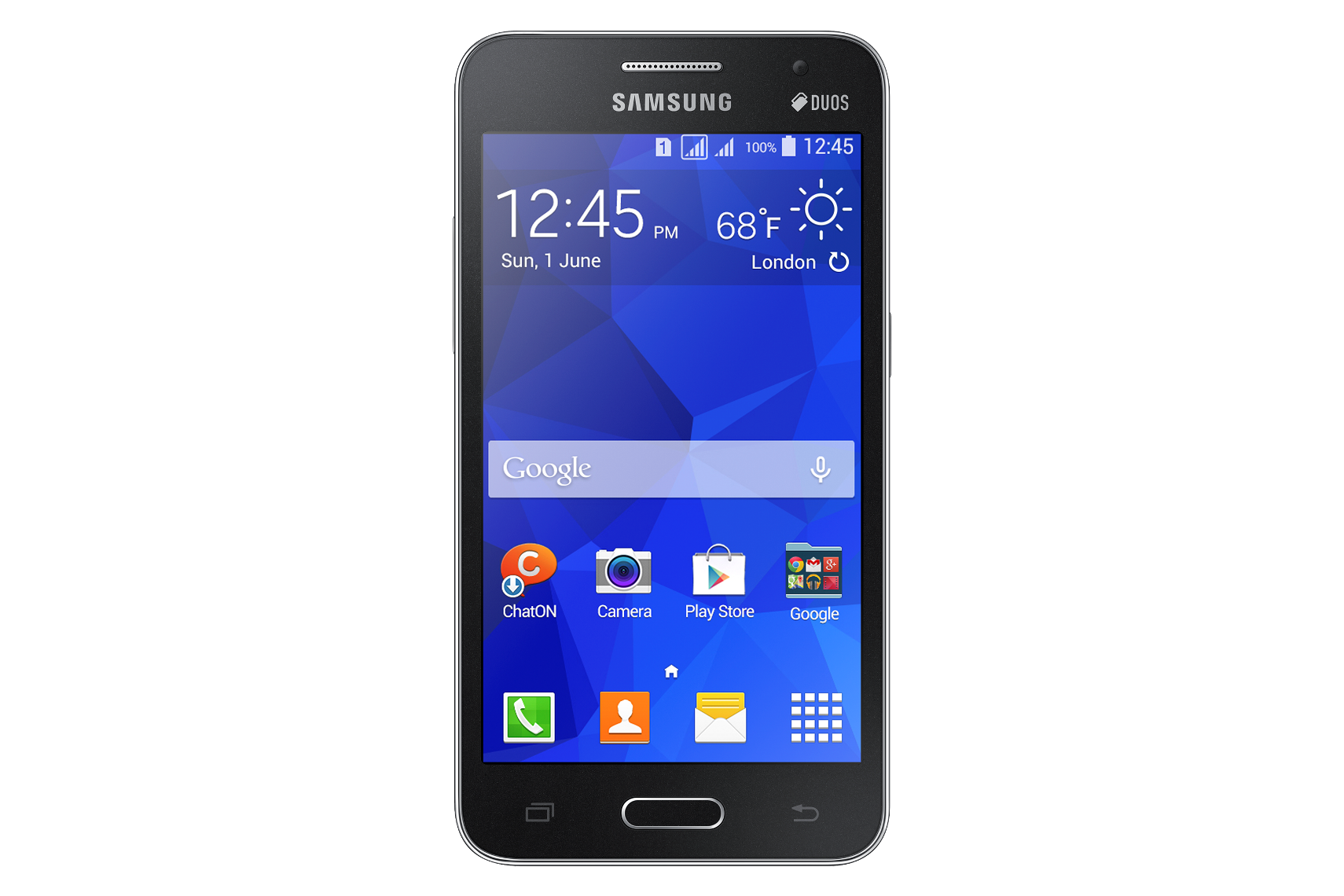
    Samsung has launched the Galaxy Core 2 device in India today. The phone is a successor of the Galaxy Core and will compete in the mid segment market.

    The phone is powered by a 1.2 GHz quad core processor with a 768 MB RAM. The Core 2 has a 4.5 inch WVGA display. There are 4 GB’s for internal storage and runs Android KitKat with Samsung’s Touchwiz UI. The cameras on the device are a 5 Megapixel shooter with auto focus and an LED flash on the back and a 0.3 megapixel VGA cam in the front.

    The Dual SIM Galaxy Core 2 is powered by 2000 mAh battery that Samsung claims gives 30 days of stand by power on 2G networks and half of that on 3G networks.

    On the look front, the phones minimal curves make it visually appealing. The Core has a Galaxy Note 3 like leather-ish back cover. This surely makes the device look classy. The device comes in Black and White color options.

    It is priced at Rs. 11,900, which is quite hefty when compared to the competition. With competitors like Xiaomi and Asus bringing phones in the same price points, Samsung needs to up its game, if it wants to maintain its brand standing and prevent its graph from tumbling.

  • Microsoft Is Pulling Up Its Sleeves To Tackle The Chromebook Frenzy

    Microsoft Is Pulling Up Its Sleeves To Tackle The Chromebook Frenzy

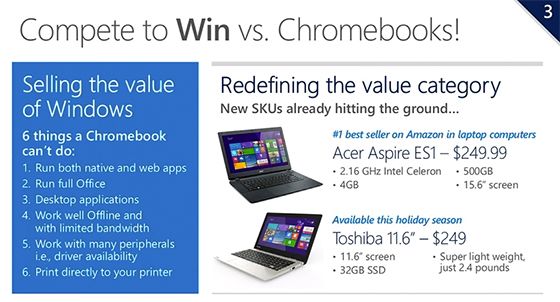
    Yesterday, at WPC 2014, Microsoft’s COO Kevin Turner revealed company’s plan to take over Google Chromebook. Turner said that HP is planning to release a $199 laptop running Windows this holiday season. He didn’t provide any specs for HP’s “Stream” device, but he did show detailed $249 laptop options from Acer and Toshiba.

    Acer’s low-cost laptop will ship with a 15.6-inch screen and a 2.16GHz Intel Celeron processor, and Toshiba’s includes a 11.6-inch display. It appears that Intel’s Celeron chips will help Microsoft’s PC partners push out cheaper devices in the race to the bottom.

    windows-v-chrome
    Microsoft explains why Windows is better!

    It is also revealed that HP will release its 7- and 8-inch versions of new “Stream” PCs for $99 along with the main variant, and both running versions of Windows. Microsoft has been gradually cutting Windows license costs to help PC makers to reduce their device prices, and it’s clear the company is taking the Chromebook threat seriously now that its popularity is rising day by day.

    As Microsoft points out, there are some things you can do on a Windows machine that you cannot on a Chromebook. You can run the full version of Microsoft Office, be sure that most printers and other peripherals will support your device, and run native Windows apps. You can also install the Chrome web browser and do nearly anything you would be able to do on a Chromebook.

    Chromebook-Pixel-logo-600x337
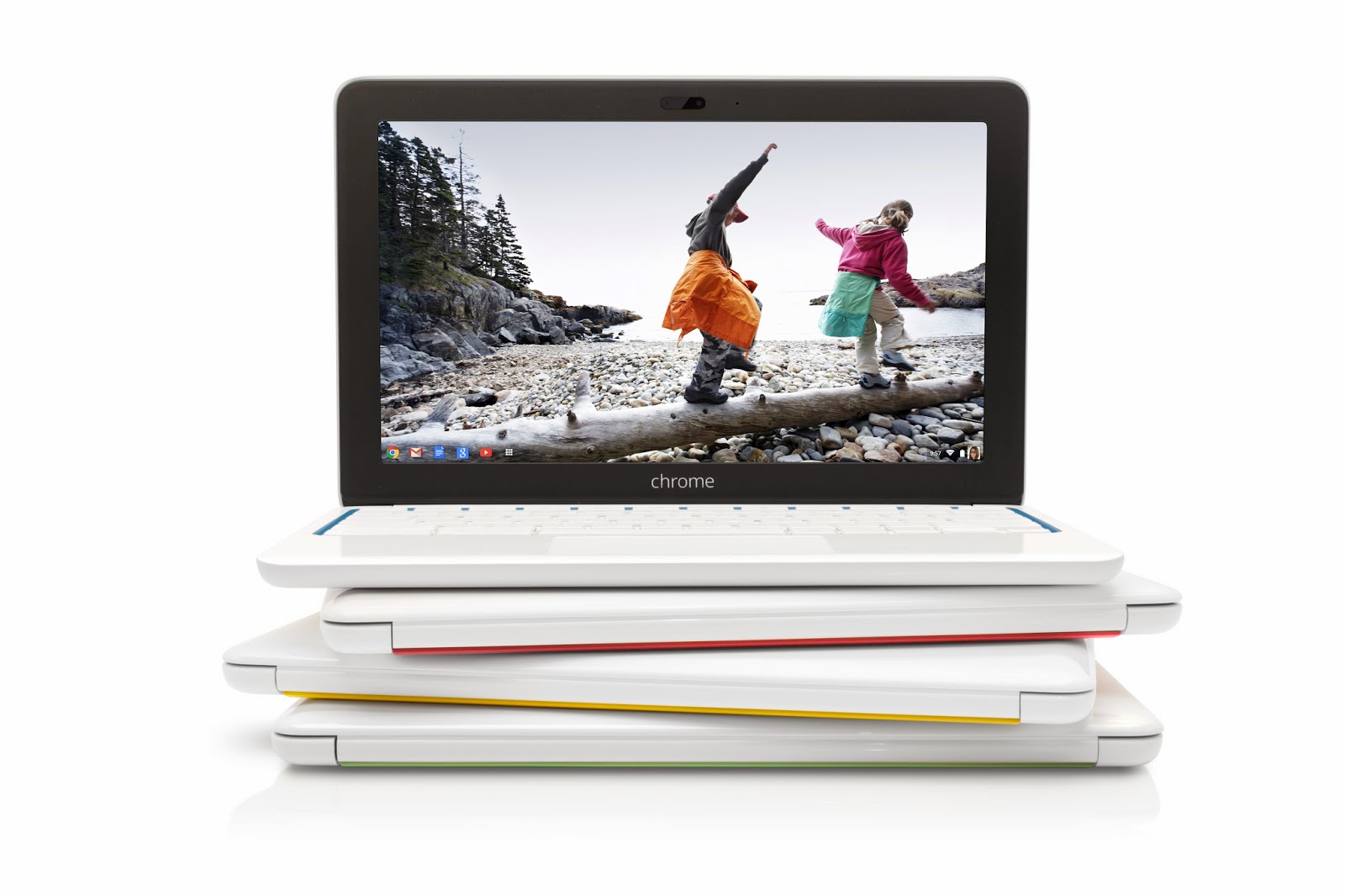
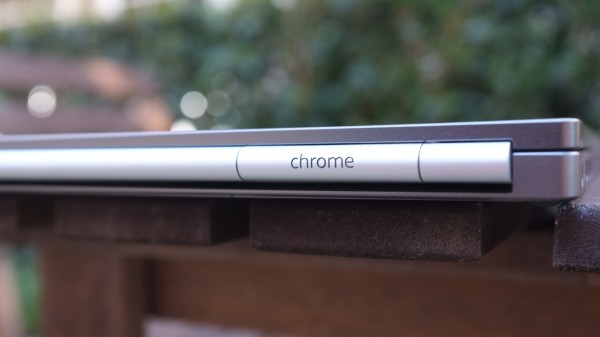
    Google sold 2.1 million Chromebooks in 2013

    But some of Microsoft’s allegation on Chromebook are not entirely true. You can use some Chrome web apps even without an internet connection, use Google Cloud Print to send print jobs to supported devices, Google Drive (or Microsoft Office Web Apps) for some document editing, or even load Ubuntu, Debian, or another Linux distribution if you want desktop apps.

    Furthermore, Chromebooks boot quickly, offer a secure platform since apps run in a sandboxed security mechanism, and the ease that comes with knowing that almost all of your data is backed up in the cloud so you can pick up where you left off just by logging into any other machine connected to internet.

    Google has been praised for how clean and user-friendly its Chrome OS has been, while Microsoft’s Windows 8 has struggled to catch on since it launched in 2012. Google sold 2.1 million Chromebooks in 2013. Meanwhile, the ultraportable Windows 8 laptop-tablet hybrids declined by 7.4% last year. While Microsoft is now competing on price, only time will tell if the underpowered devices can match the smooth performance of a Chromebook.

  • Xiaomi Mi3 Launched in India for Rs 13,999

    Xiaomi Mi3 Launched in India for Rs 13,999

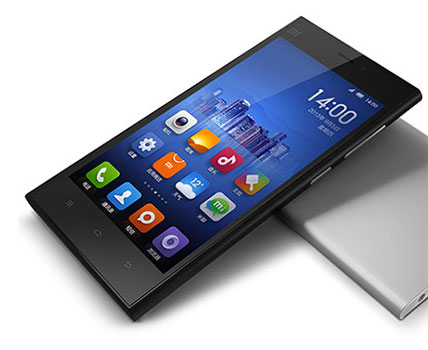
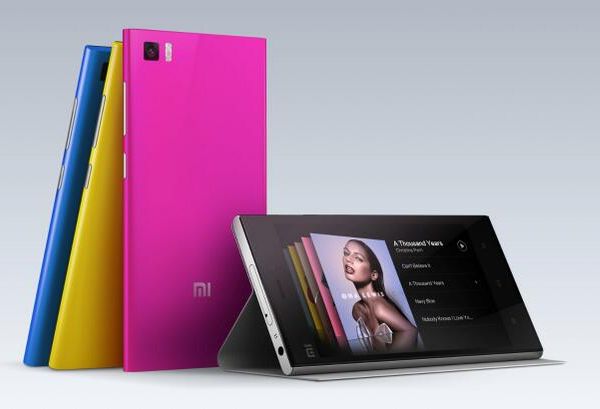
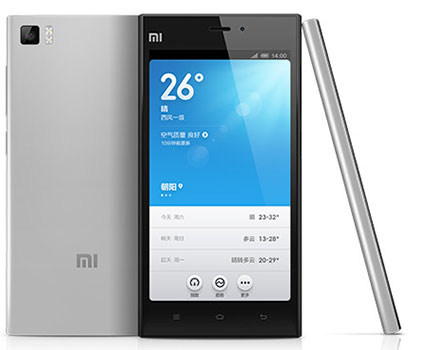
    As a pleasant surprise, Xiaomi announced the Mi3 in India at a price tag of Rs. 13,999, which is less than the initial price revealed by the company earlier this month. Along with Mi 3, Redmi 1S and Redmi Note have also been launched at the price of Rs 6,999 and Rs 9,999, respectively. The Xiaomi Mi3 is up for pre-registration today and will be available via FlipKart on July 22.

    At the offered price and with its set of features, the Mi 3 is here to trouble other Indian smartphone makers. It will compete with the Nexus 5 and the HTC One M7 with it’s mighty Qualcomm’s Snapdragon 800 SoC. Moreover, Xiaomi has also put in some thought when it comes to the pressure sensitivity of the display.

    20140712-161621-banner-6-1

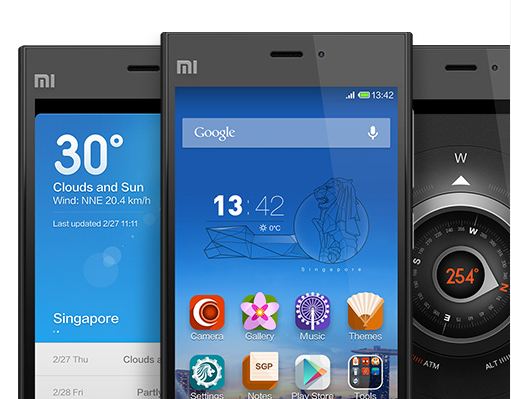
    The touch feature on the Mi3 allows users to operate the phone even with wet and gloved hands. In addition to launching the phones, the company has released a new India theme in the MiUI themes store. It features refreshed iconography and UI elements, with a very India design aesthetic that features henna patterns, elephants and a wallpaper that shows the Taj Mahal.

    As per the recent phablet trend, the Mi 3 comes with a large 5-inch display featuring a 1920 x 1080p resolution. The full HD display ensures that the pixel density goes all the way up to 441ppi. The company says that ‘Mi 3’s backlit display is fused directly to the touch screen’, ensuring deeper colors which pop up for a great visual experience.

    20140712-161621-banner-7-1

    The RedMi 1S is Xiaomi’s budget smartphone. It has a 4.7-inch 720p IPS display, a quad-core Qualcomm Snapdragon 400 processor clocked at 1.5GHz with 1GB of RAM and 16GB of internal memory. The phone comes with a microSD card slot and a 2,000mAh battery. It also has an 8-megapixel rear camera and a 1.6-megapixel rear camera. It runs on Android 4.3 Jelly Bean underneath the MiUI user interface.

    20140714-164709-promo-banner-second

    Xiaomi Redmi Note phablet sports a 5.5-inch 720p IPS display. It is powered by a 1.7GHz MediaTek MT6592 octa-core processor and 1.7GB RAM. It holds 8GB of internal storage and is expandable to 32GB through the microSD. The phone has a 3100mAh battery and runs Android 4.3 Jelly Bean with Xiaomi’s MiUi layer on top. It sports a 13MP rear camera and a 5MP front facing camera.

    20140712-161621-banner-5-2

    For those who were skeptical about the customer service, Xiaomi has also set up a network of service centers in 20 big cites in India. There will be 2 exclusive Mi centers in New Delhi and Mumbai, which will have two hour turn around times. Additionally there will be 34 partner operated service centers that will have one day turn around times.

    During its launch in Singapore, 5,000 units of Redmi Note, priced at S$199 (Rs 9,600 approximately), were sold out in just 42 seconds. Judging by the pricing of Mi 3 in India, we expect the company to unveil the other phones at an equally competitive prices.

  • 5 Things You Should But Don’t Know About Xiaomi Smartphones

    5 Things You Should But Don’t Know About Xiaomi Smartphones

    The entry of Xiaomi in the Indian market has already created a stir amongst the domestic smartphone players. It may be difficult to imagine that any smartphone firm other than Apple and Samsung can cause such a commotion, let alone a Chinese one. But what is Xiaomi? At first, we couldn’t even pronounce its name properly (it’s Shiao-Me). Well tell you what, we give you 5 reasons to consider Xiaomi as a  strong contender in Smartphone market.

    1. Lockscreen

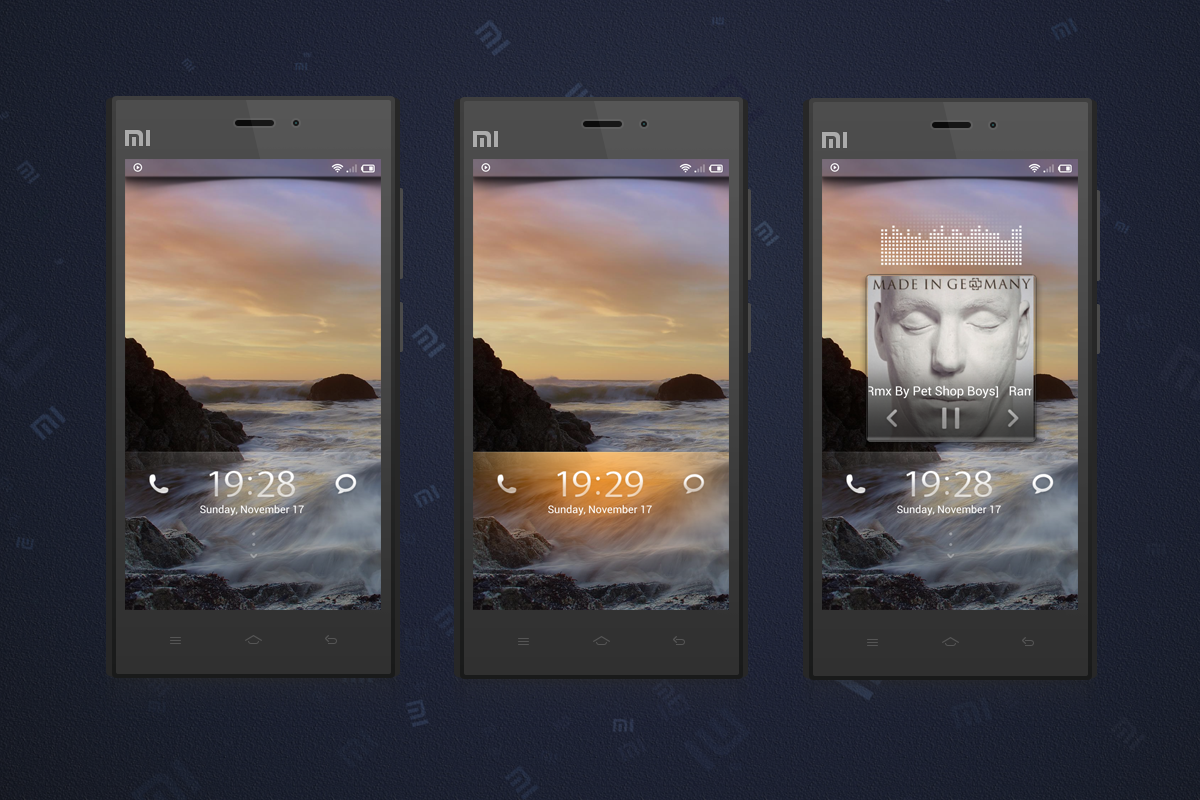
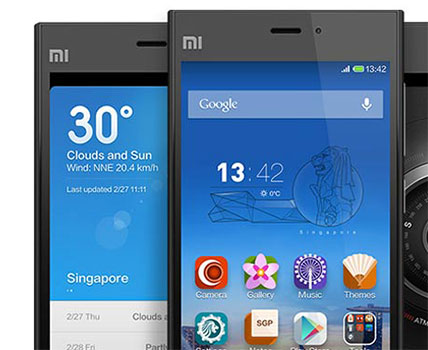
    The MiUi (Xiaomi operating system) lockscreen has multiple functions. To lock the screen, press the home button till you see a LED light being activated. Double tap the lock screen to control the music menu. Got an unread SMS? Just tap the center of the screen to directly answer the text.

    v6_lockscreen_for_miui_v5_by_xiaomi_miui-d6ulrra

    2. Interface

    All apps in MiUi are gathered at the main interface along with the widgets as MiUi does not have an app drawer. While Android can quit all applications that run in the background with a long press on the menu button, MiUi users can choose the applications they want in the background, while exiting the rest of them. Also, MiUi’s call interface looks similar to that of Android but it offers additional functions. When making a call, users can opt to write a note and record the conversation in an MP3 format.

    Capture

    3. Messaging

    MiUi’s messaging application seems normal but it has an ability to ensure important messages are always on the top by using the pin. Most importantly, MiUi has a Private Messaging function, which allows users to hide sensitive messages with the use of password. You can even select your private messaging contacts and save them in a password protected format. The function can be accessed by dragging down the Messaging interface several times.

    4. Intelligent Front Camera

    The front camera of Mi 3 has special functions. It comes with an ability to detect gender and age, and subsequently chooses the right filter to enhance pictures. Good news for selfie lovers as no editing is needed before posting pictures in social network. The Mi3 which is going to enter Indian market soon, flaunts a 13 MP  rear and 2 MP front camera.

    xia

    5. Backup

    MiUi has its own Backup application. Users can create a backup and save it somewhere else, such as a laptop. This backup can be used if the gadget faces problems in the future. Each function can be reinstalled with Backup. It comes with it’s own local backup system, inclusive of 3rd party applications and data. You can also activate automatic backup timing, which will execute data backup at your specific intervals.

    [poll id=”14″]

  • Nvidia to Bring a New Hybrid Gaming Device for Android and PC

    Nvidia to Bring a New Hybrid Gaming Device for Android and PC

    After bringing in the Nvidia Shield, a macho looking portable gaming device last year, Nvidia is now planning to bring the next version of the device. The processing giants makes some of the most sought after products for gaming enthusiasts. This year at CES Nvidia spellbound everyone by introducing the 192 core Tegra K1 processor.

    Now they are going to bring the Tegra K1 chip into its next gaming device offering. Nvidia’s first attempt at a gaming device, the Nvidia Shield was well appreciated for its fantastic specs and ability to play all Android and PC games. The new device will take things forward.
    The new offering is stated to be a budget-priced standalone controller. Some speculations in the market are about a Shield Tablet. Nvidia told BBC that they would be coming out with an awesome gaming device soon.

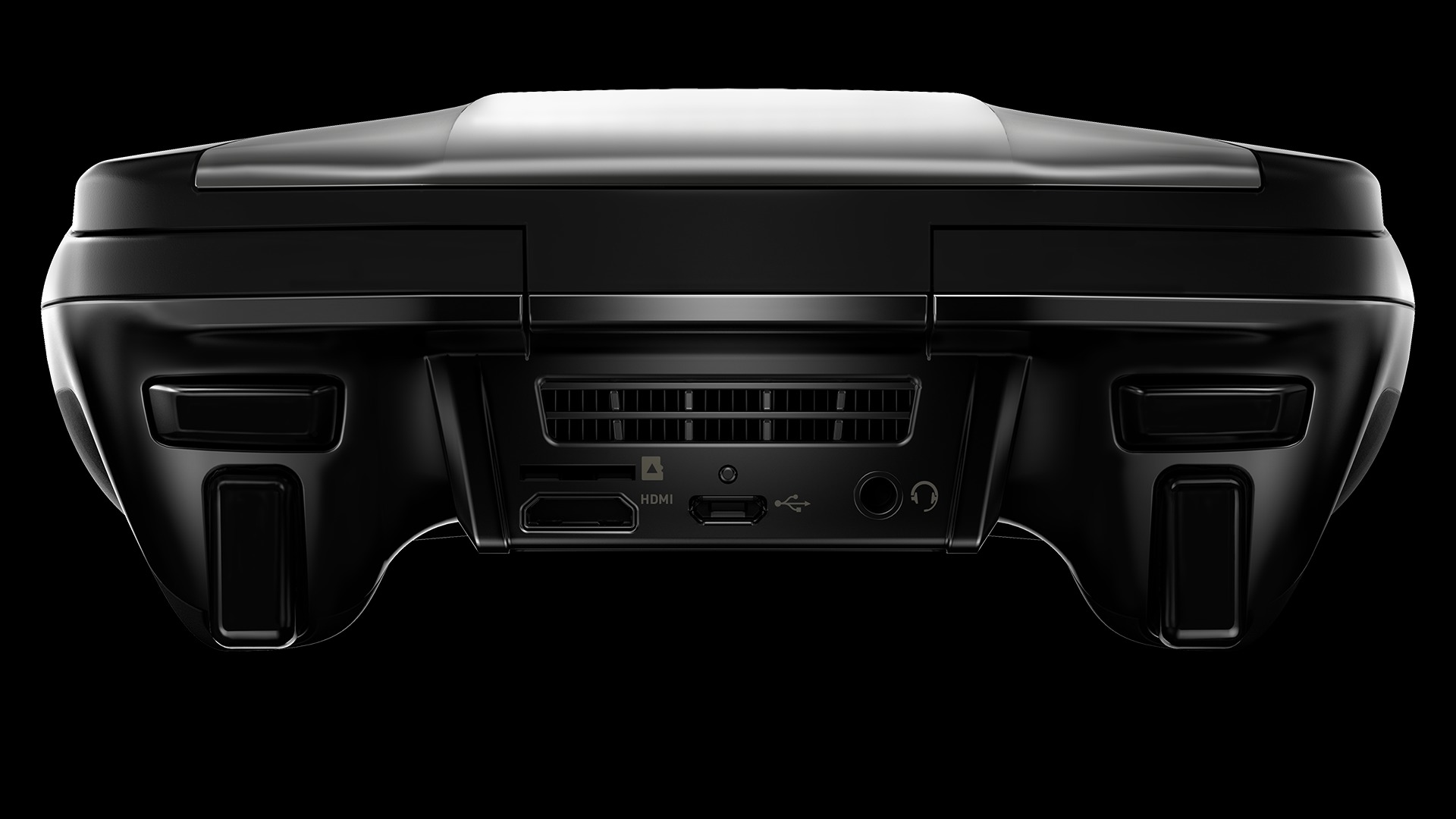
    The Nvidia Sheild had some great connectivity features
    The Nvidia Sheild had some great connectivity features

    The Nvidia Shield ran on an Android 4.2 OS and was well equipped to play all high end mobile games. Some folks were disappointed that the system has tremendous potential, and there are not many games that pose a challenge for the device.

    One of the best features of the Sheild was the Gamestream. This feature allowed you to live stream your PC games directly on the stream and play them using the Shield’s impressive controls. The only hitch was that the PC should be running a compatible Nvidia graphics card. But if Nvidia comes with a tablet, it will lose the appeal of the physical controller that Shield brought.

    Considering the impressive battery found on the Sheild we can expect nothing less from Nvidia’s next offering. In a recent study it was found that even though sales of gaming consoles has dipped, the component producers are doing all right. So we might see Nvidia coming out with more devices in the coming future.

iGyaan Network
Privacy Overview

This website uses cookies so that we can provide you with the best user experience possible. Cookie information is stored in your browser and performs functions such as recognising you when you return to our website and helping our team to understand which sections of the website you find most interesting and useful.