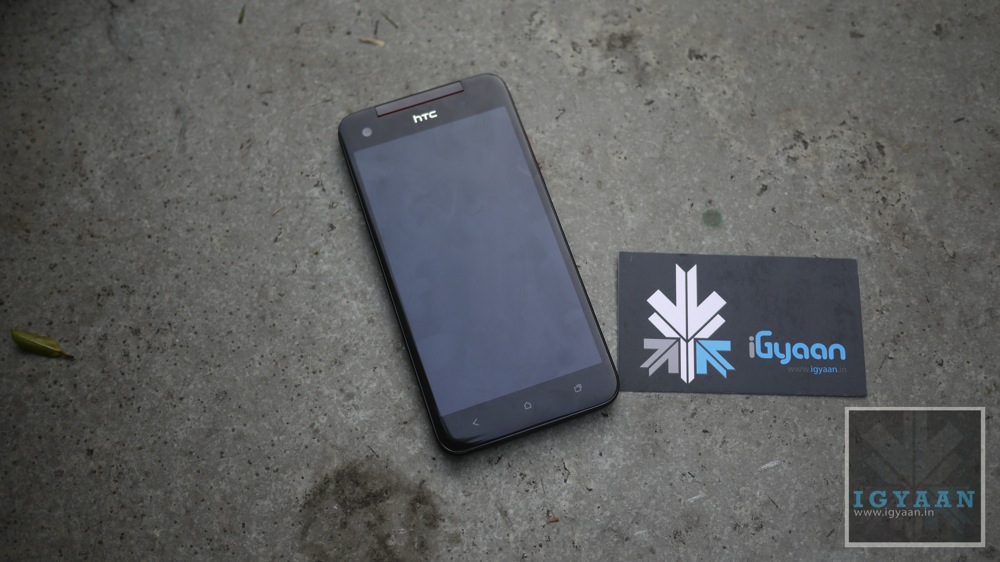
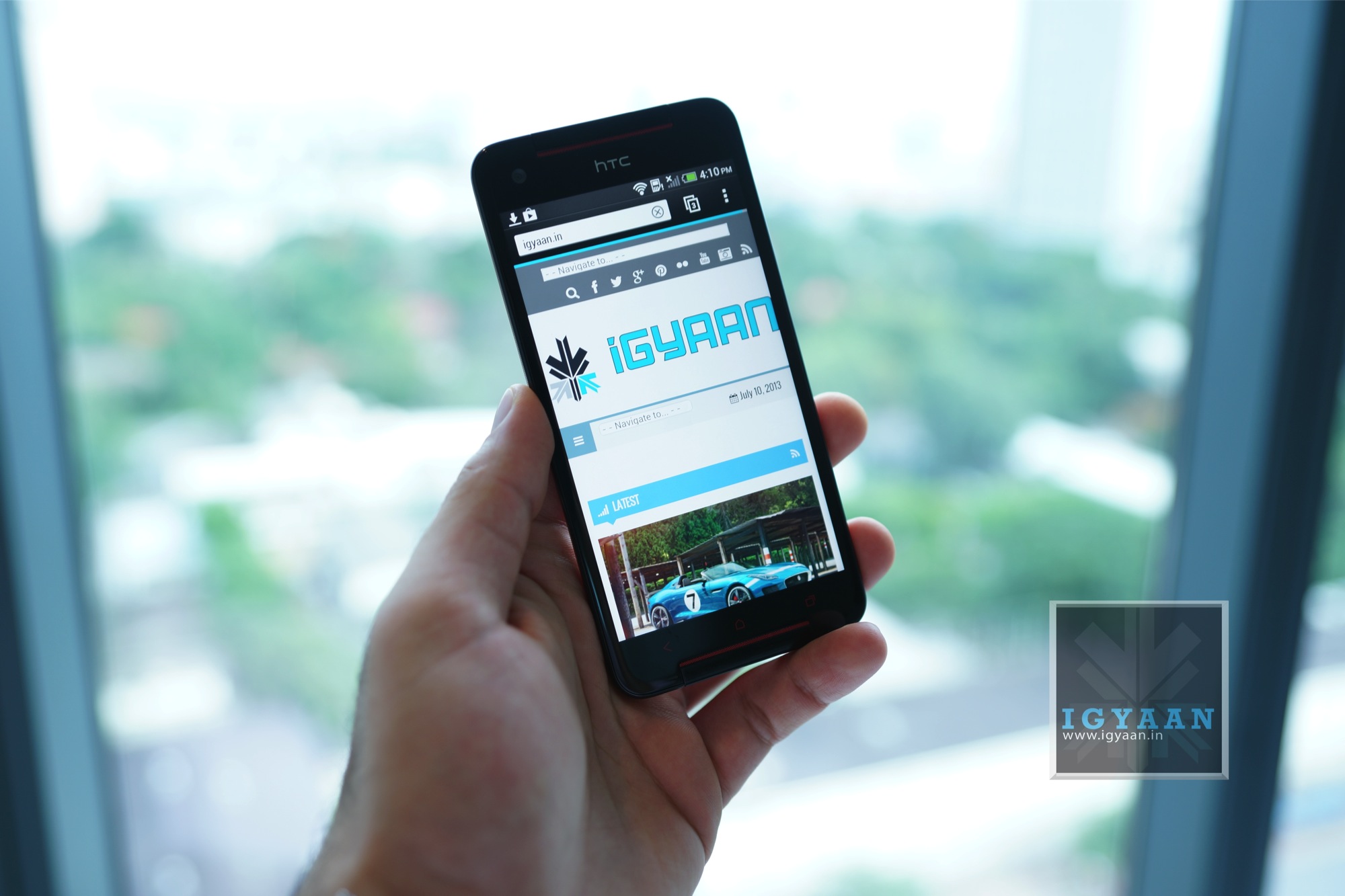
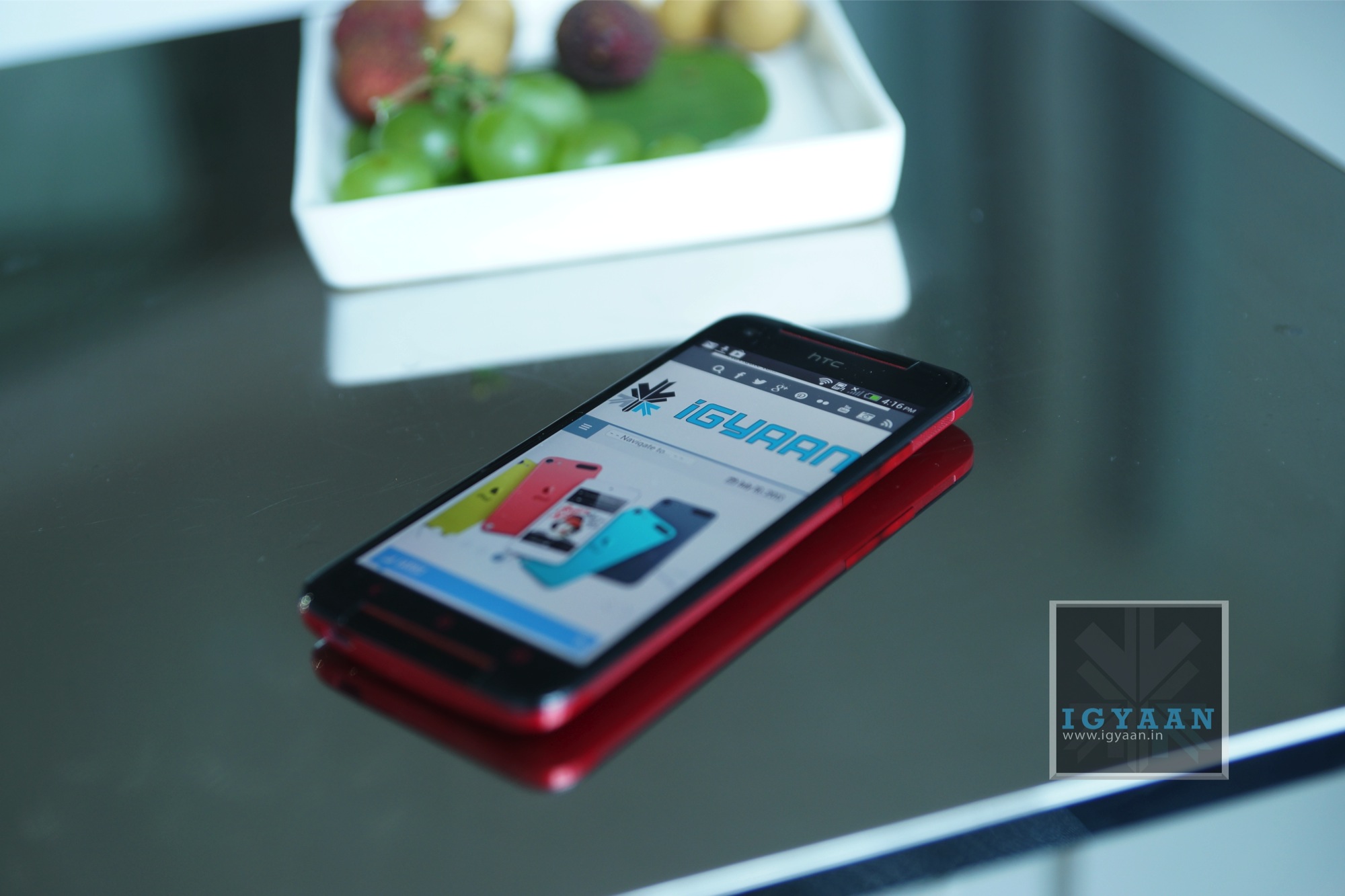
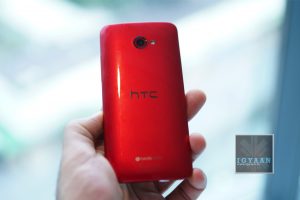
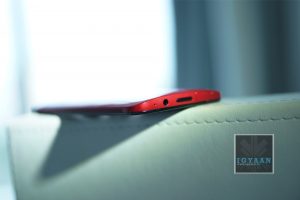
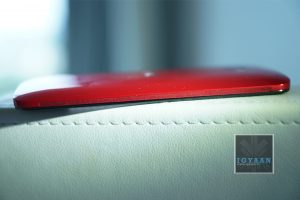
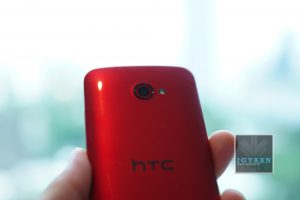
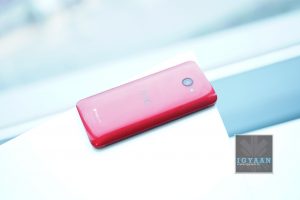
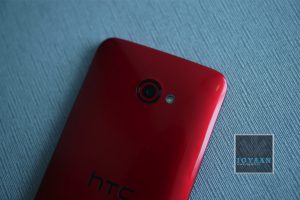
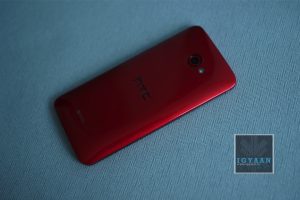
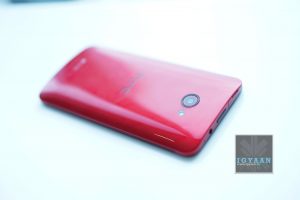
HTC yesterday at a showcase event held in Thailand showed off the new HTC Butterfly S. A revamp of the HTC Butterfly, the new Butterfly S builds along the same design strategy but adding features from HTC’s popular HTC ONE.
Curved to fit in the hand the new Butterfly S has been splashed with a metallic finish making it resemble a “car paint job”. The color options for the handset are also not limited to two like last year, this year they include a white, a metal grey and a glossy red.
The HTC Butterfly S is packed with a lot of exciting elements including a 3200 mAh battery, a Qualcomm APQ8064T Snapdragon 600 chipset with a Quad-core 1.9 GHz Krait 300 CPU and the Adreno 320 GPU. The front has a beautiful IPS LCD 3 display of a 5 inch size and a full HD 1920 x1080p resolution and a layer of Gorilla Glass 3. The design and the materials used in the construction of the HTC Butterfly S show to a great extent what the thought process of the company is when they are building a handset. The HTC Butterfly S is not only functional but looks really good.
The new HTC Sense 5.0 on top of Android 4.2.2 improves on the Blinkfeed experience as well as the Camera features, including enhanced ZOE file management amang many other improvements.
The HTC Butterfly S caters to a niche, an audience which liked the original Butterfly but wants more. Hopefully it reaches India in all three colors with a price tag in the OH-So-Affordable under 40k price bracket, here is hoping anyway! Check out the images below and stay tuned for Video.
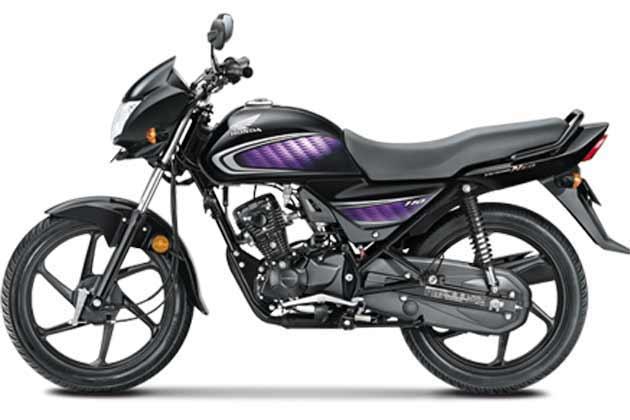
Honda Motorcycle and Scooter India has launched the Dream Neo commuter motorcycle. The Dream Neo is the manufacturer’s first motorcycle to come equipped with Honda Eco Technology (HET).
The four-stroke, air-cooled and single-cylinder 110cc engine comes mated to a four-speed gearbox, which is operated via a heel-and-toe shifter in an all-up pattern. The carbureted motorcycle is good for 8.25 bhp of maximum power at 7500rpm.
The motorcycle features an analogue speedometer and fuel gauge, a pass-light flasher, an 8-litre fuel tank, and a hinge-less fuel filler cap. The base model comes with 18-inch wire-spoke wheels while higher variants are available with six-spoke black alloy wheels.
Coming to the suspension system, the Dream Neo uses telescopic front forks and a set of hydraulic rear shock absorbers, coupled with a rectangular section swingarm. Save for the base model, the bike rides on tubeless tyres.
Honda Dream Neo Prices (All ex-showroom Mumbai):
Base model (drum brakes/ spoke wheels/ kick start): Rs 46,140
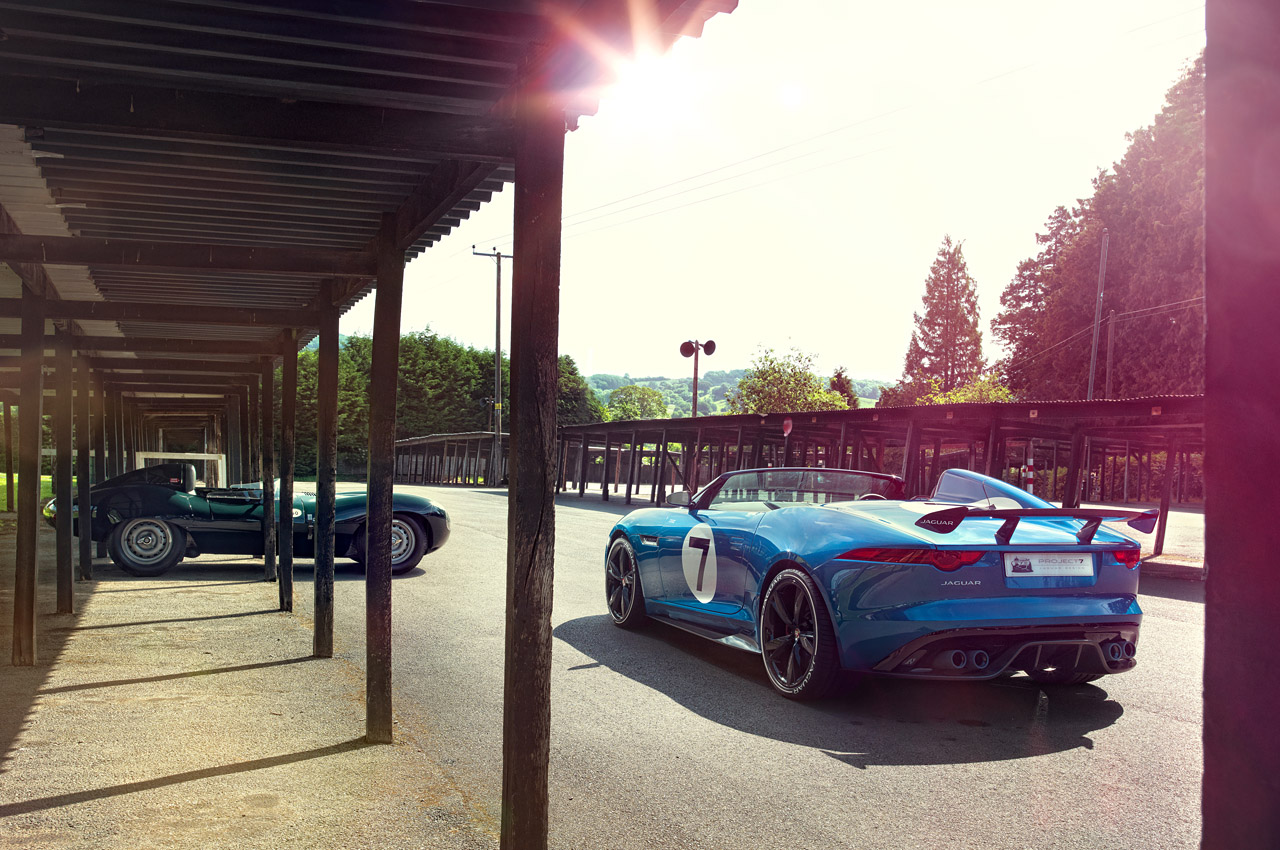
This is the Jaguar Project 7 concept. It’s a one-off car based on the new F-Type convertible, and will debut at this weekend’s Goodwood Festival of Speed. It’s called the Project 7 in homage to Jaguar’s seven victories at Le Mans between 1951 and 1990.
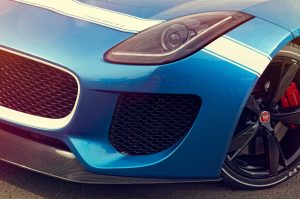
The aluminium bodied roadster was created in just four months, and pays tribute to the Jag D-type with an inspired rear fairing with an integrated rollover hoop. The model has also been equipped with a new front bumper, an enlarged grille and a variety of carbon fiber components not found on the base F-Type. A rear wing, 20-inch wheels and Pirelli P-Zero tyres with a white sidewall make their way on to the road racer as well.
Project 7 has the kind of racing-inspired form that designers dream about. It has one purpose: to be driven fast and enjoyed. Jaguar sports cars are known for exceptional performance and clean design. Project 7 captures that spirit in its purest form.
– Ian Callum, Design Director, Jaguar Project 7
The Project 7 is powered by a supercharged 5.0-liter V8 engine producing 550 HP (405 kW) and 680 Nm (502 lb-ft) of torque. It is connected to an eight-speed Quickshift transmission which enables the car to go from a standstill to 100 kmph in 4.2 seconds and hit an electronically-limited top speed of 300 km/h (186 mph). The Project 7 also has a sports-tuned suspension, an electronic rear differential and a sinister sounding free-flowing exhaust.
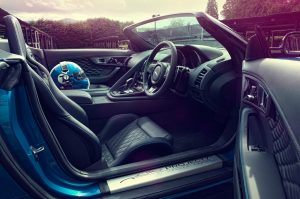
The interiors have been done up as well. Elegant diamond-quilted leather upholstery and carbon fiber trim make the inside of the Project 7 a very nice place to be. Only one composite racing seat with a four-point harness is to be found, with the passenger seat making way for a bespoke helmet holder that secures a matching Project 7 helmet.
Watch the video below to see more of the Jaguar Project 7 Concept:
In the 2004-2007 period, if you would’ve asked any teenage boy/girl about that one phone they wished they had, the answer would’ve been simple – the Motorola MotoRazr.
Right from its sleek, futuristic design to that V3i advertisement where a guy dressed like 007 (but travelling in the “metro”), uses his blade (read : MotoRazr) to cut through a woman’s dress and then fight her when she retaliates, everything about Motorola spelled success.
It was a period where when you looked anywhere, you would see someone on a Motorola RAZR. The company sold over 120 million units of that phone, making it the second most popular phone in 2005 and then along came the iPhone. Motorola who?
Last year, the company shut down operations in India altogether, after being bought by Google. So we ask ourselves, can we see Motorola charming us with its devices once more?
How It All Began
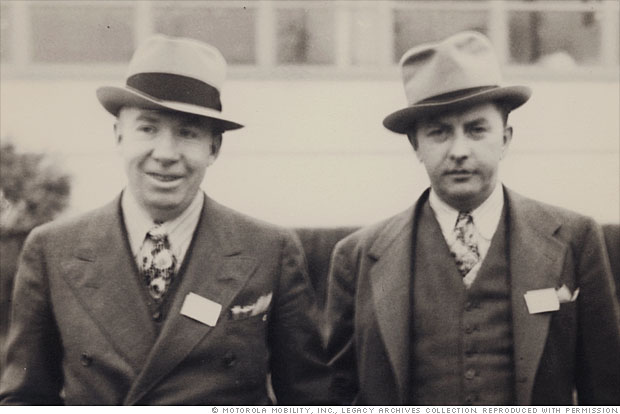
Motorola is an American company with many “firsts” in the field of science and technology. It started in Chicago in 1928. Company founders Paul V. Galvin and Joseph Galvin created the brand name Motorola for the car radio – linking “motor” (for motorcar) with “ola” (which implied sound)
Founders Paul V. Galvin and Joseph Galvin.
The Motorola car radio was released by the Galvin Manufacturing Corporation in 1930, two years after the company’s founding in Chicago, kicking things off with a battery eliminator, aimed at letting battery-powered home radios run off of household electricity. In 1947, the company dropped its name for simply Motorola.
[pullquote_left] Motorola provided the radio technology for APOLLO 11’s moon landing. [/pullquote_left]
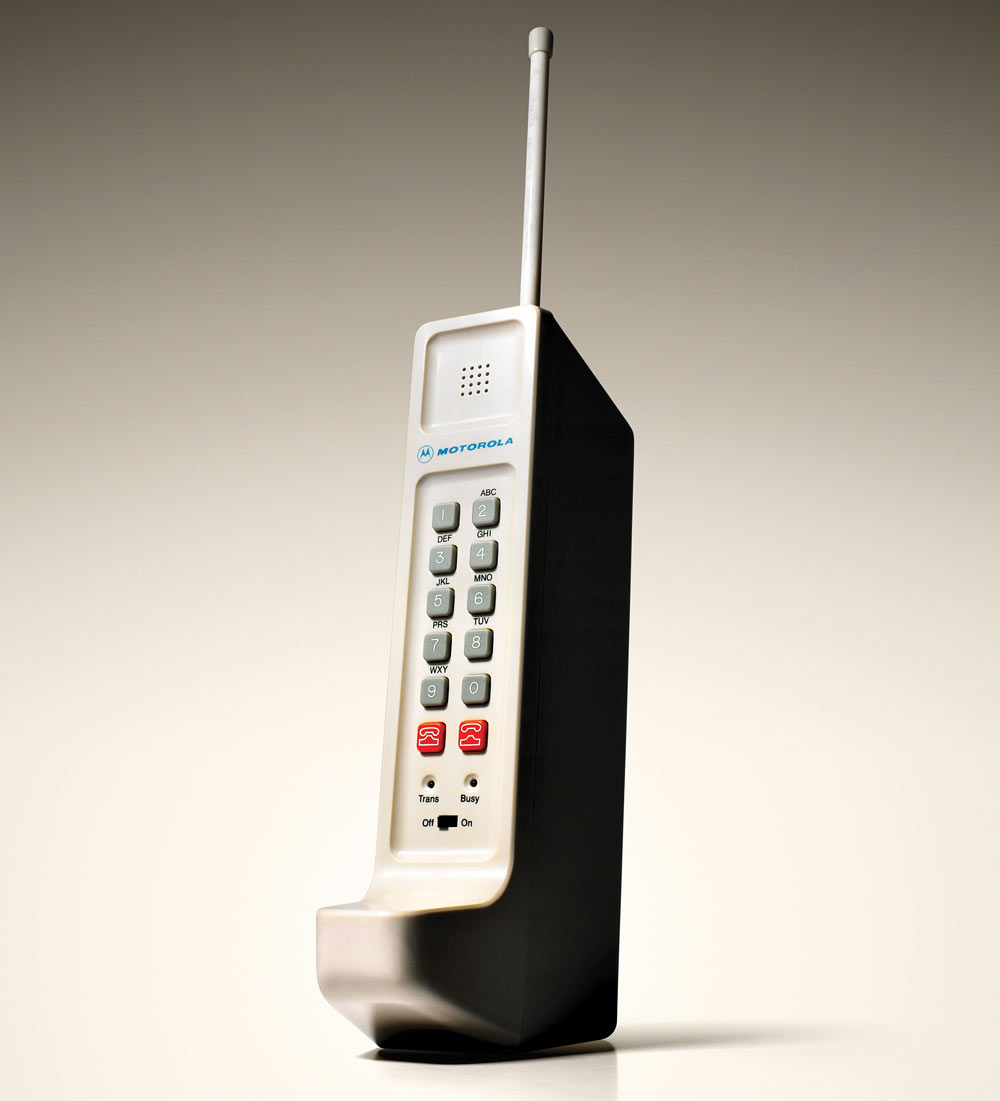
In 1973, Motorola took some major steps toward the technology that would define it in the decades to come, showing off the DynaTAC and demonstrating the phenomenon of cellular telephones to the world. It wasn’t until 1984 that the brick-sized phone would actually start making its way into the hands of consumers.
The Motorola DynaTAC Photo: Dan Forbes
Fast forward to 2004, the MotorRazr became the best selling clamshell ever made.
The Fall
Post 2007, after a certain turtleneck sweater aficionado introduced the iPhone to the world, everyone forgot about their love for Motorola and turned their attention towards Apple.
Steve Jobs unveiling the iPhone in 2007.
And could you blame them?
According to the NPD Group, which released the sales numbers, four of the five best-selling handsets at that time were optimized for messaging and other advanced Internet features. The only one that wasn’t? The Razr.
At the high end of the market, Motorola’s designs didn’t keep up with consumer expectations, and the game-changing iPhone set back the company further. Motorola also got squeezed out by competitors at the lower end, where the cell-phone business had the most potential for growth globally.
Motorola failed to use its huge advantage in the early days of higher end handsets to become one of the leaders in the emerging smartphone business, which is now dominated by Apple and Samsung.
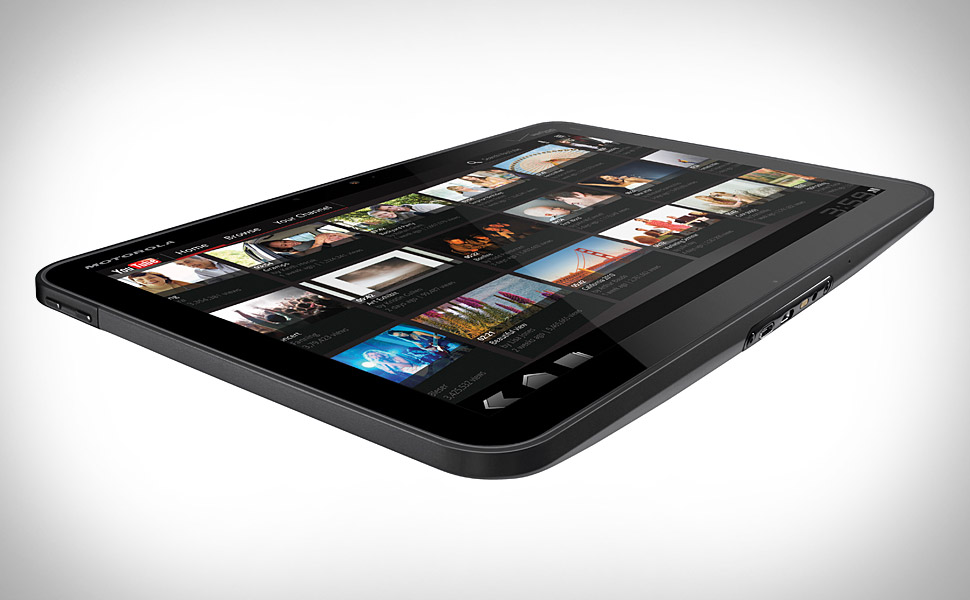
Motorola failed to make an impact in the tablet market with the Motorola XOOM.
After a stint with Android, including it’s XOOM tablet, Motorola gave up altogether and closed down operations in India last year.
The result? In August of last year, Google announced that it would be acquiring Mobility for around $12.5 billion, a deal that would close nearly nine months after it was first made public.
Who’s To Blame?
What Motorola failed to realize was that the cellphone market changed their buying decisions from “hardware”, to a “software decision”. People wanted to run real, native, apps on their phones.
In 2009, Motorola joint-CEO Greg Brown blamed Motorola’s own decisions for the company’s decline. While Brown did make the obligatory hat-tip at the economy – for exacerbating the situation – the executive mainly criticized Motorola’s planning, products and blindness to the changing needs of consumers.
Speaking to the Financial Times, Brown highlighted the absence of a RAZR replacement as a key failure for Motorola. That, together with a misplaced focus on the developing market and over-investment in budget handsets, meant Motorola missed the growing messaging trend.
[pullquote_right] Warren Buffet once said that when a manager with a great turnaround reputation encounters a company with a reputation for dysfunction, it is the company that will keep its reputation. [/pullquote_right]
Warren Buffet once said that when a manager with a great turnaround reputation encounters a company with a reputation for dysfunction, it is the company that will keep its reputation. And that’s how it panned out. Post Geoffrey Frost’s death in November 2005 after putting Motorola on the road to success, Garriques tried to build the next hit with the system.
Then after being unable to conjure up the same magic, Garriques left for Dell and the Motorola machine ran back to the security blanket of processes. Constant “safe pairs of hands” were used to replace him. Casey Keller was brought from Nabisco to do a job and failed too. The succession of replacements for Garriques just made things worse.
What Now?
Everyone loves a good comeback, whether it’s Manchester United stealing a win in the final minute of the Champions Trophy in 1999 or Mickey Rourke snagging an Oscar nomination for The Wrestler.
In Google, Motorola have their own version of Sir Alex Ferguson to take it back to the top.
In Google, Motorola have their own version of Sir Alex Ferguson, the recently-retired Manchester United manager who broke the “Old Firm’s” dominance in Scotland with Aberdeen, and Liverpool’s dominance in England. Google has the expertise and means to take Motorola back to the top.
The rumoured comeback phone, called the Moto X, will be built at a 500,000 square-feet facility in Texas that will employ 2,000 people by August.
Though Motorola boasts of a long, impressive history of mobile innovation, the present CEO, Dennis Woodside, acknowledges how challenging it is for the company to reach the same state of glory it enjoyed some time back. The company aims at hiring a large number of employees to manufacture a new generation of mobile phones.
“We like to be the challenger. So we’re filling the company with people who want to transform the company into a winner,” said Woodside.
There’s still a lot of life left in Motorola, which, bruises and all, remains one of the grand names in world technology.
“Motorola is still a huge business and an iconic company,” Brown says.
If things go according to plan — and Brown says he’s confident they will — the Motorola mobile business could again find itself on the leading edge of wireless, setting the pace of global innovation for the next century and beyond.
The company recently unveiled their new logo, with a clear emphasis on it now being a Google enterprise, and I personally think that the road to its comeback will be long and hard, but Motorola will reach its former glory in the coming years.
What do you think? Will Motorola be able to charm consumers again? Let us know in the comments section below!
According to BGR, Amazon will launch three new models this year, two 7-inch tablets and an 8.9-inch model.
Amazon will be upgrading the displays on the Kindle Fire, Kindle Fire HD and Kindle Fire HD 8.9?. With this latest rumored upgrade, Amazon will finally have HD displays in all of its Kindle Fire models. The lowest-end version, which currently has a 1024×600 display, will be bumped to 1280×800.
The Kindle Fire HD 8.9 will break the Retina barrier and go well past it with a rumoured 2560×1600 resolution display. The 9.7-inch Retina iPad, by comparison, has a 2048×1536 pixel resolution.
As for general design, the rumors state that the new Kindle Fires will feature a more “chiseled” design with sharp, instead of round, corners. The power and volume buttons have also been moved from the side to the top sloping back to avoid accidental button presses.
The report didn’t offer any details on the types of displays. Resolution is just one aspect of a display’s quality. While upping the pixel density will improve Amazon’s tablet line, it would be a mistake to assume that this alone will make its displays offer the same quality experience as Apple’s iPad, Samsung’s high end tablets, or even Google’s Nexus tablets.
Amazon will likely also launch a new version of its forked Android software, bringing up the base version to Android 4.2.
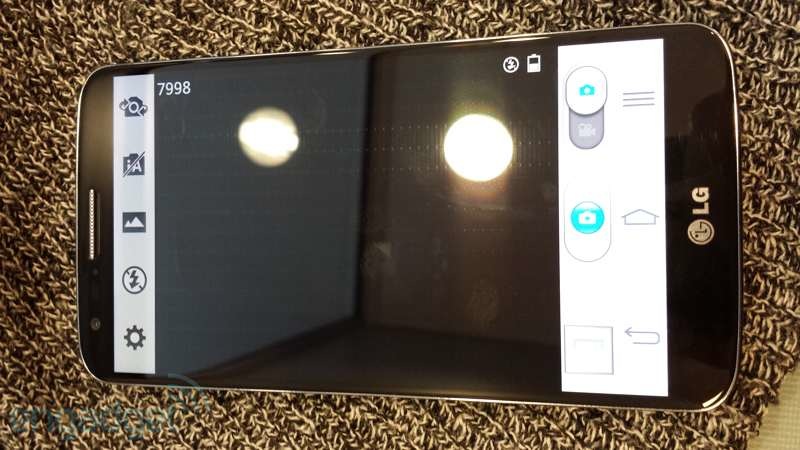
It’s just under a month until LG unveils what will almost certainly be the sequel to its Optimus G, but this year’s version appears more than twice as ambitious.
The LG Optimus G2 — it is rumoured though that the company is expected to drop the “Optimus” moniker from its future versions — looks to come with a 5.2-inch 1080p IPS display, a 2.3Ghz Qualcomm Snapdragon 800 processor, 2GB DDR3 RAM, a 13MP camera, 32GB internal storage, and a glossy plastic build material that may we hope does not resemble the Galaxy S4.
One of the main design decisions that may come back to bite the company is placing the volume rocker on the LG Optimus G2’s rear, right underneath the camera sensor. Whether this will end up causing a camera lens smudging epidemic remains to be seen, but we can’t see it being comfortable reaching for the controls on a regular basis.
A video of the LG Optimus G2 has also surfaced online. Looks authentic and reveals the back volume buttons.
Of the Android UI we can see very little. LG will announce the LG Optimus G2 at an event in New York on August 7th and we’ll provide you with all the information you will need.
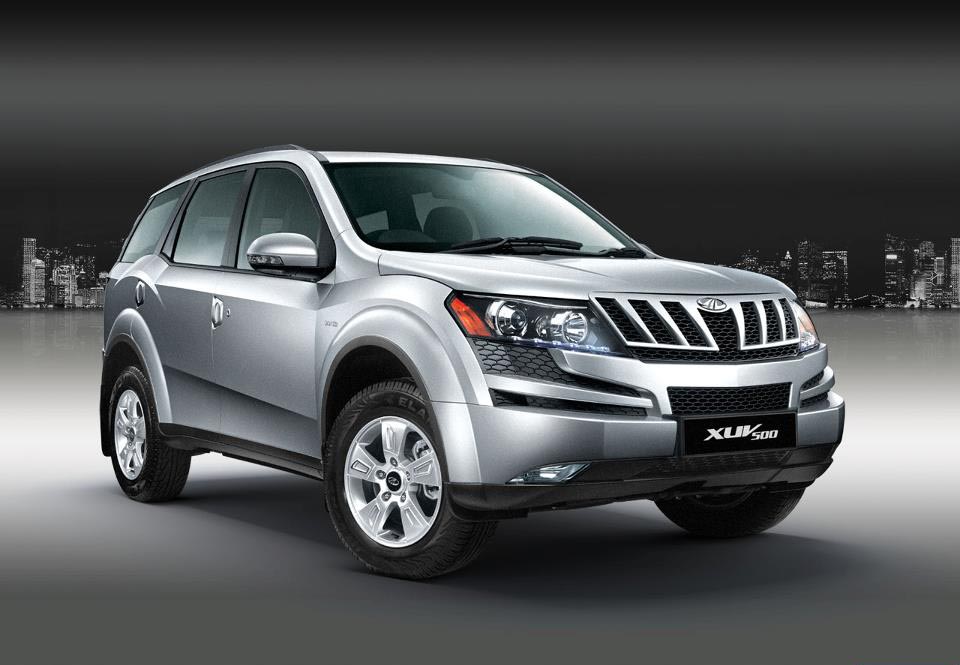
According to reports, Mahindra is working on a lower-spec version of its popular XUV500 SUV. Likely to be called the W4, it is expected to be identical mechanically and styling wise to its older siblings, the W6 and W8. However unlike the W8, it will be 2WD only. The W4 will get a more basic infotainment system and an air-con unit without automatic climate control, and will do away with convenience features like rain-sensing wipers and automatic headlamps.
Even though the W4 has been finalised internally, Mahindra has not yet green-lighted this new variant for showrooms. Reportedly Mahindra is waiting to see if new, modified W6 and W8 variants can increase their sales again. The W6 and W8 will now be sold with lesser ground clearance. As a result of the SUV taxes introduced in the 2013 Union Budget, the prices for these models will be lower than current prices as well. Mahindra is looking at a target of about 3,000 units a month, and if it can meet this with the existing models alone, the W4 will be kept on hold.
Sales of the XUV500 have slowly dipped over the last few months. After the new SUV taxes introduced in the budget, the Mahindra XUV500’s prices went up, and the cheaper Renault Duster and Ford EcoSport stole some of its market. With the lowering of the ground clearance, and/or the launch of the smaller W4, the XUV500 may still have a future in the mainstream SUV market.
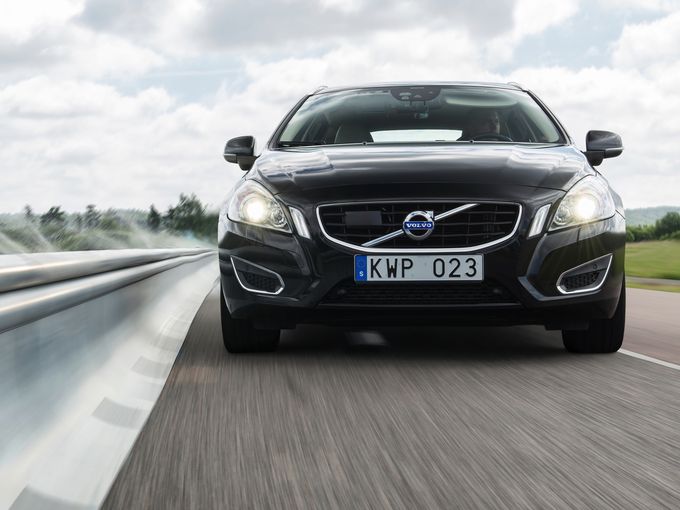
The Volvo XC90 has been around for 10 years now, but unlike its rivals, it has undergone almost no changes in its decade-long life. Competing SUVs like the BMW X5 and Audi Q7 have uprooted its market, and it isn’t known for its safety features, as much as Volvo would like it.
Keeping this in mind, Volvo has announced groundbreaking safety features which will be present on the 2014 XC90 and will hopefully rebrand them as the safest manufacturer globally.
When the first XC90 was introduced in 2002, it featured a number of groundbreaking safety features, including a world-first solution that helps prevent rollovers. By revealing a number of systems for the next generation XC90 we once again confirm our leadership in automotive safety
– Thomas Broberg, senior safety advisor, Volvo Car Group
The 2014 XC90 will have a very impressive set of safety features:
Pedestrian detection in darkness: Volvo’s auto brake technology is updated to work in the dark. According to the automaker, the system includes detection and auto brake for other vehicles, pedestrians and cyclists.
Road edge and barrier detection with steer assist: This system detects if the car is about to drive off the road and automatically applies steering torque to correct its course. Volvo claims it also works on roads without side markings. “Being able to monitor where the physical road ends is a world first,” the automaker said in a statement.
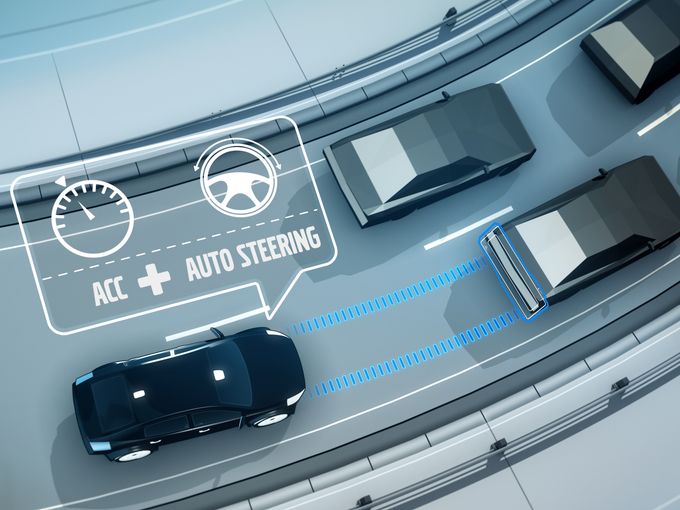
Adaptive cruise control with steer assist: The technology helps the driver stay in the lane and automatically follows the vehicle ahead. The car will slow down and/or brake if and when the car ahead slows down and/or brakes, and will accelerate on its own too.
Collision mitigation for animals: The system — which Volvo calls a world first — detects and automatically brakes for animals in daylight and darkness. It will join the options list after the SUV debuts.
Volvo has long been known the pioneer of safety systems when it comes to the automotive industry. Last year Volvo announced that by 2020, no one will be killed or seriously injured in one of the automaker’s new vehicles. We can’t wait to see the XC90 and its hi-tech systems being tested in the real world!
After rolling out the Android 4.2.2 update for HTC One last week, the company is giving the same treatment to its older cousin HTC Butterfly.
The update will install the Android 4.2.2 operating system, the HTC Sense 5.0 user interface, the BlinkFeed live-streaming home screen and the Video Highlights slide show function for the camera, the company said in an e-mailed statement.
“We are grateful for the support of Taiwanese consumers, and Taiwan is the world’s leading market to receive the new Sense 5.0 software update for the HTC Butterfly,” Jack Tong, president of HTC North Asia, said in the statement.
Known as the world’s first smartphone with a 5-inch full-HD display, the HTC Butterfly sports a quad-core processor from Qualcomm Inc. and an 8-megapixel camera. It is called the Droid DNA in the United States and the HTC J Butterfly in Japan.
To build on the success of the large-screen phone, HTC released on a refreshed model on June 28 called the Butterfly S, which comes with the same 5-inch 1080p display, a faster 1.9GHz quad-core processor and a larger battery capacity of 3,200 mAh.
The update will bring to the phone the Quick Settings feature, a customizable lock screen (that’s limited to widgets), battery percentage in the status bar and the Jelly Bean Daydreams feature. BlinkFeed has also been improved, it will now also pull feeds from Instagram.
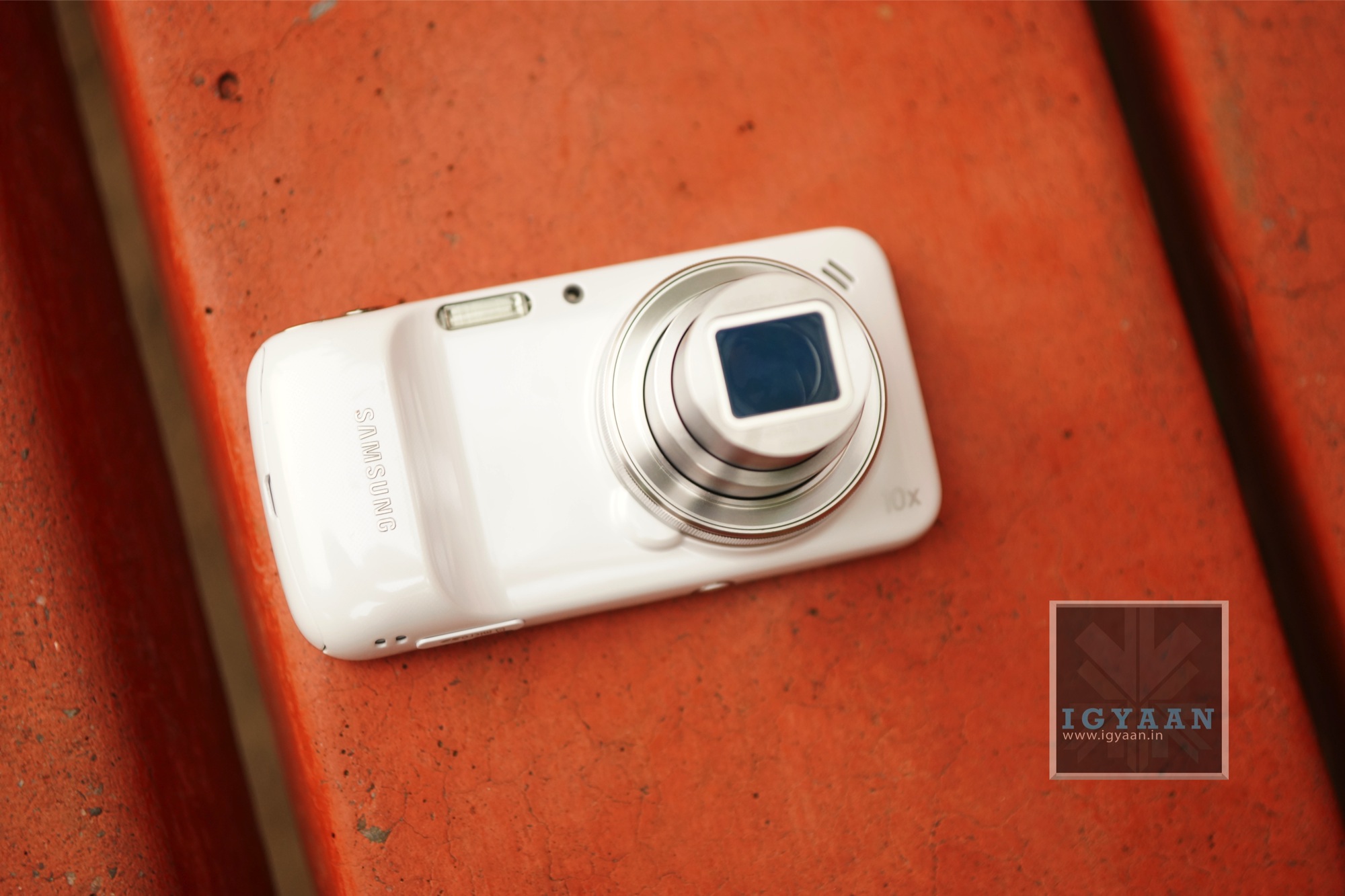
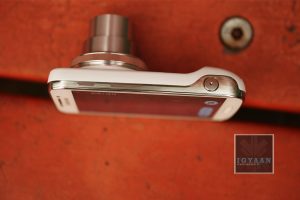
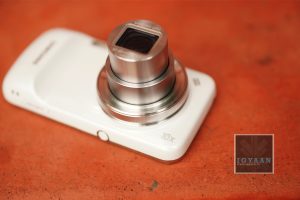
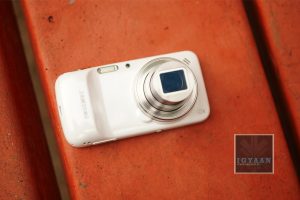
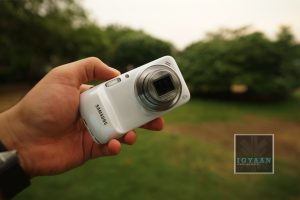
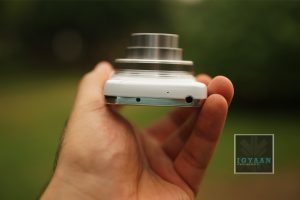
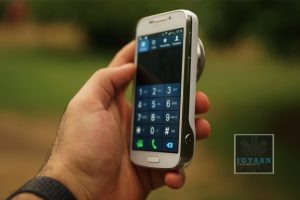
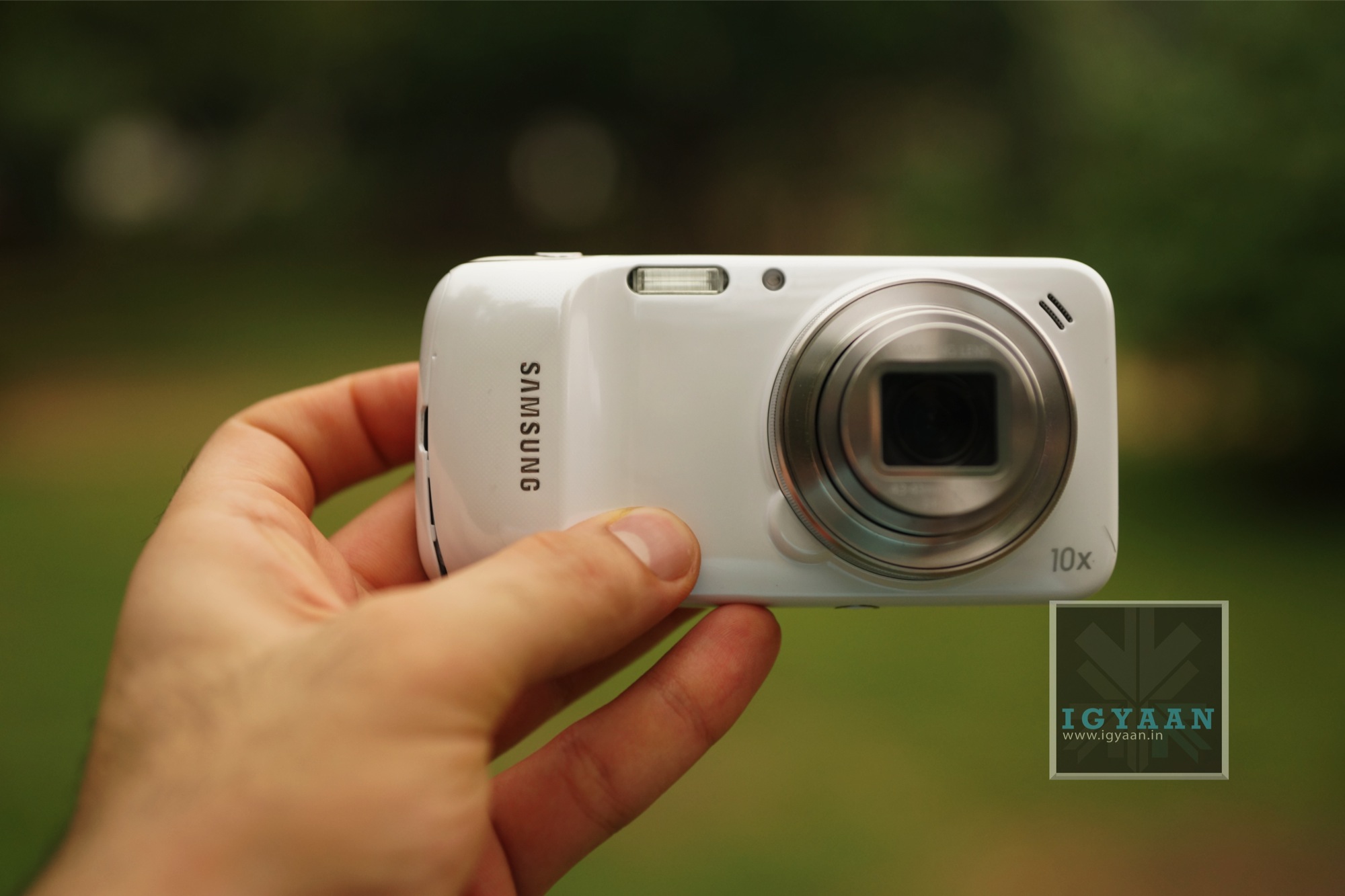
Samsung today launched the Samsung Galaxy S4 Zoom today in India at a price of around Rs. 34,500.
The Samsung Galaxy S4 Zoom offers a blend of smartphone and camera, and is targeted at the many people who now use their phones as their main camera too.
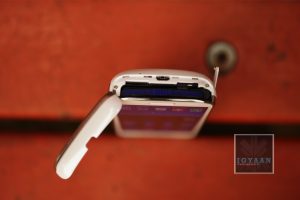
Before you view our hands-on video you may want a quick recap of the key specs and features. The Samsung Galaxy S4 Zoom is powered by a 1.5GHz dual-core processor, has a 4.3-inch Super AMOLED display with resolution of 960 x 540, 1GB of RAM, and 8GB of internal memory that’s expandable via microSD.
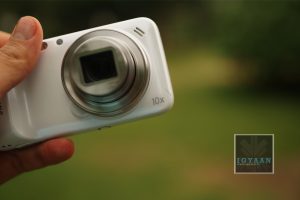
The Samsung Galaxy S4 Zoom also has a 2130 mAh battery, and runs Android 4.2.2 Jelly Bean skinned with Samsung’s TouchWiz UI. The camera set-up includes a 16-megapixel rear camera with optical image stabilization (OIS), optical 10x Zoom, Xenon flash, HDR, panorama, and 24mm wide-angle lens. It offers full HD video capture, and there’s also a 1.9-megapixel front-facing camera.
The Zoom’s big USP is its ability to take detailed shots of objects that are rather far away. Not only is the Zoom a first in terms of design, but it’s also one of the first smartphones to feature an optical zoom, as well as a digital zoom and optical image stabilisation with a 24mm lens.
It also has a myriad of shoot modes: 25 to be exact, which are as follows:
Smart mode suggest, Beauty face, Best photo, Continuous shot, Best face, Kids shot, Landscape, Dawn, Snow, Macro, Food, Party/Indoor, Action freeze, Rich tone (HDR), Panorama, Waterfall, Animated photo, Drama, Eraser, Sound & Shot, Silhouette, Sunset, Night, Fireworks, and Light trace.
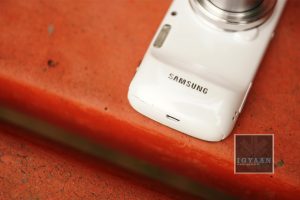
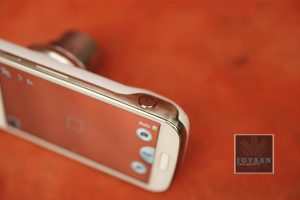
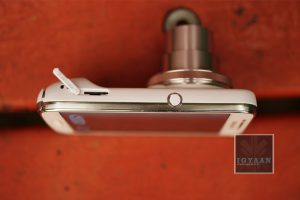
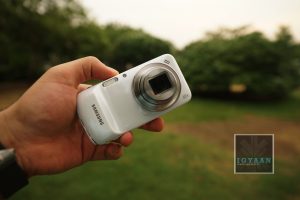
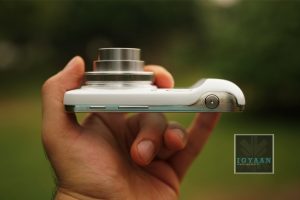
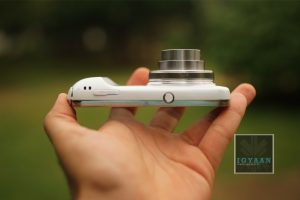
The Samsung galaxy S4 Zoom has a similar shape as that of its predecessor with a bump along the right side for your hand to grip, but the device is considerably slimmer. The whole thing is also made of glossy white plastic rather than the textured rubbery material on the side of the Galaxy Camera. At 208 gms, it’s one of the heaviest smartphones around. It has a plastic ring around the camera lens to access camera options and settings.
Expect a full review of the device pretty soon. Meanwhile, you can watch our hands-on video below :
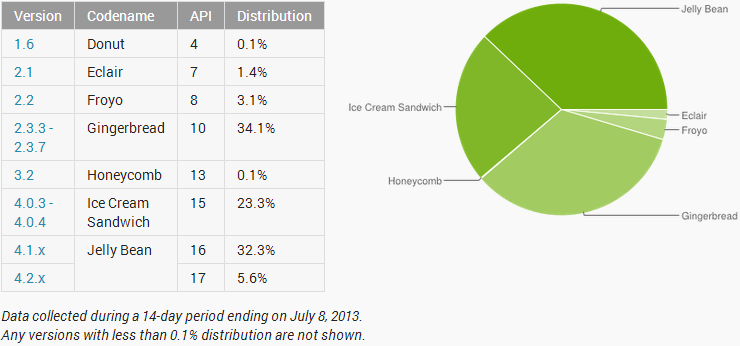
Google has updated their Android platform distribution numbers for the month of June, 2013. It appears that Jelly Bean is currently running on 37.9% of active devices (of which only 5.6% accounts for Android 4.2.2) — up from last month’s 33%.
Breaking down the numbers more specifically, 37.9 percent of Android users are using Jelly Bean, 23.3 percent have devices powered by ICS, 0.1 percent are on Honeycomb, 34.1 are stuck with Gingerbread, and 3.1 percent unfortunately still have Froyo.
OS Donut and Eclair have are almost completely vanished, but there’s still 1.5% of users somewhere out there rocking the original version.
Remember, this isn’t really representative of Android as a whole — for all we know there are millions of Android devices in the world still running on Eclair.
Google recently tweaked its algorithm in regards to how it counts users for these figures. In its own words, the company said:
Note: Beginning in April, 2013, these charts are now built using data collected from each device when the user visits the Google Play Store. Previously, the data was collected when the device simply checked-in to Google servers. We believe the new data more accurately reflects those users who are most engaged in the Android and Google Play ecosystem.
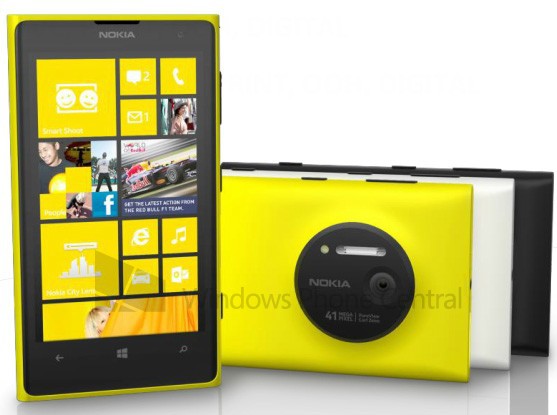
The Nokia Lumia 1020’s name was confirmed today by a couple of Flickr photos posted by Windows Phone head, Joe Belfiore and now we are running out of things to expose about the 41MP smartphone.
As we know, it will look like the Lumia 920 on the front, but will have a 41MP camera sensor, Carl Zeiss optics lens and Xenon flash on the back. Windows Phone Central has a few more tidbits to share before the official release date, and they’re quite juicy.
The Nokia Lumia 1020 will have optical image stabilization, so extra-dark shots will stay blur-free and truer to life. This is an upgrade from the mechanism in the PureView 808, which had the same sensor but lacked OIS. The device will also be able to take photos at both 32MP and 5MP at the same time in 16:9, and there will be 7:1 oversampling when converting higher-res photos down to manageable sizes. Photos taken at the native aspect ratio of 4:3 will be 38 megapixels.
It will sport 32GB of internal storage and, thankfully, 2GB of RAM, likely to help quickly offload those high-resolution images. And, like other devices shipping with the “Amber” GDR2 update, the Lumia 1020 will support FM radio and flip-to-silence, two features that will hopefully come to older WP8 devices.
As rumoured, there will be a special “Pro Camera” app exclusive to Lumia devices that will allow Nokia Lumia 1020 owners to change white balance, ISO, focus, shutter speed and flash settings. This is sounding more and more like a regular camera every day.
Features of the Nokia Lumia 1020 revealed by WPCentral :
It has optical image stabilization (OIS) built in
It takes the image in a 32MP and 5MP at the same time in 16:9
The 5MP image is over sampled dropping 7pixels into one “super pixel”
It shoots 38MP in 4:3
“Nokia 909” was an early name for it but it will be “Lumia 1020” for release
2GB of RAM, an increase of 1GB from other high end Windows Phone 8 devices
32GB of internal storage, no SD
WP8 V 8.0.10322.71
FM radio (Amber)
Flip to silence (Amber)
NFC is on board
Optional wireless charging backplate will be available
Samsung today announced the launched of the Samsung Galaxy S4 zoom, a device which combines the heritage of the latest Galaxy S4 smartphone with advanced photographic capabilities.
Spec-wise, the Samsung Galaxy S4 Zoom seems to deliver for the most part. The hardware is quite similar to what you’d get from a Samsung Galaxy S4 Mini. This means that the Zoom offers a 4.3 inch Super AMOLED display with a resolution of 540 x 960, a dual-core processor running at 1.5 GHz, 1.5 GB of RAM, 8 GB of internal storage expandable via microSD, a 2,320 mAh battery and Android 4.2 Jelly Bean with Samsung’s TouchWiz UI on top.
But the most important aspect of this camera-centric smartphone is, of course, its camera. The S4 Zoom has a 16 MP sensor boasting 10x optical zoom, Optical Image Stabilization, ISO of 100 to 3200 and a xenon flash.
It also has a myriad of shoot modes: 25 to be exact, which are as follows:
Smart mode suggest, Beauty face, Best photo, Continuous shot, Best face, Kids shot, Landscape, Dawn, Snow, Macro, Food, Party/Indoor, Action freeze, Rich tone (HDR), Panorama, Waterfall, Animated photo, Drama, Eraser, Sound & Shot, Silhouette, Sunset, Night, Fireworks, and Light trace.
On the front of the device you’ll find a standard 1.9-megapixel camera. The Zoom will be able to achieve much better photographs than your standard smartphone, however you’ll have to sacrifice speed, beauty and slimness in return for a great shot.
The phone which came for pre-order on the 28th of June with a pre-booking offer will come in White colour option only for now.
LG Recently launched their flagship in India, the LG Optimus G Pro and we are giving away One to one of our lucky readers. Simply enter the LG Optimus G Pro Giveaway below and thats it!
Don’t forget to share so your friends can also play.
Here are the Lucky Winners for the LG Optimus G Pro :
Winner: Vidit Chopra
Entry:
The LG Optimus G Pro will not just be my life companion but my ultimate companion. It’ll follow me from the serenity of Ladhak to the hussels of Mumbai. The G Pro would help me capture the panorama of the cafe while enjoying my cup of coffee at the corner cafe and checking my facebook news feed. I would make my friends jealous of the luscious brownie on Instagram later. Watching Ray William Johnson on the full HD, 5.5″ display to bewitching tunes of Nirvana. It’ll take my Android experience to a whole new level. It’ll be my shadow where ever I go.
Runner UP
1:Amolak Chandel 2:Chandan Babu 3:Rohit Sharma
Congratulations :
We will be contacting you within this week via your email.
For all the others, Please stay tuned for two new exciting giveaways.
Incase you have not already, check out our Unboxing and hands on Review below.
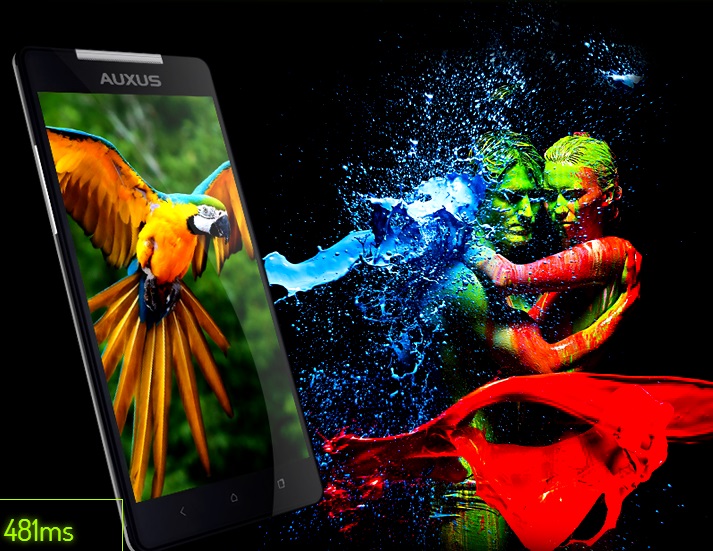
iBerry is all set to launch their first smartphone in India, the Auxus Nuclea N1.
The Auxus Nuclea N1 will have a Full HD 1080p 1920 x 1080 resolution One-Glass Solution display with Active Matrix technology. It will come equipped with a MediaTek MT6589T Quad core Turbo 1.5GHz processor and a PowerVR SGX 544MP GPU clocked at 357MHz for the graphics. The Auxus Nuclea N1 will also come with other features such as Gesture control, Voice Unlock, Magnetic sensors etc. It is a dual Sim phone 3G +2G smartphone.
The Auxus Nuclea N1 will come with a 13MP rear facing camera with a BSI sensor and AutoFocus,along with an impressive 8MP front facing camera and will run on Android 4.2 Jelly Bean. A Li-ion battery measuring 2800mAh will be used in this smartphone. Typically, the Auxus Nuclea N1 will come bundled with 4 colour variants in the box, which means users will be able to choose which colour panel they would use for the day on the basis of their occasion and costume.
The internal memory and RAM have not been specified yet.
With the use of Active Matrix Display with OGS technology together, each pixel of the display is individually controlled to provide a sharp image at a wide viewing angle so that users will have a different and a unique viewing experience.
The Auxus Nuclea N1 will go on a 10-day-pre-booking starting from 13 Jul 2013 at a price of Rs.15990 while the regular order price is set at Rs.18000. The pre-booking goes live on their website www.iberry.asia as well as on the online portal ebay.in officially.
iBerry will also be opening up over 400+ service centres across India, the list and location of which will be made available on their website on the day of pre-booking


![Meet the single-seater Jaguar Project 7 concept [w/Video]](https://www.igyaan.in/wp-content/uploads/2013/07/Project-7-1.jpg)