Blog

  • Apple Publishes iOS Fragmentation Chart, Most Devices On iOS 6

    Apple Publishes iOS Fragmentation Chart, Most Devices On iOS 6

    Apple says it’s charted the fragmentation of its iOS operating system and found its devices are generally more up to date than those of its U.S. rival Google. 

    fragmentation

    In contrast to Android, according to the pie chart and Apple, of all the users who visited the iTunes App Store, 93% of them were using Apple devices powered by Apple’s iOS 6 (the latest version of the company’s mobile operating system). iOS 5 is running on just 6% of all devices that used the App Store over the same period. Only 1% used anything older than iOS 5.

    Android’s “fragmentation” used to be a great deal worse that it is today, with the majority of users on older versions of the platform. However Android’s developer dashboard now shows that just under 59 percent of Android users are on OS 4.0 or higher (Ice Cream Sandwich or Jelly Bean).

    While Google has a larger share of the smartphone market, with so many devices running 3-year-old versions of Android, Apple’s numbers suggest its market share — at least for operating systems — is more up to date.

    For developers, the message is clear: Build your apps for iOS, and with one API you can hit the majority of the operating system’s addressable market. Develop for Android, and there are at least three different APIs you’ll need to deal with to reach the majority of its users.

    Apple’s next OS, iOS 7, is now out in a developer release. A general release consumer version of the new “flat” OS won’t be out until fall — to coincide with the introduction of the new iPhone “5S” hardware.

  • Sony Teases New SmartWatch On Twitter

    Sony Teases New SmartWatch On Twitter

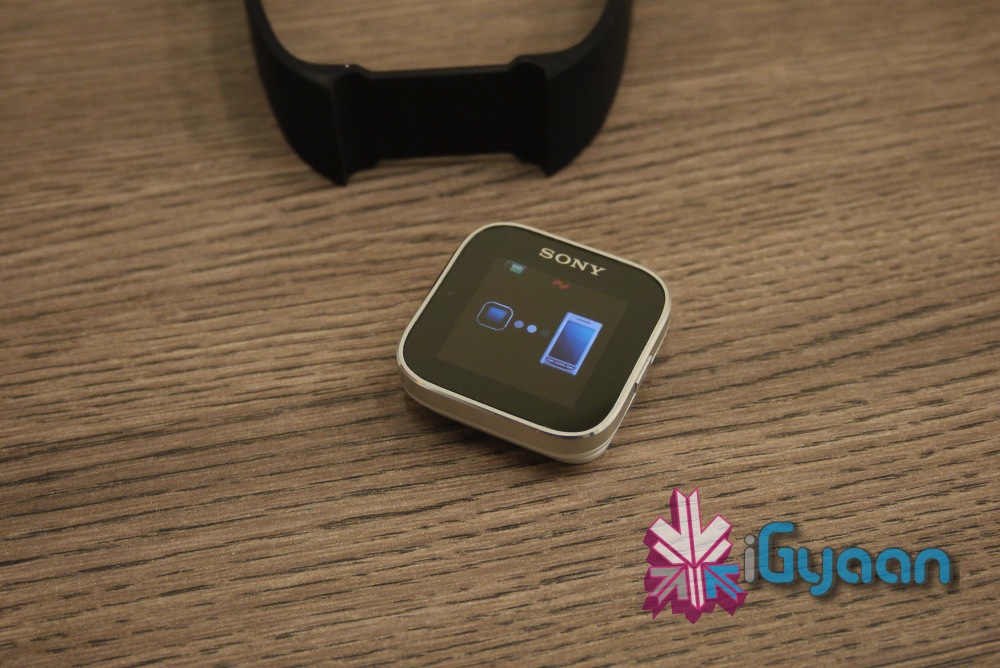
    It’s been almost two years since Sony announced its Smartwatch, the intelligent timepiece that was supposed to change the way we tracked our lives — and used our phones.

    Hindsight is 20/20, and the product was more vision than substance. While the Smartwatch looked nice enough, it was plagued with bugs, poor battery life and a paucity of substantive software features. That, and it only worked with Android.

    While Sony has since improved the experience for users, and recently open-sourced the platform entirely, it wasn’t enough to get people buying. The product has been surpassed in mindshare and popularity by the cross platform-friendly Pebble, and that’s that.

    smartwatch

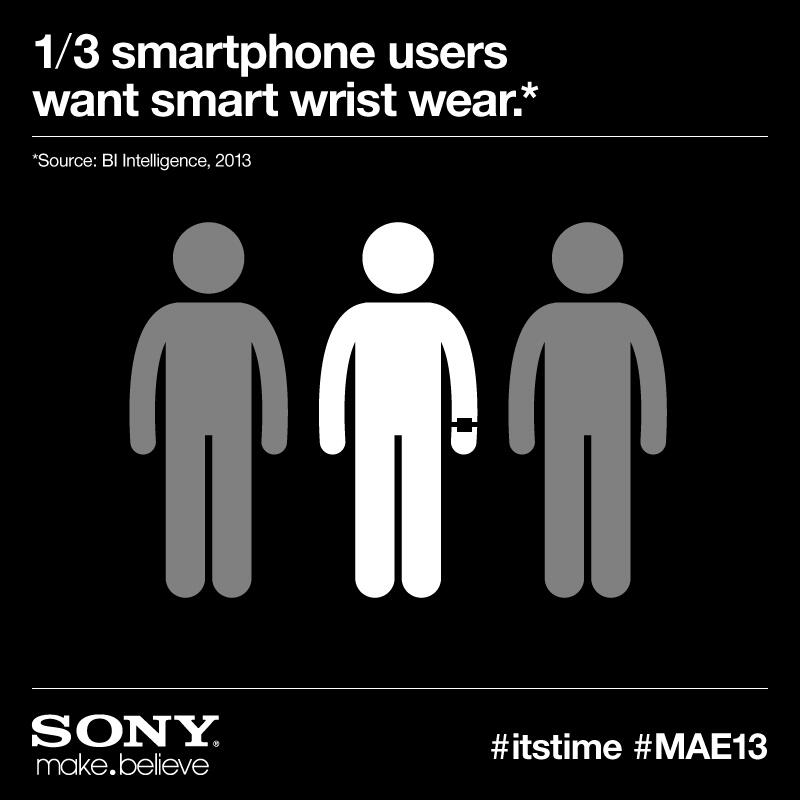
    Sony has been teasing a new smartwatch announcement on its @SonyXperia Twitter account, saying that “one-third of smartphone users want smart wrist wear,” and that we should stay tuned to the Mobile Asia Expo in Shanghai next Tuesday.

    While it would be great to see Sony back in the smartwatch game, we wonder whether they have it in them to fashion a hit.

    A source at CNET claims that the updated model will feature a larger screen, run Android, and feature a three-button layout like its smartphone counterparts. It will also use NFC to quickly pair with devices, and use Bluetooth to communicate.

    We’ll bring you more next week when Sony makes the announcement.


  • Report : Facebook Working On Flipboard Like App

    Report : Facebook Working On Flipboard Like App

    Facebook is experimenting with a lot of mobile-centric ideas, aiming to take the social network’s presence beyond just Facebook.  Although it has reportedly been in the works for well over a year, it appears as though Facebook is working on a news aggregating app.

    Now according to a report from The Wall Street Journal, Facebook is developing a new tool that focuses on news consumption in order to re-shape its identity as a social network, like Twitter, that can compete in the news consumption space. The project, which is reportedly called “Reader,” would be a feature that runs on Apple’s iOS Devices such as the iPhone, iPad, and iPod touch. 

    The social network has been quietly working on a service, internally called Reader, that displays content from Facebook users and publishers in a new visual format tailored for mobile devices, people with knowledge of the matter said.

    The project, which the company has been developing for more than a year, is designed to showcase news content in particular. Recent versions of Reader resemble Flipboard Inc., a smartphone and tablet app that aggregates stories from multiple sources and lets users swipe to flip through articles, said the people with knowledge of the project.

    While it’s unclear when Facebook will be ready to unveil the product, if it ever is, the Reader project is a sign the company is trying to get users to spend more time with it on mobile devices—and to see more ads.

    Facebook is clearly making an initiative to be more than just a social network to share photos and statuses

    [Via]

  • Samsung Galaxy Core i8262 up for sale Rs 15,350, 4.3 inch Display, Dual Core and 1 GB RAM

    Samsung Galaxy Core i8262 up for sale Rs 15,350, 4.3 inch Display, Dual Core and 1 GB RAM

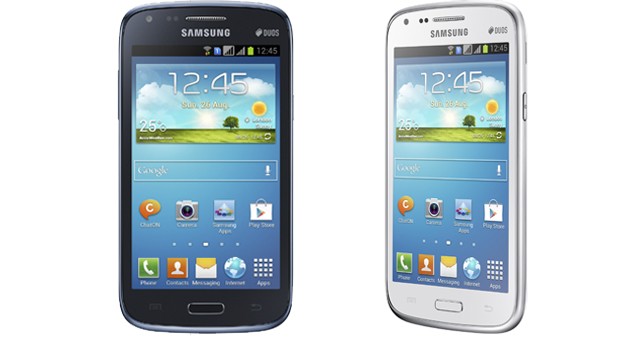
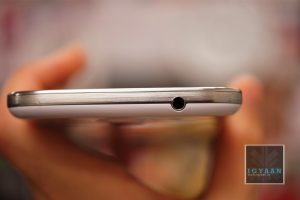
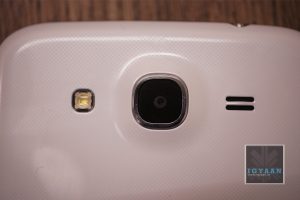
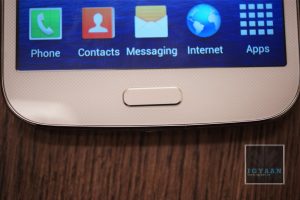
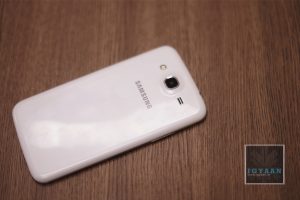
    Samsung India has put their upcoming Galaxy Core up for pre-order for a price of Rs. 15,350. But if you cant wait, you can head on over to any retailer and grab the phone for a price of Rs. 15,200 in both white and blue colors. 

    The phone features a lot of the usual features, but interestingly is only slightly cheaper than the Galaxy Grand Quattro which is priced at Rs.16300. The Samsung Galaxy Core features a dual core 1.2 GHz chipset with an unnamed GPU (we are inclined towards the Broadcom chipset), owners will get 8 GB storage, 1 GB RAM and a set of cameras, including a  5 MP main snapper and a VGA front facing shooter. 

    A 4.3 inch WVGA display completes the front and a 1800 mAh battery with a claimed talk time of 8 Hours powers the handset. The Samsung Galaxy Core will come with Android 4.1 along with TouchWiz out of the box, where Samsung has also included the tradition set of features and apps, including the Social Hub, Smart Stay and Motion etc. 

    Samsung has recently become very aggressive with the market launching several phones each month. With the mega success of their Galaxy Grand series Samsung also launched the Galaxy Mega 5.8 and Mega 6.3 to win over the “phablet market”. Samsung is said to announce over a hundred new handsets in 2013 with their major focus on mid range handsets. 

    [tabgroup]

    [tab title=” Buy Now” icon=”icon-shopping-cart”][/tab][tab title=” Galaxy Grand Quattro” icon=”icon-shopping-cart”][/tab][tab title=” Galaxy S Advance” icon=”icon-shopping-cart”][/tab][/tabgroup]


  • Samsung Galaxy Mega 5.8 Unboxing and Hands on

    Samsung Galaxy Mega 5.8 Unboxing and Hands on

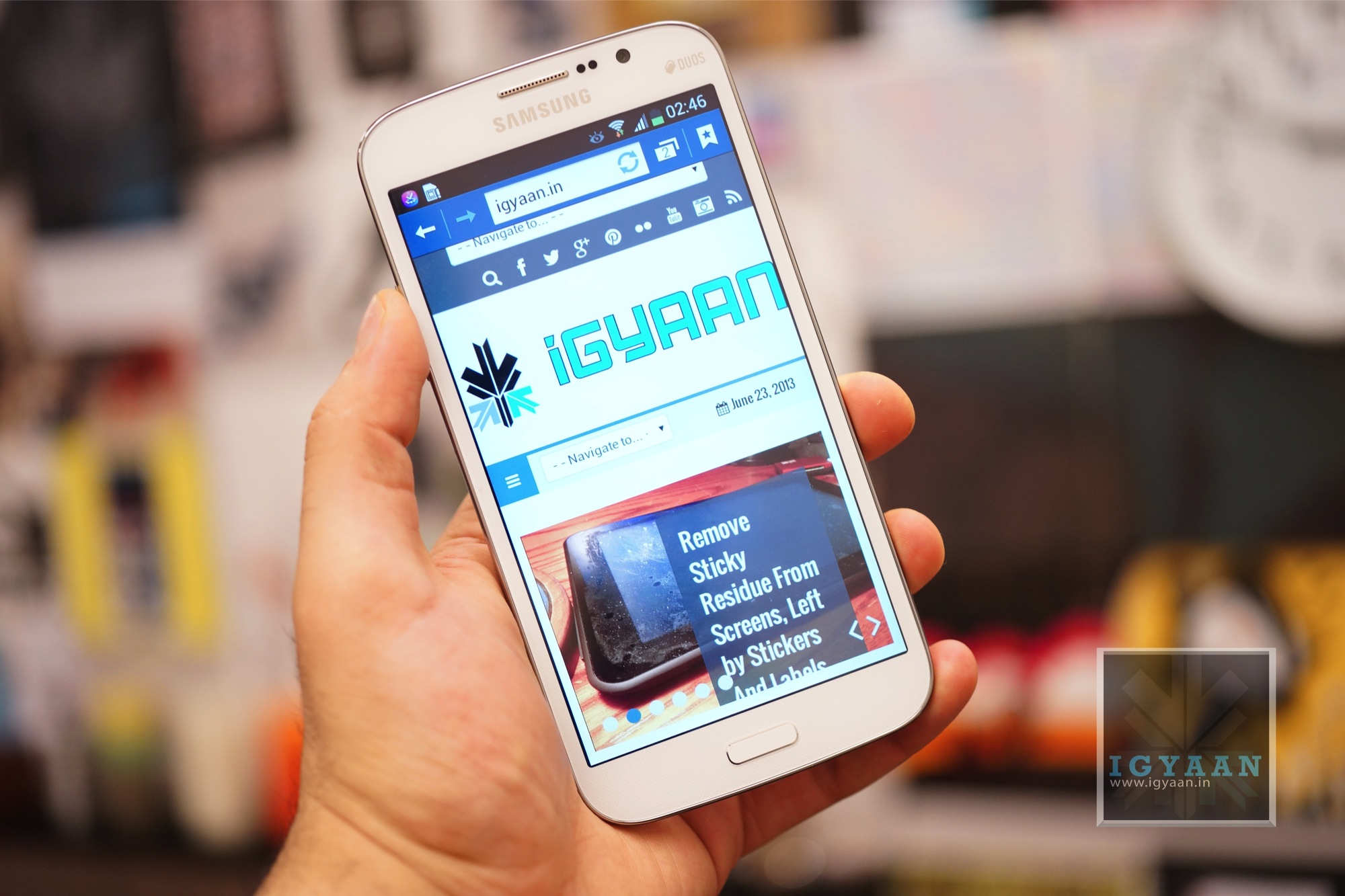
    Samsung recently launched the Galaxy Mega 5.8 and 6.3 at an event in New Delhi, the phones building on the success of the Galaxy note and the Grand build on the success of Phone – Tablet hybrids in the market or better known as “phablets”. Priced at Rs. 25,999/ the Galaxy Mega 5.8 essentially is a bigger Galaxy Grand, but there is something slightly different about the phone. 


    Samsung Galaxy Mega 5.8 Unboxing 0


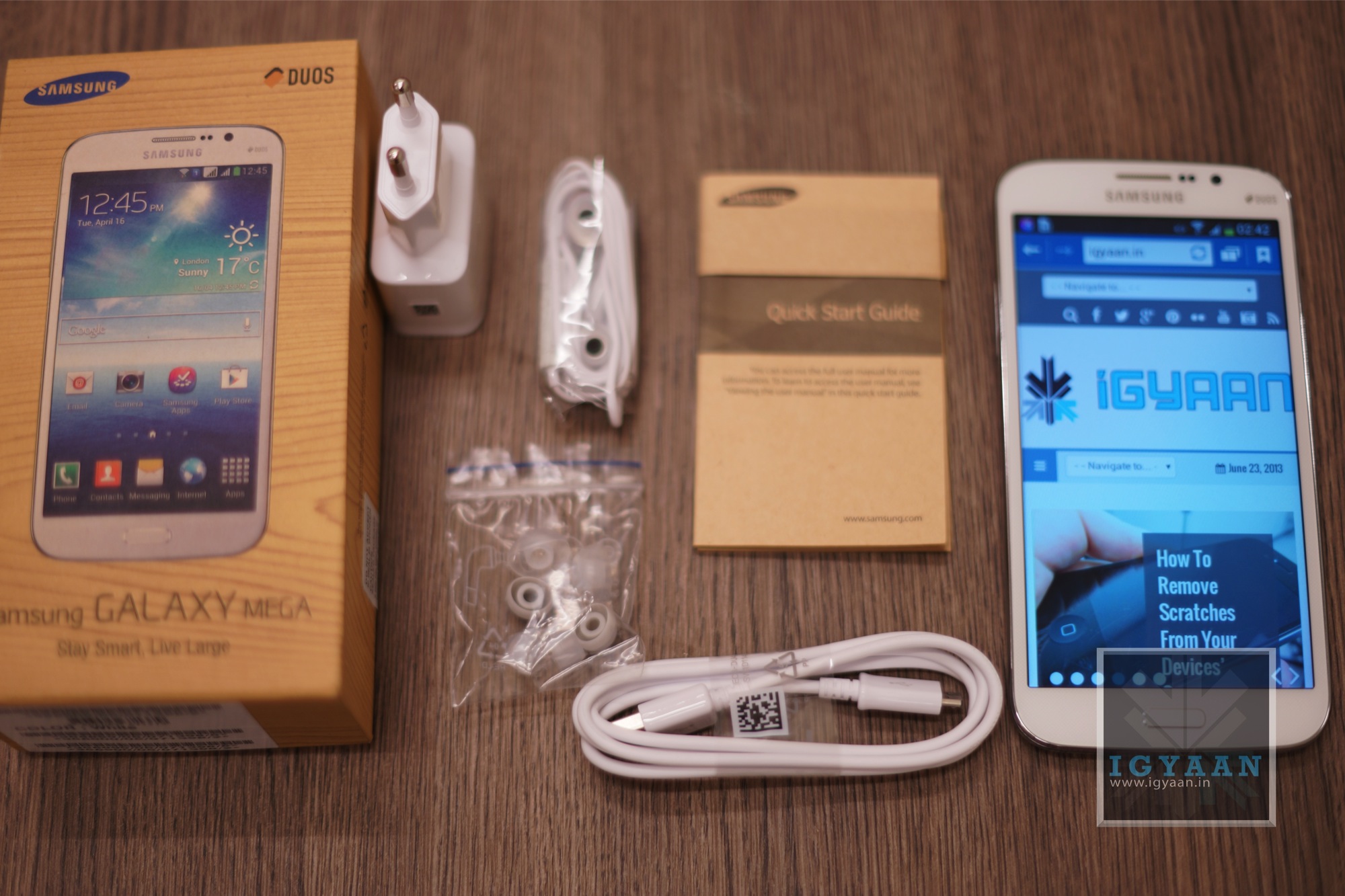
    Galaxy Mega 5.8 Box Contents 

    The Samsung Galaxy Mega comes with the standard list of Box contents;

      • Handset
      • 2600 mAh Battery
      • USB Charge and Sync Cable
      • In Ear Earphones with Mic
      • Extra Ear Tips
      • Wall Charger
      • Documentation and Warranty Card.


    Samsung Galaxy Mega 5.8 Unboxing 14

    Galaxy Mega 5.8 Initial Impressions

    The Samsung Galaxy Mega 5.8 is a large device, but clearly is not as large as its big brother the Mega 6.3, next to the Galaxy S4 the Mega 5.8 simply dwarfs the current flagship from the Korean Manufacturer. The display is a 540 x 960 px capacitive touchscreen, and despite a lowly 190 ppi the screen is really sharp and great to look at. The screen is also extremely bright, fairly visible outdoors and has good viewing angles. 


    Samsung Galaxy Mega 5.8 Unboxing 8


    The Galaxy Mega features a dual core 1.4 GHz chipset which is the same chipset seen on the Galaxy Grand, which was pretty good at handling gaming on the smaller variant, but may not deliver on a larger screen with a higher resolution. The phone also has 8 GB storage and 1.5GB of RAM, along with expandability upto 64 GB via microSD. 

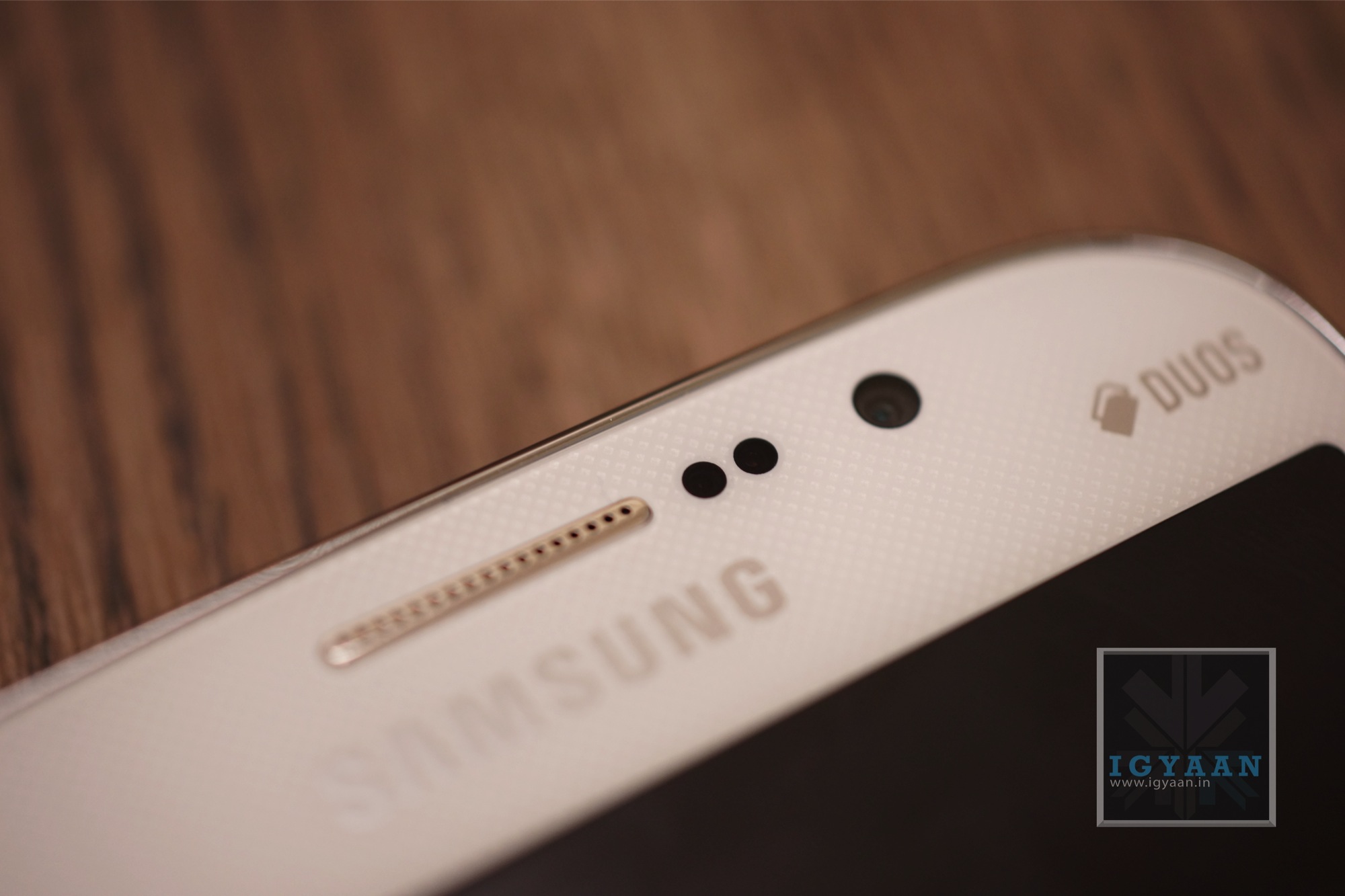
    The phone is also capable of handling two sim cards at the same time with Samsung’s new dual sim smart active mode with active forwarding to your numbers. 


    Samsung Galaxy Mega 5.8 Unboxing 4

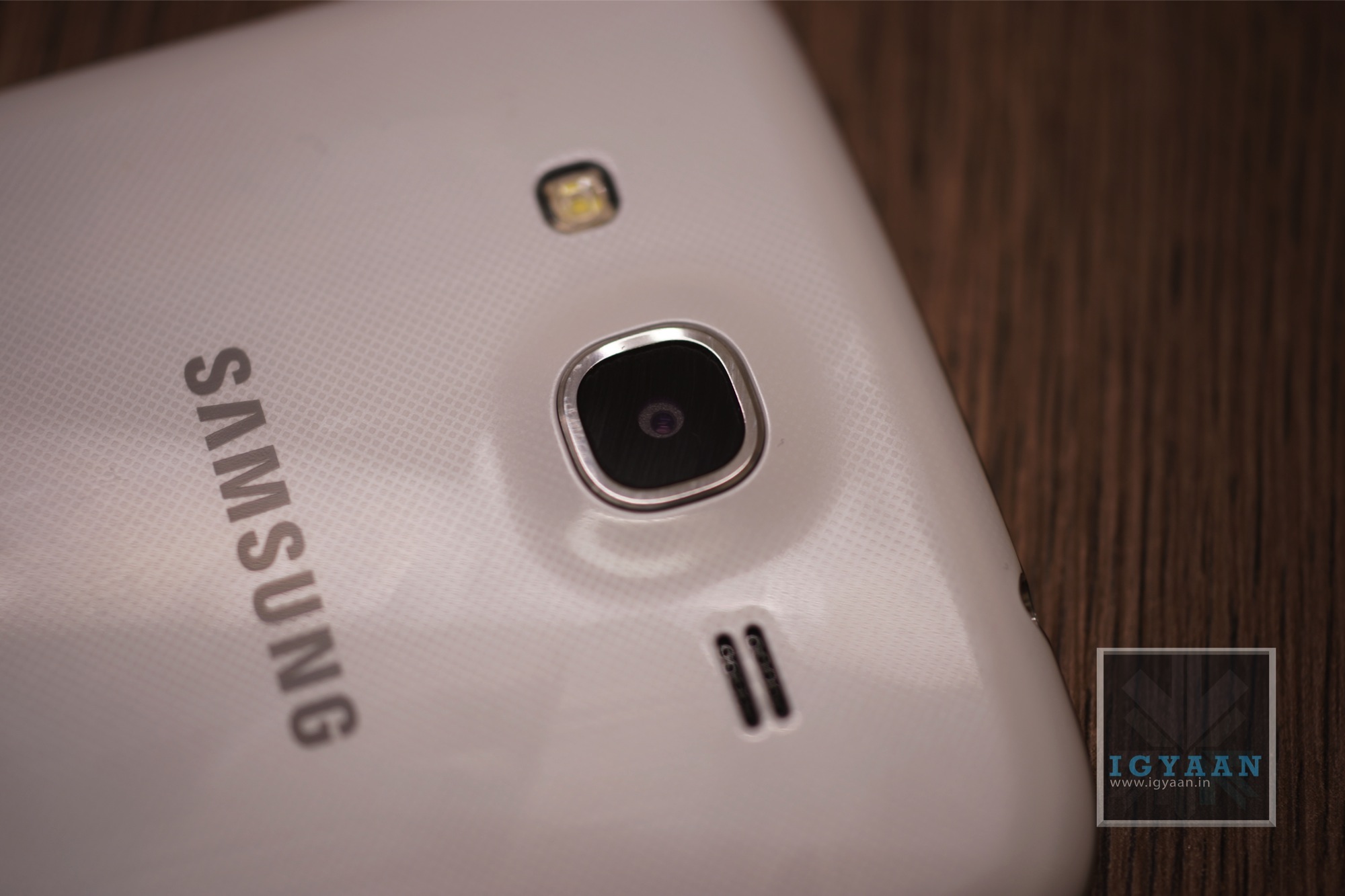
    The Galaxy Mega 5.8 has dual cameras, an 8MP main shooter and a secondary 1.9 MP camera, both of which capture video at 1080p. The phone also comes with Android 4.2.2 out of the box slapped on with a generous dose of Touchwiz, with many of the UI elements inspired from the S4. 

    The Galaxy Mega 5.8 appears to be big but is easily handleable and is not that bigger than the Galaxy Note 2. The phone will fit into regular denim pockets, but may cause issues if you are one of those skinny fit lovers. 

    The UI seems fast and responsive and the handset seems to be holding up well, stay tuned for a barrage of videos iGyaan Style. 


    [tabgroup][tab title=” Buy Now” icon=”icon-shopping-cart”][/tab][/tabgroup]

  • 24 Hours of Le Mans: Aston Martin driver Allan Simonsen killed in crash

    24 Hours of Le Mans: Aston Martin driver Allan Simonsen killed in crash

    Danish racing driver Allan Simonsen was killed as a result of injuries sustained during a crash at the 24 Hours of Le Mans. The incident took place on the fourth lap of the race. Simonsen, who was participating for the seventh-time this year at Le Mans, spun about 10-minutes into the race, hitting safety barriers at the Tertre Rouge bend. According to race officials, the 34-year-old was in serious condition after the accident and was immediately rushed to a hospital, where he died shortly thereafter.

    The Automobile Club de l’Ouest, which organizes the 24 Hours of Le Mans, released the following statement:

    The driver was immediately attended on the scene by the doctors from the Automobile Club de l’Ouest’s Medical Service.

    In a serious condition, Allan Simonsen was transferred immediately to the Circuit Medical Centre where he died soon after due to his injuries.

    Allan Simonsen’s family has been informed immediately by David Richards, Principal of the Aston Martin Racing team.

    Allan Simonsen, an experienced driver aged 34, had taken part in seven 24 Heures du Mans.

    His team mates in the No.95 car were his fellow countrymen, Christoffer Nygaard and Kristian Poulsen.

    The Automobile Club de l’Ouest wishes to express its great sadness following this incident, and extends its deepest condolences to the family and those close to Allan Simonsen.

    The Automobile Club de l’Ouest will make no further statement while the exact reasons for the accident are still being wholly determined.

    Aston Martin has completely blacked out its website, save for the following statement:

    Le Mans, 22 June 2013: It is with great shock and sadness that the Aston Martin Racing Team confirms that an accident occurred shortly after the start of the 24 Hours of Le Mans at around 15:09 hrs CET today (22 June) when the No 95 Vantage GTE driven by Allan Simonsen left the track at Tertre Rouge.

    Tragically, and despite the best efforts of the emergency services in attendance, Allan’s injuries proved fatal.

    Aston Martin Racing Managing Director, John Gaw, said: “On behalf of all of us at Aston Martin Racing, I would like to extend our deepest sympathies and condolences to the individuals, and families whose friends or loved ones were involved in today’s terrible tragedy.”

    Aston Martin Racing will not make any further comment until the precise circumstances of the accident have been determined. Next of kin have been informed.

    Following the ACO’s media statement concerning the tragic death of Aston Martin Racing driver Allan Simonsen, and at the specific request of his family, the team will continue to participate in the 24 Hours of Le Mans in tribute to Allan.

    A video showing the first 10 minutes of the race can be found below.

    WARNING: It ends with Simonsen’s accident, along with an official statement from race’s governing authority, Automobile Club de l’Ouest.

    [youtube id=”cCiMk8MYGeo” width=”100%” height=”300px”]

    The No. 95 Aston Martin that Simonsen co-drove along with teammates Christoffer Nygaard and Kristian Poulsen has officially retired from the race. Our condolences to all those close to Simonsen.


    [Image source: Aston Martin]

  • Leaked : Samsung Galaxy S3 Android 4.2.2 Build

    Leaked : Samsung Galaxy S3 Android 4.2.2 Build

    While most of the world’s Samsung Galaxy S3 owners are anxiously holding their breaths in anticipation of an Android 4.2.2 update, eager beavers can download a test firmware ahead of the official release.

    Interested parties can head over to SamMobile, the same Samsung-centric blog that leaked an earlier version of Android 4.2.2 for the Galaxy S3, and grab firmware I9300XXUFME7. The leaked build carries a build date of May 21.

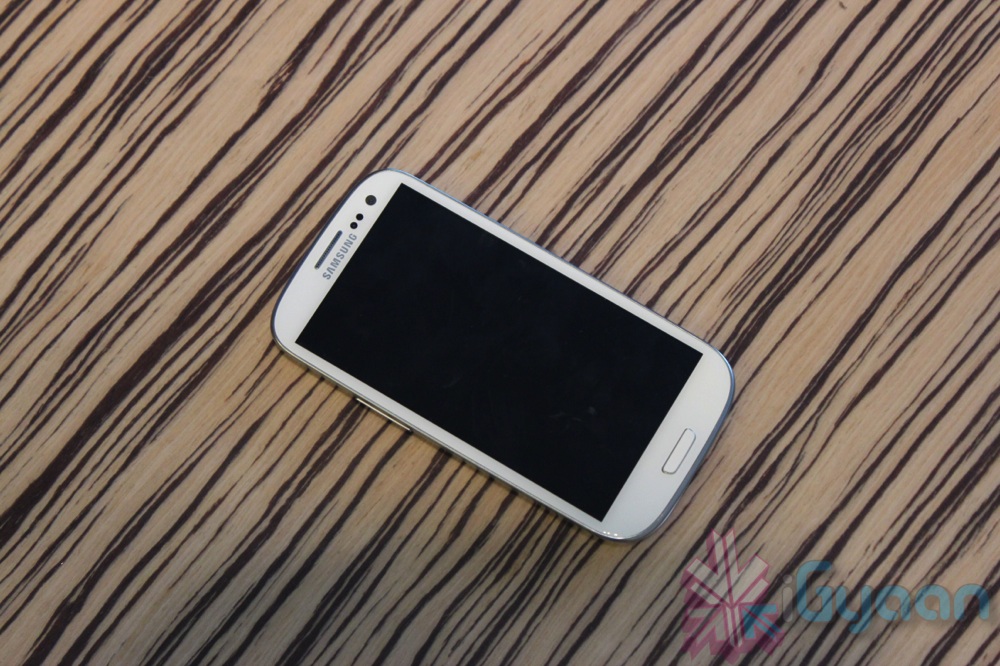
    Galaxy S3

    The best features of this new update are as following: a brand new S4 lockscreen that adds support for new widgets, Ripple and Light lockscreen unlock effects, custom clock sizes, create a personal message to be shown when the device is locked, Daydream, Driving Mode, new Screen modes borrowed from Galaxy S4, Adapt Display and Profesional Photo, actionable notifications, improved Notification Center, revamped Settings UI that resembles the one used on the S4. Also, you will get Gallery modes, full screen Samsung apps, new S-Voice, smart switch widget and multiple others.

    SamMobile has said that the Korean company is on track to complete testing by the end of the month. 

    Bear in mind that the leak is only a test build, and while SamMobile does not report any major bugs, it is important to remember that it is not an officially-sanctioned piece of software. Only flash if you have experience doing so.

    Will you install this firmware or wait for the official version?

    [Via]

  • Edit: All you need to know about the 24 Hours of Le Mans

    Edit: All you need to know about the 24 Hours of Le Mans

    The 24 Hours of Le Mans? What’s that?

    The holy grail of motorsports, the 24 Hours of Le Mans (24LM) is the world’s oldest active sports car race in endurance racing. Widely regarded as one of, if not the most prestigious race in the world,  it has been held annually since 1923 near the town of Le Mans, France. The 2013 24LM will be the 81st edition in 90 years, and is scheduled to start at 6:30pm IST today.


    Why is it so special in the world of motorsport?

    The 24LM is the ultimate test of endurance and efficiency as race teams have to balance speed against the cars’ ability to run for 24 hours without sustaining mechanical damage to the car. At the same time, the cars’ consumables ie the fuel, tyres, braking materials and all sorts of other vital fluids and components must be managed expertly so that the car can last for 24 hours and over 5000 km. 


    But how can a driver race for 24 hours?

    Well, most drivers can’t. Current rules mandate three drivers per team. Each driver puts in a shift of two hours behind the wheel, before stopping in the pits and allowing a relief driver to take over the driving duties. Drivers grab what food and rest they can during this while before returning to drive another stint. However in the long history of the 24LM, there have been attempts to complete the race solo, until the practice was banned.


    What kind of cars will we get to see at the 24 Hours of Le Mans?

    Another element which sets the 24LM apart from other motorsport events. The competing teams race in groups, called classes, for cars of similar specification while at the same time competing for outright placing amongst all of the classes. Originally, the race was held for cars as they were sold to the general public which were then called Sports Cars compared to the specialist racing cars used in Grands Prix. Over time, the competing vehicles evolved away from their publicly available road car roots.

    Today, the race is made of two classes of specialised enclosed-bodywork two-seat Prototype sports cars called Le Mans Prototypes (or LMPs) and two classes of Grand Touring cars (GT) which bear much closer resemblance to high performance sports cars as sold to the public.


    So how does one win the 24 Hours of Le Mans?

    Originally, when the Le Mans start was still in practice, the race results were determined by distance. The car which covered the greatest distance was declared the winner. But something unexpected happened to the Ford Team in 1966. With a dominant grasp on the first two positions, the two cars slowed to allow for a photo opportunity at the finish line, with Ken Miles slightly ahead of the legendary Bruce McLaren. However, since McLaren’s car had actually started much farther back on the grid than Miles’s, McLaren’s car had actually covered the greatest distance over the 24 hours. With the margin of victory determined to be eight metres, McLaren and his co-driver, Chris Amon, were declared the winners. The decision cost Miles and his co-driver Hulme a victory.

    The greatest distance rule was later changed when a rolling start was introduced, and now the winner is the car that has completed the greatest number of laps.


    Wait, Le Mans start? Rolling start? I’ve lost you.

    The race traditionally began with a standing start, or what became known as the Le Mans start. Cars were lined up in echelon along the length of the pits and the starting drivers were made to stand on the opposite side of the front stretch. When the French flag dropped to signify the start, the drivers ran across the track, entered and started their cars without assistance, and drove away. But this became a safety issue in the late 1960s when some drivers began ignoring their safety harnesses (which were a recent invention then) for the first few laps to get ahead of the others, leading to several deaths when cars were involved in accidents due to the bunched field at the start.

    The traditional Le Mans start was changed for 1970. Cars were still lined up along the pit wall, but the drivers were already inside and strapped in. At the dropping of the French tricolor, the drivers started their engines and drove away. The Le Mans start was completely done away with in 1971 and a rolling start (known as an Indianapolis start) was adopted, where cars begin racing while completing their warm up lap.


    Tell me about some cool stories or traditions?

    Le Mans has produced a lot of beautiful traditions and stories in its illustrious history. One of the longest lasting traditions is the waving of the French tricolor to start the race. This is usually followed by a fly-over featuring jets trailing blue, white and red smoke. A similar flag tradition is the waving of safety flags during the final lap of the race by track marshals, congratulating the winners and other finishers.

    The 24 Hours of Le Mans was the venue for the first known instance at a major race of a winning driver celebrating by spraying champagne instead of drinking it. When Dan Gurney won the 1967 race with co-driver A.J. Foyt, the two drivers mounted the victory stand and Gurney was handed a magnum of champagne. Looking down, he saw Ford CEO Henry Ford II, team owner Carroll Shelby and their wives, as well as several journalists who had predicted disaster for the high-profile duo. Gurney shook the bottle and sprayed everyone nearby, establishing a tradition re-enacted in victory celebrations the world over for the next 40+ years.

    A really cool story is that of Jacky Ickx. Ickx found the idea of the Le Mans start unsafe and so, in the 1969 race, Jacky Ickx opposed it by walking across the track while his competitors ran. Although he was nearly hit by a faster competitor’s car while walking, Ickx took the time to fasten his safety belts before pulling away. Privateer John Woolfe died in an accident on the first lap of that race. Ickx went on to win.

    Another story to do with the Le Mans start is that of legendary race car driver Sir Stirling Moss. Sir Moss developed a new way of speeding up the start. His car was waiting with first gear already engaged. When he jumped in, he switched the starter on without depressing the clutch. The car was immediately jerked forward by the starter motor, but the engine did not start due to low RPM. After a few seconds of motion, he then pushed the clutch down, allowing the engine to speed up and start while the car was moving.


    This is really interesting. Where can I watch the 2013 24LM?
    The race starts at 6:30pm IST today, and ends at 6:30pm IST tomorrow. You can catch it at http://www.lemans-tv.com/
  • Facebook : Security Bug Revealed 6 Million Users’ Info

    Facebook : Security Bug Revealed 6 Million Users’ Info

    On Friday, Facebook admitted that a bug made the private contact information — either email addresses or phone numbers — of 6 million users accidentally accessible to Facebookers who downloaded their account histories onto their own computers.Compared to Facebook’s over 1 billion total members, 6 million isn’t much. But any security flaw has the potential to frighten people away from a website.

    The breach was caused by an unfortunate combination of Facebook’s “People You May Know” and “Download Your Information” features. “People You May Know” offers friend suggestions based in part on other users’ uploaded contact lists or address books; “Download Your Information” offers a downloadable version of your Facebook Timeline archive.

    When some users downloaded their Facebook archives with “Download Your Information,” the archive included contact information for second-tier connections with whom Facebook thought those users might want to connect but who hadn’t yet received or approved a friend request from that user.

    Facebook said the security bug did not reveal other personal or financial data and that only people on Facebook – not developers or advertisers – accessed the DYI tool. Therefore, the bug was not exploited maliciously. 

    “For almost all of the email addresses or telephone numbers impacted, each individual email address or telephone number was only included in a download once or twice,” Facebook clarified. “This means, in almost all cases, an email address or telephone number was only exposed to one person.”

    Facebook said it reviewed and confirmed the security bug, and therefore immediately disabled the DYI tool to fix the problem. The tool is now back online, however, because the problem has been resolved.

    The bug was found not by Facebook’s team, but by someone going through Facebook’s “white hat” hacker program, which offers a bounty for anyone who can find bugs on the site, paying a minimum reward of $500 per bug.

  • Next Optimus G To Use Qualcomm’s Snapdragon 800 Processor

    Next Optimus G To Use Qualcomm’s Snapdragon 800 Processor

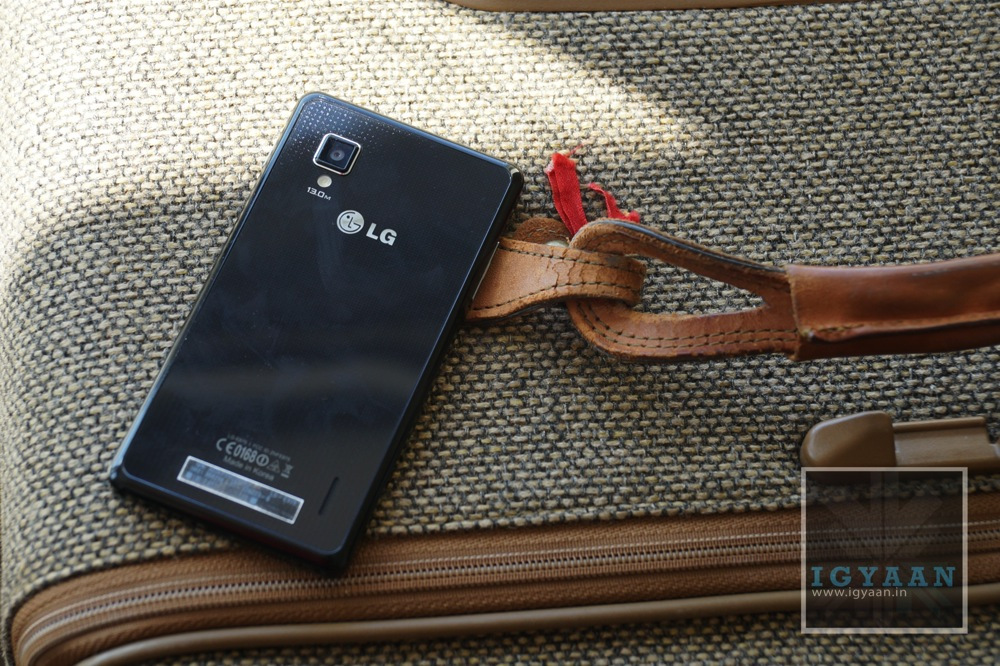
    LG’s next-generation Optimus G will take advantage of Qualcomm’s next-generation Snapdragon 800 silicon, according to a joint press release.

    The upcoming chip promises speeds up to 75% faster than that of the Snapdragon S4 Pro, which the 2012 Optimus G was one of the first phones to integrate. Snapdragon 800 boasts four Krait 400 cores alongside a new Adreno 330 GPU, both of which are more than just incremental speed upgrades from the current flagship Snapdragon 600.

    Anandtech recently took a look at Qualcomm’s Mobile Development Phone and Tablet equipped with the MSM8974 and found that the system-on-a-chip is not only faster than any current-generation ARM-based combo, but  approaches some of Intel’s x86-based internal graphics capabilities, albeit from previous hardware generations.

    It may appear strange for a hardware manufacturer like LG to pre-announce the existence of a smartphone, but in many ways it’s the only method of keeping the customer excited in the lulling months before the actual unveiling. Since LG only plans to release one flagship non-phablet smartphone a year, the Optimus G brand must survive on the promise of its hardware; the Korean company doesn’t hold users’ anticipation in its hands like Samsung or Apple.

    This is also LG flexing the muscle of its considerably potent partnership with Qualcomm, with whom they’ve struck an unspoken deal to debut new silicon. The Optimus G was one of the first widely-released devices with a Snapdragon S4 Pro, while the Optimus G Pro was similarly one of the first to boast a Snapdragon 600.

    Snapdragon 800 will support Category 4 LTE speeds up to 150Mbps by using asynchronous carrier aggregation techniques. Unlike Dual-Carrier HSPA+, this allows network providers to take advantage of extra spectrum that does not need to be paired, or parallel. It also promises 4K video playback and multichannel DTS-HD and Dolby Digital Plus decoding.

    Expect the next-gen Optimus G, as well as the Snapdragon 800, to debut in August.

    [Via]

  • 5 Million Instagram Videos Uploaded On First Day

    5 Million Instagram Videos Uploaded On First Day

    Instagram’s new video feature isn’t going over well for everyone. GigaOm’s Matthew Ingram says he’ll never click on your videos, and others have followed suit, blaming the addition for disrupting the service’s simplicity and, proportionally, its charm.

    But that didn’t stop hundreds of thousands of users from uploading millions of videos in its first day — 5 million videos to be exact. According to an Instagram spokesperson, video uploads peaked during the Heat-Spurs game last night but remained steady throughout the day.

    While five million videos may not seem like a lot when you consider Instagram has 130 million active users, there are a few things to consider: there is a slight learning curve to this feature, and it takes a fair amount more effort to complete an Instagram video than a photo; and over half of Android users do not yet have access to video creation, as the feature is limited to phones running Jelly Bean and above. At last count, that was around 35% of total users — still hundreds of millions, mind you — but certainly enough to have an effect.

    Another thing to consider is that Vine, with its six-second-video focus, is likely better suited to be the “Instagram of video” than Instagram itself. There has always been a tense but friendly rivalry between Twitter and Facebook, each company borrowing features from one another, but adding video to Instagram seems to be largely reactionary and may be viewed in the long run as diluting its brand. Then again, 15 seconds, which is the maximum length of an Instagram video, is the perfect length for a pre-roll ad. So there’s that.

  • Hike Launches Stickers, Walkie-Talkie, Last Seen And Hike Offline Features (PR)

    Hike Launches Stickers, Walkie-Talkie, Last Seen And Hike Offline Features (PR)

    Hike, a free cross-platform messaging app from BSB, announced the launch of a major update. The update offers its users expressive and fun stickers, ‘last seen’ amongst circle of friends, walkie-talkie and enables users to send messages even when the recipient is offline.

    Commenting on the update, Kavin Bharti Mittal, Head of Product and Strategy, BSB said “At BSB, we’re constantly thinking on how to re-invent messaging, make it simpler and easier to use in a mobile-first world. The latest update is a great example of how we’ve put that thinking into action. We’ve handcrafted some really fun and expressive stickers that we believe will add a lot more character and fun to messaging especially amongst the youth.”

    With the new Hike update, users can now chat with each other using new innovative stickers at the tap of a finger. Hike now comes power-packed with a variety of sticker packs, including Miley the cat, Snuggles the dog, Expressions, Rage Faces and even a playful Bollywood pack. 

    In a conversation, Hike recognizes when one of the users is offline and allows users to send the message as a free SMS to that person. The reply from the offline user comes back into hike for other online users, making messaging extremely seamless on hike.

    Kavin said, “From the feedback we’ve received, we’ve realised that the lack of such a feature was creating a break in messaging, not only for hikers but also for the entire messaging populace. We’re extremely proud about hike offline. We believe its a game changer for this market.”

    The company also introduced two additional features. A brand new Walkie-Talkie feature that allows users to send voice messages in real-time and the ability to see when your friends were ‘Last Seen’. Users will be able to choose who sees when they were ‘Last Seen’ on the app.

    Hike is available globally on iOS, Android, Blackberry, WP, S40; and is made with love in India.

    [toggle title=”Press Release”]hike launches Stickers, Walkie-Talkie, Last Seen and hike Offline features
    · Crossed 5 million users in April and is now handling close to a billion messages/month
    · Announces availability on Blackberry

    New Delhi, June 19th, 2013: hike, a free cross-platform messaging app fromBSB, today announced the launch of a major update. The update offers its users expressive and fun stickers, ‘last seen’ amongst circle of friends, walkie-talkie and enables users to send messages even when the recipient is offline. Commenting on the update, Kavin Bharti Mittal, Head of Product and Strategy, BSB said “At BSB, we’re constantly thinking on how to re-invent messaging, make it simpler and easier to use in a mobile-first world. The latest update is a great example of how we’ve put that thinking into action. We’ve handcrafted some really fun and expressive stickers that we believe will add a lot more character and fun to messaging especially amongst the youth.”

    With the new hike update, users can now chat with each other using new innovative stickers at the tap of a finger. hike now comes power-packed with a variety of sticker packs, including Miley the cat, Snuggles the dog, Expressions, Rage Faces and even a playful Bollywood pack. When words are just not enough, you can say it all with stickers.

    The company today, is also introducing first of its kind, revolutionary feature called ‘hike Offline’. In a conversation, hike recognizes when one of the users is offline and allows uers to send the message as a free SMS to that person. The reply from the offline user comes back into hike for other online users, making messaging extremely seamless on hike.

    Kavin avers, “From the feedback we’ve received, we’ve realised that the lack of such a feature was creating a break in messaging, not only for hikers but also for the entire messaging populace. We’re extremely proud about hike offline. We believe its a game changer for this market.”

    The company also introduced two additional features. A brand new Walkie-Talkie feature that allows users to send voice messages in real-time and the ability to see when your friends were ‘Last Seen’. Users will be able to choose who sees when they were ‘Last Seen’ on the app.

    With the new update, hike intends to introduce a new communication style where users can connect and share with each other, using a plethora of features that have been developed keeping in mind the unique needs and interests of the Indian market.

    With the launch of these new features hike also announced the availability of hike for Blackberry. The app was previously available in beta for Blackberry users.

    hike is available globally on iOS, Android, Blackberry, WP, S40; and is made with love in India.

    You can download the app at – http://get.hike.in/[/toggle]


  • Instagram Gets Video With Filters

    Instagram Gets Video With Filters

    Those selfies and food photos in your Instagram feed might soon be a little less stationary. Starting today, the Facebook-owned service will be adding video features to its popular iPhone and Android apps.

    Video on Instagram gives the 130 million users of the app the ability to post short video clips that can be three to 15 seconds long. In contrast, Vine allows a maximum of six seconds of video.

    instagram

    The new feature opens a potential new revenue stream for Facebook, which paid a premium price to buy Instagram last year. But Instagram co-founder Kevin Systrom insisted the product was not specifically designed to generate new business.

    “This is driven by consumer demand, not by business need,” Systrom said during a news conference at Facebook headquarters. “I don’t think we designed it with any advertising in mind.”

    In its iOS version, the tool also includes a brand-new image stabilization mode called “Cinema” to eliminate shakiness in videos.

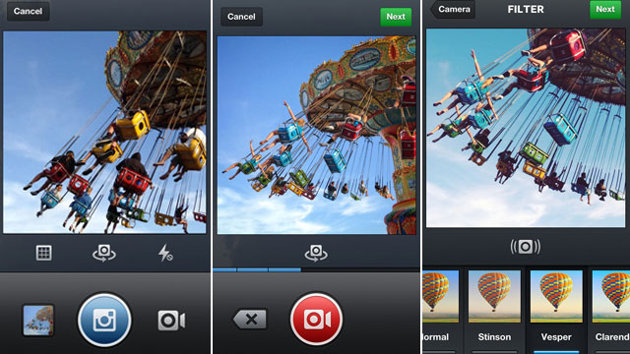
    Users will now hit the camera button and get a choice of a still camera or video camera option. Selecting the video option will bring up the usual viewfinder, and then, similar to Twitter’s Vine app, holding down the video icon will capture video. Releasing it will allow you to pause the video, readjust your shot and then start capturing again.

    Within hours of the new feature being added to Instagram, video clips began streaming in from locales around the world including a fish market in Japan, a space memorial in Russia and a surfing haunt on the California coast.

  • Tokyo Court Rules In Favour Of Apple Against Samsung On Patent

    Tokyo Court Rules In Favour Of Apple Against Samsung On Patent

    A Tokyo court ruled on Friday that Samsung Electronics had infringed on rival Apple’s patent for a “bounce-back” feature on earlier models of its popular smartphones.

    The rubber-banding patent refers to the bouncing animation that takes place when a user scrolls past the end of a page while on a mobile device.

    Samsung has already changed its interface on recent models to show a blue line at the end of documents, the report noted.

    The Tokyo District Court issued a partial verdict Friday in favor of Apple. Damages were not announced. A final verdict is expected later.

    Apple and Samsung are embroiled in similar battles in the U.S., South Korea, Germany, Italy, the Netherlands, Britain, France and Australia.

    The Japanese court’s decision comes after the US Patent and Trademark office judged in April that Apple’s patent for the bounce-back feature was invalid, allowing older Samsung models that had a similar feature to remain on sale.

    Samsung and Apple, the world’s two biggest smartphone makers, have each scored victories in patent disputes fought over four continents since the maker of the iPhone accused Asia’s biggest electronics maker of “slavishly copying” its devices. The companies, are competing for dominance of a global mobile-device market estimated by researcher Yankee Group at $346 billion in 2012.

    Further details regarding the Tokyo court’s decision will be announced when the final ruling is handed down later today.

    [Via]

  • Audi fires head of R&D, Wolfgang Dürheimer

    Audi fires head of R&D, Wolfgang Dürheimer

    Audi’s highly regarded head of R&D, Wolfgang Dürheimer, has been fired by the German manufacturer, ahead of the revered 24 hour of Le Mans race this weekend. The story was broken by German magazine Der Spiegel and has been corroborated by several high-ranking Volkswagen Group sources.

    Dürheimer had been appointed Audi’s R&D boss in September 2012 following a management shakeup within the Volkswagen Group in mid-2012. Prior to then, he had served as the head for Bentley, restructuring the brand and spearheading their effort to bring an SUV to the market. He has also held the same position at Bugatti, and was formerly the development chief at Porsche (where he is credited with helping get the original Cayenne into production, ushering in a new era of profitability for the company).

    But at Audi, a lot of his decisions did not go down well with VW Group CEO Martin Winterkorn, leading to personal tension between the two. He reportedly quickly put a stop to costly projects such as the R8 E-Tron and the rotary range-extender engine for the A1 E-Tron, and shuffled the reporting structure within the brand’s design department. Winterkorn strongly disapproved of Dürheimer’s conservative E-mobility strategy, and apparently disagreed with Dürheimer several times on the styling direction for the brand as well.

    Dürheimer’s future within the Volkswagen Group is unclear at this time, and his position at Audi will currently be filled by the Group’s R&D chief, Ulrich Hackenberg.

iGyaan Network
Privacy Overview

This website uses cookies so that we can provide you with the best user experience possible. Cookie information is stored in your browser and performs functions such as recognising you when you return to our website and helping our team to understand which sections of the website you find most interesting and useful.