Tag: 5G Modems

  • Apple To Buy Intel’s 5G Modem Business For US$ 1 Billion

    Apple To Buy Intel’s 5G Modem Business For US$ 1 Billion

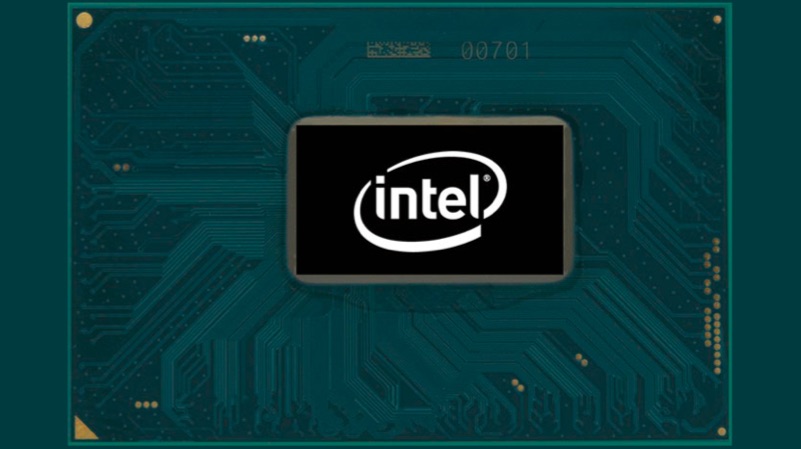
    American technology giants Apple and Qualcomm dropped all pending lawsuits against each other and signed a six-year licensing agreement back in the month of April this year. As a repercussion of the decision, chipmaking giant Intel, who was the chief supplier of smartphone modem for the Apple iPhone for the last few years; announced that it is quitting any development on 5G modems. Now, the latest reports reveal that Apple is in advanced talks in buying the dormant 5G modem division from Intel for a hefty sum of US$ 1 Billion.

    About the deal

    Apple

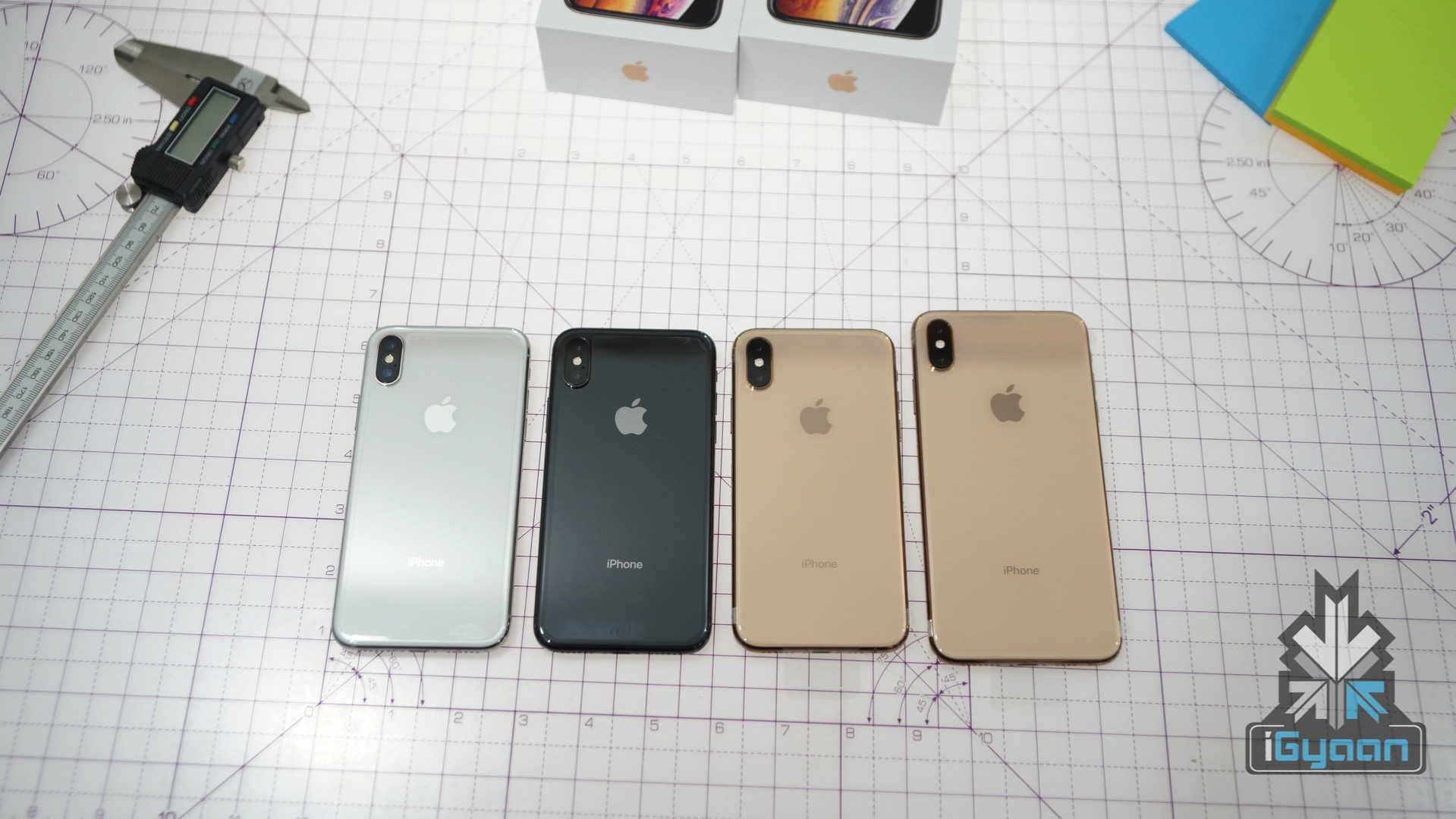
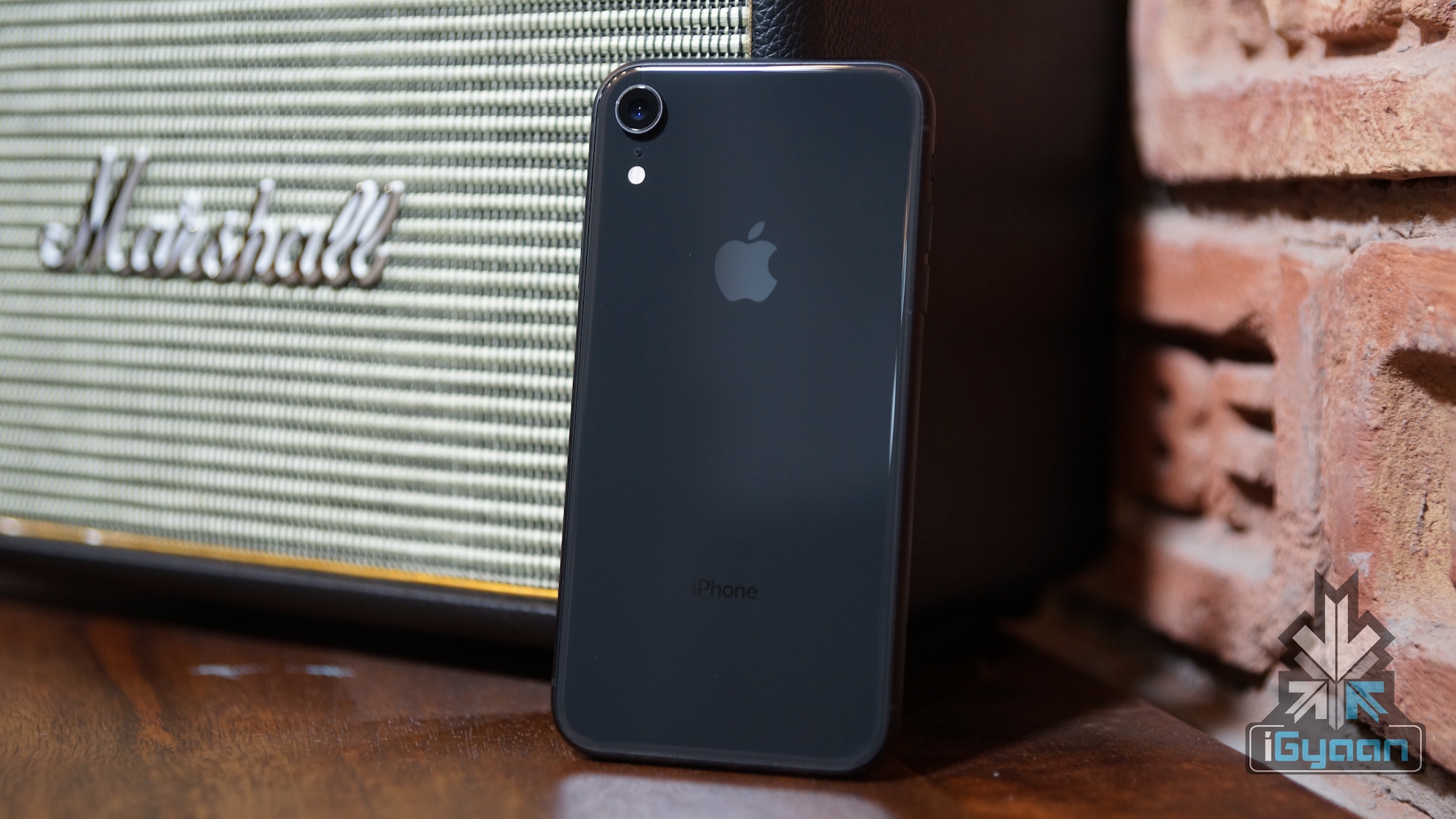
    As mentioned above, due to the settlement between Apple and Qualcomm, Intel announced that it is quitting the 5G modem business. The reason cited of the decision by the latter was that Apple is its most important client and without it, the company does not see a path forward. With the chipmaker moving out of the modem business, Apple could really benefit with the company’s resources and expertise. Intel was also the sole supplier of network modems for the iPhones launched in the year 2018, which include the iPhone XS, iPhone XS Max and iPhone XR.

    Apple

    Also read: Huawei’s First 5G Smartphone Will Soon Be Commercially Available

    It has been rumoured time and again that iPhones with support for 5G connectivity may arrive as soon as next year. And Apple is looking forward to using its own 5G modems inside the devices. However, for the near future, the company may have to use third-party modems, like the Qualcomm Snapdragon X50/X55 ones; as it may take years for it to develop a viable and sustainable modem business for its handsets. It is speculated that when the deal with Qualcomm ends in the year 2025; Apple will be ready with its own smartphone modems for use in future iPhones.

  • Apple Hired Intel’s 5G Modem Lead Developer Ahead Of Qualcomm Settlement

    Apple Hired Intel’s 5G Modem Lead Developer Ahead Of Qualcomm Settlement

    Apple, Qualcomm and Intel have been a subject of a multitude of legal issues lately. The companies have been involved in conflicts over a variety of reasons, the major one regarding the supply of 5G chips to Apple. Previously, Qualcomm and Apple were involved in a 6-Year License agreement regarding 5G modems, following which Intel exited the 5G modem business. As per latest reports, Apple hired the lead modem developer of Intel before settling with Qualcomm and letting Intel go. 

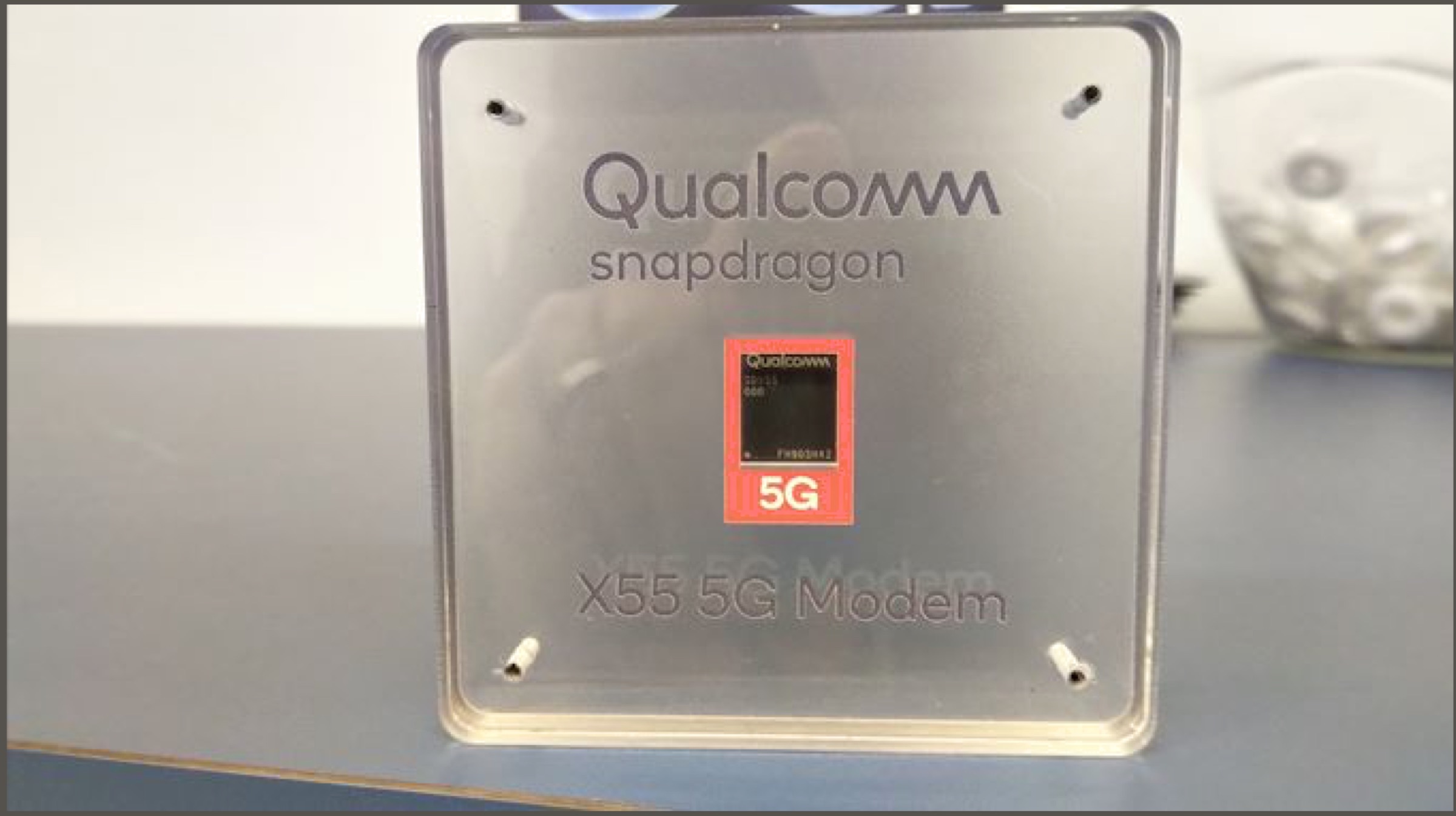
    Qualcomm X50 5G Modem

    A leaked email cited the aforementioned facts, in addition to the news that Umashankar Thyagarajan, the developer involved was hired just two months before the settlement. As per sources, Umashankar played an important role at Intel in the development of 4G modems, and was also working on the 5G XMM 8160 modems. After his exit from the scene, Intel was forced to rethink its chip development strategy. Consequently, Intel announced its departure from the 5G business on the same day as the Apple-Qualcomm deal went down.

    As previously reported, the company had raised concerns regarding Intel’s pace of the development process of 5G chips, following which Apple’s 5G iPhones were eventually delayed up to 2020. Seeing the 5G competition in the market from brands like Samsung and Huawei, Apple was forced to rethink its partnership with Intel. While Apple was unsatisfied with Intel’s results, the latter reverted by saying that Apple is a demanding client and that it is very conflicted with Apple regarding the partnership. 

    Also Read: Samsung Patents PlayGalaxy Game Link Service For Galaxy Devices

    In other reports, Apple was planning to step-up it’s in house modem manufacture after Intel delayed the production of the 5G chips. This step was taken in order to reduce the dependence on third-party suppliers, but unfortunately, adopting a manufacturing strategy like this will still cost time, delaying future 5G iPhones up to 2021. Since Apple is taking matters into its own hands now, 5G support can be expected fairly soon from the American multinational company.

  • Apple Stepping Up In-House 5G Modem Production After Conflict With Intel

    Apple Stepping Up In-House 5G Modem Production After Conflict With Intel

    As per a report, Apple is facing strained relationships with the American chipmaker Intel, due to which it is ramping up its in-house modem production for its future 5G smartphones, which may make their way into the market by the year 2021. Now, It appears that Apple has lost its confidence in Intel’s ability to deliver the promised 5G modems by 2020.

    About The Intel-Apple Partnership

    Reports state that 1000 to 2000 Qualcomm and Intel engineers are working on the aforementioned chips and modems, which will be used in future iPhones. However, Intel has reportedly missed out on deadlines for the production and development of the XMM 8160 5G modem. While Apple is unsatisfied with Intel’s results, Intel reverted by saying that Apple is a demanding client and that it is very conflicted with Apple regarding the partnership.

    Additionally, Intel also claims that it has lowered its margins drastically in light of the partnership, and at the same time, the company has to treat Apple as its number one priority. The internal conflict between the two companies may take a more serious turn, with Intel focusing on more profitable businesses in other categories. Even though doing so might be a breach of contract, Intel may start taking a practical oversight of the situation, which might harm relations between both the companies.

    Also Read: Beats Powerbeats Pro True Wireless Earbuds Launched

    Consequently, Apple is in a twist regarding the 5G modem production. Companies like Samsung and MediaTek will be unable to supply 5G modems for the iPhones by at least 2020, reports say. As reported previously, Apple has been in a legal fallout with chipset manufacturer, Qualcomm, so the prospects of Apple and Qualcomm working together for a long period of time may be very weak. Nonetheless, Apple is known for treating its customers with the utmost priority, so the American multinational technology company may have something up its sleeve in order to speed up the rollout of 5G iPhones in the near future.

  • Intel And Qualcomm Will Offer 5G Modems For Computers

    Intel And Qualcomm Will Offer 5G Modems For Computers

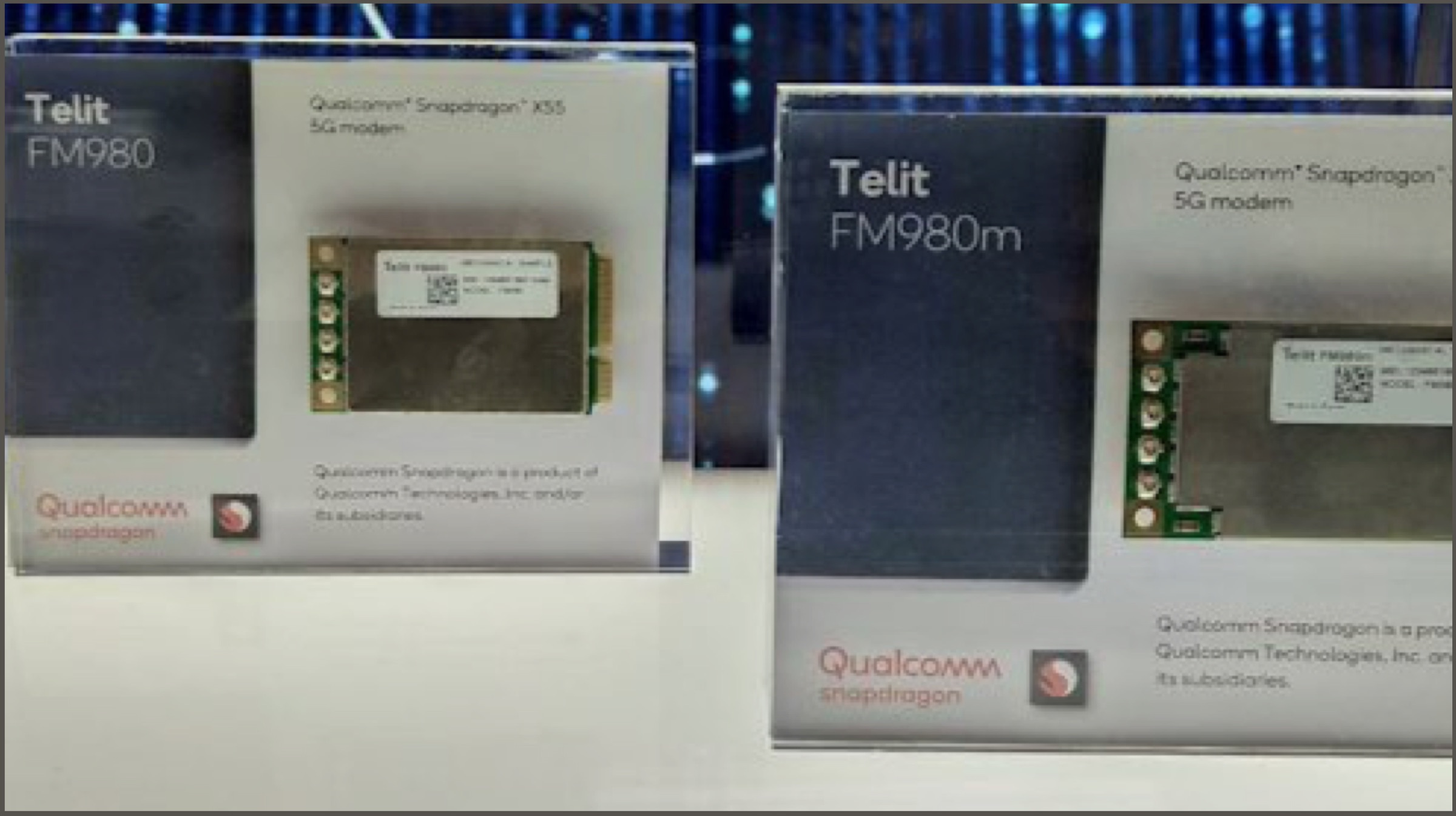
    Consumers believe that 5G technology will initially be limited to just smartphones, which may not be the case. A lot of companies speculate that 5G support will be available almost immediately on desktops and laptops with M.2 sockets. At MWC 2019, companies like Intel and Qualcomm were found showing off their 5G modems that will render high speed internet connectivity to traditional computing devices including laptops and desktops.

    Noteworthy, the 5G modules are not intended to be Plug and Play devices, instead, they are dependant on the external 5G antennae for network reception. This means that without a 5G supported machine, the modules are of absolutely no use. The modules will be used by Laptop and desktop manufacturers, which include companies like HP, Lenovo and Dell. All these brands have implemented LTE versions of similar connectivity modules in the past, so it is likely that the aforementioned companies will be the first to unveil laptops and desktops with 5G modules.
    Qualcomm and Intel Modems: Bands And Availability

    During MWC 2019, Qualcomm announced the X55 modem for 5G support across devices. The module is expected to be compatible with both mmWave 5G and Sub-6GHz 5G bands. mmWave 5G technology makes use of ultra high frequency radio signals, which are used to transfer data across devices. This is done within the 24 to the 90Ghz range, so a lot of bandwidth is wasted where it could be used to boost 5G speeds. Instead, the Sub-6GHz band operates between 1 and 6 GHz, which encompasses mostly all the data. It is less operational than mmWave in the long run, but it is certainly more functional.

    Also Read: Is Artificial Intelligence Digging Its Roots Deeper Into Our Reality?

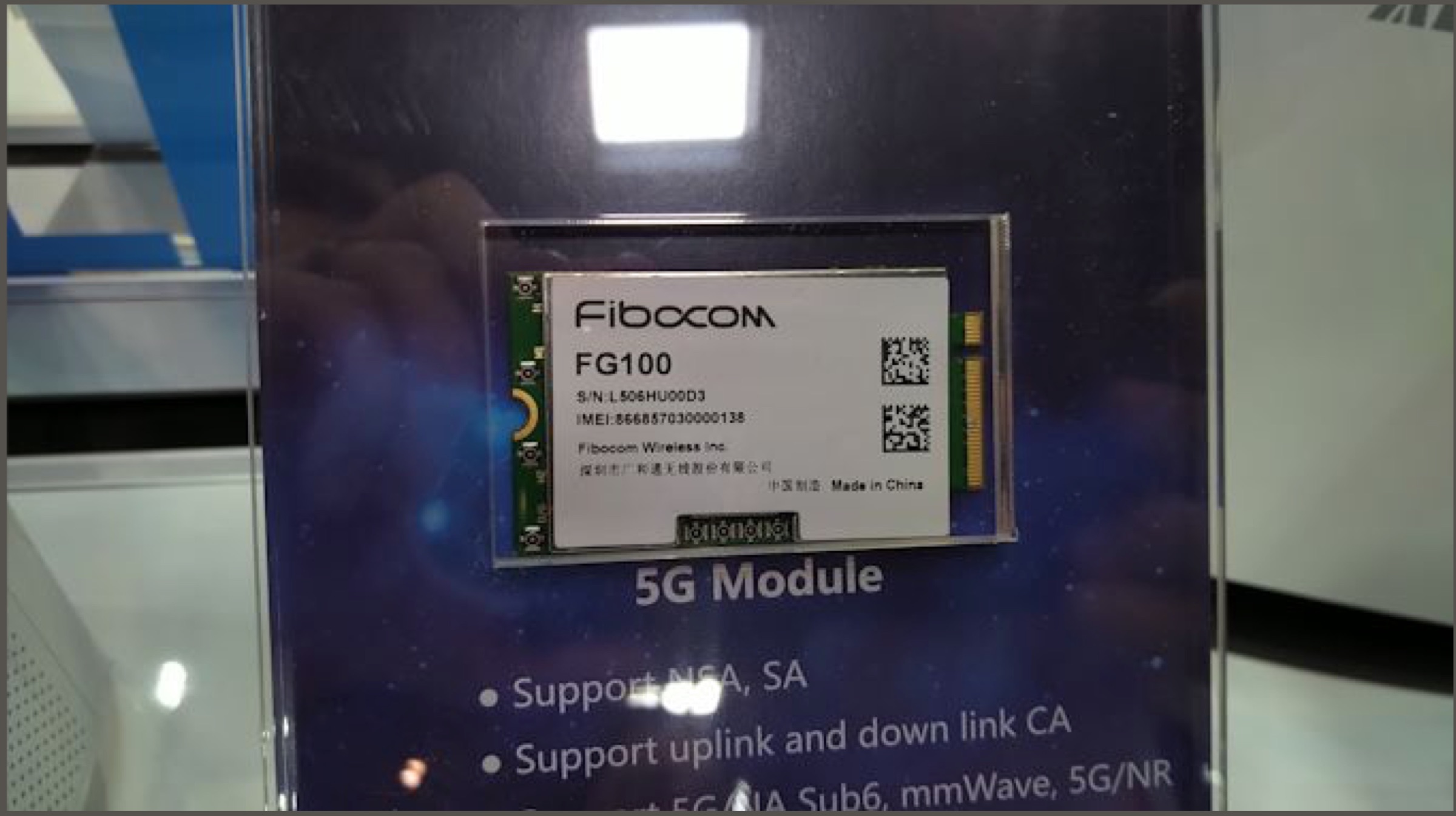
    The Intel 5G modules will be manufactured by Fibocom and will use the XMM8160 modem. Just like Qualcomm’s module, it will support both 5G bands. Reportedly both the Qualcomm and Intel modules are 30 wide. Therefore, they cannot be used with standard M.2 ports. Consequently, companies need to incorporate compatible sockets on their machines to accommodate previously mentioned modules. The 5G modules will be first seen in laptops and desktops in the year 2020. 

  • Apple iPhones To Get 5G Connectivity In 2020

    Apple iPhones To Get 5G Connectivity In 2020

    With 5G technology at the brink of reaching consumers soon, it is not surprising that tech giant Apple is gearing up to launch its own 5G handsets. Companies like OnePlus, Xiaomi and Oppo have already partnered with Qualcomm. They have even started testing some of their 5G compatible devices. However, Apple is partnering with Intel to make 5G enabled iPhones available by 2020. Apple will use Intel’s 8161 5G modem, according to reports.

    Apple’s 5G

    Intel plans to use the 10nm process for its 8161 chip, which will increase transistor density and hence provide more speed and efficiency. Intel is also working on a separate chip, the 8060. This will be used for prototyping and testing on the 5G iPhone. However, things have not been all smooth sailing between Apple and Intel.

    The 8060 has some heat dissipation issues which has not yet been solved by Intel. This could be due to the fact that 5G carriers will initially rely on the millimetre-wave spectrum to connect the first few 5G phones. However, this process is extremely demanding on the modems. It causes them to release levels of heat which are higher than the normal. These levels can reach a stage where they can be felt on the exterior of the device as well and also affects battery life. Obviously, Apple is not happy with these results.

    Intel is said to be working on solving this issue. But it seems like this hurdle isn’t big enough for Apple to reopen talks with Qualcomm regarding the supply of chips. Qualcomm’s 5G modem also has its own share of heat dissipation issues. However, the chip maker has said that it has found a way around this and solved the issue. Apple has reportedly held conversations with MediaTek as well, regarding the supply of 5G modems. However, MediaTek usually makes chips for budget and mid-range devices. Therefore, it might not be the perfect fit for Apple’s flagship iPhones. The talks however have taken place and MediaTek is just a distant ‘Plan B’, according to reports.

    Also ReadPrimeOS Equips Any Laptop Or PC With Android

    The Race To 5G

    A number of Android devices with 5G capability will be showcased at the Mobile World Congress, early next year. This might make it seem like Apple is joining the party a bit too late, however, the move makes perfect sense. Although chip manufacturers are making 5G modems this year itself and basic infrastructure for 5G will be set up soon. It does not guarantee great 5G connectivity. Infrastructure will be present, but it will be limited. This would give users great download speeds at very limited places and not any dependable connectivity. Therefore, waiting till 2020 to ensure that the required infrastructure is present, instead of rushing into making sure ‘we did it first’ could be a logical move by Apple.

iGyaan Network
Privacy Overview

This website uses cookies so that we can provide you with the best user experience possible. Cookie information is stored in your browser and performs functions such as recognising you when you return to our website and helping our team to understand which sections of the website you find most interesting and useful.