Tag: Apple iPhone

  • Apple win over Samsung won’t affect parts deal

    Apple win over Samsung won’t affect parts deal

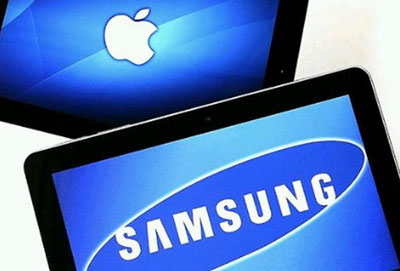
    While Samsung Electronics is reeling from a patent pounding by its smartphone rival Apple Inc, this is unlikely to damage the other part of their relationship – where Samsung is the sole supplier of Apple-designed chips that power the iPhone and iPad.

    At an emergency meeting in Seoul early on Sunday following the damning U.S. legal defeat, the South Korean group’s post mortem was led by vice chairman Choi Gee-sung and the head of the mobile business JK Shin, rather than by CEO Kwon Oh-hyun, whose primary role is in charge of the components business.

    The reason that Kwon was reportedly not present, even though he is the CEO of Samsung, is because the company has a “strict internal firewall” between its component supply business and handset operations, according to Reuters.

    Citing an unnamed executive who took part in Sunday’s meeting in Seoul, it was said that Samsung considers its supply contract with Apple a “separate issue from the litigation,” in which Samsung was found to have copied features of Apple’s iPhone and iPad..

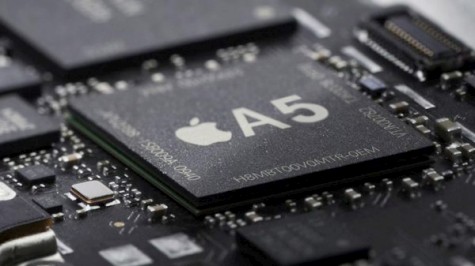
    While Apple and Samsung are fierce competitors in the businesses of smartphones, tablets, computers and more, Samsung is also Apple’s largest supplier of components and parts for its popular devices. Most notably, Samsung is responsible for building the custom processors featured in Apple’s iOS devices, including the iPhone and iPad.

  • Apple wins $1 billion in Samsung patent case

    Apple wins $1 billion in Samsung patent case

    Apple Inc scored a sweeping legal victory over Samsung on Friday as a U.S. jury found the Korean company had copied critical features of the hugely popular iPhone and iPad and awarded the U.S. company $1.05 billion in damages.

    The verdict — which came after less than three days of jury deliberations — could lead to an outright ban on sales of key Samsung products and will likely solidify Apple’s dominance of the exploding mobile computing market.

    The US lawsuit was one of several cases around the world between California-based Apple and South Korean Samsung over technology rights and innovation in the fast-growing mobile computing sector.

    Apple sued Samsung in April 2011, and Samsung countersued. The companies have also sued each other in Britain, Australia and South Korea. The California case was the first to go to a US jury.

    Apple sought $2.75 billion for its claims that Samsung infringed four design patents and three software patents. Samsung demanded as much as $421.8 million in royalties for claims that Apple infringed five patents.

    For the ’381 patent, which covers the “bounce-back” feature in document scrolling, all applicable Samsung products were found to be infringing for Samsung Electronics Ltd, Samsung Electronics America, and Samsung Telecommunications America, with the exception of the Galaxy Tab under Samsung Telecommunications America. This is a total of 21 smartphones and tablets including the Samsung Nexus S 4G, Galaxy s II (AT&T and i9100), Galaxy Tab, and Galaxy Tab 10.1.

    One bit of good news for Samsung: The jurors found that the Galaxy Tab 10.1 tablet did not infringe on any physical iPad design patents, as Apple had claimed.

  • Motorola files biggest complaint against Apple for iOS devices

    Motorola files biggest complaint against Apple for iOS devices

    Motorola’s biggest ever complaint against Apple involves 7 technologies that are now owned by Motorola, such as syncing messages between devices and bookmarking media playback on one device to resume on another. Although Apple has been using these technologies since 2005 in podcasts and Movies from iTunes, Motorola’s complaint only targets the newer iPad, iPhone 4s and other devices in the bottom line of Apple’s retail chain. 

    The complaint may take 6 months to over a year to resolve. By then Apple’s new lineup of technologies should be out. But, the question on everyone’s mind remains whether Apple, with their billions of dollars of corp warfare funds, will let this go easy. 

  • Hacker claims security flaw with iPhone

    Hacker claims security flaw with iPhone

    A French hacker known as pod2g has identified a text-based iOS glitch that allows scammers to spoof their identifies and make it look like text messages are coming from legitimate sources.

    The flaw has existed since iPhone was first launched in 2007, and is still not solved in the beta version of iOS 6, the next operating system for iPhone.

    Under the protocols handling the exchange of SMS (Short Message Service) text between mobile phones, the sender of a message can technically change the reply-to phone number to something different from the original number, Pod2g explained.

    At issue is a section of a text message payload known as User Data Header (UDH), which includes a number of advanced features. One of those features allows the user to change the reply address of the text. You can send a text from your iPhone, for example, but if the person replies, it’ll get sent to your Galaxy S III .

    When the option works correctly, pod2g said, the text message recipient will be able to see that they are responding to a different phone number. The recipient phone should either display the secondary number, or “in a good implementation of this feature,” pod2g wrote, the original phone number and the new phone number.

    [quote]”On iPhone, when you see the message, it seems to come from the reply-to number, and you [lose] track of the origin,” according to pod2g.[/quote]

    This is problematic because it could allow the scammer to send you a text message that appears to be from your bank with a link that asks you to click and verify account information. 

  • Google+ Update lets you open iOS links in Chrome, Allows Androids to join Hangouts on Air.

    Google+ Update lets you open iOS links in Chrome, Allows Androids to join Hangouts on Air.

    Google has let out a sly update to their Google+ apps on Android and iOS. The biggest addition is now allowing, Android phones to join Hangouts on Air, a feature we might use as soon as Today.

    For iOS the app, it now allows you to open links in Chrome instead of Safari, making the dreams of a default chrome browser more real than ever.

    What’s in this Android version:

    – Teens can now create and join Hangouts from mobile
    – Join Hangouts on Air from mobile
    – Floating timestamp in photos view
    – Shortcuts for post creation
    – Ability to report abuse in Events

    What’s in this iOS version :

    ? Web links in posts now open in Chrome (if installed)
    ? Teens can now join and create Hangouts 
    ? Instant Upload bug fixes to improve performance

    [App Store] [Google Play]

  • Edit : Why I Use An iPhone

    Edit : Why I Use An iPhone

    Ok, so before I begin with this article, let me clarify that I haven’t been paid by Apple to write this, I don’t hate Android phones, and I most certainly am not a “fanboy”. Also, I am not Bharat Nagpal (I know most of you came here expecting Bharat to finally reveal why he uses an iPhone). 

    The question is simple yet one of the most debatable one this side of the century, “Why do you use an iPhone?” 

    Some background details first

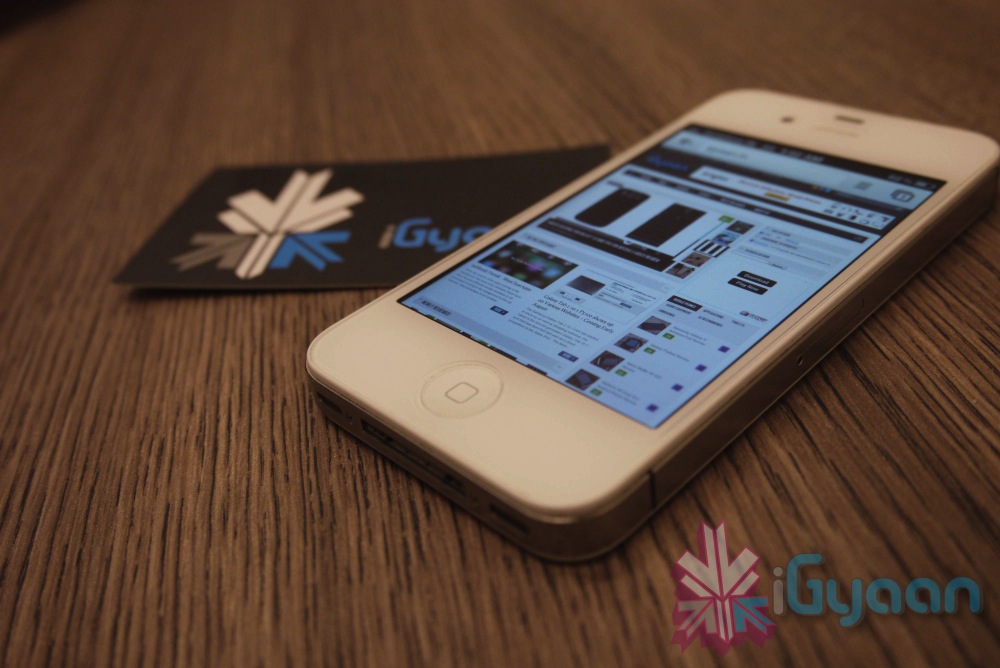
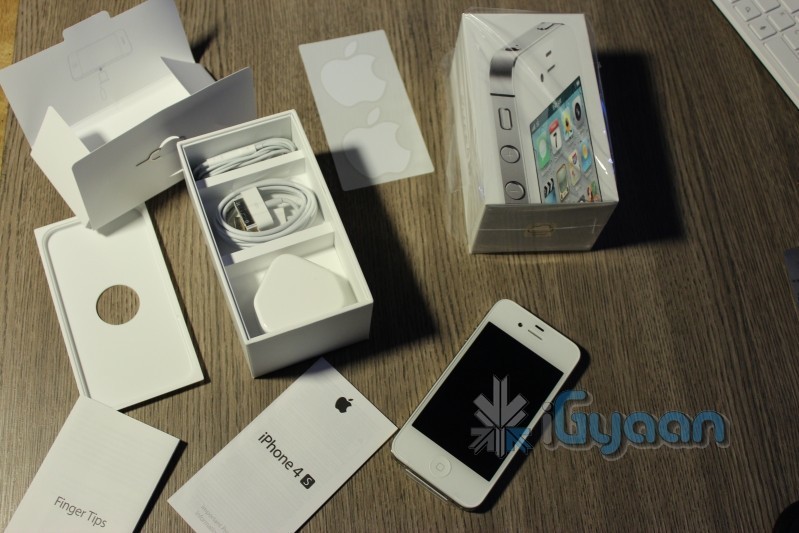
    [pullquote_right]working at iGyaan has its perks![/pullquote_right]I currently use a 16GB iPhone 4s, my first iPhone, which I’ve been using since January, 2012. Before this I had a Nokia 5230 “Express Music”, a Samsung Corby, a Samsung Metro, a Motorola flip phone (don’t remember its name now) and a Nokia 1100 (which I had to crush with a brick and then drown in a bucket full of water to make sure it was dead). Oh, and a couple of Android devices here and there (working at iGyaan has its perks!). 

    iPhone

    Now the Crux

    So, it took me only 1 day to realize that I had a phone in my hand that is perfect for me. Why so? Easy, because it’s is simple and uncomplicated!  I work around technology on a daily basis, but that doesn’t mean I want my products and services to be unnecessarily complex.  In fact, I tend to go the opposite way – I spend a lot of time working with wireless devices, dealing with random issues, playing with settings, and the likes.  In my time off, I’ll always migrate to the solution that’s the easiest.

    I want a device that works the same way every single time.  When I open an app, I expect it to take the same amount of time to open each and every time, when it doesn’t, it aggravates me. [pullquote_left]Having a sluggish phone with a 1.5 GHz dual-core is like having a Pulsar that moves like a Rajdhoot.[/pullquote_left] The iPhone is consistent, fast and ridiculously smooth! While you’ll never have a device that’s 100 percent fail-free, I’ve yet to find another device that performs as fluidly as the iPhone 4S. 

    One of the primary reasons I love the iPhone is the large selection of high quality apps. Even though more apps come to Android every day, I still prefer to buy (cough!) most of my apps and games on the iPhone.

    Not only do most of these apps look better, but i don’t have the same buyer’s (cough again!) remorse as I do with many Android apps I purchase. When given the choice between the same app on Android and on iPhone, I choose the iPhone app. I can’t recall looking at an Android app and complimenting its looks in comparison to its iOS and Windows Phone counterparts. 

    Daily Usage

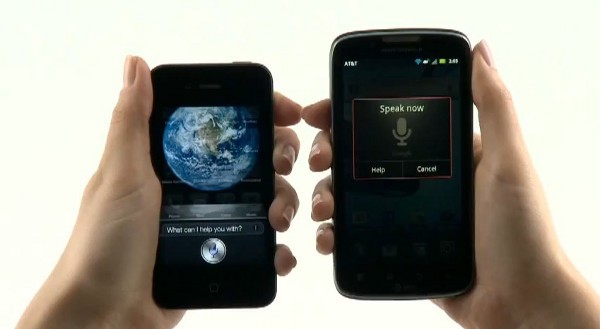
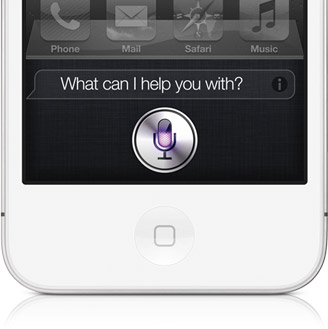
    iPhoneTyping is a breeze with the auto-correct (though i have suffered some more than embarrassing moments due to it). The phone literally learns as you use it. Overtime Siri picked up on my “Indian Accent”and autocorrect started suggesting Hinglish words. I use dictation on the iPhone 4S to write entire articles with enough accuracy that only minimal editing needed. In fact, I am writing this article through the WordPress app on my phone! The new Voice Actions in Android 4.0 include many of the same features and work just as well as Siri and Dictation on the iPhone, but it is less polished. There is no use of relationships and Voice Actions doesn’t prompt for the message, requiring taps on-screen instead.

    Through iCloud, I have all my emails, contacts, data backed up effortlessly and accessible from anywhere. I don’t have to worry about subscription renewal or periodic updates. All I had to do was create an iCloud account and I was good to go!

    Camera and portability

    iPhoneThe camera is definitely the best I’ve seen on a mobile phone (do not mention the PureView!). It has eliminated the need to carry a separate camera while on a vacation. I am more than satisfied with it!

    One of the biggest feature of a phone for me is the screen, and the iPhone delivers in that aspect! The Retina display is a treat to use! Bright, vivid colours, great viewing angles, outdoor visibility and no pixilation at all! Texts are as crisp as they can be and even though the screen may not be the biggest, it definitely is the best for my needs.


    Jailbreak

    [pullquote_right]For all the things that Apple didn’t include in the iOS, there’s JailBreak![/pullquote_right] You can do anything, literally, once you’ve jailbroken your phone! Be it applying a custom theme (I am using the Windows 8 theme currently), add toggles to the homescreen and download unlimited apps for free!

    Out of all of the smartphones I’ve used, battery life continues to shine on the iPhone 4S in comparison to Android and Windows Phone equivalents.  It has taken a hit for sure with iOS 5 and the 4S’ dual-core processor, but it still outperforms other smartphones I’ve used. It charges ridiculously fast!

    Conclusion (The Only Answer)

    So basically, the iPhone has a smooth and fluid OS (I cannot emphasize this enough!), adequately powerful hardware, and tons of great features! Not to mention it looks great and I don’t have to deal with “minor bug fixes” now and then! So why should I switch to some other phone just because it has ridiculously speedy quad-core processor and an awfully powerful GPU when at the end of the day I have a phone which does what I need perfectly!

    Is it the best phone ever? Nope.  Would I go around recommending it to everyone?  Nope.  I can go off on a tirade of things I don’t like about it.  Email management has been especially bugging me. There’s a ton of features on the Android that I wish I had access to on my iPhone, and there’s no doubt that Android will continue to develop over time, but right now, I just want a phone that pretty much manages itself, so I can enjoy it, without having to worry about if I need to update permissions on my phone.  But for today, it’s the device that allows me to check off the most number of features on my list, so it stays!
  • Sharp to start shipping iPhone screens to Apple this month

    Sharp to start shipping iPhone screens to Apple this month

    Apple’s component suppliers seem almost eager to stoke iPhone rumor fires, and all the hot, hot consumer anticipation surrounding them.

    On Thursday, Sharp’s new president, Takashi Okuda, said that his company will begin shipping iPhone displays starting this month, according to a report from Reuters. Okuda made the statement at a press event following the release of Sharp’s quarterly earnings report. Sharp’s president didn’t make note of the display’s size, but Reuters reports that the screens are destined for the next version of the iPhone.

    [quote]“People are expecting a new iteration of the iPhone to hit the market sometime in the September-October time frame, so this kind of comment fits in to what we’ve been hearing in the market, generally,” IHS analyst Vinita Jakhanwal told Wired. Sharp, Japan Display, and LG Display are the three likely suppliers for the next iPhone’s display.[/quote]

    The display of the next iPhone is expected to be larger than that of the iPhone 4S, stretching to 4 diagonal inches. The current iPhone has a 3.5-inch display. The new iPhone display will also reportedly be manufactured using in-cell technology, which means it will be thinner, lighter and more power efficient than current displays.

    Okuda didn’t confirm the size or technology used in the production of Apple’s next iPhone display.

    Various sources are reporting the next iPhone will be unveiled on September 12, so we should know soon if Okuda’s Thursday statement bears any weight.

  • Taiwan University Sues Apple Over Siri

    Taiwan University Sues Apple Over Siri

    Taiwan’s National Cheng Kung University said Monday it has filed a patent infringement complaint against Apple Inc. in a U.S. court over the Siri voice command system used in the latest iPhone and iPad models, marking the latest patent spat against the Cupertino, Calif.-company.

    In a filing to the district court of eastern Texas, the university alleged that Apple’s Siri voice-activated assistant, which allows users to make phone calls and perform other tasks with voice commands, violated two of its patents: a speech recognition system and another system that controls how the device interact with a user’s voice command.

    The university is asking for an undisclosed sum of damages from Apple, according to the filing dated Friday.

    Apple has been facing ongoing legal battles against other smartphone makers including Samsung Electronics Co. and HTC Corp. over patents on mobile device technology and features. Apart from seeking monetary damages, a ruling against Apple could effectively block shipments of its devices to some countries and significantly change the competitive landscape.

    Apple introduced Siri last fall through the 4S iPhone and has been advertising it as a big differentiator for the hit device. The technology can perform a variety of tasks from searching for information to sending an email to scheduling meetings by voice. Unlike other types of voice-activated services, Siri can perceive normal human speech patterns.

  • Rumor : Apple to announce iPhone 5, iPad mini at September 12 event

    Rumor : Apple to announce iPhone 5, iPad mini at September 12 event

    The iPhone 5, iPad mini and perhaps two other Apple devices could be announced at a Sept. 12 event, according to a new report.

    Long rumored to premiere in October, the sixth-generation iPhone is now reportedly expected to be announced in September, including a new report Monday by iMore.

    The report says Apple will announce the new phone and the iPad mini, a 7-inch screen version of the iPad, six weeks from now, citing “sources who have proven accurate in the past.”

    Though the report is unsure about the iPad mini’s actual launch date, it gives a specific launch date for the iPhone 5: Sept. 21, which is a date that’s been rumored before.

    Along with the two iOS devices, iMore also reports Apple will use the event to launch a new iPod nano.

    Along with the nano, iMore speculates that a new iPod Touch could also be announced. Recent reports have said the Touch could be in for a fairly substantial redesign as is expected for the new iPhone.

    The next iPhone is expected to have a better and longer screen, at 4 inches, as well as other redesigns, including a new back plate and a smaller dock connector.

  • Revealed : iPad, iPhone prototypes in court documents

    Revealed : iPad, iPhone prototypes in court documents

    Whoops! Something went wrong!
    Possibly an iPhone 3gs prototype

    Early concepts of Apple’s market-leading iProducts revealed as a result of a sprawling legal battle with arch-rival Samsung show wacky ideas — including octagonal shapes, handles and kickstands.

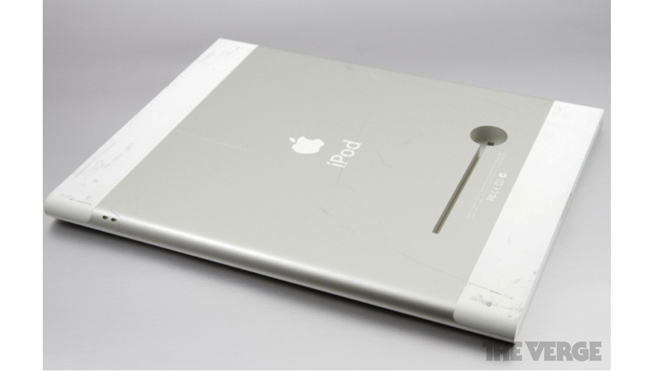
    Images revealed by tech news site The Verge, show Apple was intent on pursuing a kickstand for its tablet, with multiple iPad prototypes working through how such a stand would work.

    Other renderings show a version of the iPad that never was, with molded grips integrated into the frame to make it easier to hold.

    “Many of the iPad prototypes also feature ‘iPod’ on the back, perhaps giving insight into Apple’s early naming considerations,” the site noted.

    An iPad prototype with a kickstand

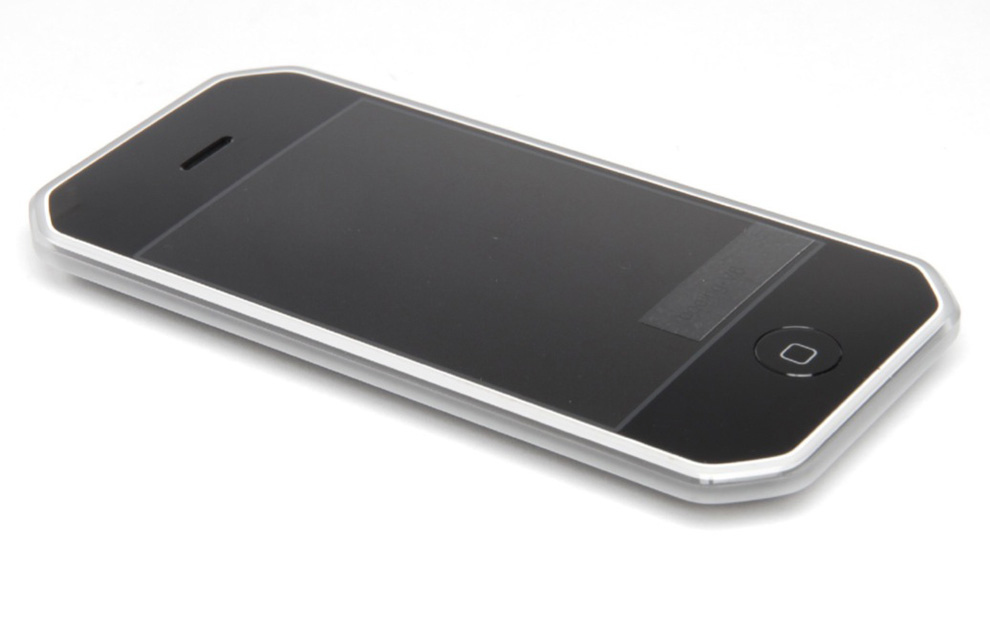
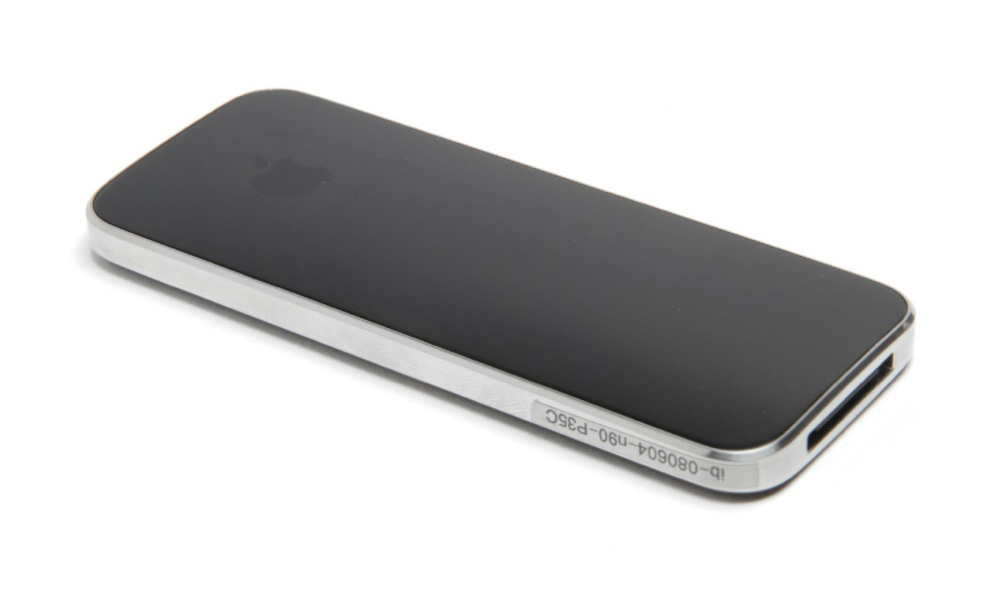
    Meanwhile, sleuths at Buzzfeed uncovered an alternate version of the iPhone with squared off edges — an early version of the game-changing smartphone that carried the prototype name N90.

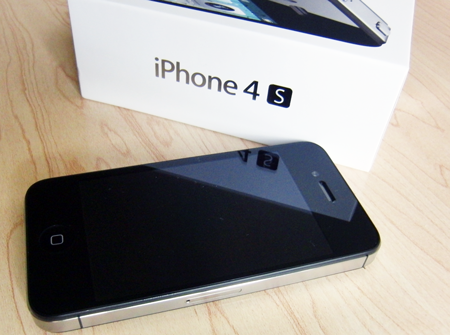
    An iPhone 4s prototype

    The device is clearly similar to Apple’s glass-and-metal design, but different enough to catch the eye. 

    Source : Fox News

  • Wait for next iPhone may hit Apple’s revenue

    Wait for next iPhone may hit Apple’s revenue

    As iPhone fans await the release of a new model, they are delaying purchases and may cause Apple Inc., the world’s largest company by market value, to post its slowest sales and profit growth in more than two years.

    Analysts estimate that sales of iPhones — Apple’s biggest source of revenue — slid in the fiscal third quarter from prior periods. While analysts predict that the next iPhone will be the best-selling smartphone yet from Cupertino, California-based Apple, the purchasing delays will probably weigh down results until the device hits stores.

    The iPhone 5 is only expected to hit store shelves around October — just in time for the holidays — with a thinner, larger screen and fine-tuned search features. Couple that pre-launch lull with slowdowns in Europe and China, Apple’s biggest markets outside of North America, and sentiment on the Wall Street darling is more muted than many can remember in a while. 

  • Apple’s next iPhone reaffirmed to have smaller 19-pin dock connector

    Apple’s next iPhone reaffirmed to have smaller 19-pin dock connector

    The iPhone 5, Apple’s next generation iPhone expected to go on sale around October, will come with a 19-pin connector port at the bottom instead of the proprietary 30-pin port “to make room for the earphone moving to the bottom”, the sources said.

    It would mean the new phone would not connect with the myriad of accessories such as speakers and power chargers that form part of the ecosystem around iPods, iPads and iPhones, without an adaptor.

    The redesign may annoy owners, but accessories manufacturers are preparing for a sales boom, according to analysts.

    “It represents an opportunity for accessory vendors,” said Pete Cunningham, London-based analyst at technology research firm Canalys.

    “The iPhone connector has been a standard for a long time now and I would expect the same to be true for a new connector, should Apple change it as expected.”

    Tech blogs have long speculated on the demise of the 30-pin connector, which at 21mm wide takes up a lot of space, especially as the latest technologies such as microUSB offer more power in less space. They say that a smaller connector would give Apple more scope for new product designs or a bigger battery, or simply to make ever smaller products.

  • New iPhone to have thinnest screen ever made – with sensors built into the glass

    New iPhone to have thinnest screen ever made – with sensors built into the glass

    Whoops! SOmething went wrong!

    Apple Inc.’s next iPhone, currently being manufactured by Asian component makers, will use a new technology that makes the smartphone’s screen thinner, people familiar with the matter said, as the U.S. technology giant strives to improve technological features amid intensifying competition from Samsung Electronics Co. and other rivals.

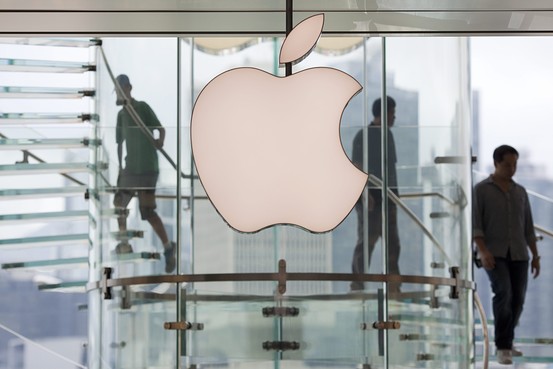
    Apple’s next iPhone, currently being manufactured by the company’s Asian component makers, will boast a thinner screen of the likes used by its rival Samsung. Above, the Apple store in Hong Kong.

    Japanese liquid-crystal-display makers Sharp Corp. and Japan Display Inc.—a new company that combined three Japanese electronics makers’ display units—as well as South Korea’s LG Display Co. are currently mass producing panels for the next iPhone using so-called in-cell technology, the people said.

    The technology integrates touch sensors into the LCD, making it unnecessary to have a separate touch-screen layer. The absence of the layer, usually about half-a-millimeter thick, not only makes the whole screen thinner, but improves the quality of displayed images, said DisplaySearch analyst Hiroshi Hayase.

    The current iPhone 4S is 9.3 millimeters thick, according to Apple’s official website.

    For Apple, the new technology would also simplify the supply chain and help cut costs as it would no longer need to buy touch panels and LCD panels from separate suppliers.

    It was previously reported that the new iPhone will likely come with a screen larger than the current iPhone’s 3.5-inch display. A thinner screen could help offset an increase in weight due to the larger size.

    Technological progress at LCD makers such as Sharp, Japan Display and LG Display is crucial for Apple, given that Samsung has been pushing its organic light-emitting displays as one of the unique features of its Galaxy phones. Samsung’s flagship smartphone, the Galaxy S III, comes with a 4.8-inch OLED screen and is thinner than the current iPhone.

    The vast majority of OLED screens used in mobile devices today are supplied by Samsung. OLED screens, which don’t require backlighting, tend to be thinner than conventional LCD panels.

    While Apple and Samsung together dominate the lucrative market for high-end smartphones, the companies are under constant pressure to meet high expectations for more-powerful, capable devices that are easier to carry.

    A thinner screen in the next iPhone could make the whole device slimmer, or make extra room available for other components such as batteries. But in-cell touch screens are harder to manufacture than conventional LCD screens.

    The people familiar with the situation said that LCD makers are finding the manufacturing process challenging and time-consuming as they scramble to achieve high yield rates.

    Analysts have said that the new iPhone is expected sometime in the fall.

    In May, people familiar with the matter said that the new iPhone will likely come with a screen larger than the current iPhone’s 3.5-inch display. A thinner screen could help offset an increase in weight due to the larger size.

    The LCD industry has been working on the in-cell touch technology for several years. For LCD panel makers like Sharp, Japan Display and LG Display, Apple’s iPhone provides the environment where they can demonstrate their latest technological progress to show that LCD screens can continue to evolve and stay competitive against OLED displays. In the meantime, Sharp, Japan Display and LG Display have also been developing OLED displays.

    At the same time, the adoption of in-cell technology is bad news for makers of conventional touch panels used in many smartphone screens now. Taiwan’s Wintek Corp. and TPK Holding Co., which supplied the touch-panel layer of the iPhone 4S screen, didn’t get orders for the next iPhone, people familiar with the situation said.

    Source : Wall Street Journal

  • Google Chrome comes to iOS, iPhone and iPad

    Google Chrome comes to iOS, iPhone and iPad

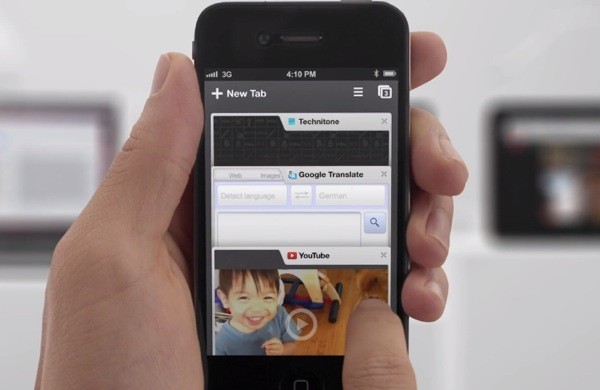
    While the whole world was skeptical, Google just went ahead and put Chrome mobile on iOS. Both iPad and iPhone users will get the app, either with incognito browsing, syncing and that unique tabbed browsing interface intact.

    With the restrictions on the Apple App Store the Chrome webkit will not be allowed on iOS, but either way the download is now live!

    [App Store]

  • Apple Brings iTunes to Hong Kong, Singapore and 10 others in Asia, India left Out!

    Apple Brings iTunes to Hong Kong, Singapore and 10 others in Asia, India left Out!

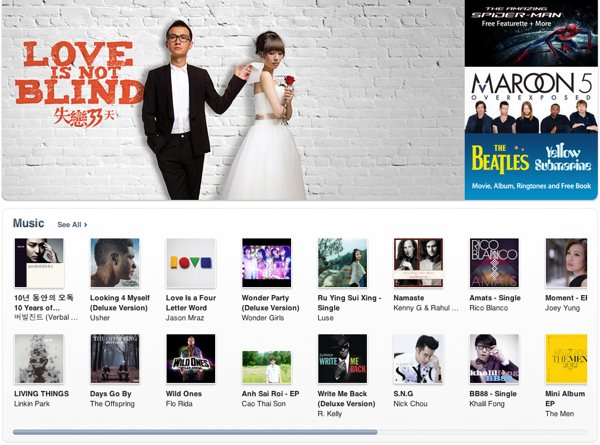
    Apple has finally started to branch out into what is a major chunk of their earning region. Hong Kong, Taiwan and Vietnam are among the dozen new countries where Apple has just launched their iTunes store for music and movies. Other countries include Brunei, Cambodia, Laos, Macau, Malaysia, the Philippines, Sri Lanka and Thailand. If you are asking then the answer is no, India was not included. 

    The company has left out India from the mix, possibly in comparison to the number of account holders. Hopefully, they can roll out the store in the coming months.

    [Apple]

iGyaan Network
Privacy Overview

This website uses cookies so that we can provide you with the best user experience possible. Cookie information is stored in your browser and performs functions such as recognising you when you return to our website and helping our team to understand which sections of the website you find most interesting and useful.