Tag: Camera Sensor

  • Sony Bumps Up 3D Camera Sensor Production

    Sony Bumps Up 3D Camera Sensor Production

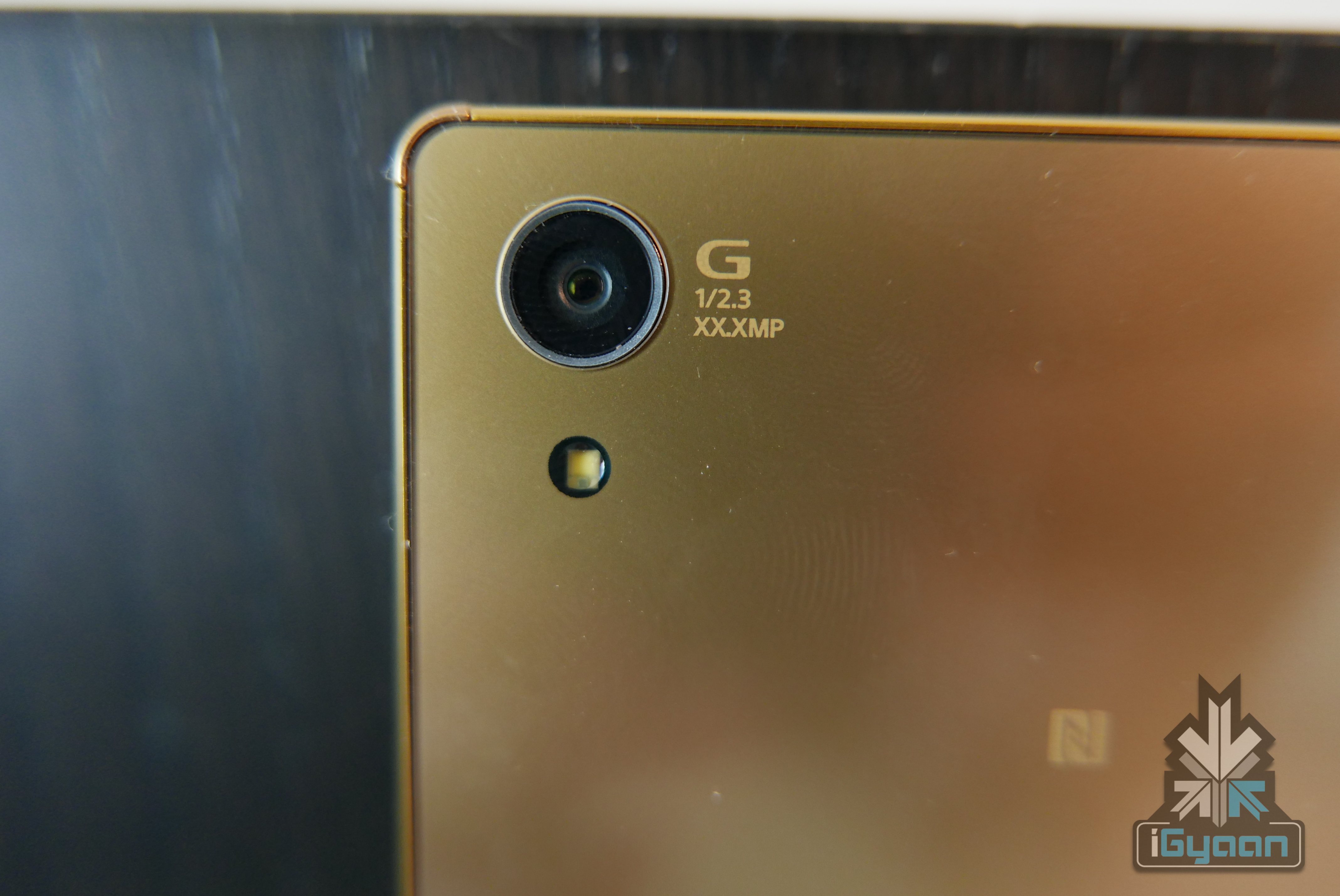
    Sony’s smartphone and consumer electronics division might be facing tough times but the company is undoubtedly the world’s biggest smartphone camera chip manufacturer. More than 50 percent of the smartphones in the market use camera sensors that are manufactured by Sony which includes Apple, Samsung and Google. A Bloomberg report suggests that Sony is now gearing up to ramp up the production of 3D camera sensors. 

    What Is A 3D Camera Sensor?
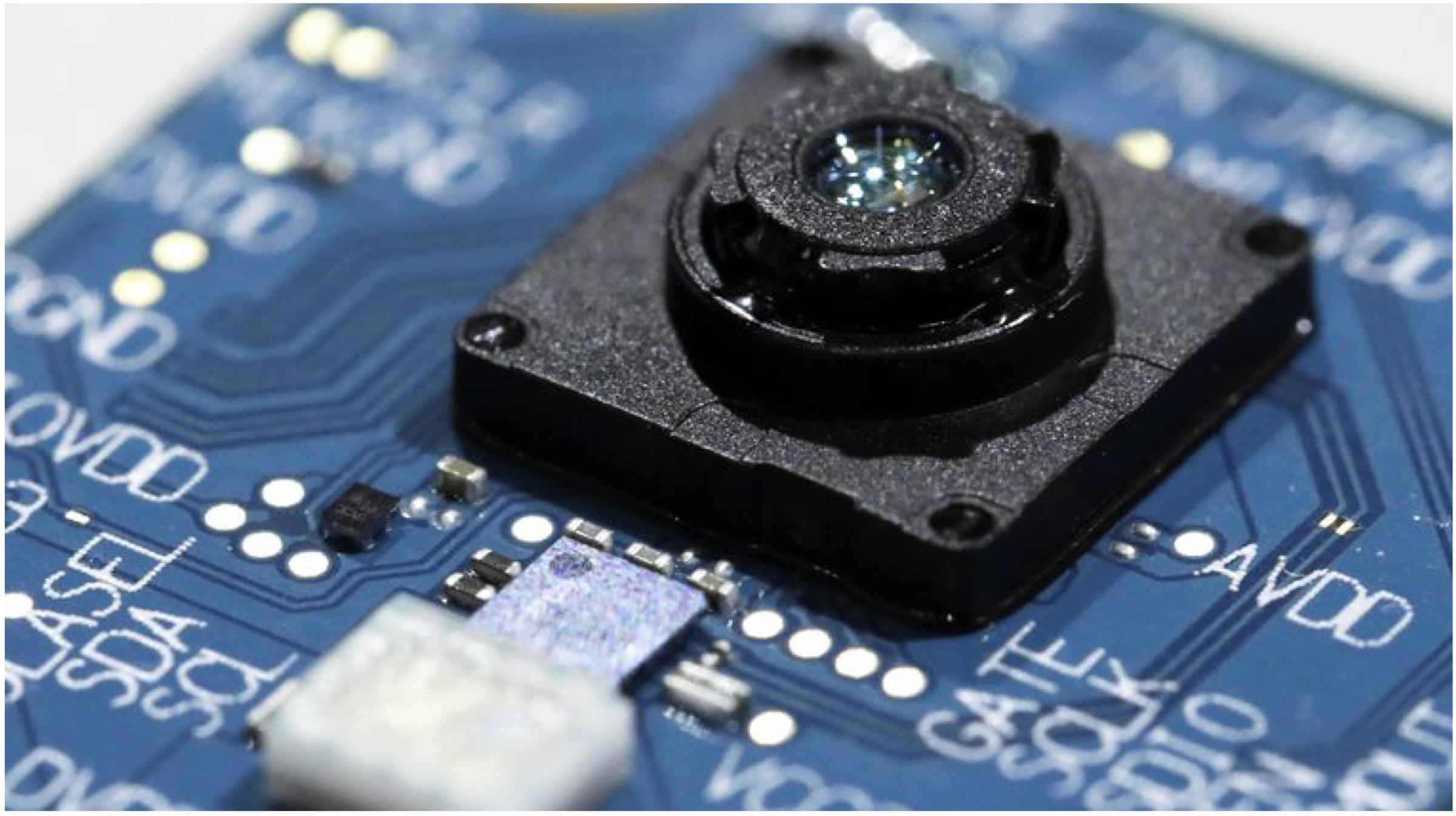
    A 3D camera is an imaging device that allows to replicate three dimesional  objects with the help of depth sensing technologies. Digital cameras with 3D sensors have been available in the market for quite some time. These cameras are bulky and hard to carry but Sony seems to be developing miniscule 3D sensors that can be embedded in to smartphones. 3D sensors on a smartphone can open a whole new world of possiblities.
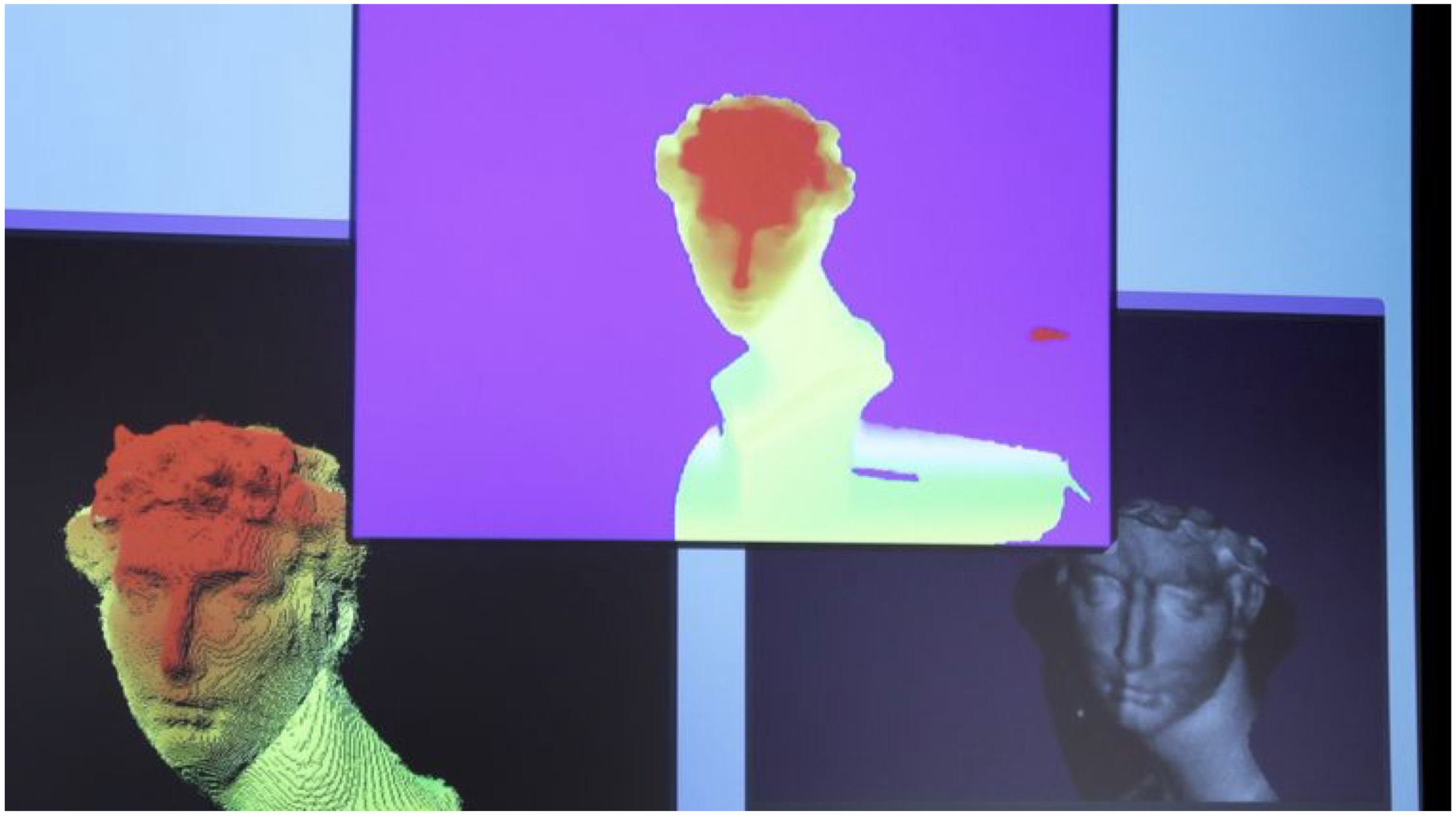
    Few uses of smartphones with 3D sensors are as follows:

    • Smartphones with 3D sensors can be used to create a virtual 3D model of a user that has the potential to change the future of shopping. The users can easily scan their body parts like the face and head to virtually try on accessories like hats and spectacles.
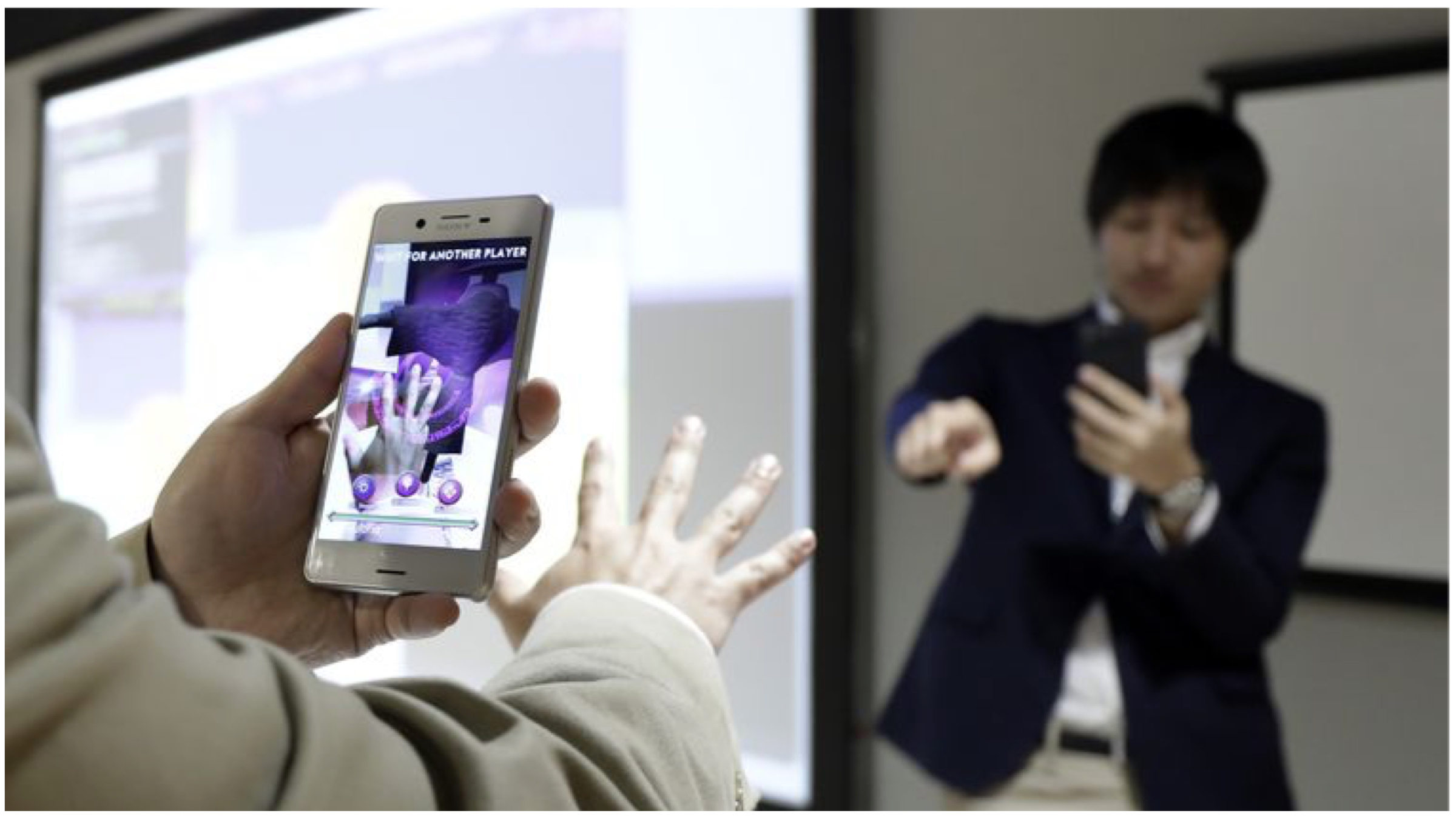
    • 3D camera sensor featuring smartphones can also help in pushing the boundaries of mobile gaming further. Mobile game corporations can use these sensors to make a virtual 3D model of the player which can be loaded in to the game. This would help the companies to create an even immersive expereience to the users.
    Sony’s Competition And Production Bump
    Also Read: Mi TVs Get Price Cut In India

    Except for Sony, companies like Lumentum Holdings Inc. and STMicroelectronics NV also make 3D chips that are used for accurate facial recognition and clicking photographs with enhanced depth effect. However, Sony claims their technology is more accurate than the offerings of their competitors. Sony uses a method called ‘time of flight’ of TOF that sends out out invisible laser pulses and measures how long they take to bounce back. This technology is used to take precise 3D pictures of objects. According to Sony officials, the company’s sensors can even capture pictures at a distance of five meters. 

    Sony seems to be optimistic about the future of this technology and predicts this feature can boost the sinking smartphone sales. In the interview with Bloomberg, the company reported that the upcoming Huawei phone will employ 3D sensors made by Sony. Additionally, Sony revealed that the company is getting interest from Apple perhaps future iPhones will makes use of this type of sensors. To meet the high prediction of demands, Sony will kick off mass production in late summer of 2019. 
  • Samsung Introduces Two 1/2 inch ISOCELL Image Sensors

    Samsung Introduces Two 1/2 inch ISOCELL Image Sensors

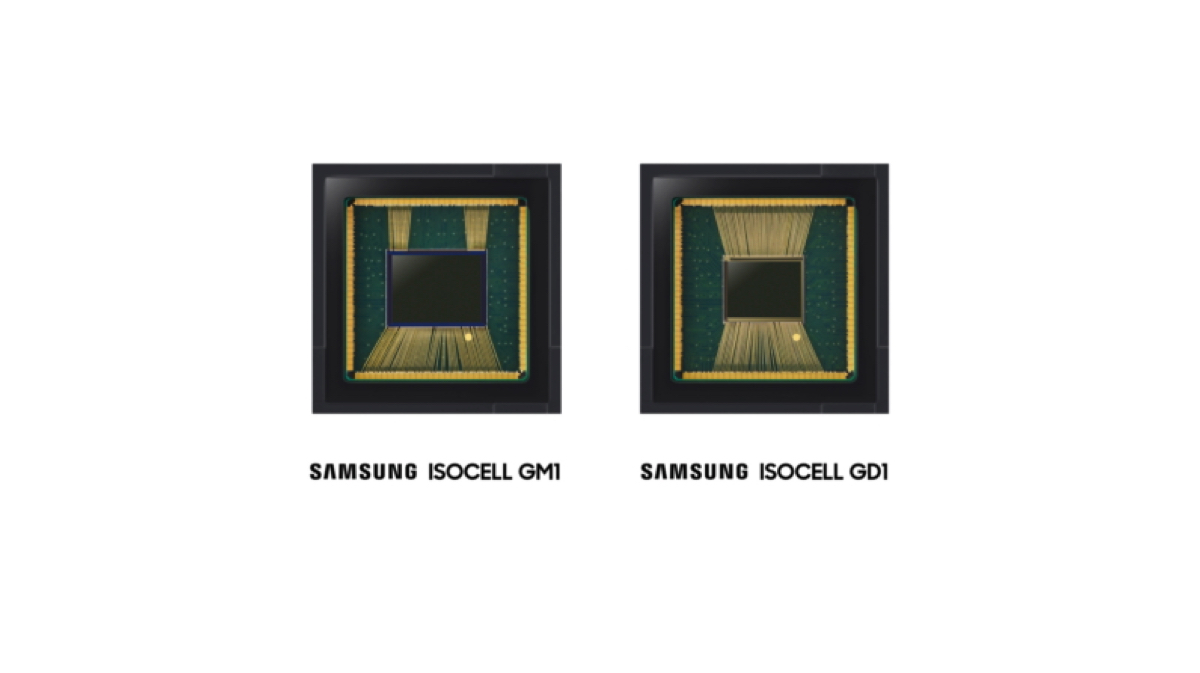
    Samsung announced two new 0.8-micrometer pixel image sensors. These include the 48 megapixel Samsung ISOCELL Bright GM1 and the 32 megapixel ISOCELL Bright GD1.  According to a senior Samsung executive, the demand for ultra-small, high-resolution image sensors are growing. As smartphones evolve to deliver new and more exciting camera experiences for users, Samsung wishes to stay in this race. This indicates that these sensors are aimed for future smartphones from the company’s table. Cameras have become an integral part of the smartphone experience. Manufacturers are aiming to innovate and research newer ways to fit as many sensors as they can into a small body. Reducing sensor size without compromising on image quality or overall camera performance seems to be on every manufacturer’s agenda.


    Features Of The Sensors

    According to Samsung, the GM1 and the GD1 sensors are based on their latest pixel isolation technology. The ISOCELL Plus supposedly optimises performance especially for smaller-dimension pixels, making them the ideal solution for today’s super-resolution cameras. This technology allows the sensor to combine four pixels and merge them to one to improve the camera output in lower lighting conditions. The company claims that the GM1 and GD1 can deliver light sensitivity equivalent to that of a 1.6 micron pixel image sensor at 12 MP and 8 MP resolution, respectively.

    Also ReadLG’s New Patent Hints At A Notch-Less Phone

    The GD1 also gets realtime HDR support. This reportedly allows for balanced exposure, richer colour and detail when filming selfie-videos or streaming live video content even in low-light or high-contrast environments. This might be a great thing for people who use their front cameras a lot. Both these sensors will go into mass production in the fourth quarter of this year. Samsung has already showed an under display camera they have been working on for their future phones. Although it seems unlikely that they will use these sensors for their new technology which is still at a very early stage. But it will be interesting to see how the sensors are used by the company.

iGyaan Network
Privacy Overview

This website uses cookies so that we can provide you with the best user experience possible. Cookie information is stored in your browser and performs functions such as recognising you when you return to our website and helping our team to understand which sections of the website you find most interesting and useful.