Tag: cars

  • Jaguar and Intel to Work on Next Generation Vehicle Technology

    Jaguar and Intel to Work on Next Generation Vehicle Technology

    Jaguar and Intel have collaborated to improve its research and product development on future vehicle infotainment technologies. Both companies will start this with the opening of a new Technology R&D center in Portland, Oregon.

    Elliot Garbus, vice-president and general manager, Automotive Solutions Division, Intel Corporation, said: “Consumers expect their in-vehicle experiences to be an integrated part of their digitally connected lifestyle; this requires enhanced levels of connectivity and intelligence in the car. As part of our work with Jaguar Land Rover, we are exploring innovative ways to inform, entertain and assist drivers and passengers in a safe way; speeding development of unique experiences from the car to the cloud. Our goal is to accelerate opportunities for new types of in-vehicle services and applications in the Internet of Things.”

    The new Open Software Technology Center in Portland, which is scheduled to open in 2014, will include the Jaguar team based at the company’s product creation facility in Gaydon, UK. It will further include a team of 30 infotainment specialists, including 16 highly experienced software engineers.

  • A Sneak Peek into the Future of Tech

    A Sneak Peek into the Future of Tech

    Technology is ever-growing, one would say each day something new is developed. In this ever growing age of technology, it is not easy to keep yourself updated with all the new developments in the world of technology. We live in a world where present technology seems to fulfill, in some cases present technology is also ahead of what SOME people may think. It is always good to know what does the future technology got for us.

    Google Glass:

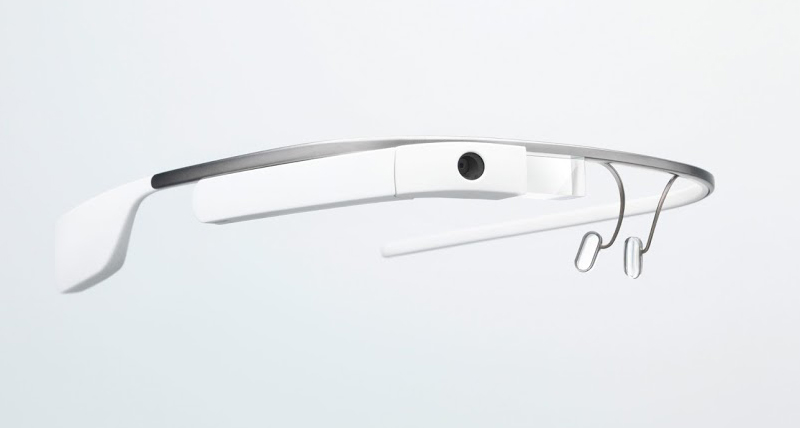
    google glass

    Google glass is a great step in technology. What is the Google Glass ?

    Google Glass is a wearable computer with an optical head-mounted display (OHMD) that has been developed by Google in the Project Glass research and development project, with a mission;  Production of a mass-market ubiquitous computer. Google Glass displays information in a smartphone-like hands-free format, that can interact with the Internet via natural language voice commands

    As per Google, Glass is fairly simple to use, for taking an image one just has to say take a picture and its all done, you can record everything hands free, even share what you see – Live! get directions right in front of you, just speak to send a message, ask anything that’s on your mind, translate your voice, get few answers without even asking. The structure for the Google Glass is strong and light with an Evolutionary design. The colors it will be available in Charcoal, Tangerine, Shale, Cotton, Sky.


    All this features would be of better understanding after you watch this:

    [youtube id=”v1uyQZNg2vE” width=”100%” height=”300px”]

    We will have to see if Glass would live up to our expectation as Rumored Google is getting these available from next year just for $299. But, will Glass be able to maintain its position in the market because if we look at the technology it is growing, so the day is not far when we might have the same technology on our goggles or in the lenses we wear. 

    Oculus Rift

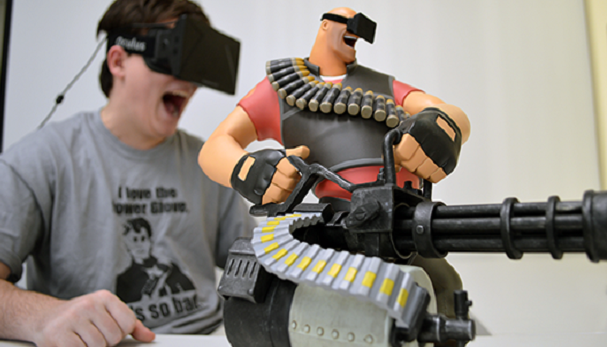
    The Oculus Rift is an upcoming virtual reality head-mounted display developed by Oculus VR, who have raised $16 million, of which $2.4 million was raised with crowfunding via Kickstarter. The company, founded by Palmer Luckey and the co-founders of Scale form and id Software, John Carmack was later hired as its Chief Technology Officer. 

    The Oculus Rift is a next-generation virtual reality headset designed for immersive gaming. The test kits are in the process of being shipped out, are you getting your own Oculus Rift development kit?

    Oculus Rift

    For more information and to see how this works watch the video below.

    [youtube id=”1QnXHe_MIx4#at=21″ width=”100%” height=”300px”]

    The Future Cars

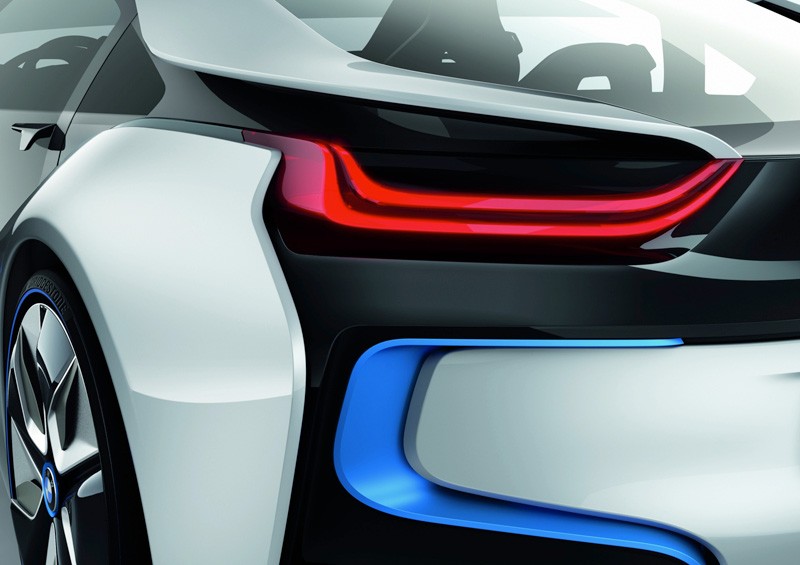
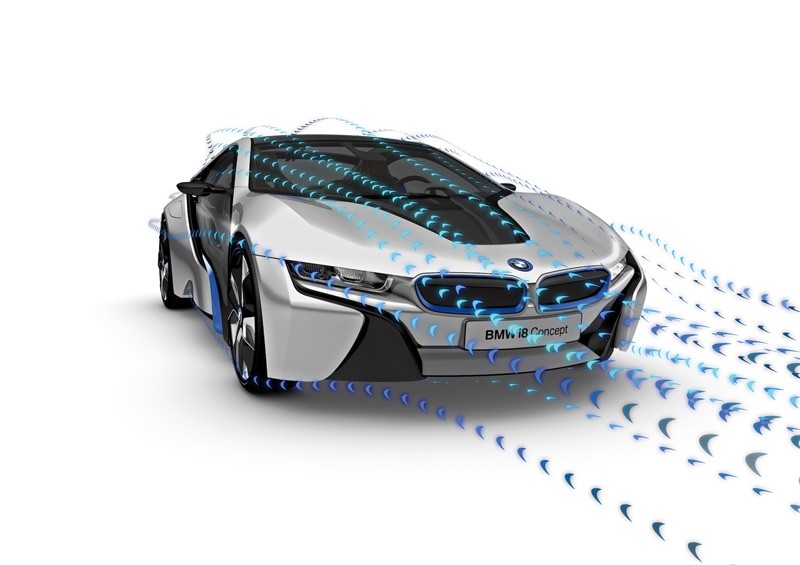
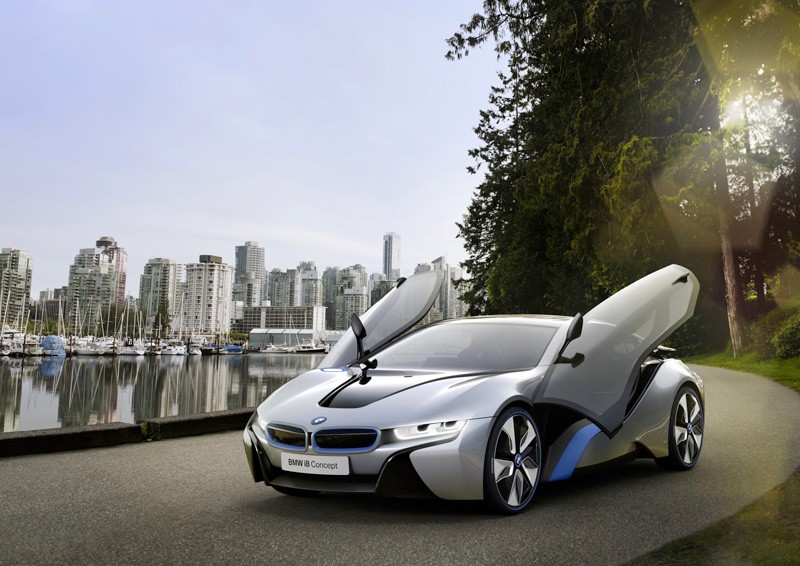
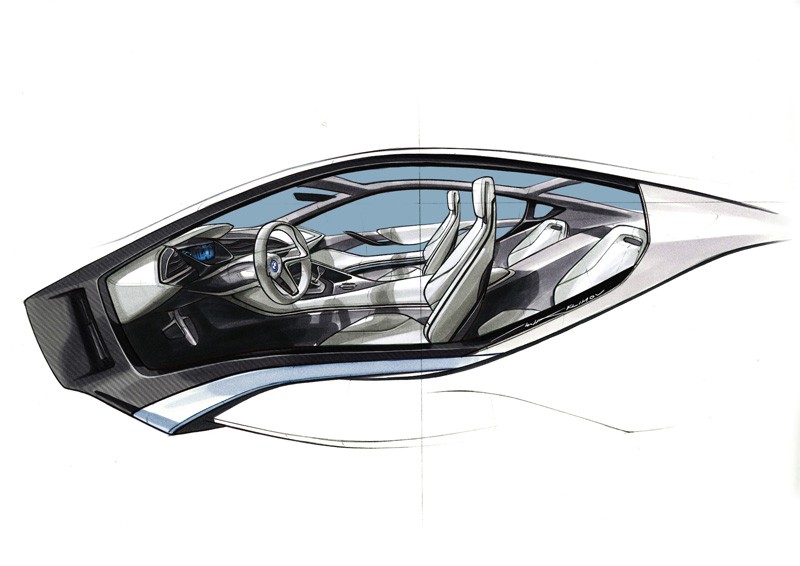
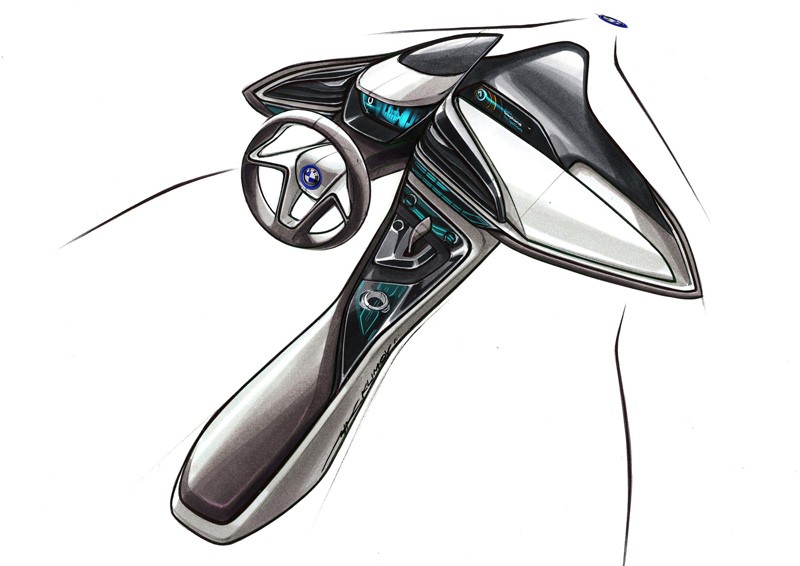
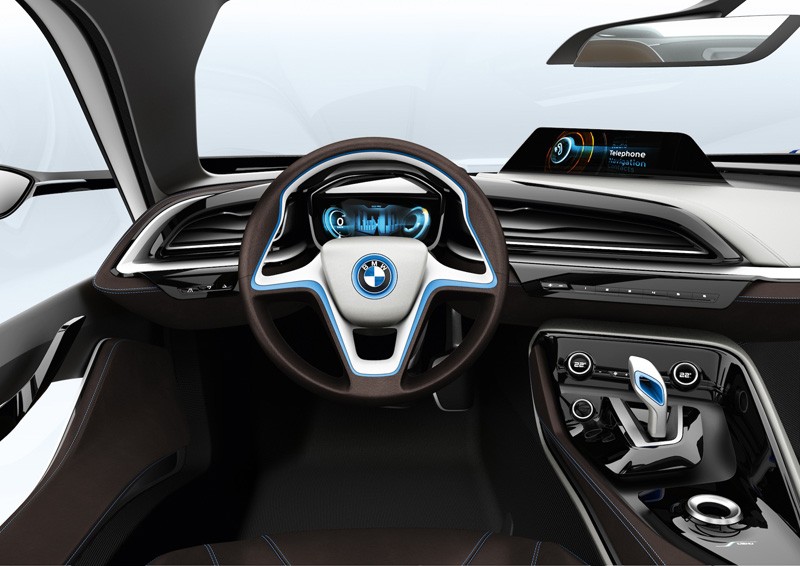
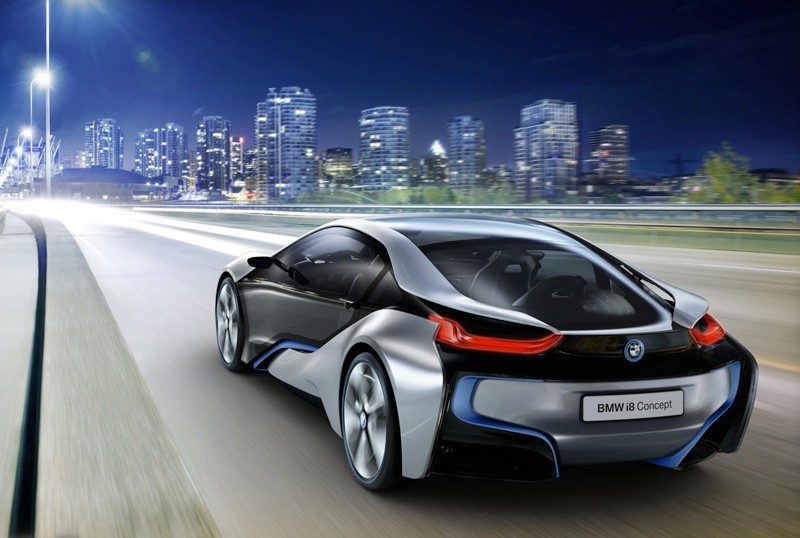
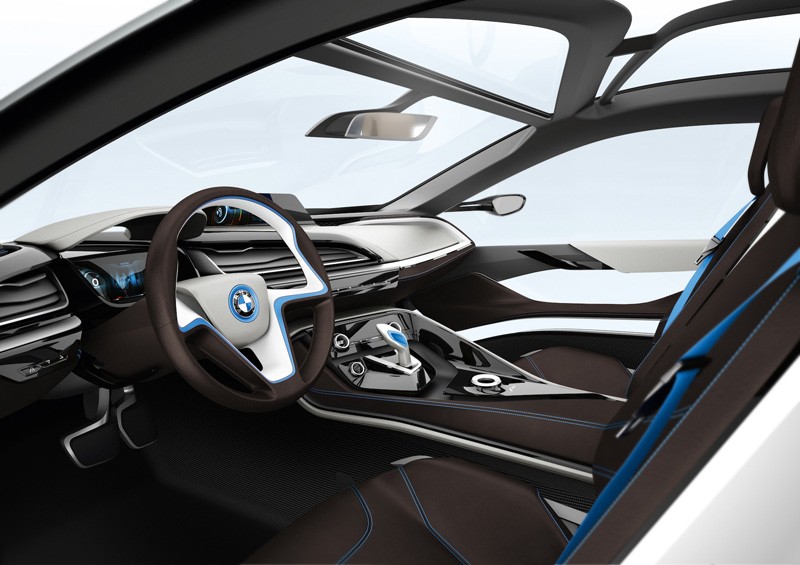
    If we talk about the technology in the future cars, the BMW i8 concept car is the best example we can quote as if now.

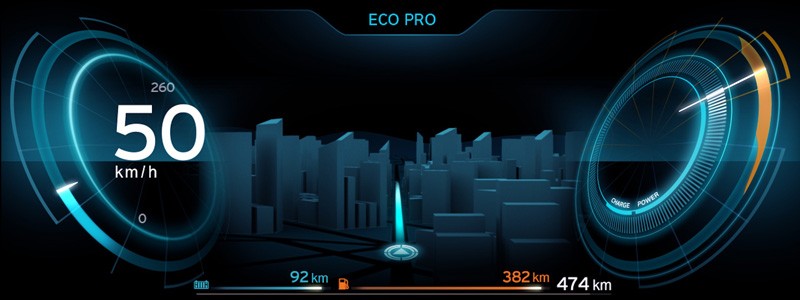
    The BMW i8, first introduced as the BMW Concept Vision Efficient Dynamics, is a plug-in hybrid under development by BMW. The initial turbodiesel concept car unveiled at the 2009 Frankfurt Motor Show, and the BMW i8 gasoline-powered concept car destined for production unveiled at the 2011 Frankfurt Motor Show. The i8 concept has a 7.2 kWh lithium-ion battery pack which delivers an all-electric range of 35 km.

    The Vision Efficient Dynamics concept car is a plug-in hybrid with a three cylinder turbo diesel engine. Additionally, there are two electric motors with 139 horsepower. It allows acceleration to 100 km/h in 4.8 seconds and an electronically limited top speed of 250 km/h.

    According to BMW, the average fuel consumption in the EU test cycle (KV01) is 3.76 liters/100 kilometers and has a carbon dioxide emission rating of 99 grams per kilometer (1,3 l/100 km and 33g CO2/km ; EU-PHEV ECE-R101). The estimated all-electric range is 50 km, and the 24-liter diesel tank extends the total vehicle range to up to 700 km. The lightweight chassis made mainly from aluminium, windshield, top, doors and fenders are made from polycarbonate glass and the body has a drag coefficient of 0.22.

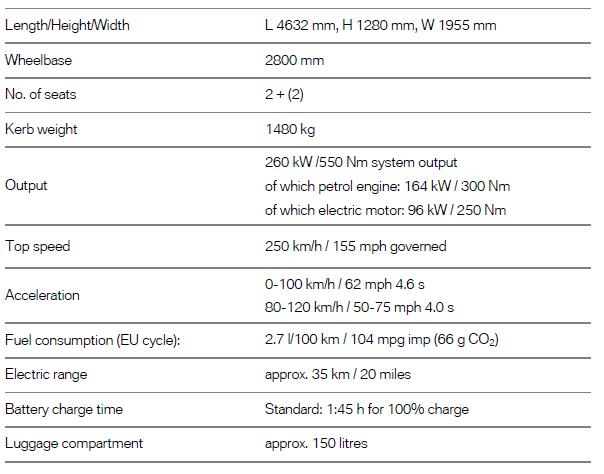
    BMW i8 specs
    BMW i8 specs


    [youtube id=”YmF_nTAksrQ” width=”100%” height=”300px”]


    These are just some that technologies that are upcoming, but as mentioned above the world of technology is ever-growing with ideas and resources. We can hope for a better and luxurious future.

  • Porsche Panamera S E-Hybrid plug-in Launched with 416 HorsePower

    Porsche Panamera S E-Hybrid plug-in Launched with 416 HorsePower

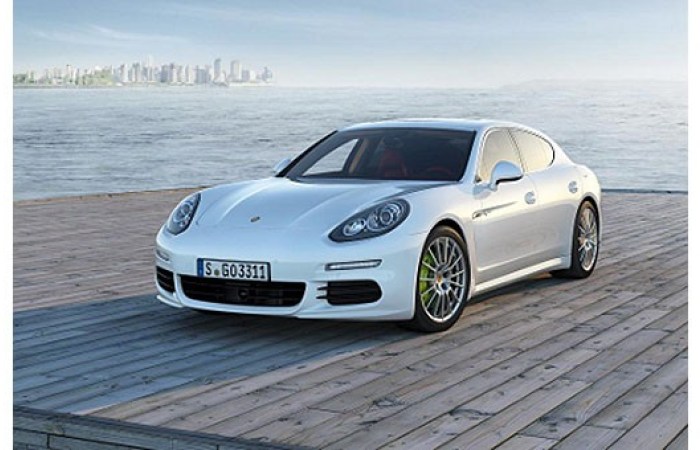
    The new Panamera S E-Hybrid model Plug-in will let you get to work and back without the need for any fuel or stopping, provided you can avoid the Auto-rickshaws. The new S E-Hybrid comes with a V6 bi-turbo gas engine with a 95 horsepower electric model for 416 total system horsepower. Essentially the 2013 Panemera S rigged with a 9.4 kWh battery allowing you to charge and use only the electric motor at 80MPH or (128 KP/hr) for 20 miles /32km or use the full combination allowing  0-60MPH in about 5.5 seconds with a fuel burning top speed of 165MPH or about 265 KM/ph

    [toggle title=”Press Release”]New Plug-in Hybrid and Extended Wheelbase Variants Added to Revised Panamera Range

    Atlanta. Porsche is introducing its first plug-in hybrid and two new extended wheelbase variants with the second generation of the Panamera. The new Panamera S E-Hybrid produces 416 total system horsepower and is joined by Panamera 4S Executive and Panamera Turbo Executive models in the revised Panamera lineup.

    Further, S models are now powered by an entirely new 3.0-liter V6 engine with twin turbochargers. The broadest model range in its class has been further expanded, now consisting of nine models for the U.S. market. New and further-developed technologies offer improved performance while also enhancing fuel efficiency and comfort. The new Panamera is characterized by tighter lines, more pronounced contours and newly shaped body elements. The refreshed Panamera celebrates its world debut at Auto China in Shanghai, which opens on April 21, where further details on the new models will be revealed.

    Panamera S E-Hybrid sets new standards in performance, efficiency, and convenience in everyday use. The new Panamera S E-Hybrid improves upon the concept offered by the previous Panamera S Hybrid with a more powerful electric motor, a higher-performance battery that supplies more energy and is able be recharged from home or public vehicle charging stations. The electric drive produces 95 hp, more than double the power of the previous model’s electric motor (47 hp). Electricity is stored in a newly developed lithium-ion battery, which at 9.4 kWh has increased capacity over the previous battery (1.7 kWh). Via the integrated on-board charging componentry and the standard Porsche Universal Charger (AC), the battery can reach full charge within approximately two and a half hours when connected to a 240V power source.

    The Panamera S E-Hybrid expands upon the driving performance of the previous generation, while fuel consumption is reduced when compared to the previous Panamera S Hybrid. Final U.S. EPA fuel economy ratings will be available closer to launch. Simultaneously, its electric-only driving performance is substantially improved, enhancing acceleration, range, and top speed. Electric-only driving is possible without any fuel consumption or local emissions, which is especially advantageous in city driving. The electric driving range of the Panamera S E-Hybrid is estimated to be greater than 20 miles based upon current NEDC testing. Driving range may vary in real world operation, due to the effects of environmental conditions, terrain, air conditioning and heating use, driving style and other factors. The Panamera S E-Hybrid can reach up to 84 mph in all-electric operation.

    The Panamera S E-hybrid is capable of accelerating from a standstill to 60 mph in 5.2 seconds, an improvement of a half second when compared to the Panamera S Hybrid. An electric boost function helps in instances where maximum acceleration is desired, when the electric motor works in tandem with the combustion engine during acceleration. Electric boost is also available when a kick-down switch in the throttle pedal is activated by the driver during acceleration.

    The car’s top track speed is 167 mph. The parallel full hybrid system developed by Porsche also offers “coasting” at higher speeds, a mode wherein the internal combustion engine is turned off and the electric motors use vehicle momentum to generate electricity that is stored in the lithium-ion battery.

    The Panamera S E-Hybrid also includes an entirely new range of convenience functions which can be activated and operated by Porsche Car Connect, a mobile app available for Android and iOS-powered devices. These functions include a charge status indicator and the ability to control the vehicle’s new auxiliary climate control option, which enables vehicle preheating or cooling via the Porsche Car Connect app. These functions can also be programmed from inside the vehicle. A mobile device may also be used for remote access to vehicle information, such as remaining driving range or vehicle location. Other functions not specific to the hybrid drive will also be available as options for other Panamera models via the Porsche Car Connect mobile app.

    Long wheelbase, spacious rear seating area: Executive models feature extra comfort The two full-sized rear bucket seats offered in the Panamera have proven so successful that Porsche is expanding this generous rear passenger compartment room with two new Panamera Executive models. The new Panamera 4S Executive and Panamera Turbo Executive models feature a wheelbase extended by 5.9 inches, enabling even more rear seating comfort and come with an extensive range of standard features. For example, all Executive models are equipped with Adaptive air-suspension featuring Porsche Active Suspension Management (PASM), which combines superior performance and enhanced ride comfort.

    More performance and efficiency in a smaller powerplant: the new twin-turbo V6 engine Increasing both performance and efficiency has long been a core Porsche philosophy. In the new Panamera, this approach takes form in a 3.0-liter V6 engine with twin turbochargers. The twin-turbo V6 replaces the naturally aspirated 4.8-liter V8 engine in the previous-generation Panamera S and Panamera 4S. The new bi-turbo engine is also used in the Executive version of the Panamera 4S. The engine’s figures themselves are indicators of progress: increases of 20 hp and 15 lb-ft torque when compared to the outgoing V8 engine. Carefully-managed turbocharging ensures that the maximum 384 lb-ft torque is available across most of the twin-turbo V6’s operating range.

    With the exception of the Panamera S E-Hybrid, all Panamera models are equipped with the seven-speed Porsche Doppelkupplungsgetriebe (PDK); the Panamera S E-Hybrid uses the eight-speed Tiptronic S automatic. The PDK transmission works in tandem with other vehicle systems to enhance fuel savings in the new generation Panamera. For example, the optimized engine Auto Start Stop feature now turns the engine off earlier while coasting to a stop. With the exception of the Panamera GTS, models with PDK also offer a coasting function in which the clutches open in overrun allowing the engine to idle and the vehicle to coast freely. This function can significantly improve fuel economy, especially when traveling on the highway.

    Revised exterior with a new option: LED headlights Exterior design changes of the new Panamera are extensive. The tighter and more prominent lines up front are especially apparent in the larger air intakes and the transition to the headlights. Perhaps the most distinguishing feature of the new generation Panamera is a new trunk lid; its laterally stretched glass emphasizes the vehicle’s width and makes for a more aggressive stance. Rear body proportions were also changed. A larger automatically deploying spoiler and a tighter transition to the rear lights complement the treatment at the front of the vehicle noted above.

    The new Panamera continues the tradition of multiple options that enable owners to customize the look and function of their vehicles. Full-LED headlights, which lend the new generation a striking appearance, are now an option.

    In addition, an expanded lineup of assistance systems is available for safety and convenience. The revised adaptive cruise control system is now offered with Porsche Active Safe (PAS). This system visually and audibly alerts the driver in the event of a sudden decrease in following distance and briefly tugs on the brakes. It can also intervene in the braking process and apply increased braking pressure in an emergency braking situation, if required. Another new feature, camera-based lane departure warning, offers greater convenience and safety in city and highway travel.

    The new generation of Panamera models will be available starting late in 2013. Panamera Turbo S and Panamera Turbo S Executive variants will be available in 2014. Pricing details are as follows:

    Panamera $78,100

    Panamera 4 $82,800

    Panamera S $93,200

    Panamera 4S $98,300

    Panamera S E-Hybrid $99,000

    Panamera GTS $113,400

    Panamera 4S Executive $125,600

    Panamera Turbo $141,300

    Panamera Turbo Executive $161,100

    *Base pricing does not include options, taxes, dealer charges, and a destination fee of $975.[/toggle]



  • Raid-de-Himalaya Flagged off From Shimla

    Raid-de-Himalaya Flagged off From Shimla

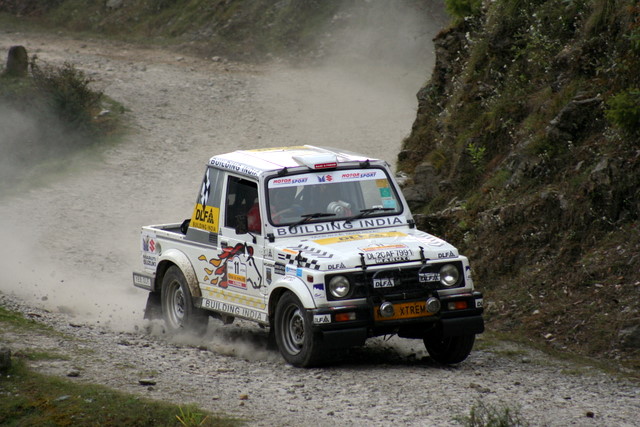
    The 14th edition of the Raid-de-Himalaya, one of the world’s toughest off-road motor rallies, was flagged off amid much fervor yesterday.

    The rally is witnessing the participation of around 260 participants in the four and two wheeler categories, who would be braving the inhospitable terrains and hostile weather conditions of the Himalayas.

    Vice-President of the Himalayan Motorsport Association, Manjeev Bhalla, said participants will cover a distance of 1,800 kilometers in six days before reaching Leh, the terminating point.

    [quote]”This year our event is running over six-days, we start off in Shimla today and finish in Leh on the 12th. The prize distribution is on the 12th evening at Leh itself. The total distance the rally will cover will be about 1,800 kilometres, of which 600 kilometres are competitive mileage and then we have three and a half days in Himachal. We go from here to Manali, from Manali we head for Kaza, we spend one-day in Kaza itself and then make our way to Pang in Ladakh and from Pang we go to Leh,” said Bhalla.[/quote]

    The tough route this year goes through some of the highest motorable passes and human settlements in the world.

    These include Darcha (3360 mts), Keylong (3440 mts), Leh (3524 mts), Kaza (3650 mts), Dhanka (3894 mts), Losar (4079 mts), Rumtse (4300 mts), Kunzum La (4551 mts), Komik (4587 mts), Pang (4600 mts) & Wari La (5313 mts).

    Motorists will compete across three categories: X-treme 4-wheelers (50 teams), X-treme 2-wheelers (34 participants) (both Xtreme 2W and 4W categories cater to professional motorsport enthusiasts), and 60 teams in the Adventure Trial category for amateurs. There are 14 foreigners participating this year from Austria, Netherlands and UAE.

    The Maruti Suzuki Raid-de-Himalaya invites participation in three categories: Moto Xtreme, Adventure Trial and Bike Xtreme categories. The participants are grouped in different categories depending upon their prior experience, endurance levels and expertise in handling the escalating difficulty levels.

  • AutoGyaan : Porsche 918 Spyder Hybrid gets a polished Matte Black and White look (PR)

    AutoGyaan : Porsche 918 Spyder Hybrid gets a polished Matte Black and White look (PR)

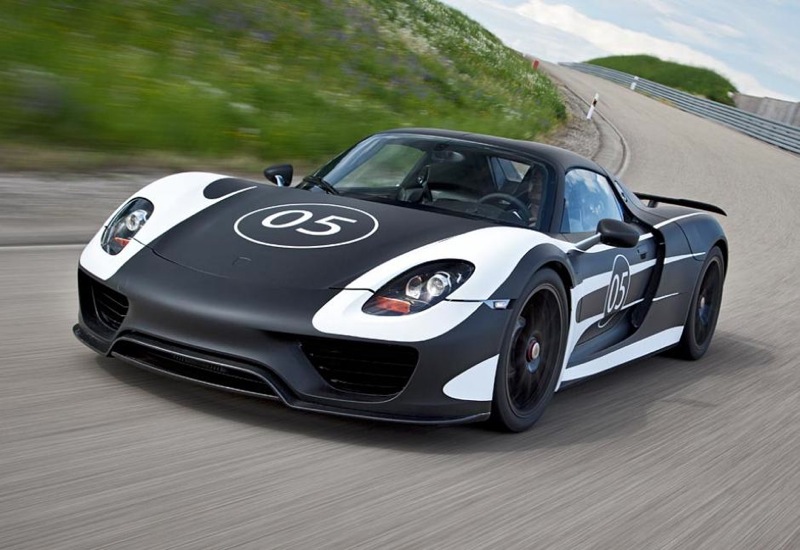
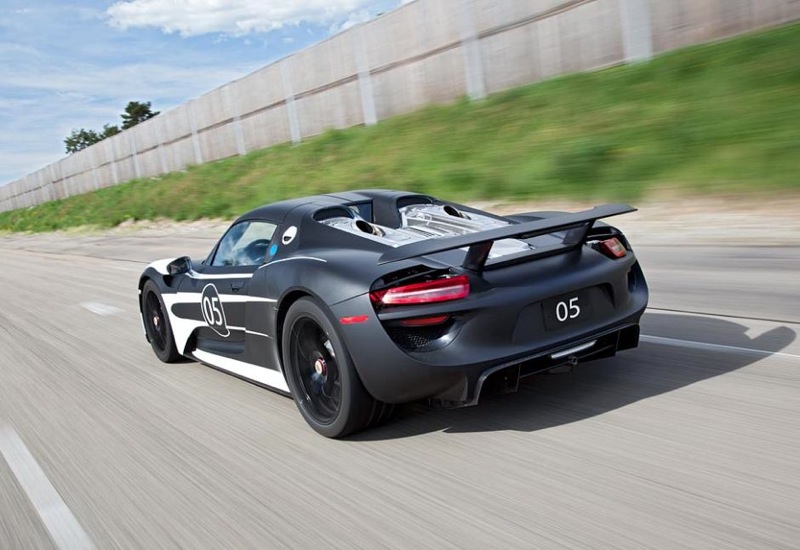
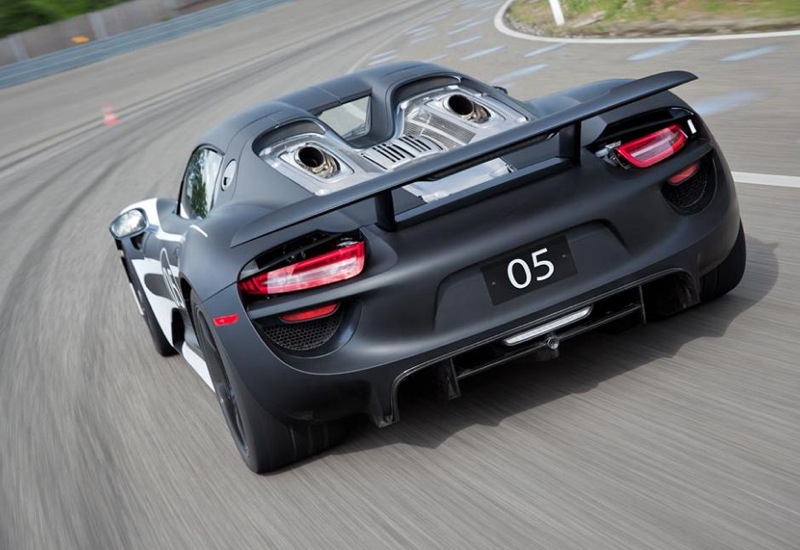
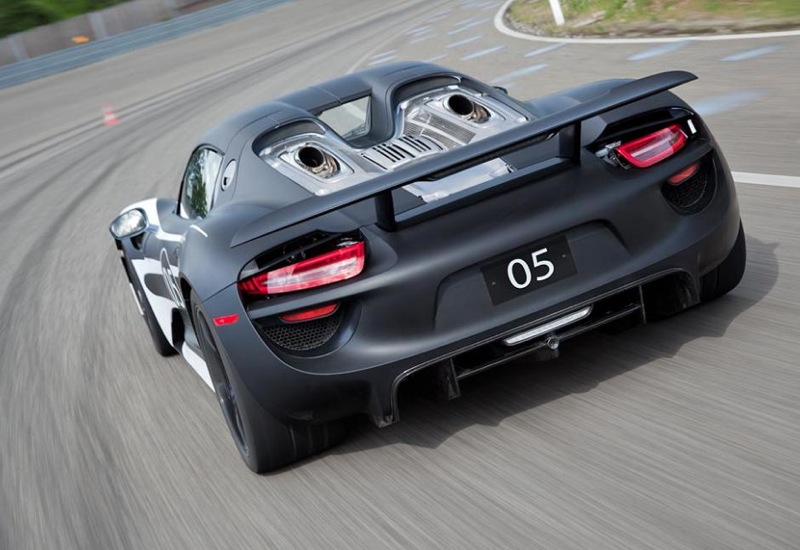
    The Hybrid super car from Porsche, “918 Spyder” has gotten a makeover and a renewed Km/L average. The plugin hybrid is now coated with a polished matte Black and White special coat pain work, and will now deliver 100KM/3 liters of petrol. The price is  $845,000 (Rs. 45,482,125 excluding duty and tax).

    The car has a carbon-fiber reinforced-plastic monocoqueshell, rear-axle steering and  upward-venting exhausted system. A combustion engine along with an electric motor to achieve the high Km/L.

    [toggle_box title=”Press Release” width=”Width of toggle box”]

    Development of the Porsche super sports car enters next phase

    Atlanta. The Porsche 918 Spyder is on the road: Dr. Ing. h.c. F. Porsche AG, Stuttgart, has taken the driving trials of the super sports car of the future a step further with completion of the initial prototypes. The 918 Spyder is planned for production at the end of September 2013, with the first customer deliveries currently scheduled for the United States late in 2013. “What we are doing with the 918 Spyder is redefining driving fun, efficiency and performance,” said Wolfgang Hatz, Member of the Executive Board Research and Development of Porsche AG.

    The prototypes, their camouflage harking back to historical Porsche 917 racing cars, signal the final touches to the 918 Spyder. The focus is on the interplay between the highly sophisticated individual drive components. The combination of combustion engine and two independent electric motors – one on the front axle and one in the drive line, acting on the rear wheels – poses completely new demands on the development of the operating strategies. “They are therefore a critical component in this vehicle into which we have put all of our expertise and capacity for innovation,” said Wolfgang Hatz. These operating strategies and the development of the software to go with them are one of Porsche’s core competences. Both of them have a major influence on the extreme driving fun to be had with the 918 Spyder and they make possible a unique combination of minimal fuel consumption and maximum performance. The initial results of the driving trials are in line with the high expectations placed on the 918 Spyder.

    The super sports car is designed as a plug-in hybrid vehicle combining a high-performance combustion engine with cutting-edge electric motors for extraordinary performance: on the one hand, the dynamics of a racing machine boasting more than 770 hp, on the other hand, fuel consumption in the region of three litres per 100 kilometres. Moreover, Porsche is breaking yet more new ground with the technology demonstrator with spectacular solutions such as the full carbon fibre reinforced plastic (CFRP) monocoque with unit carrier, fully adaptive aerodynamics, adaptive rear-axle steering and the upward-venting “top pipes” exhaust system. In the process, the 918 Spyder is offering a glimpse of what Porsche Intelligent Performance may be capable of in future.

    [/toggle_box]


  • AutoGyaan : Hyundai to reveal all new i-oniq concept at Geneva Auto show 2012

    AutoGyaan : Hyundai to reveal all new i-oniq concept at Geneva Auto show 2012


    Hyundai is all set to ramp up its new line up of cars with what they call the new “fluidic sculpture,” but before they can include any of that in their new lineup they want to tease buyers with a preview of the concept. Hyundai has released a stylized teaser image of what it’s calling the i-oniq concept, which will premier at the 2012 Geneva auto show. This same structure is to follow through on the new Sonata, Elantra and US only i30 Hatchback. More information is promised to be made available once the Auto show nears.

  • Audi’s Urban Vehicle Concept makes way to Frankfurt (PR)

    Audi’s Urban Vehicle Concept makes way to Frankfurt (PR)

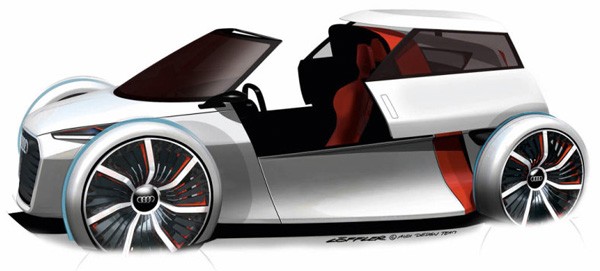
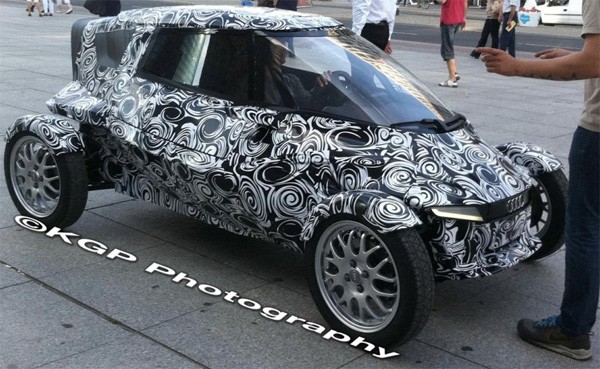
    After BMW showed of their concept cars, it is Audi’s time to take center stage with the Urban Vehicle concept. The car meant for the overly crowded urban driving pleasures, was spotted by Autoblog earlier this year. Both the BMW and Audi concept will be displayed at the Internationale Automobil-Ausstellung (IAA) in Frankfurt.

    The Urban Concept is made out of a carbon fibre shell, with a pull back door only seen in Sci-Fi movies.


    [toggle title_open=”Collapse Press Release” title_closed=”Expand Press Release” hide=”yes” border=”yes” style=”default” excerpt_length=”0″ read_more_text=”Read More” read_less_text=”Read Less” include_excerpt_html=”no”]

    The Audi urban concept – a completely new kind of concept car

    • An innovative urban concept car with 1+1 seats
    • Sleek cockpit made from CFRP, free-standing wheels with protective plates
    • Elaborate suspension, compact electric drive system for sporty performance

    Audi is once again opening up new horizons: the Audi urban concept is a 1+1-seat, ultra-light car for congested urban spaces. The technical study does not fit under any of the conventional categories – the Audi urban concept combines elements of a racing car, a fun car and an urban car into one radical new concept.

    The Audi urban concept is not based on any previous model – its development is solely oriented on the strict principles of lightweight construction, efficiency and reduction. The result is a concept car with no unnecessary weight, and one that concentrates on the pure essence of sporty motion.

    The Audi urban concept has a sleek body. The wheels are free-standing, their surrounding protective plates feature blinking strips of LED lights. The highly concentrated look of the technical study, with its forward-urging lines, is dynamic and emotional – it lends Audi’s design language a completely new impetus.
    On board there is room for two people, their position slightly staggered and at a sporty, low level. All controls and materials are subject to the dictates of ultra-lightweight construction in order to ensure they convey a completely unique, sensory allure. The driver can adjust the steering wheel and pedals to his own body measurements. Entry to the car is via the tailgate. The roof is designed to be maneuverable and slides to the rear to open.

    The technology in the Audi urban concept reflects the full capabilities of the brand, especially when it comes to ultra-lightweight construction. The cockpit consists of carbon fiber-reinforced polymer, which integrates the undercarriage of both seats. The Audi urban concept rolls on wheels with a 21-inch diameter.

    Two e-tron electric motors provide the propulsion – providing the ultra-light Audi urban concept with the ability to accelerate powerfully. A lithium-ion battery supplies the energy – ideal for extended city tours.

    [/toggle]


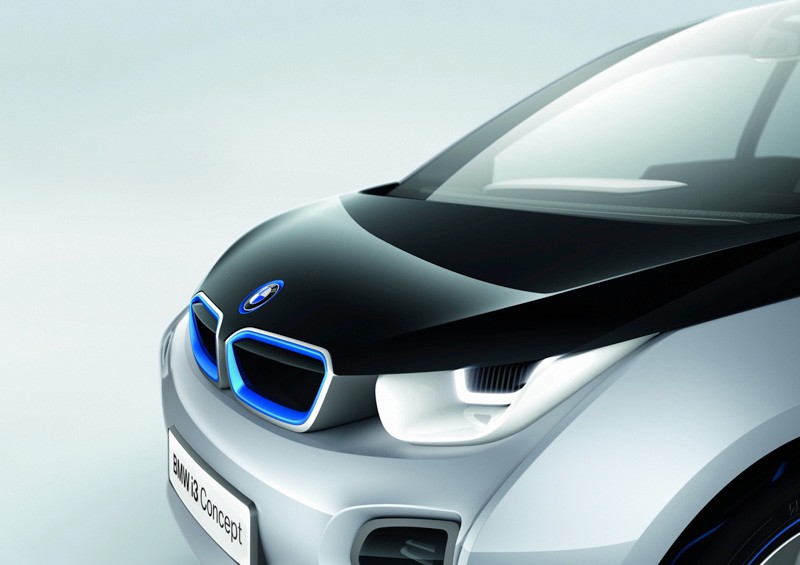
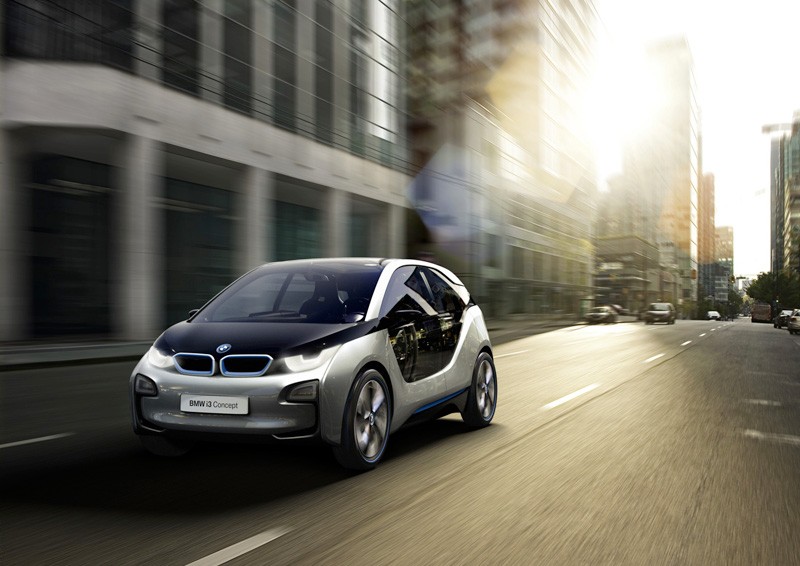
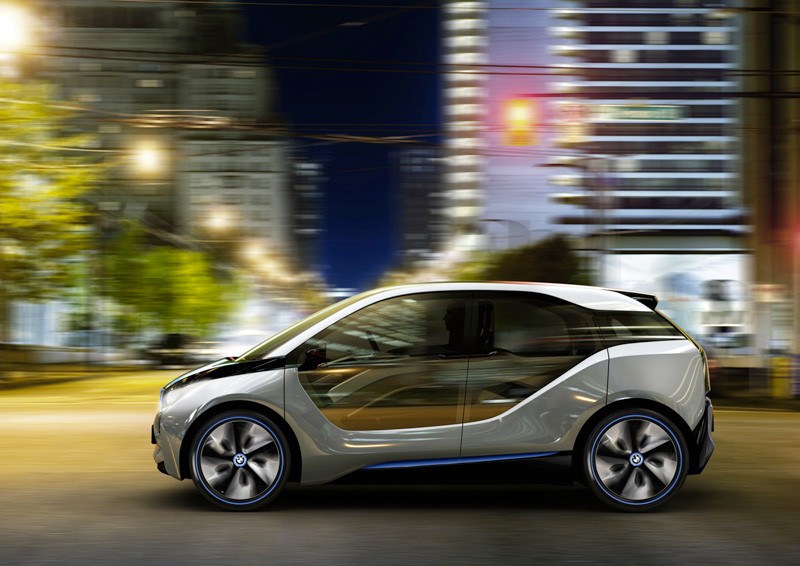
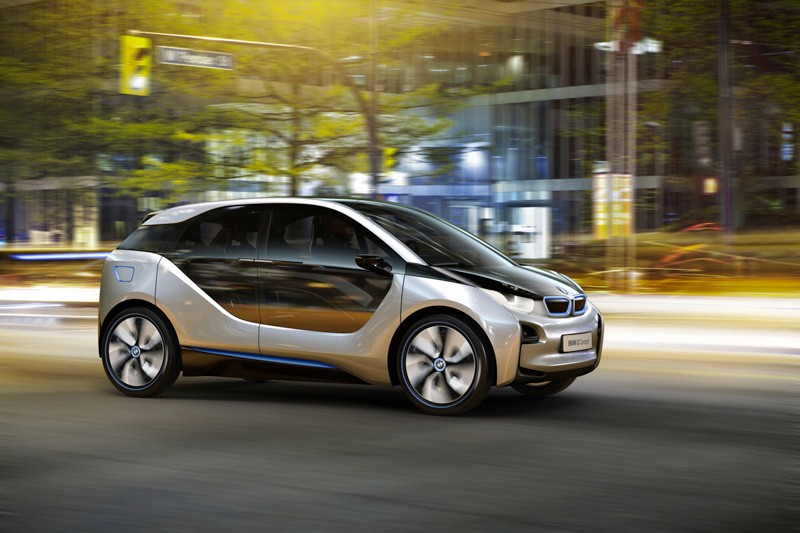
  • BMW showcases the new i3 and i8 Concepts, we drool! (PR)

    BMW showcases the new i3 and i8 Concepts, we drool! (PR)

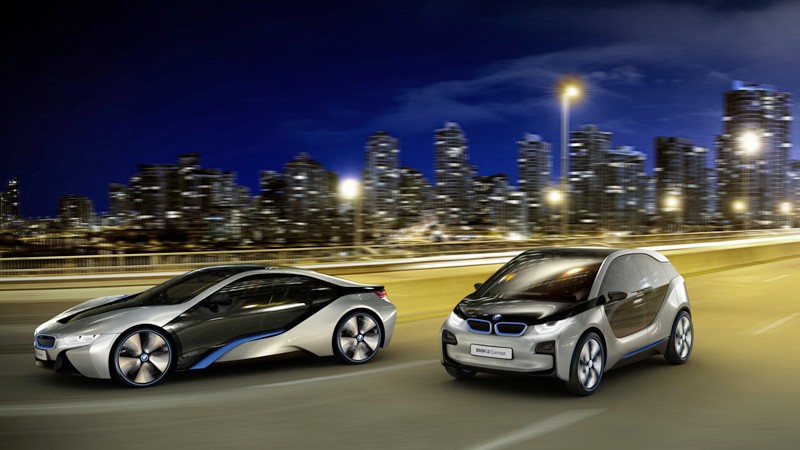
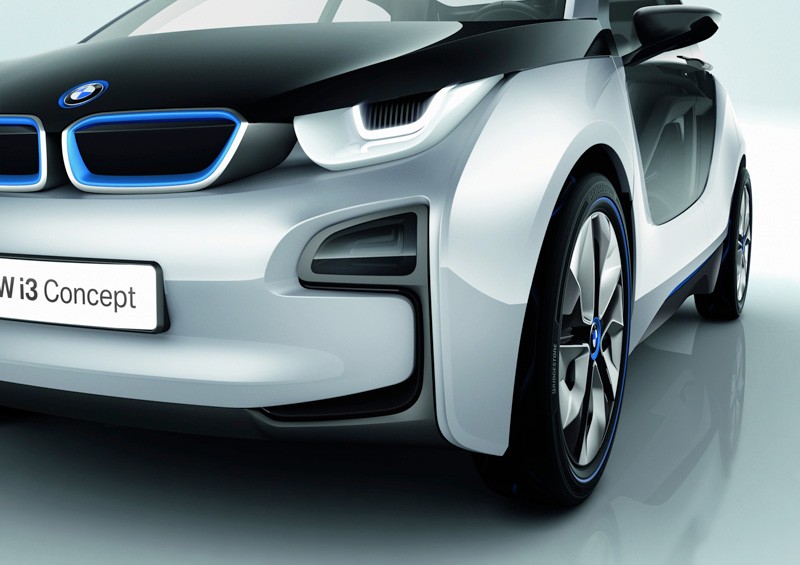
    BMW automobiles is a well known name in the automotive industry, especially when it comes to innovation. The i brand was announced for the electric division of BMW automobiles earlier this year. The launch of the sub brand comes hand in hand with the two concept electric cars. 

    The i3 Concept

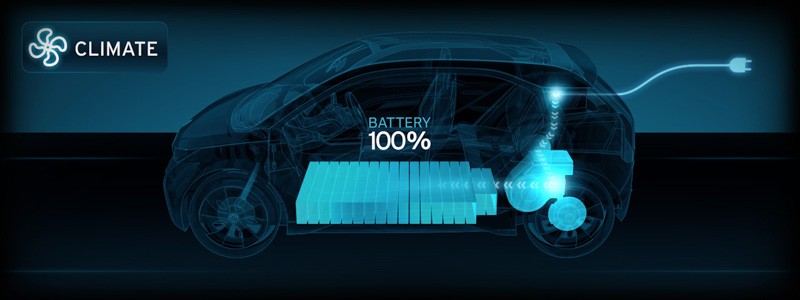
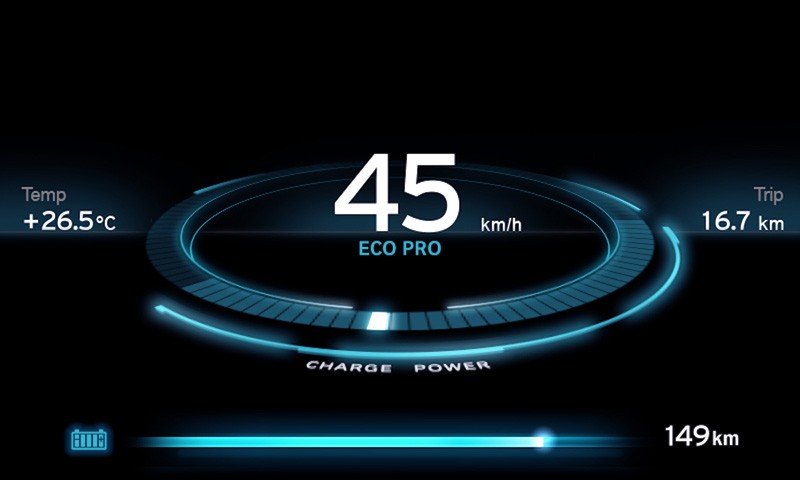
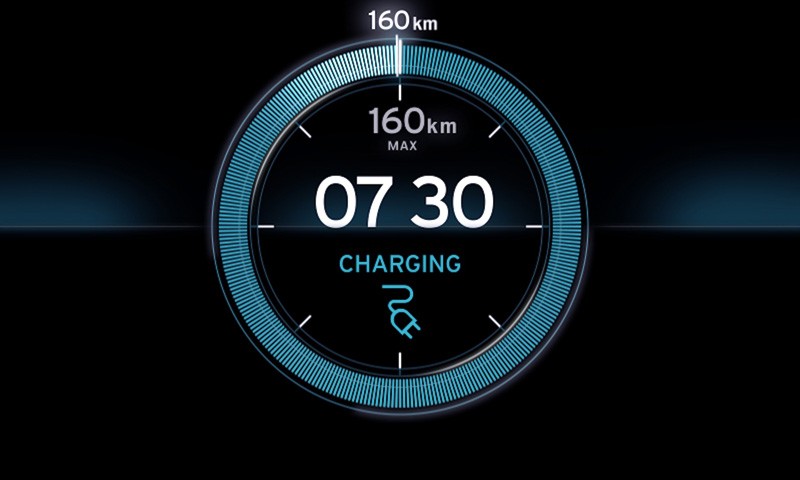
    The i3 will drive 150km on a full charge, acceleration is about 0-60mph in around 8 seconds, while buying the vehicle owners will be able to opt in for the range-extending motor aptly named “REx.” The first consumer model should hit prime markets by as early as 2013. The charger will complete eighty percent charging in an hour, while a full charge could take as long as 6 hours.


    The i8 Concept


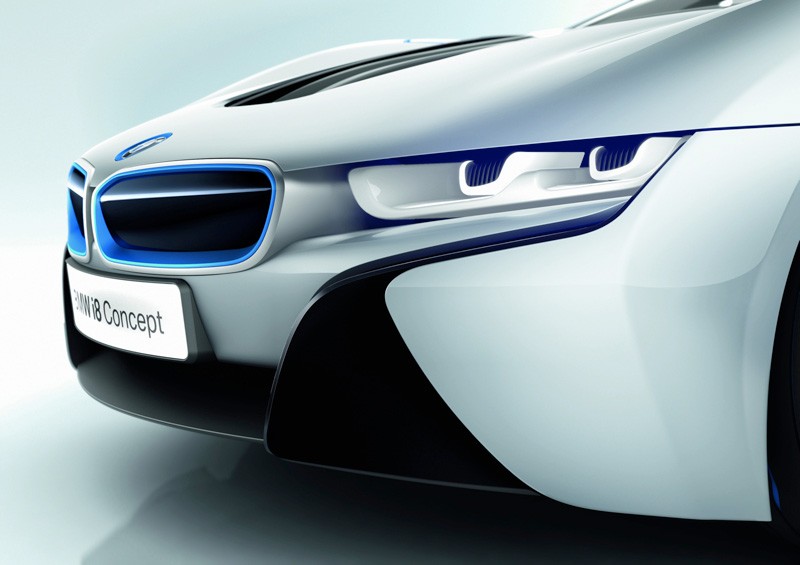
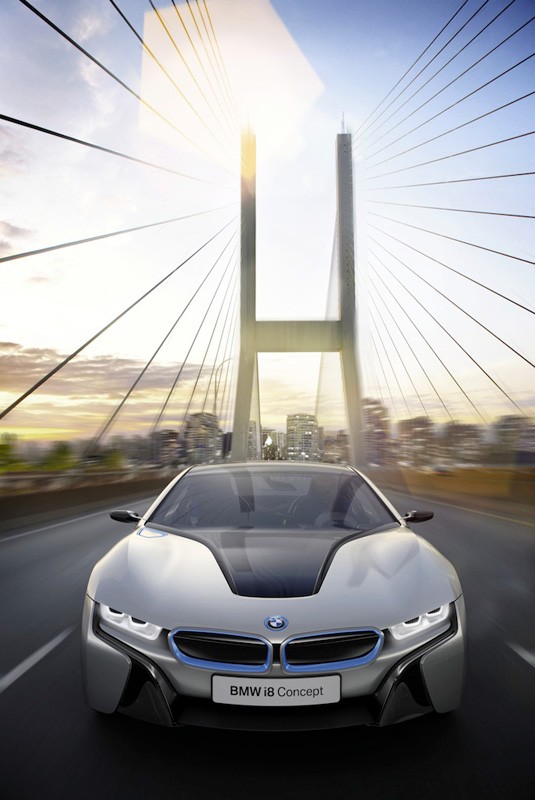
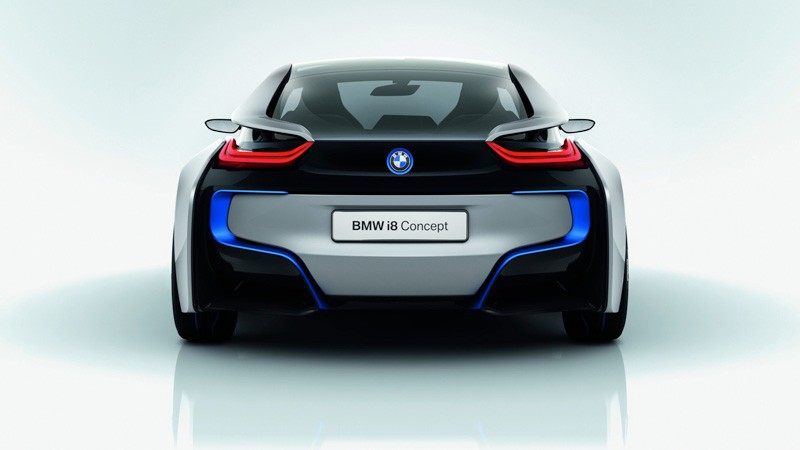
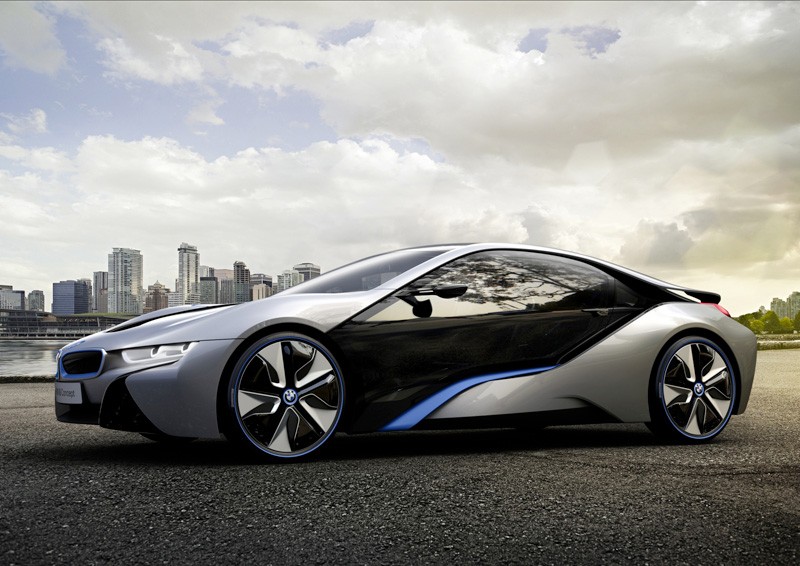
    The i8 on the other hand is highly aerodynamic and has a hybrid diesel-electric drivetrain, while consumption will remain around the region of 2.7 liters per 100km, while it will speed up from 0 to 62mph in 4.6 seconds.


    [toggle title_open=”Collapse” title_closed=”Read The Press Release” hide=”yes” border=”yes” style=”default” excerpt_length=”0″ read_more_text=”Read More” read_less_text=”Read Less” include_excerpt_html=”no”]BMW Group presents mobility of the future +++ World premiere of the BMW i3 Concept and BMW i8 Concept +++ Reithofer: A milestone in the history of the company +++ Sustainability across the entire value added chain

    Frankfurt a.M. / Munich. The BMW Group showcases its visions of future mobility in the shape of the BMW i3 Concept and BMW i8 Concept studies. Unveiled for the first time, these concept vehicles provide a glimpse of the first electrically powered production cars from the new BMW i sub-brand, due to be launched as the BMW i3 in 2013 and the BMW i8 in 2014.

    “We are marking another milestone in the history of the BMW Group. As Chairman of the Board and an engineer myself, I am very proud of this project,” declared Norbert Reithofer, Chairman of the Board of Management of BMW AG, at Friday’s premiere of the two vehicles in Frankfurt. “As the world’s leading premium car manufacturer, our aim is to offer customers purpose-built electric-drive cars as well,” he added.

    With its zero-emission electric drive and a range of approximately 150 kilometres, the BMW i3 Concept has been specifically developed for use in an urban environment, its dynamic 125 kW electric motor and rear-wheel drive ensuring BMW-style dynamic handling. Thanks to its innovative LifeDrive architecture featuring a carbon passenger cell, the BMW i3 Concept combines an extremely low weight of 1,250 kilograms with optimal interior space and the highest crash safety levels. With four seats and a 200-litre luggage compartment, this vehicle is fully suited for everyday use.

    Draeger: a revolution in car design

    “This vehicle will mark the launch of the first volume-produced car featuring bodywork largely made of carbon. It’s a revolution in automotive design,” stressed Klaus Draeger, Member of the Board responsible for Development. The application of this new CFRP technology allows a weight reduction, compared to a conventional electric car, of between 250 and 350 kilos, and that means more dynamic handling coupled with a greater range. The BMW i3 does the 0 to 100 km/h sprint in less than eight seconds, while a high-speed charger achieves an 80% battery charge in just an hour.

    Thanks to the emission-free drivetrain and a value added chain designed to be sustainable all along the line, life cycle emission figures for the BMW i3 are at least a third lower than for a highly efficient combustion-engine car. If the BMW i3 is run on electricity from renewable sources, the figures improve by well over 50%.

    BMW i8 Concept: new-generation sports car

    The BMW i8 Concept goes from 0 to 100 km/h in less than five seconds and boasts fuel consumption of under three litres per 100 km. Its plug-in hybrid drive with a system output of 260 kW allows a range of up to 35 kilometres in electric mode – sufficient for most everyday journeys. For more dynamic driving or out-of-town routes, a high-performance three-cylinder petrol engine also comes into play. The sports car has an electronically governed top speed of 250 km/h and space for up to four occupants. “The BMW i8 Concept is the sports car for a new generation – pure, emotional and sustainable,” Draeger underlined.

    With BMW i, the BMW Group is corroborating its position as the most innovative and sustainable auto manufacturer in the world, as reflected in the fact that it has been the supersector leader in the Dow Jones Sustainability Indexes for the sixth year running. With BMW i, the BMW Group is providing answers to the mobility challenges of the future while pursuing a holistic approach. In addition to purpose-built premium vehicles with electric drive, the company is also offering intelligent mobility services.

    The focus here is on solutions for improved use of parking space, intelligent navigation systems with location-based information, intermodal route planning and car-sharing schemes such as DriveNow. Following MyCityWay, ParkatmyHouse marks the second investment by the recently launched venture capital company BMW i Ventures in a company providing internet-based mobility services. Parkatmyhouse allows private individuals to use the internet or
    smartphone app to rent out their private parking spaces on a short- or long-term basis.

    Both the BMW i3 and the BMW i8 will be built at BMW’s Leipzig plant in Germany. Some 400 million euros are earmarked for investment in new buildings and facilities by 2013, while 800 new jobs are to be created. Vehicle production will be CO2 neutral and will draw on renewable resources. The company is currently investigating the possibility of erecting its own wind turbines on the plant site.

    The BMW Group
    The BMW Group is one of the most successful manufacturers of automobiles and motorcycles in the world with its BMW, MINI and Rolls-Royce brands. As a global company, the BMW Group operates 25 production and assembly facilities in 14 countries and has a global sales network in more than 140 countries.

    During the financial year 2010, the BMW Group sold 1.46 million cars and more than 110,000 motorcycles worldwide. The profit before tax for 2010 was euro 4.8 billion on revenues amounting to euro 60.5 billion. At 31 December 2010, the BMW Group had a workforce of approximately 95,500 employees.

    The success of the BMW Group has always been built on long-term thinking and responsible action. The company has therefore established ecological and social sustainability throughout the value chain, comprehensive product responsibility and a clear commitment to conserving resources as an integral part of its strategy. As a result of its efforts, the BMW Group has been ranked industry leader in the Dow Jones Sustainability Indexes for the last six years.[/toggle]
iGyaan Network
Privacy Overview

This website uses cookies so that we can provide you with the best user experience possible. Cookie information is stored in your browser and performs functions such as recognising you when you return to our website and helping our team to understand which sections of the website you find most interesting and useful.