Tag: cpu

  • Snapdragon 820 Beats Apple A9 in AnTuTu’s Top-10 Performance Smartphone Chips

    Snapdragon 820 Beats Apple A9 in AnTuTu’s Top-10 Performance Smartphone Chips

    This year, we’ve already seen some brand new smartphone launches that are ready to take the crown for 2016. Most flagship devices that you will see this year will feature Qualcomm’s new Snapdragon 820 chipset. Meanwhile, Apple launched the iPhone 6s late last year with the A9 chipset. Consumers are already spoilt for choice with the number of new, beautifully crafted smartphones but what they really want to know is which chipset takes the cake when it comes to performance.

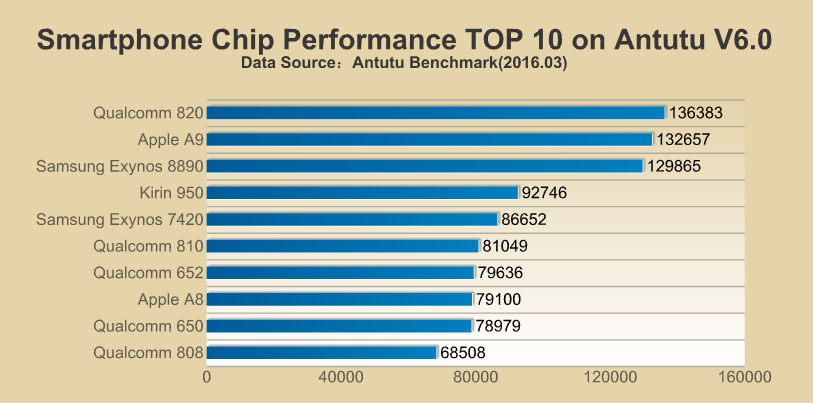
    AnTuTu updated its list of Top-10 performance smartphone chips and it appears that the Snapdragon 820 chip beats all, taking first spot in both performance and GPU tests. The Snapdragon 820 scores 136,383, which is close to 4000 higher than that of Apple A9, while Samsung’s Exynos 8890 chip comes in at third with 129,865. Note that these scores are based on averages and actual running results will be different.

    Antutu chip 01

    Qualcomm Snapdragon 820-powered smartphones include Samsung Galaxy S7, LeEco Max Pro, Xiaomi Mi5, LG G5, Sony Xperia X Performance, among others.

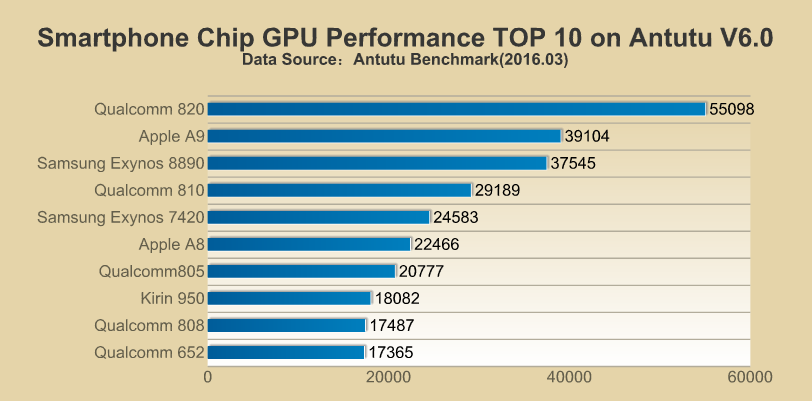
    In GPU performance as well, the Snapdragon 820 chipset rules the lot, scoring an impressive 55098 which is miles ahead of Apple A9’s 39104. The Exynos 8890, again, comes in at third with a score of 37545. Over the past few years, smartphone makers have been paying a lot of importance to GPU performance. After all, mobile gaming is a huge market of its own and has slowly become an important aspect when consumers consider purchasing a smartphone.

    Antutu chip

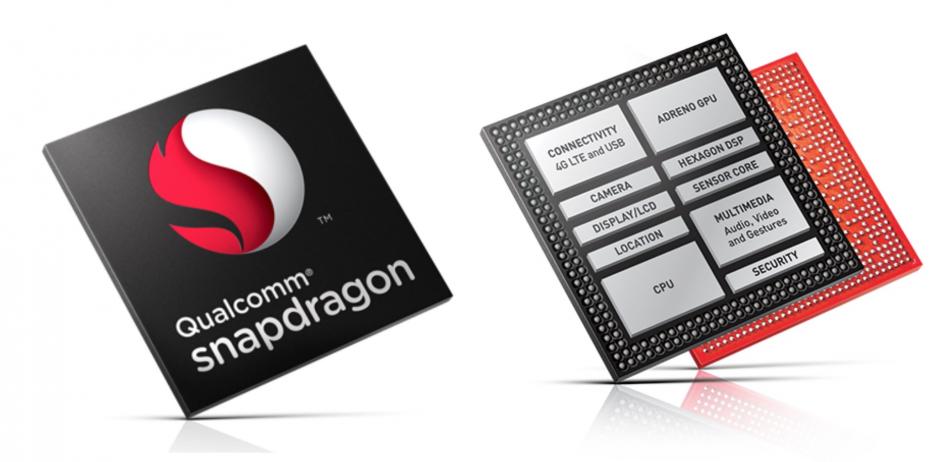
    The Snapdragon 820 chip currently has the highest-performing GPU (Adreno 530). While Apple’s A9 (PowerVR GT7600) and Samsung’s Exynos 8890 (Mali-T880 MP12) battle for the second place, HiSilicon Kirin 950 (Mali-T880 MP4) doesn’t fare too well and stays low alongside Qualcomm Snapdragon 808 (Adreno418) and Snapdragon 652 (Adreno510).

    It’s also important to note that the GPU directly relates to screen resolution. Since most phones these days offer 1080p, and 2K resolution, it requires a powerful GPU to allow users to get the most experience out of their smartphone’s display. But GPU and CPU alone aren’t enough to tell you about how a smartphone will perform.

    In hand use is the best way to judge what the phone offers the user. Apple may have scored low with the A9 chip, but it still gives a terrific performance. Similarly, the Exynos 8890 also performs impressively, which is probably why Samsung may launch both it and Snapdragon 820 variants in the Indian market when the Galaxy S7 and S7 Edge launch tomorrow.

  • Samsung Galaxy S7 To Come With Three CPU Variants

    Samsung Galaxy S7 To Come With Three CPU Variants

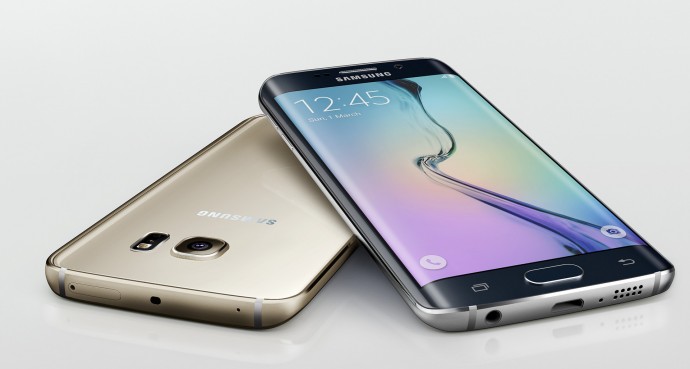
    Over the past few weeks, rumours have been on overdrive regarding Samsung’s next flagship, the Galaxy S7. In our previous post regarding the rumoured S7 launch, we told you that the phone will come in two models, one featuring the new quad-core Qualcomm Snapdragon 820 processor and the other having the octa-core Exynos.

    There have been rumours in the past suggesting that three S7 devices will be launched instead of two, and that two of them will have the curved display (like the S6 Edge and S6 Edge+) while one will have a flat screen. These rumours, however, have been dismissed as of now. Latest speculation is that Samsung will have only two S7 versions, where one will be the ‘Edge’ version and the other will have a flat display.

    Samsung s6

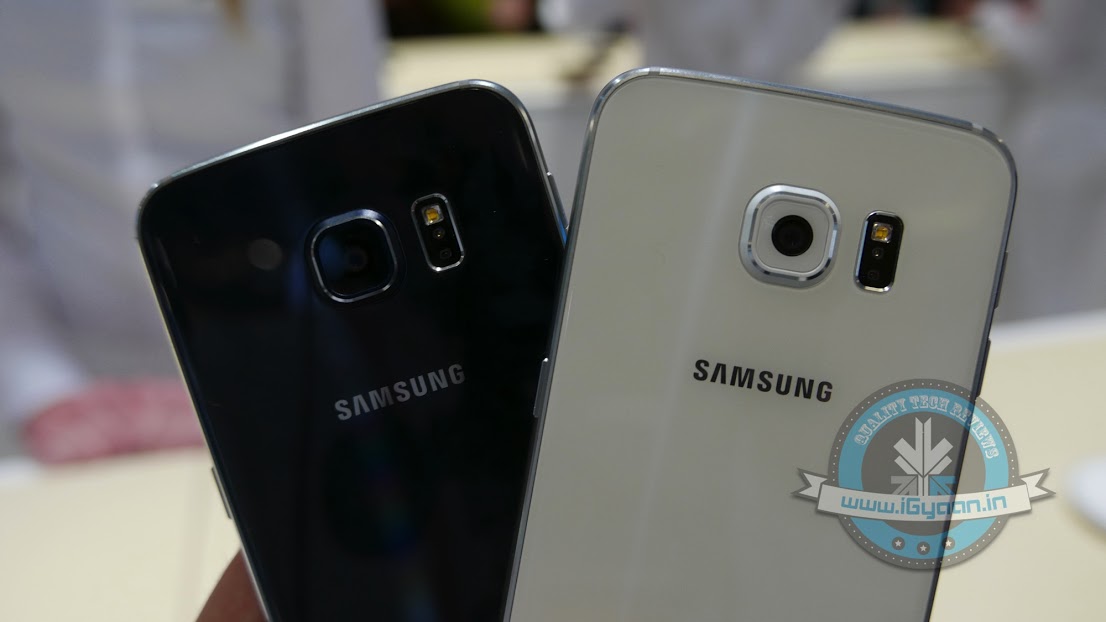
    However, it looks like the S7 will come in three CPU variants. If rumours are to be believed, the China and US model will receive the new Snapdragon 820 processor. Europe, Japan and South Korea will come with a Samsung Exynos 7990 processor and the final model, rumoured to have an Exynos 7422 will launch in India.

    Samsung is looking to get ahead of its competition by having a January announcement and a February launch. The S7 will also likely be the first Android Marshmallow handset for the company. Follow this space for more on the Galaxy S7.

    Source: [tw-button size=”medium” background=”#07ABE2″ color=”” target=”_blank” link=”http://www.phonearena.com/news/Report-Samsungs-one-curved-screen-phone-next-year-will-be-a-Galaxy-S7-model_id74620″]Phone Arena[/tw-button]

  • Here’s Why the Upcoming LG Nexus 5X Comes with Snapdragon 808

    Here’s Why the Upcoming LG Nexus 5X Comes with Snapdragon 808

    You may be aware that the Qualcomm Snapdragon 808 and Snapdragon 810 processors were announced last year. Since then the processors have been slowly making its way into smartphones, with LG G4 being the first smartphone to use the Snapdragon 808. The recent China-only Xiaomi Mi 4c also sports the 808 as its SoC and the upcoming Nexus 5X will feature the same.

    But what exactly does the Snapdragon 808 deliver? We’ve decided to provide a deeper understanding into the specs of the processor to show just what it is capable of delivering.

    Right off the bat, the Snapdragon 808 features a high performing CPU that clocks in around 2000 MHz, with 6 cores that result in faster mutli-tasking. The processor is also able to reduce energy consumption as it couples slower, low power processor cores with faster, high-power processor cores. The big or faster cores are used for computation-intensive tasks such as gaming.

    The GPU is a significant upgrade from the previous 801 processor. While the 801 had an Adreno 330 GPU, the 808 features an Adreno 418 GPU, which delivers better graphics by creating larger blocks of data. Some of the devices that feature the Snapdragon 808 are LG G4, LG Nexus 5X, Xiaomi Mi Edge, and Xiaomi Mi 4c to name a few. Here’s a spec table that will tell you all you need to know about the Snapdragon 808 processor.

    CPU Dual-core ARM Cortex A57 up to 2 GHz and quad-core A53 with 64-bit support
    GPU Adreno 418 GPU
    DSP Hexagon V56 DSP (up to 800MHz)
    RAM Interface 933 MHz 64-bit LP-DDR3 SDRAM interface
    Connectivity USB 3.0/2.0, Bluetooth 4.1, Wi-Fi Qualcomm VIVE™ 2-stream 802.11n/ac with MU-MIMO
    Primary Camera Support 55 MP
    Display Resolution Support 2560 x 1600 pixels
    Process Technology 20 nm
  • The New iPad goes through Benchmarks, iPad 3 vs iPad 2 vs Transformer Prime vs Galaxy Tab 10.1

    The New iPad goes through Benchmarks, iPad 3 vs iPad 2 vs Transformer Prime vs Galaxy Tab 10.1

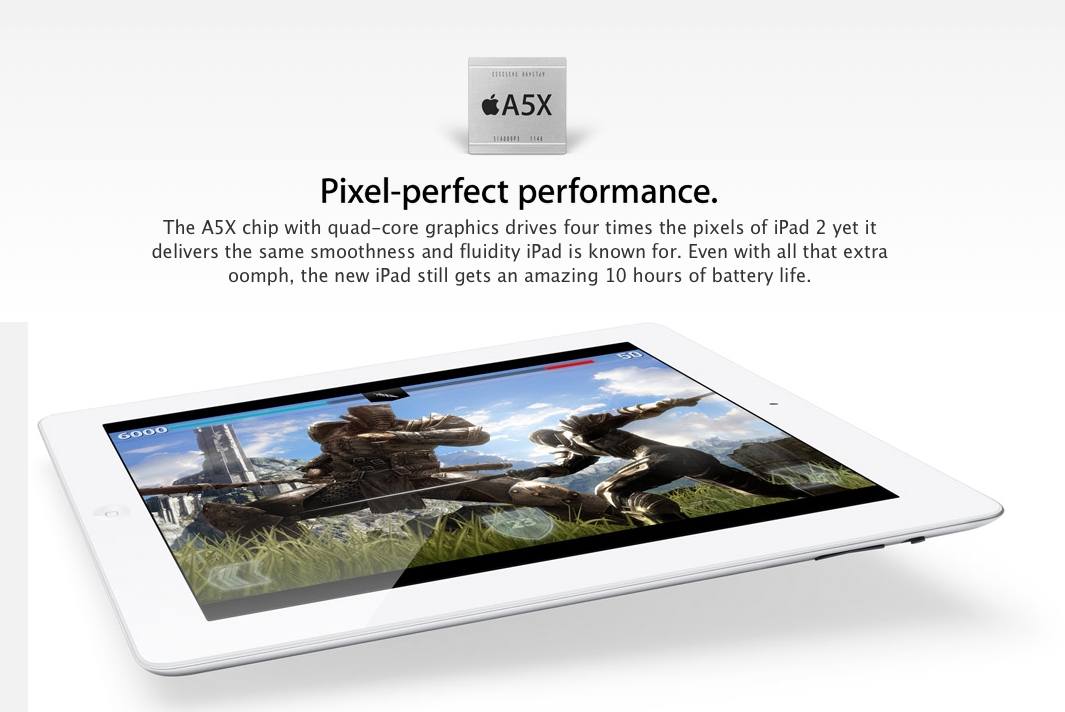
    During the launch of Apple’s third-gen iPad, the company made huge claims about the performance of the new A5x chip, claiming that the A5X processor with quad-core graphics provided up to 4x the graphics performance of NVIDIA’s Tegra 3 chip and  2x the graphics performance of the iPad 2?s A5 chip.

    Benchmark data shows the iPad 2?s A5 chip bettering both the A5X and Tegra 3 with the A5X’s improved graphics being used mostly to power the new iPad’s high-resolution Retina display of 3.1 million pixels.

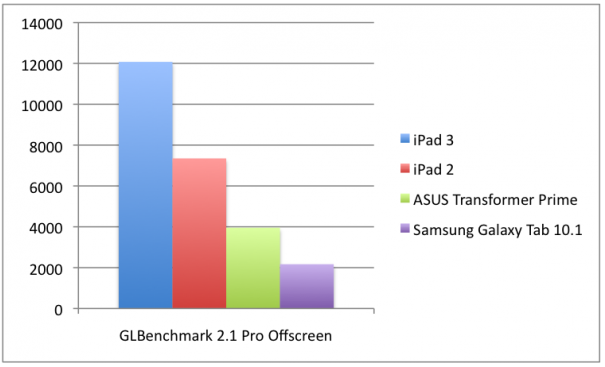
    However when the Screen is in off mode and benchmarks are run, the results of the A5x significantly prove to outperform all remaining devices. 

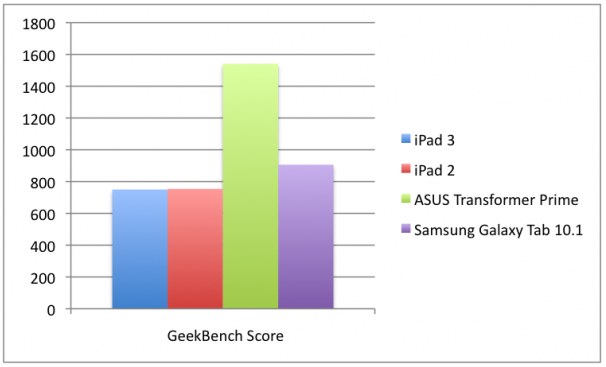
    For CPU Tegra 3-powered ASUS Transformer Prime and Galaxy Tab 10.1 scored higher in GeekBench than both the iPads:

    Tegra 3?s quad-core configuration blazes past the dual-core A5X, garnering GeekBench scores of 1540 and 750, respectively. Interestingly, the A5X’s average score fell a few points short of the iPad 2?s standard A5 chip, 753. Both the A5X and the A5 also fell shy of the Samsung Galaxy Tab 10.1?s Tegra 2, which received an overall score 905. The gains made by the Tegra 3 are easily chalked up to its two extra cores, but it is also boasts the highest clocking speed of the group at 1.6GHz, compared to the 1GHz clock of the A5X, A5 and Tegra 2.

    IGN

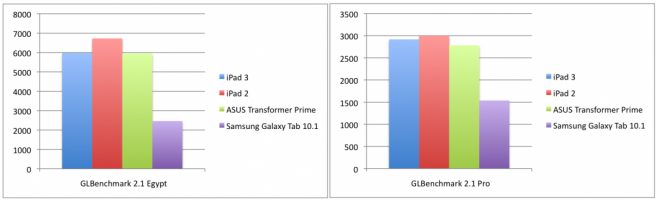
    For graphics tests with GLBenchmark, iPad 2 scored higher than the third-gen iPad in both tests. 

    For the Egypt test, the iPad 2 (1024×768) produced 6,709 frames at a framerate of 59 frames-per-second, while the new iPad (2048×1536) ran 5,974 frames at 53 FPS and the Transformer Prime (1280×800) generated 5,955 at a rate of 52 FPS. The Galaxy Tab 10.1 (1280×800), on the other hand, produced only 2,465 frames at a surprisingly low 21 FPS.

    -IGN

    The results of the off-screen tests show the A5X producing 15,412 frames at a rate of 138 FPS compared to the iPad 2 that has 10,143 frames at 90 FPS.

  • Tegra 3 Tablets in the US $ 199 Price Range Coming in Summer : Nvidia CEO

    Tegra 3 Tablets in the US $ 199 Price Range Coming in Summer : Nvidia CEO

    NVIDIA CEO Jen-Hsun Huang has said that more than 3 tablets for a price of US $ 199 ( INR 10,000 approx) are set to launch by Summer 2012. 

    By removing things like expensive memory, a $199 tablet is quite feasible

    -NVIDIA CEO Jen-Hsun Huang 

    The Company’s CEO is also disappointed with the development of Android and the pace at which it developed. 

    For many people, though, work is still the primary reason to have a computer. They want Windows to work well, they want Outlook to work well. A tablet running Windows 8 with Tegra could be very nice.”

    -NVIDIA CEO Jen-Hsun Huang 

  • NVIDIA Launches GeForce GTX 680 and 600M GPUs on Next-Generation Kepler Architecture (PR)

    NVIDIA Launches GeForce GTX 680 and 600M GPUs on Next-Generation Kepler Architecture (PR)

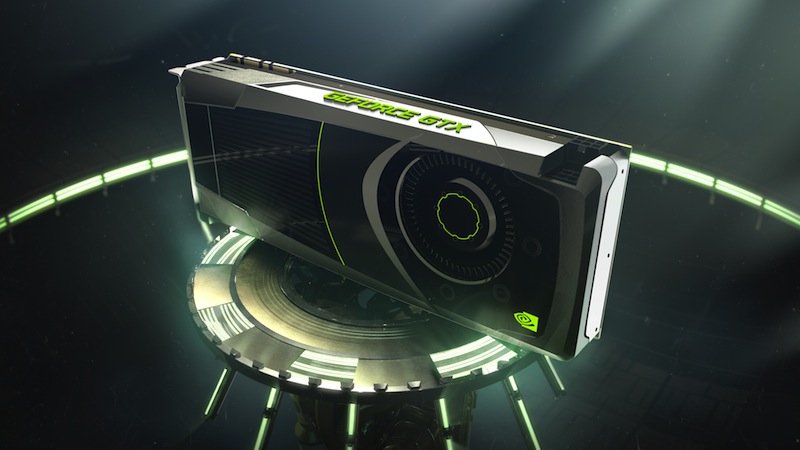
    NVIDIA has launched several cards based on their new GPUs which are made on the next-gen Kepler Architecture. The new GPU’s are supposedly less power hungry by upto 28% and emit less heat, therefore running cooler. 

    The NVIDIA® GeForce® GTX 680 GPU is designed to work in desktops and the  GeForce 600M GPUs are designed specifically for ultrabooks. Kepler is based on 28-nanometer (nm) process technology and succeeds the 40-nm NVIDIA Fermi architecture, which was first introduced into the market in March 2010.

    Compared with the closest competitive product, the GeForce GTX 680 GPU is more than 300 percent faster in DirectX 11 tessellation performanceand up to 43 percent faster in cutting-edge games such as Elder Scrolls V: Skyrim, yet consumes 28 percent less power. It also provides twice the performance per watt of the GeForce GTX 580, the flagship Fermi-based processor that it replaces.

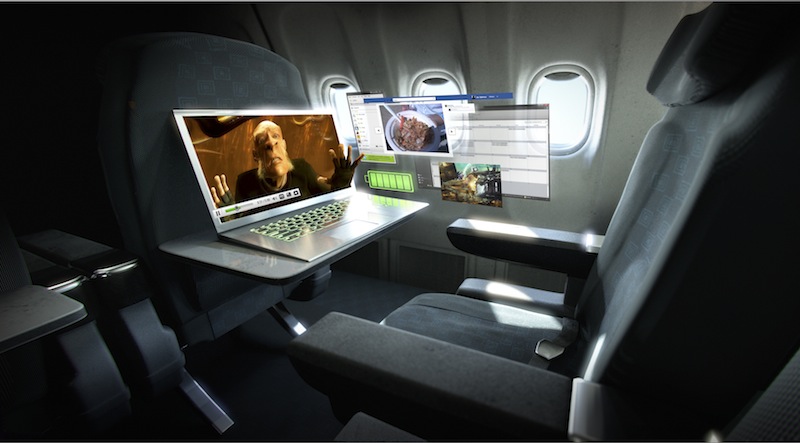
    The GeForce GTX 640m is designed to run alongside the next gen Intel Ultrabook processors to allow for thinner designs and faster performance, claims Nvidia. Read on the full press release below.

    In India, the NVIDIA GeForce GTX 680 GPU is now available from card suppliers, including ASUS, Gainward, Galaxy, MSI, Palit, POV, Sparkle and Zotac. Ultrabooks and notebooks based on the GeForce 600M family of GPUs: Acer, Asus, Dell, HP, Lenovo, LG, Samsung, Sony and Toshiba.

    [toggle title_open=”Press Release” title_closed=”Press Release” hide=”yes” border=”yes” style=”default” excerpt_length=”0″ read_more_text=”Read More” read_less_text=”Read Less” include_excerpt_html=”no”]


    NVIDIA Launches First GeForce GPUs Based on Next-Generation


    Kepler Architecture


    GeForce GTX 680for PC Gamers is Fastest, Most Efficient GPU Ever Built; 
    GeForce GT640M for Notebooks Puts the “Ultra” in Ultrabooks


    MUMBAI, India. — March 22, 2012 — NVIDIA today launched the first GPUs based on its next-generation Kepler™ graphics architecture, which deliver dramatic gaming performance and exceptional levels of power efficiency.


    The result of some 1.8 million man-hours of work over five years, the Kepler architecture’s first offerings bring unprecedented technical capabilities to both gaming desktops and Ultrabooks.


    For desktop gaming, the NVIDIA® GeForce® GTX 680 GPU provides a faster, smoother and richer experience. For notebooks, the new lineup of GeForce 600M GPUs puts the “ultra” in Ultrabooks, enabling smaller, more powerful designs than were previously possible. Both are available immediately.


    “The Kepler architecture stands as NVIDIA’s greatest technical achievement to date,” said Brian Kelleher, senior vice president of GPU engineering at NVIDIA. “It brings enormous performance and exceptional efficiency. Gamers will love the GTX680’s performance, as well as the fact that it doesn’t require loud fans or exotic power supplies. Ultrabook users will love the GT600M family for its performance and power efficiency.”


    Kepler is based on 28-nanometer (nm) process technology and succeeds the 40-nm NVIDIA Fermi architecture, which was first introduced into the market in March 2010.


    GeForce GTX680:  A Marriage of Speed and Extreme Efficiency 


    The GeForce GTX 680 GPU brings impressive performance and extreme efficiency to the desktop gaming market, delivering a quiet, smooth, extremely fast experience.


    Compared with the closest competitive product, the GeForce GTX 680 GPU is more than 300 percent faster in DirectX 11 tessellation performance(1) and up to 43 percent faster in cutting-edge games such as Elder Scrolls V: Skyrim(2), yet consumes 28 percent less power(3). It also provides twice the performance per watt of the GeForce GTX 580, the flagship Fermi-based processor that it replaces.


    Setting the standard for future enthusiast-class GPUs, the GeForce GTX 680 is built on an array of new technologies, including:


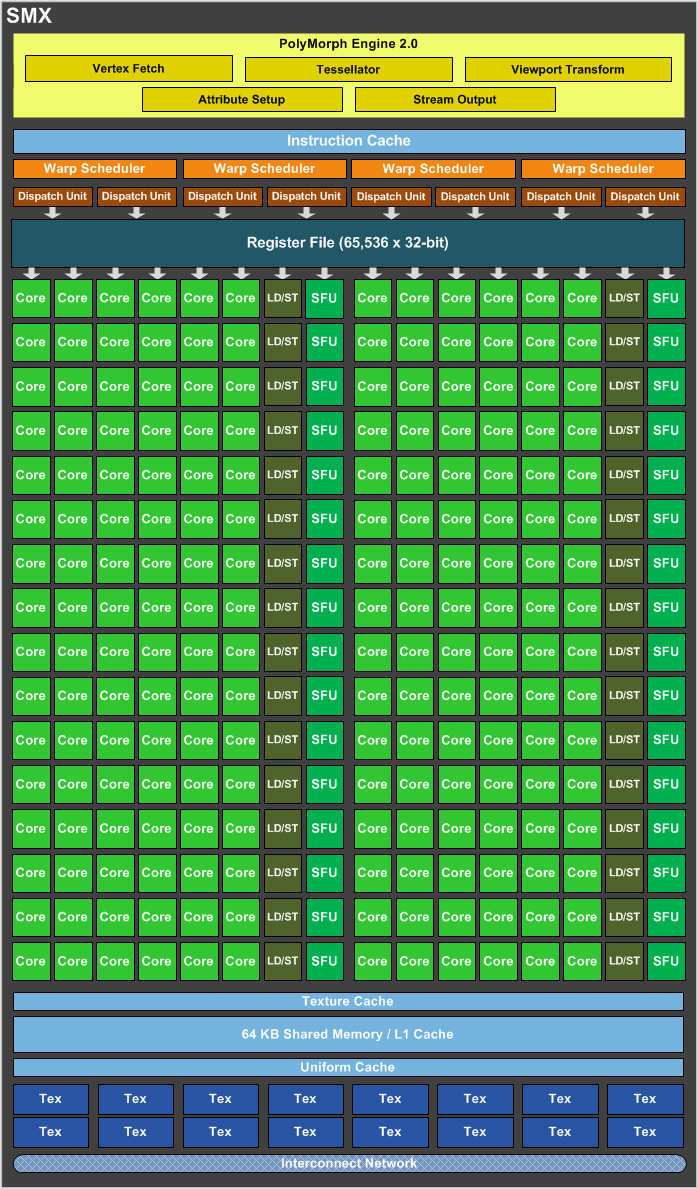
      • A new streaming multiprocessor block, known as SMX, that delivers twice the performance per watt of previous-generation products


      • Special board components, including acoustic dampeners, high-efficiency heat pipes and custom fins, that create a quiet gaming experience


      • NVIDIA GPU Boost technology, which dynamically adjusts GPU speeds  to maximize gaming performance


      • New FXAA and TXAA antialiasing and Adaptive VSync technologies to enrich visual quality without compromising gaming performance


      • Support for up to four separate displays– three of them in 3D –off a single card for a massive 3D gaming experience


      • Manufactured on TSMC’s new 28-nm process, with support for PCI-E Gen 3 and DX11.1


    Kelt Reeves, president of Falcon Northwest, a leading producer of high-end gaming systems, said: “The GTX 680 lays down what should be whiplash-inducing speed at the sound of a whisper. Even at full throttle, it doesn’t heat up. In the immortal words of Obi-Wan describing a lightsaber, it’s ‘an elegant weapon for a more civilized age.’”


    Mark Rein, vice president of Epic Games, creators of the award-winning Unreal Engine and billion-dollar “Gears of War” franchise, said: “The GTX 680 is amazing and completely redefines what an enthusiast-class GPU is. We have already shown outstanding success with the GTX 680, recently presenting our real-time Samaritan demonstration running on it along with a special preview of Unreal Engine 4 for select developers.”


    GeForce 600M GPU Family: Putting the “Ultra” In Ultrabooks


    The NVIDIA GeForce 600M family of GPUs, when paired with the latest processor technology from Intel, enables Ultrabook and notebook PC designs that are thin, light and fast. Technological advances that set them apart from the competition include:


      • NVIDIA Optimus™ technology enables extra-long battery life by automatically switching the GPU on and off so it runs only when needed


      • NVIDIA Verde™ notebook drivers provide frequent performance improvements and rock-solid stability


      • NVIDIA PhysX® engine support brings games to life with realistic physics


      • Optional NVIDIA 3D Vision™ technology automatically converts more than 650 titles into immersive 3D


      • Optional NVIDIA 3DTV Play™ software connects 3D Vision-based notebooks to 3D TVs


      • NVIDIA SLI® technology links two NVIDIA GTX GPUs up to double gaming performance


    “The Acer Aspire Timeline Ultra M3 brings a superior level of performance to the Ultrabook category,” said Sumit Agnihotry, vice president of product marketing at Acer America. “With a GeForce GPU onboard, our thin and light Ultrabook does everything our customers want it to do, with no compromises.”


    Rene Haas, general manager of notebook products at NVIDIA, said: “Customers are about to see notebook manufacturers unveil a host of Ultrabooks that are truly worthy of the ‘ultra’ moniker. The more efficient and powerful GeForce 600M GPUs will raise performance from the Ultrabook segment all the way up to gaming notebooks. And they will be the most popular discrete GPUs used with Intel’s upcoming Ivy Bridge processor.”


    India Availability


    The NVIDIA GeForce GTX 680 GPU is now available from the world’s leading add-in card suppliers, including ASUS, Gainward, Galaxy, MSI, Palit, POV, Sparkle and Zotac.


    The following manufacturers will be shipping Ultrabooks and notebooks based on the GeForce 600M family of GPUs: Acer, Asus, Dell, HP, Lenovo, LG, Samsung, Sony and Toshiba.


    [/toggle]

  • Samsung to borrow 1 Billion US dollars to expand capacity in Texas

    Samsung to borrow 1 Billion US dollars to expand capacity in Texas

    Samsung Semiconductor makes main processor chips for iPhones, iPad’s and many other tablets and smartphones from other vendors including Samsung Mobiles. To meet with the exceeding demand for these products the supply of the said chips needs to be in order. Bloomberg is reporting that Samsung Semiconductor has “sent requests for proposals to banks to borrow as much as $1 billion to expand production capacity at its factory in Austin, Texas,” with the bonds to be issued by Samsung’s United States unit.

    The company which is about US $ 20 Billion cash rich will sell its bonds first time since 1997, due to the low borrowing rate. The company plans to utilize this money to boost production of mobile phone processor and GPU chips as well as invest in innovation in their OLED manufacturing.

    [Bloomberg]

  • Intel’s new Atom N2600, N2800 with 10 hour battery life start shipping for netbooks (PR)

    Intel’s new Atom N2600, N2800 with 10 hour battery life start shipping for netbooks (PR)

    Although major companies including Dell and Samsung have already confirmed that they will stop support for Netbook and further manufacture, Intel pushes forward with its new Atom lineup for those who may be still interested. The new Cedar trail Atom N2600 and N2800 promise unto ten hours of battery life on a single charge, also interesting is that Intel claims that the processors are also capable if “weeks of standby” . The new processors are heading to major manufacturers including those who said to to netbooks Acer, Asus, HP, Lenovo, Samsung, and Toshiba.


    [toggle title_open=”Press Release” title_closed=”Press Release” hide=”yes” border=”yes” style=”default” excerpt_length=”0″ read_more_text=”Read More” read_less_text=”Read Less” include_excerpt_html=”no”]

    Intel Begins Shipping New Intel® Atom™ Processors; New Features, Great Battery Life on Tap

    Systems Using New Intel® Atom™ Processor Available in Early 2012

    NEWS HIGHLIGHTS

    Third-generation Intel Atom processor-based platform introduces several new features for low-power designs such as netbooks, retail and healthcare IT devices.
    Platform’s power management features provide the potential to improve performance and battery life by 20 percent compared to previous generation.
    Netbooks based on this platform offer up to 10 hours of battery life, weeks of standby and full 1080p high-definition video.
    Systems using new Intel Atom processor-based platform from Acer, Asus, HP, Lenovo, Samsung, and Toshiba will debut in early 2012.

    SANTA CLARA, Calif., Dec. 28, 2011 – Intel Corporation today announced the availability of the latest mobile Intel Atom processor-based platform, formerly codenamed “Cedar Trail.” Designed to provide small, compact, on-the-go computing with great battery life at an affordable price, the latest platform adds several new features to netbook computers made popular by students, families, and those looking for light productivity and Internet browsing. These devices will be available in early 2012 from major OEMs including: Acer*, Asus*, HP*, Lenovo*, Samsung*, and Toshiba*.

    The new design’s dedicated media engine enables full 1080p high-definition playback of videos and Blu-Ray content and includes additional digital display and output options including HDMI and DisplayPort. The integrated Intel® Graphics Media Accelerator 3600/3650 combined with the integrated memory controller provides enhanced performance and system responsiveness, including an improvement in graphics performance up to 2X compared to the previous generation platform.

    Systems based on the new Intel Atom processors may have up to 10 hours of battery life and weeks of standby, allowing for all-day use between charges. Additionally, Intel increased processor and overall system performance while reducing power consumption up to 20 percent compared to the previous platform.

    Based on Intel’s leading-edge 32nm process technology, Intel incorporated several new features into the platform such as Intel® Wireless Display and Intel® Wireless Music. With these new features and wireless enabled devices, people can share videos or photos wirelessly from their netbooks to a television, or stream music through their home stereo speakers.

    Additional features such as Intel® Smart Connect Technology allows users to have an instant Internet connection as soon as they open their netbook, and have email, Twitter* and RSS feeds automatically updated even in sleep mode. Intel® Rapid Start Technology enables fast resume from standby mode and helps conserve battery life.

    The dual-core Intel Atom processor N2600 and Intel Atom processor N2800 are paired with the Intel® NM10 Express Chipset and feature a small form factor package size that saves system board real estate and enables thinner netbook designs. In addition to the mobile processors, Intel offers the Intel Atom processor D2500 and D2700 for entry-level desktop and all-in-one designs, as well as intelligent system solutions. The platform supports a range of operating systems including: Windows*, MeeGo*, and Tizen*.

    New Features, Lower Power Have Broad Appeal
    The new Intel Atom processors provide a lower thermal design power (TDP) and power management features such as Intel® Deeper Sleep and Intel® SpeedStep Technology that enable lower power designs, making it especially attractive for netbooks as well as intelligent systems including: healthcare equipment, retail systems and entry-level digital signage.

    In health care settings, the improved battery life and enhanced graphics means medical professionals can enhance patient care and bring infotainment services to a patient’s bedside. ARBOR* technology will release a new patient infotainment bedside terminal, based on the Intel Atom processor N2800 that helps clinicians improve workflow management and work efficiency, reduce human error, and enhance healthcare quality. Patients can also enjoy access to plenty of multi-media entertainment, hospital information and communication services on the system.

    The always on, always connected capabilities are also ideal for entry-level point-of-sale systems with the ability to boot up instantly to serve customer’s at a moment’s notice. Point-of-sale terminals based on the Intel Atom processor D2700 and manufactured by NCR Corporation* will be installed in restaurant and retail locations throughout the U.S. beginning in the first quarter of 2012.

    Intelligent system designs are offered 7-year lifecycle support, as well as support for Windows Embedded Standard 7*, Windows XP and XPe*, Windows Embedded Compact*, Yocto Project* and Wind River VxWorks* operating systems.

    [/toggle]

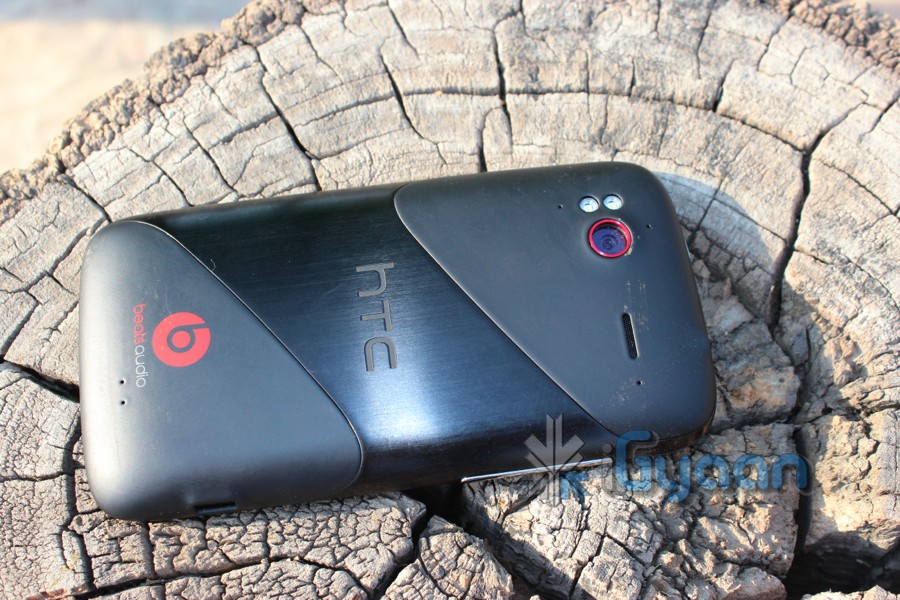
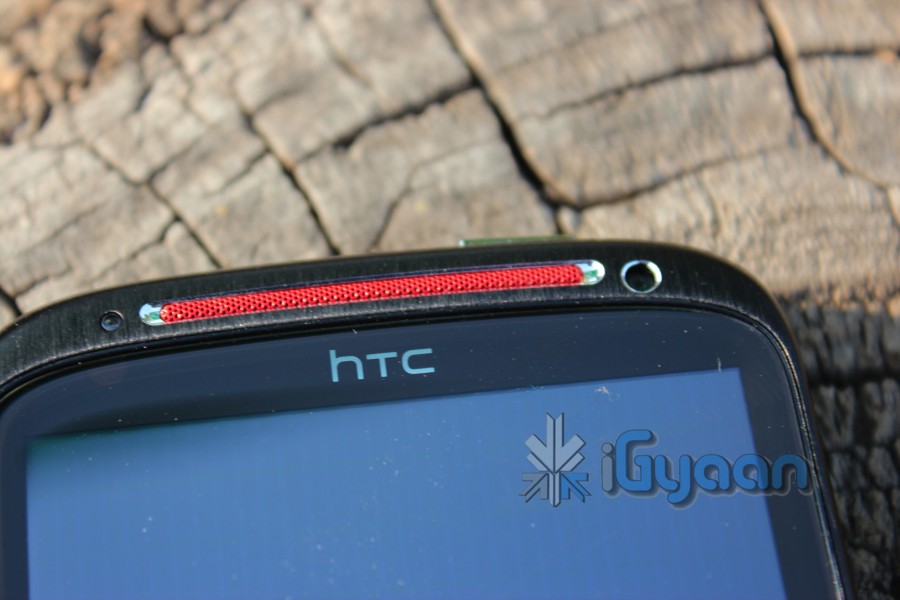
  • HTC Sensation XE with Beats Audio Review

    HTC Sensation XE with Beats Audio Review


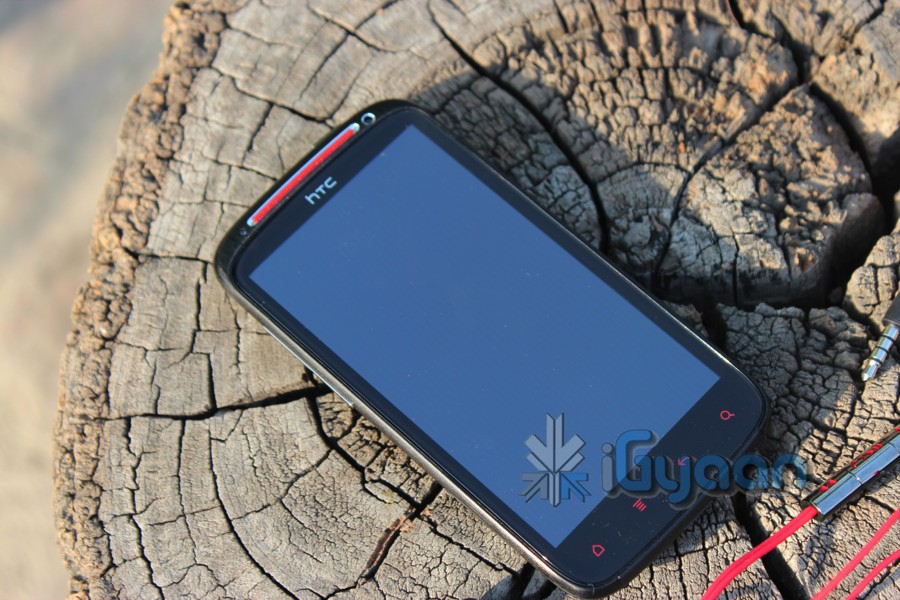
    The HTC Sensation XE has been a low baller in India, especially because it was launched soon after the Sensation, added only minor improvements that made major differences. Here is our review.

    Build Quality

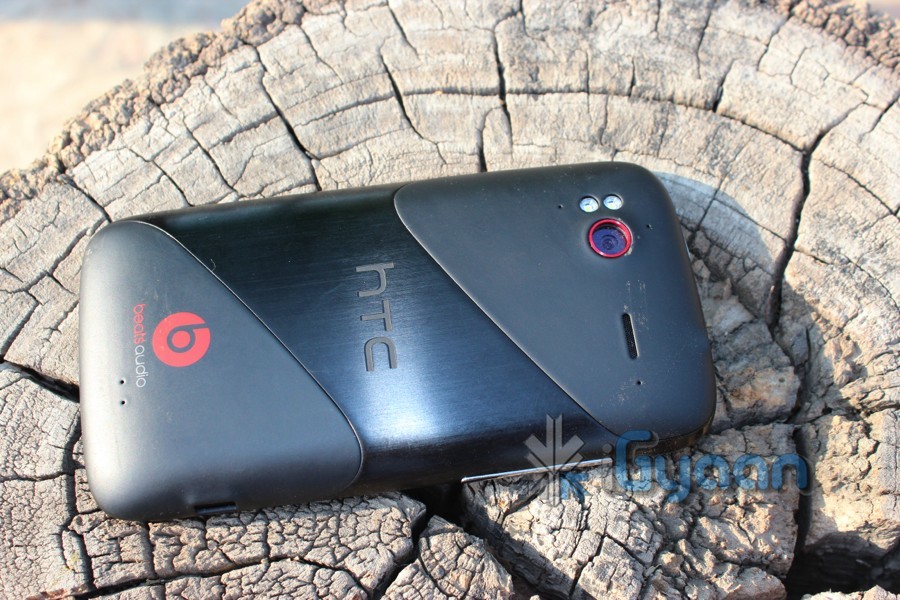
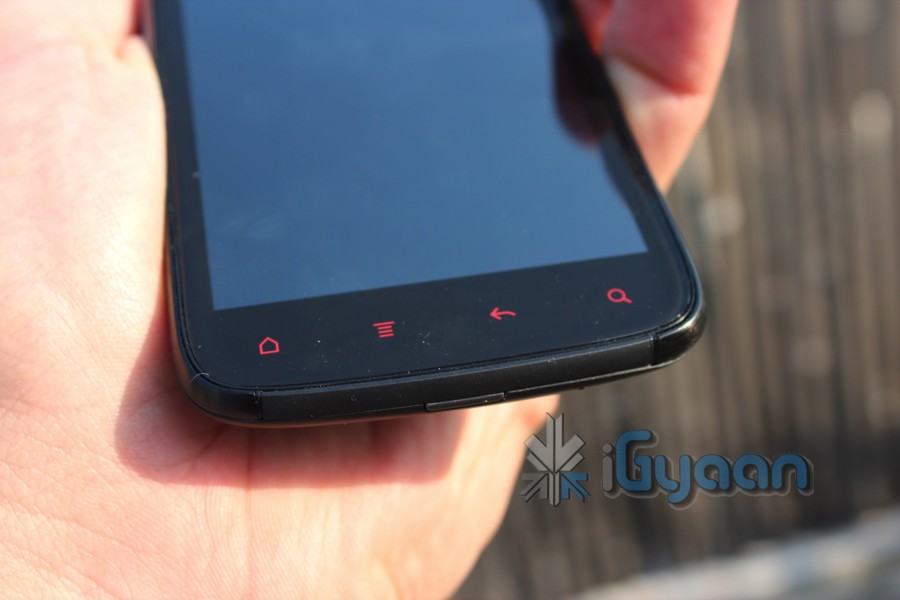
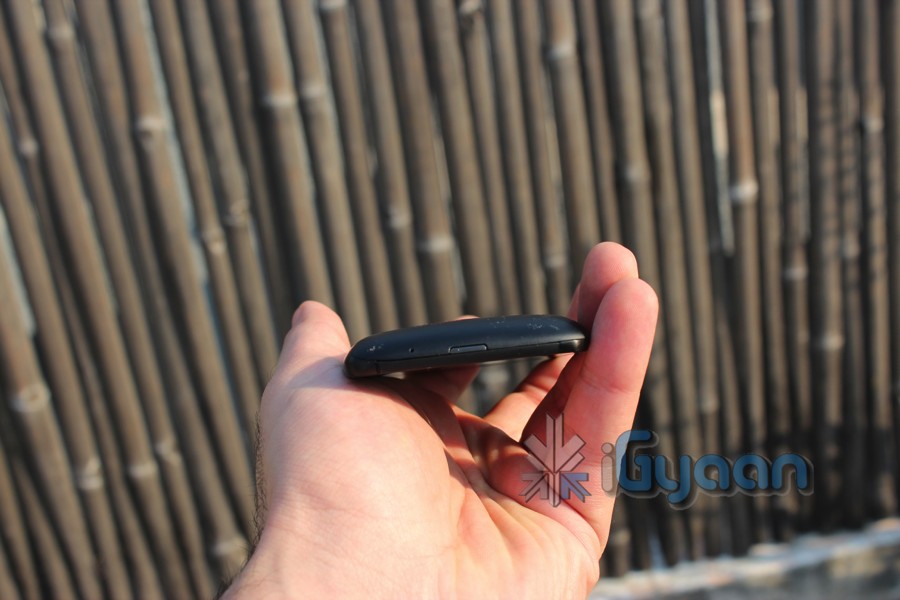
    The Sensation XE, just like is predecessor, is built in a unibody fashion, with a sold structure and aluminum back panel with rubber edges. The front of the device has an outward curved gorilla glass which is shatter and scratch resistant. The HTC Sensation XE is superbly built and will last a lifetime by designers who took everything into perspective from the aesthetics to the functionality and the intelligent placement of the buttons – which by the way are extremely tactile and responsive. 


    Specs

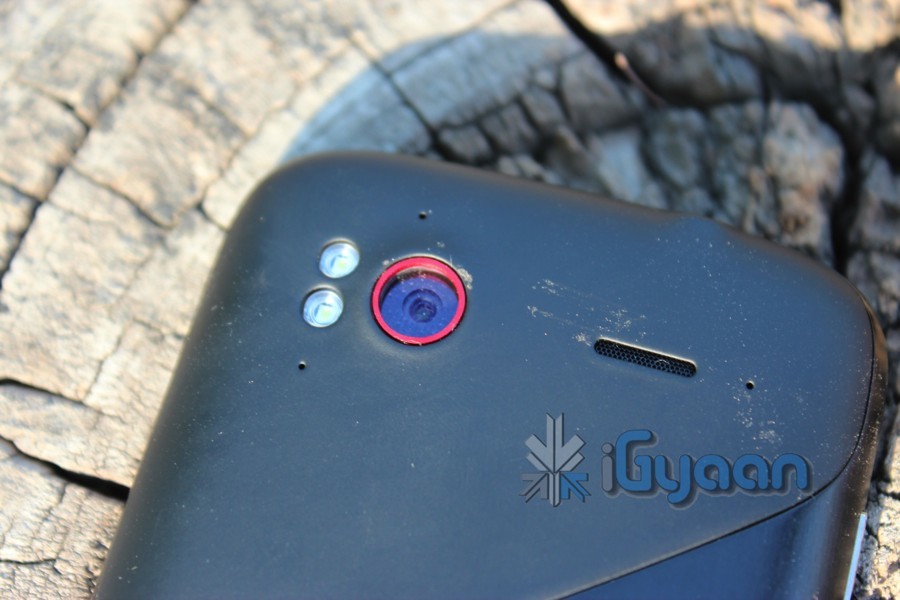
    There is no questioning the latest hardware in the Sensation XE, the latest dual core processors a very high resolution screen, functional 8 megapixel camera with full HD video at 1080p not to forget the added Beats by Dre audio.


    DESIGN

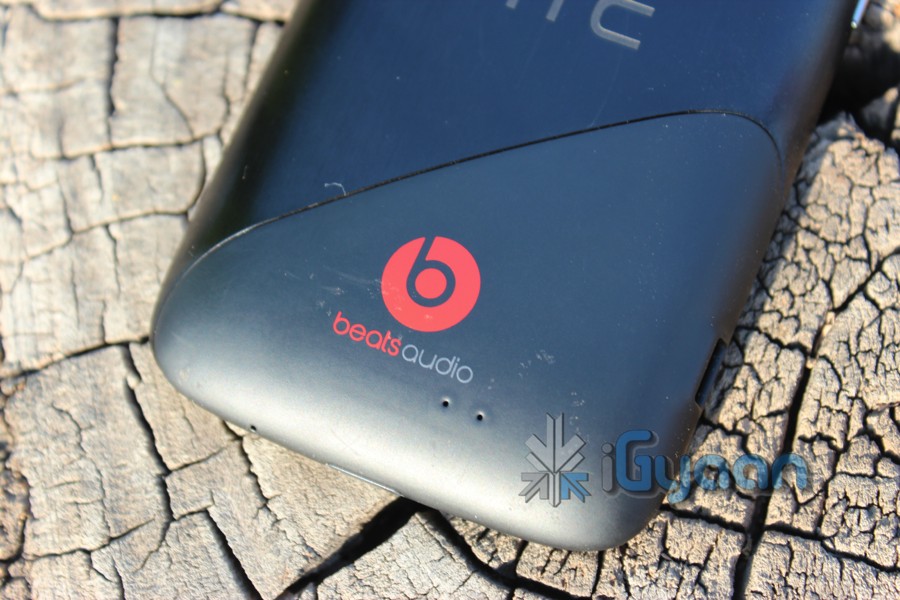
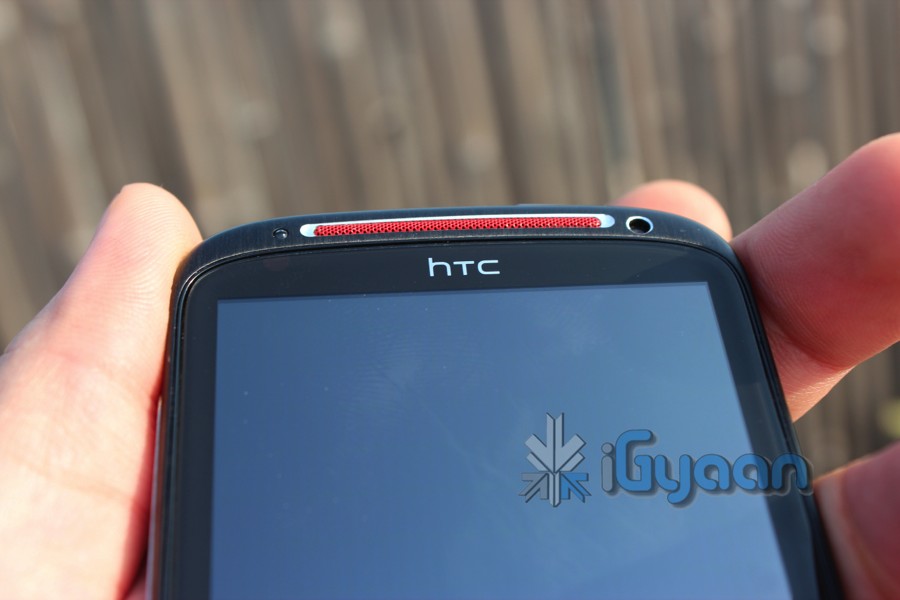
    The Sensation XE is still the Range Rover that the original sensation was, you can infact say this is a higher end model, especially because it does not add any changes to aesthetics except the obvious beats branding and the red accents.

    PHONE AND MESSAGING

    Just like the original Sensation we got superior audio in and out during calls. The network performance was excellent and sustained throughout our test period. 3G and WCDMA performance excelled in the Sensation XE. The XE also continues the standard that the Sensation set as being the best in phone networks on our list of devices. Over all impressive.

    The touchscreen on the device is same as the original Sensation, allowing 4 point interaction, what that means is that you can have 4 simultaneous inputs. What it also means is that you can use the onboard keyboard as fast  as you can move your thumbs. This allows for really fast messaging and the keyboard has nice and large keys considering that the Sense keyboard is one of the most coveted Android keyboards yet.


    Beats Audio + Multimedia

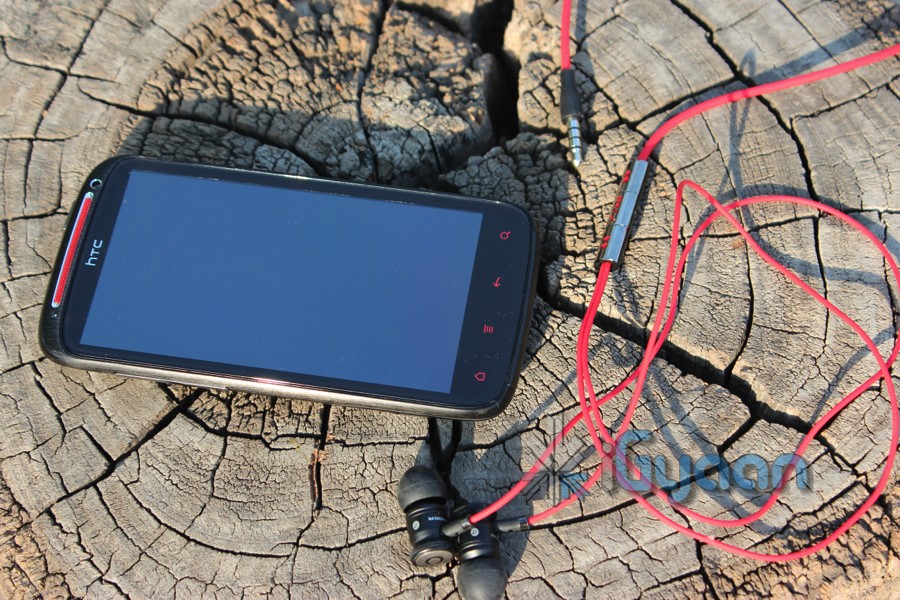
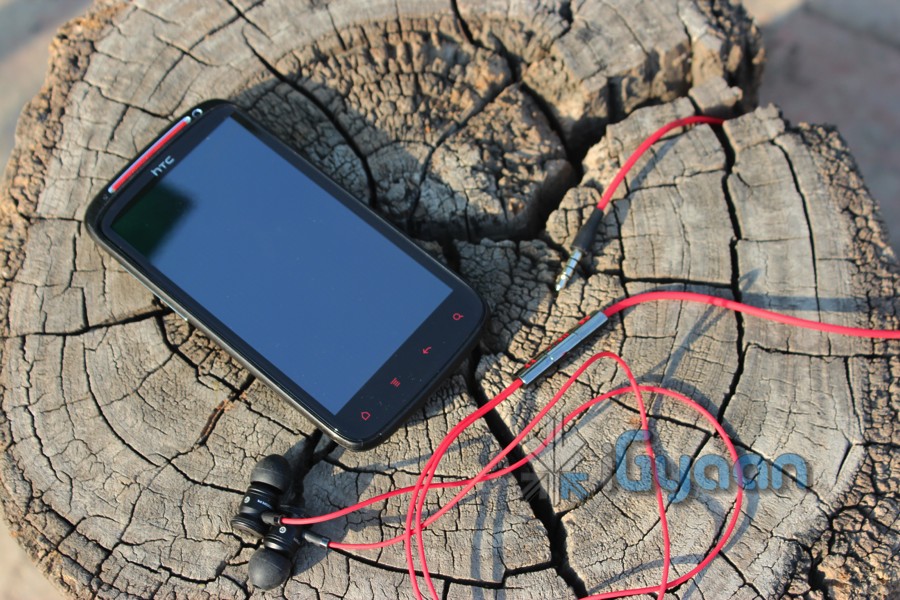
    The Sensation XE not only features a Beats audio processing engine but also has one of the best included earphones/headphones with a smartphone. The iBeats come with a uniquely distinctive carry pouch and also have online microphone and remote for audio control. While you can’t compare the quality of audio to high end standalone headphones, these uniquely stand out far above normally included ones. Offering good, deep bass and excellent vocals. The device also instantly detects the iBeats, once plugged in, and activates the beats audio profile.

    The screen is a brilliant qHD Screen with a native resolution of 540 x 960 px, large enough to put any phone to shame, not considering of course the Galaxy Note and likes.  The screen is also no Amoled or Super-Amoled display so don’t expect it to be as vivid. But watching movies, reading text and playing games is great on this device. The Beats audio improves the overall multimedia experience a lot, making movies, music and just plain old videos sound better.

    The camera is an 8MP snapper the same from the Sensation, it captures stunning pictures and great full HD video. The camera app comes with a lot of features in the standard HTC style, which allows for a lot of tweaks to be made by the photographer at hand. On the front is a lowly VGA camera which offers decent VOIP capabilities and no video calling.

    BATTERY LIFE

    Values 2G 3G WiFi
    Talk Time unto 9.5 Hours 5 hours
    Standby time 48 Hours 30 hours 7 Days
    Web Browsing 8-9 hours 5 hours 5 Hours
    Video Streaming 4.5 Hours 3 Hours 4 Hours
    Music Streaming 15 hours 10 hours 14 hours

    In certain cases we saw improvement in the battery management on the Sensation XE compared to that of the HTC Sensation.

    Conclusion

    Although not a major improvement over the Sensation, in terms of looks and performance, the little add-on definitely make a big difference. The processor bump to 1.5GHz improves overall device performance and does not affect battery life. The beats audio improves the overall experience of the device and the earphone make an excellent add on. The device is robust, well made and is built to impress, a definite up above the competition.

    [xrr rating=4.5/5 label=”We Rate The Sensation : ” imageset=shiny_yellow_star display_as=fraction_stars]

    Price  Rs. 32,599/-

    Videos


    Review Video


  • Motorola working on two new Razr tablets with LTE

    Motorola working on two new Razr tablets with LTE

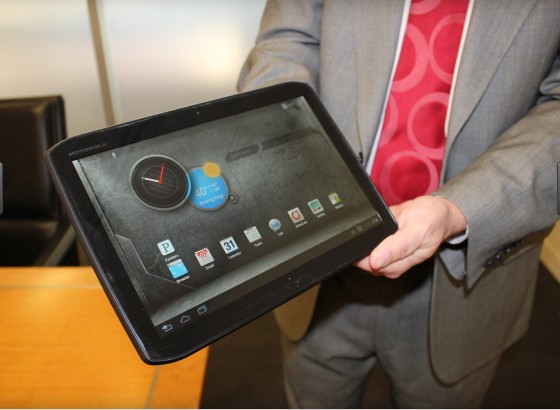
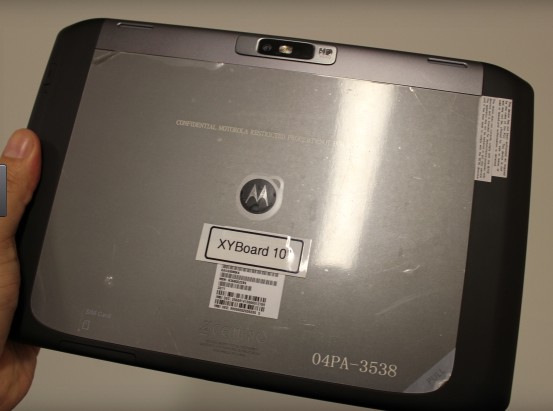
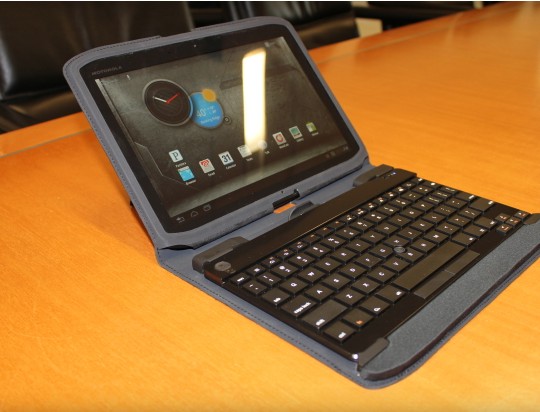
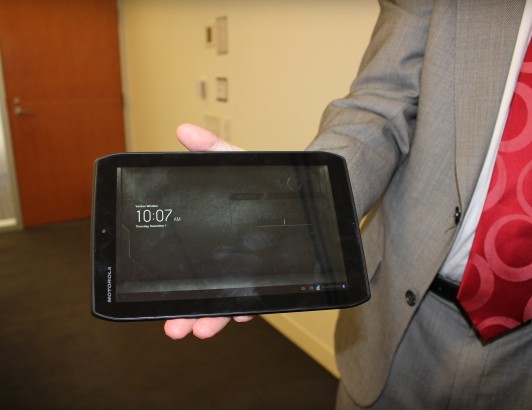
    Motorola Mobility Droid Xyboard in two sizes: a larger 10-inch design and a smaller 8-inch may be coming out soon. Several images and rumors later the company finally showed their goods to Cnet.  Both come with a 1.2GHz CPU, 1GB of RAM and a five-megapixel camera, along with a 1.3 megapixel front-facing cam. They’re also coated in Corning Gorilla Glass.

    Cnet said both are “thinner than a AAA battery and lighter than a paperback book.”

    The stylus-equipped ten-inch version is reportedly geared toward the enterprise market, whereas its little brother is described as more media-friendly and aimed towards the consumer. Both these tablets are set to launch with US carrier Verizon, therefore these will be sim free CDMA devices. Unlocked versions are expected to release in the form of XOOM tablets for GSM and global consumption in 2012.


    [CNET]

  • HTC Sensation XE Unboxing

    HTC Sensation XE Unboxing

    The HTC Sensation XE is the first phone in India with the Beats Audio integration with HTC. The device is a standard HTC Sensation on heavy steroids. Watch our video below and stay tuned for the full review and comparison with industry standards.


    The device is an easy way for the company to revive the dying sales of their flagship phones from companies like Samsung.


    The Complete Spec List Includes :


    Price

    Rs. 35,500/-

    CPU Processing Speed

    1.5 GHz, dual core


    Storage

    Total storage : 4 GB
    Available storage : up to 1 GB
    RAM : 768 MB


    Connectors

    • 3.5 mm stereo audio jack
    • micro-USB 2.0 (5-pin) port with mobile high-definition video link (MHL) for USB or HDMI connection

    (Special cable required for HDMI connection.)


    Sensors


    • Gyro sensor
    • G-Sensor
    • Digital compass
    • Proximity sensor
    • Ambient light sensor


    Multimedia


    • Gallery, Music, and FM Radio
    • Beats Audio™
    • DLNA for wirelessly streaming media from the phone to your TV or computer
    Audio supported formats:
    • Playback: .aac, .amr, .ogg, .m4a, .mid, .mp3, .wav, .wma (Windows Media Audio 9)
    • Recording: .amr
    Video supported formats:
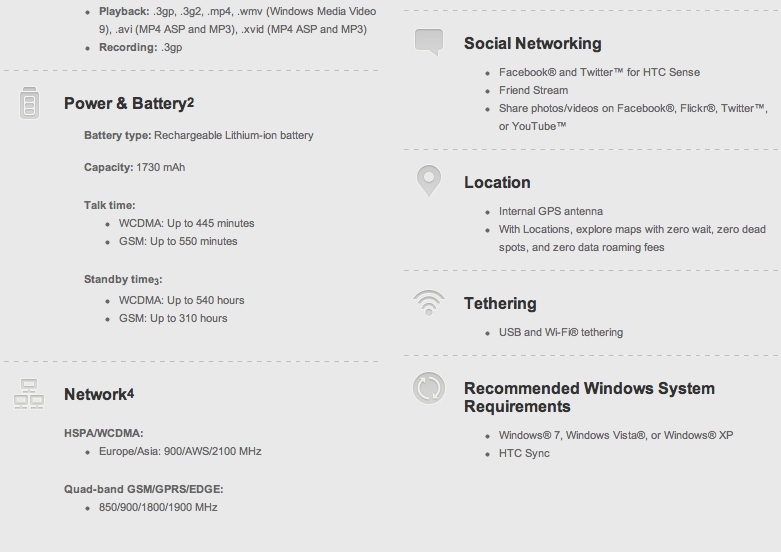
    • Playback: .3gp, .3g2, .mp4, .wmv (Windows Media Video 9), .avi (MP4 ASP and MP3), .xvid (MP4 ASP and MP3)
    • Recording: .3gp


    Power & Battery


    Battery type: Rechargeable Lithium-ion battery
    Capacity: 1730 mAh
    Talk time:
    • WCDMA: Up to 445 minutes
    • GSM: Up to 550 minutes
    Standby time3:
    • WCDMA: Up to 540 hours
    • GSM: Up to 310 hours


    Network


    HSPA/WCDMA:
    • Europe/Asia: 900/AWS/2100 MHz
    Quad-band GSM/GPRS/EDGE:
    • 850/900/1800/1900 MHz

    Platform

    Android™ with HTC Sense™


    Camera

    8 megapixel color camera: Auto focus and dual LED flash
    Front camera: VGA fixed focus color camera
    HD video recording: 1080p HD video recording


    Internet


    3G:
    • Up to 14.4 Mbps download speed
    • Up to 5.76 Mbps upload speed
    GPRS:
    • Up to 80 kbps downloading
    EDGE:
    • Up to 236.8 kbps downloading
    Wi-Fi®:
    • IEEE 802.11 b/g/n


    Bluetooth


    • Bluetooth® 3.0
    • A2DP for wireless stereo headsets
    • FTP and OPP (object push) for file transfer
    • PBAP for phonebook access from the car kit
    • Other supported profiles: AVRCP, GAP, GOEP, HFP, HID, HSP, MAP, SPP, SDAP


    Social Networking


    • Facebook® and Twitter™ for HTC Sense
    • Friend Stream
    • Share photos/videos on Facebook®, Flickr®, Twitter™, or YouTube™


    Location


    • Internal GPS antenna
    • With Locations, explore maps with zero wait, zero dead spots, and zero data roaming fees


    Tethering


    • USB and Wi-Fi® tethering


    Recommended Windows System Requirements


    • Windows® 7, Windows Vista®, or Windows® XP
    • HTC Sync
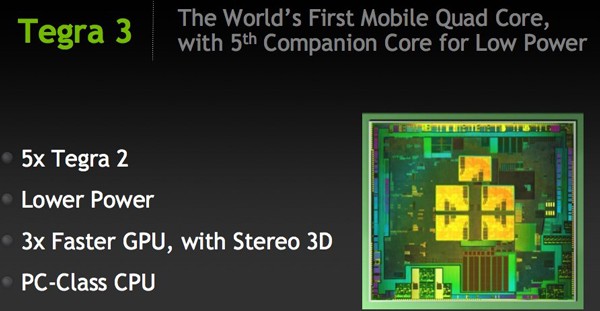
  • Nvidia call Tegra 3 PC class chip, displays with comparatives

    Nvidia call Tegra 3 PC class chip, displays with comparatives

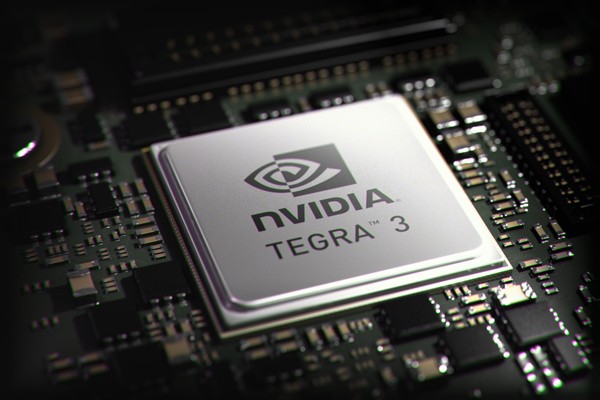
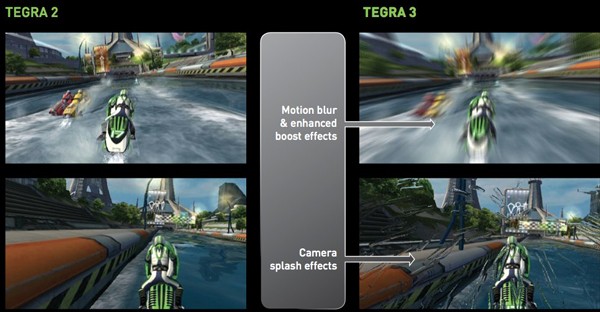
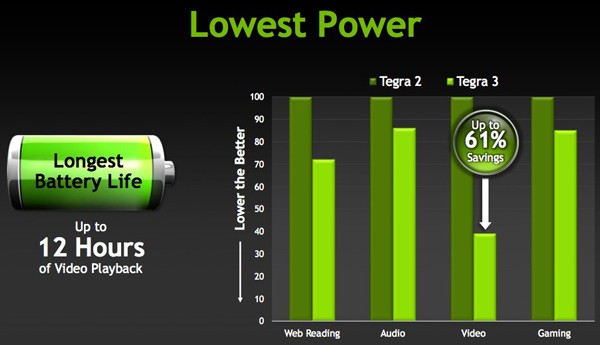
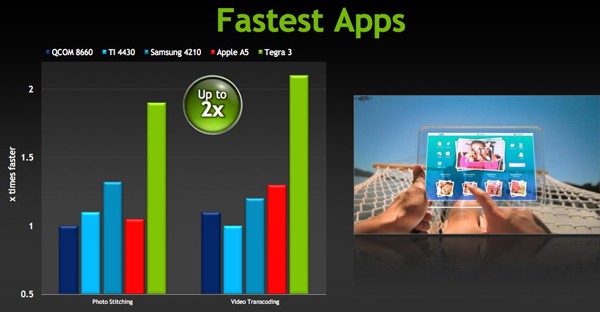
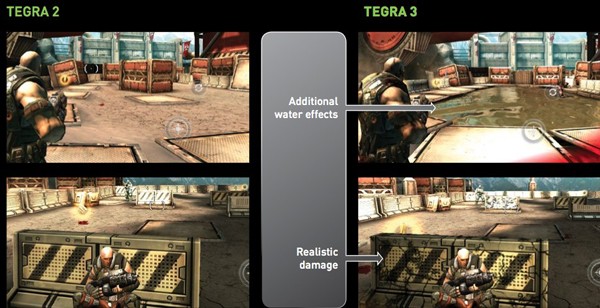
    Nvidia’s new and upcoming Tegra 3 is the chip to look out for, says the industry. A confirmed chip which is upto five times faster than existing Tegra 2, offers 4 cores of 1.5 GHz madness and a perforce and graphics boost unknown to phone/tablet kind prior to this.The new Tegra 3 four times faster for web browsing, three times faster for graphics(12-core GeForce GPU). This GPU has total support for stereoscopic  3D.

    The ASUS Transformer Prime is going to be the first tablet, with the Tegra 3. checkout the comparative images from Nvidia putting all questions to rest.

    Claiming better performance and all round improved battery life, this chipset should be found in most tablets to be released in 2012.

  • Intel beat their own record of earnings : $3.7 billion net income (PR)

    Intel beat their own record of earnings : $3.7 billion net income (PR)

    Intel has just posted results for the quarter, and this year they snagged a total revenue of US $ 14.3 billion — up $3.2 billion, or 29 percent year-over-year. Their total net income lies in at US $ 3.7 Billion. Is this what happens when almost any new invention utilizes your chips?

    [toggle title_open=”Press Release” title_closed=”Press Release” hide=”yes” border=”yes” style=”default” excerpt_length=”0″ read_more_text=”Read More” read_less_text=”Read Less” include_excerpt_html=”no”]Intel Reports Record Revenue and Profit

    $3.1 Billion Year-Over-Year Revenue Increase Fueled by Double-Digit PC Unit Growth and Data Center Strength

    Buyback Authorization Increased by $10 Billion

    Non-GAAP Results

    Revenue: A record $14.3 billion, up $3.2 billion, 29 percent year-over-year
    Gross margin: 64.4 percent, down 1.7 percentage points year-over-year
    Operating income: A record $5.1 billion, up $895 million, 22 percent year-over-year
    Net income: A record $3.7 billion, up $705 million, 24 percent year-over-year
    EPS: A record 69 cents, up 17 cents, 33 percent year-over-year

    GAAP Results

    Revenue: A record $14.2 billion, up $3.1 billion, 28 percent year-over-year
    Gross margin: 63.4 percent, down 2.6 percentage points year-over-year
    Operating income: A record $4.8 billion, up $649 million, 16 percent year-over-year
    Net income: A record $3.5 billion, up $513 million, 17 percent year-over-year
    EPS: A record 65 cents, up 13 cents, 25 percent year-over-year

    SANTA CLARA, Calif., Oct. 18, 2011 – Intel Corporation today reported third-quarter results, setting new records for microprocessor units shipped, EPS, earnings and revenue, which was up 28 percent year-over-year.

    “Intel delivered record-setting results again in Q3, surpassing $14 billion in revenue for the first time, driven largely by double-digit unit growth in notebook PCs,” said Paul Otellini, Intel president and CEO. “We also saw continued strength in the data center fueled by the ongoing growth of mobile and cloud computing.”

    On a Non-GAAP basis, revenue was $14.3 billion, operating income was $5.1 billion, net income was $3.7 billion and EPS was 69 cents. On a GAAP basis, the company reported third-quarter revenue of $14.2 billion, operating income of $4.8 billion, net income of $3.5 billion and EPS of 65 cents.

    The company generated approximately $6.3 billion in cash from operations, paid cash dividends of $1.1 billion, and used $4.0 billion to repurchase 186 million shares of common stock. Intel’s board of directors also voted to increase the company’s buyback authorization by $10.0 billion, raising the total unused balance to $14.2 billion at the end of the third quarter. The company also completed a senior notes offering of $5.0 billion primarily for the purpose of repurchasing stock.

    Q3 2011 Key Financial Information (GAAP)

    Business unit trends:

    PC Client Group revenue of $9.4 billion, up 22 percent year-over-year.

    Data Center Group revenue of $2.5 billion, up 15 percent year-over-year.

    Other Intel® architecture group revenue up 68 percent year-over-year.

    Intel® Atom™ microprocessor and chipset revenue of $269 million, down 32 percent year-over-year.

    McAfee Inc. and Intel Mobile Communications contributed revenue of $1.1 billion.

    The platform average selling price (ASP) was up year-over-year and flat sequentially.

    Gross margin was 63.4 percent, 0.6 percent below the midpoint of the company’s expectation.

    R&D plus MG&A spending was $4.2 billion, slightly below the company’s expectation.

    Net gain of $107 million from equity investments and interest and other, consistent with the company’s expectations of approximately $100 million.

    The effective tax rate was 29 percent, above the company’s expectation of approximately 28 percent.

    The company used $4.0 billion to repurchase 186 million shares of common stock.

    Business Outlook

    Intel’s Business Outlook does not include the potential impact of any mergers, acquisitions, divestitures or other business combinations that may be completed after Oct. 18.

    Q4 2011 (GAAP, unless otherwise stated)

    Revenue: $14.7 billion, plus or minus $500 million, on both a GAAP and Non-GAAP basis.

    Gross margin percentage: 65 percent, plus or minus a couple percentage points.

    Non-GAAP gross margin percentage: 66 percent plus or minus a couple percentage points, excluding certain accounting impacts and expenses related to acquisitions.

    R&D plus MG&A spending: approximately $4.3 billion.

    Amortization of acquisition-related intangibles: approximately $75 million.

    Impact of equity investments and interest and other: a net loss of approximately $30 million.

    Depreciation: approximately $1.4 billion.
    Tax Rate: approximately 28 percent.

    Full-year capital spending: $10.5 billion, plus or minus $300 million.

    2011 will have 53 weeks of business versus the typical 52 weeks.

    For additional information regarding Intel’s results and Business Outlook, please see the CFO commentary at: www.intc.com/results.cfm.

    Status of Business Outlook

    Intel’s Business Outlook is posted on intc.com and may be reiterated in public or private meetings with investors and others. The Business Outlook will be effective through the close of business Dec. 16 unless earlier updated; except that the Business Outlook for amortization of acquisition-related intangibles, impact of equity investments and interest and other, and tax rate, will be effective only through the close of business on Oct. 25. Intel’s Quiet Period will start from the close of business on Dec. 16 until publication of the company’s fourth-quarter earnings release, scheduled for Jan. 19, 2012. During the Quiet Period, all of the Business Outlook and other forward-looking statements disclosed in the company’s news releases and filings with the SEC should be considered as historical, speaking as of prior to the Quiet Period only, and not subject to an update by the company.

    Risk Factors

    The above statements and any others in this document that refer to plans and expectations for the fourth quarter, the year and the future are forward-looking statements that involve a number of risks and uncertainties. Words such as “anticipates,” “expects,” “intends,” “plans,” “believes,” “seeks,” “estimates,” “may,” “will,” “should” and their variations identify forward-looking statements. Statements that refer to or are based on projections, uncertain events or assumptions also identify forward-looking statements. Many factors could affect Intel’s actual results, and variances from Intel’s current expectations regarding such factors could cause actual results to differ materially from those expressed in these forward-looking statements. Intel presently considers the following to be the important factors that could cause actual results to differ materially from the company’s expectations.

    Demand could be different from Intel’s expectations due to factors including changes in business and economic conditions, including supply constraints and other disruptions affecting customers; customer acceptance of Intel’s and competitors’ products; changes in customer order patterns including order cancellations; and changes in the level of inventory at customers. Uncertainty in global economic and financial conditions poses a risk that consumers and businesses may defer purchases in response to negative financial events, which could negatively affect product demand and other related matters.

    Intel operates in intensely competitive industries that are characterized by a high percentage of costs that are fixed or difficult to reduce in the short term and product demand that is highly variable and difficult to forecast. Revenue and the gross margin percentage are affected by the timing of Intel product introductions and the demand for and market acceptance of Intel’s products; actions taken by Intel’s competitors, including product offerings and introductions, marketing programs and pricing pressures and Intel’s response to such actions; and Intel’s ability to respond quickly to technological developments and to incorporate new features into its products.

    Intel is in the process of transitioning to its next generation of products on 22nm process technology, and there could be execution and timing issues associated with these changes, including products defects and errata and lower than anticipated manufacturing yields.

    The gross margin percentage could vary significantly from expectations based on capacity utilization; variations in inventory valuation, including variations related to the timing of qualifying products for sale; changes in revenue levels; product mix and pricing; the timing and execution of the manufacturing ramp and associated costs; start-up costs; excess or obsolete inventory; changes in unit costs; defects or disruptions in the supply of materials or resources; product manufacturing quality/yields; and impairments of long-lived assets, including manufacturing, assembly/test and intangible assets.

    Expenses, particularly certain marketing and compensation expenses, as well as restructuring and asset impairment charges, vary depending on the level of demand for Intel’s products and the level of revenue and profits.

    The tax rate expectation is based on current tax law and current expected income. The tax rate may be affected by the jurisdictions in which profits are determined to be earned and taxed; changes in the estimates of credits, benefits and deductions; the resolution of issues arising from tax audits with various tax authorities, including payment of interest and penalties; and the ability to realize deferred tax assets.

    Gains or losses from equity securities and interest and other could vary from expectations depending on gains or losses on the sale, exchange, change in the fair value or impairments of debt and equity investments; interest rates; cash balances; and changes in fair value of derivative instruments.

    The majority of Intel’s non-marketable equity investment portfolio balance is concentrated in companies in the flash memory market segment, and declines in this market segment or changes in management’s plans with respect to Intel’s investments in this market segment could result in significant impairment charges, impacting restructuring charges as well as gains/losses on equity investments and interest and other.

    Intel’s results could be affected by adverse economic, social, political and physical/infrastructure conditions in countries where Intel, its customers or its suppliers operate, including military conflict and other security risks, natural disasters, infrastructure disruptions, health concerns and fluctuations in currency exchange rates.

    Intel’s results could be affected by the timing of closing of acquisitions and divestitures.
    Intel’s results could be affected by adverse effects associated with product defects and errata (deviations from published specifications), and by litigation or regulatory matters involving intellectual property, stockholder, consumer, antitrust and other issues, such as the litigation and regulatory matters described in Intel’s SEC reports. An unfavorable ruling could include monetary damages or an injunction prohibiting us from manufacturing or selling one or more products, precluding particular business practices, impacting Intel’s ability to design its products, or requiring other remedies such as compulsory licensing of intellectual property.[/toggle]
  • GlacialTech Launches Igloo H46 & H58 Series CPU Cooler (PR)

    GlacialTech Launches Igloo H46 & H58 Series CPU Cooler (PR)

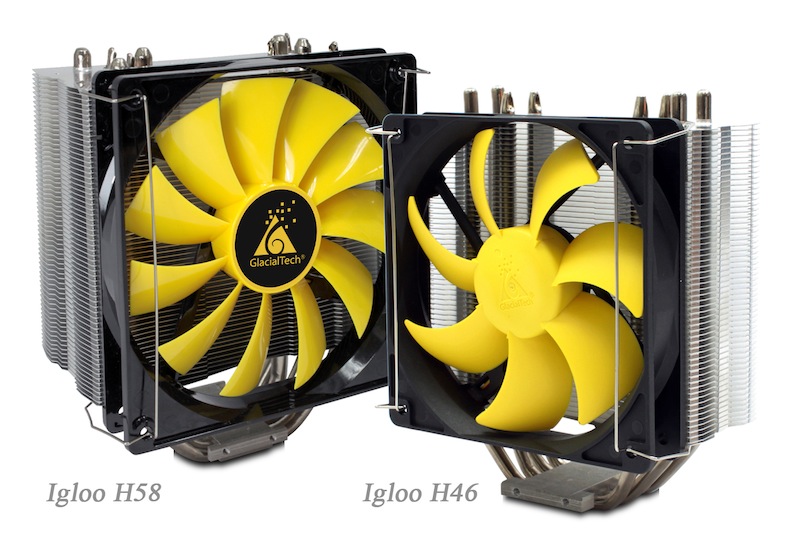
    Glacial tech has introduced new CPU coolers in India, the Igloo H46 & Igloo H58 are the first CPU cooler series from GlacialTech. GlacialTech says that due to a new research technology they have been able to lower down noise and improve airflow efficiency in the products. 

    Specifications

    Model

    Igloo H46 Silent

    Igloo H46 PWM

    Igloo H58 PWM

    Socket Type

    Intel LGA775/1155/1156/1366 and AMD FM1, AM2, AM2+, AM3

    CPU Compatibility

    Intel LGA1155/1156

    Intel® Core™ i3 Desktop Processor Family (73W)

    Intel® Core™ i5 Desktop Processor Family (95W)

    Intel® Core™ i7 Desktop Processor Family (95W)

    Intel LGA775

    Intel® Core™2 Quad Desktop Processor Family (105W)

    Intel® Core™2 Duo Desktop Processor Family (95W)

    Intel LGA1366

    Intel® Core™ i7 Processor (130W)

    AMD

    A4-3400, A6-3650, A8-3850 (100W)

    Phenom™ II X2, X3, X4, and X6 Processors (140W)

    Phenom™ X3, X4 Cores Processors (125W)

    Athlon™ II X2, X3, X4 Processor (95W)

    Dimension (mm)

    130 (W)×75 (L)×160(H)

    147(W)×89 (L)×175(H)

    Weight (grams)

    560

    840

    Fan

    Bearing Type

    Ultra Entering Bearing

    Rated Voltage

    DC 12 V

    Dimension (mm)

    120 x 120 x 25

    140 x 140 x 25

    Speed(RPM)

    1200

    PWM 800(±300 RPM)~1600(±10%)

    PWM 700(±300 RPM)~1400(±10%)

    Airflow (CFM)

    39

    65 (max.)

    60 (max.)

    Noise (dBA)

    18

    31 (max.)

    33 (max.)

    MTBF (hour/25°C)

    50,000

    Interface Material

    High Efficiency Thermal Compound


    [toggle title_open=”Press Release” title_closed=”Press Release” hide=”yes” border=”yes” style=”default” excerpt_length=”0″ read_more_text=”Read More” read_less_text=”Read Less” include_excerpt_html=”no”]

    Igloo H46 & Igloo H58 is a simple name for a promising product, the first CPU cooler series from GlacialTech. The GlacialTech engineers have created a high-performance product. They focused especially on the optimisation of the air stream conduction inside the heat sink to reach more efficient heat dissipation. The result is a combination of two smart innovations that successfully reduce the thermal resistance of the Igloo H46 & H58 – a new milestone in CPU cooler industry.


    Optimised Air Stream Conduction for Best Cooling Performance.


    GlacialTech Inc., a diverse provider of cooling, power supply and PC enclosure solutions for consumer and industrial applications and a world-class provider of cost effective cooling components and chassis launches the latest Igloo H46 & H58 Series CPU coolers with Intel LGA1155/1156 and AMD FM1 / AM2 / AM2+ / AM3 sockets. The unique design provides good cooling effect to the components around the CPU.


    As is usual, GlacialTech comes out with a product that provides highest quality materials and workmanship. The design is clear and functional. The manufacturer decided to waive all creative elements that may have negative influence on the cooling performance. Users can choose out of two different models. The attached PWM fan is certainly equipped with the durable and silent bearing. Price performance, noise performance and weight performance are GlacialTech’s three principle design philosophies. Having acquired ISO 9001 and 14001, GlacialTech commits itself to use green materials for its product design and construction and to manufacture its products following green manufacturing processes only. As a total thermal solution provider, GlacialTech is committed to bring increased value to customers through the creation of light weight cost effective systems, and a quiet working environment with an optimal price performance benefit. The Igloo H46 & H58 Series are for your PC evolution to an ultimate light weight, low cost CPU cooler for your system


    Igloo i630


    Highlighted Features


    l High Quality Aluminum Alloy


    l High Fin Density


    l PWM Version: Fan speed increase with the increase of CPU loading


    l Constant Fan Speed Version: The best price-performance


    l Weight / noise performance


    l Easy to install


    [/toggle]
     

  • iG Exclusive : HTC Sensation XE Launches 7th OCT in Europe (UK) and Asia, India Possibly Included

    iG Exclusive : HTC Sensation XE Launches 7th OCT in Europe (UK) and Asia, India Possibly Included

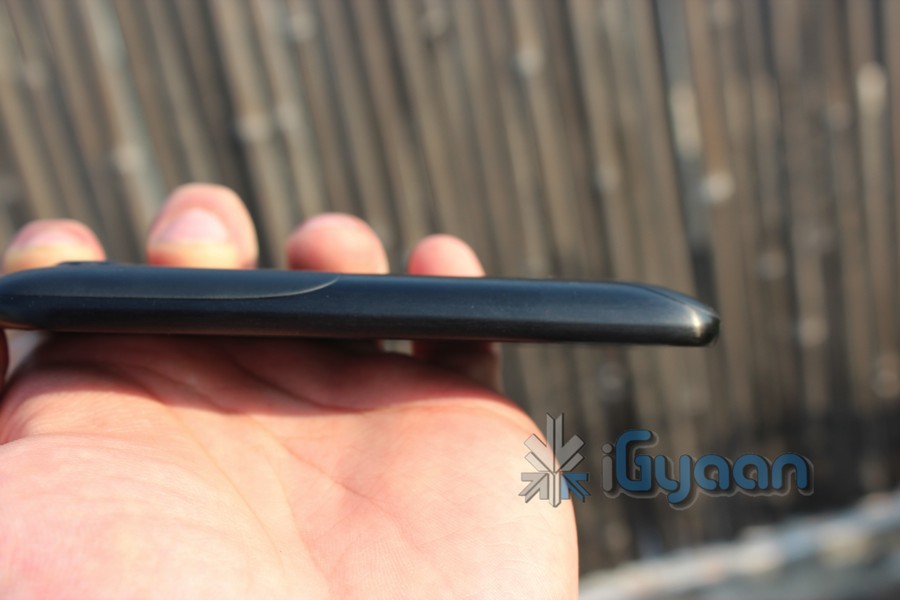
    The highly awaited sequel of the HTC Sensation, the HTC Sensation XE is all set to launch in the UK on the 7th of October 2011. It seems like the company is eager to push out its revamped device to the users/consumers, just before the next Apple device can launch. 
    Sources close to iGyaan have told us that the company plans a launch of the devices in Europe including UK and Asia including India in the first ten days of October 2011. The revamped handset boasts a bunch of improvements over the original Sensation including a faster processor.
    Price for the UK remains at £410 (£492 inc. VAT) and the device is expected to HIt India at the 32,500/- Rupees price mark with a significant decrease to 28,500/- within 15-20 days of launch. The box of the Sensation XE will come bundled with urBeats in-ear headphones from Monster Cable (part of Beats by Dre)
    The Complete Spec List Includes :


    CPU Processing Speed

    1.5 GHz, dual core


    Storage

    Total storage : 4 GB
    Available storage : up to 1 GB
    RAM : 768 MB


    Connectors

    • 3.5 mm stereo audio jack
    • micro-USB 2.0 (5-pin) port with mobile high-definition video link (MHL) for USB or HDMI connection

    (Special cable required for HDMI connection.)


    Sensors


    • Gyro sensor
    • G-Sensor
    • Digital compass
    • Proximity sensor
    • Ambient light sensor


    Multimedia


    • Gallery, Music, and FM Radio
    • Beats Audio™
    • DLNA for wirelessly streaming media from the phone to your TV or computer
    Audio supported formats:
    • Playback: .aac, .amr, .ogg, .m4a, .mid, .mp3, .wav, .wma (Windows Media Audio 9)
    • Recording: .amr
    Video supported formats:
    • Playback: .3gp, .3g2, .mp4, .wmv (Windows Media Video 9), .avi (MP4 ASP and MP3), .xvid (MP4 ASP and MP3)
    • Recording: .3gp


    Power & Battery


    Battery type: Rechargeable Lithium-ion battery
    Capacity: 1730 mAh
    Talk time:
    • WCDMA: Up to 445 minutes
    • GSM: Up to 550 minutes
    Standby time3:
    • WCDMA: Up to 540 hours
    • GSM: Up to 310 hours


    Network


    HSPA/WCDMA:
    • Europe/Asia: 900/AWS/2100 MHz
    Quad-band GSM/GPRS/EDGE:
    • 850/900/1800/1900 MHz

    Platform

    Android™ with HTC Sense™


    Camera

    8 megapixel color camera: Auto focus and dual LED flash
    Front camera: VGA fixed focus color camera
    HD video recording: 1080p HD video recording


    Internet


    3G:
    • Up to 14.4 Mbps download speed
    • Up to 5.76 Mbps upload speed
    GPRS:
    • Up to 80 kbps downloading
    EDGE:
    • Up to 236.8 kbps downloading
    Wi-Fi®:
    • IEEE 802.11 b/g/n


    Bluetooth


    • Bluetooth® 3.0
    • A2DP for wireless stereo headsets
    • FTP and OPP (object push) for file transfer
    • PBAP for phonebook access from the car kit
    • Other supported profiles: AVRCP, GAP, GOEP, HFP, HID, HSP, MAP, SPP, SDAP


    Social Networking


    • Facebook® and Twitter™ for HTC Sense
    • Friend Stream
    • Share photos/videos on Facebook®, Flickr®, Twitter™, or YouTube™


    Location


    • Internal GPS antenna
    • With Locations, explore maps with zero wait, zero dead spots, and zero data roaming fees


    Tethering


    • USB and Wi-Fi® tethering


    Recommended Windows System Requirements


    • Windows® 7, Windows Vista®, or Windows® XP
    • HTC Sync


iGyaan Network
Privacy Overview

This website uses cookies so that we can provide you with the best user experience possible. Cookie information is stored in your browser and performs functions such as recognising you when you return to our website and helping our team to understand which sections of the website you find most interesting and useful.