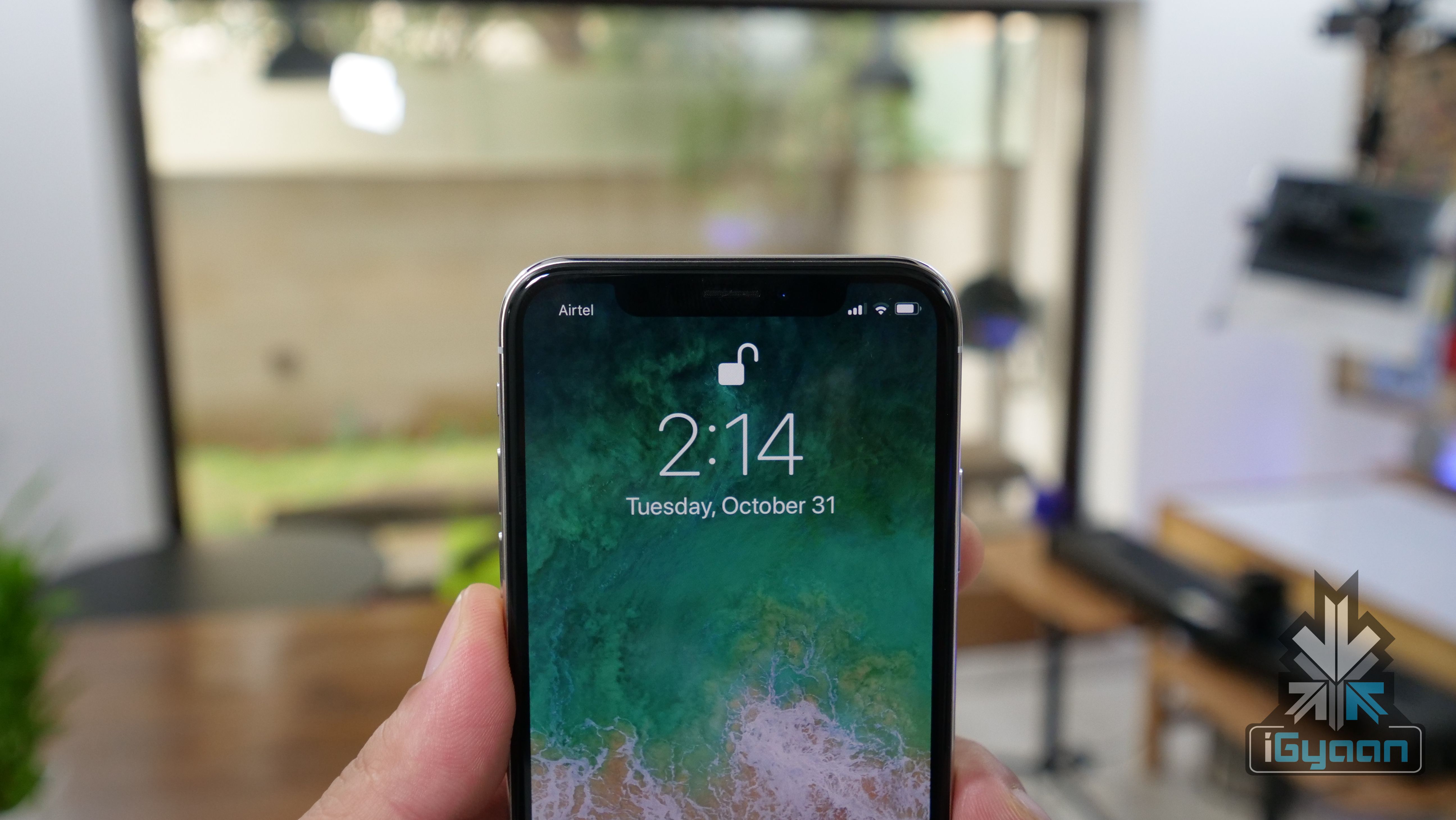
Apple may note be the first one to implement a certain technology in its products but, it does set a trend whenever it does innovate. Facial recognition and its renditions have been prevalent in the smartphone industry long before Apple launched the iPhone X and introduced its Face ID feature.
Apple iPhone X has definitely set the standards in terms of design and the technology that is stuffed inside the body of the iPhone X. Following the reports that OPPO will launch an iPhone X clone, Huawei has announced that it is working on facial recognition technology which is “ten times better” than Apple’s Face ID.
Huawei Facial Recognition Technology
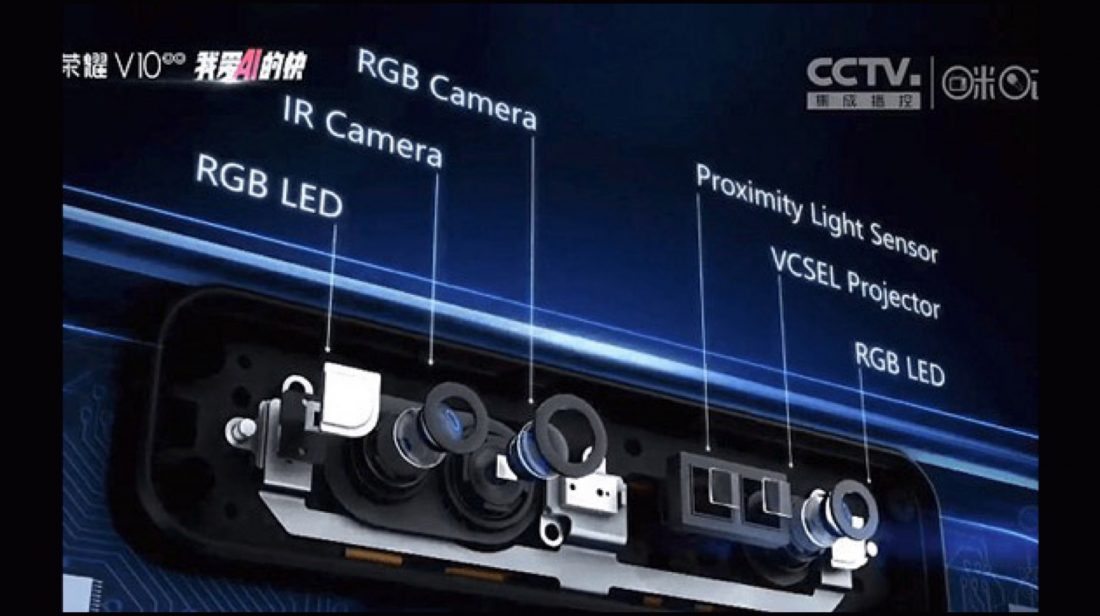
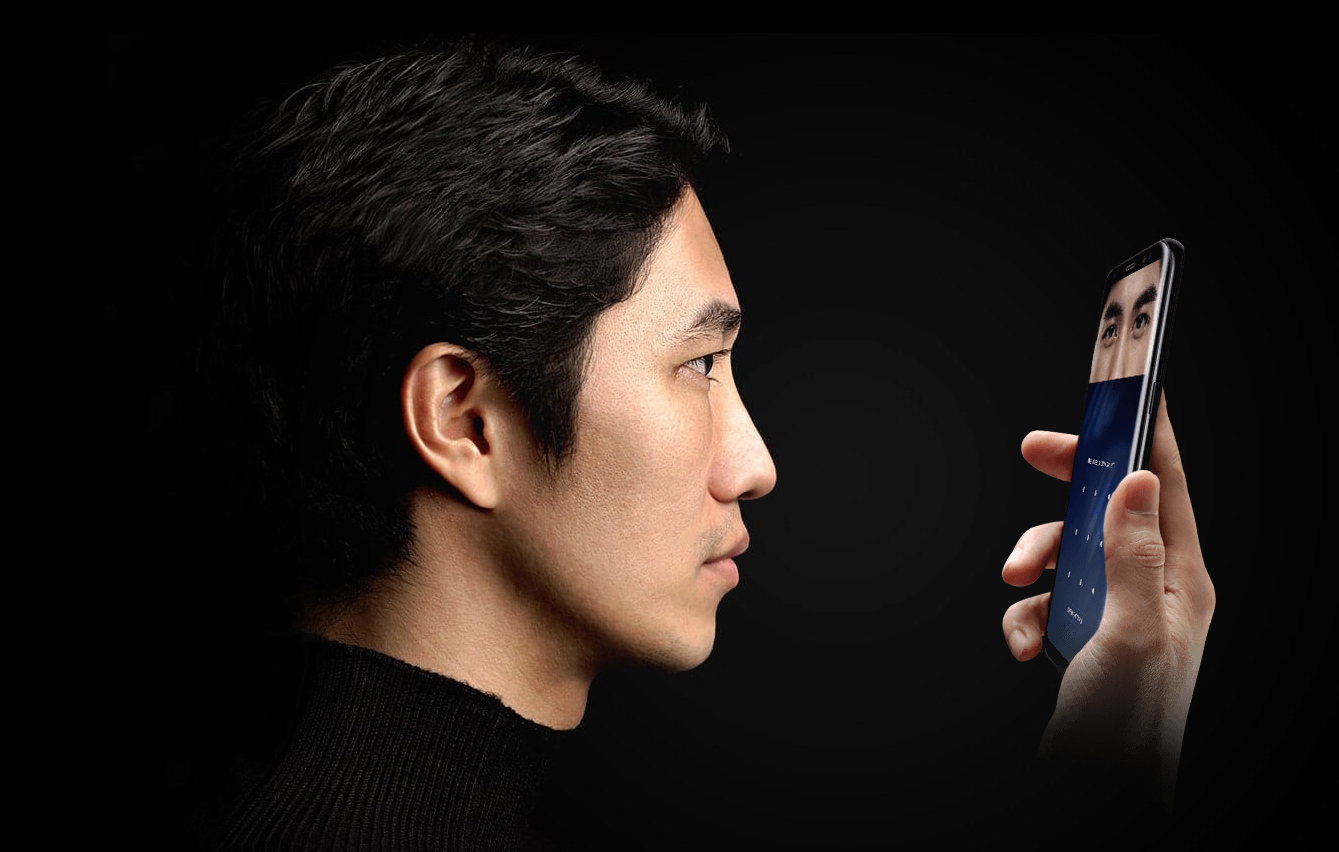
Huawei’s facial recognition technology uses a combination of infrared and a projector to create a 3D map of the user’s face. Why Huawei has claimed that its technology is ten times better than Apple’s is because its 3D sensor captures 300,000 data points which is ten times more than what iPhone X’s FaceID captures.
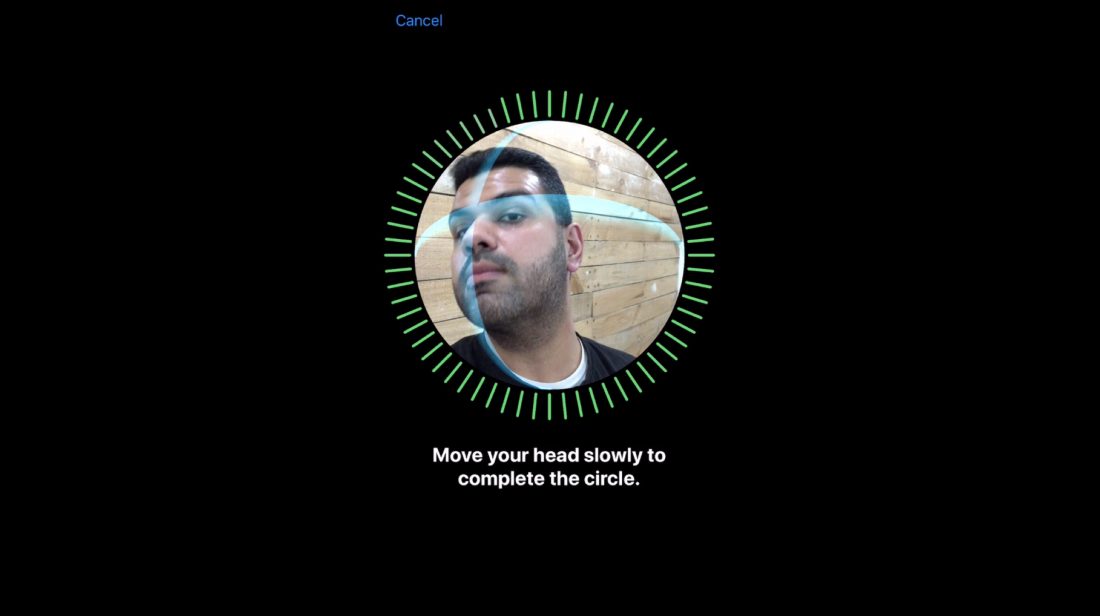
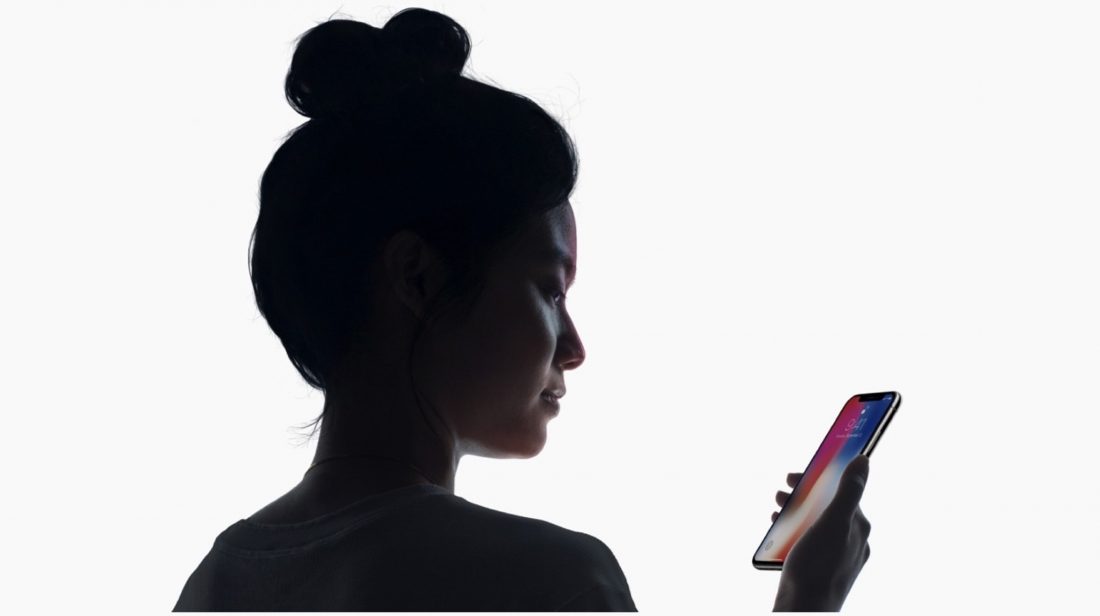
iPhone X Face ID
Huawei claims that its facial recognition technology is not only secure enough for payments but, is also extremely fast. Huawei claims that once perfected, it will take just 400 milliseconds to unlock the phone. Huawei has not announced which phone will be the first one to take advantage of this technology and there is also no definite timeline for the technology.
Apple’s Face ID technology has another very famous implementation, Animojis. And Huawei took the time to boast about its rendition of 3D animojis as well. Huawei claims that its animojis are more advanced than Apple’s Animojis because apart from mimicking facial expressions, it can even track the movement of your tongue.
Which smartphone from Huawei will get its rendition of Face ID is yet to be seen and whether Huawei will also drop the fingerprint sensor just like Apple did.
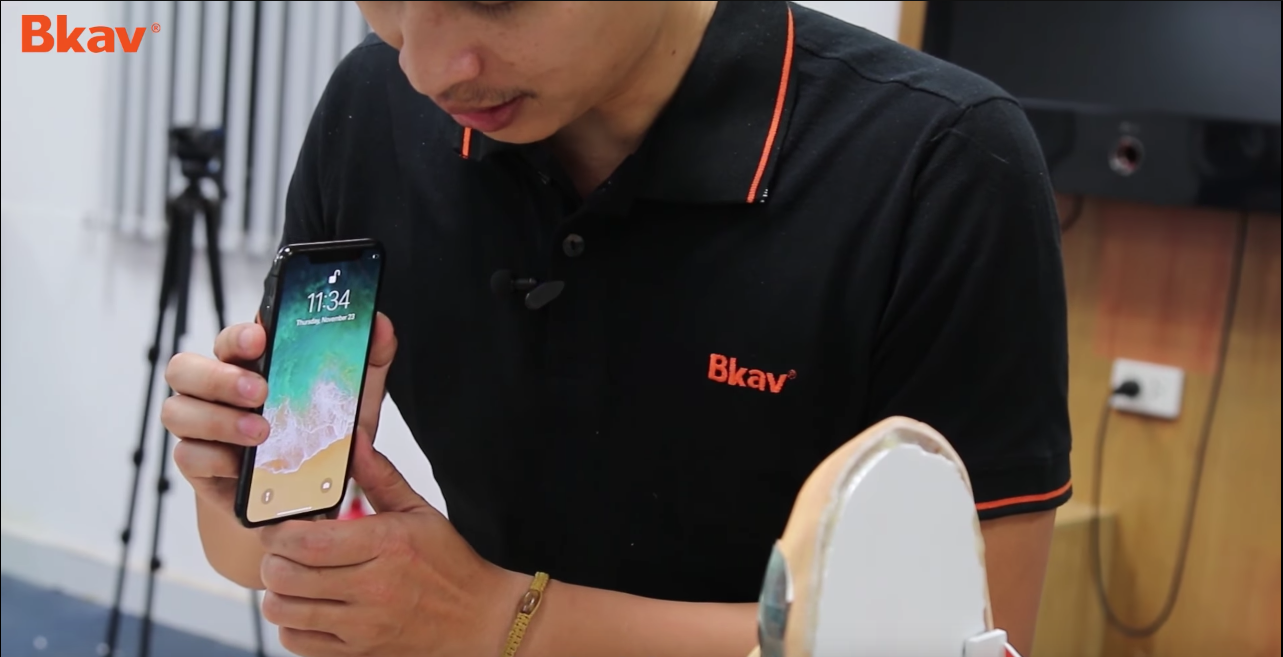
Face ID might be the future, according to Apple but, it sure has some loopholes. Then again, which technology doesn’t? Vietnamese cyber security research firm Bkav was able to crack Face ID for a second time using a more elaborate mask and nearly US $150 in materials.
The researchers were able to crack Face ID with a 3D printed mask of the user’s face made of stone powder. Infrared images of the user’s eyes were printed on paper and glued onto the 3D mask to trick the iPhone X’s infrared camera into perceiving that real eyes were looking at it.
After the first attempt at fooling Face ID, the firm recommended that businessmen and National Leaders not use Face ID for securing their iPhone Xs. After the second attempt, the firm has come to conclusion that Face ID is not secure enough business transactions like Apple Pay.
To say that your iPhone X is not secure at all and you should stick to a passcode is a little far-fetched. The process that Bkav undertook to fool Face ID is quite intensive and required special equipments to attain the desired results. You would also need access to a high-quality image of the person’s face and uninterrupted time with the user’s iPhone X.
Apple can take a feather out of Android Jellybean’s hat by adding an extra layer of security wherein the user has to blink before FaceID unlocks the phone. Android Jellybean had a feature called ‘liveness check’ but, it was easily fooled. Face ID on the other hand will implement it much better.
The iPhone X has brought back the excitement that used to surround an iPhone for so many years. With a new design and a lot of new features, the iPhone X has been one of the best iPhones ever made. One of the most talked-about feature of the iPhone X however, has been Face ID.
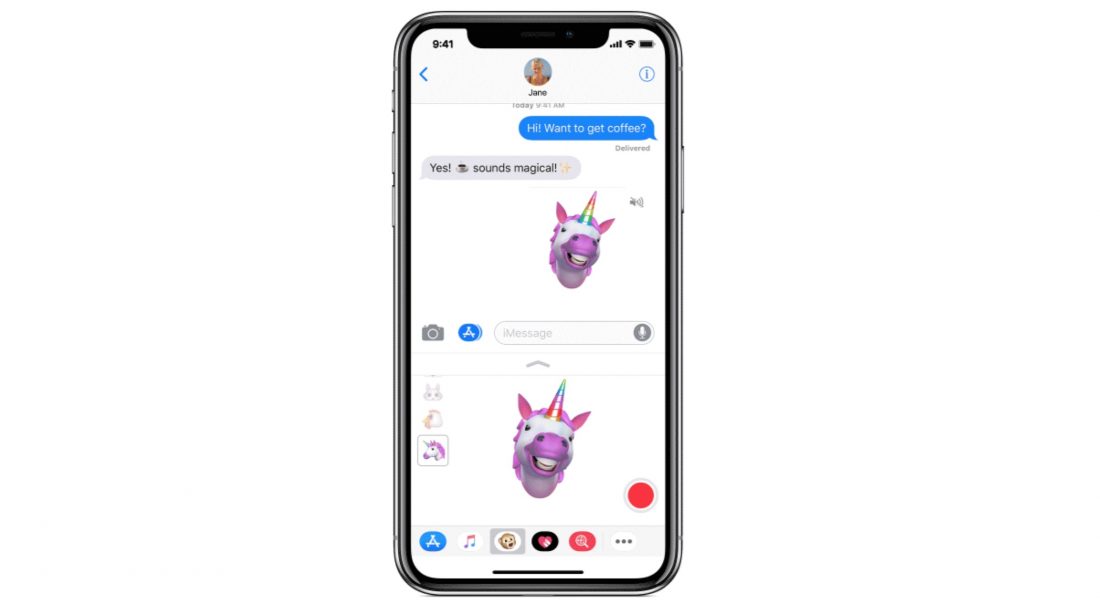
Face ID has a lot of neat tricks up its sleeve, most notably being the infamous ‘Animoji’.
Animoji On iPhone X
If you are not a morning person, you have faced the the annoyance of your iPhone’s loud alarm tone blaring at you early inj the morning. And at such an early time, you tend to struggle to pick up the phone and shut the alarm. And while you are still struggling to get hold of your phone, that alarm tone is at its peak volume still annoying you.
Keeping that in mind, a new little nifty feature in the iPhone X was revealed on Reddit.
Woke up this morning to my iPhone alarm and when I looked at my X, I noticed the volume lowered itself. I tried this again to make sure I wasn’t just imagining it after waking up, and it does!
That is such a little thing that didn’t need to be a feature, but the fact that it is, is amazing. Now when I wake up and look at my phone its a softer volume instead of continually blaring the alarm at me. Little things like this are awesome.
When you think about it, this feature won’t sell iPhone Xs in bulk. It will never make it to the advertisements as a “marquee feature.” But, the fact that this feature exists and tackles such a trivialised issue is a great thing.
As 2017 comes to an end barely any exciting smartphone launches left to look forward to, the Galaxy S9 is the next phone everyone wants to talk about. It appears that Samsung has plans of taking on Apple in more than just advertisements. A new report suggests that the Galaxy S9 will have a new and improved iris scanner to compete with the iPhone X’s Face ID feature.
Samsung is developing a new software to make facial recognition on the Galaxy S9 faster than the Galaxy S8. It appears that Samsung is not favouring any hardware upgrade, and the Galaxy S9 will basically be an incremental upgrade as far as specifications are concerned. However, Samsung is planning to introduce a host of software tweaks to reduce the delay in recognising the face and scanning the iris of users.
This means that Samsung will avoid going for a “notch” at the top of the phone since it will rely mostly on the software to do its job rather than stuffing a host of sensors along with the front facing camera.
The rumours of what the Samsung Galaxy S9 will look like and what it will offer have increased ever since the iPhone X was launched. A recent benchmark listing reveals that the upcoming flagship phone will most likely be powered by the new Exynos 9810 chipset, which was announced earlier in November. The phone scores 2680 on the single-core Geekbench 4 test and a 7787 on the multi-core test. While the scores are impressive, the smartphone doesn’t even come close to iPhone X‘s single-core score of 4197 and multi-core score of 10051.
The Galaxy S9 will have the same screen size as the Galaxy S8 and similarly the Galaxy S9+ will have the same screen size as the Galaxy S8+. What will be different is the size of the bezels. The top and bottom bezels will be thinner than the ones found on the 2017 flagship phones.
There were rumours that the Galaxy S9 will have a screen-embedded fingerprint sensor but, a recent report claims that Samsung will introduce this technology only in the Galaxy Note9 in late 2018. This means that the fingerprint sensor on the Galaxy S9 will remain at the back of the phone but, might have a new position.
Ever since the iPhone X was launched, the most talked about feature has been Face ID. The near bezel-less design of the iPhone X meant that Apple had to get rid of the iconic home button and Touch ID. At the launch of the iPhone X and over the last few weeks, Apple has said that Face ID is much more secure than Touch ID and the possibility of bypassing it is you have an evil identical twin.
A new video has emerged of a ten-year old unlocking his mother’s iPhone X using Face ID. In the video, the mother explains that despite setting up Face ID for her face, her son is able to unlock the phone using his face.
Wired reports that after the mother reregistered her face under different lighting, her son was not able to unlock her phone. She then reregistered the third time in dimmer lighting to replicate her initial registration, and then, her son was able to unlock the phone again. The son was also able to unlock his father’s phone, but only in one instance.
It is possible that the kid’s age was a factor as Apple has said that the “undeveloped facial features” in those under the age of thirteen could cause issues with Face ID.
This questions Apple’s claims that Face ID is more secure than Touch ID since it is hard to believe that the son would be able to bypass Touch ID on his parents’ other iPhones under any given conditions.
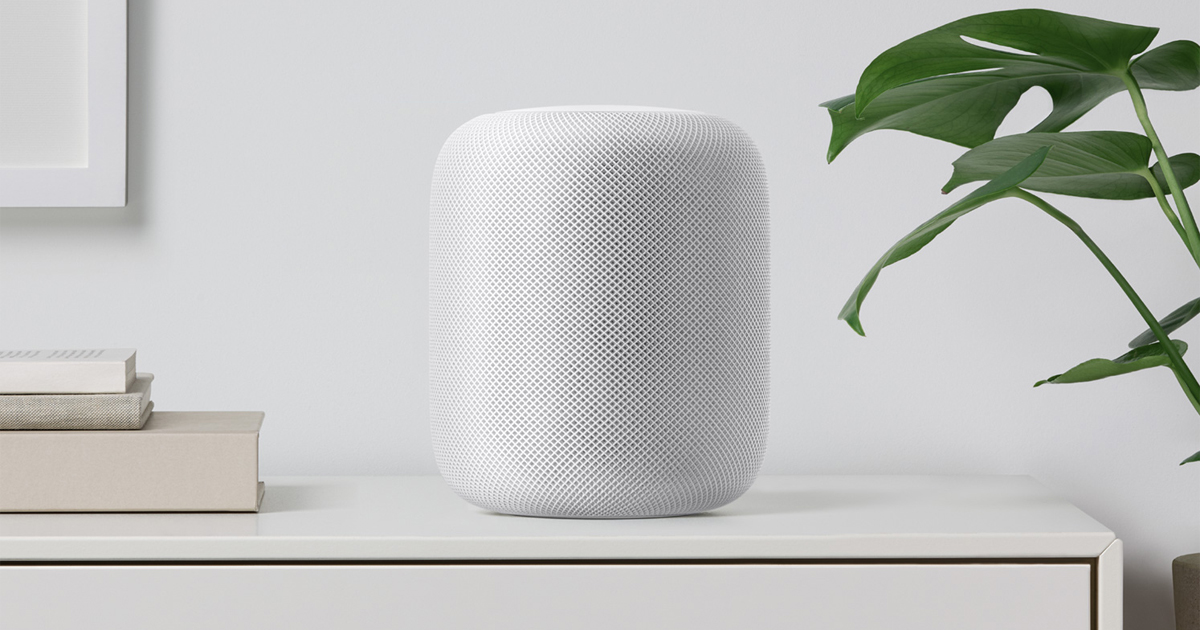
Apple’ first ever HomePod has not even hit the store shelved yet and reports of the second generation of Apple’s smart speaker are already out. A new report from Nikkei suggests that Apple is already working on a next-gen HomePod which might have some head-turning features. In particular, the second generation HomePod could have a camera and Apple’s Face ID technology, which only just made its way into the Apple lineup with the iPhone X.
David Ho, the president of Inventec Appliances, which produces the HomePod and AirPods for Apple said:
We see trends that engineers are designing smart speakers that will not only come with voice recognition but also incorporate features such as facial and image recognition.
Such AI-related features are set to make people’s lives more convenient and to make the product easier to use.
Jeff Pu, an analyst with Yuanta Investment Consulting, also said that, “Apple could roll out HomePods with 3D-sensing cameras in 2019.”
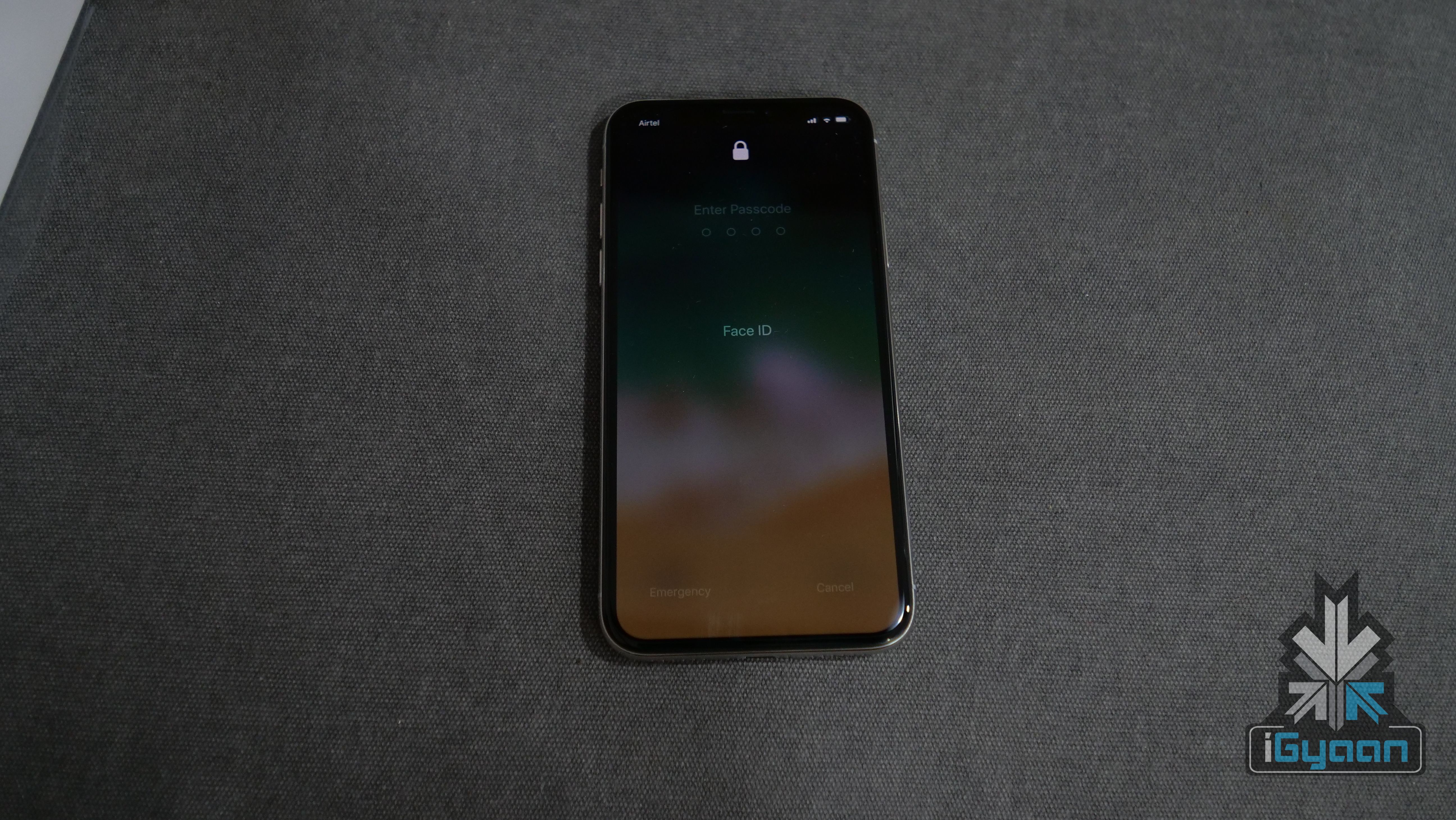
Face ID on iPhone X
Apple has the means and ability to come out with a smart speaker with Face ID. After all, it is one of the biggest tech companies in the world. For someone who has never really been a trendsetter and pursued tried and tested technologies, introducing Face ID on a smart speaker could start a revolution in the smart speaker industry.
Companies like Amazon and Google, who are the two big players in the smart speaker game might just have to do something radical if Apple does release a Face ID HomePod (FacePod?) in 2019.
The question arises here is, what is the use of Face ID on a smart speaker? Face ID on a phone or a tablet makes sense since it is a form of authentication because you lock your device. When do you “lock” your smart speaker? Face ID on a smart speaker could have other implications as well such as personalised response to the face it detects but, what if all members of the apartment are there?
WHatever it may be, Apple may or may not launch a HomePod with Face ID in 2019 but, if it does, it will definitely turn some heads.
The iPhone has been one of my two primary devices for many years. When Apple announced the iPhone X back in September the biggest concern as a potential iPhone X user was the lack of the two main things that had been engraved in my muscle memory; the home button and the Touch ID.
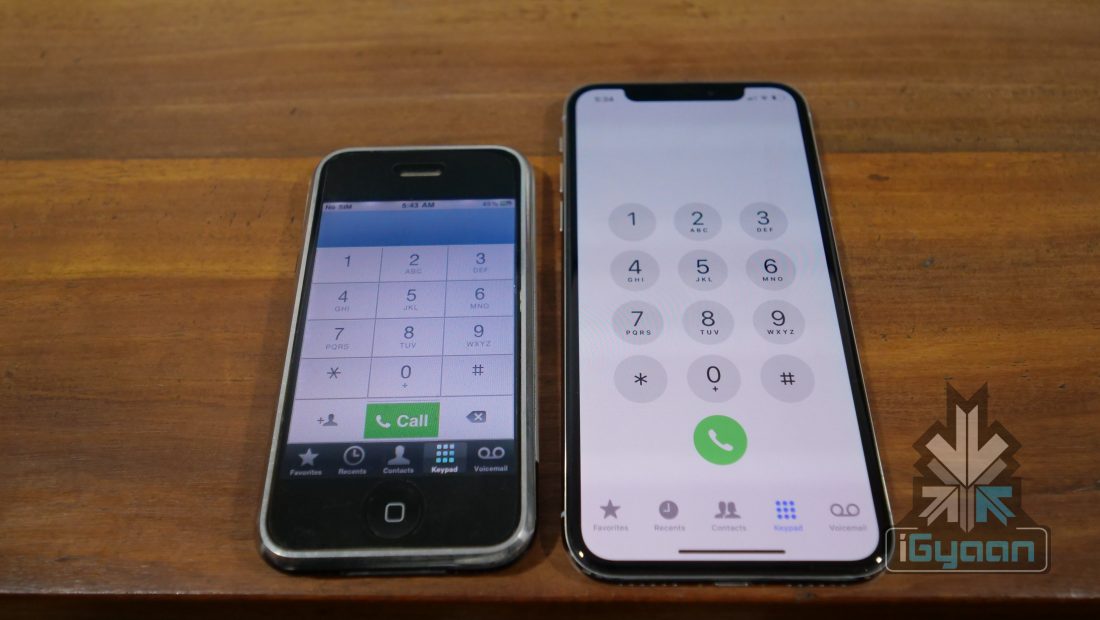
The iPhone X has a new modern edge to edge design, and with this the iPhone X also loses the home button, the most iconic iPhone feature since the launch of the first iPhone. Using an iPhone required a lot of interaction with the home button and Touch-ID sensor which was also placed in the home button since the iPhone 5s. And it was this high usage of the sensor and button , that made Apple change the fragile physical button with a press mechanism with a more long lasting pressure sensitive sensor with no physical movement. This potentially means that the home button on the iPhone 7 and iPhone 8 will last you as long as the phone is functional.
The Touch ID is also engraved into muscle memory, on an iPhone the Touch ID does a lot more than simply allow access to the phone, it allows access and security to auto-fill forms, logins for apps and passwords for the iCloud Keychain. TouchID is also fused with banking apps and security wallets to enable access. Apple Pay is one of the most common use case scenarios where the Touch ID is used frequently and it is pretty seamless as a payments system.
Being a fan of physical and tactile keys, I was already disappointed that Apple had removed the physical button with a seamless pressure sensitive glass on the iPhone 7. But, since Apple had added a Taptic Engine inside the iPhone 7 and iPhone 8 the feeling of pressing button does remain for each time you press the home button, at least when the phones are powered on.
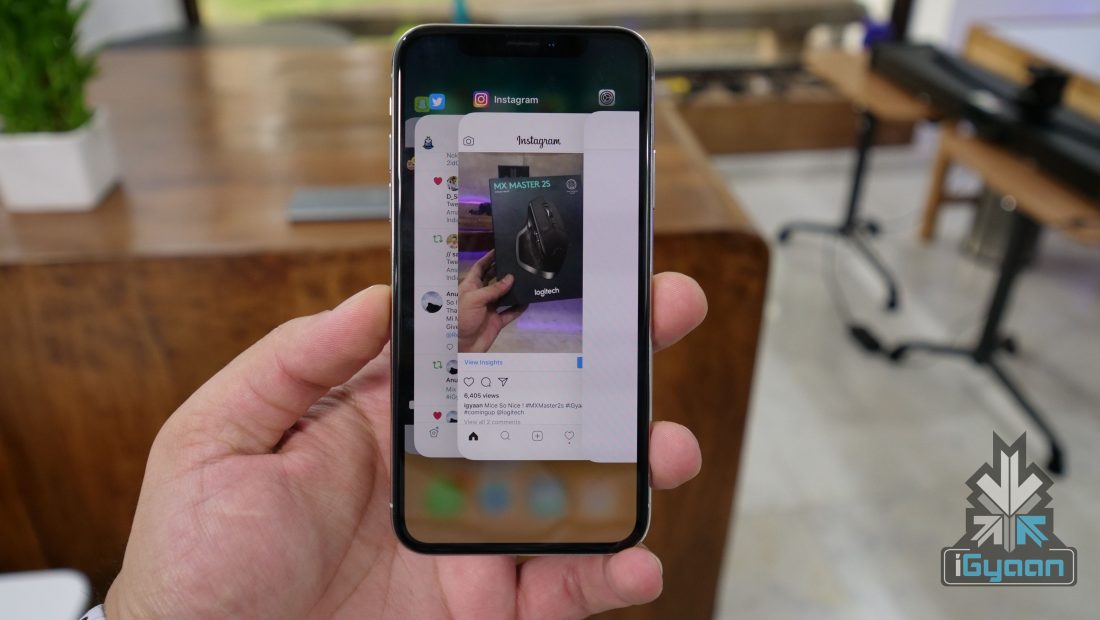
With the iPhone X, I was pretty sure that getting used to an iPhone without Touch ID and more importantly without a home button would be rather disastrous, and time consuming. But, I couldn’t have been more wrong. The iPhone X has a natural feeling design, and even though that tiny bar at the bottom may appear to have no significance apart from being a design/visual cue, it seems to do a lot more. Only a few minutes into the usage of the iPhone X and the need of the home button seems to fade away. It also helps that apple has made the animations and the transitions very detailed and smooth. iOS 11 for the iPhone X is also designed to fully make use of the large screen real estate using the edges in different areas differently. In Apple’s words “It just works”.
Face ID on the other hand is something you will take some time with. The fact that you have to look at your phone before you unlock it means, that reaching the home screen from the lock-screen seems to take longer. Normally due to muscle memory you would place your thumb on the iPhone’s Touch ID before you even looked at the display, and would have found your phone already at the home screen by the time you glanced at the screen. This prior action would make the unlock process feel faster than the time it takes for Face ID to unlock, simply because now you have to stare at the phone while it unlocks.
Face ID is also surprisingly good, works in pitch darkness and even in bright light, in sunlight the phone does see IR interference from the sunlight and thus would require you to bring the phone closer to the face, but it works. It however is not ideal, not after how simple it was to unlock with Touch ID.
The home button, however, is something that I have happily forgotten, and only realised this when I picked up my iPhone 8 Plus and attempted to swipe up to reach the home screen. This just after spending 24 hours with the iPhone X .