Tag: faceID

  • Whatsapp Introduces Biometric Authentication On iPhone

    Whatsapp Introduces Biometric Authentication On iPhone

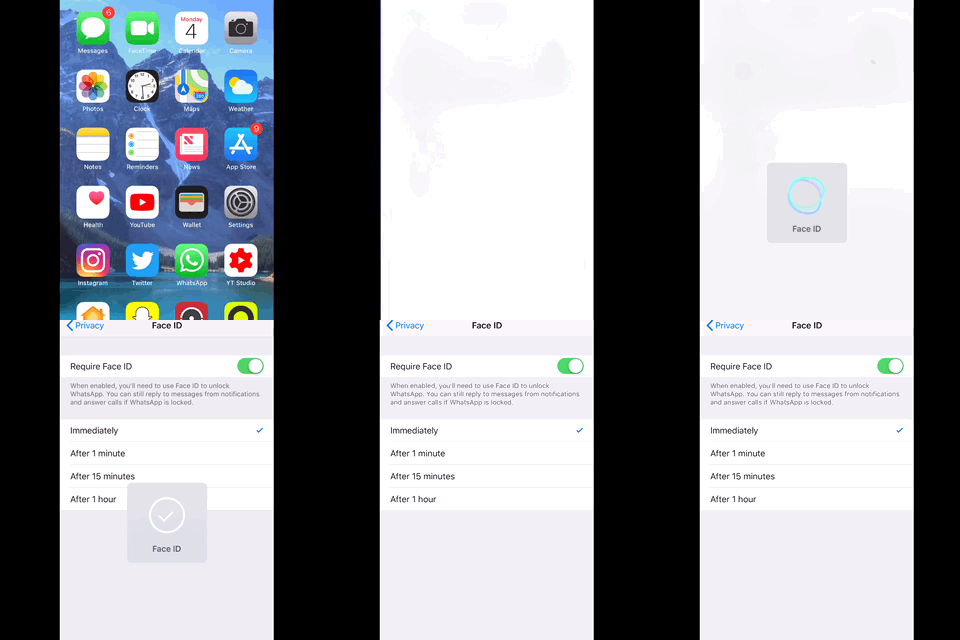
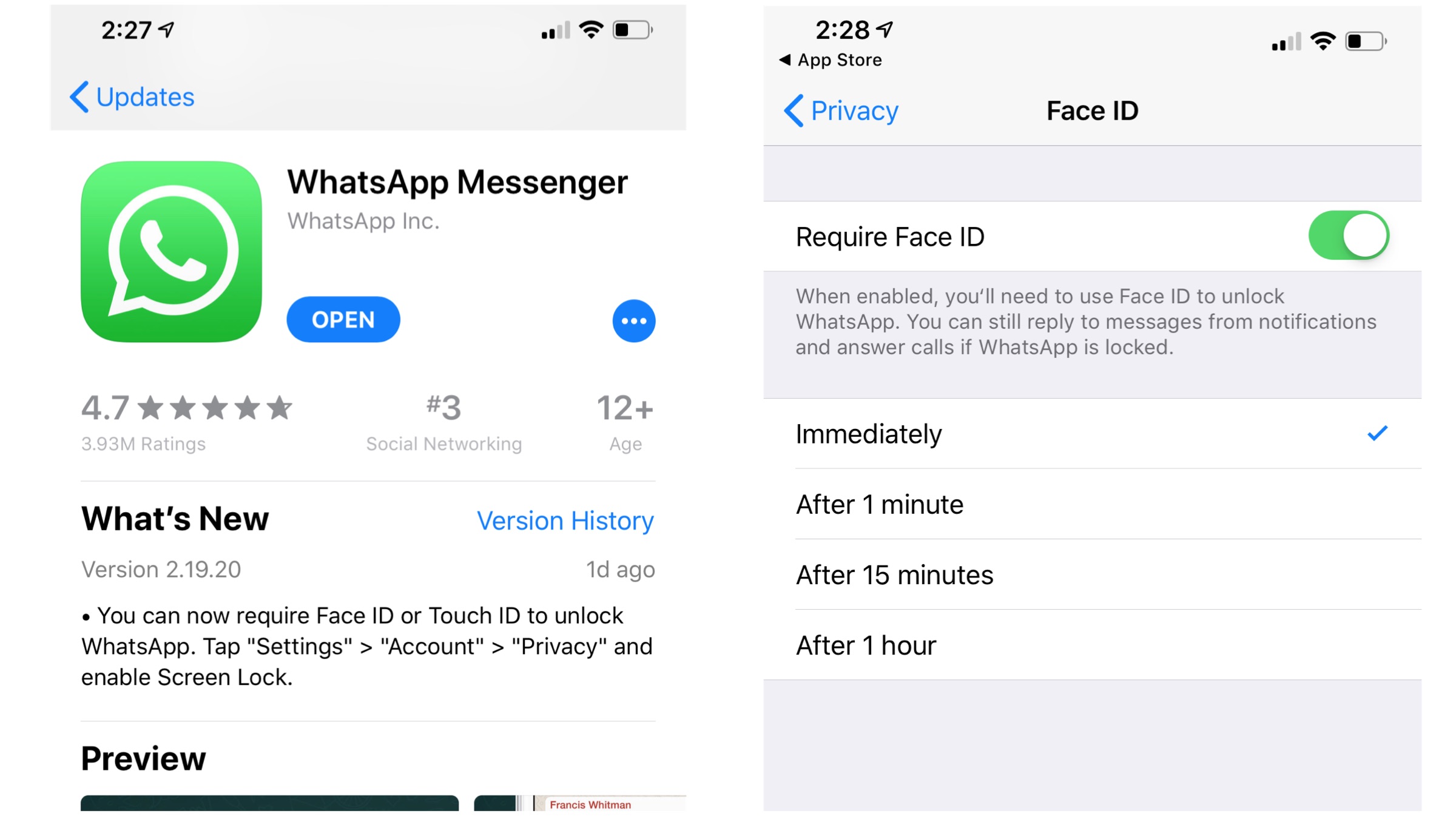
    Whatsapp, the world’s most used IM (Instant Messaging) platform has finally brought its FaceID and TouchID authentication to it’s iOS beta users. First spotted by WABetainfo, the new feature has been introduced with the latest 2.19.20.19 update. This update now adds a fingerprint lock, or TouchID, to all its conversations. 

    Previous Encryption 

    The company already introduced end-to-end encryption to all its instances in 2016. With the introduction of this new feature, whatsapp is even more secure, because it eliminates any snooping from your device. Read on to find out how you can avail the latest changes to the widely used social messaging platform. 

    How To Enable FaceID/TouchID Authentication?

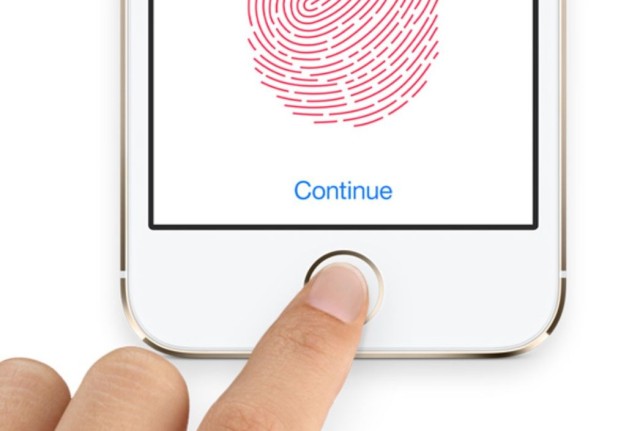
    If you have the iPhone X or above, you can use Face ID to get into the application. And if you have one of the older iPhone versions, don’t worry, because the app will use your TouchID to encrypt your chats. To turn this extra piece of security on, just launch the app, and go to Whatsapp Settings > Account and click on Privacy. You will then need to select your screen lock from your settings menu. One thing to note here is that fact that you can still reply to messages from the locked screen if you’ve allowed access. 

    Once you’ve configured this, you’ll have to restart your Whatsapp application to get the new authentication feature to work. Whatsapp will then authenticate you in order to use the app. You need not worry if you can’t get in. There’s a failsafe, which allows you to enter the app by just entering your passcode. It’s simple as that. 

    Also Read : Google Removes 29 Malicious Photo-Editing Apps From Play Store

    Also, with the new update comes the option to select and download a specific sticker from the sticker pack. But the chats authentication is certainly Whatsapp’s focus here. Are you excited about this added security layer? Share your views with us in the comments below 


  • Early Face ID Identical Twins Tests Show Mixed Results

    Early Face ID Identical Twins Tests Show Mixed Results

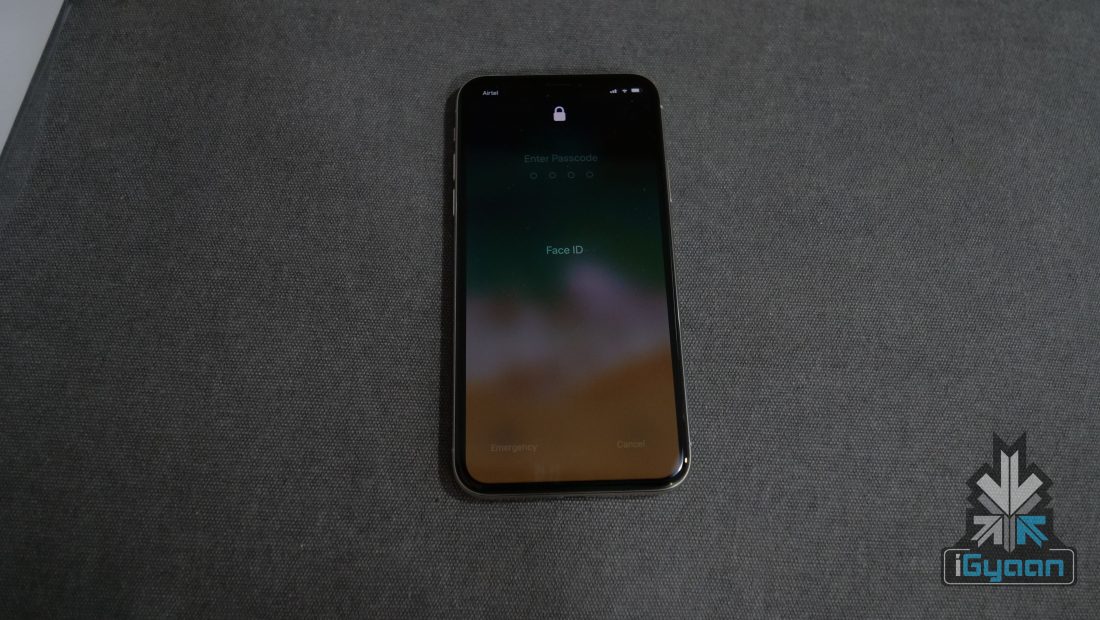
    The iPhone X will be available to buy in India and a lot of other countries from the 3rd of November. When the smartphone went up for pre-orders on the 27th of October, it was sold out within minutes, showcasing a 180-degree repsonse to the iPhone 8 got at the time of its launch. The big 5.8 inch OLED display with minimal bezels around it on the iPhone X meant that the iconic home button/Touch ID got the axe. It was replaced with Face ID, which Apple claims much more secure than Touch ID with the probability of someone else unlocking your iPhone X with Face ID being 1 in 1,000,000 compared 1 in 50,000 with Touch ID.

    One question that came to everyone’s mind when Apple announced the Face ID was ‘what about identical twins?’ Apple even joked about it on stage and said that Face ID’s security is lower when it comes to identical twins. Now that a lot of outlets have had a few days to play around with the new iPhone X, videos of identical twins trying to fool Face ID were bound to surface online. So far, from what we’ve seen, the results are mixed with no definitive ‘Yes Face ID can’t be fooled’ or ‘No, it is very much possible to fool it with your identical twin’. Apple released a white paper a few weeks ago chronicling how the Face ID works, but, while it mentions a higher false match, it didn’t give any specifics.

    The probability that a random person in the population could look at your iPhone X and unlock it using Face ID is approximately 1 in 1,000,000 (versus 1 in 50,000 for Touch ID). The probability of a false match is different for twins and siblings that look like you as well as among children under the age of 13, because their distinct facial features may not have fully developed.

    News outlets like Mashable and Tech Insider shared videos of identical twins trying to fool Face ID in different circumstances. Mashable’s test saw the other identical twin unlocking the iPhone X even though their face was not stored in the phone.

    With both sets of twins, the other twin unlocked the iPhone X, even though neither one had registered his face with Face ID on the iPhone X. With the Franklin twins, we had both brothers remove their glasses and had the other brother register. Again, Face ID failed to tell the difference.

    Tech Insider also ran the test on a pair of identical twins and saw an opposite result. In this case, the other twin was not able to open the iPhone X and vice versa.

    With every technology, there is a chink in its armour. We will be nitpicking if we say that Face ID has failed on the basis of two or three videos and very few tests. Face ID has replaced Touch ID and people moving on to the iPhone X will have to make do with Face ID and so far, people without an identical twin have found Face ID accurate and easy to use (including us).

  • Apple iPad Pro Could Get FaceID Next Year

    Apple iPad Pro Could Get FaceID Next Year

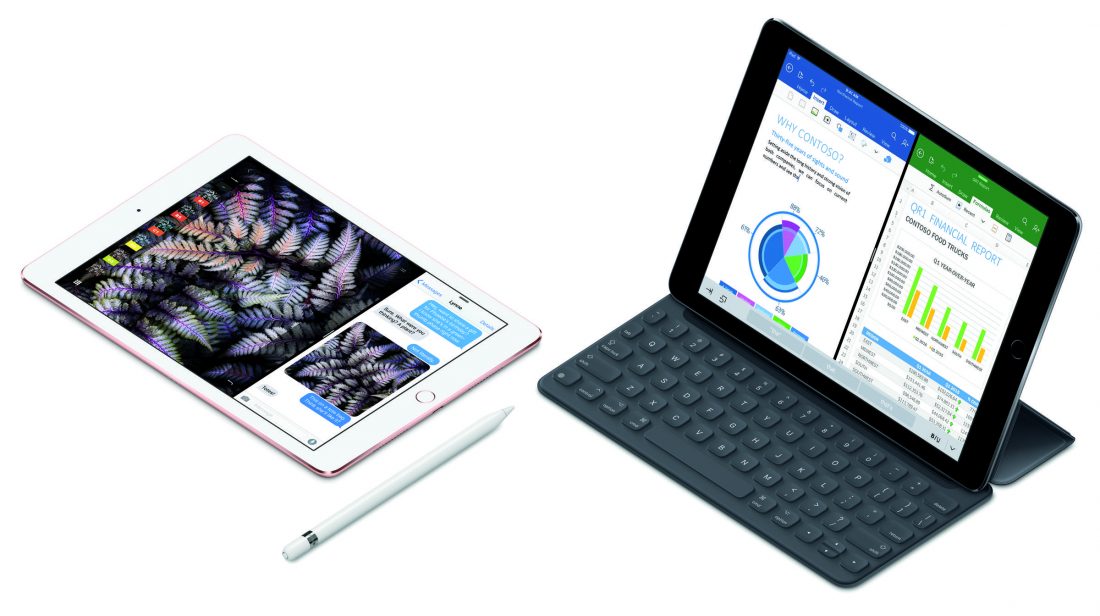
    After unveiling the iPhone X with FaceID, there are reports that the new iPad Pro will have the facial recognition system as well. The frequently reliable KGI Securities analyst Ming-Chi Kuo has issued a note predicting that iPad Pro models released next year will include depth-sensing cameras and Apple’s Face ID tech.

    As of now, there is no more information on the subject yet. As always, these rumours need to be taken with a pinch of scepticism as the iPhone X isn’t released yet and Apple has no idea how the consumers will respond to the security system especially since it replaced the beloved TouchID.

    The note however, states that the TrueDepth camera could only be offered on the iPad Pro models and not the cheaper priced models. This makes sense as the 10.5-inch and 12.9-inch iPad Pro models are the flagships in the iPad lineup and Apple already uses Apple Pencil and Smart Connector as differentiators. Another interesting development will be Apple’s decision as to where to place the cameras and the placement of the home button. The existing frame around the display on the iPad Pro is sufficient to have both the TrueDepth cameras and the home button. KGI notes that part of the goal is unifying the user experience between iPads and the iPhone X.

    The report also notes that TrueDepth camera being available on both the iPhone and iPad will increase developer adoption. Touch ID automatically switches to Face ID in apps, but the new camera enables new depth features as well.

    Again, all 0f this is far from fruition right now as the iPhone X is yet to be launched. Only once the smartphone is available to the consumers and they start using FaceID as the daily security system is when we will know whether this innovation will be carried on to other Apple products or not.

  • Apple Executive Has A Simple Solution To Disable FaceID To Avoid Theft

    Apple Executive Has A Simple Solution To Disable FaceID To Avoid Theft

    Apple launched the real successor to the original iPhone from 2007 on September 12 at an event held in the Steve Jobs Theater. The iPhone X has a huge screen, thin bezels, and no home button. No home button meant that the beloved TouchID had to be replaced with something else. Enter FaceID. Apple has said that FaceID, unlike other facial recognition software in Android smartphones, will work under extremely dim lighting and will unlock the phone only when you look at it. How much if that is true and foolproof, only time will tell.

    One of the main concerns of FaceID is theft and how just pointing the phone at the owner can unlock the phone, making it easier for thieves to steal it. Keith Krimbel, an interested customer emailed Apple SVP of Software Engineering Craig Federighi.

    What will prevent a thief from taking my phone, pointing it at my face, and running?

    A few hours later, Federighi responded. In an email, which Krimbel posted on Twitter, Federighi said

    There are two mitigations: If you don’t stare at the phone, it won’t unlock. Also, if you grip the buttons on both sides of the phone when you hand it over, it will temporarily disable FaceID.

    The solution seems quite simple, just squeeze the phone and disable FaceID. But, if the heat of the moment gets better of you and you’re not able to disable the function, simply close your eyes.

    Here’s the full email exchange.

  • Everything We Know About The Apple iPhone 8

    Everything We Know About The Apple iPhone 8

    Ever since the original iPhone was launched in 2007, each next-gen Apple iPhone has been highly anticipated. Every year, new leaks and reports emerge to tell us something new about the next iPhone, and with the September launch now less than two months away, here is everything on the upcoming iPhone8/X/Pro –

    Launch Date

    The iPhone 8 is expected to be launched on September 12. Apple has been hosting its iPhone launch events in September since 2012. September 12 also falls on a Tuesday, which is in line with the ongoing tradition.

    Price

    The iPhone has always been placed as a premium smartphone. The iPhone 8 will take that premium to a notch higher, with a report at Forbes claiming that pricing could start at a whopping US $ 1,100 to US $ 1,200, with Apple only offering the iPhone in 128GB and 256GB configurations. Studying the price of each new iPhone also suggests that the new iPhone 8 could easily cross the $1,000 mark and become the most expensive iPhone yet. A new report by Mac4Ever suggests that the iPhone 8 will retail at a starting price of US $999 for the 64GB variant, US $1099 for the 256GB variant and US $1199 for the 512GB variant.

    Display

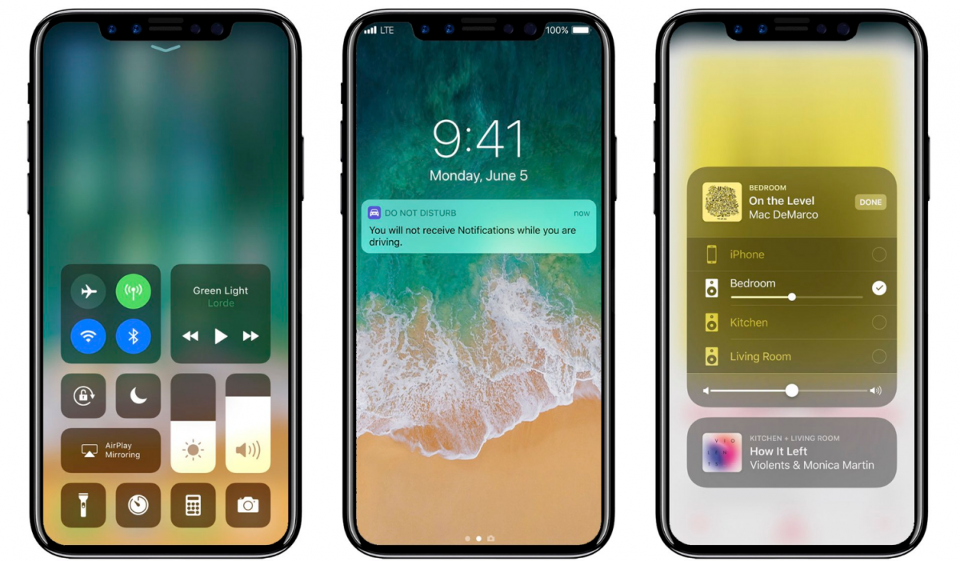
    The most talked-about feature of the upcoming iPhone 8 is its bezel less display. Ever since the launch of the Samsung Galaxy S8 and S8+ with the infinity display, rumors have suggested a bezel-less display on the next iPhone. Apple is also said to finally be using OLED panels, and rumors suggest that the iPhone 8 will feature a curved OLED display which will pit it against the Samsung Galaxy S8 and S8+’s display. 
    FaceID/TouchID – No Home Button?

    An edge-to-edge to display means that just like Samsung, Apple will have to figure out the placement of the beloved TouchID home button. Apple appears to have grown weary of any buttons and instead FaceID is said to be used for the next iPhone 8. Recently, Apple has released the first build of the upcoming HomePod’s firmware which contains code for FaceID, codenamed PearlID due to the presence of infra-red face unlock in the biometric kit. What route Apple takes is yet to be seen but the latest leak all but confirms that FaceID will make its way into the iPhone 8. The leaked firmware of Apple’s HomePod has also revealed that the physical home button will be replaced with a virtual button.

    Camera

    The Apple iPhone 7 Plus was Apple’s foray into dual-camera setups. The horizontally placed dual-camera setup was well-received after a few initial updates fixed the ‘portrait mode.’ Numerous leaks and renders of the iPhone 8 have pointed towards vertically placed dual-cameras. According to Korea Economic Daily, Apple is working on facial recognition technology leveraging the cameras for “biometric” identification. Like Touch ID — but with your face instead of your thumbprint. In addition to that, a leaked patent application spills out the details of a sensor that will tell you if you’re human or not. This is Apple’s effort towards developing a rear-facing 3D laser system that would improve AR depth detection as well autofocus for photography.

    The iPhone 8 will record 3840 x 2160 px 4K videos at 60 FPS with both the rear and front camera, according to the HomePod firmware leaks. The Apple HomePod firmware also suggests that the 4K video from the front and rear cameras will support Apple’s new HVEC file type, which reduces the file size by a significant amount. This makes sense because 4K videos generally have large file sizes and HVEC can reduce the size by almost 50 per cent resulting in better storage management.

    New Colours

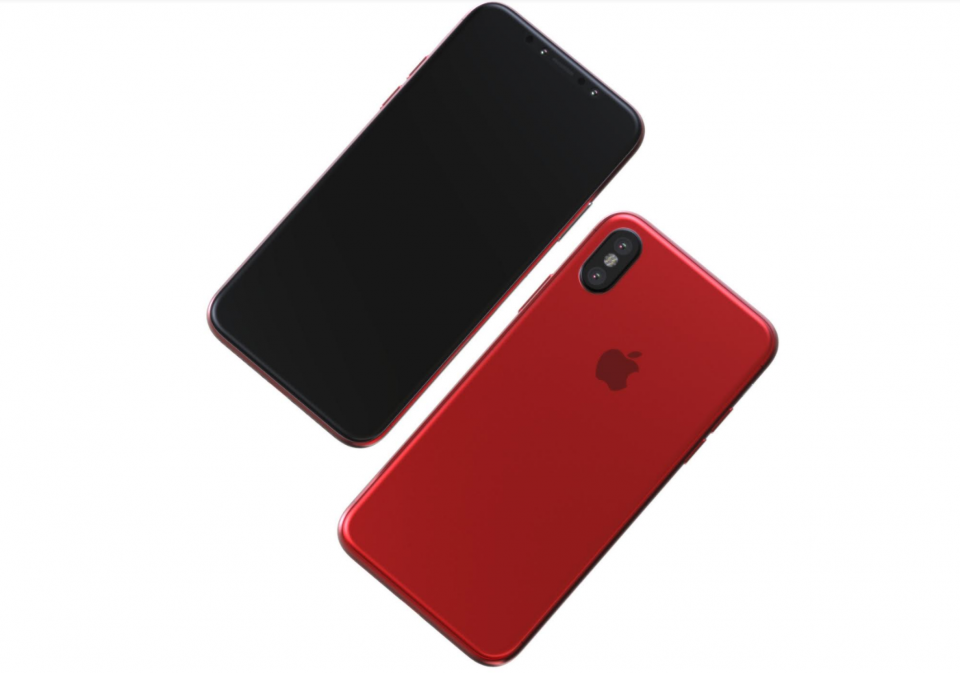
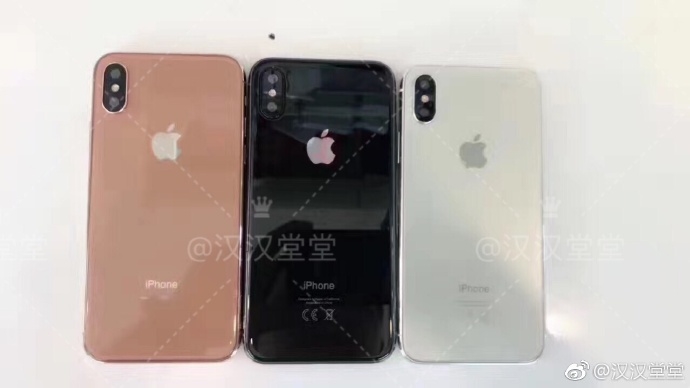
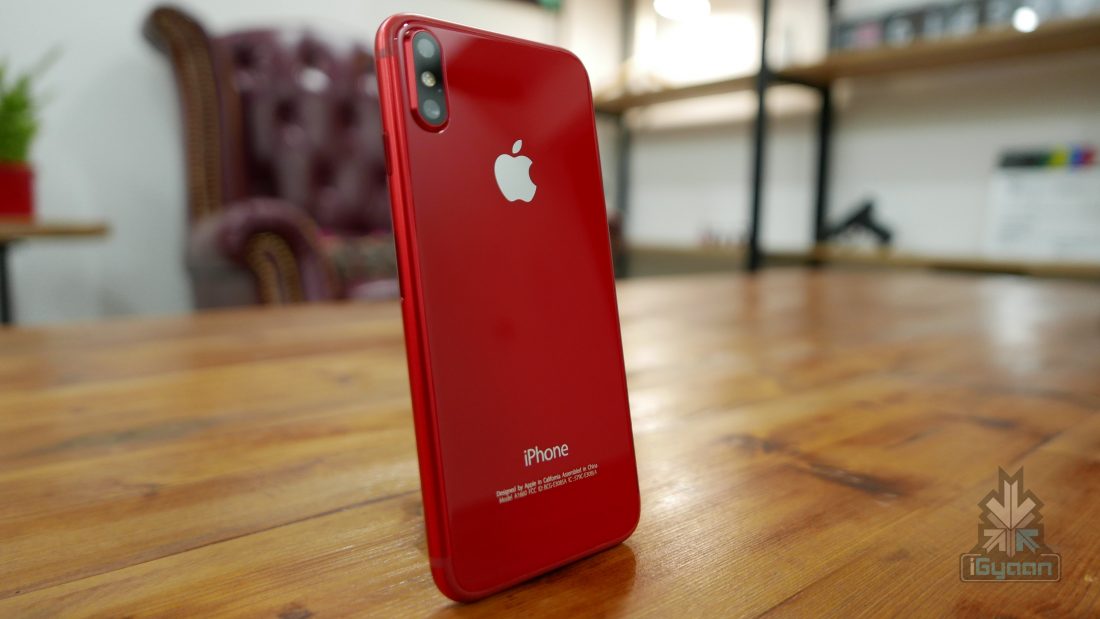
    There were reports that Apple will be ditching the ‘Rose Gold’ colour variant for the iPhone 8. An image of three colour variants, Copper Gold, Silver and Black for the iPhone 8 was leaked on Weibo. The Copper Gold clour has never been used by Apple for its iPhone lineup and will be an interesting addition for the consumers. The silver colour indicates that the phone’s minimal bezels will be white in colour. The iPhone 8 is also expected to make an appearance in the colour RED as a limited edition variant.
    Wireless Charging

    The images of the components of the new iPhones first appeared on Weibo. The images show the purported component that will enable wireless charging on all of Apple’s next-generation iPhones. The part will be placed on the back of the iPhone 8, right under the rear glass shell. It has been already reported that the iPhone lineup will have a “glass sandwich” design, which means glass front and back. This news further legitimises the HomePod firmware leak which suggested that wireless charging support will be built into iOS. Having an all glass design allows manufacturers to add wireless charging capabilities even though it’s not as durable as having an all metal design.

    Under The Hood

    The Apple iPhone 8 is expected to run on the Apple A11 Chipset and have 4GB RAM. The iPhone 8 will be shipped in 64GB, 256GB and 512GB onboard storage variants.

    iOS

    Apple at WWDC 2017 announced iOS 11 and the developer preview has already been seeded.  iOS 11 has a newly redesigned control center, improved Siri functionalities and a screen record function among other things like a new file system, camera, and network functionality. Apple also unveiled an array of AR applications which will be compatible with the iPhone 7 Plus and the next iPhone due to the requirement of a dual-camera setup. The leaked firmware has also unearthed a new ‘tap to wake’ feature on the iPhone which will be a welcome addition.

iGyaan Network
Privacy Overview

This website uses cookies so that we can provide you with the best user experience possible. Cookie information is stored in your browser and performs functions such as recognising you when you return to our website and helping our team to understand which sections of the website you find most interesting and useful.