The fate of the internet was hanging by a thin thread. Telecom corporations were leading a massive, expensive attack on the free and fair internet by deleting an essential clause called Net Neutrality. The news came into prominence leading to a tremendous backlash from the public who overwhelmingly told the government to keep the internet open and free. Last night the Federal Communication Commission sided with the demands of the people and has voted for net neutrality.
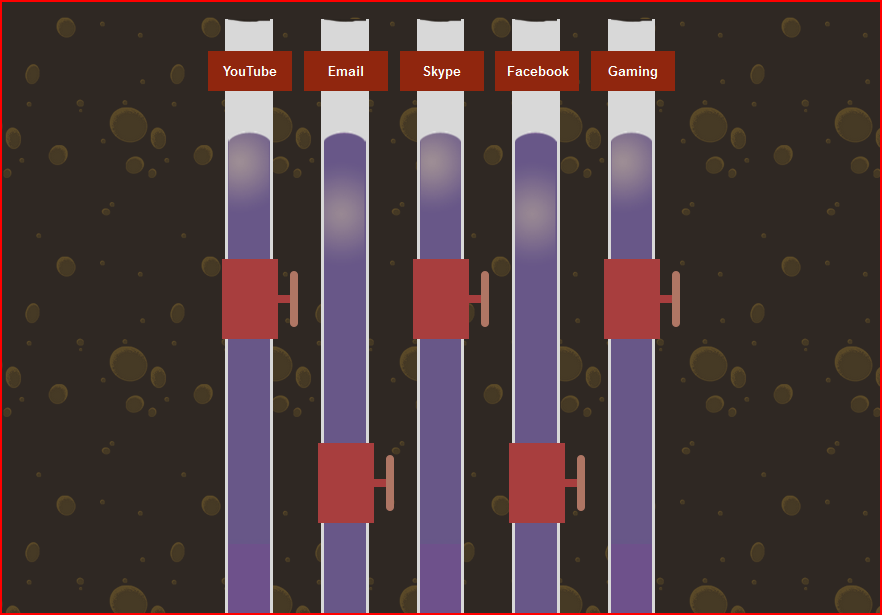
The net neutrality principle states that the internet is one singular entity, and it cannot be broken down into its various services. It orders the internet providers to allow access to all Internet content at the same speed. The telecom companies were after this principle so they could establish fast lanes for the highest payers and slow lanes for everyone else.
In a 3-2 vote, FCC classified Internet as a public utility under Title II of the Telecommunications Act. Internet will now be treated just like water, electricity, landlines, or any other essential service. The Title II classification also gives FCC greater authority to regulate the internet. These new rules apply to wireless as well as wireline internet providers.
It is official: Net Neutrality is the law of the land.
US Senators Al Franken and Bernie Sanders, who were the major supporters of the net neutrality principle called it an “enormous victory” for the people. The decision only affects the United States, but it sets a benchmark for other countries to follow. It also shows how emotional a subject the internet has become; it is an essential cog in the everyday life of people. It’s not just an endless vortex of cute babies, puppies, and cat videos but is a platform for establishing the information age economy for everyone.
Here in India, Airtel was on the receiving end of the backlash when it attempted to break the internet to charge more for the services. The pubic response led Airtel to roll back its decision. This teaches you an important lesson that if you don’t want to be ruled by corporate greed, you have to protest their unruly decision.
Mobiles have become an easy target for thieves these days. Their compact size and the fact that their after-sales value is quite good doesn’t hurt the cause. However, it seems like iPhone users need not worry as Apple’s security measures are said to be super helpful in recovering smartphones.
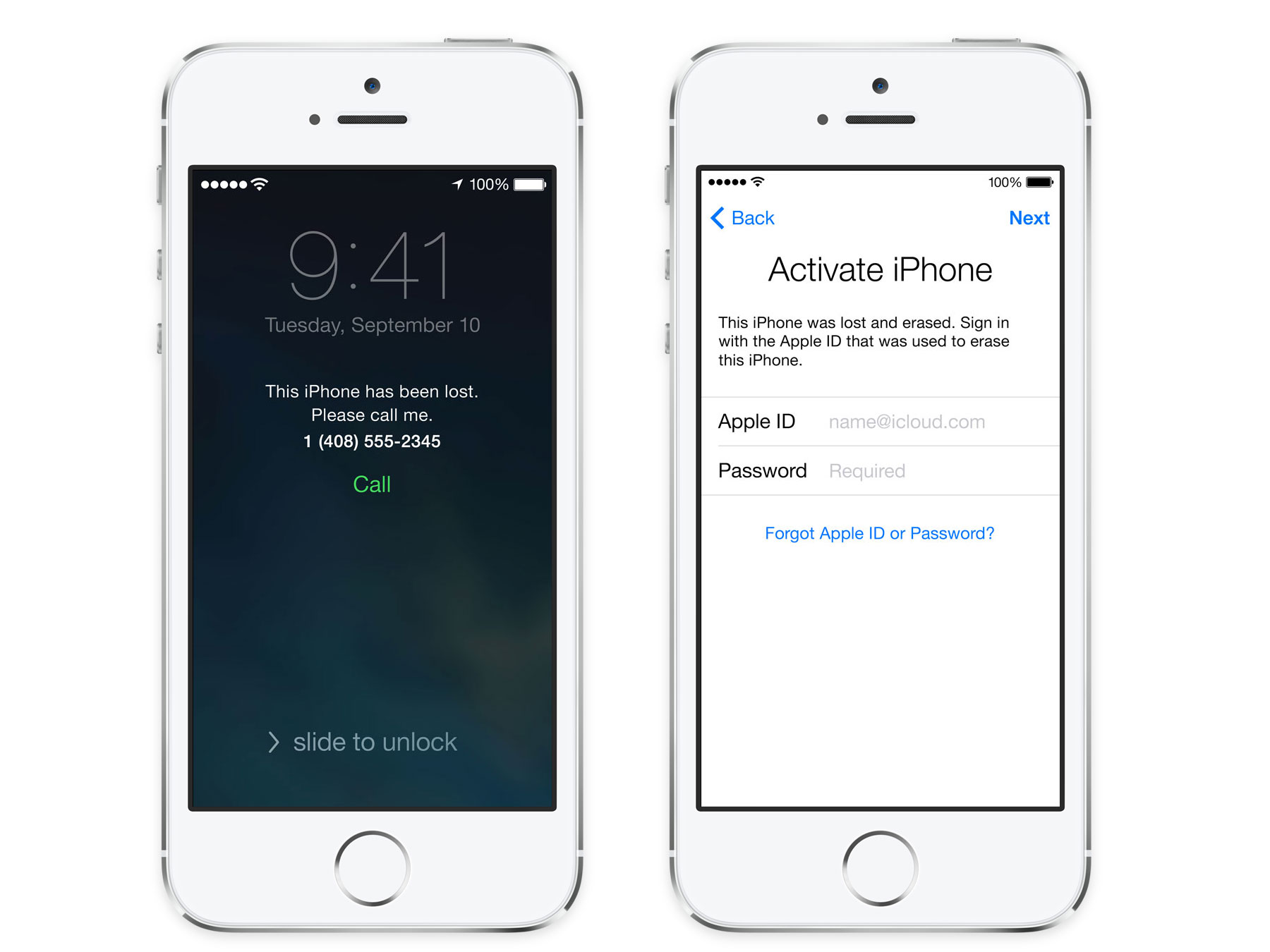
According to a report by American Federal Communications Commission (FCC), Apple has reduced the problem of phone theft by as much as 40 percent. The report stated that the company’s security apps Find My iPhone and Activation Lock have gone a long way to curb iPhone robbery. The commission also appealed all to come together to fight back this situation and become more aware of their surroundings.
The commission commented to treat phone theft as a credit card theft. Your phone is very important as significant information like card details are stored on the device. It is also recommended that iPhone owners note down the International Mobile Station Equipment Identity (IMEI) number of their device. The commission advised the users to lock their screen through lock screen function and secure the device using passwords and pins, and report lost of your smartphone as soon as possible.
According to a report, 59 percent of robberies involved smartphones in San Francisco, while in New York, the figure of smartphone robbery was 46 percent. In London, it reached to 50 percent. However, after the Apple Activation Lock, the burglary saw a turn down by 38 percent in San Francisco, 24 percent in London and 19 percent in New York.
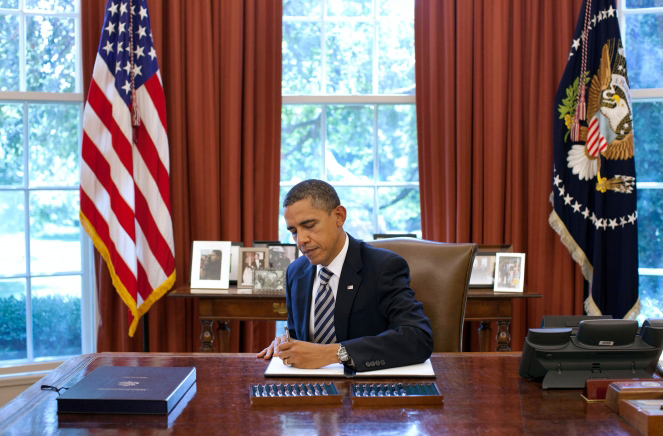
Remember when the first generation iPhones arrived in India, they had to be jailbroken (unlocked) to make them accessible to the networks here. Till recently this process was illegal. But yesterday President Obama made it legal by signing the “Unlocking Consumer Choice and Wireless Competition Act” (S.517) into law.
This will make it a lot easier for consumers who want to change their service providers while keeping their own phones. It will also be beneficial for folks who travel abroad and would want to switch to local services. Wireless providers install software barriers to prevent users from using the phones on other network.
President Obama Signed the Consumer centric law on Friday.
Usually the users in America buy their phones under a contract program which usually extends to 2 years or more and after which they have the option for changing operators or upgrading to a better plan. With this law people who want to change their plans while still keeping their phones can do as they please.
The Law also passed because the wireless providers association CTIA supported the decision. They have stated that they laud the decision. CTIA affiliated service providers had agreed in a deal brokered by FCC last December to allow users to unlock phones.
FCC’s chairman Tom Wheeler welcomed the decision in a statement saying “This new law is a positive development that addresses the issues that triggered unlocking concerns in the first place. When the wireless industry worked with the FCC on a voluntary agreement to unlock devices when consumers’ contracts have been fulfilled, they took an important step forward. The president’s signature today makes greater consumer choice the law of the land.”
The US legislation is currently infamous for severe partisanship which has caused a severe gridlock which has prevented them from passing any law. So it is rather welcome to see that some new law, especially a consumer oriented law getting the presidential accord. It can also be seen as a signal that laws supported by corporate interest will be the only ones that will surely pass in America.
“Net Neutrality” – you might have heard this term in a passing reference on the internet or some news show. You may not know this yet, but this term directly has an effect on your life. We attempt to give you all the facts and tell you why you should care about net neutrality.
Tim Wu Columbia Law Professor
The term, coined by Columbia media law professor Tim Wu in 2003, has been one of the major codes of conduct for the internet since its inception. It is the idea that internet service providers are not to discriminate between any content on the internet. The data packets which bring our services should all get equal access speed.
This basic principle has allowed the internet to be an environment which encourages open competition and has encouraged some phenomenal innovation. It has helped even the smallest business models to grow to become international conglomerates, the most prominent examples of this a Google and Facebook.
The Open Internet, Equal Access speed for all
The fact that general public doesn’t realize is that internet is not just a service anymore, it has now become a necessary utility. It is literally impossible to live without a decent internet connection especially in urban areas where it is used for bill payments, shopping, and admissions in universities; in fact internet has intertwined itself with all facets of our daily life.
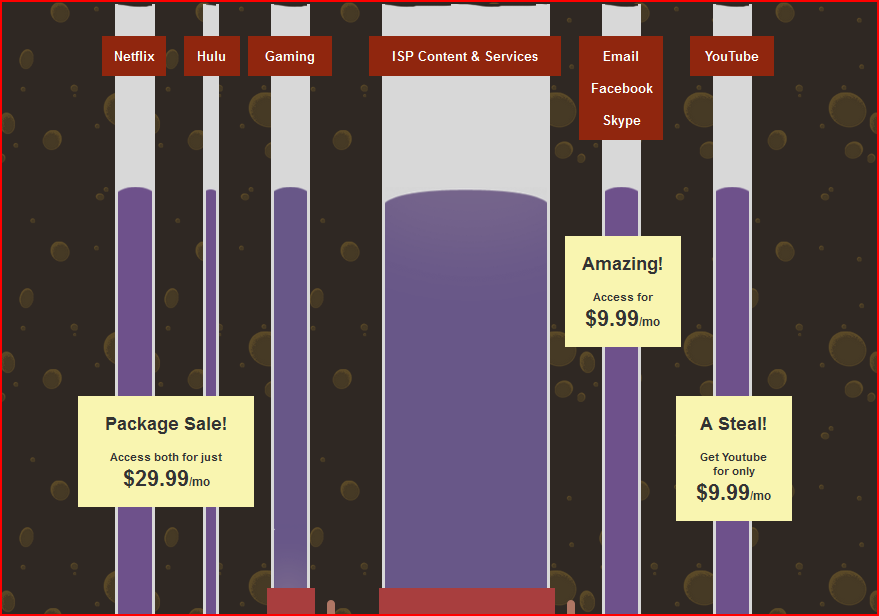
The Federal Communication Commission (FCC) had codified the Net Neutrality principles into law in the 2010 Open Internet order. This order was unfortunately squashed by a federal court recently and can spell doom for the internet as we know it. This ruling can help create a precedent for internet companies to create a fast lanes for the highest bidder. This means wensites who agree to pay more will get a faster access while everyone else will end up getting sub par connectivity.
Without Net Neutrality ISP’s can charge for individual websites.
Imagine an internet where you have to pay to access individual websites. Like a Cable subscription where you have to pay more for bandwidth intensive websites such as YouTube or Vimeo. Most importantly it would kill smaller start-ups who aspire to someday become the next Google.
Mark Zuckerberg could only succeed because of an open internet
The free and fair internet till now has given a level playing field for competition for all. So even a college freshman could create the Forbes listed, world’s biggest social medium called Facebook. It was also because of free internet that even iGyaan could reach its readers. But in a non net neutrality world, these guys will face the same obstacles which are faced by the real world business of finding resources.
The opponents of net neutrality make a point that currently websites with higher bandwidth consumption pay the same price to reach the consumers like any other website. But when road traffic started getting congested, the government created wider roads and not special roads for rich people. They should consider the same. The Internet Service Providers (ISPs) which are opposing net neutrality earn billions in profits each year. Instead of disrupting a unique ecosystem that is still evolving, it is ISP’s prerogative to invest in making the services more innovative and sustainable for them as well as the internet. The companies will make more money by providing quality services to its consumers instead of trying to squeeze the last penny off them.
Steve Wozniak is one of the major proponents of Net Neutrality. (Photo: Nichollas Harrison.)
The great Steve Wozniak makes an excellent analogy when he says that nobody charges you for your per kilometer travel, then why charge for telecom routes. When the roads require maintenance, the government comes to do their part and this must be the responsibility of the ISPs itself.
TRAI needs to formulate regulations now
In India though there are no specific laws safeguarding net neutrality. TRAI in its guidelines mentions non-discrimination, but it is not really enforced. The high cost of spectrum licensing in India and the ever growing burden of massive mobile devices market may lead companies to go for charging a premium on some websites. India’s BRICS companion Brazil recently enacted a brilliant piece of net neutrality legislation and we should ask our lawmakers for the same. All we as consumers can do is be vigilant and raise our voices when we see that happen.
There is going to be a vote at FCC on Thursday the 15th which will decide the future of our internet. This vote can go both ways, the commission can create a precedent where companies can charge websites for priority access. Or the commission can create a legally safe law in which internet will be treated as a telecom service thereby giving FCC complete authority to regulate it. The great news right now is that most of the commissioners are siding with the open internet platform but what happens on Thursday still remain to be seen.
There have been many times when governments try to bring laws which discourage the free exchange of ideas. SOPA, PIPA were some of the laws targeted towards decreasing the efficacy of the internet dialogue. But some good sense prevailed and saved our internet. Net neutrality advocates from around the world are wishing for the same and hope to keep the future of a free and open internet secure.