Tag: future technology

  • 5 ‘Star Wars’ Technologies That May Not Be So Far, Far Away

    5 ‘Star Wars’ Technologies That May Not Be So Far, Far Away

    A long time ago, in a galaxy far, far away, there were droids, space lasers, lightsabers and landspeeders. Of course, we’re talking about the fictional world of the cult sci-fi space opera movie, Star Wars. But how fictional is all that technology – that was seen in the series about 40 years ago – today? Let’s take a look at how close we’ve come to creating some of the technological marvels found in Star Wars.

    Landspeeder
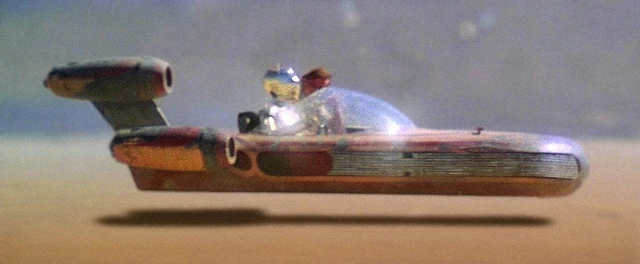
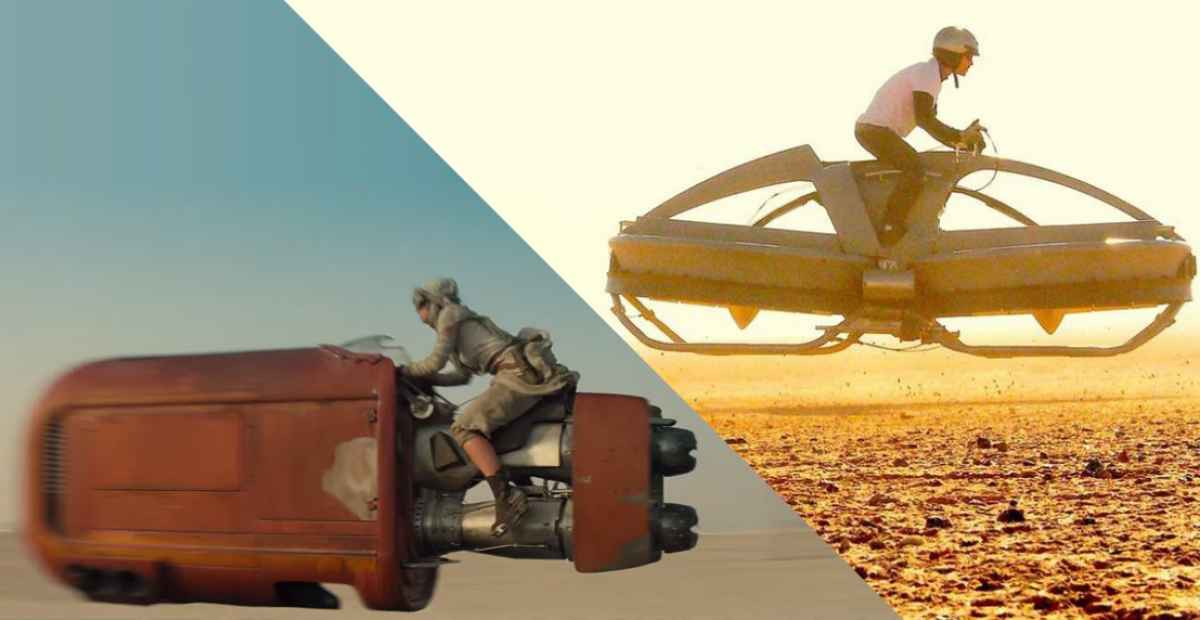
    Landspeeders originally debuted in the original Star Wars series 37 years ago and since then fans around the world have been drooling over the prospect of zipping over the ground in an anti-gravity vehicle. While it might be a while before you see a population of people riding in their own hoverbikes, there is (a new) hope nevertheless. Malloy Aeronotics and Aerofex are two companies among others who have been actively working on trying to make the hoverbike a reality.

    Aerofex has been testing its own hoverbikes in the Mojave desert. There has been keen interest in this area with many parties interested in this technology. So it won’t be long before one can see some insane anti-gravity drag-racing, once these hoverbkes are ready. Watch the video of Aerofex testing out the hoverbike below.


    Droids

    Droids are robotic machines possessing artificial intelligence. The term ‘droid’ was popularized by Gearge Lucas in the original Star Wars films, and originated as an abridgment of ‘android’. Droids are seen throughout Star Wars in various shapes and sizes, the most famous ones being R2-D2 and C-3P0. Ever since the classic twosome appeared in Star Wars: A New Hope, people have been waiting for the day droids and robots will become an everyday thing. Technology is progressing along, but it’s just not fast enough.

    bb8-star-wars

    It takes a new Star Wars film for technology to kick it into overgear. The new Star Wars: Force Awakens movie is out in December, but a small 40 seconds trailer that was released a few months ago got the whole world in a frenzied state. Every scene from the teaser was dissected to bits, including one scene which showed a new droid, the BB-8. The little ball of a droid was seen rolling along the desert of Jakku. One never expected any droid to top R2-D2 but fans are adoring BB-8, which is why a company called Sphero has done the deed. Yes, BB-8 is real and it is available on Amazon for $149.

    The BB-8 toy can be controlled via mobile app and it is all kinds of awesome. The BB-8 can roll around, listens and responds to your voice, and has a mind of it’s own. Look at the promotional video below and see for yourselves.


    Lasers

    It’s 2015 and we should be having lasers by now, right? Well, not exactly, but there are people working on it. Lasers are among the top technologies that comes to mind when you think of the ‘future’. That and flying cars, of course. We’re probably a few hundred years away from having fancy lasers like the ones seen in Star Wars with bright colours that zipped by the screen and were trippy as hell. But laser technology today is a fact and while it may not shoot red or blue bolts into the target, they can still burn holes when concentrated on the target long enough.

    We’re talking about the Laser Weapons System (LaWS) that is employed by the U.S Navy on a warship, the USS Ponce. The weapon was first tested in 2014 and the United States Navy reported the LaWS system works perfectly. Here’s what it looks like when a ship lasers a drone.

    https://www.youtube.com/watch?v=D0DbgNju2wE


    Space Travel

    If there was a real-life Millennium Falcon, space travel would be a blast. You could make the Kessel Run in under 12 parsecs and have a Wookie for a co-pilot. But alas, we’ll probably never see a real-life Millennium Falcon. But space travel is not off the cards. Indeed, consumer space travel has been around for a while now. Although, you’ll need really deep pockets if you want a ticket to the stars and back. As of now, space travelling will be available only to the filthy rich.
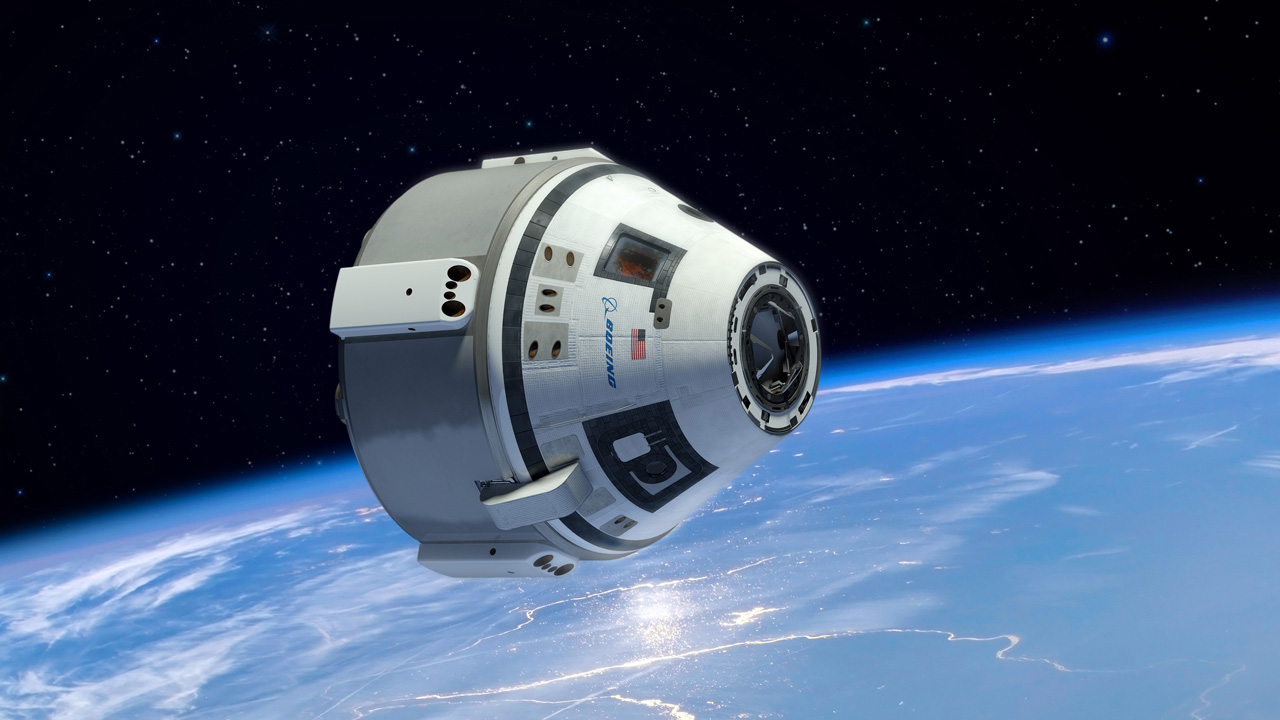
    Boeing has partnered with NASA and will soon have seats for paying tourists in their CST-100 vehicle, allowing members of the general public to visit the International Space Station along with the astronauts. The price of admission is high and you’ll probably have to wait a couple of decades for fares to reduce once space travelling becomes part of normal human life. Fingers crossed.

    Lightsabers

    Perhaps the one piece of technology that is truly the star of Star Wars is the lightsaber. That awe-inspiring laser sword is a signature weapon of the Jedi order and the Sith alike. The lightsaber is used for close combat typically between the Jedi and the Sith. The lightsaber’s energy blade can cut, burn and melt through pretty much anything. It can also deflect blaster bolts and other lightsabers as well.

    Lightsabers were so loved by film fans around that it was voted the most popular weapon in the film history in a 2008 survey. So naturally, a weapon so admired must be made into a reality. Over the decades, we have seen two groups of scientists who have expressed their opinions on the lightsaber. There are the killjoy scientists who believe that a real-life lightsaber is not scientifically possible. And then there are believers who will do anything to bring this technological work of art to life like the boys from Harvard and MIT back in 2013.

    Based on the findings by the team from Harvard and MIT, a group of theoretical physicists from the National Institute of Standards and Technology (NIST) recently discovered a mechanism that can bind photons together in a pseudo-molecule, bringing us a little closer to real-life lightsabers.
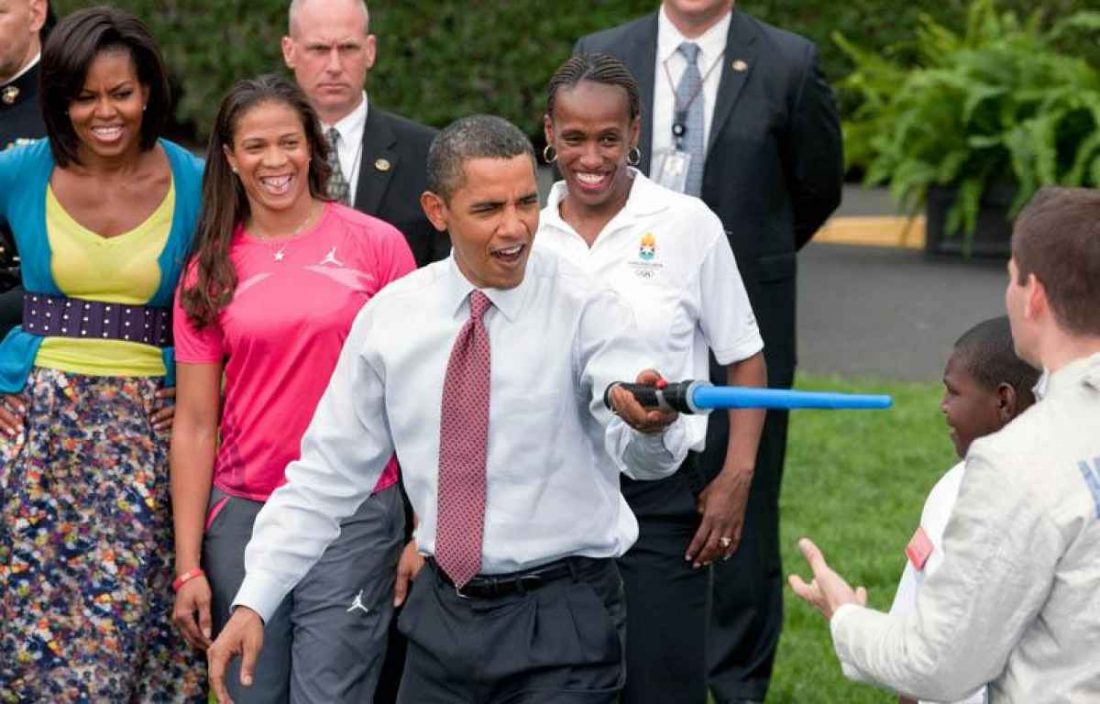
    obamalightsaber

    All right, so that’s Obama with a toy lightsaber. But if he’s excited about the prospect of a real lightsaber in the future then so are we.
  • 5 Gadgets That Make Us Feel Lucky to Be a Part of the Future

    5 Gadgets That Make Us Feel Lucky to Be a Part of the Future

    Those of us who have been born in the 90s are lucky to be in the midst of a technological revolution. In fact, even prior to the 90s and as early as the 70s, cartoons like the Jetsons, depicted the future with video calling, flying cars, mobile phones and talking robots. Who would’ve thought that we were going to be witness to that, thirty years down the line?

    We are living in an age where everything is portable, most things can fly and most importantly, everything is convenient. Let’s take a look at just a few gadgets (even though there’s a wide variety) that make us feel lucky to be a part of the future:

    1. Portable Single Line Printer:

    Image Source: musuemvictoria.com.au
    Image Source: musuemvictoria.com.au

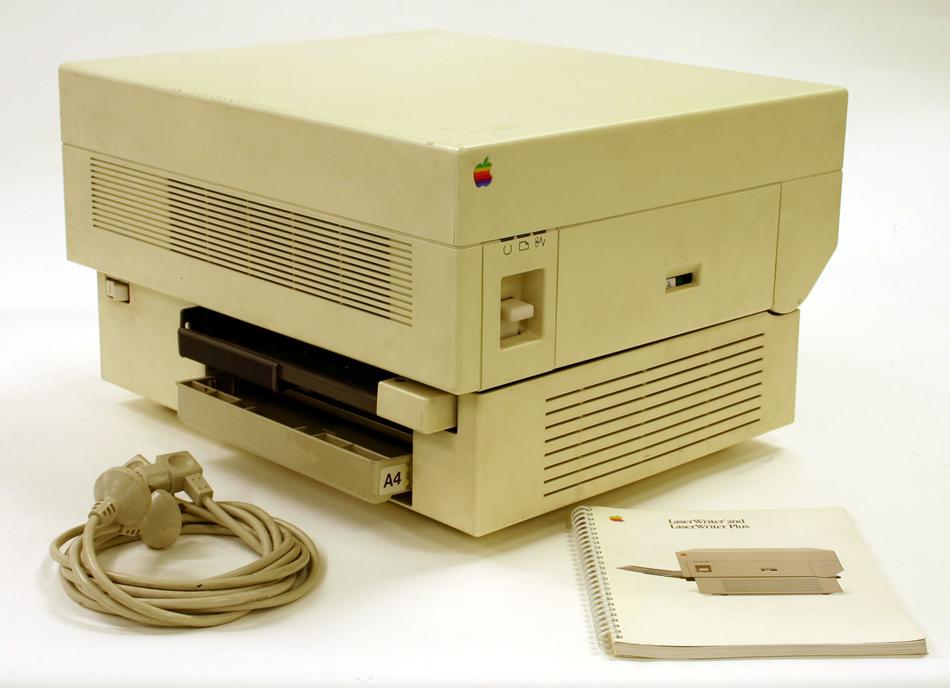
    The printer was first conceptualised in 1938 and the original laser printer called EARS was developed at the Xerox Palo Alto Research Center beginning in 1969 and completed in November, 1971, as reported by inventors.about. However, printers were, until recently, heavy contraptions with wires and plenty of buttons.

    mini printer

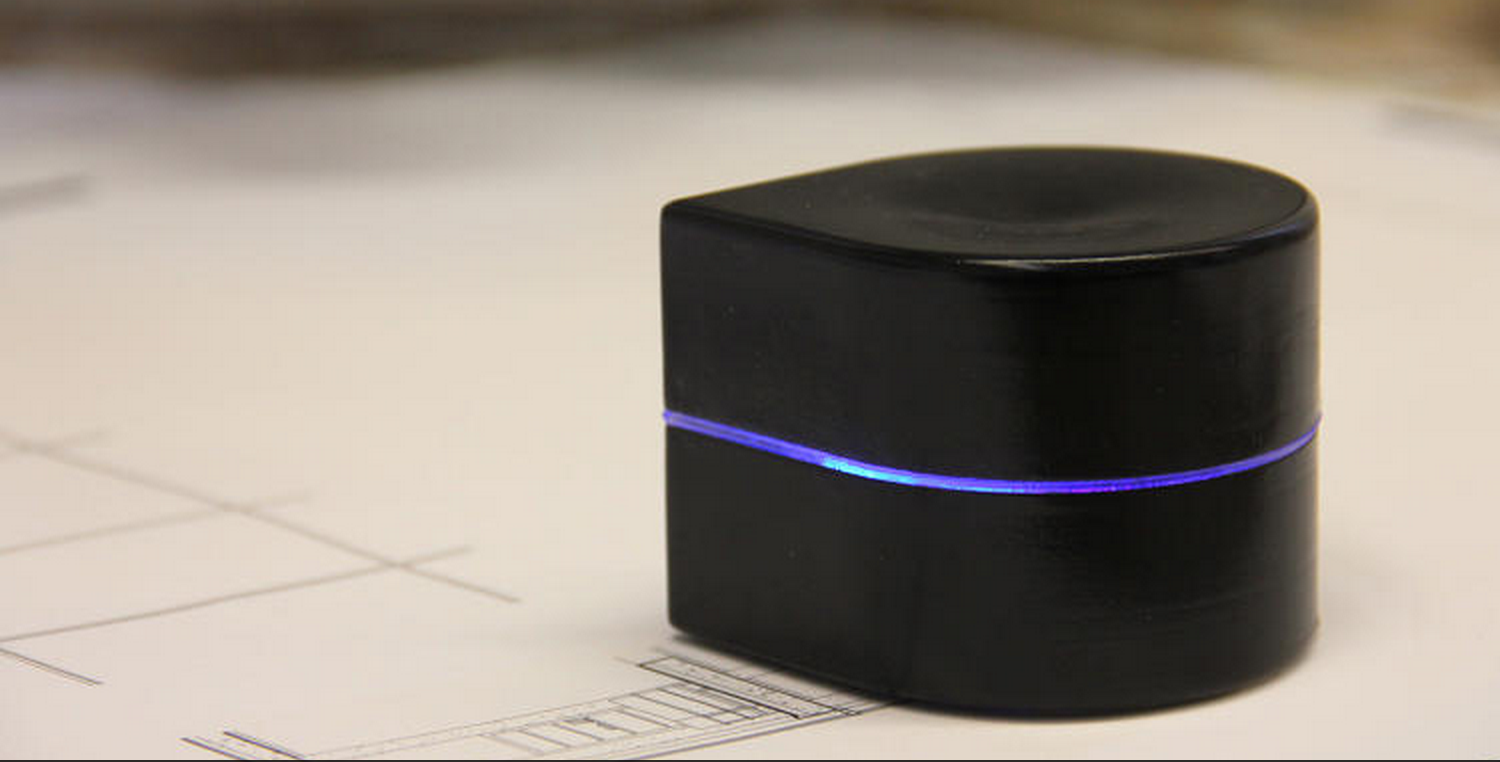
    Today: We have something called the Mini Mobile Robotic Printer which is just what we needed in this age. It uses a mobile phone to function, and is the size of your palm. A product of Zuta labs, this printer costs a mere 135$ (Rs.8,600 approximately) which is a small price to pay for the large convenience it is.

    2. Oculus Rift:

    Image source: itsnewtoyou.me
    Image source: itsnewtoyou.me

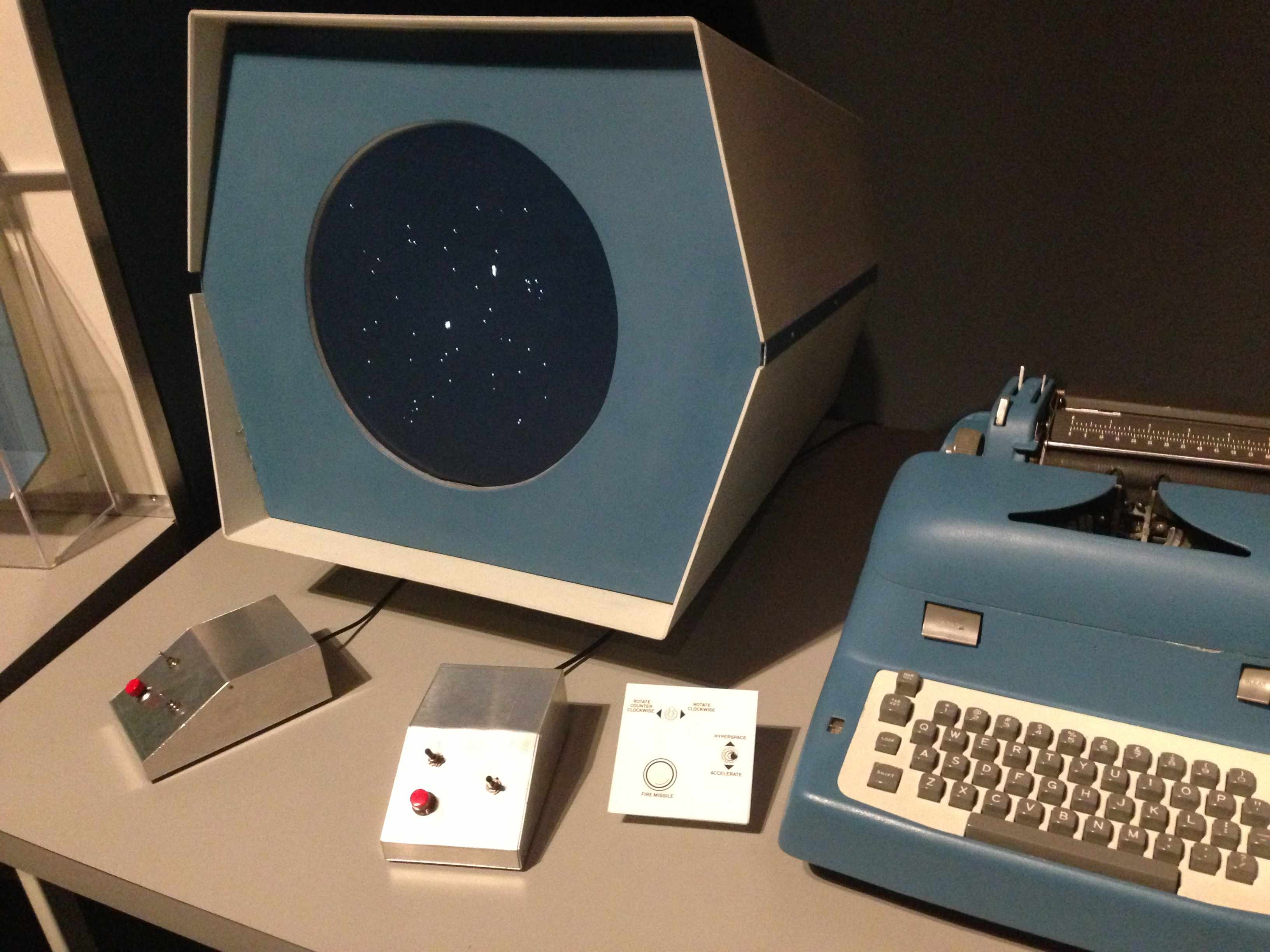
    Physicist Willy Higinbotham invented the first “video game” as early as 1958. It was a table tennis like game and had to be played on an oscilloscope. In 1961, Steve Russell, a student of MIT, created the first computer game called ‘space wars’ after which, there was no stopping the magnanimous evolution that gaming would undergo.

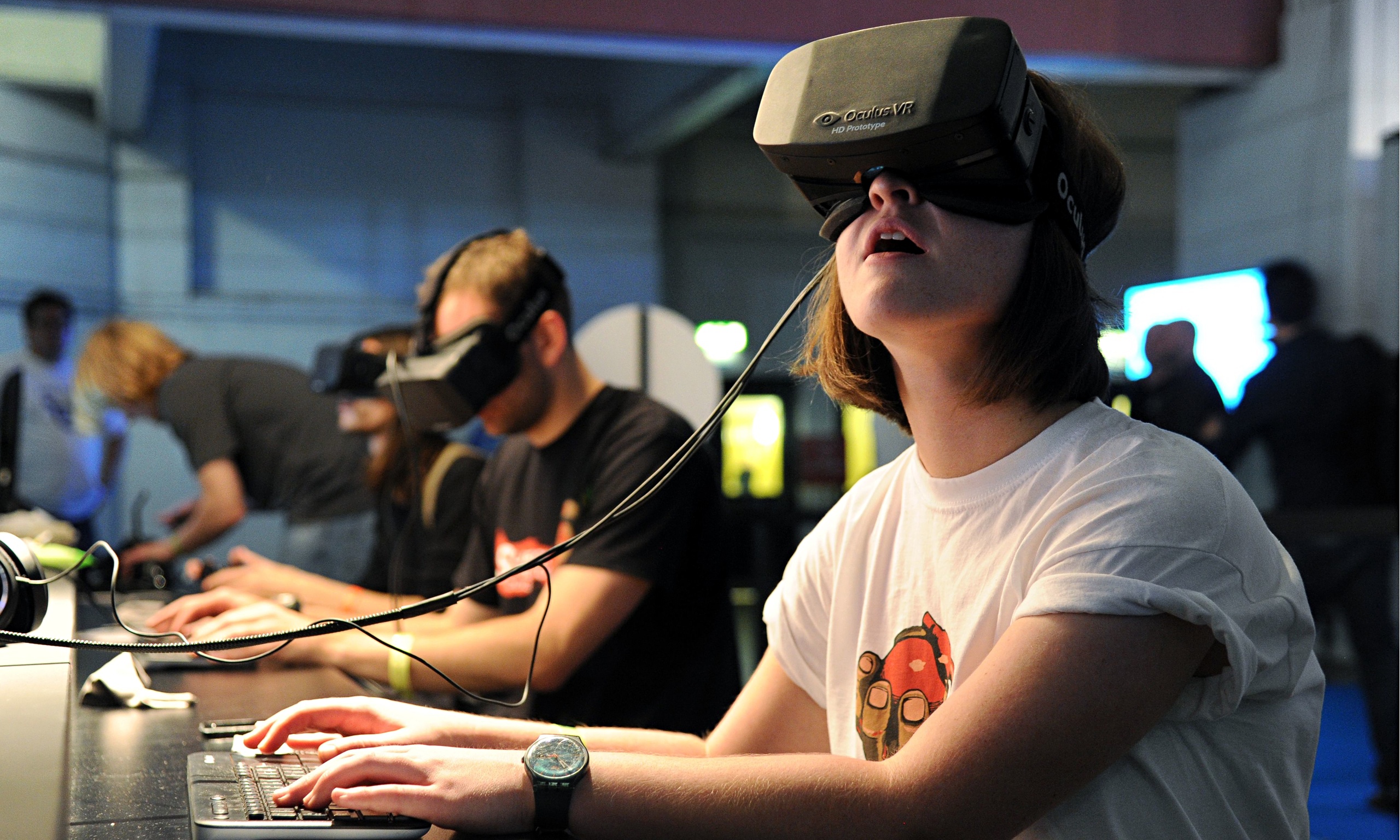
    The Oculus Rift headset is tested by attendees at the Eurogamer Expo at Earls Court in London.

    Today: We have the Oculus Rift, the HTC vive and other Virtual Reality gadgets that don’t just allow you to play the game but actually make you a part of it. As if the amazing visuals weren’t enough, the Oculus Rift recently collaborated with Pebbles Inc to add the use of hand gestures into your gaming experience.

    3. Clock that writes the time for you:

    There used to be  time where our ancestors used to use a sun dial to tell the time and even prior to that, watches were used as an ornament to ward off evil. It was cumbersome and eventually, as early as the 16th century Galileo introduced the concept of using a pendulum to tell time. In 1970, the first digital watch called the Pulsar, was introduced. It had an LED display and was naturally, a hit.

    potclock

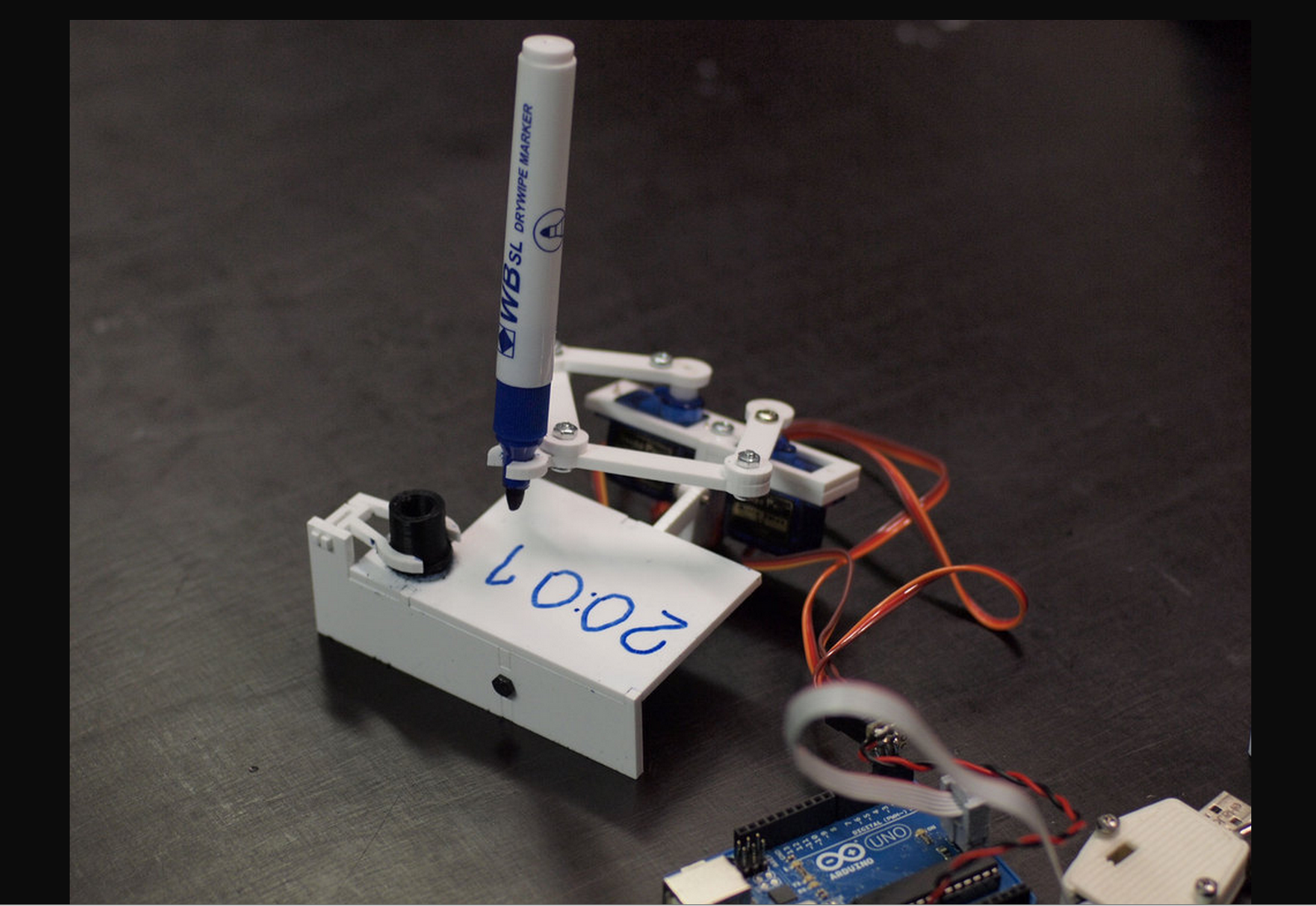
    Today: In 2014, the Potclock was announced. What is it? it is a clock that writes the time for you with a marker, on a white board. It then erases the seconds and continues to do the same with every passing second, minute and hour.It is powered by an Arduino board and the parts of the clock are 3D printed. Cool, isn’t it?

    4. Garbage bin that catches your waste:

    How many times have we chucked a piece of waste paper into a bin, pretending to be Michael Jordan, as it unsuccessfully falls far away from the target? Umpteen number of times. Although, this is a rather amusing invention, one cannot miss its ingenuity. This bin catches your waste automatically so that you never miss. Imagine if India could actually get bins of a larger size that did the same thing, it would truly boost the Swachch Bharat Abhiyan.

    5. Wheelchair that can go up staircases:

    wheelchair

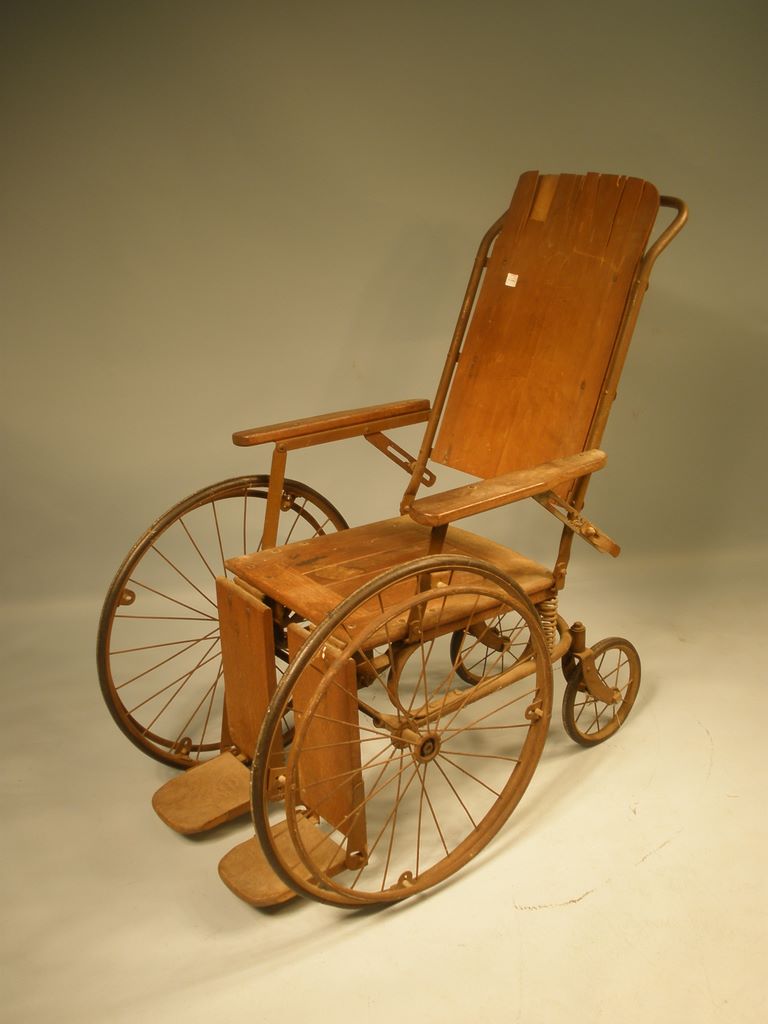
    John Dawson of Bath, invented the wheelchair in 1783. It had two big wheels and a small one and outsold all other wheelchairs or systems that assisted the handicapped, prior to this. However, George Klein brought the Klein Drive Chair in 1953, that was the first motor wheel chair that operated electronically instead of manually. However, handicapped people continued to face difficulties like going up and down rocky terrains and even going up the staircase.

    Today: Technology has made life much easier for the differently abled. They don’t need to depend on people as the ‘Topchair’ is capable of taking you safely up and down the stairs without any assistance whatsoever.

    Obviously, there are numerous other inventions and gadgets that are worth adding on and are even being created as we write this post. This was just a slice of the massive variety of technologies that we are lucky enough to witness, today.

  • Future Meets Reality? A Day Made Of Glass

    Future Meets Reality? A Day Made Of Glass

    First seen in 2011, this five-minute video shows a day-in-the-life of a family in the future to exhibit how a speciality glass may deliver astonishing benefits to daily products. From organizing your to-do list with a few touches on the bathroom mirror to altering the look of a car dashboard with a quick flick of your finger, or reading a classic novel on a thin piece of flexible glass – the video depicts a world of mobile communication and connection.

    For more than 160 years, Corning has applied its skill in glass science to help enable the breakthroughs that have revolutionized our modern world, such as, Thomas Edison’s light bulb, glass windows for all U.S.-manned space flights, and the world’s first low-loss optical fiber for telecommunications networks. This track record for modernization continues today through Corning’s stanch pledge to research, a passion for glass, and their vision for the future.

    The “A Day Made of Glass” video captured the imagination of millions on YouTube and was expanded in 2012 with Corning’s release of “A Day Made of Glass 2.” Set on the same day, this video takes a new journey with the same family, while extending the possibilities of glass into the hospital, classroom, and home of the future.

    Today, the “A Day Made of Glass” series continues to grow, including new videos, an educational program, and a recently launched microsite. Visit the new microsite that features all of Corning’s “A Day Made of Glass” videos and content related to the company’s vision, including learning tools, feature stories, and FAQs on the video series.

    It would be a stretch to label everything in these videos as digital signage, but the technologies they represent are so obviously cross-applicable that we might as well start getting ready for a world where digital signage isn’t just digital out-of-home, but digital in-home as well.

  • A Sneak Peek into the Future of Tech

    A Sneak Peek into the Future of Tech

    Technology is ever-growing, one would say each day something new is developed. In this ever growing age of technology, it is not easy to keep yourself updated with all the new developments in the world of technology. We live in a world where present technology seems to fulfill, in some cases present technology is also ahead of what SOME people may think. It is always good to know what does the future technology got for us.

    Google Glass:

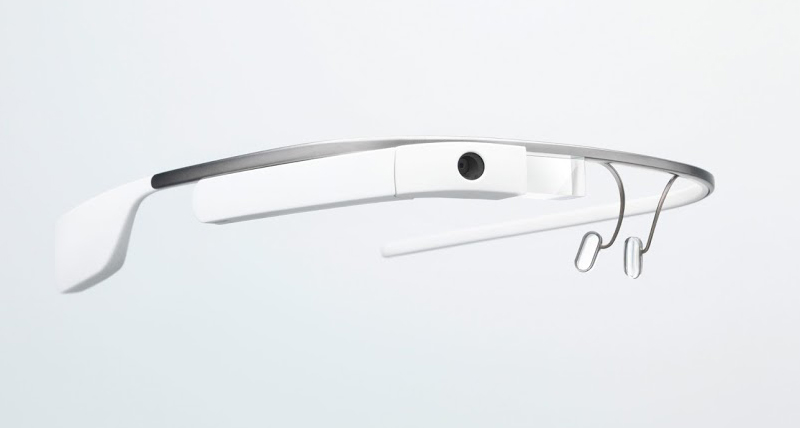
    google glass

    Google glass is a great step in technology. What is the Google Glass ?

    Google Glass is a wearable computer with an optical head-mounted display (OHMD) that has been developed by Google in the Project Glass research and development project, with a mission;  Production of a mass-market ubiquitous computer. Google Glass displays information in a smartphone-like hands-free format, that can interact with the Internet via natural language voice commands

    As per Google, Glass is fairly simple to use, for taking an image one just has to say take a picture and its all done, you can record everything hands free, even share what you see – Live! get directions right in front of you, just speak to send a message, ask anything that’s on your mind, translate your voice, get few answers without even asking. The structure for the Google Glass is strong and light with an Evolutionary design. The colors it will be available in Charcoal, Tangerine, Shale, Cotton, Sky.


    All this features would be of better understanding after you watch this:

    [youtube id=”v1uyQZNg2vE” width=”100%” height=”300px”]

    We will have to see if Glass would live up to our expectation as Rumored Google is getting these available from next year just for $299. But, will Glass be able to maintain its position in the market because if we look at the technology it is growing, so the day is not far when we might have the same technology on our goggles or in the lenses we wear. 

    Oculus Rift

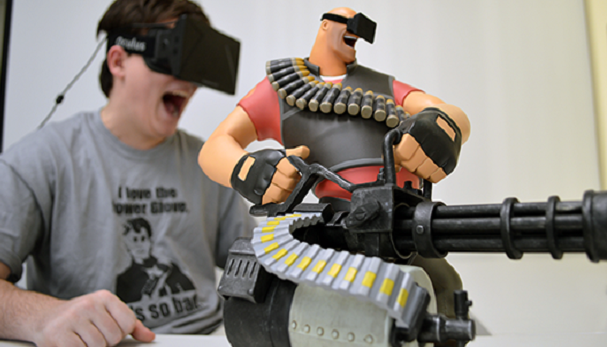
    The Oculus Rift is an upcoming virtual reality head-mounted display developed by Oculus VR, who have raised $16 million, of which $2.4 million was raised with crowfunding via Kickstarter. The company, founded by Palmer Luckey and the co-founders of Scale form and id Software, John Carmack was later hired as its Chief Technology Officer. 

    The Oculus Rift is a next-generation virtual reality headset designed for immersive gaming. The test kits are in the process of being shipped out, are you getting your own Oculus Rift development kit?

    Oculus Rift

    For more information and to see how this works watch the video below.

    [youtube id=”1QnXHe_MIx4#at=21″ width=”100%” height=”300px”]

    The Future Cars

    If we talk about the technology in the future cars, the BMW i8 concept car is the best example we can quote as if now.

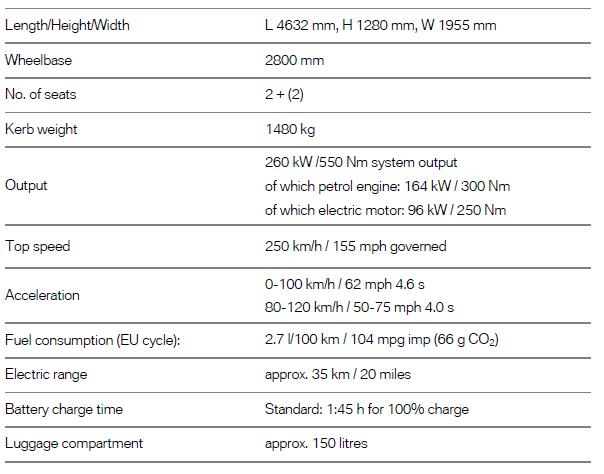
    The BMW i8, first introduced as the BMW Concept Vision Efficient Dynamics, is a plug-in hybrid under development by BMW. The initial turbodiesel concept car unveiled at the 2009 Frankfurt Motor Show, and the BMW i8 gasoline-powered concept car destined for production unveiled at the 2011 Frankfurt Motor Show. The i8 concept has a 7.2 kWh lithium-ion battery pack which delivers an all-electric range of 35 km.

    The Vision Efficient Dynamics concept car is a plug-in hybrid with a three cylinder turbo diesel engine. Additionally, there are two electric motors with 139 horsepower. It allows acceleration to 100 km/h in 4.8 seconds and an electronically limited top speed of 250 km/h.

    According to BMW, the average fuel consumption in the EU test cycle (KV01) is 3.76 liters/100 kilometers and has a carbon dioxide emission rating of 99 grams per kilometer (1,3 l/100 km and 33g CO2/km ; EU-PHEV ECE-R101). The estimated all-electric range is 50 km, and the 24-liter diesel tank extends the total vehicle range to up to 700 km. The lightweight chassis made mainly from aluminium, windshield, top, doors and fenders are made from polycarbonate glass and the body has a drag coefficient of 0.22.

    BMW i8 specs
    BMW i8 specs


    [youtube id=”YmF_nTAksrQ” width=”100%” height=”300px”]


    These are just some that technologies that are upcoming, but as mentioned above the world of technology is ever-growing with ideas and resources. We can hope for a better and luxurious future.

iGyaan Network
Privacy Overview

This website uses cookies so that we can provide you with the best user experience possible. Cookie information is stored in your browser and performs functions such as recognising you when you return to our website and helping our team to understand which sections of the website you find most interesting and useful.