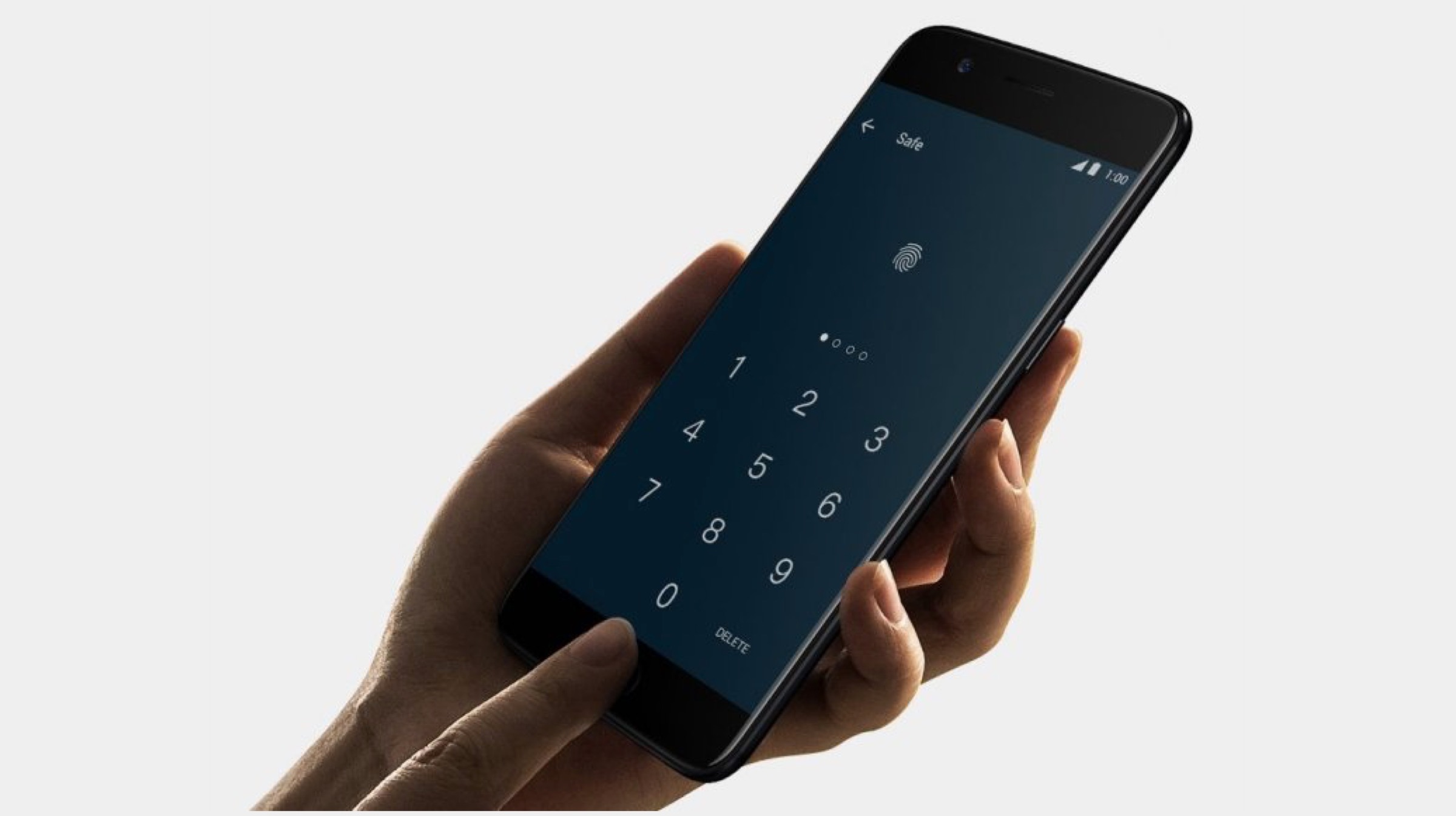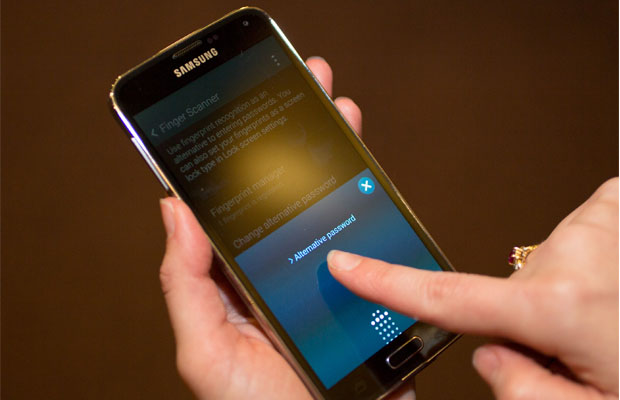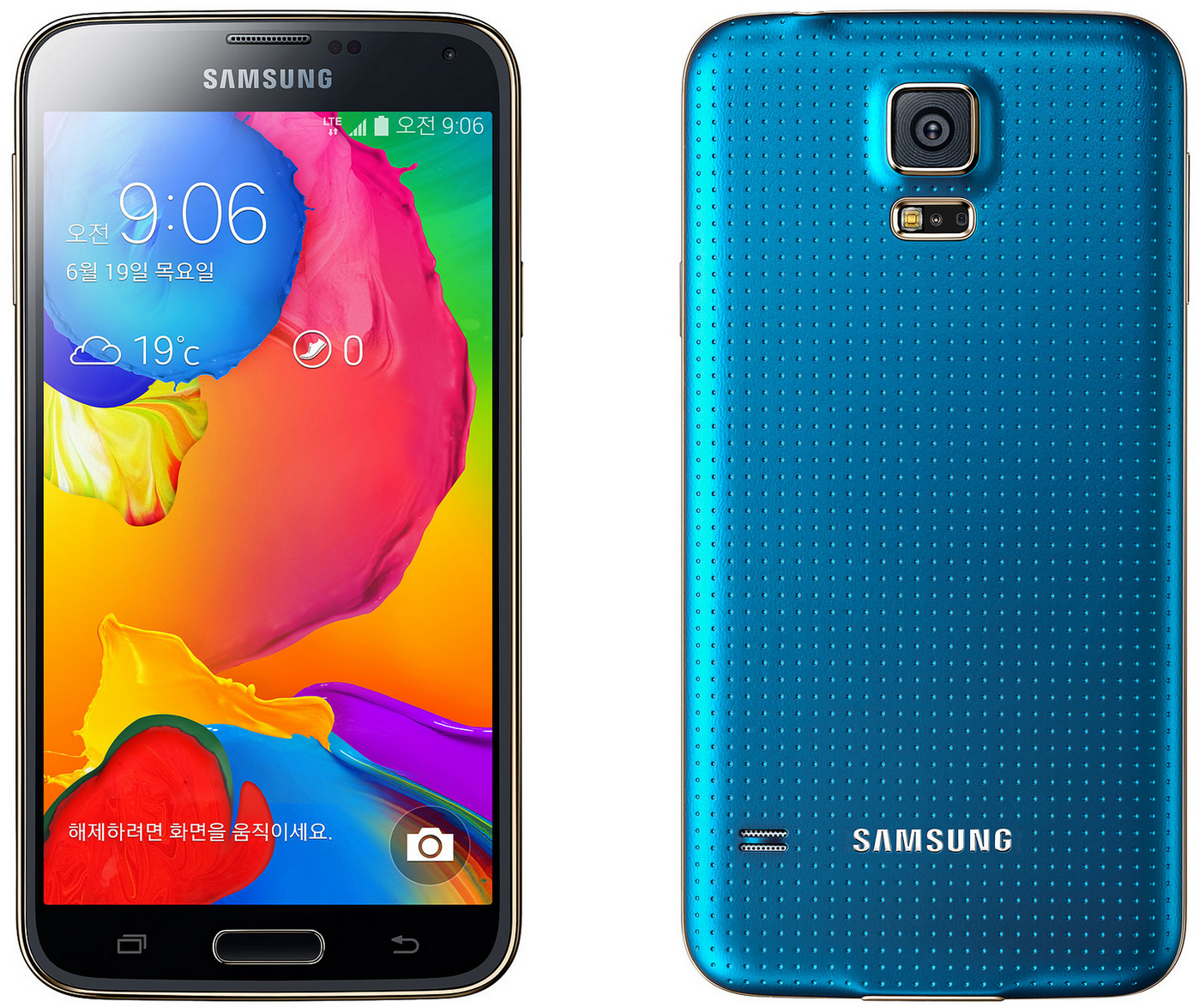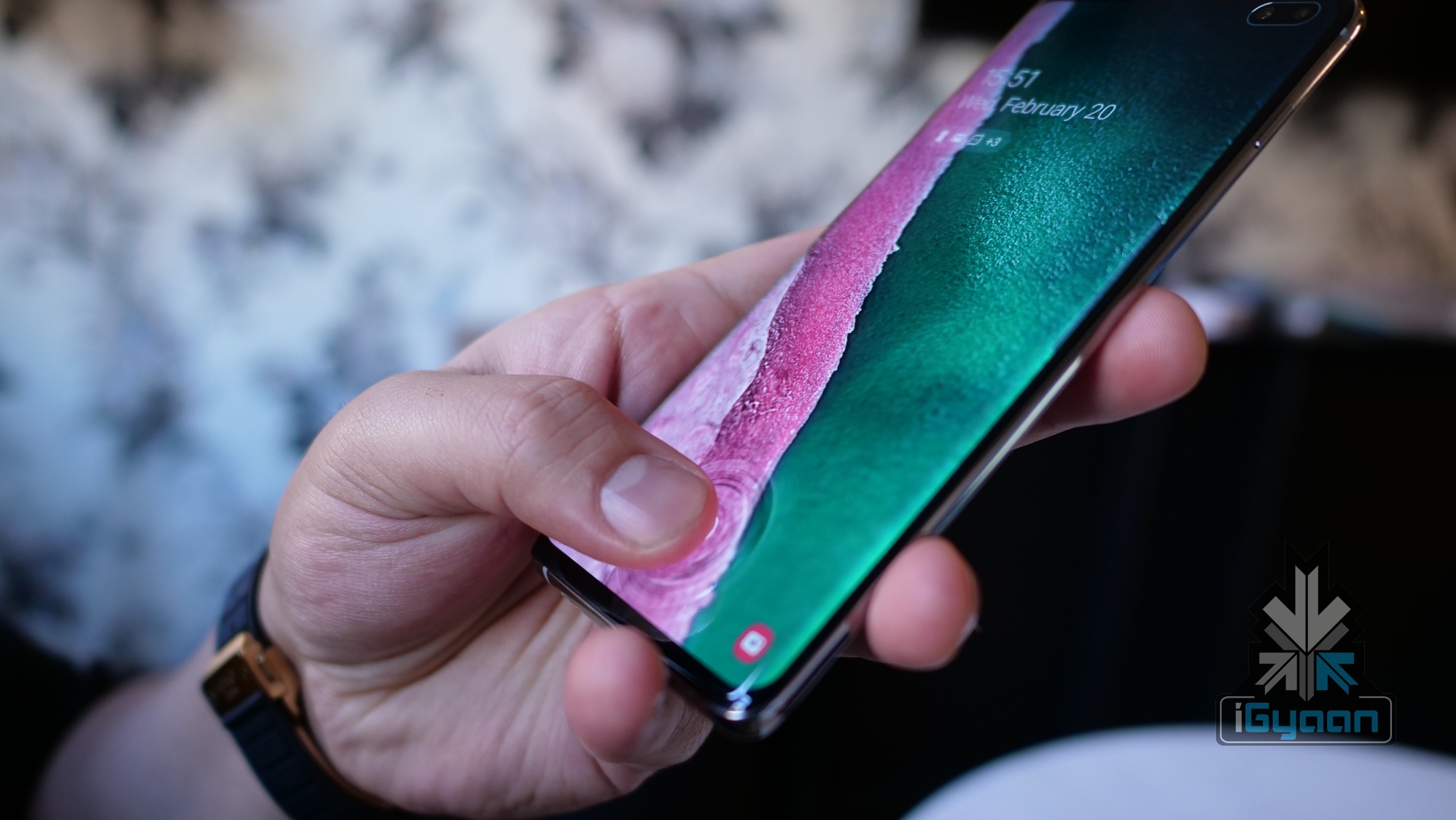
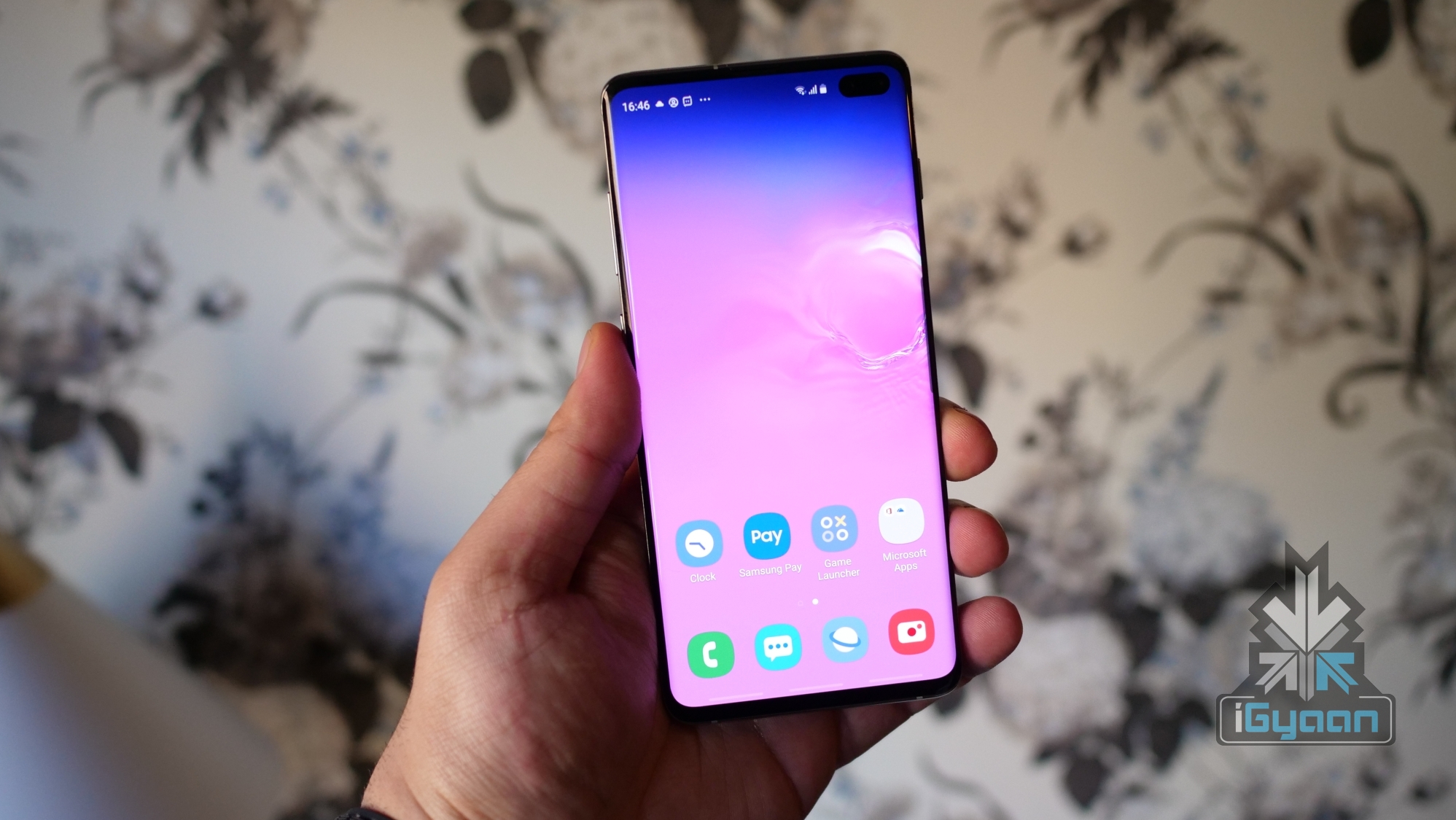
Samsung launched the Galaxy S10 lineup of smartphones at an event in February. The devices that were announced include the Galaxy S10+, Galaxy S10, Galaxy S10 5G and Galaxy S10e. While the latter used a physical, side mounted fingerprint sensor for unlocking the device, the former three have a new technology onboard. They use an ultrasonic fingerprint scanner made by chipmaker Qualcomm and are the first devices in the world to do so. While Samsung claimed the technology is secure than most fingerprint sensors in the market, fresh reports say otherwise. A user who goes by the name ‘darkshark’ on multimedia sharing website Imgur revealed the ultrasonic fingerprint scanners can be fooled using 3D printing.
How Does It Work?
I attempted to fool the new Samsung Galaxy S10’s ultrasonic fingerprint scanner by using 3d printing. I succeeded.
The video shared by the user shows a Galaxy S10+ being unlocked using the aforementioned method. A 3D printed fingerprint is kept in front of the smartphone with the user pressing down on it while wearing gloves unlocks the device with ease. In an explanation of how he achieved that, the post read that the user took a photograph of his fingerprint on the side of a glass using a smartphone. Then he increased certain aspects of the image like increasing the contrast and creating an alpha mask using Photoshop software. Using another software, 3Ds Max he then created a 3D model of the fingerprint and then printed it using a 3D printer.
Also read: Ten Legendary Games That Changed Gaming Forever
According to the user, 3D printing the fingerprint took them around 13 minutes. The video was shared as a warning for users of the Galaxy S10. The post also reads that it is possible to imitate a fingerprint from across a room using a DSLR camera with a long focal length. This process is claimed to take only 3 minutes, which can be hazardous for users, as most of their account details and personal information can be accessed as a result. It is also not the very first-time biometric security has been fooled on a smartphone. A similar case occurred with the iPhone X when a 3D face was used to unlock the device via the FaceID technology.
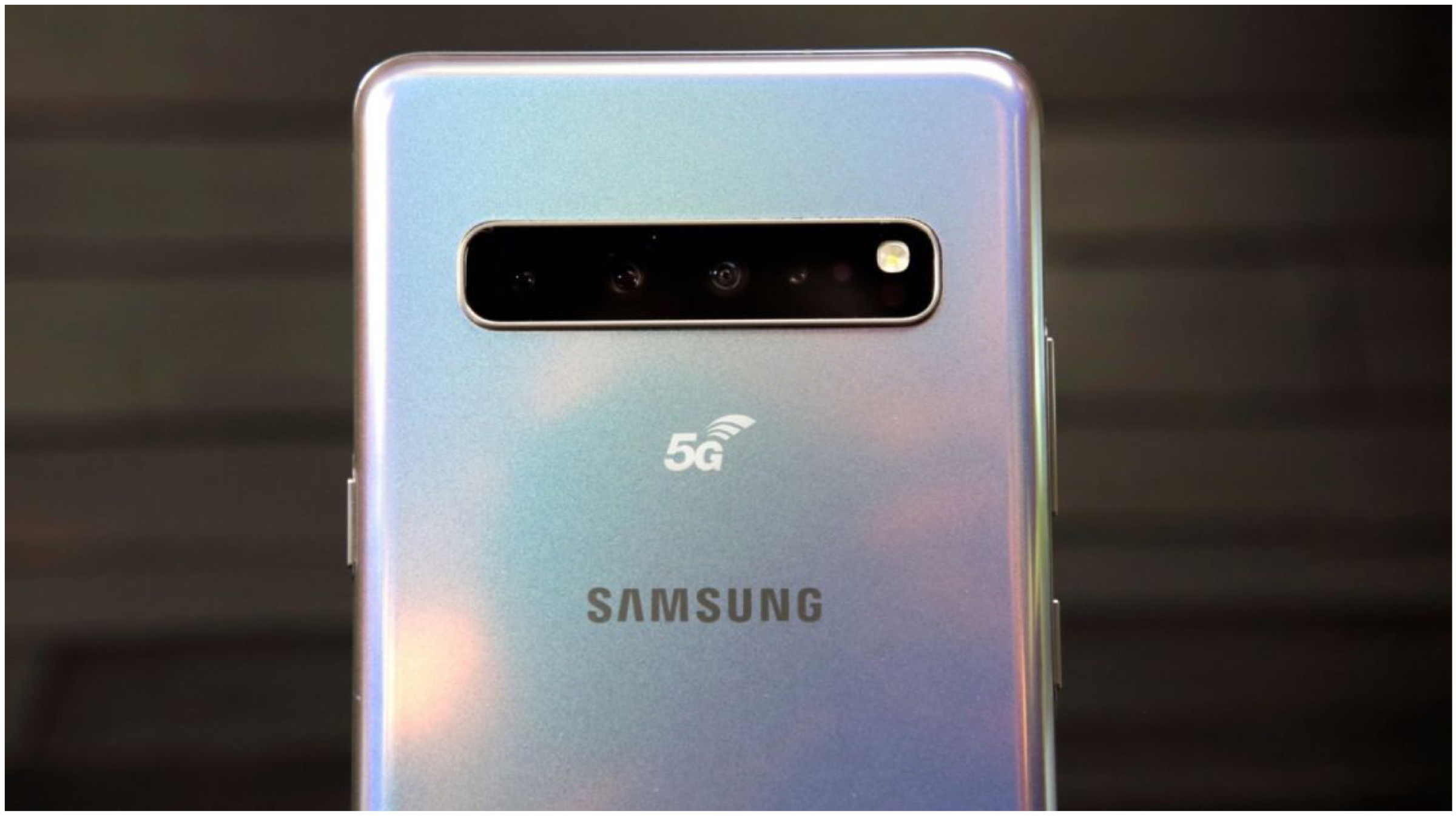
 When 5G was announced, reports said that the new network would be more secure than the previous iteration. Instead, the researchers unveiled three different kinds of attacks which hackers can use to breach a network which is running on
  The primary form of breaching is called a Torpedo attack. It exploits a vulnerability in the paging protocols that various carriers such as Verizon and Sprint use. The protocol actually notifies the person about an incoming call or text message. As per reports, if multiple phone calls are made and dropped to a single node, it might trigger a paging message without informing the target device. This way, the hacker may derive the user’s location, and he can further hijack the paging channel via the IP address.