Realme has just unveiled its plans on launching the worlds first smartphone with a 64MP camera. This new device will have its debut in India before being launched to the global market, as promised by Realme. The Shenzhen-based Chinese company was once a subsidiary of OPPO. Notably, in the past, Xiaomi had also claimed to launch worlds first smartphone with a 64MP camera sensor which is yet to happen.
Realme is developing the smartphone which will utilize Samsung’s GW1 camera sensor to achieve the 64MP title. The handset which will premiere in India has the largest sensor that can be found in a smartphone at 1/1.72 inch. This enables a large 1.6µm pixel size that is capable of better and clearer shots in various low light scenarios.
Realme India’s CEO went on Twitter to share the first ever shot (as seen below) taken by the yet unnamed upcoming smartphone. Notably, the device will be equipped with a Tetracell type sensor which is based similar to the Quad Bayer technology (a colour reproduction method used in a multi-camera device). This allows for the camera sensor to output 16MP images natively.
Working on the new premium killer! Introducing world's first smartphone camera with 64MP GW1 largest 1/1.72” sensor and mega 1.6µm pixel with amazing clear shots in low light too. RT if you want to see more “knockout” shots. #DareToLeappic.twitter.com/D54xNFdaVm
According to the image, the upcoming Realme device will sport three additional camera sensors alongside its 64MP primary shooter. The watermark in the image proves that the smartphone will have an AI-assisted quad camera module at the back. The tweet also ensures that a lot more of such camera samples would soon be teased by the smartphone manufacturing company.
Unfortunately, no ETA (estimated time of arrival) has been provided regarding the devices release date which is promised to launch in India before anywhere else. Furthermore, the implications of the image shared means that the device is almost ready or is in the final stages of development. Unfortunately, internal specifications and hardware regarding the handset are still at large as well. The upcoming Realme smartphone is expected that the device may launch before year-end or failing that early 2020.
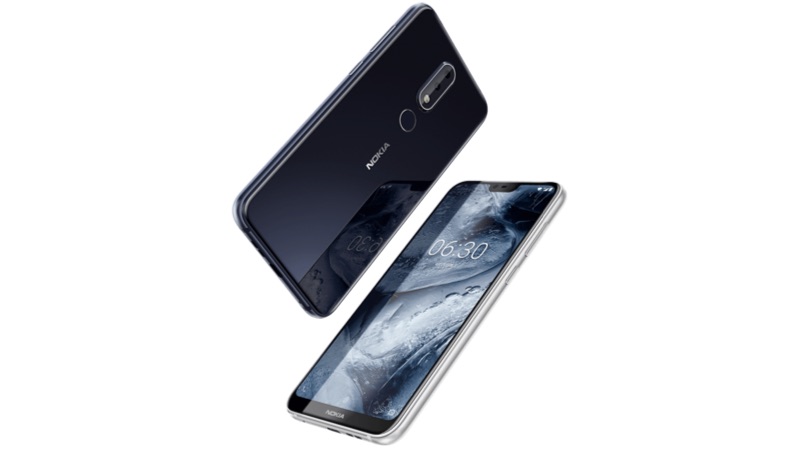
Five days after it’s global launch in Dubai, Nokia has launched the Nokia 8.1 in India. Read on to find out what the specifications, price and availability are for India.
Specifications And Design
The Nokia 8.1 is a bigger version of the Nokia 8 Sirocco and features a Qualcomm’s Snapdragon 710 SoC, along with the Adreno 616 GPU. This will be paired with 4GB of RAM and 64GB of internal storage. It features a 6.18-inch screen with a 18.7:9 aspect ratio. The screen has a 2246 x 1080 px resolution and a pixel density of 403 ppi. It also receives extra protection from the Corning Gorilla Glass 3. The phone has a modest 3,500 mAh Li-Ion battery. Since it is a new launch, as a result, it will run Android 9.0 Pie out of the box.
On the camera front the phone has dual rear and single front camera set up. The rear cameras feature 12 MP and 13 MP sensors and can shoot 2160p videos at 30fps. The front 20 MP sensor can shoot 1080p videos at 30fps. The rear camera lenses are made by Zeiss optics. The camera also has the ‘Bothie’ feature, which allows simultaneous photo/video shooting. In terms of connectivity, the Nokia 8.1 has all the basic connectivity solutions like 4G VoLTE, Bluetooth 5.0, 802.11 ac Wi-Fi and has a USB Type-C port for charging and data syncing. Above all the 3.5mm audio jack is also making an appearance for all the audiophiles.
Price, Colours and Availability
The phone is quite lightweight and measures in at 154.8 x 75.76 x 7.97 mm and weighs in at 180 grams. It will be available in three different colours namely Blue/Silver, Steel/Copper and Iron/Steel. The Nokia 8.1 will be available at Rs 26,999 in India and is available through Nokia’s own website as well as Amazon. It will be available from December 21, 2018 but is already available for pre-booking at Nokia’s website.
The Huawei sub-brand, Honor sold 20 million smartphones in the first six months of 2015, two years after the brand was announced. Continuing the trend, Honor is currently one of the top-selling brands globally, including the Indian market. At an event in India today, the company announced three devices, its gaming smartphone, the Honor Play. The smartphone will make its way to India via an exclusive Amazon sale on 6th August from 4 PM. The company first launched the smartphone in China via an event in Beijing on 31st July 2018.
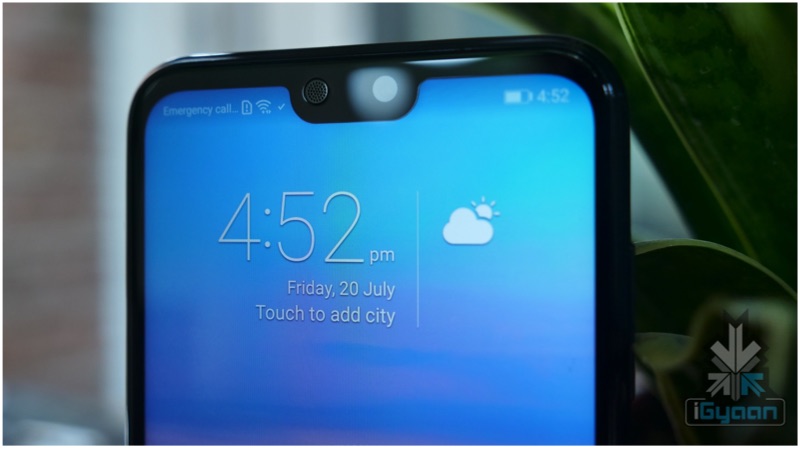
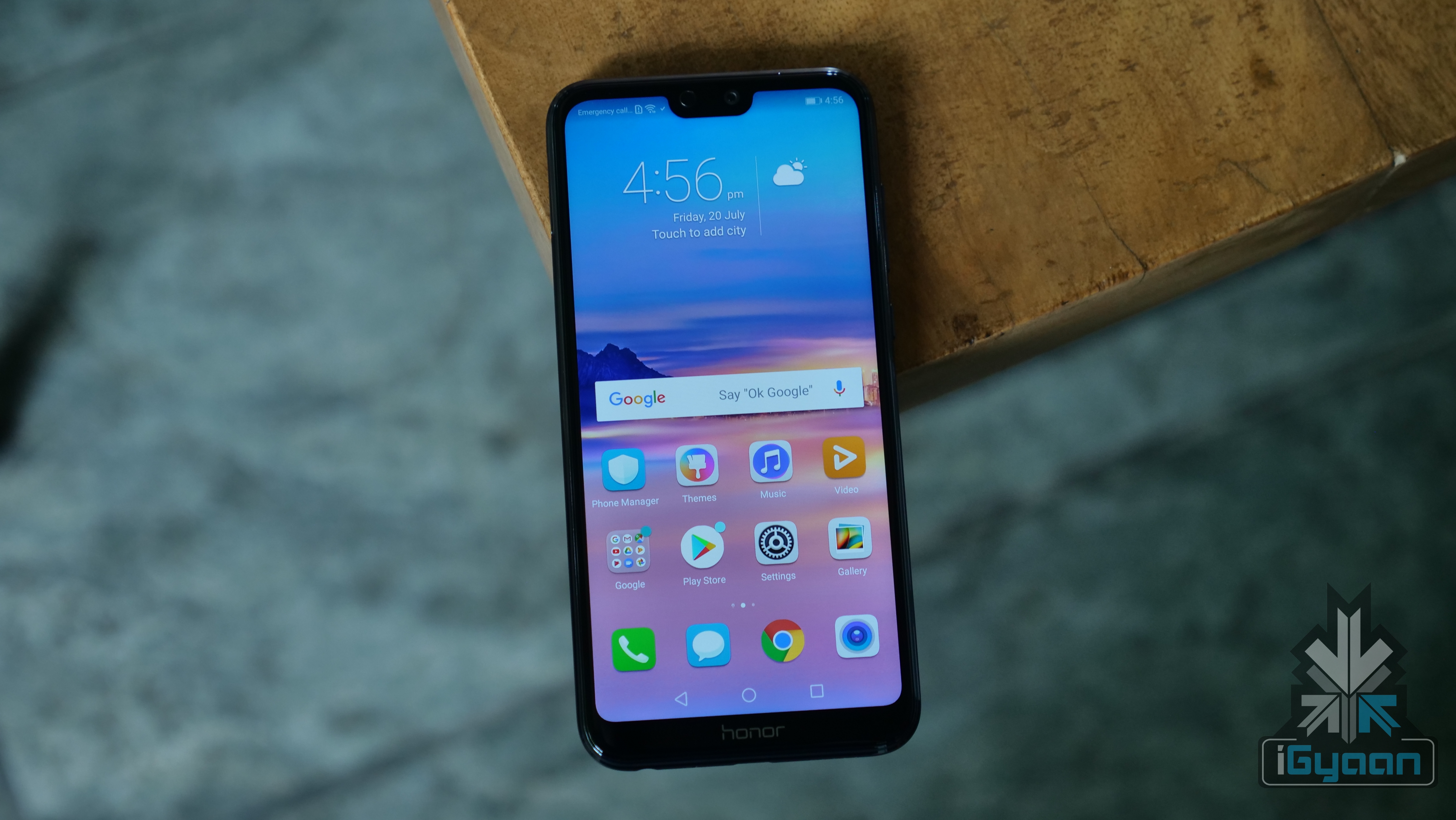
The company is marketing the Honor Play as a mid-range gaming device. The smartphone sports a 6.3-inch IPS LCD panel with 2340 x 1080 px resolution and 19.5:9 aspect ratio. Unlike the Note 10, this smartphone has a notch-display. The device features a 3.5 mm headphone jack with support for Histen Audio. This audio technology allows users to enjoy an immersive 3D output with 7.1 surround sound experience. The smartphone also claims to offer a 4-D gaming experience with what the company calls a Smart Shock, a haptic feedback mechanism.
Honor Play Headphone Jack
The Honor Play uses a custom Huawei layer called the EMUI 8.1 which is based on Android 8.1 (Oreo) OS. The smartphone runs on the Kirin 970 SoC which is also found on other flagship smartphones from Huawei like the P20 Pro. The Kirin 970 is an octa-core chipset with four cores running at 2.4 GHz and the other four at 1.8 GHz. The chipset uses the Mali-G72 MP12 GPU for its graphics performance. The smartphone will feature the GPU Turbo which will squeeze out better graphics and battery performance. A dedicated Neural Processing Unit (NPU) is also included in the smartphone for enhanced AI capabilities.
There is a triple camera setup on the Honor Play smartphone. The two rear-facing sensor includes a 16 MP sensor withf/2.2 aperture and a 2 MP sensor with f/2.4 aperture. The NPU will have a major role to play in the shots taken with the smartphone’s rear camera sensors. A single front-facing camera of the smartphone is a 16 MP sensor with f/2.0 aperture. The smartphone will be available in two RAM variants; 4/6GB RAM option with 64GB storage. However, the storage for the smartphone can be further expanded using a microSD card of up to 256GB.
Pricing And Availability
The price of the Honor Play in India starts at Rs. 19,999 for the 4GB RAM variant and goes up to Rs. 23,999 for the 6GB RAM variant. Smartphone manufacturers are making sure that users get an uncompromising experience without having to spend a lot of money. Thus, it will be interesting to see how the Honor Play fairs against the competition. You can watch the unboxing video below.
As a smartphone brand, Huawei is now fully back and operational in the Indian market. The company has entered the Indian market for various price segments. While the Huawei P20 Pro is a top of the line flagship, the company also has the lite variants and now two new phones. The company has launched the Huawei Nova 3 and Nova 3i today. These smartphones will go on sale exclusively via Amazon. You can buy the smartphones here.
While a lot is common between the two smartphones, the Huawei Nova 3 and Nova 3i target two different price segments. Huawei Nova 3 is a flagship smartphone, whereas the Nova 3i is more of a mid-range device. With that said, what you will find in common with these two devices are their display panels. Both the smartphones have a 6.3-inch IPS LCD panel with an aspect ratio of 19.5:9 and a resolution of 2340 x 1080 px. Both of these devices use a custom Huawei EMUI 8.2 ROM based on Android 8.1 (Oreo).
The camera for both the smartphones have a total four sensor. This is where the similarity ends as the primary camera setup on the Nova 3 has a 16 MP sensor with a f/1.8 aperture and a 24 MP black and white sensor with a f/1.8 aperture. While, the primary camera on the Nova 3i has a 16 MP sensor with f/2.2 aperture and a 2 MP depth sensor. The secondary cameras of both the Nova 3 and Nova 3i have a 24 MP and a 2 MP depth sensor.
The Huawei Nova 3 runs on the company’s flagship Hisilicon Kirn 970 chipset with the Mali-G72 MP12 GPU. The Nova 3 will also feature the company’s GPU Turbo functionality which makes the smartphone an ideal choice for gamers. While the Nova 3i runs on the mid-range Hisilicon Kirin 710 chipset with the Mali-G51 MP4 GPU. For storage option, you can get the Nova 3 with 6GB RAM and 128GB storage. Whereas, the Nova 3i is available with 4GB RAM and 128GB storage. Both the smartphones support storage expandability via microSD card of up to 256GB.
Pricing And Availability
The Huawei Nova 3 and Nova 3i will be available exclusively on Amazon. The higher spec’d smartphone, Huawei Nova 3 will start at a price of Rs.Rs. 34,999. While the mid-range Huawei Nova 3i will cost Rs. 20,990. What sets the Huawei Nova 3 and Nova 3i apart is the chipset configuration. With the Kirin 970 SoC, Nova 3 accomplishes to implement face-unlock and the company’s version of Apple’s Animoji which they are calling Qmoji. Huawei was already implementing AI into its smartphones now the company has entered into the AR segment as well. It will be interesting to see how well the smartphone performance once we do a full review of the device. Meanwhile, you can check out our unboxing video for the Huawei Nova 3 below.
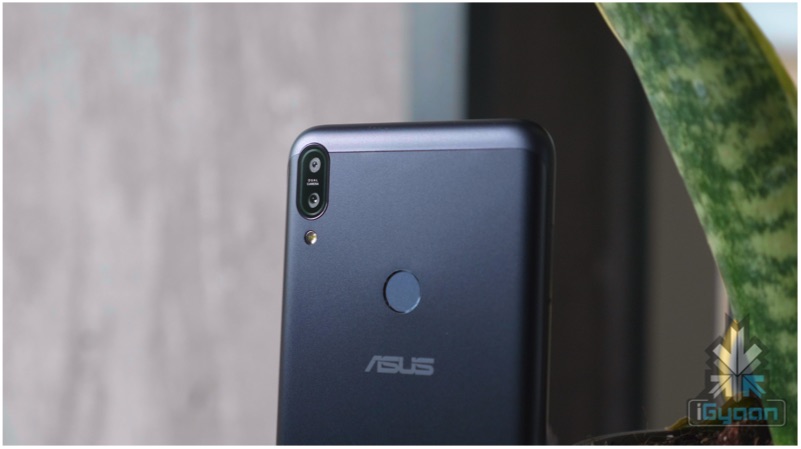
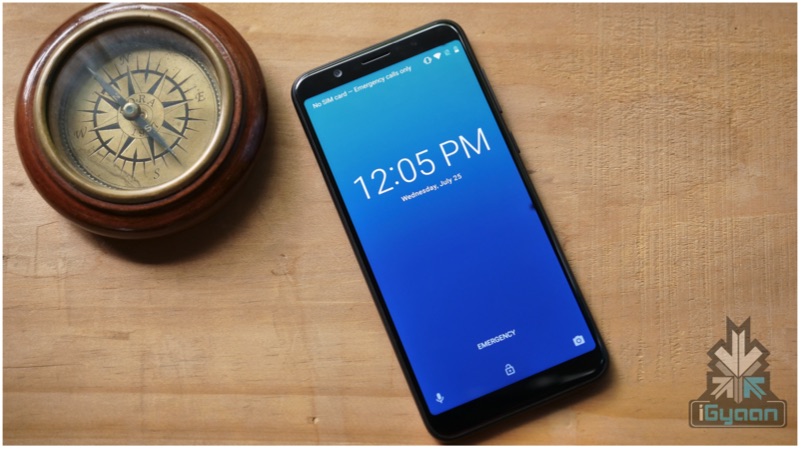
Asus launched the Zenfone Max Pro M1 in April. The company touted the smartphone as the device running on a completely stock version of Android 8.1 Oreo. During its initial launch, the smartphone only had two storage variants, a 3GB RAM with 32GB storage and 4GB RAM and 64GB storage. The company had promised to launch a 6GB variant of the smartphone, and it has finally delivered on its promise. The Zenfone Max Pro M1 with 6GB RAM will go on sale exclusively via Flipkart from 26th of July. Keeping in mind the track record of the previous sale, the 6GB variant may not last long. So those who were waiting for this variant should be on the for the smartphone on 26th July at 12 PM.
Zenfone Max Pro
Why A Zenfone Max Pro M1 With A 6GB Variant?
Asus launch of a 6GB variant of the Zenfone Max Pro M1 could have something to do with the competition. The Xiaomi Mi A2 which is another mid-range smartphone has a 6GB RAM variant. So, it was only natural for Asus to launch a mid-range smartphone with a 6GB RAM variant. Since the Zenfone Max was launched recently, the company decided to launch its additional variant.
What’s Changed With The Zenfone Max Pro M1 6GB Variant?
Apart from a new RAM and storage variant, a few other specifications have changed. The 6GB variant also has a new camera setup. The front-facing camera has a 16 MP sensor with f/2.0 aperture and a 5 MP sensor with a f/2.4 aperture. The older variants had a 13 MP and a 5 MP sensor. For the front facing camera, the 6GB variant has a 16 MP sensor as opposed to the 5 MP on the older variant. The new variant has the same 5.99-inch IPS LCD panel with a 2160 x 1080 px resolution and 18:9 aspect ratio as the older versions.
Zenfone Max Pro Display
Pricing And Availability
The Asus Zenfone Max Pro M1 with 6GB RAM and 64GB storage will go on sale in India via Flipkart on 26th July starting from 12 PM. The smartphone will cost Rs. 14,999. You can buy the smartphone via this link. The smartphone will compete with the likes of the Redmi Note 5 Pro, which has a similar spec sheet and price tag.
Honor has launched, what effectively is their update to the Honor 9 lite, the Honor 9N. The new phone from the company has a starting price of Rs. 11,999. Honor continues to stress the fact that smartphones don’t necessarily have to cost a lot to offer flagship-like features. The company plans on selling the smartphone exclusively via Flipkart from 31st July at 12 PM. We can expect this to be a flash sale so prospective buyers should be ready to place their orders as soon as the device is live on Flipkart. The smartphone will also be available on Honor’s own website.
Display And Design
The Honor 9N, while a mid-range smartphone, has impressive specifications and features. Starting with the display, the phone features a 5.84-inch Full HD+ 2160 x 1080 px screen. The display follows a 19:9 aspect ratio. The smartphone has a striking similarity to the Honor 9 Lite. One of the reasons for this could be that both devices belong to the same lineup. With the exception of a microphone, which sat between the rear-facing camera and LED flash in the Honor 9 Lite. In the case of the Honor 9N, the two microphones sit on the top and bottom of the device.
Honor 9N Display
Specifications
Honor 9N uses the EMUI 8.0 which is the company’s custom ROM based on Android 8.0 (Oreo). We can expect the phone to later be updated to Android 9. The smartphone is powered by the Kirin 659 chipset which is an octa-core SoC. Out of the eight cores, four run at 2.3 GHz and the other four at 1.7 GHz. The SoC has the Mali-T830 MP2 GPU in it as well. The smartphone also has three storage variants. The 3GB RAM and 32GB internal storage variant will cost Rs. 11,999. The 4GB RAM and 64GB variant will cost Rs. 13,999. And lastly, the 4GB RAM and 128GB variant will cost Rs. 17,999. The smartphone also has a microSD card slot allowing users to expand storage up to 256GB.
Camera
Huawei has been proactively implementing AI to its smartphones and the Honor 9N is no exception. The major area where the AI capabilities of the device will be evident is in the camera. The camera setup on the smartphone consists of a total of 3 cameras. The primary camera has a 13 MP sensor and 2 MP sensor. The secondary camera on the device is a 16MP sensor which the smartphone will also use for face-unlock.
The Honor 9N is yet another mid-range smartphone offering a neat design and a value for money performance. The current trend of mid-range smartphones goes out to show that you do not have to own a flagship in order to enjoy a similar experience. Smartphone manufacturers are making sure that users still get an uncompromising experience without having to spend a lot of money. Stay tuned to iGyaan for a full review of the smartphone. Here’s the link to buy the Honor 9N.
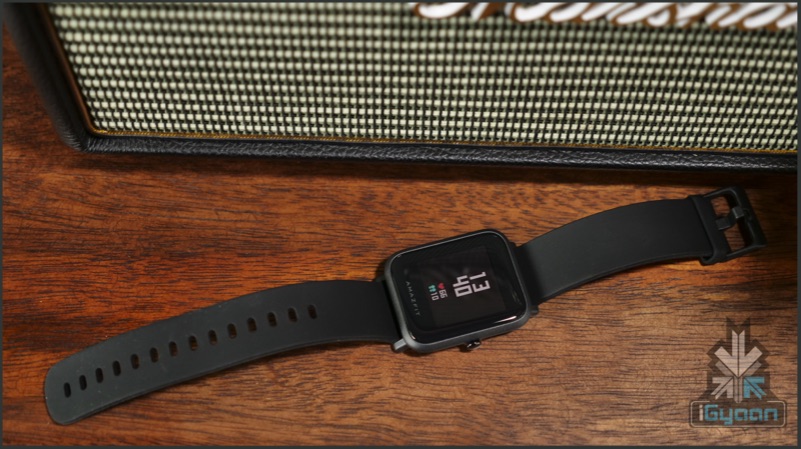
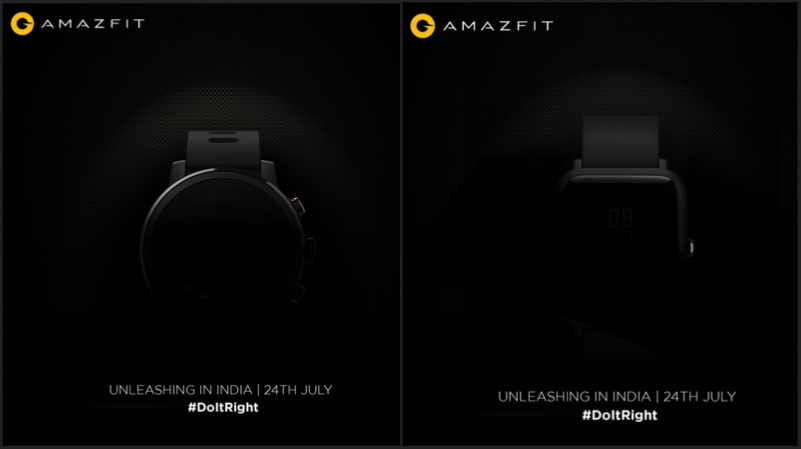
Ever since wearables became a trend, Xiaomi has been launching its own line of fitness bands and smartwatches. Huami is a partnered brand with Xiaomi, which made the Mi Fit, Mi Band, and the Amazfit smartwatches. The brand is now launching in India with two smartwatches. The Amazfit Bip and Amazfit Stratos are the two wearables launching on the 24th of July. Huami made an official announcement via Twitter regarding these smartwatches.
Huami Announcement
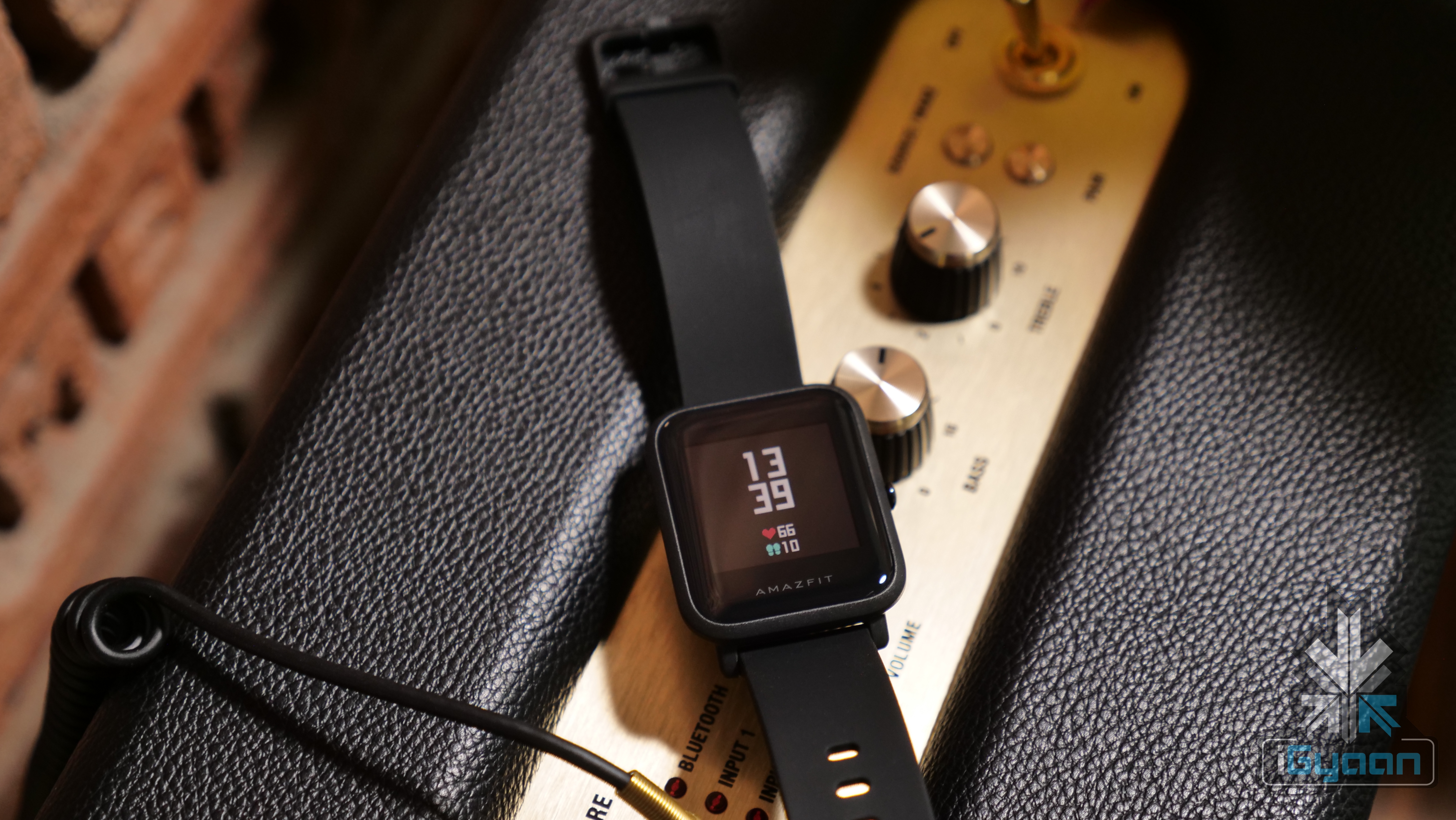
While the Amazfit Stratos follows a circular design, the Amazfit Bip has a more rectangular aesthetic. The Amazfit Bip has rounded corners, making it look similar to the Apple Watch. The strap found on both the smartwatches are rubberized.
The Amazfit Stratos is comparatively on the pricier side, as it costs about US $199.99 (Rs. 13,718.31 approx). Whereas the Amazfit Bip costs US $99 (Rs 6,785.96 approx). Naturally, the latter has a few corners cut in terms of specifications but the Bip still holds its ground with an IP68 rating and an array of sensors. Both smartwatches offer a lot of fitness tracking features and are compatible with both iOS and Android devices. The Huami Amazfit Bip and Stratos both use a proprietary OS.
Those who can’t wait for the devices to launch in India can directly order them from the US Amazon website. Considering the US price of these smartwatches are fairly competitive, we can expect the Indian prices to be relatively on the cheaper side as well. After their launch in India, we will give our final verdict on the price tags of the smartwatches. Given that the Indian market is already flooded with a plethora of fitness bands and smartwatches. On paper, both the Amazfit Bip and Amazfit Stratos look incredibly promising.
Are you going to buy a Huami smartwatch when they are available for sale? We are all ears in the comment section, do leave your feedback.
The year 2018 has given the world a ton of exciting new smartphones so far. With smartphones like the OnePlus 6 and Huawei P20 Pro, the anticipation of what’s to come in the future is really high. OnePlus managed to essentially sell more than Rs. 10 Crore worth of devices in the first ten minutes during the OnePlus 6 flash sale. Then the Huawei P20 Pro came in and disrupted the market with a triple camera setup. Naturally, we had to compile a list of the top upcoming smartphones in the next couple of weeks.
1. Oppo Find X
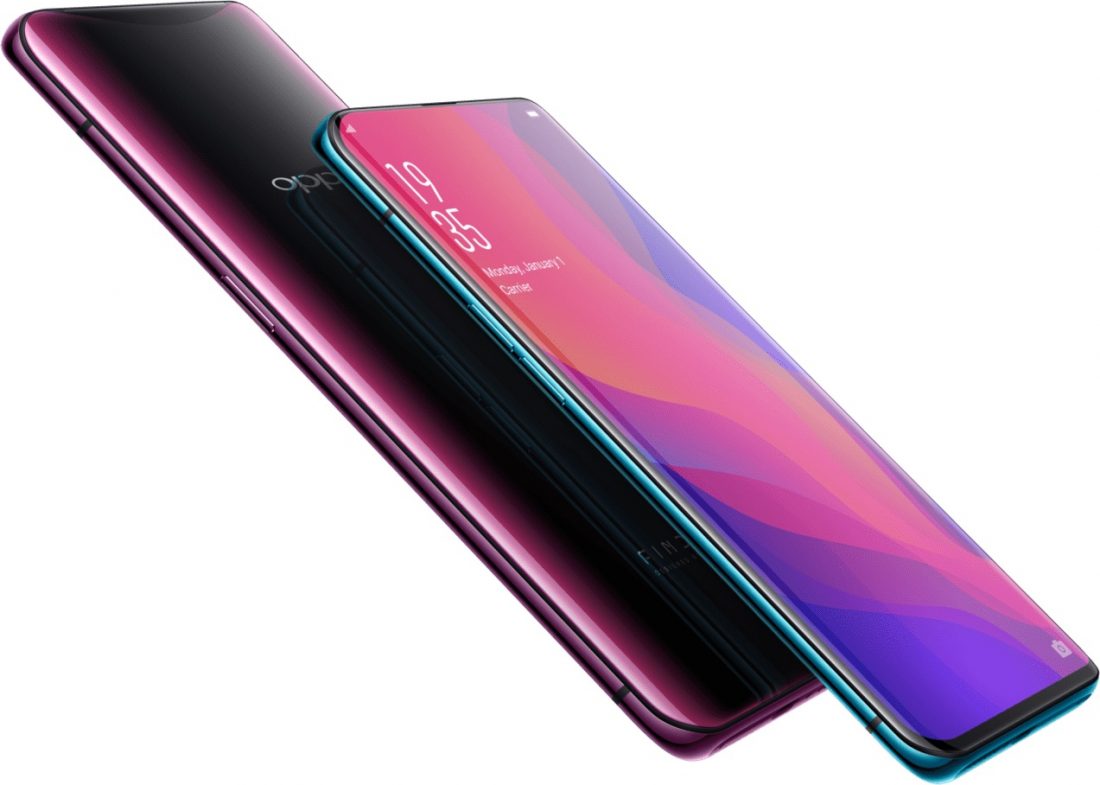
The Oppo Find X is expected to release in India on July 12th and is expected to have a hefty price of Rs. 78,500. Oppo has managed to catch a lot of attention with the Find X. Even though it is not the first device without a notch and an almost bezel-less a display, Oppo Find X is still an exciting smartphone.
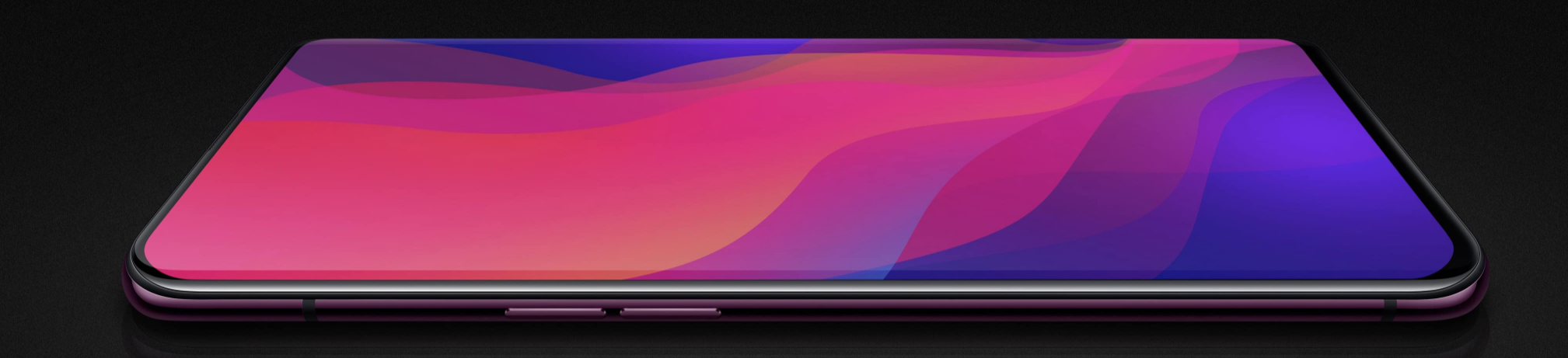
The way Oppo got rid of the notch, was by introducing a motorized part which eloquently hides the front and rear cameras. The Oppo Find X features a 6.42 inch 2340 x 1080 pixel display with an aspect ratio of 18.5:9. This translates to about 87% screen-to-body ratio.
The Oppo Find X runs on the Qualcomm Snapdragon 845 chipset along with the Adreno 630 GPU. The primary camera on the Find X is in the pop-up mechanism, consisting of a dual camera setup with a 16MP 1/2.6″ sensor and a 20MP 1/2.8″ sensor both with an f/2.0 aperture. The primary camera setup will have Optical Image Stabilization. The front facing selfie camera is also housed in the pop-up mechanism and is a 20MP sensor with an f/2.0 aperture.
The Find X has two colour variants namely, Bordeaux Red and Glacier Blue. The interesting design of the phone make it one of the most exciting and worth top upcoming smartphones this quarter.
2. Vivo NEX
Vivo NEX
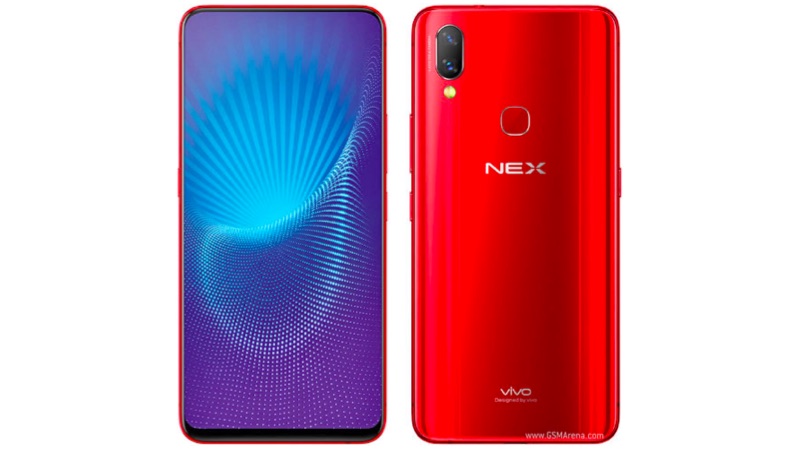
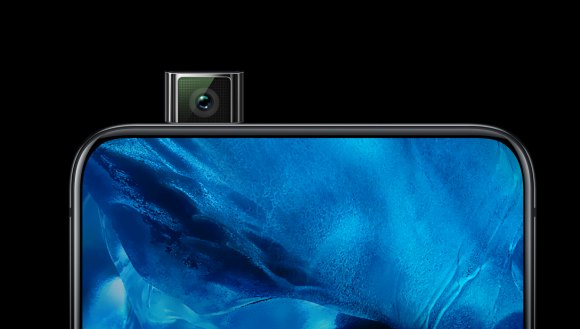
The Vivo NEX with a similar pop up camera design is expected to launch on 19th July in India starting at a considerably lower price Rs. 47,999. The Vivo NEX is yet another smartphone with an almost entire screen at the front of the device. Here, it uses the same concept of a motorized part for the camera only to achieve a notch-free and a nearly bezel-less display much like the Oppo Find X above. However, Vivo decided to only house the front-facing camera which comes out of the top of the phone and slides back in when not in use.
Vivo Nex With Camera Deployed
The Vivo NEX features the Qualcomm Snapdragon 845 chipset which is paired with the Adreno 630 GPU. The smartphone sports a Super AMOLED 6.59 inch 2316 x 1080 pixel display with an aspect ratio of 18:9.
The camera setup on the Vivo NEX consists of dual 12MP and 8MP camera with f/1.8 and f/2.4 aperture respectively. The secondary camera is a single 8MP sensor with f/2.0 aperture. The primary camera on this device also features OIS. A motorized part in a portable device is a risky move, regardless, the Vivo NEX is still one of the most exciting upcoming smartphones.
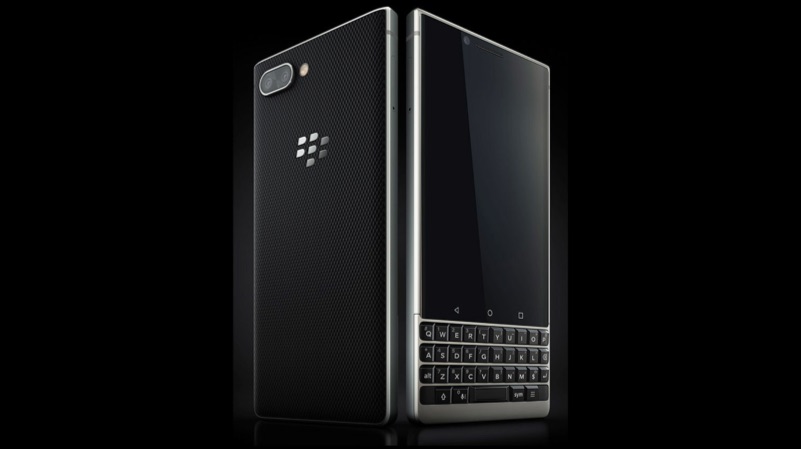
The BlackBerry Key2 is all set to go on sale from 13th July in the United States and is expected in India Mid-End July. BlackBerry launched the Key2 on June 7th after the KeyOne incurred a price cut. This is again among the exciting upcoming smartphones, and the only modern smartphone with a full physical QWERTY Keyboard.
The BlackBerry Key2 has a 4.5 inch 1620 x 1080 pixels IPS LCD display with an aspect ratio of 3:2. The Key2 is expected to launch in two storage variants; 64GB or 128GB paired with 6GB of RAM. The processing speed is provided by the Qualcomm Snapdragon 660 chipset and the Adreno 512 GPU, faster than the SoC of the KeyOne. The Key2 sports a relatively large 3,500 mAh battery. An exciting option for those who love tactile feedback.
After being surrounded by rumors and speculations, the Nokia X6 is finally launching Globally on 19th July and is expected to come to India soon after. It could be among the top upcoming smartphones of this month. Nokia has tapped into the notch trend with the X6. Despite its premium look, the Nokia X6 was launched in China at a rather affordable CNY 1,499 ( Approx Rs. 15,500). Hopefully Nokia will keep similar pricing for global and Indian launches.
The Nokia X6 has a 5.8 inch IPS LCD display with 2280 x 1080 pixels and a 19:9 ratio. Because of the notch, the screen to body ratio of the Nokia X6 is approximately 80.3%. The device runs the Qualcomm Snapdragon 636 chipset and the Adreno 509 GPU. Powering the phone is a 3,060 mAh Li-ion battery.
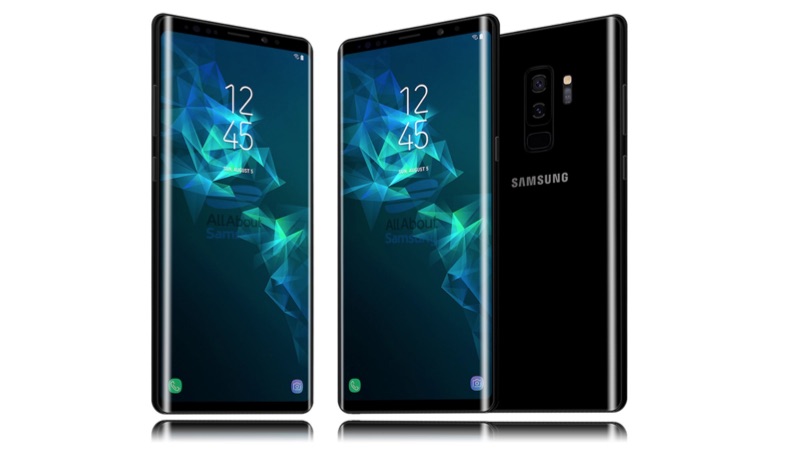
Samsung is ready to launch a new smartphone in its Galaxy Note lineup. The Galaxy Note 9 is expected to arrive on 9th August and it is also one of the top upcoming smartphones. According to some reports,the Note 9 will follow the Note 8 in the design department but, there could be some minor changes in its aesthetics.
As suggested by the Twitter user Ice Universe, the S Pen for the Galaxy Note 9 could be first of its kind with Bluetooth connectivity and will users to control long-range self-timer, control music playback.
We can expect that the Galaxy Note 9 will have a 6.4 inch Super AMOLED display with at least 2960 x 1440 pixel resolution and an 18.5:9 aspect ratio, similar to the one found on the galaxy Note 8. Ice Universe also speculated that the Galaxy Note 9 will pack a 4,000 mAh battery.
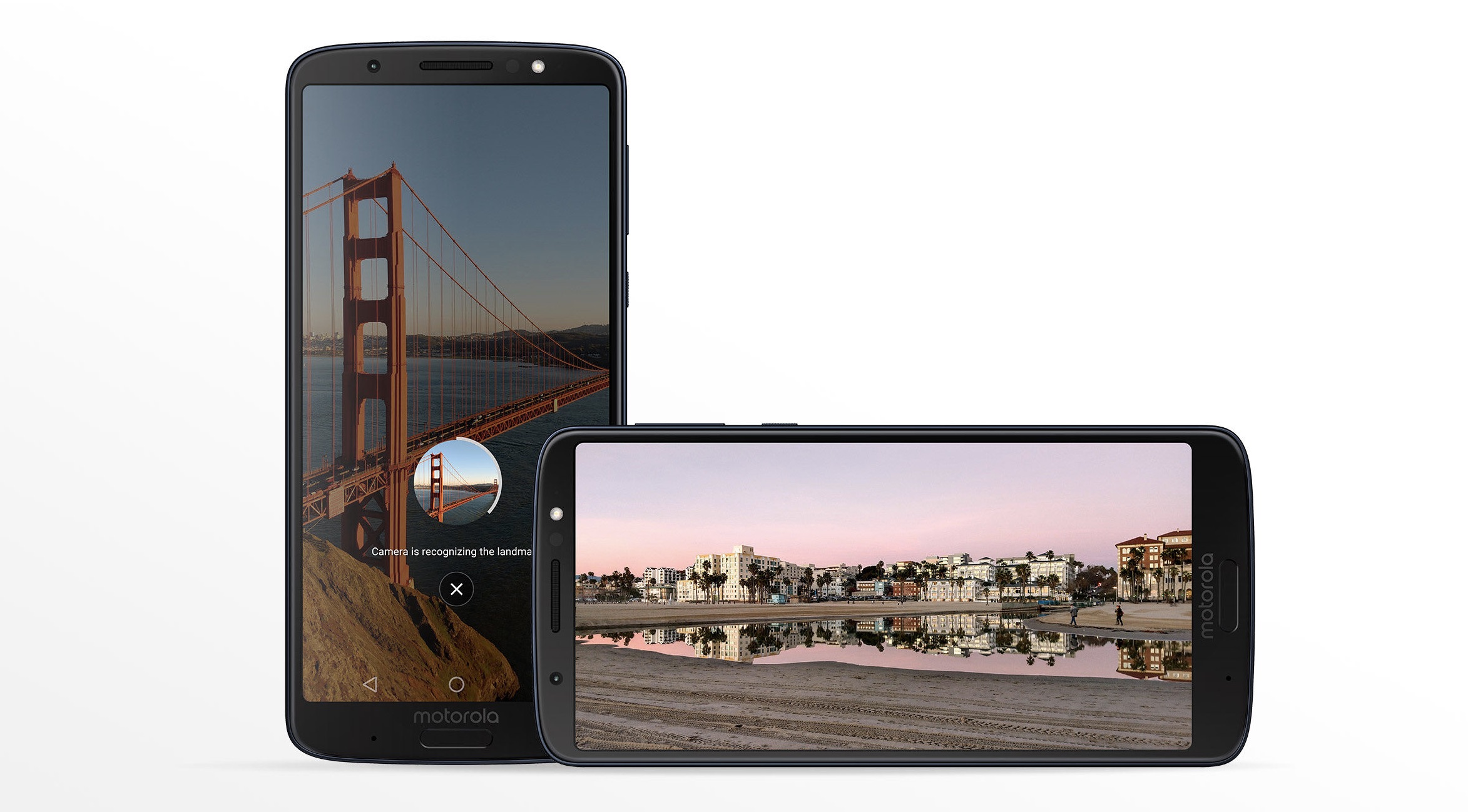
Motorola claims that it has sold over 70 million G series phones worldwide and now the company is planning to release yet another G series phone in India, the G6 Plus. The phone is expected to be launched end July.
The Moto G6 Plus has a 5.9 inch IPS LCD display with a 2160 x 1080 pixels and an aspect ratio of 18:9. The Moto G6 Plus might launch in two variants in India, one with 4GB RAM and 64GB internal storage and the other with 6GB RAM and 128GB internal storage. The SoC on the G6 Plus 6GB variant is allegedly going to be the Snapdragon 660 ( for the Indian market) along with the Adreno 512 GPU.
The innovation in the smartphone industry has picked up the pace in the recent years. If 2018 is anything to go by, then the next few years will be very exciting for any smartphone enthusiast. So, stay tuned to iGyaan to also catch the latest tech news and trends.
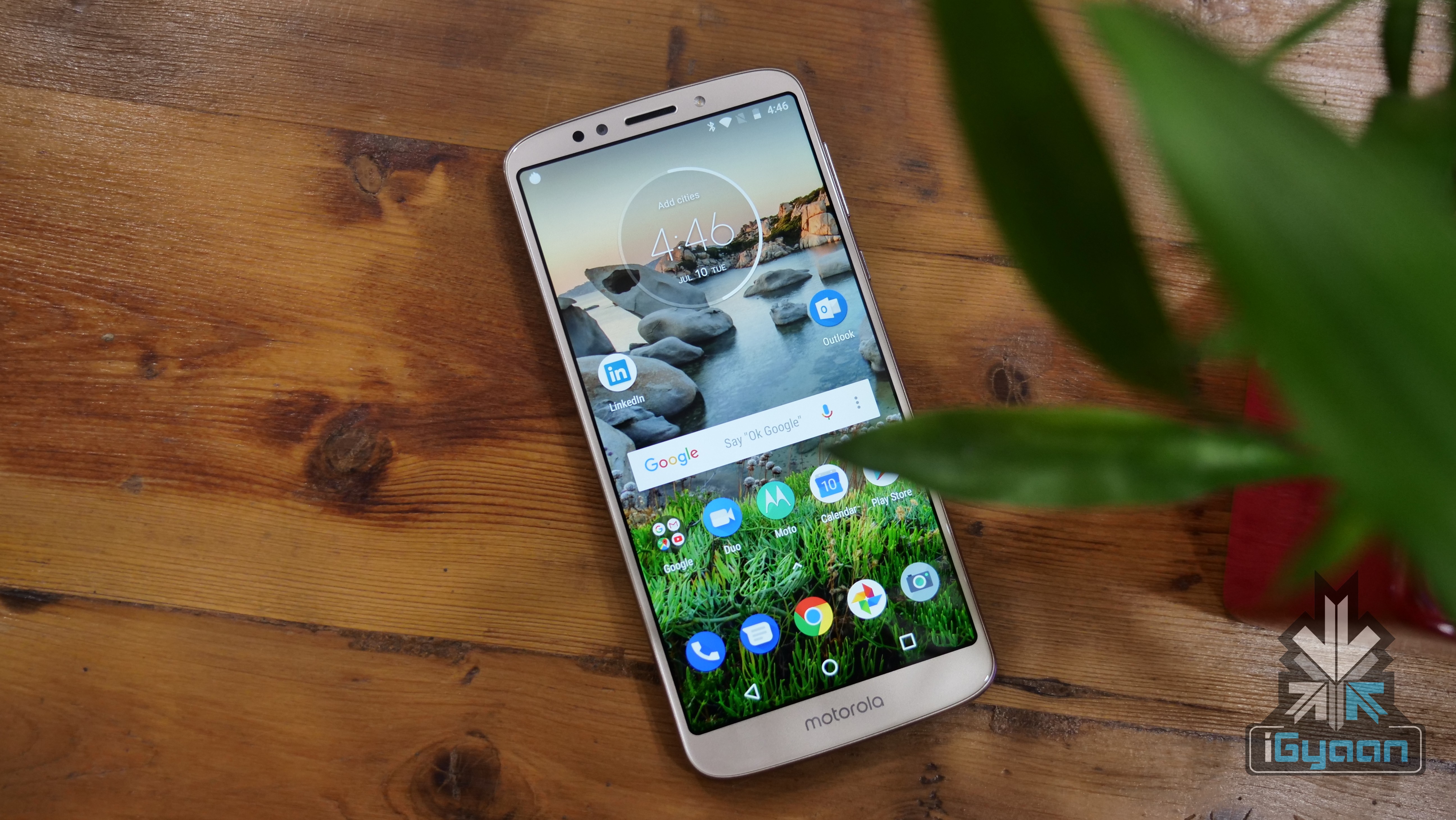
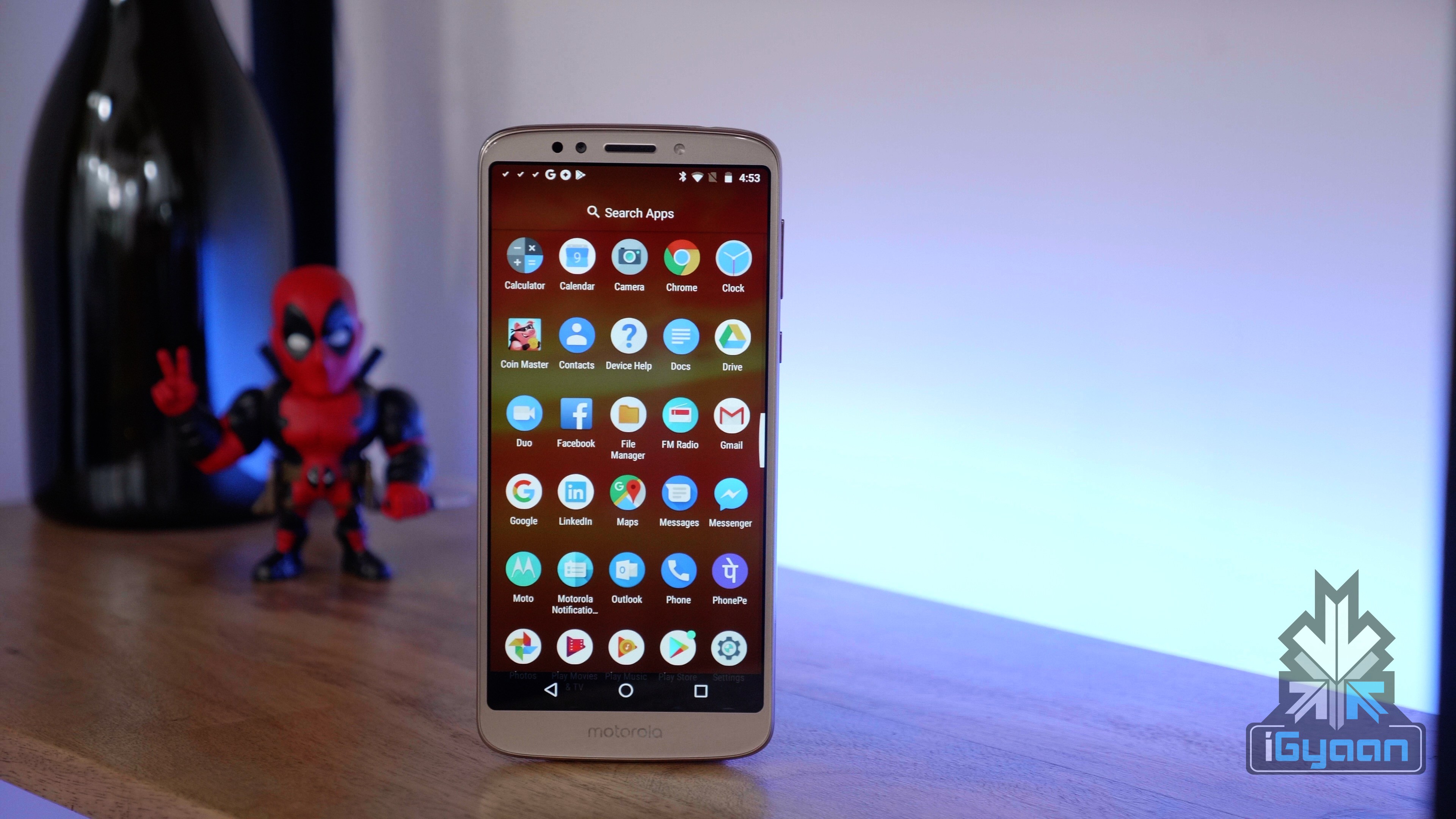
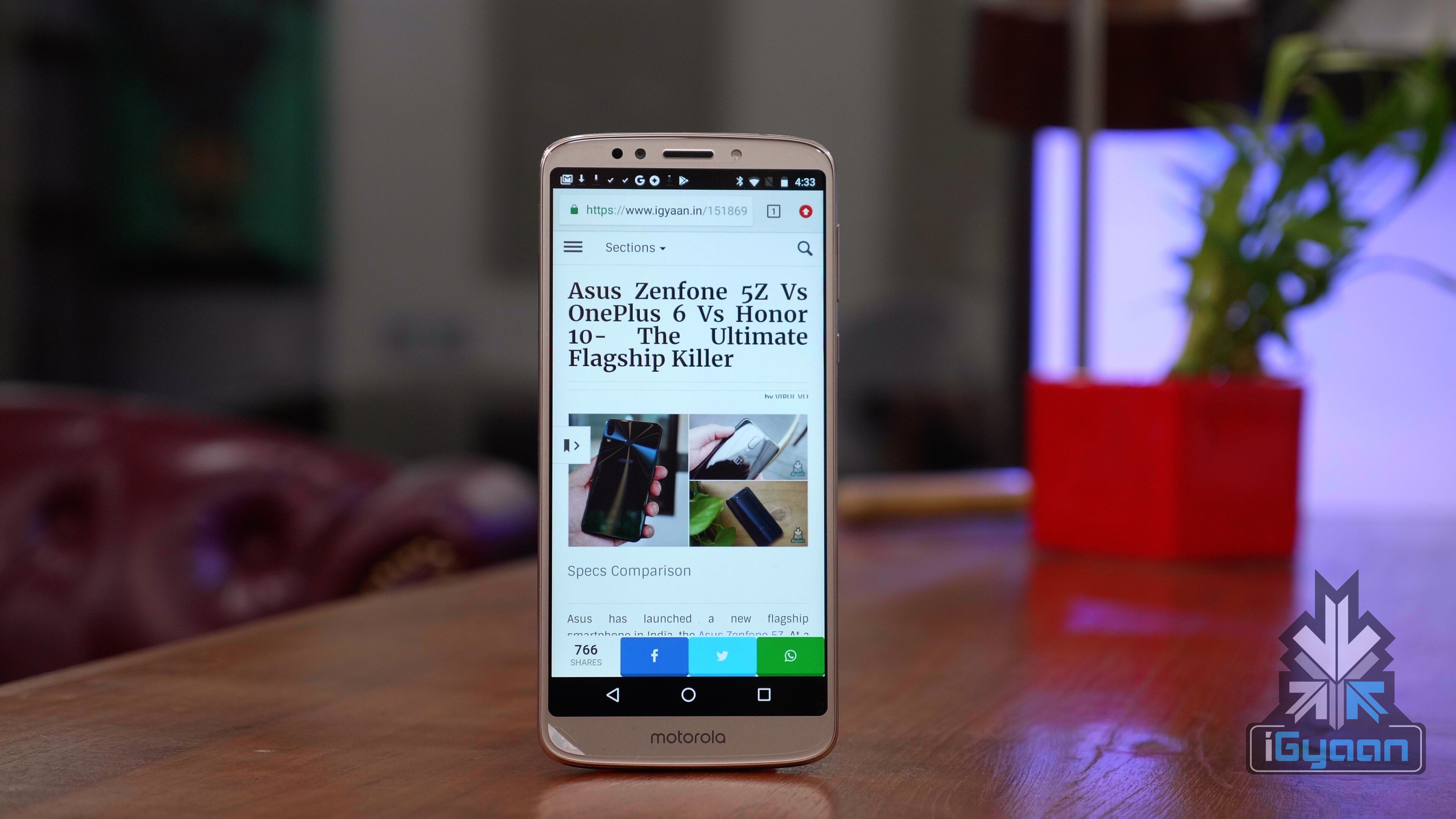
Motorola has launched another device in the E series of its smartphone lineup. The Moto E5 Plus is priced at Rs. 11,999and is expected to go on sale via Amazon on 11th July at midnight. This smartphone will be competing against the likes of Asus Zenfone Max Pro and the Realme 1.
After releasing the Moto G6 Play, the Moto E5 Plus also targets the same price segment. The factors setting the E5 Plus apart are a bigger battery and a slightly bigger screen at 6 inch display compared to the 5.7 inch display of the G6 Play.
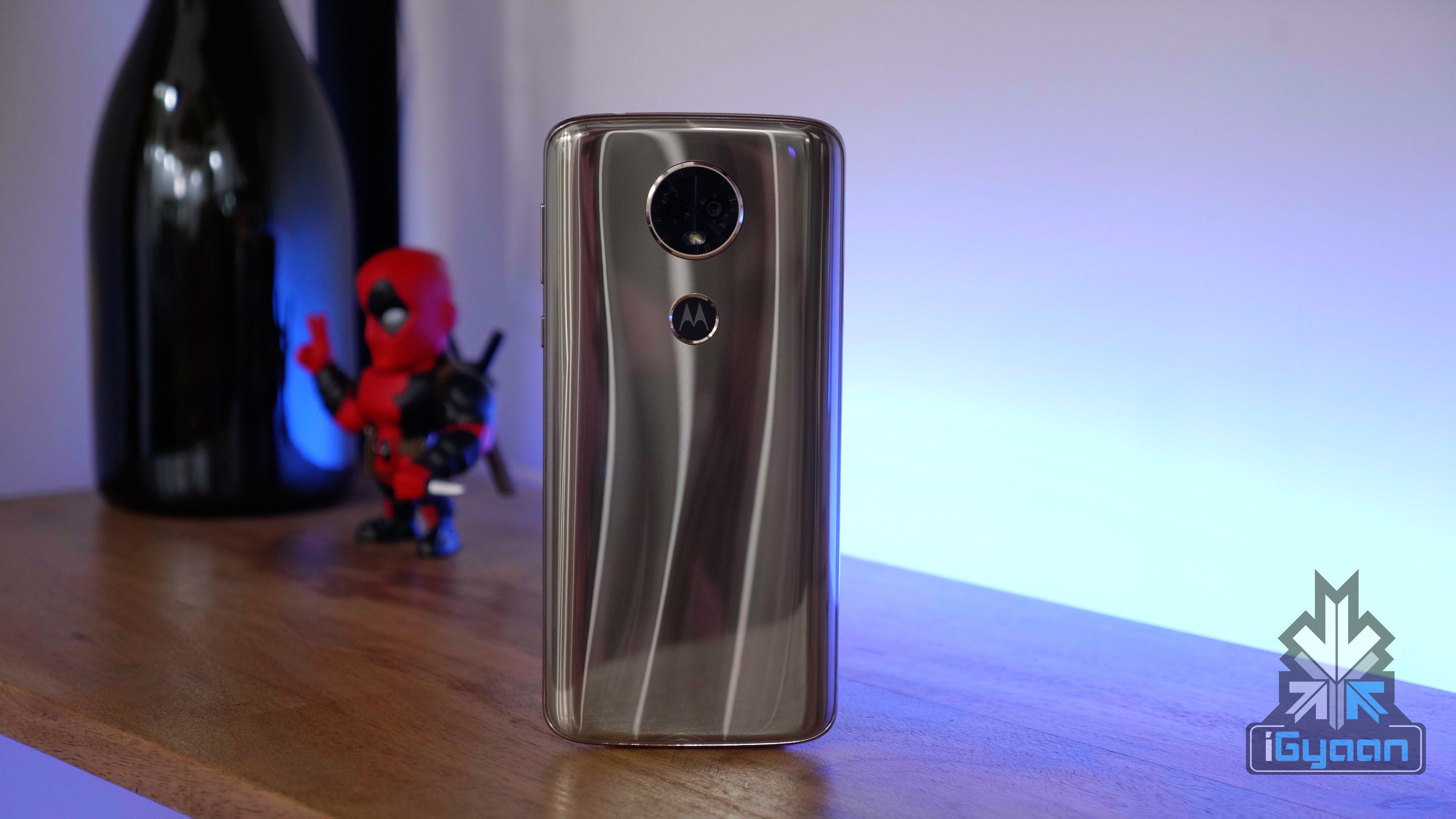
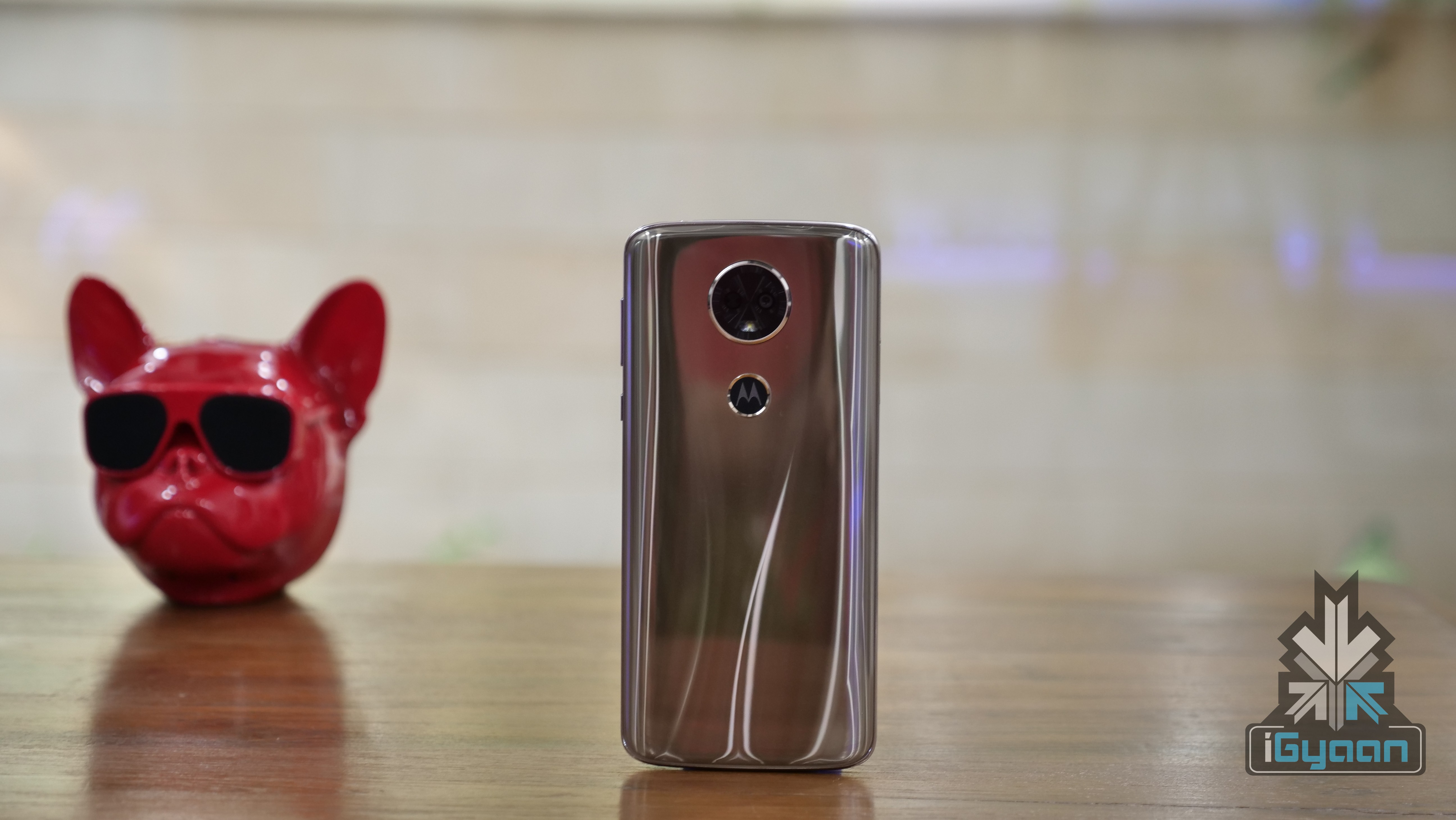
The Moto E5 Plus looks a lot like the G6 when you take the device out of the box for the first time. Even with a plastic built, the E5 Plus gives off a subtle shimmer when put under a direct light source giving it a premium feel. The smartphone is expected to release in two color variants namely, Black and Fine Gold.
The E5 Plus has a plastic body with a mirror-like finish for the rear panel. Surprisingly enough, Motorola still hasn’t opted for the notch trend. Regardless the phone maintains the 2018 display aspect ratio. The Moto E5 Plus has a 6 inch IPS LCD panel with a resolution of 1440 x 720 pixels. The aspect ratio of the display is set to be 18:9 given that the phone has no notch.
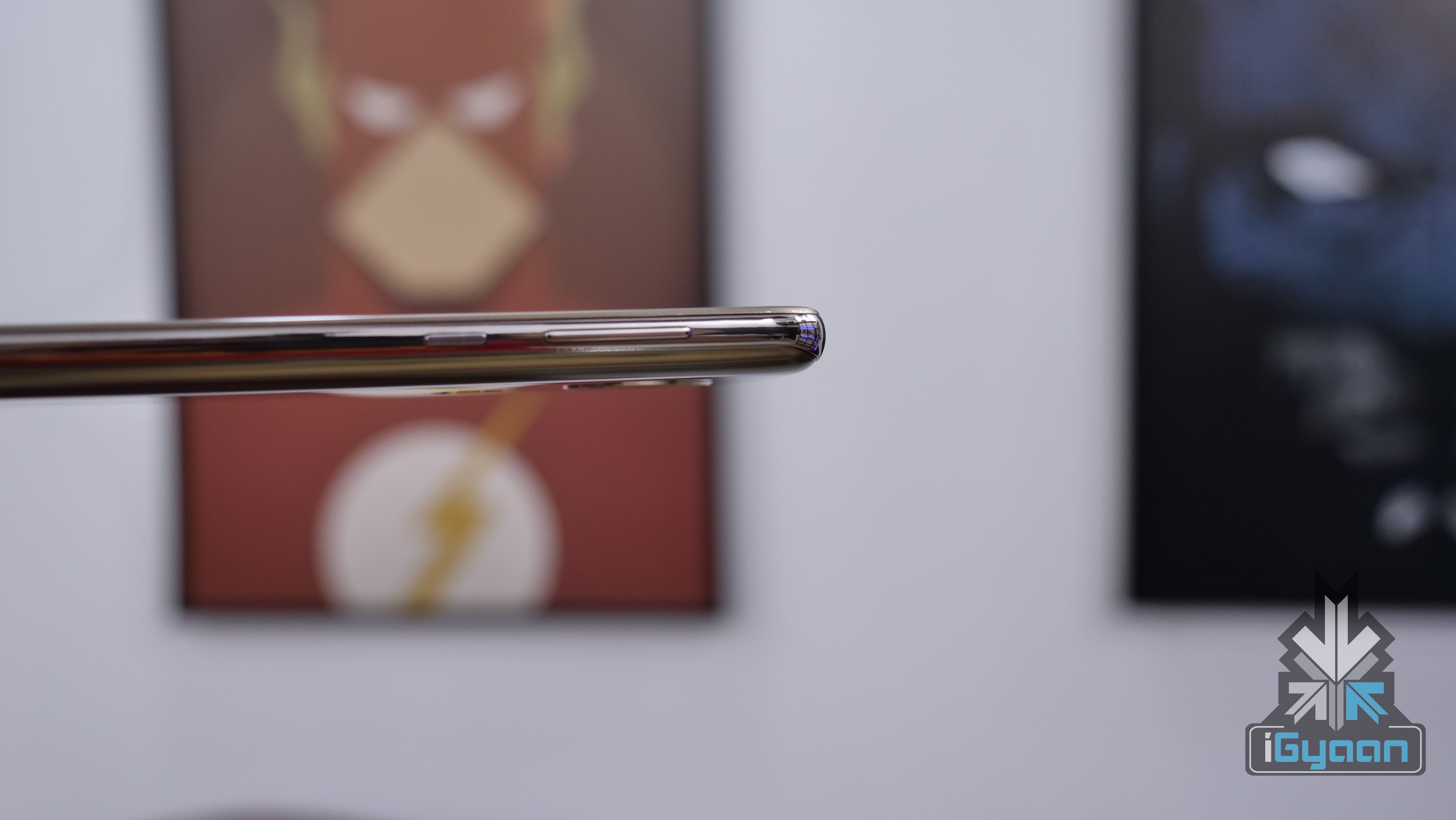
On the right side of the phone, you will find the volume rockers and a textured power button which sets it apart from the volume rockers. To the left is where you will find the SIM tray. The bottom panel houses the Micro USB charging slot and the primary microphone. The top of the phone has the 3.5 mm headphone jack and the secondary microphone.
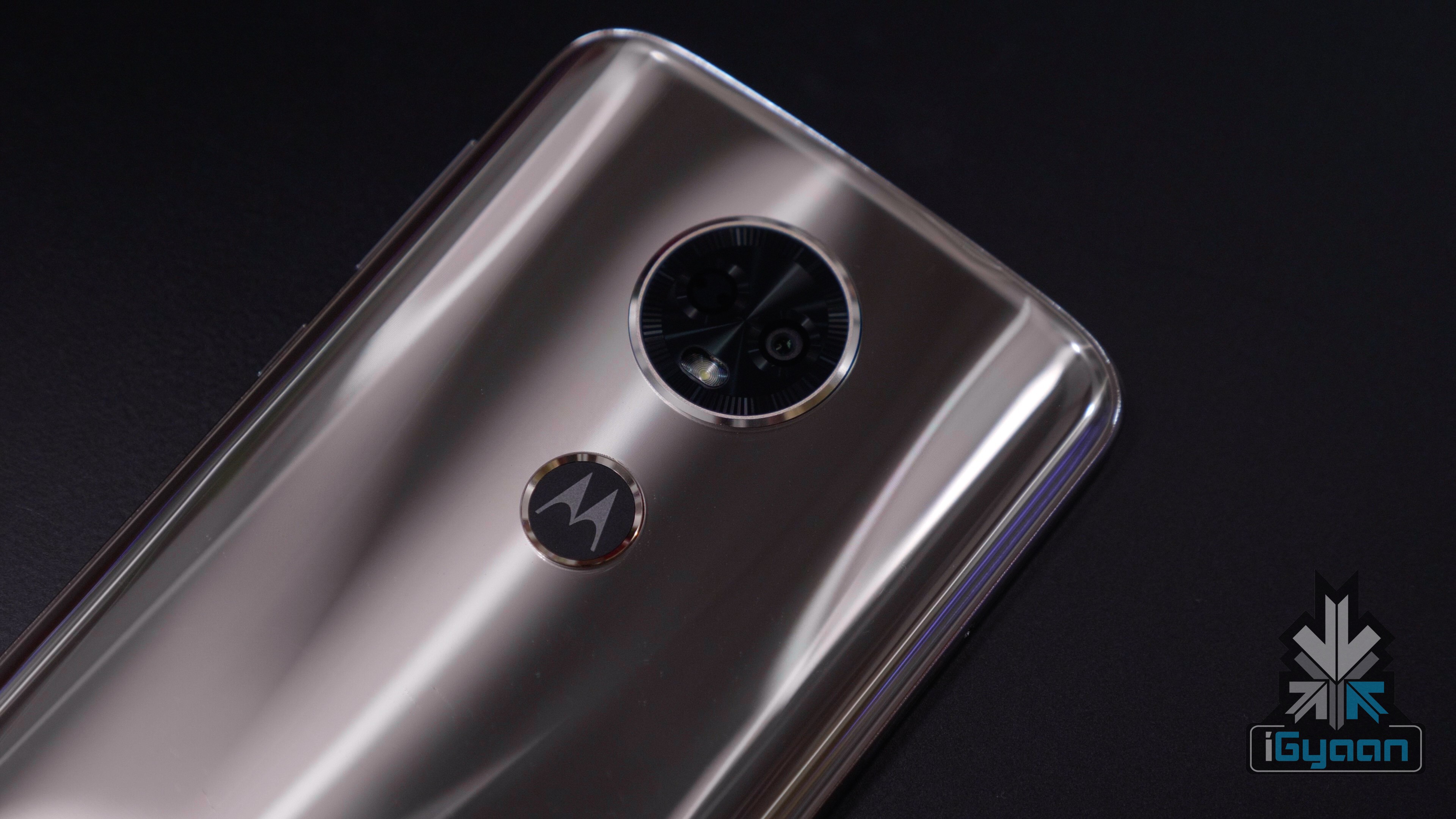
The E5 Plus runs on a Snapdragon 430 SoC under the hood which is an octa-core processor running at 1.4 GHz. The smartphone will be available in one variant only, with 3GB of RAM and 32GB of onboard storage with a dedicated microSD card slot for memory expansion. The fingerprint sensor on the Moto E5 Plus is rear-mounted and has the Motorola logo embossed into it giving the sensor a unique look.
The Moto E5 Plus has a single primary 12 MP camera with a f/2.0 aperture which allows you to shoot 1080p videos at 30fps. The secondary camera will be a 5MP camera with a f/2.0 aperture with a front-facing LED flash. The US version of the device will have an 8 MP secondary sensor.
[section label=”Conclusion”]
The Moto E5 Plus has a lot going for it. It has an impressive battery and it looks premium. However, at a price of Rs 11999, the Indian market already offers devices like the Realme 1 and Asus Zenfone Max Pro. The Zenfone Max Pro, in fact, also has a 5000 mAh battery all the while running on the Snapdragon 636 chipset. The E5 Plus, without a doubt, has stiff competition in its price category. We will be putting the E5 Plus through its paces for the full review so stay tuned to iGyaan for that.
The E5 Plus has a plastic body with a glass finish for the rear panel. Surprisingly enough, Motorola still hasn’t opted for the notch trend. Regardless the phone maintains the 2018 display aspect ratio. The Moto E5 Plus has a 6 inch IPS LCD panel with a resolution of 1440 x 720 pixels. The aspect ratio of the display is set to be 18:9, given that the phone has no notch.
The E5 Plus runs on a Snapdragon 430 SoC under the hood which is a quad-core processor running at 1.4 GHz. The smartphone will be available in one variant only, with 3GB of RAM and 32GB of onboard storage with a dedicated microSD card slot for memory expansion.
The fingerprint sensor on the Moto E5 Plus is rear-mounted and has the Motorola logo embossed into it which gives the sensor a unique look.
The Moto E5 Plus has a single primary 12 MP camera with a f/2.0 aperture which allows you to shoot 1080p videos at 30fps. The secondary camera will be a 5MP camera with a f/2.0 aperture with a front-facing LED flash. The US version of the device will have an 8 MP secondary sensor.
The Moto E5 Plus enters a market segment where smartphones like the Asus Zenfone Max Pro and the Realme 1 are already available, while the E5 Plus has a glass finish over a plastic body. Considering the price segment for which the device is being launched, the smartphone sure packs a lot of punches all the while cutting necessary corners. We already have an unboxing video for the device and will give a final verdict in the full review.
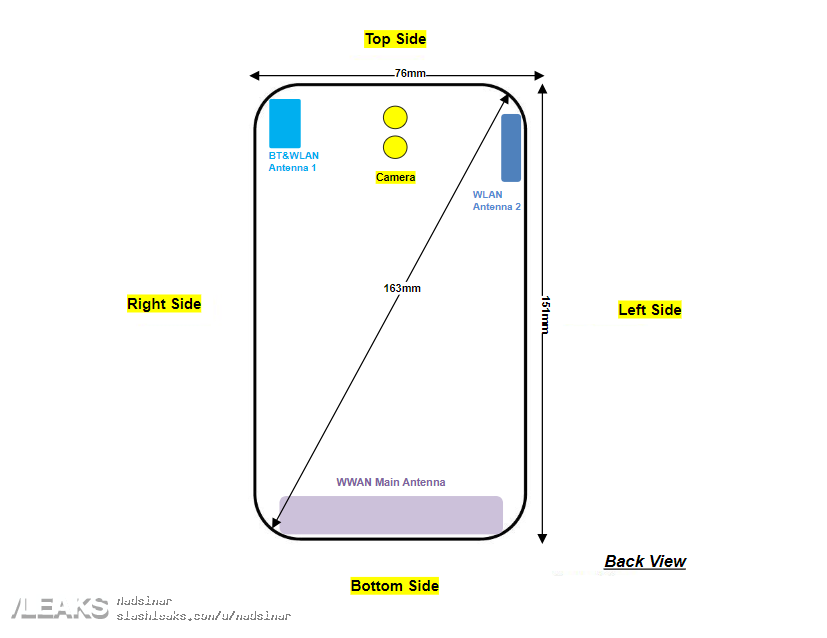
Xiaomi is ready to unveil yet another smartphone globally and the rumor is, that the launch will be for India first. Xiaomi is currently one of the leading smartphone brands in India, this new flagship, according to the leaks, is code-named Beryllium. This phone is expected to have the Qualcomm Snapdragon 845 SoC, making it the third phone from the Chinese manufacturer to feature this chipset. The FCC filing of a similar device reveals that Xiaomi may call this the “Xiaomi Pocophone”.
Xiaomi is known for using code-names for its devices, for instance, the Xiaomi Mix 2s was code-named “Polaris” and the Mi 8 launched on 5th June in China, was code-named “dipper”.
Since Xiaomi has kept the device under wraps, not much is known about it but, the speculations suggest that the smartphone may have a notch display. Not unlike the current smartphone trend. The notch would give the phone at least an 18:9 aspect ratio. The specifications of this Xiaomi device were extracted from the firmware files of the MIUI Global ROM. There is a high likelihood, however, that the specifications may vary when the device is officially launched. Regardless, the following are the alleged specifications of Beryllium as found on a post on XDA Developers.
After the launch of a flagship under the Black Shark name, the Chinese manufacturer has trademarked yet another brand by the name “POCOPHONE”. This could mean that Beryllium may launch under this brand name.
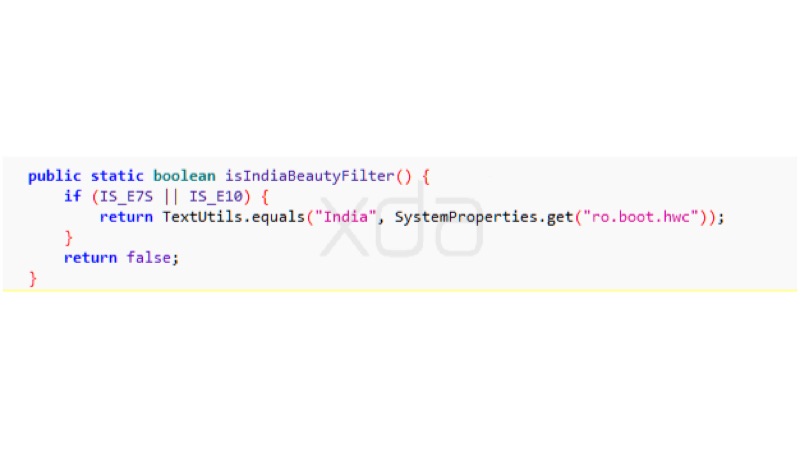
For the Indian customers looking forward to a new flagship from Xiaomi, there is another piece of information which was extracted from the firmware code which may be found only in the Indian variant of the device. The following is a snippet which shows the same. This code checks certain build properties and would return a true value only if it is “India”.
Most of the information about the smartphone is speculated and there has been no official word from the company about its global or even Indian release date for that matter. But we will be keeping an eye out for any further details for the device so stay tuned.
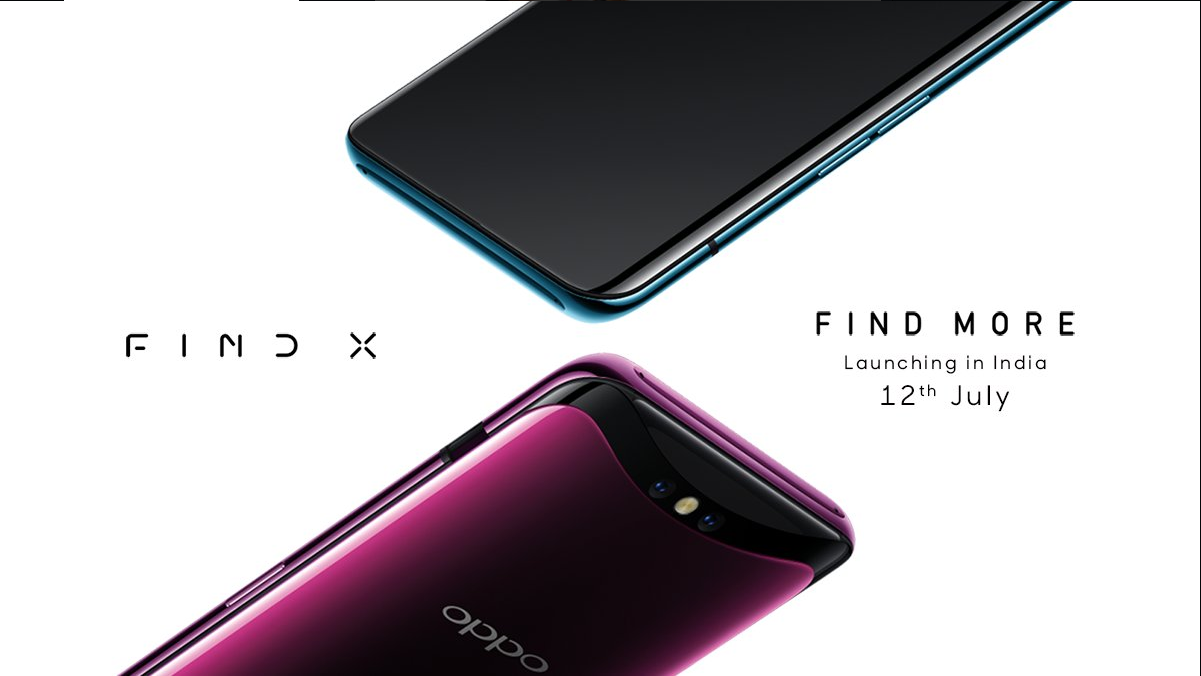
A truly bezel-less smartphone is the dream we all have. We have seen smartphones mimicking the look of a bezel-less smartphone but, we are still quite a distance away from that sweet 100% screen-to-body ratio. But, that doesn’t mean smartphone makers aren’t making advancements toward that future. OPPO, the popular Chinese smartphone maker is the new entrant to the race for the highest screen-to-body ratio with the OPPO Find X. The unique smartphone was recently launched in China and is set to launch in India on July 12th.
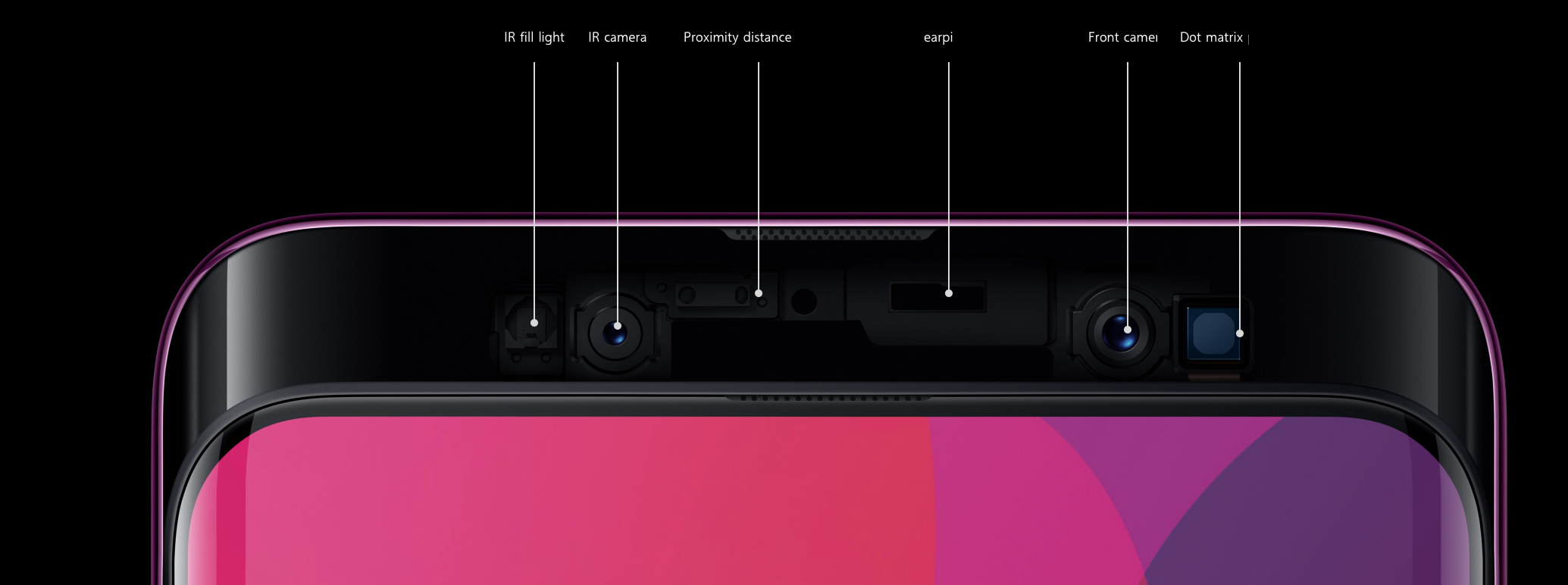
The highlight of the OPPO Find X is its design. To achieve a high screen-to-body ratio, the company decided to move the front camera behind the display. However, we still don’t have the technology to embed a camera under the display. To counter that, the company took a page from the Vivo NEX S handbook and went for a pop-up camera. However, unlike the NEX S, the pop-up mechanism houses both the front camera and a rear facing dual camera setup.
Face Unlock Mechanism
Interestingly, the OPPO Find X misses out on a fingerprint sensor. It instead uses Face Unlock which is a bit more advanced than the software-based Face Unlock found on modern day devices. This means that the camera would pop-up a lot more than the NEX S. Hence, the durability of the mechanism can be questioned. OPPO conceded that the pop-up mechanism was tested to 300,000 slides, and the company says that the average person unlocks their phone 100-150 times a day. This means that durability won’t be an issue for at least 5 years.
With the slider doing the bulk of the heavy lifting usually dedicated to the bezels, the front of the smartphone is almost entirely made of a 6.4 inch OLED display with a 2160 x 1080 px resolution. The company claims that the screen-to-body ratio stands at 92.5%.
Under the hood, the smartphone runs on the Qualcomm Snapdragon 845 chipset coupled with 8GB of RAM and 256GB of storage. Powering the smartphone is a 3730 mAh battery with support for VOOC fast charging. Out of the box, the smartphone will run Android 8.1 Oreo with ColorOS 5.1 on top of it.
The sliding module houses a 16MP and a 20MP rear facing dual camera setup. The smartphone is capable of recording 4K videos at 30fps but, we know that the chipset can handle 4K videos at 60fps. The camera on the front is a 25MP sensor with an f/2.0 aperture.
The OPPO Find X retails in Europe for 999 Euros which translates to about Rs 80000. However, that is not how the pricing of smartphones is done and the device could launch at a lower price in India. The pricing will be announced at the launch event is just a few days.
Asus has launched the Zenfone 5Zin India at a starting price of Rs 29999. The new affordable flagship smartphone will be sold via Flipkart exclusively and go on sale on 9th July. It is worth noting that there is a flat Rs 3000 discount upon using an ICICI Credit/Debit card, bringing the price down to Rs 26999 for the base model. The Asus Zenfone 5Z enters India’s affordable flagship segment and will be up against the likes of OnePlus 6and Honor 10.
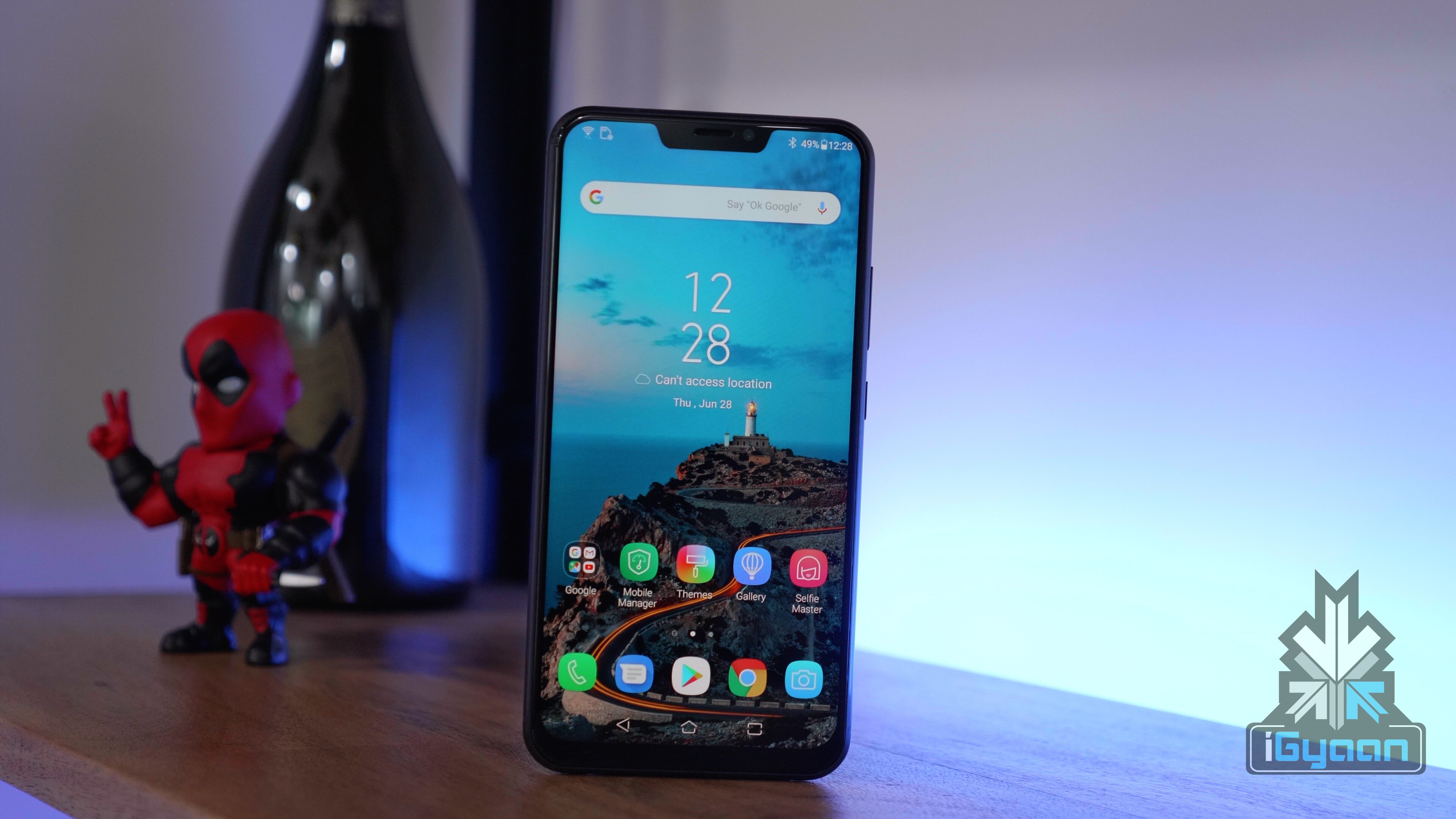
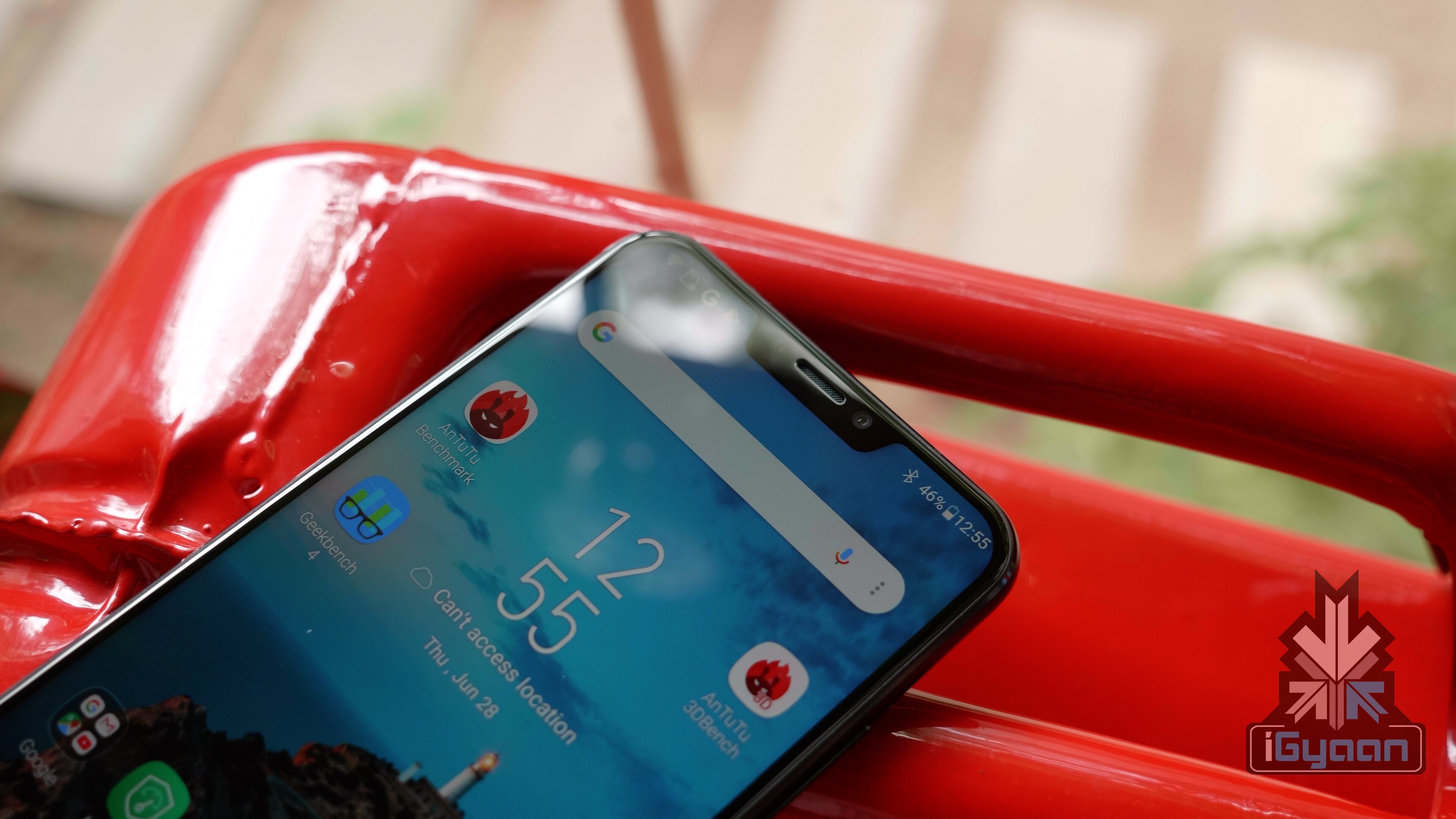
The Zenfone 5Z has all the makings of a flagship smartphone of 2018. The infamous notch also makes an appearance on the device. The notch, unlike the Xiaomi Mi 8, does not have any special sensors housed inside. The notch, however, allows the company to use a bigger display without drastically increasing the overall footprint of the smartphone.
The Asus Zenfone 5Z has a 6.2 inch Super IPS+ display with a 2246 x 1080 px resolution. This translates into a 19:9 aspect ratio, just like the OnePlus 6 which also has a 19:9 aspect ratio. With so many different aspect ratios prevalent in the market, it will become harder for content creators to cater to everyone’s needs.
Under the hood, the smartphone runs on the Qualcomm Snapdragon 845 chipset. The flagship chipset is coupled with either 6GB or 8GB of RAM. In India, the Zenfone 5Z will retail in three models, one with 64GB of storage, the second one with 128GB storage coupled with 6GB of RAM. The third variant has 256GB of onboard storage and 8GB of RAM. The onboard storage will be expandable up to 2TB via a microSD card which will use up the second SIM slot.
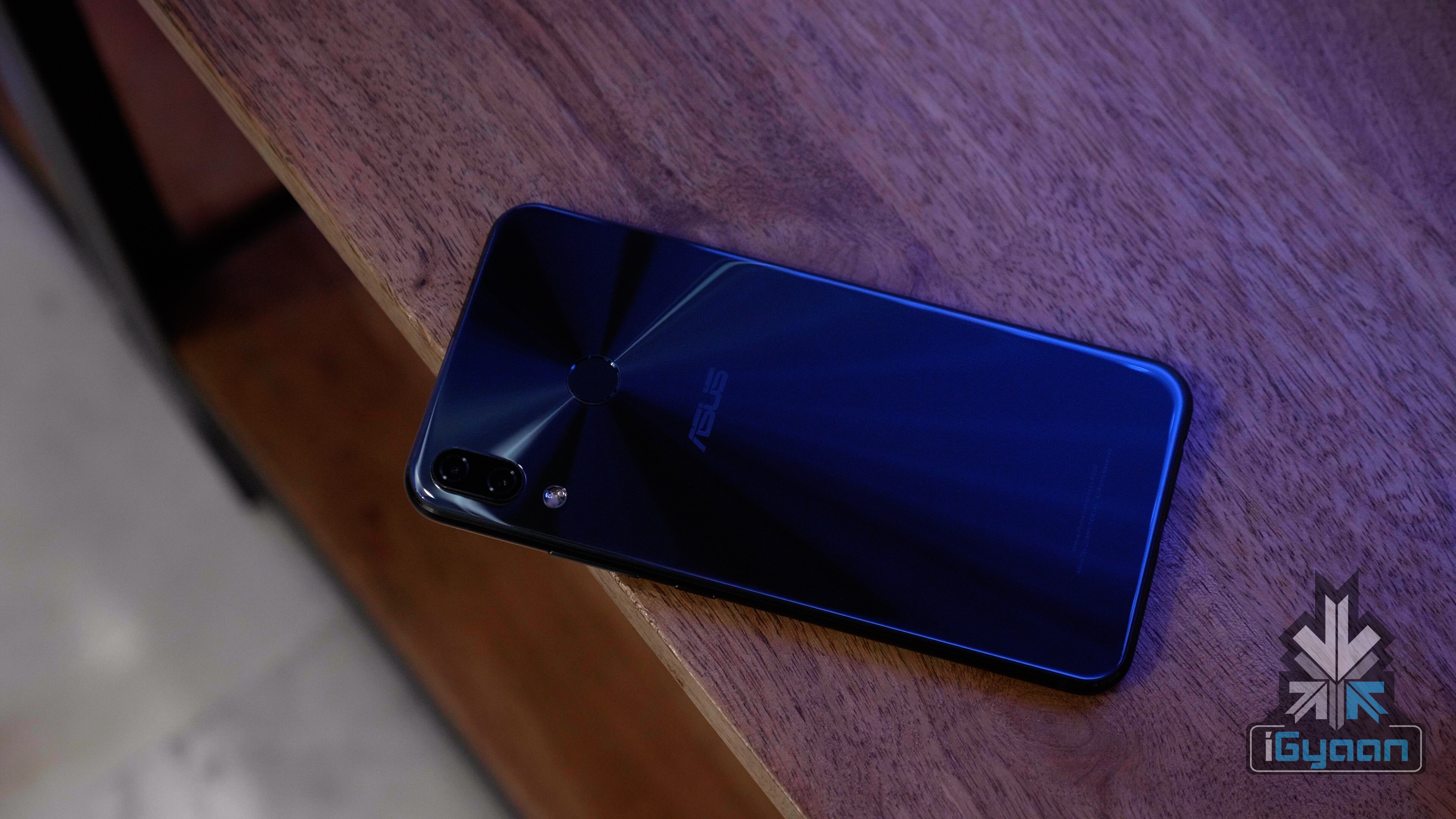
The fingerprint sensor is placed on the back of the device in a central location. The company also spoke about the ZenEar Pro earphones which will be included in the retail box. This is something most affordable flagship devices don’t include in their packaging and Asus has in fact, claimed that its earphones are of premium quality.
As is with a flagship device these days, the Asus Zenfone 5Z has a dual-camera setup on the back. It consists of a 12MP primary sensor with an f/1.8 aperture and 4-axis OIS. The secondary 8MP sensor has a wide-angle lens with a 120º field of view. This implementation is different from a lot of other flagship devices which usually have a telephoto or a monochrome lens. The OnePlus 6, for example, has two RGB sensors. The notch houses an 8MP camera with an f/2.0 aperture and an 84º field of view.
The Zenfone 5Z has all the features of a flagship smartphone. Moreover, it severely undercuts the OnePlus 6 and Honor 10 in terms of pricing. The OnePlus 6 retails for Rs 34999 while the Honor 10 is priced at Rs 32999. At a starting price of Rs 29999, the Zenfone 5Z gives consumers a lot to think about before buying their next flagship smartphone.
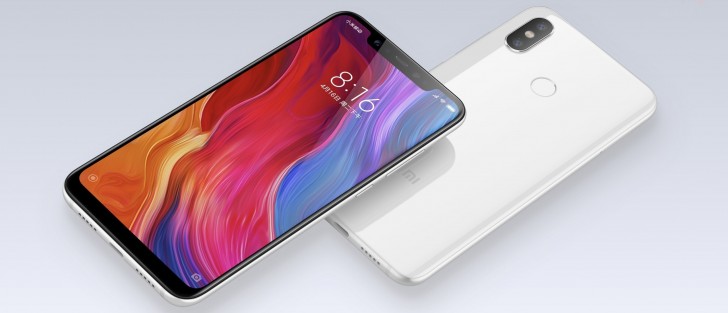
The Xiaomi Mi 8 was launched in China on May 31st. The smartphone was highly anticipated for its design and Face ID-like facial recognition system. Since its launch, the Mi 8, along with the Mi 8 SE and Mi 8 Explorer Edition has sold over a million units in China. The company now plans on bringing its flagship smartphone to international markets as well.
Xiao Zhiyuan, Xiaomi’s Product Marketing Director for Mobile Phones has confirmed that the Mi 8 will launch in international markets. He has conceded that its launch in other countries to begin as early as next month (July 2018). This essentially confirms that the Mi 8 will indeed launch in India as it is the biggest market for Xiaomi after China. Xiao Zhiyuan did not directly confirm the smartphone’s launch in India but, India is a highly probable destination for the notched flagship.
In China, the Xiaomi Mi 8 is available in three variants. The 6GB RAM/64GB storage is priced at CNY2,699 (Rs 28400 approx.), the 6GB RAM/128GB storage model costs CNY2,999 (Rs 315000) and the priciest version retails for CNY 3299 (Rs 34700 approx.) with the same RAM and 256GB storage. Considering Xiaomi’s pricing pattern so far, the Mi 8 could launch in India at a starting price of Rs 30000, which is much more affordable than the OnePlus 6.
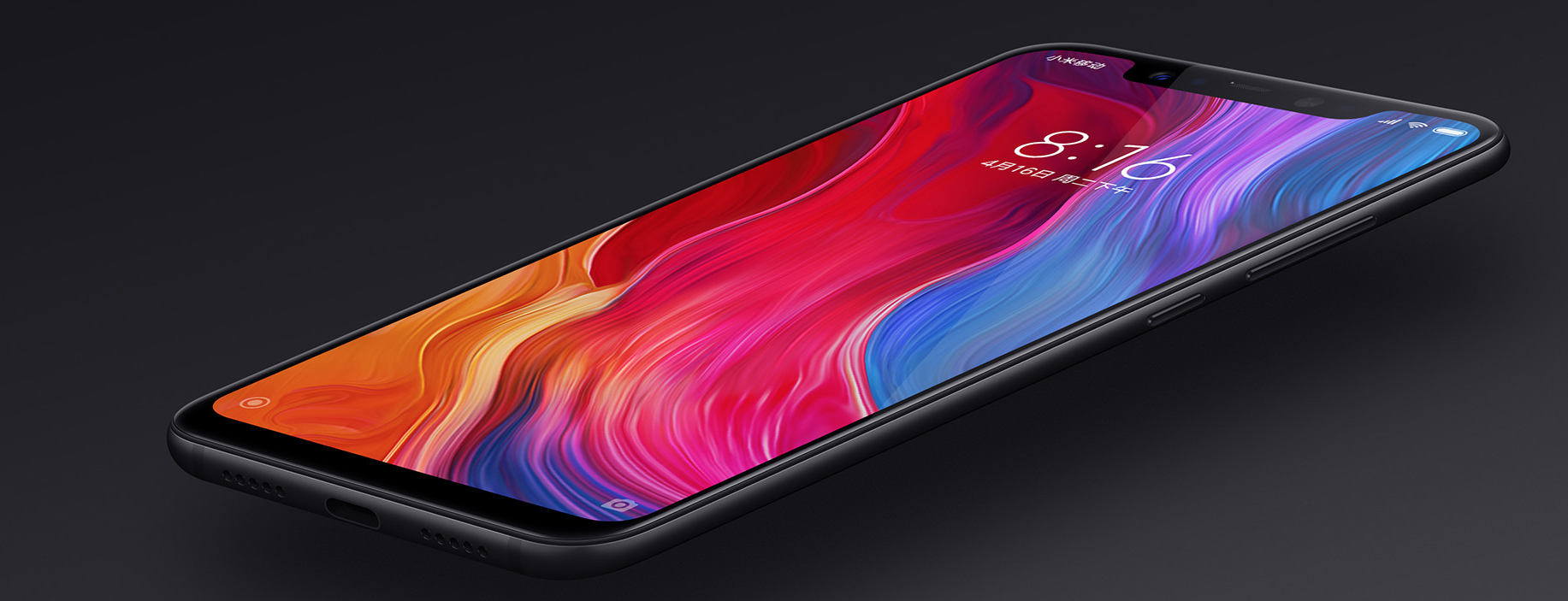
The Xiaomi Mi 8 has a 6.21 inch Super AMOLED display (by Samsung) with a 2248 x 1080 px resolution. The unusual resolution is a result of an 18.7:9 aspect ratio. Xiaomi, like OnePlus, has stuck to a FullHD+ resolution instead of a QuadHD+ resolution found in devices like the Galaxy S9.
Under the hood, the smartphone runs on the Snapdragon 845 chipset with 6GB of RAM coupled with 64GB/128GB/256GB of onboard storage. The onboard storage will not be expandable, which has been the case for flagship Xiaomi devices for a while. The fingerprint sensor is placed on the back of smartphones, giving users an option to choose between Face Unlock and a fingerprint sensor.
Powering the smartphone will be a 3400 mAh battery which charges via USB C port. Despite the glass back, the Xiaomi Mi 8 does not have wireless charging. Out of the box, the Mi 8 will run Android 8.1 Oreo with the new MIUI 10 on top. MIUI 10 was also announced at the same event and comes with Xiaomi’s own Xiao Ai smart assistant, similar to Google Assistant and Siri.
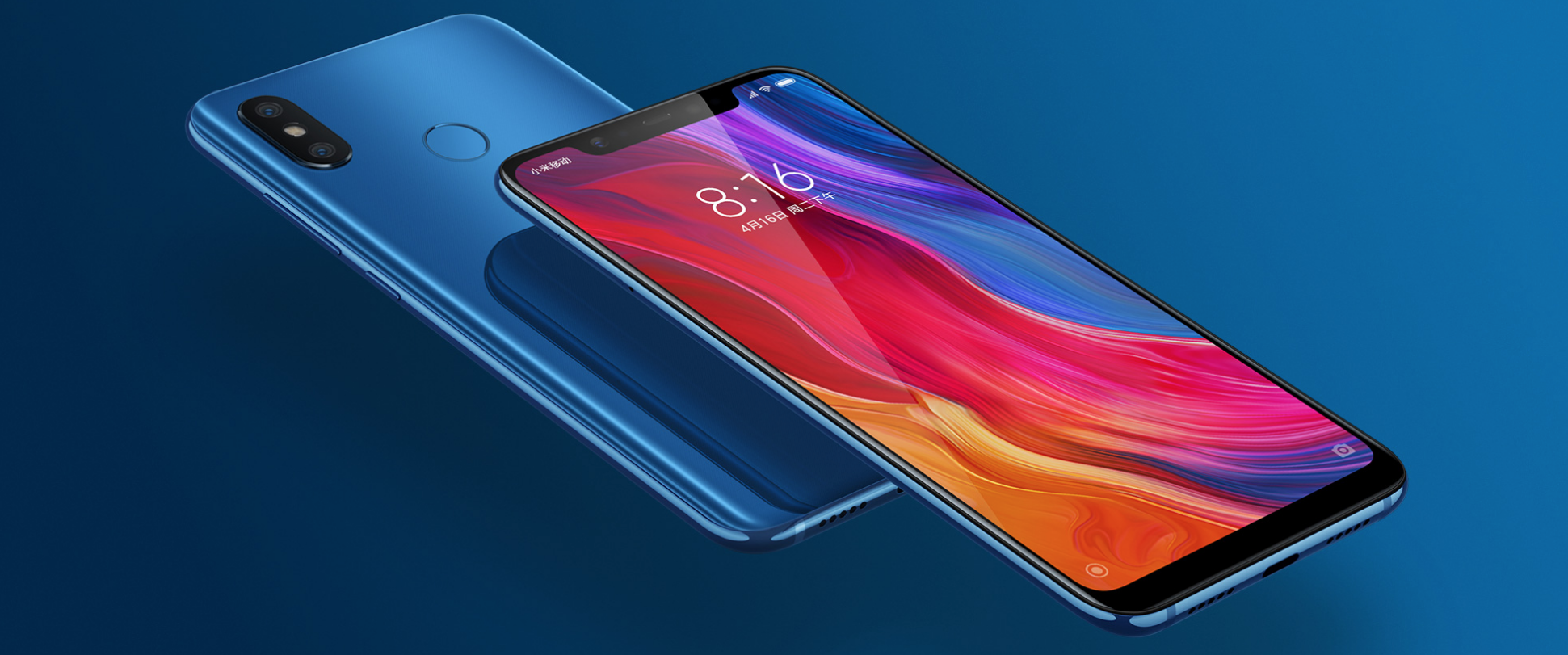
The vertically-placed dual-camera setup is also reminiscent of the iPhone X. However, Xiaomi appears to have adopted the design for its 2018 lineup of smartphones. To the back is a primary 12MP RGB sensor with an f/1.8 aperture coupled with a 12MP telephoto lens with an f/2.4 aperture and 1-micron pixel size. The notch houses a 20MP AI camera with an f/2.0 aperture. Just like the iPhone X, it also has a portrait lighting feature and Xiaomi’s own take on the animojis.
The Xiaomi Mi 8, on paper, is a very good affordable flagship smartphone. If launched in India, it will be up against the likes of the OnePlus 6 and Honor 10. The only caveat for the Xiaomi Mi 8 could be the flash sale system.
HMD Global launched the Nokia X6 in May in China. At the time of its launch, the smartphone garnered some interest for its design and price point. The Nokia X6 is the first Nokia branded smartphone to sport a notched display, much like the majority of 2018 Android smartphones. The Nokia X6 has been rumoured to launch in other countries for a while and now, Nokia India’s website has seemingly confirmed that it’ll launch in India by making its support page live.
Interestingly, the Nokia X6 is also a throwback to the Nokia X6 which was a Symbian OS running mobile launched in 2009. The support page is still live and has not been taken down by the company yet. This could be an indication of HMD Global’s plans of creating a hype around its budget smartphone. The X6 is expected to launch in India to compete with the likes of the Redmi Note 5 Pro, Zenfone Max Pro and even Huawei P20 Lite.
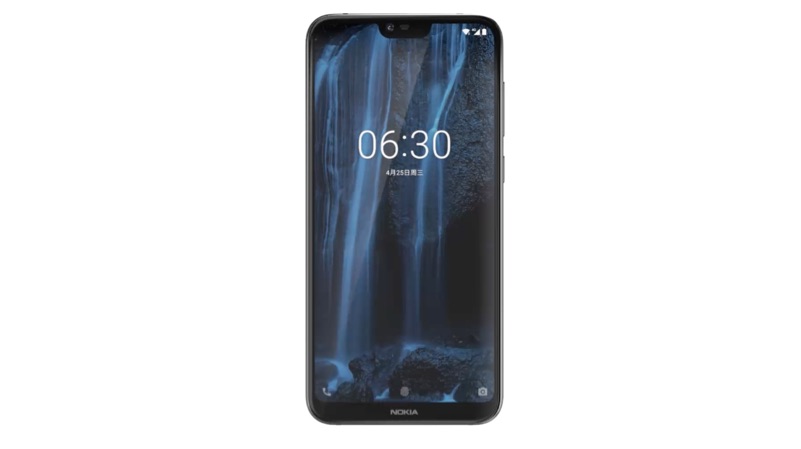
The X6 has a 5.8 inch TFT display with a 2280 x 1080 px resolution. This translates into a 19:9 aspect ratio, the same as the P20 Lite. There is also a notch on the display, which is the reason why the smartphone has a taller aspect ratio.
The smartphone runs on the Qualcomm Snapdragon 636 chipset along with either 4GB or 6GB of RAM coupled with either 32GB or 64GB of onboard storage. The onboard storage will be expandable via microSD card. The fingerprint sensor is placed on the back which has a glossy finish thanks to an all-glass design.
Powering the device is a 3060 mAh battery which charges via a USB C port. We are still a couple of years away from budget smartphones adopting the USB C port altogether but, this is a great step by HMD Global. Out of the box, the Nokia X6 will run stock-ish Android 8.1 Oreo with little customisations done by HMD Global.
The vertically placed dual-camera setup is in the usual Nokia position but, the “Carl Zeiss” branding is missing. The back has a 16MP primary sensor along with a 5MP secondary sensor. The dual-camera setup will be able to take portrait shots, a feature that has become very popular recently. The front houses as a 16MP camera with an f/2.0 aperture.
The Nokia X6, if priced correctly, should be a great smartphone for Indian consumers. At a price of about Rs 16999, it’ll offer a premium all-glass design and the popular Snapdragon 636 chipset as well.