Tag: law

  • WhatsApp Ordered To Stop Sharing User Data With Facebook

    WhatsApp Ordered To Stop Sharing User Data With Facebook

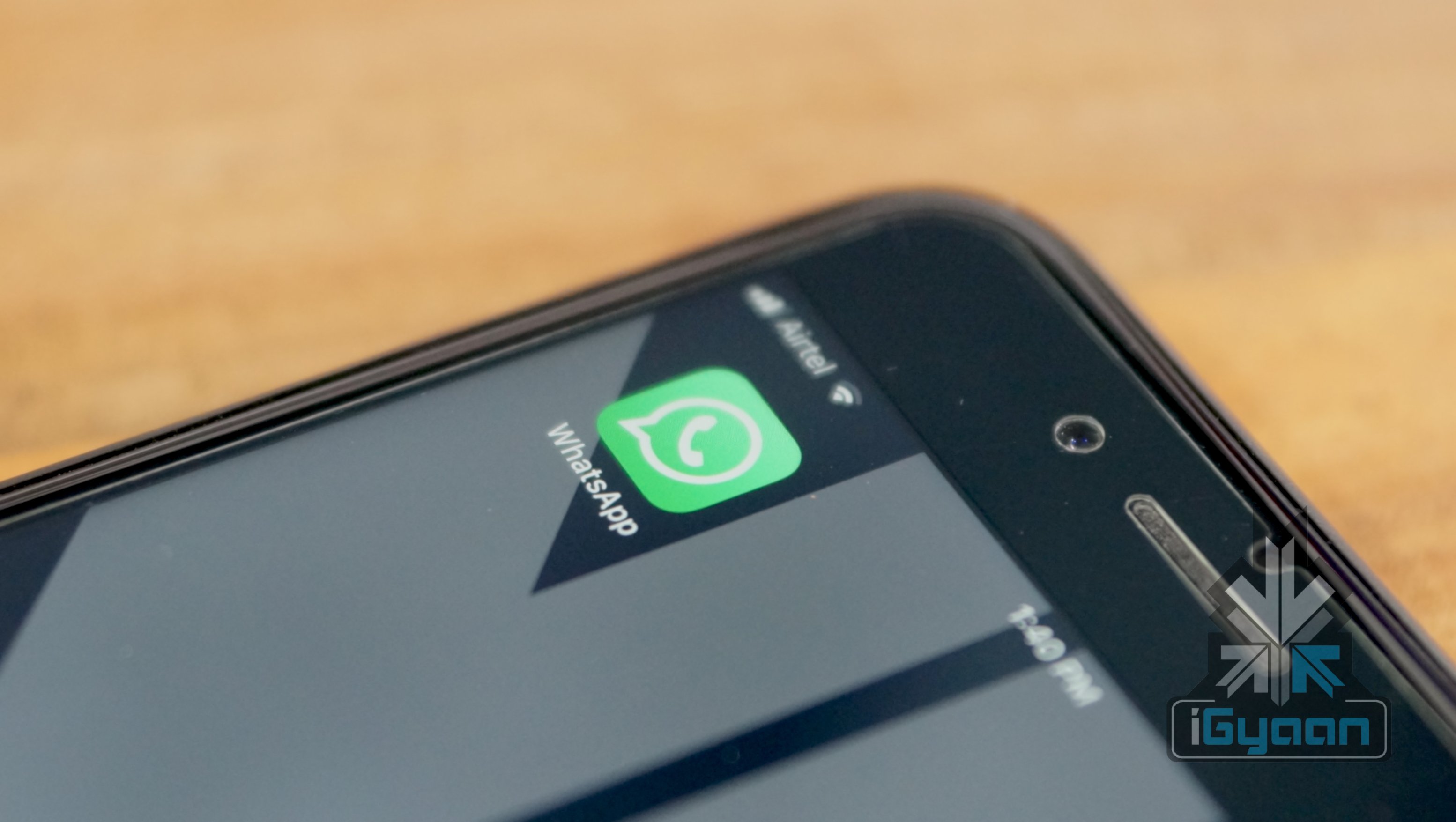
    Back in 2014, Facebook bought one of the most famous instant messaging apps in the world, WhatsApp. Over the course of three years, there have been many Facebook features which have trickled down to WhatsApp as well, WhatsApp Status being one of them. Being the parent company, Facebook started using the user data from WhatsApp to develop targeted advertising, security measures, and to gather business intelligence.

    To tackle the free-sharing of personal user data among the two firms, France’s ultra-strict privacy watchdog CNIL has ordered WhatsApp to stop sharing user data with parent company Facebook. WhatsApp has a month to comply with the order, according to a public notice posted to the French website. CNIL ruled that while WhatsApp’s intention of improving security measures was valid, the sharing of data for business intelligence purpose was not acceptable.

    CNIL believes that since WhatsApp never told its users that it was collecting data for business intelligence and there’s no way to opt out without uninstalling the app, it violates the fundamental freedom of users.

    This is a yet another step from European regulators to crack down on the freewheeling data sharing between the two social networking entities. Germany ordered Facebook to stop collecting data from WhatsApp users in September 2016, and in the UK, Facebook agreed to stop collecting WhatsApp user data in November 2016.

    Do you find it uncomfortable that Facebook can use your data to create specific advertisements for you while it claims that the data-sharing is for security purposes only? Let us know in the comments below!


  • Tim Cook Refuses to Provide FBI With Specialized Encryption Code

    Tim Cook Refuses to Provide FBI With Specialized Encryption Code

    In December, 2015, Calif, San Francisco, became victim of a cold-blooded shooting incident orchestrated by Syed Rizwan Farook and his wife, Tashfeen Malik. Fourteen civilians were shot dead before the couple was taken down by the police. It was later confirmed that Rizwan Farook’s phone, an iPhone 5c, was in custody with the authorities.

    After two months of failed attempts of unlocking it, the court ordered Apple to provide an encryption code that would take down the security measures of the device. Judge Sheri Pym asked Apple to provide specialized software that would bring down the security, while also getting rid of the feature which erases all data from the phone after a couple of unsuccessful attempts to log in.

    It was later confirmed that the auto-delete feature has been deactivated and that authorities are using brute force attack to unlock the code. According to Apple, a method of this kind would take decades to move past the security encryption of the phone. In fact, a supercomputer would take over five years to crack such a six-digit code.

    He may look it, but he's not pleased.
    He may look it, but he’s not pleased.

    Apple has accepted that it is pretty much impossible to break into an Apple device which is running on iOS 9. In the wake of these events, Apple was requested by FBI to provide a unique encryption that would allow them to retrieve security key to Rizwan Farook’s iPhone. Apple refused to offer a solution that would allow FBI to bypass the code for it believes this would be detrimental for the security of iPhone users all over the world.

    “We have great respect for the professionals at the FBI, and we believe their intentions are good…The FBI may use different words to describe this tool, but make no mistake: Building a version of iOS that bypasses security in this way would undeniably create a backdoor. And while the government may argue that its use would be limited to this case, there is no way to guarantee such control,” Tim Cook wrote on the Apple website.

    Apple has been very conscious of its users’ privacy from the start. Only a few days ago the company had declared it would never reveal personal details of iPhone users to the police. And now comes this very clearly stated message from the company. Tim Cook is definitely not overly pleased by FBI’s demands and has made his stance clear. Has he opted for the right plan of action by protecting users’ privacy all over, or should he just go ahead and provide the authorities with the encryption?

    [poll id=”41″]

  • A 180 Year Old Law Makes Hoverboards Illegal In UK

    A 180 Year Old Law Makes Hoverboards Illegal In UK

    In a very interesting twist of events, the Metropolitan Police (MPS) in the UK have declared riding of hoverboards in public illegal in accordance with a law issued in -brace yourself- 1835.

    The law, which was passed 180 years ago and made taking a “horse, ass, sheep, mule, swine, or cattle” on pavement illegal, has now also added a two-wheeled Segways to the list.

    Users can now ride hoverboards only on private property with the landowner’s permission. The MPS Specials account tweeted on Sunday, declaring the “the self-balancing scooters,” banned from public pavements and parks.


    Using them in public would contravene section 72 of the Highway Act 1835 in England and Wales and section 129(5) of the Roads Act 1984 in Scotland.

    Needless to say, there was a huge backlash against the ludicrous law, reminiscent of the pre-penny farthing years in Britain. From beef to hoverboards -the list of absurd bans in the contemporary world just don’t end.

  • Apple and Samsung Agree to Dismiss their Patent Battle

    Apple and Samsung Agree to Dismiss their Patent Battle

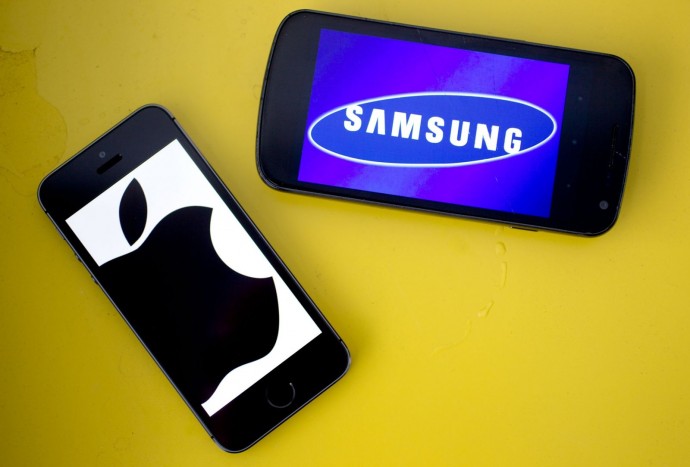
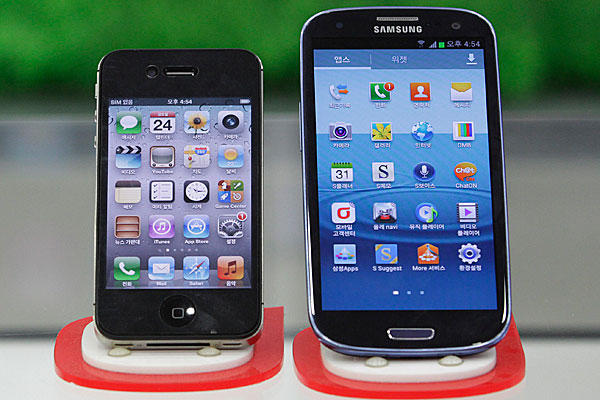
    Apple Inc. and Samsung Electronics Co. are starting to wind down their global patent dispute. Smartphone giants announced in a joint statement that they will drop all patent lawsuits outside the U.S. However, the two companies still haven’t settled their patent disputes within the U.S.

    The two companies have sued each other in Australia, Japan, South Korea, Germany, Netherlands, the UK, France, and Italy, and all these cases are being dropped, without being settled and without any cross-licensing agreements being negotiated. The companies disclosed the change in legal strategy in a joint e-mail. Apple and Samsung said they would push ahead with the most high-profile cases taking place in the U.S.

    apple

    Apple first sued Samsung in the U.S. for copying features of the iPhone in 2011. Samsung then sued Apple for patent infringement in South Korea, Japan, Australia, the Netherlands, Germany, France, Italy and the U.K. Apple filed countersuits in five of those countries.

    “Apple and Samsung have agreed to drop all litigation between the two companies outside the United States,” the companies said in a joint statement. “This agreement does not involve any licensing arrangements, and the companies are continuing to pursue the existing cases in U.S. courts.”

    Earlier, Apple and Samsung agreed in June to drop their appeals of a patent-infringement case at the U.S. International Trade Commission that resulted in an import ban on some older Samsung phones. In the U.S., Apple had two victories against Samsung: $930 million in 2012 and $120 million in May of this year. The case is still unresolved though.

  • Google gets fined in France for Free Google Maps

    Google gets fined in France for Free Google Maps

    Really? A Parisian commercial court in France has fined Google to pay a fine of €500,000 for giving its maps for free.  Bottin Cartographes,  who was on the other side of the lawsuit claimed that the Company ( Google) has leveraged the market by giving away its Google Maps service for free, while others try to make a living off it. 

    “We proved the illegality of [Google’s] strategy,” said the prosecution counsel. 

    Google plans to Appeal the decision, and believes that the company has not eliminated competition in this segment and is purely giving away its services because it can. 

    Honestly, since when are Awesome products for free, looked down upon?

  • German court permanently bans Samsung Galaxy Tab 10.1 in Apple vs Samsung, Indian courts approached

    German court permanently bans Samsung Galaxy Tab 10.1 in Apple vs Samsung, Indian courts approached

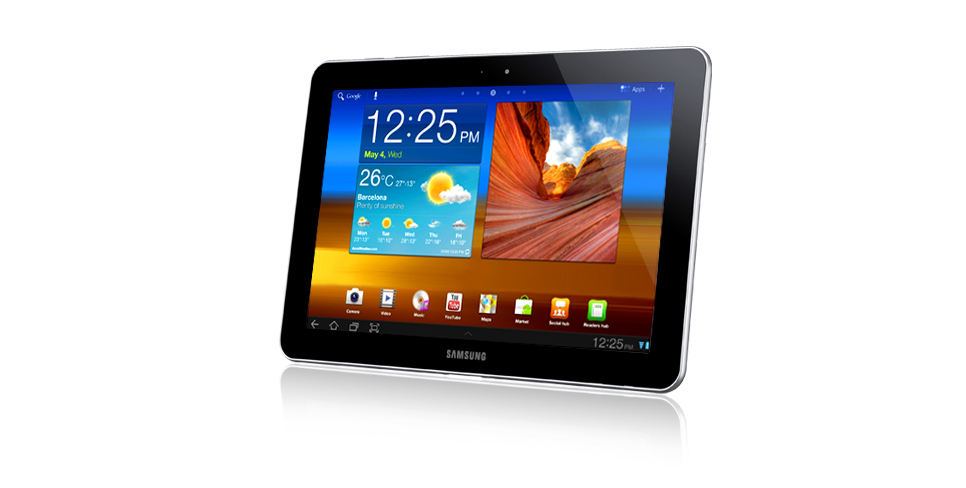
    German judge Johanna Brueckner-Hoffman has ruled in Apple’s favor on Friday by banning Samsung from selling its GALAXY Tab 1o.1 tablets in Germany.

    The court is of the opinion that Apple’s minimalistic design isn’t the only technical solution to make a tablet computer, other designs are possible

    – Said the Judge

    Apple has also blocked Samsung from selling its GALAXY Tab 10.1 in Australia until a court there rules whether or not the tablet infringes on 10 of Apple’s patents. Apple has also approached the Indian courts to seek ban on sales of the Galaxy 750 in India. The benefit for Samsung here is that Apple will not be able to use the german courts ruling, because the name of the two devices is different. i.e. the Galaxy 750 in India and Galaxy Tab 10.1 rest of the world. Whether Samsung India was already expecting the legal battle is unknown.

    Samsung, meanwhile, plans to appeal the ruling in a higher court and a spokesman said 

    We are disappointed with this ruling and believe it severely limits consumer choice in Germany.”

  • Apple Wins German injunction against Samsung, Galaxy Tab 7.7 removed from IFA

    Apple Wins German injunction against Samsung, Galaxy Tab 7.7 removed from IFA

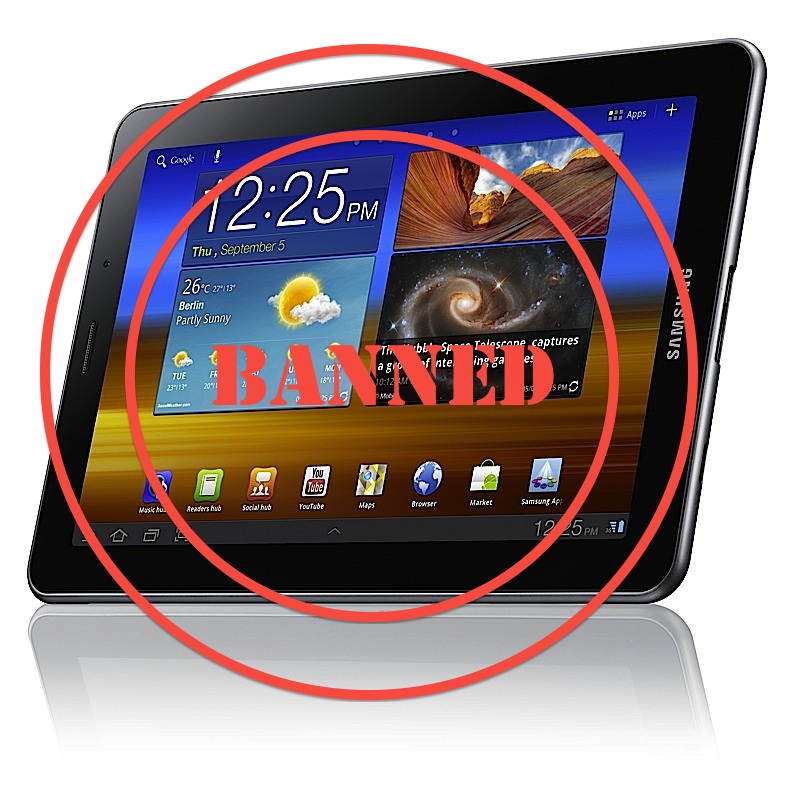
    Apple has won the injunction filed in German Courts for the immediate halt in sales and display of the Samsung Galaxy Tablet. Several vendors in and across Europe have stopped selling the Galaxy Tablets launched this year. Samsung pulled its new Android tablet from both the IFA show floor and its German website on Saturday, in compliance with a Friday decision handed down by the same Düsseldorf Regional Court court that banned sales of the Galaxy Tab 10.1 last month. The 7.7-inch slate had previously been on display with a sticker that read “Not for sale in Germany,”.

    Samsung said  that it “respects the court’s decision,” and vowed to do everything it could to defend its intellectual property. 

  • Three Members of Anonymous arrested in Spain

    Three Members of Anonymous arrested in Spain


    Anonymous, the name behind various recent cyber attacks including one in our own home, are finally under the scanner in a major way, Authorities in Spain say they have arrested three members of the organization that claims to be an Activist for morals. They also seized at least one computer used in the attacks on Sony. Those arrested are believed to have been important in coordinating the group’s activities in the country and to have distributed the Loic DDoS tool to others.

    The group became infamous for hacking credit card companies, such as MasterCard and Visa, and PayPal in retribution for not allowing donations to be made to Julian Assange’s WikiLeaks. Sony has blamed the attack on its PlayStation Network partially on Anonymous, but the arrest of three of its members is a far cry from retribution for the company which has damages that total more than $172 million.

    The arrests serve more as a message to other hacking groups, such as the headline stealing LulzSec, that given time law enforcement will track them down. However, this particular set of arrests will probably do little to discourage hacktivists across the world.

    Spanish government are on high alert to make sure they are protected against any attacks from the various legions of Anonymous.

  • Apple sues Amazon over App Store trademark infringement

    Apple sues Amazon over App Store trademark infringement

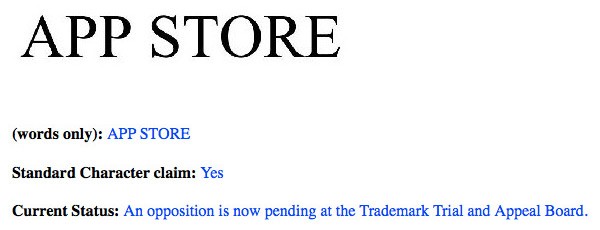
    Apple was already in Battle with Microsoft for their “APP Store” Trademark infringement. Now Amazon is releasing its APP Store for the Android OS platform. But, Amazon’s Android Appstore seems to have been intentionally contracted to a single word to differentiate its name. Apple claims it reached out to Amazon on three separate occasions asking it to rename its software download offering, but when faced with the lack of a “substantive response,” it decided to take things to court.

    “We have a long-standing practice of not commenting on pending litigation,” Mary Osako, a spokeswoman for Seattle-based Amazon, said late yesterday.

    Apple said in the court filing that it contacted Amazon three times to demand that it cease using the name and that Amazon hadn’t “provided a substantive response.”

    “We’ve asked Amazon not to copy the App Store name because it will confuse and mislead customers,” said Kristin Huguet, a spokeswoman for Apple.

    [Bloomberg]

  • Nokia tablet in works, suggests patent

    Nokia tablet in works, suggests patent

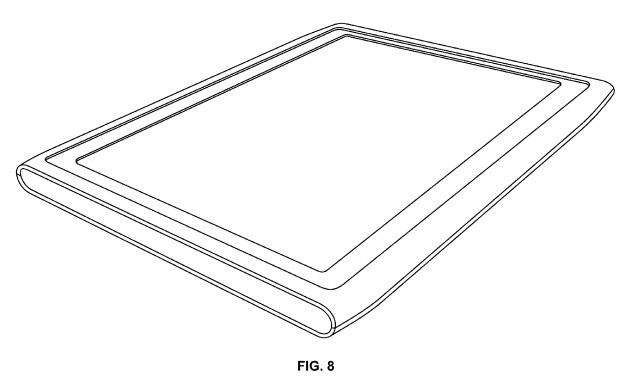
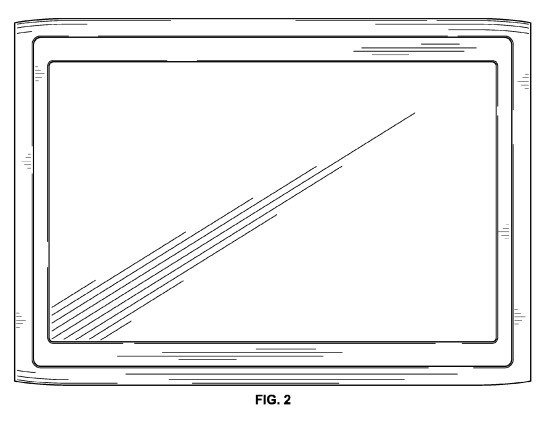
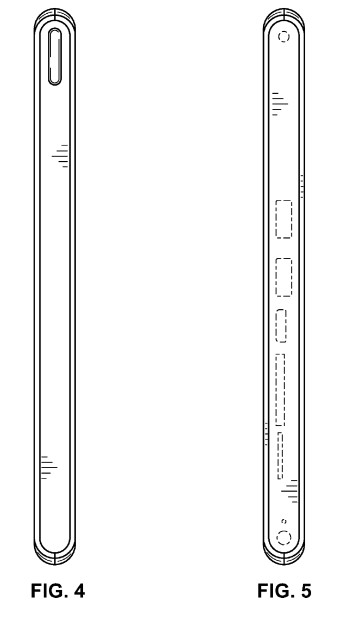
    Nokia has been talking about the Tablet market since early 2010, and their latest patent filing suggests a N8 style tablet heading towards us. The question remains, if the device will actually run Symbian optimized for tablets or Windows Phone 7 for tablets.

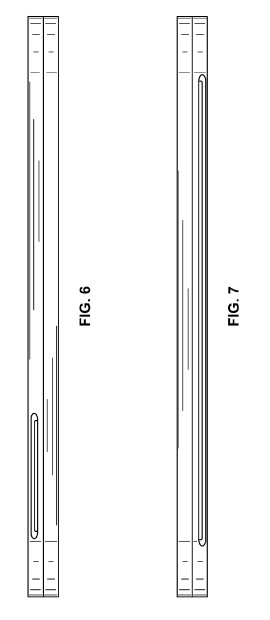
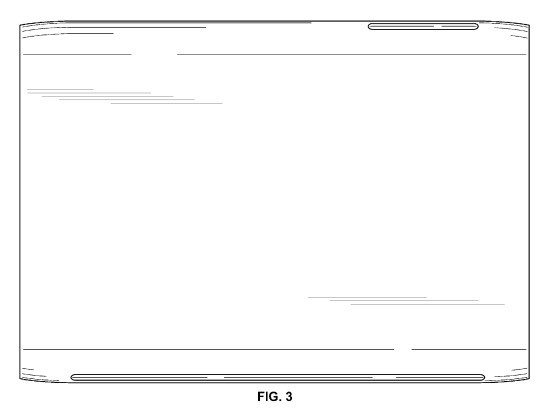
    The render Suggests a 9-10 inch tablets with a thickness around 12mm. The device also has sd card slots and 2 usb slots. Check out the patent images below.

    [USPTO (D634,317)(D634,318)]

iGyaan Network
Privacy Overview

This website uses cookies so that we can provide you with the best user experience possible. Cookie information is stored in your browser and performs functions such as recognising you when you return to our website and helping our team to understand which sections of the website you find most interesting and useful.