Tag: Li-ion Battery

  • Apple Recalls Older MacBook Pro Citing Battery Hazards

    Apple Recalls Older MacBook Pro Citing Battery Hazards

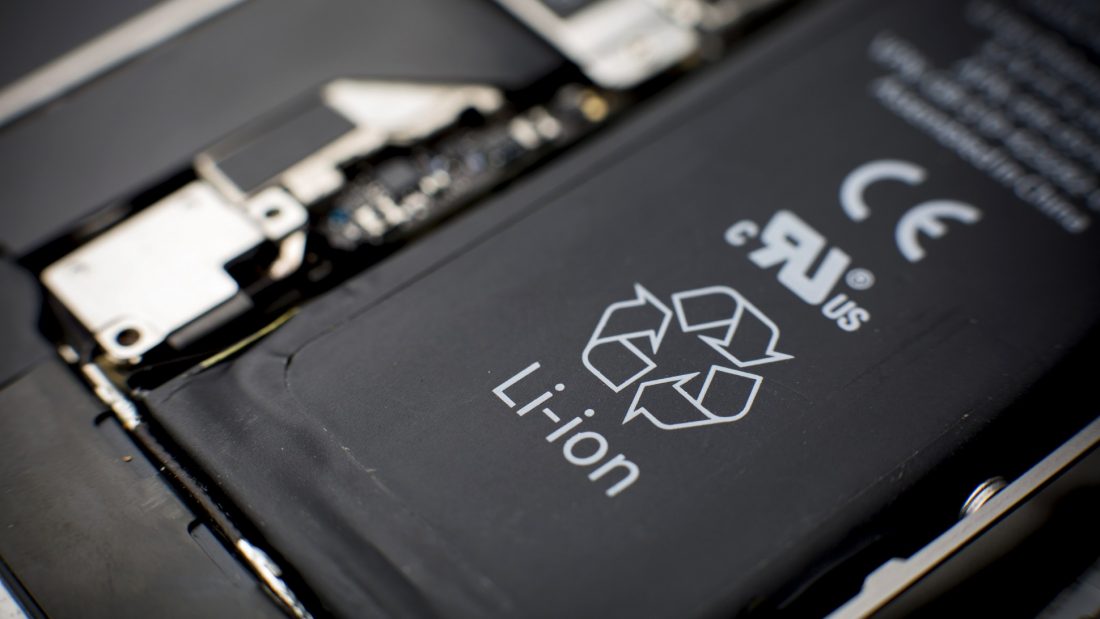
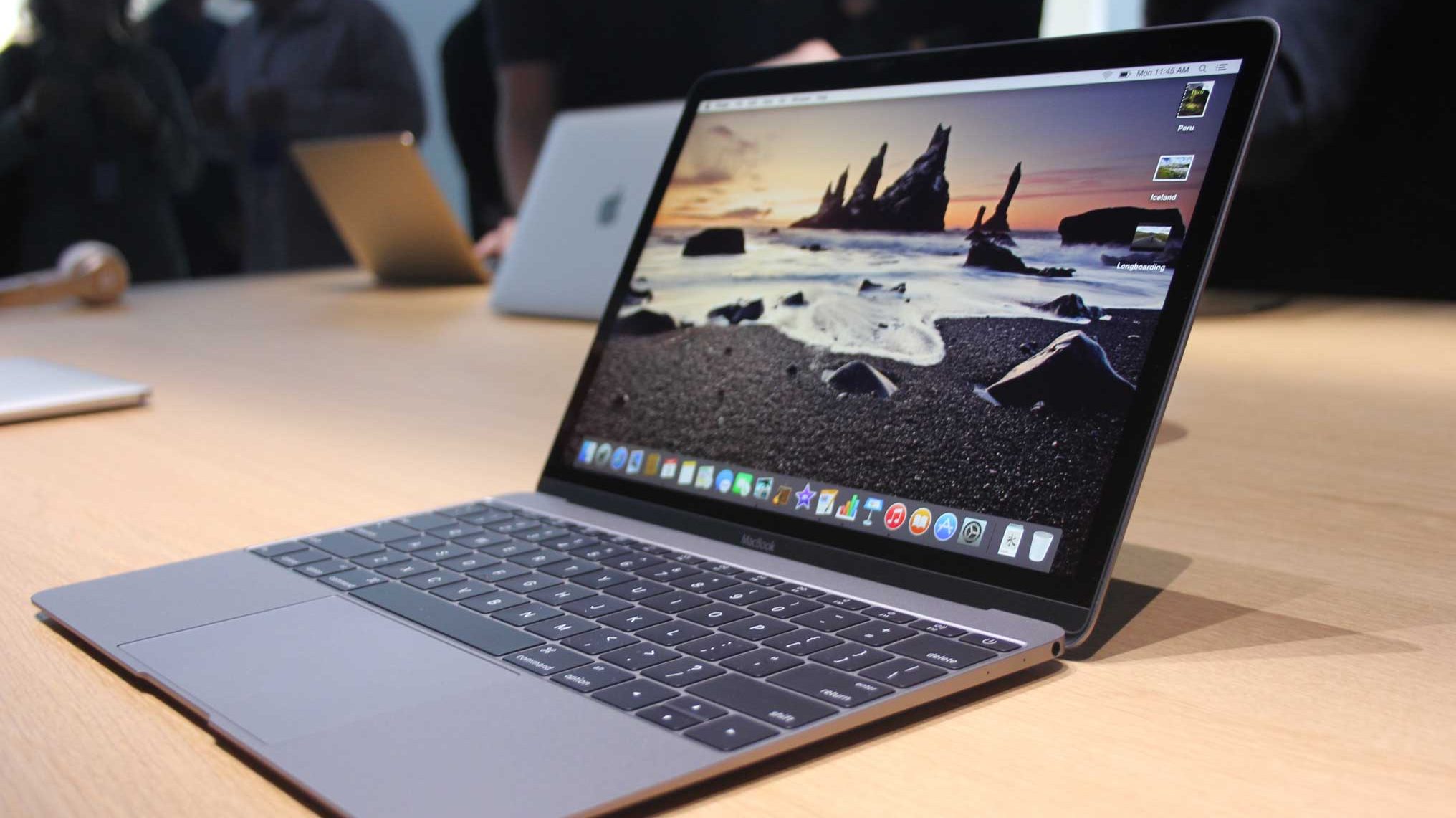
    One of the most essential components of any mobile computing system is undoubtedly its battery pack, be it smartphones or laptops. What shouldn’t be taken lightly, however, is how potentially dangerous they can be if mounted incorrectly. Overheating is a serious danger when proper precautions are not taken and may cause serious harm to anyone by ignition or explosion (See Samsung Galaxy Note 7). Hence, Apple has issued a warning and recall for the 2015 MacBook Pros with Retina Display. 
    MacBook Pro

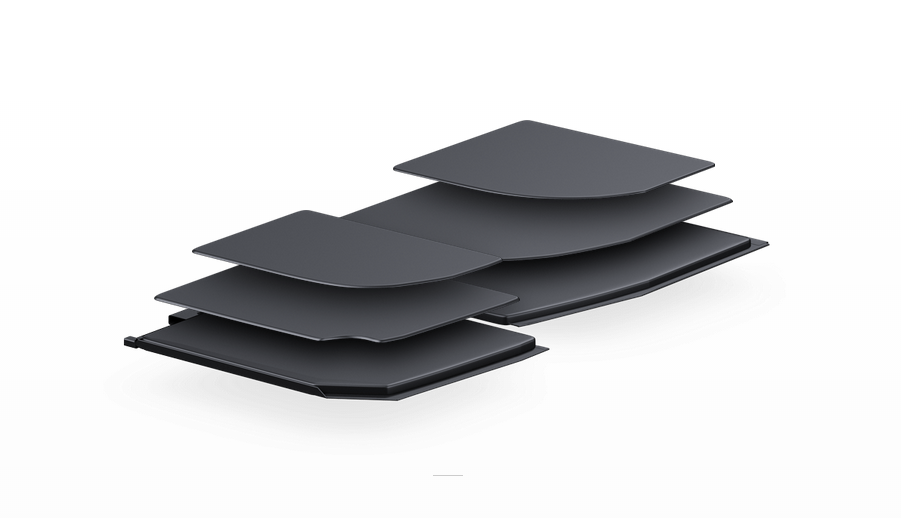
    Apple has reported that the batteries “may pose a fire safety risk.” Furthermore, the company stated that the risk affects only a limited number of units sold between September 2015 and February 2017. Although it will be far and few models that are actually affected between the period, it is still a great number considering the number of units that could be sold in a time frame of two years. Apple has sold the third generation MacBook Pro from 2012 to 2018, so not every device will fall under this risk.
    MacBook Pro

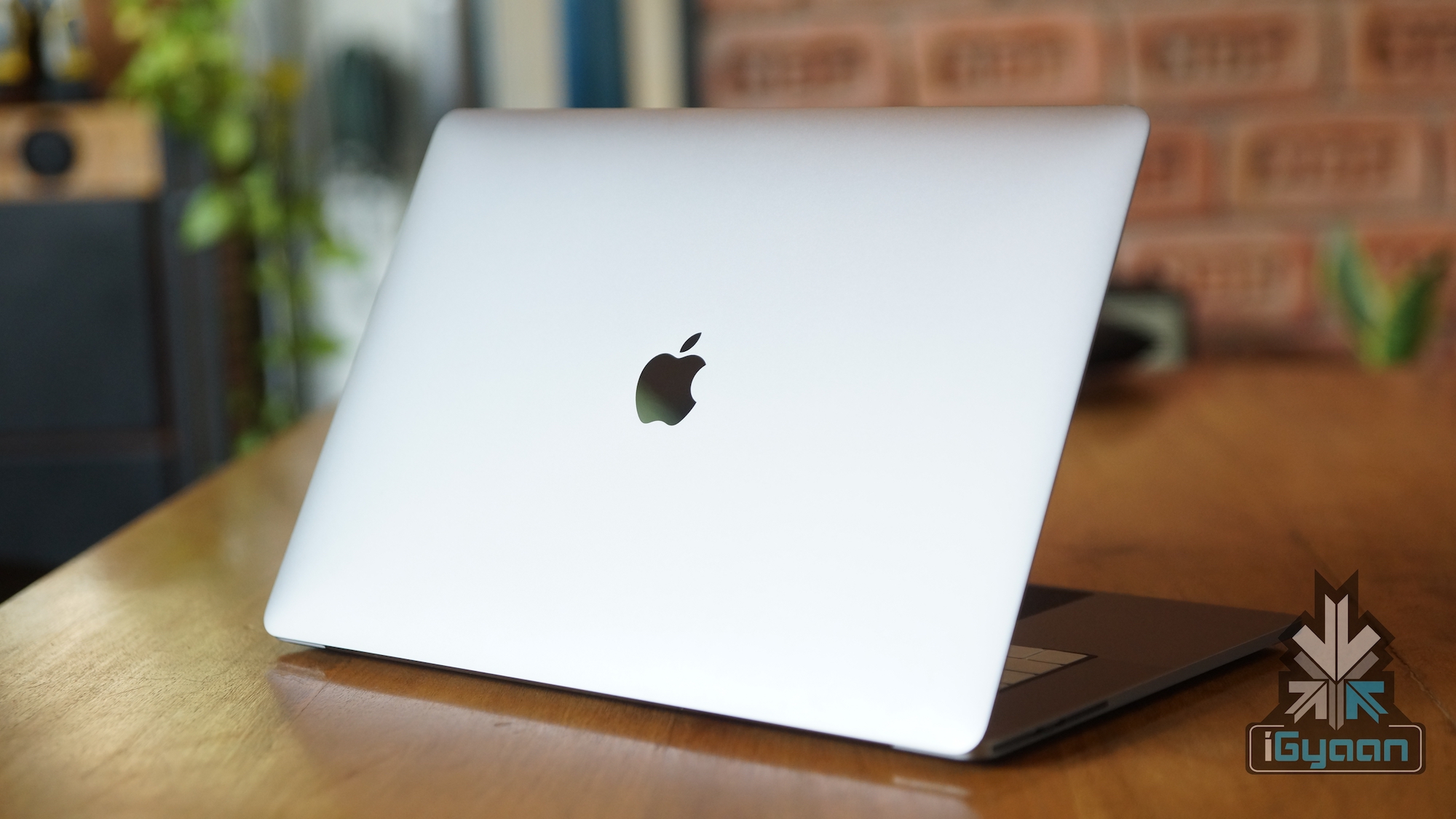
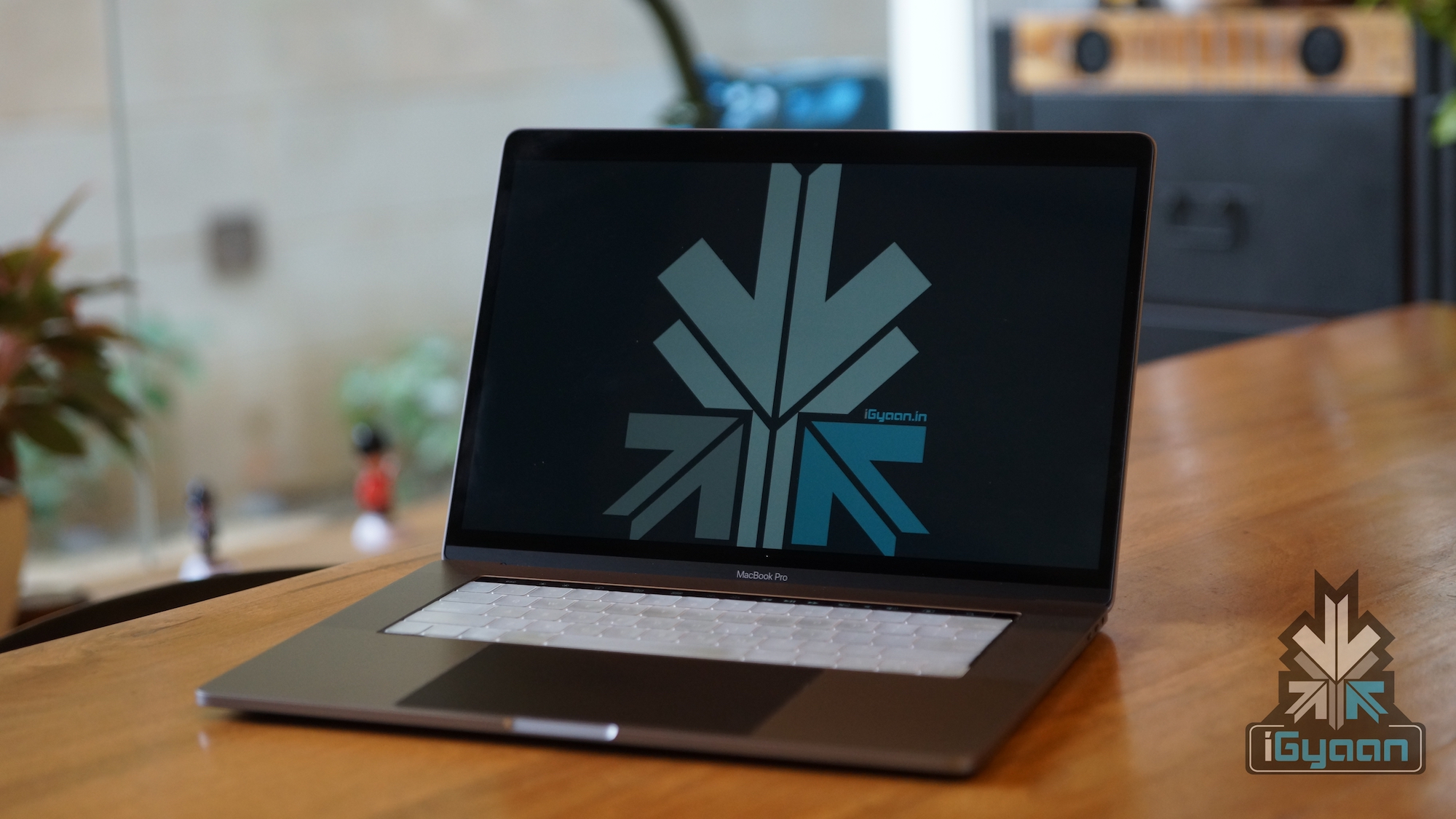
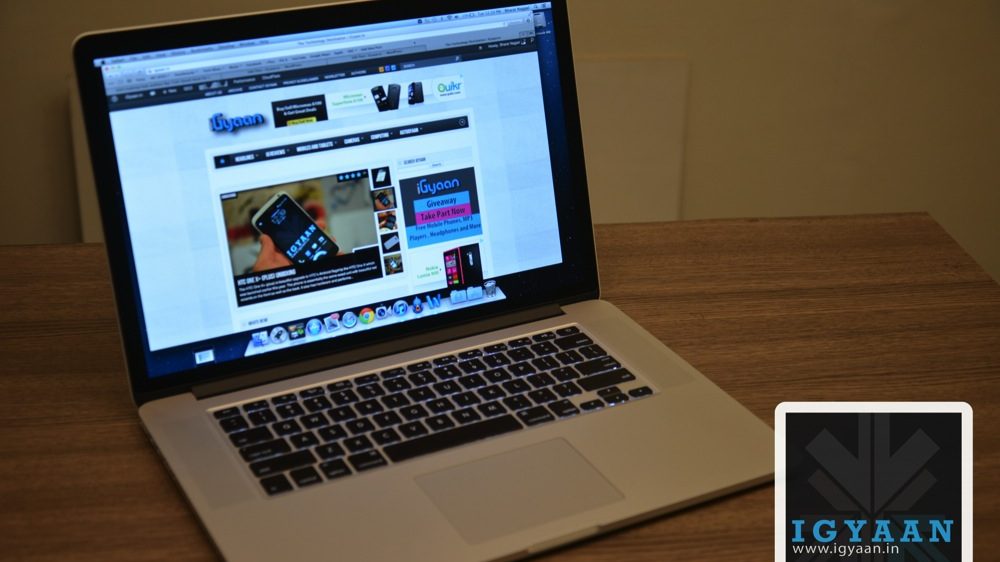
    Owners of this version may want to check their serial numbers at the Apple’s support website. The model in question is the “MacBook Pro (Retina, 15-inch, Mid 2015)”. One will get a free battery replacement if they contact Apple, should the company deem them eligible. Unfortunately, the whole process might actually take about two weeks to resolve. This is a long wait for individuals who use their Mac laptops on a regular basis. 

    Instructions to check Battery Replacement eligibility

    • Visit this link
    • Enter your serial number. (Users can obtain their computers serial number by clicking the Apple logo in the top left and clicking ‘About This Mac’). The serial number will be displayed under the ‘overview’ tab.
    MacBook Pro

    Furthermore, Apple has stated that no other devices such as the 13-inch MacBook Pro with Retina Display are affected which were sold in the same time period. Likewise, in the past, the company had recalled 2016 13-inch MacBook Pros as well, although not for safety issues.

    The tech giant is yet to announce the exact details regarding the risk and fire hazard that users potentially face. 
    MacBook Pro

    Also ReadGoogle Axes Its Tablet Lineup, Will Focus On Laptops Instead

    It is still unclear exactly when the overheating battery issue was originally uncovered, regardless it is a risk that customers should be aware of. Apple has faced many past allegations related to quality control and battery issues, but it is praiseworthy that the company is willing to pay for faulty units out of its own pocket. Loyal Apple fans might just get a free battery pack after all. Still, user caution is advised for safety until the replacement programme is complete.
  • Charging On : The Future of Mobile Device Batteries

    Charging On : The Future of Mobile Device Batteries

    We’re bang in the middle of the golden age of smartphones it seems. Almost like a ritual, phone makers every couple of months offer to eager audiences for their consumption new mobile devices with vastly improved tech.

    Over the past couple of years, we have been witness to the industry churning out new processors, RAM, cameras and more used for making these marvels of modern day technology, each smaller in size than its predecessors, and yet gaining in power with every upgrade. End product being thinner, faster phones and laptops for the end consumer year after year.

    oneline-games-for-android

    But one thing that the tech industry has still to find a good enough answer to is the lust for more and more energy for these devices!  Agreed, battery technology has come a long way and even though the batteries in our mobile devices are bigger and better than they have ever been before, they still aren’t the solution we have been looking for. Because of technological constraints, these oversized batteries are far from being good enough fix for mankind’s never ending ‘battery woes.’

    With an abundance of apps and services that require a significant amount of juice to run, we all have at some point of the other felt the pain of our mobile devices dying on us in the time of need. And to pacify us the tech industry for all its tall claims of advancements has only been able to come up with portable chargers, and at best the promise of fast charging battery packs.

    liion

    In all honesty, the battery hasn’t advanced in decades as it should have. But looks like we’re on the verge of a revolution.Things are about to change. Scientists world over are working on battery technology advancements, and a breakthrough is just right the corner.

    The team at MIT in collaboration with Samsung, have discovered Solid-State Batteries that are better than current lithium-ion packs. These batteries should be safer, last longer and offers slightly better power capacity.

    According to reports, these new batteries could be charged for hundreds of thousands of cycles before degrading. They are expected to also provide a 20 to 30 percent improvement in power density simply translating into much more charge for whatever they are powering.

    nanoscale-yolk-battery-mit

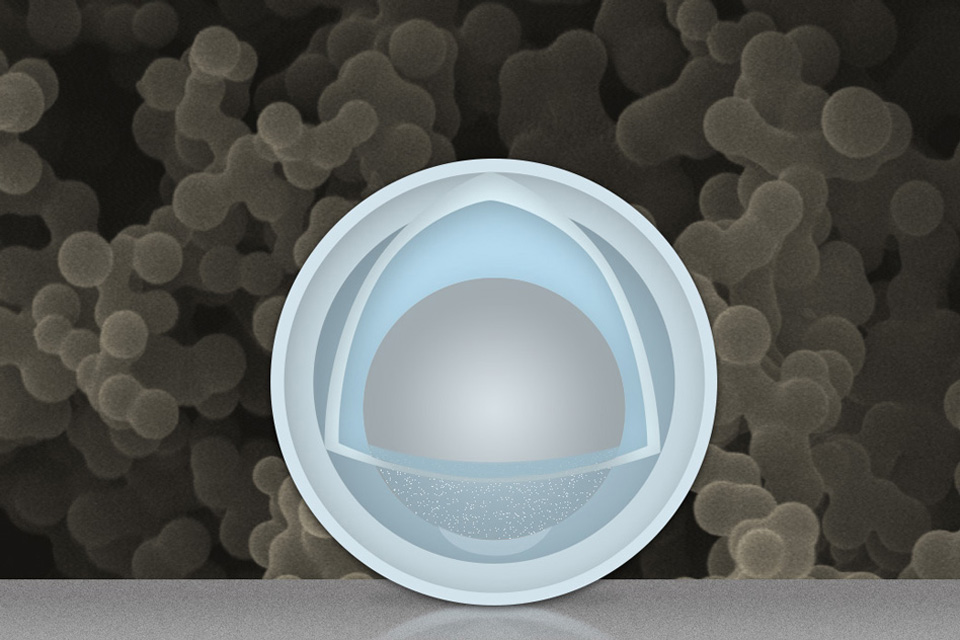
    Another interesting prospect is the introduction of Nano Yolk Batteries which will not only power up in a fraction of the time it takes to charge current generation Lithium-Ion Batteries, but will also provide almost double the power capacity of the battery packs that we use in our mobile devices today.

    But one crucial thing holding back both these technologies is the cost involved in migrating to them. The industry has so far chosen to stick to the trusted infrastructure in place and find ways to fine tune the existing technology which not only feeds our phones but also helps feed millions of families through the ecosystem that has been created around the manufacturing of Lithium-based batteries.

    To keep everyone happy, the industry is fast working on a concept of a new generation Lithium based batteries which promises to store five times the amount of energy you find in the lithium-ion battery in your mobiles and laptops. The brains behind it call it the Lithium-Air Battery because it releases oxygen when it discharges.

    The idea which has been in the works for quite some time now faces difficulties in the form of an unwanted buildup of lithium peroxide on the electrode which hampers this type of battery’s performance, but a workaround has been found to avoid this.

    Instead of using lithium peroxide the new battery will use lithium superoxide to store energy to provide improved battery life with greater efficiency.

    These batteries are similar to lithium-ion batteries since they use a closed system, which would mean no extra intake of oxygen or any components to be removed. By doing away with clunky internal oxidizers these batteries will be leaner and simply charge up like the lithium based batteries we use in our current devices.

    The prospect of using a thinner phone with five times the battery life of our current devices sounds amazing. This long overdue upgrade to arguably the most important component of a mobile device could well see the light of the day before the year’s end. If, and when it does happen, there’s no denying how big of an impact it will have on the way we use mobile devices.

  • Apple, Samsung, Microsoft Amongst others face Child Labour Claims

    Apple, Samsung, Microsoft Amongst others face Child Labour Claims

    Several big-name tech firms, including Apple, Samsung, Microsoft and Sony have been accused by Human Rights Organization Amnesty of using kids for sourcing minerals used in their various products.

    Citing a report that it did into cobalt mining in the Democratic Republic of the Congo, it found children as young as seven were working in unearthing cobalt that these large incorporations use for their Lithium Ion batteries.

    child lab

    The African country produces over 50% of the world’s cobalt. Miners working in the area face long-term health problems and the risk of fatal accidents, according to Amnesty. Amnesty also claimed that at a minimum of 80 miners had died underground in the country between September-December last year.

    The report by Amnesty is the first comprehensive account of cobalt mining in Democratic Republic of the Congo. To arrive at their conclusions, Amnesty International along with Afrewatch visited five mines in DRC in April and May 2015. They interviewed 90 workers, 17 of them children.

    According to Amnesty, “more than half of the world’s total supply of cobalt comes from the [DRC]. According to the government’s own estimates, 20 percent of the cobalt currently exported from the DRC comes from artisanal miners in the southern parts of the country. “There are approximately 110,000 to 150,000 artisanal miners in this region, who work alongside much larger industrial operations.”

    The report further reveals, ”  the miners who are referred to as ‘creuseurs’ in the DRC, mine by hand using the most basic tools to dig out rocks from the tunnels deep underground. Artisanal miners include children as young as seven who scavenge for rocks containing cobalt in the discarded by-products of industrial mines, and who wash and sort the ore before it is sold.”

    Not surprisingly, these major tech firms such as Samsung, Sony and Vodafone denied any link to this supply chain or to DRC sourced Cobalt . Apple informed that it is evaluating alooking at a number of different materials, including cobalt, to identify both labor and environmental risks. Microsoft on the other hand said it hadn’t traced cobalt use in Microsoft products all the way to the source “due to the complexity and resources required.”


iGyaan Network
Privacy Overview

This website uses cookies so that we can provide you with the best user experience possible. Cookie information is stored in your browser and performs functions such as recognising you when you return to our website and helping our team to understand which sections of the website you find most interesting and useful.