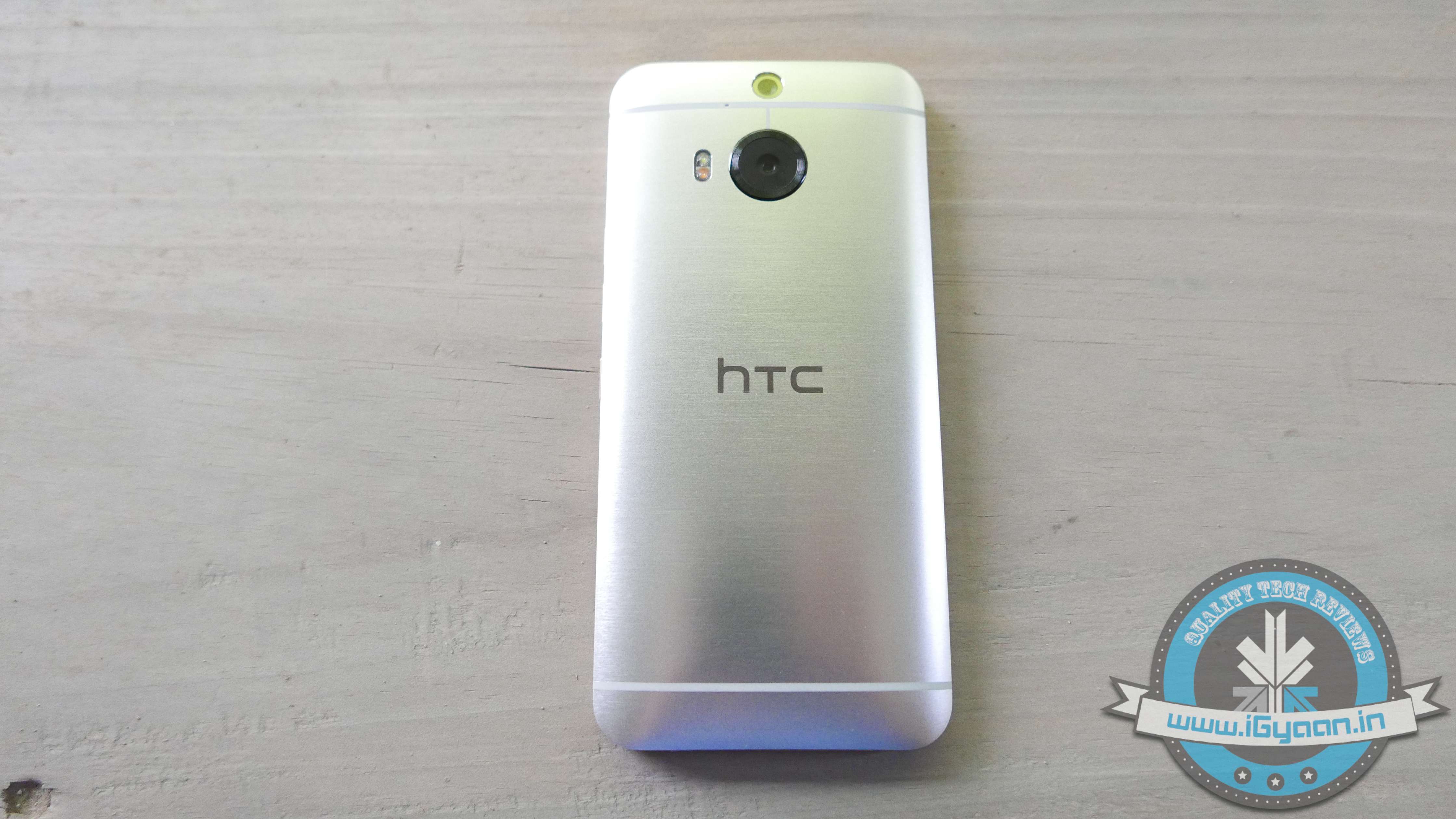
According to an HTC ROM developer the HTC One X9 will be launched early next year around January to March 2016 and unfortunately it won’t be a high-end smartphone. The source has further suggested that this new handset might be priced lower than the One A9.
HTC E56 (One X9) targeted Q1 2016 Device will be positioned lower than HTC One A9 It will be released ~2-3 months before flagship “M10”
The availability of the One X9 will reportedly be around the first quarter of 2016 and there’s more; HTC might reveal a flagship successor to the One M9 called the One M10. As of now, there is no information about the M10, but we do know that the rumoured specs for the X9 are reportedly incorrect. There won’t be a Quad HD screen, or the Snapdragon 820 or the MediaTek Helio X20 processor or 4 GB of RAM, and not even a 3,500 mAh battery.
HTC One X9 rumours (1/2): Snapdragon 820 or MediaTek Helio X20 – Wrong 3GB or 4GB RAM – Wrong 32-128 GB ROM – Wrong 1440p screen – Wrong
However, Twitter ‘leakster’ @evleaks suggest that the X9 or the E56 might feature a 5.5-inch display with 1080 x 1920 pixels, 2 GB of RAM, 16 GB of internal memory, 4 MP UltraPixel front-facing camera, 13 MP rear camera, and a 3000 mAh battery.
.@stagueve All wrong. E56 sports a Mediatek SoC & 5.5″ FHD display. Memory is just 2GB/16GB, camera 13MP/4UP (OIS), w/ a 3000mAh battery. — Evan Blass (@evleaks) November 9, 2015
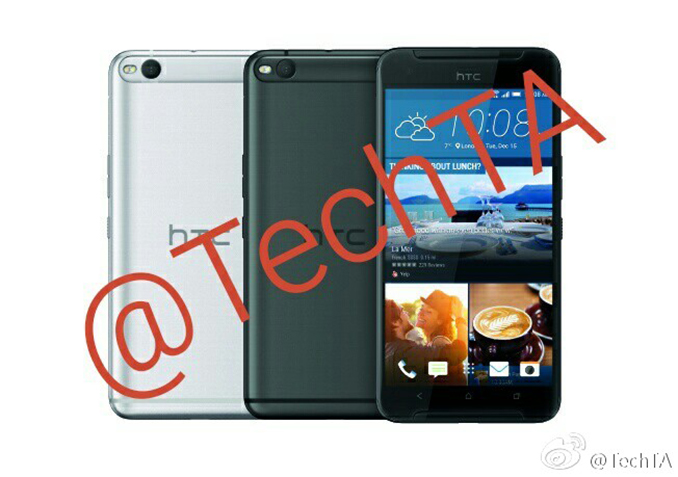
Apart from tweets and specs leaks, there have also been a couple of images leaked by @TechTA.
This leak shows us both the front display and the back cover of the alleged smartphone. The first thing we notice is the dual-LED flash that is located in the upper left corner of the One X9, it can also be implied that this device could sport three capacitative buttons below the display, back, home and overview. Thirdly, there might also be BoomSound speakers included within the HTC mid-ranged smartphone.
As of now, this is all the information that is available, so until then, stay tuned and we will bring you all the facts you need to know regarding this handset.
Since the launch of the One M9, the whole world has been conflicted on whether HTC did enough of an upgrade from the One M8 to the One M9. The HTC One M9+ made things more confusing for the buyers and eventually led to unhappiness all round. While the original HTC M9 was launched in the European and American markets, there was more demand in the Asian region and vice-versa with the M9+, which was launched in the Asian market, and had more takers in Europe.
HTC One M9 (Original ) Unboxing:
Apart from the name, there are quite a few differences between the One M9 and the One M9+. For starters you have a completely different chipset. While the global M9 is packing Qualcomm Snapdragon the M9+ packs a MediaTek MT6795T. The M9+ does have DUO cameras at the back, just like the M8. However a mix of 20MP+2MP vs the Ultrapixel combo on the M8 or the single 20MP on the M9 makes for better photographic options.
Another difference is the way HTC M9+ handles storage, allowing upto a 2 TB microSD to be inserted into the handset and used as storage.
Build Quality
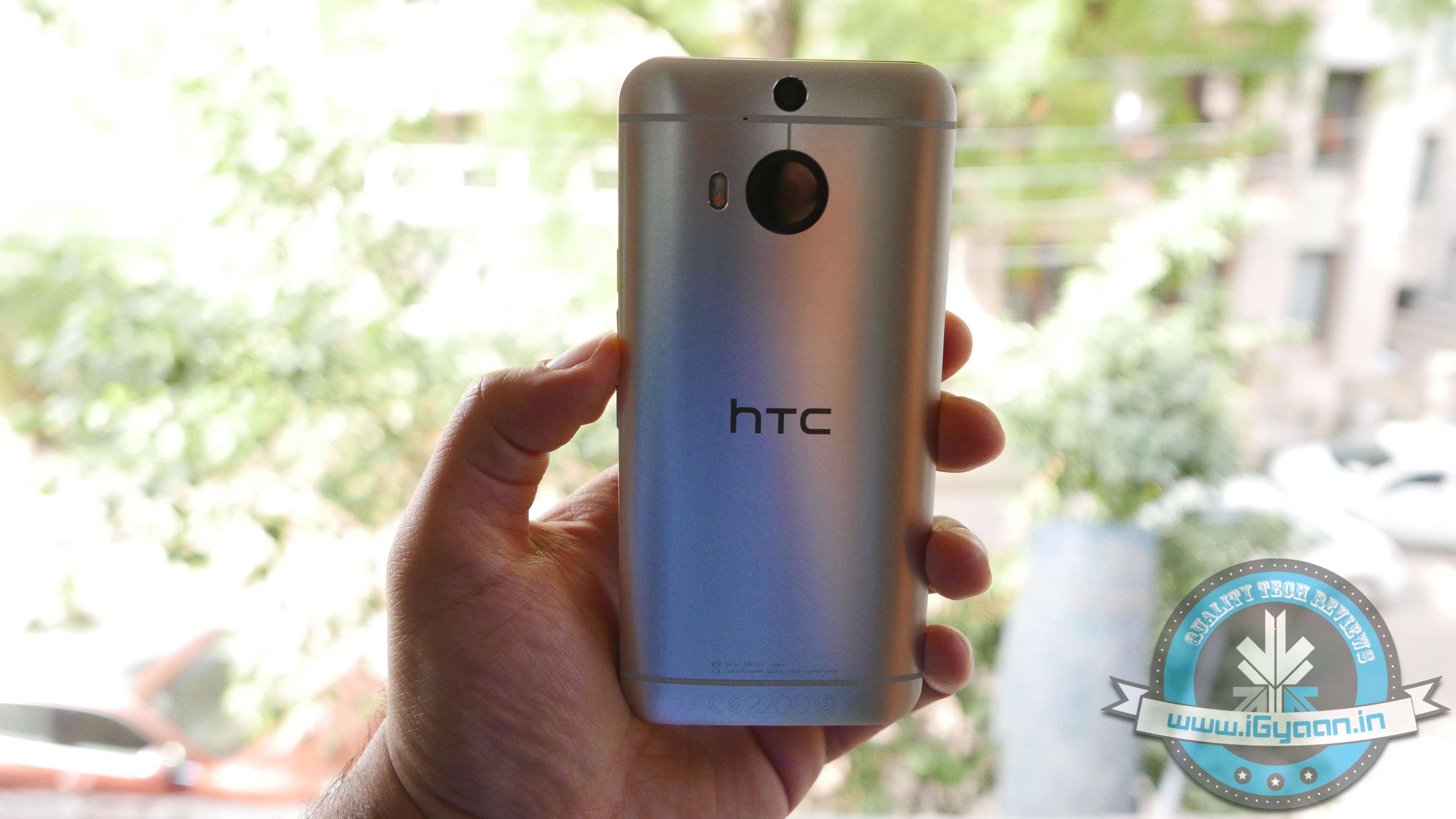
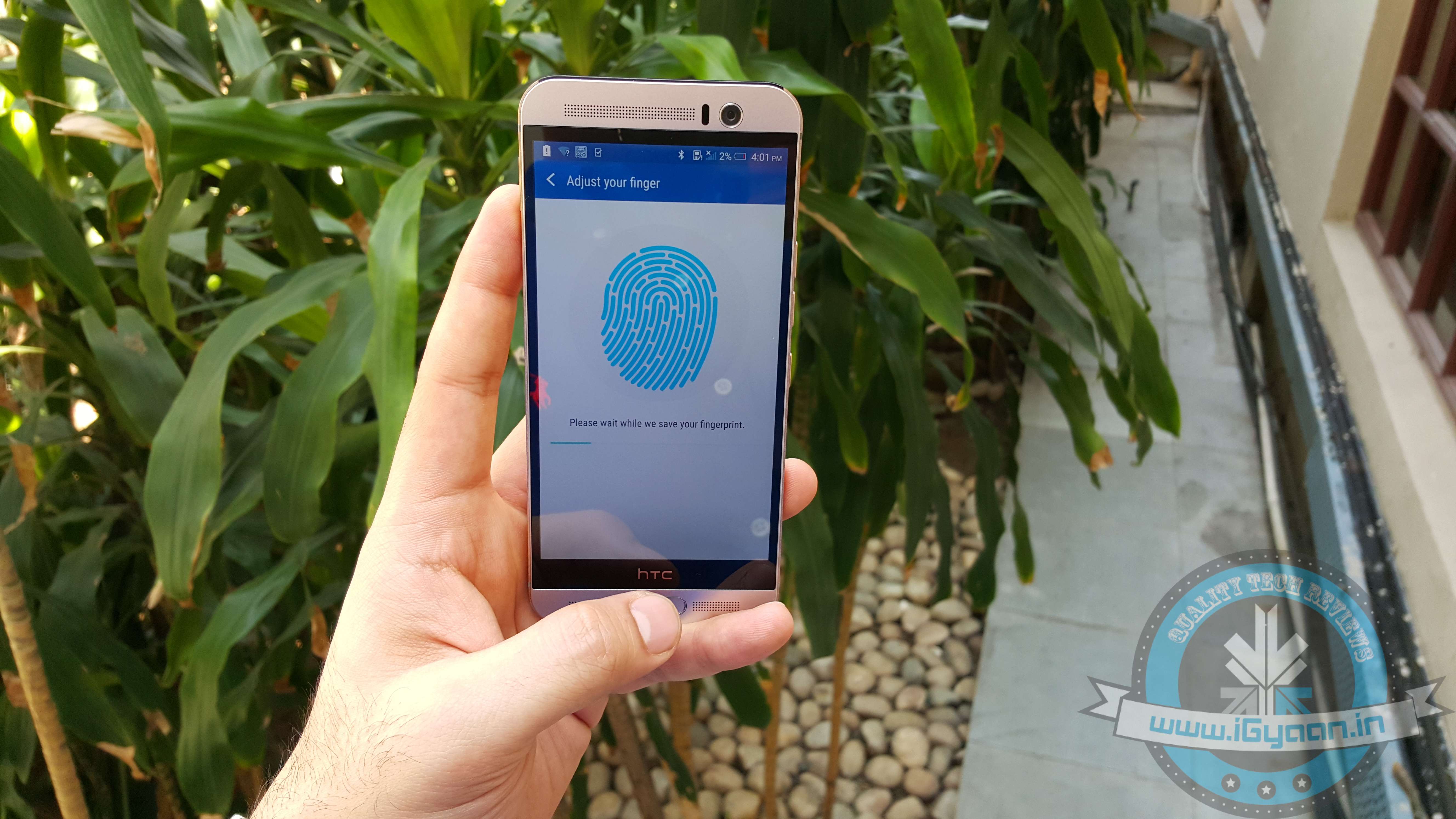
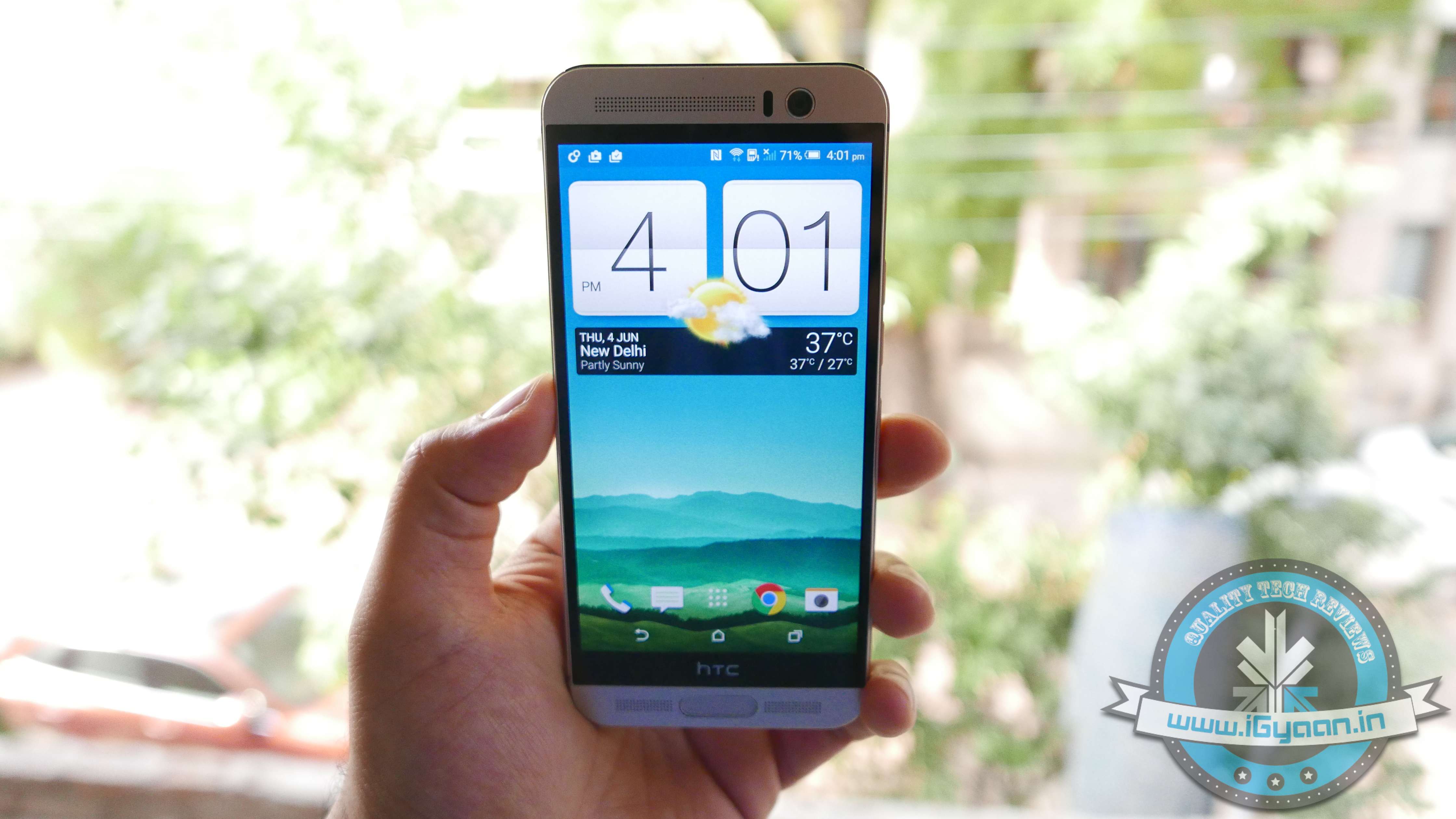
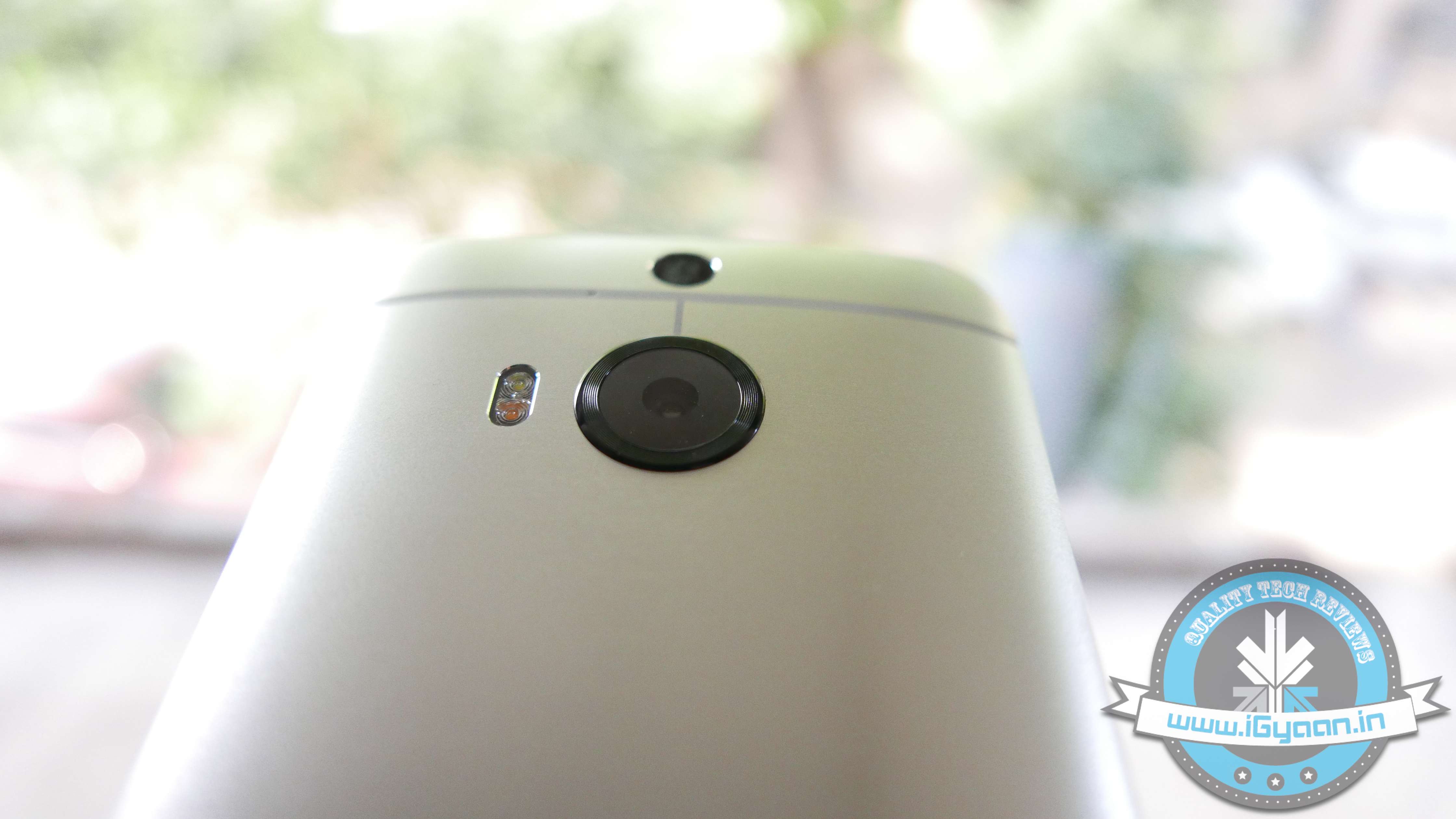
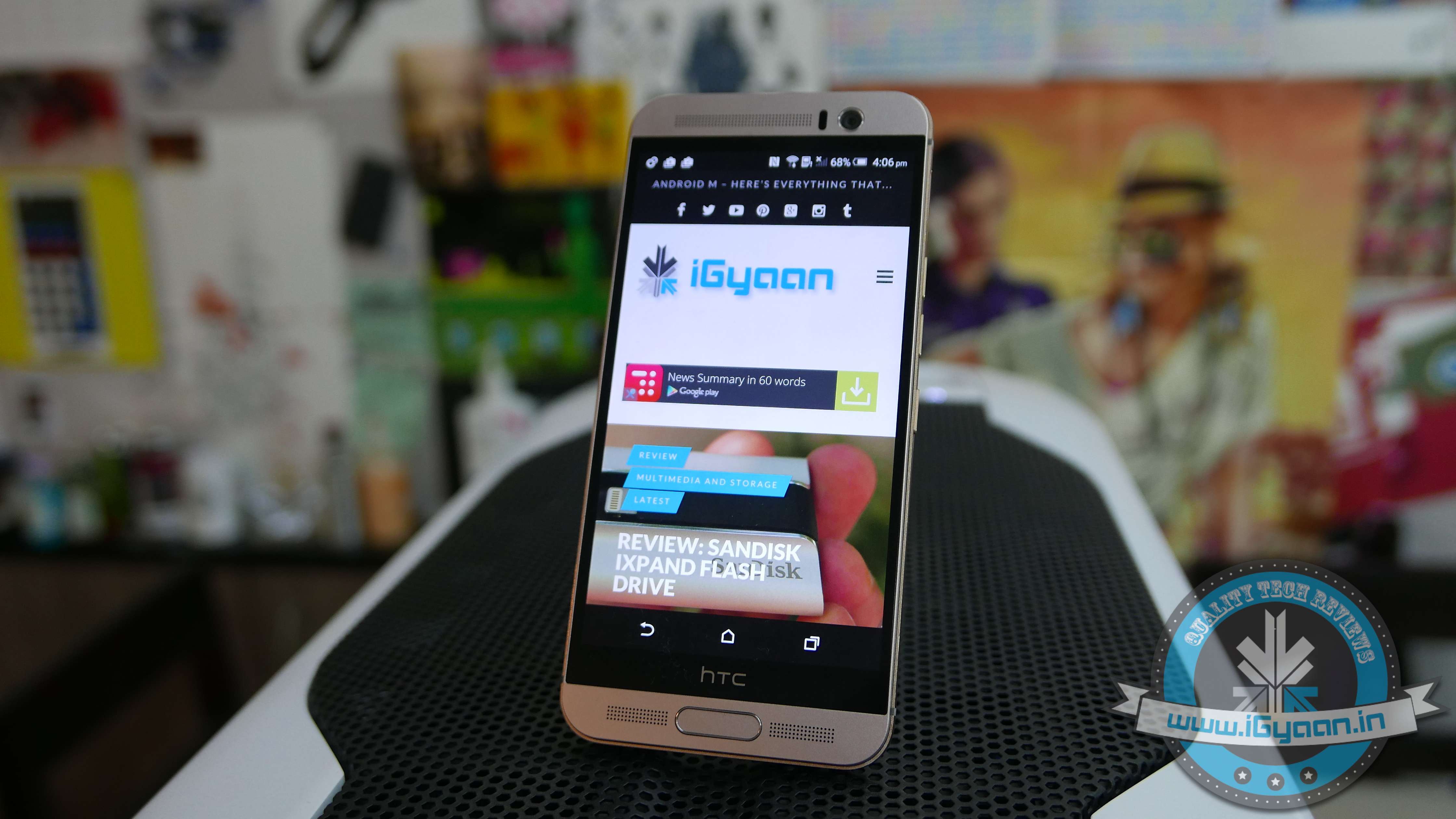
HTC keeps up to tradition with the new HTC M9+ and it’s quite identical in design with the HTC One M9. A brushed two-tone finish with the same all Aluminium back as seen earlier on the M9. The gold trim is easy on the eyes, and even though not everyone has shown a lot of appreciation towards it, the material trip is unique. The front has new-gen Gorilla Glass 4 and a centrally located fingerprint scanner, which may be confused for a main button.
Although, when the phone is unlocked an activated finger would allow you to jump back to the home screen. So it is touch button that looks like a real button with a fingerprint scanner embedded in it.
Hardware
Hardware wise the HTC One M9+ truly brings it to the table; great cameras, excellent display, ample storage and a large battery. However the Mediatek chipset was a real surprise to consumers and to us alike. This new chipset is actually much better than we anticipated, and puts the M9+ right back up in the flagship league.
The questions around the One M9+ are bang on. Is the Mediatek chipset a mistake? Should HTC have stuck with Qualcomm? Is the performance getting affected?
However the answers are even simpler. HTC found the new Mediatek MT6795T to be refined and powerful enough to power their flagship. We find it difficult to disagree. The processor does not tire, it’s efficient and highly performance driven and allows the user to truly take advantage of the handset.
Also, unlike the dual setup of the Qualcomm Snapdragon, the Mediatek chipset comes with an 8 Core CPU.
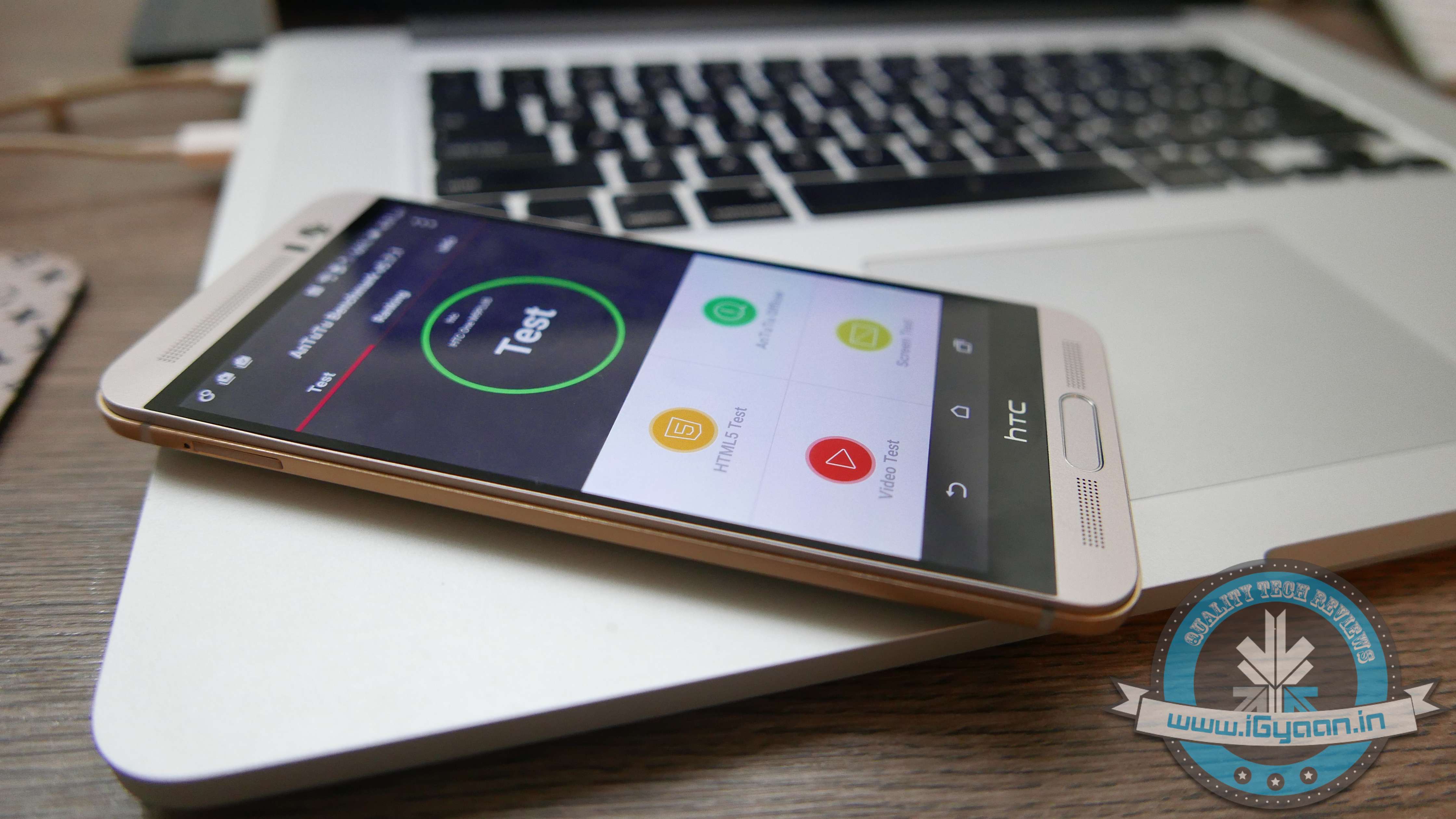
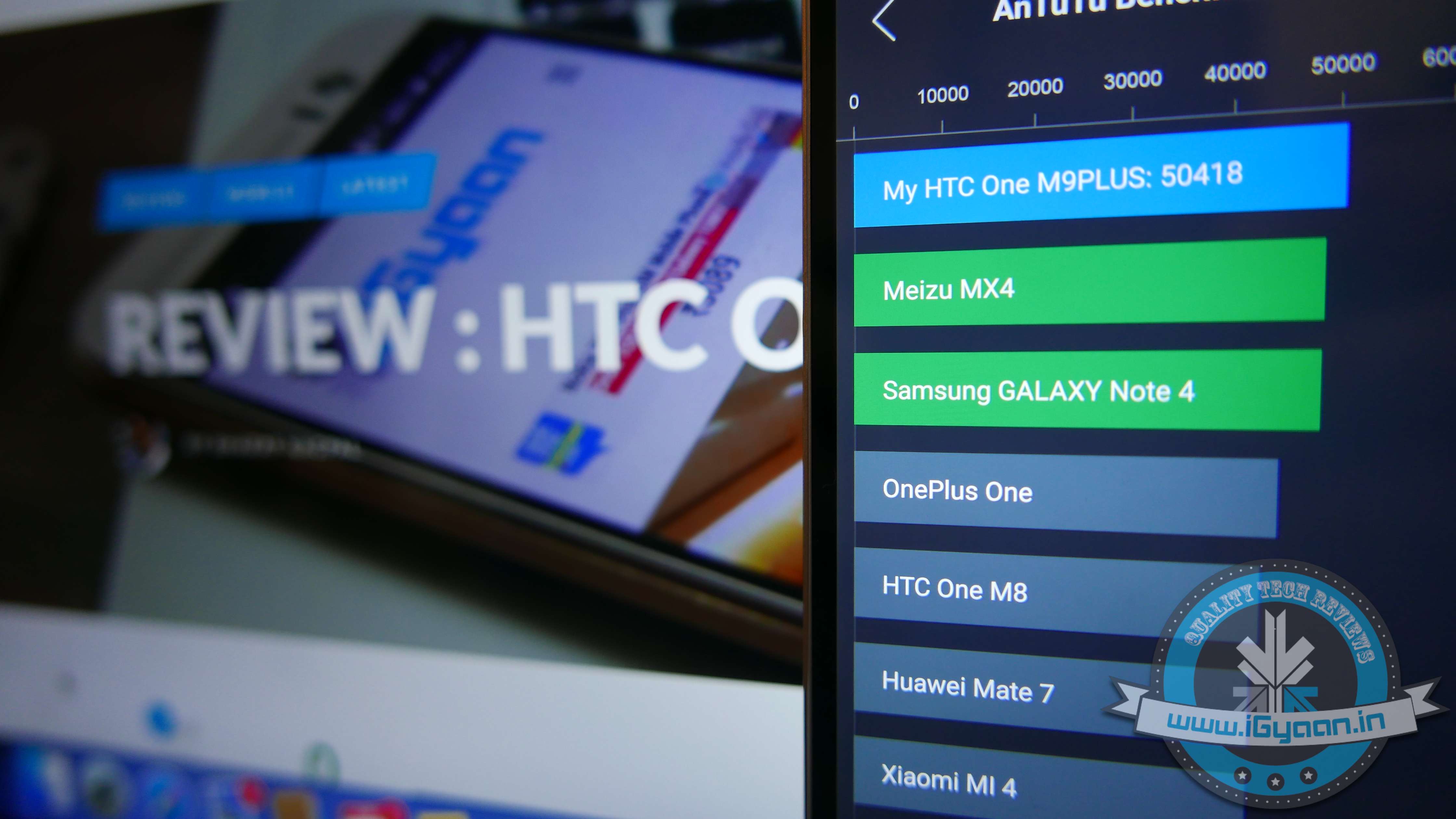
The HTC One M9+ scores positive results on benchmarks, with a happy 48000+ on AnTutTu 64 bit. The performance report pitches it against all market flagships and gaming performance is better than 85% of the other devices at hand.
Gaming is not a problem on the HTC One M9+, the chipset is quick at CPU calculations and load times are highly improved. GPU renders 2D and 3D graphics with easy and most games perform well at high graphics.
Display and Multimedia
It’s a pity that the original HTC One M9 didn’t get a high resolution display. A 2k display makes sense on a handset with over 5 inches to spare, and HTC has managed to get it all well within the sweet spot. As with most HTC displays in the past, this too gets a SLCD panel with Gorilla Glass 4 and great brightness indoors or outdoors.
Gorgeous 2K Display
Boomsound is much better on the M9+ when compared to the audio quality of the HTC One M8, larger speaker cavities improve the native sound and an enhanced audio chip improved audio from the headphones. The Boomsound speakers are possibly the industry’s best and they have seen significant improvement on the M9+.
Camera
HTC has also majorly overhauled their camera strategy. From saying “Megapixels don’t matter” to stuffing a 20 MP sensor in their latest flagship, HTC has truly gone with what the market wants. A wide f2.2 enables good low light shots, however, the Samsung Galaxy S6 takes the cake on low light with their f1.7 aperture lenses.
The images from the HTC One M9+ are sharp and the colours are well balanced. The contrast is good and the light compensation in low light is excellent. Native image stabilization is hugely missed on this handset.
The Camera app is a lot more simplified and easy to use. While certain things that came naturally on the HTC One M8 are now slightly difficult to operate, like the Dual-Camera capabilities. The addition sensor on the dual setup measures the field of view and allows the user to capture images with defined and adjustable depth. It’s mostly gimmicky, however in a perfect light and area setup, it works flawlessly. An idea example would be a landscape shot with a subject in the foreground. These type of shots will work best and will also allow customisations using HTC’s inbuilt features.
Duo Camera 20 MP + 2 MP
ZOE, now independent of the camera app on HTC devices, is more of a cross platform photo sharing app. Important filters and features make it fun to use and allow the user to experiment a lot more with the camera on the HTC One M9+.
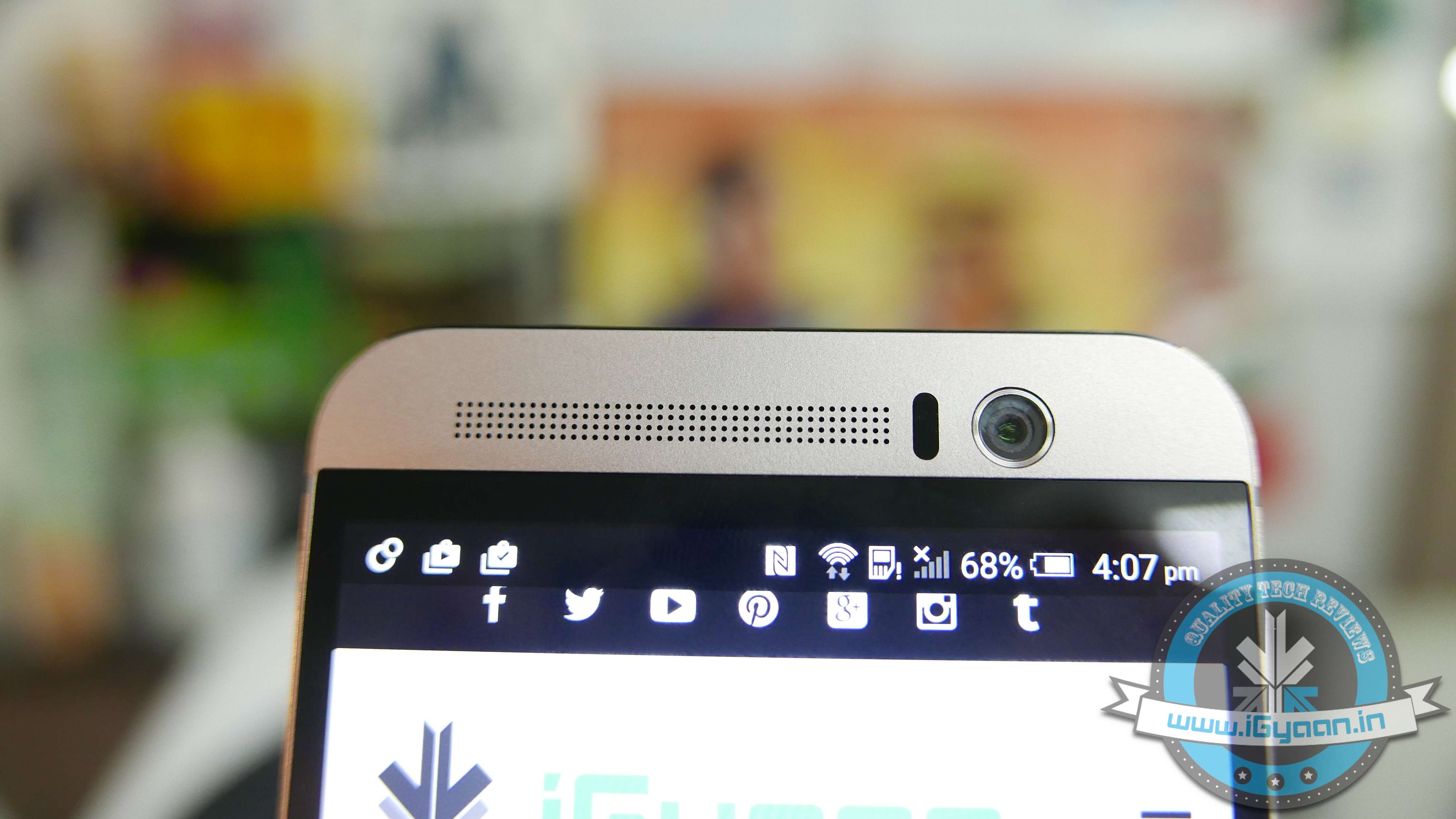
Front Ultrapixel Camera
The front camera is an Ultrapixel camera from HTC, the same sensor we saw on the back of the M7 and the M8 last year. This drastically improves the front facing camera’s quality as well as low light capabilities.
OS and Blinkfeed
One of the best things HTC has done on the M9 and the M9+ is reduce their control of the Android OS space. The new HTC Sense 7 is a lightweight skin vs what it used to be in the past. Less customisations by HTC also mean that Android Lollipop and Android M (in the future) get to display their full glory.
If you do miss customizations, like HTC’s flip clock, they are now included in the widgets section and are just a simple long tap away. You also, still get themes which you can further customize, by changing colours, images and layouts.
Blinkfeed has also upped its game, with a faster re-hash of feeds and a better layout. The higher resolution display of the M9+ helps in highlighting the content.
The OS and the UI elements are highly optimized, this helps improve productivity and reduce battery consumption.
Phone Network & Battery
The HTC One M9+ supports LTE networks as well as all bands in India. It has a fantastic antenna and excellent voice quality, something that has become synonymous with HTC in the past. No dropped calls and hit network in places with poor reception, are great things to have.The reduced search for strong network also improves battery life on the handset.
Both the speaker and microphone are loud and responsive, allowing parties on both sides to communicate effectively.
The 2840 mAh battery is more than sufficient in getting through the day and then some. The chipset along with the optimizations on the software front make the battery-drain end up on the lower side of the spectrum. The battery life could have been better and things like fast charge are missing from the mix, we honestly don’t mind.
Type
WiFi
Cellular
Talk Time
N/A
6 Hours
Standby
150 Hours
48 Hours
Music
12 Hours
10 Hours
Internet
5 Hours
5 Hours
Video and Gaming
4-5 Hours
4 Hours
Conclusion
With the One M9+, HTC has put all its cards on the table. Their experiment with a relatively newer chipset manufacturer may have paid off well. Consumers in Europe are craving the One M9+ while being served the One M9, and there is good reason for that. The M9+ turns out to be a much better handset than many already in the market, it also is a much better handset than the company’s own M9. Excellent build quality, great design and aesthetics, premium materials, great hardware and excellent cameras make the HTC One M9+ a better device. The camera improvements will satisfy those that missed it last year, and the OS improvements will really push the envelope on making the One M9+ ownership worthy.
The One M9 was a huge disappointment, failing to play catch up with what was happening in the industry. However, with the new M9+, HTC not only caught up, they set precedent.
 This leak shows us both the front display and the back cover of the alleged smartphone. The first thing we notice is the dual-LED flash that is located in the upper left corner of the One X9, it can also be implied that this device could sport three capacitative buttons below the display, back, home and overview. Thirdly, there might also be BoomSound speakers included within the HTC mid-ranged smartphone.