Tag: market share

  • Samsung Is Once Again The Number One Premium Smartphone Maker In India

    Samsung Is Once Again The Number One Premium Smartphone Maker In India

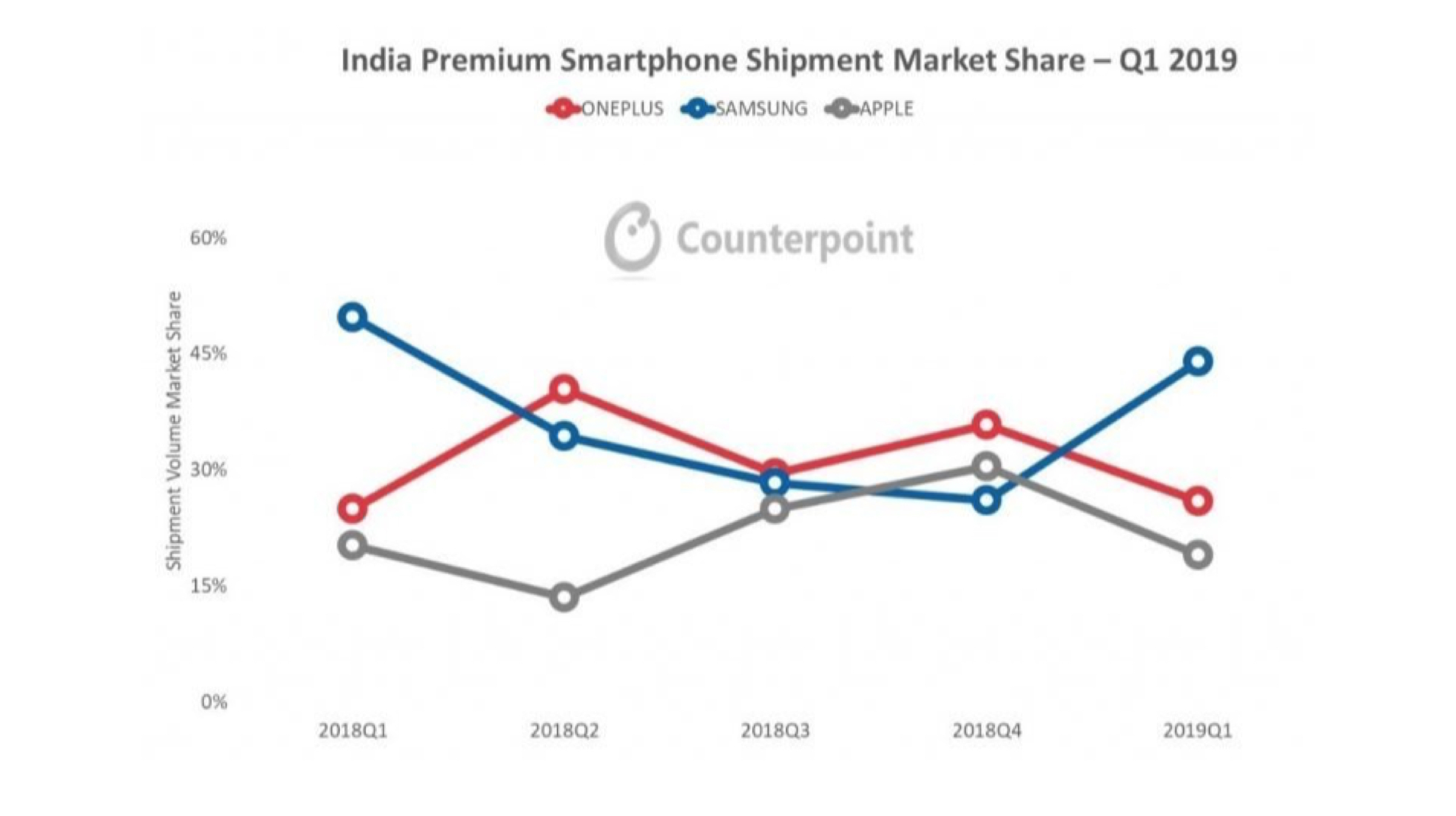
    Samsung is currently the number one smartphone manufacturer in the world. Clearly, the company also has a very strong grip in the densely populated Indian mobile phone market. Even though the largest smartphone maker in India is Xioami, Samsung has held the top spot in the premium smartphone segment. But, for the last three quarters, the company lost its title to the Chinese smartphone maker, OnePlus which rode to the top on back of the OnePlus 6 and the OnePlus 6T.

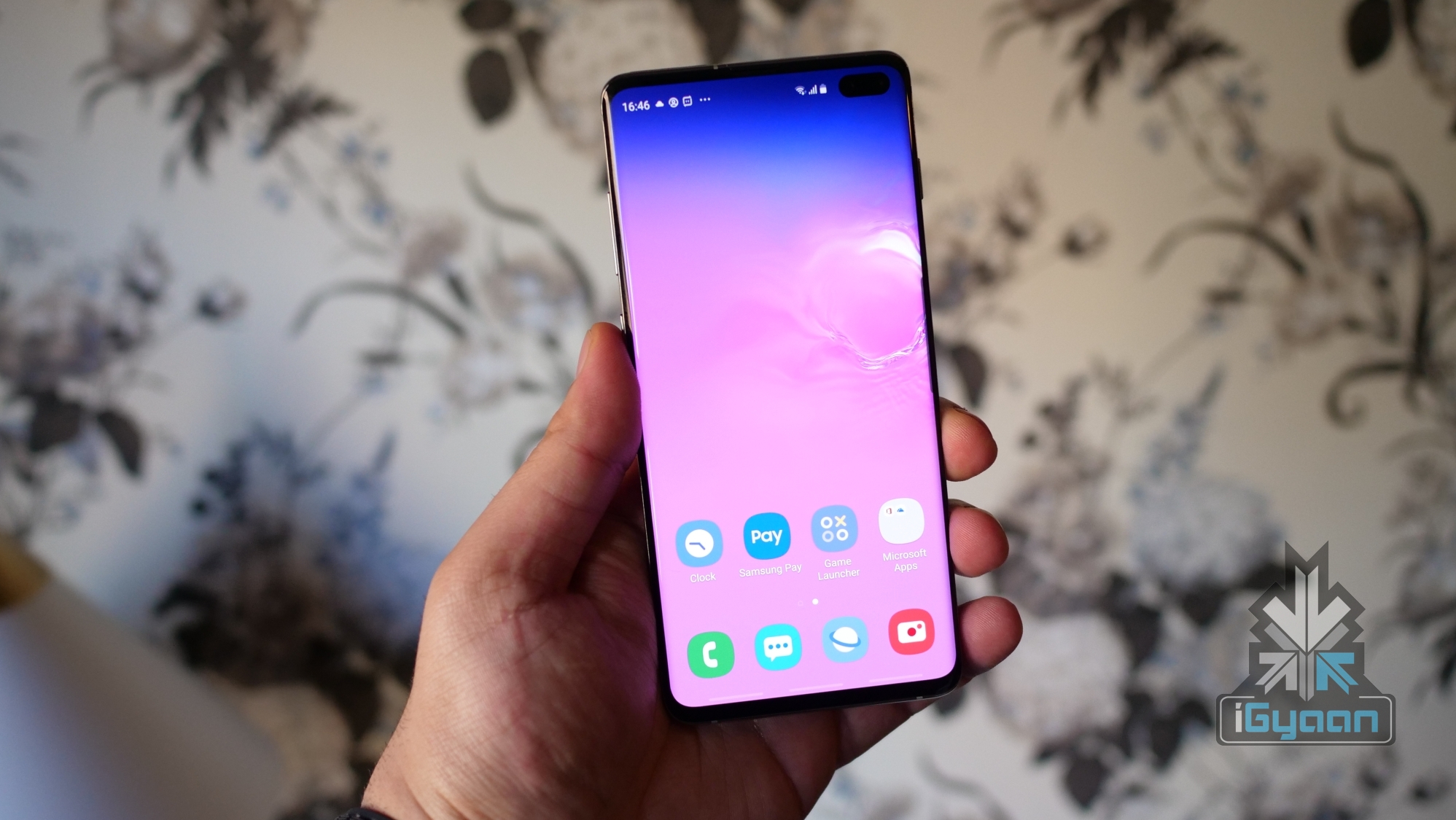
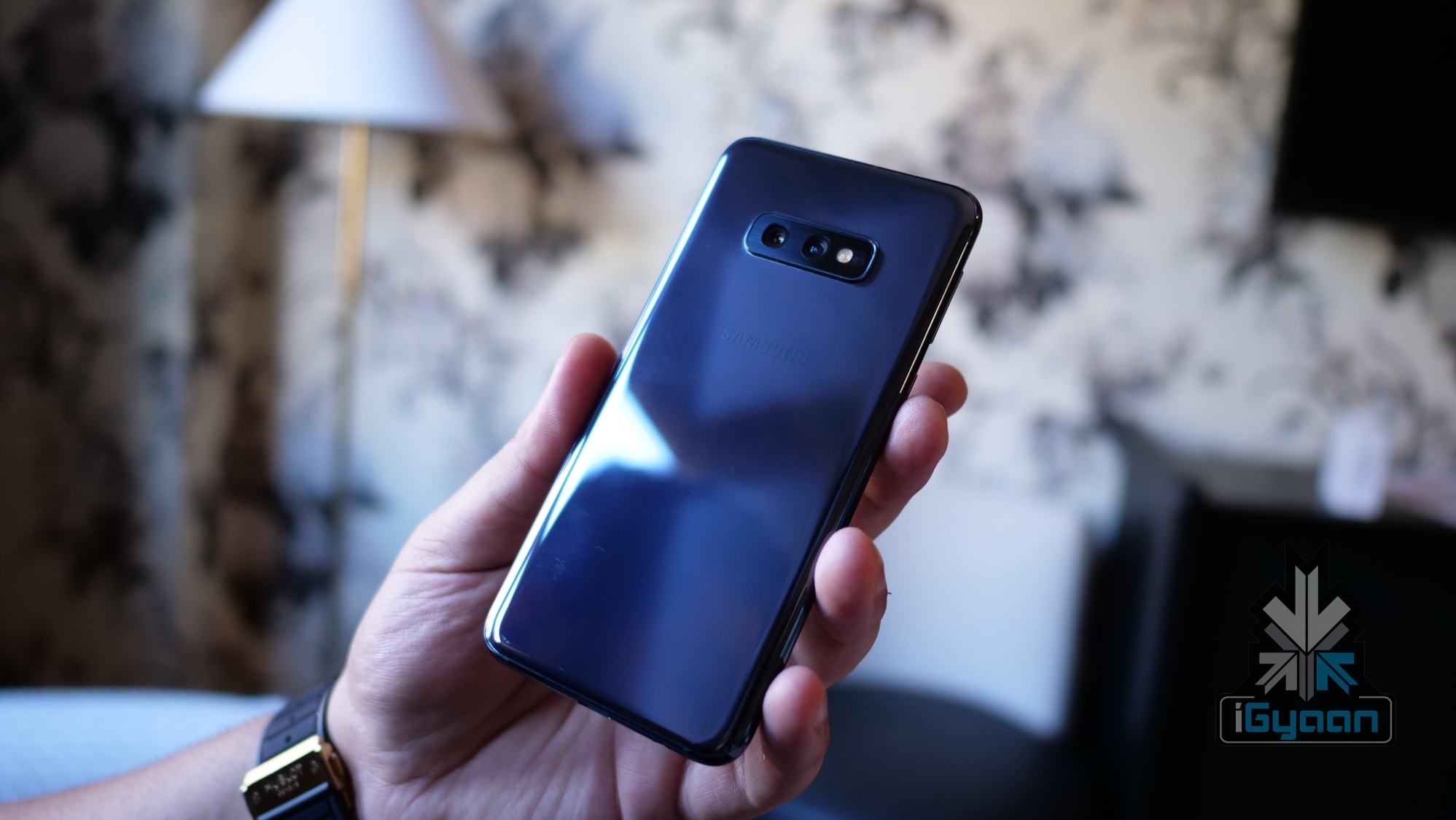
    A fresh report published by Counterpoint research reveals the newly launched Galaxy S10 lineup has helped the company regain its pole position. For starters, Counterpoint is a market research company dedicated to delivering intelligence on technology trends across the globe. According to the report, the top three premium brands including Samsung, OnePlus and Apple accounted for 90 per cent of the premium segment shipments in Q1 of 2019 as compared to 95 per cent in Q1 of 2018.

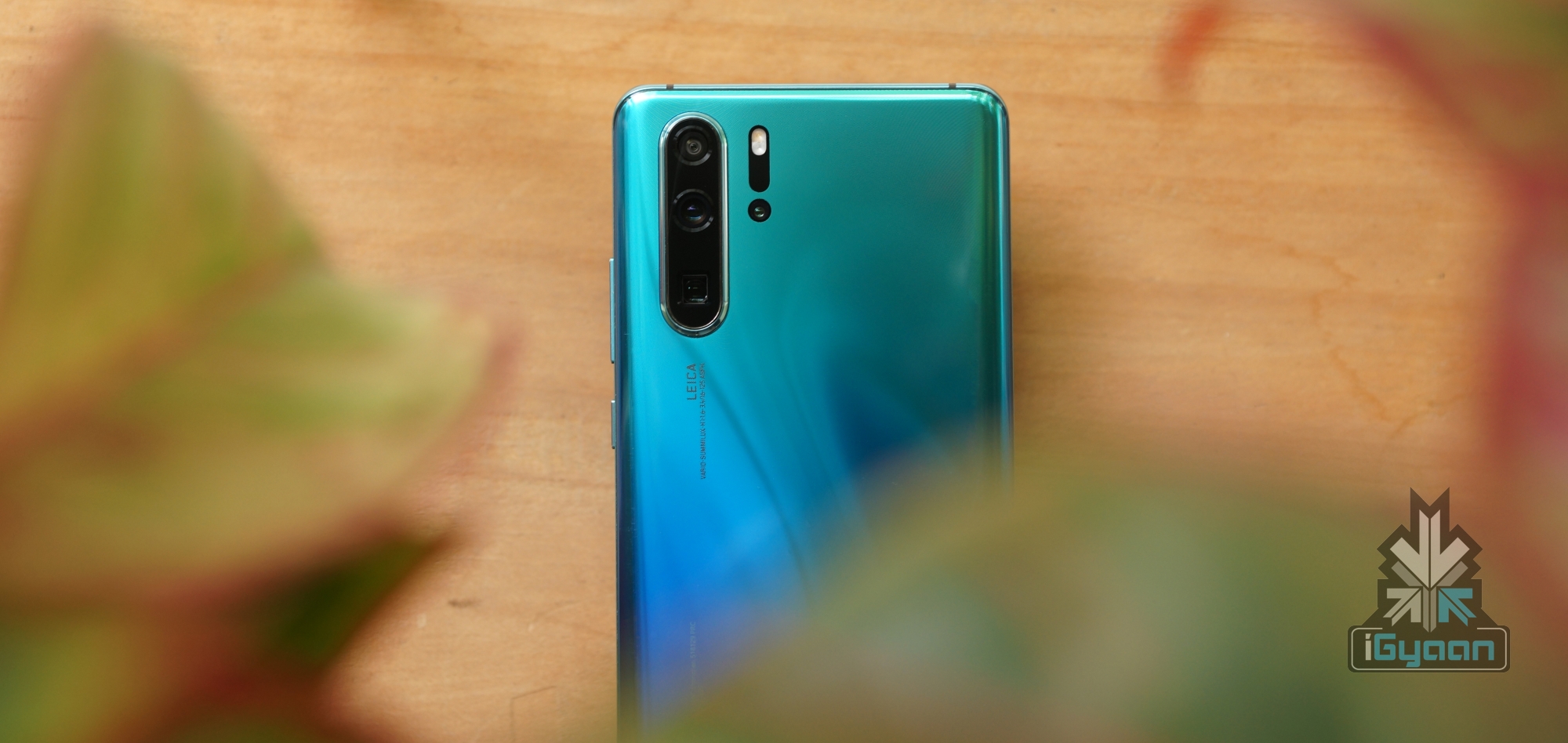
    The report states the remaining 10% of the stake is shared companies like Huawei which have gained traction based on the Mate and P Series of smartphones. It also highlights that Apple is also striving to stop its decline which is primarily due to excessive pricing. On the brighter side, as the company starts local assembly of certain iPhone models which is expected to happen soon, it will be relieved of the 20% import duty that the Indian government collects for each unit. Samsung Galaxy S10

    The Counterpoint report exhibits if Apple passes on some of the price benefits to the consumers, it is expected to see a significant rise in its sale. The top selling premium smartphones in the Q1 2019 are as follows:

    • OnePlus 6T : 26%
    • Samsung Galaxy S10 Plus: 16 %
    • Samsung Galaxy S10: 12 % 

    Also Read: Realme X With 8 GB RAM Spotted On Geekbench

    Samsung has certainly managed to race ahead of the competition in the Q1, however, it will be interesting to see what the results are like once the highly anticipated OnePlus 7 and OnePlus 7 Pro launch. The said devices are set to launch on the 14th of May. 

  • 10 Million Indians Will Own iPhones In 2018

    10 Million Indians Will Own iPhones In 2018

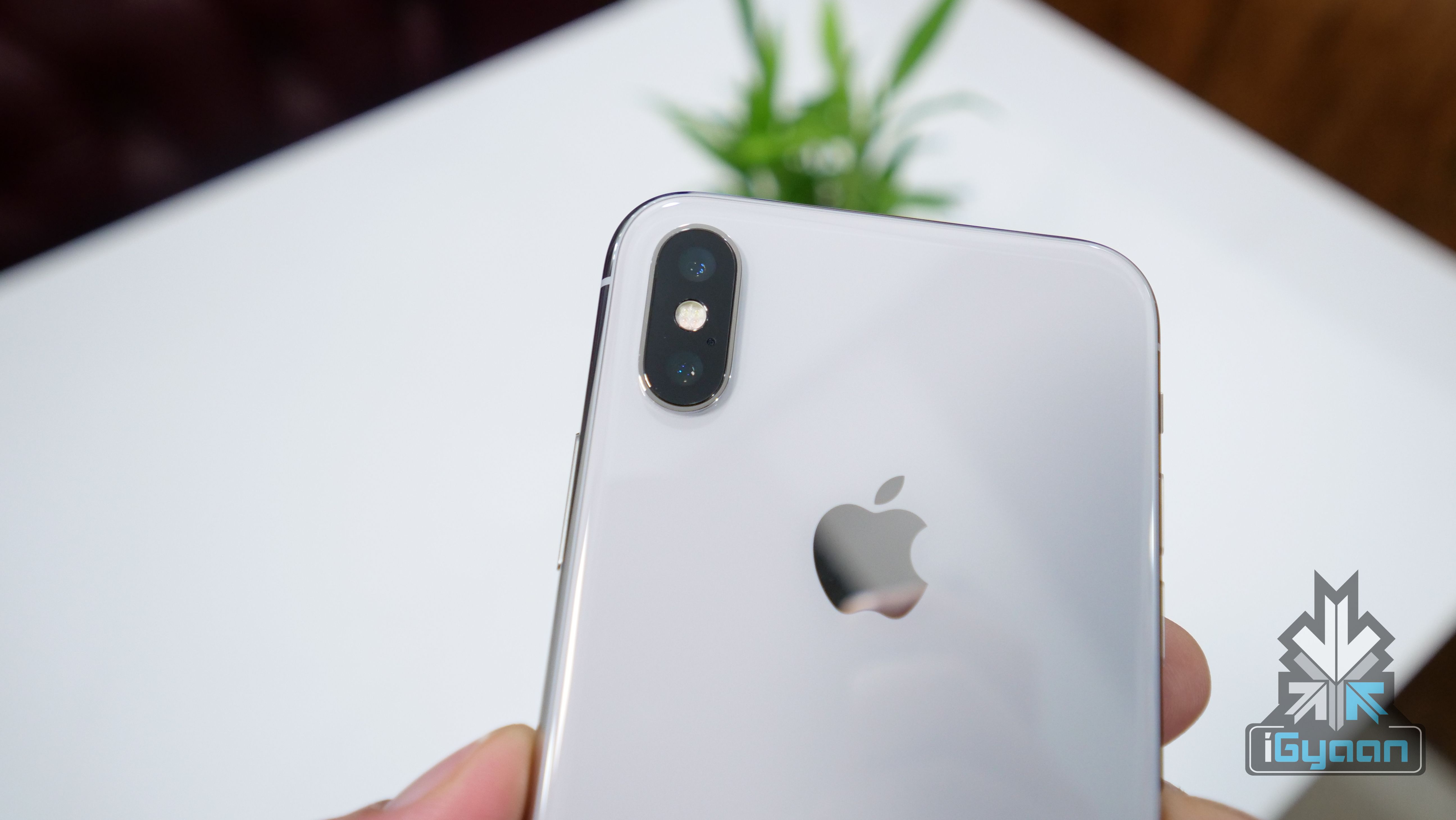
    The priciest iPhone ever, the iPhone X was well-received all over the world. In 2018, Apple will repeat the trifecta by launching three new iPhones. The design of the iPhones will be identical to the iPhone X. This means that the iPhone SE 2 will be the only new iPhone to feature Touch ID. But, that won’t stop the company from reaching 10 million iPhone users in India.

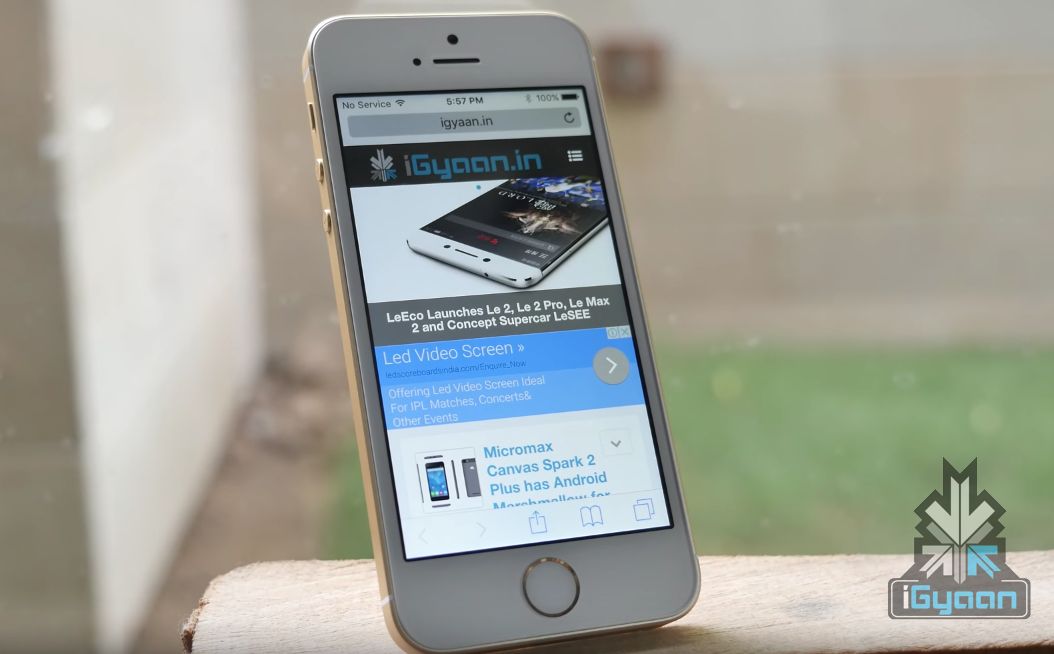
    iPhone SE

    In 2017, there were 8.9 million iPhone users in India. With the launch of three of new iPhones and a price drop of some famous iPhones like the iPhone 7 and 7 Plus, this number will increase a lot more. A report by CyberMedia Research claims that Apple will reach the number far quicker if it ramps up its assembly operations in India. If done so, the company will be able to reduce the price of other iPhones as well, just like it did for the iPhone SE.

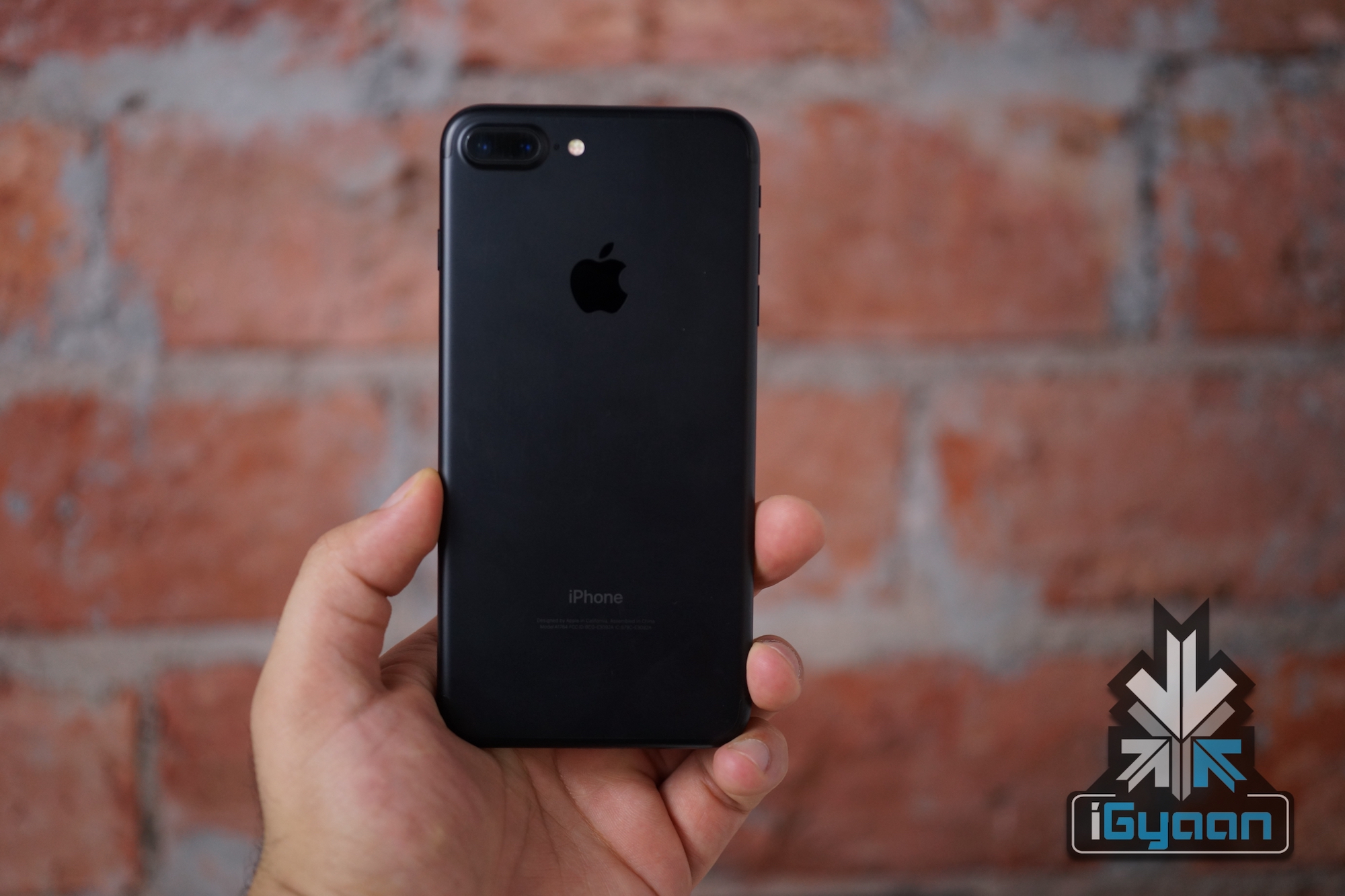
    iPhone 7 Plus

    CyberMedia Research analyst Faisal Kawoosa said:

    It’s a remarkable accomplishment for Apple. In a price-sensitive market like India where 56% of the smartphones sold are still sub Rs 10,000.

    However, just comparing pure numbers would reveal that Apple’s accomplishment pales in front of that of Xiaomi and Samsung’s. The new market leader, Xiaomi, had 28 million users by the end of 2017. Samsung, on the other hand, has crossed the 100 million-barrier. But, as the report points out, India is a very price sensitive market and Apple only sells premium smartphones here. Even its most affordable offering, the iPhone SE is double the average price of a bestselling smartphone.

    Redmi Note 5 Pro

    In fact, the iPhone X recently became the bestselling premium smartphone in India. In Q4 2017, the iPhone X was the top smartphone in the premium segment, with a share of 21% of the shipments. The iPhone X was followed by the OnePlus 5T at 17% and Samsung Galaxy Note 8 at 8%.

  • Samsung And Xiaomi Make Up For 45% Of Smartphone Market In India

    Samsung And Xiaomi Make Up For 45% Of Smartphone Market In India

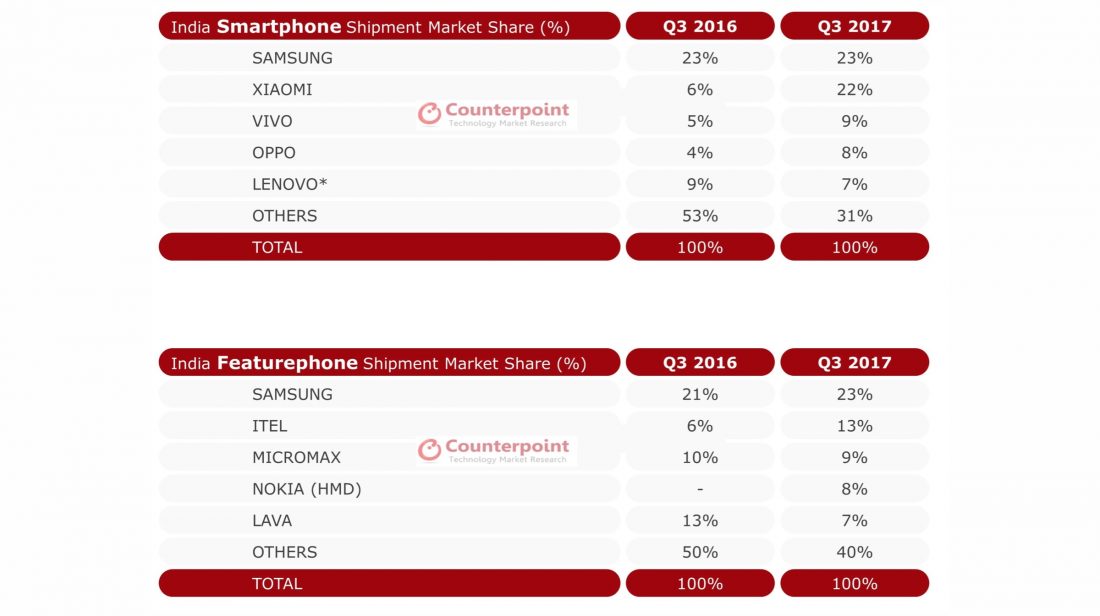
    Samsung and Xiaomi together constitute 45% of the smartphone market in India in Q3 of 2017. The smartphone grew 37% (quarter on quarter) and 18% (year on year) to temporarily surpass the US for the first time ever as the second largest smartphone market in the world. The number one spot i still retained by China. According to Counterpoint’s Market Monitor service, India’s mobile phone shipments reached an all time high of 84 million in 2017 thanks to a strong sale period of both feature and smartphones.

    Samsung and Xiaomi together contributed to almost 45% of the smartphone market. This is the first time since 2012, that the top two brands have reached this level of combined share, signalling that key brands are ramping up their presence in India. Additionally, the quarter was marked with return to growth for local handset players such as Micromax and Lava in the smartphone segment.

    Affordable mid-end segment (Rs. 10,000 – Rs. 15,000) was the fastest growing segment thanks largely to a strong performance of Xiaomi which contributed to almost half of the shipments. Three of the top five best selling smartphones in India were from Xiaomi alone.

    Commenting on the findings, Karn Chauhan, Research Analyst at Counterpoint Research said,

    India continues to be an attractive destination for handset OEMs. With strong smartphone growth and a sizeable feature phone market for at least three to four years, OEMs in India can target a diverse set of audiences. This has allowed a number of OEM’s to still realise double digit growth in the feature phone segment in spite of being absent in the smartphone segment.

    Chinese smartphone brands have a third consecutive year when their market share is over 50% in India. Indian brands like Micromax and Lava grew 41% and 24% (quarter on quarter), respectively, in the smartphone market after recovering from their all-time low performance after demonetization in 2016. Micromax Bharat 2 was the bestselling phone in the sub-Rs 5000 segment. Xiaomi, iTel, Oppo, Vivo, and OnePlus were the fastest growing smartphone brands during the third quarter which is largely due to the festive sales and attractive discounts.

    Because of the strong performance of Apple, OnePlus, and Samsung, the premium segment (above Rs. 30,000) grew record three times (year on year) during Q3 of 2017.

  • Samsung eyes 60% market share in smart TVs

    Samsung eyes 60% market share in smart TVs

    Electronics major Samsung India today said it is eyeing 60% market share in the smart television space in the country this year and a sales turnover of Rs 225 crore from Kerala during ‘Onam’ festival next month.

    [quote]”Samsung aims to garner 35% market share in flat panel television in India against the current market share of 30% and 60% market share in smart televisions,” Samsung India Vice-President (AV Business) Raj Kumar Rishi said.[/quote]

    To attract consumers in the state during the festive season, the company launched a smart TV that enables consumers use voice, gesture control and face recognition through ‘Smart Interaction’ technology to control and interact with TV without touching the remote.

    Consumers can switch the television on or off, activate applications or search and select content in the web browser just by speaking, moving their hands or showing themselves to the systems built in cameras, he said.

    The company also announced the global availability of the Angry Birds App for the smart TV.

    Developed by Rovio Entertainment, a Finnish entertainment media company, Angry Birds is one of the top smartphone application worldwide.

    The new ‘India customised’ EH series will also be available to consumers during the festival period. Samsung is also offering consumers an enhanced Home Appliance line up, comprising five star rated Refrigerators, Split ACs, ‘Ecobuble’ front-loading washing machines and Microwave ovens.

    Mahesh Krishnan, Vice-President, Home Appliance Business, said they hope to achieve Rs 225 crore sales during the Onam festival period from July 25-Aug 31. Samsung is targetting sales of about 30,000 units of flat panel TV and 1,500 smart TVs during Onam in the state.

  • Gartner: Apple leads, Android level dips

    Gartner: Apple leads, Android level dips

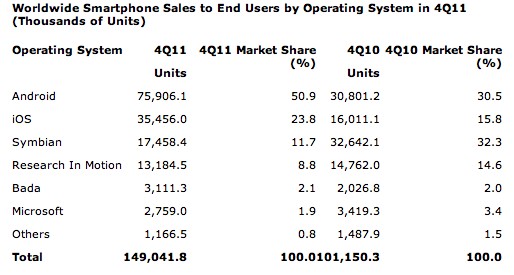
    According to a recent report by Gartner Apple leads as the world’s top smartphone vendor by market share (19 percent), majorly thanks to the holiday quarter. During the season Apple sold some 35.5 million handsets to end users, a 121.4 percent increase from Q4 2010.

    Apple now also overtook LG as the Third largest seller of mobile handsets with 7.4 percent market share in the past holiday quarter right behind Nokia (23.4 percent) and Samsung (19.4 percent).


    [box style=”rounded” border=”full”]

    Gartner Says Worldwide Smartphone Sales Soared in Fourth Quarter of 2011

    Apple Became Top Smartphone Vendor in Fourth Quarter of 2011 and in 2011 as a Whole

    Egham, UK, February 15, 2012-

    Worldwide smartphone sales to end users soared to 149 million units in the fourth quarter of 2011, a 47.3 per cent increase from the fourth quarter of 2010, according to Gartner, Inc. Total smartphone sales in 2011 reached 472 million units and accounted for 31 percent of all mobile devices sales, up 58 percent from 2010.

    Smartphone volumes during the quarter rose due to record sales of Apple iPhones. As a result, Apple became the third-largest mobile phone vendor in the world, overtaking LG. Apple also became the world’s top smartphone vendor, with a market share of 23.8 percent in the fourth quarter of 2011, and the top smartphone vendor for 2011 as a whole, with a 19 percent market share. “Western Europe and North America led most of the smartphone growth for Apple during the fourth quarter of 2011,” said Roberta Cozza, principal research analyst at Gartner. “In Western Europe the spike in iPhone sales in the fourth quarter saved the overall smartphone market after two consecutive quarters of slow sales.”

    The quarter saw Samsung and Apple cement their positions further at the top of the market as their brands and new products clearly stood out. LG, Sony Ericsson, Motorola and Research In Motion (RIM) again recorded disappointing results as they struggled to improve volumes and profits significantly. These vendors were also exposed to a much stronger threat from the midrange and low end of the smartphone market as ZTE and Huawei continued to gain share during the quarter.

    Worldwide mobile device sales to end users totaled 476.5 million units in the fourth quarter of 2011, a 5.4 percent increase from the same period in 2010 (see Table 1). In 2011 as a whole, end users bought 1.8 billion units, an 11.1 percent increase from 2010 (see Table 2). “Expectations for 2012 are for the overall market to grow by about 7 percent, while smartphone growth is expected to slow to around 39 percent,” said Annette Zimmermann, principal research analyst at Gartner.

    In the fourth quarter of 2011, Nokia’s mobile phone sales numbered 111.7 million units, an 8.7 percent decrease from last year. “Samsung closed the gap with Nokia in overall market share,” said Ms. Cozza. “Samsung profited from strong smartphone sales of 34 million units in the fourth quarter of 2011. The troubled economic environment in Europe and Nokia’s weakened brand status posed challenges that were hard to overcome in just one quarter. However, Nokia proved its ability to execute and deliver on time with its new Lumia 710 and 800 handsets. Nokia will have to continue to offer aggressive prices to encourage communications service providers (CSPs) to add its products to portfolios currently dominated by Android-based devices.”

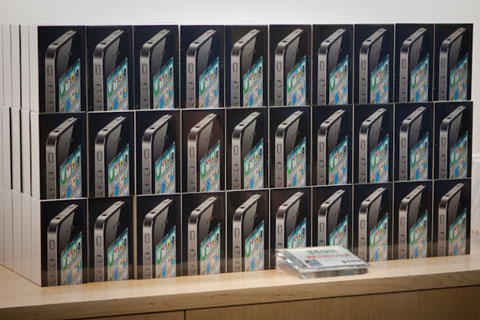
    Apple had an exceptional fourth quarter, selling 35.5 million smartphones to end users, a 121.4 percent increase year on year. Apple’s continued attention to channel management helped it take full advantage of the strong quarter to further close the gap with Samsung, which saw some inventory build up for its smartphone range. Apple’s strong performance will continue into the first quarter of 2012 as availability of the iPhone 4S widens. However, since Apple will not benefit from delayed purchases as it did in the fourth quarter of 2011, Gartner analysts expect its sales to decline quarter-on-quarter.

    After Apple, ZTE and Huawei were the fastest-growing vendors in the fourth quarter of 2011. “These vendors expanded their market reach and kept on improving the user experience of their Android devices,” said Ms. Cozza.

    In the fourth quarter of 2011, ZTE moved into fourth place in the global handset market. ZTE posted a strong smartphone sales increase of 71 percent sequentially. The company was able to extend its portfolio to three CSPs in its home market and benefited from consumers’ interest in low-cost smartphones. Huawei moved ahead of LG in the Android marketplace to become a top-four Android manufacturer, thanks to strong smartphone growth in the quarter. Huawei has made significant progress in moving to its own-branded devices, and it has continued to expand its portfolio into higher tiers as its tries to build more iconic products.

    RIM dropped to the No. 7 spot in the fourth quarter of 2011, with a 10.7 percent decline. RIM’s delay with its BlackBerry 10 platform will further impair its ability to retain users. However, RIM’s biggest challenge is still to expand the developer base around its ecosystem and convince developers to work and innovate with BlackBerry 10.

    In the smartphone OS market (see Table 3), competition between Google and Apple intensified. Android’s share declined slightly sequentially. This was due to strong iPhone sales, driven in particular by the iPhone 4S in mature markets and the weakness of key Android vendors as they struggled to create unique and differentiated devices. Samsung remained the main contributor to Android share gains in the second half of 2011. iOS’s market share grew 8 percentage points year-on-year, but Gartner analysts expect Apple’s share to drop in the next couple of quarters as the upgrade cycle to the iPhone 4S slows. Nokia’s first Windows Phone smartphones, the Lumia 710 and 800, made their debut, but, as expected, sales were not enough to prevent a fall in Microsoft’s smartphone market share.[/box]
  • Chrome 15 now the worlds most popular browser, IE 8 bites the dust (Report)

    Chrome 15 now the worlds most popular browser, IE 8 bites the dust (Report)


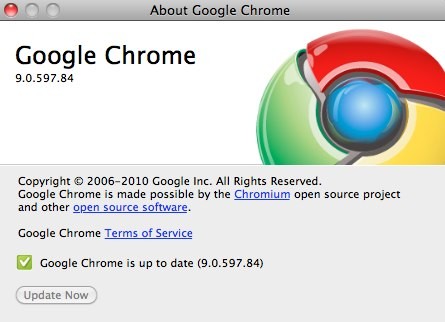
    According to a new report from  StatCounter,Chrome 15 recently reached a total global market share of 23.6% compared to Microsoft’s Internet Explorer 8 market share of 23.5%. IE is still the most popular browser if all versions of the Browser are added. Chrome 14 and 15 are said to be most popular of chrome version and possibly the reason of this overtake. Microsoft and their IE team is banking hard on the push they want to receive from IE9 and IE10, possibly to remain strong. If that does not hold true, chrome may not be far away from global victory. check out the full report below

    [box type=”note” style=”rounded” border=”full”]

    Chrome 15 Becomes World’s Most Popular Browser

    Boston, USA; Dublin, Ireland; Thursday, 15th December, 2011: Google’s Chrome 15 has become the most popular web browser version worldwide for the first time on a weekly basis, according to StatCounter, the free website analytics company. The firm’s research arm StatCounter Global Stats reports that in the last full week in November, Chrome 15 took 23.6% of the worldwide market compared to Microsoft’s Internet Explorer 8 at 23.5%. If one aggregates all versions then IE still leads the global market with Chrome in second position, having overtaken Firefox in November.

    “Google announced Chrome for business exactly a year ago and IT administrators appear to have embraced it in a remarkably short time,” commented Aodhan Cullen, CEO, StatCounter. “Looking at the daily stats, Chrome 14 and 15 have been overtaking IE8 at weekends since the beginning of October. However, Chrome 15 overtook IE8 for the first time during the five day working week, in week commencing 5th December. It looks as if people favour Chrome on weekends at home but office commercial use has now caught up.”

    In the US Internet Explorer 8 continues to be the most popular browser version with 27.0% for week commencing 5th December compared to 18.1% for Chrome 15. However, in the UK Chrome 15 overtook IE8 in the week commencing November 7th. Last week (commencing 5th December) Chrome 15 had 24.7% in the UK compared to IE8 on 21.1%.

    StatCounter Global Stats are based on aggregate data collected on a sample exceeding 15 billion page views per month (4 billion from the US) from the StatCounter network of more than three million websites.

    As well as free web research, StatCounter (http://statcounter.com/) provides free web analytics. This allows website owners, developers and bloggers to capture valuable intelligence on their site in real time including number of visitors, visitors by country/region, search terms, popular pages, download stats, exit links and other data.

    In September StatCounter announced its new website with added features.

    [/box]

  • Internet Explorer share dips to 50%, marks the end of a legacy?

    Internet Explorer share dips to 50%, marks the end of a legacy?

    The Microsoft Internet explorer has been the most popular browser since forever, it still is. But its share has rapidly dipped from the 95% high seven years ago to around 50% and dipping. The market is more attuned now to using new age browsers like Chrome and Firefox, which are much more flexible to the users needs. According to  Net Marketshare’s latest report the browser has dipped to its all time low and is expected to dip further by the end of the year. The browser is still the highest used, but the gap is quickly decreasing with Firefox now owning 23% and Chrome sustaining a large 19% chunk of the market pie.

  • Google Chrome eating IE and Firefox’s share of the Pie, Now at 20.7% of Total Market

    Google Chrome eating IE and Firefox’s share of the Pie, Now at 20.7% of Total Market

    StatCounter reports suggest, Google’s Chrome web browser now has a 20.7% share of the web browser pie, An increase of seven times over just two years. This also means that highest competition Internet Explorer’s Share is now only 50% of the total pie and Firefox has a 28% share which has come down from 30%.


    StatCounter gathers its data from more than 3 million websites with more than 15 billion page views.

  • Apple and Samsung will Defeat Nokia as the Top Phone Manufacturer by July

    Apple and Samsung will Defeat Nokia as the Top Phone Manufacturer by July

    Looks like everyone in this world believes that Nokia is a dying breed. Analysts from Nomura Research say Nokia’s will lose the top spot this quarter for the first time since 1996. Its a shame really. Also, according to the Analysts the top two spots will had by Apple and Samsung pushing Nokia to No. 3.


    [quote]“Nokia looks set to relinquish its smartphone crown to Samsung and Apple,” Nomura wrote in a note to investors on Monday. “Further emphasizing the shift in power to Asia is our forecast for HTC to almost match Nokia during 2012.” Nokia will retain its lead in overall cell phone sales, Nomura says[/quote]

iGyaan Network
Privacy Overview

This website uses cookies so that we can provide you with the best user experience possible. Cookie information is stored in your browser and performs functions such as recognising you when you return to our website and helping our team to understand which sections of the website you find most interesting and useful.