Tag: merger

  • Vodafone India And Idea Merger: New Leadership Team Announced

    Vodafone India And Idea Merger: New Leadership Team Announced

    Vodafone India Plc and Idea Cellular India have announced the completion of the merger. Post the merger, the top-level management will see a shakeup and the two telcos will join hands to take on the rising popularity of Reliance Jio. Mr Kumar Mangalam Birla will be the Non-Executive Chairman of the merged Company. The new CEO will be Balesh Sharma, the current Vodafone COO.

    Vodafone Group Chief Executive, Vittorio Colao, and Aditya Birla Group Chairman, Kumar Mangalam Birla have said:

    We are pleased to announce the proposed management team for the new company to be created through the merger of Vodafone India and Idea. The team has extensive operational experience and is an excellent blend of expertise from both companies.

    We look forward to the completion of the merger and competing as one company in the marketplace.

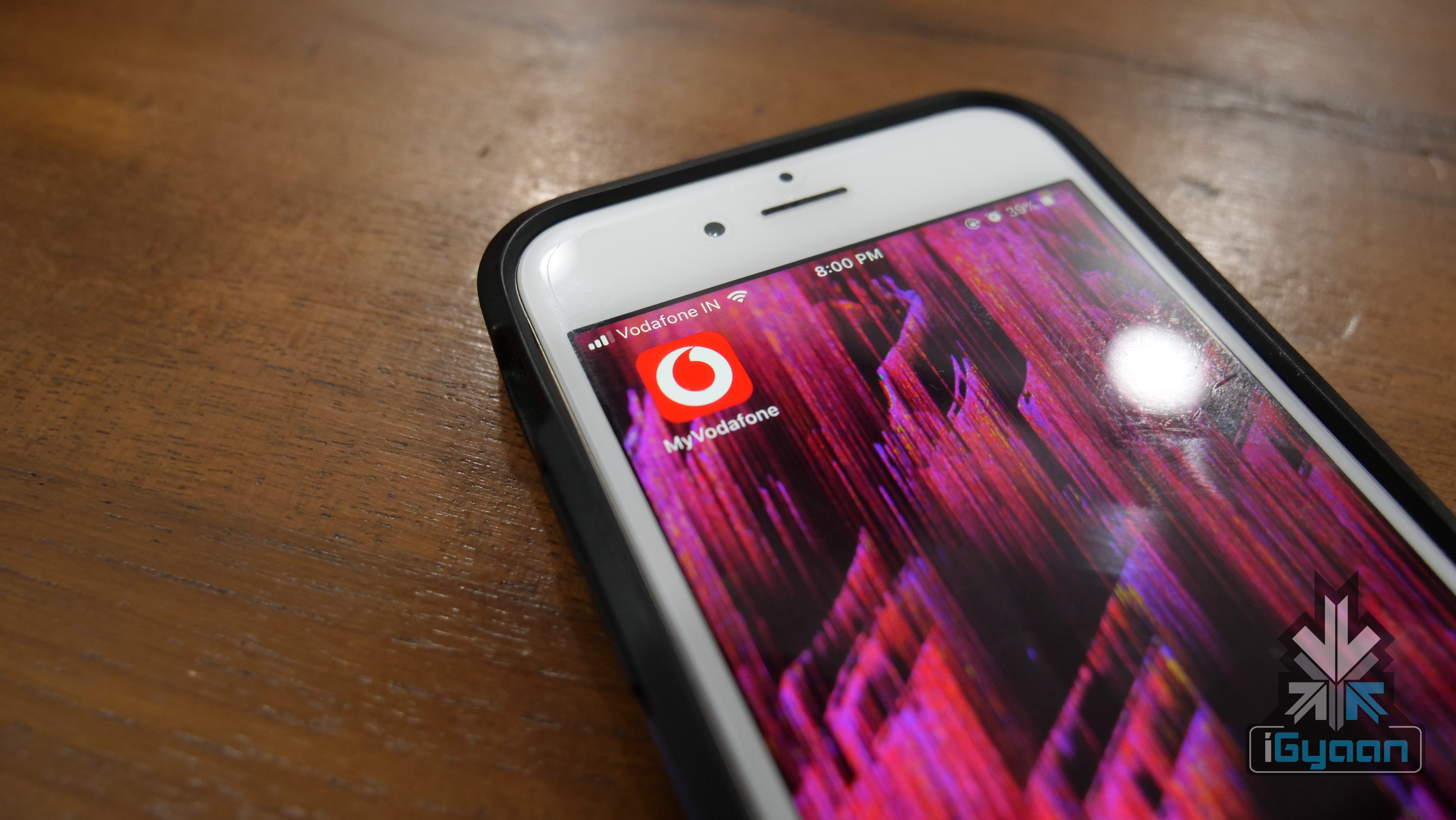
    My Vodafone App

    According to a report, Vodafone and Idea will together invest about Rs. 60,000 crore in the next three years to upgrade its infrastructure. Both the companies will invest up to Rs 14,000 crore on capital expenditure. Bharti Airtel is miles ahead of the two companies when it comes to investment this year. Bharti Airtel is already spending around Rs 22,000 crore on capex for its India wireless business. Reliance Jio Infocomm Ltd’s spend on infrastructure has been higher this year.

    A recent relief for the Indian telecom industry announced by the Government will also help this merger. The two companies will be able to retain spectrum in key markets and then significantly boost cashflows. More details about the merger will follow.

  • Why a Chrome and Android Merger Could Spell Disaster for Google

    Why a Chrome and Android Merger Could Spell Disaster for Google

    In a merger that could probably spell disaster for Google, the company is planning to fold its Chrome OS into its Android OS. Why is this a bad thing? Well, the Chromebook with Chrome OS was introduced as a lightweight operating system with limited native apps for low-powered netbooks. It was meant for students who would do most of their networking through the browser.

    With this merger, Google has basically stated that the Chromebook is opening the gates for a horde of Android apps. This will not only leave the Chromebook more cluttered, but could also invite potential security concerns.

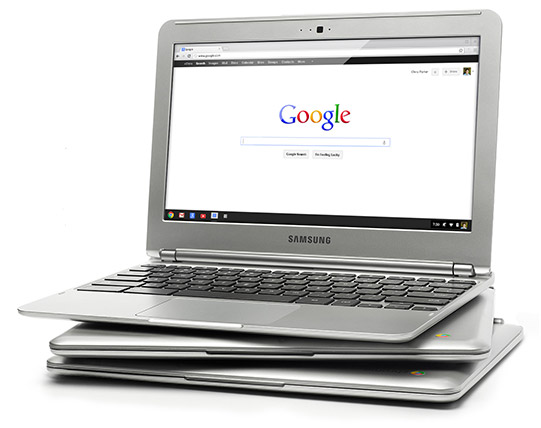
    Samsung Chromebook
    Samsung Chromebook

    The news is not unexpected, though. Plans for a Chrome and Android merger have been on the cards since 2013. In the past few years, Google has been getting Android apps to run on Chrome, and back in 2009, Google co-founder Sergey Brin himself said that Chrome OS and Android would “likely converge over time”.

    The end result of this merger will be an all encompassing OS for both mobile devices and notebooks. Again, net security is the primary concern for people after this merger news. While Chrome OS has been relatively malware-free due to its minimalism, Android apps have been riddles with vulnerabilities. As expected, users took to Twitter to express their disappointment at Google’s latest move.


  • Dell-EMC To Be Part Of A Merger Deal

    Dell-EMC To Be Part Of A Merger Deal

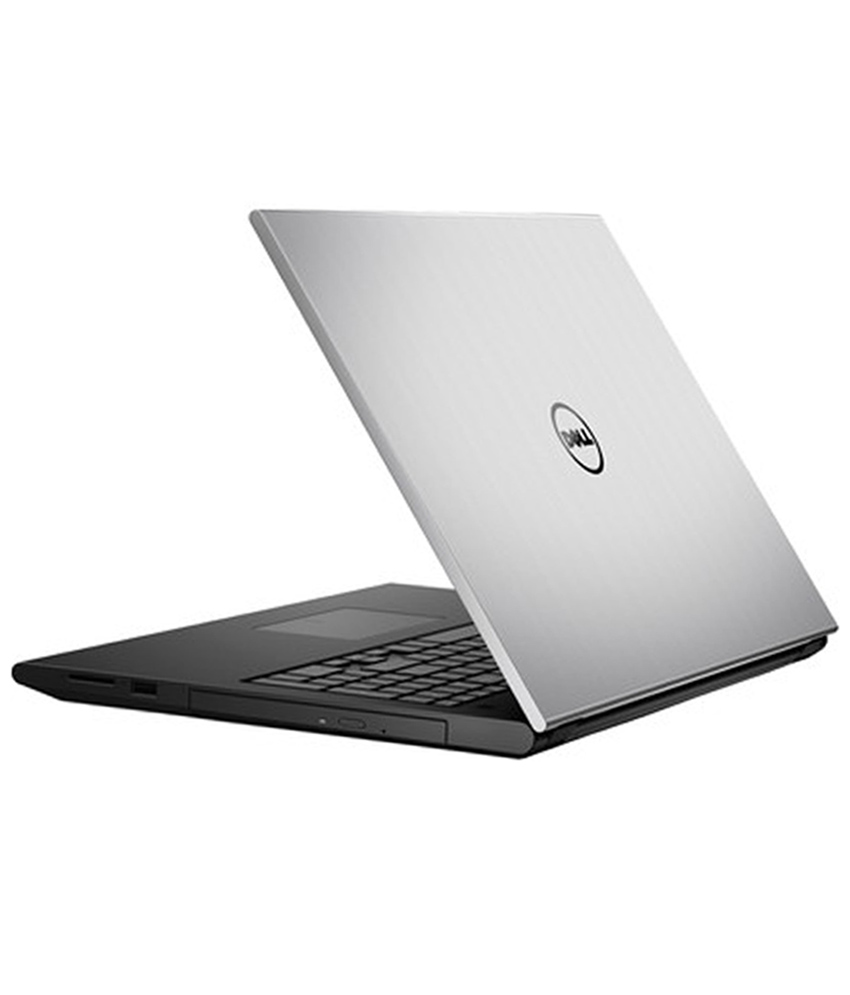
    In an attempt to shake off its PC-only image, Dell has entered into talks with EMC, the cloud commuting company, for a merger deal. It remains unknown at this point if it will be a partial or an entire merger. Reportedly, EMC has been exploring options based on the federation structure it has raised with partnerships in various vendors from the industry, which include names like VMWare, Red Hat, VCE, and Pivotal.dell

    If the deal materializes, it would mean strengthening of the company’s stability in Asia. Dell’s Asia Pacific president, Amit Midha says,

    “I think we clearly have to communicate our end to end message of security integration, cloud, future-ready infrastructure, software-defined infrastructure; all of these messages are not easily understood by companies so we have more work to do.”

    This merger with an established cloud computing company would perhaps let Dell expand its identity. Based in Texas, Dell is now a leading name in the tech world, having come a long way since its inception in 1984. It’s decision to buy EMC would undoubtedly lead to interesting developments on the technology front internationally, but more importantly, closer home in Asia.


  • BlackBerry and Samsung Dismiss Reports of a Possible Merger

    BlackBerry and Samsung Dismiss Reports of a Possible Merger

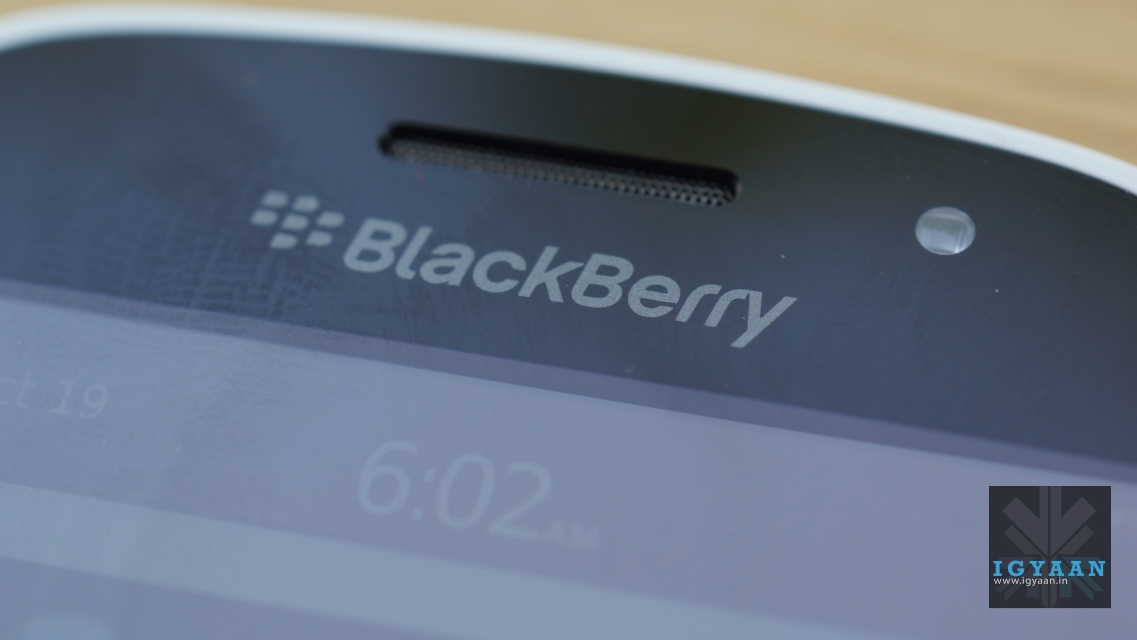
    Earlier today, Reuters broke an exclusive news saying that Samsung is planning to buy BlackBerry. According to the international news agency, the South Korean electronics producer offered BlackBerry as much as $7.5 billion in view of its valuable patents.

    As per the inside source of the agency, Samsung proposed to buy individual shares of the Canadian equipment manufacturer at a price of $13.35 to $15.49 per share, which is 22 percent higher than the current trading price of BlackBerry. Samsung is not the first company who has showed interest in acquiring BlackBerry. Back in 2014, Lenovo and few other firms were in rumours of the same buyout.

    Meanwhile, both Samsung and BlackBerry have declined the ongoing acquisition reports. A spokesperson from Samsung simply commented:

    Media reports of the acquisition are groundless.

    BlackBerry also replied in the same tune and said that it had not engaged in any such discussions with Samsung with respect to purchase offer.

    blackberry 9720

    The news is no surprise and there are chances of these cries to be true as both are companies have reasons to sign this deal. BlackBerry is going through a rough patch and needs financial backing, whereas if Samsung cracks this deal, it might help it rebrand its image.

    There are major reasons for these rumours to be true. First, if Samsung takes over BlackBerry, they would acquire the world’s best smartphone security systems. Secondly, we know that Samsung has shut dow its IM service ChatOn as it failed drastically to connect Samsung users.Meanwhile, BBM has 85 million monthly active users and Samsung could integrate the IM service to its devices to get hold of this large user base.

    The third and the most vital cause of this could be the robust patent portfolio of BlackBerry. If Samsung succeeds in purchasing the Canadian star, it will get a hold of its networking, security and other important patents. Well, as of now, these are just rumours and nothing can be said until and unless these electronics giants stamp on these reports.

  • HTC will Buy S3 Graphics as a dead investment, security for future Patent suits.

    HTC will Buy S3 Graphics as a dead investment, security for future Patent suits.

    HTC has assured that after a final assessment of the worth of S3 graphics the company will wrap up the buyout some time soon. The 270 patents that come into HTC portfolio will help the company fight off any legal issues that may arise in the future.

    The strong Patent portfolio may also scare potential competition and make them think twice before any other patent wars begin

    [Focus Taiwan]

  • US and EU give their approval to the Google Motorola Deal

    US and EU give their approval to the Google Motorola Deal

    Both the United States Justice Department and European regulators have given the Google Motorola deal their sign of approval. The proposed takeover that was decided mid 2011 had gaining concerns from interested parties, other android using manufacturers and some non related manufacturers as well. Major play for Motorola will give google a huge chunk of patents to play with in the fight ahead with companies like Apple. 

    The US department of Justice has clarified that the takeover /merger poses no real threat to competition and that it “will not hesitate to take appropriate enforcement action to stop any anticompetitive use of SEP (standard essential patent) rights.”

    More approvals are still needed from China, Israel and Taiwan, but, with the two superpowers out of the way, minorities may to really matter.

  • WD gets go ahead to buy Hitachi’s HDD business

    WD gets go ahead to buy Hitachi’s HDD business

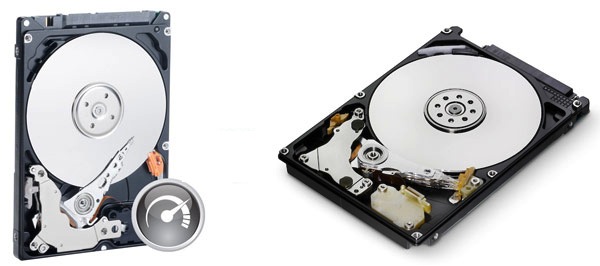
    Western Digital had announced its plans to buy Hitachi’s (or Acquire) Hard Drive business for a total of 4.3 Billion US $. Regulators only approved the Western Digital deal after assurances that the company would sell off some its production assets, including a manufacturing plant, and transfer some intellectual property to the new unit being put on the auction block.

    So as soon ad WD can sell off their existing plant, they will be ready to take over Hitachi’s units.

  • Motorola Stockholders approve Google Motorola Deal (PR)

    Motorola Stockholders approve Google Motorola Deal (PR)

    In an interesting turn of events Motorola Stockholders have changed their judgement over the Google Motorola Deal.


    We are pleased and gratified by the strong support we have received from our stockholders, with more than 99 percent of the voting shares voting in support of the transaction, We look forward to working with Google to realize the significant value this combination will bring to our stockholders and all the new opportunities it will provide our dedicated employees, customers, and partners.

    -Motorola Mobility CEO Sanjay Jha

    Google intends to use the tens of thousands of patents it will control as a result of the merger as a new line of defense in a series of patent battles between its various Android partners and aggressively litigious companies like Apple and Microsoft.


    [toggle title_open=”Press Release” title_closed=”Press Release” hide=”yes” border=”yes” style=”default” excerpt_length=”0″ read_more_text=”Read More” read_less_text=”Read Less” include_excerpt_html=”no”]

    Motorola Mobility Stockholders Approve Merger with Google


    Nov. 17, 2011


    LIBERTYVILLE, Ill. – Nov. 17, 2011 – Motorola Mobility Holdings, Inc. (NYSE: MMI) (“Motorola Mobility”) today announced that at the Company’s Special Meeting of Stockholders held today, stockholders voted overwhelmingly to approve the proposed merger with Google Inc. (NASDAQ: GOOG) (“Google”).


    Approximately 99 percent of the shares voting at today’s Special Meeting of Stockholders voted in favor of the adoption of the merger agreement, which represented approximately 74 percent of Motorola Mobility’s total outstanding shares of common stock as of the October 11, 2011 record date for the Special Meeting.


    Sanjay Jha, chairman and CEO of Motorola Mobility, said, “We are pleased and gratified by the strong support we have received from our stockholders, with more than 99 percent of the voting shares voting in support of the transaction. We look forward to working with Google to realize the significant value this combination will bring to our stockholders and all the new opportunities it will provide our dedicated employees, customers, and partners.”


    As previously announced on August 15, 2011, Motorola Mobility and Google entered into a definitive agreement for Google to acquire Motorola Mobility for $40.00 per share in cash, or a total of approximately $12.5 billion. The Company previously disclosed that it expected the merger to close by the end of 2011 or early 2012. While the Company continues to work to complete the transaction as expeditiously as possible, given the schedule of regulatory filings, it currently believes that the close is expected to occur in early 2012. It is important to note however, that the merger is subject to various closing conditions, and it is possible that the failure to timely meet such conditions or other factors outside of the Company’s control could delay or prevent the Company from completing the merger altogether.

    [/toggle]


  • Microsoft gets Green Signal from Antitrust for Skype Acquisition

    Microsoft gets Green Signal from Antitrust for Skype Acquisition

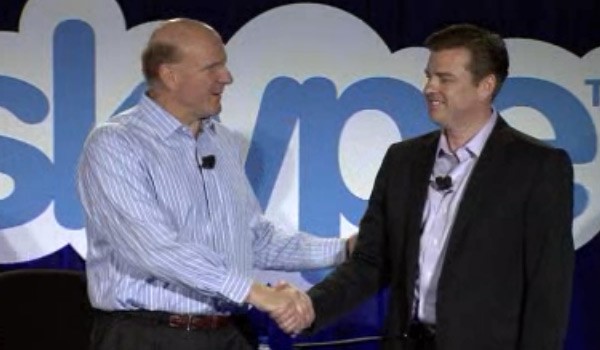
    Microsoft has been given the US antitrust approval for the large acquisition of Skype for its VOIP integrations within all of its offerings including, and not limiting to, Windows, Xbox and Zune. The total cost of this is set at US $8.5 Billion and the transfer of funds will commence and end in one single sweep.

    Microsoft will be updating the Skype APIs to make them usable within their own infrastructure, and should be updating the end user clients very very soon. Microsoft has constantly repeated that existing Skype users will and should  not be affected by the new changes.

  • US Telecom Giant AT&T to buy T-mobile in a $39 Billion Deal

    US Telecom Giant AT&T to buy T-mobile in a $39 Billion Deal

    US Telecom giant At&T will buy rival company T-mobile from Deutsche Telekom for a whopping $39 Billion. At the end of this deal, AT&T will have a total of 130 million Subscribers making it the largest company in the United States. In the Deal the German company will be getting $25 billion in cash and $14 billion in stock, giving it an 8 percent stake in AT&T .


    Read the full PR

    AT&T to Acquire T-Mobile USA from Deutsche Telekom

    Provides Fast, Efficient and Certain Solution to Impending Spectrum Exhaust Challenges Facing AT&T and T-Mobile USA in Key Markets Due to Explosive Demand for Mobile Broadband

    Enhances Network Capacity, Output and Quality in Near Term for Both Companies’ Customers

    AT&T Commits to Expand 4G LTE Deployment to an Additional 46.5 Million Americans, Including in Rural, Smaller Communities, for a Total of 294 Million or 95% of the U.S. Population

    Provides 4G LTE Service for T-Mobile USA’s 34 Million Subscribers

    More Than $8 Billion in Incremental Infrastructure Spend by a U.S. Company over Seven Years, Enabling Nation’s High-Tech Industry, Innovation and Economic Growth

    Creates Substantial Value for AT&T Shareholders Through Large, Straightforward Synergies

    DALLAS & BONN, Germany–(BUSINESS WIRE)–AT&T Inc. (NYSE: T) and Deutsche Telekom AG (FWB: DTE) today announced that they have entered into a definitive agreement under which AT&T will acquire T-Mobile USA from Deutsche Telekom in a cash-and-stock transaction currently valued at approximately $39 billion. The agreement has been approved by the Boards of Directors of both companies.

    “This transaction represents a major commitment to strengthen and expand critical infrastructure for our nation’s future.”

    AT&T’s acquisition of T-Mobile USA provides an optimal combination of network assets to add capacity sooner than any alternative, and it provides an opportunity to improve network quality in the near term for both companies’ customers. In addition, it provides a fast, efficient and certain solution to the impending exhaustion of wireless spectrum in some markets, which limits both companies’ ability to meet the ongoing explosive demand for mobile broadband.

    With this transaction, AT&T commits to a significant expansion of robust 4G LTE (Long Term Evolution) deployment to 95 percent of the U.S. population to reach an additional 46.5 million Americans beyond current plans – including rural communities and small towns. This helps achieve the Federal Communications Commission (FCC) and President Obama’s goals to connect “every part of America to the digital age.” T-Mobile USA does not have a clear path to delivering LTE.

    “This transaction represents a major commitment to strengthen and expand critical infrastructure for our nation’s future,” said Randall Stephenson, AT&T Chairman and CEO. “It will improve network quality, and it will bring advanced LTE capabilities to more than 294 million people. Mobile broadband networks drive economic opportunity everywhere, and they enable the expanding high-tech ecosystem that includes device makers, cloud and content providers, app developers, customers, and more. During the past few years, America’s high-tech industry has delivered innovation at unprecedented speed, and this combination will accelerate its continued growth.”

    Stephenson continued, “This transaction delivers significant customer, shareowner and public benefits that are available at this level only from the combination of these two companies with complementary network technologies, spectrum positions and operations. We are confident in our ability to execute a seamless integration, and with additional spectrum and network capabilities, we can better meet our customers’ current demands, build for the future and help achieve the President’s goals for a high-speed, wirelessly connected America.”

    Deutsche Telekom Chairman and CEO René Obermann said, “After evaluating strategic options for T-Mobile USA, I am confident that AT&T is the best partner for our customers, shareholders and the mobile broadband ecosystem. Our common network technology makes this a logical combination and provides an efficient path to gaining the spectrum and network assets needed to provide T-Mobile customers with 4G LTE and the best devices. Also, the transaction returns significant value to Deutsche Telekom shareholders and allows us to retain exposure to the U.S. market.”

    As part of the transaction, Deutsche Telekom will receive an equity stake in AT&T that, based on the terms of the agreement, would give Deutsche Telekom an ownership interest in AT&T of approximately 8 percent. A Deutsche Telekom representative will join the AT&T Board of Directors.

    Competition and Pricing

    The U.S. wireless industry is one of the most fiercely competitive markets in the world and will remain so after this deal. The U.S. is one of the few countries in the world where a large majority of consumers can choose from five or more wireless providers in their local market. For example, in 18 of the top 20 U.S. local markets, there are five or more providers. Local market competition is escalating among larger carriers, low-cost carriers and several regional wireless players with nationwide service plans. This intense competition is only increasing with the build-out of new 4G networks and the emergence of new market entrants.

    The competitiveness of the market has directly benefited consumers. A 2010 report from the U.S. General Accounting Office (GAO) states the overall average price (adjusted for inflation) for wireless services declined 50 percent from 1999 to 2009, during a period which saw five major wireless mergers.

    Addresses wireless spectrum challenges facing AT&T, T-Mobile USA, their customers, and U.S. policymakers

    This transaction quickly provides the spectrum and network efficiencies necessary for AT&T to address impending spectrum exhaust in key markets driven by the exponential growth in mobile broadband traffic on its network. AT&T’s mobile data traffic grew 8,000 percent over the past four years and by 2015 it is expected to be eight to 10 times what it was in 2010. Put another way, all of the mobile traffic volume AT&T carried during 2010 is estimated to be carried in just the first six to seven weeks of 2015. Because AT&T has led the U.S. in smartphones, tablets and e-readers – and as a result, mobile broadband – it requires additional spectrum before new spectrum will become available. In the long term, the entire industry will need additional spectrum to address the explosive growth in demand for mobile broadband.

    Improves service quality for U.S. wireless customers

    AT&T and T-Mobile USA customers will see service improvements – including improved voice quality – as a result of additional spectrum, increased cell tower density and broader network infrastructure. At closing, AT&T will immediately gain cell sites equivalent to what would have taken on average five years to build without the transaction, and double that in some markets. The combination will increase AT&T’s network density by approximately 30 percent in some of its most populated areas, while avoiding the need to construct additional cell towers. This transaction will increase spectrum efficiency to increase capacity and output, which not only improves service, but is also the best way to ensure competitive prices and services in a market where demand is extremely high and spectrum is in short supply.

    Expands 4G LTE deployment to 95 percent of U.S. population – urban and rural areas

    This transaction will directly benefit an additional 46.5 million Americans – equivalent to the combined populations of the states of New York and Texas – who will, as a result of this combination, have access to AT&T’s latest 4G LTE technology. In terms of area covered, the transaction enables 4G LTE deployment to an additional 1.2 million square miles, equivalent to 4.5 times the size of the state of Texas. Rural and smaller communities will substantially benefit from the expansion of 4G LTE deployment, increasing the competitiveness of the businesses and entrepreneurs in these areas.

    Increases AT&T’s investment in the U.S.

    The acquisition will increase AT&T’s infrastructure investment in the U.S. by more than $8 billion over seven years. Expansion of AT&T’s 4G LTE network is an important foundation for the next wave of innovation and growth in mobile broadband, ensuring the U.S. continues to lead the world in wireless technology and availability. It makes T-Mobile USA, currently a German-owned U.S. telecom network, part of a U.S.-based company.

    An impressive, combined workforce

    Bringing AT&T and T-Mobile USA together will create an impressive workforce that is best positioned to compete in today’s global economy. Post-closing, AT&T intends to tap into the significant knowledge and expertise held by employees of both AT&T and T-Mobile USA to succeed. AT&T is the only major U.S. wireless company with a union workforce, offering leading wages, benefits, training and development for employees. The combined company will continue to have a strong employee and operations base in the Seattle area.

    Consistent with AT&T’s track record of value-enhancing acquisitions

    AT&T has a strong track record of executing value-enhancing acquisitions and expects to create substantial value for shareholders through large, straightforward synergies with a run rate of more than $3 billion, three years after closing onward (excluding integration costs). The value of the synergies is expected to exceed the purchase price of $39 billion. Revenue synergies come from opportunities to increase smartphone penetration and data average revenue per user, with cost savings coming from network efficiencies, subscriber and support savings, reduced churn and avoided capital and spectrum expenditures.

    The transaction will enhance margin potential and improve the company’s long-term revenue growth potential as it benefits from a more robust mobile broadband platform for new services.

    Additional financial information

    The $39 billion purchase price will include a cash payment of $25 billion with the balance to be paid using AT&T common stock, subject to adjustment. AT&T has the right to increase the cash portion of the purchase price by up to $4.2 billion with a corresponding reduction in the stock component, so long as Deutsche Telekom receives at least a 5 percent equity ownership interest in AT&T.

    The number of AT&T shares issued will be based on the AT&T share price during the 30-day period prior to closing, subject to a 7.5 percent collar; there is a one-year lock-up period during which Deutsche Telekom cannot sell shares.

    The cash portion of the purchase price will be financed with new debt and cash on AT&T’s balance sheet. AT&T has an 18-month commitment for a one-year unsecured bridge term facility underwritten by J.P. Morgan for $20 billion. AT&T assumes no debt from T-Mobile USA or Deutsche Telekom and continues to have a strong balance sheet.

    The transaction is expected to be earnings (excluding non-cash amortization and integration costs) accretive in the third year after closing. Pro-forma for 2010, this transaction increases AT&T’s total wireless revenues from $58.5 billion to nearly $80 billion, and increases the percentage of AT&T’s total revenues from wireless, wireline data and managed services to approximately 80 percent.

    This transaction will allow for sufficient cash flow to support AT&T’s dividend. AT&T has increased its dividend for 27 consecutive years, a matter decided by AT&T’s Board of Directors.

    Conditions

    The acquisition is subject to regulatory approvals, a reverse breakup fee in certain circumstances, and other customary regulatory and other closing conditions. The transaction is expected to close in approximately 12 months.

    Advisors

    Greenhill & Co., J.P. Morgan and Evercore Partners acted as financial advisors and Sullivan & Cromwell LLP, Arnold & Porter, and Crowell & Moring provided legal advice to AT&T.

    Conference Call/Webcast

    On Monday, March 21, 2011, at 8 a.m. ET, AT&T Inc. will host a live video and audio webcast presentation regarding its announcement to acquire T-Mobile USA. Links to the webcast and accompanying documents will be available on AT&T’s Investor Relations website. Please log in 15 minutes ahead of time to test your browser and register for the call.

    For dial-in access, please dial +1 (888) 517-2464 within the U.S. or +1 (630) 827-6816 outside the U.S. after 7:30 a.m. ET. Enter passcode 8442095# to join or ask the conference call operator for the AT&T Investor Relations event.

    The webcast will be available for replay on AT&T’s Investor Relations website on March 21, 2011, starting at 12:30 p.m. ET through April 21, 2011. An archive of the conference call will also be available during this time period. To access the recording, please dial +1 (877) 870-5176 within the U.S. or +1 (858) 384-5517 outside the U.S. and enter reservation code 29362481#.

    Transaction Website

    For more information on the transaction, including background information and factsheets, visit www.MobilizeEverything.com.
  • Western Digital acquires Hitachi GST for $4.3 Billion

    Western Digital acquires Hitachi GST for $4.3 Billion

    WD is one of the worlds best hard drive manufacturing and selling companies and they have just announced a deal  to acquire one of its primary competitors, Hitachi Global Storage Technologies Steve Milligan, president and chief executive officer of Hitachi GST, will join WD at closing as president. In the deal the acquisition will include $3.5 billion in cash and $750 million in WD common stock.

    The takeover is said to be finalized by Q3 2011.


    Official Press


    Western Digital to Acquire Hitachi Global Storage Technologies

    Combination of Hard Drive Companies Will Create Industry’s Broadest Product Portfolio and a Significant Pool of Resources for Innovation

    IRVINE, Calif. and SAN JOSE, Calif., March 7, 2011 /PRNewswire-FirstCall/ — Western Digital (NYSE: WDC) and Hitachi, Ltd. (NYSE: HIT / TSE:6501) announced today that they have entered into a definitive agreement whereby WD will acquire Hitachi Global Storage Technologies (Hitachi GST), a wholly-owned subsidiary of Hitachi, Ltd., in a cash and stock transaction valued at approximately $4.3 billion. The proposed combination will result in a customer-focused storage company, with significant operating scale, strong global talent and the industry’s broadest product lineup backed by a rich technology portfolio.

    Under the terms of the agreement, WD will acquire Hitachi GST for $3.5 billion in cash and 25 million WD common shares valued at $750 million, based on a WD closing stock price of $30.01 as of March 4, 2011. Hitachi, Ltd. will own approximately ten percent of Western Digital shares outstanding after issuance of the shares and two representatives of Hitachi will be added to the WD board of directors at closing. The transaction has been approved by the board of directors of each company and is expected to close during the third calendar quarter of 2011, subject to customary closing conditions, including regulatory approvals. WD plans to fund the transaction with a combination of existing cash and total debt of approximately $2.5 billion.

    WD expects the transaction to be immediately accretive to its earnings per share on a non-GAAP basis, excluding acquisition-related expenses, restructuring charges and amortization of intangibles.

    The resulting company will retain the Western Digital name and remain headquartered in Irvine, California. John Coyne will remain chief executive officer of WD, Tim Leyden chief operating officer and Wolfgang Nickl chief financial officer. Steve Milligan, president and chief executive officer of Hitachi GST, will join WD at closing as president, reporting to John Coyne.

    “The acquisition of Hitachi GST is a unique opportunity for WD to create further value for our customers, stockholders, employees, suppliers and the communities in which we operate,” said John Coyne, president and chief executive officer of WD. “We believe this step will result in several key benefits-enhanced R&D capabilities, innovation and expansion of a rich product portfolio, comprehensive market coverage and scale that will enhance our cost structure and ability to compete in a dynamic marketplace. The skills and contributions of both workforces were key considerations in assessing this compelling opportunity. We will be relying on the proven integration capabilities of both companies to assure the ongoing satisfaction of our customers and to bring this combination to successful fruition.”

    “This brings together two industry leaders with consistent track records of strong execution and industry outperformance,” said Steve Milligan, president and chief executive officer, Hitachi Global Storage Technologies. “Together we can provide customers worldwide with the industry’s most compelling and diverse set of products and services, from innovative personal storage to solid state drives for the enterprise.”

    Hiroaki Nakanishi, president, Hitachi, Ltd. said, “As the former CEO of Hitachi GST, I always believed in the potential of Hitachi GST to become a larger and more agile company. This is a strategic combination of two industry leaders, both growing and profitable. It provides an opportunity for the new company to increase customer and shareholder value and expand into new markets. Additionally, it is important to us that WD shares common values with Hitachi GST to create a more global company that is well positioned to define a broader role in the evolving storage industry.”

    WD’s exclusive financial adviser on the transaction is Bank of America Merrill Lynch; its lead legal adviser is O’Melveny & Myers LLP. Goldman, Sachs & Co serves as financial adviser to Hitachi, Ltd. and Hitachi GST. Legal advisers to Hitachi, Ltd. and Hitachi GST are Morrison Foerster LLP and Skadden, Arps, Slate, Meagher & Flom LLP & Affiliates, respectively.

  • Microsoft Paying Nokia More Than a Billion for the Manufacture of Windows Phone 7 Devices

    Microsoft Paying Nokia More Than a Billion for the Manufacture of Windows Phone 7 Devices

    While this may me confirmed on many levels, it still remains to be clarified. Bloomberg claims that it has two sources involved deeply in the process citing that there is a flow of $$ from Redmond to Espoo which is in excess of $ 1 billion, directed towards the manufacture of mobile phones holding the MS phone OS. It calls for Microsoft to pay a portion of the agreement before the final merger this year along-with Nokia sending cash in the other direction for device licenses.

    Talk about holding the key and the lock in the same hand, still wondering why Nokia didn’t choose Android?


    [Bloomberg Businessweek]

iGyaan Network
Privacy Overview

This website uses cookies so that we can provide you with the best user experience possible. Cookie information is stored in your browser and performs functions such as recognising you when you return to our website and helping our team to understand which sections of the website you find most interesting and useful.