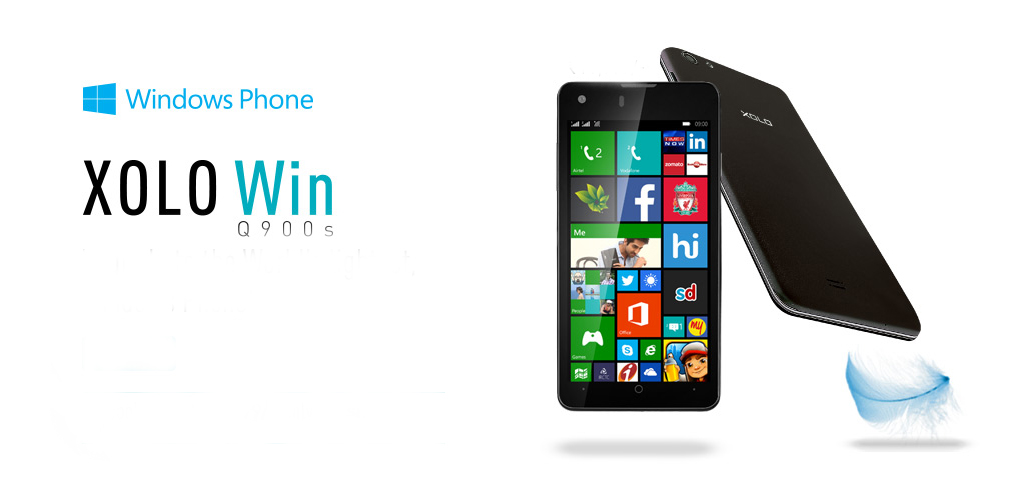
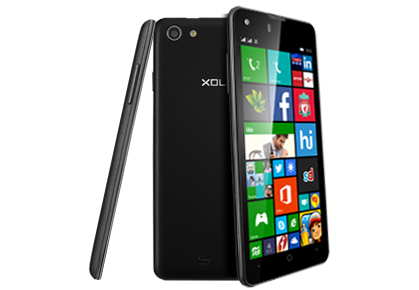
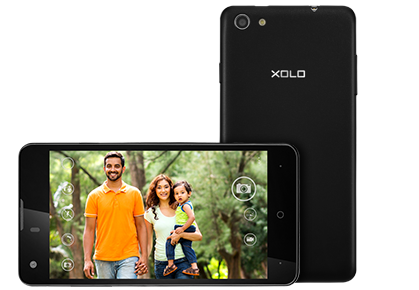
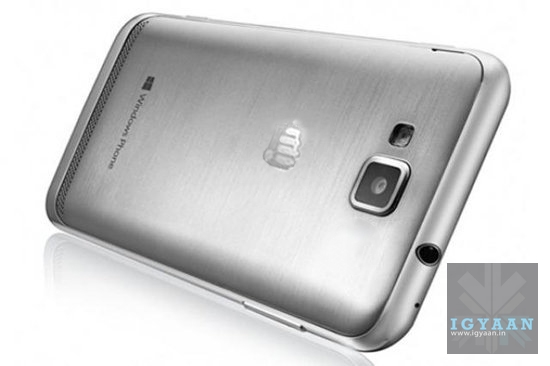
Xolo, following the footsteps of Micromax, has also joined hands with Microsoft to launch a new Windows 8.1 device for the Indian market. Xolo Win Q900s is similar to the devices in Micromax Canvas Win range.
With the launch of Win Q900s, Xolo becomes the second domestic player to launch Windows Phone OS based smartphone in India after Micromax, which released two devices Canvas Win W121 and Win W092 for priced Rs. 9,500 and Rs. 6,500 respectively, earlier this month.
Following the trend of exclusively tying up with an e-commerce website, the Xolo Win Q900s is available on pre-order on Snapdeal. As a special offer the introductory price on the website is Rs. 9,999, while the device is set for a launch in July for a price of Rs 11,999.
The weight of the WIN Q900s is its biggest selling point. It weights all of 100gms, making it one of the lightest smartphones around.
The new Xolo Q900s sports a 4.7-inch HD (1280 x 720p) IPS screen with OGS technology and ships with the Microsoft’s latest Windows Phone OS v8.1, Snapdragon 200 series quad-core processor, Adreno 302 graphics engine, 1GB RAM, 8GB inbuilt memory (expandable up to 32GB) and 1,800 mAh battery which can power the phone up to 23 hours of talk-time and close to 263 hours under standby mode.
The smartphone includes 8GB of inbuilt storage that is further expandable up to 32GB via microSD card. It also sports a 8 megapixel rear camera with a single LED flash, a 2-megapixel front-facing camera, and comes with a 1800 mAh battery which is rated to deliver up to 14 hours of talk time and up to 246 hours of standby time on 3G network. In terms of connectivity, Xolo Win Q900s supports Wi-Fi, Bluetooth, GPS and 3G connectivity.
Key Specifications:
Display
4.7-inch HD (1280x720p) IPS screen with OGS technology
OS
Windows 8.1
Processor
Qualcomm Snapdragon 200 series quad-core processor with 1.2GHz CPU speed
GPU
400MHz Adreno 302
RAM
1GB
Storage capacity
8GB, expandable up to 32GB
Camera
Main: 8.0-megapixel camera with PureCel(TM) sensor, LED flash, auto-focusFront: 2.0-megapixel camera
Battery
1,800 mAh (Li-Pol)
Network
2G & 3G
Add-ons
Dual-SIM slots, Bluetooth, Wi-Fi, micro-USB v2.0,
Dimensions
135.8 x 67.2 x 7.2 mm
Weight
100 g
Price
INR 11,999;(INR 9,999: Special pre-booking offer at Snapdeal )
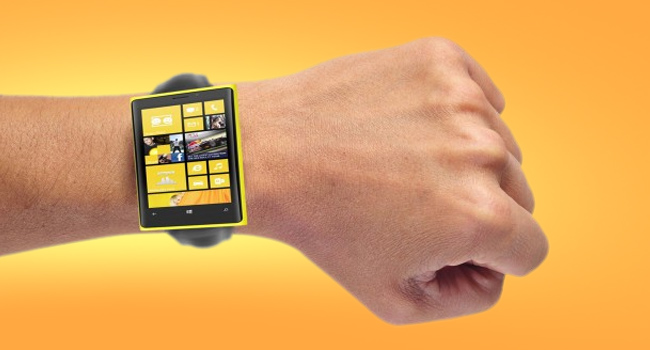
We start this new week with a fresh rumor about Microsoft’s plans to come up with a new Smartwatch. After Google and Apple, its arch-rivals, investing huge in the wearable technology, Microsoft also may enter this segment with the launch of a Smartwatch this October.
Though there are hardly any details about the device Microsoft is coming up with, Tom’s Hardware, an online publication, has reported “trusted source with knowledge of the development has verified some of that information and provided us with additional details about the device.”
Microsoft’s watch is ditching the popular chunky appearance wand has gone with a slim band design.
For starters, the source confirmed the earlier rumors about Microsoft’s plan of preparing a cross-platform Smartwatch with the ability to continuously track your heart rate and sync the data to your devices.
It has also been said that the device might be dropping the popular chunky appearance we’re seeing on the current Smartwatches like the Gear and the G Watch. Instead, Microsoft will go for a slim band design that is said to resemble a thinner, flatter version of the Nike Fuel band. Details about the hardware are less, though it is said that there are 11 sensors under the hood and a mix of chips including some from TI and Atmel.
Like the rest of the rumors, the timeline for the watch’s release date isn’t too certain. But it is said that Microsoft could be targeting for an October release. Also the Smartwatch won’t just tie in with Windows Phone devices, but will also work with both iOS and Android smartphones.
The market is just starting to explode with wearables, with Apple announcing its first iWatch later this year and Samsung expected to launch a Smartwatch in the summer that can independently make calls. Google is also aiming big in this segment with the launch of Android Wear at this year’s Google I/O.
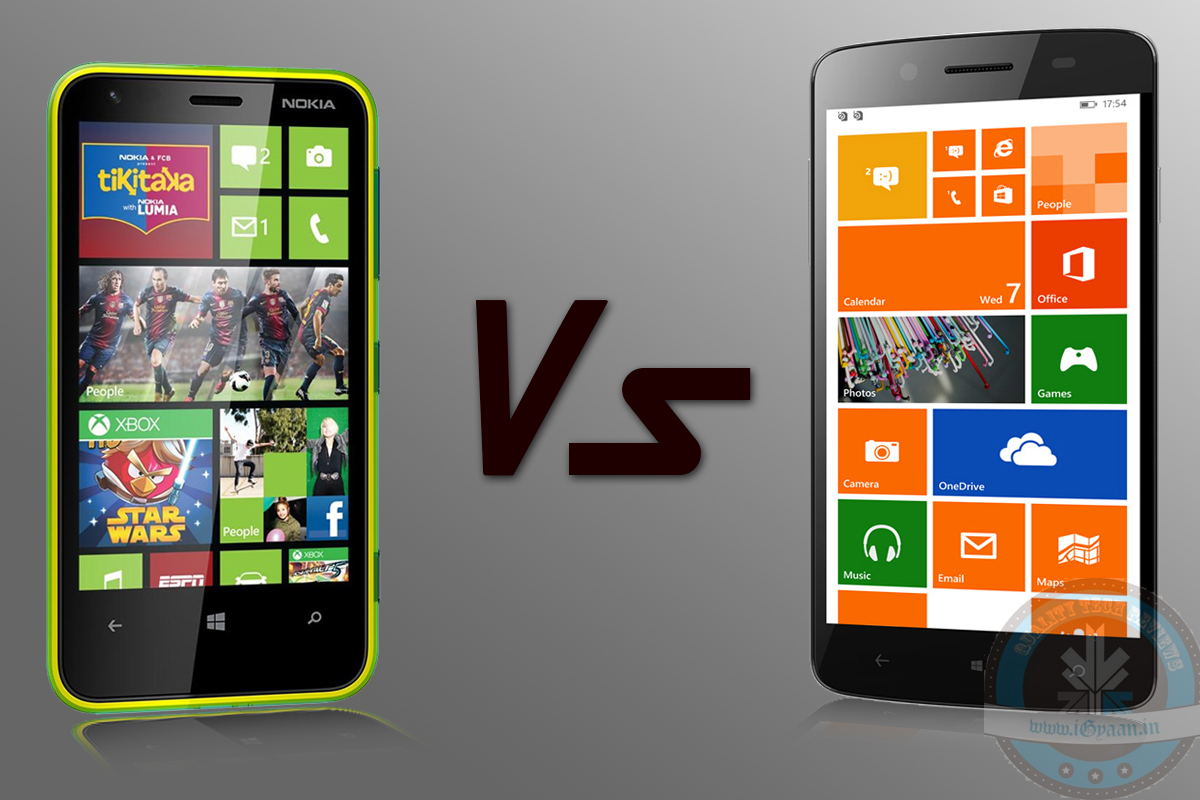
Micromax’s much talked about association with Microsoft took a huge leap with the launch of two new phones in its Canvas Win series; W092 and W121. Considering W121’s price tag (INR 9,500) and Windows phone 8.1 OS, it is expected to give a hard time to Nokia’s newly launched Lumia 630.
Lumia 630 is equipped with impressive quad-core Snapdragon 400 processor clocked at 1.2GHz in comparison to W121’s mediocre 1.2GHz quad-core Snapdragon 200. People who love to use apps on their phones may have some problems with Lumia 630’s 512MB RAM against W121’s 1GB.
Canvas Win W121 fashions an 8MP rear snapper with LED flash and also a front-facing 2MP front-camera for selfies and video conferencing while in Lumia 630 front camera is missing, and it has a 5MP rear camera with auto-focus but no flash.
Considering the present state of the company, I personally won’t recommend Nokia Lumia 630. Furthermore, Canvas Win121 is a better option while comparing both. Canvas Win121 definitely provides you with better feature and performance
Specifications
Nokia Lumia 630
Micromax Canvas Win W121
General
Battery capacity (mAh): 1830
Colours: Bright Green, Bright Orange, Black, White
Recently Micromax was in the news for rumors around a Windows Phone device, well turns out they are not only true but there is more to the game. Sources close to iGyaan and top brass at Micromax confirm that not only is the company working on launching windows phone handsets, they will launch handsets ranging from Rs. 7000 and up to Rs. 25000 effective.
These 7 to 8 handsets will be launched within the next few months, and Microsoft is said to be pushing for the quick release and promotion of the handsets. There is long term tie up between Micromax and Microsoft, and the redmond based computing giant is interested in cross promoting the products for which Micromax has been well funded by Microsoft.
Sources also tell us that both companies have invested in design and most of the Micromax Windows Phones will be seen with a unibody design, with a lot of help provided by designers and engineers from Nokia. As of today, apart from Nokia no other manufacturer is manufacturing Windows Phone handsets as a global product. Micromax Windows Phones will be sold in India and overseas in existing Micromax markets.
Micromax has been eyeing the Windows Phone market since the beginning of the operating system, and the first positive step was the announcement of the Indian manufacturer as a partner at the Microsoft Build conference earlier this year.
New Micromax CEO Vineet Taneja will host the first round of launches of Micromax Windows Phone devices in the coming week, which might see more than one Windows Phone device from Micromax being launched. The flagship phone from the Indian manufacturer is said to have a 5 inch 1920 x 1080p display, 2GB RAM, a 13 MP + 5 MP camera combination, a Qualcomm Snapdragon 800 chipset and is said to be priced at Rs. 25000 for a 16GB storage and expandability via micro SD.
Micromax’s flagship is expected to have a metal unibody design with Dual Sim capabilities and micro SD card expansion via sim tray style slots, as seen in the HTC One M8. The design of the phone is also said to mimic the HTC lineage with round edges and unibody structure.
We won’t know what will actually unfold until the new CEO announces the handsets, however it looks like the budget game might get really interesting going forward.
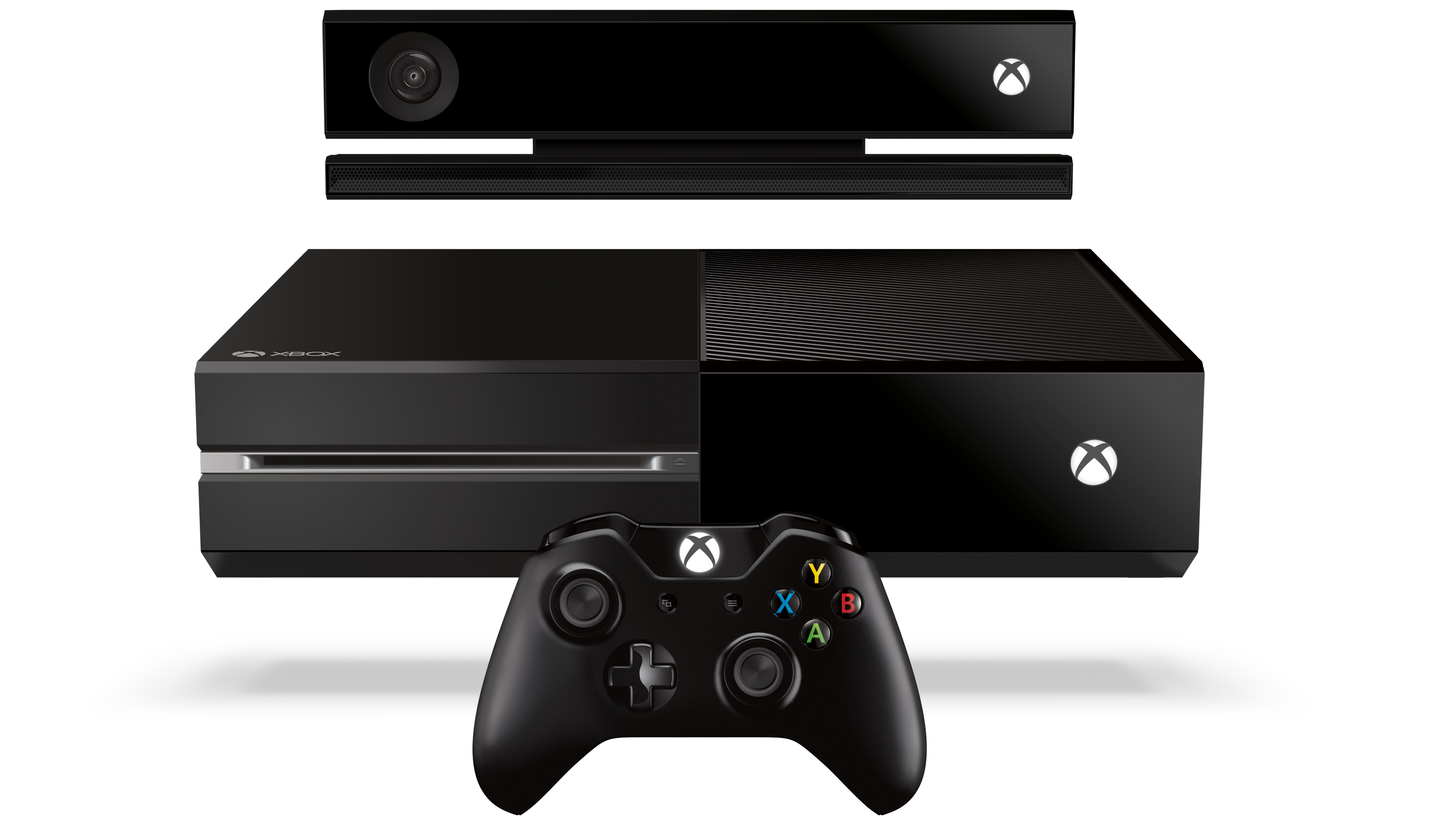
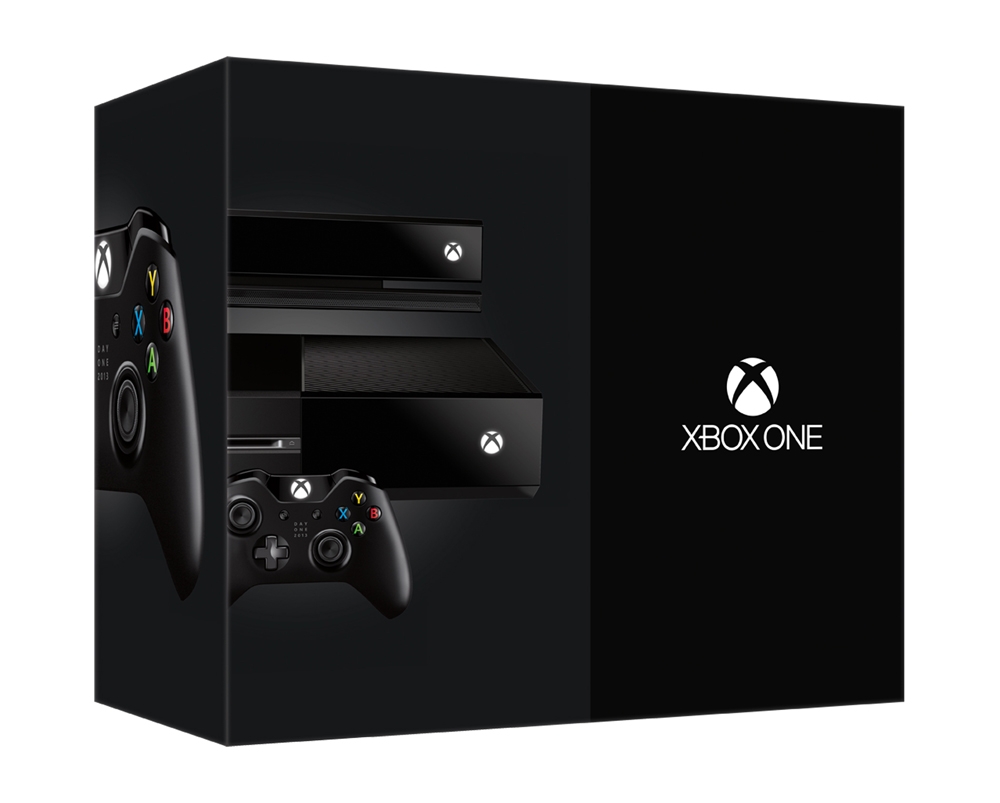
Well the wait is over, Microsoft has officially confirmed that Xbox One will be available in India on 23rd Sept 2014 starting at INR 39,990. They will also launch Xbox One with Kinect at INR 45,990. Both bundles will include the Xbox One console with a 500GB hard drive, Xbox One Wireless Controller, and a free 14-day trial of Xbox Live Gold for new members.
Microsoft had announced a rough September timeline for India launch (along with 25 other countries) back in March. Conspicuously, Sony launched the PS4 in India (at the same Rs. 39,990 price) in January making Microsoft lag behind by 9 months.
The owners of Xbox One with Kinect will be able to experience a number of games and entertainment experiences special to Xbox such as gesture controls, biometric sign-in, controller paring, Skype video calls, direct personalization, instant scanning of QR codes, and improved features only available with Kinect in games such “Kinect Sports Rivals,” “Dead Rising 3,” and “Project Spark.”
Both the Microsoft Xbox One and Sony PlayStation 4 use an incorporated CPU-GPU design by AMD, including an 8-core low power x86-64 AMD “Jaguar” CPU. The Xbox One’s CPU cores runs at 1.75GHz, compared to the Sony PlayStation 4’s 1.6GHz. Although, it doesn’t make any tangible difference.
Xbox One is packed with features like the Game DVR/Upload which lets you capture and record your greatest game moments and through ‘Upload Studio’ you can easily edit and share clips with your friends and community. It also offers many apps such as Skype which is specially designed for Xbox One, Internet Explorer, OneDrive, Twitch, Machinima and IGN integrated flawlessly with your games and TV experience.
Back in 2013 when it was launched in USA, Microsoft sold approximately 2 million units of Xbox One gaming consoles in its first 18 days on sale. It is too early to say that Microsoft will match its success in India, but it surely will give a tough competition to Sony’s PS 4.
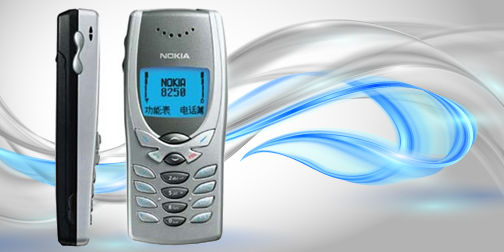
It was the year 2001, and Nokia had just rolled out its best phones yet, the 8250 was a super success right after the launch of the 8210 which was one of the best selling “high end” cellular phones available at the time. But, the year also marked the end of monochrome displays, as Nokia the only big name in mobile telephony would transition to color displays for their next generation of phones.
Nokia 8250 Print Ad Title : Walk on the Blue Side!
The Nokia 9210 communicator became the phone of choice of many professionals, the first color screen clamshell to revolutionize the Mobile industry. Nokia had everything working for them, they had the right markets, the right products and they were rich, rich enough to explore the future.
It was also the year when Nokia secretly developed 2 world changing products, a Color Screen touch phone set above one single hardware button, and a ten-inch tablet computer both of which had features like video playback, internet access and navigation capabilities. These two world changing devices could also securely order products online and create online accounts and keep data safe within the internet (Now known as Cloud Storage).
Nokia was innovating and how, but these products never came out, the consumers never saw them and the corporate marketing heads shut down the research claiming that the ideas were far fetched. Ironically, Nokia had never been so wrong in the many years of leading the wireless revolution and becoming stronger than ever in the 1990’s.
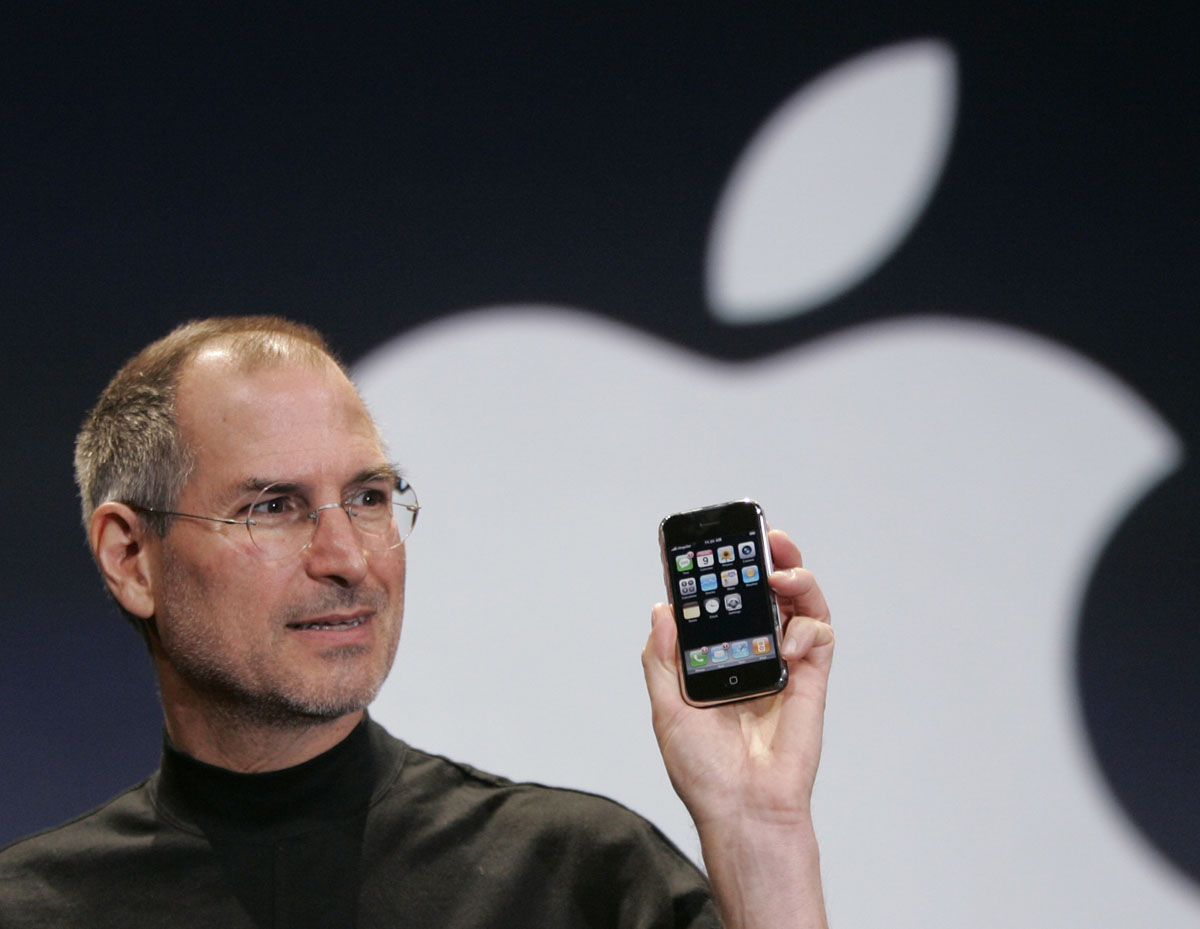
Steve Jobs Announces the First Apple iPhone in 2007
Seven years later, Steve Jobs got on stage and announced the first Apple iPhone, and all hell broke loose in the world. Nokia execs were scrambling left right and center to now re energize their seven year old product research. But the world had matured beyond Nokia’s internal understanding, while people now wanted Capacitive Touch Phones, because they were easy to use and type on, Nokia still confident of its seven year old tech wanted to hold on to their N series and E series which they continued to develop for quite a while.
In 2012, Apple had already announced the iPhone 4 and had taken a major chunk of the Smartphone sales under its banner, a new enemy loomed for Nokia: Android. This Google made OS, was revolutionizing the Smartphone and bringing it to the masses. This year Android Powered handsets were available for as low as 200 $ and Nokia ended its 14 year streak as the world’s largest mobile phone manufacturer. Nokia’s Stock crashed and thousands of employees lost their jobs.
Nokia had another big opportunity lost around the time when they started a cold war with Google and decided never to make Android Phones, and shift focus completely towards making Windows Phones, bringing gradual cancerous death Meego and Symbian in the process.
But there was a name that is mostly believed to be the root cause of the above decisions. In September of 2010, ex-Microsoft Exec Stephen Elop was the first non-Finn to be named CEO of Nokia. During the 3 years Elop was Nokia CEO, Nokia revenues fell 40%, Nokia profits fell 95%, Nokia market share collapsed in smartphones from 34% to 3.4%.
In one of my meetings with a Product Design manager at Nokia during IFA 2012, it became apparent that Nokia was still the same, shutting down ideas and killing innovation. In fact, most of those who worked at the Finnish HQ already assumed that Nokia would collapse under Elop and Windows Phone.
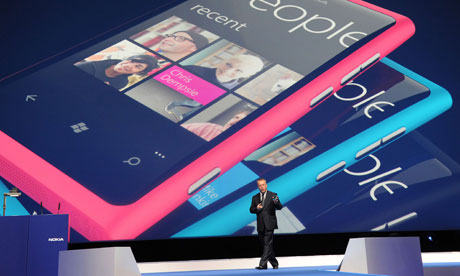
Stephen Elop at a Launch
A company that was easily valued for upwards of $150 billion 14 years ago, when they secretly developed the first “iPhone” and “iPad” (Smartphone and Tablet) was sold in 2013 to Microsoft for a mere $ 7 Billion. For context, that’s less than half of what Facebook paid for Whatsapp. Stephen Elop who would then join back Microsoft as Executive Vice President, later to be made head of XBOX, Games and Hardware division. Conspiracy theorists have called Elop the Trojan Horse who led Nokia to its demise simply because Microsoft eyed a takeover.
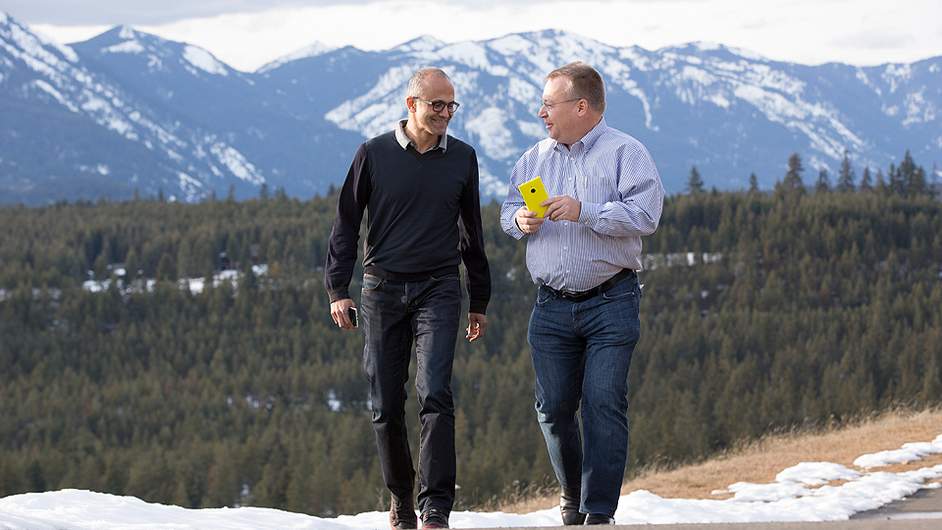
Elop and Nadella
Microsoft has confirmed that they will kill the “Nokia” branding and start building a new line of smartphones internally called “Microsoft Mobile Oy”. The final name may simply be Microsoft Mobile or Microsoft Surface Phone even Microsoft Lumia. This may not be the smartest move on Microsofts part, A long legacy of Nokia also would have brought among the loyalty of Nokia users. But, as Elop mentioned, “Nokia is not a Brand placement” that Microsoft would like for their lineup of Smartphones, especially if one was to consider the bad press we have seen lately. “Nokia” as a name is now considered “old school” and maybe a new name might just do wonders.
After the announcement of the acquisition Nokia shares jumped 35% on the news, whereas Microsoft’s fell more than 5%, either way the only company to benefit is Microsoft, and Nokia truly lost, thanks to a corporate culture that lavished funds on research but squandered opportunities to bring innovations.
Nokia’s line of Lumia Phones have seen some success in the recent past, only to measure their success in non percentages compared to the world. Nokia is finally dead, and most of the world will and should shy away from investing in the brand. At least up until the Microsoft version comes out.
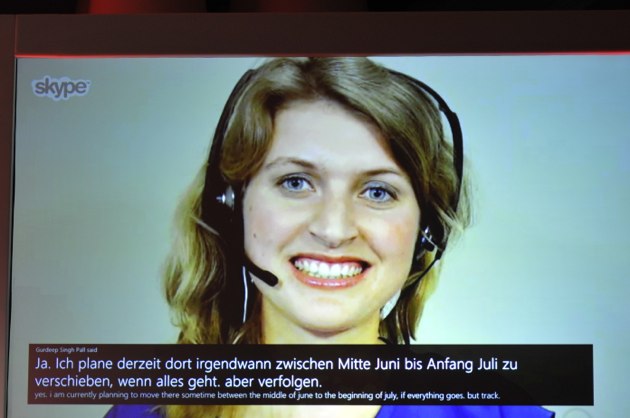
Skype clearly understanding the need of the hour has created an app which might be easiest way to stay in touch with your friends around the globe. With this app, Skype stays true to its motto and hopes to make its international connections easier. The new feature automatically translates conversations in real time. Before the end of 2014, Microsoft plans to release a beta Skype app that will enable real-time translation of people verbally speaking in different languages.
Skype Translator, as Microsoft is calling it, appears to be an extension of the real-time translation Microsoft has been developing for over ten years. The company had previously shown the technology in action, with the real-time translation of speech delivered by Microsoft’s Rick Rashid in China. Even more recently, Microsoft released Bing Translator, which performs the same function as Skype Translator, just on Windows 8.
The feature, dubbed Skype Translator, was demonstrated on Tuesday by Microsoft’s CEO Satya Nadella during an onstage interview at the Recode Code Conference in Palos Verdes, Calif. During the demonstration, Nadella conducted a conversation with Skype chief Gurdeep Singh Pall, who was speaking German, while Skype provided real-time translation of the German into English and vice versa.
On the Microsoft Research site,the company said it’s been working on machine translation for more than a decade, and that earlier translating voice over Skype was “considered a nearly impossible task.” However, four years ago the program got a jumpstart with a project that was able to translate phone calls in real-time. Meanwhile, a separate project improved speech recognition accuracy, Microsoft said. That eventually bolstered other services that listen to human voices, like Microsoft’s Cortana voice assistant for Windows Phone.
Microsoft had bought Skype in May 2011 for $8.5bn (£5.2bn) – making it the firm’s biggest acquisition at the time. However, it has been facing increasing competition from a multitude of rivals, including Google Hangouts, Apple’s Facetime, Blackberry’s BBM, Tango and Viber.
Manoj Menon, managing director at consulting firm Frost & Sullivan said that once launched, the new feature could have wide ranging applications in sectors such as education and tourism. He added that the translation feature may also help Microsoft to integrate Skype with its office social network site Yammer. Microsoft also bought Yammer – which operates like Facebook for communication within companies – for $1.2bn in 2012.
“Microsoft has acquired some great assets such as Yammer and Skype over the past few years,” Mr Menon said. “The ability to integrate these together will help unlock their value and the translate feature is a wonderful step in that direction.” Skype has also been taking other steps to try and attract more users. Last year, it confirmed that it had developed technology for 3D video calls. But it has said it could be many years before the technology is launched.
While it’s unclear how the beta app of Skype Translator will relate to Skype itself (will the two remain separate apps?), it’s certainly clear that Microsoft is moving ahead fast in terms of real-time translation.
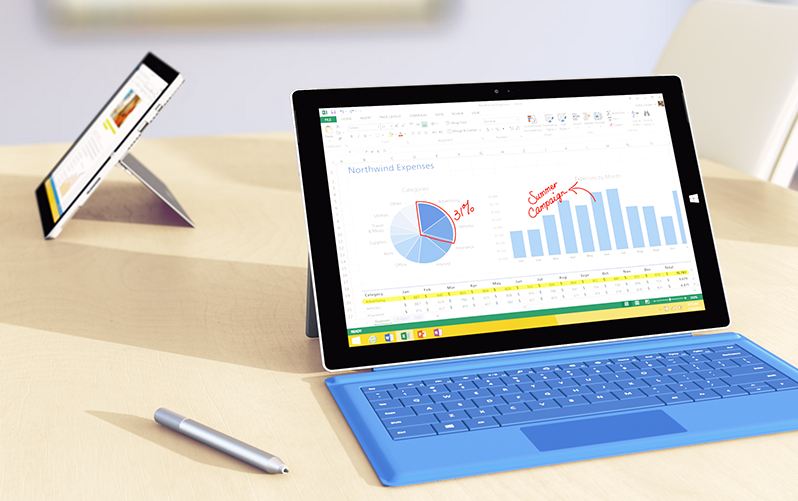
The new Surface Pro 3, launched today in the USA, is Microsoft’s third attempt at “the tablet that can replace your laptop.” Earlier, Microsoft had introduced its first two Surface tablets, the Surface RT and Surface Pro, in a surprise media event in June 2012. The tablets were initially received well, with curious online commenter’s praising the design, the built-in metal kickstand, and its split-screen feature. However, by the time the Surface went on sale months later, the enthusiasm had waned, and Microsoft failed to capture much foothold in the tablet market. Currently, that market is dominated by Apple’s iPad and various devices running Google’s Android operating system, including Amazon’s Kindle Fire.
The brand new Surface Pro 3 runs a full version of Windows 8, which only means that owners can run desktop Windows apps such as the Microsoft Office suite, as well as apps made solely for tablets. Buyers can also purchase an attachable keyboard and mouse to transform the Surface into a more traditional laptop.
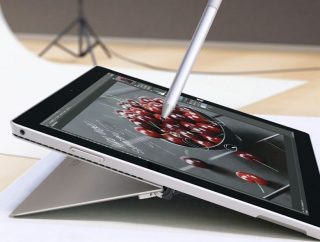
The new hinge on Surface Pro 3 helps it adjust to an angle between 22 and 150 degrees, making it handy and super adjustable. And while it may be tempting to compare the Surface Pro 3 to the iPad, it was clear from today’s onstage remarks by Microsoft officials that they’d like to view its competitor as the MacBook Pro and other laptops. The company hopes that Surface Pro 3 will be viewed as an all-in-one device, serving the function of both a laptop as well as a tablet,without compromising on any features. The Surface Pro 3 sports a 2,160-by-1,440 display, which according to Panos Panay, Head of Microsoft’s Surface division, provides the “highest contrast ratios in the industry.”
Along with the Surface Pro 3, the company introduced several add-ons which are built keeping in mind the needs of its users.
The new Type Cover keyboard add-on, priced at $130, has a much-improved trackpad. The new design has a 68 percent larger area than the Type Cover 2, and 78 percent less friction. It’s better for lap use as well; you can lock it in the cover so that it doesn’t wobble when you perch the device on your lap. During the demonstration, Microsoft’s representatives admitted that the old version of the trackpad was “unforgivably bad”. The upgraded Type Cover’s trackpad is better responsive and larger than its predecessor.
The second major add-on available is the accompanying stylus. It is built to look and feel like a proper pen with a comfortable heft, bringing its own realm of functionality. For example, a single click of the top button turns on the pen and turns on the tablet for immediate use.
The company has also unveiled a docking station for those who want to use the new Surface as a makeshift desktop. Besides adding a bevy of extra connections (three USB 3.0, two USB 2.0, Ethernet and audio) to the tablet, the dock also lets you output video at 4K through its Mini DisplayPort. Both the station and the new Type Cover should be available when the Pro 3 launches in North America on June 20th, and there are promises of extra peripherals in the future.
Another key-feature is the new touch-based version of Adobe Photoshop CC. Adobe worked closely with Microsoft to tailor Photoshop for the Surface Pro 3. It’s all set to use the power of the screen, pen and touch. The earlier Photoshop tablet versions were restricted to the use of the pen, this version boasts a touch-optimized interface which means you can now use your fingers to zoom, pan, and edit. Michael Gough, VP of design experience for Adobe at the launch said, “when you take the power of Photoshop and put it on this powerful device, it’s a creatives dream come true.”
The U.S. release is slotted for June 20 with a worldwide release in late August. Starting price at $799, the tablet will be available in three configurations: with an Intel Core i3, Core i5, or Core i7 processor. The i3 version will be on sale in June, with Core i5 and i7 arriving in August.
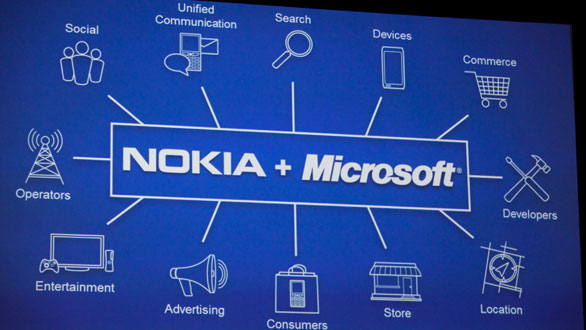
They were once the Titans of the industry. They made more cell phones than all the other companies combined and even now, having shipped around 250 million phones in 2013, they’re the second biggest manufacturer of mobile phones . From 1998 to 2011 this company was the undefeated champion. Nokia was a brand name trusted by all. This Finnish giant now sold its legendary (now struggling) mobile phones unit to the Microsoft Corporation in a $7.2 billion takeover.
As of 25th April 2014, Microsoft’s acquisition of Nokia has been approved by Nokia shareholders and by governmental regulatory agencies around the world. Under the Nokia-Microsoft deal, Microsoft will take possession of the Lumia smartphone brand, along with the company’s lower-end Asha phone line and the new Android-based Nokia X phones. With this, they will also inherited 25,000 new employees.
Windows Phone is the fastest-growing ecosystem in the smartphone market, and its portfolio of award-winning devices continues to expand. In the fourth quarter of 2013, according to IDC, Windows Phone reinforced its position as a top three smartphone operating system and was the fastest-growing platform among the leading operating systems with 91 percent year-over-year gain. Furthermore, Microsoft intends to target the affordable mobile devices market, a $50 billion annual opportunity.
This deal marks the death of a brand which had become synonymous with mobile phones in India. Even in the smallest villages, people took pride in owning a Nokia. To us, it sounds rather counter intuitive to get rid of a brand with such a strong identity. Now, everybody will have an eye set on how the Microsoft CEO, Mr. Nadella, and Vice President Mr Elop decide to take it forward.
The tech world is abuzz with all kinds of speculations about the proceedings of this deal. One of the most common assumptions is of a Machiavellian takeover by Microsoft, after the talks of Windows OS for Nokia broke down in 2009. Nokia intended to improve the functionality of the Symbian and were also working on the MeeGo OS. Nokia had made its disinterest in the Windows OS clear and that’s when Stephen Elop, a former Microsoft employee, went on to become the CEO of Nokia. Many critics, especially in Finland, started to speculate that Elop could be a Trojan horse, whose mission was to prepare Nokia for a future acquisition by Microsoft.
As seen from the graph above the company was on an incline throughout the last decade. Stephen Elop took the Chair of CEO Nokia on September 2010. The 3 years Elop was Nokia CEO, its revenues fell 40%, its profits fell 95%, its market share collapsed in smartphones from 34% to 3.4%, Nokia’s credit rating went from A to junk, it’s share price dropped 60% in value and Nokia’s market capitalization lost 13 billion dollars in value. For this exemplary work he was featured in the Worst CEO list. Not just that, towards the end Nokia was so strapped for cash that they had to sell their HQ in Finland and lease the premises. It seems like Elop came with a mission and accomplished it too.
It has also been observed by many that the Microsoft strategy of acquisition was almost similar to the 1.2 billion US dollarsHP–Palm deal. Palm were smartphone manufacturers who were the creators of the cutting-edge webOS. The webOS was a mobile operating system which HP abandoned merely months after acquisition and a couple months after launching the WebOS based Mobile devices including Touchpad and Pre 3. LG later bought the OS in 2013 and is now inducting it into its Smart+ TV’s. This was a clear example of how multibillion takeovers are not always done for the best of reasons.
The most disappointing aspect of the demise of Nokia and several other major brands such as Motorola is the effective centralization of majority of innovation in the hands of a few large multinational corporations that lock knowledge in a safe. Competition is necessary for innovation. Accumulation of progressive ideas in the hands of the few would lead to monopolization and will be a major hindrance to development.
In terms of India, this deal is not good news for the employees of the Nokia facility in Chennai. This facility couldn’t be transferred because of the tax liens on Nokia property. According to the Nokia India Employees union, there are around 8,000 direct and over 20,000 indirect employees working for the manufacturing facility. The facility will work on contract basis for a limited period, without specifying any time frame, under present deal. Many of the higher level employees have decided to jump ships, while around 730 trainees have accepted the VRS scheme provided by Nokia. The VRS is opposed by the Union.
As Nokia loyalists, you wouldn’t have a lot to worry about. As a part of the transaction, Microsoft will honor all existing Nokia customer warranties for existing devices, beginning April 25, 2014. As the plans for the new brand are still in progress, we do hope that Microsoft builds upon the massive Nokia stable and give the users the same sturdy and trustworthy experience.
Hopefully, the second fiddle brands such as Micromax, Gionee and others will take charge of bringing quality innovation in the hands of the next billion before the hording multinationals get to it.
Microsoft has finally shown off its new mobile search assistant, Cortana, its version of Siri and Google Now.
As a part of Microsoft’s new Windows Phone 8.1 update, Cortana is a new Voice Recognition based personal digital assistant. Named after the AI in the popular XBOX title “Halo” the “personal digital assistant,” has the ability to search the Internet, set up alarms, shift calendar appointments, find restaurants, send messages, place calls and more.
Cortana is quite identical to Siri on an iPhone, tap a button and ask the ui a question, however like Google Now Coranta can also tap into applications and and the phone’s core services to deliver you contextual information.It can offer the weather where you’re located, deliver favorite sports scores, or scan email and provide updates on a flight status or package delivery.
Cortana runs on Bing and has a lot of intriguing features, for example it learns from habits of its users when and how they do their tasks. One unique feature of Cortana is that it can actually push the results of its searches over to other apps. Also like competition, Cortana doesn’t need to learn your voice and tries to interact with you naturally.
Cortana wasn’t the only new aspect of Windows Phone 8.1, which now has a notification drawer called Action Center, which collects text messages, emails, calls and updates from social networks and other apps. It also has quick toggles for things like Bluetooth and Wi-Fi seen on Android and iOS both.
Microsoft Also plans to push this Windows for free for hardware makers to use on phones, tablets with screens under nine inches. This should considerably bring down the costs of hardware running Windows.
Satya Nadella was recently appointed as the CEO of Microsoft, and he is now all set to host his first press event as a CEO. Microsoft has scheduled an event on March 27 2014, which will be a special cloud- and mobile-focused event.
According to reports, Microsoft is all set to launch the Office for iPad. Having said that, the Office app for iPad should not be any different than the Office for iPhone which was launched last year. The features and the user interface is expected to be the same as seen on the office app for iPhone.
This event will work as a warm up for the upcoming events, Microsoft has also scheduled the Build conference next month followed by another anticipated launch of a new version of Windows.
Microsoft will reveal the latest version of its gaming and multimedia API – DirectX 12 – on March 20th.
It would appear that all the usual suspects are already on board — the use of their logos on the DirectX 12 website strongly suggests that AMD, Nvidia, Intel, and Qualcomm are all preparing DX12 hardware.
The March 20 sponsored session will be hosted by Microsoft graphics development manager Anuj Gosalia, and is described as follows:
“For nearly 20 years, DirectX has been the platform used by game developers to create the fastest, most visually impressive games on the planet. However, you asked us to do more. You asked us to bring you even closer to the metal and to do so on an unparalleled assortment of hardware. You also asked us for better tools so that you can squeeze every last drop of performance out of your PC, tablet, phone and console. Come learn our plans to deliver.”
Another session, dubbed Direct3D Futures, will discuss “future improvements in Direct3D that will allow developers an unprecedented level of hardware control and reduced CPU rendering overhead across a broad ecosystem of hardware.”
The previous version of the interfaces, which enable 3D animation and other multimedia effects used mostly in games, was released in 2009 with the launch of Windows 7. Developers tap into DirectX so their applications can take full advantage of the hardware power of the PC.
Microsoft yesterday confirmed that the Syrian Electronic Army accessed a “small number” of employee e-mail accounts.
As The Verge notes, those published screenshots “mainly discuss[ed] the latest compromises of several Microsoft-owned Twitter accounts.” Included among the published screenshots was an email from Steve Clayton to Frank Shaw.
The Syrian Electronic Army — a political hacking group that supports Syrian President Bashar Assad — appears to be waging a war on Microsoft. Over the weekend, the group took control of the Twitter accounts of Xbox and Xbox Support, along with Xbox’s Instagram account.
As the Verge reports, it’s not immediately clear how many email accounts were targeted during the recent attacks, or how much data the Syrian Electronic Army were able to obtain before the accounts were reset. A Syrian Electronic Army representative says that the latest attacks were designed to be a distraction, indicating there could be further compromises in future. “We are making some distraction for Microsoft employees so we can success in our main mission,” the SEA told The Verge by email.
Microsoft has stated that they will not be naming a new CEO in 2013, defying speculation that the board wanted to make the announcement before the end of the year. The announcement came via a post on the official Microsoft blog by John W. Thompson, a member of Microsoft’s board of directors.
John Thompson said that the company has filtered its list of candidates from 100 to 20 to a smaller, though unspecified, number.
According to the Guardian, Thompson further said that as the list of potential successors has been narrowed and they have done deeper research, which is expected to be completed in the early part of 2014.
The frontrunners in the CEO race include ex-Nokia chief Stephen Elop, Ford CEO Alan Mulally, Microsoft’s cloud computing head Satya Nadella among others.
After spending 13 years running Microsoft, Steve Ballmer might be turning in his key to the men’s room for a coach’s whistle as there is talk he might coach his son’s high school basketball team. While he will be missed, there are those who would like to see a replacement named quickly. Certainly, the new CEO will have a lot to work with considering Microsoft’s huge variety of product offerings.
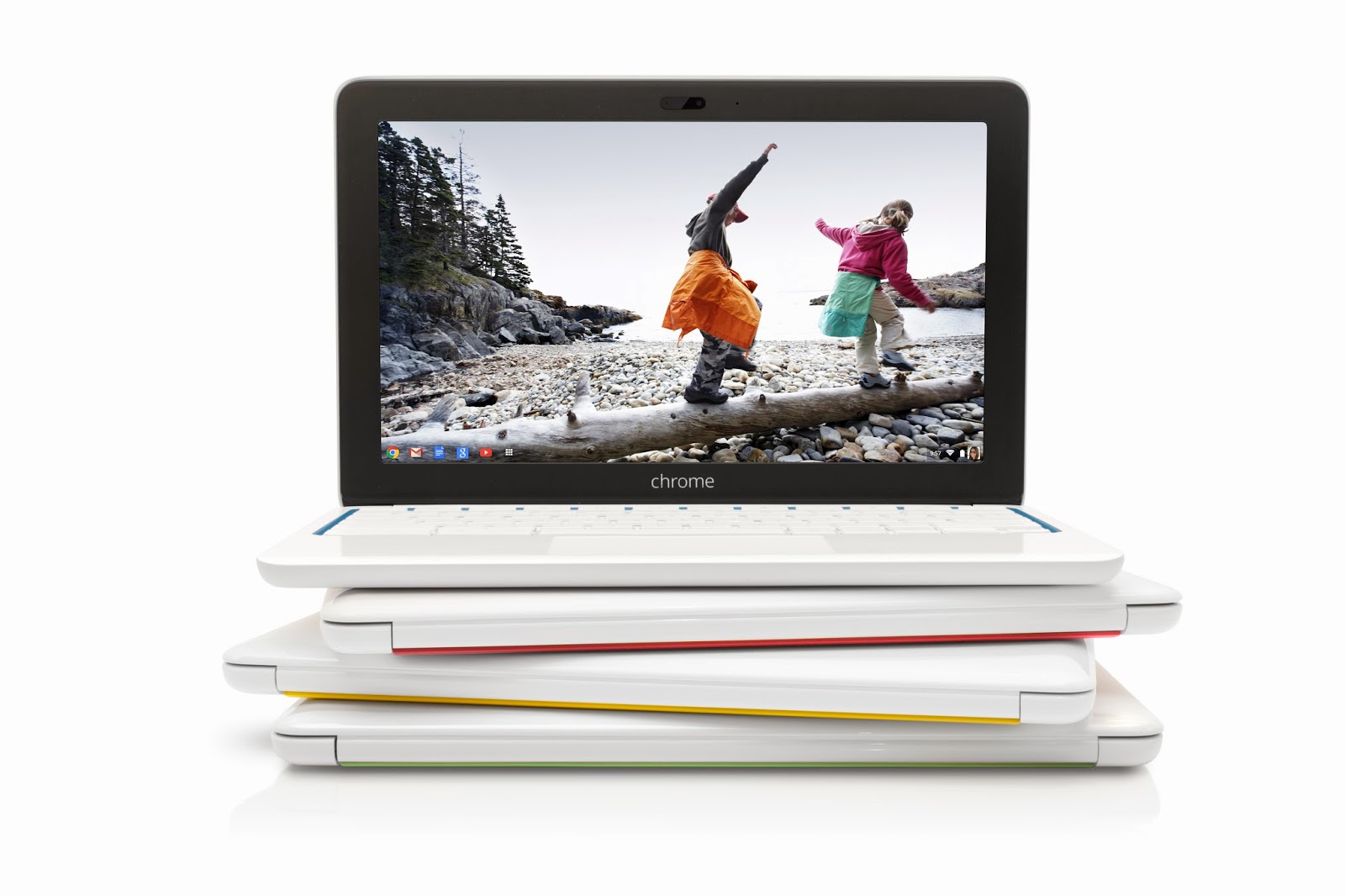
Microsoft’s Scroogled(anti-Google) campaign might not be loved by everyone, but that does not stop the company to do even more. After the launch of Anti-Google merchandise the company is now targeting the Google Chromebook.
Microsoft, has something new for viewers in its Scroogled campaign. Microsoft hates Google Chromebooks and wants you to feel the same. We all know the merits and demerits of a Chromebook, it does not work on most of things when offline, cannot run Microsoft Office and few more applications. Microsoft released a video highlighting these facts, but is it worth the hate ?
What do you think ? Windows 8 or Chromebook ? it is your choice completely, as these videos can not change the mind of a person who wishes to buy a Chromebook. Somehow, this video is another attempt from Microsoft which is not liked by people.
Just few days back, the Scroogled campaign got famous with a video featuring the famous Pawn Star Rick Harrison. The video shows a lady trying to sell her Chromebook in the Pawn shop in order to get a ticket to Hollywood. Rick Harrison says, ‘When you are not connected(to the internet), it pretty much is a brick’. You might want to watch the video below:


 The second major add-on available is the accompanying stylus. It is built to look and feel like a proper pen with a comfortable heft, bringing its own realm of functionality. For example, a single click of the top button turns on the pen and turns on the tablet for immediate use.
 As of 25th April 2014, Microsoft’s acquisition of Nokia has been approved by Nokia shareholders and by governmental regulatory agencies around the world. Under the Nokia-Microsoft deal, Microsoft will take possession of the Lumia smartphone brand, along with the company’s lower-end Asha phone line and the new Android-based Nokia X phones. With this, they will also inherited 25,000 new employees.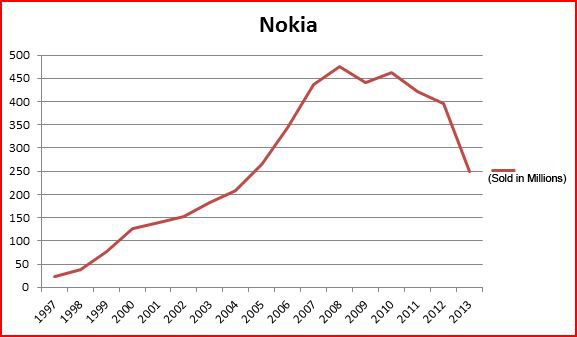
 The most disappointing aspect of the demise of Nokia and several other major brands such as Motorola is the effective centralization of majority of innovation in the hands of a few large multinational corporations that lock knowledge in a safe. Competition is necessary for innovation. Accumulation of progressive ideas in the hands of the few would lead to monopolization and will be a major hindrance to development.