Tag: official launch

  • Snapchat Spectacles 2 Launched At US$ 150

    Snapchat Spectacles 2 Launched At US$ 150

    Snapchat has launched the second iteration of its wearable product, the Snap Spectacles V2. This is not the official name of the specs, as Snapchat is just calling them the Spectacles. The new Spectacles cost US$ 150, which US$ 20 more than the original Specs. This time around, the company appears to have fixed many of the issues that users had with the original Spectacles.

    Unlike the original model, the new Spectacles can also take images along with videos. As is with Snapchat, the videos are recorded for 10 seconds, and users can take continuous videos up to 30 seconds. The glasses are water-resistant at shallow depths, and the company says you can safely dive into a pool with them or splash around in the ocean. The case for the glasses, which also acts as a charger, has also been made splash-proof. The case can charge the glasses up to 4 times on a single charge. This time around, the carrying case is also much smaller.

    The carrying case is smaller because Snap has made the Spectacles thinner and lighter. The specs now have a lot of different glass designs and colour options to choose from. For users in the US, there is also support for people who wear polarised glasses. Snap is working with a company called Lensabl to offer prescription and polarised lenses. This will only be applicable when buying the spectacles from Spectacles.com.

    Snapchat also claims that the file sharing process between the glasses and your smartphone is 4X faster. The pairing process remains the same, wherein users have to wear the specs and point them at their Snapcode. Once paired, their smartphone then has to join a Wi-Fi network created by the glasses. Once that is done, the file sharing process begins wirelessly.
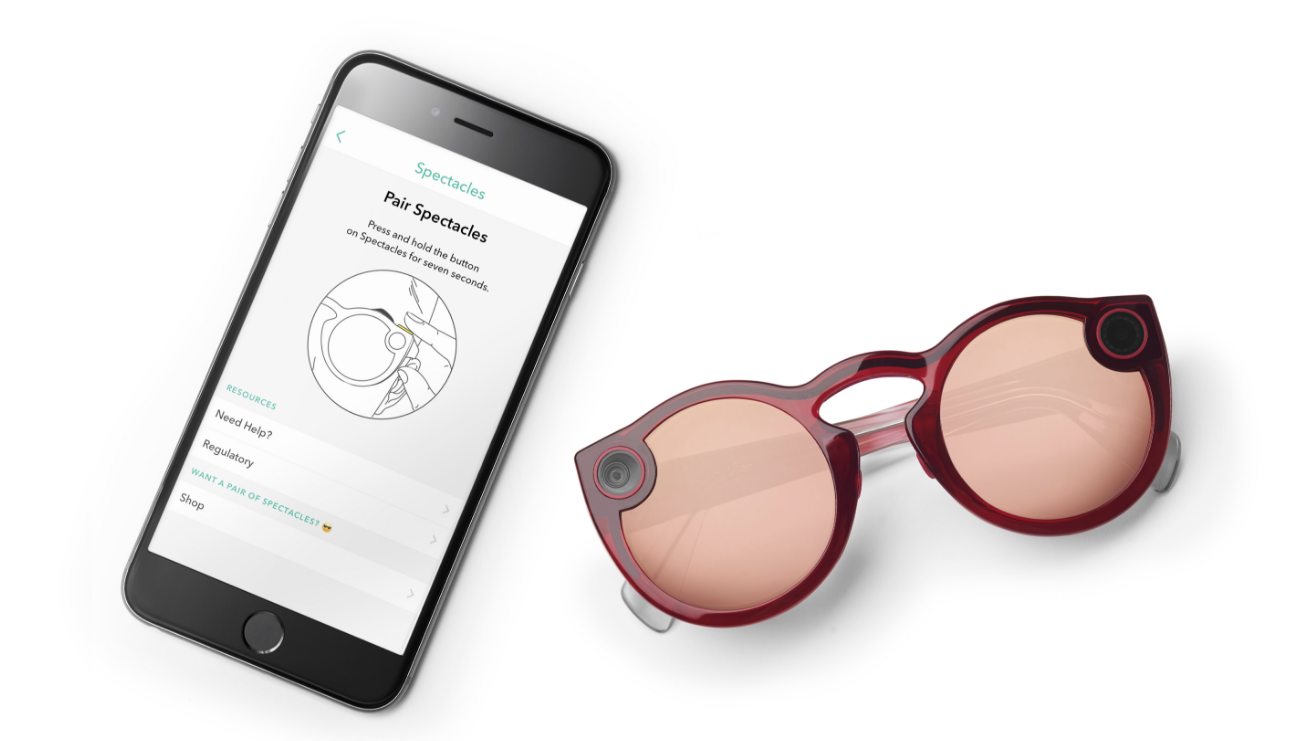
    Compared to the original model, the new Spectacles look much more realistic and closer to regular glasses thanks to the new design and colours. The camera is still visible and should alert bystanders but, the yellow ring around it is gone which helps the lens blend in with the specs a bit more. The Snap Spectacles are on sale in three jewel tones: onyx (black), ruby (red), and sapphire (blue). As of now, these are available in the United States, Canada, the United Kingdom, and France. May 3rd onwards, they’ll be available May 3rd in the Netherlands, Norway, Denmark, Belgium, Finland, Poland, Spain, Italy, and Ireland.

    There have also been reports of Snapchat introducing a dubious feature in its app. Not too long ago, Snapchat went through a complete UI overhaul which, to say the least, did not please its users. Now, it could potentially introduce a feature that might annoy its remaining daily users to a point of no return. Snapchat is reportedly preparing to introduce unskippable advertisements which will only please its stakeholders.

    According to a report by Digiday, citing three sources with “direct knowledge” of the company’s plans, the company will soon insert six-second video ads that will run during select Snapchat Shows. These are short-form video programming from major media companies that run on the platform. The tests for the new advertising format will begin on May 15th. As of now, these ads won’t appear in the app’s Discover feed or in between Stories posted by users.

    Instering unskippable ads on its platform is a telltale sign of the company’s failing business model. It posted its most successful quarter ever in the Q4 of 2017, and still managed to lose about US$ 350 million. It is clear that things are not going well for Snapchat even after recently going public.

    Snapchat was the first was to do what has now become a trend in social media. Personal messages with an exhaustion time limit to adding “stories” in your profile are what made it so famous among teenagers and young adults. However, Facebook, and then Facebook-owned social media platforms Instagram and WhatsApp also adopted that pattern and has been more successful than Snapchat.

    Whether this new advertising format will anyway help the company is yet to be seen. It isn’t clear right now how successful Snapchat Shows is and how many people actually watch it for users to be annoyed with unskippable ads.
  • Xiaomi Mi 6X Launched With Snapdragon 660 SoC

    Xiaomi Mi 6X Launched With Snapdragon 660 SoC

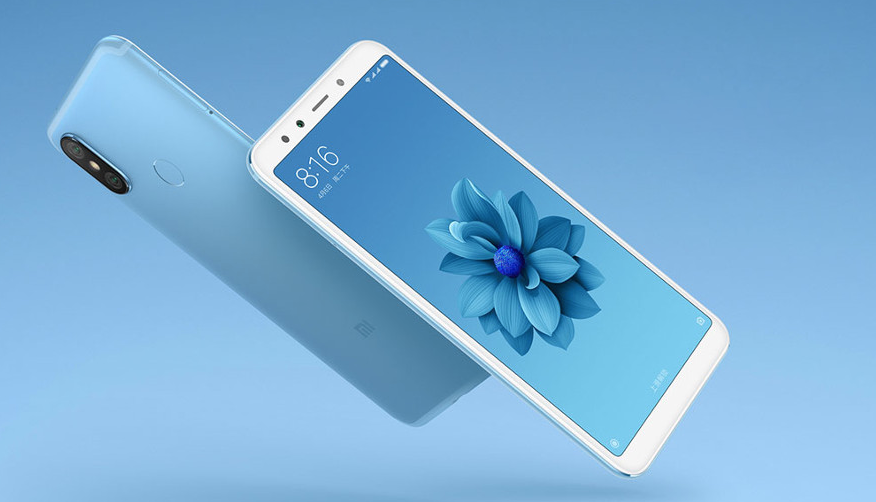
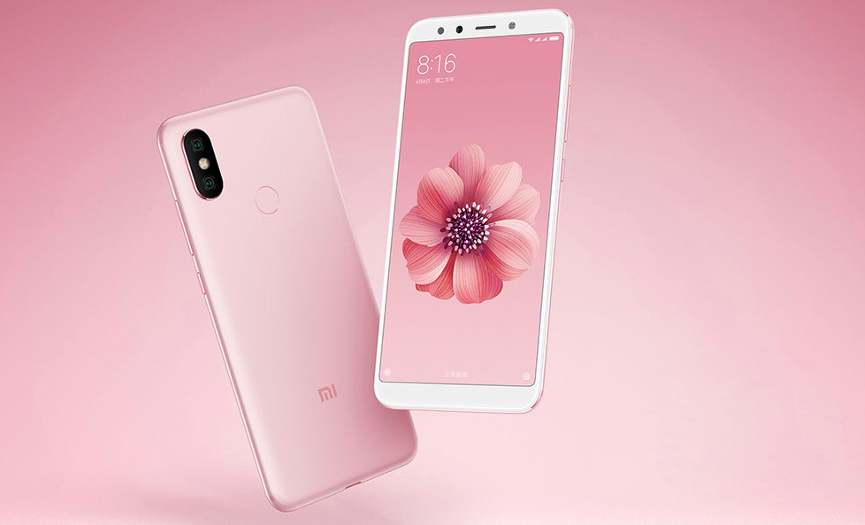
    Xiaomi has launched the follow up of its highly popular Mi 5X, the Xiaomi Mi 6X at an event in China. The Mi 6X will be available in three variants, the base model will have 4GB RAM and 64GB storage, the second will have the same storage and 6GB of RAM and the priciest version of the Mi 6X will have 6GB of RAM and 128GB of onboard storage.

    The pricing will start at CNY 1599 (Rs 16800 approx.) for the 4GB RAM/64GB storage variant. The 6GB RAM/64GB storage variant will be priced at CNY 1799 (Rs 19,000 approx.), while the 128GB storage model will retail for CNY 1999 (Rs 21,200 approx.). As was evident from previous teasers of the smartphone, the Mi 6X will be available in Cherry Pink, Flame Red, Sand Gold, Glacier Blue, and Black colour variants.
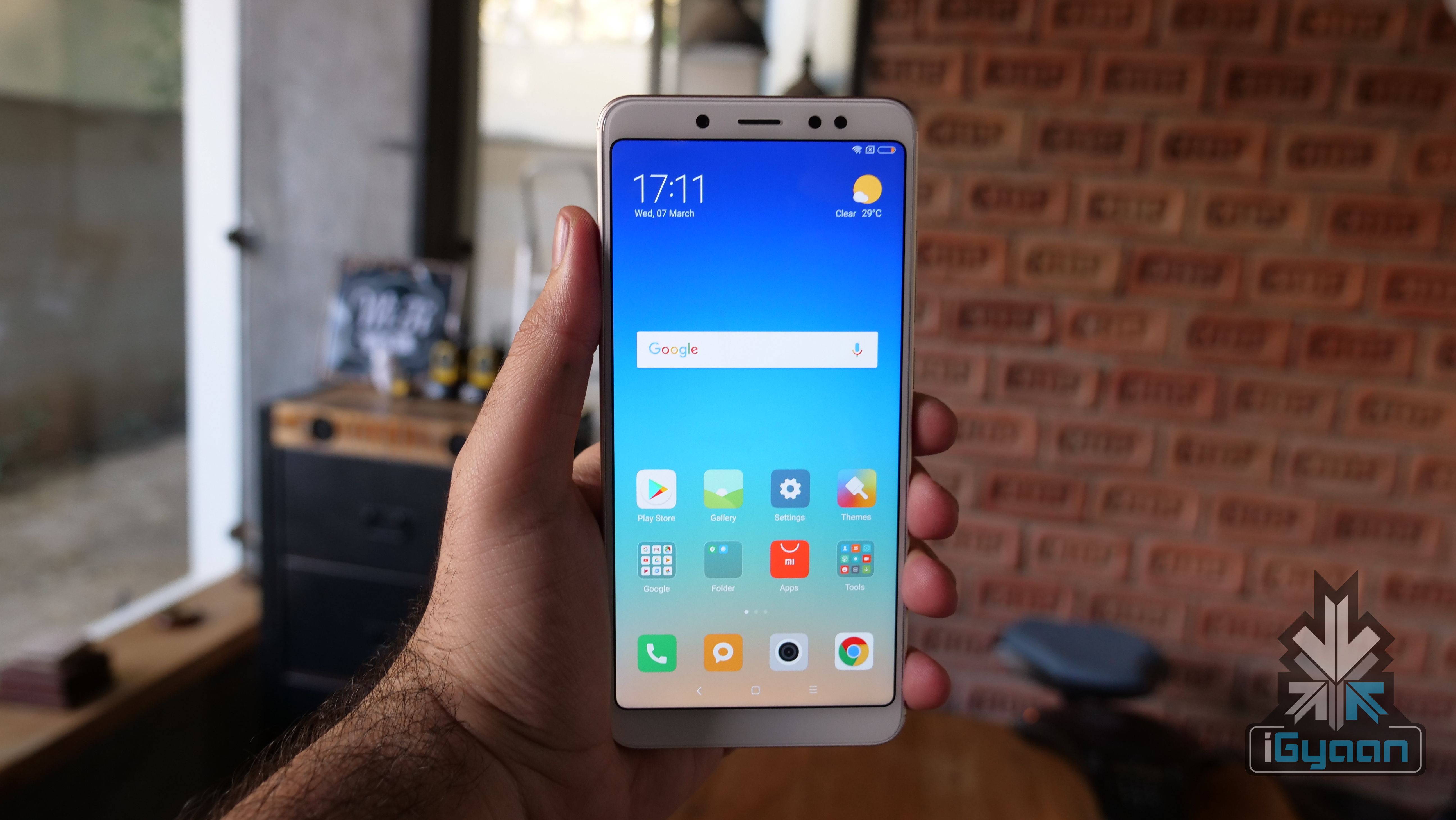
    The Xiaomi Mi 6X has a 5.99 inch IPS LCD display with a 2160 x 1080 px resolution. This is the same display found on the Redmi Note 5 Pro in India and the size of the bezels is also identical.
    Redmi Note 5 Pro

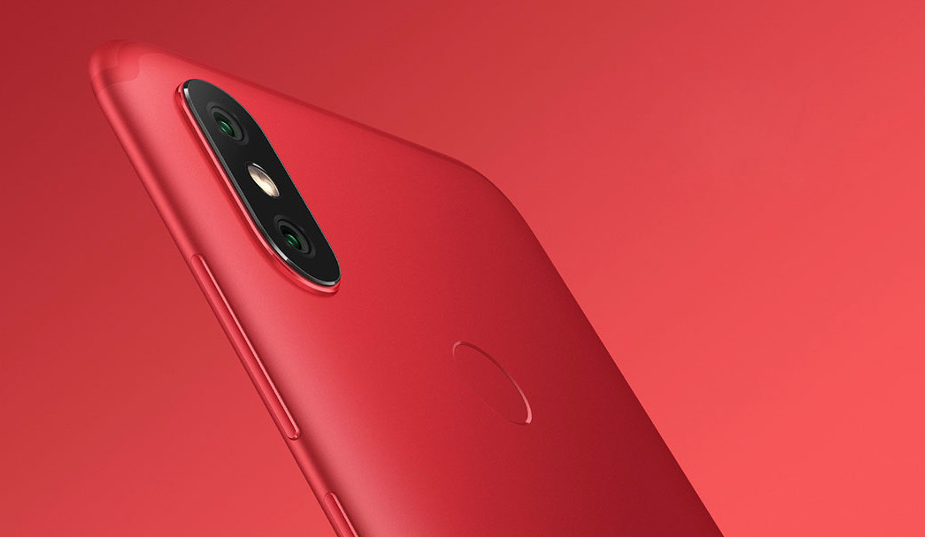
    Under the hood, the Xiaomi Mi 6X runs on the Snapdragon 660 chipset, coupled with either 4GB or 6GB of RAM and 64GB or 128GB of onboard storage which won’t be expandable. The fingerprint sensor is placed on the back of the smartphone which has been the case with almost every Xiaomi smartphone.

    Powering the smartphone 3010 mAh battery. Interestingly, the smartphone supports QuickCharge 3.0 which means it also has a USB type C port, something that a lot of Xiaomi fans wanted on the Redmi Note 5 Pro. Out of the box, the Mi 6X will run on Android 8 Oreo with MIUI 9.5 on top. This means that the Mi 6X will also have Face Unlock feature, like the Redmi Note 5 Pro. The Mi 6X will also support Project Treble for faster software updates.

    The AI-powered dual-camera setup was teased a lot leading up to the launch. Out of the two cameras on the back, the main sensor is a 20MP Sony IMX486 with an f/1.75 aperture and 2-micron pixel size. The secondary sensor is 12MP Sony IMX486 telephoto lens with an f/1.75 aperture and 1.25-micron pixel size. The AI is used to identify over 206 scenes in the camera app which includes food mode, text, greenery, sky, beach, snow, cats, dogs and many more. Once a scene is detected, the camera automatically tweaks its settings for, in theory, a better image. On the front of the Mi 6X is a 20MP Sony IMX376 sensor with soft light LED flash.

    The Mi 5X was launched in India as the Mi A1 with stock Android OS. The Mi A1 turned out to be a smash hit for Xiaomi and the company would want to build on the Mi A1’s popularity in India. The Mi 6X, if launched as the Mi A2 or Mi A1 (2018) would be a sizeable upgrade over the Mi A1, provided Xiaomi keeps the pricing of the device competitive.

  • Amazon Echo Spot With Circular Display And Touchscreen Launched in India

    Amazon Echo Spot With Circular Display And Touchscreen Launched in India

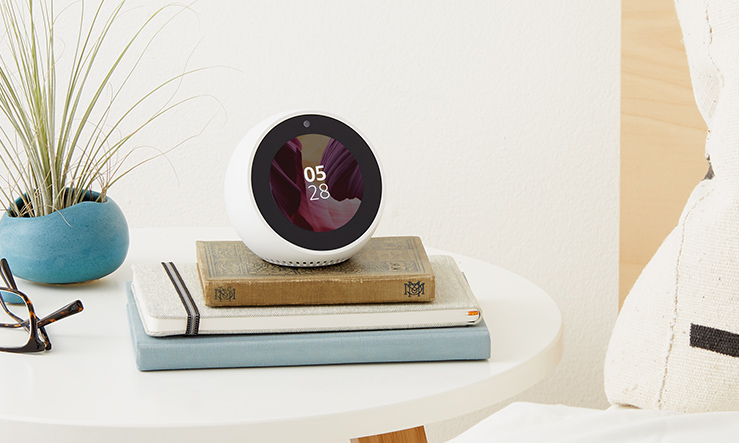
    Amazon has added another Alexa-powered smart home speaker to its repertoire in India. After launching it in the US in September 2017, the company has now launched the Echo Spot in India. The smart speaker with a display is on sale in India for Rs 12999. However, it is available for Rs 10999 for now, as an introductory offer.

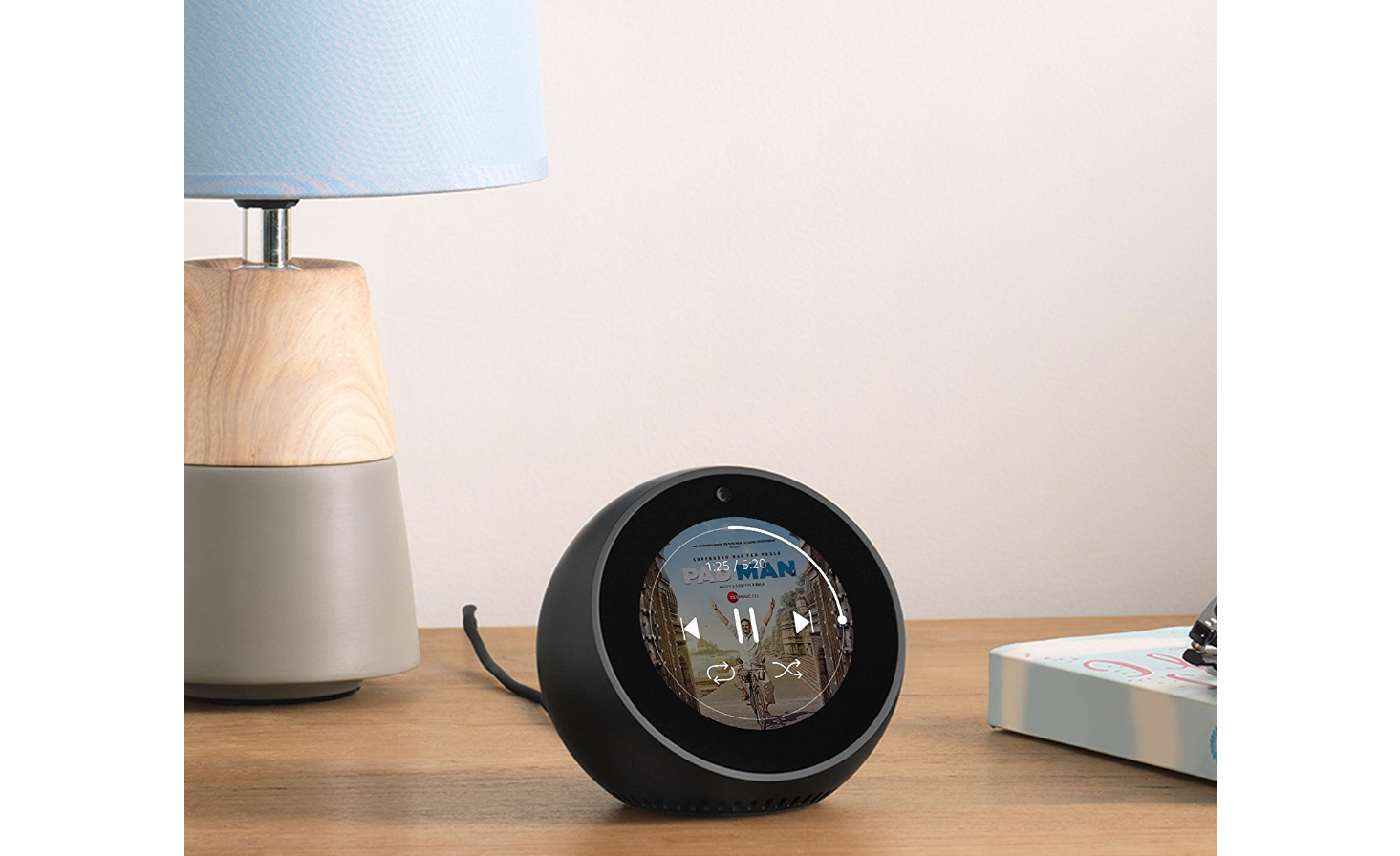
    The Amazon Echo Spot is a mix of the Echo Dot and the Echo Spot. The Spot has a 2.5 inch circular display with a resolution of 480 x 480 px. The Echo Spot is like a smart alarm clock powered by Alexa which can also be connected to external speakers via Bluetooth or a 3.5mm headphone jack. This means that users can retail the smart functionality of an Echo Spot and add better sound quality to the system using their own speakers.

    Other than a display, the Spot does what a smart speaker powered by Alexa would do. It can make calls, call an Ola, order food on Zomato, play music and more. However, thanks to its display and a camera, the Spot can also make video calls by just asking it do it. Users can also watch news from NDTV, Times Now, ESPN Cricinfo, Aaj Tak, and more.

    Amazon Echo Spot Specs
    Specifications Amazon Echo Spot
    Display 2.5 inch
    Resolution 480 x 480 px
    Dimensions 104 x 96 x 91 mm
    Weight 419 grams
    Speaker Size 1.4? speaker
  • Huawei P20 Lite, Huawei P20 Pro Launched In India Starting Rs 19999

    Huawei P20 Lite, Huawei P20 Pro Launched In India Starting Rs 19999

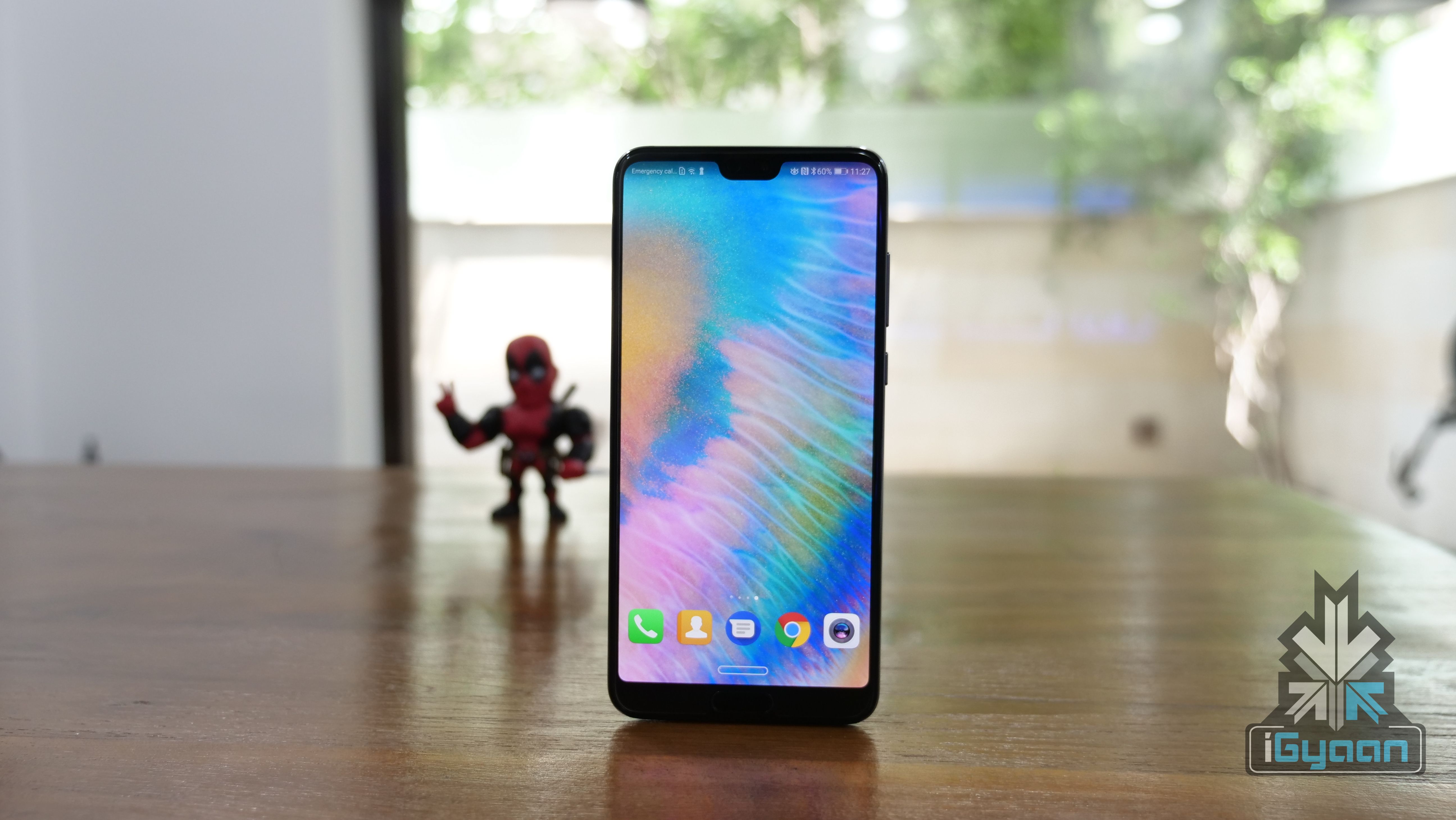
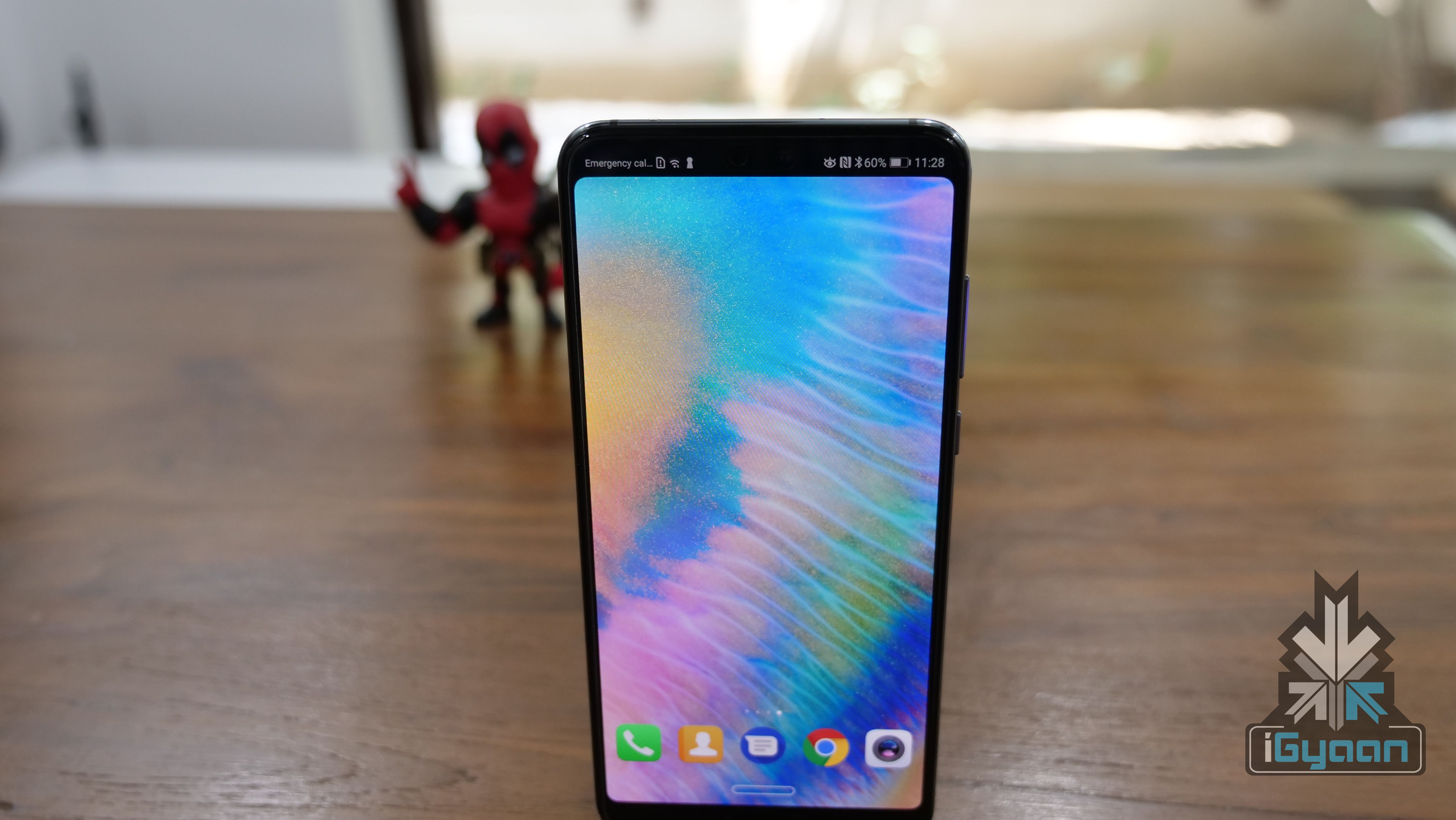
    Three weeks after launching the Huawei P20 and P20 Pro in Paris, Huawei has launched the Huawei P20 Lite and P20 Pro in India. The P20 Lite is priced at Rs 19999 and the Huawei P20 Pro will retail for Rs 64999. Both the smartphones will be exclusively available online via Amazon from the 3rd of May.

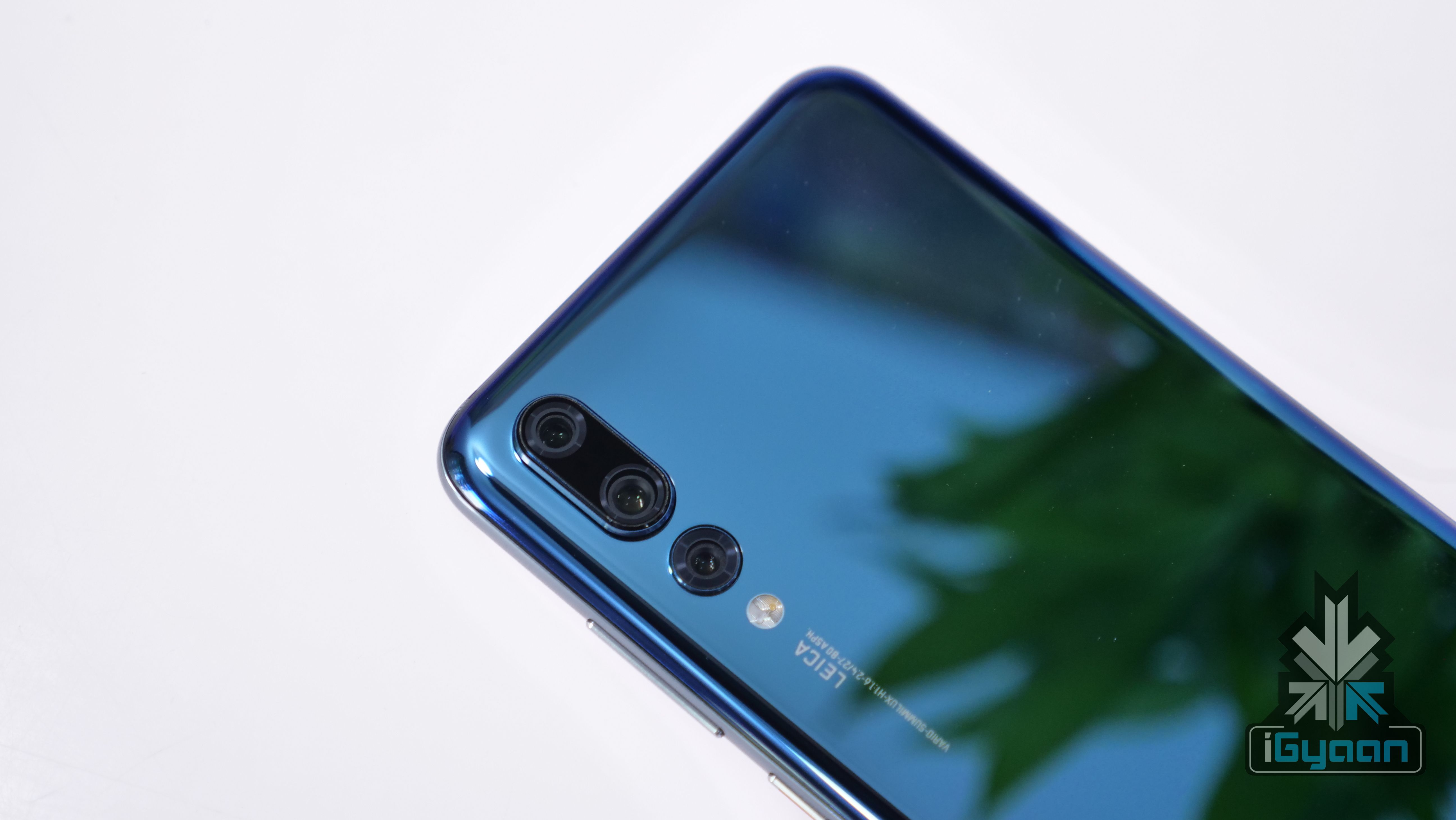
    The Huawei P20 Pro is the flagship smartphone from Huawei that has grabbed a lot of headlines recently. Apart from the striking design of the device, it is also the first-ever smartphone with a triple-camera setup on the back. The Huawei P20 Pro will also be available in the new Twilight colour which, so far, is one of the most interesting colour variants of a smartphone.

    The Huawei P20 Pro has a 6.1 inch RGBW full-colour OLED display with a 2244 x 1080 px resolution. This translates into a 19:9 aspect ratio which has its advantages. The Huawei P20 Pro also has an IP67 rating for water and dust resistance.

    The Huawei P20 Lite has a smaller 5.84 inch LTPS IPS LCD display with a 2280 x 1080 px resolution. The 19:9 aspect ratio will come in handy when users decide to hide the notch. Once hidden, the device moves to a more conventional 18:9 aspect ratio as the screen real estate on either side of the notch is blackened out.

    The Huawei P20 Lite runs on the HiSilicon Kirin 659 Octa-core chipset while the P20 Pro runs on the HiSilicon Kirin 970 chipset with NPU (Neural Processing Unit). Huawei has talked a lot about the integration of AI within the Huawei software. A lot of AI features can be found in the camera app like scene detection, portrait lighting etc. The Huawei P20 Lite has 4GB RAM and 64GB storage while the P20 Pro has 6GB RAM and 128GB of onboard storage.

    On the back of the smartphones is where the two differentiate the most. The Huawei P20 Pro has a 40MP primary sensor, which supports 5x hybrid zoom. There is a secondary 8MP sensor, which offers 3x optical zoom, which also helps to create portrait mode. Similarly, there is a third sensor with 20MP resolution. Unlike the other two sensors, this is a monochrome sensor which helps to capture contrast and sharpness. Another mindboggling feature of this camera setup is a maximum ISO of 102,400.

    The Huawei P20 Lite has a 16MP RGB sensor and a 2MP depth sensor. In fact, this dual camera setup is similar to the one found on the Honor 7X. The Huawei P20 Lite and P20 Pro have a 24MP front-facing camera with 3D Portrait Lighting effect. This is very similar to the Portrait Lighting effect found on the iPhone X.

    At a price of Rs 19999, the Huawei P20 Lite is a solid offering. The Huawei P20 Pro, on the other hand, will go toe-to-toe with the likes of Galaxy S9+ and iPhone 8 Plus. The registrations for both the smartphones have started and the smartphones will go on sale on the 3rd of May via Amazon.

    Register for the Huawei P20 Lite and P20 Pro here

  • Apple Watch Series 3 With LTE Launches With Airtel in India On 11th May

    Apple Watch Series 3 With LTE Launches With Airtel in India On 11th May

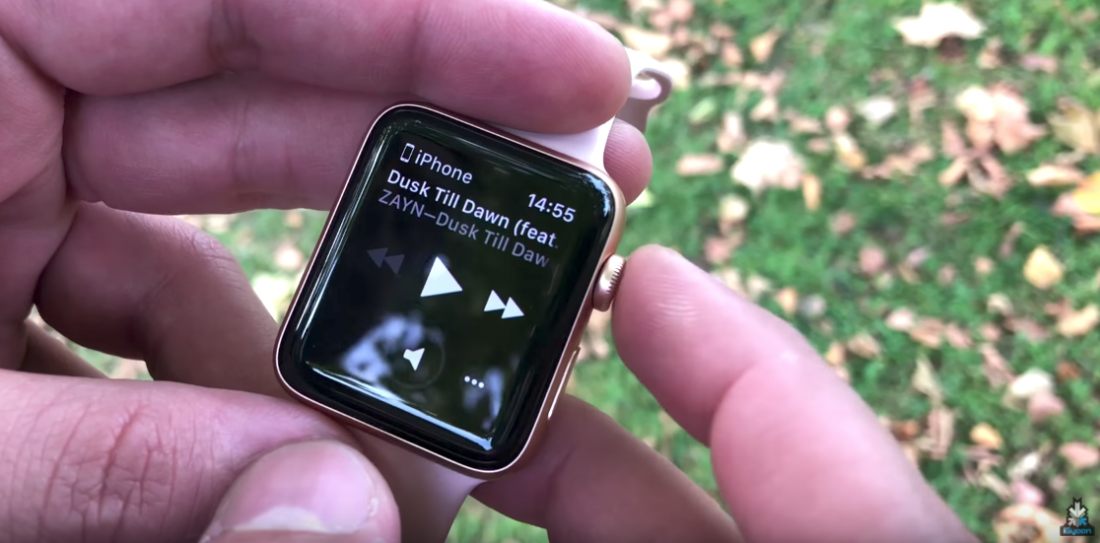
    Apple and Airtel have announced that the Apple Watch Series 3 will be available to buy in India from the 11th of May. The 3rd generation of Apple Watch has cellular support, which means that users can leave their iPhones behind and still be able to make calls, send texts and surf the web. The pre-registration for Apple Watch Series 3 begins on the 4th of May and it goes on sale on the 14th of May via all the major Apple authorised sellers across the country. Cellular services on the watch will be free for Airtel postpaid customers on an Airtel My Plan or Infinity Plan.

    Apple Watch

    It is worth noting that to activate cellular service with Apple Watch Series 3, a user’s iPhone has to be updated to iOS 11.3. Once updated, tap Settings on iPhone > General > About and follow the prompt to update to the latest carrier settings.

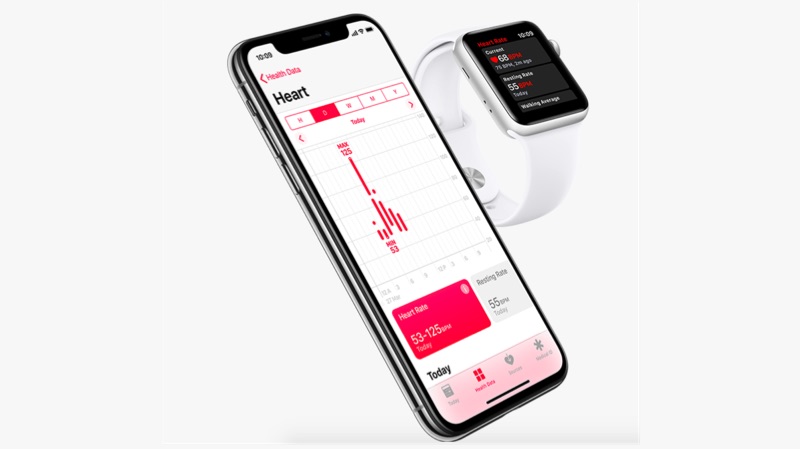
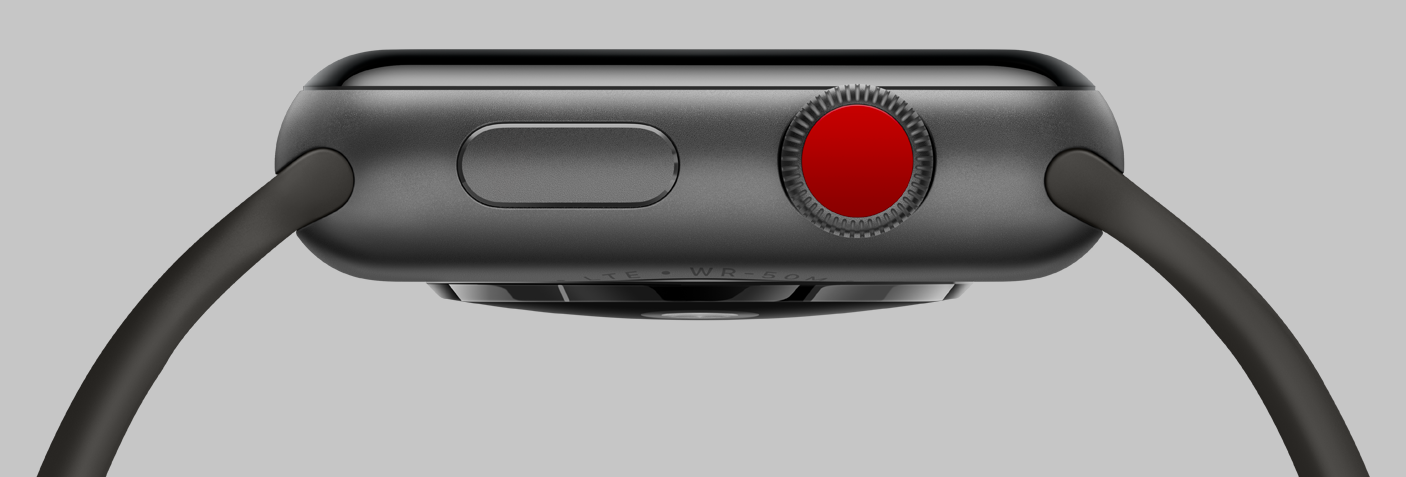
    The new Apple Watch Series 3 has an improved heart rate sensor and a SIM card slot. This has resulted in a 0.2mm thickness increment which is commendable. Apple also claims that the new Watch Series 3 is swim-proof, which means athletes can track their activities even when they’re swimming.

    With the new and advanced heart rate sensor, the watch will notify an increased heart rate if you’re not active. Interestingly, in the new Apple Watch, the cellular number will remain the same as your iPhone and users can perform tasks such as iMessage directly from their watch without having their smartphone connected to it. The Apple Watch Series 3 will also stream 40 million songs from the iTunes and the Music App. The Siri on the smartwatch is also be voice-enabled for communication with the watch without looking at the screen. The display of the watch acts as an antenna and an electronic SIM card which is smaller than a nano-SIM card is used in the smartwatch.

    The smartwatch has a dual-core processor to carry out all the tasks. The smartwatch will run Apple Watch OS 4 out of the box and has a battery life of up to 18 hours, Apple claims. The new W2 chip inside delivers 85 percent faster Wi-Fi while also being 50 percent more power efficient, which will be crucial because of the cellular connectivity feature using up more battery than usual.

    Apple has not confirmed the pricing of the Apple Watch Series 3 in India right now. However, we expect to learn more about the pricing details before the pre-registrations begin on the 4th of May.

  • Meizu 15 Smartphones Launched Sans Notch Or 18:9 Display

    Meizu 15 Smartphones Launched Sans Notch Or 18:9 Display

    The herd behaviour of the smartphone industry is at showcase every year. This year and a better part of 2017 was all about 18:9 aspect ratio and thin bezels. However, a dubious trend has also caught on this year, and that is of the notch. Ever since the iPhone X was launched, a lot of smartphone makers have embraced the notch, without actually implementing it the way Apple did. Meizu, on the other hand, has gone a completely different route with its trio of Meizu 15 smartphones.

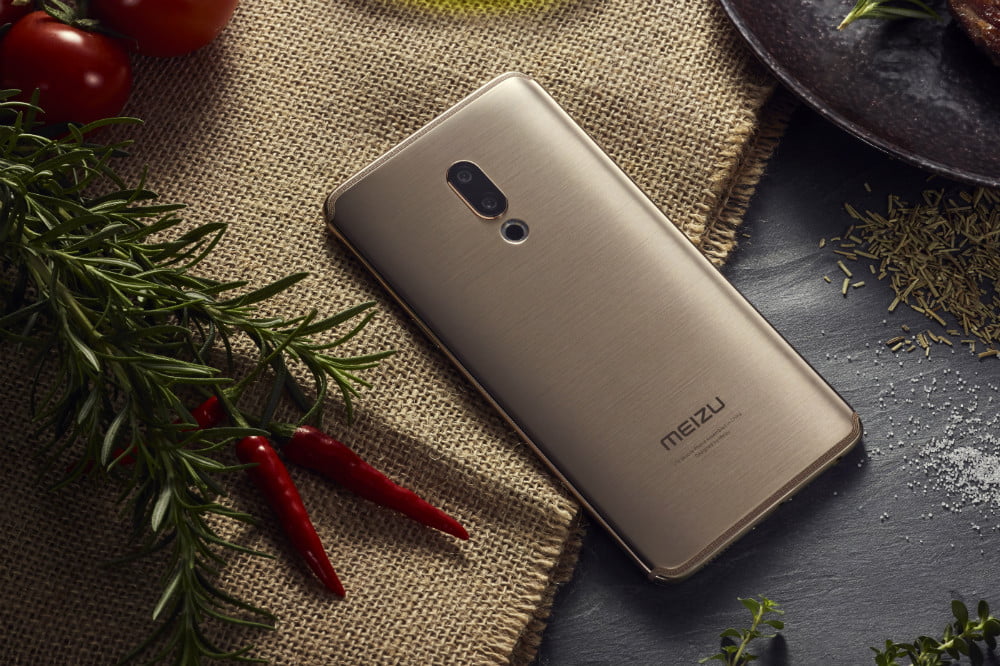
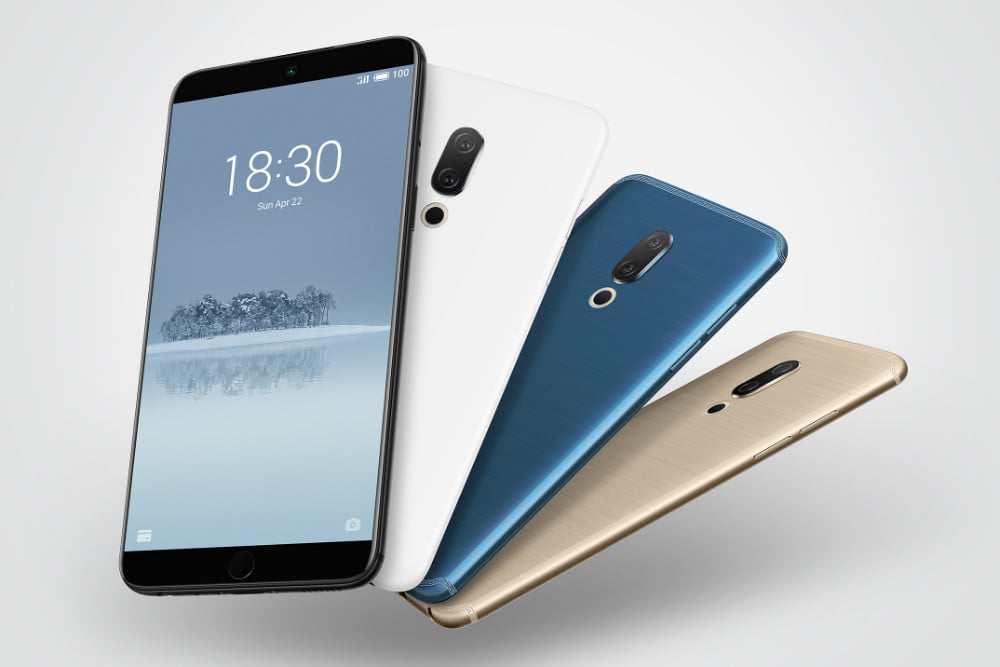
    Meizu, the Chinese smartphone maker celebrated its 15th anniversary by launching the Meizu 15 lineup of smartphones. The new Android devices follow an old formula to stand out from the crowd. The Meizu 15 Plus, Meizu 15 and Meizu 15 Lite have a 16:9 aspect ratio and no notch. This is not a very common sight  for new smartphone launches from Chinese smartphone makers, especially in 2018.

    Meizu 15 Plus

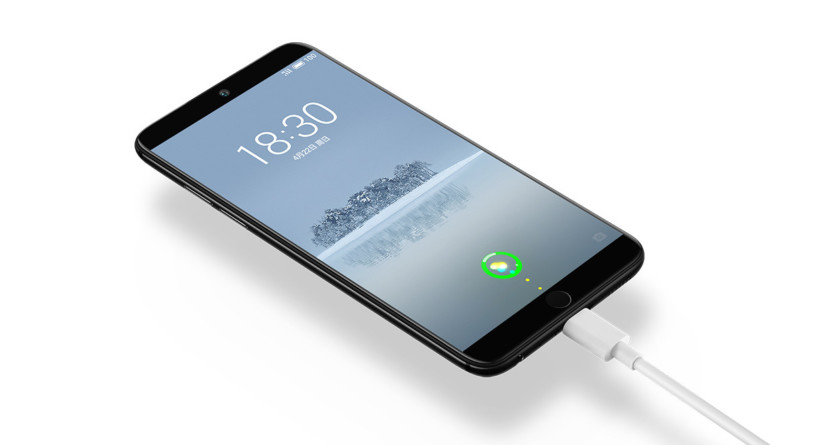
    The most high-end of the three smartphones, the Meizu 15 Plus has a 5.95 inch Super AMOLED display with a 2560 x 1440 px resolution. Under the hood, the Meizu 15 Plus runs on the Samsung-made Exynos 8890 chipset. This is the same chipset found on the Galaxy S8 in India. This chipset is coupled with 6GB of RAM. Powering the smartphone is a 3500 mAh battery which charges via a USB Type C port. Interestingly, the round fingerprint sensor sits below the display in the bottom bezel. The fingerprint sensor looks a lot of like a smaller version of Touch ID.

    To the back of the smartphone is a dual-camera setup placed vertically. Both the sensors are produced by Sony and have 20 megapixels and 12 megapixels, with 3X lossless zoom, a 1.55nm pixel size, OIS, an f/1.8 aperture, and a six-LED dual-tone flash. The front of the smartphone houses a 20MP camera with an f/2.0 aperture.

    Meizu 15

    The Meizu 15 sits right between the Meizu 15 Plus and 15 Lite. It has a 5.46 inch Super AMOLED display with a 1920 x 1080 px resolution. The Meizu 15 runs on the Snapdragon 660 chipset coupled with 4GB of RAM and either 64GB or 128GB onboard storage. Powering the device is a 3000 mAh battery which charges via a USB C port. The proprietary mCharge wall charger takes the cell to 54% capacity in 30 minutes.

    The camera setup is identical to that on the Meizu 15 Plus, with a 20 megapixels and 12 megapixels, with 3X lossless zoom, a 1.55nm pixel size, OIS, an f/1.8 aperture, and a six-LED dual-tone flash. The front of the smartphone houses a 20MP camera with an f/2.0 aperture.

    Meizu 15 Lite

    The Meizu 15 Lite has a 5.46 inch IPS LCD display with a 1920 x 1080 px resolution. It runs on the Snapdragon 626 chipset which is coupled with 4GB RAM and 64GB of onboard storage. The Meizu 15 Lite also gets rid of the dual-camera setup and replaces it with a 12MP with an f/1.9 aperture. The front has the same 20MP camera with an f/2.0 aperture.

    Starting 1,699 Yuan, roughly Rs. 17000, the range of the Meizu 15 goes all the way to 2,999 Yuan ( or Rs. 32000) for the basic variant of the Meizu 15 plus. When and if we should expect these phones in India, but if they do launch, the company might be in some serious need for price checks, and may be able to create some stiff competition in the Under Rs. 20,000 price bracket.

  • Asus Zenfone Max Pro Launched In India Starting Rs 10999

    Asus Zenfone Max Pro Launched In India Starting Rs 10999

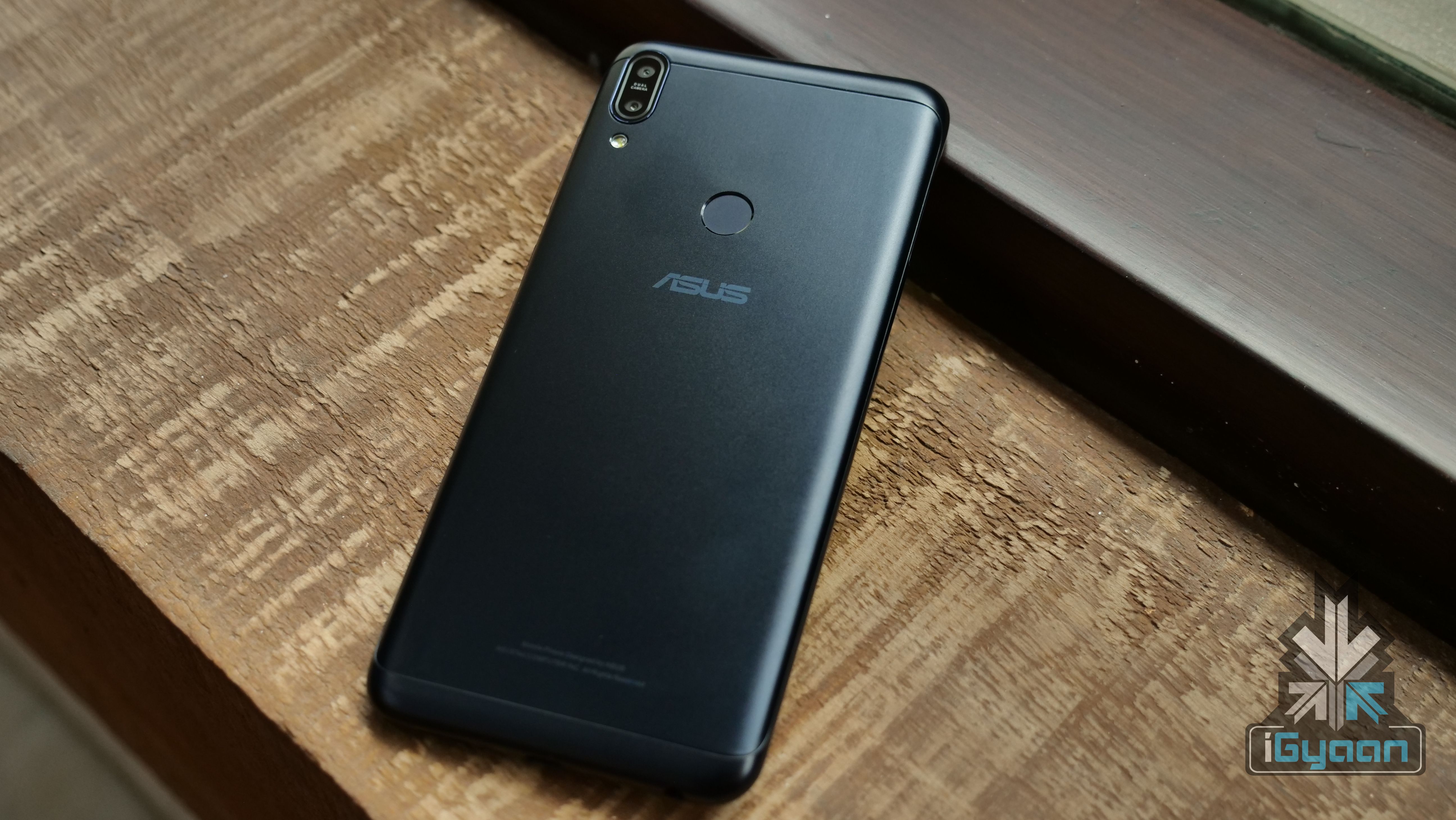
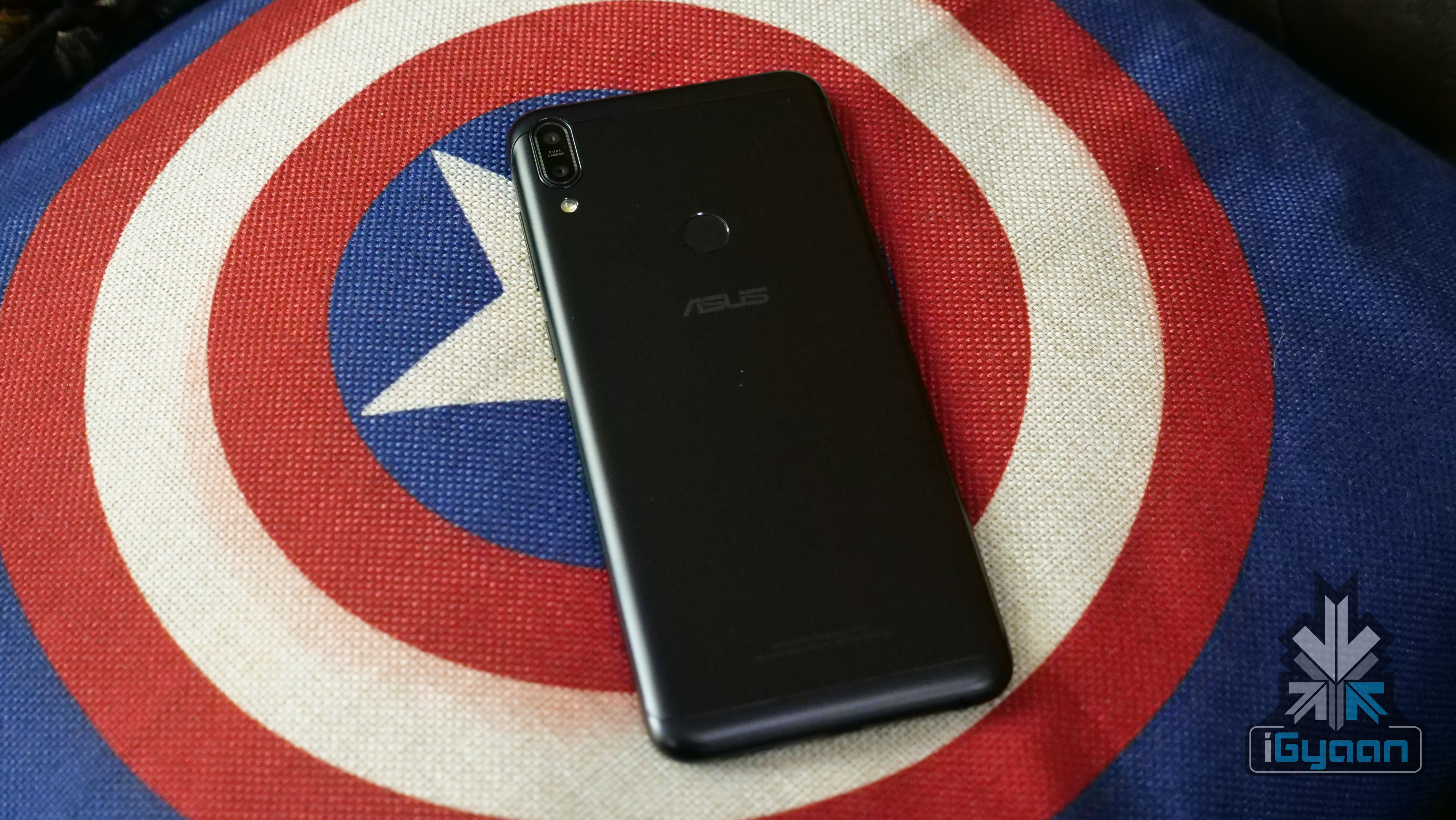
    Asus has launched a new budget smartphone in India, the Zenfone Max Pro. The new smartphone will be priced at Rs 10999 for the entry-level variant and will be sold via Flipkart. There are no details about the offline availability of the smartphone as of now. The Asus Zenfone Max Pro will be available in two variants in India for now, one with 3GB RAM and 32GB storage and the other with 4GB RAM and 64GB storage. Interestingly, this a world first launch of the Zenfone Max Pro and will eventually launch in other markets as well.

    At the launch, the company also announced that a 6GB RAM/128GB storage variant with better camera capabilities will be launched at a price of Rs 14999. However, no specific timeline for that launch was mentioned.

    Unboxing Video


    The Asus Zenfone Max Pro is also only the second smartphone running on the Snapdragon 636 chipset to be launched in India. This means that it is a direct competitor of the highly popular Xiaomi Redmi Note 5 Pro. Both the smartphones also have a lot of similarities in terms of design and pricing.

    Without a doubt, one of the highlights of the Zenfone Max Pro is its battery capacity. It is powered by a 5000 mAh battery while the size and weight of the smartphone are almost equivalent to that of the Redmi Note 5 Pro. For context, the Redmi Note 5 Pro is powered by a 4000 mAh battery. However, the Zenfone Max Pro will charge via a micro USB port which means it could take a while to fully charge from 0%.

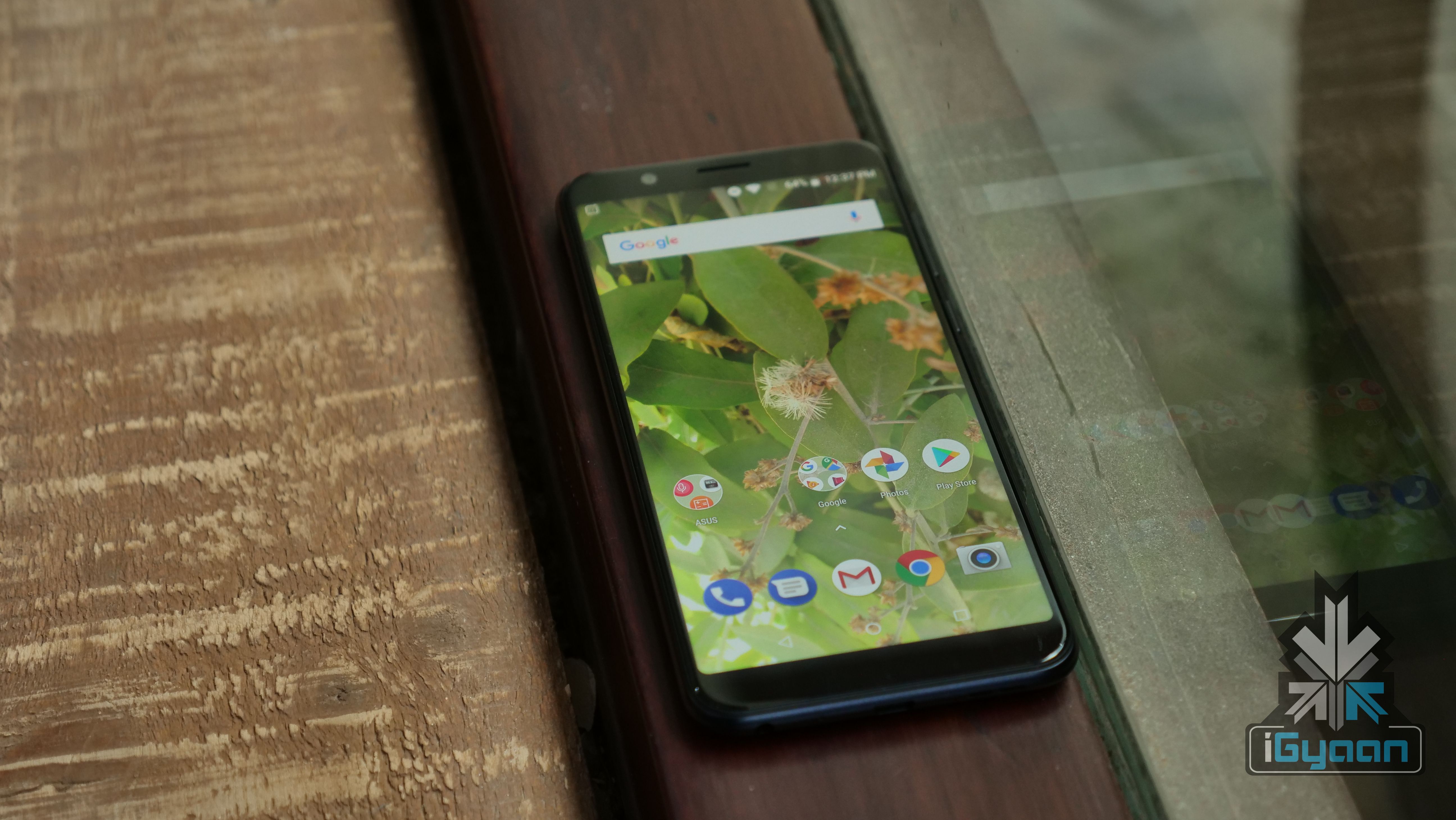
    That 5000 mAh battery will be powering a 5.99 inch IPS LCD display with a 2160 x 1080 px resolution.

    So far, Asus smartphones have had the custom ZenUI on top of Android. However, Asus has gone the stock Android route with the Zenfone Max Pro. Out of the box, the Zenfone Max Pro will run on Android 8.1 Oreo, which is the latest version of Android available right now. Asus has also promised timely software upgrades for their new budget smartphone up to Android Q.

    The Asus Zenfone Max Pro will go on sale in India on May 3rd. With such a competitive pricing and specifications, it will be interesting to see how the Zenfone Max Pro holds up in the Indian market.

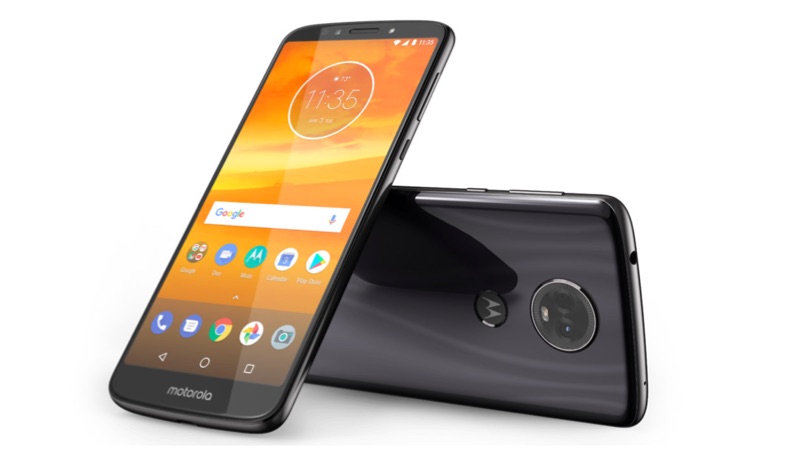
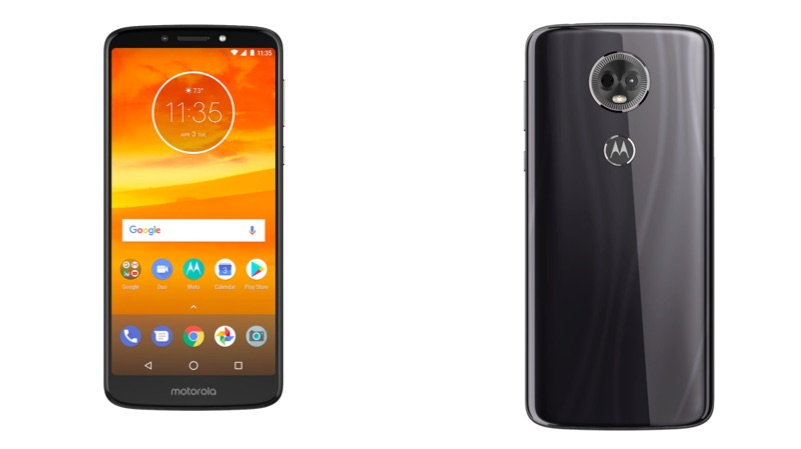
  • Moto E5 Plus And Moto E5 Play Launched

    Moto E5 Plus And Moto E5 Play Launched

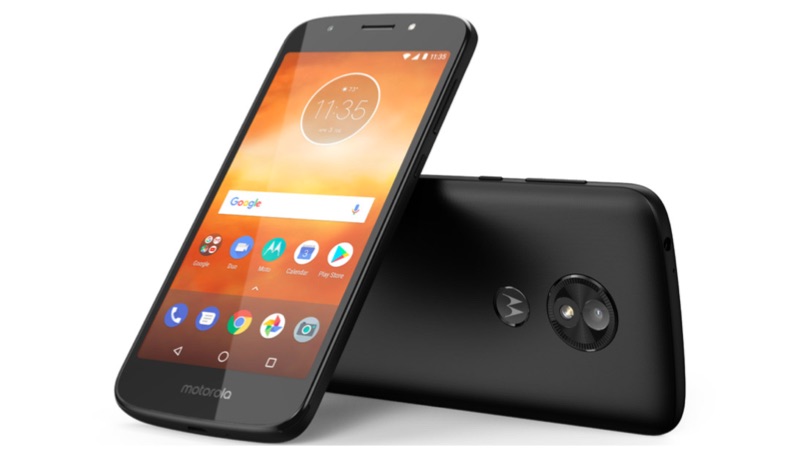
    Lenovo-owned Motorola has launched the fifth iteration of its highly successful Moto E series of smartphones. Leading up to the launch, it appeared that the company would only launch the Moto G series but, the Moto E5 Plus and E5 Play have been launched at an event in Sao Paulo, Brazil.

    Moto E5 Plus

    The Moto E5 Plus is the premium offering between the two Moto E series smartphones launched today. The E5 Plus runs on the Qualcomm Snapdragon 435 chipset with 3 GB of RAM and 32 GB of built-in storage which is expandable up to 128GB via microSD card.

    The E5 Plus has a 6 inch IPS LCD display with a 1440 x 720 px resolution which translates into an 18:9 aspect ratio. It also has the Moto Display for at-a-glance info and quick replies to notifications. The Moto E5 Plus has a massive 5000 mAh battery which will charge via a micro USB port. The smartphone will come bundled with a 15W TurboPower charger which is capable of pushing up to 6 hours worth of charge into the battery in just 15 minutes.

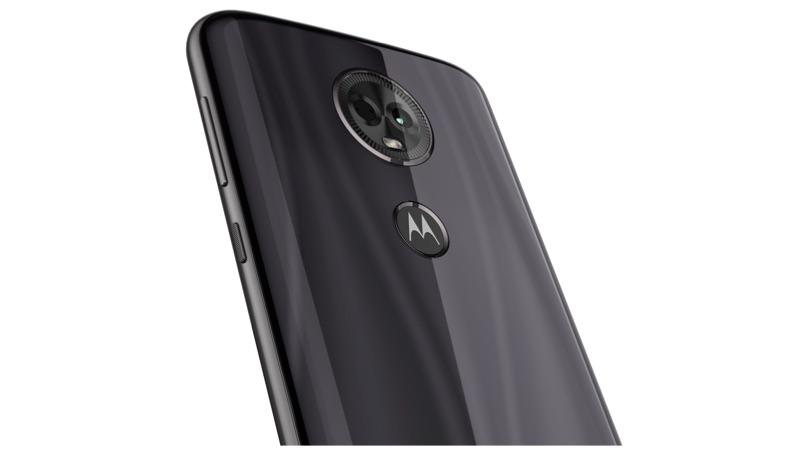
    To the back of the smartphone is a 12MP camera with an f/2.0 aperture which records 1080P videos at 30fps. To the front is an 8MP camera with an f/2.2 aperture which would also record 1080P videos.

    Moto E5 Play

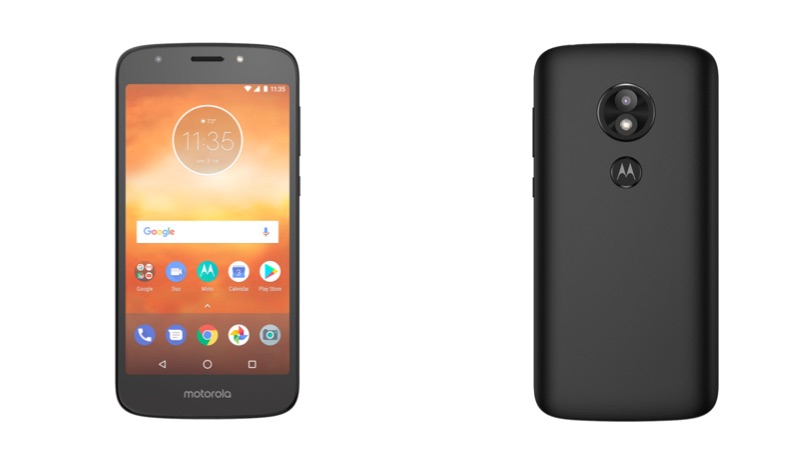
    The Moto E5 Play reverts to the archaic 16:9 aspect ratio and probably will be the most affordable of the five smartphones launched by Motorola. The Moto E5 Play runs on the Qualcomm Snapdragon 425/427 chipset along with 2GB RAM and 16GB of onboard storage which will be expandable up to 128GB via microSD card.

    The Moto E5 Play has a 5.2 inch IPS LCD display with a 1280 x 720 px resolution. It also has the Moto Display for at-a-glance info and quick replies to notifications. The Moto E5 Play is powered by a 2800 mAh battery which, for a 5.2 inch HD display should suffice, in theory. The battery will be charged via a micro USB slot and the 3.5mm headphone jack is also present.

    To the back of the smartphone is a 8MP camera with an f/2.0 aperture which records 1080P videos at 30fps. To the front is an 5MP camera along with a front-facing LED flash.

  • Motorola Launches Moto G6, G6 Play And Moto G6 Plus

    Motorola Launches Moto G6, G6 Play And Moto G6 Plus

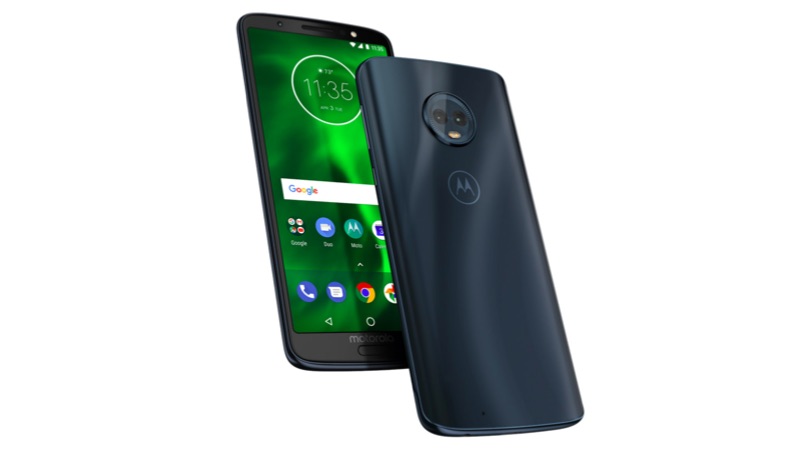
    Motorola has finally unveiled the new Moto G6 and Moto G6 Play at an event in Brazil. Both the phones mark the six generation of the highly successful series of Moto G devices from the company.

    Moto G6 Play

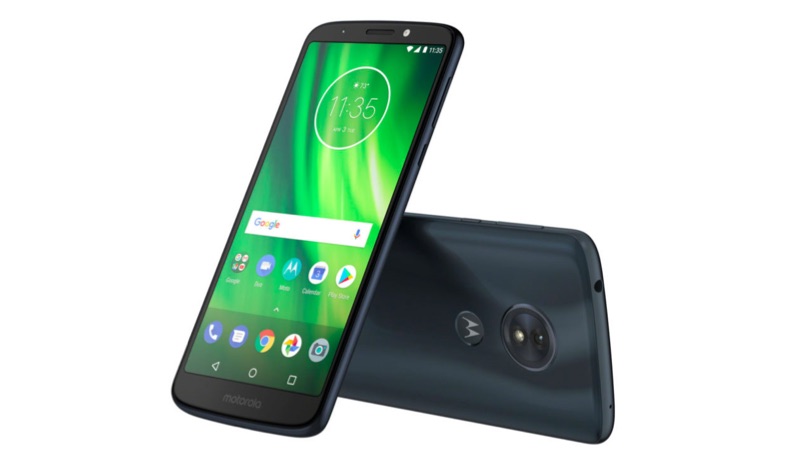
    Launched at a price of US$ 199, roughly Rs. 13000, the Moto G6 Play is the cheaper variant of the two and it features a 5.7″ 1440×720 LCD display, along with Qualcomm’s Snapdragon 427 chipset with four 1.4GHz Cortex A53 Cores (28nm).

    Moto G6 Play

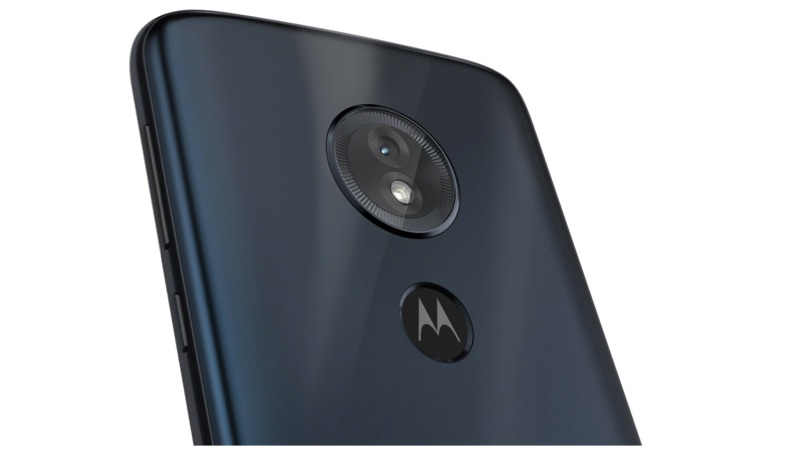
    The device also gets Adreno the 308 GPU along with either 2 GB or 3 GB of RAM and either 16GB or 32 GB of storage. The Moto G6 Play has a 4000mAh battery and a micro USB jack along with a slower 10w charging capability. You get one 13MP rear camera and 8MP front camera and even though the back appears to have two cameras, it has only the one, with the other fitted with an LED flash. The back has a unique glass-like back panel that is actually made of plastic.

    Moto G6

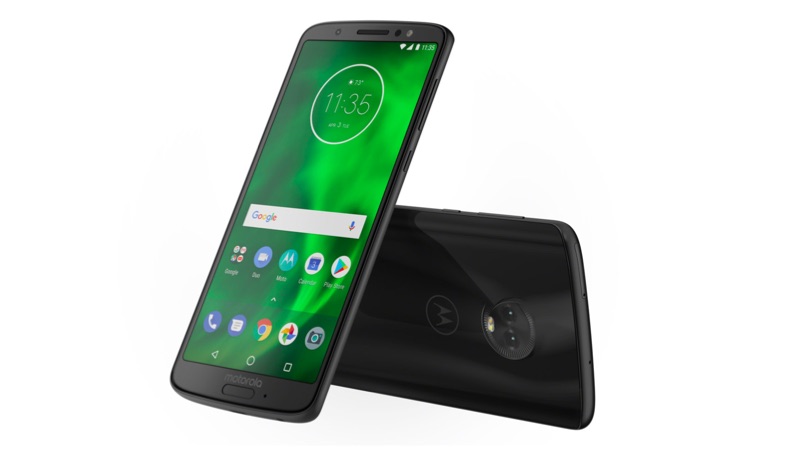
    The larger and more pronounced Moto G6 is priced at US$ 249 (Rs 16400 approx.). The G6 has a 5.7″ 2160×1080 LCD display along with the Snapdragon 450 which has eight 1.8Ghz Cortex A53 Cores (14nm) and is basically the Snapdragon 625 rebranded. The Adreno 506 GPU adds the graphic prowess with either 3GB or 4GB RAM option bundled with a 32GB or 64GB storage option.

    The Moto G6 does get the USB C charging capabilities along with a 15w charger, but that is bundled with a smaller 3000mAh battery.

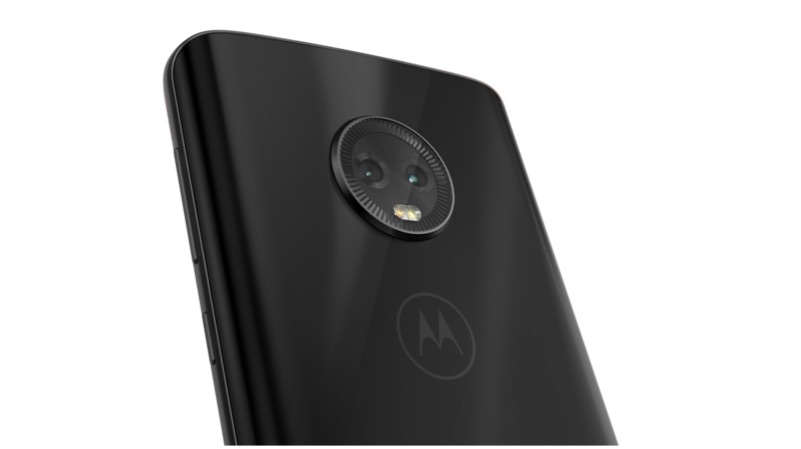
    At the back is the dual camera setup, which has a pair camera one a 12MP camera while a 5MP secondary camera for depth effects. Much like previous phones from the company, you can apply a depth-of-field effect to a photo after it is shot, thanks to saved depth information.

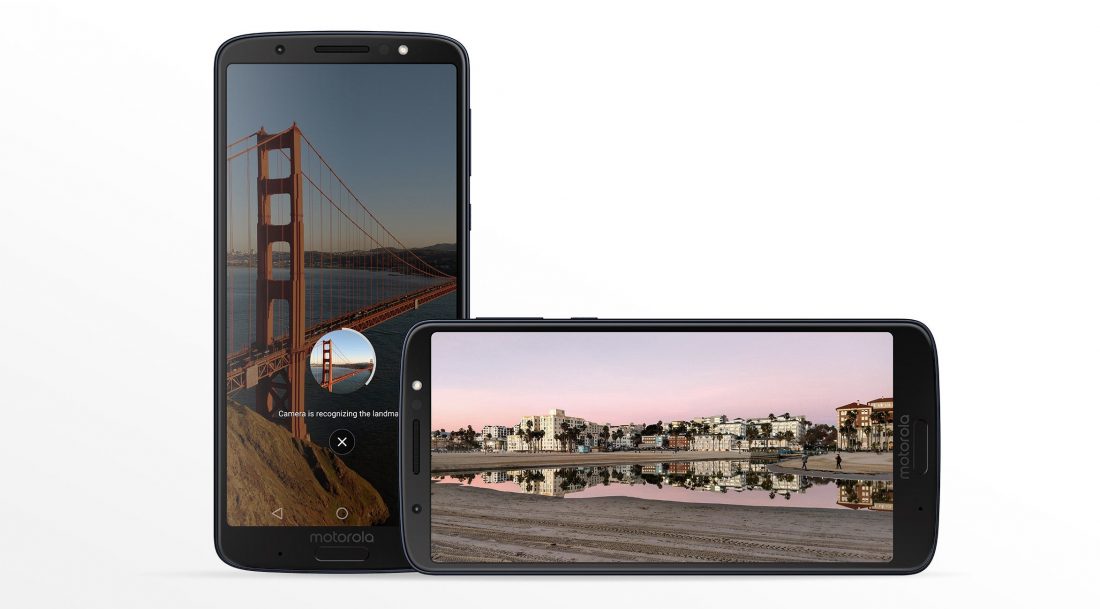
    You will also get effects like a selective black-and-white mode, a time-lapse feature, face filters, motion photos and visual search for objects and landmarks. The camera will also do OCR (optical character recognition) for text.

    Moto g6


    Moto G6 Plus

    The largest of theme all the Moto G6 Plus has been launched with a larger 5.9 inch IPS LCD display with the same 2160 x 1080px. The Phone gets an upgrade to Snapdragon 630 with and octa core 2.2GHz setup and the Adreno 508 GPU, other variations include 4GB or 6GB RAM options and 64 GB or 128 GB storage options. The dual camera setup also gets Dual Pixel AF and a f/1.7 aperture along with 4k video capture.

    Moto G6 Plus

    While the front retains the 8 MP shooter in some markets the phone will be launched with a larger 16 MP front-facing camera. The battery gets a bump to 3200mAh with a 15 w TurboPower charge through the USB C port.

    Announced at a price of €299 approximately Rs. 24000 the phone is quite a lot more expensive than its predecessor.


    As of now, we are not sure when and if and what variants would be launched in India, but, we should hear an announcement soon. Stay tuned to iGyaan for all the latest developments.

  • Honor 10 With A Notch Display And AI Powered Dual Cameras Launched

    Honor 10 With A Notch Display And AI Powered Dual Cameras Launched

    Huawei’s sub-brand, Honor has launched its first flagship smartphone for 2018, the Honor 10. Much of what the Honor 10 has to offer was already leaked long before its launch. But, at least it is all official now and we have the official pricing of the smartphone as well. The Honor 10 will be available in two variants in China. The 6GB RAM/64GB storage will retail for CNY 2599 (Rs 27,200 approx.) and the 6GB RAM/128GB storage will be priced at CNY 2999 (Rs 31,400 approx.).

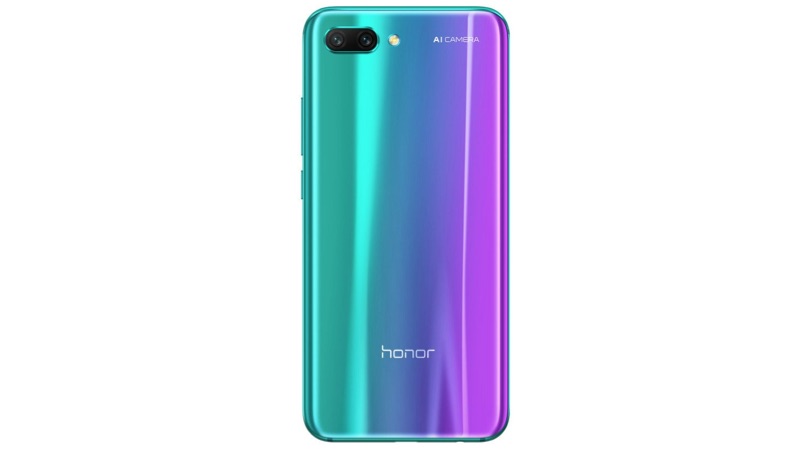
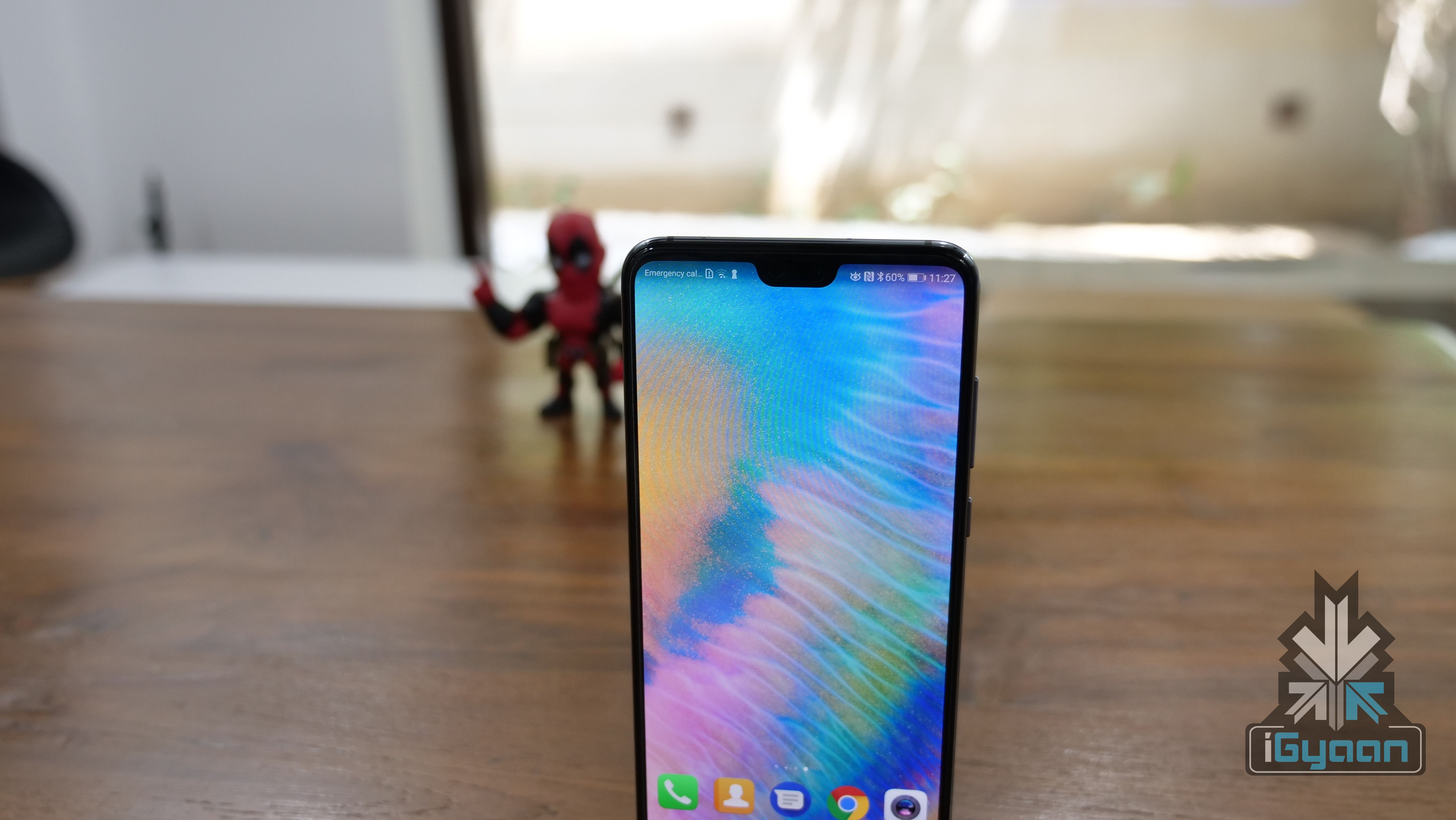
    Two striking features of the smartphone are all about its design and the look. The first thing you notice about the smartphone is the notch on the display, which resembles the Huawei P20 series of smartphones. Unlike the iPhone X which has a lot of tech stuffed into that notch, the Honor 10 just houses a camera, earpiece and the necessary sensors.

    Honor 10

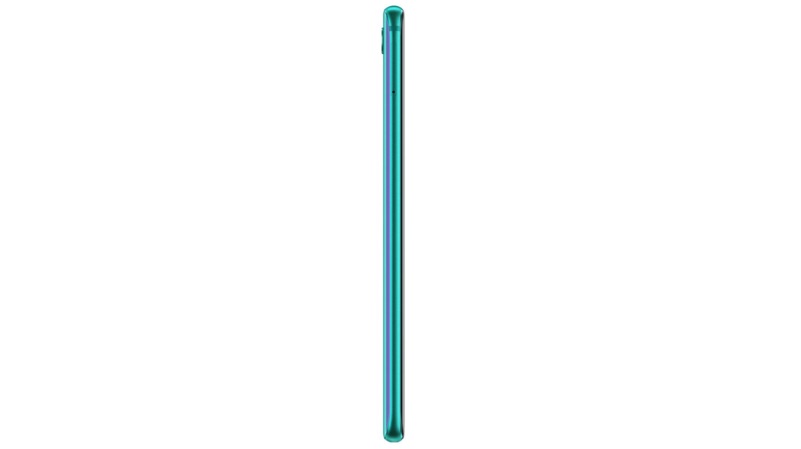
    Another exciting aspect of the Honor 10 is the colour variant. The smartphone has a dual-tone colour of blue and pink and in the images at least, looks pretty fantastic. The fingerprint reader like expected is not embedded inside the display, instead, it is an invisible ultrasonic fingerprint sensor that can also detect a wet finger. It is also front-facing since it is housed inside the chin of the smartphone.

    Honor also claims that the Honor 10’s dual-camera setup has a lot of AI capabilities. The company is betting big on the device’s AI capabilities, which Honor is calling “AI 2.0.” According to Honor, AI 2.0 can detect dynamic pictures more accurately. The phone’s AI 2.0 can also process Prisma-like image effects twice as fast as the iPhone X.

    Honor 10

    The Honor 10 looks like an impressive smartphone with its top of the line specifications and a few interesting features. Whether this smartphone will hit the Indian shores is a completely different question since as of now, there are no details of that happening.

  • Huawei P20, P20 Pro To Launch In India On April 24th

    Huawei P20, P20 Pro To Launch In India On April 24th

    Three weeks after the global launch of the Huawei P20 and P20 Pro, the company is now all set to launch them in India. A few days ago, Huawei India’s Twitter account teased a possible launch of the new smartphones and now, the company has sent out press invites for an event. The invite does not explicitly mentions the P20 smartphones but, has the tagline, “See Mooore.” This is the same promotional tagline that was used during the global launch of the Huawei P20 series.

    The pricing of the Huawei P20 and P20 Pro will be key for the Indian market. The Huawei P20 retails for a starting price of 649 Euros (Rs 52800 approx.) and the P20 Pro is priced at 899 Euros (Rs 73000 approx.). Huawei’s sub brand Honor has been very competitive with its pricing in India especially with the Honor 9 Lite, 7X and View10. Hence, it is fair to assume that the price of the Huawei P20 and Huawei P20 Pro won’t be a direct conversion of their European prices.

    The Huawei P20 Pro is definitely the bigger star of the two smartphones. It is the first-ever smartphone with a triple-camera setup on the back and offers a great build quality with an all-glass design. The Huawei P20 Pro has the same build quality and design albeit, a smaller display and a dual-camera setup on the back. Both the smartphones also sport a notch which houses the front camera, earpiece and the necessary sensors. Huawei, however, has included an option to hide the notch via software but, that also means that you lose a bit of screen real estate.

    In the coming days, another highly anticipated flagship device will launch as well, the OnePlus 6. This time around, it could be priced higher than its predecessors and could cross the Rs 40000 mark for the first time in India. If so, it will be more comparable to the Huawei P20 which is also expected to be priced around Rs 45000.

    How the Indian consumers perceive the P20 and P20 will largely depend on the pricing of the two devices. If priced competitively, the two phones have enough features to make a mark in the Indian smartphone market.

  • Three New Sony Bluetooth Speakers Launched In India Starting Rs. 7990

    Three New Sony Bluetooth Speakers Launched In India Starting Rs. 7990

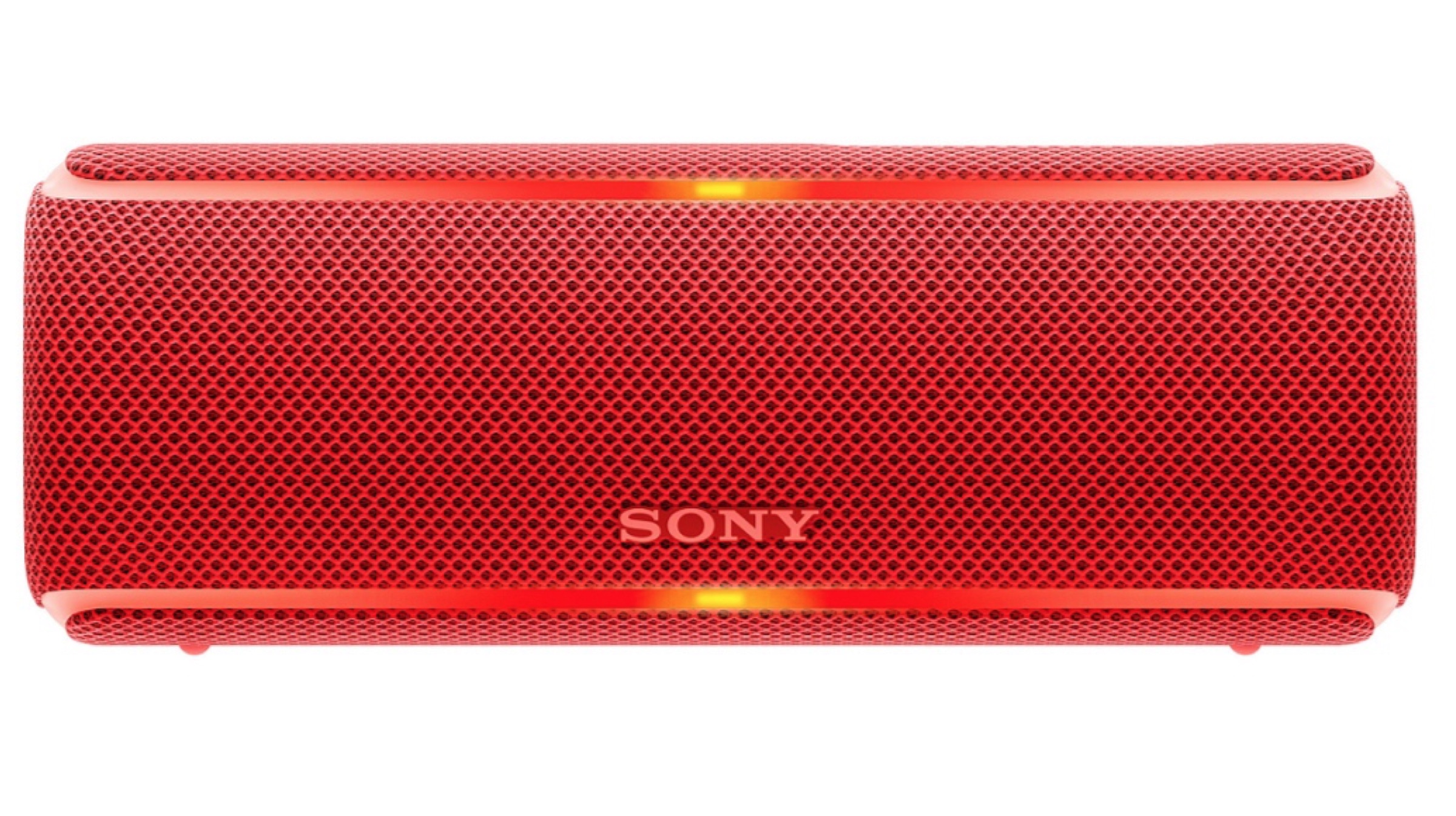
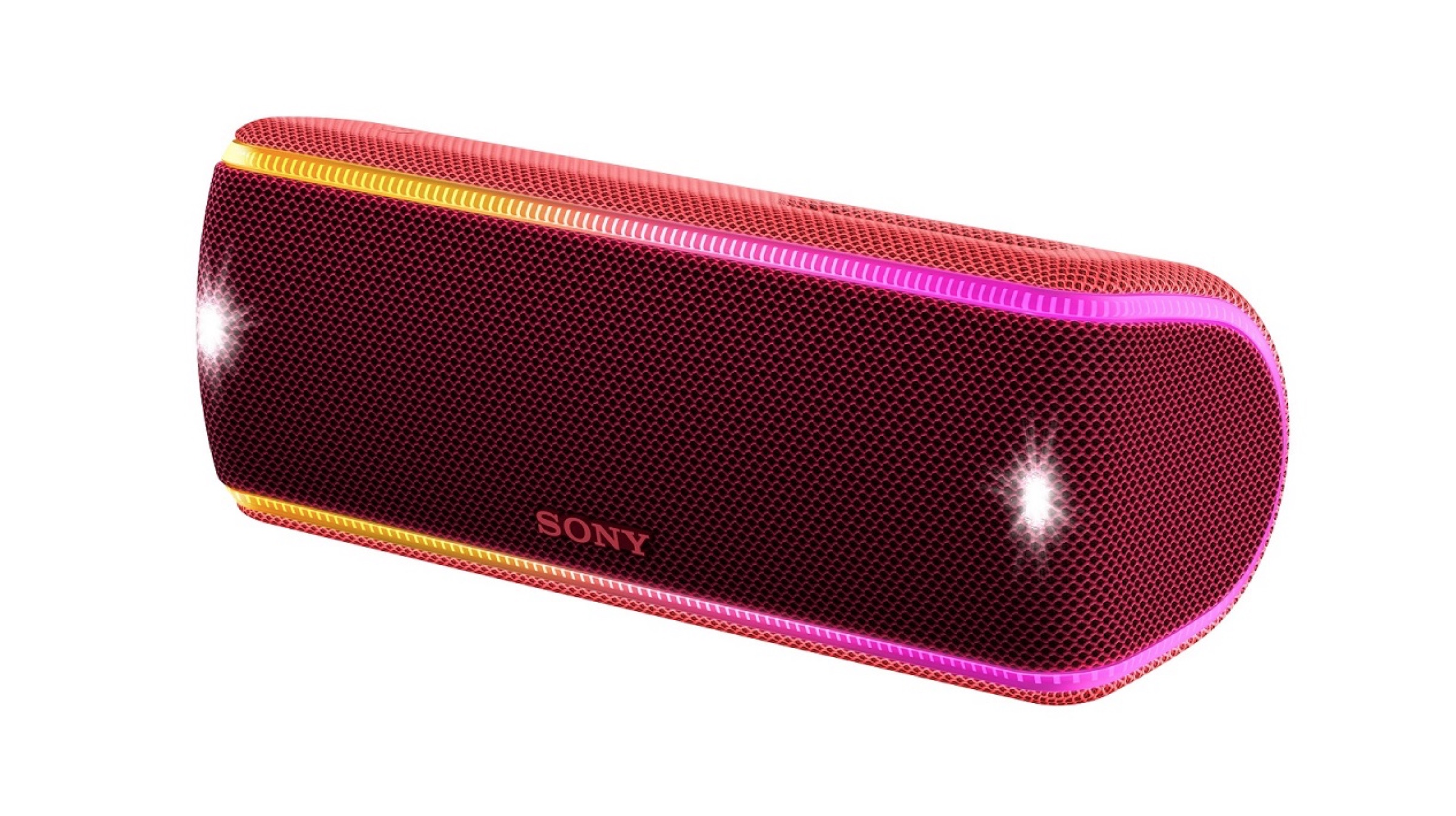
    Three new Sony Bluetooth Speakers have been launched in India at a starting price of Rs 7990. All the three Sony Bluetooth Speakers are available across India starting today (16th April 2018). The Sony SRS-XB21 is priced at Rs 7990 and is available in Black, Blue, Red and White colour variants. The Sony SRS-XB31 costs Rs 9990 while the Sony SRS-XB41 will retail for Rs 13990. Both of these Sony Bluetooth Speakers will be available in Black and Blue colour variants while the Sony SRS-XB31 will also retail in a Red colour. 

    Sony claims that these speakers, with the new DSP (Digital Signal Processor), can produce a three-dimensional sound which makes for a better music listening experience. The Live Sound mode essentially produces a music concert-like sound as the sound is spread across vertically as well as horizontally. As is evident in the name, these Sony Bluetooth Speakers concentrate a lot on the bass and have a very bass-heavy sound.

    Sony SRS-XB21

    Another interesting feature of these speakers is the build quality. All the three speakers are IP67 rated for water and dust resistance which goes well with Sony’s whole party-related theme for the speakers. Keeping the party mode in mind, these speakers also multi-colour line lights and
    flashing strobe lights with speaker lights.

    All the three speakers have the same Bluetooth version 4.2 and NFC. What differs is the size and weight of the three speakers which in turn means the sound reproduction will be better in the more pricier speaker.

    Sony SRS-XB31
    Specifications Sony SRS-XB21 Sony SRS-XB31 Sony SRS-XB41
    Price Rs 7990 Rs 9990 Rs 13990
    Bluetooth 4.2 4.2 4.2
    NFC Yes Yes Yes
    Amplifier Type S-Master S-Master S-Master
    Dimensions 193 x 72 x 65 mm 231 x 87 x 81 mm 291 x 104 x 105 mm
    Weight 530 grams 890 grams 1.5 kilograms
    Frequency Range 2.4GHz/ 20 Hz – 20,000 Hz(44.1 kHz sampling) 2.4GHz/ 20 Hz – 20,000 Hz(44.1 kHz sampling) 2.4GHz/ 20 Hz – 20,000 Hz(44.1 kHz sampling)
    Colours Black, Blue, Red and White Black, Blue and Red Black and Blue
  • Sony Xperia XZ2 Premium With 4K HDR Display Launched

    Sony Xperia XZ2 Premium With 4K HDR Display Launched

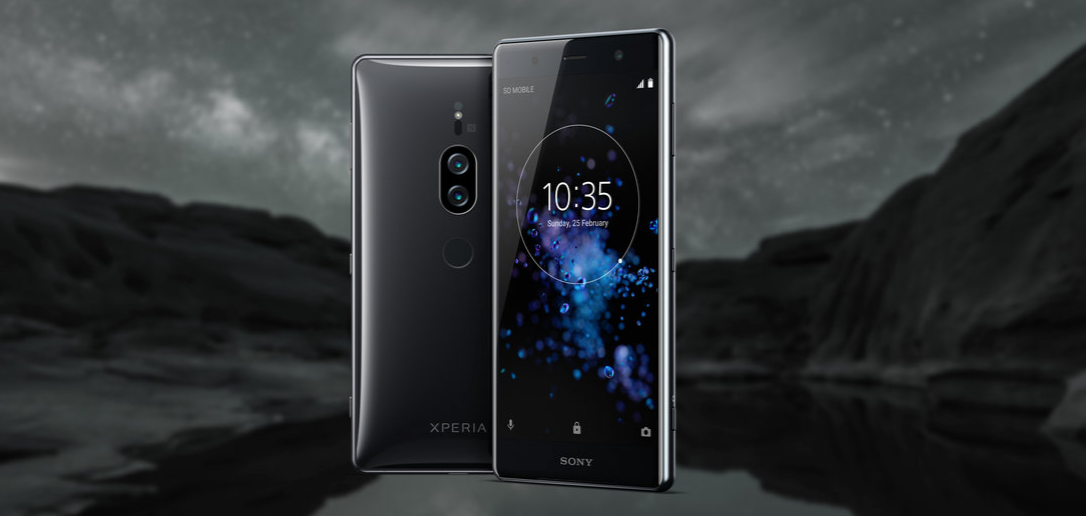
    Sony kicked off 2018 with the launch of two flagship smartphones, the Xperia XZ2 and XZ2 Compact, both running on the latest Snapdragon 845 chipset. About two months later, Sony has now unveiled the new Sony Xperia XZ2 Premium with a few significant upgrades. The Xperia XZ2 Premium will be available later in the summer but, its pricing details have not been revealed yet.

    The Xperia XZ2 Premium has the new curvy design that Sony showed off with the XZ2 and XZ2 Compact. It is a departure from the rectangular boxy design that Sony smartphones have sported for a long time.

    One of the biggest upgrades over the Xperia XZ2 is the display. The Sony Xperia XZ2 Premium now has a 5.8 inch IPS LCD display with a 4K resolution. The regular Xperia XZ2 has a 5.7 inch IPS LCD display with a 2160 x 1080 px resolution. The Sony Xperia XZ2 Premium also supports HDR. Sony also introduced a new vibration system with the XZ2 at Mobile World Congress. The feature basically provides a rumble feedback to match whatever is happening on the screen.

    Powering the Xperia XZ2 Premium is a 3540 mAh battery with QuickCharge 4.0 and wireless charging. The 3.5mm headphone jack is also missing, which seems to be the new norm.

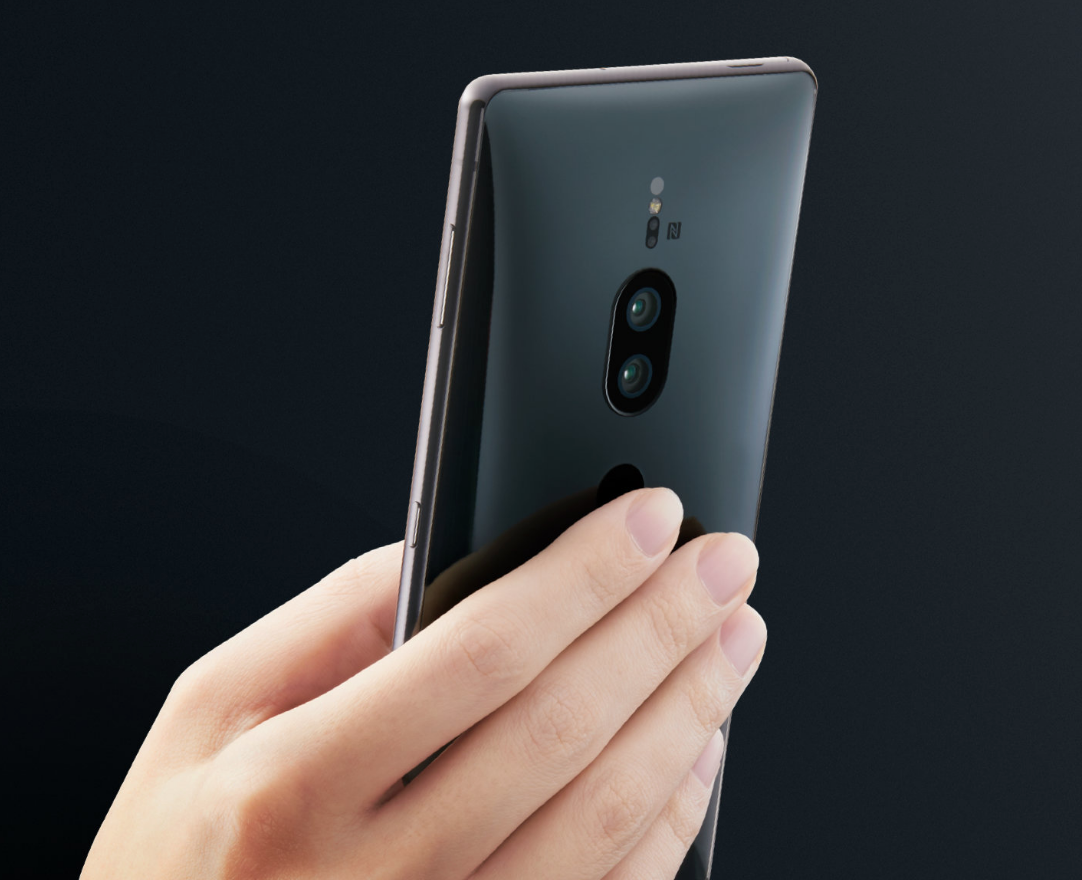
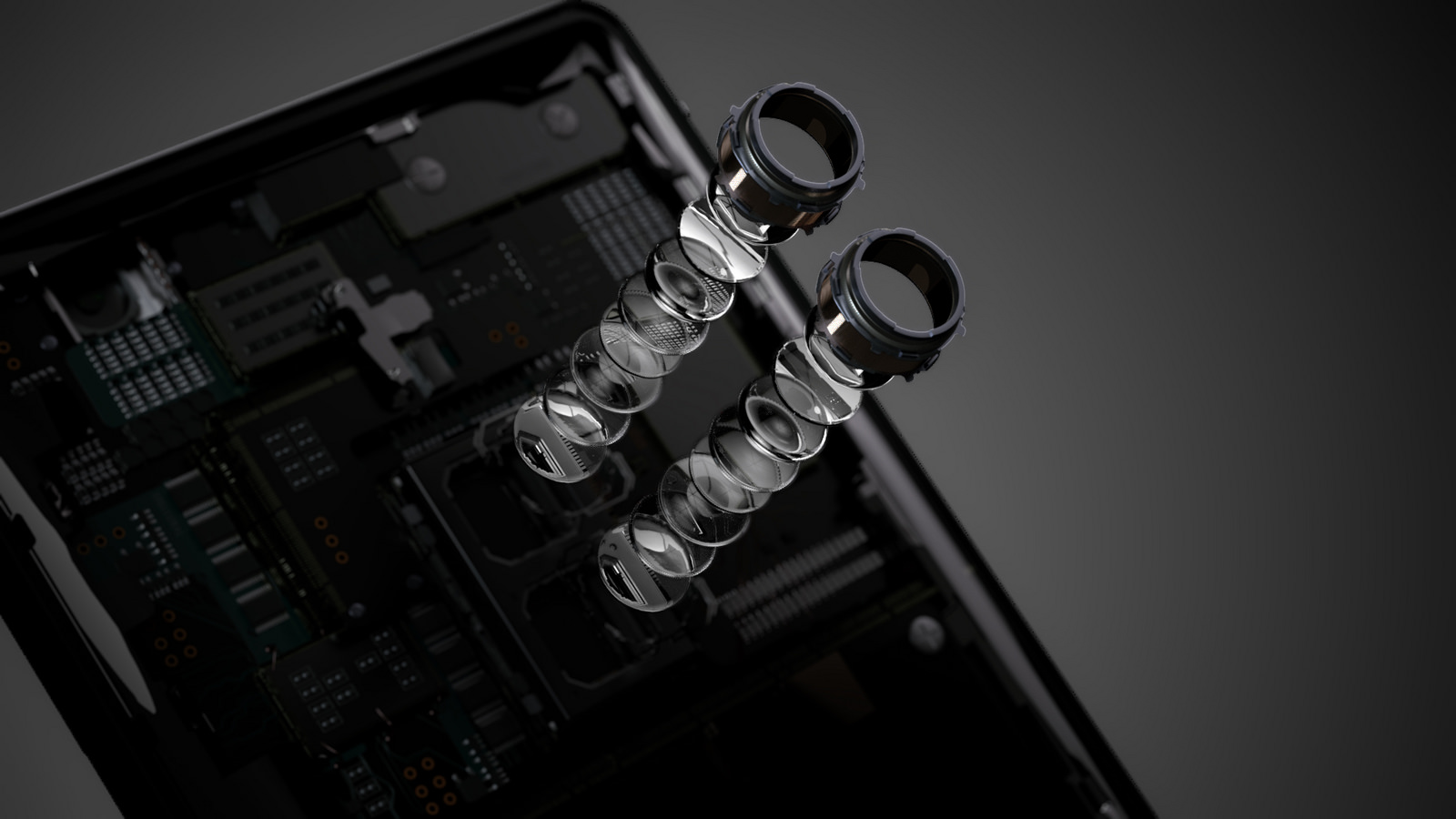
    For the first time ever, Sony has also introduced a dual-camera setup on a smartphone. The primary camera is a 19MP RGB Exmor RS sensor with an f/1.8 aperture while the second lens is a 12MP Monochrome sensor with an f/1.6 aperture. This implementation is different from the likes of Apple and Samsung which have used a telephoto lens for portrait mode shots.

    Sony claims that apart from the monochrome lens helping in better black-and-white shots, it will improve low-light photography as well. During still photography, the XZ2 Premium can reach a maximum ISO of 51,200 and for shooting videos, as high as 12,800. To avoid graininess in the pictures with such high ISO, Sony claims its “AUBE fusion image signal processor” can combine the data of both sensors, optimize for low light, and reduce noise. Features like portrait mode and monochrome bokeh shots will be introduced via a software update in Q3 of 2018.

    There are no details about a possible launch of the Xperia XZ2 Premium in India.  However, we expect the phone to launch in India end May or early June.


  • Canon EOS M50 Mirrorless Camera Launched In India For Rs 61,995

    Canon EOS M50 Mirrorless Camera Launched In India For Rs 61,995

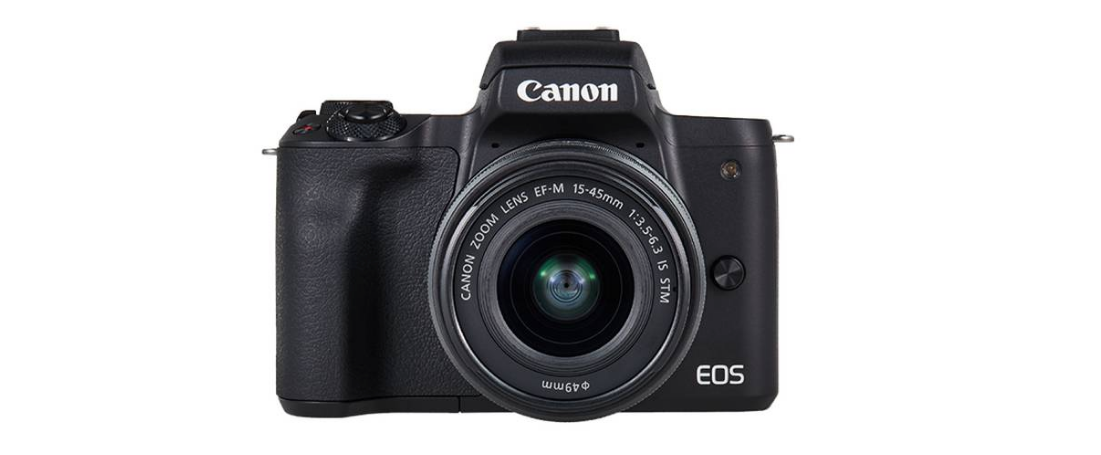
    Canon has launched the new Canon EOS M50 Mirrorless camera in India for a price of Rs 61,995 including an EF-M15-45mm f/3.5-6.3 IS STM lens. This Canon EOS M50 supports native 4K video recording and HD videos with up to 120fps. The camera has a 24.1 MP sensor powered by a DIGIC 8 image sensor. The camera will be available across the country via online and offline stores.

    Kazutada Kobayashi, President & CEO, Canon India said:

    India is an evolving market and so are the demands and expectations of the customers. Canon EOS M50 strengthens our commitment to the mirrorless segment. This product is a result of our ‘consumer-first’ approach.

    The camera has a built-in electronic viewfinder with 2,360,000 dots. Interestingly, the camera uses a Dual Pixel CMOS AF with up to 143 autofocus points and an ISO sensitivity of 51200. The camera has connectivity features like NFC and Wi-Fi for seamless data transfer with built-in Bluetooth to pair different accessories. The camera uses 5 axial image stabilisation to offer smoother 4K footages.

    The Canon EOS M50 has a sRGB and Adobe RGB Colourspace with the highlight tone priority and Auto lighting optimisation. It also comes with different camera models Scene Intelligent Auto, Hybrid Auto, Creative Assist and Landscape. The Canon EOS M50 supports RAW + JPEG simultaneous recording as well. Finally, it has a 9 customisable buttons with 15 steps plus smooth pinch-to-zoom feature.

  • Samsung Galaxy J2 Pro Is A Smartphone Without Internet Connectivity

    Samsung Galaxy J2 Pro Is A Smartphone Without Internet Connectivity

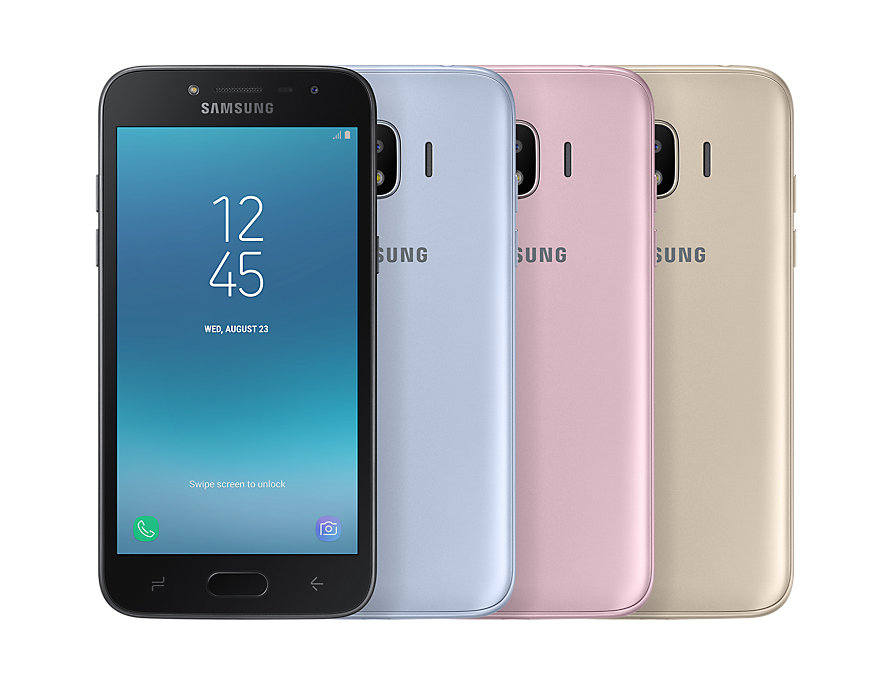
    The Samsung Galaxy J2 Pro has been launched in South Korea for a price of 199,100 KWR (US$ 190). Irrespective of the price, brand or OS, most smartphones today have one thing in common, and that is the ability to connect to the internet. However, the new Galaxy J2 Pro has launched without this basic connectivity feature. Yes, this is the first modern smartphone, which cannot connect to the internet through 2G/3G/4G or Wi-Fi.

    A Smartphone Without Smart Features

    The Samsung Galaxy J2 Pro is designed to restrict its users from accessing the internet. The smartphone is targeted at college students and senior citizens, who usually get distracted by the internet. Not being able to access the internet means one will not be able to install new apps or even update the software on the device. The phone comes with an offline dictionary, which will aid students to learn new definitions without connecting to the internet.

    The internet addiction has become common these days, and Samsung appears to have taken it upon itself to fight this. Apparently, the Galaxy J2 Pro will help those who are constantly online to overcome the addiction. Unlike tablets, it does not even have a Wi-Fi connectivity option. As the phone has a micro USB port, one should be able to sideload applications and media files using a computer. Due to unavailability of the internet, this smartphone does not support features like GPS and Maps as well.

    The phone has a 5 inch display with a 960×540 px display. The device runs on a 1.4 GHz Quad-core chipset with 1.5GB RAM and 16GB storage. Additionally, the smartphone also has an 8MP primary camera and a 5MP front-facing camera. However, without internet connectivity, the photos taken on this device are likely to remain on the smartphone’s storage itself.

iGyaan Network
Privacy Overview

This website uses cookies so that we can provide you with the best user experience possible. Cookie information is stored in your browser and performs functions such as recognising you when you return to our website and helping our team to understand which sections of the website you find most interesting and useful.