Tag: official launch

  • Xiaomi Redmi Note 5 Vs Lenovo S5

    Xiaomi Redmi Note 5 Vs Lenovo S5

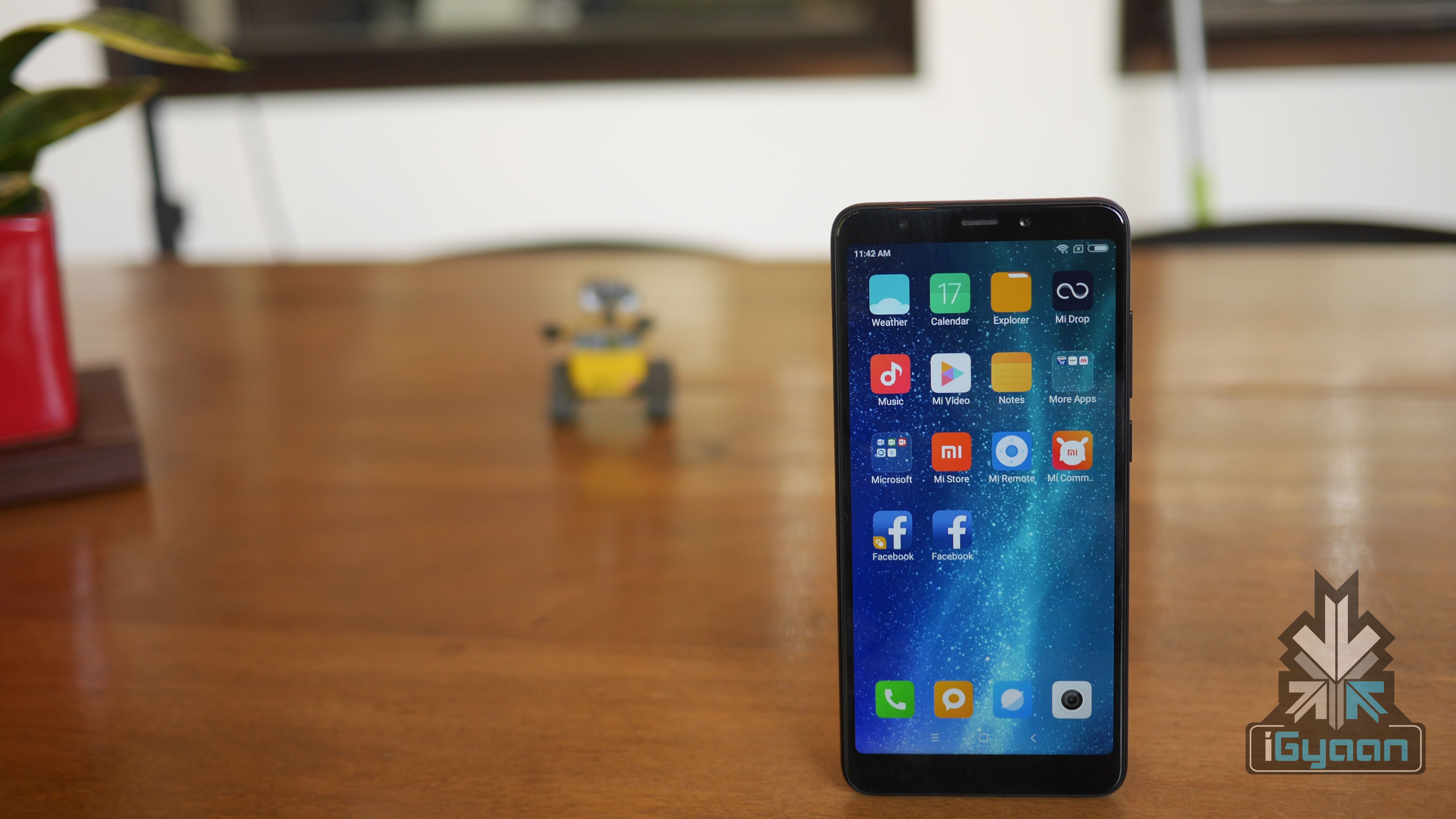
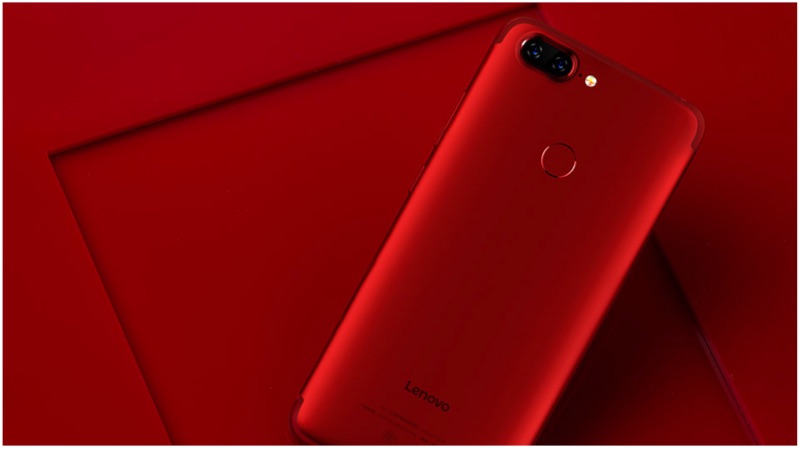
    Lenovo has officially launched the Lenovo S5 in China. The smartphone has a full metal unibody design with a dual camera setup. The smartphone comes in three storage and RAM variants. The 3GB/32GB model is priced at CNY 999(~Rs 9,999) and the 3GB/64GB is priced at CNY 1,199(~Rs 11,999) and the 4GB/128GB model retails for CNY 1,499(~Rs 14,999). The pricing is similar to the Xiaomi Redmi Note 5, which retails for Rs 9,999 for 3GB/32GB and Rs 11,999 for 4GB/64GB model in India.

    The Xiaomi Redmi Note 5 is the successor of the Xioami Xiaomi Redmi Note 4. However, the difference between the Note 4 and the Note 5 are as thin as a lath. We feel the Xiaomi Redmi Note 5 Pro should have been the Redmi Note 5.

    Lenovo S5
    Lenovo S5

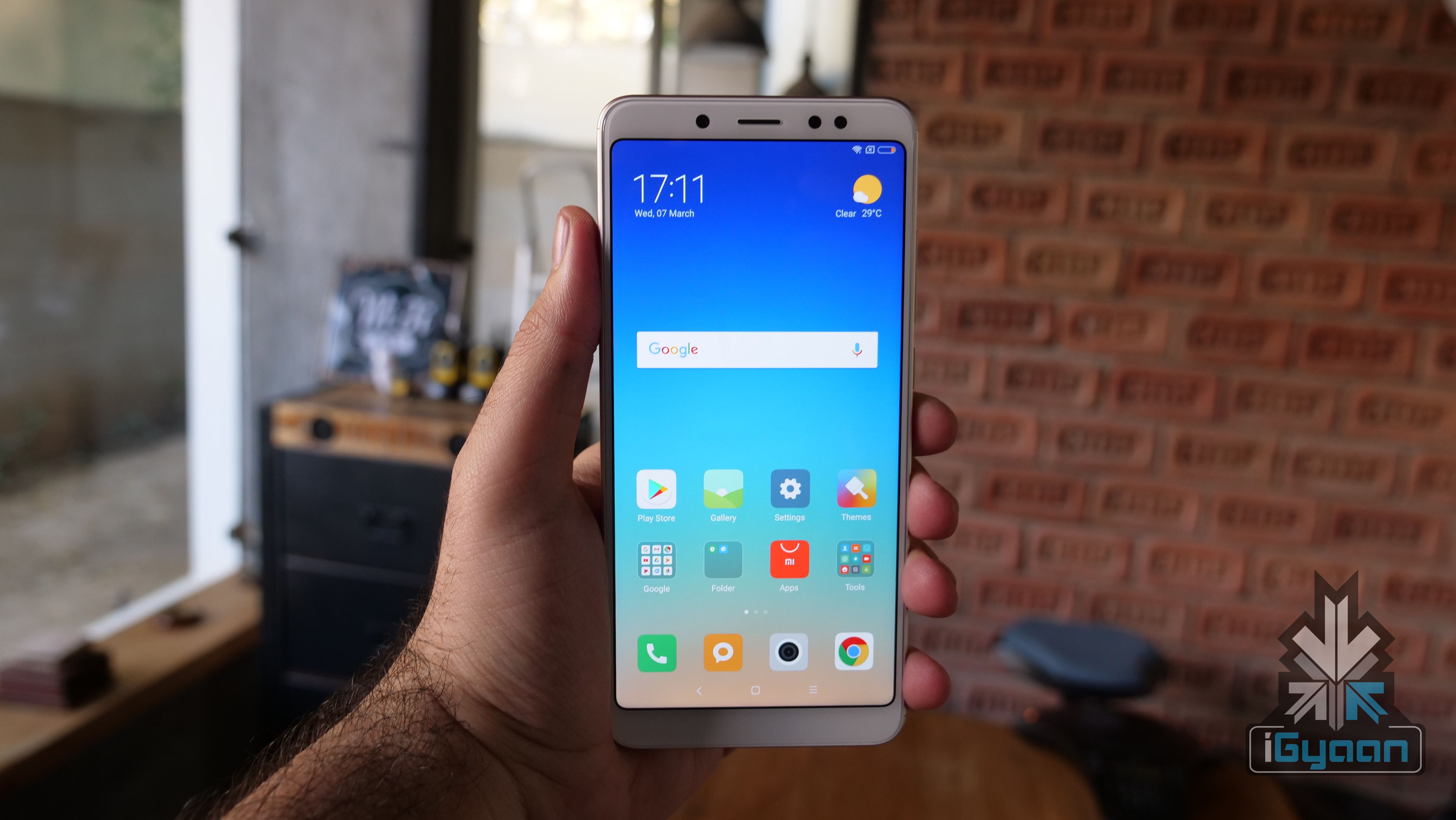
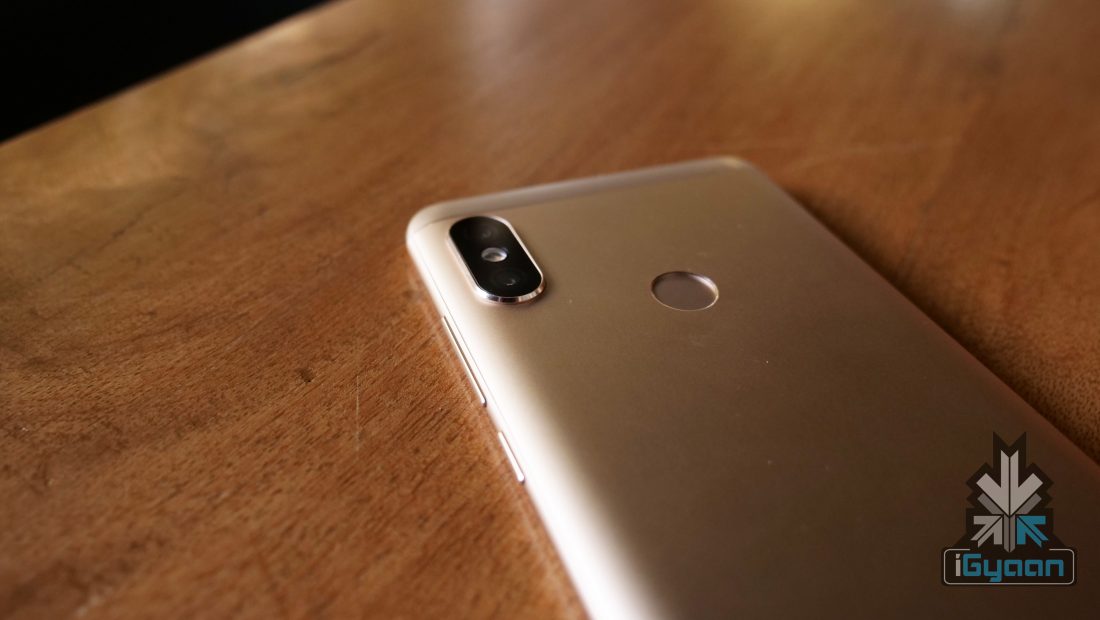
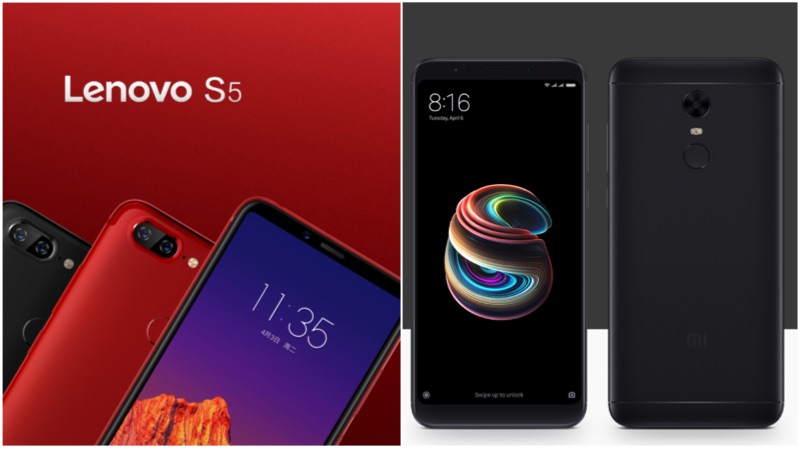
    The Lenovo S5 is carved out of a single block 6000 series aluminium. Whereas the Redmi Note 5 has plastic antenna bands on the top and the bottom of the device. Both the smartphones have a tall display with 18:9 aspect ratio. The Lenovo S5 has a compact 5.7 inch display, whereas the Redmi Note 5 has a 5.99 inch display with identical 2160 x 1080px FHD+ resolution.

    The Lenovo S5 has a dual 13MP camera (RGB + monochrome) while Redmi Note 5 has a single 12MP camera on the back. Similarly, the Redmi Note 5 has a 5MP front-facing camera compared to the 16MP sensor found on the Lenovo S5 with Face Unlock. The Lenovo S5 runs on custom ZUI 4.0 based on Android 8 Oreo, whereas the Redmi Note 5 runs on Android 7 Nougat based MIUI 9. The Xiaomi Redmi Note 5 has a 4000 mAh battery, while the Lenovo S5 packs in a smaller 3000 mAh battery.

    Specifications comparision
    Specifications Xiaomi Redmi Note 5 Lenovo S5
    Price 3/32GB: Rs 9,999

    4/64GB: Rs 11,999

    3/32GB: ~Rs 9,999

    3/64GB: ~Rs 11,999

    4/128GB: ~Rs 14,999

    Display 5.99 inch IPS LCD

    18:9 aspect ratio

    5.7 inch IPS LCD

    18:9 aspect ratio

    Chipset Snapdragon 625

    Octa-core @ 2.0GHz

    Snapdragon 625

    Octa-core @ 2.0GHz

    RAM 3GB

    4GB

    3GB

    4GB

    Storage 32GB

    64GB

    32GB

    64GB

    128GB

    Primary camera 12MP

    4K @ 30fps

    13MP RGB + 13MP monochrome

    4K @ 30fps

    Front-facing camera 5MP 16MP
    Battery 4000 mAh 3000 mAh
    Additional features Fingerprint sensor Fingerprint sensor

    Face unlock

  • Asus ZenBook Flip S Officially Launched In India For Rs 1,30,990

    Asus ZenBook Flip S Officially Launched In India For Rs 1,30,990

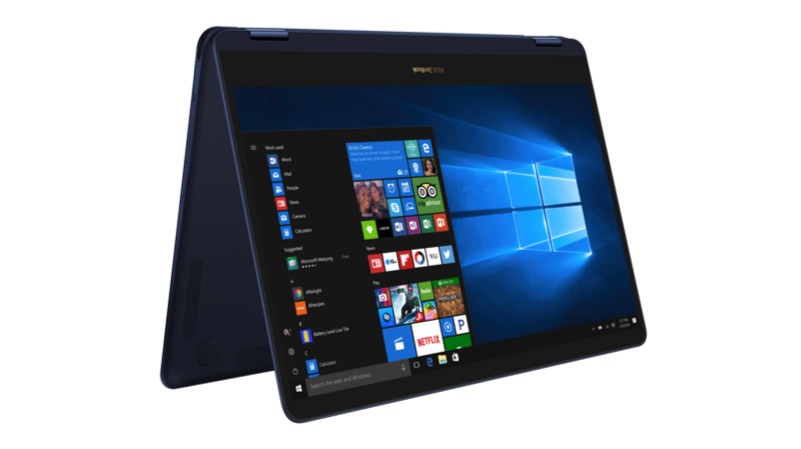
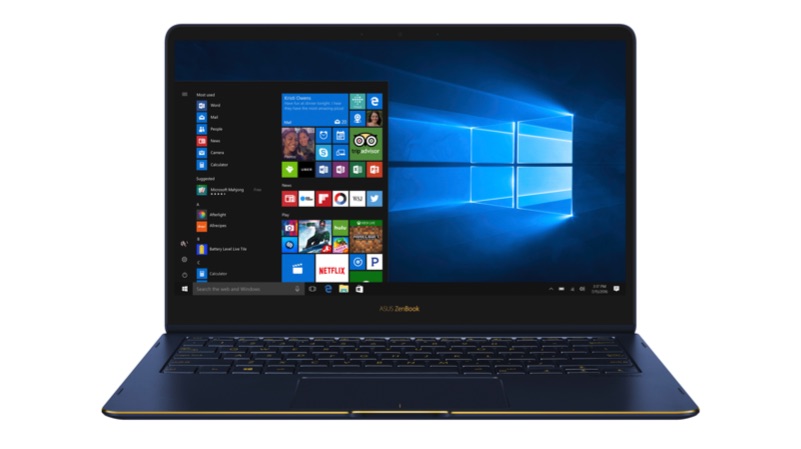
    Asus has launched a portable Asus ZenBook Flip S in India on the 19th of March. The company claims that the Flip S is the World’s thinnest and lightest convertible laptop, which is 11.2mm thin. The convertible laptop will be available via retail partners for Rs 1,30,990.

    Arnold Su, Business Development Manager, ASUS India said:

    We have seen a huge growth in the Stylish yet powerful notebooks in coming year & with the Zenbook Flip S UX370, it becomes a perfect companion for those looking for stylish & powerful notebook for daily use.

    Asus ZenBook Flip S

    Asus ZenBook Flip S Specs:

    The notebook comes with a metal unibody design, crafted from a single block of aluminium, which is lighter and stronger than a normal notebook. The notebook has undergone 40 painstaking steps with diamond cut highlights to give a premium finish. The new ErgoLift hinge offers 360-degree flexibility to the screen.

    The notebook has a 1920 x 1080px touch-enabled display with a maximum brightness of 300nits. The display is capable of showcasing 72% of the NTSC colour standards. Similarly, the display supports an active stylus, where a user can use devices like Asus Pen for creating sketches. However, the retail package does not include the Asus Pen.

    Under the hood, the device has an 8th Generation Core i7 chipset with 16GB RAM and 512GB M.2 SSD storage. The notebook has two USB type C ports, which can support external monitors with a maximum resolution of 4K UHD. Similarly, the company also includes a mini dock, which converts the USB type C port to an HDMI port, a USB 3.1 port, and a USB-C port. The notebook runs on 64-bit Windows 10 operating system.

    The Asus ZenBook Flip S has a stereo audio system certified by Harman Kardon. The device also ASUS SonicMaster audio technology to offer louder and clearer sound profile. The notebook supports Windows hello login using an inbuilt fingerprint scanner, which can even read partial fingerprints. The notebook has a built-in 39Wh battery that offers up to 11 hours of battery life. Similarly, the battery can be charged from 0 to 60% in 49 minutes.

  • Fitbit Versa Officially Launched in India For Rs 19999

    Fitbit Versa Officially Launched in India For Rs 19999

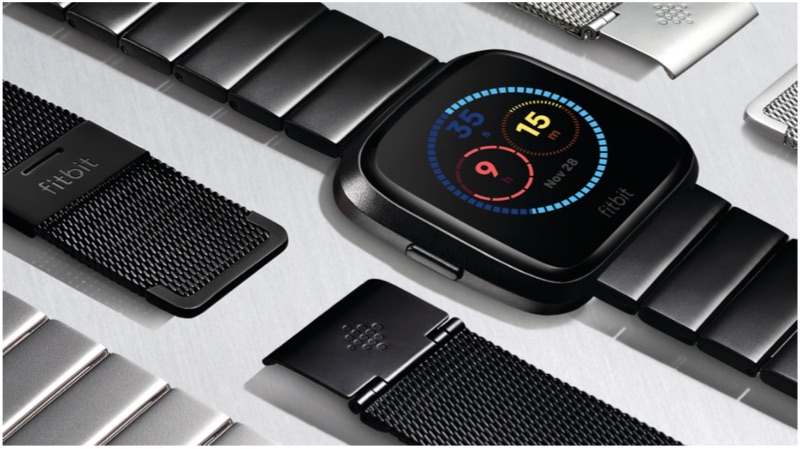
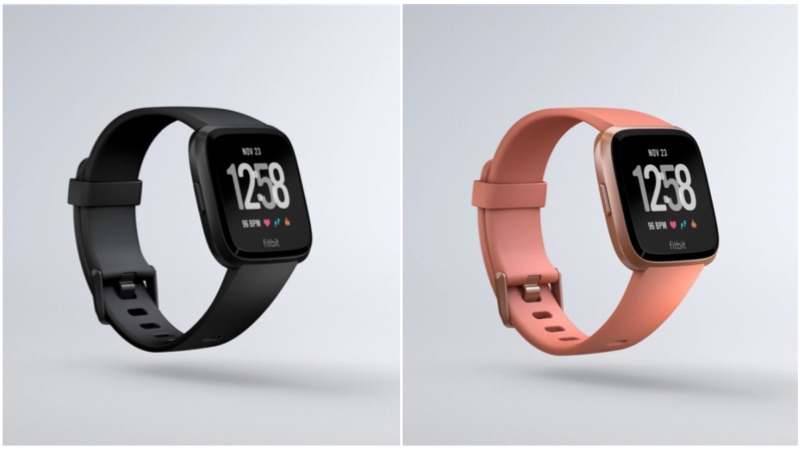
    Fitbit launched the Fitbit Versa smartwatch in India on the 14th of March. The Fitbit Versa is a successor to the Fitbit Iconic, which runs on the same Fitbit OS. As Fitbit recently acquired Pebble, the design elements are quite reminiscent of the Pebble Time Steel.

    The regular version will retail for Rs 19,999 and the special edition will retail for Rs 21,999. However, there are no details on the availability of the smartwatch. The smartwatch runs on Fitbit OS 2.0. It has a maximum brightness of 1,000nits which should offer great sunlight legibility. The smartwatch has 4 days of battery life, which can be completely charged within 2 hours.

    Fitbit Versa

    James Park, co-founder and CEO of Fitbit Said:

    Fitbit Versa fills a critical need in the market by delivering a beautifully designed, full-featured smartwatch that is easy to use at a very competitive price.

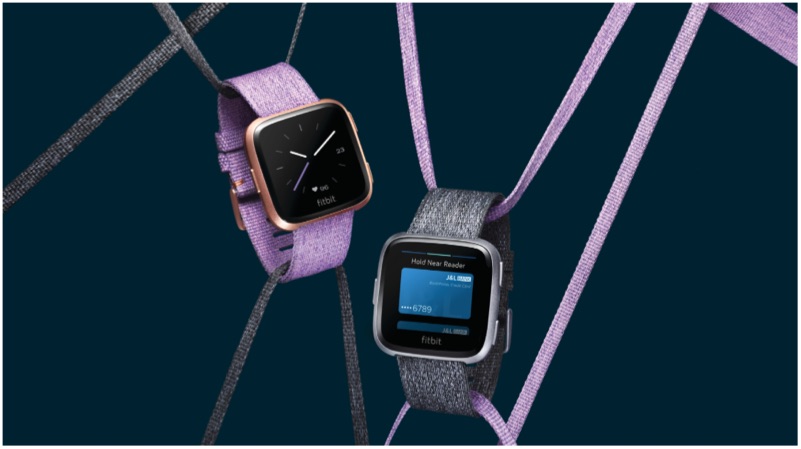
    Fitbit Versa

    The Fitbit Versa also packs in a heart rate sensor and GPS sensor, which offers personal fitness guidance Fitbit coach. Similarly, the watch can also we worn while swimming, as it is water resistant up to 50 meters.

    It is compatible with smartphones running on Android and iOS OS. The built-in storage allows the user to carry up to 300 songs using third-party services. There is an option for Fitbit Pay, which uses NFC based payment system. However, the service is presently inactive in India.

  • LG Folder Flip Smartphone Officially Launched

    LG Folder Flip Smartphone Officially Launched

    We are slowly and steadily moving closer to that truly bezel-less smartphone. A display wrapped around the front of the phone with no bezels for distraction. But, smartphones or phones, in general, did not start out like that. Flip phones, in particular, used to be extremely famous before touchscreen devices came into being. While we have certainly moved on from that design, some companies continue to launch flip phones even today.

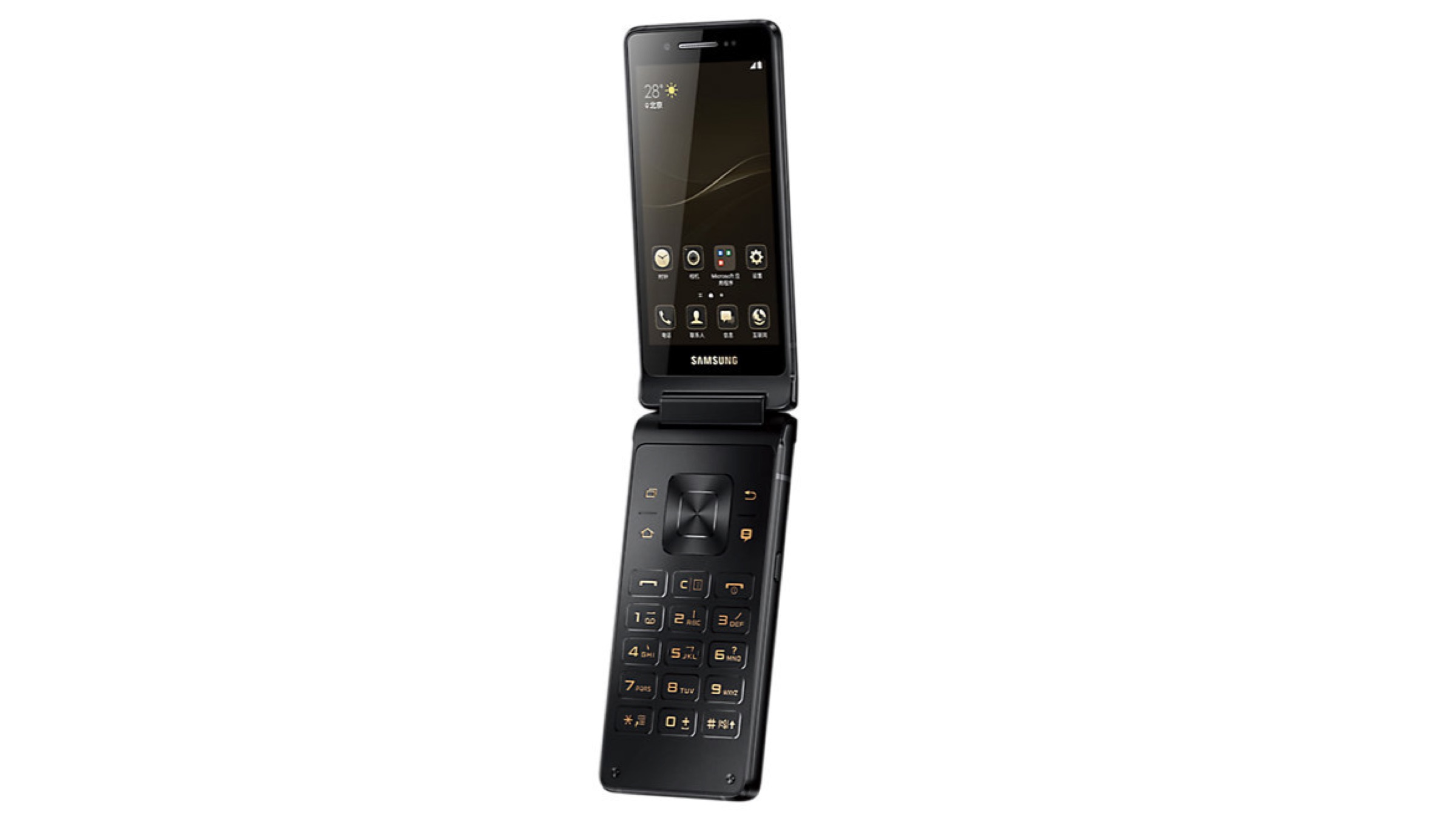
    Samsung recently launched the W2018 in South Korea which was a flip smartphone running Android OS. Now, LG seems to be catching up on this throwback trend with the LG Folder flip phone.

    Samsung W2018
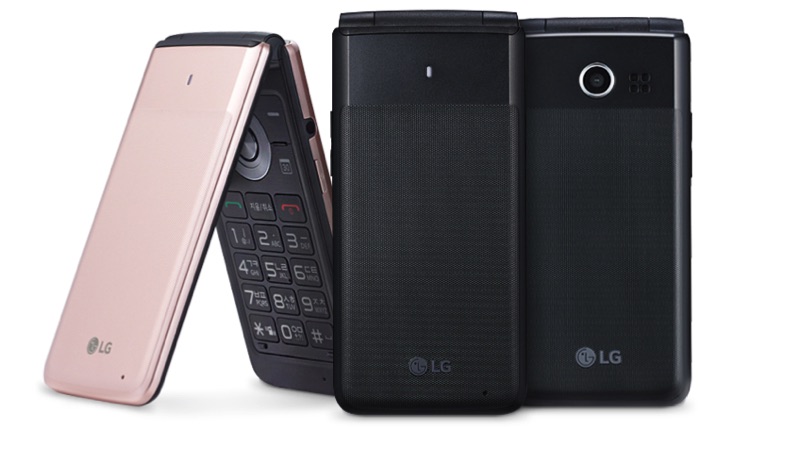
    Specifications of LG Folder

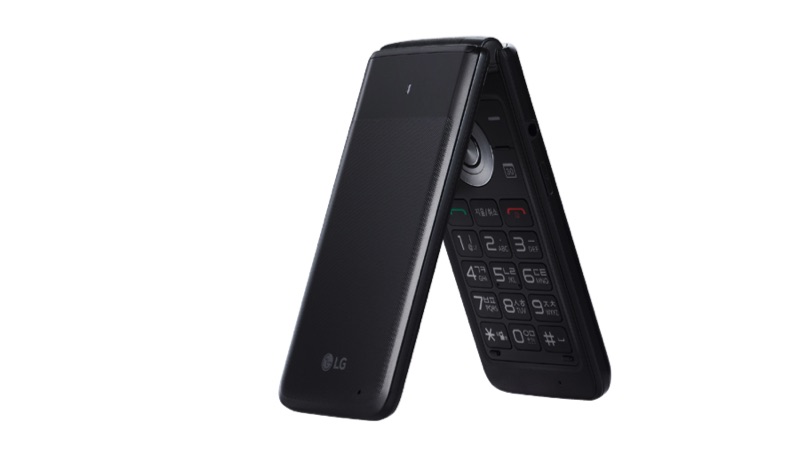
    The LG Folder comes with a 3.0 inch WQVGA touch-enabled display. Under the hood, the phone is powered by MediaTek chipset 1.1 GHz Quad-core chipset with 1GB RAM and 8GB onboard storage. Similarly, the storage is expandable using micro SD card up to 32GB.

    LG Folder
    LG Folder

    The device supports FM Radio and comes with a dedicated button to help the elderly users. The device has a 1740 mAh battery with a micro USB port for charging and data syncing. Similarly, the battery offers up to 350 minutes of continues voice call with a standby time of 260 hours, which is impressive for a battery of this size.

    The device has a single 5MP camera, located on the back of the device which supports autofocus. However, the camera misses out on the flashlight.

    The smartphone supports 3G and 4G connectivity. However, it misses out on the 2G capabilities. Additionally, the smartphone also offers Wi-Fi, Wi-Fi Hotspot an Bluetooth for the wireless connectivity.

  • Xiaomi Redmi Note 5 AI Is The True Redmi Note 4 Successor India Deserved

    Xiaomi Redmi Note 5 AI Is The True Redmi Note 4 Successor India Deserved

    Xiaomi India launched the Xiaomi Redmi Note 5 in India on the 14th of February. The smartphone is the successor to Xiaomi’s best selling Redmi Note 4. While many believe the Redmi Note 5 Pro should have been the Redmi Note 5 in India, the true Note 4 successor has launched in China. It is similar to the Redmi Note 5 Pro but, with some better features and camera upgrades.

    The Xioami Redmi Note 5 AI is available in two storage and three RAM variants. The 3GB/32GB combination and the 4GB/6GB and 64GB combination. The 4GB RAM model retails for CNY 1,399 and the 6GB RAM model retails for CNY 1,699. Interestingly, this pricing is very similar to the Indian pricing of the Redmi Note 5 Pro.

    The Redmi Note 5 AI runs on Android 8 Oreo with MIUI 9 on top. In India, only the Mi A1 and Mi MIX 2 have been updated to Android 8 Oreo so far. It even supports Project Treble, which means it is bound to receive faster software updates when compared to other Xiaomi devices.

    Specifications of the Xioami Redmi Note 5 AI

    The smartphone has a 5.99 inch FHD+ 2160 x 1080 px IPS LCD display with 2.5D finish. Under the hood, the device has a Qualcomm Snapdragon 636 Octa-core chipset with 3GB or 6GB RAM and 32GB or 64GB storage.

    Xiaomi Redmi Note 5 Pro

    On paper, the Redmi Note 5 AI has a similar dual camera setup compared to the Redmi Note 5 Pro. However, the Chinese version has a much better 12MP primary sensor with 1.4 micron pixel size and an f/1.9 aperture. However, the secondary sensor on the back remains the same for both the devices. The difference does not stop there, as the Redmi Note 5 AI’s camera also supports Dual PD dual-core speed focus for a faster autofocus speed. However, not all is doom and gloom for the Redmi Note 5 Pro as it sports a superior 20MP front camera compared to the 13MP sensor found on the Redmi Note 5 AI.

    Finally, both devices come with a 4000 mAh battery. The Redmi Note 5 AI also supports Qualcomm QuickCharge 3.0 while the Redmi Note 5 Pro is limited to Quick charge 2.0.

  • Xiaomi Mi TV 4 Competitor Kodak 50 Inch 4K Smart TV Launched In India For Rs 34,999

    Xiaomi Mi TV 4 Competitor Kodak 50 Inch 4K Smart TV Launched In India For Rs 34,999

    The smart TV space in India is getting more exciting. All this started when Xiaomi launched the most affordable Xioami Mi TV 4 with 50 inch 4K display. The smart TV had best in class features with a slim form factor. Kodak has officially launched the Kodak 50 inch 4K smart TV in India for Rs 34,999. The smart TV comes with a 50 inch Samsung made LED panel with 60 Hz refresh rate for blur-free picture quality. The TV is exclusively available on Flipkart.

    Avneet Singh Marwah, Director, SPPL said:

    We are delighted in announcing the newest addition to our 4K product family. Through the KODAK 4K 50UHDX Smart TV, we are looking to provide our customers a superior viewing experience at an affordable price point. Our customers deserve the best of the advancing technology and we strive to achieve excellence at every step.

    Mi TV 4
    Specifications of Kodak 50 inch 4K smart TV

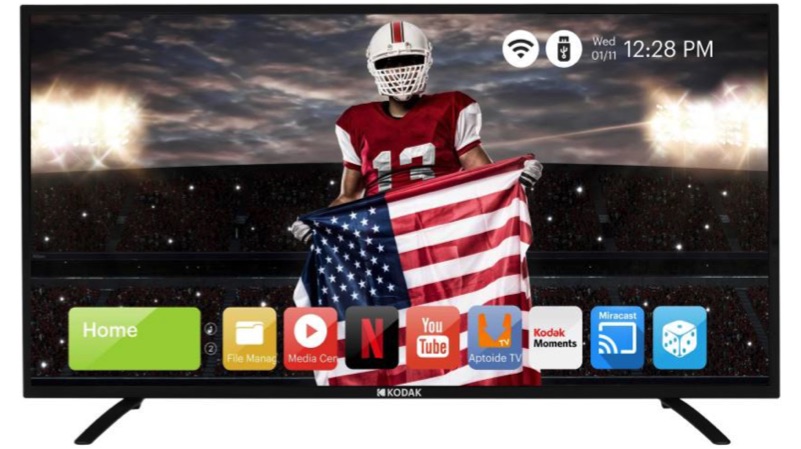
    The TV is has a 50 inch 3840 x 2160 px LED display with HDR 10 capability. Under the hood, the television is powered by 1.4GHz ARM-Cortex Dual-core chipset with 1GB RAM and 8GB onboard storage. The television runs on the customised version of Android 5 Lollipop with support for screencasting.

    The Kodak 50 inch 4K television offer a maximum brightness of 500 nits with 178 degrees viewing angle. In terms of connectivity, the television offers 3 HDMI port,  2 USB ports and single Ethernet port. The television comes with the pre-installed apps like YouTube, Netflix, and Hotstar.

    Conclusion

    At least on paper, the Kodak 50 inch 4K television seems like a right competitor for the Xiaomi Mi TV 4. Though it has a comparatively smaller display, the difference in the price tag should justify it.

  • Xiaomi Mi TV 4A Launched In India At Rs. 13999

    Xiaomi Mi TV 4A Launched In India At Rs. 13999

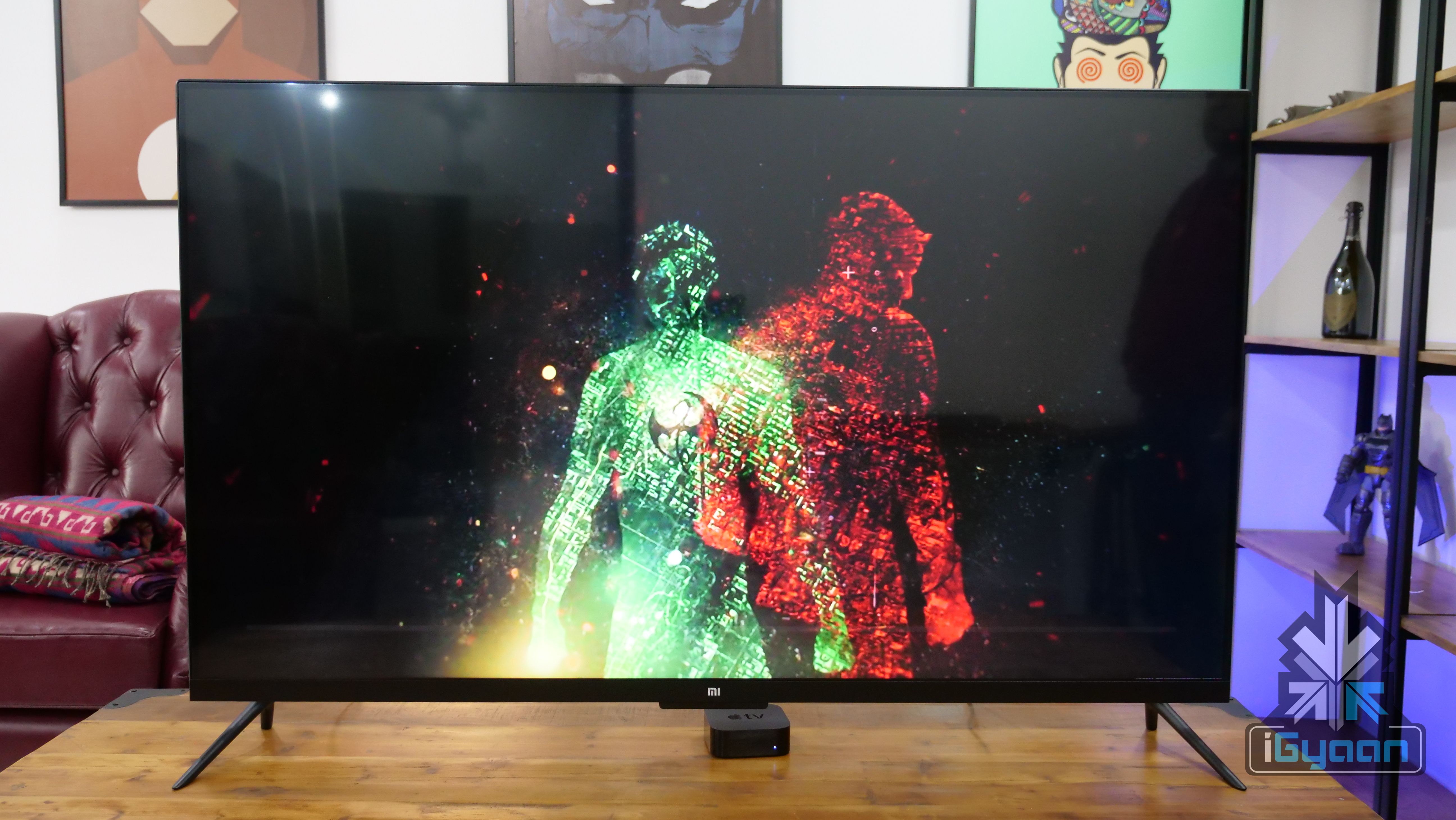
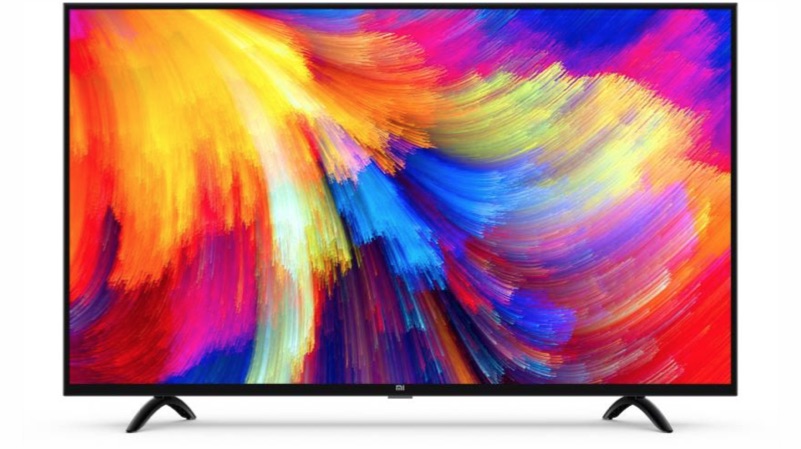
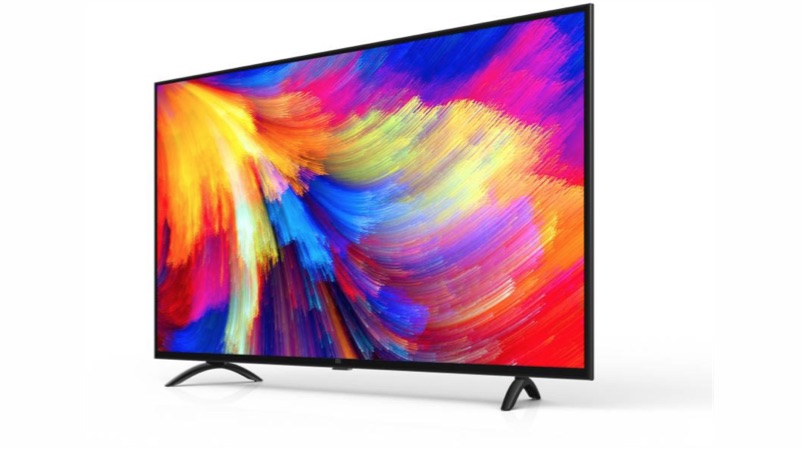
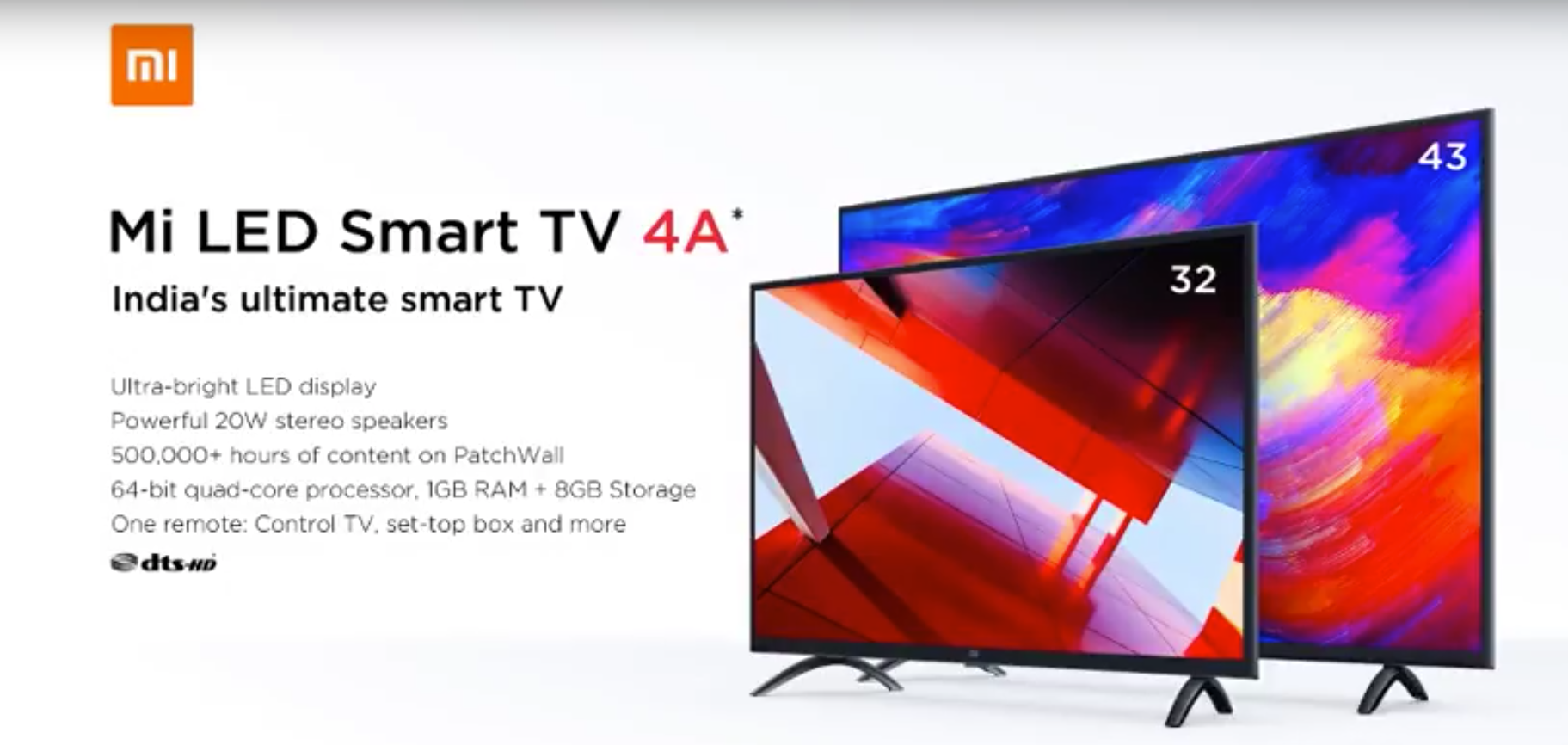
    Xiaomi launched the Mi TV 4 on the 14th of February, which has been critically acclaimed across India. Similarly, the company has launched the Xiaomi Mi TV 4A 32 inch and 43 inch India for the price of Rs 13,999 and Rs 22,999 respectively. The Mi TV 4A will be available on Flipkart, Mi.com and Mi Home from the 13th of March. To tackle the cumbersome nature of flash sales, there will be two sales every week on Tuesday and Friday.

    Mi TV 4A 32 inch Specifications

    The television has a 32 inch HD 1366 × 768px display with 178-degree viewing angle. However, the 43 inch variant has a 1920 x 1080 px resolution.

    The Mi TV 4A is also the most affordable smart television. The television powered by Amlogic chipset with 1GB RAM and 8GB storage. This is a modern television, which runs on the AI-powered PatchWall OS based on Android. The PatchWall OS is an intuitive UI, which offers movies and shows recommendation based on AI.

    Under the hood, the Television is powered by the 64-Bit Amlogic L962 Quad-core chipset. As for connectivity, the television has Wi-Fi ac 802.11 a/b/g/n, three HDMI ports, two USB ports, AV in, Ethernet port, and S/PDIF audio output (only in 43 inch variant). There is also the new Xiaomi remote for controlling the TV. However, unlike the Mi TV 4, this remote only has infrared connectivity.

  • Samsung Galaxy S9, S9+ Launched In India At Rs. 57,900

    Samsung Galaxy S9, S9+ Launched In India At Rs. 57,900

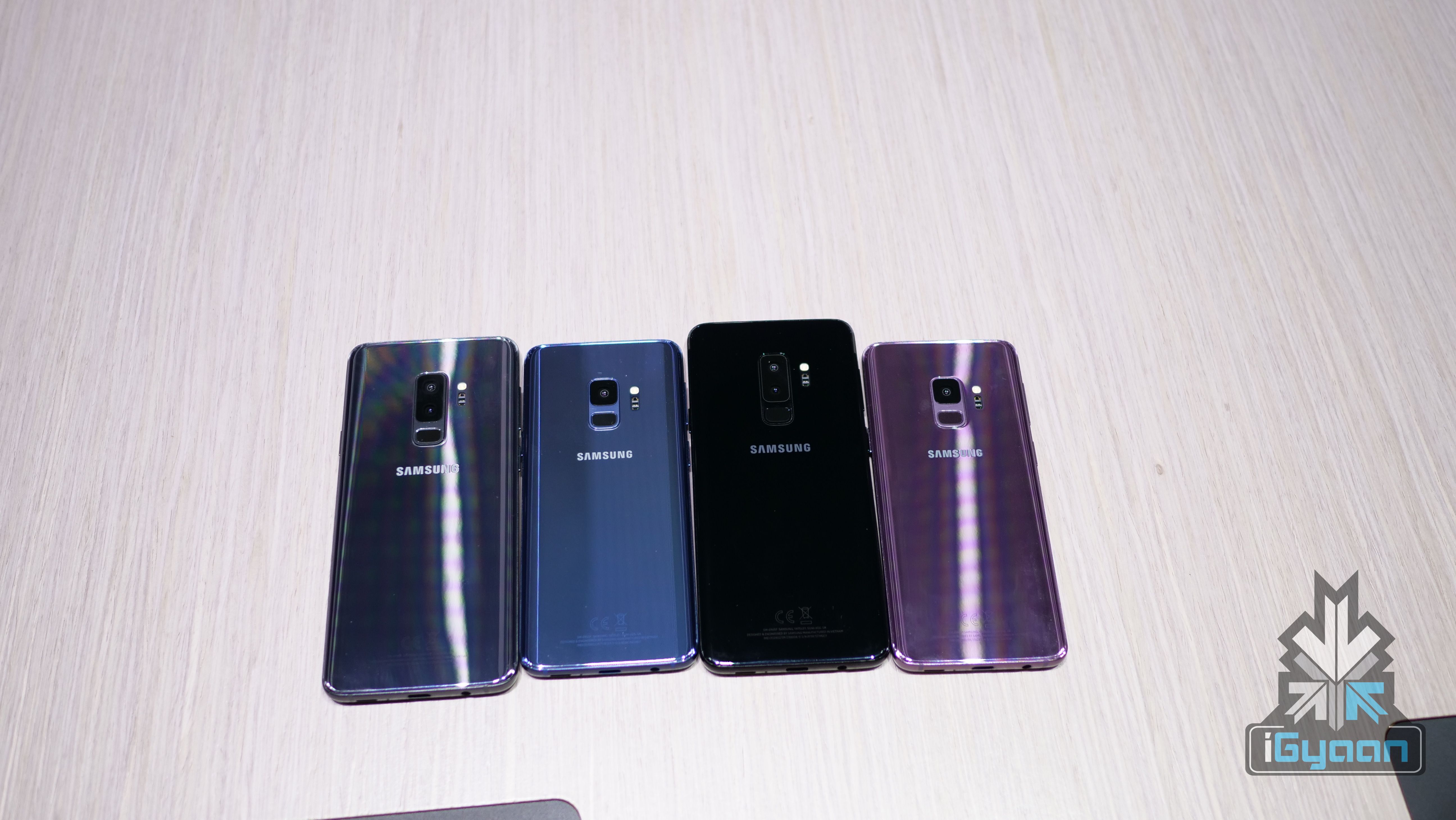
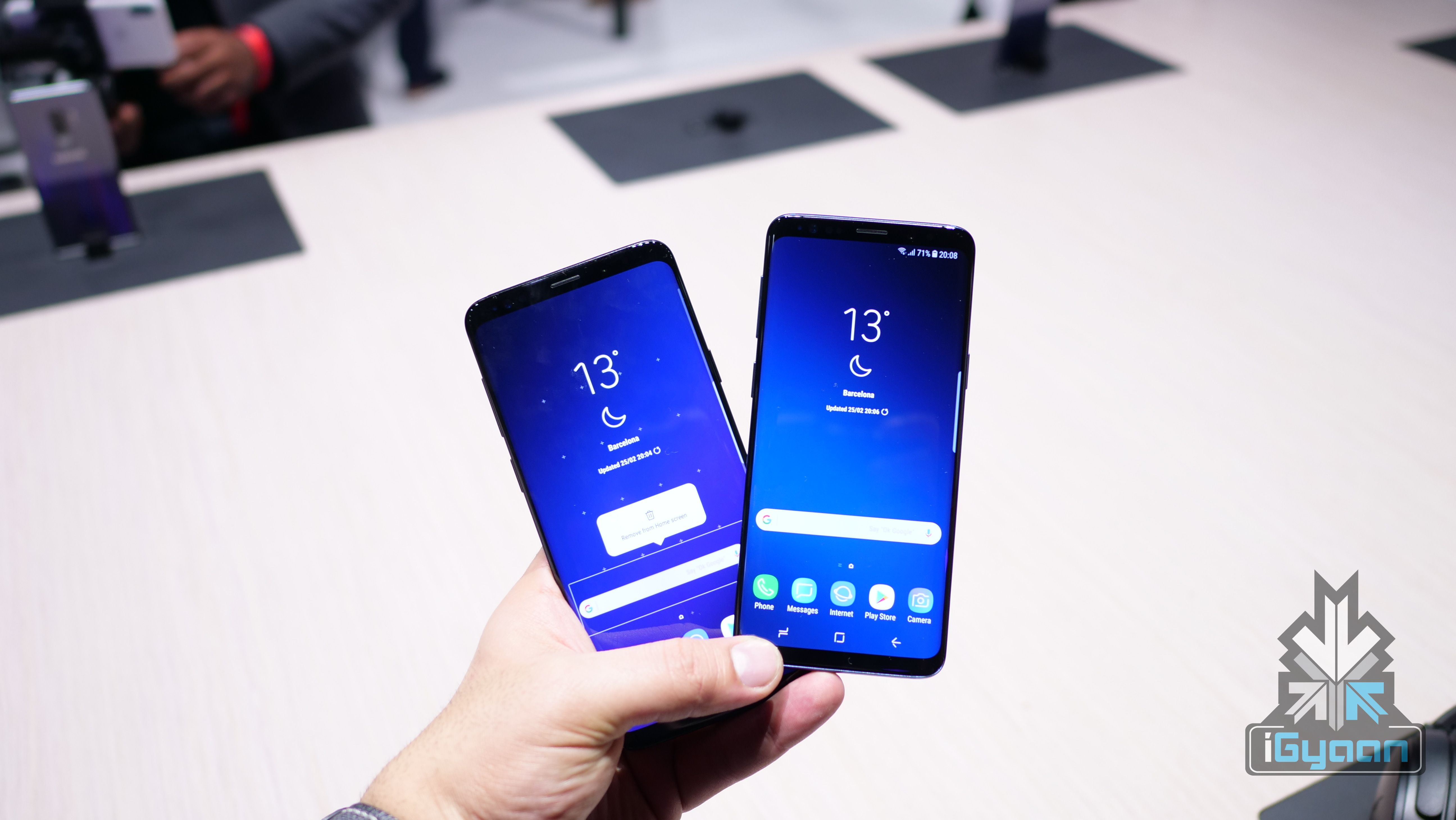
    On the 25th of February, Samsung officially launched the Galaxy S9 and S9+ at an event in Barcelona. The two flagship smartphones from Samsung have now been launched in India at a starting price of Rs. Both the smartphones will be Flipkart-exclusive and go on sale from the 16th of February along with the rest of the world. The pre-orders on Flipkart begin at 2 pm on the 6th of March. However, the 256GB variant of Galaxy S9+ will be sold exclusively at Reliance Digital stores, Samsung exclusive stores and on Samsung Shop.

    The Samsung Galaxy S9 will start a price of Rs. 57,900 and the 256GB variant will be priced at Rs. 64900. The Galaxy S9+, however, will start at Rs. 65,900 and the 256GB model will retail for Rs. 72,900. To put things into perspective, the Galaxy S8 was launched at a price of Rs. 57900 and the S8+ for Rs. 64900.

    The Samsung Galaxy S9 and its bigger sibling, the Galaxy S9+ succeeds the Galaxy S8 and S8+ as the 2018 flagship phones. Unlike the previous generation, the Samsung Galaxy S9 and Galaxy S9+ have more differences than just the display and battery sizes. Samsung has made the Galaxy S9+ a bit more feature-packed to justify the higher price tag.
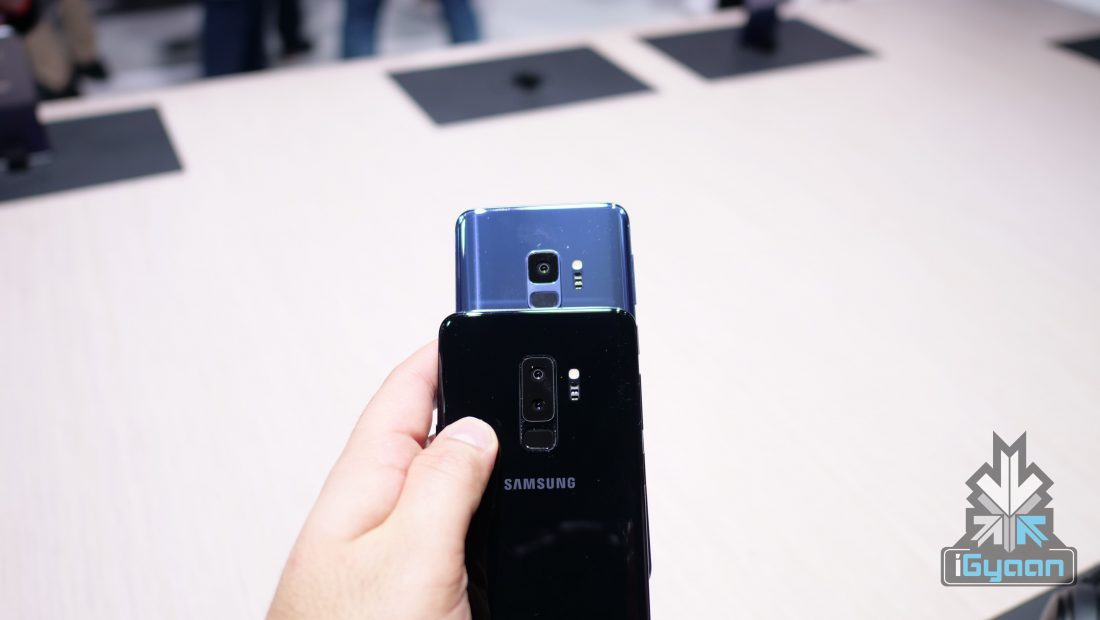
    As expected, the Samsung Galaxy S9 and Galaxy S9+ look extremely similar to their predecessors. The bezels are slightly thinner but, it is hard to differentiate between the two generations, at least from the front. To the back of the devices is where you see the difference. While the Galaxy S8 and S8+ were two of the most successful Android smartphones of 2017 and were lauded for their looks, there was an issue with the design.

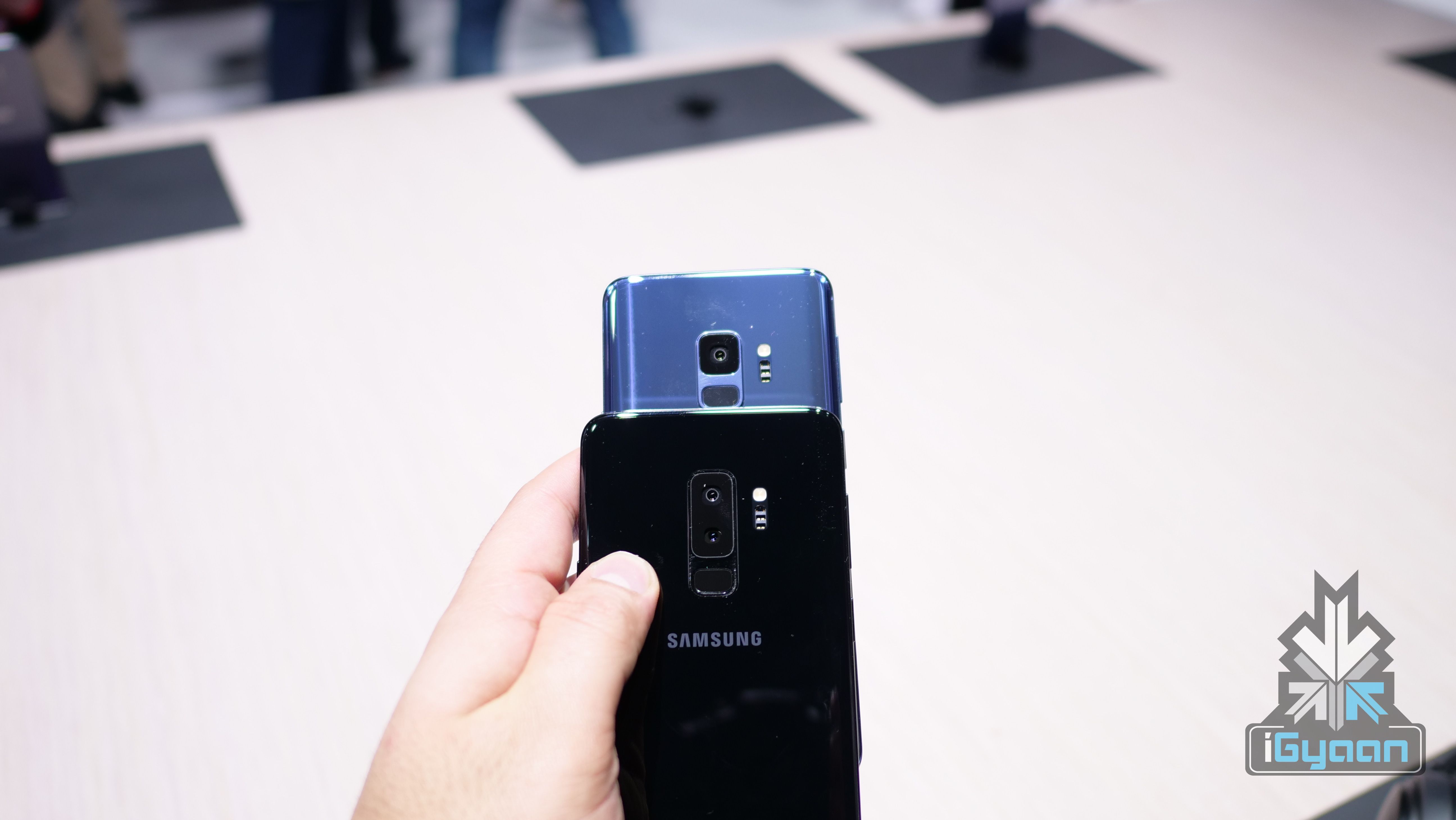
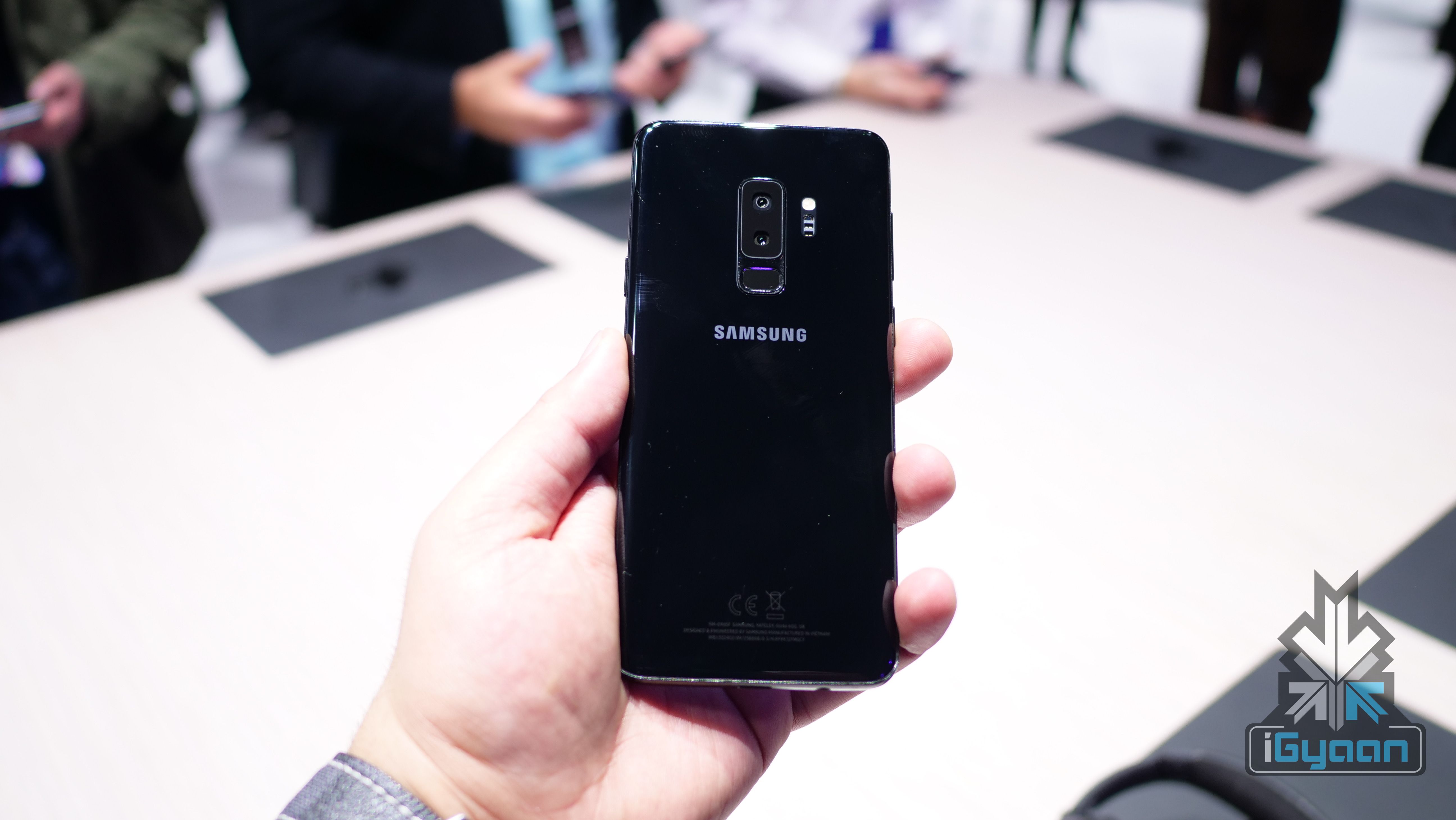
    Due to the decreased bezels, Samsung had to move the fingerprint sensor to the back of the phone. However, the execution left a lot to be desired as the sensor was placed next to the camera module. It looks like Samsung took the criticism into consideration. The Galaxy S9 and S9+ come with a fingerprint sensor placed below the camera module. This is a much more ergonomic placement for a rear-facing fingerprint sensor.
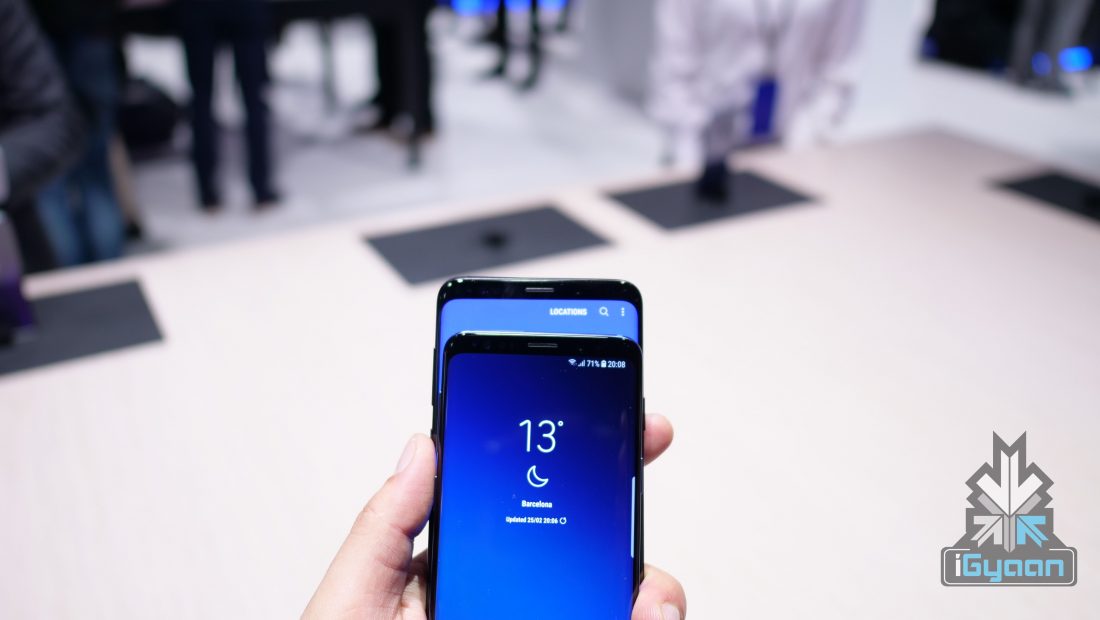
    The Samsung Galaxy S9 and S9+ have a new feature similar to Apple’s Animojis. It is called AR Emoji. Basically, the smartphone captures the face data, analyses it, which allows users to make animated versions of themselves. These can later be customised further.

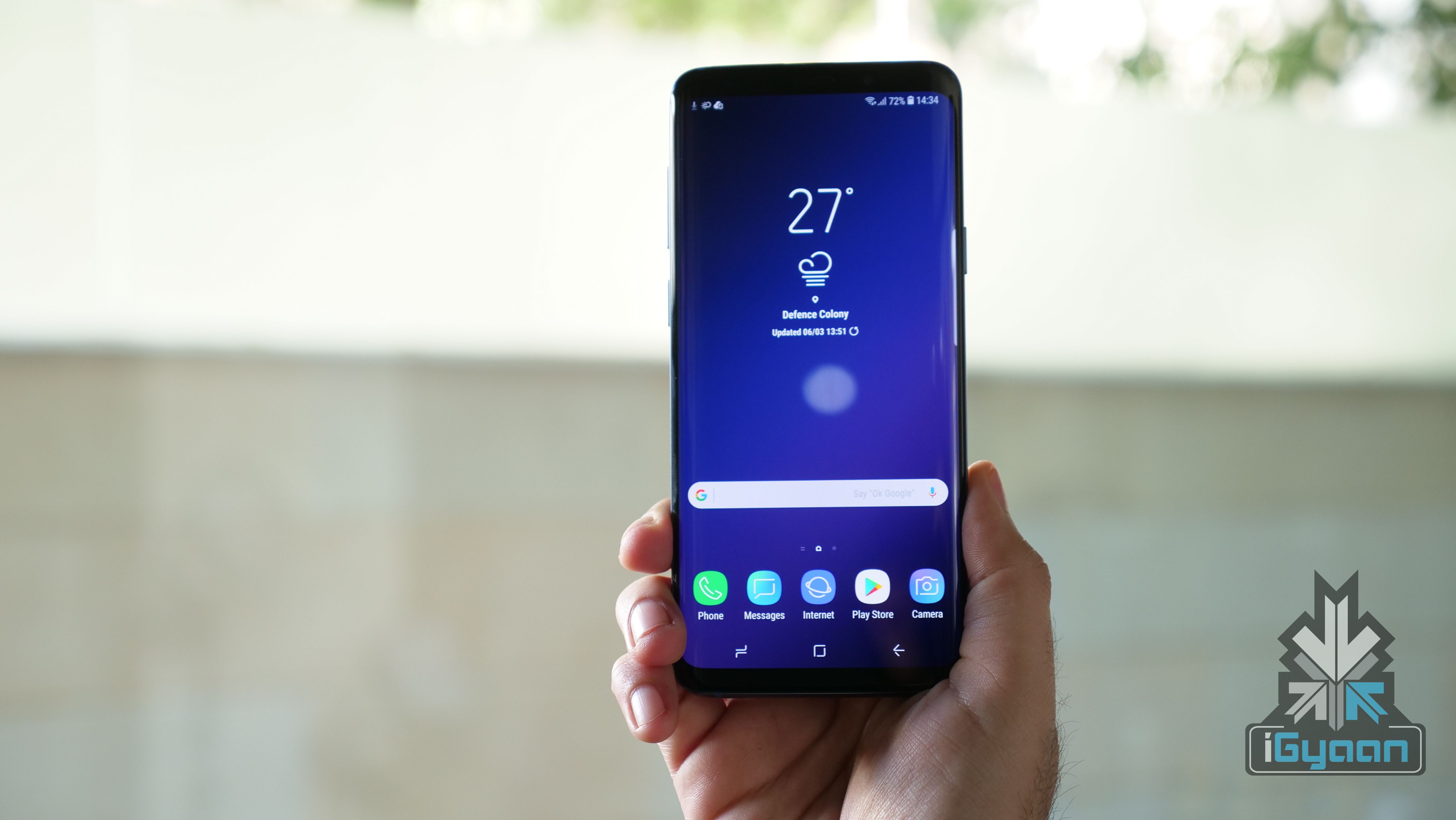
    Samsung Galaxy S9

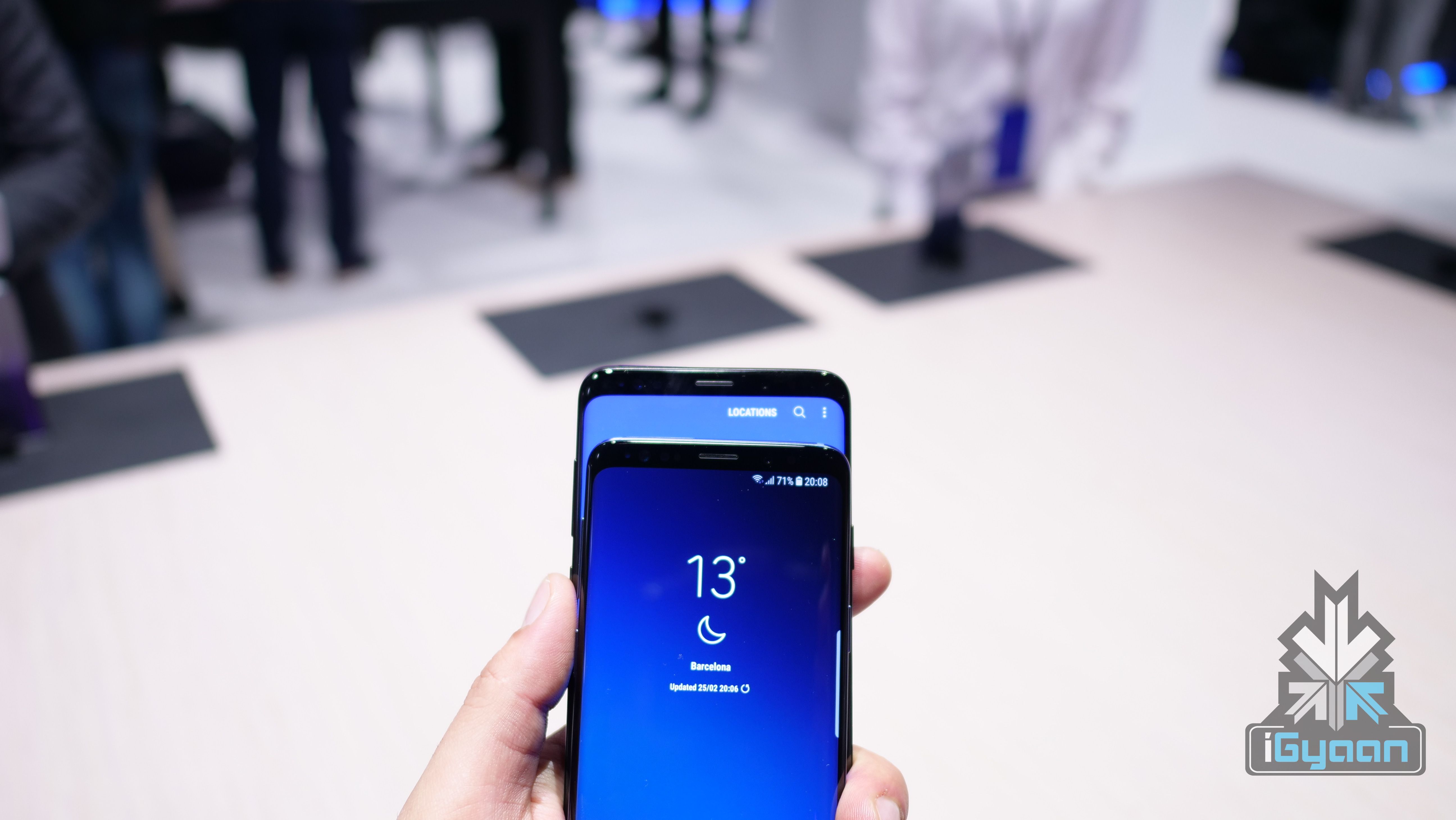
    The Samsung Galaxy S9 has a 5.8 inch Super AMOLED display with a 2960 x 1440 px resolution. This translates to an 18.5:9 aspect ratio, which means it is slightly taller than the usual bezel-less smartphones.

    Depending on the market, the Galaxy S9’s chipset will vary. For the US and South Korean market, the S9 will be powered by the Qualcomm Snapdragon 845 chipset. The Galaxy S9 and S9+ are the first-ever smartphones launched with the new flagship chipset. For India, it will be powered by the new Exynos 9810 chipset. Coupled with the chipset is 4GB of RAM and 64GB or 256GB of onboard storage. Similar to a lot of Samsung smartphones, the storage will be expandable up to 256GB via a MicroSD card.
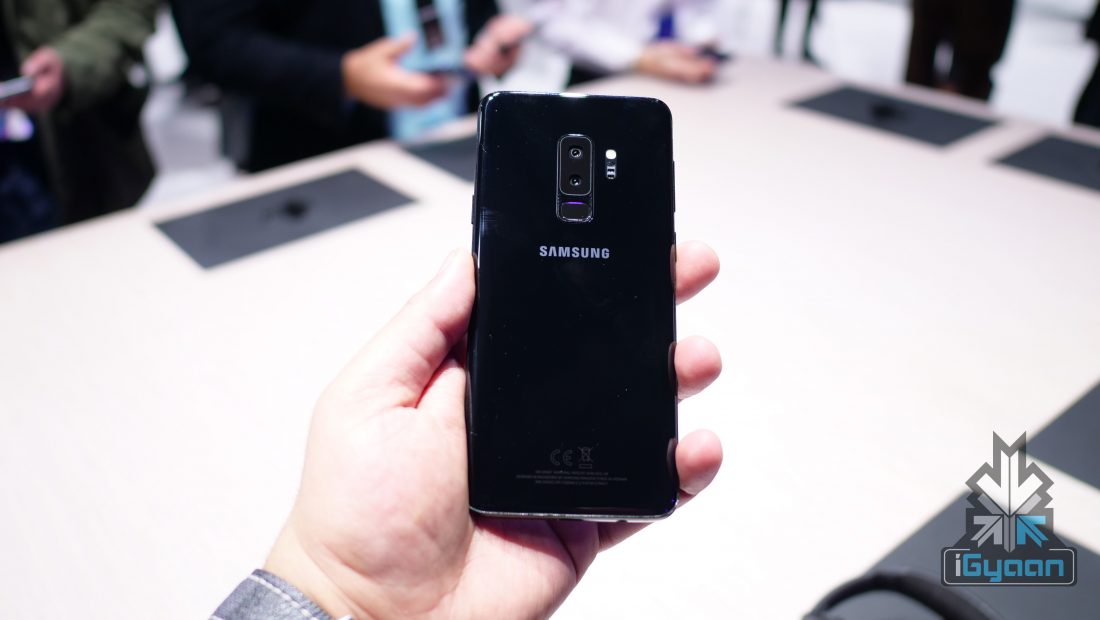
    Out of the box, the Samsung Galaxy S9 will run Android 8 Oreo with Experience 9.0 on top. Powering the smartphone will be a 3000 mAh battery, just like the Galaxy S8. The smartphone will support wireless charging. Similar to its predecessor, the Galaxy S9 also has an IP68 rating for water and dust resistance. The Galaxy S9 also has a dual stereo speaker system tuned by AKG and Dolby surround sound.

    The Galaxy S9 has a single Dual Pixel 12 MP sensor with dual /1.5 and f/2.4 apertures. In bright lighting conditions, the camera will use the f/2.4 aperture, while the wider f/1.5 aperture is used in dark lighting conditions. It also captures 720P videos at 960fps and 4K videos at 60fps, similar to the Apple iPhone X. On the front of the smartphone is an 8MP camera with an f/1.6 aperture and records 4K videos.

    Samsung Galaxy S9+

    As is with its smaller sibling, the Galaxy S9+ has the same screen size as the Galaxy S8+. It sports a 6.2 inch Super AMOLED display with a 2960 x 1440 px resolution.

    Under the hood, it will either be powered by the Exynos 9810 chipset. Unlike the Galaxy S9, the S9+ will be available in 6GB RAM/64GB storage and 6GB RAM/256GB models in major markets across the world.
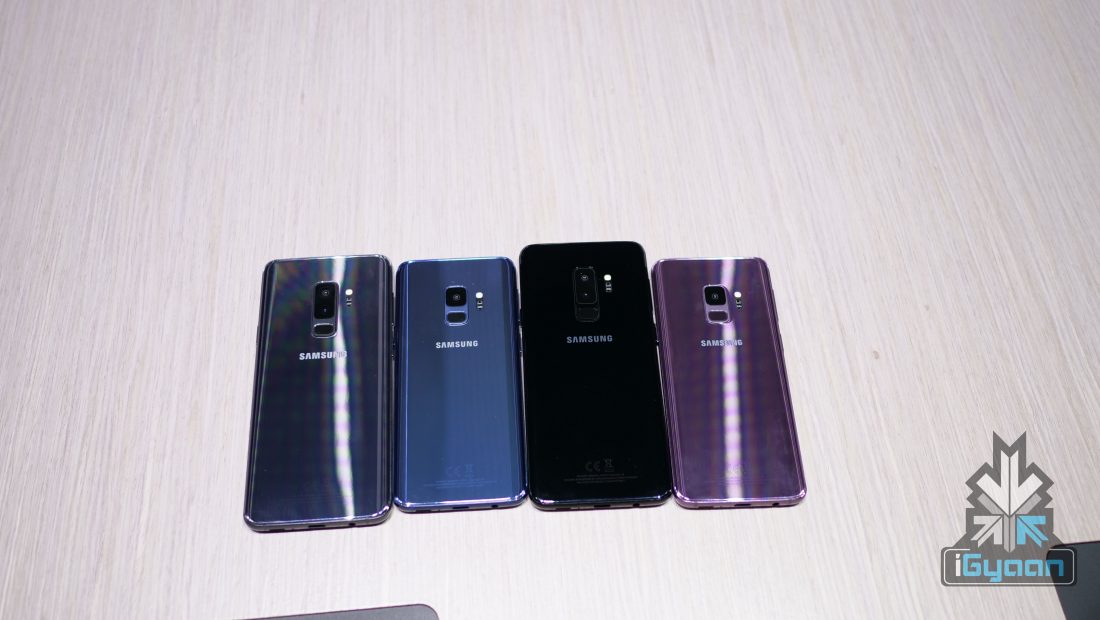
    Out of the box, the Galaxy S9+ will also run Android 8 Oreo with Experience 9.0 on top. Powering the smartphone will be a 3500 mAh battery, just like the Galaxy S8+. The smartphone will support wireless charging. Similar to its predecessor, the Galaxy S9+ also has an IP68 rating for water and dust resistance.

    The main difference between the two S9 models this year is in the camera department. Unlike its predecessor, the Galaxy S9+ has a dual-camera setup on the back. The Galaxy S9+ has one wide-angle 12MP camera with an f/1.5 aperture and the other is a 12MP telephoto lens with an f/2.4 aperture. The telephoto lens is the same one found on the Galaxy Note8, which means it has OIS. On the front of the smartphone is an 8MP camera with an f/1.6 aperture and records 4K videos.
  • Vivo APEX With Pop-Up Camera Could Go On Sale In Late-2018

    Vivo APEX With Pop-Up Camera Could Go On Sale In Late-2018

    Vivo became the first-ever company to embed a fingerprint sensor under the display of a consumer-ready smartphone. However, at MWC 2018, the company unveiled an even more exciting product. At its unveiling, Vivo conceded that the Vivo APEX was just a concept phone. However, the response to the device and excitement around it has convinced Vivo to change its plans.

    Subsequently, Vivo has officially unveiled the APEX in China and announced that its mass production will begin in mid-2018. However, the company has not spilt the beans on all the specifications of the Vivo APEX as of now.

    Vivo APEX Specifications

    The APEX has a 5.99 inch OLED display with COF technology. The smartphone has the thinnest bezels yet on a smartphone. In fact, the company claims it has a record screen-to-body ratio of 98%. The thickest bezel on the phone is its chin, which is about 4.3mm thin. The size bezels measure at 1.8mm.

    Vivo has confirmed that the APEX will be powered by the Snapdragon 845 chipset. This is a great step by Vivo considering the X20 Plus UD skimmed out on a lot of specifications to accommodate the Clear ID technology. For a price close to US$ 700, it was powered by the Snapdragon 660 chipset. While the X20 Plus UD had an impressive fingerprint sensor, albeit a few limitations, the APEX takes it a notch further.

    The Vivo APEX has a fingerprint sensor which covers almost half the display. This simply means that a user has a larger area to access Clear ID rather than a tiny space found on the X20 Plus UD. The company has also placed the ambient and proximity sensors under the display. The whole display will work as an earpiece, similar to the Xiaomi Mi MIX from 2016. According to Vivo, the new SoundCasting Technology essentially transports the sound across the glass of the display.

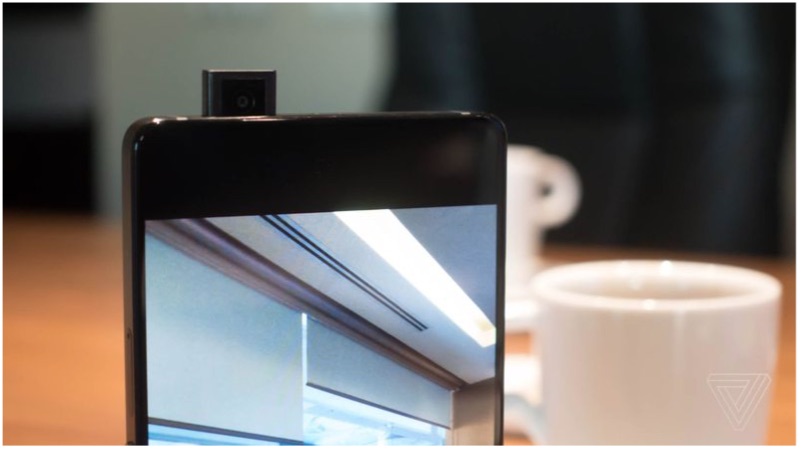
    The most talked-about feature of the Vivo APEX is its front-camera. The APEX features a pop-up front camera which takes about 0.8 seconds to be completely out of the device. It is an 8MP camera with HDR and a dynamic range of up to 14 EV.

    Conclusion

    While the APEX comes across as a futuristic smartphone with a seemingly great solution for bezel-less devices, it has its caveats. It will be interesting to see how so many moving parts inside a smartphone will age. Accidental drops might also have much more severe implications now. However, all of that is secondary as the company prepares to mass produce the APEX from mid-2018. It might subsequently go on sale in late-2018.

  • Samsung Galaxy S9, Galaxy S9+ To Launch In India On 6th March

    Samsung Galaxy S9, Galaxy S9+ To Launch In India On 6th March

    On the 25th of February, Samsung launched the Galaxy S9 and Galaxy S9+ in Barcelona. In India, the devices will be launched on the 6th of March and go on sale on the 16th of March. While the prices of the smartphones will be unveiled at the launch event, they are already up for pre-orders on the official Samsung India website.

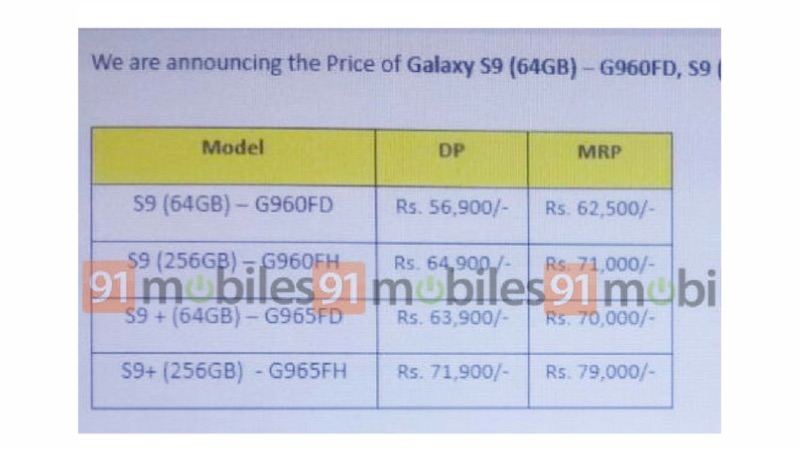
    However, days before the official launch, the price of the devices was leaked yesterday. The Samsung Galaxy S9 will start a price of Rs. 62,500 and the 256GB variant will be priced at Rs. 71000. The Galaxy S9+, however, will start at Rs 70,000 and the 256GB model will retail for Rs 79000. In fact, the Galaxy S8 was launched at a price of Rs 57900 and the S8+ for Rs 64900. The smartphones will be sold online via Flipkart and the official website of Samsung India.

    S9+

    Samsung Galaxy S9, S9+

    From the Galaxy S8 to S9 devices, the physical changes are very minimal. The fingerprint sensor is now at a much better placement and the smartphones have a dual stereo speaker system tuned by AKG. The Samsung Galaxy S9 has a 5.8 inch Super AMOLED display with a 2960 x 1440 px resolution. The Galaxy S9+ sports a 6.2 inch Super AMOLED display with a 2960 x 1440 px resolution.

    The Galaxy S9 and S9+ will be the first-ever smartphones launched in India with the new Exynos 9810 chipset. Coupled with the chipset is 4GB of RAM and 64GB/256GB storage for the Galaxy S9. The S9+, however, will be available in 6GB RAM/64GB storage and 6GB RAM/256GB models in India.

    S9+

    The Galaxy S9 has a single Dual Pixel 12 MP sensor with dual /1.5 and f/2.4 apertures. Unlike its predecessor, the Galaxy S9+ has a dual-camera setup on the back. The Galaxy S9+ has one wide-angle 12MP camera with an f/1.5 aperture and the other is a 12MP telephoto lens with an f/2.4 aperture. On the front of the smartphones is an 8MP camera with an f/1.6 aperture and records 4K videos.

  • Samsung Galaxy S9, Galaxy S9+ Launched At MWC 2018

    Samsung Galaxy S9, Galaxy S9+ Launched At MWC 2018

    After weeks of multiple leaks, Samsung has launched the Galaxy S9 and Galaxy S9+ at an event in Barcelona. The design, specifications, and a lot of the features were leaked ahead of the launch. The Galaxy S9 is priced at US$ 719.99 for the unlocked version in the US. However, the starting price of the Galaxy S9+ is US$ 839.99. The smartphones will go on sale on the 16th of March globally. In India, the devices will be launched on the 6th of March and go on sale on the 16th of March along with the rest of the world.

    The Samsung Galaxy S9 and its bigger sibling, the Galaxy S9+ succeeds the Galaxy S8 and S8+ as the 2018 flagship phones. Unlike the previous generation smartphones, the Samsung Galaxy S9 and Galaxy S9+ have more differences than just the display and battery sizes. Samsung has made the Galaxy S9+ a bit more feature-packed to justify the higher price tag.

    As expected, the Samsung Galaxy S9 and Galaxy S9+ look extremely similar to their predecessors. The bezels are slightly thinner but, it is hard to differentiate between the two generations, at least from the front. To the back of the devices is where you see the difference. While the Galaxy S8 and S8+ were two of the most successful Android smartphones of 2017 and were lauded for their looks, there was an issue with the design.

    Due to the decreased bezels, Samsung had to move the fingerprint sensor to the back of the phone. However, the execution left a lot to be desired as the sensor was placed next to the camera module. It looks like Samsung took the criticism into consideration. The Galaxy S9 and S9+ come with a fingerprint sensor placed below the camera module. This is a much more ergonomic placement for a rear-facing fingerprint sensor.

    The Samsung Galaxy S9 and S9+ have a new feature similar to Apple’s Animojis. It is called AR Emoji. Basically, the smartphone captures the face data, analyses it, which allows users to make animated versions of themselves. These can later be customised further.

    Samsung Galaxy S9

    The Samsung Galaxy S9 has a 5.8 inch Super AMOLED display with a 2960 x 1440 px resolution. This translates to an 18.5:9 aspect ratio, which means it is slightly taller than the usual bezel-less smartphones.

    Depending on the market, the Galaxy S9’s chipset will vary. For the US and South Korean market, the S9 will be powered by the Qualcomm Snapdragon 845 chipset. The Galaxy S9 and S9+ are the first-ever smartphones launched with the new flagship chipset. For the rest of the world, it will be powered by the new Exynos 9810 chipset. Coupled with the chipset is 4GB of RAM and 64GB of onboard storage. Similar to a lot of Samsung smartphones, the storage will be expandable up to 256GB via a MicroSD card.

    Out of the box, the Samsung Galaxy S9 will run Android 8 Oreo out of the box with Experience 9.0 on top. Powering the smartphone will be a 3000 mAh battery, just like the Galaxy S8. The smartphone will have QuickCharge 4.0 compatibility and support wireless charging. Similar to its predecessor, the Galaxy S9 also has an IP68 rating for water and dust resistance. The Galaxy S9 also has a dual stereo speaker system tuned by AKG and Dolby surround sound.

    The Galaxy S9 has a single Dual Pixel 12 MP sensor with dual /1.5 and f/2.4 apertures. In bright lighting conditions, the camera will use the f/2.4 aperture, while the wider f/1.5 aperture is used in dark lighting conditions. It also captures 720P videos at 960fps and 4K videos at 60fps, similar to the Apple iPhone X. On the front of the smartphone is an 8MP camera with an f/1.6 aperture and records 4K videos.

    Samsung Galaxy S9+

    As is with its smaller sibling, the Galaxy S9+ has the same screen size as the Galaxy S8+. It sports a 6.2 inch Super AMOLED display with a 2960 x 1440 px resolution.

    Under the hood, it will either be powered by the Snapdragon 845 chipset or Exynos 9810. This will again depend on whether it is being sold in the US, South Korea or rest of the world. Unlike the Galaxy S9, the S9+ will be available in 6GB RAM/64GB storage, 6GB RAM/128GB storage and 6GB RAM/256GB models in major markets across the world.

    Out of the box, the Galaxy S9+ will also run Android 8 Oreo out of the box with Experience 9.0 on top. Powering the smartphone will be a 3500 mAh battery, just like the Galaxy S8+. The smartphone will have QuickCharge 4.0 compatibility and support wireless charging. Similar to its predecessor, the Galaxy S9+ also has an IP68 rating for water and dust resistance.

    The main difference between the two S9 models this year is in the camera department. Unlike its predecessor, the Galaxy S9+ has a dual-camera setup on the back. The Galaxy S9+ has one wide-angle 12MP camera with an f/1.5 aperture and the other is a 12MP telephoto lens with an f/2.4 aperture. The telephoto lens is the same one found on the Galaxy Note8, which means it has OIS. On the front of the smartphone is an 8MP camera with an f/1.6 aperture and records 4K videos.
    [embedyt] https://www.youtube.com/watch?v=-9L8T7o-mrM[/embedyt]

  • Nokia 1 Officially Launched For US$ 85 At MWC 2018

    Nokia 1 Officially Launched For US$ 85 At MWC 2018

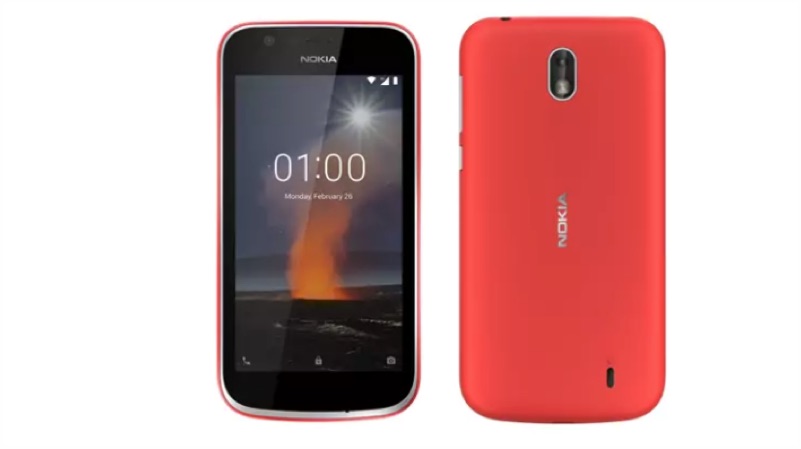
    HMD Global has launched the Nokia 1 at an event in Barcelona along with a few other smartphones like the Nokia 7 Plus. The Nokia 1, as speculated, is an entry-level Android Go device which will retail for US$ 85 (Rs. 5500 approx.), excluding taxes and subsidies. However, the company has claimed that this a global price. Hence, it is expected to be launched in India at a price of Rs. 5000 or less.

    The Nokia 1 will be the most affordable Android smartphone from the company, which right now, is the Nokia 2. While there are no details pertaining to its launch in India, the Nokia 1 will go on sale in April globally. It will be available in Dark Blue and Warm Red colour variants. Along with that, the company will also sell Xpress-on covers priced at $7.99 (Rs. 500 approx.) in Azure, Grey, Yellow and Pink colours.

    Specifications

    The Nokia 1 4.5 inch FWVGA display with an 854 x 480 px resolution. Under the hood, the Nokia 1 has the MediaTek MT6737M chipset with a 1GHz quad-core processor. This is coupled with  1GB of LPDDR3 RAM and 8GB of onboard storage.

    Out of the box, the smartphone will run Android 8.1 Oreo based Android Go operating system. Powering the smartphone will be a 2150 mAh battery which the company claims will deliver up to 9 hours of talk time and up to 15 days of standby time.

    Android Go

    Google claims that Android Go’s Oreo edition will be a variant of Android Oreo that a manufacturer can just set by ticking off a configuration flag. What this basically does is that it sets up the phone to use the “Go” versions of a handful of Google apps such as the main Google app, Google Assistant, Google Maps, Gmail, and others.

    Google claims that the smaller apps and slimmer OS can as much as halve the amount of storage that’s taken up by default on a new phone running default OS.

    Conclusion

    While the Nokia 1 seems like an interesting phone, the Indian entry-level market has come competition. If it launches at the global price, the Nokia 1 will compete with the likes of Xiaomi Redmi 5A which offers much better specifications at a similar price point. However, this will depend on the pricing of the smartphone.

  • Nokia 7 Plus Launched For EUR 399 At MWC 2018

    Nokia 7 Plus Launched For EUR 399 At MWC 2018

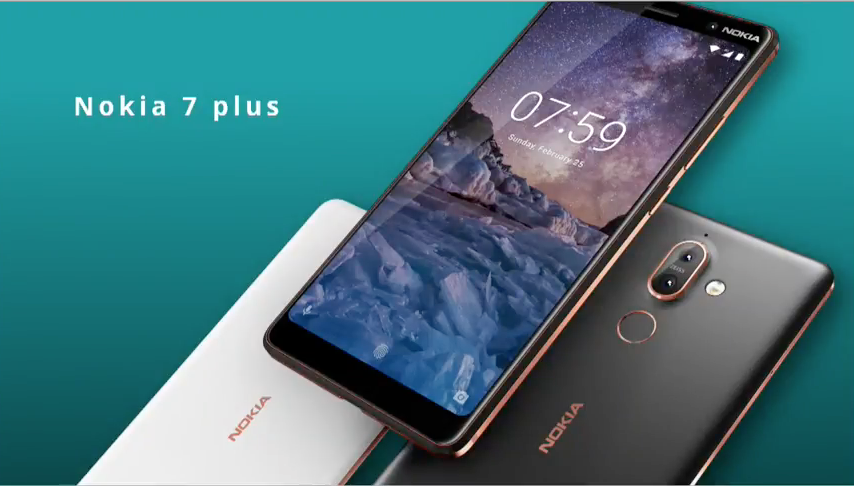
    HMD Global has officially launched the Nokia 7 Plus at an event in Barcelona. It succeeds the recently launched Nokia 7 and will be a global device, unlike the Nokia 7. The Nokia 7 Plus is also an Android One device, which means that it will get Android update support for more than 2 years. It carries a price tag of EUR 399 (roughly Rs. 31,750) and will go on sale in early April in Black/ Copper and White/ Copper colour variants.

    While the Nokia 7 had an older design with thick bezels and a 16:9 aspect ratio, the Nokia 7 Plus has an upgraded design. The Nokia 7 Plus has an 18:9 aspect ratio and the design accents similar to the Nokia 6 2018.

    Specifications

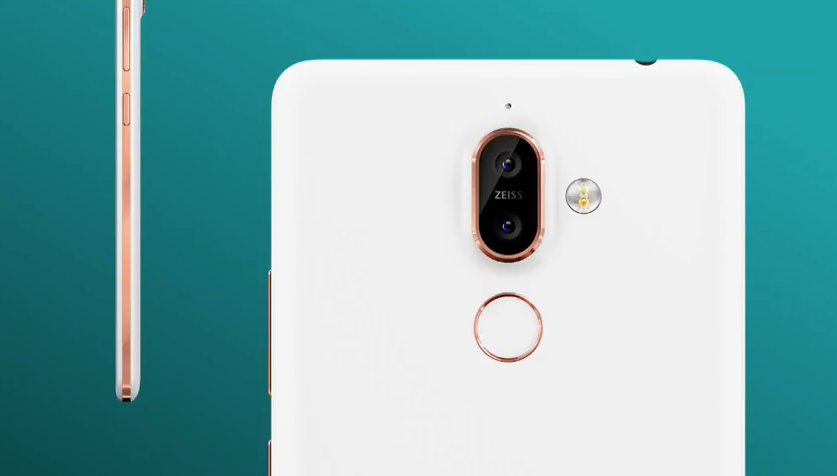
    The Nokia 7 has a 5.2 inch IPS LCD display with a 1920 x 1080 px resolution. Nokia 7 Plus, on the other hand, has a 6 inch display with an 18:9 aspect ratio hence, the “Plus” moniker. The Nokia 7 plus also features a dual-tone design thanks to a few gilded bits and pieces. Like the fingerprint scanner ring, the dual-camera casing and the Nokia logo on the back.

    Under the hood, the 7 Plus has the Qualcomm Snapdragon 660 chipset and 2.2GHz octa-core processor. That is coupled with 4GB of RAM and 64GB of onboard storage which will be expandable via microSD card. The fingerprint sensor is now placed on the back and has the similar colour accents found on the Nokia 6 (2018).

    On the back of the 7 Plus is a dual-camera setup powered by Zeiss optics. The primary wide-angle sensor is a 12MP camera with an f/1.75 aperture coupled with a 13MP telephoto lens with an f/2.6 aperture. The telephoto lens will allow for bokeh shots which have now become very trendy. On the front is a 16MP fixed focus camera with an f/2.0 aperture, 1-micron pixels, and Zeiss optics.

    Conclusion

    At a price of EUR 399 (roughly Rs. 31,750), the Nokia 7 Plus has a lot of competition. If and when HMD Global launches the Nokia 7 Plus in India, it will have to be priced closer to the Moto X4 rather than the Honor View10. However, the price and details for the Nokia 7 Plus in India have not been revealed yet.

  • Huawei MateBook X Pro Launched At EUR 1499

    Huawei MateBook X Pro Launched At EUR 1499

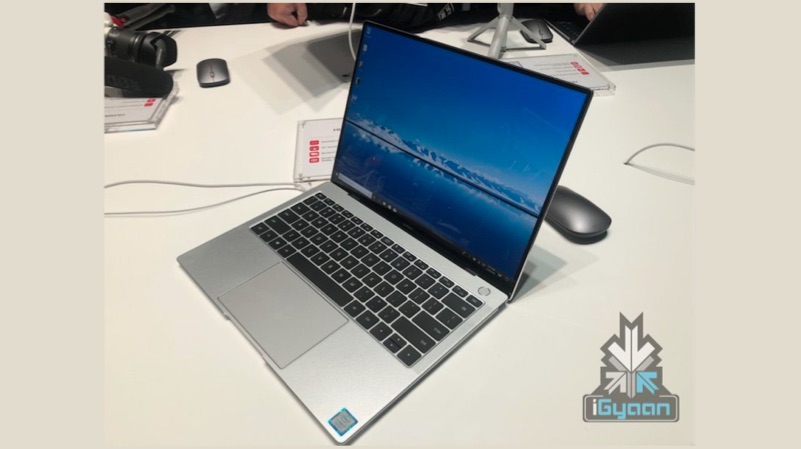
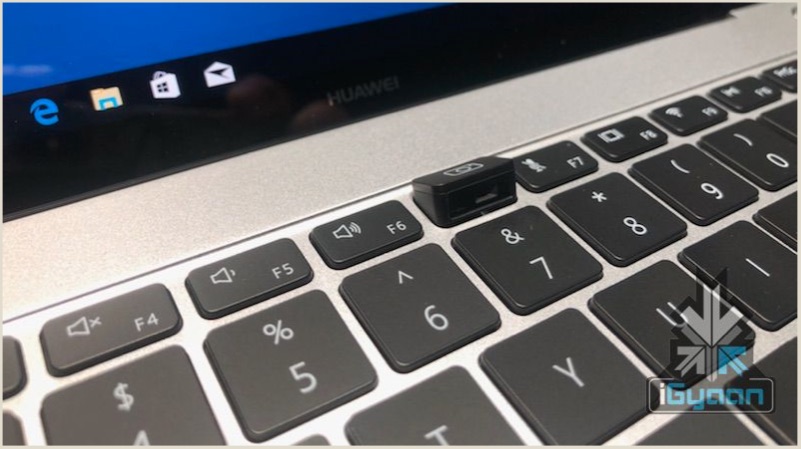
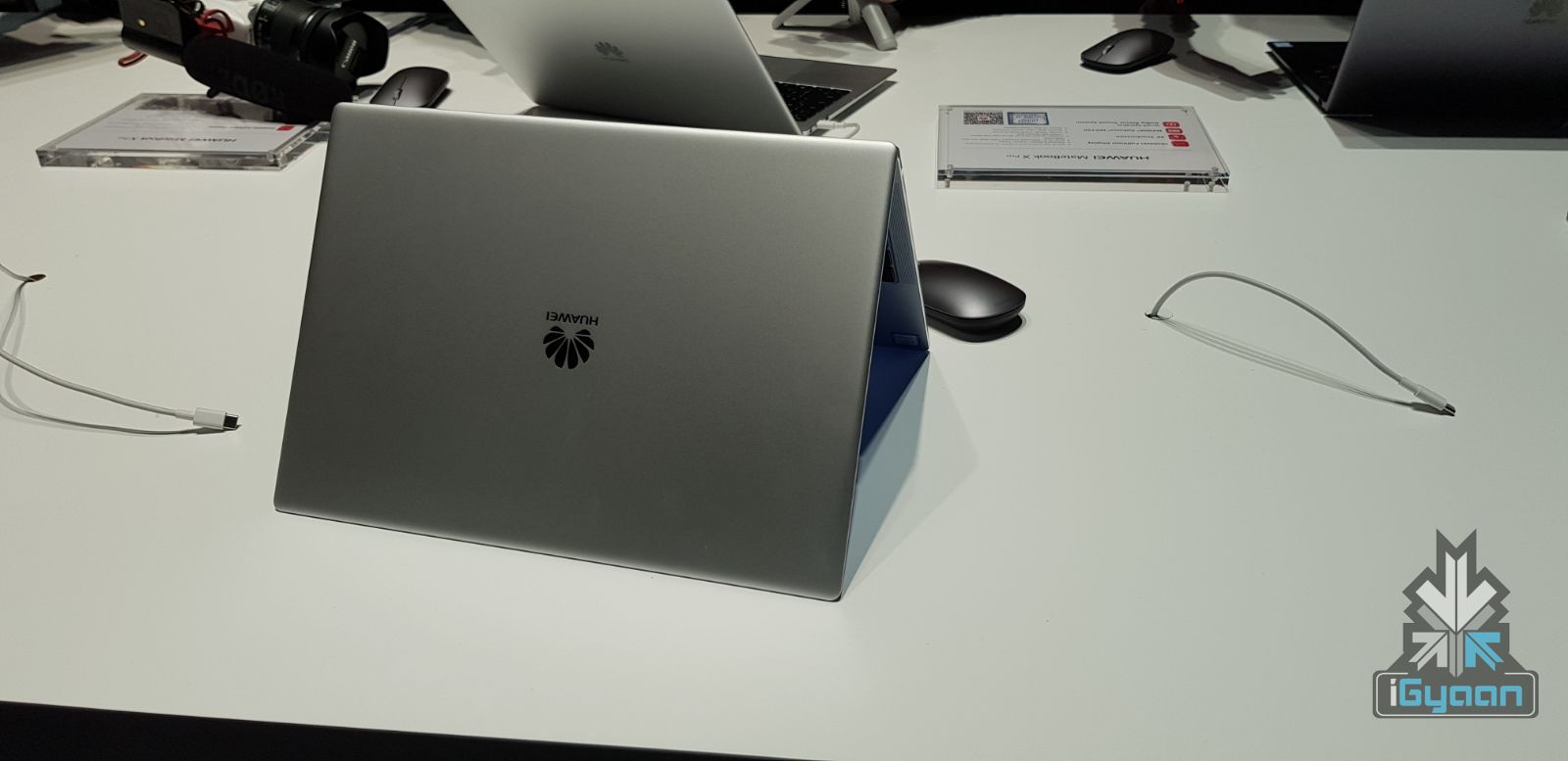
    Huawei has launched the FullView touchscreen notebook, called Huawei MateBook X Pro at MWC 2018. The Huawei MateBook X Pro will succeed the MateBook X which was launched in 2017. The Matebook X Pro starts at a price of EUR 1499 and goes up to EUR 1899. The company has stated that it will go on sale in Q2 of 2018.

    Specifications

    The notebook comes with 13.9 inch display with 92% screen to body ration. It uses a low power consuming LTPS touch-screen with 3000 x 2000 px resolution, which offers 20 pixels per inch. The display supports 100% sRGB colour gamut with a maximum brightness of 450 nits and 1500:1 contrast ratio. The display is protected by Corning Gorilla Glass for smooth and responsive multi-touch screen experience. The notebook runs on Windows 10 operating system with Windows Hello support.

    The Huawei MateBook X Pro comes with the latest Intel 8th generation Intel Core i7 chipset with NVIDIA GeForce MX150 mobile GPU.

    The Huawei MateBook X Pro offers perfect diamond cut edges with sandblast finish for a more uniform finish. The notebook is one of the lightest in its category, which weights at just 1.33 KG. Compared to the 13.3-inch Apple MacBook Pro, the Huawei MateBook X Pro is 50% thinner with similar hardware capabilities. Keeping this thin, the notebook also ships with a full sized USB 3.0 port, two USB type C ports and a 3.5 mm headphone jack.

    The USB type C port does support Thunderbolts 3, which can drive an external display with up to 4K resolution. The port can also support external GPU like the NVIDIA GTX1080. The company has re-engineered the cooling system on the Huawei MateBook X Pro, which now comes with passive and active mode with temperature detection fans control. It uses the custom Huawei shark fin fan design, which offers up to 20% more efficient.

    The Quad speaker setup on the notebook comes with the clear treble tweeter and rich base subwoofer. In fact, The sound profile has been fine-tuned by Dolby Atmos. It has a built-in 4 microphone solution, which offers 360-degree listening without any distortions. The Huawei MateBook X Pro comes with all-day battery life. Which means, the device can offer up to 15 hours of web browsing, or 14 hours of office work or 12 hours of video playback on a single charge.
    Traditionally notebooks use keypad authentication. However, Huawei MateBook X Pro comes with iris scanner + fingerprint scanner + keyboard. A user can use any one of these features to login into the notebook. Like the Apple MacBook Pro, the Huawei MateBook X Pro comes with the one-touch power button, which also doubles as a fingerprint scanner.

    The notebooks’ keypad is spill proof, which saves the device from the accidental coffee or water spills. The Huawei MateBook X Pro has the largest trackpad on any notebooks under 14 inch display.

  • LG K8 2018 And K10 2018 Officially Launched

    LG K8 2018 And K10 2018 Officially Launched

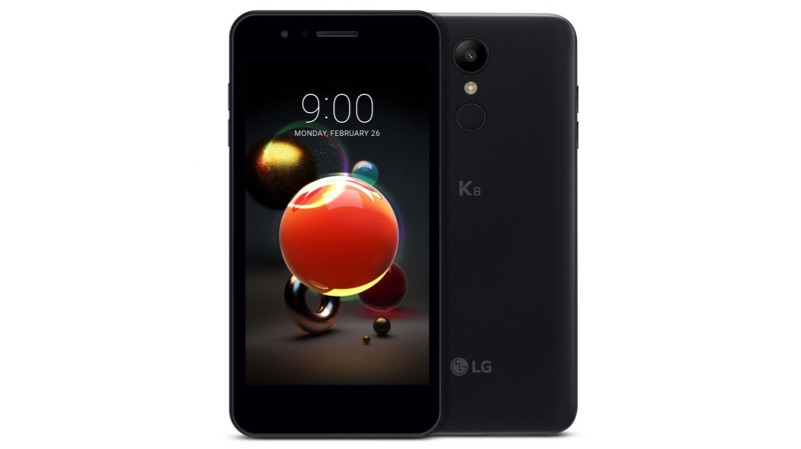
    LG has launched the LG K8 2018 and LG K10 2018 ahead of MWC 2018. However, these smartphones will be showcased at MWC in LG Booth. The newly launched smartphones are the successors of LG K8 2017 and LG K10 2017, which packs in entry-level hardware.

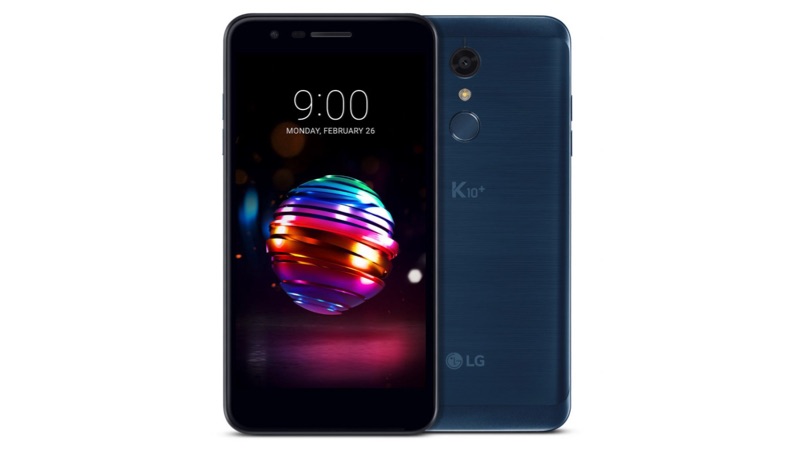
    Along with these smartphones, LG has also announced the LG K10+ 2018 and LG K10 2018 as well.

    Design:

    In terms of design, both smartphones feature a unibody metallic design with metal U frame. The smartphones look a bit similar to that of the last generation K series smartphone from LG. However, with a new paint finish, which gives a premium look.

    Features:

    The fingerprint scanner on the back of LG K8 2018 and LG K10 2018 doubles as a camera trigger button, which aids to capture photos quickly. The company calls this feature as “Smart Rear Key”.

    The cameras on these smartphones get new tricks like Auto Shot, Gesture Shot, and Flash for the front-facing camera. The noise reduction feature helps to take great photos under low lightening condition with HDR capability.

    The new feature called “Time Helper” comes in handy, which keeps the count using flash. The new “Flash Jump Shot” helps to create a fun GIF by stitching up photos taken after every three seconds up to 20 seconds.

    Specifications of LG K8 2018:

    The LG K8 2018 has a 5 inch 720p IPS LCD display. Under the hood, the smartphone is powered by unknown 1.3 GHz Quad-core chipset with 2GB RAM and 16GB storage, with an option for storage expansion via micro SD card.

    The device houses an 8 MP main camera and a 5 MP front-facing camera with LED flash. It has all the standard features like 3.5 mm headphone jack, fingerprint scanner. Out of the box, the smartphone runs on Android 7.1.2 OS with plenty of customisation. Finally, the smartphones come with a 2500 mAh removal battery with no support for fast charging.

    Specifications of LG K10 2018:

    The LG K10 2018 has a 5.3-inch 720p In-cell IPS LCD display. Under the hood, the smartphone runs on unknown 1.5GHz Octa-core processor with either 2GB or 3GB RAM and 16GB or 32GB onboard storage. The micro SD card on K10 2018 supports memory expansion up to 2TB.

    In terms of optics, the smartphone packs in an 8 MP main camera and a 5 MP front-facing camera assisted by an LED flash. The video recording on the front-facing camera is limited to 720p, whereas the main camera can record up to 1080p resolution. The smartphone is based on Android 7.1.2 Nougat with custom LG skin on top.

    Unlike the K8 2018, the 3000 mAh battery on the K10 2018 is non-user replaceable with no mention of fast charging support.

    Conclusion:

    The LG K8 2018 and the LG K10 2018 has a modern design, however, the thick bezels and the 16:9 aspect ratio display is a bit disappointment.

iGyaan Network
Privacy Overview

This website uses cookies so that we can provide you with the best user experience possible. Cookie information is stored in your browser and performs functions such as recognising you when you return to our website and helping our team to understand which sections of the website you find most interesting and useful.