Tag: oled

  • Samsung To Use LCD Displays On Their Galaxy A Series Phones

    Samsung To Use LCD Displays On Their Galaxy A Series Phones

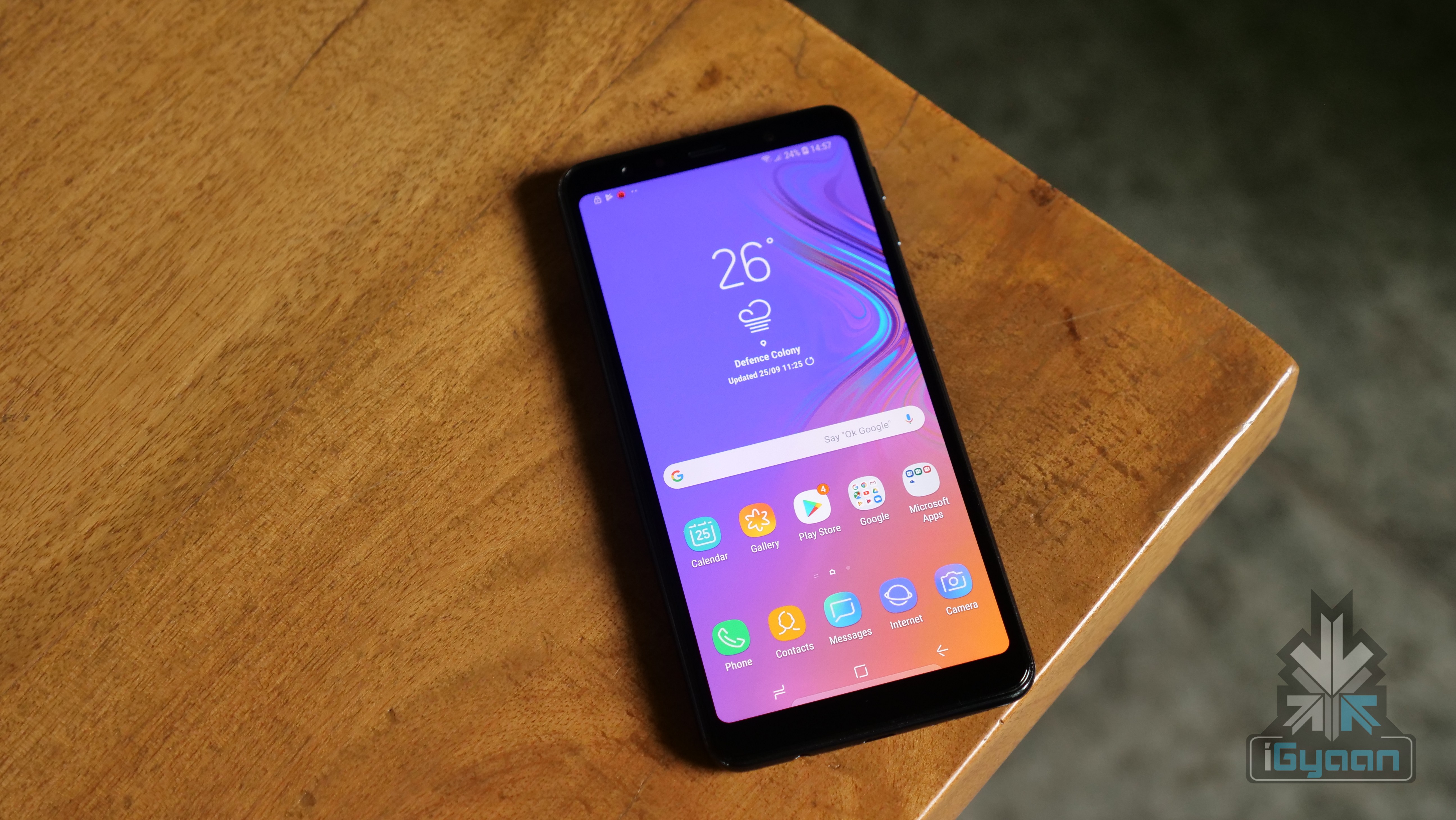
    Samsung is gearing up for a major reshuffling of their phone lineup. The company wishes to eliminate the J series phones entirely and create an M series of phones. It is also reported on a Korean news website that Samsung plans to put an LCD screen on their 2019 version of the J Series of phones. This comes in the wake of Apple making it’s cheapest iPhone XR feature an LCD panel. Samsung reportedly wants to divide the A series models into two segments with OLED as well as LCD options in different price brackets. The Galaxy A8 Star, A8 Plus, A6 Plus all have AMOLED panels at the moment. The A series models will also reportedly see a change of nomenclature.

    What is Samsung Planning?

    Samsung is reportedly reshuffling their phones to get the maximum number of customers as well as to create a price differentiation. Their strategy seems to be to raise the price range of their A9, which has a quad camera setup. This will enable them to capture the lower end of the market with the J series as the company looks to sell more in terms of volume. Samsung will reportedly take Galaxy A series OLED and LCD models to Korean, North American and European markets. The A series will have a quad camera setup. Since these markets have a greater purchasing power, it will be easier to sell the OLED phones there. On the other hand, LCD models will be introduced only in India and Southeast Asia. These markets have a lower purchasing power and has a chance to sell more in terms of volume.

    Also ReadSamsung Launches W2019 Flip Phone With Dual Super AMOLED Displays

    The company is also said to be reorganising its lineup by integrating Galaxy J, Galaxy ON and Galaxy C series into ‘Galaxy M’ next year. This is also one of the major reason’s for the reshuffling plan. There are also speculations that Samsung may be taking this drastic step due to the stiff competition from Chinese manufacturers. Specially in markets like India and parts of South East Asia.

  • Xiaomi’s Mi Note 2 Has A Curved Screen and Snapdragon 821

    Xiaomi’s Mi Note 2 Has A Curved Screen and Snapdragon 821

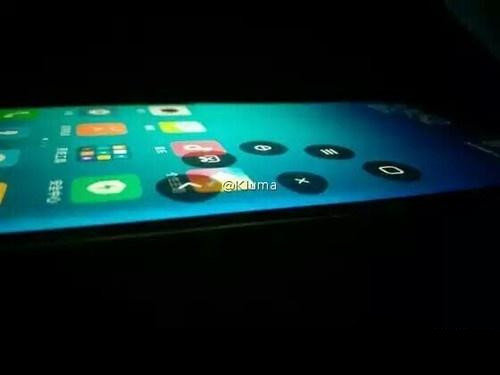
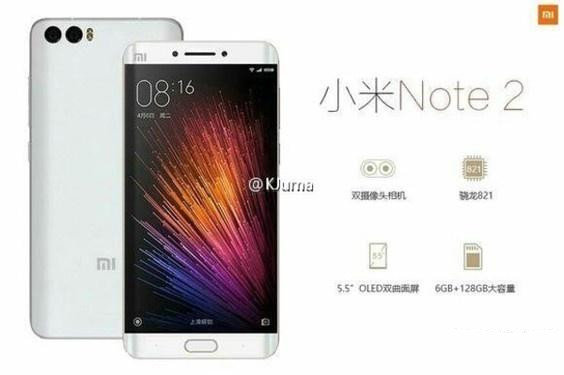
    The Xiaomi Mi Note 2 seems to be the talk of the hour, where recent leaked images point towards a smartphone with a dual curve display, more like the Samsung Galaxy S7  Edge.

    The Xiaomi Mi Note 2 will also supposedly run on a Qualcomm Snapdragon 821 chipset with two display options, a 1080p variant for possibly those on a budget along with a QHD or 2K display for those not willing to mind their pockets.

    xiaomi-note-2


    More leaks for the Xiaomi  Mi Note 2 point towards a dual camera setup along with a 6 GB and 128 GB setup offering up with the SD 821 mentioned earlier.

    It seems that the Mi Note 2 will be available in a total of 3 variants, with choices between display, storage and cameras. The display will remain OLED type across the options and the RAM will stay 6 GB too.

    Mi Note 2 Listing
    Mi Note 2 Listing

    More info should be available shortly, Mi India has refused to comment on the handset or its availability in India.


  • iPhone 7 Rumored to Sport OLED Displays

    iPhone 7 Rumored to Sport OLED Displays

    There’s no denying that when it comes to design and looks, Apple does incredibly well to draw the publics gaze. But if there is an area that is still left wanting, it’s to do with the display. Apple has rarely made any dramatic changes to its iPhones, both in design and hardware. But the little that the company does do tends to leave out the display that is still using LCD screens with 750 x 1334 pixel resolution, while other have moved on to bigger and brighter things.

    Back in November, fresh rumors surrounding the upcoming iPhone 7 suggested the Apple may be changing quite a few things this time around, one of which is the display. The iPhone 7 is rumoured sport an OLED display thereby giving up on LCD display that it has relied on so far. Apple followers will know that the Apple Watch is the only Apple device to sport an OLED display currently. In 2013, Tim Cook has expressed his distaste for the OLED displays calling them “awful” when it came to colour saturation.

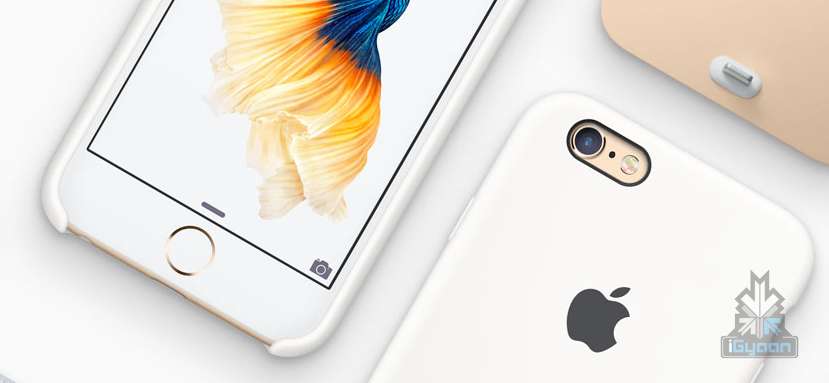
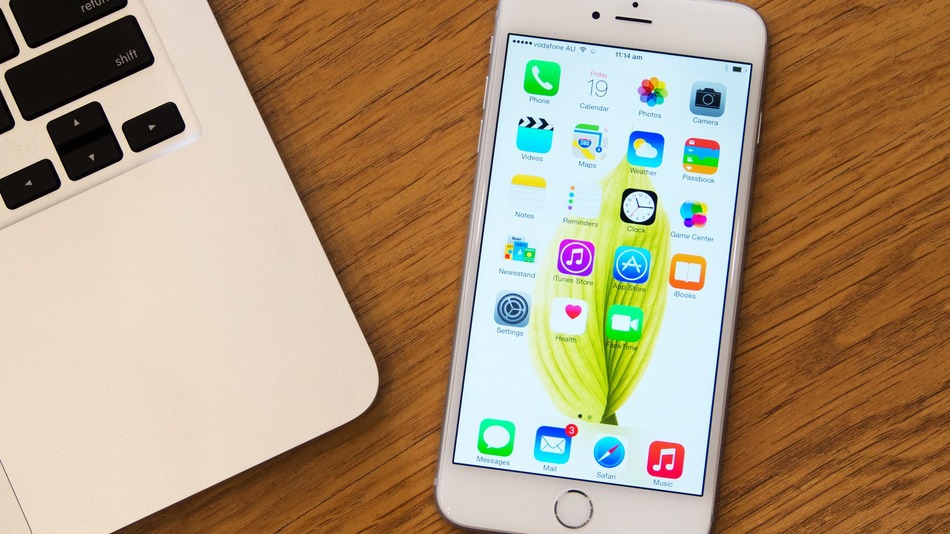
    iPhone 6
    iPhone 6

    Furthermore, Samsung and LG are pegged as the two companies that will be providing the bulk of the OLED panels to Apple. Another new report also suggests that Apple is ready to invest in this particular screen technology by working with AU Optronics. According to Focus Taiwan, Apple wants to transform AUO into an AMOLED screen supplier for the iPhone.

    if the rumors do turn out to be true, this could be quite a catch for AUO who has currently been supplying OLED displays for Huawei and other Chinese handset makers.

    But that’s not all. Another set of rumors also suggest that Apple has a secret lab in Taiwan where where former Qualcomm and AUO employees are working on developing micro-LED screen tech for thinner, lighter, and brighter displays for the iPhone. We’ll just leave you here for now to let all of that sink in.

  • CES 2016: Alienware 13 Gets a Beautiful OLED Display

    CES 2016: Alienware 13 Gets a Beautiful OLED Display

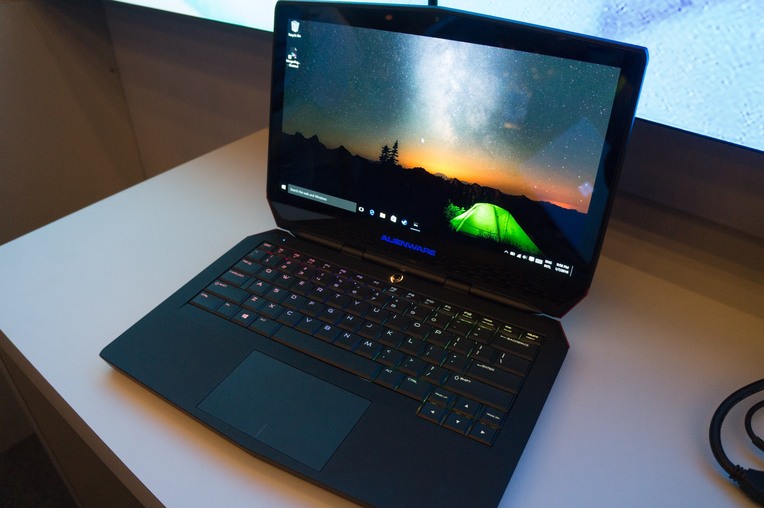
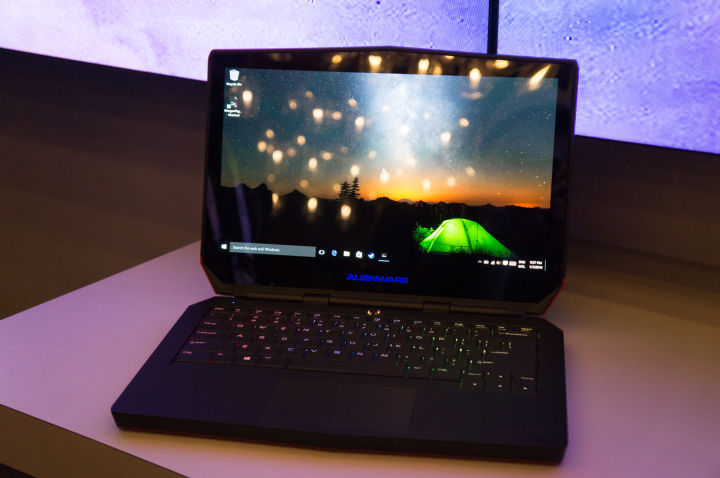
    CES 2016 has seen a number of firsts. From the world’s thinnest TV to the world’s first transparent display, the technological fest has seen it all. Now, Alienware has joined the league of firsts by unveiling the world’s first OLED gaming laptop.

    Those familiar with OLED displays will know why this is a big deal for a gaming laptop. OLEDs offer deeper blacks since there’s no need for a backlight and lower latency. Alienware has claimed that its new Alienware 13 laptop will have a one millisecond refresh rate thanks to OLED.

    Alienware-OLED-gaming-laptop-1-720x478

    The reason behind the delay to embrace OLED screens for gaming laptops is that OLED panels used to be expensive in larger sizes, but they are now affordable enough to be used by Alienware without having its laptops cost and exuberant amount.

    The Alienware 13 will be priced similar to its Quad-HD display variant. The starting price of the OLED model is $1499 and the laptop is expected to launch mid-April.

  • Apple Reportedly Working on OLED Displays in a Secret Taiwanese Lab

    Apple Reportedly Working on OLED Displays in a Secret Taiwanese Lab

    Sources have revealed that Apple has opened a lab in Taiwan and has recruited at least 50 engineers to work on display tech for iPhone and iPad. It is further suggested that many of these engineers previously worked for companies like AU Optronics and Qualcomm.

    While the company is working on making its displays thinner, lighter and more efficient, Bloomberg says Apple is working on OLED (organic light-emitting diodes) displays. They are not only thinner, but also require no back-lighting. LG and Samsung have previously employed the same tech in the screens of their various products from television sets to mobile phones.

    The Apple iPad Pro
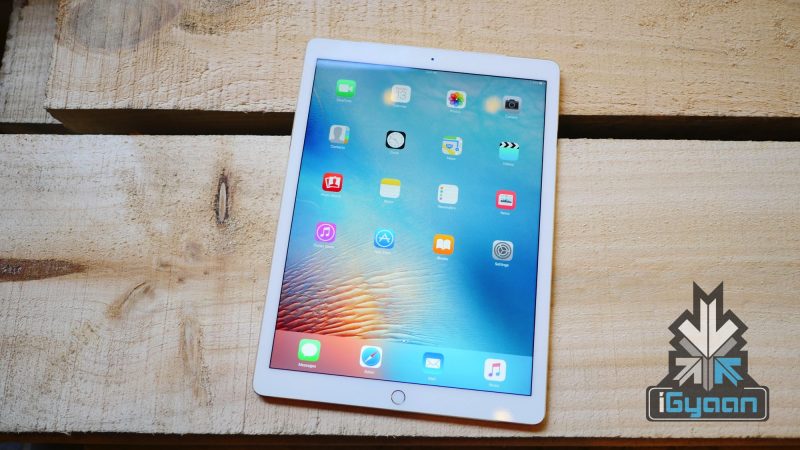
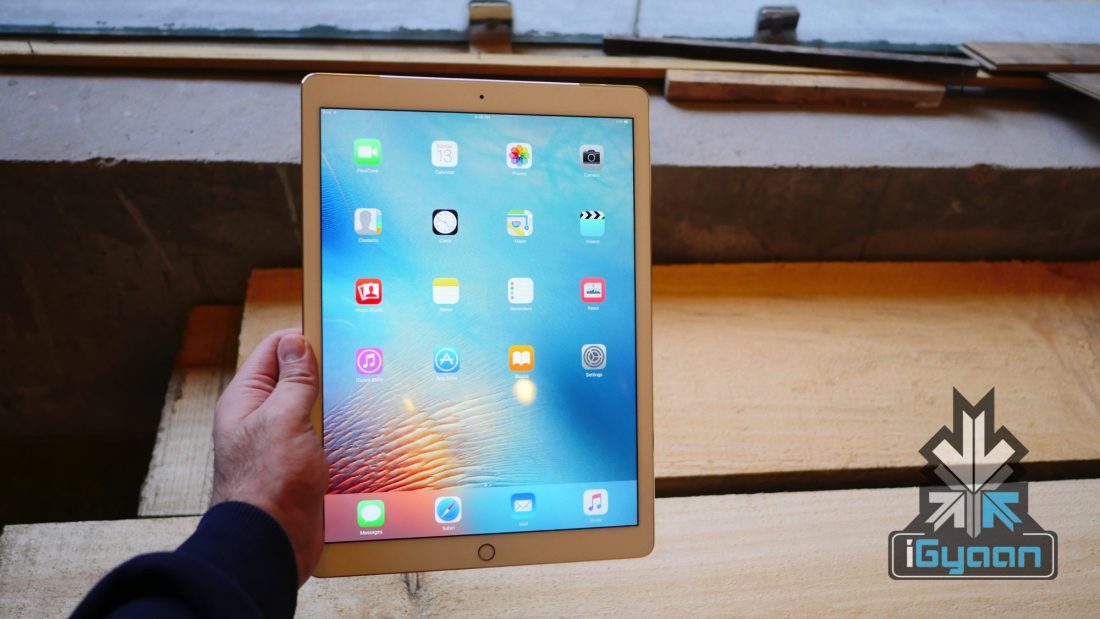
    The Apple iPad Pro

    If Apple manages to incorporate its own in-house OLED displays, its supply demands from other manufacturers would go down, giving the company an edge over its counterparts. Any progress on the display front would mean less dependency on companies like Samsung Electronics, Sharp Corp. and Japan Display.

    Meanwhile, there is immense secrecy around the lab with no external signs of Cupertino company anywhere close to it. Apple has declined to make any official comments about it.

    Source

  • Apple Rumour: iPhone 7 to Have OLED Display

    Apple Rumour: iPhone 7 to Have OLED Display

    iPhone 7 is still a year away, but that has not stopped the rumour mill working day and night to bring you every little piece of speculated news. Earlier, there were rumours that the upcoming flagship device from Apple will lose the home button. Now, we have fresh rumours regarding the screen of the iPhone 7.

    According to AppleInsider, the iPhone 7 will sport an OLED display thereby giving up on LCD display that it has relied on so far. Apple followers will know that the Apple watch is the only Apple device to sport an OLED display currently. In 2013, Tim Cook has expressed his distaste for the OLED displays calling them “awful” when it came to colour saturation.

    However, it looks like Tim Cook may have changed his opinion now. One reason behind this change could be that OLED displays have improved considerably since they were first introduced. OLED offers a deeper black and can do without a backlight, which means that devices can be slimmed down. It is clear that Apple will look to make it’s upcoming flagship sleeker, slimmer, and perhaps wider than its predecessors, and an OLED display will certainly help with that.

    iphone-7
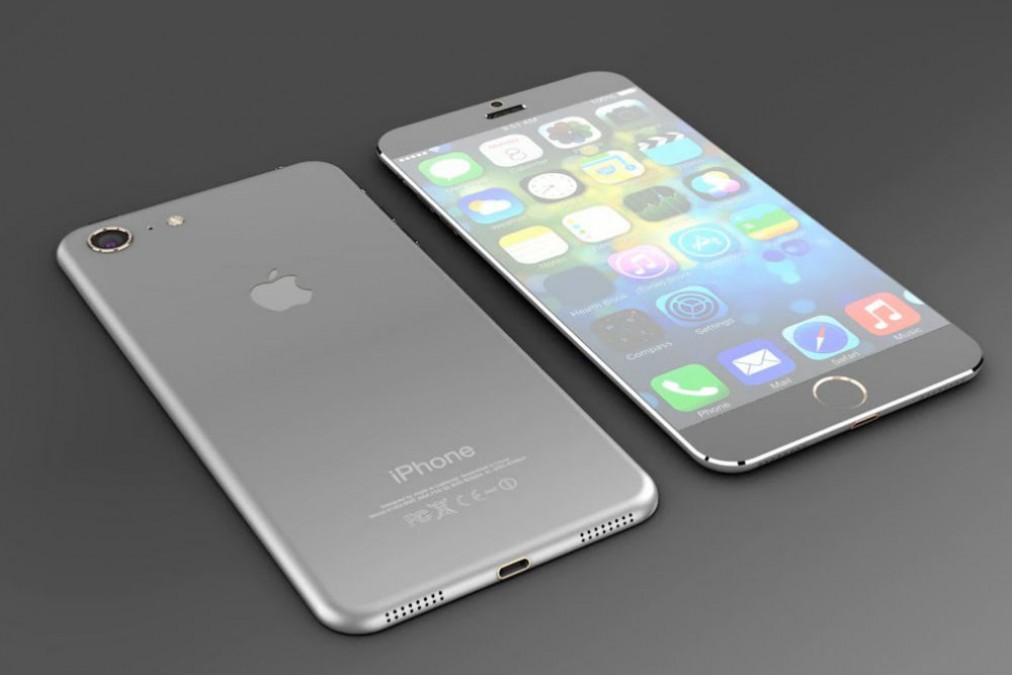
    Concept

    As of now, LG has been supplying Apple with OLED displays for the Apple Watch and will probably do so for the upcoming iPhone as well. Meanwhile, Samsung is also trying to become a supplier for Apple’s wearable device and reports suggest the Korean manufacturer also wants to supply displays for the iPhone 7 and has already shown some sample OLED display panels for Apple to consider.

    Samsung’s OLED displays have been praised over the past few year while Apple’s displays have been wanting. Switching from LCD to OLED will undoubtedly give users a better visual experience with the iPhone 7. Apple has yet to confirm the reports. A concept video of the iPhone 7 was posted by FreeMind. The actual device may be far from it, but the concept does look good. Follow this space for all the latest news on the iPhone 7.

  • LG Curved OLED TV 55EA9800 Unboxed!

    LG Curved OLED TV 55EA9800 Unboxed!

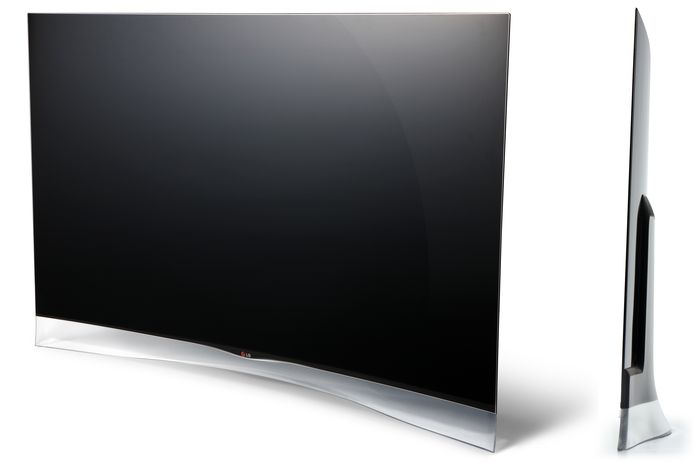
    LG’s new Curved OLED TV 55EA9800 is the world’s first curved TV, but it does not just stop there, it also is very flexible and durable. The design of the TV is out of the future, it is very slim, the profile is just exquisite and the curve may as well accentuate the actual viewing experience, but only if you sit dead centre.

    Check out the Video above and the detailed specifications below.

    LG 55EA9800 Specifications

    Display

    Screen Size(Inches) 55
    Type of Television OLED

    Picture Features

    Resolution(Pixels) 1920 x1080
    3D Support Yes
    2D-to-3D Converter Yes
    Picture Processor Triple XD Engine
    Number of Selectable Picture Modes 7 Modes (Vivid,Standard,Eco, Cinema,Game, isf Expert1,isf Expert2)

    Audio Features

    Selectable Sound Modes 6 Modes (Standard, Music, Cinema, Sport, Game, User setting)

    Smart TV Features

    Facebook Yes
    Twitter Yes
    Web Browser Yes

    Connectivity

    HDMI Input Yes
    USB Port Yes
    Composite Input Yes
    Component Input Yes
    Digital Audio Out (Optical/Coaxial) 1 (Optical)
    Wifi Yes
    DLNA Support Yes

    Dimensions

    Dimensions (W x D x H)(mm) 1227 x 192 x 798.5 mm
    Approximate Net Weight(Kgs) 17.2

    More Features

    Other Features Smart Energy Saving
    – Motion Eco Sensor
    – External Device App Download
    – Scheduled Recording
    – External HDD Recording Support
    – Network File Browser
    – Media Link
    – Voice Recognition
    – 3D Picture Mode
    – 3D Sound Zooming
    – Smart Sound Mode
    – DTS Decoder
    – Contrast Optimizer
    – Dynamic Color Enhancer

    After Sales Service

    Warranty Period 1 Year
  • OLED Patent Dispute Comes to an End as ‘Samsung and LG’ Choose to Focus on Cooperation

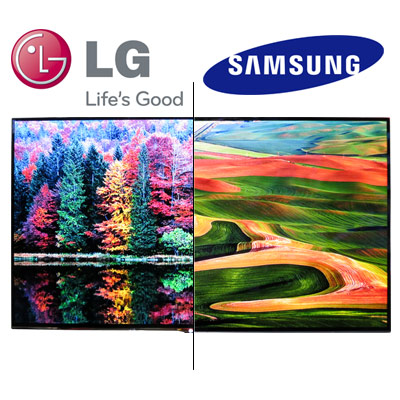
    Samsung Display and LG Display ended the year long dispute in a patent battle over LCD- and OLED-related technology.

    Samsung and LG the world’s top two display panel manufacturers filed lawsuit over a number of patents for next-generation display technologies for TVs and other devices. The two firms had accused each other of stealing liquid-crystal display (LCD) and organic light-emitting diode (OLED) technology and key engineers.

    Samsung and lg

    But now it seems both the companies wants to focus more on the market than on the lawsuits, individual statements from the company say:

    It was agreed that we two should focus more on cementing our leadership in the global market by cooperation, instead of engaging in all-consuming patent disputes,” Samsung Display said in a statement late Monday. 

    While the statement from LG said:

    What’s most important for both of us is upgrading our competitiveness globally,” LG said.


  • Samsung To Buy OLED Maker Novaled For $347 Million

    Samsung To Buy OLED Maker Novaled For $347 Million

    Samsung is spending a few hundred million on a new acquisition to help it meet the growing need for OLED displays.

    According to Cnet, Samsung Electronics and its affiliate Cheil Industries will together buy Novaled for $347 million. Chiel, which makes electronic materials for OLED screens, will purchase a 50 percent chunk of Novaled, while Samsung will acquire 40 percent. The remaining 10 percent is already owned by Samsung’s venture capital unit.

    Germany-based Novaled develops OLEDs (organic light-emitting diodes) that are used in the displays of smartphones and increasingly those of TV sets. OLED screens are thinner, lighter, and brighter than conventional LED screens, but are more difficult to manufacture.

    novaled-samsung

    Samsung has faced technical challenges trying to ramp up production of OLED display panels, especially ones large enough to handle large-screen TVs. Samsung’s success rate at producing a reliable 55-inch OLED screen has been only around 50 percent, according to analysts cited by The Wall Street Journal. That’s one reason why the cost of the the company’s new 55-inch OLED TV is still exorbitantly high, starting at $13,000.

    Through the acquisition of Novaled, Cheil Industries strengthens its leading position in the field of electronic materials, and we are able to achieve significant synergies in research and development of OLED material of the next generation,” Cheil Industries CEO Jong-Woo Park said in a statement.

    This step by Samsung can be of great help to them and possibly to the buyers as now the screens can be manufactured according to the demand and may be Samsung keeps a reasonable amount for its buyers.

    [via]

  • LG To Begin Mass Production Of Flexible Mobile Displays Later This Year

    LG To Begin Mass Production Of Flexible Mobile Displays Later This Year

    LG demoed their “unbreakable and flexible” 5-inch and 7-inch display last month at the SID Display conference in Vancouver. Reports indicated that the 5-inch display will have a “1.0mm bezel allowing production of borderless smartphones,” plus the 7-inch display would be for tablets and has a HD resolution “that exceeds 300 pixels per inch (PPI).”

    LG

    LG was rumoured to launch a smartphone with a flexible display sometime in Q4, but plans of this were reportedly halted due to a manufacturing issues. Recently, Dr. Sang-Deok Yeo, CTO and Executive Vice President of LG Display, said “with the resulting rapid need for new display advancements, LG Display, at the forefront of these trends, is well positioned to lead the market with its differentiated and cutting-edge technologies.”

    An overseas report today surprisingly reveals that LG is heading into production of its flexible displays. LG spokesperson Frank Lee, who was once leading the Canadian communications arm of LG, stated “We have completed the development of our first flexible displays. We will mass produce flexible displays from the fourth quarter of this year.” The flexible display that will be used in mobile devices will be OLED (organic light-emitting diode) supporting ultra-high definition (UHD).

    Unfortunately there’s no indication of specific details of the smartphone, only that it’ll be released “later this year” and that LG might be “selling the screens to other major mobile producers.”

    The new technology will break the conventional cycles in the industry, and LG confirmed it is also working on TVs with flexible UHD displays.

    [Via, Via]

  • LG working on Unbreakable and Plastic OLED display, will show at SID

    LG working on Unbreakable and Plastic OLED display, will show at SID

    LG is prototyping Plastic and Unbreakable OLED displays for mobile devices, and a particular 5 inch display has caught the media fancy. Society for Information Display (SID) will be the area for display of this panel. The company says that the OLED display is not only unbreakable but also very- very flexible. 

    Along with the OLED panel for mobile devices will be 5-inch and 7-inch HD LCD panels based on Oxide TFT. These will have a bezel of just 1mm allowing production of borderless smartphones that are lightweight and emit significantly less heat.

    The final products to be showcased include a 14-inch 2560×1440-pixel laptop panel on hand, along with LCDs designed for use in refrigerators and automotive dashboards in various sizes and shapes. We should have more details and images once the show floor is set.


    [toggle title=”Press Release”]LG Display Introduces Next Generation Display Technology at SID 2013

    Curved 55-inch OLED TV and 5-inch plastic OLED panels on exhibit

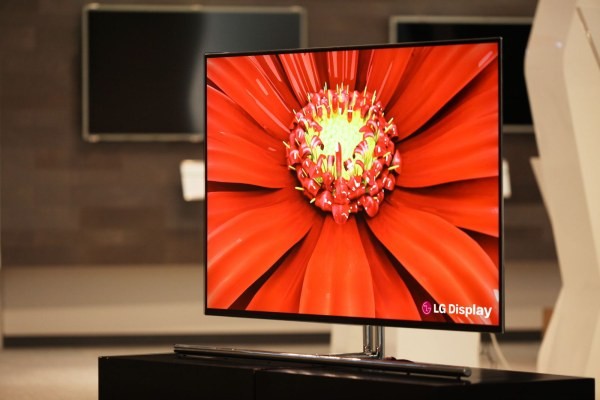
    Seoul, Korea (May 20, 2013) – LG Display [NYSE: LPL, KRX: 034220], a leading innovator of display technologies, will showcase the latest TV, mobile, and other products representing the future of display technology at the Society for Information Display’s (SID) Display Week 2013. Underscoring its leadership in OLED technology, the company will introduce both a curved 55-inch OLED TV and a 5-inch plastic OLED panel. Also exhibited will be mobile panels applied with Oxide Thin Film Transistor (TFT) which is viewed as the next generation TFT technology.

    “Recent trends indicate that the small- and medium-sized display market is moving towards high resolution and low power consumption, and the large panel market to OLED and Ultra HD,” said Dr. Sang-Deok Yeo, CTO and Executive Vice President of LG Display. “With the resulting rapid need for new display advancements, LG Display, at the forefront of these trends, is well positioned to lead the market with its differentiated and cutting-edge technologies.”

    Industry Leadership in OLED

    LG Display will demonstrate its industry leadership in OLED technology by showcasing a curved 55-inch OLED TV, as well as its award-winning standard 55-inch OLED TV at SID 2013. Based on the same WRGB OLED technology as the standard set, now widely adopted as the most effective OLED application for large-sized panels, the new curved 55-inch OLED TV offers a glimpse into the future of TV design.

    In addition, for the first time to the public, the company will unveil an unbreakable and flexible 5- inch plastic OLED panel for mobile devices. The development comes at a crucial time when smart devices are being used more than ever and at increased risk for damage from drops, hits, and other accidents.

    Next Generation TFT LCD Method

    LG Display will also introduce 5-inch and 7-inch HD LCD panels based on Oxide TFT, seen as the next generation TFT technology as it offers high investment efficiency in producing thin, high transparency, and low power consumption displays. LG Display, which utilized this technology in its large-sized OLED displays for the first time in the world, will expand its expertise to LCD panel development thereby leading the market.
    The 5-inch HD panel will feature 1.0mm bezel allowing production of borderless smartphones that are lightweight and emit significantly less heat. The 7-inch HD LCD panel is equipped with touch function-embedded technology enabling superior touch functionality in thin and lightweight mobile products.

    Superior High Resolution for Monitors and Tablets

    LG Display, which was first to introduce an 84-inch Ultra HD TV, now advances the high-definition trend further with the world’s first Ultra HD panel for 23.8-inch monitors. In addition, the company will showcase a 14-inch Quadruple HD (2,560X1,440) panel for laptops, and the world’s first 7-inch Full HD panel for tablets that exceeds 300 pixels per inch (PPI).

    Other Innovative Advancements on Exhibit

    LG Display will also present a new type of LCD which can depict the highest level of color reproduction ratio for implementation across various industries. Products, on exhibit, applying this technology include a transparent 47-inch LCD panel for refrigerators featuring a 15% increase in transparency while maintaining NTSC 72% or the same as generic HDTVs, a 12.3-inch Full HD LCD panel for automotive dashboards with 800nit high brightness and 85% color reproduction ratio, and a 24-inch Adobe RGB monitor panel for professionals with 100% color reproduction ratio.

    The company will also spotlight it’s commitment to heightened design standards based on borderless technology with a 5-inch HD LCD panel for smartphones with 1.0mm bezel, as well as products boasting the world’s most narrow bezels including a 13.3-inch Full HD LCD Neo Edge panel for laptops with 1.5mm bezel, a 23.8-inch Full HD LCD Neo Blade panel for monitors with 3.5mm bezel, and a 55-inch LCD panel for video walls with 5.3mm bezel.

    SID Display Week 2013

    SID Display Week 2013 will be held in Vancouver, Canada from May 19 to 24. LG Display’s products will be showcased at Booth #1012, and allow visitors to experience the latest offerings from the world’s leading display company.

    In addition to product exhibits, LG Display will also present its distinguished technology with 17 major dissertations on a variety of display topics. Also, Dr. In-Byung Kang, Senior Vice President and Lead Laboratory Chief of LG Display, will be recognized with a special achievement award for his work in FPR 3D and IPS LCD technology.[/toggle]
  • Sony HMZ-T2 head-mounted display priced and spec’d in japan (Video)

    Sony HMZ-T2 head-mounted display priced and spec’d in japan (Video)

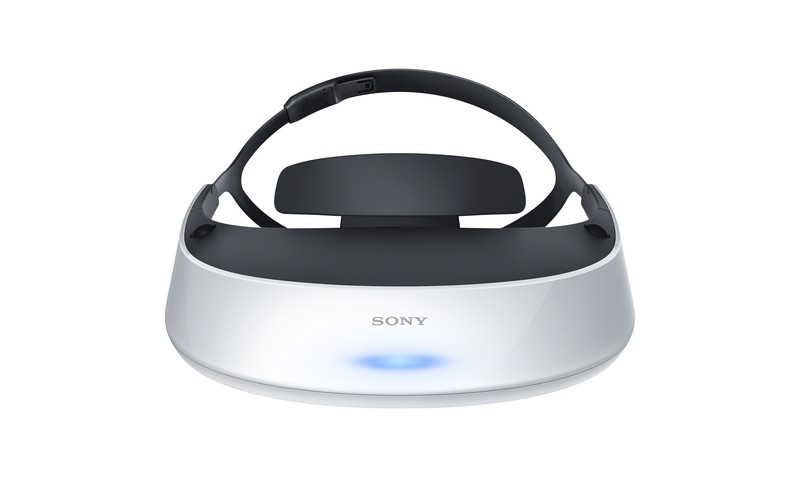
    We went hands on with the HMZ T2 at IFA 2012, but not a lot of details were known of what the specs or pricing of the particular unit will be. Sony has released pricing and release date for the Japanese version of the particular head mount,  70,000 yen ($894 or IN Rs. 50,000 approx) and the unit is scheduled to hit the Japanese shelves on October 14th. The Head mounted display now has included earphones vs the one we saw at IFA that needed headphones. The HMD promises 24p cinema quality experience right at the comfort of your home.

    [Sony Japan]

  • Edit: The Rise and Rise of the next Giant : Samsung

    Edit: The Rise and Rise of the next Giant : Samsung

    2011 was a year of Samsung, the company has taken the consumer electronics market by storm, grabbing attention one way or another. Samsung also led as India’s number one manufacturer for mobile phones in all categories. From basic feature phones to high end Smart phones, the company has managed to challenge all odds and gain the market respect.

    But all this does not come cheap, Samsung employs a huge amount of its annual earning into marketing. In 2011 alone Samsung is estimated to have spent over US $ 2 Billion in advertising their products. Out of which a major 40% is targeted towards mobile devices and 6-7 % towards new phones. Samsung also deploys twice that amount into market research and development, so that its teams know what the next big thing from the company is going to be.

     
    Galaxy S2

    In 2011 Samsung took a huge stab at Apple’s dominant spot as the world leader in smartphone sales. By quarter 3 2011 Samsung had replaced Apple as the world most selling smartphone manufacturer ( if you consider number of handsets and not just one model of handset). Samsung Galaxy S2 was the phone that changed everything for Samsung, the new innovations in the field of mobility that challenged design and construction, and innovative softwares threw huge limelight on Samsung’s potential in this market space. Android  loyalists were drawn by Samsung’s willingness to answer to their demands and stuffing their handsets with all features requested (and more) by the users.

    Who ever imagined a device like the Galaxy Note, a fully capacitive screen that had massive scribbling promise, a handwriting recognizing monster with the capabilities of real time editing and project handling. Live annotations and screen captures were there in previous Samsung handsets, but the precision with with the Note is able to do these tasks is excellent. People want change and innovation and that what Samsung has started to give to its users. 

    The South Korean company is earning high praise for the design of its new line of OLED television sets, its oversized Galaxy Note smartphone and its

    Galaxy Tab 750

    new line of laptops, dubbed Series 9. Samsung has held the title of the top TV maker for the past six years, and recently surpassed Apple Inc. to become the world’s top smartphone manufacturer. Samsung posted a US$4.5-billion profit in the most recent quarter, one of the best in the company’s history.

    The Company now has set its sights on the personal computer and tablet markets, hoping to replicate the success the company has had in its smartphone and television businesses. Targeting their efforts at Apple, Hewlett-Packard Co. and Dell Inc, companies which are current leaders in the domain. This won’t be easy for Samsung either especially because globally they don’t even fall in the top 5 PC manufacturers category.

    nx System Camera

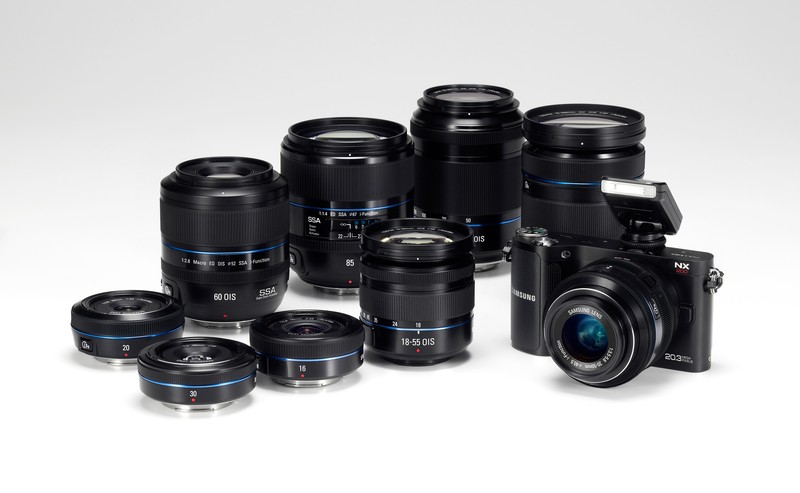
    One of Samsung’s biggest strengths is its component manufacturing facilities. Samsung itself manufactures 75% of the components used in its TVs, PCs and smartphones, enabling the company to innovate and test new products quickly. Samsung is also emerging big in a category seldom seen with asian companies, Cameras. With a exciting range of digital point and shoot cameras from the company, including innovative flip lcd type cameras. The company also has pioneered the professional SLR segment with their range of NX cameras, that are getting  appreciation from professional Photographers.


    The future of the brand also seems bright, as people have less and less faith in Apple’s ability to give what the users want. The next revision of the iPad and the iPhone 5 no longer seem as exciting as the Samsung Galaxy S3 or the Galaxy Tab 3 headed our way in 2012. 

    Its been a long time since our last edit, this one was long over due. The smartphone industry is ever changing, with constant evolutions in a battlefield of major companies and small startups. In a world where companies become large in a matter of months and fall even faster, we can only guess what the future holds in the massive divide. 

  • LG will introduce world’s largest OLED display at CES – 55 inches (PR)

    LG will introduce world’s largest OLED display at CES – 55 inches (PR)

    LG has confirmed that it will be releasing the OLED displays of the future at the CES 2012. The Worlds largest OLED display measuring 55 inches will also be unveiled at the event. The unveiling will happen on January 9th, LG claims their technology uses white OLEDs overlaid with colors for a lower error rate and clearer “ultra definition” screen.

    [toggle title_open=”Press Release” title_closed=”Press Release” hide=”yes” border=”yes” style=”default” excerpt_length=”0″ read_more_text=”Read More” read_less_text=”Read Less” include_excerpt_html=”no”]


    LG Display Announces World’s Largest OLED TV Panel
    55″ Panel to Advance Popularization of OLED TV Market

    Seoul, Korea (December 26, 2011) – LG Display [NYSE: LPL, KRX: 034220], a leading innovator of thin-film transistor liquid crystal display (TFT-LCD) technology, today announced that it has developed the world’s largest 55-inch OLED(Organic Light Emitting Diodes) TV panel. The 55-inch panel is a significant step forward in the popularization of OLED TVs and demonstrates the effective application of AM OLED technology to larger panel sizes at a more cost efficient level.

    “Our objective has always been to actively define and lead emerging display technology markets,” said Dr. Sang Beom Han, CEO and Executive Vice President of LG Display. “Although OLED technology is seen as the future of TV display, the technology has been limited to smaller display sizes and by high costs, until now. LG Display’s 55-inch OLED TV panel has overcome these barriers.”

    Superior Image Quality in an Ultra Thin Design
    LG Display’s 55″ OLED TV panel produces remarkable image quality with no after image due to its high reaction velocity, as well as high contrast ratio of over 100,000:1 and wider color gamut than that produced by LCD panels.

    OLED, a medium that controls pixels is a departure from LCD panels which utilize liquid crystals. The new technology allows light emitting diodes to self-generate light and features a reaction velocity to electric signals over 1000 times faster than liquid crystal.

    The environmentally conscious will also appreciate LG Display’s 55″ OLED TV panel. While light sources in backlight units, like LCD panels, must always be kept on, the OLED panel allows diodes to be turned on or off which enables lower power consumption than conventional LCD panels.

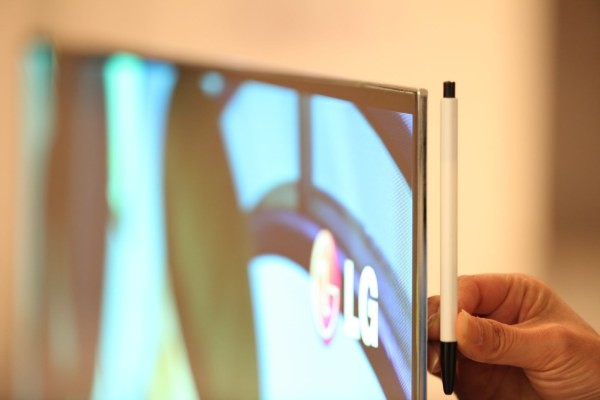
    With no need for a special light source, LG Display’s 55″ OLED TV panel is also able to utilize a simplified structure thinner than that of a pen (5mm), and lighter than LCD panels. The panel’s minimalist structure also allows for the realization of unique design elements.

    Advancing the Popularization of OLED TVs
    Although industry watchers anticipate OLED as the future of TV display, to date, the technology has faced challenges due to limitations on the sizes of displays it can be applied to and a high level of investment required. LG Display has successfully addressed these issues with its 55″ OLED TV panel.

    The panel adopts an Oxide TFT technology for backplane which is different from a Low Temperature Poly Silicon (LTPS) type generally used in existing small-sized OLED panels. The Oxide TFT type that LG Display utilizes is similar to the existing TFT process, with the simple difference lying in replacing Amorphous Silicon with Oxide. Moreover, the Oxide TFT type produces identical image quality to high performance of LTPS base panels at significantly reduced investment levels.

    Additionally, LG Display uses White OLED (WOLED). WOLED vertically accumulates red, green, and blue diodes. With white color light emitting from the diode, it displays screen information through color layers below the TFT base panel, which leads to a lower error rate, higher productivity, and a clearer Ultra Definition screen via the benefits of small pixels. Further, it is possible to realize identical colors in diverse angles via color information displayed through a thin layer. Lower electricity consumption in web browsing environments for smart TVs is another key strength of WOLED.

    Showing at CES 2012
    The world’s first 55″ OLED TV panel from LG Display will be made available for showing to select media and customers at a private booth starting on January 9 in Las Vegas through the end of CES 2012. For information regarding a product tour, please contact the individuals listed below.

    About LG Display
    LG Display Co., Ltd. [NYSE: LPL, KRX: 034220] is a leading manufacturer and supplier of thin-film transistor liquid crystal display (TFT-LCD) panels, OLEDs and flexible displays. The company provides TFT-LCD panels in a wide range of sizes and specifications for use in TVs, monitors, notebook PCs, mobile products and other various applications. LG Display currently operates eight fabrication facilities and five back-end assembly facilities in Korea, China and Poland. The company has a total of 55,000 employees operating worldwide. Please visit http://www.lgdisplay.com for more information.

    Forward-Looking Statement Disclaimer
    This press release contains forward-looking statements. Statements that are not historical facts, including statements about our beliefs and expectations, are forward-looking statements. These statements are based on current plans, estimates and projections, and therefore you should not place undue reliance on them. Forward-looking statements speak only as of the date they are made, and we undertake no obligation to update publicly any of them in light of new information or future events. Forward-looking statements involve inherent risks and uncertainties. We caution you that a number of important factors could cause actual results to differ materially from those contained in any forward-looking statement. Additional information as to factors that may cause actual results to differ materially from our forward-looking statements can be found in our filings with the United States Securities and Exchange Commission.

    [/toggle]
  • Tech 101: How OLED Displays Work

    Tech 101: How OLED Displays Work

    In our previous article, we explained How Modern LCDs Work. In this article, we’ll be exploring how the new generation of displays based on OLED technology work.


    What Exactly are OLEDs?

    There are a lot of products in the market today ranging from TV’s to Laptops and even Smart Phones that contain an OLED display. But what are these displays and how do they work? OLED stands for Organic Light Emitting Diode. This technology is named after the organic polymers that are used in its construction. For a long time, organic compounds have been assumed to be electrical insulators but new research and manufacturing techniques have allowed the industry to use these polymers for many applications on a vast scale.

    OLEDs are solid-state devices which are composed of thin films of organic molecules which emit light when a current is applied. OLEDs can provide brighter crisper displays that use less power than conventional Light Emitting Diode (LED) and Liquid Crystal Display (LCD) technologies. Another application for OLEDs is in the form of lights to be used in homes and offices. These lights have a long life and are very efficient.


    The Manufacturing Process

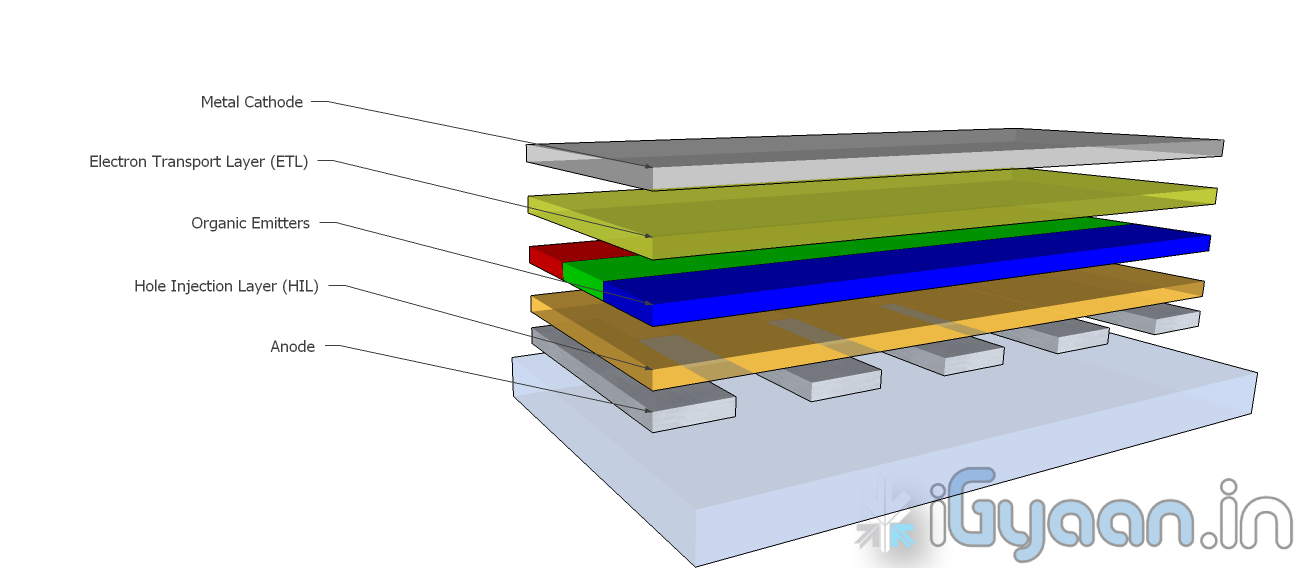
    OLEDs are basically layers of organic material sandwiched between an anode and a cathode and mounted on a substrate. This entire device is usually between 100 to 500 nanometers thick or is about 200 times thinner than a human hair.

    The substrate is usually a sheet of glass which is coated with a transparent conductive oxide which works as the anode. The next layer consists of hole injection material, the organic emitters and the electron transport layer which are together referred to as the organic stack. On top of the organic stack is the inorganic cathode. The device operates as follows:

    • Cathode – The cathode injects electrons into the system when a current flows through the device. It may or may not be transparent.
    • Organic Stack – This layer is made up of different organic polymers that are built up in layers. This is where light is made. The organic stack consists of the following layers:
      • Electron Transport Layer (ETL) – This layer consists of organic polymers or plastics that transport electrons from the cathode to the Organic Emitters.
      • Organic Emitters (OE) – This is a layer that is made up of organic polymers that may or may not be mixed with phosphorescent chemicals.  One polymer used in this layer is polyfluorene.When an electron finds a hole, it falls into the hole and gives up energy in the form of light.
      • Hole Injection Layer (HIL) – This layer is made up of polymers that transport electrons to the anode. This leaves ‘holes’ for electrons transported from the ETL to fill.
    • Anode – The anode removes electrons from the system when a current flows through the device. It is always transparent.

    This is the process by which a single OLED works. To turn them into colour displays, manufacturers place several layers of OEs on a display. There are various methods with which these individual pixels can be turned into a full colour display.


    Types of OLED Displays

    There are several types of OLED Display

    • Passive-matrix OLED
    • Active-matrix OLED
    • Transparent OLED
    • Top-emitting OLED
    • Foldable OLED
    • White OLED
    Passive Matrix OLEDs or PMOLEDs

    PMOLEDs are designed in a hash pattern. The anode and cathode are made in strips that are arranged perpendicular to each other. The points of intersection of the strips of anode and cathode make up the individual pixels where light is emitted. External circuitry is used to control which pixels are on and what colour they emit. The brightness of each pixel is dependent on the amount of current in the system.


    Active Matrix  OLEDs or AMOLEDs

    AMOLEDs have a full layer of anode and cathode materials but they borrow a technology from LCDs to produce a visible display. Sandwiched between the anode and the organic layer is a layer of thin film transistors or TFTs that makes the array. The TFT array is the circuitry that decides which pixel is on and what colour it displays. AMOLEDs are more efficient than PMOLEDs because the external circuitry used to run the PMOLEDs consumes more power. AMOLEDs also have a faster refresh rate which makes them more suitable to larger displays used in televisions and computer monitors.


    Transparent OLEDs or TOLEDs

    TOLEDs are constructed with only transparent  components, and are upto 85% as transparent as the substrate used when they are turned off. When it is turned on, the display still allows light to pass both ways and remains transparent. It can have either an active matrix or a passive matrix. This technology would be perfect for Heads Up Displays and Medical Equipment.


    Top Emitting OLEDs or TEOLEDs

    TEOLEDs are constructed with a substrate that is either opaque or reflective. They are perfectly suited for an active matrix design. They are used in smart-cards.


    Foldable OLEDs or FOLEDs

    FOLEDs are constructed with a highly flexible substrate which could either be a plastic or metallic foil. These types of OLEDs are very lightweight and durable. They are used in cell phones and can reduce breakage. They could also potentially be integrated into fabrics to create smart clothing.


    White OLEDs or WOLEDs

    WOLEDs  emit pure white light that is brighter and more uniform than the light which is emitted by fluorescent lights. . WOLEDs can be made in large sheets and can reduce energy costs massively if used to light homes and buildings due to their low power consumption.


    Advantages and Disadvantages of OLEDs

    OLEDs offer many advantages over the current favorite, LCDs and LEDs.

    • The organic construction of an OLED is much thinner than the many layers required for an LCD or LED display.
    • OLEDs can be built onto a thin plastic substrate which allows them to be flexible instead of the glass used in LCDs and LEDs.
    • Due to its design, an OLED display is much brighter than an LED display. This is because the conductive and emissive layers of an OLED can be stacked several times to produce more light than an LED while still remaining extremely thin.
    • Since OLEDs emit light themselves, they do not require a back-light. LCDs work by selectively  blocking areas of the back-light to produce individual pixels. OLEDs are also much more energy efficient than LCDs because they lack a back-light.
    • As OLEDs are made from plastics, they can be built into large thin sheets which makes them much easier to produce. It is much more difficult to create an LCD display of the same size.
    • OLEDs have a much viewing angle than LCDs because they do not block light in any fashion. Since they produce their own light, they can provide a field of view of upto 170o.

    For all their advantages over LCDs and LEDs, OLEDs have a few problems as well.

    • Red and green OLED films have a very long life of between 46,000 to 230,000 hours while blue OLED films currently have a much shorter lifespan of around 14,000 hours.
    • The manufacturing process for OLEDs is not cheap as of now.
    • OLEDs are not at all water resistant and can easily be damaged on contact with even a few drops of water.


    While LCD and LED technology remains in the mainstream, OLEDs are making headway into the television, computer and mobile segments. Manufacturers and engineers are realizing the potential benefits of using OLED technology for their devices. In the next few years we should see an increase in OLED sales as well as some novel applications of the technology.

    Stay tuned to the Tech 101 segment to learn more about what makes our everyday devices tick.

iGyaan Network
Privacy Overview

This website uses cookies so that we can provide you with the best user experience possible. Cookie information is stored in your browser and performs functions such as recognising you when you return to our website and helping our team to understand which sections of the website you find most interesting and useful.