Tag: Project Loon

  • Facebook Showcases Solar-Powered Drones Which Will Beam Internet Down To Earth

    Facebook Showcases Solar-Powered Drones Which Will Beam Internet Down To Earth

    At the two-day F8 Developer Conference at Fort Mason in San Francisco, Facebook shared with the world its plans for year 2015. Yesterday we surfaced the news of Facebook extending Messenger support to third-party apps allowing users to interact with businesses. Now, the social networking giant announced that it will be building drones to help accomplish its Internet.org project.

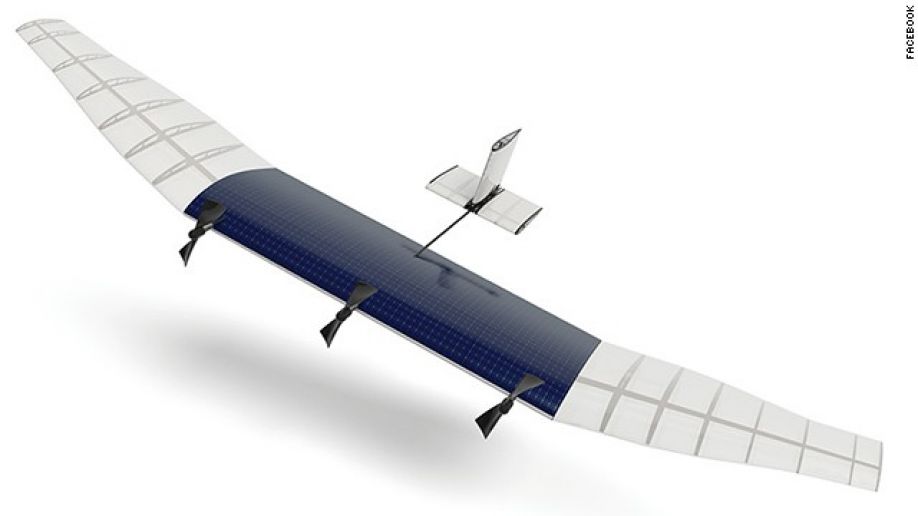
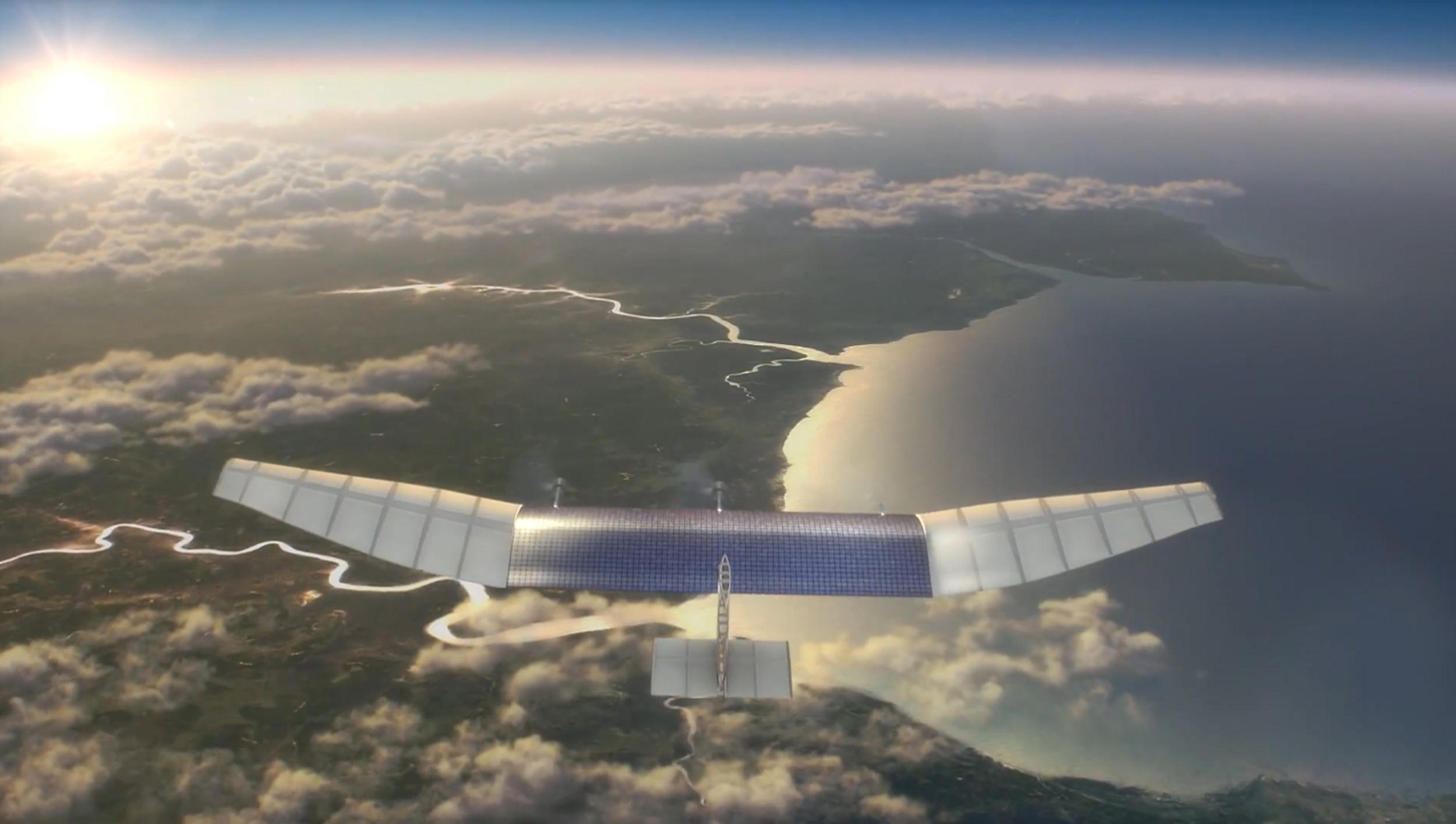
    According to The New York Times, the unmanned aerial vehicle will be V-shaped and are codenamed as Aquila. The drones have got their name from an eagle in Greek mythology. The wingspan of Aquila would be as wide as a Boeing 767 jet airliner, but will weigh as much as a compact car; thanks to the lightweight material to be used for its construction.
    drone

    The unmanned aerial vehicle will reportedly stay in the atmosphere for almost three months and will use solar power for its operations. Staying in the air, the drones will push internet access to 60,000 and 90,000 feet via lasers. During their suspension in the sky, the aerial vehicles will communicate with each other so that they cover the maximum area on the earth. According to the source, the first flights will begin in summer this year, however, the commercial deployment of these drones fleet may take time.

    Facebook’s drone initiatives are powered by its buyout of Ascenta, a drone maker in 2014. But it needs external support to build its fleet of drones. Facebook is seeking partners to fund its Aquila project to take off, and in turn the company will offer the data and technology to the supporters.

    Until now, Facebook was recognised as a social media entity, but looks like it wants to be the leading powers of the technology busines. Facebook inaugurated the limited free internet service across the world in August 2013 and today, it’s shaping itself to give maximum benefits to the people. It recently brought the internet.org initiative to India in a tie-up with Rcom. There are several initiative underway to offer low cost, high speed access to the entire population of the planet. Apart from Facebook’s drone initiative, Google is making headway in the arena with its Project Loon. SpaceX founder Elon Musk, in cooperation with Google also plans to cover the planet under a constellation of internet beaming satellites. The human population will soon become a connected civilization.


  • Facebook Plans to Expand Internet.Org to 100 Countries by Year End

    Facebook Plans to Expand Internet.Org to 100 Countries by Year End

    Facebook’s non-profit initiative to connect the world, Internet.org, is successfully running in six countries. The company’s CEO Mark Zuckerberg is quite happy with providing limited free internet to remote areas and is planning to expand the service to 100 more countries by the end of this year.

    Chris Daniels, VP of Internet.org at Facebook said in a statement –

    The ambitious goal this year is to roll it out to 100 [countries]. We don’t want to focus so much on the number, but we want this to spread to additional countries, operator groups and… see more people coming online, buying data and voice and SMS bundles. The number is indicative of our ambitious goal.

    Internet.org is a Facebook-led free internet program that works with data suppliers to provide free internet to people who can’t get online. It allows users to access basic sites like Wikipedia, job and health sites, and Facebook, of course. The service was launched back in 2013 and now it connects 7 million people of six nations across the globe – Zambia, Ghana, Kenya, Tanzania, Colombia and India.

    Zuckerberg thought ahead and his idea really worked. Countries provided with free internet have seen a sudden jump of 40% in the internet data demand. People are willing to get associated with the world around seeing the power of internet via little demo, that is Internet.org.

    Facebook’s step will draw more nations closer to each other and is a way to transform the developing nations into developed ones. Meanwhile, Facebook has teamed up with Google for Project Loon in establishing high-altitude balloons, a satellite-based network, to connect to connect people in rural and remote areas.

  • After Internet.org, Google Plans to Bring Project Loon to India for Affordable Internet

    After Internet.org, Google Plans to Bring Project Loon to India for Affordable Internet

    Facebook recently launched Internet.org initiative in India which offers affordable Internet connectivity and basic services on the Rcom network. It is one of the major initiatives to connect the folks who still don’t have access to the information superhighway. Google’s Project Loon is also one of the major connectivity initiatives, and the company is bringing it to India.

    Google has said that it is working with the Government of India to bring its balloon and kite powered internet initiative to India. The company plans to provide the entire planet with internet coverage by the year 2016. This is the brainchild of Google X, the companies secretive research wing.

    Project Loon balloons travel 20 kilometers above the surface of the planet and use wind to pilot themselves. From there they offer access to communications at 3G-like speeds. It will be beneficial to empower users in rural parts of the country. This network will also be a boon during emergency situations such as natural disasters.

    The communication age demands a population to be connected with the world, in order to grow. Currently, a massive population of 3 Billion people around the world are oblivious to the benefits (and the few misgivings) of the internet. Initiatives like Project Loon, Internet.Org and proposed satellite-based space internet will allow the entire humanity to interconnect.

  • Google Partners With Elon to Make Space-Based Internet a Reality

    Google Partners With Elon to Make Space-Based Internet a Reality

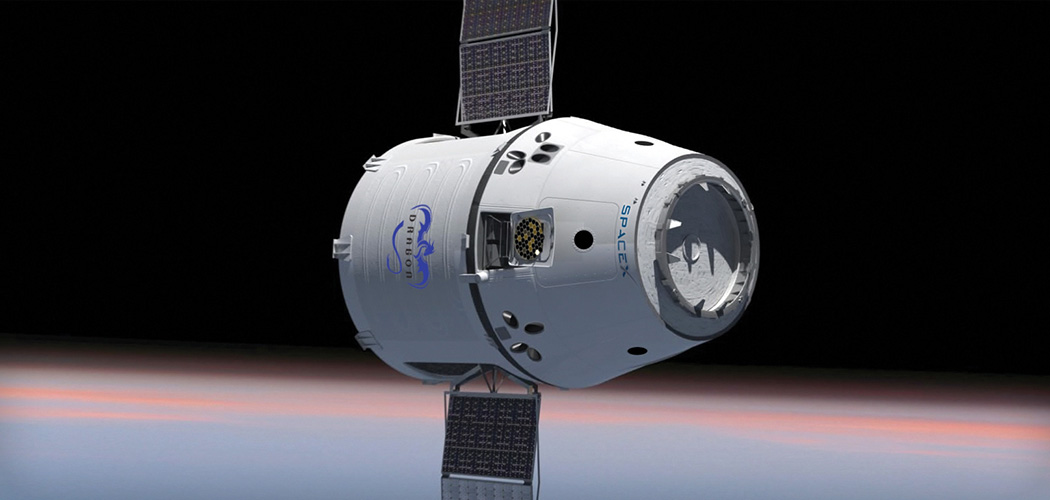
    Just a few days back, SpaceX chief, Elon Musk was in the news again when he talked about his audacious plan to connect the world through space-based internet. He said that this would not just benefit the internet users around the world; it will also help connect those last 3 Billion people who still don’t have access to the internet. The plan as anyone can expect would be expensive, but seems like Elon may now have a partner with one of the deepest pockets in the business; the search giant Google.

    Elon has stated that the cost of setting up the constellation of satellites would be above $10 Billion. He claims that this system of providing internet would be speedier and more convenient to spread around. The satellites are expected to be connected through a laser based system as Elon doesn’t have rights to use radio waves.

    Google will be investing $1Billion in Satellite Internet initiative of SpaceX
    Google will be investing $1Billion in Satellite Internet initiative of SpaceX

    According to the Wall Street Journal, Google is interested in investing $1 Billion into the project to kick off the initial stages of the development of the constellation. This deal would be beneficial for Google too as the internet behemoth would find a massive new user base. Google has been known for investmenting in multiple areas to spread the reach of the internet around the world. Previously the company has invested in Project Loon that is an initiative to provide internet through giant helium balloons circling the globe that are equipped to beam Wi-Fi signals down below. Along with that the company was also planning a massive investment in undersea cables to bring 60 Tbps Internet connectivity for Asia.

    The main competion to SpaceX initiative is Greg Wyler's OneWeb project .
    The main competition to the SpaceX initiative is Greg Wyler’s OneWeb project backed by Qualcomm and Virgin .

    Google was also working with Greg Wyler whose project is almost similar to SpaceX’s plan. Greg left Google last year to form his own satellite company called OneWeb. The company is now backed by Virgin founder Richard Branson and chip maker Qualcomm. Richard had earlier said that Elon doesn’t have the spectrum license, and there isn’t a space for a competing company, so SpaceX should join OneWeb’s initiative. But it seems now that with Google’s blessings on their side, SpaceX can make their plans, a reality. It will also be interesting to see how the company manages to provide the service without access to radio waves. Get ready for some big corporate fights on this issue.

    For Google, the initiative, to bring the internet through satellites, will also be cheaper than laying those expensive submarine cables. And the rest of humanity will benefit from the access to the internet. This sounds like a win-win for all. The icing on the cake is Elon’s hopes of setting up a human station on Mars from the revenue of the satellite based internet.

  • Qualcomm And Virgin Mobile Team Up to Lead the Internet Race

    Qualcomm And Virgin Mobile Team Up to Lead the Internet Race

    A sustainable, high-speed internet is the demand of the digital era. The world has entered into the 4G zone, but the need for speed never dies. There’s still a need for improved, high-speed global Internet access which can be offered to people at cheap rates. Qualcomm, a semiconductor manufacturer, has moved ahead in this direction and is venturing with British multinational brand Virgin Group to build a structure that would offer global internet access at express speed.

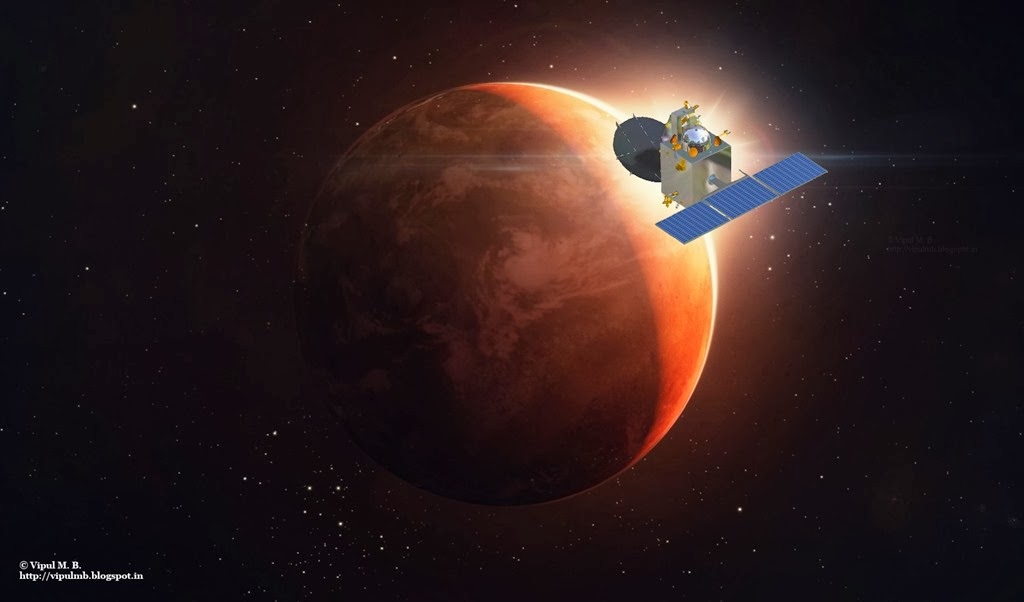
    The top giants are aiming to fly a constellation which will have a total of 648 satellites. Some of the satellites will be launched by the Virgin’s own spaceflight unit, Virgin Galactic. The company is presently developing a satellite delivery service called LauncherOne, along with some vehicles that will revolve in the sub-orbit of Earth. These vehicles have been named SpaceSpace Two.

    satellite

    The fleet of satellites will cost somewhat between $1.5 billion and $2 billion. The telecom brand is saying that these satellites will not only facilitate users with lightening speed Internet, but will also provide the world with an option of superior telephone services. Presently, the proposal is under review with OneWeb and the company will soon come up with its verdict. The OneWeb system will build a spacecraft that will be positioned in the orbit of Earth. Both companies, Virgin Mobiles and Qualcomm, plan to fund the project with an undisclosed amount.

    OneWeb said that the forthcoming project will extend the networks of mobile operators globally through which they can reach around 3 billion people in far-flung areas.

    Following year, Google started a research and development project called Project Loon, under which the internet search engine sent balloons 20 miles up in the air. Through these, users of the service could connect to the balloon network using a special Internet antenna attached. These signals travel from one balloon to another and then to the base stations and later circulate to the global Internet. Project Loon was well received, but at times, the balloons witnessed some crash incidents.

    If OneWeb accepts the investment proposals of the producers, Qualcomm and Virgin will be the front runners in the race of top Internet providers. With the satellite-based internet, accessing broadband will be fast and hassle-free.

  • Bill Gates : People Dying of Malaria Don’t Need Google Project Loon

    Bill Gates : People Dying of Malaria Don’t Need Google Project Loon

    Google recently unveiled Google Loon, which intends to use hot air balloons 49 feet wide stationed 12 miles above the planet, in order to provide high speed Internet services to regions without adequate broadband infrastructure. While most people around the world, whether they understood the concept or not, were impressed by the idea, Microsoft founder Bill Gates wasn’t. 

    The following is an excerpt from Gates’ interview published by Business Week

    One of Google’s convictions is that bringing Internet connectivity to less-developed countries can lead to all sorts of secondary benefits. It has a project to float broadband transmitters on balloons. Can bringing Internet access to parts of the world that don’t have it help solve problems?

    “When you’re dying of malaria, I suppose you’ll look up and see that balloon, and I’m not sure how it’ll help you. When a kid gets diarrhea, no, there’s no website that relieves that. Certainly I’m a huge believer in the digital revolution. And connecting up primary-health-care centers, connecting up schools, those are good things. But no, those are not, for the really low-income countries, unless you directly say we’re going to do something about malaria.

    Google started out saying they were going to do a broad set of things. They hired Larry Brilliant, and they got fantastic publicity. And then they shut it all down. Now they’re just doing their core thing. Fine. But the actors who just do their core thing are not going to uplift the poor.”

  • Google Announces ‘Project Loon’, Giant Balloons For Affordable Internet

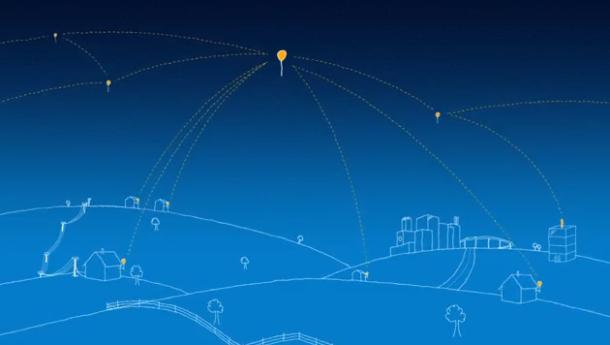
    Google has a truly sky-high idea for connecting billions of people to the internet – 19 kilometres in the air to be exact – through giant helium balloons circling the globe that are equipped to beam Wi-Fi signals down below.

    According to Google, two of every three individuals on Earth either do not have access to the Internet, or don’t have access to a connection that is both fast and within their financial means – in some areas, individuals are faced with prices equal to more than a month’s paycheck. This issue isn’t going to resolve itself without thinking outside of the box, according to the company, and that is where the balloons come in. It was the culmination of 18 months’ work on what Google calls Project Loon.

    Project Loon

    In addition to providing access to the two out of every three people on earth Google says don’t have access to affordable broadband, another goal of the Google[x] team behind Project Loon is to help with maintaining communications following natural disasters.

    The solar-powered, remote-controlled balloons would navigate stratospheric winds 20 kilometers above the surface of the earth, well above the altitude where most planes travel. Similar to the way satellite internet works, the balloons would communicate with special antennas and receiver stations on the ground.

    project loon

    The balloons also represent another of Google’s forays into the telecommunications business. The company has been setting up Google Fibre internet connections in Kansas City, Austin, Texas and elsewhere that offer speeds 100 times faster than what most consumers have today.

    [youtube id=”m96tYpEk1Ao” width=”100%” height=”300px”]

iGyaan Network
Privacy Overview

This website uses cookies so that we can provide you with the best user experience possible. Cookie information is stored in your browser and performs functions such as recognising you when you return to our website and helping our team to understand which sections of the website you find most interesting and useful.