Tag: qualcomm

  • Apple To Drop Qualcomm Components From Future iOS Devices

    Apple To Drop Qualcomm Components From Future iOS Devices

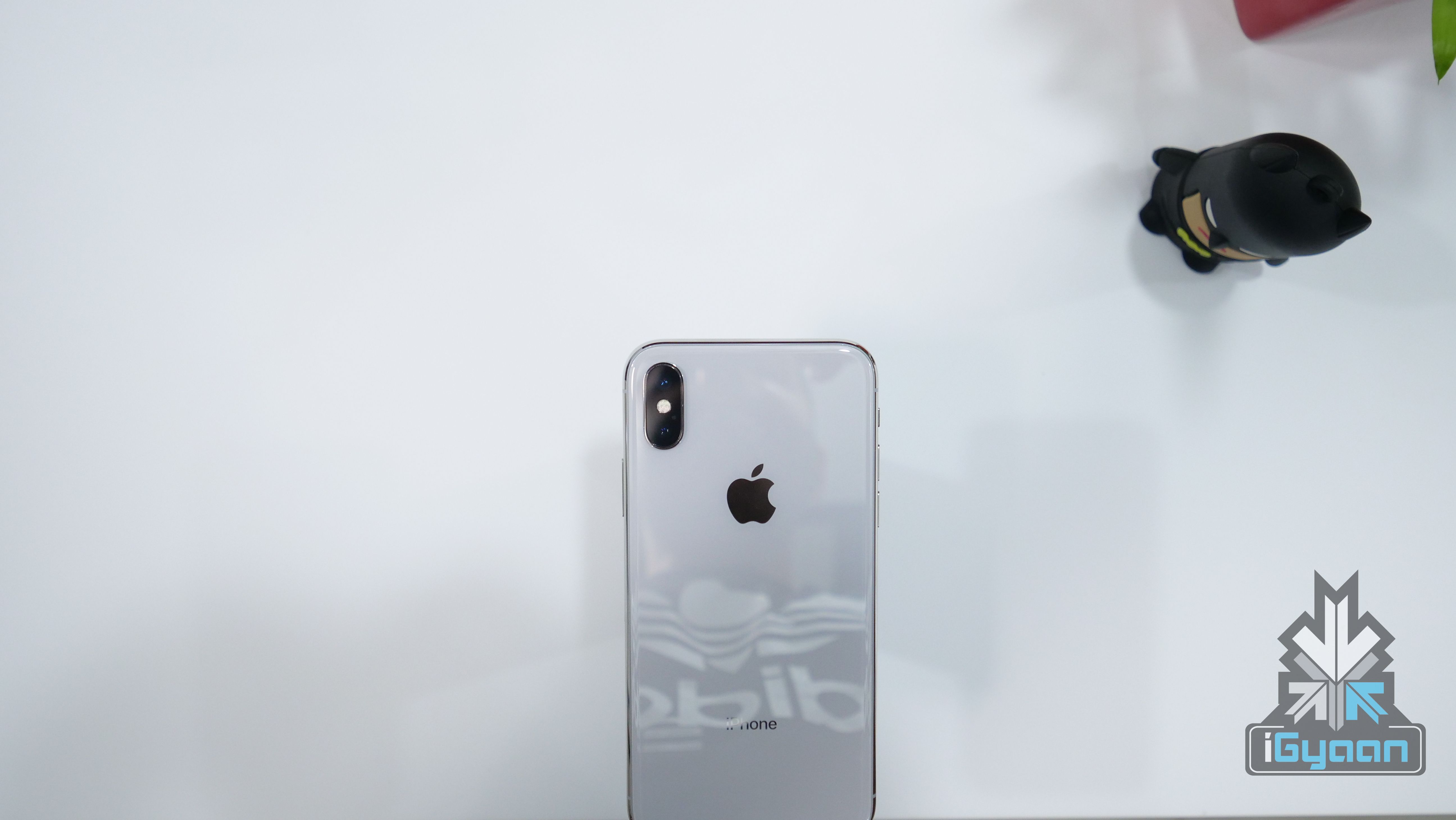
    Apple and Qualcomm’s legal battles appear to be trickling down to their business decisions. Reports suggest that Apple Inc has designed iPhones and iPads that would drop chips supplied by Qualcomm Inc. Two people familiar with the matter said that this decision will come ion effect for the 2018 iPhones and iPads.

    The dispute arises from a change in supply arrangements under which Qualcomm has stopped providing some software for Apple to test its chips in its iPhone designs. Though Qualcomm has supplied Apple’s modems for several years, which help Apple’s phones connect to wireless data networks – Intel Corp has provided more than half of Apple’s modem chips for iPhones in recent years. Intel also recently acquired a firm that would let it replace more of Qualcomm’s chips in iPhones.

    Reports like these are too early to definitively say that Apple and Qualcomm will part ways. The main reason if this happens, will remain a speculation as well. While the legal dispute can be attributed to pushing it further than it should have been, the in cooperation between the two companies is also a major factor that could lead to such a split between two tech giants.
  • New Snapdragon 636 Chipset Unveiled By Qualcomm

    New Snapdragon 636 Chipset Unveiled By Qualcomm

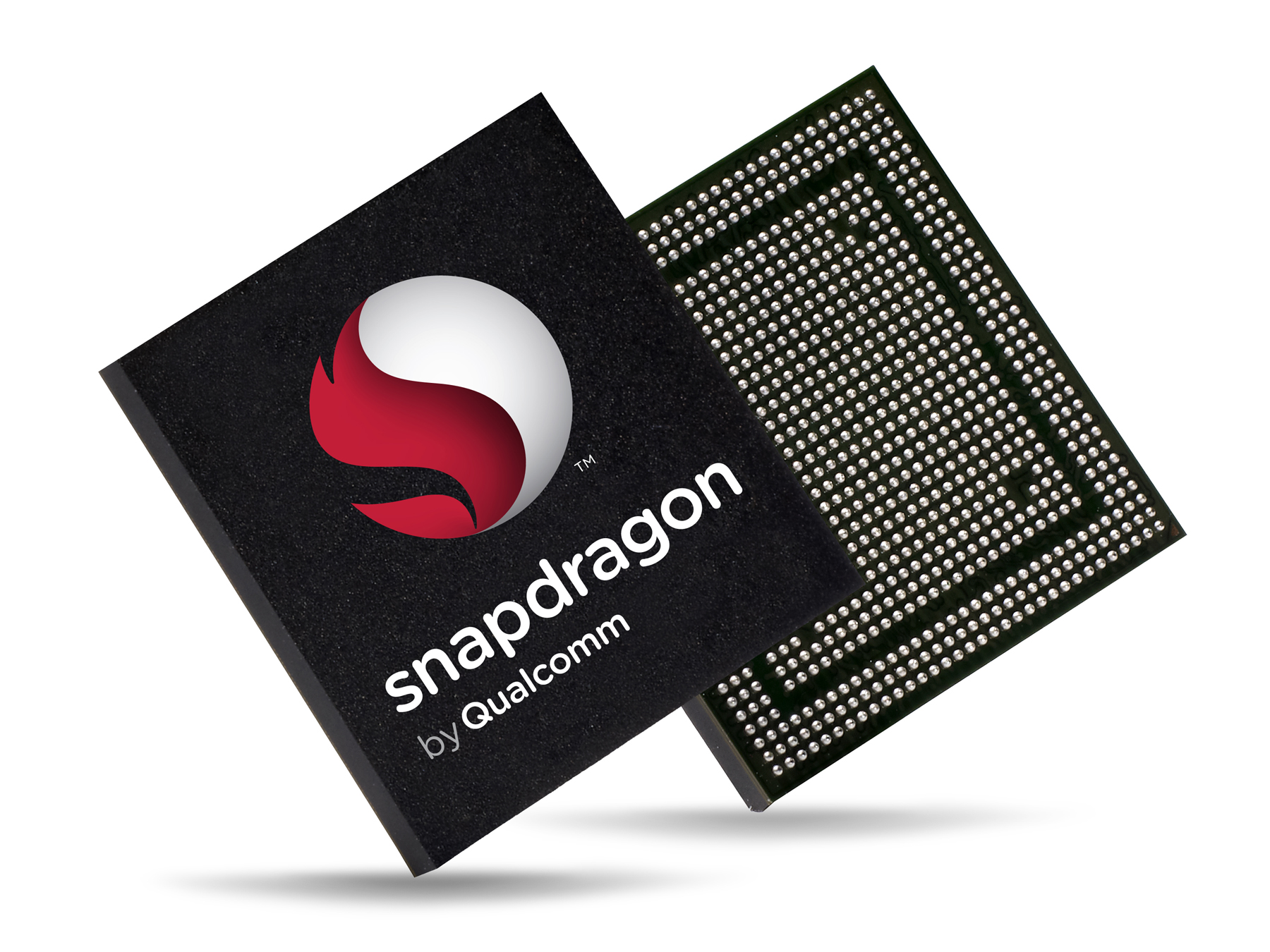
    Qualcomm has unveiled a new mid-range chipset, the Qualcomm Snapdragon 636. The standout point with this chipset is the introduction of Qualcomm’s Kirin 260 CPU cores into the Snapdragon 63X range, bringing additional CPU power to a lower cost chipset.

    Qualcomm says that the Kyro 260 arrangement in the Snapdragon 636 chipset will deliver a 40 percent performance improvement over the Snapdragon 630’s 2.2 GHz octa-core Cortex-A53 CPU arrangement. This change means that the 636 will also give users a little more CPU push than the 653 too, all at a lower price. In addition to the CPU changes, Qualcomm has also bumped up the GPU performance a tad with the introduction of an Adreno 509, up from the 508. This GPU provides about a 10 percent performance boost, however the Snapdragon 660 retains a performance advantage that gamers may be after.

    There’s a 14-bit Spectra 160 ISP with support for up to 24MP cameras, smooth zoom, and fast auto-focusing. The platform also comes with Qualcomm’s Aqustic audio codec, which supports 24-bit, 192 kHz audio playback.

    The chipset will be available in November of 2017.

    Specs Snapdragon 636
    CPU 4x Kryo 260 @ 2.2 GHz
    4x Kryo 260 @ 1.8 GHz
    GPU Adreno 509
    Co-Processors Hexagon, All-Ways Aware, Spectra 160
    LTE X12 LTE
    600 Mbps down,
    150 Mbps up,
    3x20MHz CA, up to 256-QAM
    Process  14 nm
  • Qualcomm Confirms Lawsuit Against Apple In China

    Qualcomm Confirms Lawsuit Against Apple In China

    Qualcomm Inc, the San Diego based chipset maker has filed a lawsuit against Apple Inc in China. Qualcomm seeks to ban the sale and manufacture of iPhones in the country, the company’s biggest shot at Apple in a bitter and prolonged legal fight. Qualcomm filed the suits in a Beijing intellectual property court claiming patent infringement and seeking injunctive relief, according to Christine Trimble, a company spokeswoman.

    Qualcomm made the filings at the Beijing court on Sept. 29. The court has not yet made them public. Qualcomm wants to halt the manufacturing and sale of iPhones in world’s largest smartphone market. Apple’s iPhone business contributes to two-thirds of Apple’s revenue. In its statement, Qualcomm said:

    Apple employs technologies invented by Qualcomm without paying for them.

    Qualcomm’s suits are based on three non-standard essential patents. They include power management and a touch-screen technology called Force Touch that Apple uses in current iPhones.

    In its response to the lawsuit, Apple said:

    In our many years of ongoing negotiations with Qualcomm, these patents have never been discussed. Like their other courtroom manoeuvres, we believe this latest legal effort will fail.

    The two companies are months into a legal dispute that revolves around Qualcomm’s technology licensing business. While Qualcomm makes the majority of its money from making phone chipsets, it rakes in most of its profit from charging fees for patents. The legal battle started in early-2017 when Apple filed an antitrust suit against Qualcomm arguing that the company’s licensing practices are unfair and that it abuses its position as the biggest supplier of chipsets in the market. Qualcomm has countered with a patent suit and argued that Apple encouraged regulators from South Korea to the U.S. to take action against it based on false testimony.

    This isn’t an ideal time for Qualcomm either, just last week it was fined a record US$773 million by the Fair Trade Commission of Taiwan

  • Qualcomm Hit With a US$773 Million Fine In Taiwan

    Qualcomm Hit With a US$773 Million Fine In Taiwan

    Qualcomm, theSan Diego-based chipset maker was fined for US$773 million by Taiwan’s Fair Trade Commission. The Commission said that Qualcomm misused the monopoly in the smartphone business to squeeze higher licensing fees and better terms out of its customers.

    The commission said that Qualcomm’s dominance in CDMA and LTE chips, as well as its major patent holdings for both technologies, let the company abuse its position and refuse to license necessary patents. It’ll now be required to end those practices and parts of unfavourable deals it forged with other companies. This is not the first time that Qualcomm has been fined, South Korea and China have also fined Qualcomm in the last 2 years and Apple is involved in a series of lawsuits globally against Qualcomm over similar practices.

    On its website, FTC says:

    Qualcomm holds big number of standard essential patents in CDMA, WCDMA and LTE segments and is the dominant provider of CDMA, WCDMA and LTE baseband chips. It abused its advantage in mobile communication standards, refused to license necessary patents.

    By not providing products to its clients who don’t agree to its terms, Qualcomm is abusing the monopoly it has in the business, therefore violating the local anti trust laws. According to FTC, local companies purchased around US$30 billion worth of Qualcomm’s chips, which is way more than the fine it was dealt with.

    In response to the fine, Qualcomm has said:

    The fine bears no rational relationship to the amount of Qualcomm’s revenues or activities in Taiwan, and Qualcomm will appeal the amount of the fine and the method used to calculate it.

    Even though Qualcomm’s Snapdragon processors power most of the Android devices in the market with the only real resistance coming rom MediaTek, Qualcomm’s main money minting business is that of licensing patents. That business however, is under attack right now around the world. Countries and companies have finally decided to take action against the alleged unfair practices of Qualcomm.

  • Qualcomm Announces “Snapdragon Wear 2100” for Smart Wearables

    Qualcomm Announces “Snapdragon Wear 2100” for Smart Wearables

    Today we saw Qualcomm not just take the lid off it’s upcoming SoCs for mobile phones, but also along with it the company, take the opportunity to unveil its new range of processors for wearables. Qualcomm has aptly named it Snapdragon Wear 2100.

    This is rather exciting news for smartwatch makers, and users alike. In the past manufacturers except Apple, and Samsung have had to use low end SoCs meant for mobiles in their wearables which led to improper management of energy, and wastage of scarce battery power.

    Snapdragon Processor

    Qualcomm sensing the need of the market has come out with a fix by introducing the Snapdragon Wear 2100 that is designed with wearables in mind.

    The company claims that this dedicated solution will be 30% smaller in physical size than the S400, enabling more compact designs and thinner wearables. It will at the same time be 25% more power efficient than the S400 used in the Moto 360 2nd Gen.

    The Snapdragon Wear 2100 SoC is a quad-core system with Cortex A7 running at up to 800MHz or 1.2GHz  paired with an Adreno 304 GPU and 400MHz LPDDR3.

    Qualcomm with the Wear 2100 will also be able to offer an integrated X5 modem for basic cellular connectivity. Two versions of the chip will be provided (Bluetooth/Wi-Fi only), the other – connected, with full 2G/3G/LTE cellular connectivity. The chip also supports NFC and GPS, and comes with Quick Charge 2.0 capabilities.

    And just in case more proof was needed about how important this launch is -we have LG’s Wearables branch Vice President David Yoon’s word who indicated that the Korean giant is already working on smartwatches which will be powered by the Snapdragon Wear 2100, and will be launched later this year.

  • Snapdragon Announces Mid/low Range SoCs

    Snapdragon Announces Mid/low Range SoCs

    Qualcomm has today announced its much awaited mid and low range chipsets for 2016. The Snapdragon 625, 425 and 435 which are slated to come with marked improvements over their predecessors will be more powerful and energy efficient than SoCs from previous years.

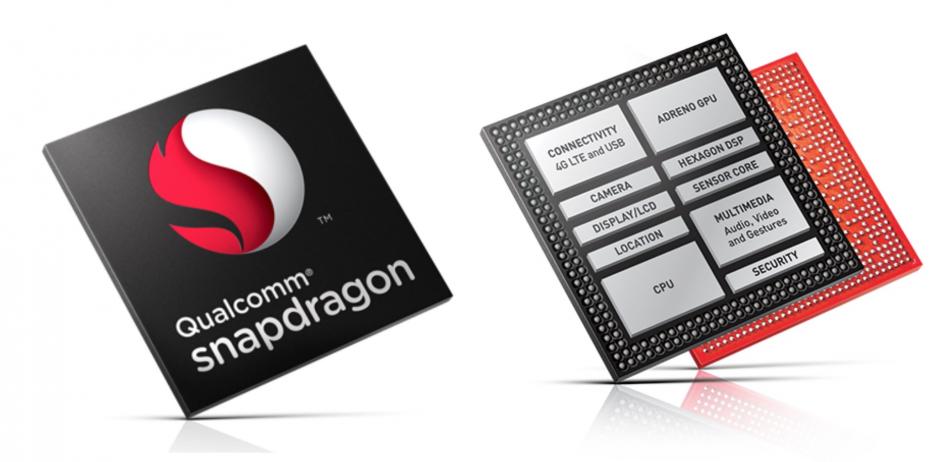
    These new SoCs which are expected to power handsets around the globe in the coming year support LTE , 802.11ac Wi-Fi with MU-MIMO, dual camera ISPs and the Qualcomm Hexagon DSP for more efficient audio and sensor performance and monitoring. They also support all of Android 6.0 Marshmallow‘s sensor requirements and Quick-Charge technology.

    qualcomm-snapdragon

    The Snapdragon 625 in particular is an interesting proposition as it is the first chipset from the 600 series to be built using the 14nm process.This chipset comes with eight Cortex-A53 cores to be clocked at over 2Gh. It also comes equipped with an Adreno 506 GPU to take care of graphics intensive tasks.

    Qualcomm has also claimed this chipset while being high on performance will still be 35% better than last year’s 617 when it comes to energy efficiency.

  • Samsung to Manufacture Qualcomm’s Snapdragon 820 Chipset

    Samsung to Manufacture Qualcomm’s Snapdragon 820 Chipset

    Qualcomm has struck a deal with Samsung which will see the latter manufacturing the former’s newest Snapdragon 820 chipsets. In a news that is surely going to make the tech world take notice, Qualcomm’s deal could see the two companies handle the chip manufacturing for a majority of flagship devices for the first half of 2016.

    We’ve been hearing a lot of rumors and speculations regarding Samsung’s upcoming Galaxy S7 flagship devices. The general word going around is that at least one variant will be featuring the Snapdragon 820 chip while the others will sport Samsung’s Exynos chipset.

    Samsung today announced that it has begin mass production of chips using 2nd generation of its 14-nanometer LPP (Low-Power Plus) process – a technology that will power both Samsung’s Exynos 8 octa processor and Qualcomm’s Snapdragon processor.

    Galaxy S7 rENDER 02

    Here’s why the Qualcomm-Samsung deal is likely to be a win-win for both companies. Using Samsung’s 14nm process will not only help produce cheaper chipsets that consume less power, but will also help Qualcomm emerge once again as a leader in performance processors, especially after the pubic’s anger over the Snapdragon 810’s heating issues and power consumption. Since the new SD820 is supported by 14nm chips (down from 20nm for the S810), it’s only fitting for Qualcomm to seek Samsung’s technology.

    Secondly, the move will benefit Samsung as well because the 820 offers better performance than the Exynos. “I do believe Samsung must use the 820 to be more competitive with Apple. 820 hits performance per watt levels Exynos just can’t hit,” said Patrick Moorhead, president and principal analyst at Moor Insights & Strategy.

    Snapdragon 820

    Together, Samsung and Qualcomm are likely to produce the bulk of processors for major flagship devices this year. Samsung has claimed that the new 14nm  LPP process delivers up to 15 percent higher speed and 15 percent less power consumption over the previous 14nm LPE (Low-Power Early) process.

    This news, however, still doesn’t confirm whether Samsung will use the Snapdragon chip for its own S7 flagship devices, and the Korean giant has yet comment on the same. Looks like the two companies are ready to renew their friendship, and we’ll just have to wait and see how the Qualcomm’s new chip in the hands of Samsung will turn out.

  • CES 2016: Lenovo Smartphone the First to Implement Google’s Project Tango

    CES 2016: Lenovo Smartphone the First to Implement Google’s Project Tango

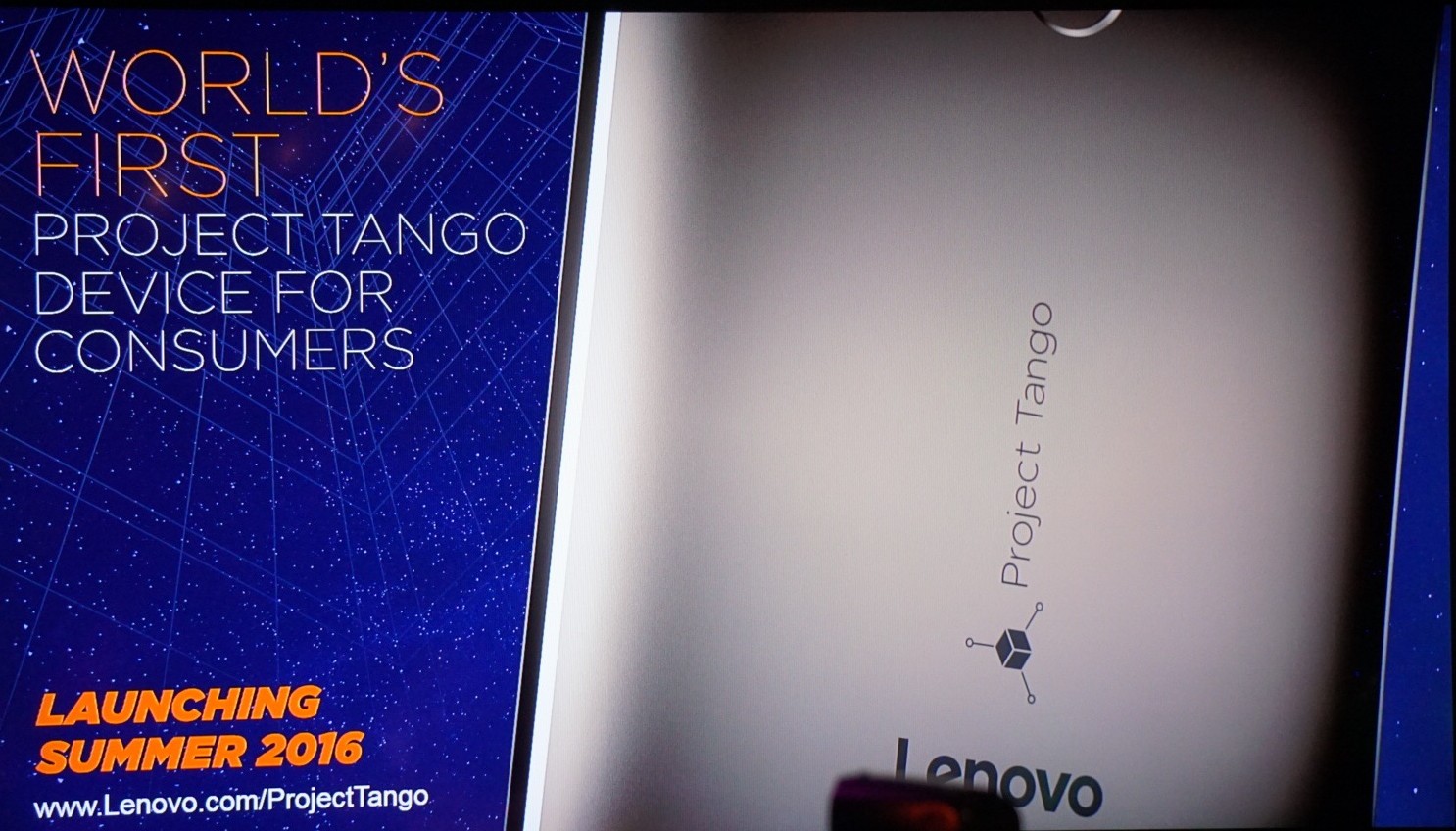
    Third day of the Consumer Electronic Show 2016 has seen Google and Lenovo announce plans of a partnership to build, and sell the first smartphone that can make use of the former’s take on 3-D Augmented Reality technology. Google likes to call this tech fondly as ‘Project Tango.’

    Project-Tango-1

    This tech will help support smart devices figure out space and motion just like humans do, allowing the devices to understand their surroundings in a 3-D view, and track their path as they move through them. Using ‘Project Tango’, a device can map the dimensions of the room, essentially projecting it on the screen in a 3-D form.

    Project Tango Development Kits were earlier launched to help developers create apps to better use this technology. Future uses of Tango could be apps that use 3-D augmented reality technology to help you decide how a piece of furniture will look in your room. Several interactive games could also be made using ‘Project Tango’. Possibilities, in all honesty, are endless.

    Lenovo tango

    The Lenovo smartphone that will be the first to do the ‘Tango’ with Google’s latest tech, is going to be priced at $500(approx Rs 35,000), and will be out sometime during the “Summer of 2016″. Not much has been disclosed in terms of specs, but the phone will be powered by a Qualcomm processor, sport three cameras (RGB, Fisheye, and Depth) for it’s 3-D mapping needs, and could have a display as big as 6-6.5 inches.

    Vice President of Lenovo, Jeff Meridith stressed at the event that this will not be a niche product, but a device for the masses He stressed,”  We locked arms with Google to bring out a consumer device based on Tango. The goal here was to create a mainstream device. We don’t want this to be a niche technology. Lenovo is extremely proud of where we are at this stage of the effort.”

  • Huawei’s New Nexus Smartphone with Snapdragon 820 Could Launch in 2016

    Huawei’s New Nexus Smartphone with Snapdragon 820 Could Launch in 2016

    We all know that the new Snapdragon 820 chipset is the new big, bad chipset that will make its way into a number of flagship devices in 2016. The new and more powerful chipset has already been confirmed for upcoming devices like the Mi 5 and some Galaxy S7 variants. Now, news around the tech block is that the next Huawei-made Nexus device will feature the next-gen Qualcomm chipset.

    Huawei Nexus 6P
    Huawei Nexus 6P

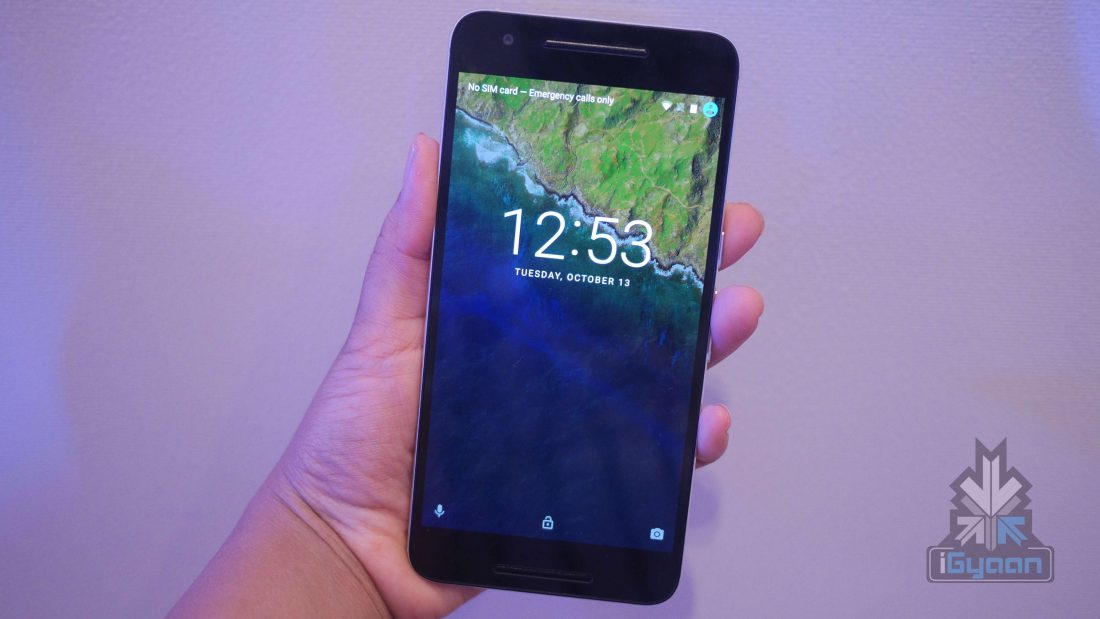
    As you may know, this year’s Nexus 6P is the first to be manufactured by Huawei, and the device, which has been well received by many, featured a Snapdragon 810 chipset. Apart from the fact that the next flagship Nexus device should sport a Snapdragon 820 chipset, nothing much is known at the moment. It is also likely that the next device will  be metal-made (like the Nexus 6P).

    We’ll know more about devices that will sport the new chipset early next year.


  • Qualcomm’s Snapdragon 830 To Arrive With 8GB RAM

    Qualcomm’s Snapdragon 830 To Arrive With 8GB RAM

    The Snapdragon 820 is still on its way, and the rumour mills have already begun churning out information about its successor – the Snapdragon 830. According to them, it will arrive with 8GB of RAM space; which could possible bridge the gap between a PC and a smartphone. The other piece of information is that, the Snapdragon 830 will incorporate a 10nm production process for the chip

    Qualcomm Snapdragon 820

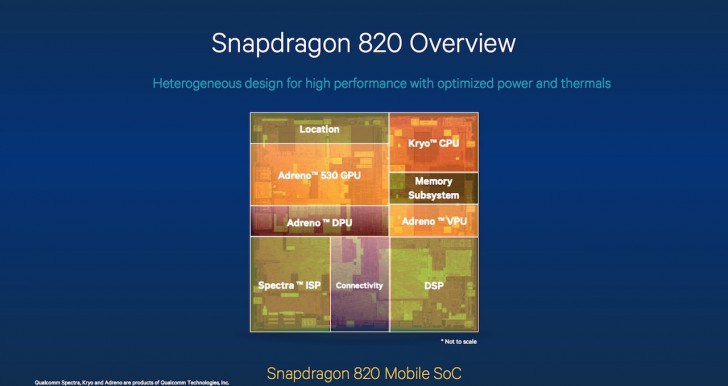
    Until then, what we need to know about the upcoming Snapdragon 820 is that it comes with a mobile data bandwidth of up to, wait-for-it, 600Mbps downstream and 150Mbps up over LTE-Advanced (X12 LTE). It will use four custom 64-bit Kryo cores instead of the usual Cortex and will arrive integrated with the Adreno 530 GPU and the Hexagon 680 DSP. The GPU is said to support an HDMI 2.0 and up to 4K at 60fps output.

  • Snapdragon 820 Single-Core Benchmark Score May Mean Good Times for Xiaomi Mi5

    Snapdragon 820 Single-Core Benchmark Score May Mean Good Times for Xiaomi Mi5

    We all know by now that the Snapdragon 820 processor is the next big thing by Qualcomm, and it will be seen in many of the major flagship devices set to come out next year. We also know that Xiaomi’s Mi5 will be among the first devices to sport the newest chipset.

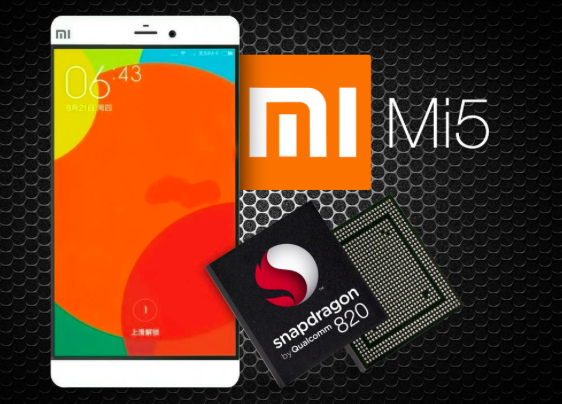
    Earlier, single-core score of the Snapdragon 820 was placed at 2162, which was quite underwhelming give that the latest A9 chipset from Apple has a score close to 2500. However, a new score of 2300 points was revealed by a popular leakster. Though it is still not on par with Apple, it is still a better score and keeps hopes alive for better performing devices next year. In fact, the new score was achieved with the upcoming Mi5.

    Mi5 Snapdragon

    It seems that 2016 will see a face-off between Snapdragon 820 and Exynos 8890. Earlier today, we mentioned that the Exynos 8890 had a record score on AnTuTu with the Samsung Galaxy S7. January will see the first set of phones to arrive with the new processors including the Mi5 and (perhaps) Galaxy S7.

  • Here’s Why the Upcoming LG Nexus 5X Comes with Snapdragon 808

    Here’s Why the Upcoming LG Nexus 5X Comes with Snapdragon 808

    You may be aware that the Qualcomm Snapdragon 808 and Snapdragon 810 processors were announced last year. Since then the processors have been slowly making its way into smartphones, with LG G4 being the first smartphone to use the Snapdragon 808. The recent China-only Xiaomi Mi 4c also sports the 808 as its SoC and the upcoming Nexus 5X will feature the same.

    But what exactly does the Snapdragon 808 deliver? We’ve decided to provide a deeper understanding into the specs of the processor to show just what it is capable of delivering.

    Right off the bat, the Snapdragon 808 features a high performing CPU that clocks in around 2000 MHz, with 6 cores that result in faster mutli-tasking. The processor is also able to reduce energy consumption as it couples slower, low power processor cores with faster, high-power processor cores. The big or faster cores are used for computation-intensive tasks such as gaming.

    The GPU is a significant upgrade from the previous 801 processor. While the 801 had an Adreno 330 GPU, the 808 features an Adreno 418 GPU, which delivers better graphics by creating larger blocks of data. Some of the devices that feature the Snapdragon 808 are LG G4, LG Nexus 5X, Xiaomi Mi Edge, and Xiaomi Mi 4c to name a few. Here’s a spec table that will tell you all you need to know about the Snapdragon 808 processor.

    CPU Dual-core ARM Cortex A57 up to 2 GHz and quad-core A53 with 64-bit support
    GPU Adreno 418 GPU
    DSP Hexagon V56 DSP (up to 800MHz)
    RAM Interface 933 MHz 64-bit LP-DDR3 SDRAM interface
    Connectivity USB 3.0/2.0, Bluetooth 4.1, Wi-Fi Qualcomm VIVE™ 2-stream 802.11n/ac with MU-MIMO
    Primary Camera Support 55 MP
    Display Resolution Support 2560 x 1600 pixels
    Process Technology 20 nm
  • Everything We Know About Qualcomm Snapdragon 820

    Everything We Know About Qualcomm Snapdragon 820

    We have been mentioning Qualcomm’s upcoming processor called the Snapdragon 820 for a while now. A couple of devices that are expected to come with the new processor are – Xiaomi’s Mi 5 and Mi 5 Plus, the Nexus 5 and 6 etc. Now, what is different in this version of the processor as compared to its predecessor? Or what is new about the Snapdragon 820?

    At today’s unveiling event in China, Qualcomm revealed that the Snapdragon 820 will come with a mobile data bandwidth of up to, wait-for-it, 600Mbps downstream and 150Mbps up over LTE-Advanced (X12 LTE). That is saying quite a bit for just mobile data and streaming. But then again, smartphones have taken over so much of our lives, that we need faster internet on it than on our laptops. Furthermore on the internet connectivity front, it will also come with a Wi-Fi 802.11ad.

    Moving on to more technical details, it will use four custom 64-bit Kryo cores instead of the usual Cortex. The new Kyro processor is said to have been created in a way that would make it easy on the battery instead of draining its life source. They claim that the new processor will be 40% more advanced in performance and will have a 40% cut in power usage.

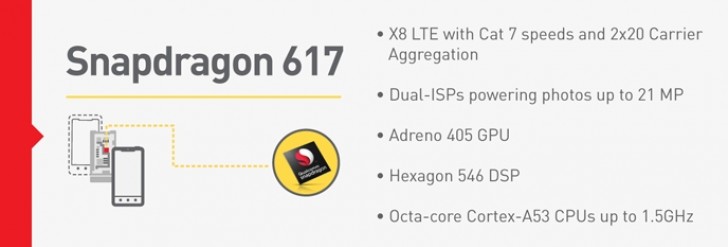
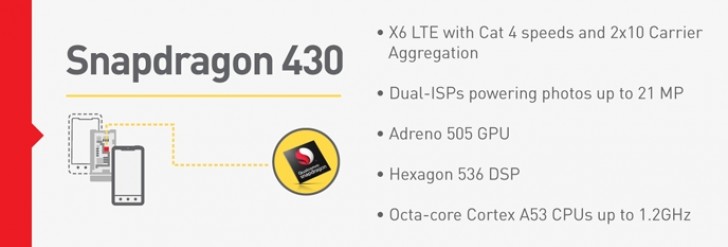
    Wait, there’s some more technical details. So, basically this new chipset comes integrated with the Adreno 530 GPU and the Hexagon 680 DSP. The GPU is said to support an HDMI 2.0 and up to 4K at 60fps output. Well, that’s that, but along with the 820, Qualcomm also revealed two new chipset processors – Snapdragon 617 and 430.

    Below are images of their specifications:

    Because, one is never enough. Now all we have to do is wait and see how well these processors work on their devices. Hang on tight till then.

  • Qualcomm Creates a New Chipset For Drones

    Qualcomm Creates a New Chipset For Drones

    Firstly, what is a drone? According to the definition given by techtarget.com –  “A drone, in a technological context, is an unmanned aircraft. Drones are more formally known as unmanned aerial vehicles (UAV). Essentially, a drone is a flying robot. The aircraft may be remotely controlled or can fly autonomously through software-controlled flight plans in their embedded systems working in conjunction with GPS.  UAVs have most often been associated with the military but they are also used for search and rescue, surveillance, traffic monitoring, weather monitoring and firefighting, among other things.”

    drone 1

    Drones have been in the news for various reasons – both controversial and non controversial, and even though they haven’t been legalised yet, a lot of software companies are looking to invest in the evolution of the drone. One of these companies, is Qualcomm, which is a ‘chipmaker’ company who has made the famous Snapdragon chipset for the Android smartphones. They have now reportedly created a new series of chipsets specifically for the drones, and are being called – the Snapdragon Flight.

    Drones have had quite an evolution when we speak of its structure and size; and Qualcomm claims to be here, to enhance the drone design since it has already covered the big task of integrating a CPU with GPS, wireless connectivity, image processing etc. on smartphones. So, what exactly is Snapdragon Flight? Well, the company says that they’re basically repurposing the same Snapdragon 800 system-on-a-chip (SoC) processors for drones. Here’s what Qualcomm says:

    “We’ve integrated so many things in one chipset, it reduces the weight of the drone significantly. Which means you can reduce the size of the motors, fans and battery. And it flies higher and longer.”

    So, now here we have the first signs of smartphones and drones collaborating. Today, there’s a smartphone software in a drone, tomorrow there’ll be a drone software in the smartphone and then what, you ask? Armageddon.

  • Qualcomm Snapdragon 820 is Now Official

    Qualcomm Snapdragon 820 is Now Official

    The Snapdragon 820 is said to pull the Snapdragon 810 out of darkness, as the company revealed some legitimate information on its newest upgrade.

    First things first – it will use custom 64-bit Kryo cores, bye bye Cortex. But what the company has revealed is mostly about the GPU and ISP. The Snapdragon 820 will use the new generation Adreno 530 GPU, Snapdragon 618 and 620 will use 510. All 5-series Adrenos will support OpenGL 3.1 (with 3.2 coming later) and the new Vulcan API.

    With these specifications in mind, Qualcomm is confident that there will be a 40% improvement in performance couple with a 40% cut in power.  The same goes for the Adreno 510 GPU, which should have the same perks over the 405.

    The Snapdragon 820 is said to be supported by 14nm or 16nm chips (down from 20nm for the S810) and the power will be further boosted by a standalone power manager for the GPU. However, this hasn’t been made official, yet. The GPUs support HDMI 2.0 and up to 4K @ 60fps output, they’ll even manage 4K output wirelessly (though capped at 30fps).

    Along with the above mentioned upgrades, we will also see the ISP being upgraded. The new Spectra Camera Image Signal Processor is said to be smoother at handling small camera pixels, hybrid autofocus (i.e. added phase detection AF), low-light performance and leaning on the GPU for software “optical zoom.”

    The new Snapdragon will support dual cameras at the back and unlike its predecessor, the 820 will allow different focal lengths. The ISP and GPU will simulate zoom steps in between both focal lengths to achieve a smooth transition similar to proper optical zoom.

    No other information has been yielded, other than the fact that Snapdragon 820 will be available on devices from 2016. Watch this space for more information.

    Source: [tw-button size=”medium” background=”07ABE2″ color=”” target=”_self” link=”http://www.gsmarena.com/snapdragon_820_gpu_detailed_adreno_530_is_fast_cool-news-13499.php”]GSMArena[/tw-button]

iGyaan Network
Privacy Overview

This website uses cookies so that we can provide you with the best user experience possible. Cookie information is stored in your browser and performs functions such as recognising you when you return to our website and helping our team to understand which sections of the website you find most interesting and useful.