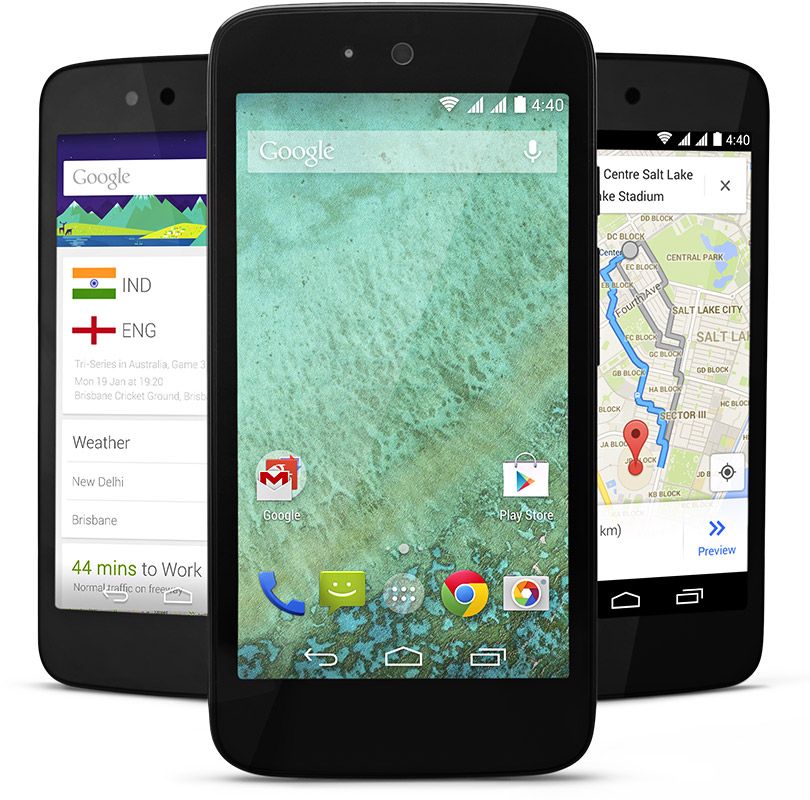
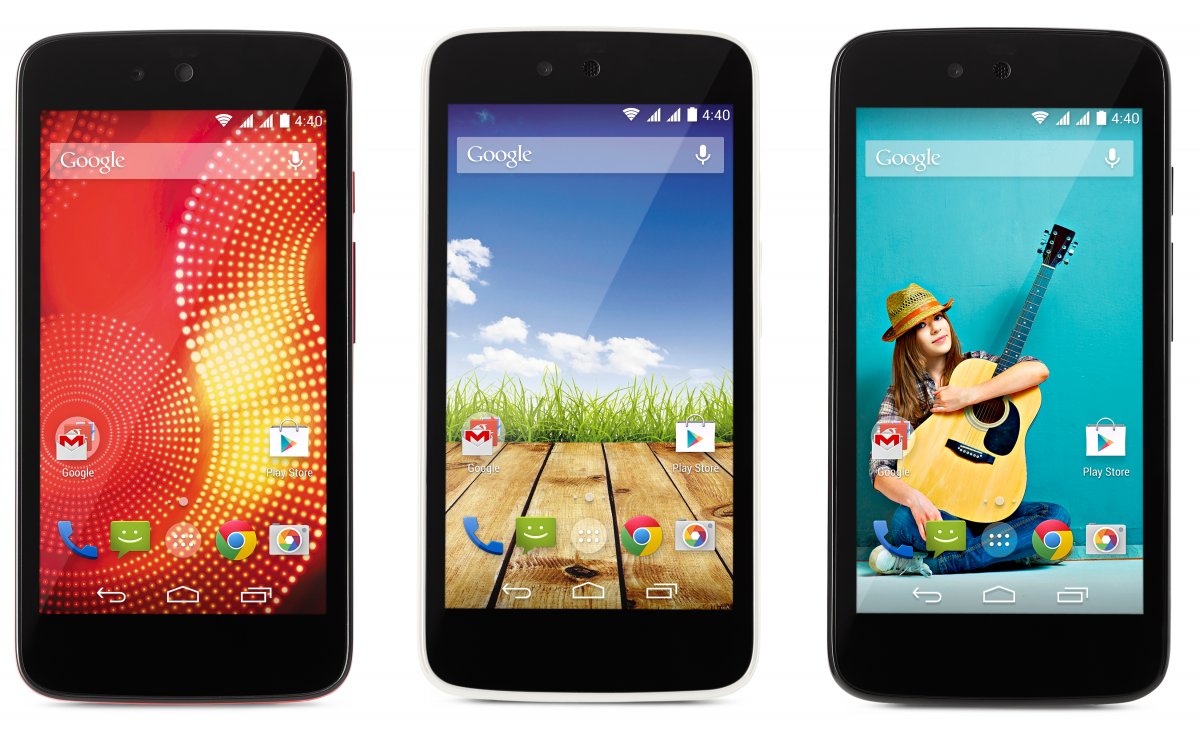
Google’s Android One initiative has been struggling to get hold of the Indian market since its release. However, the budget segment is so crowded with some amazing smartphones like Moto E, Zenfone 5, Redmi 1S and more that there is simply no space for any other device with same specs.
Android One’s first and foremost advantage was the Google’s direct involvement, which meant speedy software updates. However, that also seems to go down the drain as Android One devices still haven’t got the Lollipop update. The company launched the Android One in September, but it has faced some challenges in the market.
Offline retailers have been complaining about low margins for the device. Another big issue was related to its constrained supply. But despite these challenges, around 5 lakh Android One devices have been sold by Micromax, Karbonn and Spice by October-end, according to reports.
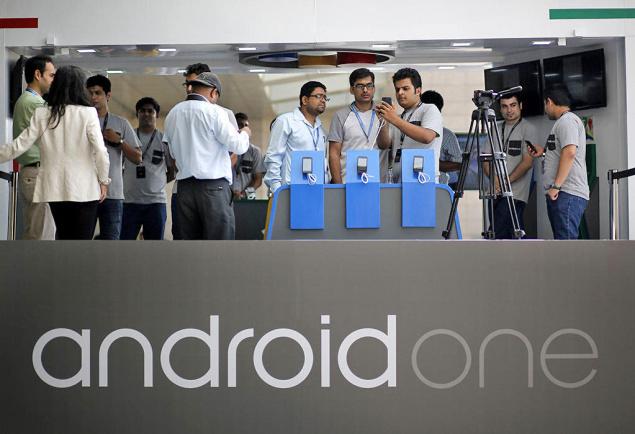
Sandeep Menon, Director of Marketing at Google India, commented on the issue, “We continue to get strong consumer demand. We track things like average number of people walking into stores and asking for Android One devices. From that perspective we are extremely happy. Pricing and margins for retailers are in the hands of the OEM partners but we are constantly engaged with them. Our engineers are working with new suppliers in China to benefit OEM partners in terms of choice and availability.”
Even though Menon seemed confident about the sales, the recent reports have shown that Android One devices have been struggling to break into the market and haven’t been able to reach sales goal that the company expected. In order to hook more offline consumers, Google is working on creating awareness about Android One’s features through 30,000 brand ambassadors deployed at various retail outlets.
According to concerned officials, the demand for Android One has increased further after making the product available in the offline channel. Google is trying to make the device a successful initiative as the global rollout of Android One depends on how the device has performed in India.
But that’s not a situation Google has to confront for now. “Our global rollout of Android One is as per the original schedule. There’s no change in that,” said Menon, promising that there would be new announcements on Android One over the next few months.
Sony India has overtaken Apple in their sales for smartphones in India becoming the second largest mobile phone shipper in 2014. This aggressive movement has been rewarded to Sony thanks to the company’s focus largely on the Rs 10,000-20,000 smartphone space, backed by Rs 300-crore marketing spend.
The number one spot was retained by Korean smartphone giant Samsung with 43% market value share. Sony took second place with 9.1% value share in the Indian smartphone market in the October-December quarter of 2013 against Apple’s 7% share.
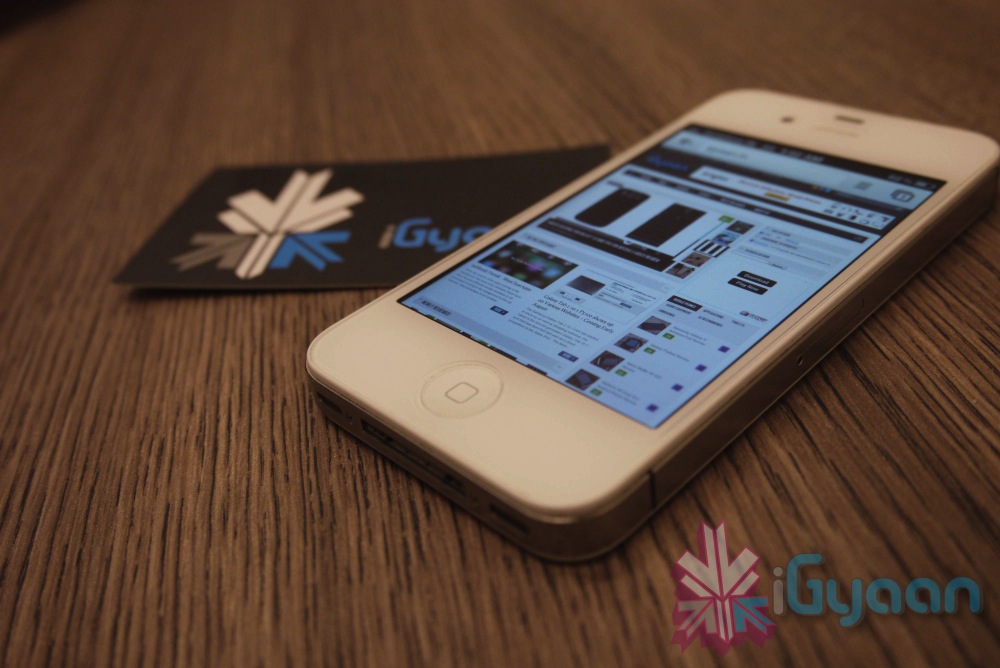
This decline in Apple’s sales has been thanks to the company’s decision to withdraw sales of their largest selling unit the iPhone 4, and hence the disappearance of Apple from the under Rs. 20,000 price bracket. Apple did relaunch the iPhone 4 specially for the Indian market but failed to gather any response from the market who were hoping for a cut on the price of the iPhone 4s.
Sony Executives claim :
While this loss of sales prompted Apple to relaunch iPhone 4 once again in India in January, sales have not picked up since it is not at all spending on marketing or offering any buyback offer and even the initial euphoria around iPhone 5S has sobered down,
Kenichiro Hibi, managing director at Sony India, said the company’s smartphone business has attained similar revenues as its flagship television business in the fiscal ended March 31.
[quote text_size=”small” author=”Kenichiro Hibi, ” author_title=”Managing Director at Sony India”]The smartphone business doubled in last one year which led to 20% growth in overall sales in 2013-14. We expect to grow at a similar pace this fiscal as well to touch Rs 12,000 crore sales[/quote]
While this may be considered a big loss for Apple, the company has seen decline of sale during the months that lead up to the launch of their next flagship.
Following some pretty miserable financial results, Nintendo president Satoru Iwata has said he will take a 50% cut to his salary. For at least the next five months, Iwata will take home half as much money as usual, and other prominent executive staff will see pay reductions as well. Shigeru Miyamoto and Genyo Takeda, will take a 30% pay cut, while other board members will take a 20% pay cut.
The cuts will stay in place until June, when the board will see if it deserves to go back to normal. That will depend not so much on a turnaround in the Wii U’s fortunes – which won’t really be evident until nearer Christmas – but in how Nintendo presents itself to investors and convinces them it has a new plan for turning themselves around.
The struggling Japanese gaming firm revealed profits slumped 30 per cent in the nine months to December, falling to 10.2 billion yen (£60 million).
Nintendo also warned it expects sales to “decrease significantly” in the current quarter as Christmas sales end.
The Super Mario Brothers and Donkey Kong creator has been weighed down by weaker-than-expected sales of its Wii U console, launched at the end of 2012.
Nintendo will be holding a big corporate meeting tomorrow to outline and plan its new business strategy.
Just 15 months ago Apple commanded 70% of the global tablet market, but according to the latest figures from research firm IDC, the iPad has slipped to less than 30% market share. The reason is the growing threat from Android tablets from the likes of Samsung, Lenovo and Asus.
Apple’s decision to shift its iPad launches to the fall from earlier in the year appears to have undermined its standing versus rival tablet makers.
Even with that seasonal factor, the numbers don’t look great for Apple because its sales in Q3 2013 are just 100,000 iPads higher than the were in Q2 2013, and that’s with the new and cheaper iPad mini in the market. Also unwelcome is momentum for arch-rival Samsung, which managed to more than double its shipments from 4.3m to 9.7m. Lenovo also did well, pushing 2.3m ‘slabs out the door, up from 0.4m a year back.
Despite the stuttering Apple sales figures, the tablet market as a whole grew by 36% year-on-year and was up 7% compared to the second quarter of 2013.
The tablet market is starting to look like the smartphone market. Apple defines the industry, then watches as a bunch of low cost competitors eat up share. Apple is still the most profitable of the bunch.
Google sees the tablet market as a fresh opportunity to control personal computing. It has no chance of taking desktop computing away from Microsoft, so it’s attacking tablet computing, which eats into Apple’s market share.
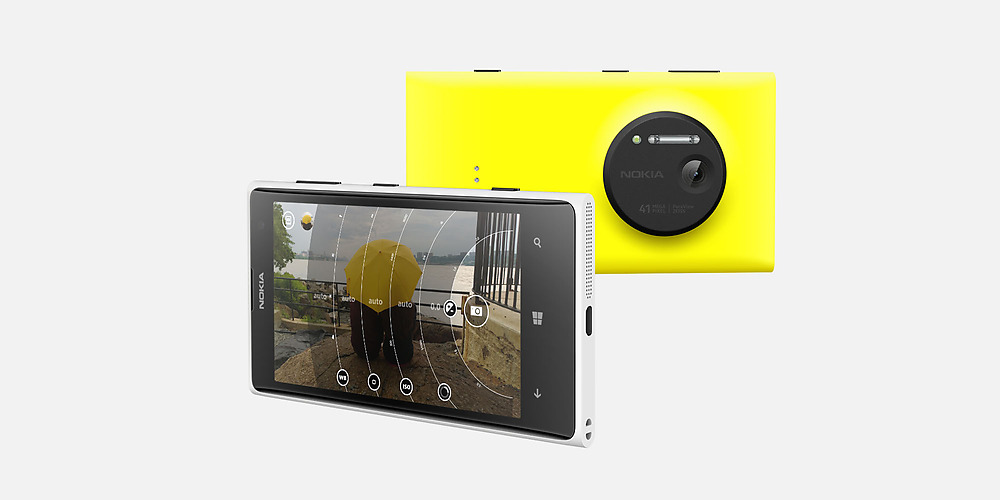
Sales of Nokia Lumia smartphones have hit a record high as Nokia gears up to release another batch of Windows Phone 8 devices. It represents the fourth consecutive quarter in which Nokia Lumia sales have hit a new peak.
According to the Wall Street Journal‘s sources, Nokia sold “at least eight million” Nokia Lumia phones between July and September. Obviously this doesn’t even approach Apple or Samsung figures, but for a Windows Phone platform that comes a distant third to iOS and Android in usage numbers it’s truly noteworthy.
It’s an improvement on the previous quarter’s record-smashing 7.4 million sales. It’s also a massive increase on the same quarter last year, during which Nokia sold only 2.9 million Lumia phones.
Nokia is expected to release as many as six new devices including the Lumia 2520, which will be the company’s first tablet, and Lumia 1520 at the Nokia World event. A Nokia smartwatch patent emerged just last week, but we don’t expect launch of this device from Nokia this time around as it may very well be in a prototype stage.
Not helping matters is the fact that Apple is expected to the launch its latest iPad on the same day, meaning that Nokia will have some seriously stiff competition as it vies for the world’s attention.
The event will also be the first big public appearance for Elop since the acquisition, which saw him emerge as a leading candidate to take over from current Microsoft CEO Steve Ballmer when he goes into retirement in 2014.
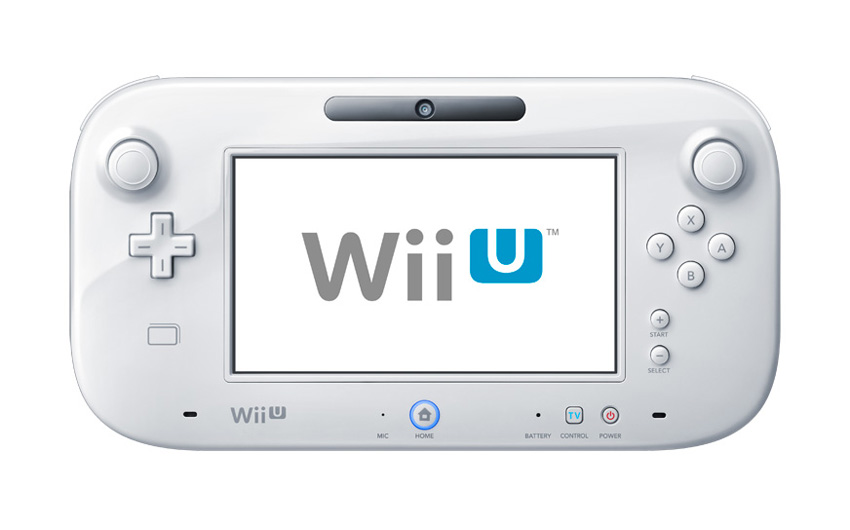
Nintendo has released its latest financial results, and revealed quarterly Wii U hardware sales of just 160,000. Software sales for the system were just 1.3 million units.
During the period Nintendo sold 90,000 Wii U consoles in Japan, 60,000 in the US and only 10,000 in Europe and Australia.
In the previous three months Wii U sales were 390,000 hardware units and 13.42 million games, which left the company short of it’s projected 4 million sales in the financial year.
For the three months ended June 30 net sales were up 3.8 per cent to ¥81.5 billion ($832.6m / £547.5m) with net profit at ¥8.6 billion ($88m / £57.9m), compared to a loss of ¥17.2 billion for the same period last year.
Nintendo suffered an operating loss during the period of ¥4.9 billion ($50.2m / £33m) due to research and development for the Wii U and increased marketing costs overseas for the 3DS.
A lack of software support – both from Nintendo’s own in-house development teams and third-party publishers – combined with a high initial price tag and a slow user interface did little to accelerate sales over the Christmas period.
Almost nine months on and little has changed. Nintendo has slashed the price of the Wii U, but the games drought continues. Considerable mismanagement over the functionality of the console and its innovative GamePad tablet controller has also done little to persuade consumers.
We grew up listening to the classic Beatle ( or Kishore Kumar for most) songs that our parents used to listen to. As we matured, we formed our own taste and style in music, and the technology surrounding us evolved. And as consumers, we adapted to it. We embraced the technology, incorporating it into our lifestyle and thereby becoming routine. Music plays a vital role in our society.
Hence, it was only natural for most of us to own a portable mp3 player that we would listen to every day, everywhere. But dwindling sales have led many to believe that the days of portable media players are numbered. We take a look.
Why MP3?
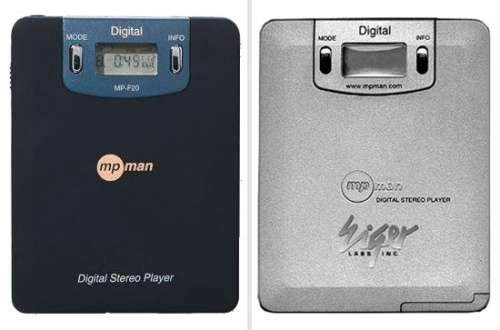
Before there were any MP3 players, there were MP3s: invented in 1987 by a group of German scientists looking for a way to shrink video files so that they would be easier to use on computers. To achieve this they stripped out as much “extraneous” data as possible, supposedly the stuff we wouldn’t miss. This loss of quality is at its least discernable when listening on headphones with the volume cranked up, so by 1998 the first portable digital music player had arrived: the MPMan F10, created by South Korean company SaeHan. (It wasn’t a hit; SaeHan now mostly manufactures textiles.)
The world’s first portable media player.
Mp3 also known as MPEG Audio Layer 3 is used to compress audio files so they take up lesser hard disk space. It can be stored and played on many digital devices such as computers, mobile phones and portable mp3 players. Consumers use mp3 files to listen to and store music.
For example, “A four-minute song on a CD would create a file of 42 MB (megabytes), while the same song encoded to MP3 would be reduced to just 3.84 MB. This reduction means that the file requires one-tenth of the hard disc space, allowing 10 times as much music to be stored in the same space.”
Quick Adoption
These new Portable Media Players would hold 1000 songs, could be recharged within an hour and would cost around 3-4k at that time. They were compact, came in a bunch of colours and were the “in thing” during that era.
[pullquote_left]”The internet and easy-to-share programs like Napster and Limewire played the role of catalysts for Portable Media Players by providing easy and free access to music files.”[/pullquote_left]
By 2004, the digital music market was still wide open, with MP3 players comprising a small portion of all portable audio sales, and the biggest players wanted in. Apple had launched the iTunes Music Store in October of 2003, but wouldn’t sell a billion songs for nearly two years. Companies like Archos, Creative, and iRiver had been building players all along, but the early aughts weren’t for purely digital music yet. With the arrival of faster internet speeds and easy-to-share programs like Napster and Limewire, acquiring music was easier than ever.
This led to people opening up to the idea of carrying a portable, compact device to fulfill their music needs.
Apple – The Biggest Player
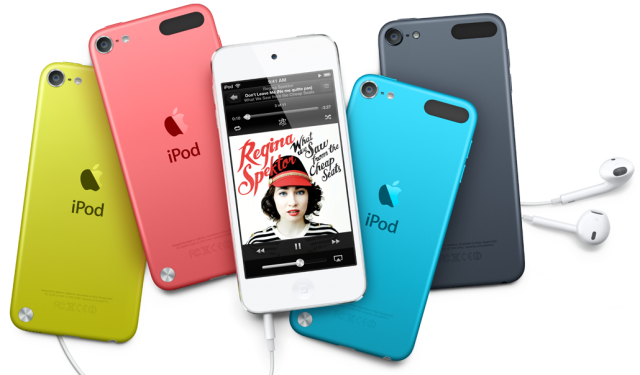
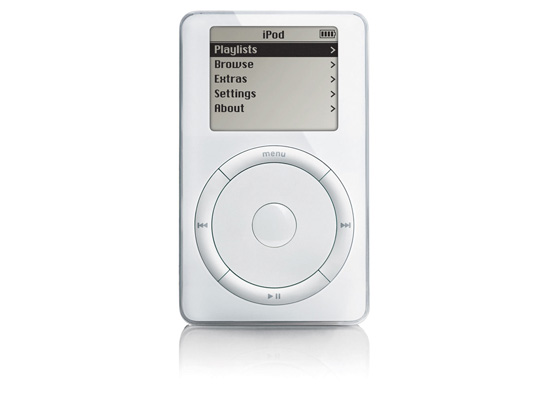
Apple was without doubt the biggest player in this segment. The iPod was a very clever piece of hardware that utilized new 1.8?”hard drives that Toshiba had developed for a market that didn’t exist yet. Encased in a pearl white and metal casing, the iPod utilized a moving scroll wheel (later, a touch-based one) that served a novel scrolling interface on a relatively large 2″ monochromatic display.
The first Apple iPod
The iPod would set the standard for Portable Media Players for years to follow, ignoring the plethora of buttons that plagued devices at the time, going so far as to omit a power button. But while the iPod hardware had many of the markings of a success story, its ecosystem (or rather, lack thereof) and price held it back from significant sales numbers for the first three years of its life.
During that time, numerous other companies realised the hidden potential in this segment of technology. MP3 players were substantially less expensive compared to CD players.
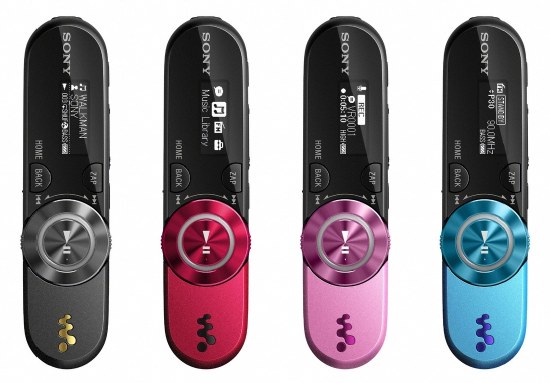
The Sony Walkmans were a hit among teenagers.
Companies like Sony, Philips, Cowon began churning out various different models of Portable Media Players. The Sony Walkman series gained popularity among teenagers.
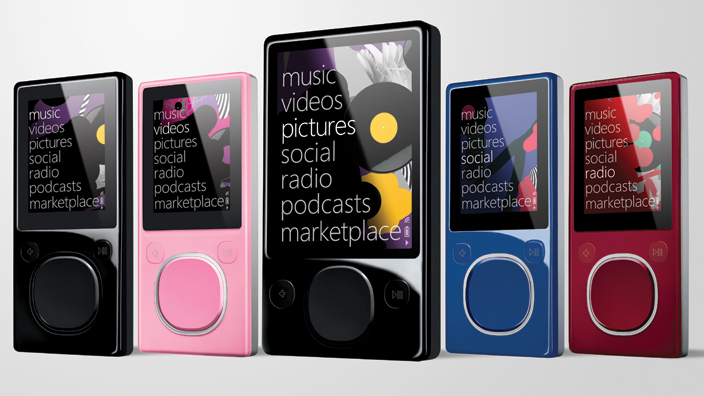
Microsoft unveiled various versions of the Zune to compete with Apple.
Microsoft’s Zune was probably Apple’s closest competitor. The hardware was slightly bigger than iPod’s similar hard drive model at the time, but came equipped with a large 3″ color screen, an FM tuner, a segmented circular directional pad that favored the Media Center-derived Twist interface for navigating menus, and a pair of buttons on its face mirrored by a shallow concavity on the backside. The player’s software was also a direct descendant of the Portable Mobile Center OS.
The casing came in five iridescent color schemes. Connectivity was provided by a proprietary 30-pin connector similar to ones used by the iPod. But their success didn’t last long.
Non-Apple Portable Media Players were put to shame. Bruised. Battered. Beaten to death. All gadgets that attempted to outrank the iPod were ambushed and annihilated. Unless you held a personal grudge against Mr. Steve Jobs, or have had some downers with Apple in the past, you wouldn’t switch to a media player not belonging to the Apple clan.
The Demise
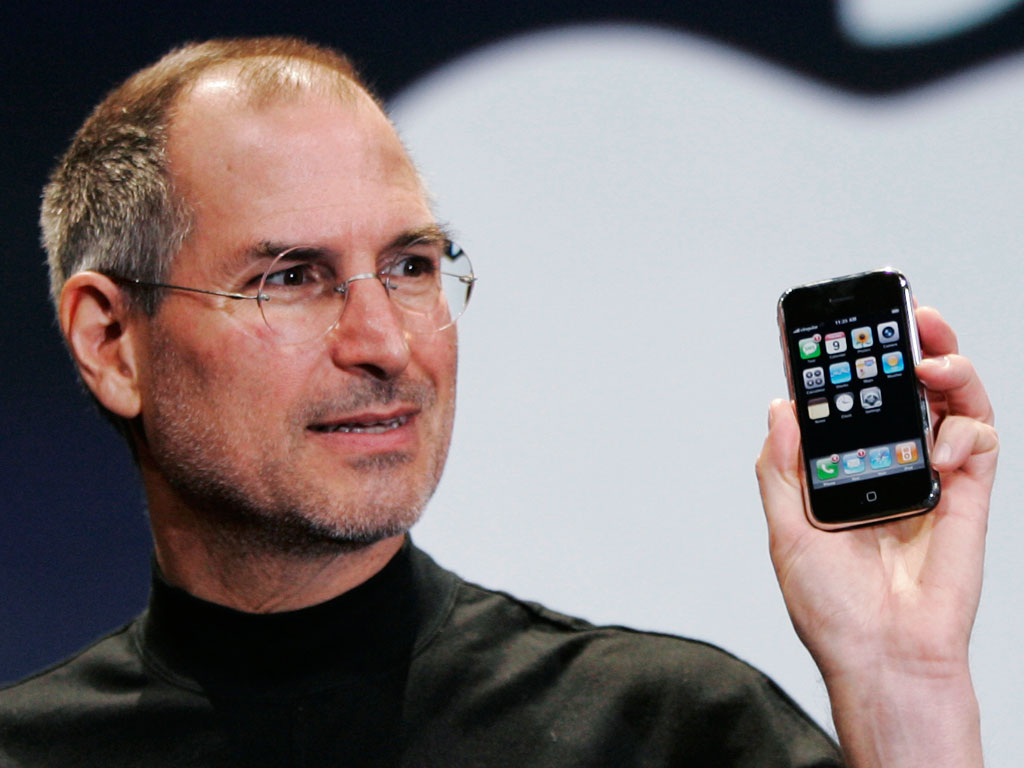
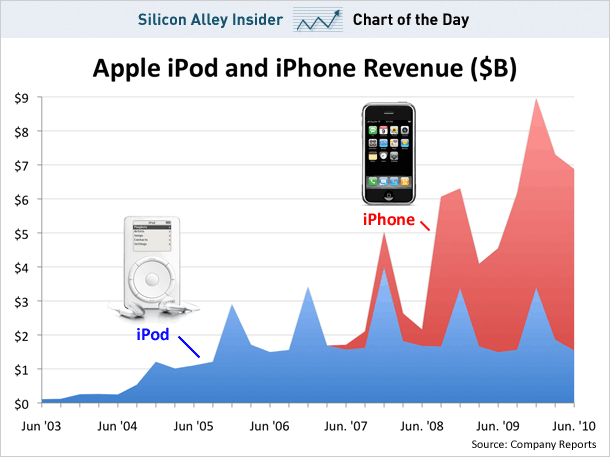
In 2007, Steve Jobs introduced the first iPhone to the world. People were awestruck. But right there, a small iPod logo on the device’s screen spelled the beginning of the end for portable media players.
The iPhone killed its own parent product.
The iPhone promised a music experience which matched that of the iPod. Except you could make calls, play games, surf the internet, all at the same time while listening to your favourite tracks. Why have two gadgets when you can have one?
We all love our shiny smartphones, but the latest stats on MP3 players prove that the sleek handset in your pocket is a cold-eyed killer.
Yep, according to Mintel’s research sales of the humble portable media players – and let’s face it that means mainly Apple iPods – have dropped by a massive 22 per cent year on year.
‘Microsoft will no longer be producing Zune players,’ the company recently said in a statement timed very close to Apple’s latest iPhone announcements – a good time for tech companies to bury bad news.
Earlier, mobile phones did not offer music playback and so consumers were forced to carry a separate MP3 player, but when the smartphone market took off in 2007, offering devices with huge storage and comprehensive media players, the MP3 player’s days were numbered.
Sales have been dwindling.
Despite Sony and Samsung each offering alternatives to the iPod with their Walkman and Galaxy ranges respectively, iPods dominates the MP3 player market; but their sales are falling continuously as smartphones continue to thrive, and while the iPod classic is still available, it features in none of Apple’s advertising and hasn’t received an update for more than three years.
I personally like using my 3rd generation iPod Nano and would’t trade it for anything, but smartphone provide me with the convenience of not having to carry two separate devices in the notorious Delhi public transport.
So while you may still use your portable media players while at the gym (though I’ve seen people use tablets to listen to music in the gym! Ridiculous!) or while out for a jog, the fact is that the end of MP3 players is near.
India has become Apple’s test bed for emerging markets, with the company rolling out a series of discounts and payment plans in order to entice purchases and improve its market standing in the 1.24 billion people market.
According to analyst Sunil Tirumalai, Apple’s equal monthly installment (EMI) and cash-back programs have jump-started sales in India, which used to be around 70,000 to 80,000 units per month before the aggressive pricing schemes, reports Economic Times.
These efforts are paying off as iPhone sales have risen 400 percent over the past four months.
Tirumalai says the benefit of the new initiatives is clear, “The 4-9 percent implicit discount coupled with the option of easy EMIs spread over 6-12 months became popular. Within a few months, our discussions with handset retailers indicated that iPhone sales went up 3-4x, forcing companies to respond.”
Based on those numbers, Apple only trails Samsung in terms of overall sales in the country. Samsung, however, offers a much larger range of devices in India, including entry-level smartphones and feature phones which attract less well-to-do buyers.
Apple’s recent success in India also followed a rebranding of the iPhone as an affordable product rather than a high-end luxury item.
Apple had introduced the cash back scheme for its iPhone 4. Under this scheme consumers had to bring in their old smartphone and could take home a brand new iPhone 4 at a minimum discount of Rs. 7,000. As per the conditions of the scheme, Rs. 5,000 was the cash back discount given and the additional Rs. 2,000 was the minimum resale value pegged for the old smartphone.
If the consumers tried to exchange a smartphone, whose resale value was more than Rs. 2,000 then the effective cash back to them was Rs. 5,000 plus the value the resale of the phone. Initially, the scheme was launched for just 15 days. However, given the popularity the scheme was extended till May.
Even now, Apple is running a scheme, where in students are eligible for Rs. 7,777 discount on purchase of Apple iPhone 4. Apart from this, the American Express card holders can get an additional 10 percent on purchasing this smartphone.
Apple also sells older models of the handset in India that pre-date the iPhone 4 and are not officially sold by the company in any other country.
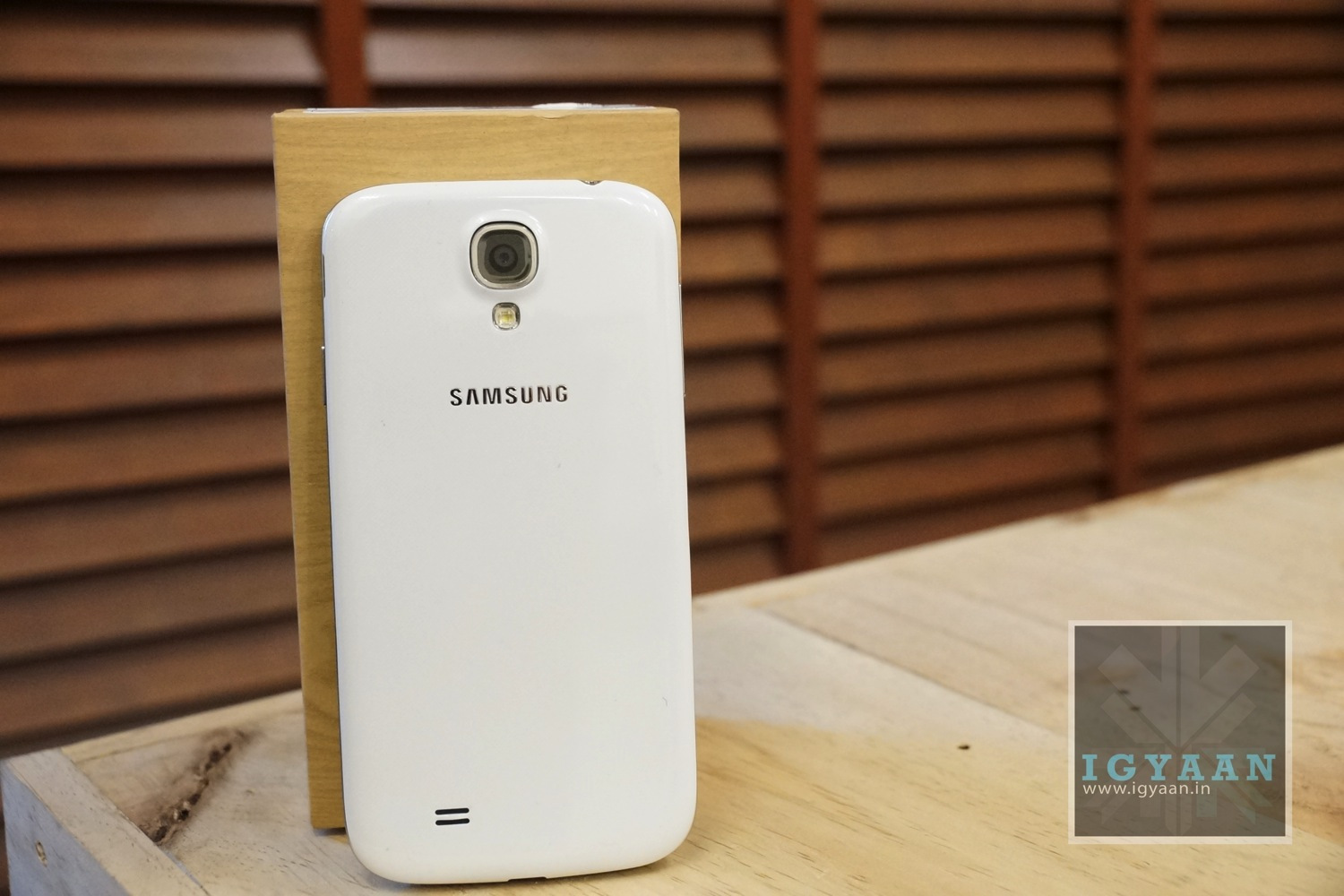
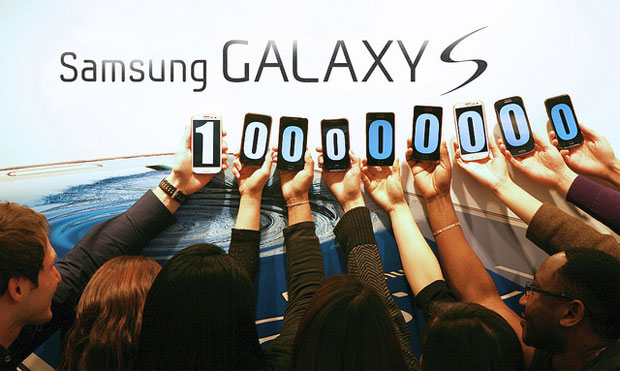
Samsung said it sold 10 million units of its latest flagship Galaxy smartphone within a month of its release — about half the time it took the previous model, the Samsung Galaxy S3, to reach that benchmark. The S2 and S waited five months and seven months, respectively, to achieve the same number.
“Launched globally on April 27, the phone is estimated to be selling at a rate of four units per second,” Samsung said in a statement announcing the news.
The Android-powered Galaxy S4, with its 5-inch 441-PPI display, 13-megapixel camera and slew of snazzy features, is evidently proving a big hit with consumers in the 110 countries where its currently sold.
In addition, the next level of estimations have the company selling upward of 22 million Samsung Galaxy S4 devices by the end of Q2.
In comparison, Apple’s iPhone 5 — the Samsung Galaxy S4’s main rival — sold 5 million devices in the first weekend (three days) of its release, but that amount proved disappointing for investors who expected sales to be much higher. Several analysts predicted that Apple would sell closer to 8 million units on opening weekend. (via Mashable)
“On behalf of Samsung, I would like to thank the millions of customers around the world who have chosen the Samsung Galaxy S4,” gushed JK Shin, CEO of the Mobile Communications Division at Samsung.
The electronics giant now has 33 per cent of the smartphone market, according to figures from the last quarter.
You can view our hands-on review of the Samsung Galaxy S4 below.
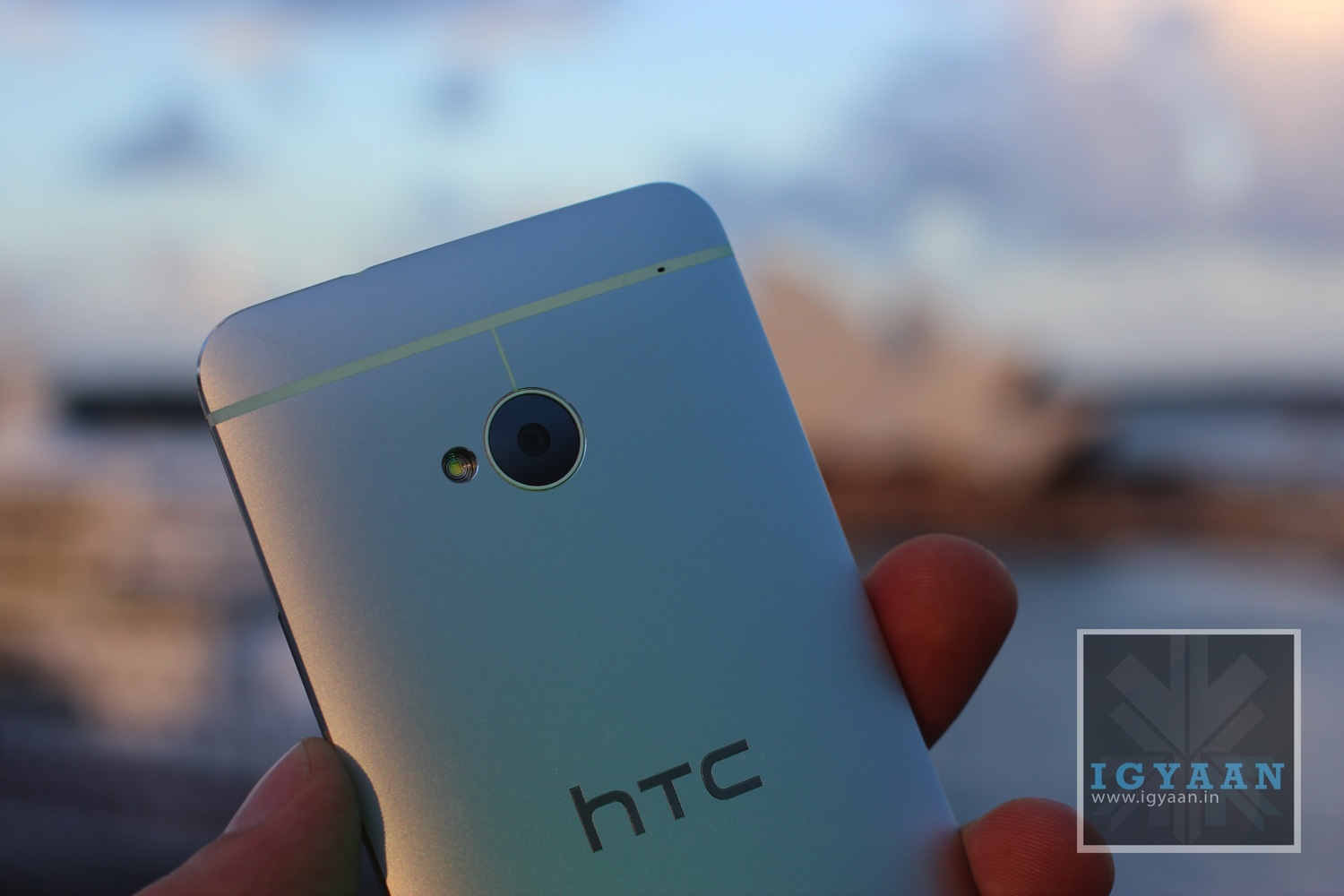
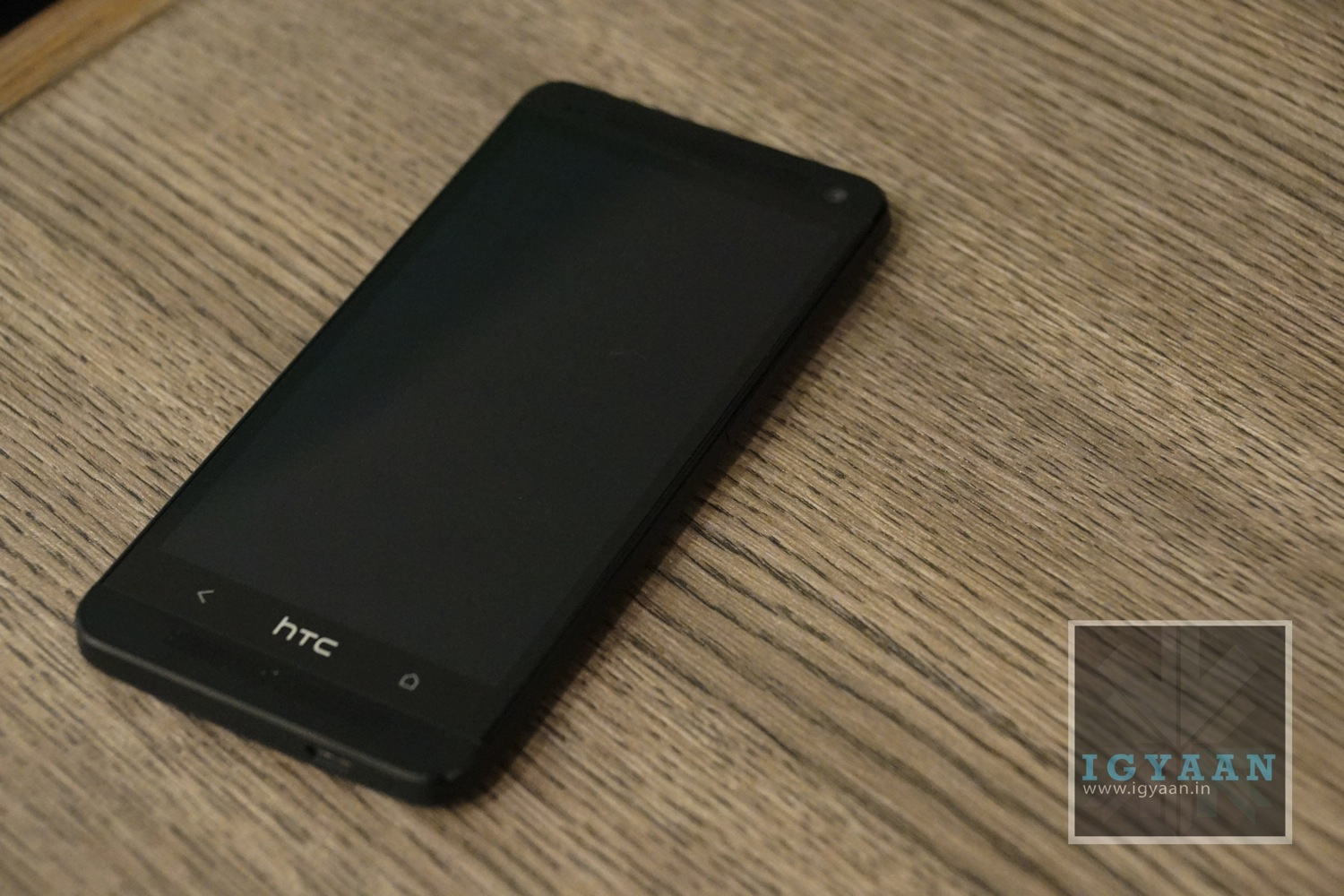
HTC has been having some success with their newest flagship smartphone – the HTC One. Amidst falling revenues and several key executives departing, an unknown HTC executive spoke to the Wall Street Journal and calmed the naysayers, declaring that the sales of the all-aluminum Android hit “around 5 million” since launching a month ago.
The HTC rep noted that sales would have been higher if there wasn’t supply issues, namely the camera components. “Orders are pretty good so far and are still more than what we can supply. This is partly due to the shortage of components. When the issue is resolved next month, we will have a better idea if it’s doing really well or not.”
The HTC One is going head-to-head with other popular smarptphones, such as the Samsung Galaxy S4 (just passed 10 million in sales in one month), Nokia Lumia 920, Apple iPhone 5, Sony Xperia Z, LG Optimus G and the Nexus 4.
HTC has seen several executives depart in the past week. HTC confirmed to Engadget that;
HTC can confirm that Lennard Hoornik has left HTC to pursue other interests. We appreciate his contributions to our South Asia efforts over the past year and wish him all the best. HTC’s CFO, Chialin Chang will provide interim leadership in this strategic region while we work to find a permanent solution.”
Also according to reports Head of Global Digital Service Elizabeth Griffin will also be leaving HTC later this week to join Nintendo. Looks like HTC’s “executive worries” are just beginning.
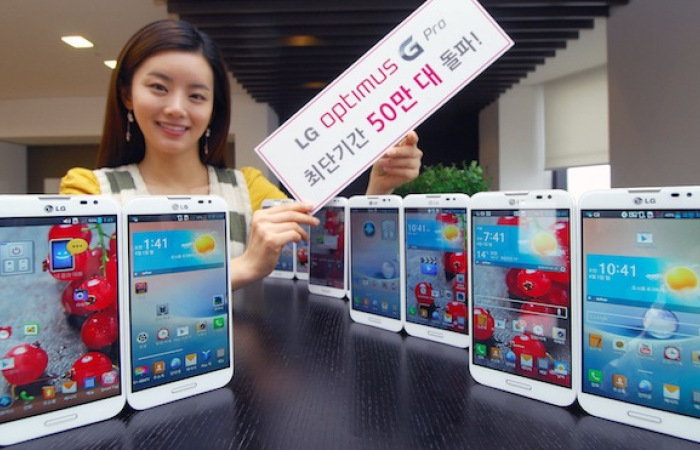
LG has not even begun selling the Optimus G Pro in global markets and has already managed to sell 500,000 units of their new flagship wonder. The Flagship from LG Apparently received 10,000 orders at launch, reaching half a million sold just 40 days after its launch. LG is also updating the software in April to allow for Eye Recognition Technology, that will be exactly like the one available from competition (read : S4)
With its front-facing camera, the handset will pause a video if the user looks away, and start playing it when their gaze falls back on the display. In addition, the upgrade will pack what’s said to be a world’s first Dual Camera feature, which creates picture-in-picture shots by using the hardware’s two cameras. The Optimus G Pro will also receive the ability to change the home button’s LED to correlate with contacts, pause and resume video recording, color emoticons and refreshed QRemote functionality.
The Optimus G Pro is set to launch in India in Early weeks of May for a undecided price, our guess is just shy of the 40k price mark.
On Wednesday a blog post from Frank Shaw, head of PR at Microsoft, revealed that Windows Phone is outshipping the iPhone in seven countries.
According to the IDC, who measures shipped numbers, more Windows Phones were shipped into 7 markets than iPhones and more than Blackberry in 26 markets.
But before Apple fans explode with indignation, yes there is a catch. Windows Phone outsold the iPhone in a smattering of emerging markets, where the high price of Apple’s trendy phone is probably a barrier to sales success. In total Windows Phone led the iPhone in Argentina, India, Poland, Russia, South Africa, Ukraine, and “rest of central and eastern Europe”.
In India, the arrival of low-end Windows Phone devices — namely Nokia Lumia 510/620/820 – has certainly boosted Windows Phone. Nokia’s also trying to market its Lumia 920 and Lumia 820 handsets via television and print campaigns. So it won’t come as a surprise if shipments are higher than that of the iPhone given that the iPhone commands a much higher retail price.
IDC’s numbers also reflect only the official number of cellphones imported into the countries. IDC said that in some countries, like Argentina and India high government taxes mean there is a very significant gray market in cellphones, which IDC doesn’t track. So it is hard to know actual market share in those places.
While it’s certainly good news that Windows Phone is breaking into emerging markets, Windows Phone has had issues breaking in to the tough, and arguably more significant North American market as of late. Tackling the developed markets is no doubt a priority for Microsoft at the moment, and with Nokia continuing to release new devices, hopefully for Microsoft, progress will come.
Do these facts diminish Microsoft’s announcement that Windows Phone outshipped the iPhone in seven countries — or not? Tell us in the comments, below.
Tata Motors ‘ luxury Jaguar Land Rover unit on Thursday said wholesales in India rose 32 percent year-on-year to 2,393 units in 2012. It had sold 1,813 vehicles in 2011.
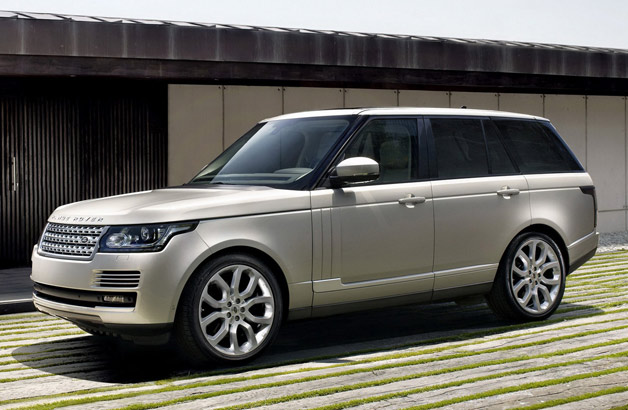
During the year, the company launched the Range Rover luxury SUV in the country. Apart from that, it also sells the Freelander 2, which is built in Pune, Discovery 4, Range Rover Evoque, and Ranger Rover Sport in the country. The XF, XFR, XKR, XKR-S and the XJ from the Jaguar stable are also available in the country.
JLR said new Land Rover products will be launched in India in 2013. The new Jaguar F Type, an all new two seater sports car, will also be launched in the country later this year, along with model year changes for the Jaguar XF and XJ.
[quote]Commenting on Jaguar Land Rover India’s sales performance, Mr Rohit Suri, Vice President, Jaguar Land Rover India said, “Despite difficult economic circumstances and a general slowdown in the Indian car market, we have continued to grow our sales due to appealing and exciting products that distinguish us from other luxury car manufacturers. The coming year will see the introduction of further new and refreshed products and we are confident of increasing our share of the Indian luxury car market.”[/quote]
Tata Motors shares were up 2.8 percent at Rs 328.95 on NSE in noon trade.
JLR had said on Sunday that its total global sales rose 30 percent to over 3.50 lakh units and it plans to add 800 new jobs at its factory at Solihull in central England on the back of strong demand for its vehicles in China and other markets.
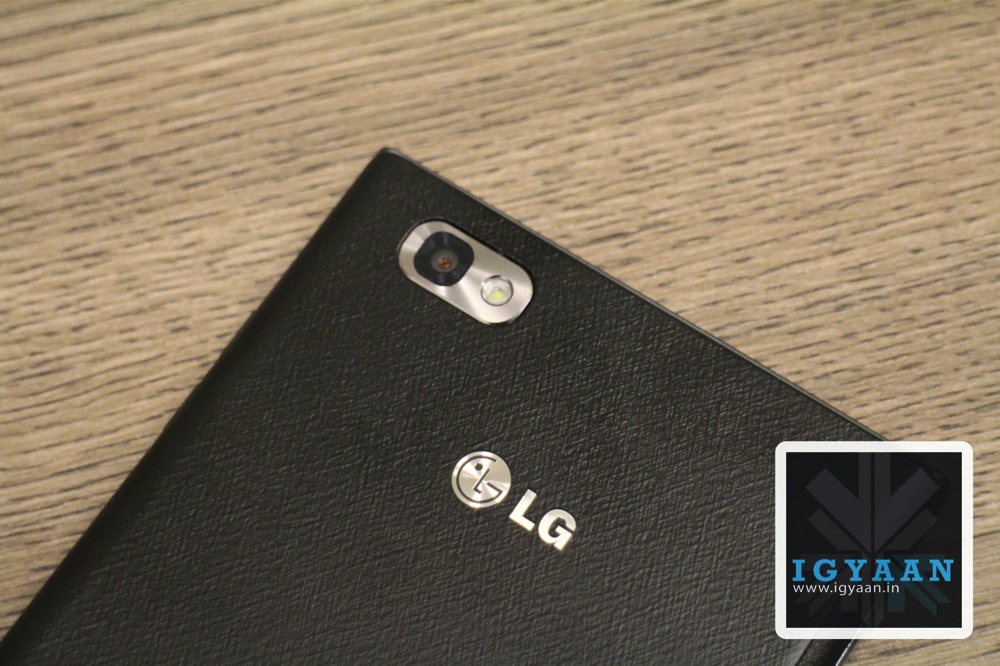
LG made one of the best first-generation Windows Phone devices in the Optimus 7, and proved that despite its reputation it wasn’t just a low-cost phone OEM. Now that we have the Optimus G and an assured influx of new devices for the next few quarters, LG plans to take back some of the market share lost to Samsung, Sony, HTC and Motorola over the last few years.
According to a report from the Korean Times, the manufacturer of the Optimus line of Android devices aims to move 75 million handsets this year. Of those, 45 million are projected to be smartphones.
The figure seems like a drop in the bucket for competitors like Apple and Samsung. The latter justsurpassed sales of 40 million for their Galaxy S3 flagship alone, which has been on the market for less than a year. Samsung has set a much loftier goal of 500 million phones sold.
LG made a lot of bad choices in the aftermath of iPhone. Abandoning an opportunity to make the very first Android smartphone and betting heavily on the dead-end Windows Mobile platform, it completely missed the great smartphone explosion of 2009-2011. As a result, LG’s mobile business cratered, and it went into a period of protracted and heavy losses for several years.
They managed to stop the bleeding last year, and now seem to be turning things around on the backs of the cheap Optimus L line, a rather underpriced Optimus G flagship and also amazingly low cost Google’s Nexus 4. By the second half of 2012 LG’s smartphone volumes started growing nicely again, and it even managed to turn a modest profit despite going the cheap device route for most of the year.
If LG now manages to upscale its product line with new high end devices on Android and Windows Phone 8, 2013 might be a pretty good year for them.
Samsung has sold an impressive 30 Million Samsung Galaxy S III devices. But if you match up sales of all the S Series devices over the years, Samsung has sold a mighty 100 Million in all. This number however does not include the S Plus, S Duos, S Advance etc, rather only the Original Galaxy S, The Galaxy S II and the S III.
The Galaxy S III mini and other variations are included in the number as well. The company also says it is Selling over 500 units of the Galaxy SIII a minute on average.