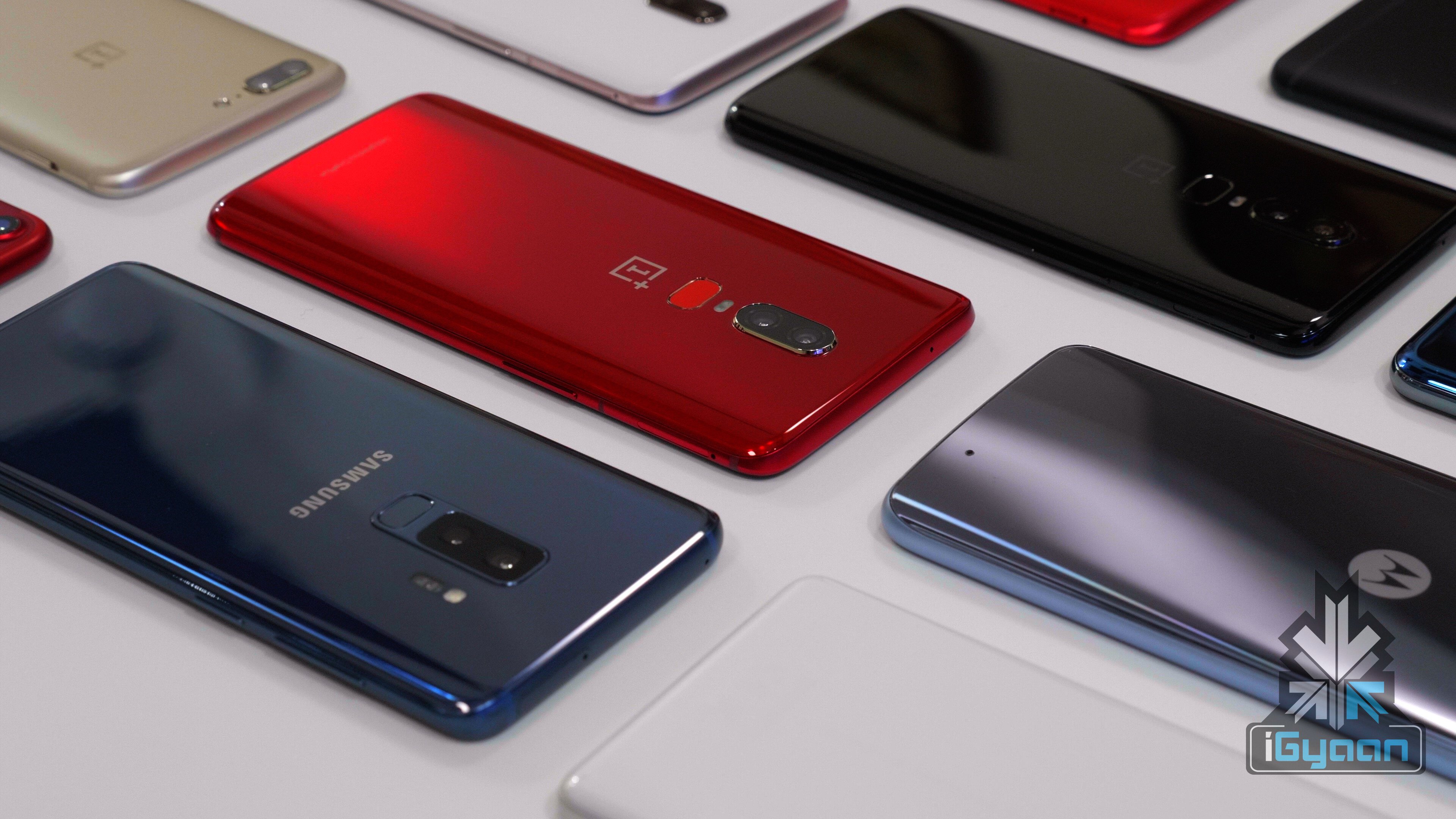
Very few technology trends remain stagnant over time, but one thing that has managed to stay consistent is the increasing price factor of almost all premium smartphones out there. It just fails to accept the fact that “Everything that begins, eventually has a limit”. Rather, smartphones get pricier by every generation and version. In fact, some smartphone brands charge users extra for “limited edition” variants. And in fact, it is essentially the same smartphone.
How Expensive Are The Latest Devices?
If we turn the clock two or three years back, a majority of customers used to rant about ridiculously expensive $800 smartphones. They would make fun of smartphone brands which ventured into a fairy-phone land where smartphones can be sold higher than the price of a high-end laptop. Market analysts loved ridiculing brands like Apple, which priced their devices at prices hitting $800 or $900. But times have changed, and so have the smartphone prices. Now, they’re hitting $2,600 (roughly INR 1,80,000), and consumers are not even batting their eyelids.
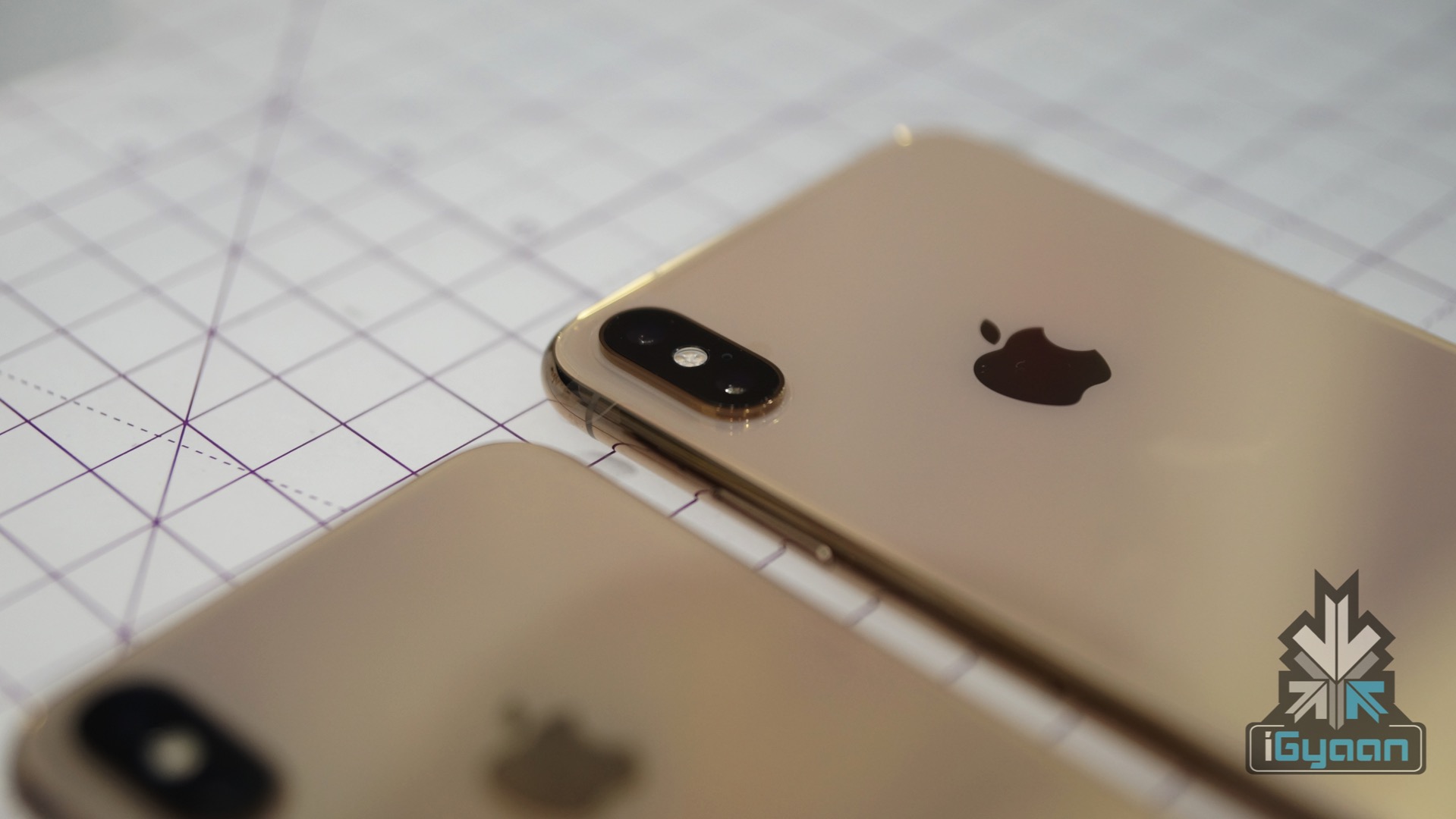
From one perspective, the customers are to be blamed for the same. We, as consumers, have allowed the bar to be raised to a point where a smartphone worth $1000 is the norm for a premium device. A lot of analysts and consumers still blame Apple for the steep prices of smartphones nowadays. But you have to give it to the company which broke the 4-digit price barrier and started selling the iPhone X at $1000. Furthermore, the device sold incredibly well in the market, indicating that customers are not at all cash-shy when it comes to premium mobiles.
Once Apple proved it’s market worth with the iPhone X, companies like Samsung and Huawei followed the trail and started unveiling smartphones which exceeded the previously mentioned price point. But why exactly are these devices becoming pricier day by day? And above all, why are consumers still buying expensive handsets?
Reasons Why Smartphone Prices Keep Rising
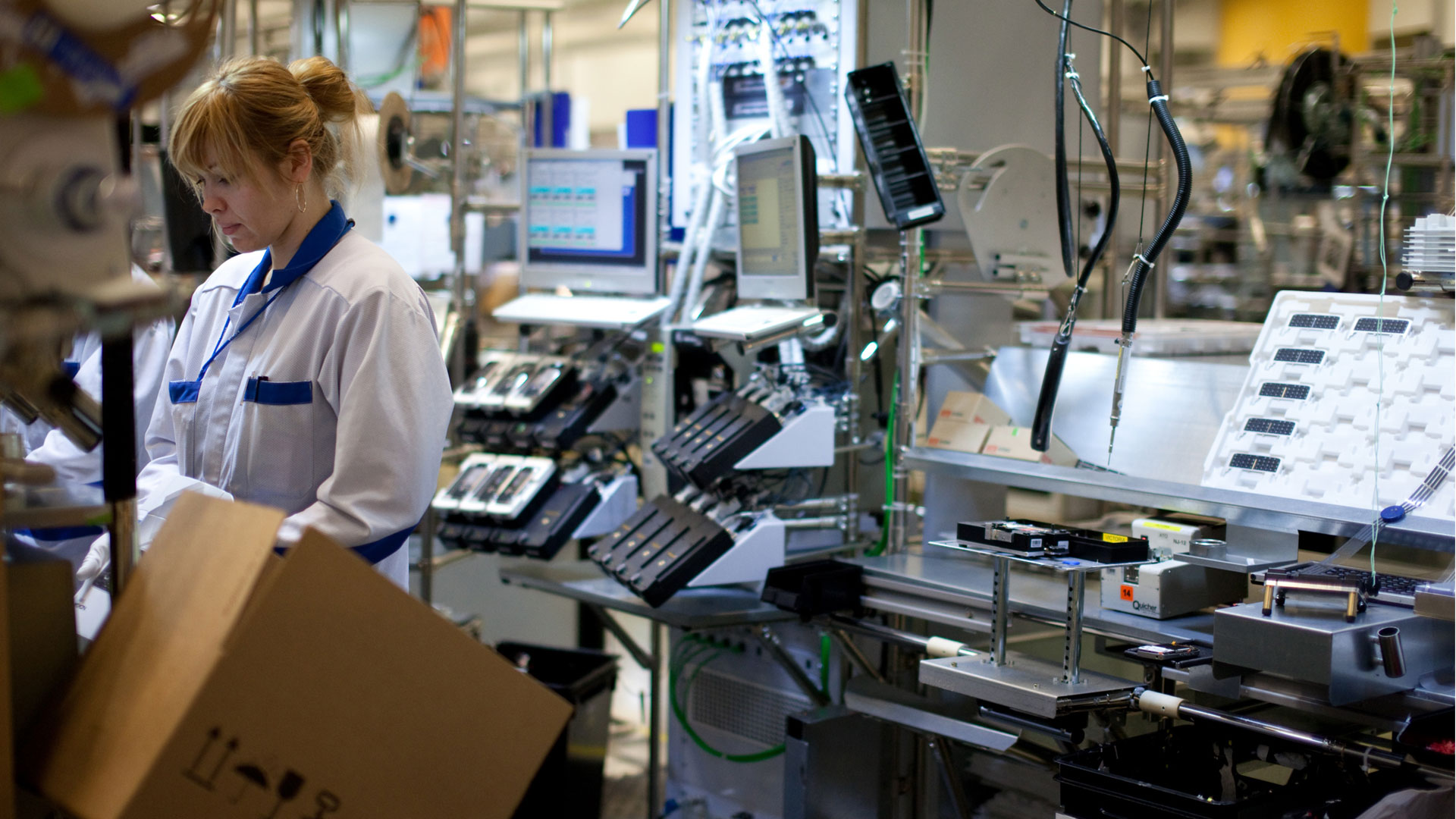
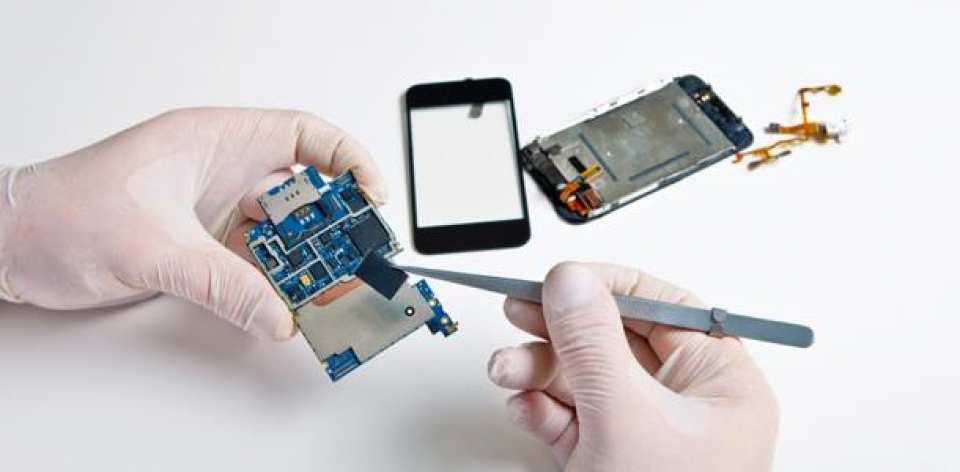
Most companies when prodded regarding the aforementioned issue have a similar statement, and that is the increasing cost of smartphone components. It’s not a false statement at all since better smartphones require better components to drive them. With handsets with quad camera setups hitting the market, it can only be expected that the company is using top-notch modules in the smartphone. On the top, components are becoming smaller than ever in order to accommodate them in considerably smaller, thinner and lighter smartphones, which eventually leads to newer devices becoming more expensive than their predecessors.
One reason is the global economy, which is pushing smartphone brands to charge more per smartphone so as to fulfil targets for profit. When a user buys a smartphone, he pays for the smartphone (including its components), the labour and energy required to design that product, and salary of all the employees who were involved in designing and marketing that product. Companies can’t help it, the global economy puts too much pressure on the same.
Another solid aspect which is trending right now is competitive pricing, which is the underlying reason for a lot of smartphone brands placing their new devices at high price points. Some companies such as Huawei and Samsung follow competitive pricing, whereas some brands follow an entirely different route: Aggressive pricing, which sells more smartphones but returns a lower net profit, which brings us to the next point.
Why Does Apple Own The Major Chunk Of The Market?
Apple, which is a pioneer when it comes to bring premium flagships to the market, has an interesting past. In 2016, Apple’s sales drastically fell, with the company making less money in a single quarter than in the previous year. Since Apple’s major chunk of revenue is generated from iPhones, Apple decided to follow a strategy that will spur it for years to come. The company decided to sell their future smartphones at a higher price than before, which surprised a lot of analysts and consumers alike. When the company released the iPhone X, the positive feedback that the device received was a clear indicator of the success of Apple’s formula, a formula that a lot of smartphone brands are implementing in their marketing.
If customers would have refused to buy high-priced devices, the market may have toppled in favour of the consumers themselves. Instead, smartphone companies have learnt that people who will buy the most ridiculously priced handsets in the market will always exist. And as long as such buyers support the brand, the company will keep innovating and introducing worthwhile features in future smartphones.
Setting devices at a high price point may lead to different scenario too, where more customers become aware of the increasing smartphone prices and shifting towards brands like OnePlus, Xiaomi and Huawei, which price their products very aggressively. However, brands like Apple and Samsung will keep selling expensive devices even if the number of consumers decreases because the price point keeps getting higher with each smartphone launch. Although, it’s quite imminent that after a certain point in the future, some smartphones may convert into a piece of luxury which will not be affordable by everyone.
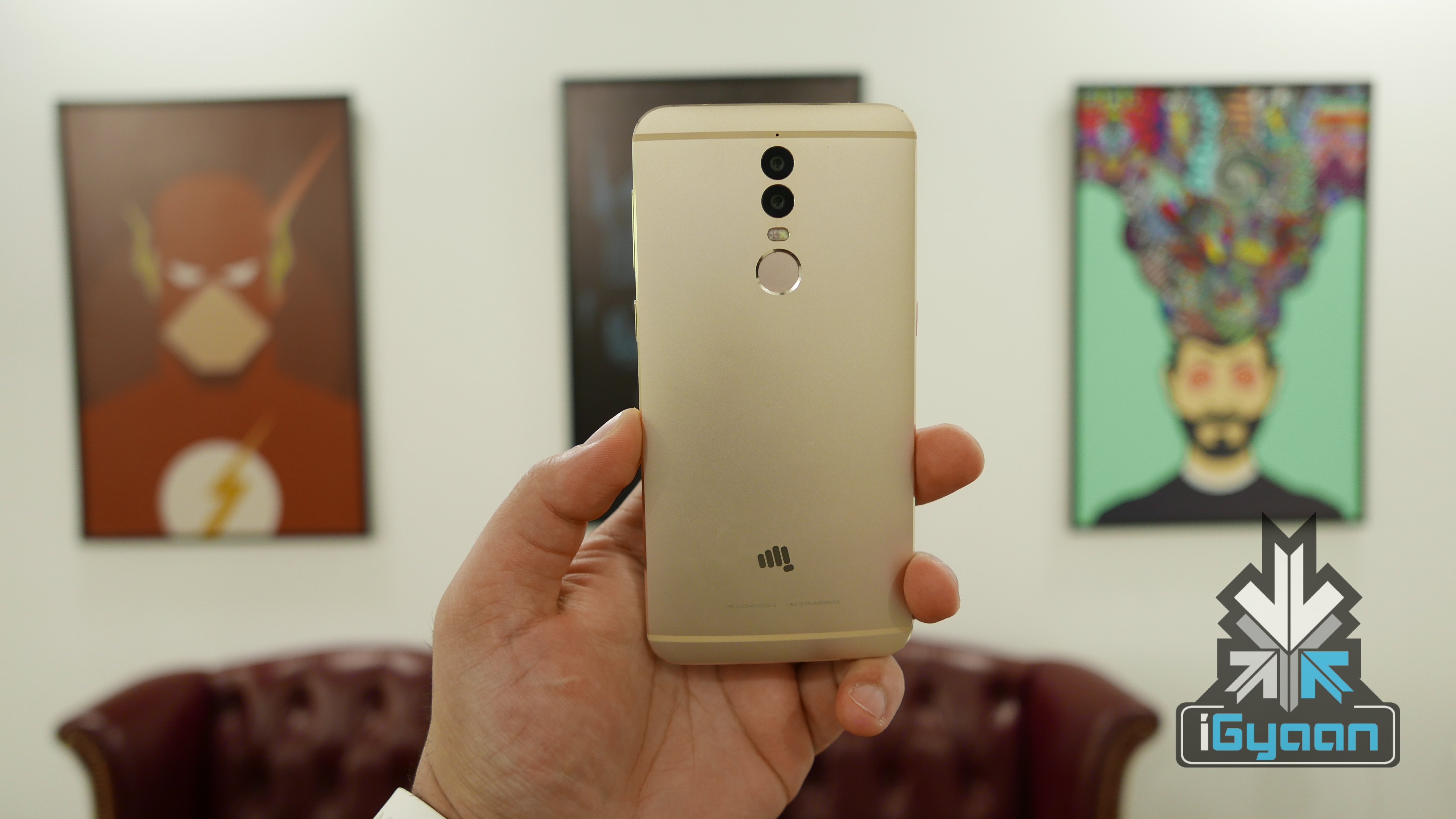
Remember when big Bollywood names would advertise for Micromax and a great cricket catch would be known as Karbonn Kamal Catch? These names had become synonymous with smartphones in every household in India. But what happened to them? Why are these names not right next to Xiaomi or OnePlus in the sales records in India? With Micromax just having launched it’s first smartphone with a notch, almost a year behind other smartphone makers, we delve deep into what really happened. In this article we find out, from various reports, previous interviews, sales reports, online user feedback and everything else, how these companies went from being at the pinnacle of smartphone sales to losing everything.
How Did These Companies Come Into Existence?
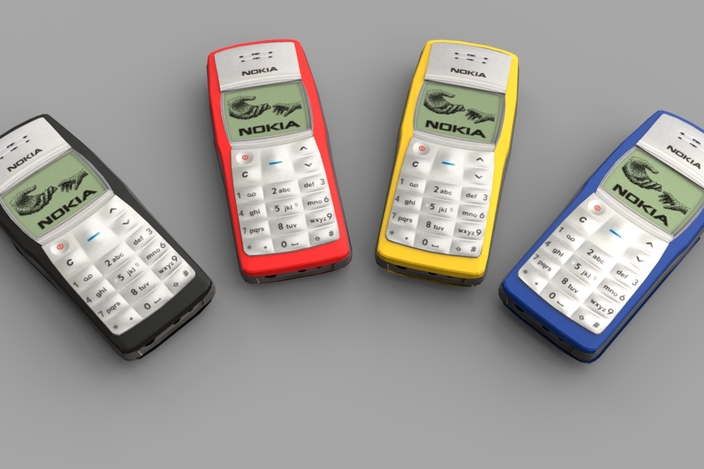
Back in the day, the US market was starting to move towards smartphones from feature phones. In 2007, the first iPhone was introduced to the world, and it revolutionised the mobile phone industry. India was still largely a feature phone market with very few devices from Blackberry and Nokia’s Nseries phones that were called ‘multimedia smartphones’ being sold. These devices were expensive and were sold in high-end stores which almost always had a different section for the customers of such phones. Priced anywhere between Rs 25,000 to Rs 45,000, these phones were the envy of people who couldn’t afford them, and pride of people who could. Feature phones were still a large part of sales for players such as Nokia, Sony and Motorola.
The dealers could make huge profits selling these phones. Now at that point in time, the market was open to any risk taker who could afford to get into the business of making their own brand. And so they did. Companies such as Micromax, Lava, Karbonn etc were all either dealers for smartphones, software companies or telecommunication ventures who wanted to make a mark on the emerging trends of smartphones. They, however did not have the production capability or the funding to start a production unit in India. This brings us to our next point, white labelling.
What Went Right?
White Labelling
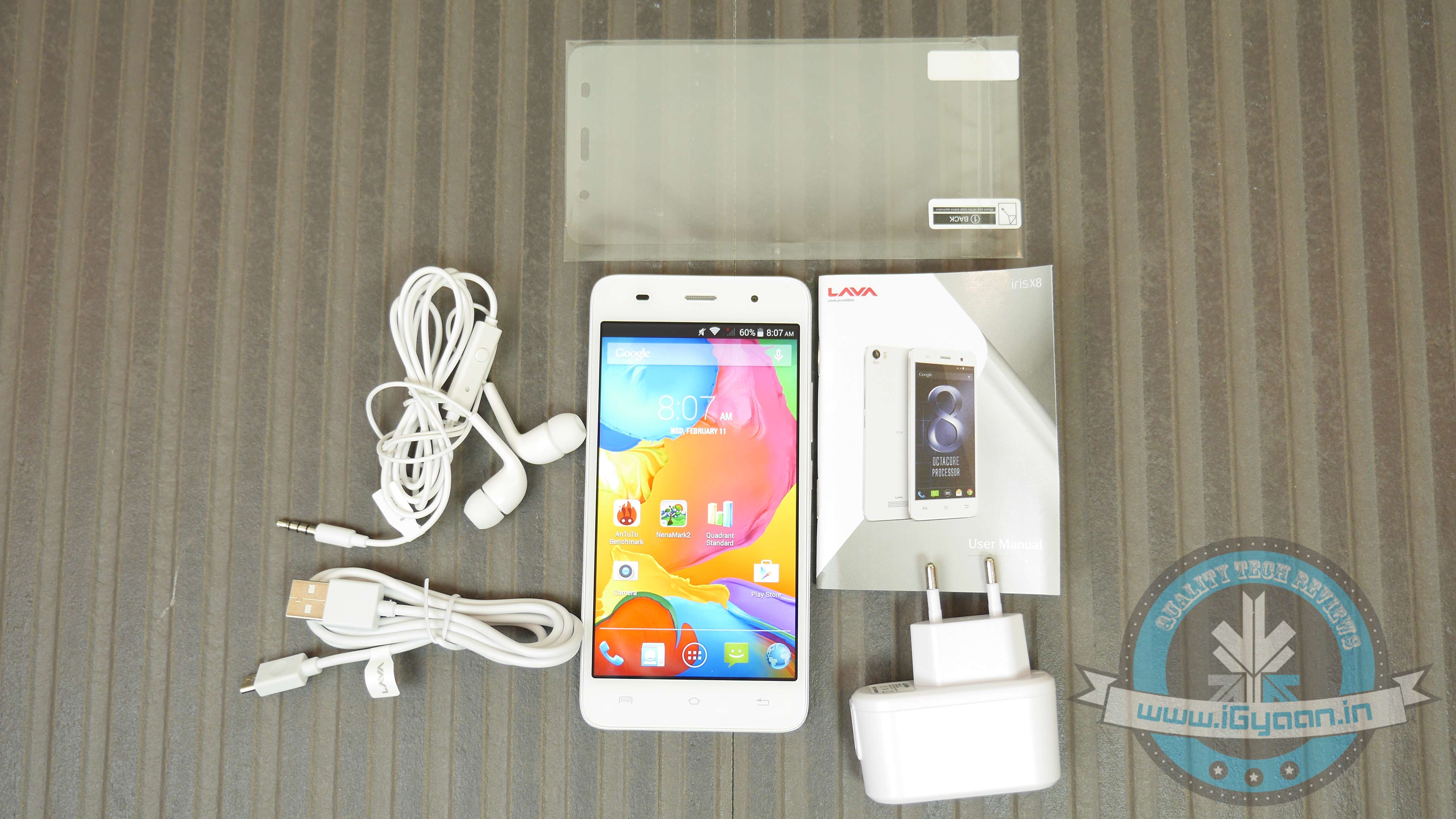
To understand white labelling, one needs to know what OEM and ODMs are. Original Equipment Manufacturers are companies that sell product made by other manufacturers under their own brand name. Original Design Manufacturers are companies that design and manufacture a product according to a different company’s needs who sell them under their own brand. Brands like Lava, Micromax and Karbonn saw this OEM and ODM relationship as a great scope for a business model for smartphone manufacturing.
Chinese phones were already available in the Indian market, but they were not well received. No one wanted to invest in a ‘Chinese phone’ because these phones had no warranty and no after sales service. What the Indian companies did was ask manufacturers in China to design and build smartphones according to their needs and these manufacturers would build it and dump it in India. The Indian companies would then add their own branding to these phones and sell them in Indian markets with warranty and an after sales service promise. This was a great business model and these Indian brans gained ground quick!
Cost Effective
One of the several reasons for the success of these phones were their cost effectiveness. They were providing feature rich phones, dirt cheap, compared to their more expensive counterparts like Nokia and Blackberry. iPhones were also seen from time to time, but were rare. Motorola was a big hit with their RAZR and ROKR series models but these were also getting sloppy. At the time, 2G phones were reigning the market and calling and texting were quite expensive for Indian consumers. But with the introduction of 3G in and around 2008, Internet users suddenly blew up.
WhatsApp’s introduction a year or two later was also a major shift. Most of the expensive international brand’s phones wouldn’t support WhatsApp, and many would not support 3G. A massive number of people had to shift and so a great opportunity opened up for all manufacturers. Indian companies cashed in on this by introducing smartphones with bright LED touchscreens, Android based OS and a host of other features. These were priced at around Rs 10,000 – Rs 15,000. There was also one more feature that these companies, along with the internet boom, made famous. Let’s talk about that next.
Dual Sim
When we say that the Indian companies were the talk of the town back then, we really mean it. From students in high schools and colleges to working professionals, everyone was a consumer of these Indian brands. Many shops even raised their prices at one point of time for the Micromax Canvas series of phones because of the high demand and low availability. These phones, among other things, introduced a feature that has stuck on even now. That feature is Dual sim cards.
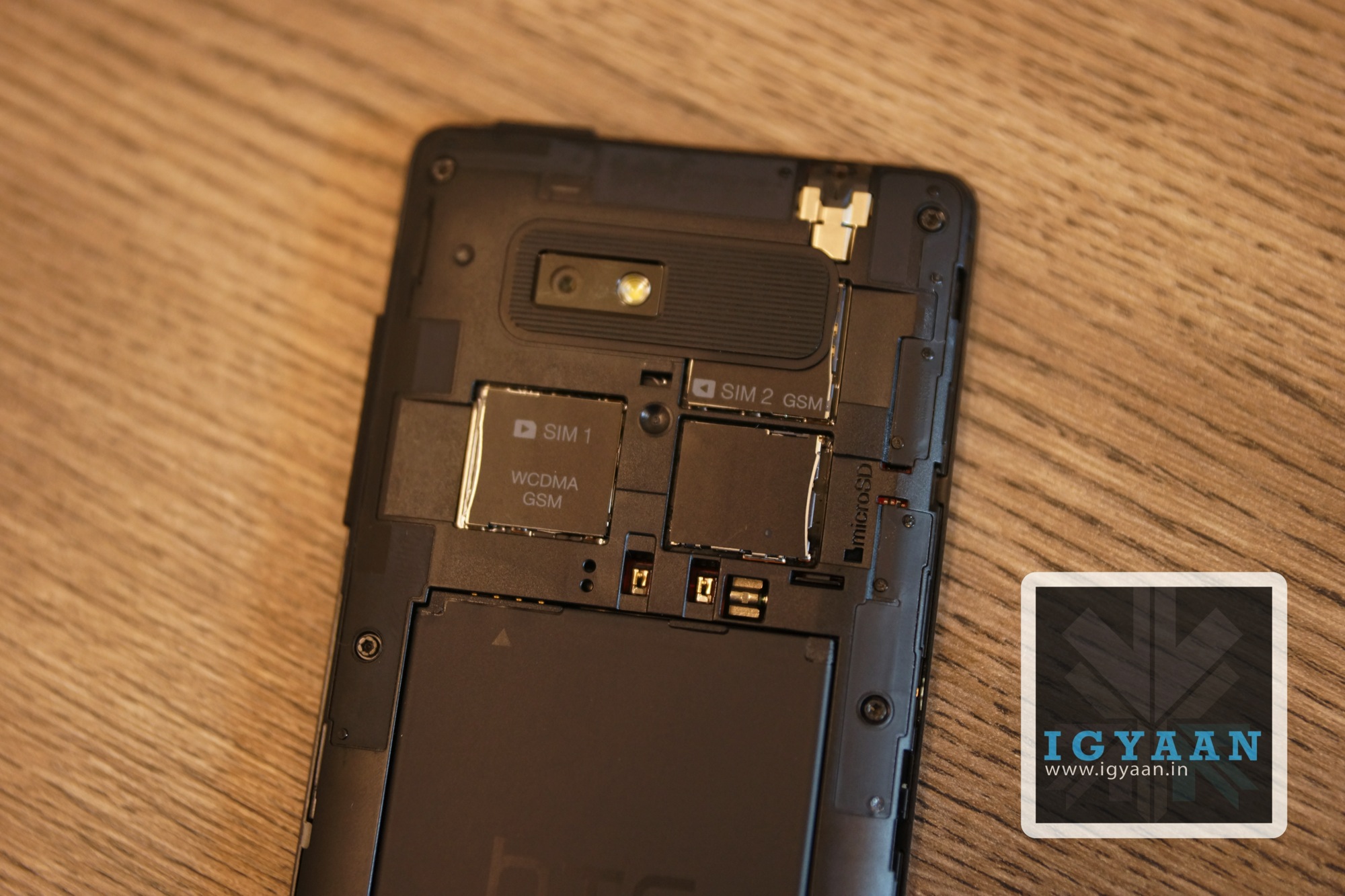
When companies such as BSNL and MTNL started providing cheap internet options, people wanted to use two sim cards in one phone.This was because porting phone numbers wasn’t really something one could do easily. The Indian manufacturers went to the Chinese ODMs and asked for a phone that could use two SIM cards. Thus in 2010, Spice mobiles launched India’s first dual SIM ( 3G + 2G) phone. Although Dual SIM isn’t a technology the OEM or the ODM invented, it was definitely seen as a useful feature for a particular market and brought into use by these companies.
Faster Turnaround Time
White labelling also worked for these companies because of another reason. These phone manufacturers had a faster turnaround time, compared to Nokia, Sony or Samsung. They did not have to do their own research and development, neither did they have to design the phone, they could just bring a new model to a market much faster. A company like Nokia had to design, manufacture, market and sell these phones. These took at least a few months to achieve, from scratch. The ODMs meanwhile, did not have to worry about marketing and selling their products while an OEM did not have to worry about the design and manufacturing. This symbiotic relationship helped them bring newer models with the latest features to the market faster than many other established phone makers.
What Went Wrong?
Chinese ODMs Started Their Own Branding
Many ODMs in China understood the fact that the real money was to be made in the distribution and marketing of phones in markets like India. Working with the Indian companies, they had already learnt a lot about the market and the distribution channels. Many other established Chinese companies like Xiaomi also set their eyes on India at the time. These ODMs and other smaller Chinese brands started shipping their own branded smartphones to the country with a promise of better after sales service. But in order to compete with the already established brands, they needed o keep the pricing to a bare minimum. This is where the next turning point in the market comes.
Online Sales
Flipkart had already set up a good service channel and delivery channel owing to it’s online model of selling books and then later selling other items. Amazon entered the Indian market in 2013 when they realised the scope this market had. They also started with books and movies and slowly gained the customer’s trust. Indians were sceptical of using online channels to buy expensive products, specially electronics. But as the online revolution progressed, Indians started to slowly indulge in online shopping.
One of the other factors for this was the introduction of 4G in 2012. This made internet services considerably faster and cheaper. These Chinese manufacturers saw the opportunity of cutting costs. Costs for establishment, delivery and distribution as well as a lot of other smaller expenses that the companies would’ve incurred if they sold through offline channels such as retail stores. Online selling allowed the Chinese players to bring phone prices down a lot.
Lack Of Vision
The Indian companies were heavily invested in marketing and advertising their products and failed to realise that time and technology was moving at a rapid pace. They did not expect that the Indian market would shift so drastically. India, at that time, had come out of recession and the industrial production was growing instead of slowing down. People were slowly getting back their jobs and many started earning more than they were spending. This caused online sales to grow as well. The introduction of 4G was a huge change, and it rolled out in a matter of just a few months. Reliance Jio rolled out 4G phones and 4G connectivity and 3G suddenly became a backdated technology.
Most Indian companies had a huge order booked for a lot of smartphone units. These suddenly became extremely hard to sell to the new customers who were looking to buy 4G phones. With 4G being extremely cheap, the Chinese manufacturers were ready for the 4G wave and they jumped in to sell their phones. This lack of vision for the future affected many companies and brought many more to their knees before their ultimate shut down.
No Or Very Little R&D
The Indian smartphone companies were headed by strong businessmen but not technical or product people. They knew how to conduct a business with a given set of rules. But the smartphone market changes extremely rapidly and they couldn’t catch up. The Indian companies had no proper R&D department put in place. They had no or very few factories and relied mostly on ODMs for their products. With ODMs going their own separate ways to create new models of 4G phones, all the while, marketing and selling their own smartphones. Meanwhile the Indian manufacturers were left stranded with a huge number of smartphones to clear. This was one of the many reasons why a huge corporation like Nokia also fell short. R&D is an integral part of smartphone manufacturing and big companies such as Samsung, Apple and Huawei have a lot of manpower as well as capital dedicated to this sphere.
Bad After Sales Service
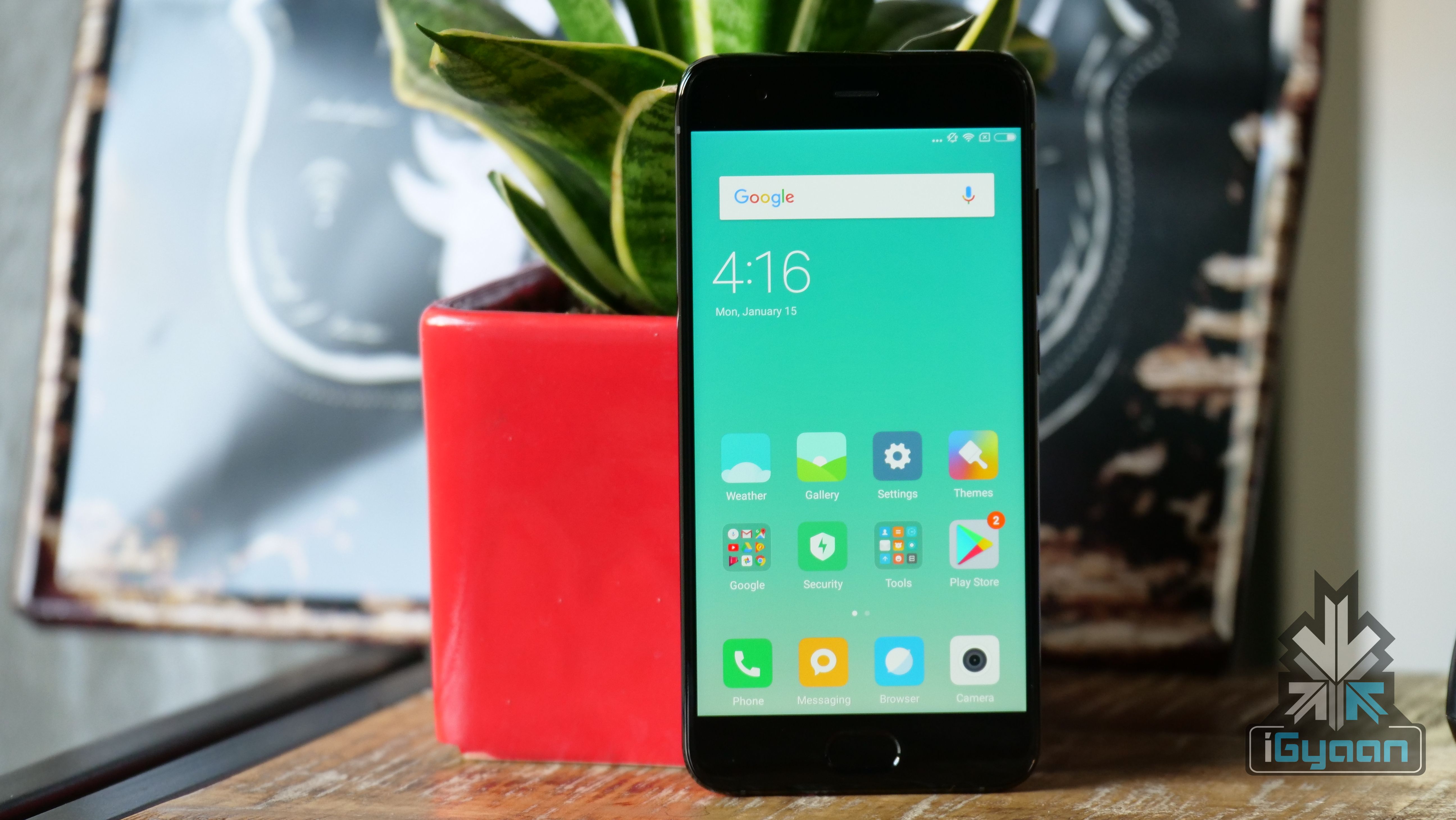
There were several reasons for Indian consumers to buy Indian smartphones. But one of the top reasons was the guarantee of repair in case of any manufacturing issues. Most Indian companies failed on this promise. If you do a quick online google search, you will see that a majority of consumers were extremely unhappy with the after sales service. There are complaints of these companies taking the phone for months and not repairing or replacing it. Moreover, bad behaviour from the staff and a rampant complaint of overcharging were pushing customers away. This was the final nail in the coffin. Almost all smartphone users shifted to the newly launched Motorola, Xiaomi and OnePlus phones.
While the Indian companies are slowly dusting off their archaic ways and slowly investing in R&D, they have a long way to go. It would be best if they skipped a few of the popular trends right now. Instead, they should try to predict what trends are to come in the near future and work on that. We surely hope these companies get to play on a level playing field in the years to come, so that the Indian smartphone manufacturing market flourishes as a whole.
Telecommunications Research Institute of the Ministry of Industry and Information Technology recently released a report on the domestic phone shipments in China and it does not look too good for the smartphone market. In the period from January-September 2018, the domestic mobile phone market shipped 305 million units, down 17% year on year. September 2018 saw 91 new model launches, down 26.0% year-on-year and 65.5% quarter-on-quarter. 18 models of 2G phones, 1 model of 3G phones and 72 models of 4G mobile phones saw their release in that month.
Reports also stated that in the period of January to September 2018, 2G mobile phone shipments were 16.762 million units, down 19.7% year-on-year. 3G mobile phone shipments were 49,000 units, down 90.9% year-on-year. While the 4G mobile phone shipments were 288 million units, down 16.7% year-on-year.
635 new phones were launched since the beginning of the year. Out of this, 144 models were 2G compatible and 488 models were available with 4G support. 92% of the sales were garnered by the top 10 manufacturers in China. This includes giants like Xiaomi, Oppo and Apple.
Around The World
September also saw Korean smartphone manufacturers Samsung beating Apple in the global smartphone market. This is hapenning as companies like Xiaomi, Huawei and Oppo are closing in. Apple however targets the top end of the market while most Chinese manufacturers target the lower end. This is much more price sensitive. Other manufacturers may win the race in terms of the number of phones sold but Apple almost always wins the profitability race.
In Quarter 2, according to a research website, the best selling smartphone models were the Oppo R15, Vivo X21, iPhone X, iPhone 8 Plus and Honor 7C. A research analyst when talking about Q2 had commented that during the quarter, OPPO and Vivo also expanded their presence in the premium segment by launching devices like the Find X and Nex. According to him, the premium segment is likely to get more competitive in the later part of 2018.
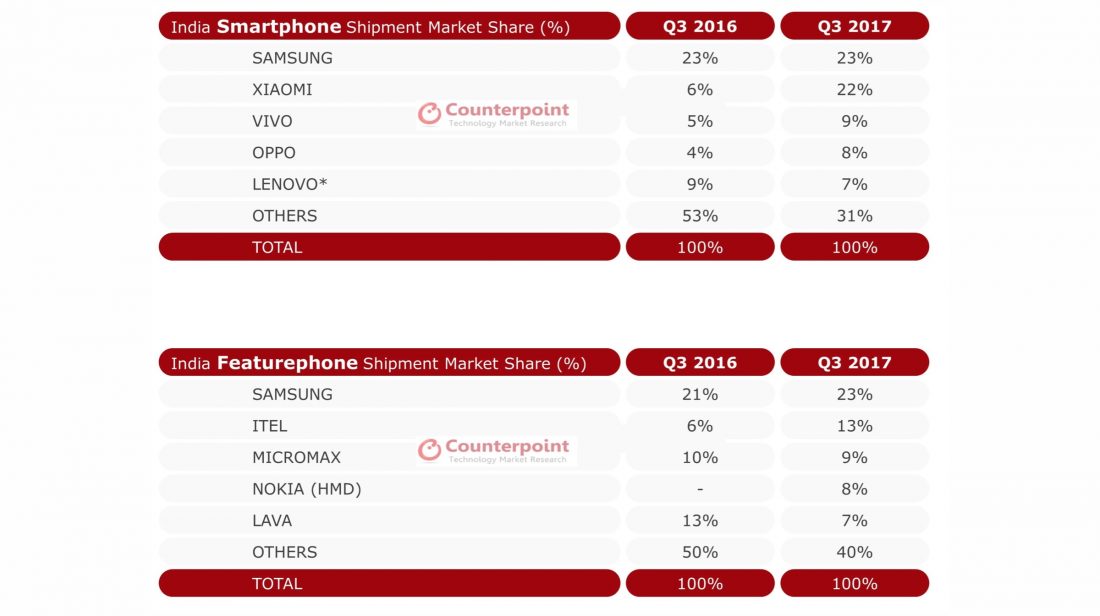
Samsung and Xiaomi together constitute 45% of the smartphone market in India in Q3 of 2017. The smartphone grew 37% (quarter on quarter) and 18% (year on year) to temporarily surpass the US for the first time ever as the second largest smartphone market in the world. The number one spot i still retained by China. According to Counterpoint’s Market Monitor service, India’s mobile phone shipments reached an all time high of 84 million in 2017 thanks to a strong sale period of both feature and smartphones.
Samsung and Xiaomi together contributed to almost 45% of the smartphone market. This is the first time since 2012, that the top two brands have reached this level of combined share, signalling that key brands are ramping up their presence in India. Additionally, the quarter was marked with return to growth for local handset players such as Micromax and Lava in the smartphone segment.
Affordable mid-end segment (Rs. 10,000 – Rs. 15,000) was the fastest growing segment thanks largely to a strong performance of Xiaomi which contributed to almost half of the shipments. Three of the top five best selling smartphones in India were from Xiaomi alone.
Commenting on the findings, Karn Chauhan, Research Analyst at Counterpoint Research said,
India continues to be an attractive destination for handset OEMs. With strong smartphone growth and a sizeable feature phone market for at least three to four years, OEMs in India can target a diverse set of audiences. This has allowed a number of OEM’s to still realise double digit growth in the feature phone segment in spite of being absent in the smartphone segment.
Chinese smartphone brands have a third consecutive year when their market share is over 50% in India. Indian brands like Micromax and Lava grew 41% and 24% (quarter on quarter), respectively, in the smartphone market after recovering from their all-time low performance after demonetization in 2016. Micromax Bharat 2 was the bestselling phone in the sub-Rs 5000 segment. Xiaomi, iTel, Oppo, Vivo, and OnePlus were the fastest growing smartphone brands during the third quarter which is largely due to the festive sales and attractive discounts.
Because of the strong performance of Apple, OnePlus, and Samsung, the premium segment (above Rs. 30,000) grew record three times (year on year) during Q3 of 2017.
International Data Cooperation (IDC) recently reported that, after a slow start in the first quarter, the smartphone shipment in India grew 44% to 26.5 million units, in the June quarter. Not just this but we can also expect a huge leap forward over the next few years, as people will switch to smartphones and 4G-enabled devices.
“By 2017, we expect India to overtake USA to be the second largest smartphone market globally,” it said in a statement issued by IDC.
“This strong second quarter performance saw smartphone shipments grow by 19%, following a sluggish first quarter this year,” IDC added.
However, we should note that the IDC hasn’t released shipment numbers for the January-March 2015 quarter. Samsung maintained its leadership in the Indian smartphone market with 23% share, followed by Micromax (17% ), Intex (11%), Lava (7%) and Lenovo (6%).
Times of India accompanied this information with the fact that the overall Indian mobile phone market has actually shrunk by 6% in the said quarter on a year-on-year basis. 59.4 million units were shipped in the June quarter, as compared to 63.2 million units being shipped in the second quarter of 2014.
“e-tailers have opened additional avenues for growth for many vendors in India, who would have otherwise struggled to get a hold in the complex distribution network,” IDC India Mobile Phone team Research Manager Kiran Kumar said. This explains the reason for such magnanimous growth as vendors are using online retail or “eTail” to infiltrate the market. However, India continues to be a retail dominated market, even as companies like, Lenovo and Xiaomi are continuing to expand in the subcontinent.
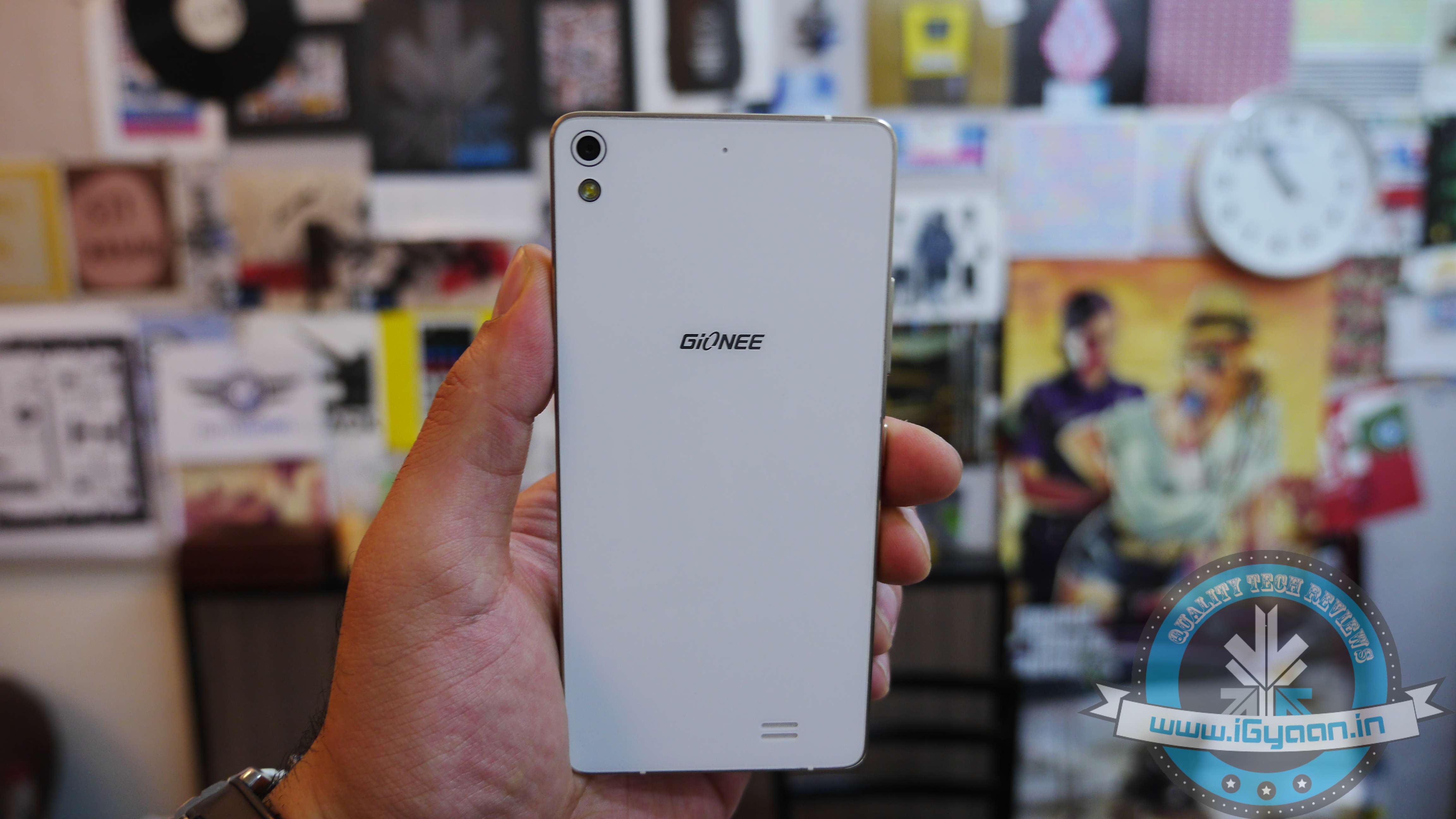
A second reason is that Chinese phone companies like the above mentioned, as well as Huawei and Gionee account for 12% of the total smartphone market in the second quarter. This means that China has tripled its shipments to India,thereby doubling the units shipped, from last year.
The IDC concludes by saying that, at the rate India’s going, it might be able to overtake America’s Smartphone market by 2017. That would be interesting, wouldn’t it?
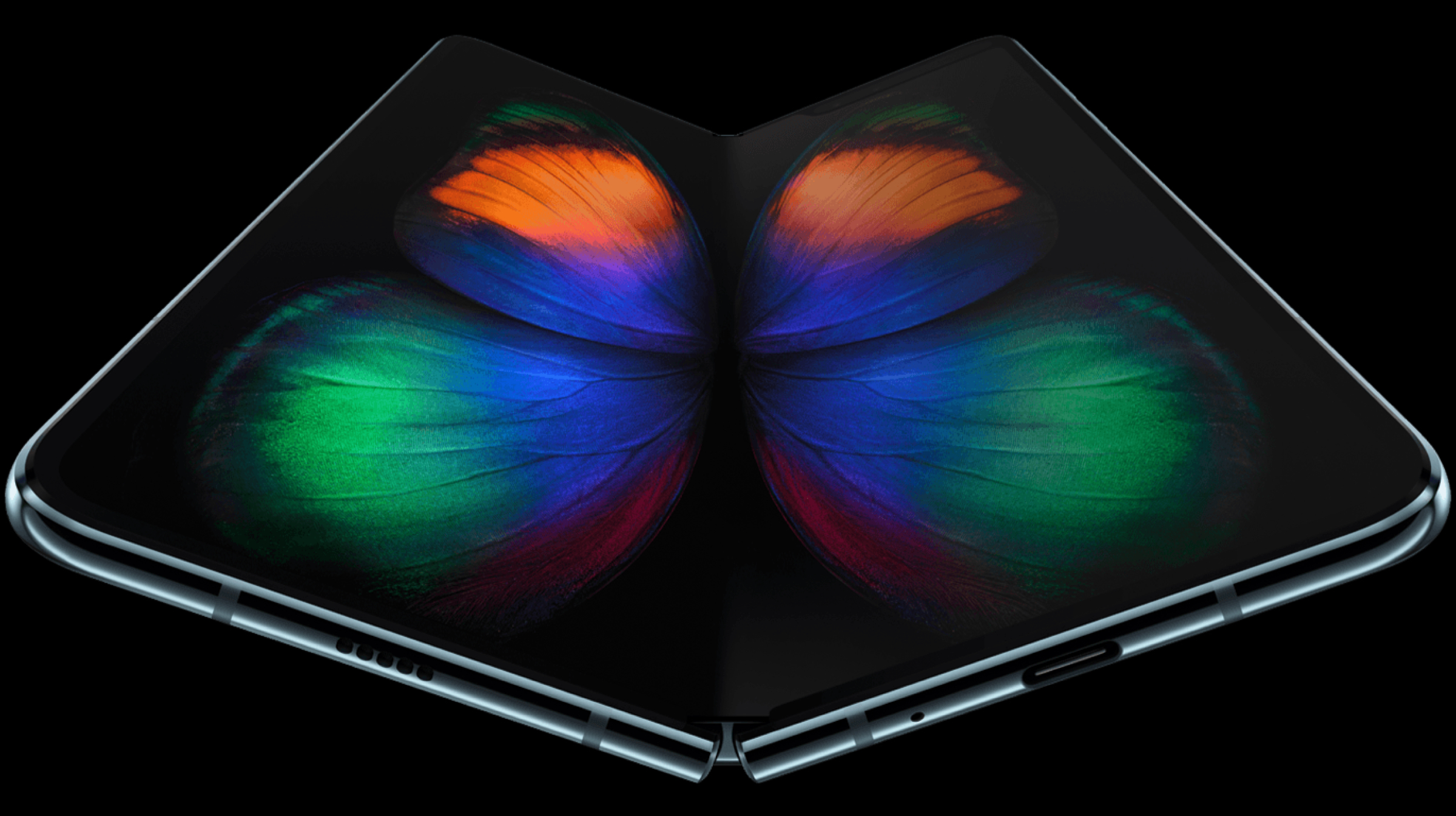 If we turn the clock two or three years back, a majority of customers used to rant about ridiculously expensive $800 smartphones. They would make fun of smartphone brands which ventured into a fairy-phone land where smartphones can be sold higher than the price of a high-end laptop. Market analysts loved ridiculing brands like Apple, which priced their devices at prices hitting $800 or $900. But times have changed, and so have the smartphone prices. Now, they’re hitting $2,600 (roughly INR 1,80,000), and consumers are not even batting their eyelids.
 From one perspective, the customers are to be blamed for the same. We, as consumers, have allowed the bar to be raised to a point where a smartphone worth $1000 is the norm for a premium device. A lot of analysts and consumers still blame Apple for the steep prices of smartphones nowadays. But you have to give it to the company which broke the 4-digit price barrier and started selling the iPhone X at $1000. Furthermore, the device sold incredibly well in the market, indicating that customers are not at all cash-shy when it comes to premium mobiles.
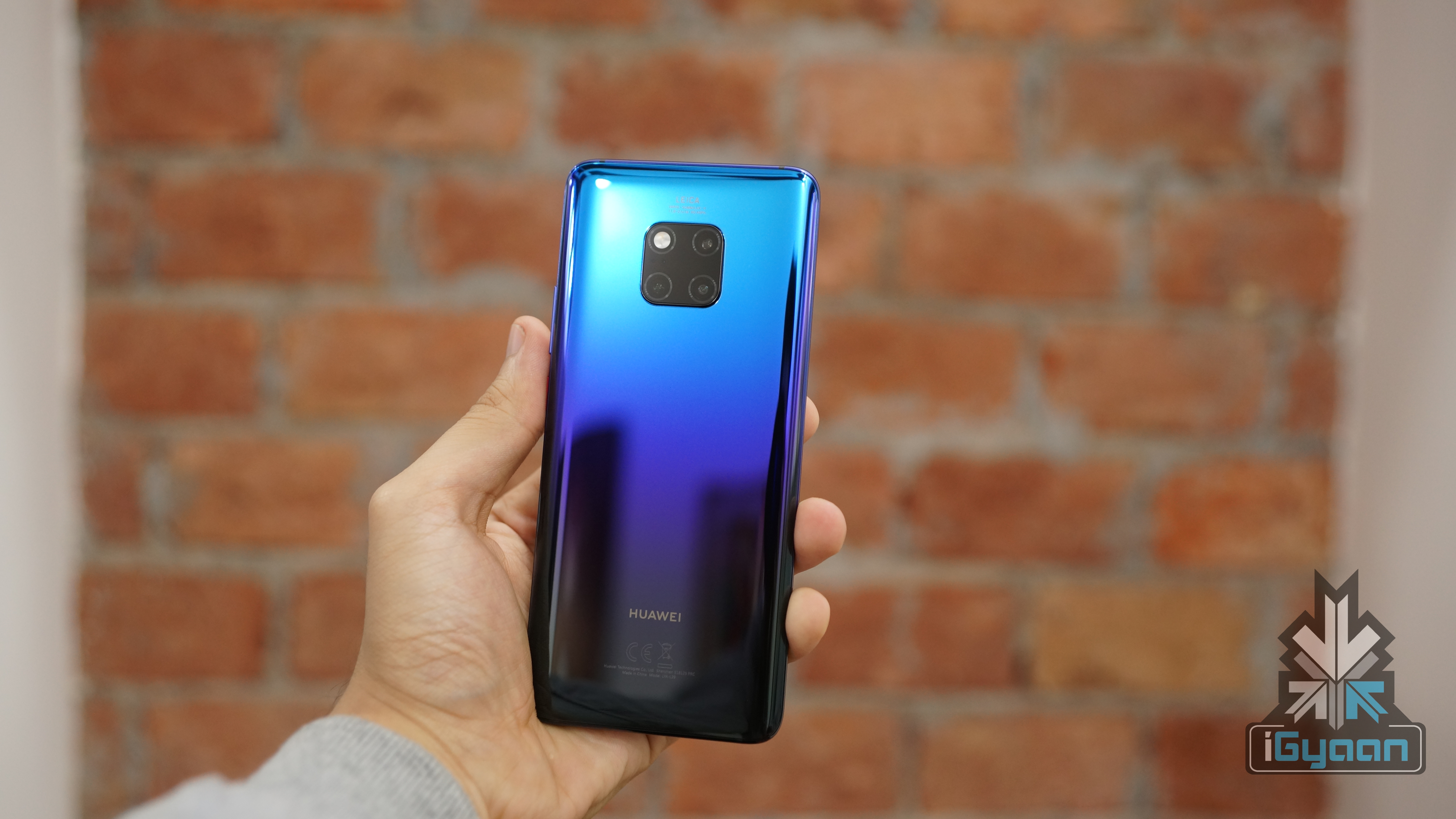 Once Apple proved it’s market worth with the iPhone X, companies like Samsung and Huawei followed the trail and started unveiling smartphones which exceeded the previously mentioned price point. But why exactly are these devices becoming pricier day by day? And above all, why are consumers still buying expensive handsets?
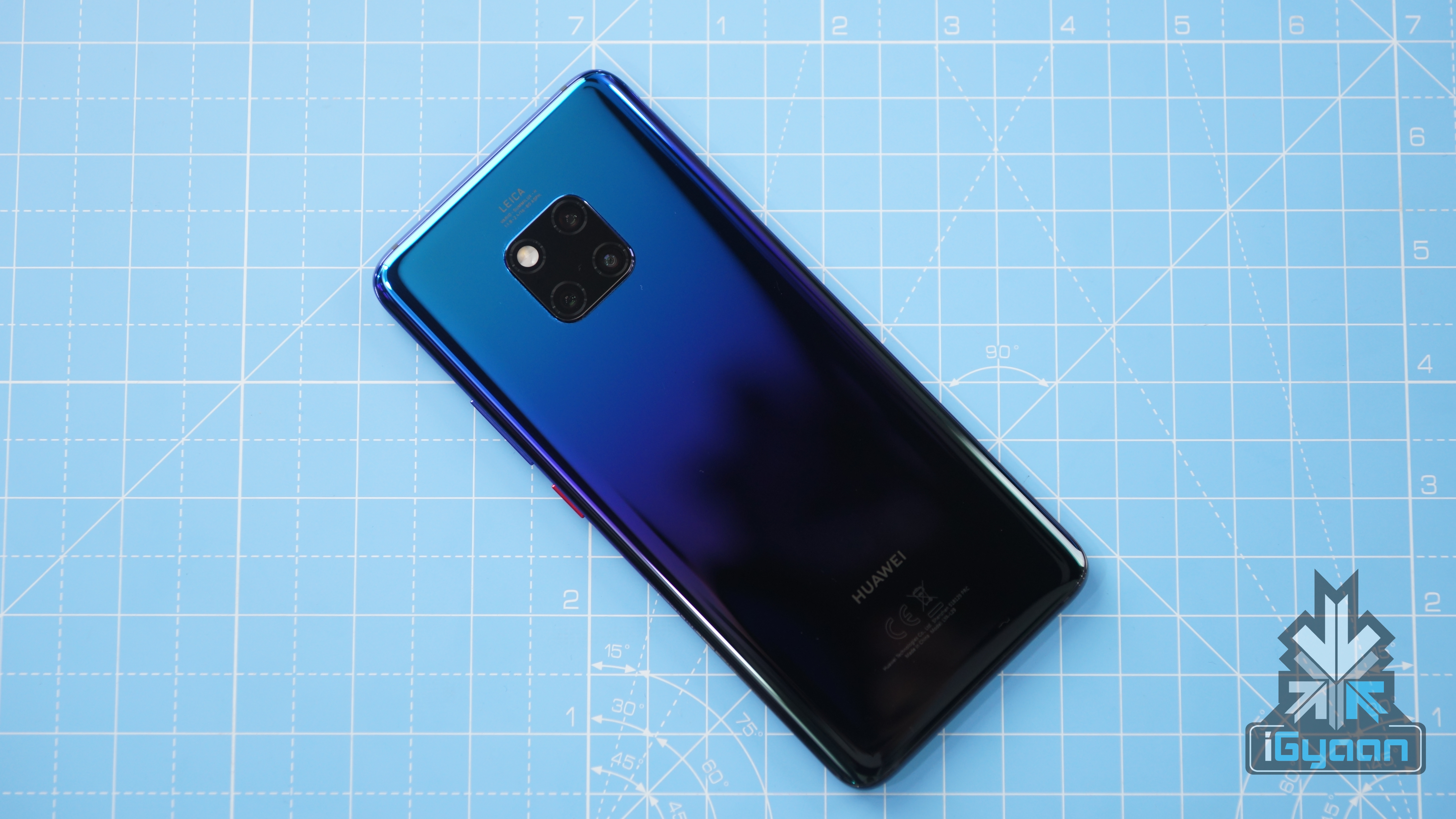
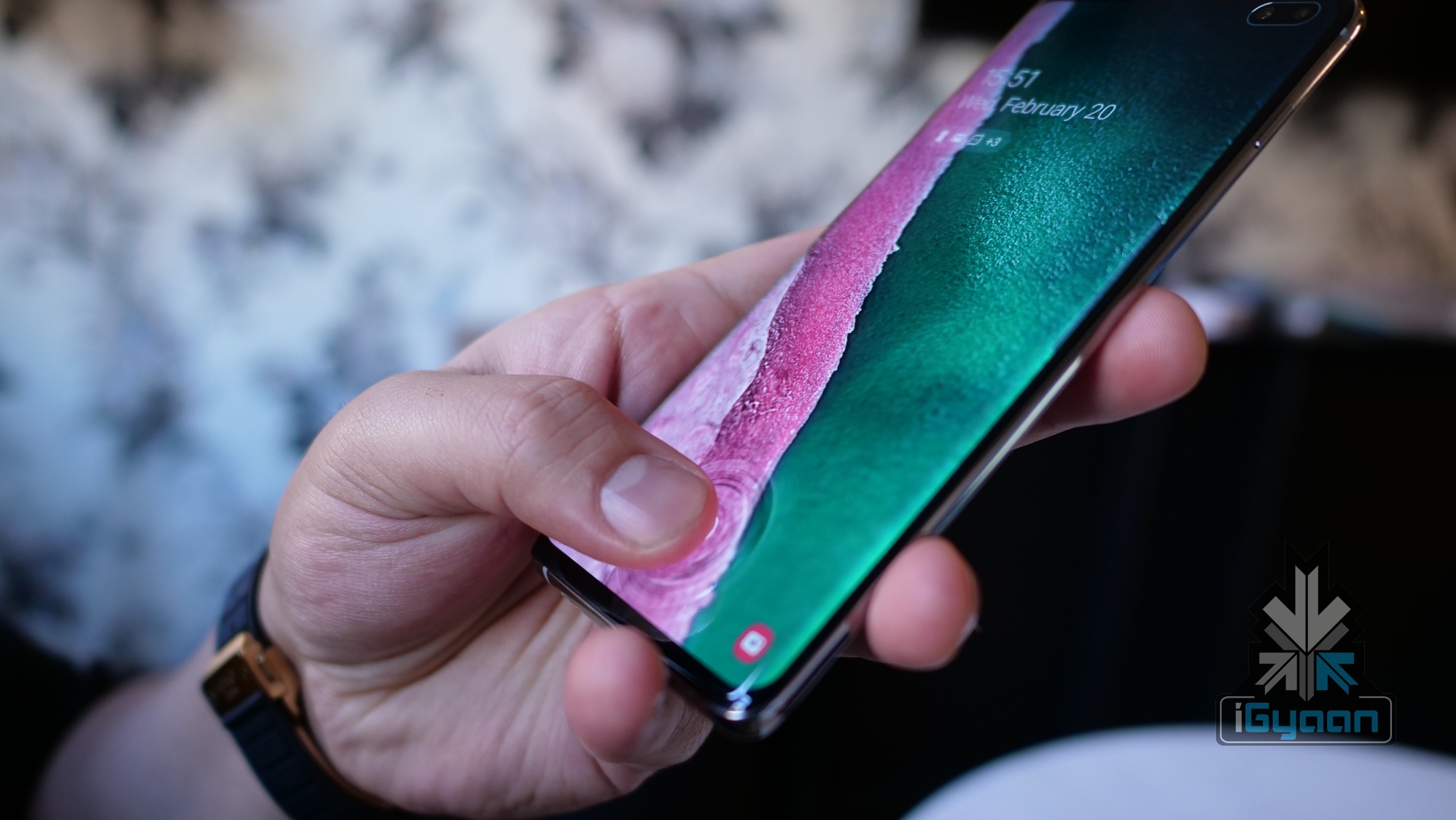 Most companies when prodded regarding the aforementioned issue have a similar statement, and that is the increasing cost of smartphone components. It’s not a false statement at all since better smartphones require better components to drive them. With handsets with quad camera setups hitting the market, it can only be expected that the company is using top-notch modules in the smartphone. On the top, components are becoming smaller than ever in order to accommodate them in considerably smaller, thinner and lighter smartphones, which eventually leads to newer devices becoming more expensive than their predecessors.
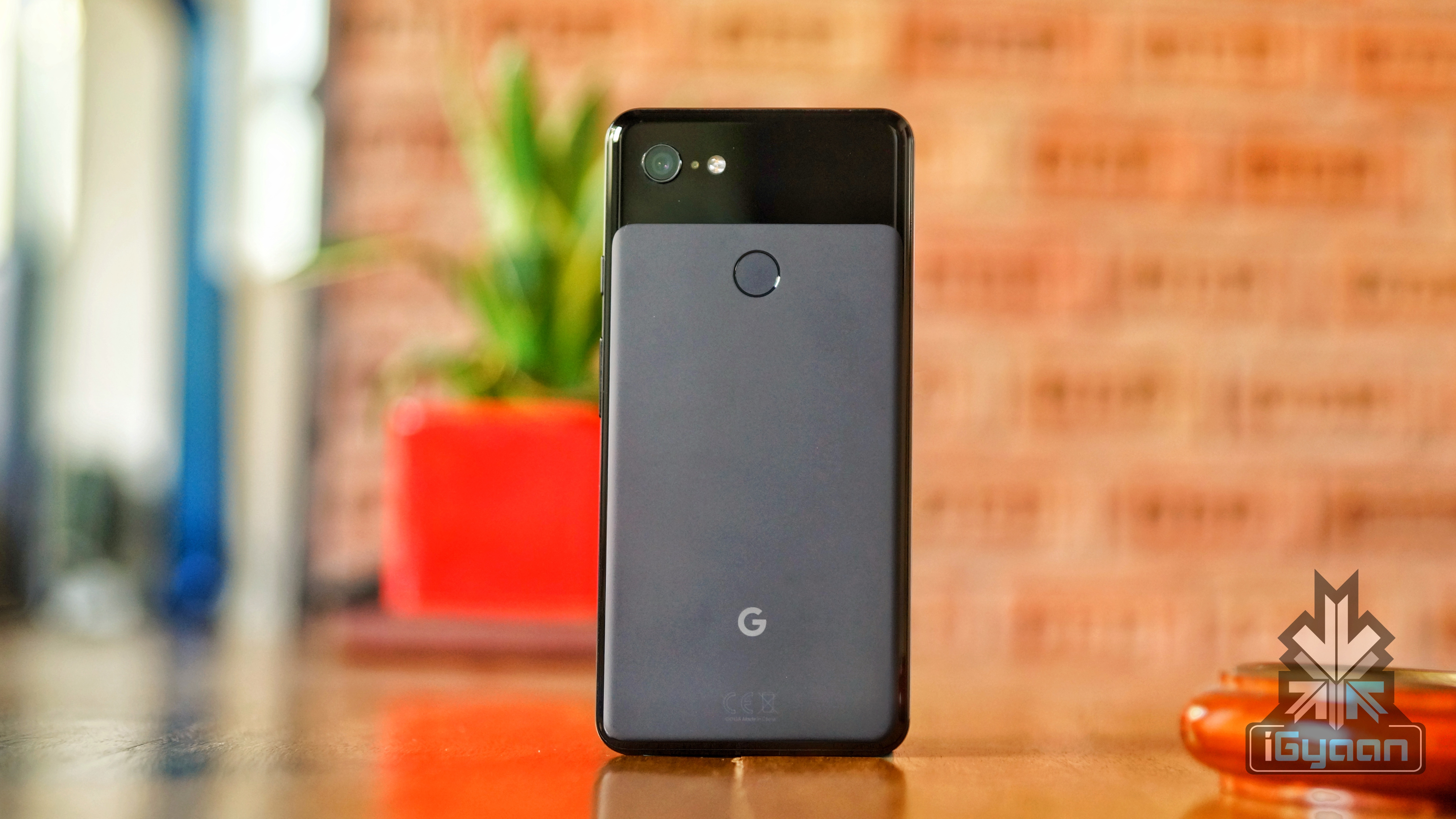 One reason is the global economy, which is pushing smartphone brands to charge more per smartphone so as to fulfil targets for profit. When a user buys a smartphone, he pays for the smartphone (including its components), the labour and energy required to design that product, and salary of all the employees who were involved in designing and marketing that product. Companies can’t help it, the global economy puts too much pressure on the same.
 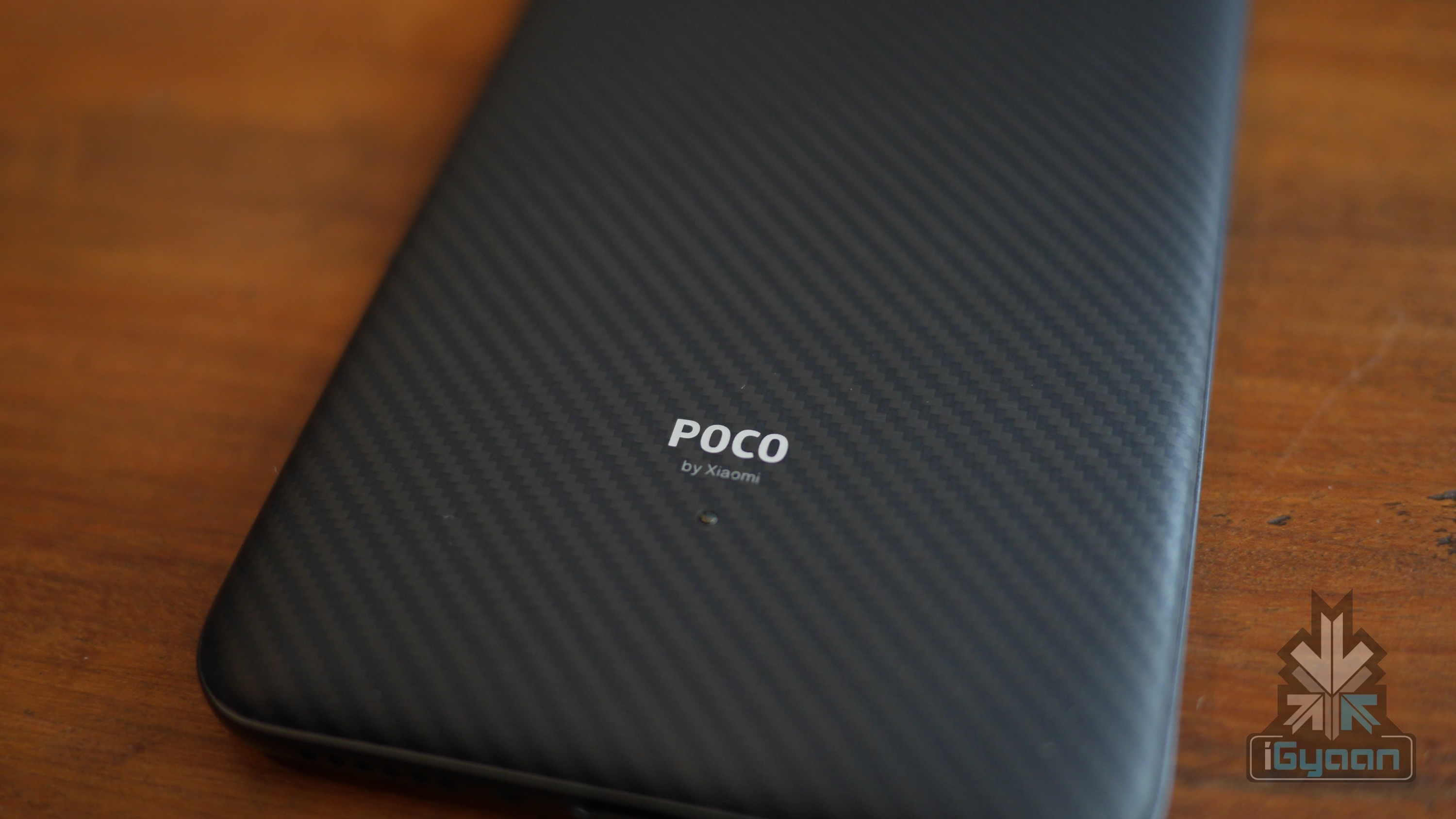 Another solid aspect which is trending right now is competitive pricing, which is the underlying reason for a lot of smartphone brands placing their new devices at high price points. Some companies such as Huawei and Samsung follow competitive pricing, whereas some brands follow an entirely different route: Aggressive pricing, which sells more smartphones but returns a lower net profit, which brings us to the next point.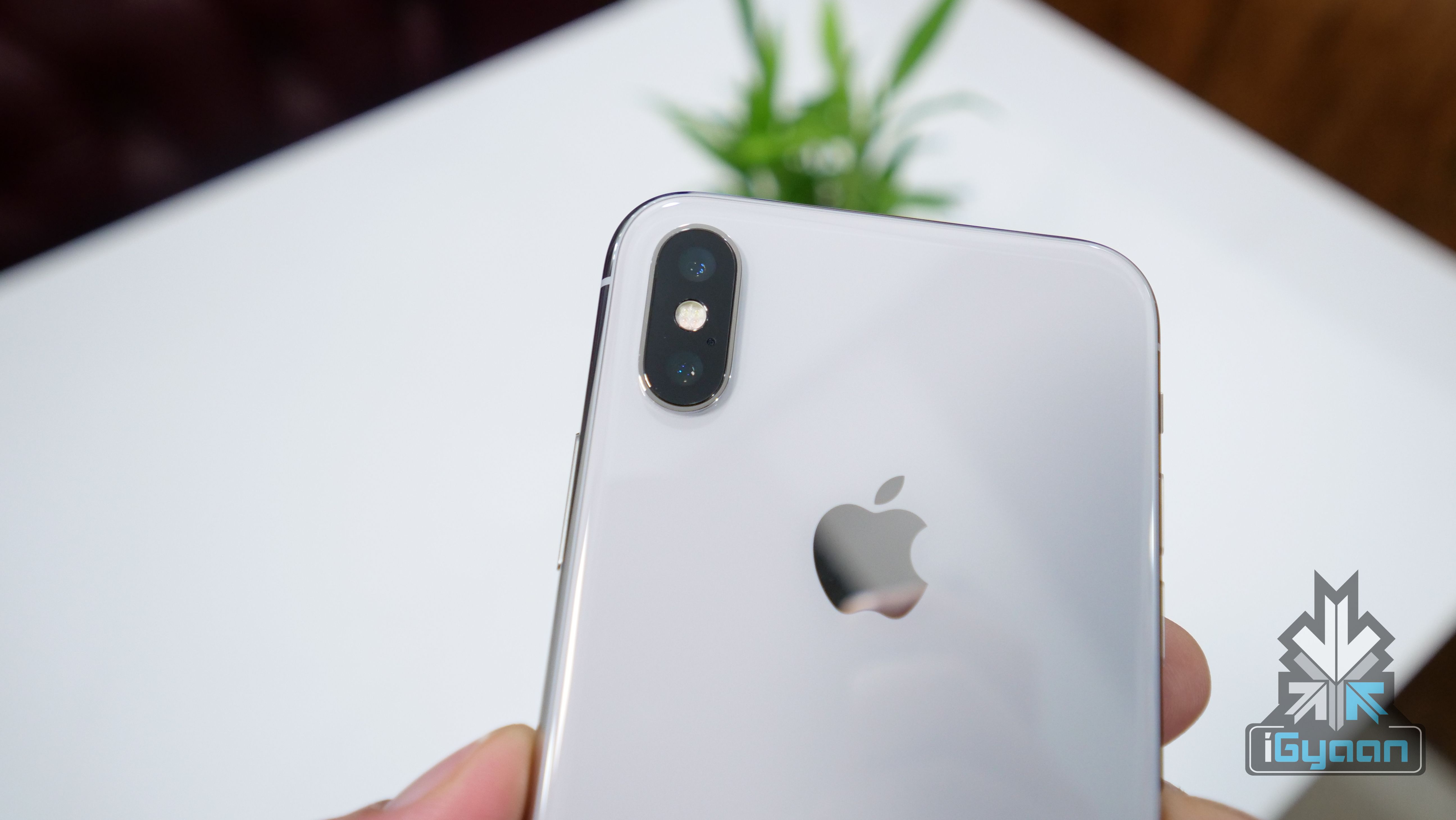
 If customers would have refused to buy high-priced devices, the market may have toppled in favour of the consumers themselves. Instead, smartphone companies have learnt that people who will buy the most ridiculously priced handsets in the market will always exist. And as long as such buyers support the brand, the company will keep innovating and introducing worthwhile features in future smartphones.
 Also Read: Here’s How Dark Mode Prolongs Battery Backup While Helping You Sleep Better