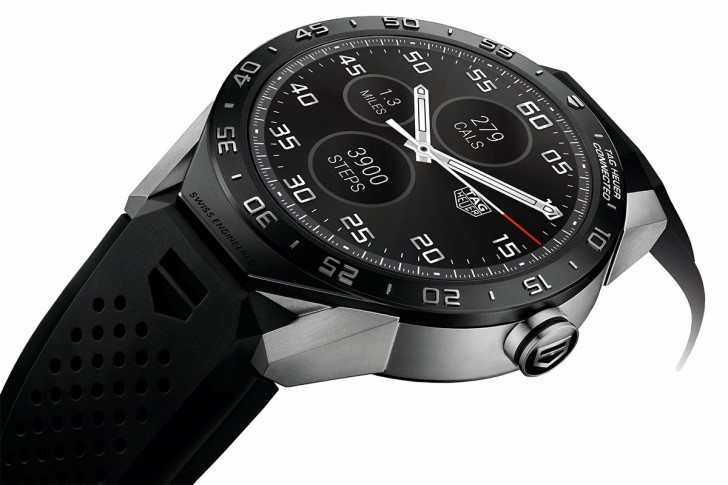
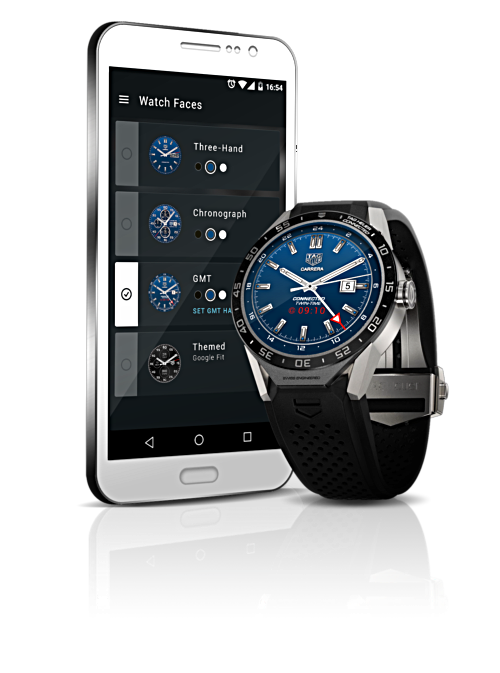
We have some more news for you in the tech wearable department; Tag Heuer has launched its first smartwatch called TAG Heuer Connected, inspired by Tag Heuer Carrera, at $1,500 (Rs.99,653). This smartwatch was launched at an event in New York City and is an android wear powered timepiece created in collaboration with Google and Intel.
The TAG Heuer Connected is powered by a 1.6GHz dual core processor from Intel, and has a 1.5 inch circular transflective LTPS LCD display with 360 X 360 resolution and a pixel density of 240ppi. Moreover, this watch is protected by scratch resistant sapphire crystal glass and comes with 1GB of RAM and 4GB of internal memory fueled by a 410 mAh battery.
Other features include a tilt detection sensor, microphone, a haptic engine and a gyroscope. Connectivity options include Bluetooth BLE 4.1 and Wi-Fi. The luxury smartwatch weighs 52 grams and is 46mm wide and 12.8mm thick. It is compatible with Android 4.3+ and iOS 8.2+, it also comes with extra equipment to detect the direction of the wind and weather monitoring while also being water and dust resistant.
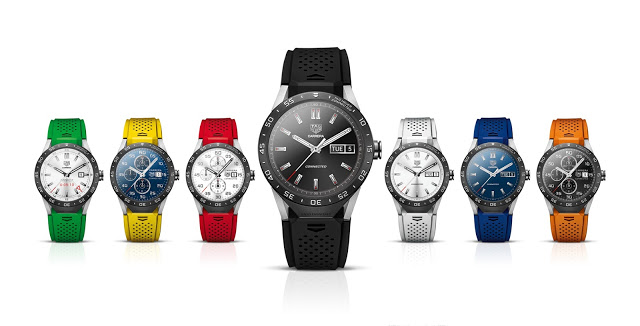
Now, we can speak about its availability, the smartwatch will arrive in various colours in the US, however, only the black band bracelet option will be available for purchase online. If you want the other colours, you’ll have to get yourself to a store in the US. It arrives in Europe on the 12th of November.
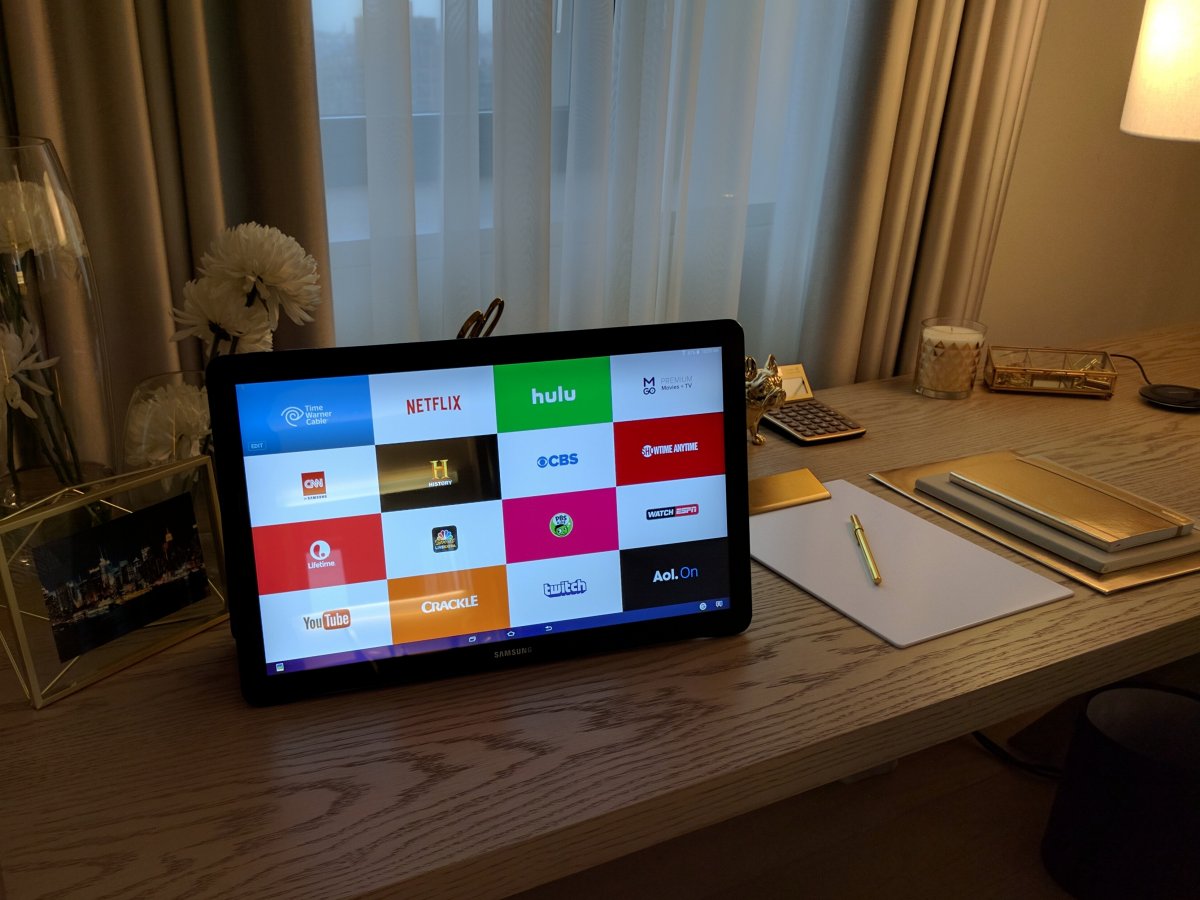
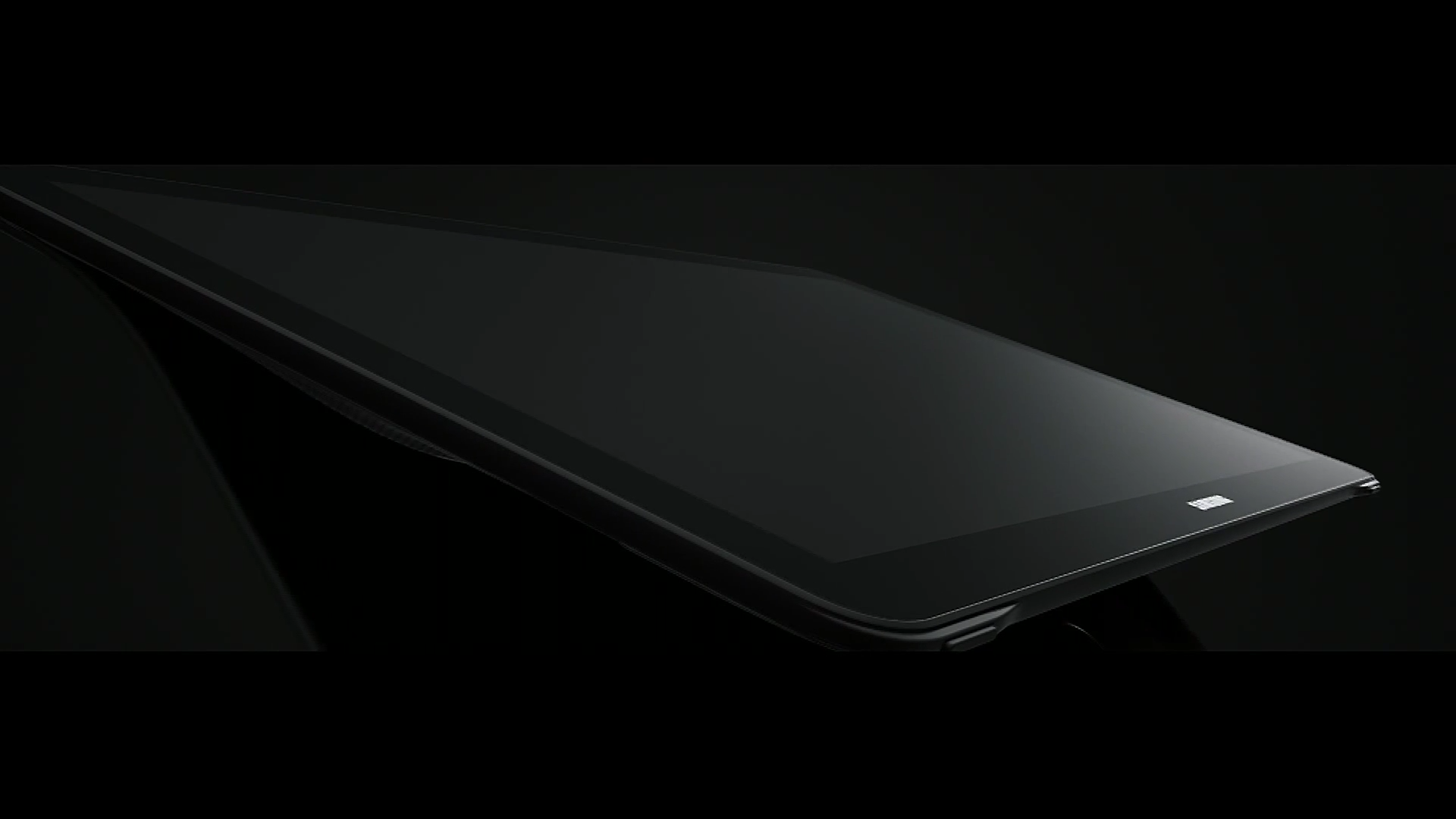
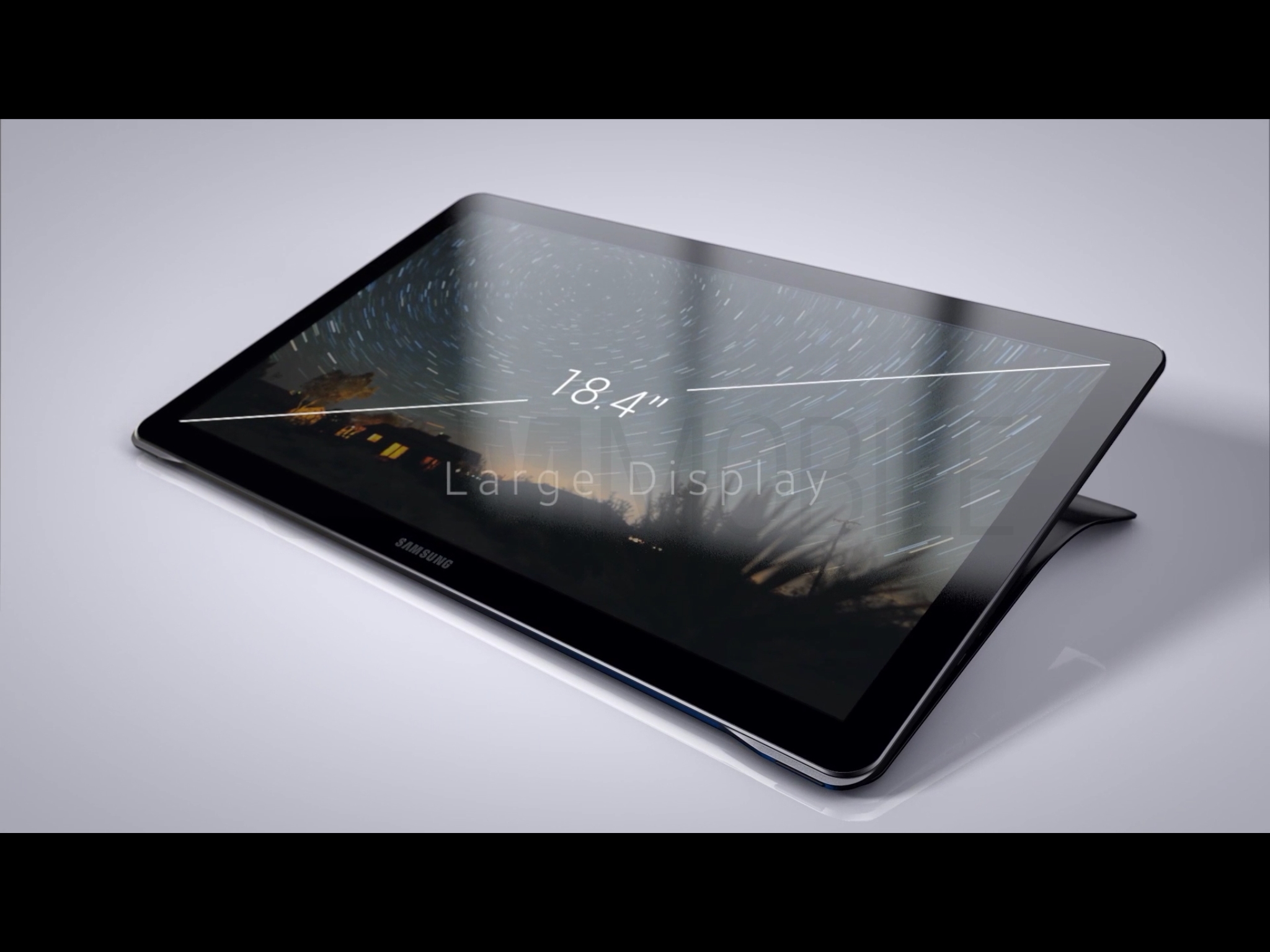
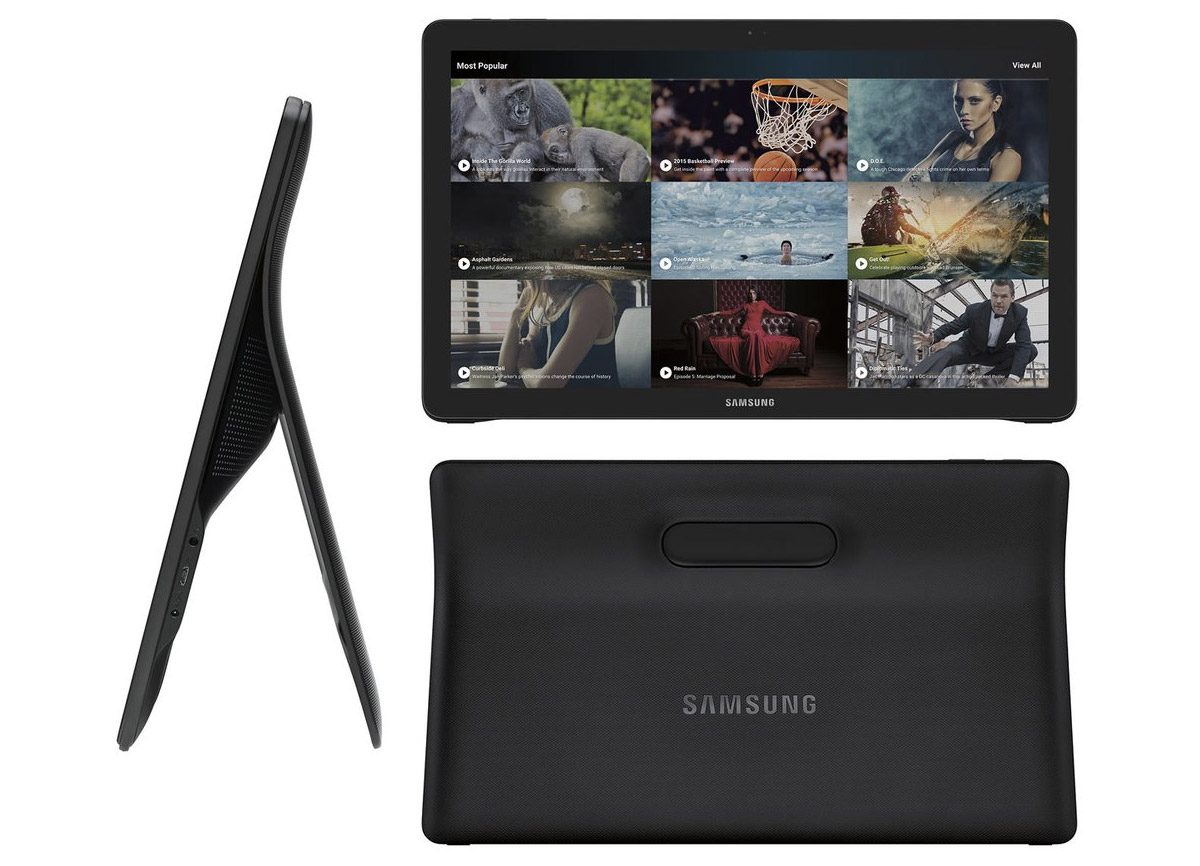
The Samsung Galaxy View tablet that was unveiled last month, is now ready for sale and purchase in the Unites States of America at $599 (Rs.39,770).
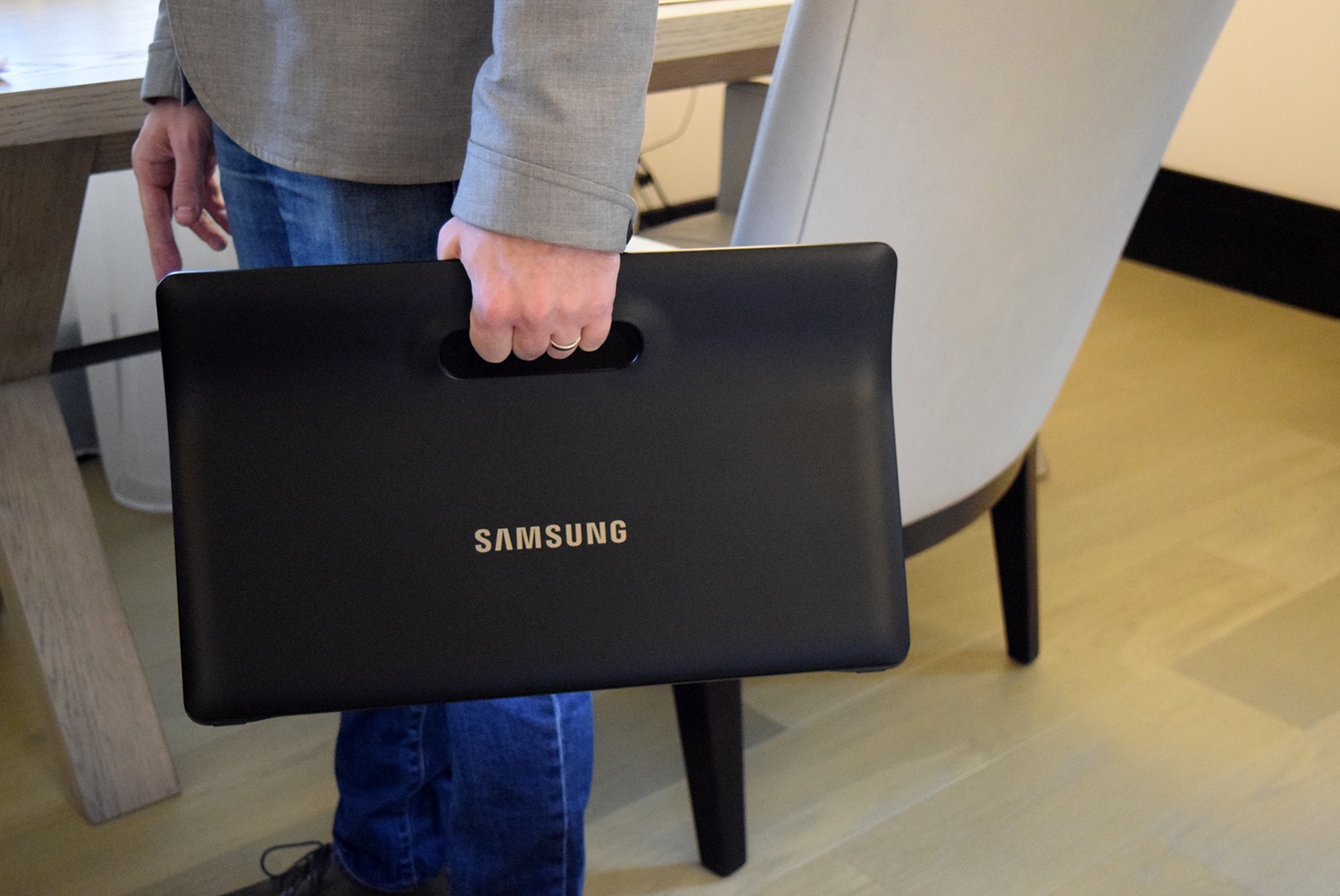
This tablet comes with an 18.4 inch screen, a built-in stand and also offers live television in some places. There’s a handle at the back of the device, and the screen features a 1080 X 1920 resolution with 119ppi pixel density. It runs on the Exynos 7580 chipset which comes under the hood with an octa-core 1.6GHz CPU inside. In the memory department, it comes with a 2GB of RAM space and 32GB of internal storage.
The Samsung Galaxy View comes with a 2.1MP camera in the front while the entire device is fueled by a 5,700 mAh battery with 8 hours of internet. The cell reportedly will allow you to listen to music for up to 299 hours, the device is also compatible with Wi-Fi and Bluetooth 4.1 connectivity. It will come in a regular black colour with the Android 5.1 pre-installed.
However, we should note, that currently the model with cellular connectivity will not hit sales anytime soon. So, we will only have access to the Wi-Fi only variant.
Even up till a fortnight ago, we were wondering why exactly had Samsung launched an 18 inch device which seemed like a hybrid of a TV and a tablet. Perhaps time will tell. Would you be willing to lug the Samsung Galaxy View around for some video-streaming pleasure when it arrives in India?
Major mobile brands are paying a lot of attention to the mid-range market. Samsung already has a bunch of devices in the mid-range bracket, and so does Motorola and many others others. It is also rumoured that Apple may come out with a cheaper 4-inch iPhone 7. Now Huawei has joined the party as well with its G7 Plus mid-range device.
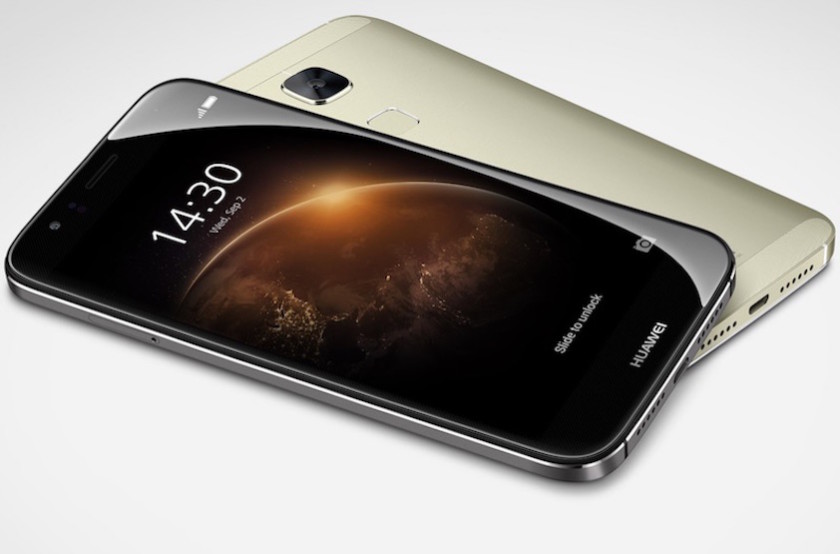
Huawei has expanded its mid-range G series with the Huawei G7 Plus. The G7 Plus is similar to the G8 which was announced at IFA 2015 and stands as a successor to the G7 that came out last year.
The G7 Plus comes with an upgraded display and processor. It sports a 5.5-inch 1080p touchscreen display with a 2.5D Gorilla Glass on top, a 13 MP rear camera with dual-tone LED flash, a 5 MP selfie snapper. Under the hood you’ll find Qualcomm’s Snapdragon 615 chipset with 1.5 GHz octa-core CPU, 3GB of RAM, 32GB of expandable storage, dual-SIM functionality, 4G LTE, and a 3,000 mAh battery.
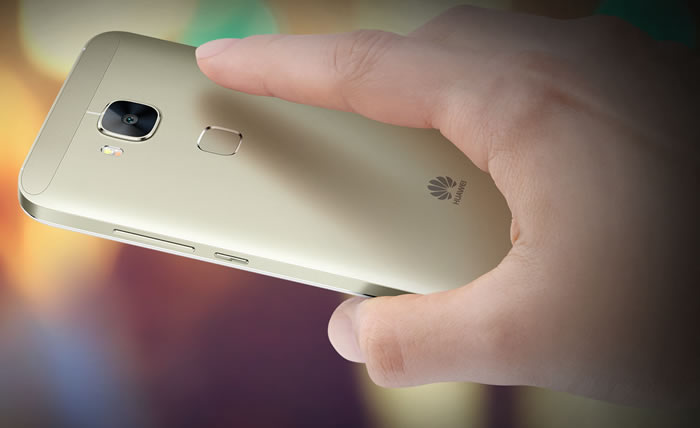
Other features include a square fingerprint sensor beneath the rear camera. There’s dual SIM capability and comes with LTE, Wi-Fi, GPS and Bluetooth. The device will run on Android 5.1.1 Lollipop.
The Huawei G7 Plus has launched in China and Thailand at a price of 2097 Yuan (approx. $330), but there’s no word yet on when the device will launch in other markets.
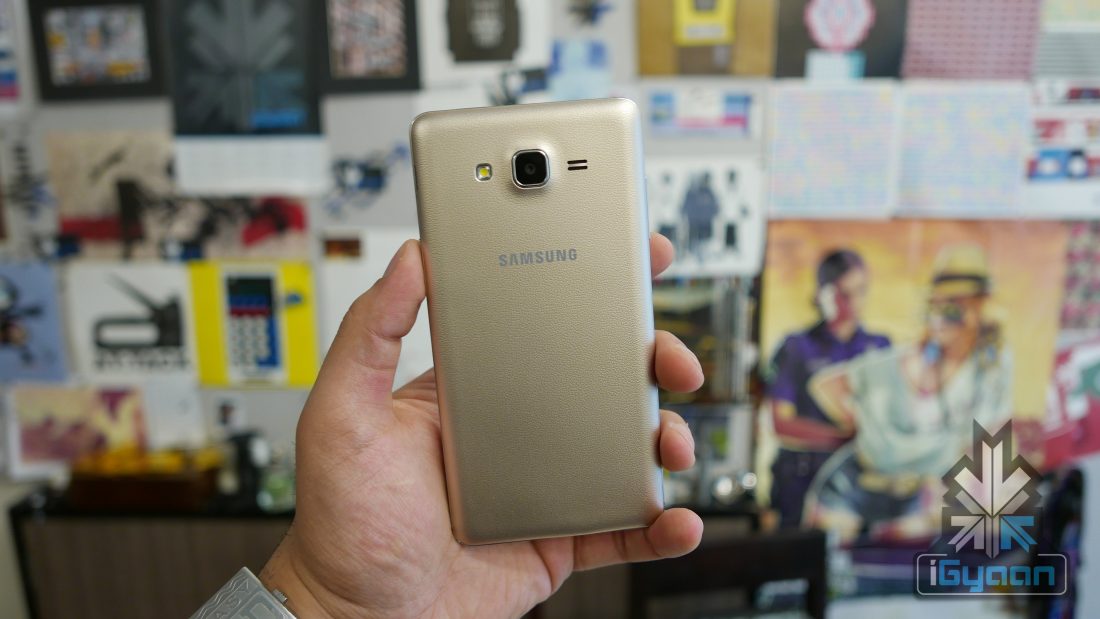
Samsung’s newest mid-range ‘On’ series has been officially launched in India on the 3rd of November. The On5 and On7 are the first set of devices in this group. We have been talking about them for a while and now let’s take a look at which of the two devices is a better bet.
Design:
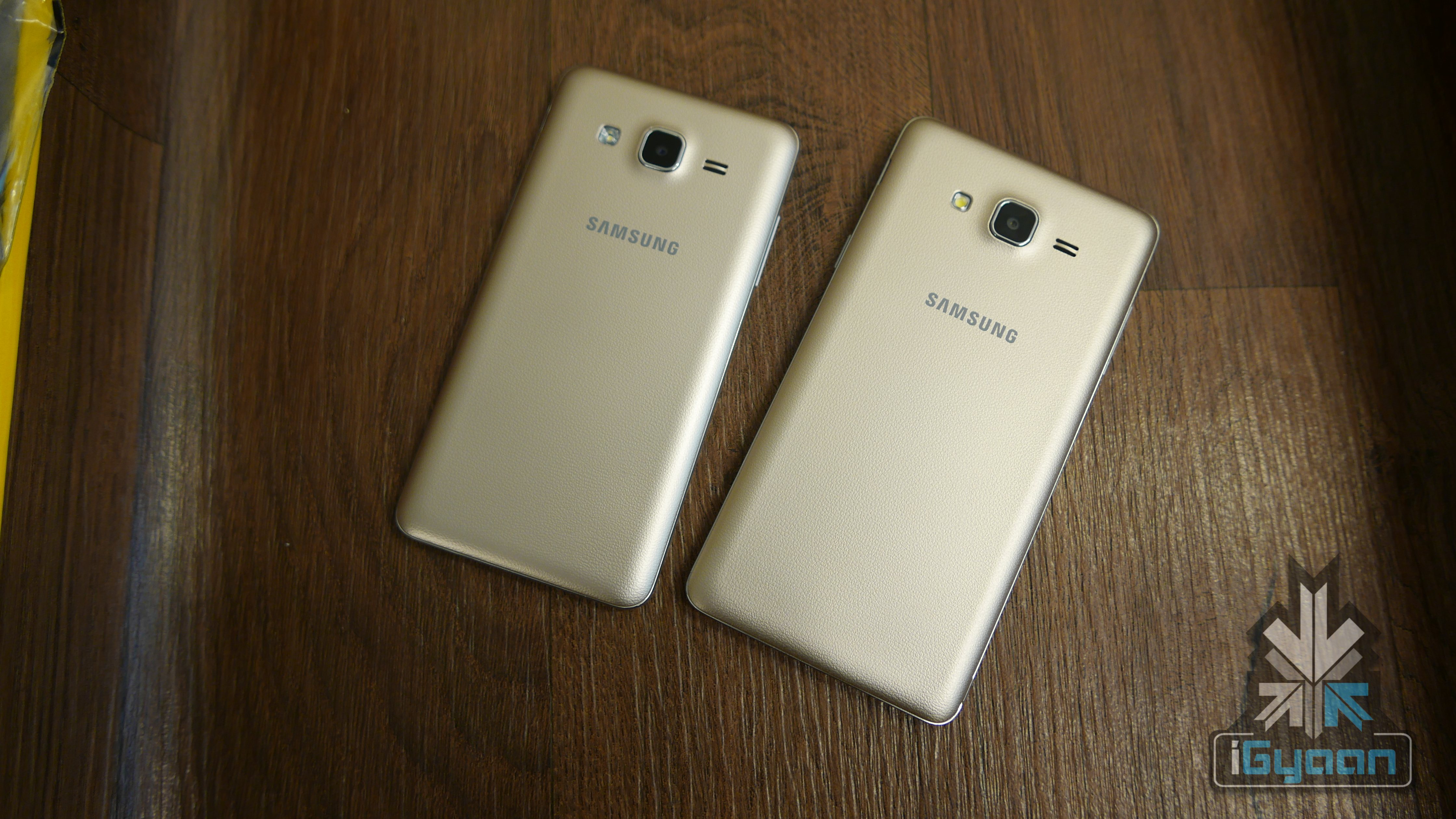
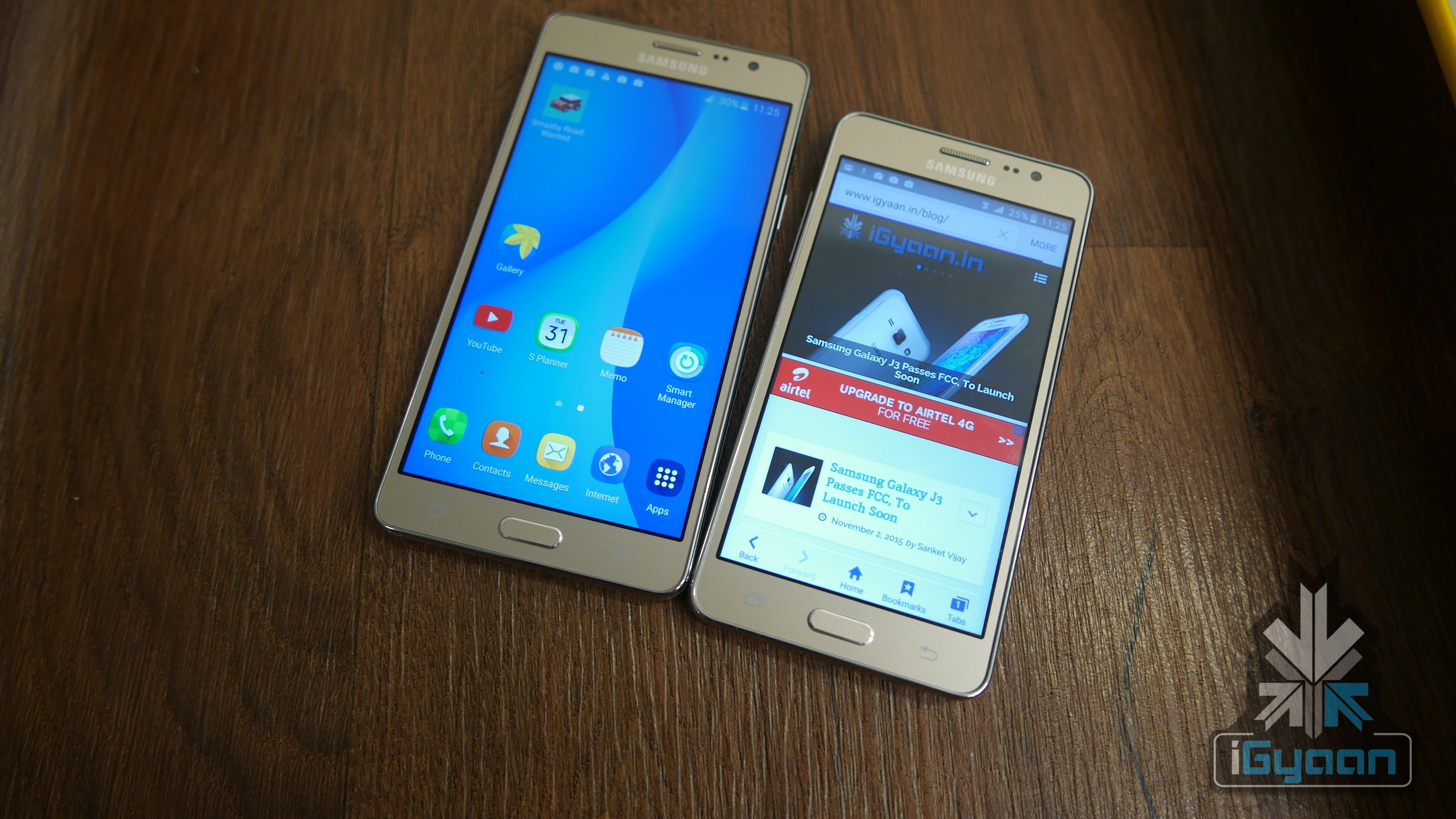
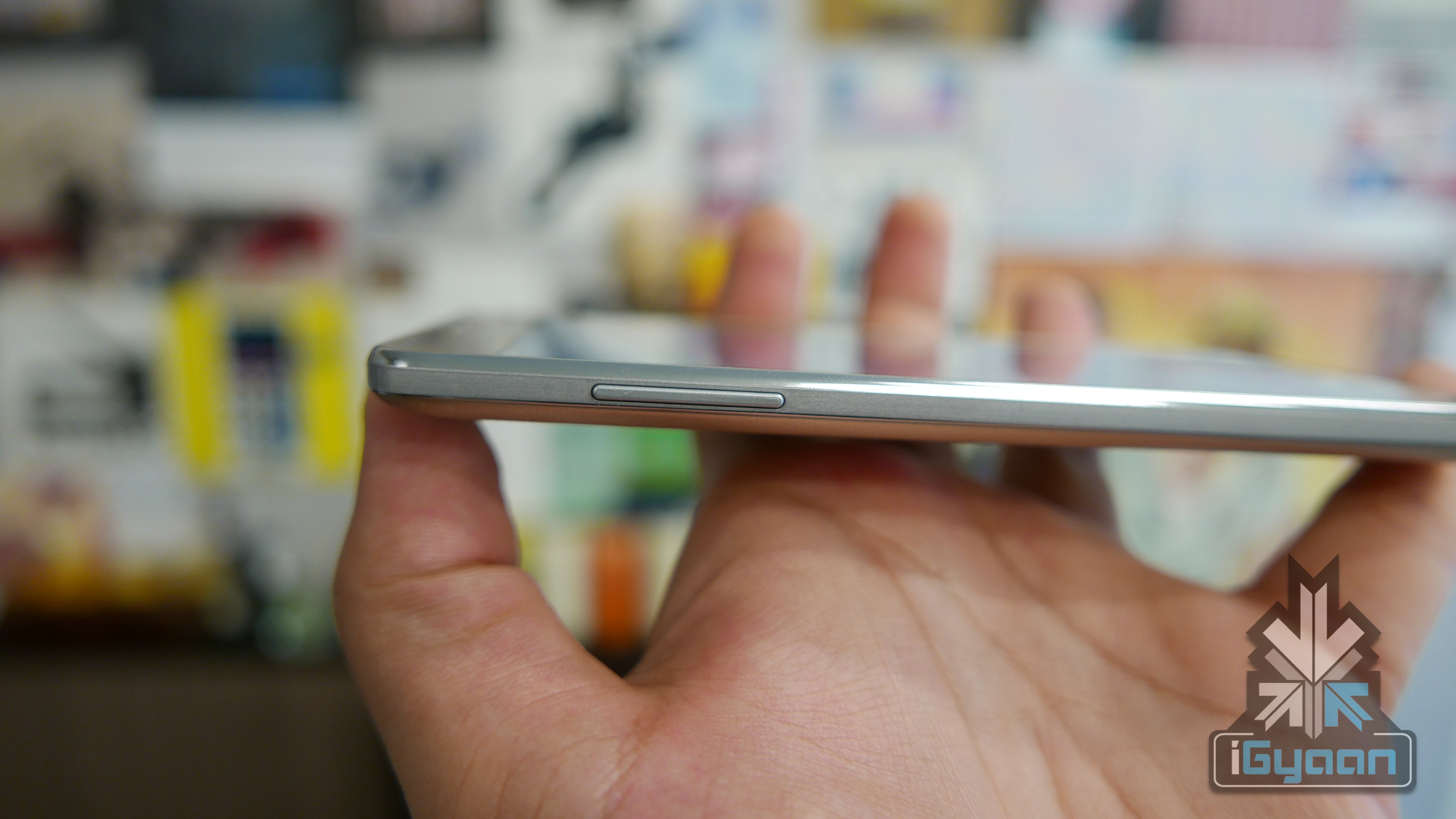
Other than the screen size, On5 measuring a 5 inches while On7 measures a 5.5 inches, both phones are completely identical physically. Because of the screen size, On5 is easier to hold and use with one hand. On5 and On7 also have a tough, sturdy feel thanks to the metal frame of the devices.
It should be noted the two handsets differ in their design from J5, and therefore have a better, more pleasant appearance. J5 is inspired by Galaxy S5 in terms of its design which wasn’t a big success with buyers to begin with. Consequently, J5 doesn’t have design as one of its highlights. It was a smart move on Samsung’s part to ditch the S5 and J5 design for the On5 and On7.
Camera:
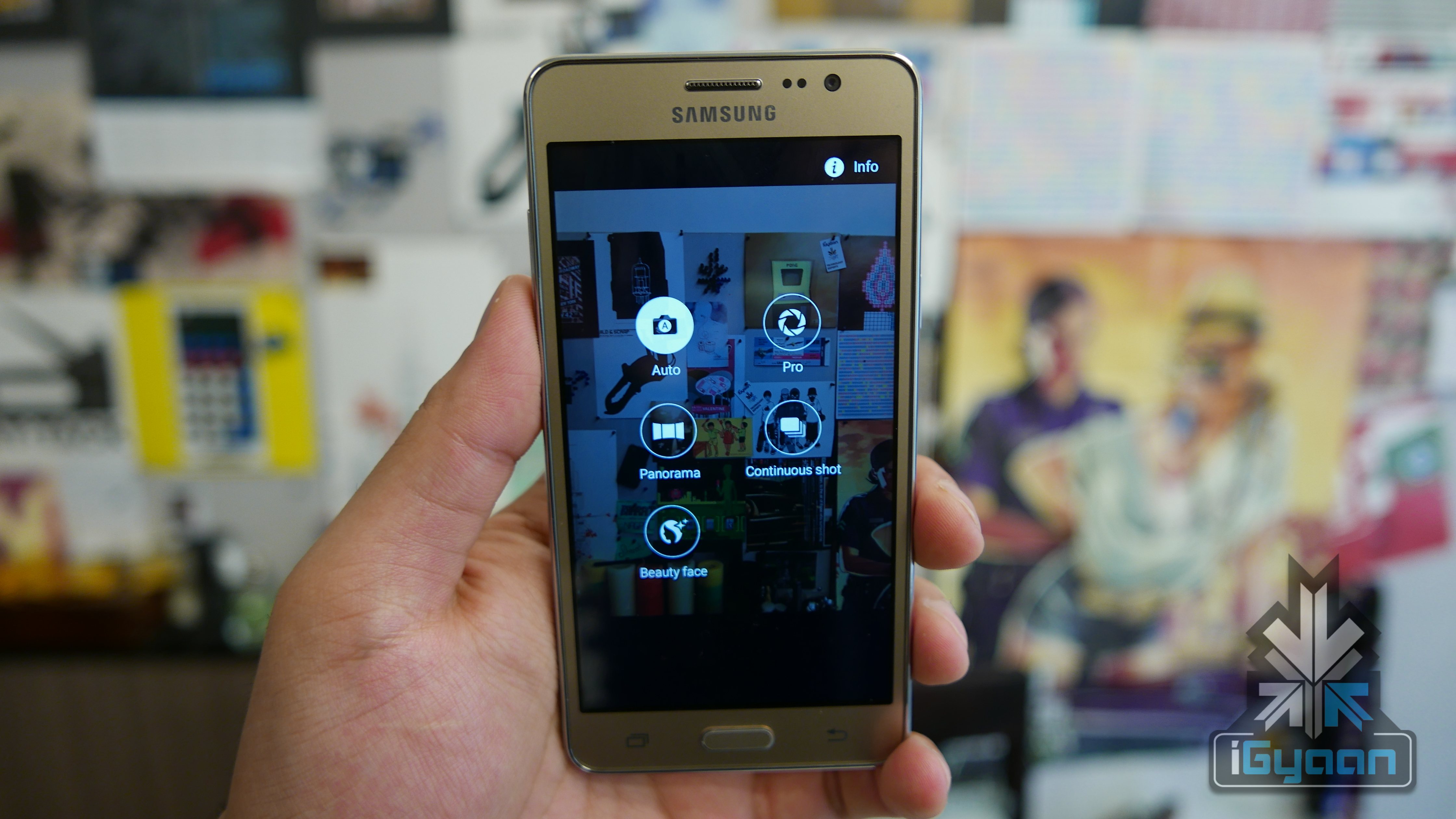
With primary cameras marked at 8 MP for On5 and 13 MP for On7, the latter definitely offers better, clearer images. However, the same thing cannot be said for the front camera. Both devices give identical results with their cameras marked at 5 MP each.
Samsung Galaxy On5
Processor:
Given that the On7 is priced higher of the two phones, one would expect the processor to be better as well. But surprisingly that’s not the case. On7 has a 1.2Ghz Quad A53 processor with a Snapdragon 410 MSM8916 chipset, while On5 is equipped with a 1.3GHz Quad Core processor which is powered by Exynos 3475.
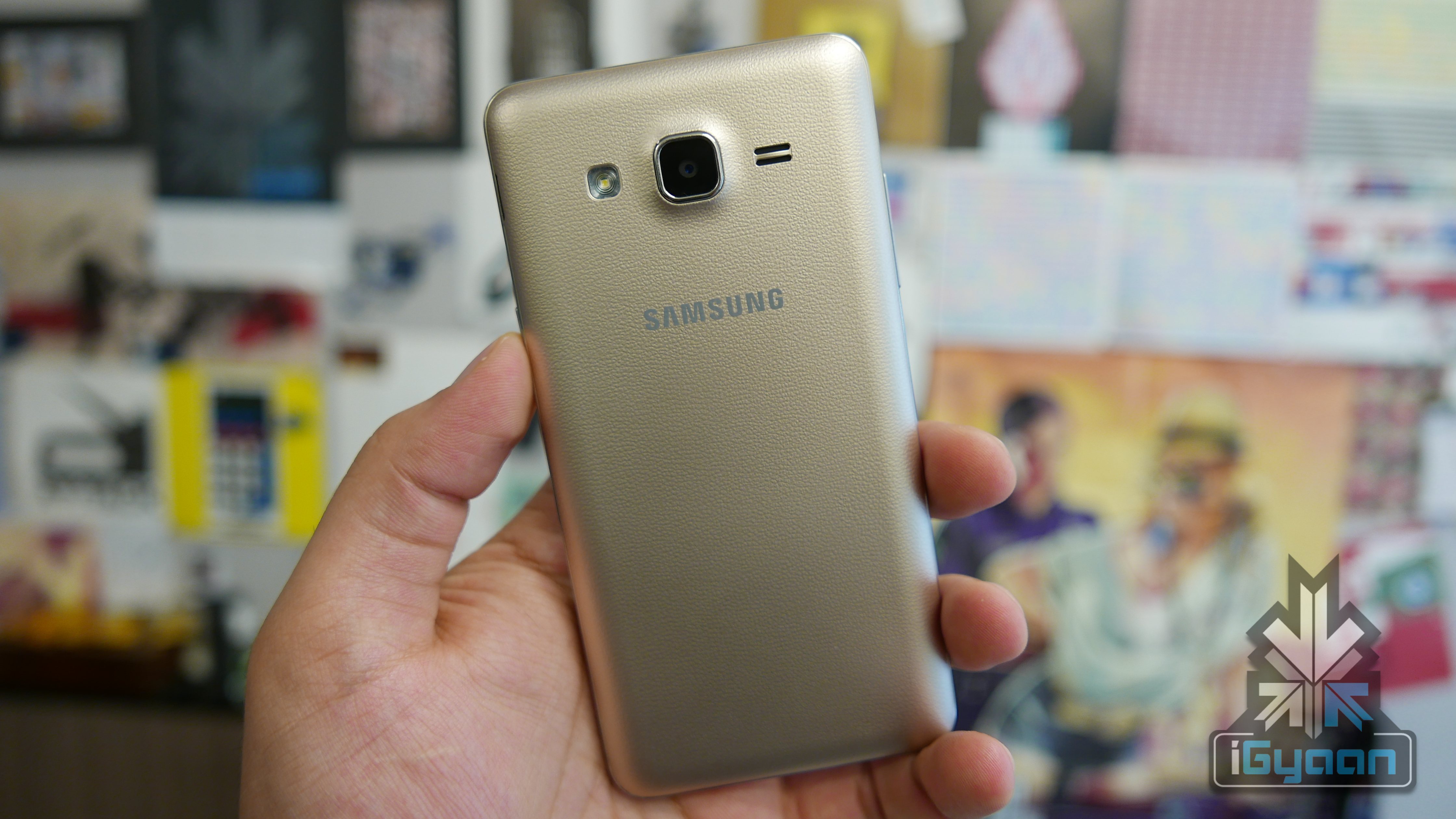
Samsung Galaxy On7
User Interface and Display:
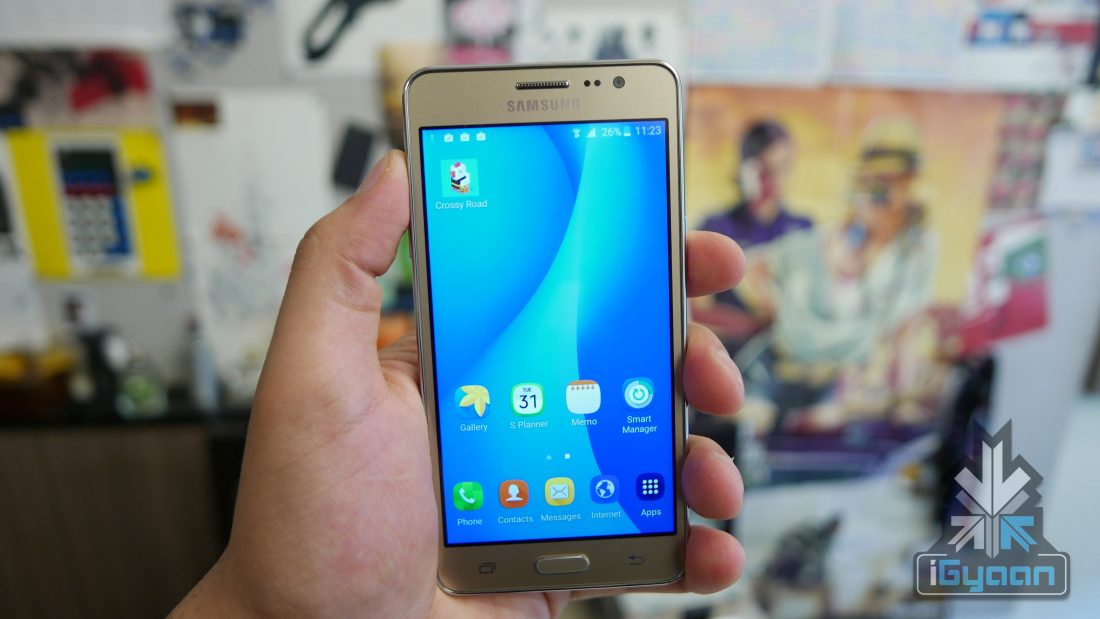
The two handsets have the same specs for display that is (720×1280 pixel) TFT display. Both phones are quick to respond as well offering a smooth UI, and keeping usage of apps convenient, smooth and uncluttered.
Samsung Galaxy On5
Price:
The specs and price of the On7 is quite similar to the Galaxy J5 except for a bigger battery in the On7 at 3,000 mAh. This begs one to question why exactly Samsung felt the need to introduce a new series when it already had one that covered the price range. Samsung claims to have young consumers in mind as the target audience for the mid-range On5 (Rs.8,990) and On7 (Rs. 10,990).
Samsung Galaxy On7
Meizu m2, Meizu m2 Note, Xiaomi Redmi 2 Prime, Micromax Canvas 5 and Moto G (3rd Gen) are some of the devices in the same price range On5 and On7 will face competition from in the market.
Additional Highlights:
The devices are touted as youth friendly and come equipped with an Ultra Data Saving mode that compresses data and saves up to 50% data charges during networking and browsing. The devices also come with MixRadio which is an Apple Music-like streaming service that lets users stream millions of songs, while offering curated music based on the user’s preference at the same time.
Samsung Galaxy On5
Verdict:
With similar specs, and a very narrow difference in their pricing, either of the two devices can be opted for. If you prefer a better main camera and a bigger screen which will definitely be easier on the eyes but harder to use with one hand, then On7 is your device.
However, if you’re more of a selfie-oriented person, willing to let go of crisper images for a more convenient handset that is easier to use with one hand owing to its smaller screen, your answer lies in On5. You would also end up saving a few pennies with this one.
The major difference between the two phones is the 2k price gap, which is equivalent to two movie-outings perhaps? We say let go of two social engagements and get the bigger brother, On7. Let us know in the comments below if you agree and which device would you opt for.
For a closer look, check out the specs table below.
Specs
Galaxy On5
Galaxy On7
Display
5.0-inch HD TFT
5.5-inch HD TFT
Resolution
1280 x 720 pixels
1280 x 720 pixels
Chipset
Exynos 3475
Snapdragon 410 MSM8916
CPU
1.3GHz Quad Core
1.2Ghz Quad A53
GPU
RAM
1.5GB
1.5GB
Primary Camera
8MP(F/2.2) w/ LED Flash
13MP(F/2.1) w/ LED Flash
Front Camera
5MP(F/2.2)
5MP(F/2.2)
Storage
8GB
8GB
Expandability
Up to 128GB via MicroSD card slot
Up to 128GB via MicroSD card slot
Battery
2,600mAh
3,000mAh
Connectivity
Bluetooth 4.1, WiFi b/g/n, Wi-Fi Direct, GPS, Glonass
Bluetooth 4.0, WiFi 802.11 b/g/n, GPS, Glonass, Beidou, NFC O (option)
Samsung’s newest mid-range ‘On’ series has officially launched in India. The On5 and On7 are the first set of devices in this group. We have been talking about it for a while and now we have all specifics and particulars for you.
Looking at the On5 first, the device sports a 5-inch (126.7mm) HD touchscreen display and is equipped with a 1.3GHz quad core processor under the hood. It features a 1.5GB RAM and an 8GB storage, a portion of which is occupied by the OS. On the camera front, the On5 has an 8MP primary camera with auto-focus and a 5MP front.
Samsung Galaxy On5
Moving on to the On7 and you see a slightly bigger screen at 5.5-inch (138.6mm) HD display. The On7 runs on a 1.2GHz quad core Sanpdragon 410 processor and a 1.5GB RAM. The storage is the same as the On5 at 8GB and both are expandable up to 128GB via MicroSD card slot. Bith the devices are dual SIM. The On7 houses a 13MP primary camera with auto-focus and a 5MP front.
Samsung Galaxy On7
Now, given that the On7 is the bigger of the two phones in terms of pricing, one would expect the processor to be better as well. But surprisingly that’s not the case. Furthermore, the specs and price of the On7 is quite similar to the Galaxy J5 except for a bigger battery in the On7 at 3,000mAh. This begs one to question why exactly Samsung felt the need to introduce a new series when it already had one that covered the price range.
The devices are touted as youth friendly and come an Ultra Data Saving mode that compresses data and saves up to 50% data charges for greater networking and browsing. The devices also come with RadioMix which is an Apple Music-like streaming service that lets you stream millions of songs and also offers curated music based on your preference.
The On5 is priced at Rs. 8990 while the On7 costs Rs. 10,990. The devices will be sold exclusively on Flipkart starting midnight tonight. Stay tuned for a detailed hands-on with both the devices. Till then, have a look at the specs table below.
Specs
Galaxy On5
Galaxy On7
Display
5.0-inch HD TFT
5.5-inch HD TFT
Resolution
1280 x 720 pixels
1280 x 720 pixels
Chipset
Exynos 3475
Snapdragon 410 MSM8916
CPU
1.3GHz Quad Core
1.2Ghz Quad A53
GPU
RAM
1.5GB
1.5GB
Primary Camera
8MP(F/2.2) w/ LED Flash
13MP(F/2.1) w/ LED Flash
Front Camera
5MP(F/2.2)
5MP(F/2.2)
Storage
8GB
8GB
Expandability
Up to 128GB via MicroSD card slot
Up to 128GB via MicroSD card slot
Battery
2,600mAh
3,000mAh
Connectivity
Bluetooth 4.1, WiFi b/g/n, Wi-Fi Direct, GPS, Glonass
Bluetooth 4.0, WiFi 802.11 b/g/n, GPS, Glonass, Beidou, NFC O (option)
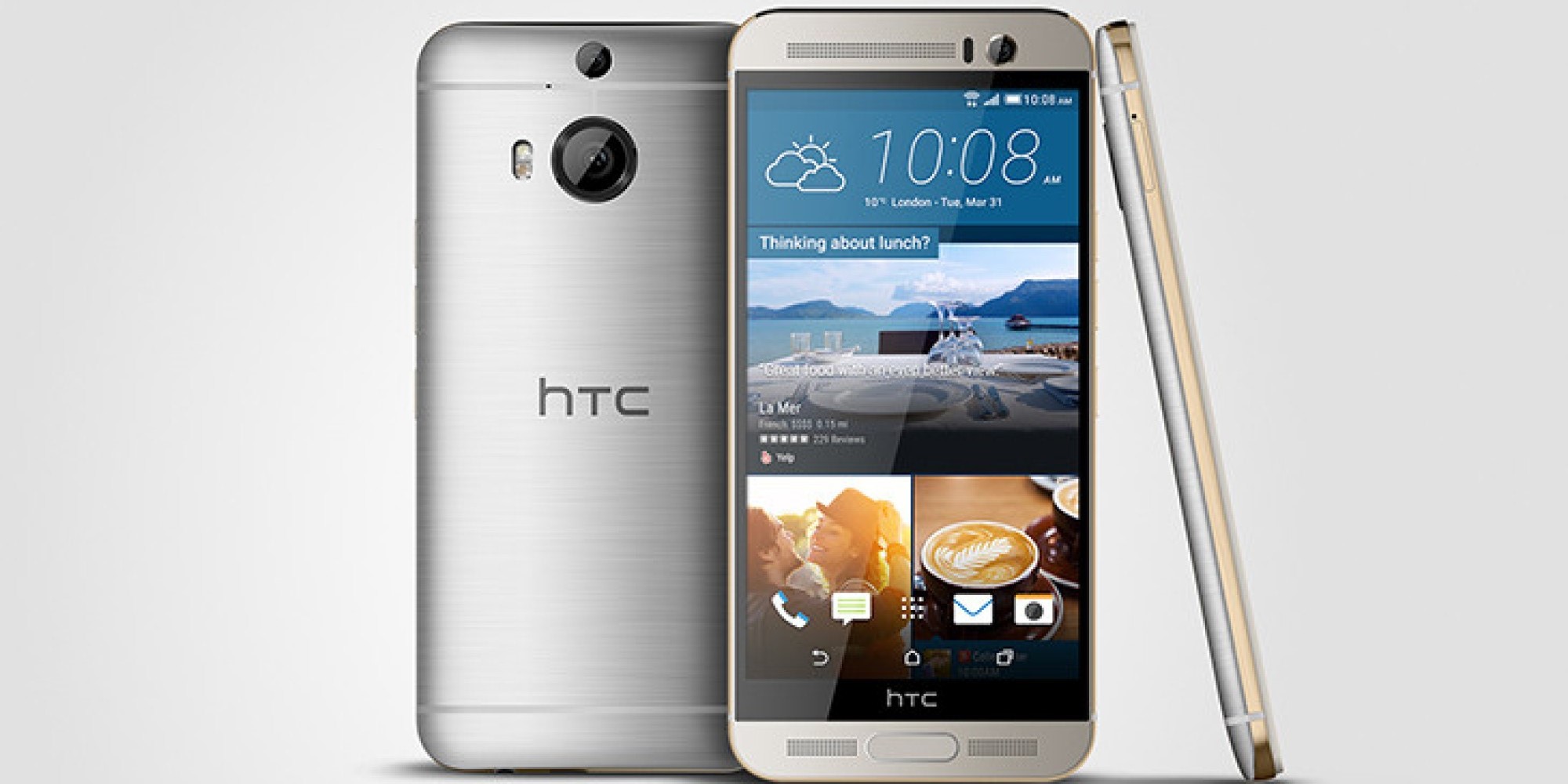
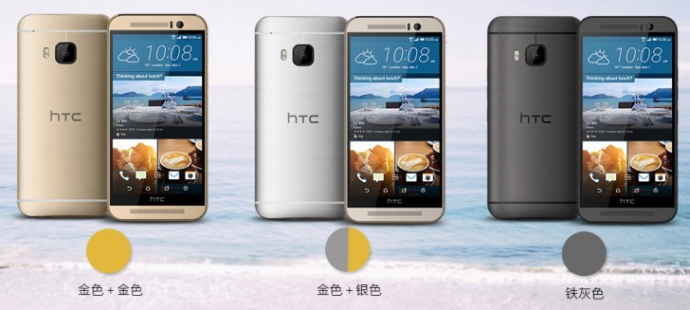
Adding to the fray of HTC’s complicated naming scheme, the company’s newest smartphone HTC One M9e (phew!) has been launched in China. Notice the presence of the ‘e’ here as opposed to the previous One M9, the M9+, the One E9, the E9+ and so on.
This device seems to be a hybrid of M9 and A9 with a 13 MP OIS camera and 1080p recording, minus 4K. The smartphone further incorporates the OneM9+ chipset -the MediaTek MT6795T Helio X 10. This is a step up from the Snapdragon 617 in the One A9 and therefore is capable of 2160p video recording.
HTC has equipped this phone with a 13 MP rear camera and an UltraPixel 4 MP front camera. M9e runs on the older Android 5.0 Lollipop featuring HTC sense. On the RAM front One M9e is marked at 2 GB and comes with 16 GB of storage.
In terms of display, the handset is marked at 5 inches with an 1080p screen. The aluminium unibody of M9e supports a single SIM. Connectivity options for One M9e include 4G LTE, Wi-Fi, Bluetooth 4.1, and MicroUSB 2.0.
HTC One M9e is priced at CNY 2,700 ($425 or close to Rs. 28,000). Though it has been launched in China, it is unclear when will it be made available in other countries.
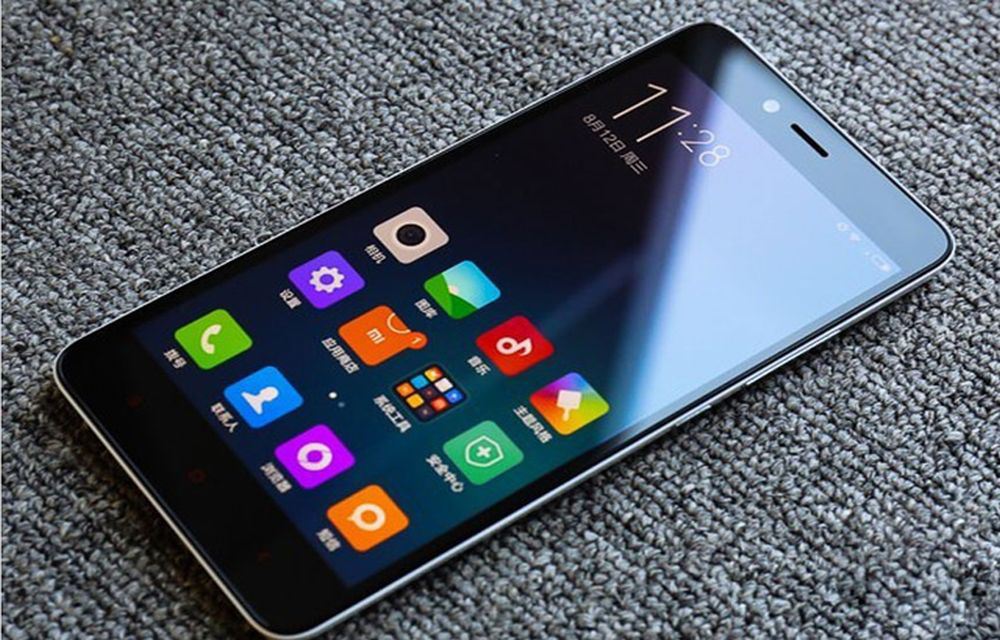
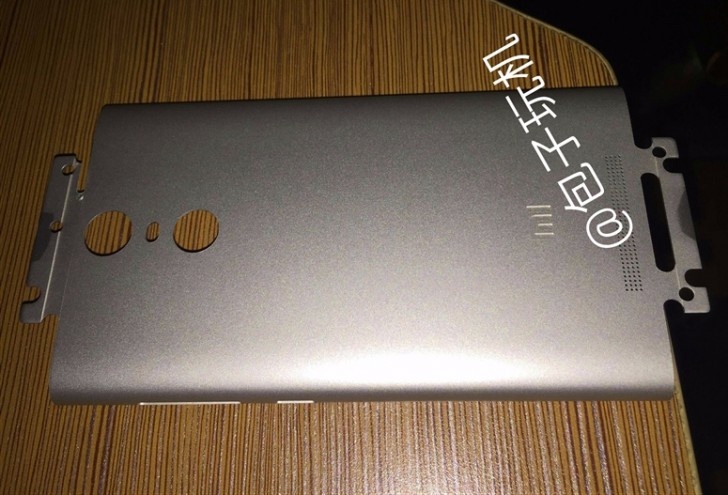
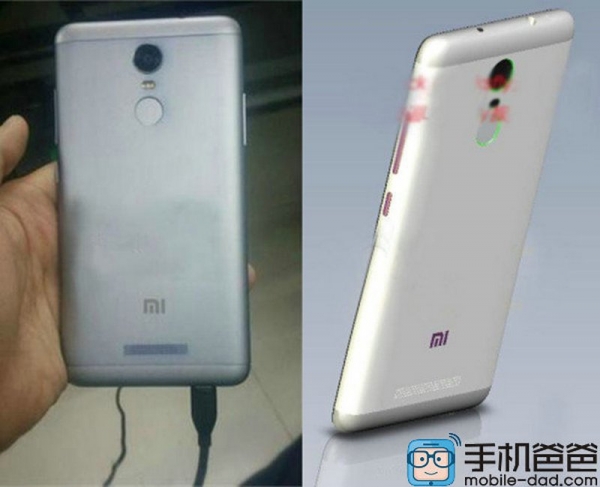
Xiaomi is reportedly working on a ‘Pro’ version of its recently release Redmi Note 2. A few days ago some leaked images of the upcoming device revealed a sleek, all-metal body as well as a fingerprint scanner. A new leaked image straight from China shows a clearer view of the metal back.
As rightly suggested, the Redmi Note Pro will have a metal body and it will be the first Xiaomi device to feature a fingerprint scanner. The sensor will be just below the the camera and LED flash on the back. You will also notice a speaker at the bottom while the power and volume buttons will be on the right side.
In terms of hardware specs, this model is expected to come with the same specs as seen in the Redmi Note 2. The Redmi Note 2 Pro will likely sport a 5.5-inch touchscreen, Qualcomm’s Snapdragon 808 chipset, and at least 2GB of RAM and 16GB of built-in storage with a 3,060mAh battery. On the camera front, the device will likely feature a 13 MP primary camera and a 5 MP front.
With an all-metal design, the Redmi Note 2 Pro can be expected with a price slightly higher than the Note 2, but still in the budget friendly zone nevertheless. The Redmi Note 2 has proved exceptionally successful in China due to its $150 price tag, making it one of the bestselling smartphones in the market currently.
Nothing is official as of yet so the leaks and rumours should not be considered the final word on the Xiaomi device Watch this space for more Note 2 Pro updates.
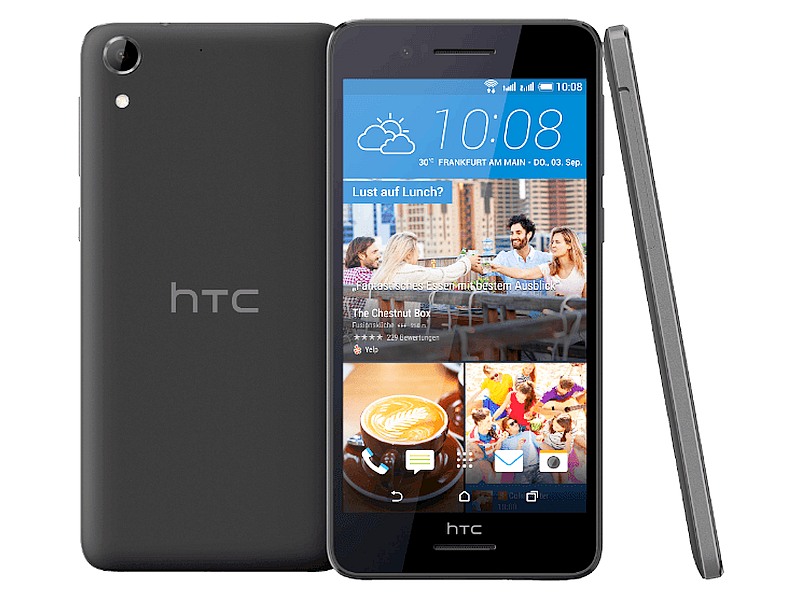
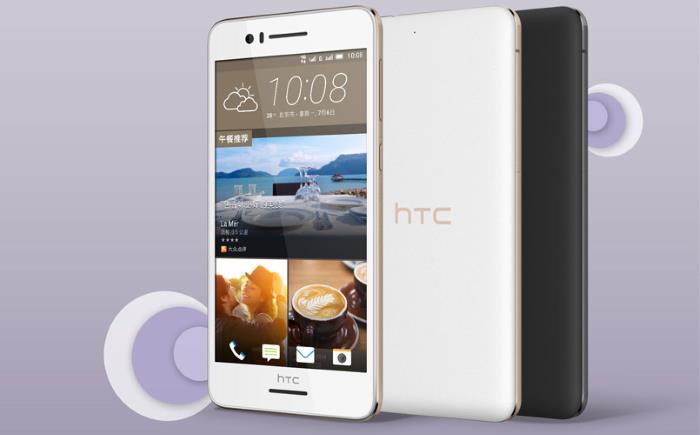
HTC recently launched the One A9, but it will be a while before the phone hits the Indian market. In the meantime, you may be interested in the HTC’s Desire 728G that is set to arrive in Indian stores soon.
The news comes from a Mumbai-based retailer that says that the device will be priced at Rs. 17,990. The HTC Desire 728G is a variant of the 728 that was launched in China recently.
The device comes with expected mid-range specs such as a 1.3GHz MediaTek octa-core processor paired with 2GB of RAM and 16GB of internal storage expandable up to 2TB via MicroSD card slot.
The handset will also feature a 13 MP primary camera and a 5 MP front camera with 1080p video recording capabilities, a 2,080 mAh battery, and will run on Android 5.1.1 Lollipop. Other connectivity features include dual-SIM card slots, 4G LTE support, Wi-Fi 802.11b/g/n, Bluetooth 4.1 and GPS.
No further details on the exact date of launch have been revealed yet. Let us know if you’re interested in the Desire 728 or would rather hold out for the One A9 in the comments below.
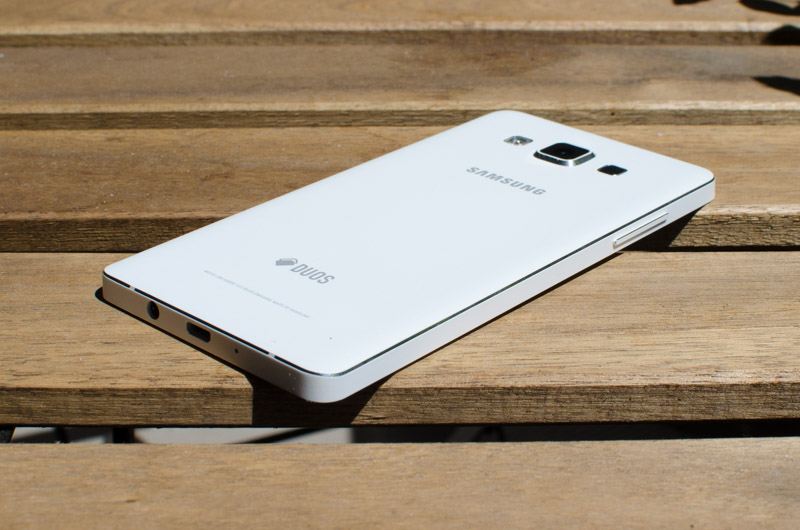
Samsung’s ‘A’ series continues to grow. Last year, the company released the Galaxy A5 handset and has since seen the launch of the A6, A7 and A8. Latest rumours going around that Samsung is working on an A5 successor. To back this up, a smartphone carrying model number SM-510F has shown up pn GFXBench.
As the listing suggests, the A5-like model will feature Samsung’s Exynos 7 octa-core processor clocked at 1.6 GHz. The device will sport a 5.2-inch screen with 1080 x 1920 pixels resolution.
Other features include a 2 GB RAM, 16 GB internal storage (11 GB free) expandable via MicroSD card slot, 12 MP primary camera and a 5 MP front. The phone will run on Android 5.1.1 Lollipop while connectivity options include WiFi, Bluetooth, NFC and GPS.
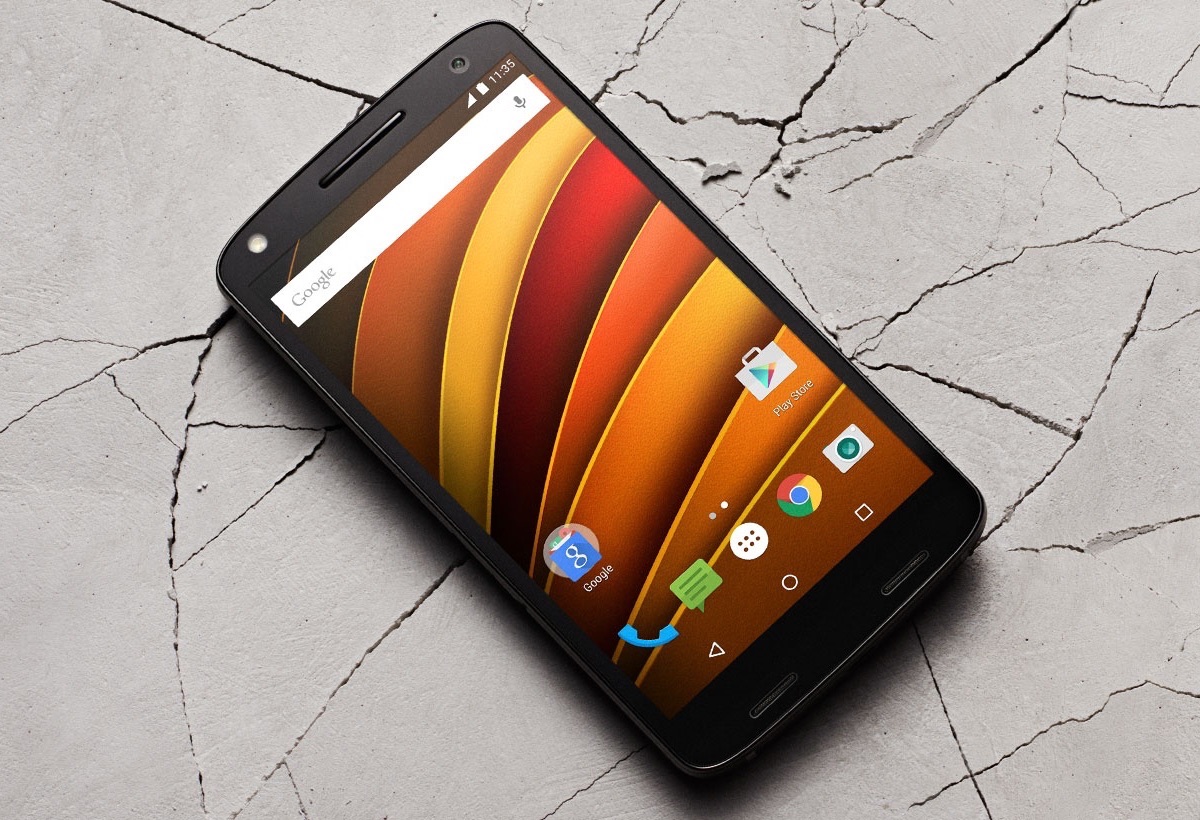
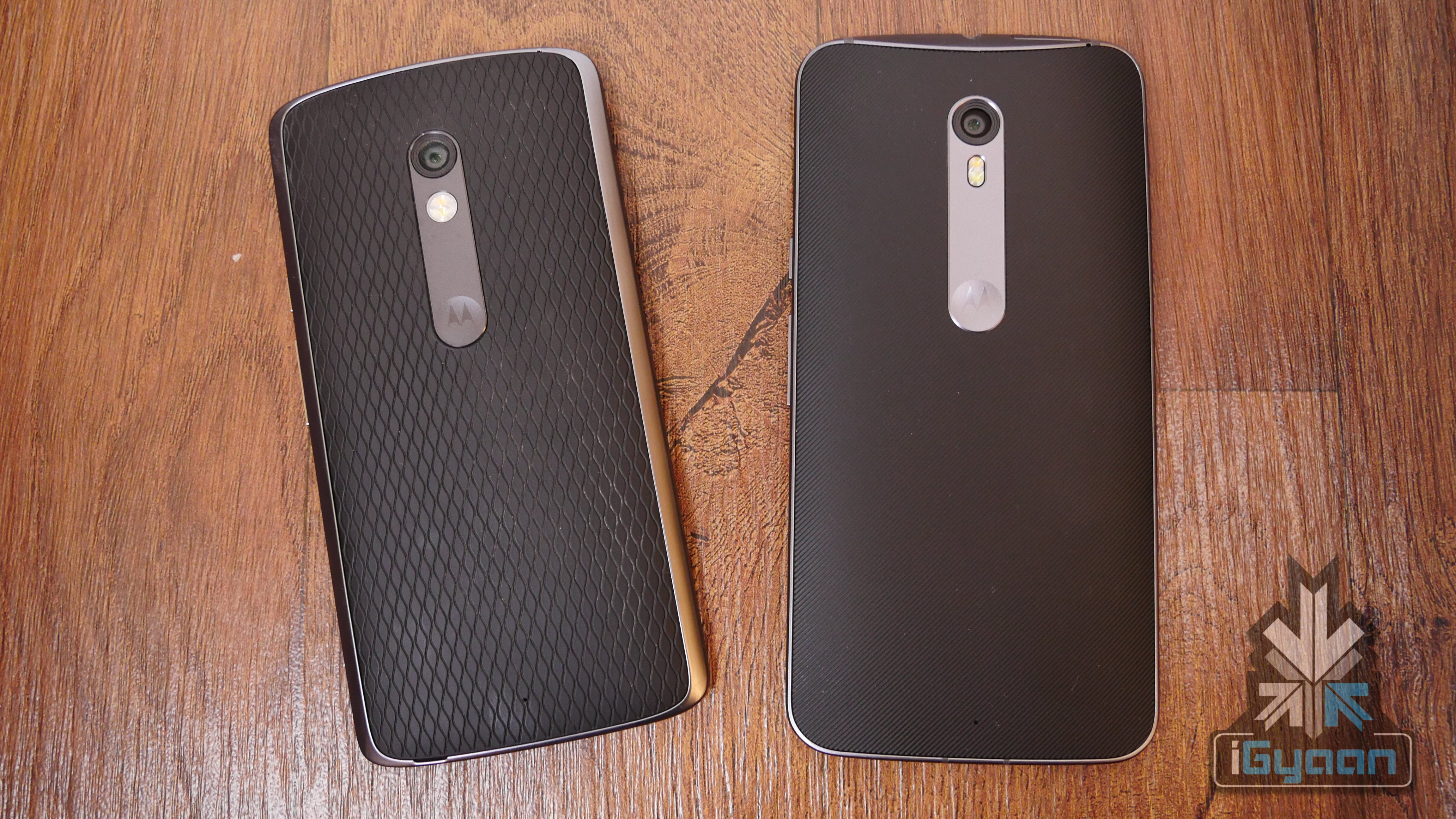
After making news with Moto X Play and Moto X Style, Motorola is all set to launch its new smartphone, Moto X Force, in India next month. The smartphone is expected to hit the market with its current price tag of $624 (Rs. 40,000 approximately) and $720 (Rs. 47,000 approximately) for the 32GB and 64GB variants respectively.
Moto X Style and Play
The highlight of the device is its super-hardy screen. Motorola claims to have integrated a ‘Moto Shattershield’ technology in the display of Moto Force which, it says, is the first shatterproof screen in the world. The company feels confident enough to affirm the screen would stay intact for up to four years, owing to the multiple layers of different materials used in making it capable of absorbing shock and providing protection against cracking.
Moto X Force has been already launched as Droid Turbo 2 exclusively for Verizon users in the US. Moto X Force is the name of the global variant of this smartphone which will go on sale in Latin America, EMEA, and APAC (including India) starting this November.
https://youtu.be/JJWmBFV2GHM
On the specs front, Moto X Force packs a 5.4 inch Quad HD display with a resolution of 2560×1440 pixels. It is powered by Qualcomm Snapdragon 810 octa-core chipset along with 3 GB of RAM. The two internal storage options of 32 GB and 64 GB are expandable up to 2 TB with the help of a microSD card.
The phone comes equipped with a 21 megapixel main camera along with a 5 megapixel selfie camera. The battery is marked at a 3,760 mAh, which Motorola claims is sufficient for lasting up to two days of mixed usage. The battery also features Quick Charging support. In terms of connectivity, Moto X Force includes single-SIM card slot, 4G LTE, Wi-Fi, Bluetooth, and runs on 5.1.1 Lollipop.
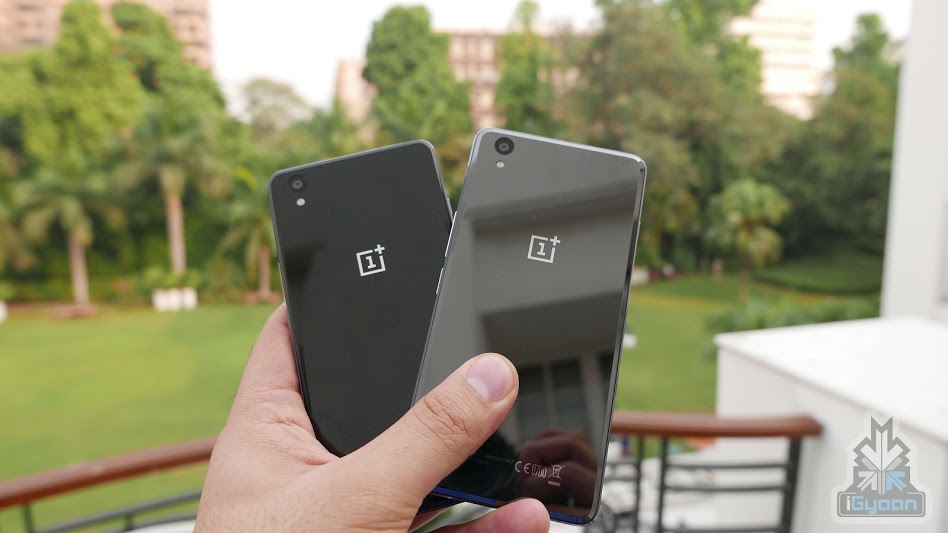
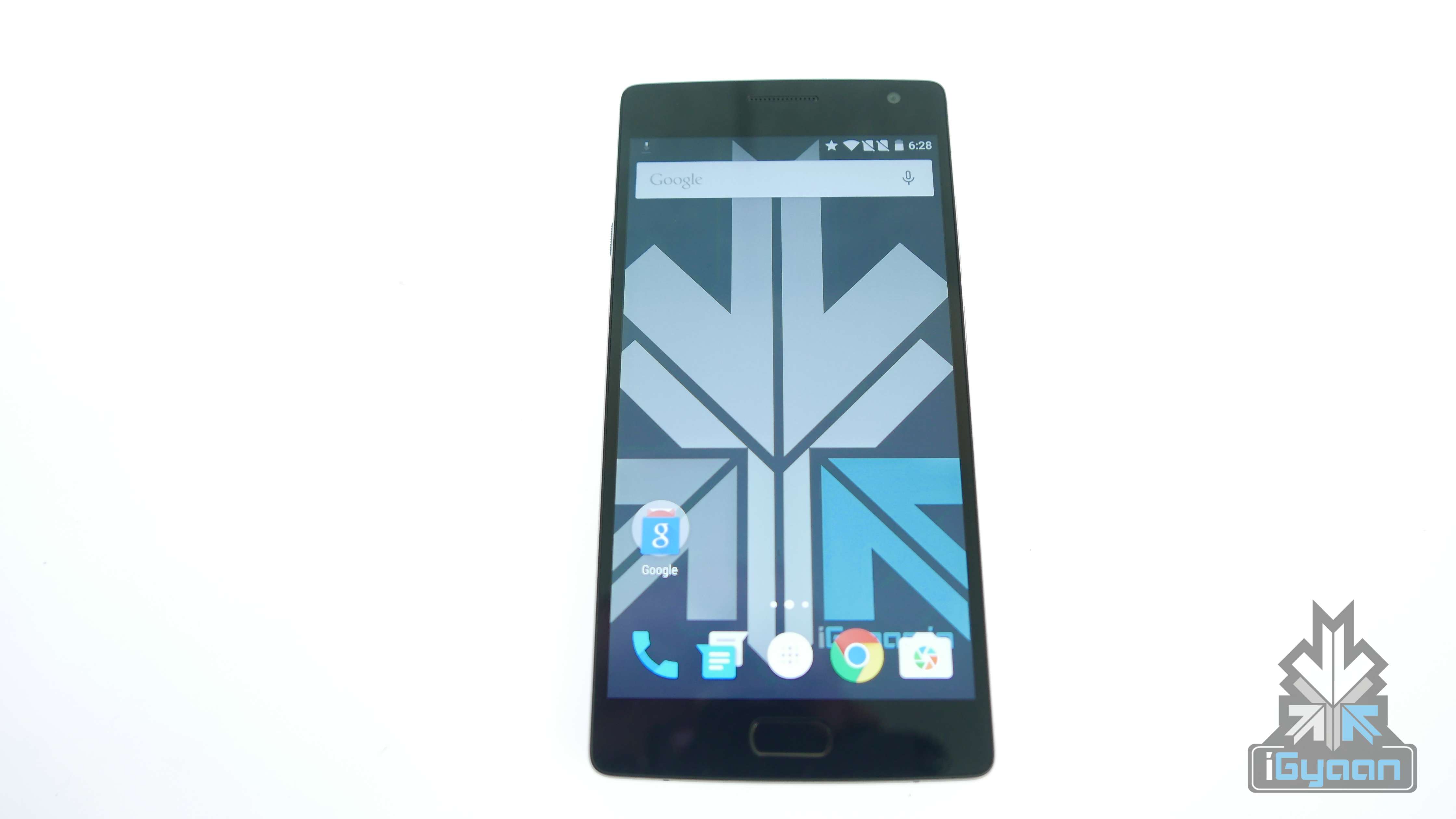
After teasing audiences for a while on social media, OnePlus launched OnePlus X in India today. The company launched its predecessor, OnePlus 2 in July this year. OnePlus 2 had been made available for sale on an invite-only basis initially, but later it was put up for open sale as well.
OnePlus X
The glass ceramic limited edition variant of OnePlus X costs Rs. 22,999. The price is same as that of the 16 GB variant of OnePlus 2. However, the 16 GB variant of OnePlus 2 is priced at Rs. 22,999 which is far ahead from the Rs. 16,999 of OnePlus X onyx-back variant.
OnePlus X has only one storage option which is 16 GB, but it’s expandable upto 128 GB with the help of a microSD slot. Find a comparison of the specs of the two OnePlus devices below and let us know which one you would be willing to stake your money on.
OnePlus 2
Specs
OnePlus X
OnePlus 2
Display
5 inch full HD Amoled display, Corning Gorilla Glass 3
In addition to the above mentioned specs, OnePlus X has dual sim, two variants -one with an onyx back, the other with a glass-ceramic back which is a limited edition variant, 11 mm drivers and is available in two colours -gold and graphite.
Samsung’s newest addition to the tech world includes an 18-inch device which is a hybrid between a TV and a tablet. With its size and measurements and a handle in its design, the device is meant to be carried around like a briefcase. It’s clear from the start the main purpose of this gadget, Galaxy View, is video streaming and viewing. But honestly, don’t we already have laptops and television sets for that? The physiological need to watch videos to the extent of lugging around an 18-inch device is a little hard to imagine.
The Korean company claims that Galaxy View is an attempt to achieve a middle ground between a TV and a tablet. However the screen has no 4K, QuadHD or Retina display. What it does have is full HD 1920X1080 resolution display instead. The screen specs were chosen keeping in mind the battery life. The Galaxy View can provide up to 8 hours of viewing with 5,700 milliamp-hour battery.
The team at Samsung cannot have enough of their little baby. Sean Bornheimer, a senior manager of product for Samsung Design of America says,
“Multiple people can view, which is very difficult with other kinds of portable devices. It’s really about the experience and less about the specs.”
The operating system of the device -since we’re unsure of what else to call it – is Android 5.1.1 Lollipop and it comes with a 1.6 GHz octa-core processor and 2 GB of RAM. The two variants are marked at 32 GB and 64 GB memory respectively expandable up to 128 GB. The base model is wi-fi only but an LTE model would be made available soon, claims Samsung.
It is unclear what exactly Samsung aims to achieve with this device, or who exactly is the target audience. However, because the specs of the device are not high-end, the price can be expected to be low enough to draw customers. Either way, all the best with being adventurous, Samsung.
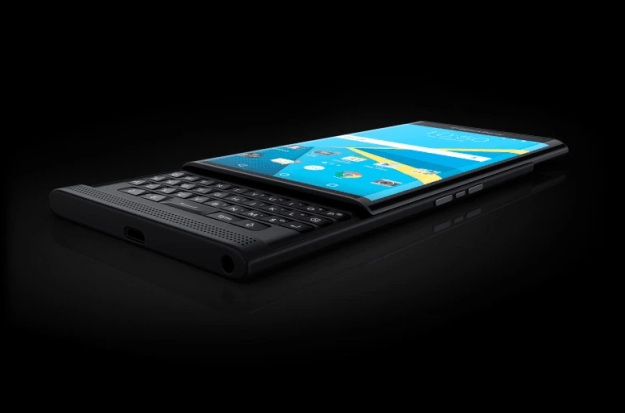
We’ve been hearing about it for a while now. BlackBerry will soon be out with the BlackBerry Priv and we will know if the company’s Android-powered gamble has paid off or not. Over the past few weeks, there have been a lot of rumours and leaks about the device that have revealed everything there is to it.
But now that we know what to expect, let’s see whether BlackBerry can bounce back with the Priv or not. Let’s have a look at what’s going for the Priv and what isn’t.
The Good
The BlackBerry Priv is the company’s last lifeline. BlackBerry is literally going all in with this one, which means that it will do everything it can to make sure the device is everything a BlackBerry fan (if there are any left) hopes for. This is a good thing. This means that the company will look to work on some key areas that were a problem with its previous phones such as having more native apps and freedom to customise.
This is also one of the reasons the Priv is the company’s first Android-powered device. BlackBerry knows that its own OS has been far too restrictive. Furthermore, every mobile brand (except Apple) has either adopted Android or has left the game. So, there really was’t much of an option for BlackBerry.
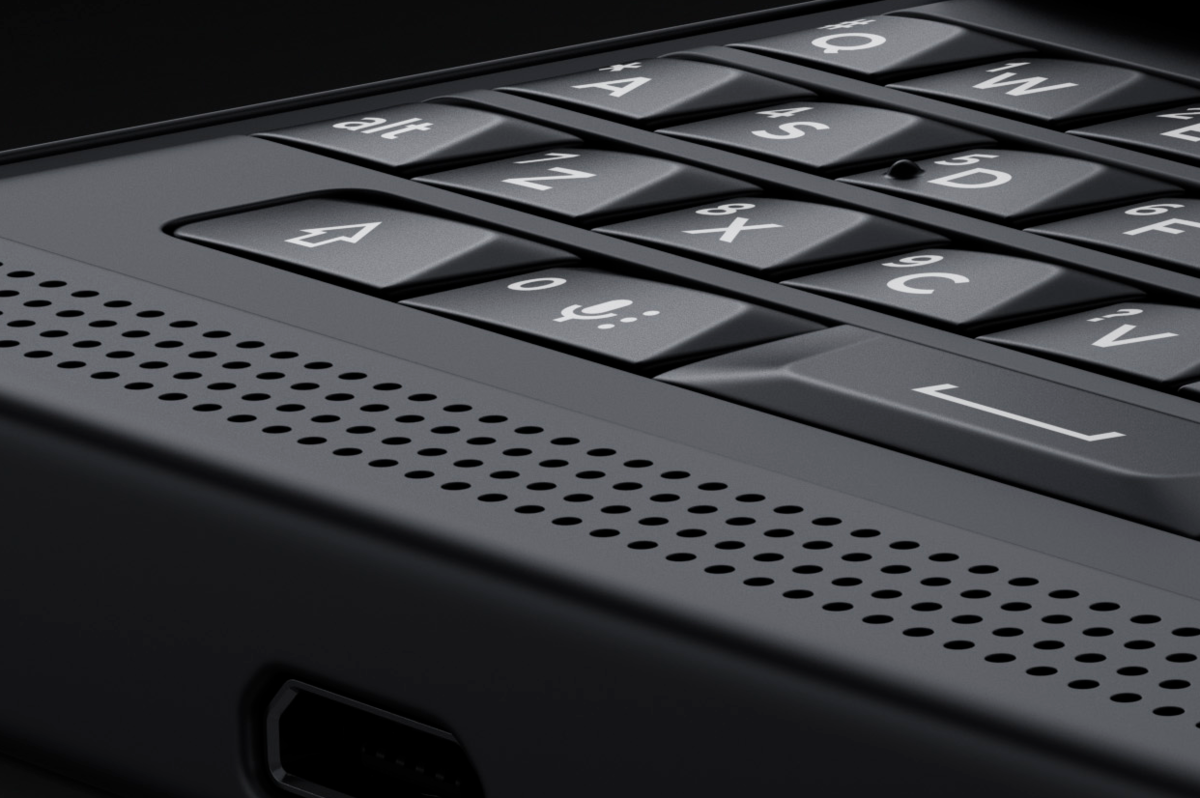
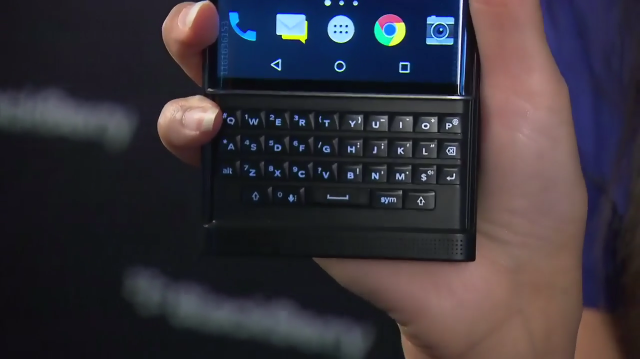
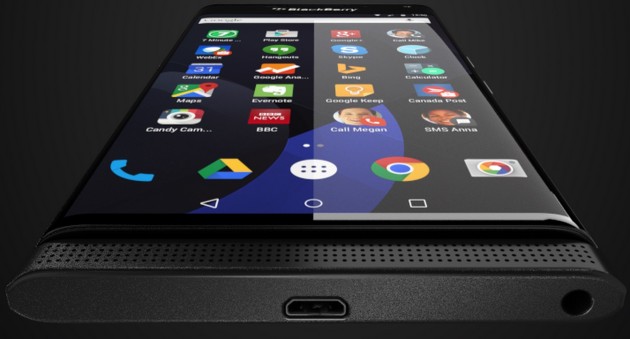
Let’s talk about the device now. Yes, it’s Android-powered, but it is very much a BlackBerry phone. Privacy and security is of major importance here and that’s what Priv stands for. The handset is a hybrid. It has a full touchscreen as well as a slide-out QWERTY keyboard. This means the phone caters to both touchscreen fans as well as keyboard loyalists. And given that very few devices today offer a keyboard, this may just work in BlackBerry’s favour.
The phone looks sleek despite having a slide-out keyboard. It has the traditional BlackBerry feel to it and a bit of nostalgia is always welcome. From the promo of the Priv, the UI and overall functionality looks smooth, but one can’t judge everything from a video clip.
Finally, renders of the handset suggest that the Priv will have a curved display similar to Samsung’s Galaxy Edge series. Sure, BlackBerry is borrowing ideas here, but at least it’s open to trying something different.
The Bad
It has been a few years since BlackBerry has been in the game. In today’s world, a break of 2-3 years can be really bad. You have a number of new players today. Startups like OnePlus have done well to gain a fan base. The competition is fierce, to say the least. Can BlackBerry take them on?
Two years is enough for loyalties to change. No doubt there were and perhaps still are BlackBerry loyalists. But it is also safe to assume that BlackBerry has lost a lot (and we mean a lot) of customers over the years. So the company may not see sales of the Priv take off initially, as was the case with Z10, its previous handset. Sales of the phone will mostly rely on how initial customers take to it and by word of mouth. Yes, it is not easy to convince people to buy your product today. Especially when it comes to a smartphone.
The Ugly
It all boils down to the price, really. And from what we have heard and is pretty much confirmed now, the Priv will come with a not-so-modest price tag of $699. What’s more, the Indian pricing of the device is rumoured to be over Rs. 50,000. Now this is a serious gamble by the company. Many potential buyers were hoping that the Priv will be reasonably priced. Given that this is a comeback phone, one would have expected the company to focus on getting as many units out as possible. But at $699, we’re just not sure how many handsets will make it out of the stores.
The price is especially ridiculous given that there are loads of other phones out there that are cheaper and provide better specs than the Priv. In case you’re wondering, the Priv is said to come with a Snapdragon 808 processor and 3 GB of RAM with 32 GB extendable storage. It features a 5.5 -inch curved display with a 1440×2560 pixel resolution and 537ppi. Finally, the Priv has an 18 MP primary camera and a 5 MP front. Now while the specs of the Priv aren’t bad, it certainly doesn’t deserve a Rs. 50,000 price tag.
But this is just what we feel right now. The phone will be out soon enough and so will the verdict. For now, you can leave your comments below on whether you think BlackBerry has a win with the Priv or not.
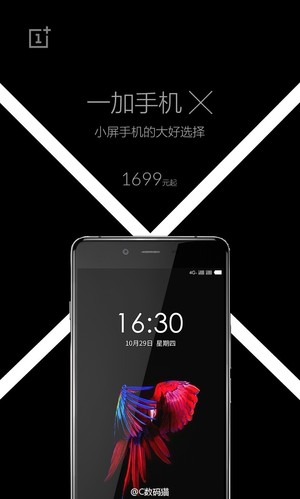
We earlier mentioned to you that the OnePlus X is set to come to our markets by the end of this month. Now, official leaks of the much awaited phone reveal what seems like its final design and price tag.
The OnePlus X is said to be 5-inch which will be smaller that the current OnePlus’ that are both 5.5.” The phone is expected to sport a 1080p display, in a 140 x 69 x 6.9 mm chassis and will sport a 13 MP rear camera, an 8 MP camera on the front, 3 GB of RAM, and 16 GB/32 GB of expandable storage space.
The device is likely to be announced on 29th October which is just three days away. The poster also showed the highly anticipated price tag which is 1699 yuan (Approximately Rs. 17,362). This doesn’t seem cheap considering that competition phones are cheaper and also because it was first rumoured to be three thousand rupees cheaper. It isn’t yet clear if that is the pricing of the 32 GB variant as there is another 1099 yuan price tag, present on the poster. However, that is probably going to be the price for event attendees.
Whatever said and done, the OnePlus X has caused a great amount of stir and the 29th of October will answer all your unanswered questions so watch this space for more.
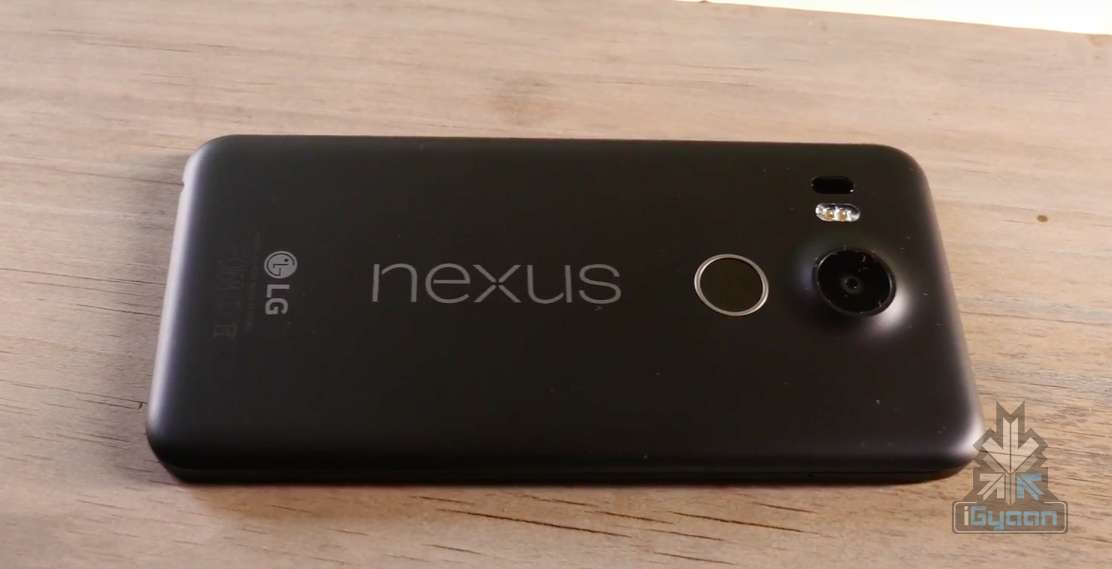
As you all know, Google’s Nexus 5X was launched in India on October 13, 2015. We managed to get our hands on the 5X and did a quick unboxing and setup of the device.
The Nexus 5X comes with a 5.2-inch FHD display, USB Type-C which allows almost 4 hours of battery post a 10-minute charging routine, and is available in three colours – Carbon black, Quartz white and Ice blue.
It is further packed with a 2 GB RAM, Qualcomm Snapdragon 808 chipset and OS Android Marshmallow 6.0. On the camera front, the device comes equipped with a 12.3 MP rear camera and a 5 MP selfie camera. The smartphone is capable of capturing 4K and slow-motion videos, making this phone the most advanced multimedia Nexus device to date.
The Nexus 5X is priced at Rs, 31,990 for the 16 GB variant and Rs. 35,990 for the 32 GB variant. We will have a full hands on review of the Nexus 5X soon.