Tag: Takeover

  • Google Completes US$ 1.1 Billion Acquisition Of HTC’s Smartphone Division

    Google Completes US$ 1.1 Billion Acquisition Of HTC’s Smartphone Division

    Google has announced the completion of a US$ 1.1 billion deal with HTC. The deal was confirmed in September 2017 but, it has now passed the requisite approvals and is finalised.

    Rick Osterloh (Google) and Cher Wang (HTC)

    The acquisition will see the transfer of over 2,000 engineers from HTC. Along with the transfer, the company will also receive a non-exclusive license for HTC’s intellectual property. HTC is retaining its Vive VR division and confirmed that it will continue making smartphones.  Rick Osterloh, Google’s senior VP of hardware, wrote:

    I’m delighted that we’ve officially closed our deal with HTC, and are welcoming an incredibly talented team to work on even better and more innovative products in the years to come.

    As It Happened

    This is not the first time that Google has taken charge of the hardware for its smartphone lineup. Six years ago, Google announced a US$12.5 billion buyout of Motorola Mobility. However, after opening a manufacturing plant in the United States, the company decided to sell Motorola Mobility to Lenovo for a fraction of the price it bought Moto for. The takeover made Motorola into a capable smartphone manufacturer and has continued to thrive in the smartphone industry since then.
    Google
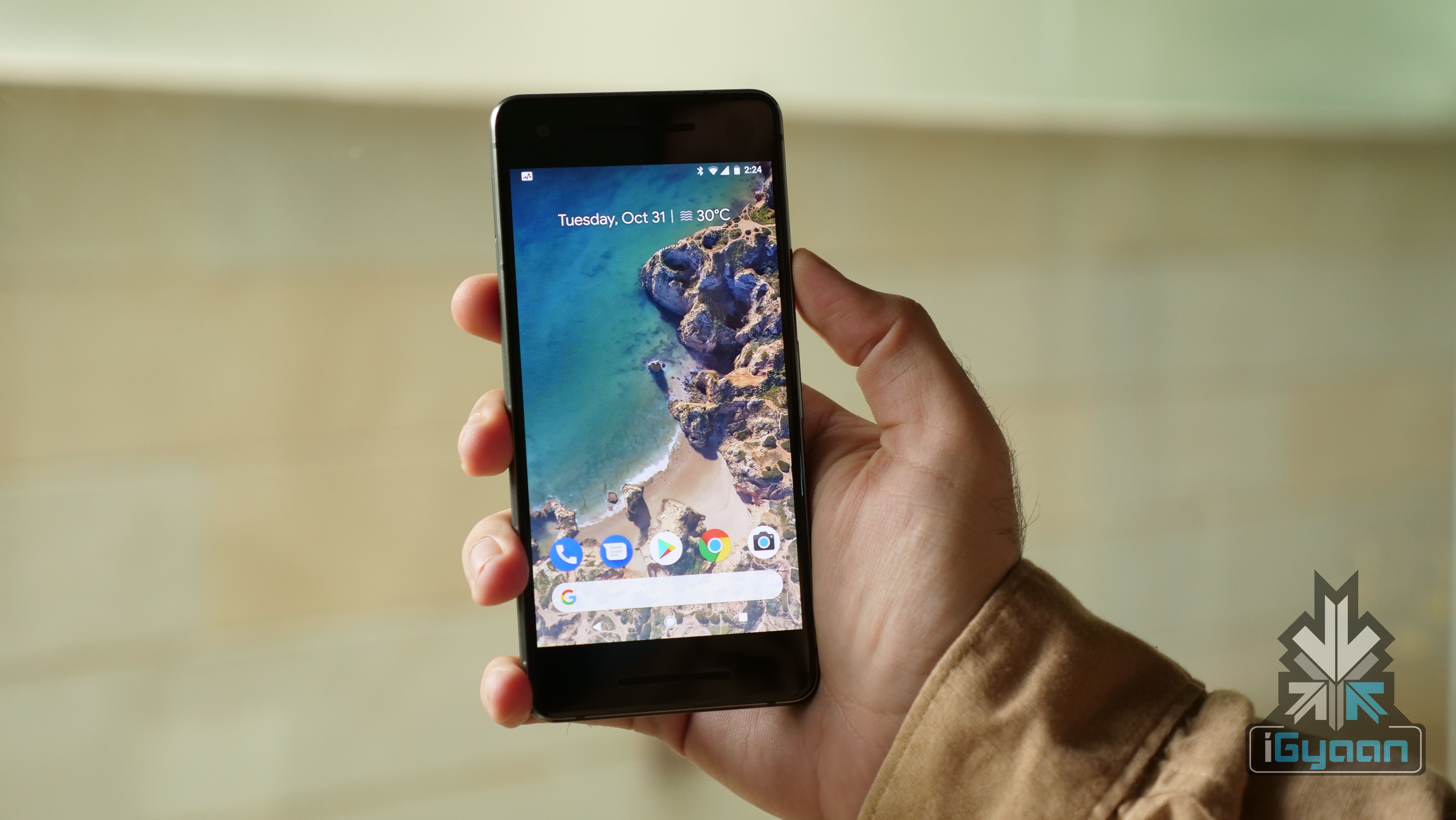
    Google Pixel 2

    HTC’s flailing smartphone share and tumbling sales in the past few years made people talk about a possible takeover by Google of its smartphone department while HTC continues its work in the VR industry. In late August, reports emerged that a deal between Google and HTC will be announced by the end of 2017.

    This move by the Google to buy off smartphone personnel from HTC could bring the company closer to achieving the hardware/software synergy that has worked so well for Apple and the iPhone. Although HTC and other Android smartphone makers still use off-the-shelf processors and other components in their handsets, the tech giant snatched one of Apple’s chip architects earlier in 2017. This could be an attempt to evolve beyond that and design its own chip.

    This acquisition also gives it a huge engineer base in Taipei, Taiwan. That makes Taipei the largest engineering site for Google in the Asia Pacific. In the coming years, it is likely to be the source of new products from the company.
  • Broadcom Wants To Buy Qualcomm For US $100 Billion

    Broadcom Wants To Buy Qualcomm For US $100 Billion

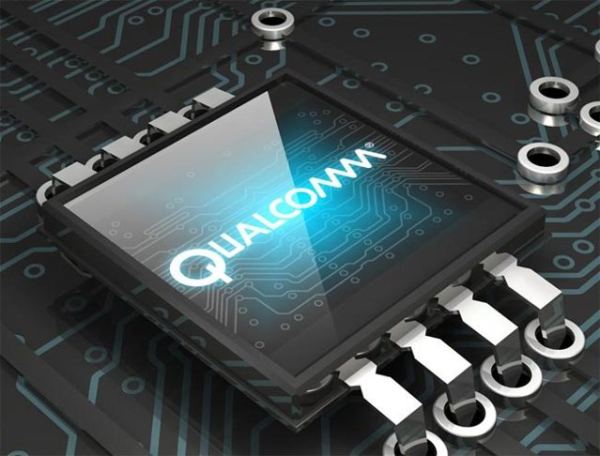
    In what might be one of the most sensational deals in the tech industry, Broadcom is interested in buying Qualcomm. According to a report, Broadcom is currently in talks with advisers on how to best approach the potential bid, which is likely to be made official by the end of 2017. However, it is an iffy situation right now and sources from the company have said that Broadcom might even not go ahead with it if the pieces don’t fall into place.

    Qualcomm is the largest maker of modems while Broadcom is the industry leader in terms of WiFi chips. A deal between the two companies would consolidate their stand in the industry and put them in a better position to negotiate with the likes of Samsung and Apple.

    The sensational US $100 billion bid, if made, will not guarantee the deal. Qualcomm is not in a strong legal position right now considering a number of legal battles the company is embroiled in. Qualcomm is in the midst of a legal dispute with Apple, with the dispute having started in January when Apple sued Qualcomm for US$1 billion. Qualcomm countersued the American tech giant, Apple in April, sought injunctions to halt iPhone sales in the US and China, and filed a lawsuit over copyright infringement.

    The legal battle for Qualcomm doesn’t end here, it recently sued Apple again for leaking software information to rival chip-maker, Intel. Qualcomm further said that it has proof of such a leak and that Apple has breached their contract by not allowing Qualcomm to audit its software handling by Apple.

    It is yet to be seen if Qualcomm will indulge in a US $100 billion takeover considering its legal woes but, if it does happen, it will be the biggest ever takeover of a chip maker in the world.


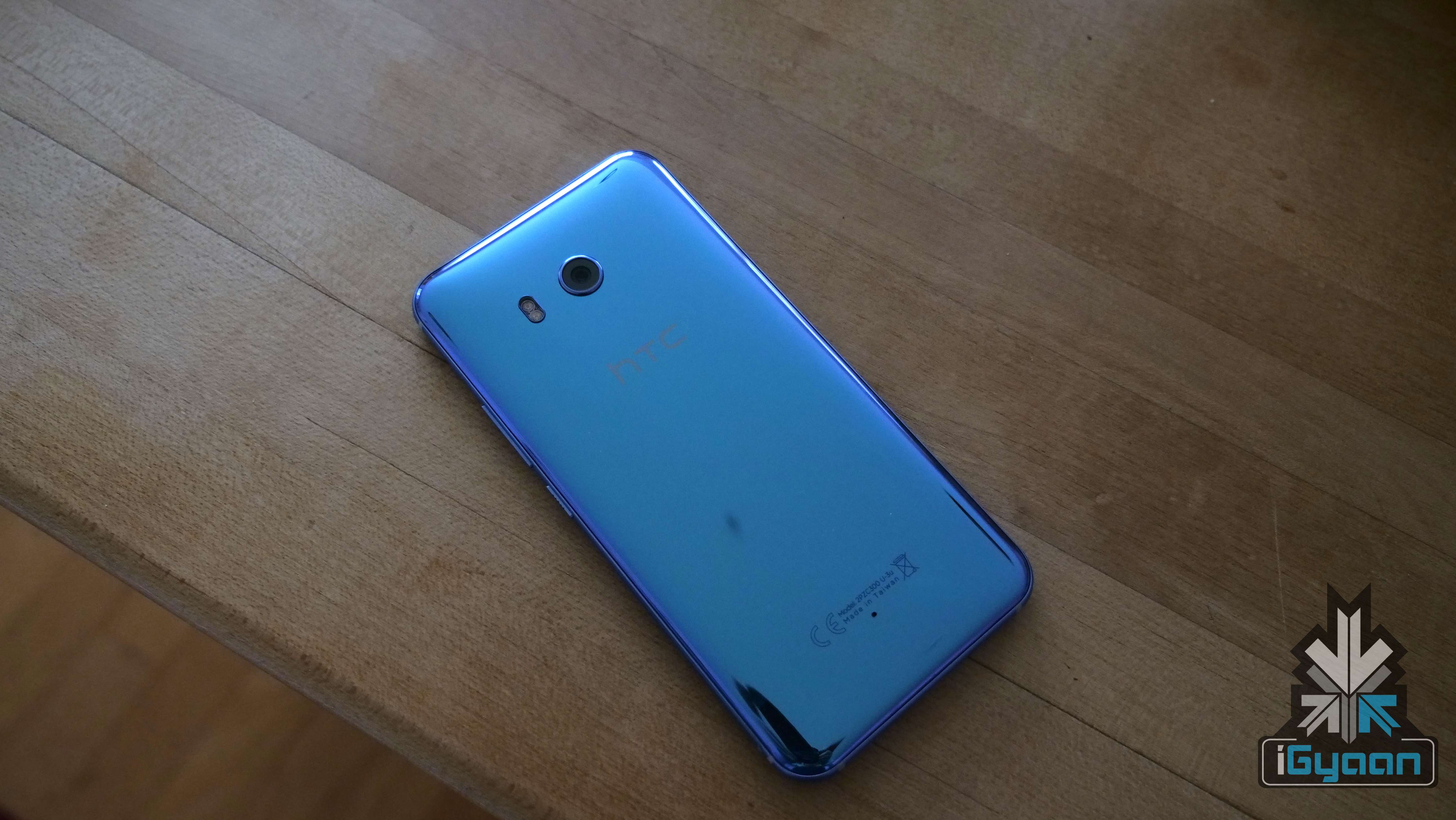
  • HTC Is Working On U11 Plus, May Launch In November

    HTC Is Working On U11 Plus, May Launch In November

    Google and HTC announced a cooperative agreement on 21st September worth US$1.1 billion. According to the deal, HTC smartphone division personnel will start working for Google, giving it control over the hardware as well for upcoming Pixel devices. The statement released by both the companies revealed that the HTC U11 won;t be the last Android flagship by HTC, and iGyaan reported that a new flagship will be released in 2018. Now, a new report by GSM Arena from France reveals that HTC is working on HTC U11 Plus and may launch it in China on November 11.

    There isn’t much known about the phone yet. The upcoming HTC U11 Plus will have a codename, Ocean Master. The device is expected have a 5.99-inch 2880 x 1440 px display translating to an 18:9 aspect ratio. The phone will have minimal bezels and look more like a new-age flagship device. Like the HTC U11, the Plus variant of the phone will be powered by Qualcomm Snapdragon 835 chipset. The HTC U11 Plus is expected to come in two variants – one with 4GBR RAM/64GB storage and second variant which will be a top end version will come with 6GB RAM and 128GB of internal storage.

    The smartphone is expected to have a 12MP rear-mounted camera. On the front, the U11 Plus is expected to have an 8MP sensor. HTC will not jump the dual-camera bandwagon just yet and continue with a single camera at the back just like the U11. The U11 Plus is also expected to be IP68 certified water and dust resistant. It is also said to support Qualcomm QuickCharge 3.0 and also include the HTC U11 Active Edge feature.

    The new phone, whenever it does get launched, might one of the last few smartphones HTC makes as a complete smartphone division takeover by Google seems inevitable.

  • Despite The Billion-Dollar Deal With Google, There Will Be Another HTC Flagship Device

    Despite The Billion-Dollar Deal With Google, There Will Be Another HTC Flagship Device

    Google and HTC announced a Cooperative Agreement worth US$1.1 billion wherein HTC’s smartphone engineers will work for Google once the transaction is completed. While more details about the deal will be disclosed in the days to come, the press release promptly answered one question everybody had on their minds – Will there be more HTC Android phones? The answer is, yes there will be.

    This agreement also supports HTC’s continued branded smartphone strategy, enabling a more streamlined product portfolio, greater operational efficiency and financial flexibility. HTC will continue to have best-in-class engineering talent, which is currently working on the next flagship phone, following the successful launch of the HTC U11 earlier this year.

    What the statement means is that HTC will now focus on its most profitable product, which is the flagship smartphones. The HTC U11, though, not the most successful flagship of 2017, still received great reviews and HTC will benefit a lot if it manages to improve on the U11 and come up with a better flagship in 2018. Greater financial operational efficiency and financial flexibility refer to the deal. HTC has been incurring losses for a long time now and with most of its smartphone department personnel now moving to Google’s payroll and the US$1.1 billion from the deal, the company will definitely have more financial resources now to work with.

    Considering HTC’s flailing sales numbers and decreasing popularity in the smartphone market, a full-fledged takeover of its smartphone division by Google might be on the periphery. And giving up on the smartphone market and concentrating all its energies on making the Vive VR platform a global success might be the best way forward for the Taiwan-based tech company, HTC. With Google now taking control over the hardware for its upcoming smartphones and companies like Samsung and Apple miles ahead in the smartphone game, the 2018 flagship device by HTC might as well be their last one.

  • Google and HTC Announce US$1.1 Billion Cooperation Agreement

    Google and HTC Announce US$1.1 Billion Cooperation Agreement

    After several reports that Google will take over HTC’s mobile division, Google has just announced a deal with HTC. In a statement released by the search engine giant, Google, the majority of the personnel working in HTC mobile division will now work for Google in a deal worth US$1.1 billion. Moreover, Google will, “receive a non-exclusive license for HTC intellectual property (IP).”

    In a statement, Google has said

    Google and HTC Corporation today announced a definitive agreement under which certain HTC employees – many of whom are already working with Google to develop Pixel smartphones – will join Google. HTC will receive US$1.1 billion in cash from Google as part of the transaction.

    This deal doesn’t mean that HTC will shut shop in its smartphone department. HTC CEO Cher Wang said that this agreement will “ensure continued innovation within our HTC smartphone and Vive virtual reality business.” Google concedes that this deal is a testament “to the decade-long strategic relationship between HTC and Google around the development of premium smartphones.”

    The transaction is expected to close by early 2018, subject to regulatory approvals.

    This is not the first time that Google has taken charge of the hardware for its smartphone lineup. Six years ago, Google announced a US$12.5 billion buyout of Motorola Mobility. However, after opening a manufacturing plant in the United States, Google decided to sell Motorola Mobility to Lenovo for a fraction of the price it bought Moto for. The takeover made Motorola into an amazing smartphone manufacturer and has continued to thrive in the smartphone industry since then.

    HTC’s flailing smartphone share and tumbling sales in the past few years made people talk about a possible takeover by Google of its smartphone department while HTC continues its work in the VR industry. In late August, reports emerged that a deal between Google and HTC will be announced by the end of 2017.

    Rick Osterloh (Google) and Cher Wang (HTC)

    This move by Google to buy off smartphone personnel from HTC could bring Google closer to achieving the hardware/software synergy that has worked so well for Apple and the iPhone. Although HTC and other Android smartphone makers still use off-the-shelf processors and other components in their handsets, Google snatched one of Apple’s chip architects earlier this year. This could be an attempt to evolve beyond that and design its own chip.

    Meanwhile, Google’s two new flagship devices, the Pixel 2 and Pixel 2 XL are scheduled to be launched on October 4th. The Pixel 2 is made by HTC while the Pixel 2 XL with thin bezels and a tall display is made by LG.


  • Google Is On the Verge Of Taking Over HTC’s Mobile Division

    Google Is On the Verge Of Taking Over HTC’s Mobile Division

    HTC has reported a consolidated revenue of USD 99.69 million for the month of August, the Taiwanese giants’ lowest monthly figures in 13 years. The revenue for the month of August represents a 51.5% decline from the previous month and 54.4% from a year earlier. Also, HTC’s total sales in the first 8 months of 2017 were NT$39.86 billion, representing a 14.4% decline from last year. According to latest reports by The Commercial Times, Google is in the final stages of taking over HTC’s mobile division. This would either result in a complete takeover for HTC’s Mobile division or a partial investment from Google into HTC’s dimming business. According to the report, the deal could be announced by the end of the year.

    The fact that HTC is producing the Pixel 2, launching this year on October 5 has further fueled these rumours that Google will outright buy the mobile division of HTC. The Pixel XL 2 is being made by LG this year, unlike last year when HTC made both the Pixel and Pixel XL.

    This acquisition will help Google compete with the likes of Samsung and Apple in the smartphone market. The last year’s Pixel devices were well received but never challenged the dominance of the iPhone or Samsung’s flagship S series phones. Acquiring a smartphone company would make it possible for Google to invest in hardware research and come up with competitive smartphones at a consistent rate.

    This is not the first time that Google will be acquiring a smartphone company. In 2012, it took over Motorola Mobility for USD 12.5 billion, only to sell it to Lenovo for USD 2.9 billion a couple of years later. Google then retained all the patents owned bay Motorola, to help defend the company from potential patent disputes from the likes of Apple and Samsung. HTC has a vast library of patents, if Google acquires HTC’s Mobility division, the company will own a large chunk of modern smartphone patents which can then help it design and sell technologies in the future. Google may also end up reselling HTC to a different buyer, like last time, however, the company seems keen on retaining a mobility division. Expertise from HTC  will help Google in growing its own Pixel brand.

    There were reports in late August that HTC was holding talks with companies like Google to potentially buy its virtual reality division or even the entire company. With the latest revenue reports representing plummeting sales of its devices, the deal looks more than certain to go through.


  • Apple’s Acquisition of Beats for $ 3.2 Billion Has a Reason

    Apple’s Acquisition of Beats for $ 3.2 Billion Has a Reason

    Since last morning tech columns and channels are abuzz with a takeover news. People are particularly elated with the fact that “Facebook” and “takeover” are not being said in the same sentence. Apple’s intention though is under serious questioning and there seems to be very few answers.

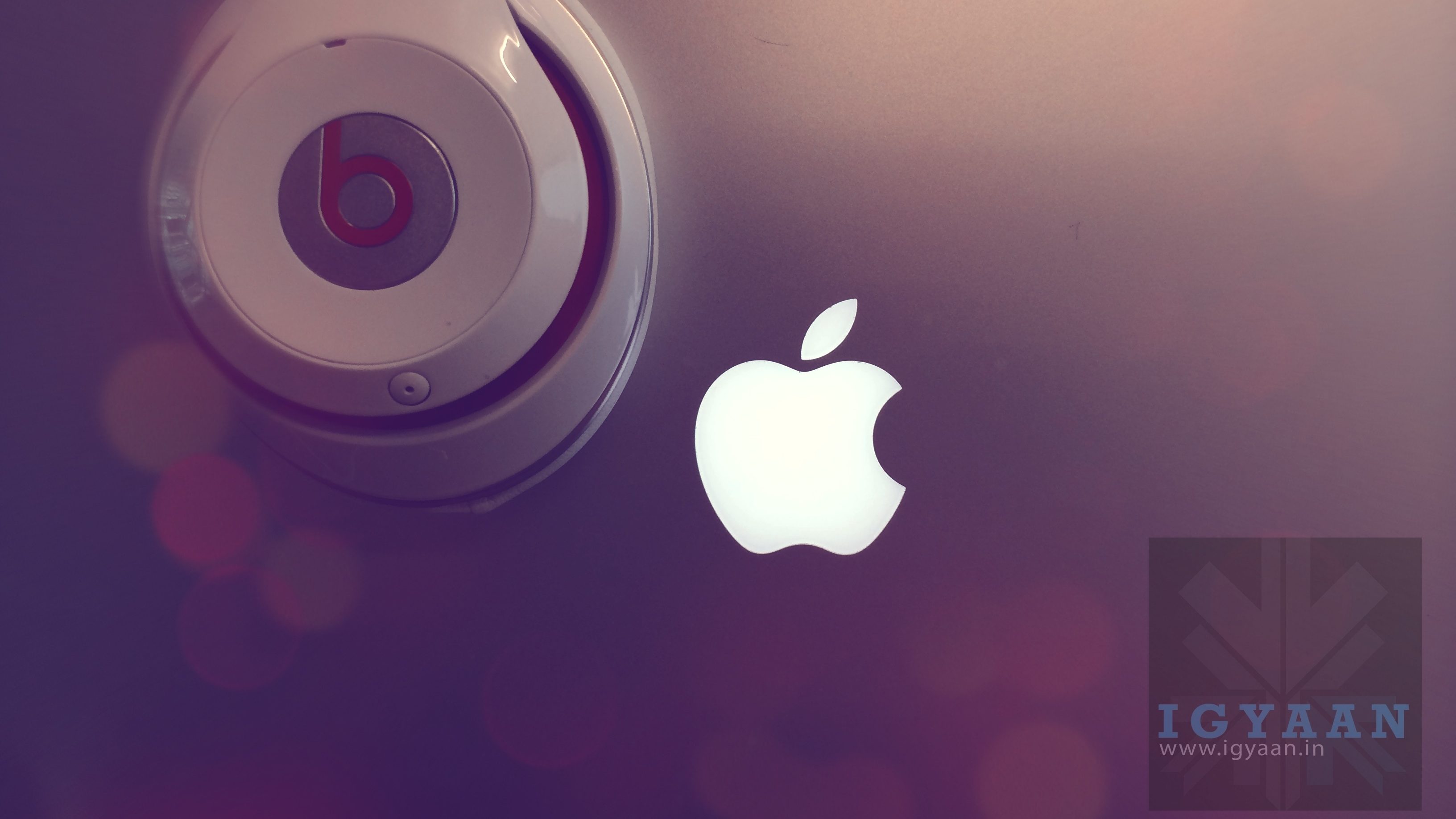
    Beats headphones have quickly become the most visible brand across multiple medias. Especially the recent music videos have really gotten heavy on the “b” logo. But what does it mean for the company when one of the most creative corporations decides to spend $3.2 Billion on an audio equipment manufacturer who is currently valued at just $1 Billion.

    Though the talks are still on and the deal could still be trashed, we try to comb through the noise to look at the facts as they stand now.

    Apple has rarely invested in buyouts and takeovers. It mostly concentrates on getting technology from startups which helps it in its technological endeavors. It’s most recent purchase was of chipset manufacturer P A Semi, back in 2008 for their advanced chipset technology.

    Beats on the other hand was a co-venture of Dr. Dre and legendary producer Jimmy Lovine back in 2008. The company recently took a $500 Million private equity firm Carlyle Group which took Beats’ present valuation at about $1 billion. This deal makes Dr.Dre the first billionaire rapper who could someday brag about his Spaceship in his rhymes. Which he totally deserves for giving humanity the gift called “Slim Shady”.

    There is also a shadow loser in the game and it is HTC. The company even with its well appreciated products has recently been struggling keeping its market share. HTC owned half of Beats but sold all of its shares by September of last year.

    The move also seems like Apple is putting its effort into creating some major hardware for the music industry, where the company has been prominent for a while with its iconic iPods. With the support from Dr. Dre and Jimmy Lovine, Apple may try to up its influence.

    Steve Jobs had long emphasized that Apple’s greatest strengths lay in its software and in its ability to integrate hardware and software.

    Beats had also released its music streaming service this January but it’s nothing the makers of iPod and iTunes can’t develop on their own. Also as the service is fairly new and area locked so it doesn’t have a massive consumer base like Whatsapp had when it was bought by Facebook.

    It has also been contemplated that Apple would want to make profit in the non iPhone smartphone market. A healthy music equipment market seems like the right way forward.

    So as of now between all the speculations the real intent of Apple behind such massive investment seems to be known only by Tim Cook’s men as of now. We just have to wait and see if this big step by Apple would bring next major leap in music industry or it will be a dud like the PowerMac Cube.

    Late last night we got an “almost confirmation” by the Doctor himself, but we will still wait for the official announcement to confirm anything. You can absolutely feel the excitement in the air: It all starts with the words “Shit, the Forbes list just changed”.

  • Flipboard Buys Rival Zite From CNN

    Flipboard Buys Rival Zite From CNN

    Flipboard, the magazine-style news reading app, is buying competitor Zite from CNN, the companies announced Wednesday.

    The Zite app was a part of CNN for three years, since it had acquired the company for nearly $20 million. The terms and money involved in this deal have not yet been disclosed clearly. The move is a sign of ongoing consolidation in the space and comes in the wake of Facebook launching a Flipboard competitor called Paper. Flipboard benefits by cutting one more competitor from the field through the sheer act of buying it. 

    “We’re going to integrate the technology into Flipboard in the coming months,” Flipboard CEO Mike McCue said during a press call Wednesday. “We do not plan to continue to evolve Zite, we think we should focus on a single product.”

    He added that Zite users will be able to use their logins to set up a new Flipboard account, and that Flipboard will continue to support Zite for the time it takes to complete the integration of its technology.

    If you are not familiar with Zite, it is a personal news reading application that launched on the iPad in 2011. Essentially, Zite was a big recommendation engine that gives you articles based on what you like to read—based on your social feeds like Facebook and Twitter, but also based on your reading history and preferences.

  • Spotify Acquires The Echo Nest

    Spotify Acquires The Echo Nest

    The music streaming app and desktop platform Spotify, which plays tunes for users without the hassle of downloading music, took on Somerville-based The Echo Nest, the company announced on Thursday.

    The company says that the acquisition supports Spotify’s strategy to grow global music consumption and overall revenue back to the music industry “by building the best user experience and music discovery engine for millions of global fans.”

    For the time being, The Echo Nest will continue to operate as normal, maintaining its offices in Somerville, Massachusetts and San Francisco. Also, the company will continue to offer its API, on which numerous music apps are built, for free, Spotify stating that it recognises that “the developer community is crucial to the success of both Spotify and The Echo Nest”. 

    Given that The Echo Nest powers many of Spotify’s competitors, including eMusic, MOG, VEVO, Twitter Music, and Rdio, how exactly Spotify manages the API moving forward could impact online music across the board.

    In a statement, Chief Executive and founder Daniel Ek said the company has “been fans of the Echo Nest for a really long time” and that the takeover will help Spotify’s “quest to play you the best music possible.”

  • Google $3.2 Billion Nest Deal Now Official

    Google $3.2 Billion Nest Deal Now Official

    Google said in a regulatory filing this morning that it had closed its acquisition of Nest on Feb. 7.

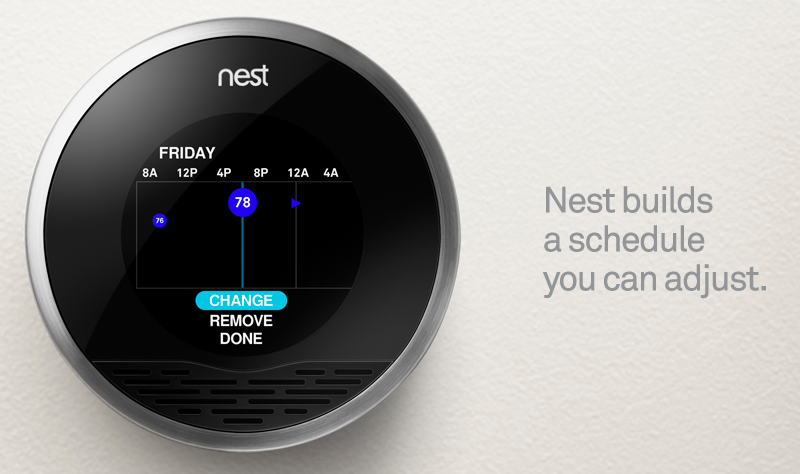
    Nest has always been on Google’s radar. Google Ventures, the company’s startup investment arm, was one of the Nest’s early investors. Google was previously rumored to be building a Nest thermostat competitor, and there were even leaked screenshots of a smart thermostat app built by Google called “EnergySense,” which would let you control the temperature from a smartphone or Web client.

    Google is pretty famous at this point for acquiring vast amounts of data on its users, as well as sharing that data. Co-founder of Nest, Matt Rogers, said in a Q&A on the company’s blog, “Our privacy policy clearly limits the use of customer information to providing and improving Nest’s products and services.” He goes on to claim that will not change. 

    Nest uses complex technology to solve a problem that lots of people have on an everyday basis. That’s what Page wants to do with Google. He wants to use complex technologies to come up with simple solutions for complex problems that huge masses of people have — like controlling their climate of their homes in an energy-efficient way.

    A quick finalization of the deal was expected after the Federal Trade Commission fast-tracked its approval last week.


  • Yahoo Buys Rockmelt Social Browser And Shuts Down App

    Yahoo Buys Rockmelt Social Browser And Shuts Down App

    Yahoo’s summer shopping spree has claimed another company. This time it’s former social browser turned Flipboard clone, Rockmelt.

    According to Rockmelt, its products will be completely shut down at the end of this month. Current users will be able to export their existing content as an OPML file.

    Reports indicate that the Internet giant shelled out between $60 and $70 million (€45 and €52 million) for the company. Rockmelt’s team will head for the Yahoo mobile and media departments. 

    “The parallels between Yahoo! And Rockmelt are obvious: we share a common goal to help people discover the best personalized content from around the web,” Yahoo’s Mike Kerns and Adam Cahan said in a blog post. 

    Rockmelt has a well-regarded team that was surely attractive to Yahoo CEO Marissa Mayer as she continues to build out her team. But the acquisition was not a pure acqui-hire, as Rockmelt had built a variety of media-related mobile technologies that could be useful to Yahoo.

    Yahoo posted the following :

    Thirty-two Rockmelt employees have joined our media and mobile organization. We aren’t going to discuss specifics on what they’re working on, but we plan to integrate the Rockmelt technology into our media platform in order to deliver content in new and exciting ways. Stay tuned!

    [Via]

  • Apple Acquires Transportation App HopStop

    Apple Acquires Transportation App HopStop

    Apple, in a bid to improve its infamous mapping system, today acquired popular transportation app HopStop. 

    Apple confirmed the purchase late Friday afternoon, though did not go into detail about what it intends to do with the company.

    The new mapping software Apple debuted in September with the iPhone 5 has been faulted for getting users lost and for its lack of public transportation directions. HopStop shows users in more than 500 cities the fastest way to travel by foot, bike, subway and car; Locationary deploys real-time data from a variety of sources to help users find featured businesses.

    The functionality is similar to the newly-acquired Waze, except it is for transit rather than automobile traffic.

    HopStop’s App Store description reads : 

    Get detailed subway, bus, train, taxi, walking and biking directions, real-time transit information via “HopStop Live!”, as well as official transit maps, nearby station search, and station-to-station schedules in over 600 cities throughout the US, Canada, Europe, Australia and New Zealand.

    In addition, you’ll benefit from our latest feature, HopStop Live!, which lets you see what other HopStop users are saying, in real-time, about the stations, trains, lines and buses you use most. HopStop Live! empowers our community of millions of transit riders to work together towards a common goal to get everyone to where they need to go, faster.

    With HopStop Live! you can:

    • Follow your favorite lines, stations or stops
    • Report real-time delays and issues
    • Contribute pictures of what you’re seeing on buses and trains
    • Share to Facebook and Twitter

    The app also supports these great features as well:

    • Get directions from your current location
    • Get schedules for hundreds of regional rails, subways, buses, ferries, light rails, streetcars, trams, trolleys & more
    • Map a location & see nearby subway & bus stops
    • Estimate travel time & cost for a taxi & call cab companies
    • See a list of all possible routes with Smart Route
    • Get biking directions in NYC, DC, Chicago, & SF

    Earlier on Friday a report from All Things Digital noted that Apple had purchased Locationary, a location-based data company that blended data from multiple sources, including things like business listings and products and services.

    [Via]

  • New Zynga CEO Tried To Buy Company While He Was At Microsoft

    New Zynga CEO Tried To Buy Company While He Was At Microsoft

    Ex-Xbox chief Don Mattrick tried to tempt Microsoft bosses into buying Zynga years before his recent appointment as its CEO, a new report suggests.

    Don Mattrick attempted to orchestrate an acquisition of Zynga during his tenure as head of Microsoft’s entertainment and devices division.

    According to a report on Bloomberg, which cites a number of people familiar with the matter, Mattrick opened negotiations with Zynga CEO Mark Pincus in 2010. At that time, Facebook games were ascendant, adding millions of new players every month.

    Though Zynga’s market dominance has floundered in the past few years and – according to Bloomberg’s sources – the negotiations fell through, Mattrick’s interest in the company clearly never waned as he’s set to succeed Pincus with a rather attractive deal that was detailed in all in its financial glory last week.

    The Xbox head honcho eventually left following a storm of controversy over policies for Xbox One and an eventual, embarrassing U-turn on the ones that were most unpopular. Far from a knee-jerk reaction to Microsoft’s troubles, Mattrick’s departure appears to have been long planned. 

    Mattrick is said to make $19.3 million this year, and as much as $50 million over the next three years if certain parameters are met. 

    [Via]

  • India’s Prana Studios Takes Over Rhythm & Hues, VFX House Behind “Life Of Pi”

    India’s Prana Studios Takes Over Rhythm & Hues, VFX House Behind “Life Of Pi”

    The Los Angeles Times reports that American animation/visual effects studio Rhythm & Hues, the VFX house behind “Life of Pi” has been acquired at auction by Indian company Prana Studios.

    The Oscar-winning visual effects house had filed for bankruptcy protection last month, a source close to the deal said Thursday night.

    A court hearing on confirmation of the winning bidder is scheduled for 10 a.m. Friday.

    Prana Studios is a VFX and animation studio with bases in Los Angeles and Mumbai. It is currently providing animation for Disney’s upcoming 3D feature Planes.

    Other bidders in the auction included India’s Prime Focus; a Chinese entity involving Jiang Yanmin, president of China Lion (and a founder of Technicolor Beijing); and bicoastal animation company Psyop.

    The sale also underlines the growing influence of Indian companies in Hollywood’s post production sector. India’s Reliance MediaWorks last year joined China’s Galloping Horse film and TV company to acquire the Venice-based Digital Domain, the studio co-founded by “Avatar” director James Cameron.

    Rhythm & Hues has been known as one of the most artist-friendly visual effects companies, with generous salaries, vacation time and benefits. Critics of its management complain it was overstaffed, especially in North America. Before its financial troubles Rhythm & Hues was sending 40% of its work abroad. Court documents signal that R&H expects to send much more work to Asia, perhaps 80% or more.

    Prana Studios is expected to assume responsibility for a nearly $16-million loan extended to Rhythm & Hues by Universal Studios and 20th Century Fox. The loan was part of the effects company’s plan to avoid liquidation, enabling it to complete work on current projects, including “R.I.P.D.” and “Percy Jackson: Sea of Monsters.”

    [LA Times]

  • Yahoo Acquires Mobile News Start-Up Summly

    Yahoo Acquires Mobile News Start-Up Summly

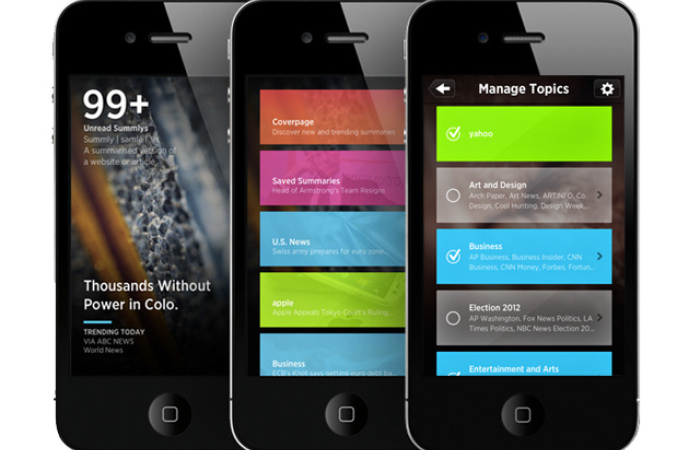
    A London teenager has sold a mobile app he first designed in his bedroom for between £20 million and £40 million.

    Nick D’Aloisio, 17, said he would probably buy a new computer and trainers after Yahoo bought his Summly software for an undisclosed sum.

    Yahoo said today on its blog that Nick D’Aloisio  will join Yahoo along with the rest of his team.

    The free iPhone app automatically boils down lengthy news stories and features to make them more “user friendly” for a mobile screen.

    Chief Executive Officer Marissa Mayer is focusing Yahoo on providing Web services that are customized for individual users, and aims to add engineers by buying small technology startups, she said on a conference call last year. Yahoo has acquired at least six such teams — including Jybe Inc., Stamped Inc., OntheAir, Snip.it and Alike — since Mayer took over in July.

    “Most articles and Web pages were formatted for browsing with mouse clicks,” Yahoo said on the blog. “The ability to skim them on a phone or a tablet can be a real challenge. We want easier ways to identify what’s important to us.”

    Mayer has said she sees the company building sites and technologies that are daily habits for consumers, such as checking e-mail and stock tickers. In January, she said she’s focused on technology that will personalize content from the Web and deliver it to people on their handheld devices.

    “We think about how do we take the Internet and order it for you,” Mayer said. Yahoo intends to be “a feed of information that is ordered, the Web is ordered for you and is also on your mobile phone.”

    [Via Bloomberg]

iGyaan Network
Privacy Overview

This website uses cookies so that we can provide you with the best user experience possible. Cookie information is stored in your browser and performs functions such as recognising you when you return to our website and helping our team to understand which sections of the website you find most interesting and useful.