Tag: tech blunders

  • Top 10 Tech Failures of the Decade

    Top 10 Tech Failures of the Decade

    Success means a particular technology solves a problem, whether it’s installed on a billion smartphones or handled by a few scientists carrying out techno-scientific work. But many technologies do not achieve success, typically because they fail to reach the scale of approval that would make them relevant. The reasons for failure aren’t foreseen. Let us look at some of the worst technological failures of all time:

    1. Apple Newton (1993)
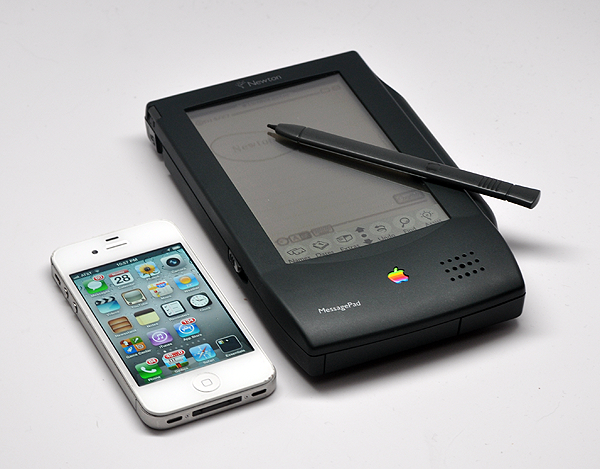
    apple newton

    This one goes way beyond the decade, but was worth first mention.The Newton MessagePad platform was an early personal digital assistant, an ancient ancestor of the iOS platform used in the iPhone and the iPad, and the first tablet platform developed by Apple. Some of the reasons why it did not work out were that it was too big and cumbersome to use. It was almost an inch thick and too heavy to be considered pocket size. The device was too costly, it was priced at $700 for the first model and $1000 for the next variant. The non-backlit LCD screen made it very difficult to read and had a flash memory of only 1/2/4MB. The Newton’s handwriting-recognition software, marketed as one of its most innovative features, was notoriously inaccurate, even earning a mocking cameo in an early Simpsons episode.

    2.HD DVD (2006)

    a pile of blue DVDs

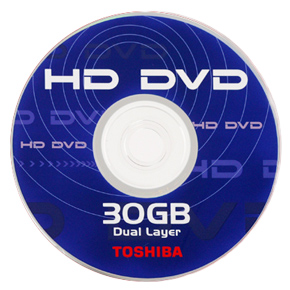
    HD DVD was one of two formats for high-definition DVDs. The other format was Blu-ray. HD DVD was primarily funded and marketed by Toshiba and NEC and was first released as a consumer product in 2006. When HD DVD was first launched, it had a sales lead over Blu-ray. Industry analysts say that Toshiba lost almost $1 billion supporting the format before abandoning it in 2008. There are a number of reasons that the HD-DVD format lost out to Blu-ray, which was championed by Sony (SNE). The most commonly cited explanation is that Sony did a better job convincing major film studios to release high definition editions of movies for Blu-ray. Sony may have had an advantage because it owns one of the largest studios. Analysts believe that when Sony got Warner Brothers to adopt Blu-ray exclusively, it won the battle against HD DVD.

    3. Nokia N-Gage (2003)
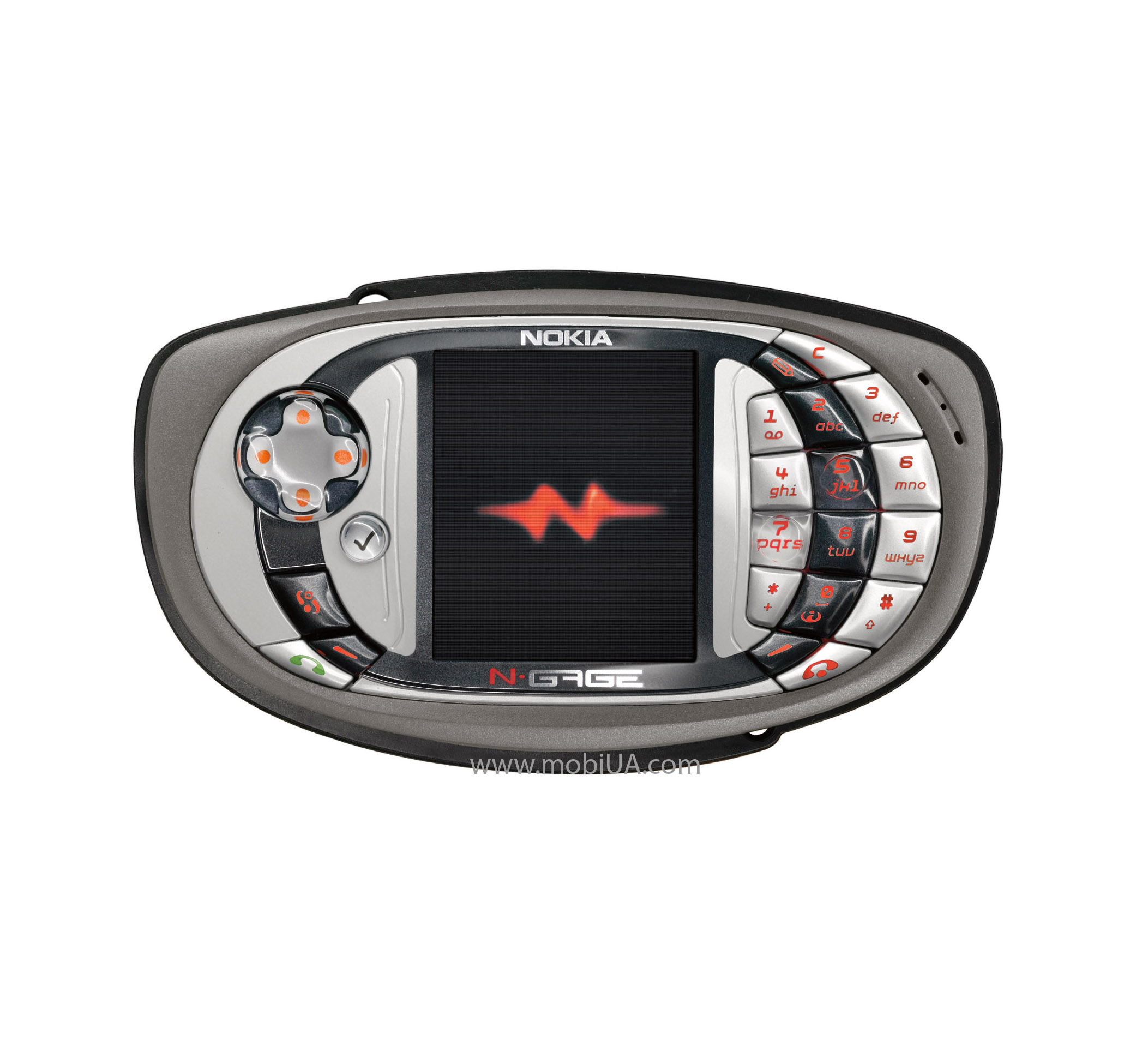
    Nokia N-Gage

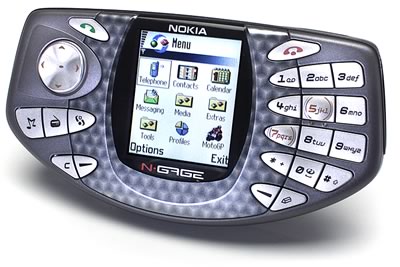
    Once upon a time Nokia thought it could compete in the handheld gaming business, and that error revealed itself in the form of the N-Gage. This combination phone and mobile console were so cramped that it was funny—assuming you didn’t waste $299 to get one. For starters, the N-Gage required users to hold it up to their heads sideways to talk, which made it look seemingly uncomfortable. In addition to this, gamers also needed to separate the back cover and battery to swap games. Nokia would release a mobile mea culpa series in the N-Gage 2, but it was too little, too late.

    4. MSN Direct Smart Watches (2004)
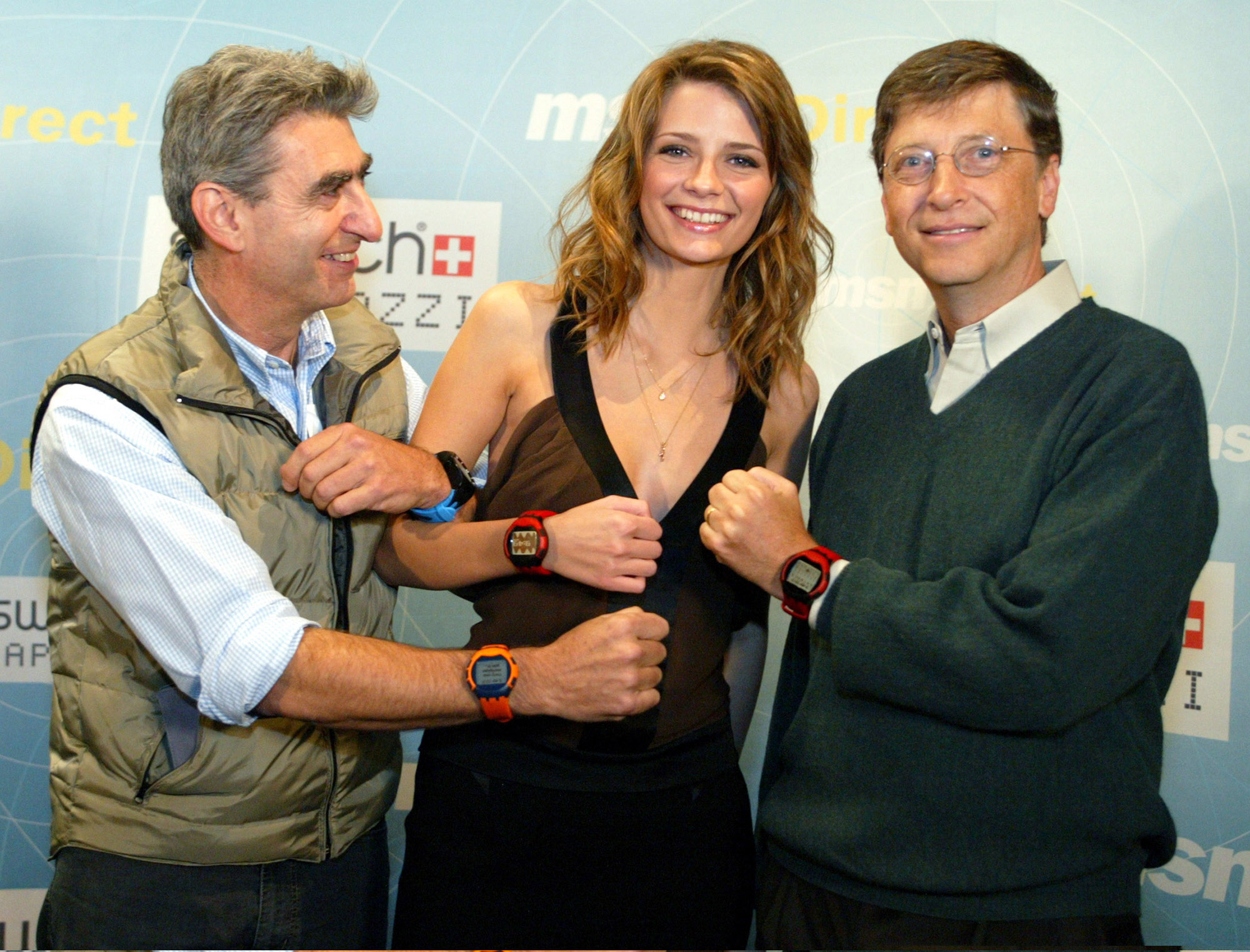
    Bill Gates, (R) Microsoft chairman and chief software architect and Nick Hayek Jr. (L) Swatch Group CEO along with actress Mischa Barton show the new watch line called "Paparazzi" before a news conference in New York, October 20, 2004. The new Swatch watch has joined with MSN Direct, a division of Microsoft, to launch the Paparazzi. The Paparazzi Swatch offers wearers exclusive entertainment information and the opportunity to meet celebrities. In addition, Paparazzi owners can access the MSN Direct service to receive personalized information, such as news, sports, weather, horoscopes, and stock quotes.    Photo by Jeff Christensen

    Literally and figuratively, MSN Direct Smart Watches were way ahead of their time. Made by the likes of Fossil and Swatch, these massive wrist-worn monstrosities fetched stock quotes, news, sports, and weather via FM radio waves for $9.99 per month. Sadly for Microsoft and its partners, smartphones already did the above and much more. The hardware would evaporate from the market by 2008, but Microsoft only recently shut down the network.

    5. OQO Model 01 (2004)
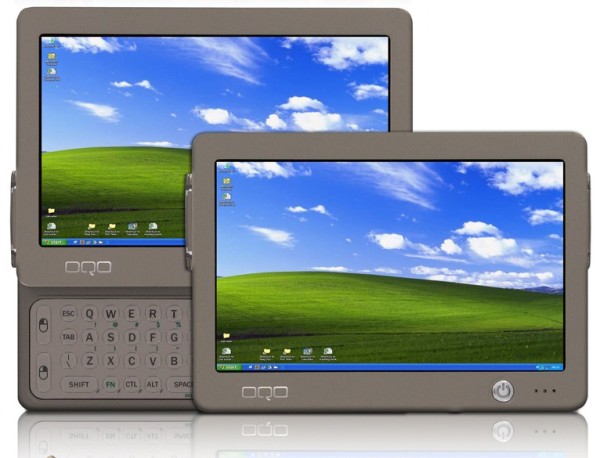
    OQO Model 01

    The power of Windows in the palm of your hand. That was the promise of the OQO Model 01, which ran Windows XP on a 5-inch display. This mobile Internet device was indeed versatile, offering a slide-down thumb keyboard and a desktop dock. It had a very chunky design (.9 inches thick), got dangerously hot, had noise issues and a low battery life that made the $1,999 price tag way too much to digest, even for well-heeled mobile executives.

    6. Sirius S50 (2005)
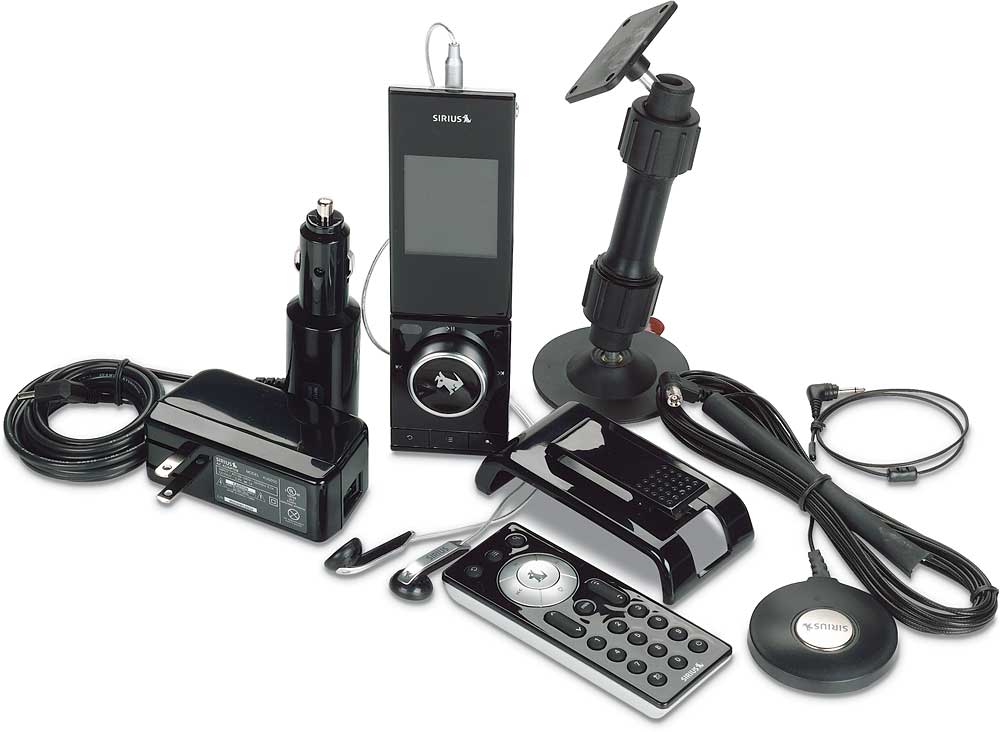
    Sirius S50

    Somehow, the satellite network provider thought that consumers would want a portable radio that wasn’t portable at all. To get live stations, you had to attach the S50 to a car kit. You could listen to recordings on the go, but only for two hours. Maybe that was for the better, since the S50 didn’t even live up to its measly 6 hours of battery life. At the time, XM2Go devices were a much better deal; they were heavier but lived up to the promise of a live satellite radio.

    7. Motorola ROKR E1 (2005)
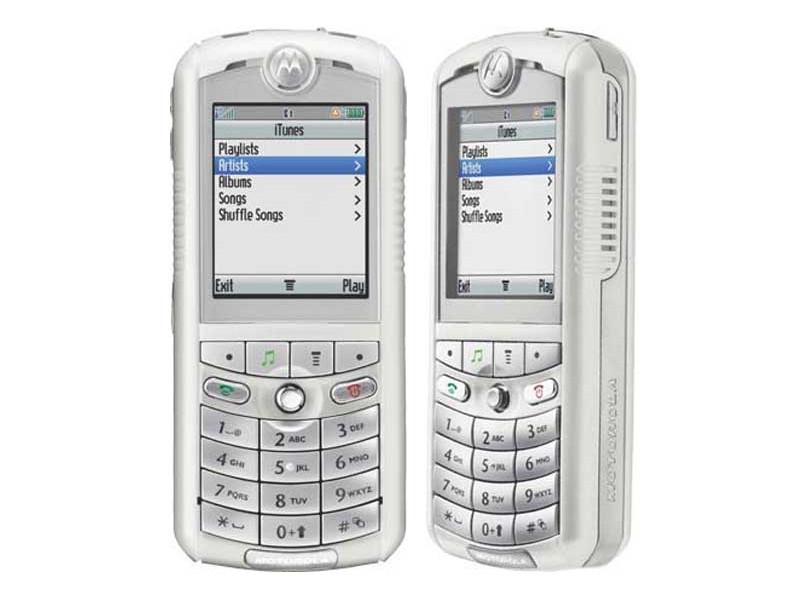
    Motorola ROKR E1

    Before Apple dove into the smartphone market, it tested the waters by associating itself with the Motorola ROKR E1 ($249). Dubbed as the first “iTunes phone,” the ROKR wasn’t even a one-hit wonder. Thanks to its poor 100-song capacity and the incompetence to download tracks from the web, consumers immediately turned this handset out. No one needed an inadequate companion device for their iPod that could make calls; they required it all in one device and Apple would give it to them two years later.

    8. Oakley Thump Sunglasses (2007)
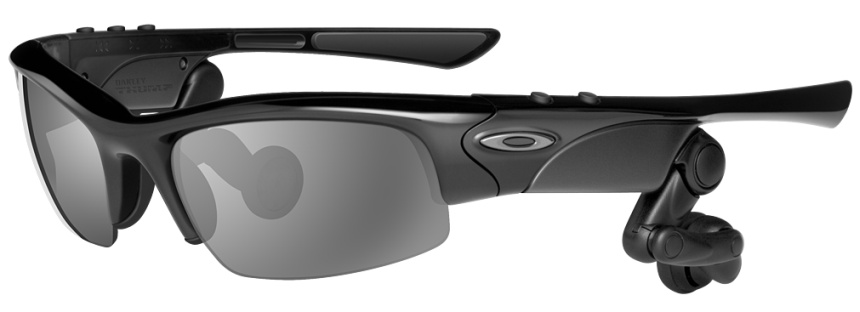
    Oakley Thump Sunglasses

    Before there was Google Glass, there were Oakley’s Thump sunglasses, which blended shades with an MP3 player. Too bad the glasses were ugly, and the audio controls were awkward to use. Plus, users were stuck with a measly 256MB of flash memory at a sky-high $495 price tag.

    9. BlackBerry PlayBook (2011)
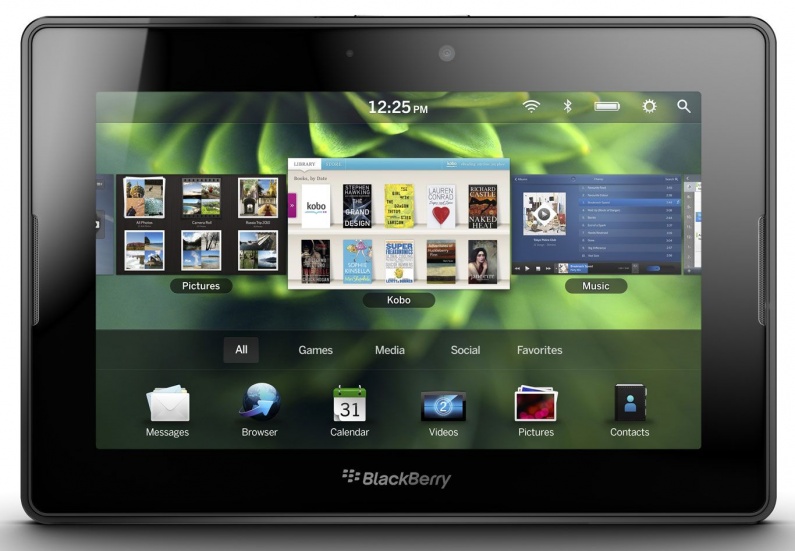
    BlackBerry PlayBook

    If BlackBerry’s recovery fails, the PlayBook will be recognized as one of the nails in the coffin. Research in Motion, or RIM, was so busy showing off the fact that it’s 7-inch tablet could perform and play HD videos via its HDMI port, that it forgot to add native email and calendar apps. That’s right, the PlayBook didn’t let you see your messages or appointments unless you had a BlackBerry phone connected to the slate via Bluetooth. Amazingly, RIM called this apparent weakness a security feature. Less than nine months later, co-CEOs Mike Lazaridis and Jim Balsillie stepped down from their posts.

    10. HP TouchPad (2011)
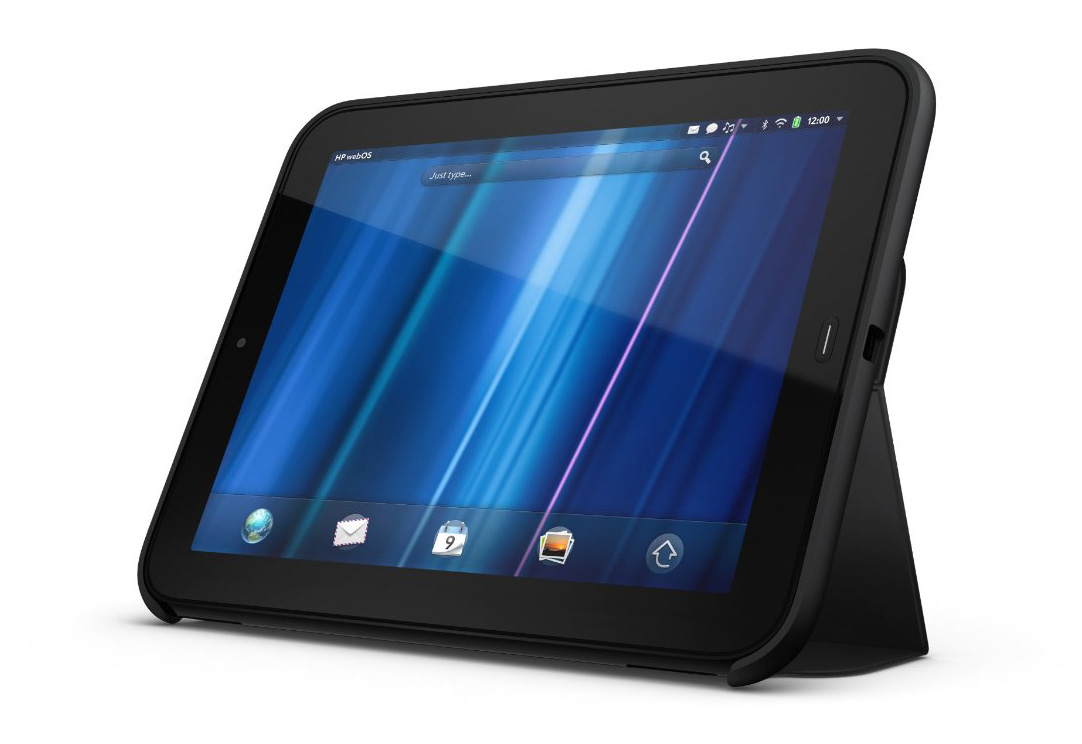
    HP TouchPad

    It’s hard to understand now, but the HP TouchPad was one of the most anxiously anticipated tablets back in July 2011, promising to breathe new life into webOS’ multitasking-friendly interface. Some of the software elements were indeed smooth, such as Stacks for organizing related tasks and a polished notification system. Ultimately, though, a slow and buggy performance and a dearth of apps doomed this slate. After less than three months on sale, HP pulled the plug on the TouchPad and all webOS hardware.
  • Top 5 Tech Blunders You Should Avoid

    Top 5 Tech Blunders You Should Avoid

    You have money? Spend it! But make sure ensure you invest wisely. We have complied a list of 5 tech blunders you should never make:

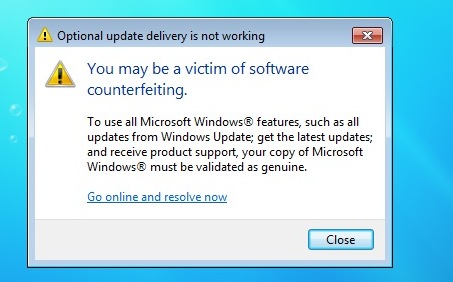
    5. Buying Pirated Windows

    windows_not_genuine

    One of the most common tech blunder that most people make is to Install the pirated version of Windows. But you have to ask yourself whether it’s worth losing and rebooting your system a year down the line, or paying a few extra thousand for the original windows now?

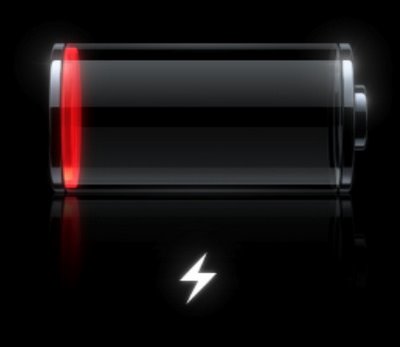
    4. Leaving the house with less than 62% battery life

    Low-battery

    Smartphones today either run on Android or iOS which are known for their User Interface. One thing, however, these phones are not reputed for is their battery life. Make sure you leave home with a fully charged phone or suffer the wrath of the missed calls.

    3. Buying a device with an old software

    android donut

    There are two kinds of old software buyers. One who don’t care about the latest version and the other who expect an upgrade to launch for their device. The latter are easy to spot since they are always seen complaining about their device.

    2. Investing in a 3D Tv

    3dtv

    Investing in a 3D TV is one of the biggest mistakes one could make. With only few movies and games available and scarcity of time; 3d TV’s are not the best bet yet.

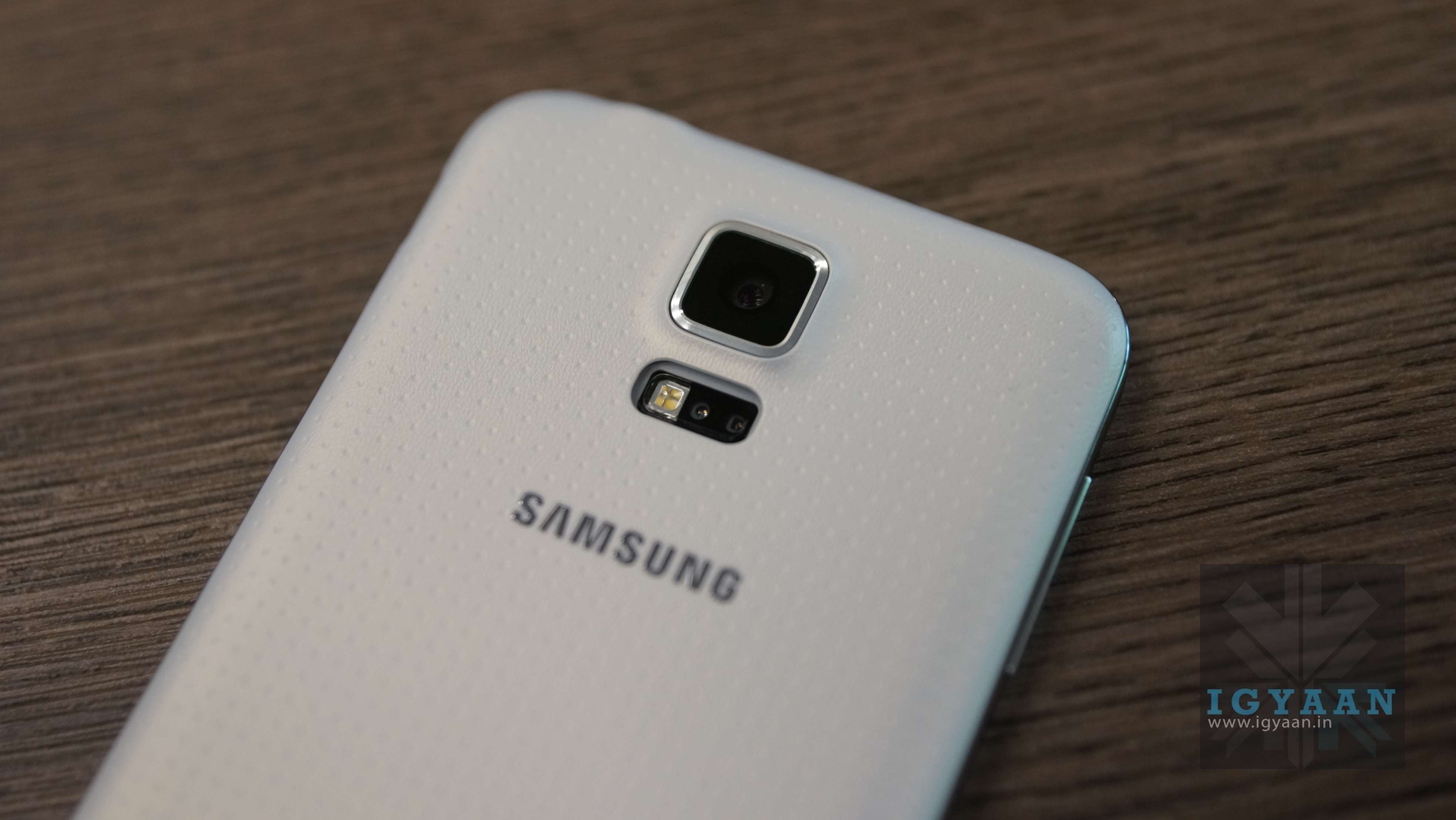
    1. Buying Samsung Galaxy S5 at full price

    Galaxy S5 review 5

    It was initially launched at a whooping Rs 53,500 after which the prices dropped drastically. For people who value their wealth and want their money’s worth, this is not the device for you.

    two kin

  • Major Tech Blunders of the Last Decade

    Major Tech Blunders of the Last Decade

    If you are a 90’s kid or have lived through them, you’ve had the wonderful opportunity to witness the physical evolution of the electronic devices in front of your very own eyes. I remember being 13 and having access to internet for the first time. It was a thrill to wait 30 minutes to wait for a single image to load. We saw the transition from pagers to cellphones to smartphones. The noughties was an era of innovation explosion, almost reminiscent of the gold rush.

    As with every new innovation, the success path is paved through by a series of failures. So here is a list of some of the major tech blunders of the past decade:

    1. Microsoft Zune:

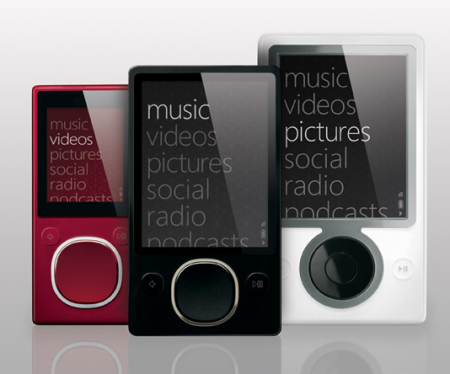
    zuneYou may ask, “what’s a Zune?”, well, that’s exactly the point we’re trying to make. Microsoft’s “iPod killer” was no match for Steve Jobs’ marvel contribution to consumer electronics. The device wasn’t as bad as it has been played out to be, it just wasn’t any different from the iPod. In fact, the Zune HD was appreciated by a lot of people. The problem could be that it was launched way late into the game – while the iPod was released in 2001, Zune was released in 2006. By that time Apple had settles comfortably into the market, with large number of existing consumers. It also trampled Zune’s reputation by launching massive marketing campaigns to ridicule it across various medias.  In 2011 Microsoft finally gave up and pulled the plug on it.

    2. HD-DVD by Toshiba:

    HDDVD It was called the war of the HD Discs. The reason for the war was to find the right media forward for high definition content. Blu Ray won the war easily. One of the major reasons for the HD-DVD shutdown was Sony. The company used its production studio might to convince all other major studios to back Blu-Ray and help it become the release standard for High definition content. The final blow to HD-DVD was Warner Bros. and WalMart siding with Blu-Ray. Toshiba ended up losing a billion dollar because of this attempted venture.

    3. Palm:

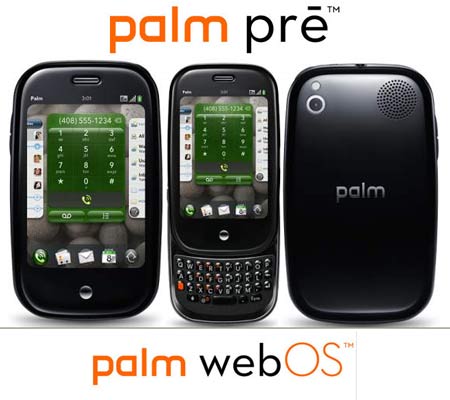
    webos-phonePalm were the manufactures of portable wireless devices and operating systems. They were the creators of the WebOS, an innovative and cutting edge operating system. They were also one of the first manufacturers of smartphones. By 2009 they started dealing with multiple production delays  and the company was slow to realize that consumers wanted wireless voice and data combined in one device. Palm was taken over by HP, who after just eight months of marketing the new devices based on the webOS, shut down the program and sold the webOS to LG. Now LG has incorporated the OS in their new line of Smart + TV’s.

    4. Windows Vista:

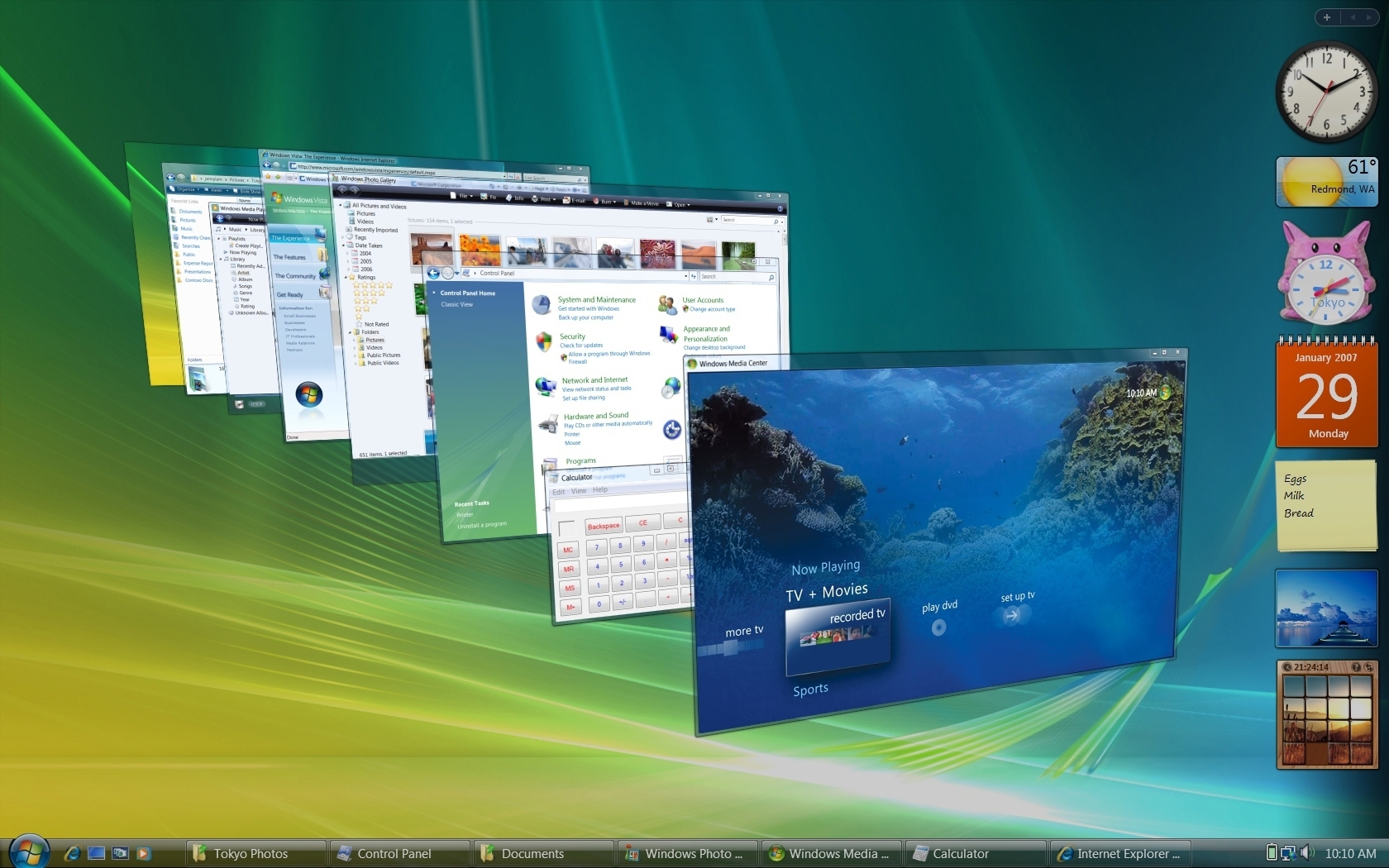
    Windows-vistaNot to be too hard on Microsoft, but they brought this upon themselves. Vista was heavy on the processor, took 50% computing power to run the OS and was even incompatible with a lot of older systems. Vista was marketed as 6 different versions, further confusing the users who decided to stick with their Windows XP. There were regular glitches with the Vista which further persuaded users to stick with the XP. Most of the issues of the Vista were later corrected in the Windows 7 operating systems. The famous Justin Long featured Apple commercials also did major perceptional damage to the Vista.

    5. Nokia N-Gage:

    N gageThis was a dream phone of every teenager which burst as soon as they got their hands on it. It was novel idea during the time of its release but the lack of game selections and crummy design spelled its doom. If it was planned better it could have become one of the top selling gaming phones and would have given a real competition to the PSP or Game Boy Advance. Instead here is a poorly designed phone which was priced twice as much as a PSP.

    6. Apple Cube:

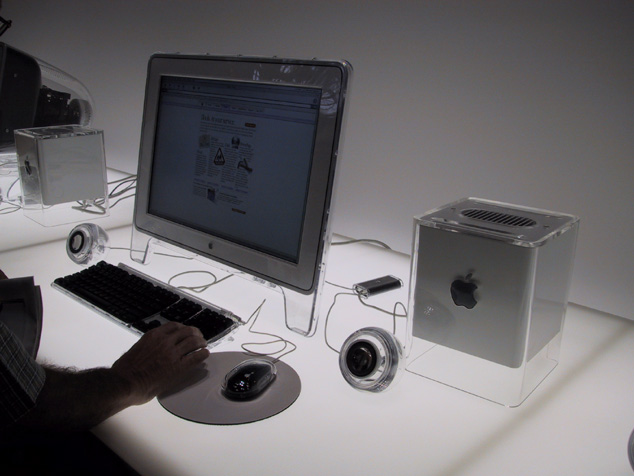
    apple cubeThis would probably be Steve Jobs biggest blunder. Apple Power Mac G4 Cube was a Cube shaped personal computer suspended in an impressive acrylic glass casing. While it got rave reviews for its design, the system was impractical to upgrade. Also, there were numerous complains about cracks in the clear plastic casings. The product was only sold for a year before being shut down to put more emphasis on the iMacs.

    7. Segway:

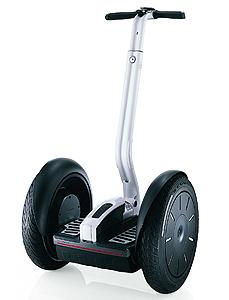
    SegwayYou might remember Akshay Kumar riding it in Desi Boyz or if you are a Marvel fanboy like me, you would have seen the most badass Iron Man villain, Jeff Bridges, riding it in the first movie. It was prompted as the replacement of “Walking”, yes that biological function that can be done for free, while on the other hand a Segway could set you back $5000. It was supposed to prevent the rider from falling which was proved wrong when the former US president George W Bush fell off it. The plan was to sell 50,000 to 100,000 units in the first year, instead only 30,000 Segways were sold between 2001 to 2007. Now its mostly used by mall and airport security.

iGyaan Network
Privacy Overview

This website uses cookies so that we can provide you with the best user experience possible. Cookie information is stored in your browser and performs functions such as recognising you when you return to our website and helping our team to understand which sections of the website you find most interesting and useful.