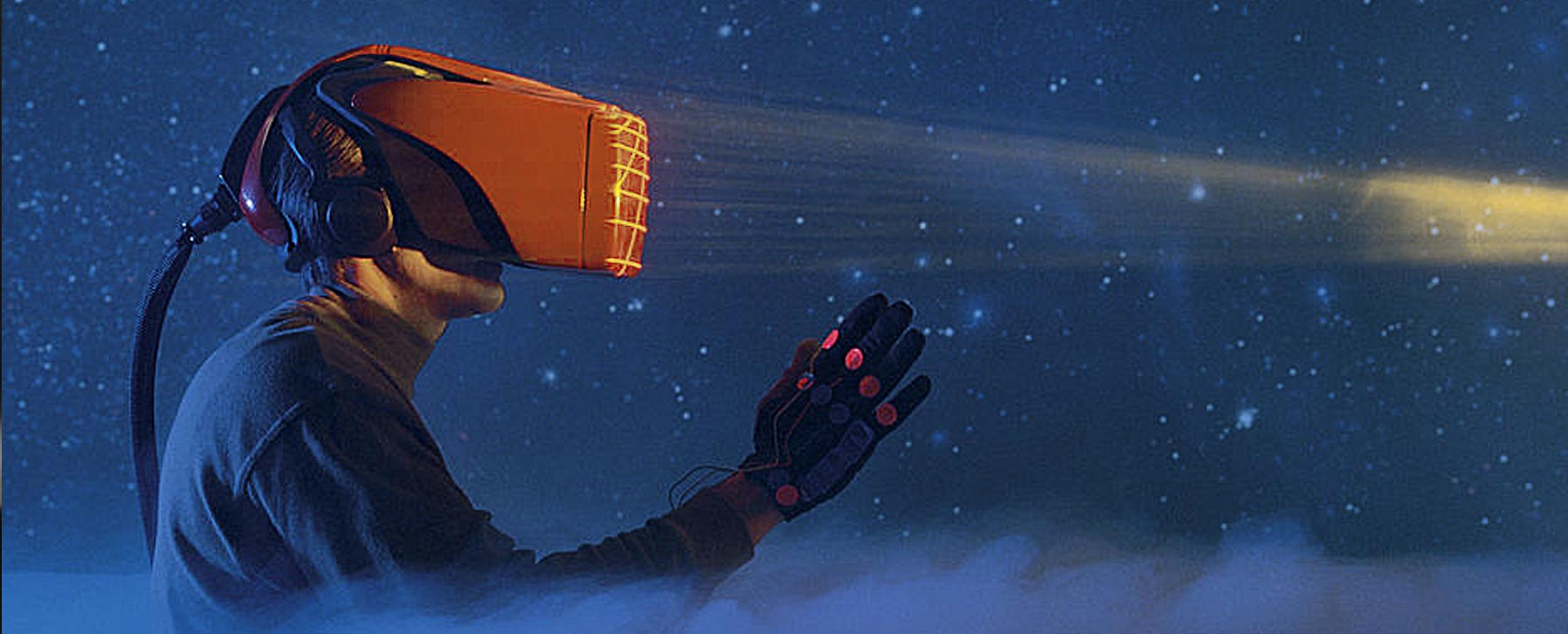
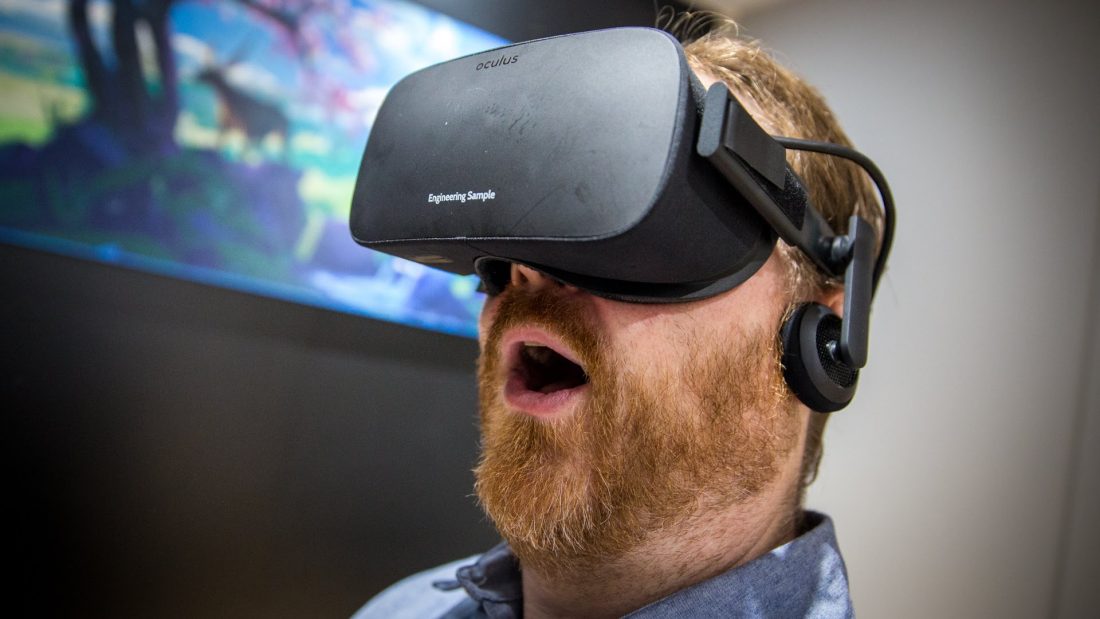
In what will be great news for VR enthusiasts, and users who have brought expensive VR headsets from Oculus, NBCUniveral’s Syfy channel have announced it’s new, futuristic crime drama Halycon. The order details of the show reportedly point out the inclusion of the production of 5 special episodes, designed to be viewed through the Oculus Rift VR headset.
Halycon is a scripted show that users will only be able to view with Oculus Rift, making it the first show meant to be watched in virtual reality in the history of television.
This will be a production of the Emmy award-winning studio Secret Location, and the plot of the show will be set in 2058 where the cops in the series set out to investigate a murder that happens in virtual reality, unravelling a conspiracy in the process.
Talking about the show Steve Patscheck, executive VP, global programming, NBCU International Networks said,“Syfy is the perfect home for launching this innovative, hybrid linear and virtual reality series. We look forward to partnering with Secret Location on Halcyon, as Syfy international channels break new ground with the launch of the brand’s first scripted virtual reality series.”
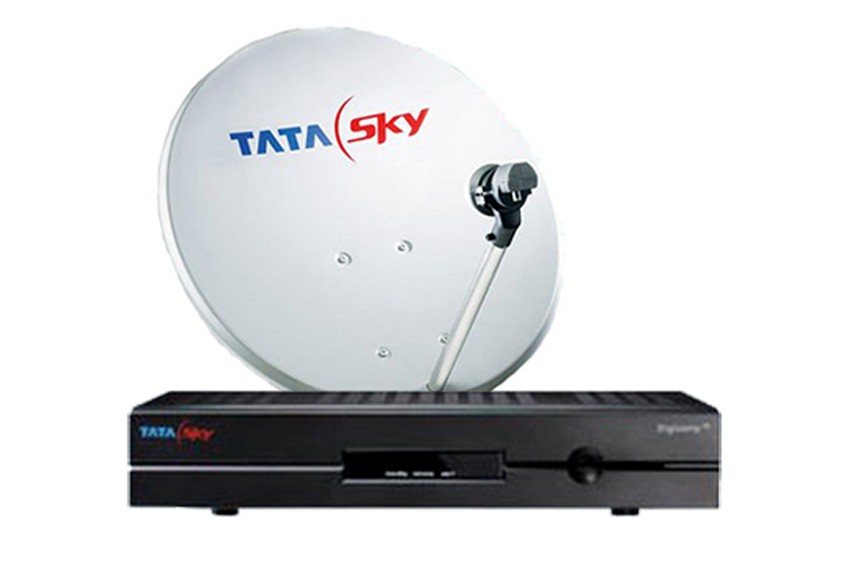
Even though this news is of not much consequence for smart-television users, it is an interesting development for those who use standard television sets. Tata Sky and Videocon d2h have announced that their set-top boxes will now also feature web browsing.
DTH (direct-to-home) service providers have experimented with various interactive features which have only been supplemented by things like 4K display support on TV channels. Internet browsing is yet another feather added to the cap. This doesn’t mean, however, that users can use services like video streaming.
Tata Sky offers this new service to all existing customers free of cost, while Videocon d2h is yet to confirm details of its offers. Those using a smart-TV already have access to the Internet along with a pre-loaded app store. Having said that, this is still an interesting tech development for others.
However, with such deep infestation of the virtual space in our daily lives, one wonders if we need another gadget to connect us to the Internet. What do you think -should we be moving closer or away from the Internet in our daily activities? Let us know in the comments below.
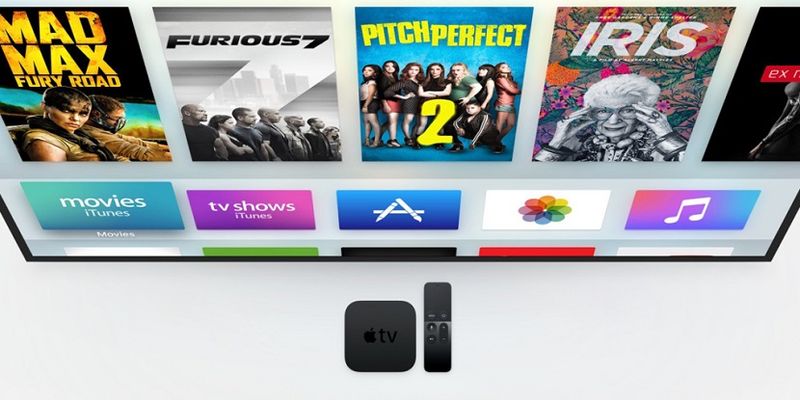
Lo and behold as Apple plans to come out with its own TV shows to be introduced alongside the new iPhones at the September event this year. Rumours about Apple working on its own streaming-service with original content have been milling around for the longest time. Looks like Netflix may have found itself a strong competitor.
According to a report, Apple is expected to produce its exclusive TV shows for iTunes. It reads as follows,
“The Cupertino-based tech giant began sounding out Hollywood’s creative community late last year, but has yet to sign any agreements, according to two people with knowledge of the overtures. One plan is to have deals in place so Apple can announce exclusive content as part of a cable-like offering in September, when it is expected to unveil its iPhone 7.”
But before we get too excited -we have heard some pretty incredible things the past couple of weeks. They include Apple taking over Time Warner, which would inadvertently mean acquisition of HBO. We will have to wait and see if there is any truth to these rumours.
Nanotechnology is the study and use of incredibly small components and structures. The word small is an over-estimation -these components are no more than 2 nanometres (the width of a strand of DNA), or 50 thousand times smaller than human hair. Yes, we are talking tiny.
Needless to say, it is one of the most interesting things about the world of tech and holds immense promise for the future. However, there is a flipside to it -the line between harvesting the enormous power of nanotechnology and letting it overcome humanity is thin and easy to blur. This notion has been explored deeply in video games, art, and has begun to spark off debates in real life lately. Here’s a quick look at some of them.
Nanotech in Film
One of the most recent examples of nanotech in cinema is the 2014 animated film Big Hero 6. The 14-year old protagonist of the movie, Hiro, presents his little army of microbots at the science fair of the robotics centre of the university his elder brother, Tadashi, wants him enrolled in. Thus begins a series of extremely unexpected events, to say the least. The plot of the film centres around microbots which Hiro had initially made for his science project, but now in the wrong hands -they have the potential of wreaking havoc all over, which is precisely what the antagonist aims to do.
List of other movies to have used nanotech is endless, but some of the most famous names include i, Robot, Terminator and Transcendence. These films show the effects of nanotech, being used judiciously, as well as gone terribly wrong.
Nanotech in TV
Sketch of a Nanite
The 2012 TV show Revolution uses the idea of nanotechnology and spins its plot around nano-bots called Nanites in the show. The setting of Revolution is a post-apocalyptic, dystopian 2027, a world which has been engulfed in darkness post a global electricity blackout in 2012.
The Nanites have only two functions -to absorb electrical energy, and to replicate it. The former activity led to the artificially-created ‘Blackout’, thereby making Nanites solely responsible for the current order of things in the show. Furthermore, the Nanites are also capable of performing various medical functions -from curing cancer to repairing damaged lung tissue.
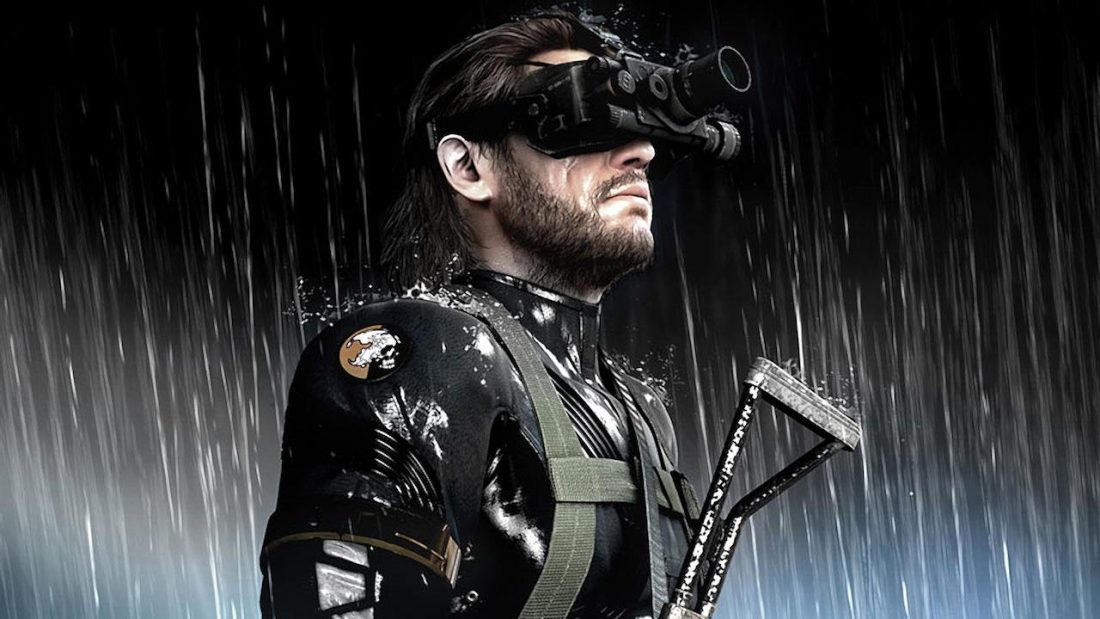
Nanotech in Video GamesIn Metal Gear Solid 4, PMC soldiers are equipped with nanomachines that enhance their abilities on the battlefield. The nanomachines form an integrated network called “Sons of the Patriots” which ensures delivery of drugs like adrenaline, and nutrients to the required body part of the soldier. Additionally, the nanocarriers also provide information about the physiological characteristics of the soldiers’ bodies including their heart-rate, body temperature, blood pressure and injuries, enabling the commanders to make an efficient and informed choice about their plan of attack.
The storyline of the game is interesting because it comes very close to what we have been up to with nanotech in real life. Metal Gear Solid straddles sci-fi with real-world nanotech and makes the game a fun experience. Another fantastic game to make use of nanotech is Crysis. Check it out below.
Nanotech in MedicineJust last year Harvard released a research about an electronic device that can be injected directly into the brain. Connecting it to a monitor ensures nano view of the brain, enabling the doctor to keep a track of neural activity. This, in turn, is capable of helping with treatment of neurogenerative disorders as well as diseases like paralysis.
Nanotech has been used in the past to treat diseases by targeting symptoms and the affected area within the body itself. Target treatment for diseases like cancer has been made successful using nano-tech where the medicine is delivered directly to the infected region using nanocarriers, thereby reducing contact with adjacent regions and the consequent side-effects.
Conclusion The origin of nanotech goes back to 1959 when Professor Richard Feynman spoke about using matter on a very small scale.
“It is a staggeringly small world that is below. In the year 2000, when they look back at this age, they will wonder why it was not until the year 1960 that anybody began seriously to move in this direction.” – Richard Feynman
And now over half a century later, here we are, with another name added to the list of human activities threatening our existence. As nanobots are developed that could live in the bloodstream of soldiers, as has already been seen in popular culture art and video games, could nanotech be the future of violence? Perhaps only time will tell.
Would you allow these tiny nanobots in your bloodstream?
While paranoid sceptics struggle with the notion of Artificial Intelligence, Transhumanism and now nanotechnology ending mankind as we know it -what do you think -does nanotech positively hold the answers to a better future or could it be a factor that wipes out the human race?
‘Tata Sky+ Transfer’ set top box (STB) is the newest feature added to Tata Sky’s inventory of technological innovations. The first of its kind in Asia for DTH, this feature enables audiences to transfer recorded content from their set-top box to mobile phones and tablets, allowing them to watch it in the offline mode any time they want.
Adding to the already existing features of the Tata Sky+ HD (Personal Video Recorder) STB, the Tata Sky+ Transfer STB enables transfer of recorded content to a device over wi-fi for subscribers with iOS (iPhones, iPads) and Android mobile devices through the revamped Tata Sky mobile app.
Harit Nagpal, MD & CEO, Tata Sky, explains their new venture and says, “The launch of the Tata Sky Transfer STB comes at a time when 75 percent of Indian audiences accessing the internet on their mobile devices are aged between 19 to 35 years and increasingly seek new content. Tata Sky+ Transfer is hence the innovative answer for consumers who want to keep in touch with their favorite content round the clock, anywhere, essentially without using up broadband data.”
Tata Sky+ Transfer subscribers will be able to avail the ‘Transfer’ pack free of cost by simply clicking on the ‘Transfer’ tab on the Tata Sky mobile App. Available nationally, the ‘Tata Sky+ Transfer’ box is offered at Rs. 9300 and all existing subscribers can upgrade it for a fee of Rs. 7890.
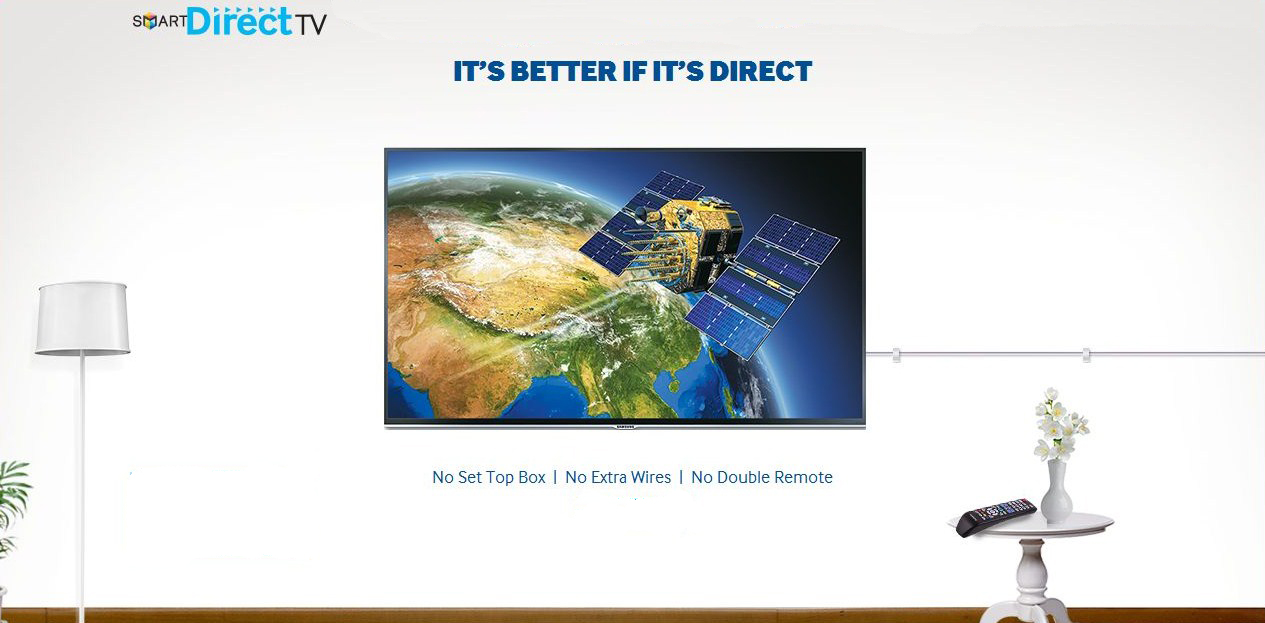
The biggest consumer electronics company and India’s prominent mobile and DTH operator are partnering to bring hassle-free entertainment to the Indian shore. Airtel and Samsung have teamed up to bring India’s very first Integrated Digital TV (iDTV).
An integrated digital television (iDTV) set is a television set with a built-in digital Tuner. They make the set-top box obsolete, which is great. Unfortunately, they still require that dish to catch the signal. It would be cool if the electronics market can do away with that too; we’ve had enough of our roof’s looking like a television station.
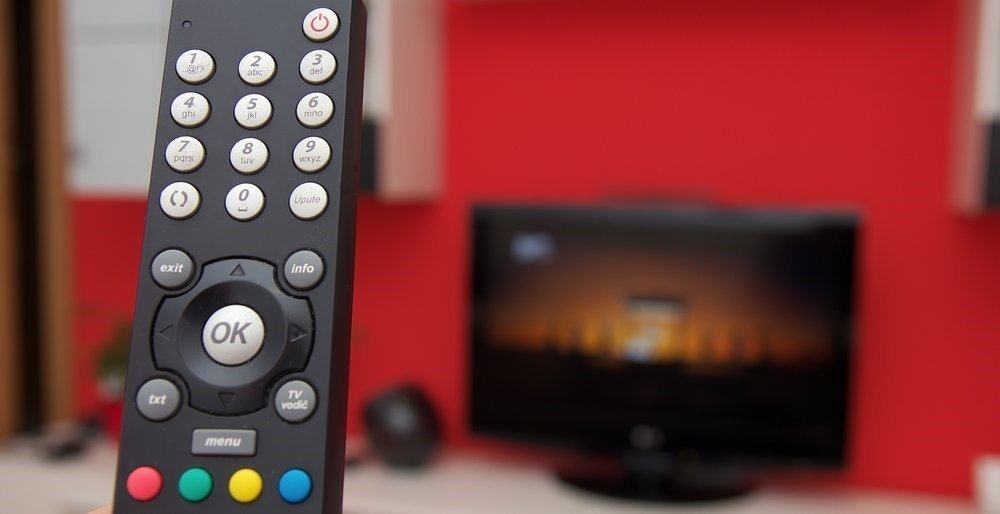
Coming back to the matter at hand, the iDTV also gives you freedom from the dual remote system that we use presently. On this TV, a single remote system also makes life easy as it comes accompanied with an intuitive user guide.
Shashi Arora, Bharti Airtel’s CEO – DTH & Media said, “The in-built Airtel DTH smart card supports direct signal reception from the dish antenna, thus enabling crystal clear audio-video quality and making these Samsung TVs the smartest available in the marketplace today.”
These iDTV’s will utilize a Smart Card from Airtel, which goes directly into the TV. The devices come in the category of Samsung’s SmartDirect TV. This TV range will start at Rs. 44,900, which seems like a fair price. It also comes coupled with 4 months free subscription as an introductory offer.
So if you wanted to do away with that mess of wires and just kick back in your couch potato mode with just one remote, this might be what you were looking for.
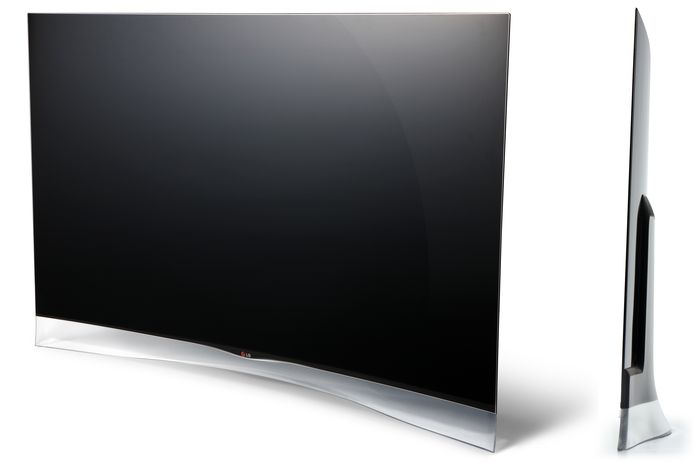
LG’s new Curved OLED TV 55EA9800 is the world’s first curved TV, but it does not just stop there, it also is very flexible and durable. The design of the TV is out of the future, it is very slim, the profile is just exquisite and the curve may as well accentuate the actual viewing experience, but only if you sit dead centre.
Check out the Video above and the detailed specifications below.
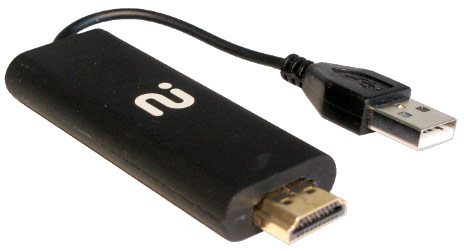
Always Innovating, the folks behind the Smart Book tablet have done it again at CES 2012. The new gadget is called “HDMI Dongle” and is an entire system on the dongle that can be plugged into your television to give you, hold your breath, Android running on your Tele. The tiny little device has awesome specs too, a Cortex-A9, between 256MB and 1GB of RAM, inbuilt WiFi / Bluetooth, an NFC module and even an accelerometer for when you decide to hold your TV and play Asphalt.
The device dongle is priced starting US $ 79 and should be available soon , if you believe the company, and it bundles a RF remote. Either way whenever it comes we are ordering at least enough to cover all HDMI equipped TVs and Monitors.
ALWAYS INNOVATING INNOVATES AGAIN WITH THE HDMI DONGLE.
LAS VEGAS, Nevada, January, 2012
Always Innovating is pleased to announce the HDMI Dongle, a revolutionary new portable set-top box. The HDMI Dongle is a device of the size of a stick that can be plugged into any HDMI port to transform a dumb TV into a smart Internet-connected screen. The HDMI Dongle enables Internet browsing, movie watching and games.
The HDMI Dongle can run Android Ice Cream Sandwich and is compatible with GoogleTV. The device provides a full-compatible Android experience and any application for this operating system can run on the dongle. The HDMI Dongle can stream and decode from the Internet 1080p H.264 video. The device is compatible with popular services such as Netflix, Hulu or Amazon video-on-demand. The user interface is controlled with a 9-button remote control for easy navigation, and voice recognition for text input. The accelerometer located in the remote control enables a set of gravity-based games. The remote control also features a NFC chip to offer a tap-to-share experience.
The HDMI Dongle is based on the Texas Instruments Cortex-A9 OMAP 4 which can run from 1GHz to 1.8GHz depending of the configuration. It offers 1GB of RAM and a micro SD card for local storage. The Wi-Fi and Bluetooth module enables the device to connect to the Internet and to any Bluetooth-enabled accessories.
Always Innovating does not intend to produce the HDMI Dongle but offers it on a licensing basis. The HDMI Dongle is expected to hit the selves with a first licensee during the summer 2012. The HDMI Dongle can also be used as the heart of a tablet or MID device. An expansion slot features interfaces to camera and LVDS screen which allows to plug a 1920×1080 LCD. The PCB provides all the features of a tablet including Wi-Fi, Bluetooth, battery management, camera and NFC connectivity.
Like all other Always Innovating products, the HDMI Dongle is fully Open Source.
About the Company Founded by serial entrepreneur Grégoire Gentil, Always Innovating leverages the latest developments in open source technologies worldwide to create innovative products that solve real problems for consumers. The company is based in San Francisco, California.
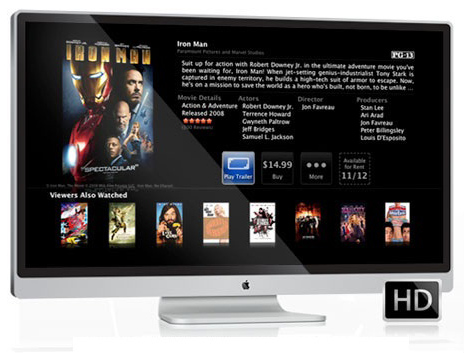
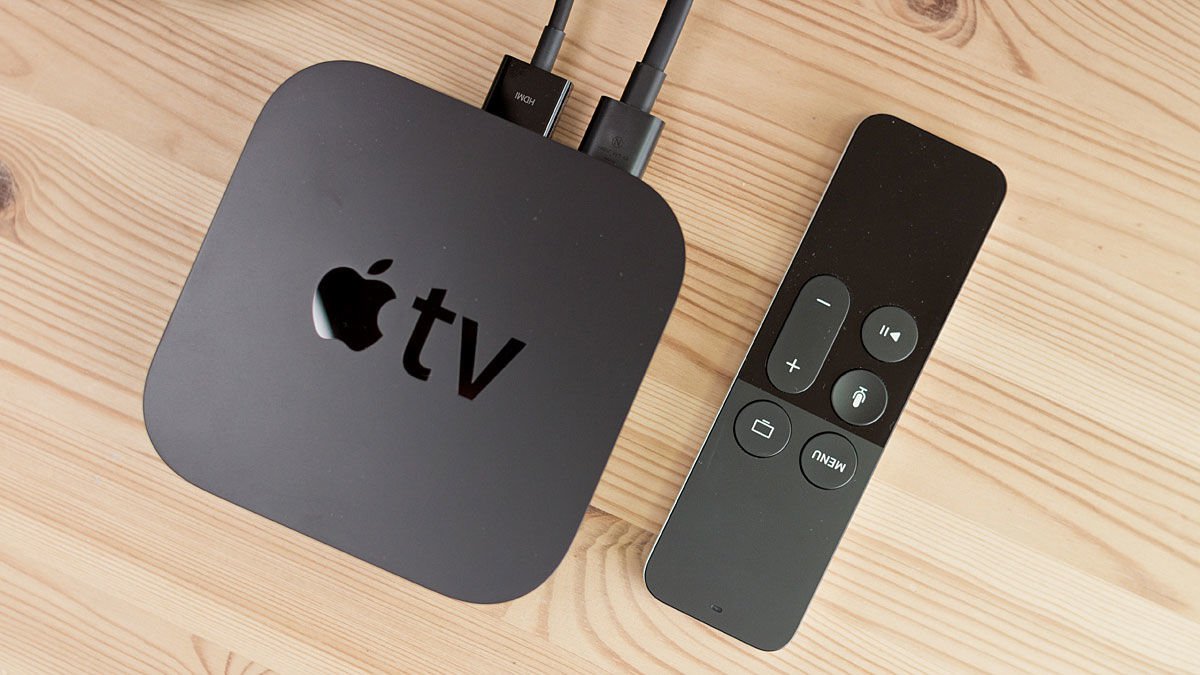
Apple is reportedly discussing the possibility of the Apple TV (not the tiny box, but a real television) with global Media honchos. Steve Jobs’ next big thing before he passed away was the change in the Television industry. Apple’s new CEO Tim Cook has no plans to drop the idea as the company pushes the game forward.
An idea that includes a TV that packs wireless streaming with AirPlay to deliver TV shows and movies as well as technology it’s developed to tie-in DVR storage and iCloud, allowing personal access on tablets and devices handheld. There should be major voice activated control implemented in the whole ecosystem, possibility of that is the already popular Siri voice control systems.
Several companies including Google have already attempted this ill fated journey, only to fail all attempts. Lets see what Apple brings to the table and if it changes anything.
Already reports of the Steve Jobs’s vision of changing the television industry, and him talking about it in his interviews with biographer Walter Isaacson have stirred up quite a fever. Apple stands a chance to cash in about 100 Billion US $ revenues from foraying into what is unchartered territory for Apple.
“I’d like to create an integrated television set that is completely easy to use, It would be seamlessly synced with all of your devices and with iCloud. It will have the simplest user interface you could imagine. I finally cracked it.”
– Jobs said according to biographer Walter Isaacson
It makes sense now for apple to foray into this, to have a complete home solution dominance. Apple already is the market leader in Smartphone and Tablet sales (sheer numbers), A Television that connects to these devices to stream content and show pictures and connect to the iCloud, would be an added advantage for iDevice owners. Of course when Apple does come out with a television, (if it does) expect this device to sell on pure aesthetics and high value ownership clout. The ecosystem that Apple will create will give it a seamless dominance over other brands, still annoying those who hate restrictions.
After all what all can you do with a Television? That is similar what everyone said before Apple Announced the iPhone back in 2007 ( What all can you do with a Phone?).
As is the case with every Apple device, we wont know till we know.
One of the largest cable companies in the US announced that it is planning to bring Skype Video Calls to TV’s by the end of this year. Subscribers will be able to rent a special kit which contains a Webcam, an adapter and a Special Remote which will have a Keyboard at the back to type chat messages. Subscribers will get notifications of incoming calls on their TVs and will be able to answer calls with full-screen video or in a window while watching TV. No pricing plans have been decided as yet.
The Skype adapter won’t work with Skype services that let users call phone numbers, or receive calls to a phone number. Instead, Comcast plans to bundle a limited version of Skype’s offerings with its own phone service, for which it charges $20 per month and up, to the adapter, so subscribers can place and receive phone calls through the TV set.
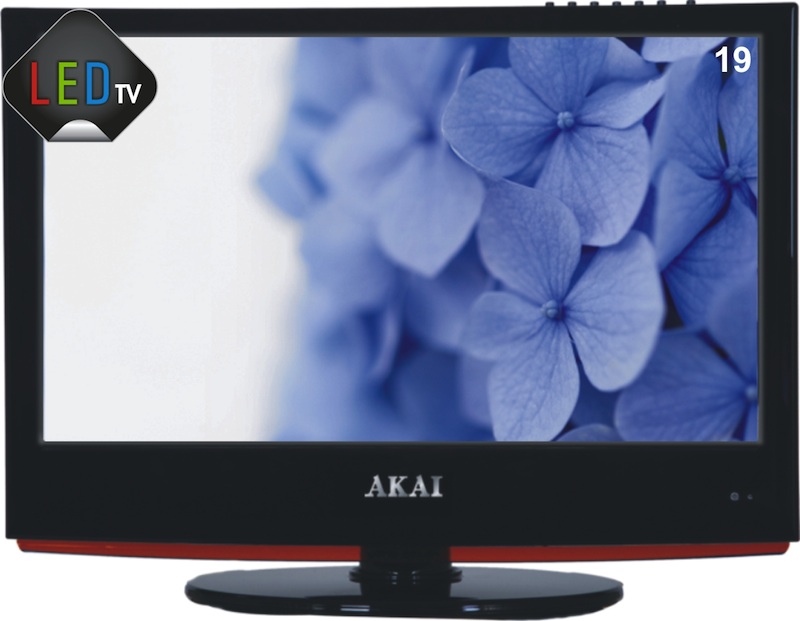
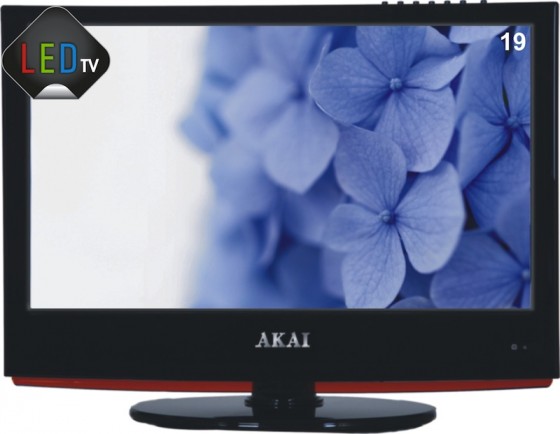
So what all can you get in 11,000 Indian Rupees? A good Android Smartphone, an iPod Touch or a decent Point and shoot camera. The new Akai LED TV is also one option that can be had at just 11,000 Rupees. Although, at just 19 inches the size of the TV is relatively small but what all can you expect in 11k. The Specs include
dynamic contrast of 100000:1
1366 x 768 resolution
16.7 million display colours
wide viewing angle
Digital as well as Analog TV compatible
VGA Port (D-sub 15 Pin)
Onboard USB Port for Video Recording
150W PMPO Stereo with 3D Noise Reduction
450 x 270 x 330 mm
3.5 kg
What we really like is the DTV – Video record function that allows you to record TV on to a usb hard drive or pen drive. Did the TV just become more Value for Money? We think so!
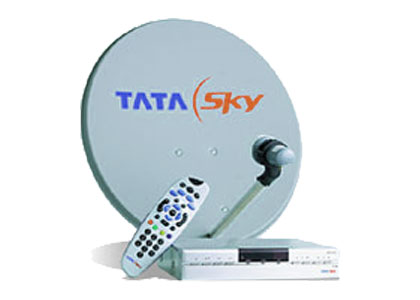
Tata Sky has finnaly begun offring individual channel selection to their subscribers. Calling it ‘Make My Pack’, now you have the option to choose (and pay for) every individual channels, and not some preset selection of different language channels that they make for you. Click here to check out the pricing for individual channels.
With a minimum cost of Rs. 150 and a minimum 3 month requirement, almost every channel is available for individual selection except Active etc.
Every channel has a different price – some channels like CNN-IBN cost Rs. 5 per month, while some (for instance, Star Movies) can go as high as Rs. 24/month.
To answer any more questions you may have, check out their FAQ page too.


 In Metal Gear Solid 4, PM
 Just last year Harvard released a research about an electronic device that can be injected directly into the brain. Connecting it to a monitor ensures nano view of the brain, enabling the doctor to keep a track of neural activity. This, in turn, is capable of helping with treatment of neurogenerative disorders as well as diseases like paralysis.