Tag: TRAi

  • TRAI Working Hard For a Stronger Mobile Network in India

    TRAI Working Hard For a Stronger Mobile Network in India

    TRAI after recently releasing its Wireless Speed Monitoring App for mobile networks, is now working on improving the service benchmark for wireless data.

     Through the application (Trai Myspeed App) we will get real time data from customers. This will be put on Trai Analytics Portal. It will show mobile data speed of each operator in a given area on real time basis

    Trai has noticed a gap between what speeds the technologies could theoretically deliver, and what the consumers were experiencing in real-time. The Average speed promise will need to be delivered by the Telecom providers vs the earlier Minimum speed promise.

    TRAI wants the users to upload the details of the speed and network quality to the Trai server, which in turn is analysed and published on the regulator’s analytics portal.

    A consultation paper to be released by TRAI will give operators, basic performance needs, and operational benchmarks required to run networks in India. In turn ensuring better overall mobile network and data standards for Indian consumers.

  • Facebook Confirms: No Free Basics in India

    Facebook Confirms: No Free Basics in India

    The entire song and dance around Facebook’s Free Basics has finally come to an end as the company officially announced its end in India today.

    “Free Basics is no longer available to people in India,” explicitly states the emailed statement.

    The entire issue has attracted immense attention the last couple of weeks, both from media and the average user alike. While people ‘voiced their opinion’ on Facebook, rest of social media went crazy trying to attention to the fact that the campaign was in direct contradiction of net neutrality.Facebook Free Basics
    It was finally on the 8th of February that TRAI (Telecom Regulatory Authority of India) announced its final verdict and sealed the fate of Free Basics once and for all. It was banned by the Indian authority and even though it seemed like the end of the road, Mark Zuckerberg went on record just the next day saying he will not give up on it just yet.
    The picture seems to have altered a lot in a matter of two days now that Free Basics has unceremoniously exited from India. Net neutrality: one, Free Basics: zero.
  • Mark Zuckerberg Stays Hopeful About Internet.org in India After TRAI Bans Free Basics

    Mark Zuckerberg Stays Hopeful About Internet.org in India After TRAI Bans Free Basics

    Telecom Regulatory Authority of India has spelled doom for Facebook’s Free Basics campaign by banning it from India. So much for all the voiced opinions in the last couple of weeks.

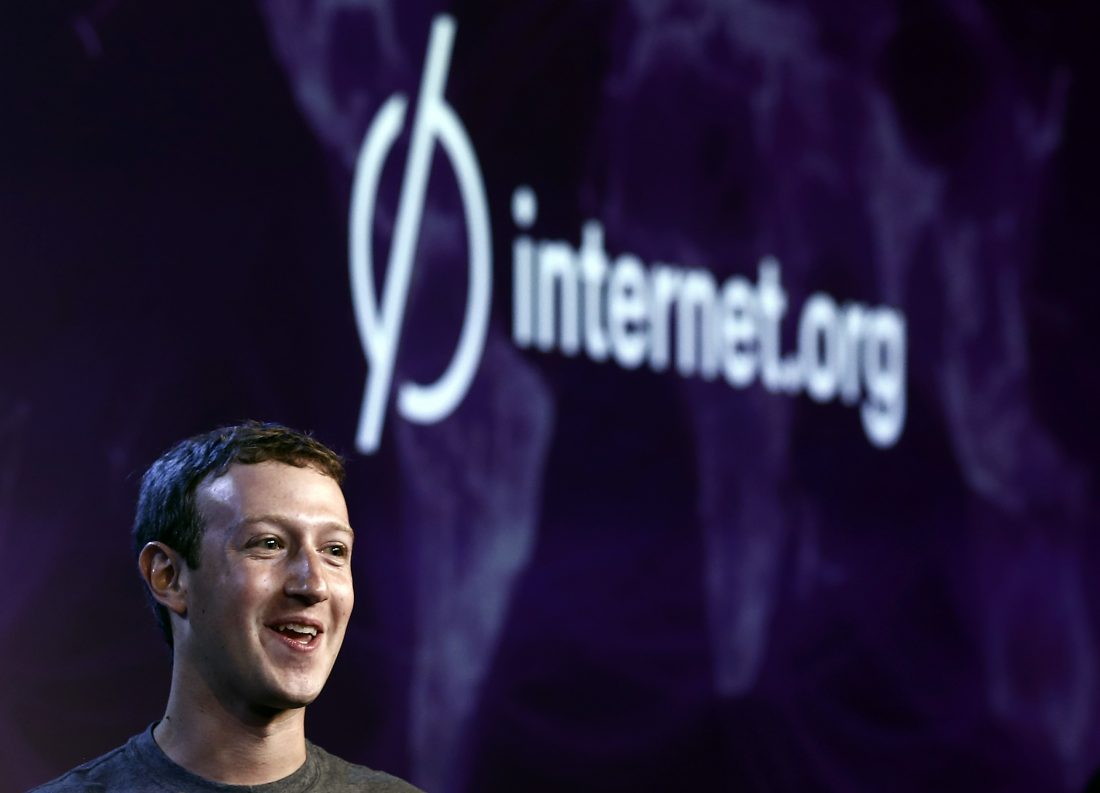
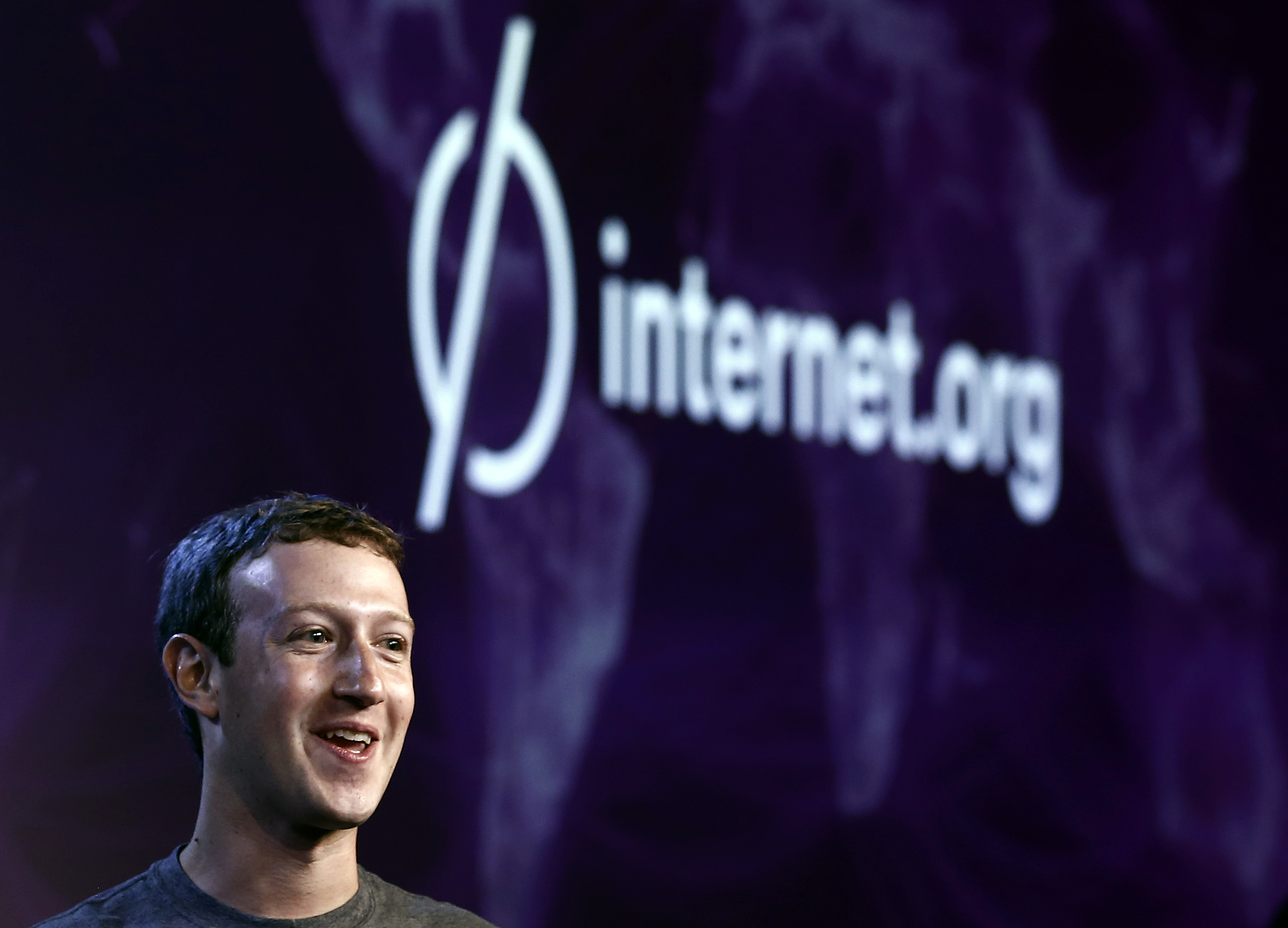
    Though this is big setback for Internet.org, Mark Zuckerberg refuses to let it douse his spirits. In a post he put up earlier today, he says,

    “Our work with Internet.org around the world has already improved many people’s lives. More than 19 million people in 38 countries have been connected through our different programs. Connecting India is an important goal we won’t give up on, because more than a billion people in India don’t have access to the internet.”

    One cannot help but question Facebook’s ‘altruistic’ intentions, or ones it cannot stop talking about when it comes to Free Basics. With its infinite resources can’t Facebook simply set up a company that provides Internet to remote locations for free? Wi-Fi powered stations that provide connectivity can be used to help with these attempts. Once there are a substantial amount of people involved, there can surely be a way figure out a way to make money without necessarily compromising on net neutrality.

    It is a fact that Facebook has provided some sort of Internet connectivity, mostly through the platform of Free Basics in 38 countries. But in the future, both Internet.org and Free Basics are expected to face the same trouble it did in India elsewhere as well over net neutrality.

  • Trai Bars Differential Pricing of Data Services, Win for Net Neutrality

    Trai Bars Differential Pricing of Data Services, Win for Net Neutrality

    The Telecom Regulatory Athority of India (TRAI), today has announced final guidelines on differential pricing. Ruling heavily in favour of Net Neutrality, TRAI has said, ” No service provider shall offer or charge discriminatory tariffs for data services on the basis of content”

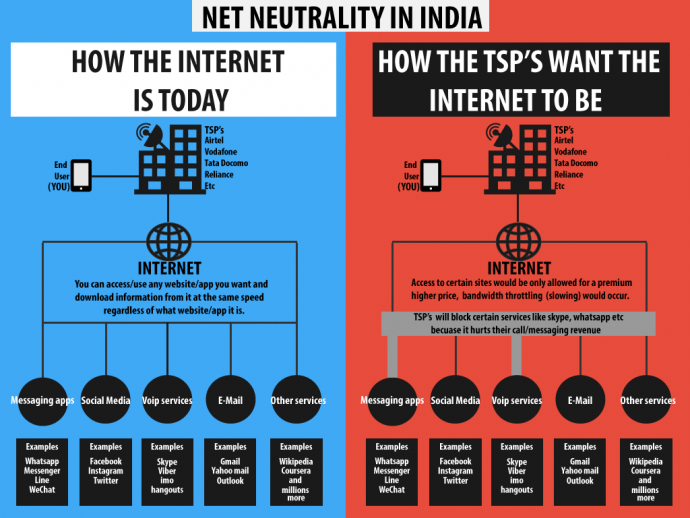
    The telecom sector regulator with this ruling has barred differential pricing of data products, which effectively will mean that controversial zero-rating ideas such as Facebook’s Free Basics won’t be allowed to kick-off in the country.

    TRAI also looks increasingly likely to disallow subsidised data packages already on offer which allow services, such as Whatsapp or Twitter etc to be availed at discounted prices through special packages.

    Net Neutrality

    The Regulator has warned operators that they cannot enter into any arrangement based on discriminatory pricing failing which they could be fined upwards of Rs 50,000 a day.

    “Prohibition of discriminatory tariff is necessary to ensure that service providers continue to fulfill obligations in keeping internet open and non-discriminatory,” TRAI said.

    This particular decision by TRAI will come as bad news for telecom operators who have been increasingly looking at differential pricing of data services as a source of increasing revenues. It will also come as a huge blow to social networking giant, Facebook which has invested heavily in Free Basics.

  • TRAI Takes on Free Basics After Response from Users

    TRAI Takes on Free Basics After Response from Users

    In what will come as welcome news to millions of netizens across the country, the Telecom Regulatory Authority of India(TRAI) in its latest communication to Facebook, has in rather stern words intimated to the company that it does not approve of the manner in which Facebook is misrepresenting the results of its ‘support Free Basics’ campaign, and what it seems to be suggesting is a subtle attempt at nudging the voice of the people out of the decision-making equation.

    This letter from the desk of TRAI’s joint advisor K.V Sebastian, pulls up Facebook for the way it has conducted itself through the campaign to save Free Basics from being shut down. TRAI has suggested that Facebook is guilty of not conveying the full text of the regulator’s message to users who had supported Free Basics, and hence is misleading them into making uninformed choices.

    India-for-or-against-Net-Neutrality

    TRAI had earlier asked Facebook to convey to its users in support of Free Basics and zero-rating campaigns four specific questions which the telecom regulator wanted answers to before taking any final decision on the matter. Facebook, for its part responded to TRAI’s request by sending back a highly charged template response in favour of saving Free Basics which it claimed reflected the sentiment of its users.

    TRAI’s reply to this read,

    “Your response is silent on whether the text of TRAI has been shared with users as was specifically requested by TRAI. In light of the tangential natures of the responses by the users to the questions asked, the communication of the text was vital to demonstrating and ensuring that those who are responding to TRAI are making informed decisions.”

    The letter further goes on to say that in light of Facebook not disclosing crucial information to users, TRAI does not accept Facebook’s assertion that the initial template responses in support for ‘Free Basics’ and ‘Digital Equality’ are an appropriate representation of what people are saying.

    TRAI, not mincing its words, has also slammed Facebook in this letter over what it calls as ‘self-appointed’ spokesmanship on behalf of its users who it says “have not authorized Facebook of speaking on their behalf collectively.”

    It has further said that it does not approve of this practice of Facebook, and believes that what the company is doing through these uninformed template responses is curbing “public consultation” which it believes “has the flavour of reducing this meaningful consultative exercise designed to produce informed decisions in a transparent manner into a crudely majoritarian and orchestrated opinion poll”.

  • TRAI Received Only 21 Counter-Comments On Net Neutrality

    TRAI Received Only 21 Counter-Comments On Net Neutrality

    Last year, the Telecom Regulatory Authority of India (TRAI) raised the issue of net neutrality and, needless to say, it sparked off a major debate. This eventually led TRAI to invite public comments on the differential pricing of net services and the last date to submit counter-comments was 14th January.Net Neutrality

    Of the total 24 million applications submitted over TRAI’s paper on the differential pricing of data, a significant aspect of net neutrality, there were only 21 counter-comments submitted by individuals or organisations.

    List of telecom operators that countered the proposal of keeping net services neutral of discriminatory pricing include Airtel, Vodafone, Idea Cellular and Reliance Communications, through industry bodies, Cellular Operators Association of India (COAI) and Association of Unified Telecom Service of India (AUSPI). COAI and AUSPI said in their joint counter-comment,

    “Price differentiation will allow TSPs to cater to specific consumer requirements, including facilitation of access to those segments that are currently unconnected or poorly connected. Price differentiation is a widely adopted business practice used in many industries.”

    While talking about the net-neutrality debate in India, how can we not talk about Facebook and its Free Basics? While openly opposing differential pricing of internet services, Facebook continued to defend Free Basics and claimed one more time that it’s not a threat to net neutrality.The company defended itself in an official statement,

    “This is not true and evidence refutes it. In addition, this need not be a material concern since the programme is open to all operators on the same terms in a non-exclusive manner.”

    While the future of net neutrality still seems uncertain, we can only hope to wait and watch the events unfold. In the meantime, find more information here Facebook’s Free Basics.

  • Facebook’s “Free Internet” TRAI Email Scam Explained

    Facebook’s “Free Internet” TRAI Email Scam Explained

    Internet.org was announced globally in August, 2013 and it arrived in India in February 2015. The initiative aims to provide free internet services on the Reliance network in the states of Tamil Nadu, Maharashtra, Andhra Pradesh, Gujarat, Kerala and Telangana. The users would have free data access to more than three dozen services.

    The idea of thousands and millions being included within the ambit of the virtual world sounds brilliant and one everyone is up for. But before that, those endorsing this initiative need to understand all that it entails.

    Internet.org:

    internet.orgInternet.org refers to a collaboration between Facebook and six other companies, namely, Samsung, Qualcomm, Nokia, Ericsson, MediaTek and Opera Software. The aim of this collaboration is to bring easily accessible internet to developing countries, especially in remote rural areas. However since it includes only selected services and online operators, it is seen not only as a direct threat to net neutrality but also as rampant publicizing of Facebook. It would be a single company, or a small group of them, which would decide what services are made available and which ones are excluded, a right earlier extended only to the user of the internet, not the service providers.

    The Digital India Display Picture Controversy:Mark Zuckerberg
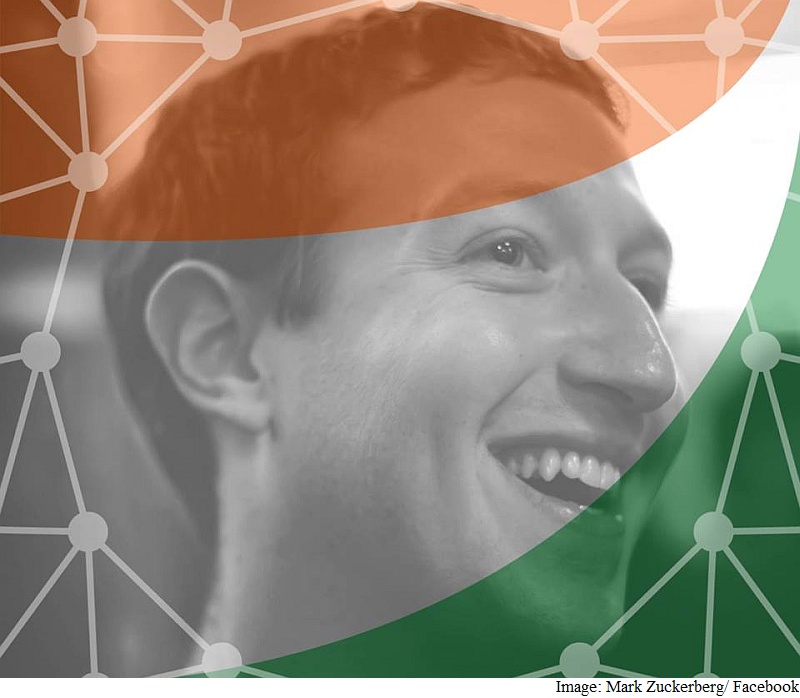
    This controversy surfaced during Prime Minister Narendra Modi’s trip to Silicon Valley to promote Digital India. When Mark Zuckerberg changed his display picture on Facebook to one with an overlay of the Indian flag, the Prime Minister followed suit and did the same with his display picture. Facebook also introduced a feature which allowed users everywhere to make the tri-colour part of their display pictures. Post this, people, as we know them to be, switched their profile pictures left and right and centre. All of a sudden, we woke up to find unanimous, enthusiastic support for Digital India. Utopia, could it be?Narendra Modi
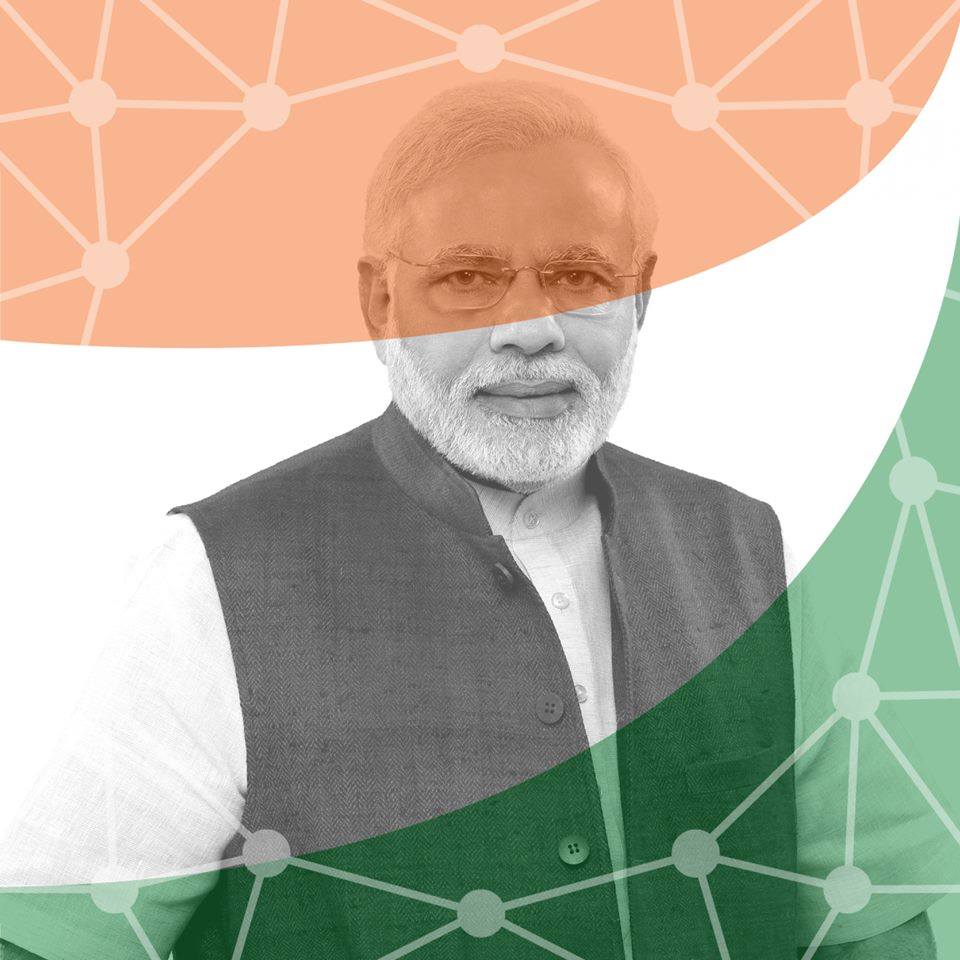
    A lot of netizens took to social media platforms to express their dismay at the new feature, which was allegedly directly connected with Facebook’s Internet.org. It was assumed that these pictures had a source code which would automatically link them to Internet.org, inadvertently making them support the initiative. However, the confusion was soon cleared up -the tri-coloured display pictures had nothing to do with Internet.org and that was the end of this controversy.

    Free Basics:Free Basics Internet.orgFree Basics is part of Internet.org and lets users access the services of the initiative by downloading an app. It became available in India last month and allowed users access to Facebook and Facebook messenger, Wikipedia, BBC News and health services, among others. The app was initially made available on Reliance Communications Network, Facebook’s partner in Internet.org.
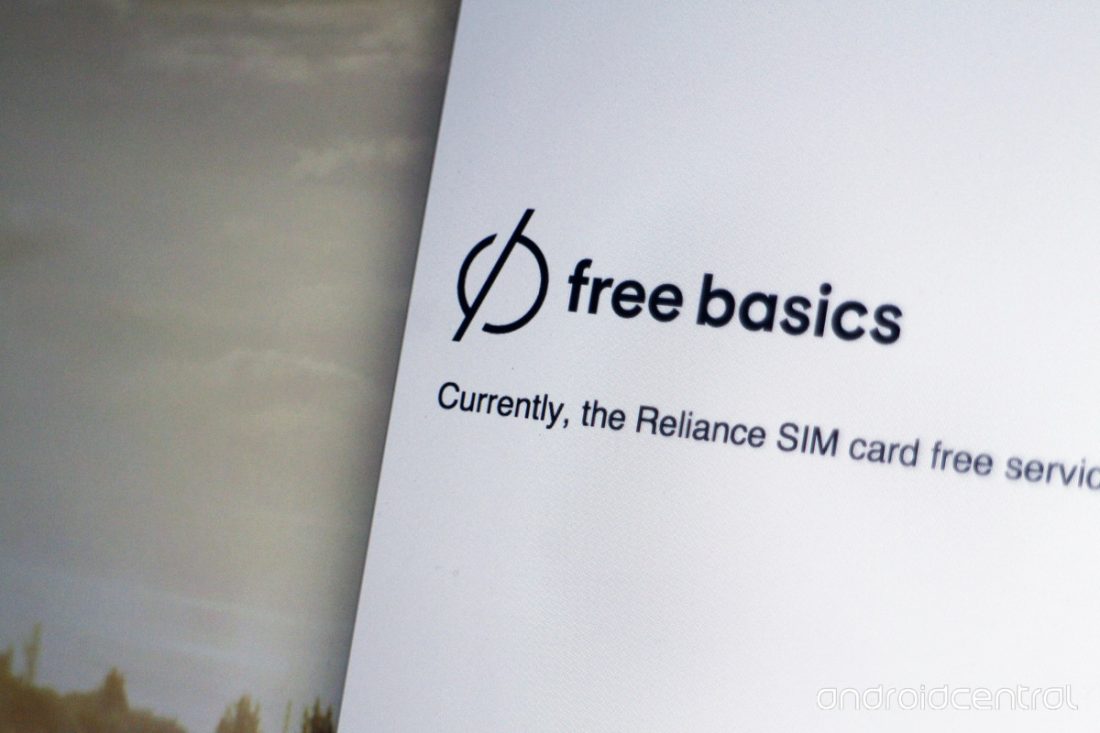
    The app and the initiative has received flak from the word go for its alleged preferential treatment, and thereby being in direct contradiction with net neutrality. Mark Zuckerberg defended this, however, and said Free Basics provides not only internet services for free but plans to include more services and developers within its reach.

    Current Scenario:internet.org-facebookjpg
    A little after its release in the country, Free Basics ran into turbulent waters. Reliance Communications had to withhold the service after it received a request from the Telecom Regulatory Authority of India (TRAI) to do so.

    “As directed by TRAI, the commercial launch of Freebasics has been kept in abeyance, till they consider all details and convey a specific approval,” said a Reliance representative.

    This was soon followed by a Facebook campaign -users were flooded with notifications of their Facebook contacts having ‘voiced their opinion’ on Free Basics. Clicking on the notification directs the user to a page which automates reply to TRAI in appeal in favour of the same. Users were also presented with this pre-filled form as they logged in which would be sent to TRAI in support of Free Basics. Though this feature was meant only for Indian users, it was sent to many American users as well. Facebook claims it was a mistake which has been corrected. The fate of Free Basics is uncertain until a verdict is passed post TRAI’s hearing on net neutrality next month.

    India is one of the 36 countries where Free Basics has been launched and is the second largest user of Facebook in the world.

    Free Basics and Internet.org are the Same but Not Many Remember it:Facebook Free Basics Free Basics is an extension of Internet.org but quite a lot of seem to have forgotten that. There had been a lot of hue and cry only a couple of weeks ago over Internet.org and its ‘altruistic’ intentions behind the initiative. However, the clamour died down quiet magically as large number of people have stepped forward declaring their support for Free Basics on Facebook, without even realising it in many cases.
    Facebook notification windows have their hands full all over the country with updates about users voicing their opinions about Free Basics (read: declaring support for Internet.org, which they had opposed only a little while ago).

    Times of India aptly commented on the whole topic recently and said, “Facebook is just trying to play on the fact that most of us click the like button on its platform without reading or understanding the complete picture.”

    Nothing would be better on the tech front than to have a country where internet is available in every household. But any policy that endangers net neutrality, and therefore, the freedom of expression, needs to be reconsidered.

    Equal internet is important for the virtual space, for future Facebooks and platforms like iGyaan itself. It enforces net neutrality and makes sure consumers don’t end up paying with every click online. However, concepts like ‘free internet’, what the Facebook-based app aims to provide under its Internet.org campaign, tends to complicate things, and endangers net neutrality.

    Have you signed your TRAI-email petition yet on Facebook, if not would be willing to or would you rather steer clear from it? Let us know in the comments below.
  • TRAI Makes it Mandatory for Telecom Companies to Compensate for Call Drops

    TRAI Makes it Mandatory for Telecom Companies to Compensate for Call Drops

    There is someone out there who feels that people have suffered long enough from dropped calls. The Telecom Regulatory Authority of India (TRAI) today made it mandatory for telecom companies to compensate consumers for call drops. Customers will now be compensated by 1 rupee for every call drop with a limit of three dropped calls a days.

    This new ruling will be made effective from January 1, 2016. Telecom operators will have to send a message through SMS or USSD to its calling customer giving details of the amount credited in his/her account within four hours of a dropped call. The detail of the credit should be provided in the bill for post-paid customers.

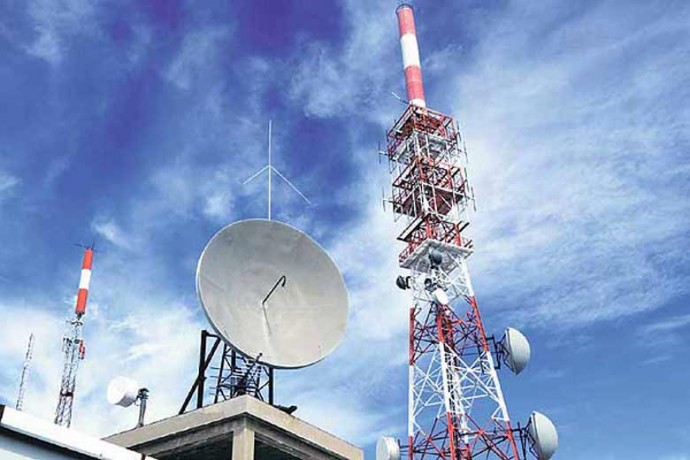
    Call-drop-tower

    TRAI said that this mandate will give some relief to consumers who have been troubled by call drops. At the same time, this new rule will cause service providers to improve their quality of service. TRAI also said that it will make sure service providers are compensating consumers properly and will undertake a review after six months.

    Accroding to some reports, telecos are not at all pleased with this decision and are looking in to this matter with a possibility of taking TRAI to court. Individual service providers are complaining of serious financial hit with this move. “It will be a hefty payout and, in many cases, it is not technically feasible to monitor call drops.”

    A final decision is expected to be taken in a day or two.

  • 112 to be India’s Single Emergency Number

    112 to be India’s Single Emergency Number

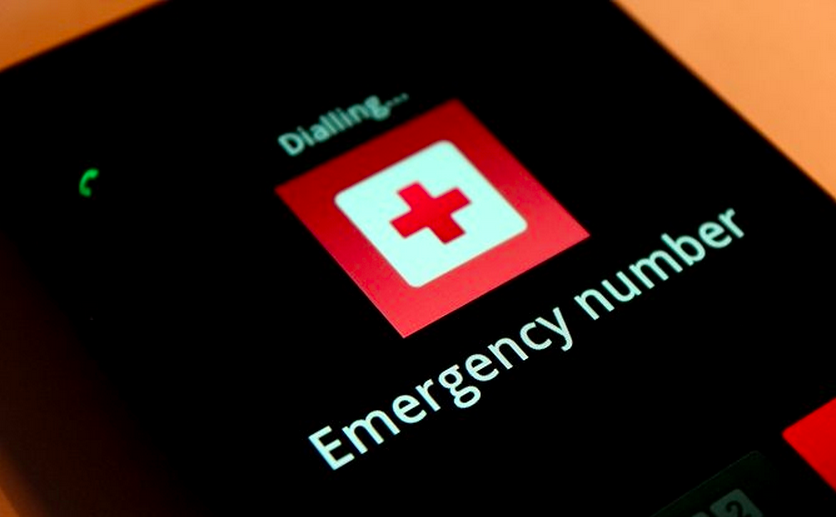
    The Department of Telecommunications (DoT) has approved a proposal by the Telecom Regulatory Authority of India (TRAI), stating that there will soon be a single emergency number in India.The existing numbers are – 100, 101, 102 and 108. These will exist for a period of one year before being re-routed to a single emergency number 112.

    “These numbers will be closed in a phased manner (following a public awareness campaign),” said the DoT.

    This number will be accessible to all, even those who do not have a GPS enabled cellphone. However, reportedly, DoT has suggested the telecom regulator to study the impact of enabling all mobile phones with GPS before finalizing the view.

    A statement issued by the TRAI mentioned that they would soon be finalizing a date for the incorporation of GPS on all mobile phones in order to have a more accurate location information. Until this works out, we’ll still have to remember a set of numbers.

  • Report : It’s Time India Should Get High Speed Unlimited Data Plans

    Report : It’s Time India Should Get High Speed Unlimited Data Plans

    India has been stuck in the internet revolution for many a years. And while the country is progressing at a rapid speed, infrastructure is not growing fast enough. With new businesses sprouting each day, the need for a connected economy has increased considerably.


    India’s Massive Market

    India is one of the largest consumers of mobile phones in the world. Enough so, that many manufacturers have put India in the first list of launch countries. According to the TRAI Performance Indicator Report, India has 414.18 million wireless GSM connected users as of March 2015. But this is just in the rural sector, the all India number is at 705.21 928 Million according to the COAI report of May 2015 and Others report of Dec 2014. This number also receives staggering growth of 2.5% month on month in the Rural sector and a growth of 0.90% month on month nationwide.

    What appears to be a small growth percentage, 2.5% growth means that the industry is adding approximately 10.2 million rural subscribers a month at the current trend. This additional user base earns the industry approximately Rs. 1200 crore each quarter. This large number is only a dip in an industry that moved around Rs. 26781 crore in revenue in Q4 2014.

    The large revenue for the telecom operators is driven largely by the large number of users and large user base additions each month. But how much has the industry progressed since the begining of the internet age.

    Data Traffic Growth

    [pullquote_left] By the End of 2014 the World was Consuming 3000 PetaBytes of Data [/pullquote_left]

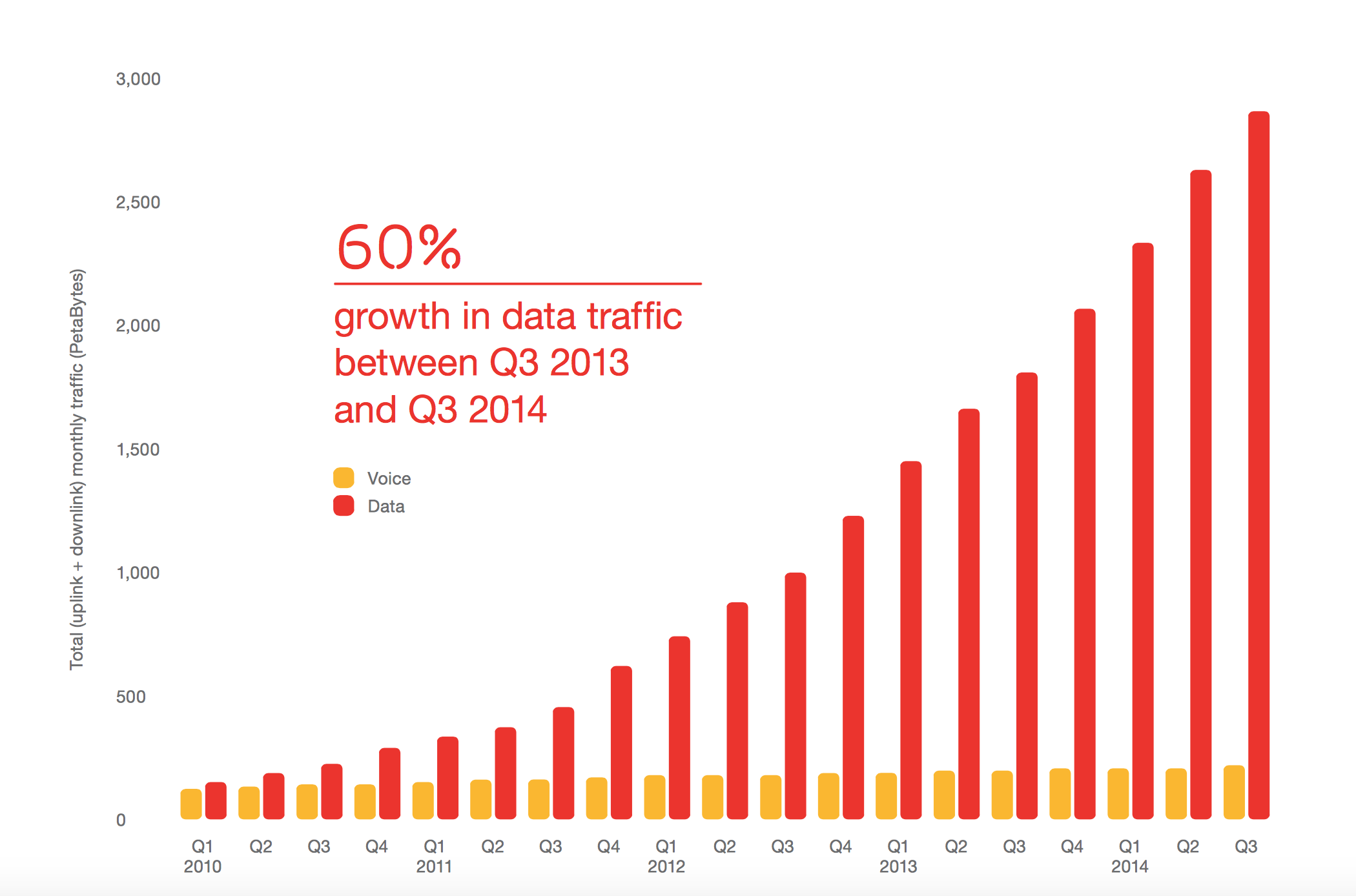
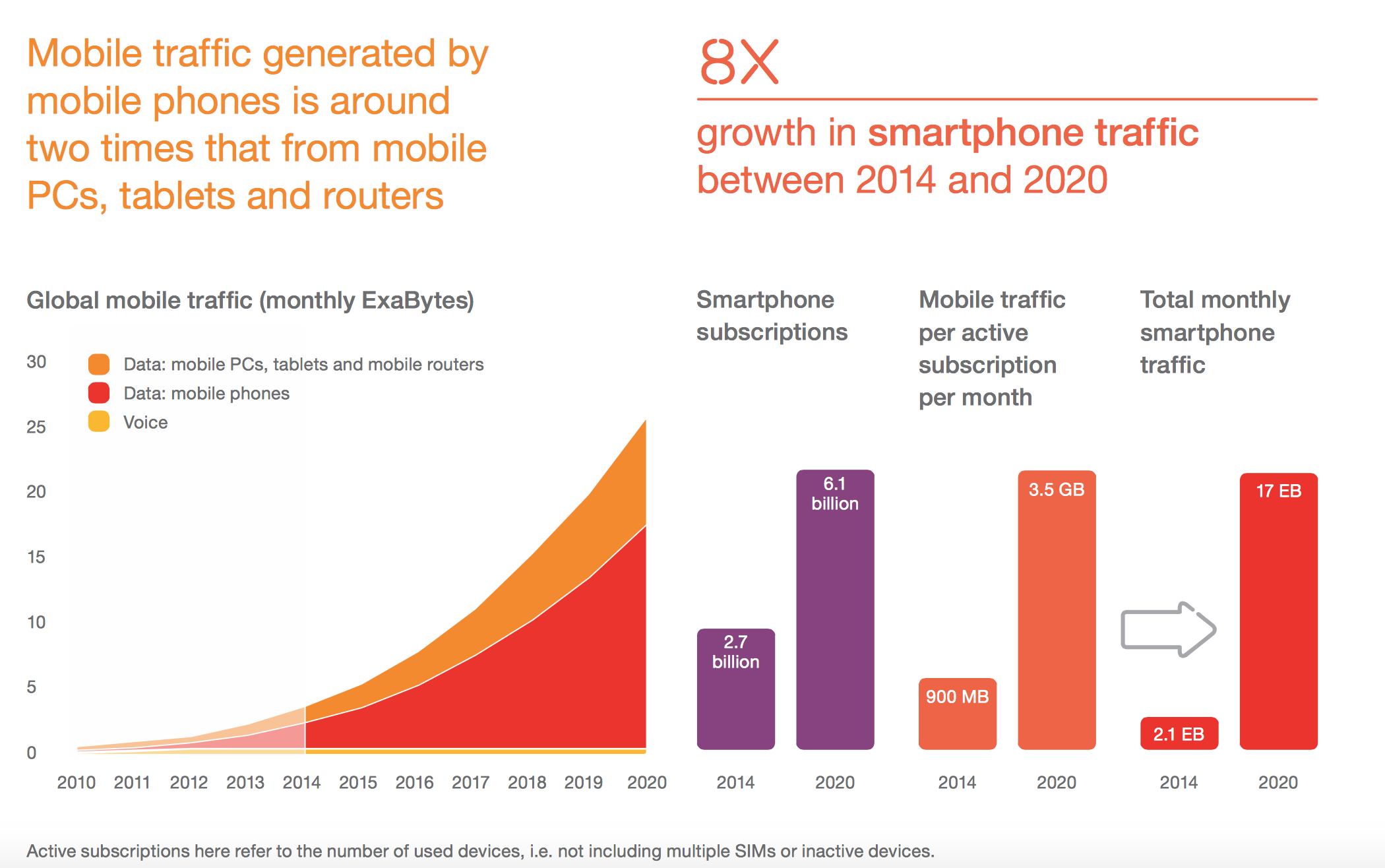
    Global consumption of mobile data is through the roof. By Q4 2010 the world was only getting acquainted to mobile data and consumption of data on a portable phone was at 400 PetaBytes (mobile data traffic Up+Down). However, by the end of 2014 the world was consuming 3000 PetaBytes of Data. The industry estimates that the growth with continue by 60-70% each month.

    Global Launch Trends

    HSPA 42 Mbps networks have been commercially launched in 86 countries, while LTE networks have been commercially launched in 112 countries. So far, 40 LTE TDD networks have been made commercially available in 27 countries, with 27 operators launching LTE services using only the TDD mode, and 13 deploying both TDD and FDD modes together. 6 In a mixed LTE FDD/TDD network, the use of FDD for the uplink can improve the effective coverage area of the TDD band, and can also make TDD more efficient on the downlink.

    On the other side mobile operators in 75 countries have now launched HD voice commercially. VoLTE or “voice on LTE” provides users with telecom-grade HD voice, video calling and other new, richer communication services on LTE smartphones.

    State of Indian Networks

    Despite all the launches mentioned above, India remains as a part of none of them. While India contributes to a large percentage of global mobile data usage, it all somehow comes from poor data connections.

    Mobile Traffic vs PC Traffic

    It is estimated that if connection quality and speeds were to improve in India, the present data consumption would increase by 400%. A number that the industry should play close attention to. Over 60% of the data consumption in India was mobile data by the end of 2014.

    Mobile Data Drivers

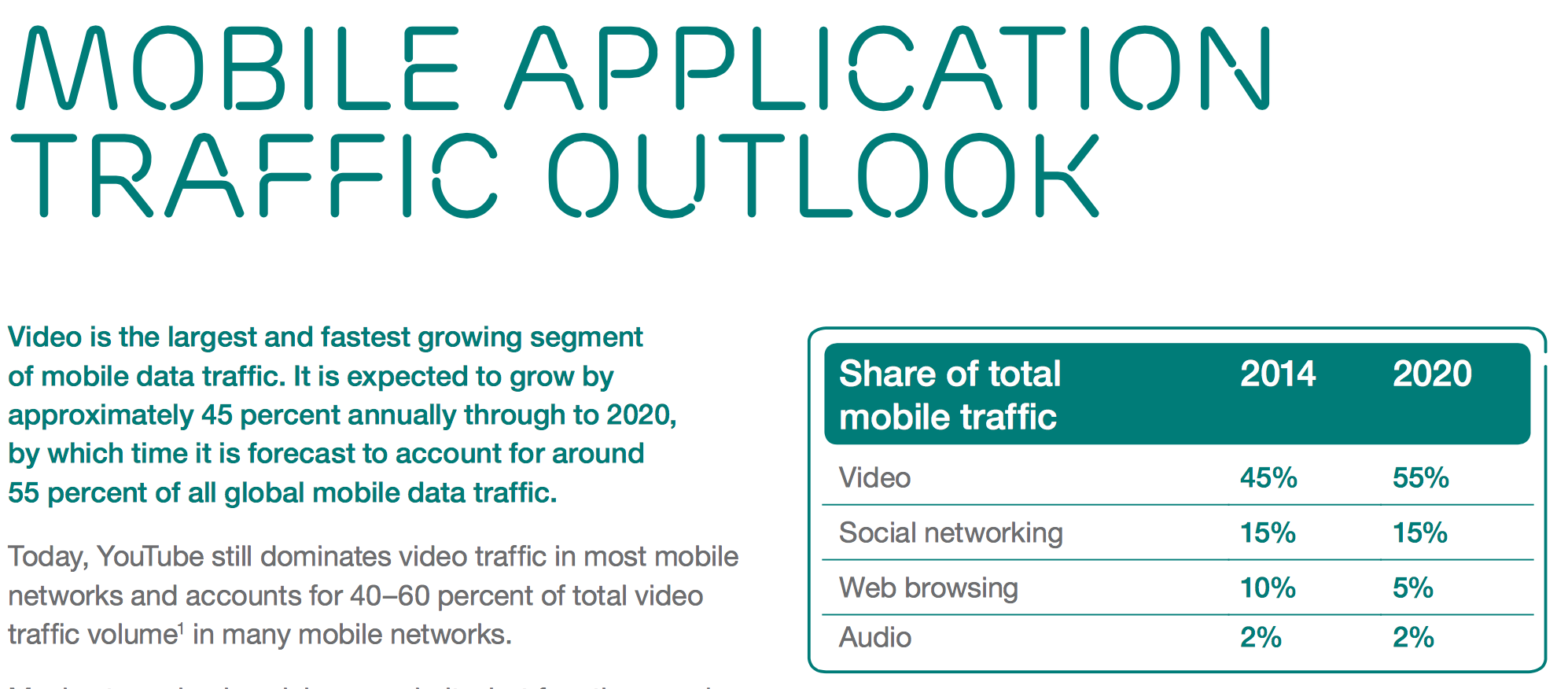
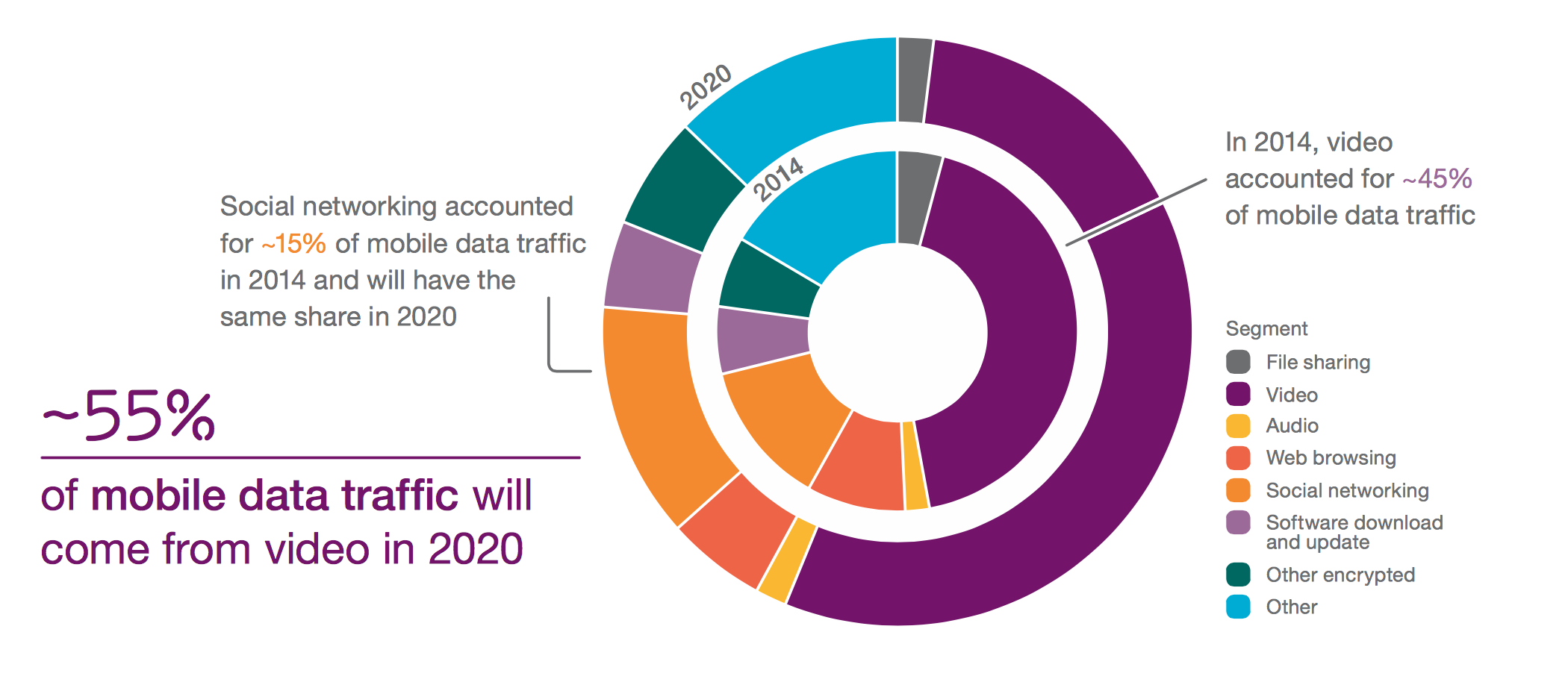
    Out of the total mobile data consumed in India, 45% comes from video playback from websites like YouTube. A large chunk of music streaming services are also responsible for driving mobile data in the country.

    Mobile data usage trend
    Mobile Data Usage

    [pullquote_left]55% of mobile data will be consumed for Video services[/pullquote_left]

    Globally, YouTube is responsible for consumption of 40-60% of mobile data, a number which is relatively lower at 17% in India due to mobile data connectivity and speed limitations.

    It is estimated that by the year 2020, 55% of mobile data will be consumed for Video services. Reaching this percentage will be possible by the implementation of 5G mobile data globally. 5G services are being tested in over 8 countries as we read this, while implementation for global markets is kept at 2019. India (and some other markets) are not a part of this implementation list.

    Mobile Data consumption

    India is about 5 years behind the 4G rollout targets (Dec 2010) and 2 years behind LTE 2.0. HD Voice and Video are not being talked about by the Indian industry leaders, despite the fact that India is one of the largest contributors to the overall revenue for the mobile industry.

    Data and Future

    India needs fast internet access, as a developing nation, its metropolitan cities need to be connected to the world. With a boom in startup culture and high paying jobs with international markets, most suffer due to lack of internet access. Video consumption and video calling with services like Skype, Google Hangouts and even FaceTime are at an all time high and consumers end up paying large sums of money just to say connected.

    [pullquote_right]FUP has slowed down growth[/pullquote_right]

    The biggest limiting factor in the whole telecom industry is the limited usage policies implemented by the companies. The limited usage policy or fair usage policy (FUP) was first implemented by Airtel and Tata Teleservices to prevent users for exploiting their internet connection speeds and downloading illegal materials from the internet.

    The FUP has since not been removed and with no pressure from TRAI (Telecom Regulatory Authority of India) this antiquated method continues to haunt each user.

    Airtel is one of the biggest users of this aged method of policing the usage of high speed data and is also one who exploits its use the most to benefit in the long run. Airtel has annoying auto redirects (Smart Bytes) that transfer you to a buy page insisting that you buy additional data packs to continue on the fast speed. These packs are usually 4-5 times the cost of the bundled data and tend to really hurt consumers financially.

    The world is getting connected, using a highway of data which is not only fast but also super efficient and budget friendly.

    Unlimited data is one of the perks of a liberated growing economy. The current government showed success by choosing the internet as a means of communications with its potential voters.  There are claims from our telecom ministers claiming that “India plays a crucial role in the future of the internet.

    However, we are no where near that future. Most operators globally offer the ability to choose a plan that suits the customers needs. The United States and countries like United Kingdom, Australia, South Korea, Japan, New Zealand, Spain, Canada and many others are not familiar with the term FUP. In fact, any form of throttling is against the law in many of these countries.  Terming the so called limiting plans as “marketing gimmicks” countries have ensured that the consumer gets what he pays for, no more and especially no less.

    Google Fibre Deployment Map
    Google Fibre Deployment Map

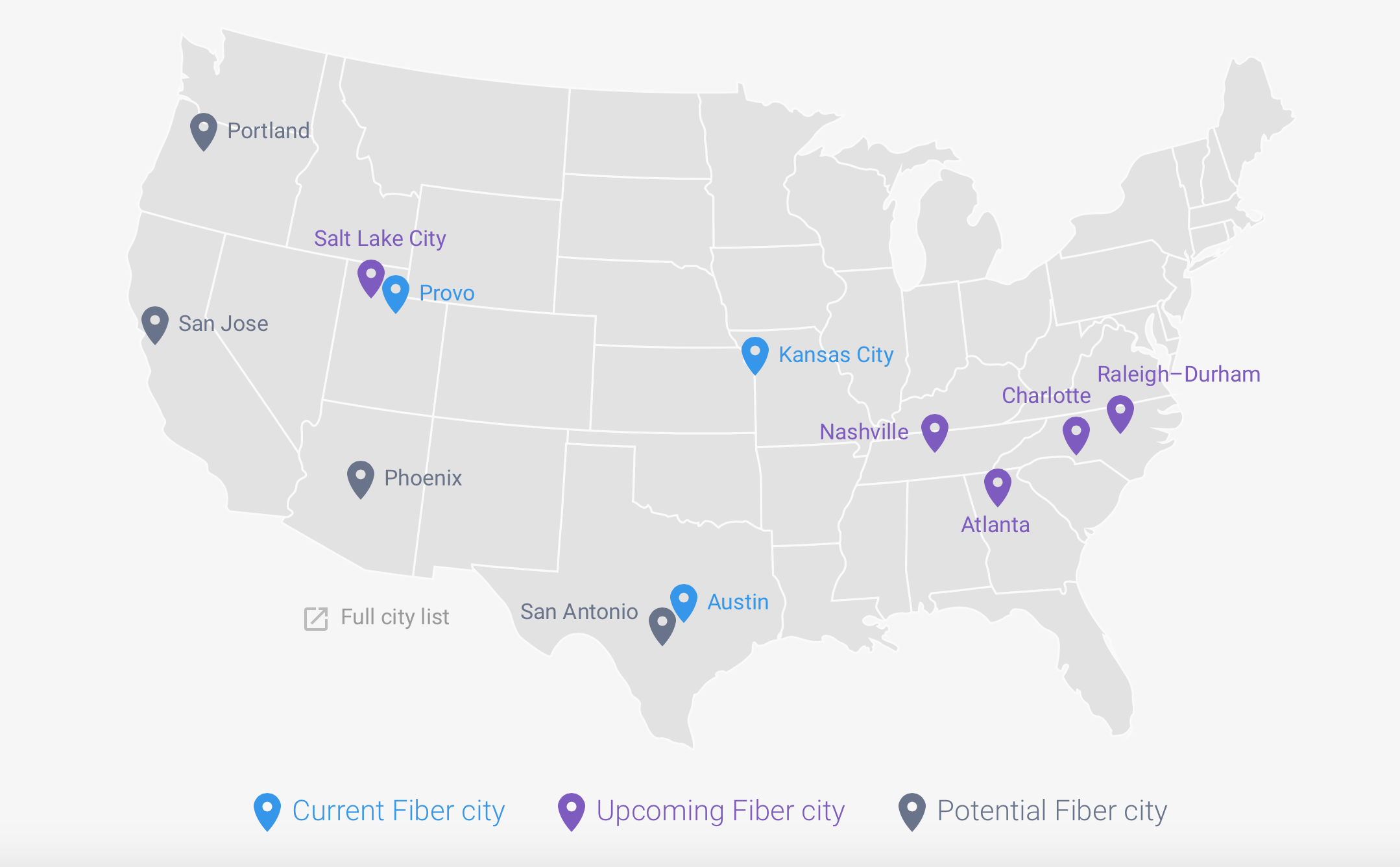
    Then there are packages from the likes of Google Fibre limited in reach and availability, Google has made possible speeds of upto 1000 Mbps for as little as US $ 70/month (chump change compared to what iGyaan spends for Internet) available at residences across the United States. They also offer a “Basic Plan” which is at 5 Mbps downloads and 1 Mbps uploads (unlimited) for a price of US $0 if you pay the installation fee. Free Internet! If that does not help the startup economy, then what else will?

     Something needs to change

    India and Indians deserve the ability to get unlimited internet, the users seem to be paying for it, but nobody seems to be getting it. Riddled by hidden corporate talk and contracts that fool the customers into believing that they are getting the best possible deal. Everybody has the right to stay connected, and a fast internet connection is more like a lifeline today.

    Many sectors in the country do offer high speed data connections for a higher price. However, these too are controlled by limits, and speed drops are often too high. A 100 Mbps connection from Airtel Fibrenet drops to a mere 512 Kbps post a 100GB download. A simple math calculation will tell you that it takes just 2 Hours, 23 Minutes and 9.93 Seconds to download 100 GB on such a connection. Post the download you either have to pay heavy sums of money to get data packs or live with a devastatingly slow 512 Kbps which would take 19 Days, 10 Hours, 2 Minutes and 1.6 Seconds to download the same 100 GB. Airtel charges INR 5,999 + tax for this plan , making it well over US $100. Now compare this to Google’s 1000 Mbps line with no limits whatsoever, which costs US $ 70 /month.

    Something needs to change and fast! Sign our petition below and be part of the voice of change. #StopFUP #EndFUP


  • According to BJP, ‘The Internet Must be Governed’

    According to BJP, ‘The Internet Must be Governed’

    BJP said the internet is a crucial part of one’s life, and should be governed very carefully without the need to compromise the freedom of speech and expression.

    Speaking at an Internet governance event organised by industry chamber Assocham, BJP National Spokesman, Sambit Patra said,

    Internet is extremely important and since it is extremely important for governance also, because every person is within the ambit of government, Internet has to be governed in a way that does not take away basic essence of Internet which is freedom of speech and expression.

    He also stated that the government had formed a community along with TRAI on Net Neutrality. He said,

    Once the TRAI submits its recommendation to the Telecom Commission and then after the commission approaches the government, the government will take the decision in favour of people.

    On March, the Supreme Court deemed Section 66A of the IT Act as unconstitutional. This Act granted police the power to arrest anyone for sending out offensive messages from computers, mobiles or any other communication portals with a maximum penalty of 3 years in jail. Sambit Patra stated this Act had been misused in the past, due to vagueness of words.

    On the contrary, Congress leader and former Union Minister, Manish Tewari, challenged Patra’s discussion by stating that the Internet should not be governed and must be left the way it is to develop. He supported his statement by saying,

    Difficulty is where do you draw the line? Someone may be liberal and may draw the line on the left and someone may conservative may draw the line on the extreme left.

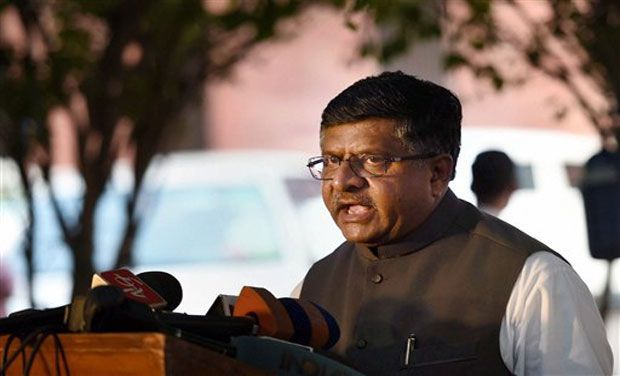
    A few days back, the Indian Government came out in support of Net Neutrality. The government hasn’t been issued with a final verdict on the same but is committed to keeping the Intenet open and evenly accessible to everyone. Standing up in support of free internet, Telecom and IT minister Ravi Shankar Prasad in a firm voice said that the practices of blocking and deliberately slowing down or speeding up of lawful content on web should not be allowed. Read more about it here.

  • Indian Government Comes Out in Support of Net Neutrality

    Indian Government Comes Out in Support of Net Neutrality

    The much heated issue of Net Neutrality now has the Centre’s support. The government hasn’t come out with a final verdict on the same, but is committed to keeping the Intenet open and evenly accessible to everyone. Standing up in support of free internet, Telecom and IT minister Ravi Shankar Prasad in a firm voice said that the practices of blocking and deliberately slowing down or speeding up of lawful content on web should not be allowed.

    While responding to a discussion on Net Neutrality in Rajya Sabha, Prasad commented –

    Government stands for ensuring non-discriminatory access to Internet for all citizens of the country. The government agrees with the viewpoint that blocking and deliberately slowing down/speeding up of lawful content on the Internet should not be allowed, and customers should have unrestricted access to all lawful content on the Internet.

    Prasad stressed on the fact that the Government has all powers to direct Telecom Regulatory Authority of India (TRAI) on public policy. “However, TRAI’s powers to regulate tariff and quality of service are subject to overall public policy of the government and the government has sufficient powers under the Trai Act to invoke its national policy objectives to give directions to Trai,” stated Prasad.

    ravi shankar prasad
    Telecom and IT minister Ravi Shankar Prasad spoke up about keeping the Internet an open platform.

    He further mentioned that a detailed examination on topics like traffic management, national security, integrity of network and infrastructure investment is needed by experts on Net Neutrality.

    It should be kept in mind that government hasn’t laid down the structured guidelines on net neutrality principles. Once the government frame rules for the content flow on web, telecom operators wouldn’t be able to adopt illegitimate pratices to earn more money.

    A while back, TRAI’s consultation paper on its official website gathered millions of emails in support of Net Neutrality.  From the comments of the Telecom minister, it seems like the final verdict would slay the Airtel Zero plan, once and for all.

  • All Major Indian Telecom Players Slash Down Roaming Rates by Up to 75%

    All Major Indian Telecom Players Slash Down Roaming Rates by Up to 75%

    After Vodafone slashed down their roaming rates, leading telecom operators followed suit, including Airtel, Idea Cellular and Reliance Communication. All of the operators lowered their roaming rates up to 75% after TRAI cut off the maximum ceiling tariff. Roaming call rates will be cheaper by 40% and SMS by 75%. The above is effective immediately.

    For Airtel, incoming rates have been reduced by 40% and outgoing inter-circle calls will be lowered by 23%. Outgoing local call rates will be decreased by 20%, and it reduced local SMS rate by 75%. Outgoing inter-circle SMS rate has been cut by up to 74%.

    As for Idea Cellular and Reliance, similarly, these two companies have slashed their roaming call rates by 40%. Idea will now charge incoming calls at 45paise/minute and outgoing is reduced by 20%. Local SMS on Idea will cost 25% lesser, and STD will be charged 38 paise while on roaming.

    In the words of Morgan Stanley, American multinational financial service:

    Reduction in national roaming ceiling tariff would imply a 2% revenue impact and 4% Ebitda (earnings before interest, taxes, depreciation, and amortisation) impact for operators, which could be partly offset by an increase in roaming minutes and any positive differential gains.

    Earlier this month, TRAI had cut the maximum rate for STD calls on roaming to Rs 1.15 from Rs 1.50. To read about Vodafone’s new tariff plans, click here.

  • Hackers Take Drown The TRAI Website for Releasing Email IDs

    Hackers Take Drown The TRAI Website for Releasing Email IDs

    Hackers from the Anonymous India group took down the Telecom Regulatory Authority of India (Trai) website in an attempt to stand against the violation of Net Neutrality in the country. The website may be back online for the time being, but the group remains active on their twitter voicing out their reasons. The DDOS attack was done to the website to stand against the releasing of Email IDs by the organization, claims Anonymous India group.

    Although TRAI took to the media outlets and said that the website was down due to technical glitches. However the hacktivist group has asserted claim over the DDOS attack.

    https://twitter.com/opindia_revenge/status/592755220469424128

    TRAI had released a list of email-ID’s from which it had received responses towards and agains Net Neutrality. This makes clear the severe lack of privacy of information from a govt. organization. A lot of Indians voiced their opinions on the lack of discipline in the TRAI functioning.

    Anonymous India claimed to have stopped the attack, because a lot of tweets asked them to, Although, they claim that if no action is taken by TRAI, a similar incident will take place in the future.

    https://twitter.com/opindia_revenge/status/592667666546044928

    https://twitter.com/opindia_revenge/status/592677071056445442

  • Government Body NIXI Stands for Net Neutrality, Says its Against Selective App Bundling

    Government Body NIXI Stands for Net Neutrality, Says its Against Selective App Bundling

    Yesterday the deadline to cast a vote for saving the internet ended. Though we have to wait for the final take of the government on the issue, Neutral Internet Exchange of India (NIXI) has given its answer. The body under IT ministry said that it fully backs Net Neutrality and any move to bundle apps would go against the concept of Internet.

    NIXI made a remark –

    National Internet Exchange of India as the neutral exchange in the country, strongly supports Neutrality of the Internet which is the only way forward to make the Internet open, free and innovative.

    Any move by Telcos to bundle application or content selectively will hamper the very basic concept of Internet.

    The government-run organisation also expressed concern over the impact of discriminatory Internet on budding businesses. NIXI commented, “Under these circumstances any dilution of the neutrality of the Internet, is expected to affect the freedom of expression, development of innovative ideas and newer applications and entrepreneurship of youngsters and start-ups.” A couple of days back, a number of tech start-ups wrote an open letter to the Prime Minister of India asking for a free internet. They mentioned how the emerging companies would suffer and would never be able to become the next Google and Amazon.

    Telecom Regulatory Authority of India (TRAI) is yet to give a response to over 1 million emails supporting SaveTheInternet.in campaign, but the organisation is not bound by any time frame. In such circumstances, the telecom operators are open to implementing any plan. The volunteer group behind ‘Save the Internet’ program is requesting the government to impose a temporary restriction on telcos to roll out any plan until the final verdict.

iGyaan Network
Privacy Overview

This website uses cookies so that we can provide you with the best user experience possible. Cookie information is stored in your browser and performs functions such as recognising you when you return to our website and helping our team to understand which sections of the website you find most interesting and useful.