Tag: tv

  • LG Announces 55 inch OLED TV with 4mm border for consumer consumption (PR)

    LG Announces 55 inch OLED TV with 4mm border for consumer consumption (PR)

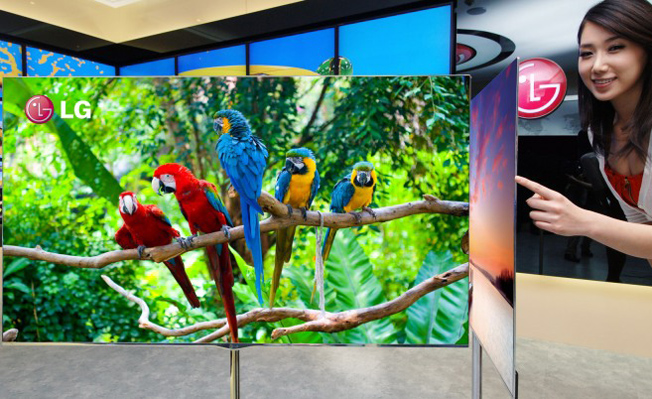
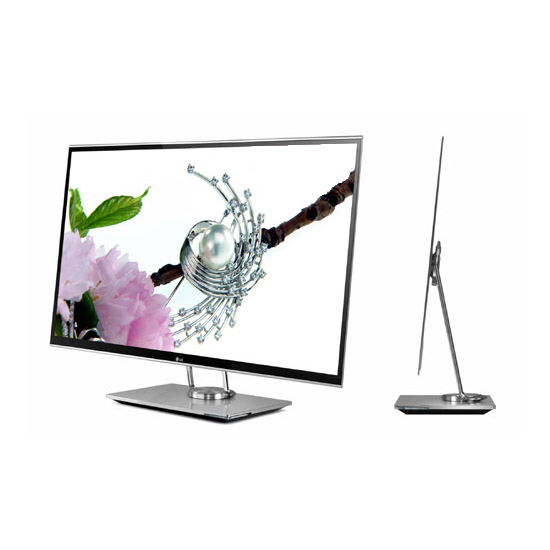
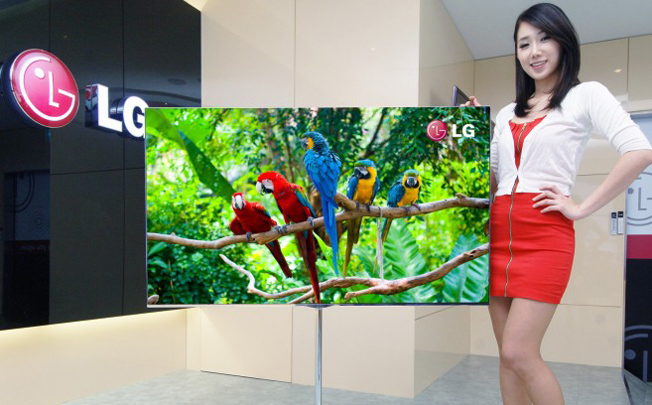
    LG is all set to announce their new line of TV’s at the CES 2012, part of which is cooing to be the worlds largest consumer OLED TV. With a panel that measures 55 inches diagonally, LG’s new HDTV features an infinite contrast ratio, 4-Color Pixels, Color Refiner and a nearly borderless design with a bezel that is only 4-millimeters wide.

    Working closely with LG Display, we have a product which not only delivers on all the advantages of OLED over LCD but at a significantly lower cost than what could be achieved using existing OLED manufacturing technologies,OLED is clearly the future of home TV entertainment and LG is very focused on making this exciting technology as easy as possible for consumers to embrace.”

    – LG-E CEO Havis Kwon

    [toggle title_open=”Press Release” title_closed=”Press Release” hide=”yes” border=”yes” style=”default” excerpt_length=”0″ read_more_text=”Read More” read_less_text=”Read Less” include_excerpt_html=”no”]

    WORLD’S LARGEST OLED TV FROM LG OFFERS MORE REALISTIC COLORS, BRIGHTER PICTURE, FASTER SPEED


    LG Unveils Much Anticipated 55-inch OLED TV for First Time at CES 2012


    SEOUL, Jan. 2, 2012 – LG Electronics (LG) will present the future of TV technology at the Consumer Electronics Show (CES) in Las Vegas with the unveiling of the world’s largest OLED TV with a display size of 55 inches. By incorporating the company’s 4-Color Pixels and Color Refiner features with LG Display’s advanced OLED (organic light-emitting diode) panels, LG OLED TV generates the most natural colors of any TV set at a much lower price point than could have been achieved using the standard manufacturing process.


    “Working closely with LG Display, we have a product which not only delivers on all the advantages of OLED over LCD but at a significantly lower cost than what could be achieved using existing OLED manufacturing technologies,” said Havis Kwon, President and CEO of LG Electronics Home Entertainment Company. “OLED is clearly the future of home TV entertainment and LG is very focused on making this exciting technology as easy as possible for consumers to embrace.”


    What sets LG’s TV picture apart from other OLED TVs is 4-Color Pixels and Color Refiner which work together to generate natural and accurate colors that are sharp and consistent. The 4-Color Pixels feature allows for more accurate color depiction by using a set of four colors (red, green blue and white) in comparison to the RGB setup used by other OLED TV manufacturers. Color Refiner ensures consistency in colors from a wider viewing angle via an LG algorithm which improves and refines hues and tones. This is in contrast to other OLED TVs which often exhibit drastic changes in hues from different viewing angles and abnormal color gamut.


    Boasting an infinite contrast ratio, LG’s OLED TV exhibits vivid colors and the smallest details regardless of the overall luminance of the on-screen image. In turn, colors and details throughout an entire image are preserved with utmost clarity and sharpness, even when displaying scenes with dark lighting. Such color capabilities are technically impossible with LED and LCD display panels. And at 1,000 times faster than LED/LCD displays, LG’s OLED TV shows crystal clear motion without any blurring or bleeding.


    And LG’s OLED TV is as aesthetically pleasing as it is technologically sophisticated. LG’s Slim and Narrow Bezel design gives the TV a sleek, minimal look and at only 4 mm thin and a mere 7.5 kg, LG’s OLED TV practically blends into the wall

    [/toggle]

  • LG announces new 3D glasses for their 2012 TV lineup (PR)

    LG announces new 3D glasses for their 2012 TV lineup (PR)

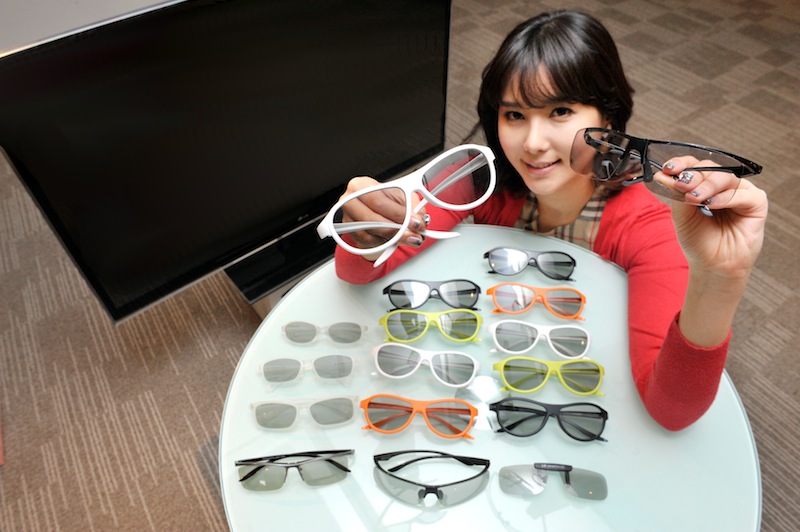
    LG has just announced a new flurry of lightweight and designer 3D glasses that go along with their televisions. The three options available include the F310 which are lighter and are curved more for a better fit compared to last years models, the F320 clip-on design for glasses-wearers and Alain Mikli-designed F360 half-rim frames. There is no information on pricing or availability just as yet, But they will be available along side LG’s new 2012 Smart TV lineup which features 1,200 in built apps. Check out both press releases below.

    [toggle title_open=”LG 2012 3D Glasses PR” title_closed=”LG 2012 3D Glasses PR” hide=”yes” border=”yes” style=”default” excerpt_length=”0″ read_more_text=”Read More” read_less_text=”Read Less” include_excerpt_html=”no”]


    LG UNVEILS STYLISH NEW 3D GLASSES FOR 2012

    New CINEMA 3D TV Glasses Will Convince More Consumers
    That 3D Doesn’t Have to Be Uncomfortable or Ugly

    SEOUL, Dec. 26, 2011 -– LG Electronics (LG) announced today that its newest collection of 3D glasses, including a pair designed by renowned eyewear designer Alain Mikli, will be introduced in the first quarter of 2012. The new 3D glasses — the F310, the clip-on F320 and the Alain Mikli F360 — are lighter and more comfortable to wear while upgraded design features such as curved lenses and clean frame structure have transitioned 3D glasses from burdensome requirements to stylish fashion accessories.

    “Compared to active shutter glasses, LG’s 3D glasses are far more comfortable to wear and much more affordable, making it possible for large groups and entire families to watch 3D programs and movies together,” said Havis Kwon, President and CEO of the LG Home Entertainment Company. “LG is addressing two of the biggest barriers to 3D acceptance head-on and we’re confident consumers will react favorably to our strategy in the coming year.”

    The F310 is characterized by a distinctive design that combines soft lines within a slim frame. Unlike many previous 3D glasses, the lenses have been curved to better accommodate the shape of the wearer’s face, as well as to improve the overall CINEMA 3D viewing experience. The F310 weighs a mere 13.5 grams, making it 20 percent lighter than LG’s previous design.

    Another new item for 2012 includes the clip-on F320. Clip-on 3D glasses are unique to 3D TVs based on Film Patterned Retarder (FPR) technology, which is at the heart of CINEMA 3D TV. Compared to the previous generation clip-on 3D glasses, the F320 weighs 25 percent less at 5.5 grams.

    Developed in collaboration with Alain Mikli, the F360’s half-rim frame design is sportier and only weighs 16 grams. The lenses of the F360 have been curved and cover most of the wearer’s face, deepening the immersive CINEMA 3D experience. The stylish F360, as well as all 3D glasses from LG, can also worn in theaters showing 3D movies since both CINEMA 3D and theaters utilize the same FPR and RealD technologies.

    LG’s share of the global 3D TV market increased from 7.6 percent during the first quarter of 2011 to 14 percent by September. FPR’s unobtrusive technology played a key role in the company’s success in 3D TVs, as uncomfortable and expensive glasses have been identified in numerous studies as being the number one reason consumers have been reluctant to adopt 3D in the home.

    LG plans to continue the success it saw this year by sponsoring a series of 3D film and gaming events in 2012 in order to introduce the CINEMA 3D experience to thousands of participants and visitors.


    [/toggle] 


    [toggle title_open=”LG 2012 Smart Tv PR” title_closed=”LG 2012 Smart Tv PR” hide=”yes” border=”yes” style=”default” excerpt_length=”0″ read_more_text=”Read More” read_less_text=”Read Less” include_excerpt_html=”no”]

    LG UNVEILS NEW SMART TV FEATURES FOR 2012 FOCUSING ON RICH CONTENT AND EASE OF USE

    Now With Over 1,200 Apps and New Magic Remote, LG’s Smart TV
    Significantly Upgrades User Experience and Convenience

    SEOUL, Dec. 27, 2011 –- LG Electronics (LG) will unveil its newest Smart TV features at the Consumer Electronics Show (CES) in Las Vegas next month. Imbedded in the new CINEMA 3D Smart TV line-up for 2012, LG is aiming to provide CINEMA 3D Smart TV owners with the most comprehensive yet easy-to-use home entertainment experience possible, as evidenced by the over 1,200 apps, growing quantity of premium content services and the new Magic Remote.

    “Even thought the Smart TV market is in its infancy, LG is constantly introducing new features and upgrading existing ones in order to deliver the richest, most convenient Smart TV experience in the market today,” said Havis Kwon, President and CEO of LG Home Entertainment Company. “The features and functionality we’ll be introducing in 2012 are, I believe, second to none when it comes to showing consumers how a Smart
    TV can improve their TV viewing experience.”

    LG’s Smart TV ecosystem has experienced enormous growth over the past year, having launched over 1,200 Smart TV apps. In addition to access to more movies and TV programs, user can access social networking services (SNS) on their LG Smart TVs, make donations to charities and even browse famous art collections.

    LG’s 3D Zone offers a growing collection of 3D movies and TV shows, while existing 2D movies can be converted to 3D via LG’s enhanced 3D conversion engine. Due to the use of Film Patterned Retarder (FPR) technology, LG’s 3D glasses are battery-free, lightweight and inexpensive, making them ideal for watching 3D content in large groups and comfortably for longer periods of time.

    And even though LG’s Smart TV ecosystem is growing in features and choices, using the TV is simpler than ever, thanks to the new Magic Remote. The new Voice Recognition mode lets users enter text — such as search terms — by making voice commands. Wheel enables users to swiftly scroll up and down various menus and apps, allowing for quicker selections. Magic Gesture makes it possible to communicate physical movements as commands. And lastly, Pointing lets users make on-screen selections quickly and easily without having to scroll or push direction keys repeatedly.

    The new CINEMA 3D Smart TVs offer a variety of connectivity features. The newest among them is Intel’s Wireless Display (WiDi) technology, which enables easy and quick connection between TVs and PCs without the need for cables or Internet access. Through Smart Share Plus, users can access content stored on external devices such as PCs, tablets and smartphones. Smart Share Plus also offers the Screen Share function which streams TV content to external viewing devices using a Wi-Fi connection.

    The quantity of content is further expanded through premium content services available through the Smart TV function. While content availability constantly grows, they remain easy to access, thanks to the upgraded Home Dashboard, which allows for quick browsing. And the shortcuts displayed on the Home Dashboard can be customized, giving users the option to handpick their favorite content and apps for instant access.

    [/toggle]
  • Apple kicks off discussions on Apple TV with Media Executives

    Apple kicks off discussions on Apple TV with Media Executives


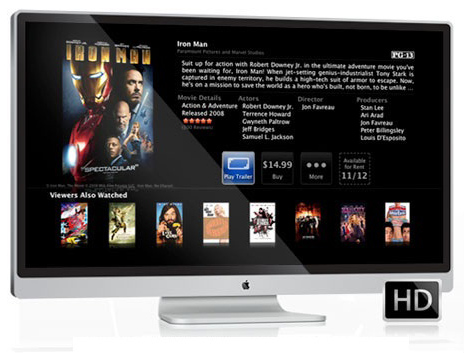
    Apple is reportedly discussing the possibility of the Apple TV (not the tiny box, but a real television) with global Media honchos. Steve Jobs’ next big thing before he passed away was the change in the Television industry. Apple’s new CEO Tim Cook has no plans to drop the idea as the company pushes the game forward.

    An idea that includes a TV that packs wireless streaming with AirPlay to deliver TV shows and movies as well as technology it’s developed to tie-in DVR storage and iCloud, allowing personal access on tablets and devices handheld. There should be major voice activated control implemented in the whole ecosystem, possibility of that is the already popular Siri voice control systems.

    Several companies including Google have already attempted this ill fated journey, only to fail all attempts. Lets see what Apple brings to the table and if it changes anything.

  • Apple set to change the Television industry, with the new Apple TV

    Apple set to change the Television industry, with the new Apple TV

    Already reports of the Steve Jobs’s vision of changing the television industry, and him talking about it in his interviews with biographer Walter Isaacson have stirred up quite a fever. Apple stands a chance to cash in about 100 Billion US $ revenues from foraying into what is unchartered territory for Apple. 


    “I’d like to create an integrated television set that is completely easy to use, It would be seamlessly synced with all of your devices and with iCloud. It will have the simplest user interface you could imagine. I finally cracked it.”

    – Jobs said according to biographer Walter Isaacson

    It makes sense now for apple to foray into this, to have a complete home solution dominance. Apple already is the market leader in Smartphone and Tablet sales (sheer numbers), A Television that connects to these devices to stream content and show pictures and connect to the iCloud, would be an added advantage for iDevice owners. Of course when Apple does come out with a television, (if it does) expect this device to sell on pure aesthetics and high value ownership clout. The ecosystem that Apple will create will give it a seamless dominance over other brands, still annoying those who hate restrictions.

    After all what all can you do with a Television? That is similar what everyone said before Apple Announced the iPhone back in 2007 ( What all can you do with a Phone?).

    As is the case with every Apple device, we wont know till we know.

  • Vodafone To Release Its Webbox Soon

    Vodafone To Release Its Webbox Soon

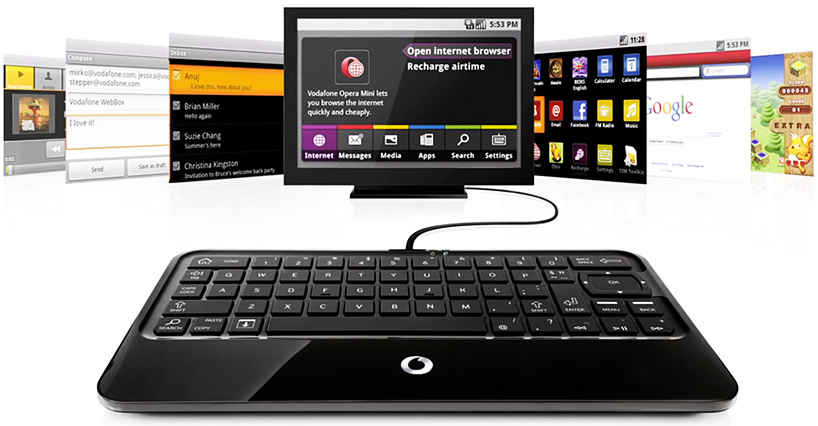
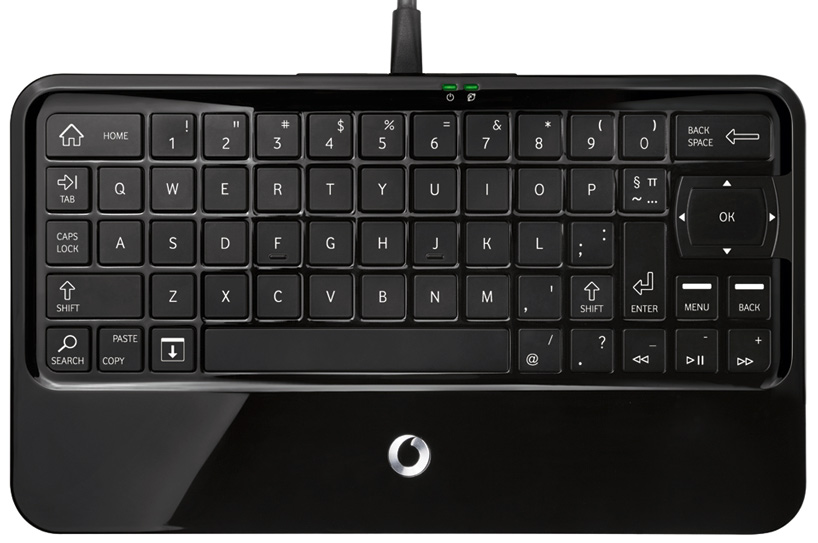
    First unveiled in South Africa in February, Vodafone’s Webbox is to be release in India soon. The device, which looks like a QWERTY keyboard, connects to any television set via standard RCA cables and converts the attached TV into a monitor. This setup can then be used to browse the web, read e-mail and perform simple computing tasks.

    The device offers internet access via a Vodafone SIM card that supports 2.5G and EDGE networks. When connected, the home-screen offers users the ability to browse the web using an android version of Opera Mini 5.1, which compresses data by upto 90% to ensure fast loading pages. The device also boasts the ability to send and receive SMS and E-Mail messages, listen to FM radio as well as music, view photos in the photo gallery, edit documents with the built in text editor and integration with social networks.

    The Webbox is expected to retail for Rs. 5800/- which includes a 12 GB data plan for free. You can see a demo of the device in the video below.

  • Tech 101: How OLED Displays Work

    Tech 101: How OLED Displays Work

    In our previous article, we explained How Modern LCDs Work. In this article, we’ll be exploring how the new generation of displays based on OLED technology work.


    What Exactly are OLEDs?

    There are a lot of products in the market today ranging from TV’s to Laptops and even Smart Phones that contain an OLED display. But what are these displays and how do they work? OLED stands for Organic Light Emitting Diode. This technology is named after the organic polymers that are used in its construction. For a long time, organic compounds have been assumed to be electrical insulators but new research and manufacturing techniques have allowed the industry to use these polymers for many applications on a vast scale.

    OLEDs are solid-state devices which are composed of thin films of organic molecules which emit light when a current is applied. OLEDs can provide brighter crisper displays that use less power than conventional Light Emitting Diode (LED) and Liquid Crystal Display (LCD) technologies. Another application for OLEDs is in the form of lights to be used in homes and offices. These lights have a long life and are very efficient.


    The Manufacturing Process

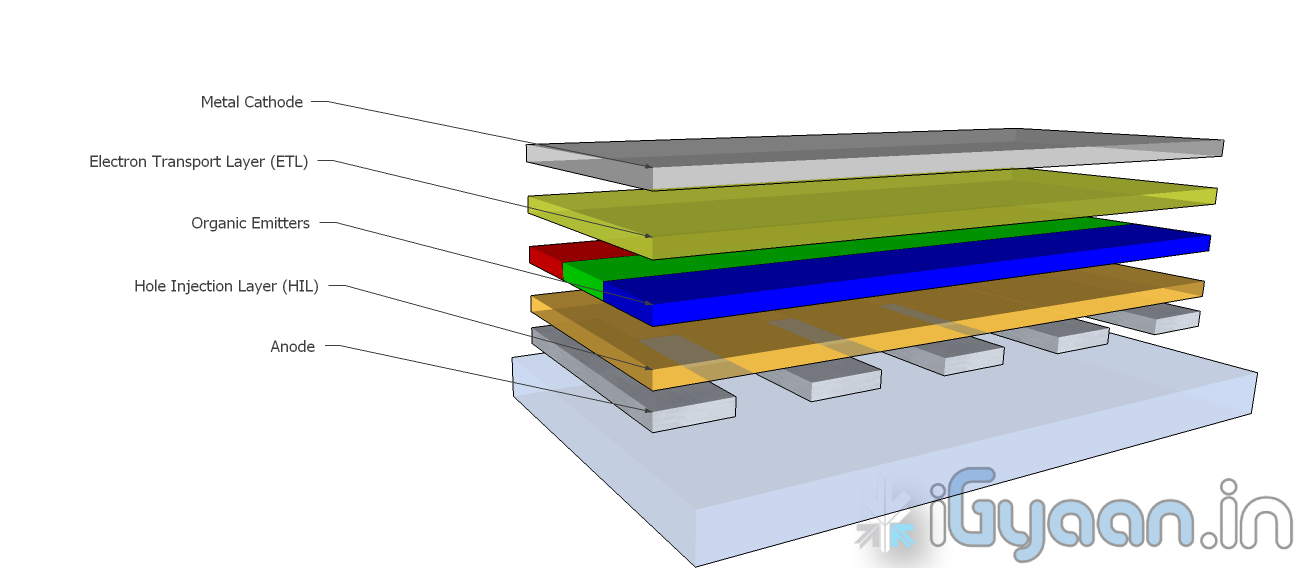
    OLEDs are basically layers of organic material sandwiched between an anode and a cathode and mounted on a substrate. This entire device is usually between 100 to 500 nanometers thick or is about 200 times thinner than a human hair.

    The substrate is usually a sheet of glass which is coated with a transparent conductive oxide which works as the anode. The next layer consists of hole injection material, the organic emitters and the electron transport layer which are together referred to as the organic stack. On top of the organic stack is the inorganic cathode. The device operates as follows:

    • Cathode – The cathode injects electrons into the system when a current flows through the device. It may or may not be transparent.
    • Organic Stack – This layer is made up of different organic polymers that are built up in layers. This is where light is made. The organic stack consists of the following layers:
      • Electron Transport Layer (ETL) – This layer consists of organic polymers or plastics that transport electrons from the cathode to the Organic Emitters.
      • Organic Emitters (OE) – This is a layer that is made up of organic polymers that may or may not be mixed with phosphorescent chemicals.  One polymer used in this layer is polyfluorene.When an electron finds a hole, it falls into the hole and gives up energy in the form of light.
      • Hole Injection Layer (HIL) – This layer is made up of polymers that transport electrons to the anode. This leaves ‘holes’ for electrons transported from the ETL to fill.
    • Anode – The anode removes electrons from the system when a current flows through the device. It is always transparent.

    This is the process by which a single OLED works. To turn them into colour displays, manufacturers place several layers of OEs on a display. There are various methods with which these individual pixels can be turned into a full colour display.


    Types of OLED Displays

    There are several types of OLED Display

    • Passive-matrix OLED
    • Active-matrix OLED
    • Transparent OLED
    • Top-emitting OLED
    • Foldable OLED
    • White OLED
    Passive Matrix OLEDs or PMOLEDs

    PMOLEDs are designed in a hash pattern. The anode and cathode are made in strips that are arranged perpendicular to each other. The points of intersection of the strips of anode and cathode make up the individual pixels where light is emitted. External circuitry is used to control which pixels are on and what colour they emit. The brightness of each pixel is dependent on the amount of current in the system.


    Active Matrix  OLEDs or AMOLEDs

    AMOLEDs have a full layer of anode and cathode materials but they borrow a technology from LCDs to produce a visible display. Sandwiched between the anode and the organic layer is a layer of thin film transistors or TFTs that makes the array. The TFT array is the circuitry that decides which pixel is on and what colour it displays. AMOLEDs are more efficient than PMOLEDs because the external circuitry used to run the PMOLEDs consumes more power. AMOLEDs also have a faster refresh rate which makes them more suitable to larger displays used in televisions and computer monitors.


    Transparent OLEDs or TOLEDs

    TOLEDs are constructed with only transparent  components, and are upto 85% as transparent as the substrate used when they are turned off. When it is turned on, the display still allows light to pass both ways and remains transparent. It can have either an active matrix or a passive matrix. This technology would be perfect for Heads Up Displays and Medical Equipment.


    Top Emitting OLEDs or TEOLEDs

    TEOLEDs are constructed with a substrate that is either opaque or reflective. They are perfectly suited for an active matrix design. They are used in smart-cards.


    Foldable OLEDs or FOLEDs

    FOLEDs are constructed with a highly flexible substrate which could either be a plastic or metallic foil. These types of OLEDs are very lightweight and durable. They are used in cell phones and can reduce breakage. They could also potentially be integrated into fabrics to create smart clothing.


    White OLEDs or WOLEDs

    WOLEDs  emit pure white light that is brighter and more uniform than the light which is emitted by fluorescent lights. . WOLEDs can be made in large sheets and can reduce energy costs massively if used to light homes and buildings due to their low power consumption.


    Advantages and Disadvantages of OLEDs

    OLEDs offer many advantages over the current favorite, LCDs and LEDs.

    • The organic construction of an OLED is much thinner than the many layers required for an LCD or LED display.
    • OLEDs can be built onto a thin plastic substrate which allows them to be flexible instead of the glass used in LCDs and LEDs.
    • Due to its design, an OLED display is much brighter than an LED display. This is because the conductive and emissive layers of an OLED can be stacked several times to produce more light than an LED while still remaining extremely thin.
    • Since OLEDs emit light themselves, they do not require a back-light. LCDs work by selectively  blocking areas of the back-light to produce individual pixels. OLEDs are also much more energy efficient than LCDs because they lack a back-light.
    • As OLEDs are made from plastics, they can be built into large thin sheets which makes them much easier to produce. It is much more difficult to create an LCD display of the same size.
    • OLEDs have a much viewing angle than LCDs because they do not block light in any fashion. Since they produce their own light, they can provide a field of view of upto 170o.

    For all their advantages over LCDs and LEDs, OLEDs have a few problems as well.

    • Red and green OLED films have a very long life of between 46,000 to 230,000 hours while blue OLED films currently have a much shorter lifespan of around 14,000 hours.
    • The manufacturing process for OLEDs is not cheap as of now.
    • OLEDs are not at all water resistant and can easily be damaged on contact with even a few drops of water.


    While LCD and LED technology remains in the mainstream, OLEDs are making headway into the television, computer and mobile segments. Manufacturers and engineers are realizing the potential benefits of using OLED technology for their devices. In the next few years we should see an increase in OLED sales as well as some novel applications of the technology.

    Stay tuned to the Tech 101 segment to learn more about what makes our everyday devices tick.

  • Huge Deposit of Rare Earth Metals Found in the Pacific

    Huge Deposit of Rare Earth Metals Found in the Pacific

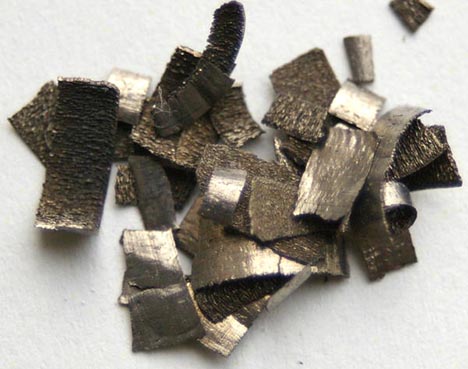
    Rare earth metals are used in the production of everything from iPods to flat screen TV’s. China was the worlds leading source of these metals till today when scientists from Japan announced that they had located a huge cache of these metals in the Pacific Ocean. China accounts for 97 per cent of the world’s production of 17 rare-earth elements, whose unique electrical, magnetic, optical and thermal properties make them vital ingredients for some of the most technologically advanced products.

    According to the journal Nature Geoscience, a team of scientists led by Yasuhiro Kato, found an estimated 100 billion tonnes of the minerals in mud at 78 locations on the Pacific seabed. To give an idea of just how much that is, the current reserves of rare earth metals amount to 110 million tons which are found mostly in China, Russia and other Soviet countries and the US. The commercial viability of procuring these metals has yet to be worked out as they are located deep in the ocean, at approximately 13,000ft and 16,250ft.

    China’s commerce ministry said that between January and November last year, the country exported 35,000 tonnes of rare-earth minerals, up 14.5 per cent on 2009. About a third of China’s reserves have already been used up, leaving about 15 years’ worth at the current rate of depletion.

  • Spice Popkorn – M9000 Cinema Projector Phone Full Review

    Spice Popkorn – M9000 Cinema Projector Phone Full Review

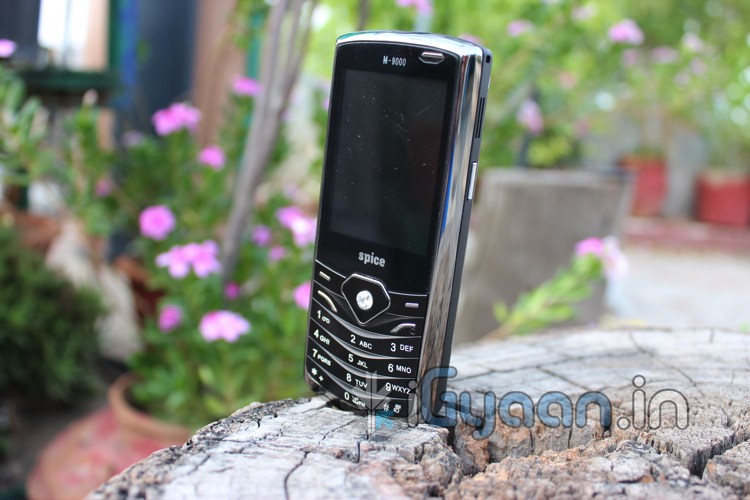
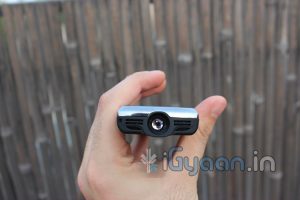
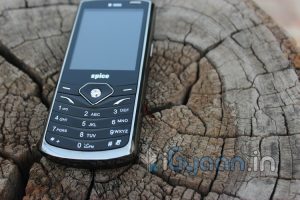
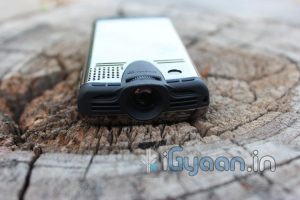
    The Spice Popkorn is the first phone in India to have a built in projector and as such sets the standard for all future devices with this technology. Lets find out how it fared at the iGyaan Lab.


    Build Quality, Hardware & Design

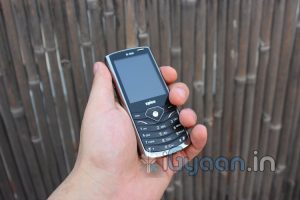
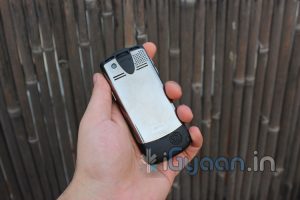
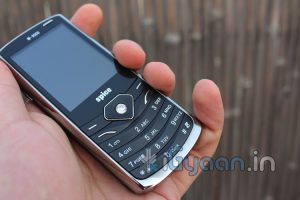
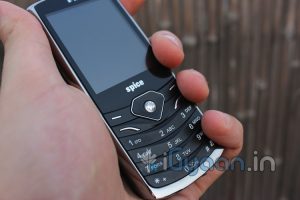
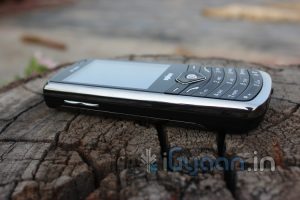
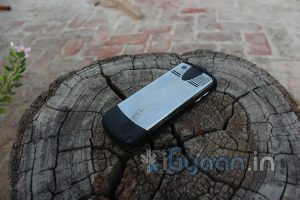
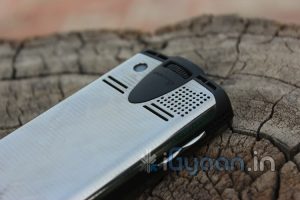
    The Popkorn has a standard candybar design that is much thicker than a regular candybar phone due to the inbuilt projector. It feels quite solid and is comfortable to hold with its metal and rubberized plastic body. The phone weighs 123g and is quite a bit heavier than phones of a similar design, but due to its form factor, it still feels quite comfortable in the pocket.

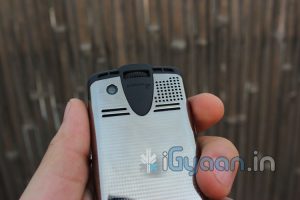
    One feature that we thought was a little delicate was the telescopic antenna. Its quite thin and fells like it will bend if a little too much pressure is applied. Be careful when expanding and retracting the antenna as you use this device.

    The screen on the Popkorn is a 6cm 320x240px QVGA display which is quite vivid and displays good contrast in colours. Its nothing to boast about, but then its not the only display the phone has. The device has Dual SIM capabilities and supports GPRS and WAP connectivity. It also has built in bluetooth to allow you to connect your phone to a bluetooth device. It does not support 3G or WiFi.

    Included Accessories

    The phone comes with a tripod and a tripod mount. We felt that the quality of the tripod could be improved as  it feels like it might tip over with the weight of the phone, but such is not the case. The tripod mount holds the phone securely and keeps it nicely balanced on top of the tripod.

    Overall, the build quality of this device is exceptional, when you consider the fact that Spice has managed to stuff a projector into a device that weighs only 123g.

    Camera and Multimedia

    The Popkorn has a 3.2MP rear facing fixed focus camera that can capture images upto 2048 x 1536 px. It can also record video at a maximum of 15fps and also comes with a 4x digital zoom.The camera can be used as a webcam as well, once you plug it into your computer via the included USB cable.

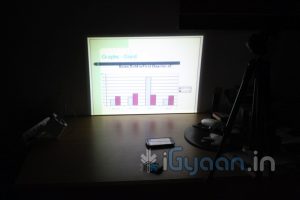
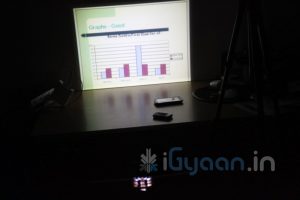
    The projector on the device, in our tests, has given a readable display of approximately 40 inches at its largest and 2″ at the smallest. That’s a HUGE screen from a tiny device. We recommend that the phone be setup so that the display is approximately 27″ to 30″ large as this gives the best picture quality. However, the projector is not extremely bright so using it in a well lit room is not advisable. Keep the lights off and the curtains drawn when using the projector. With many air vents around the phone, we did not notice any significant heating of the device, even after extensive use of the projector.

    Another great use of the projector is to watch TV. The Popkorn catches analog TV signals from its telescopic antenna. Channels can be programmed and saved to the device so that you can view them at your leisure. While watching TV is a nice recreational activity, the phone also has a feature that can come in handy while at work. It has the ability to playback PowerPoint Presentations, and with the included laser pointer, you can make excellent professional presentations. You no longer need to carry your laptop to your meetings. Simply copy your ppt onto the memory card and carry the phone.

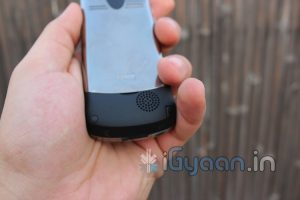
    The phone also has built a built in FM radio, and with the telescopic antenna, you do not require headphones to catch a signal. It also has the ability to schedule and record FM radio so you can catch all your shows at your pleasure. The speaker phone is very loud and gives sufficient sound to be clearly heard in a large room. Spice has also included an external speaker which increases the audio output of the device many-fold. The speaker also has a built-in battery so it does not drain the battery on the phone while in use. A few cables have been included to connect as well as charge the speaker.


    Phone and Messaging

    The Popkorn supports Dual SIM cards. It also has a standard numpad which makes dialing and placing calls a breeze. The microphone and earpiece perform as expected and we have no complaints. As stated, the loudspeaker is really loud and provides a good hands free experience.

    Typing on the phone is also easy as the keypad is quite responsive and the keys are easy to press.


    Data & Internet

    The Popkorn supports GPRS and WAP. It has a browser that leaves a lot to be desired. One feature we found lacking was WiFI. It would have been great if we could use WiFi to browse the internet on the projector or even stream videos directly to the device via our desktops/laptops. Maybe they will include this feature in the next version of the device.


    Conclusion

    When we got this device, we had low expectations of its performance. However, after using it for a while, we were, quite literally, blown away. The phone by itself is comparable to any number of Dual SIM phones that are on the market today, but the other features that it packs set it a world apart. The Projector with its Video playback, Analog TV and Presentation capabilities left us in awe. For its price, it is possibly the most inexpensive projector on the market today. The fact that its a phone and can fit in your pocket just adds icing to the cake.

    MRP: Rs. 6699/-

    [xrr rating=3.75/5 label=”We Rate it : ” imageset=shiny_yellow_star display_as=fraction_stars]


    Unboxing Video

    Full Review


  • Skype – Cross Platform Video Calls Now on Android

    Skype – Cross Platform Video Calls Now on Android

    Skype announced that its Android client now supports cross platform video calls, so desktop users can now see mobile users and vice versa. At the moment, this functionality is limited to only four Android handsets, the Desire S, Xperia Neo and Pro and the Nexus S. If you have one of these phones, you can now make video calls to your friends over WiFi and 3G both.

    Video Calls between android devices have been possible for a while now, but the option to make video calls to desktops/laptops has been limited. Most Android users won’t be affected by this update although Skype promises to add other handsets “soon”.

    The new Skype client can switch between front and rear facing cameras, so you can show people your face as well as what you are seeing. It can connect to all Skype clients including the iPhone as well as many Skype enabled TV’s.

    the Desire S, Xperia Neo and Pro and (of course) the Nexus S
  • Skype Calls Coming to TV’s

    Skype Calls Coming to TV’s

    One of the largest cable companies in the US announced that it is planning  to bring Skype Video Calls to TV’s by the end of this year. Subscribers will be able to rent a special kit which contains a Webcam, an adapter and a Special Remote which will have a Keyboard at the back to type chat messages. Subscribers will get notifications of incoming calls on their TVs and will be able to answer calls with full-screen video or in a window while watching TV. No pricing plans have been decided as yet.

    The Skype adapter won’t work with Skype services that let users call phone numbers, or receive calls to a phone number. Instead, Comcast plans to bundle a limited version of Skype’s offerings with its own phone service, for which it charges $20 per month and up, to the adapter, so subscribers can place and receive phone calls through the TV set.

  • iGyaanForum.com – Indias Newest Tech Discussion Community got Bigger and Snazzier

    iGyaanForum.com – Indias Newest Tech Discussion Community got Bigger and Snazzier


    Whats up folks!

    iGyaan.in is proud to Announce the Highly new and improved

    iGyaan Tech Forum

    India’s Newest tech Discussion Community just got MASSIVE.

    Powered by the best forum software, and best tools at our disposal let the discussions begin.

    :

    Unfortunately, All old users will have to register afresh in the new forum.

    So what are you waiting for Head on over to iGyaanforum.com !

iGyaan Network
Privacy Overview

This website uses cookies so that we can provide you with the best user experience possible. Cookie information is stored in your browser and performs functions such as recognising you when you return to our website and helping our team to understand which sections of the website you find most interesting and useful.