Google has been proactively expanding the reach and utility of the Android ecosystem. It is now on smartphones, tablets, TVs, smartwatches and even in cars (with Android Auto). Now the tech giant is looking at a whole new arena to establish its dominance, and they have chosen the field of virtual reality.
Virtual reality as a new device ecosystem is growing rapidly. Major brands such as Samsung, HTC, Sony and others have unveiled their VR headsets that will be arriving in the market soon. In our first person experience with these headsets, we have found them to be promising, and it had tremendous potential as a new consumer medium. It is, therefore, obvious that Google wishes to be a frontrunner in the game.
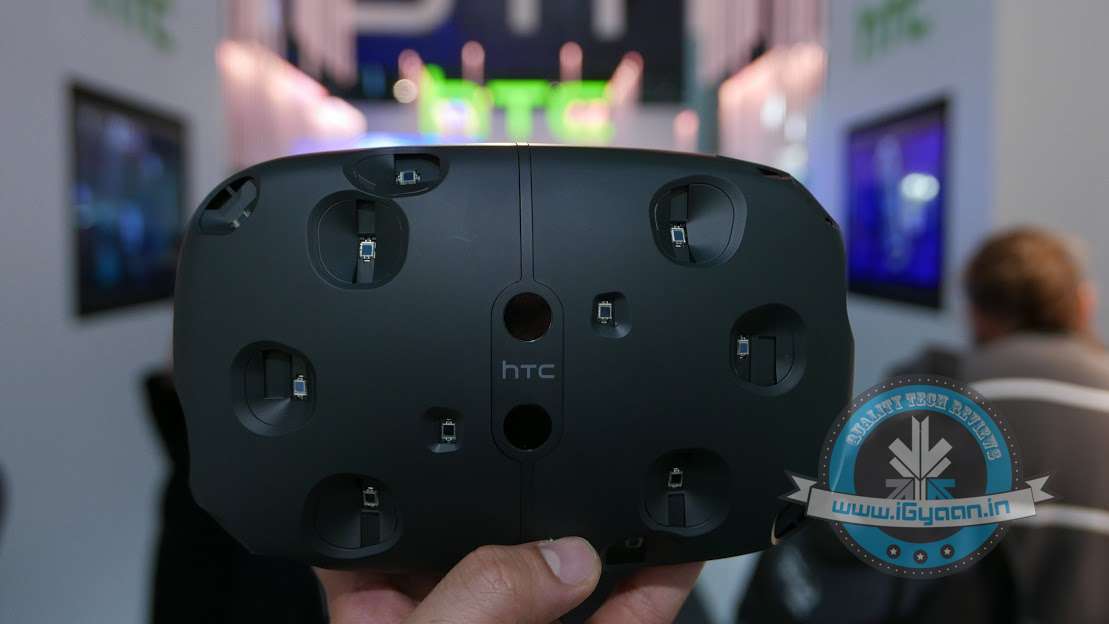
HTC recently forayed into Virtual Reality with the HTC Vive
The report was published in the Wall Street Journal, but Google hasn’t confirmed it as of yet. The report says that the Silicon Valley powerhouse has engaged tons of engineers to create a version of Android for the VR devices. This version will also be given out for free just like all the other Android counterparts.
Google has already ventured in the VR game with its low-cost cardboard project. Users can get the affordable glasses, install the cardboard app, and they are ready for the VR experience. But the professional VR headsets offer more features than the cardboard contraption. A VR version of Android might include functionalities for touch controls and improved features. As of now it is not clear how the VR version of Android would look like, but with the right partners, Google might end up at the top of one more segment of the electronic market. Also, as it is a free offering, it might encourage other brands to step in the VR game to increase competition. This will also lead to an increase in the number of apps, games and other content for the VR headsets. It seems the age of virtual reality is finally upon us.
The independent cinema fair of 2015, Sundance Film Festival, showcased some top-notch films. The one that left the world awestruck was the first virtual-reality film by Facebook-acquired Oculus. Facebook premiered its first short piece titled ‘Lost’. It is the first of five short animated flicks the company will be making this year.
Oculus has built in-house studio called Story Studio, where the company will be creating virtual reality films and research on the story telling.
By developing content for virtual reality, Oculus aims to attract more filmmakers to invest in the new technology. To start with, the company has tapped the highest talents from both the film industry and video gaming world. Veteran of Pixar Animation Studios and Lucasfilm Ltd., who were responsible for films like Toy Story and Monsters Inc., will be attached to the upcoming five-film project.
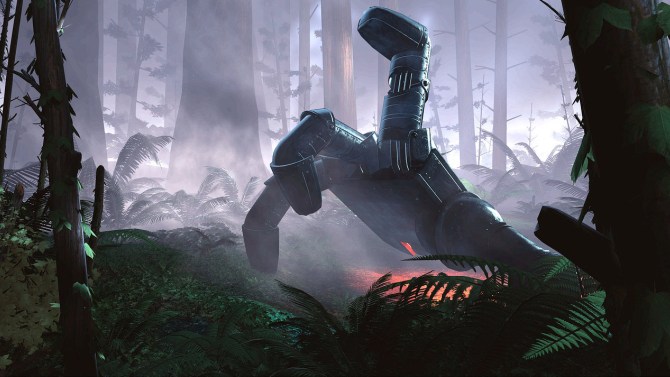
The premiered movie Lost is helmed by former Pixar artist Saschka Unseld, who is now the creative director of Story Studios. The film takes the viewers to the middle of the forest where a mechanical creature bounds into the scene. The Chief Executive of Oculus Brendan Iribe described the flick as ‘a real-time version of a Pixar experience that you’re inside of.’
Iribe further added to his statement –
This is really tuning into what a lot of people who are extending 360-degree film into VR cannot do yet. It’s getting into the heart and soul and magic of VR.
Virtual Reality films are the real-time cinema where you can not only see, but also feel your presence in the space. However, the concept of experiencing 360-degree panoramic view using a gadget that fixes at the head has not reached the masses as of yet. In spite, Samsung and Google have developed products like Galaxy Gear VR headset and Google’s Cardboard VR device, the journey of it to be available mainstream will take some time.
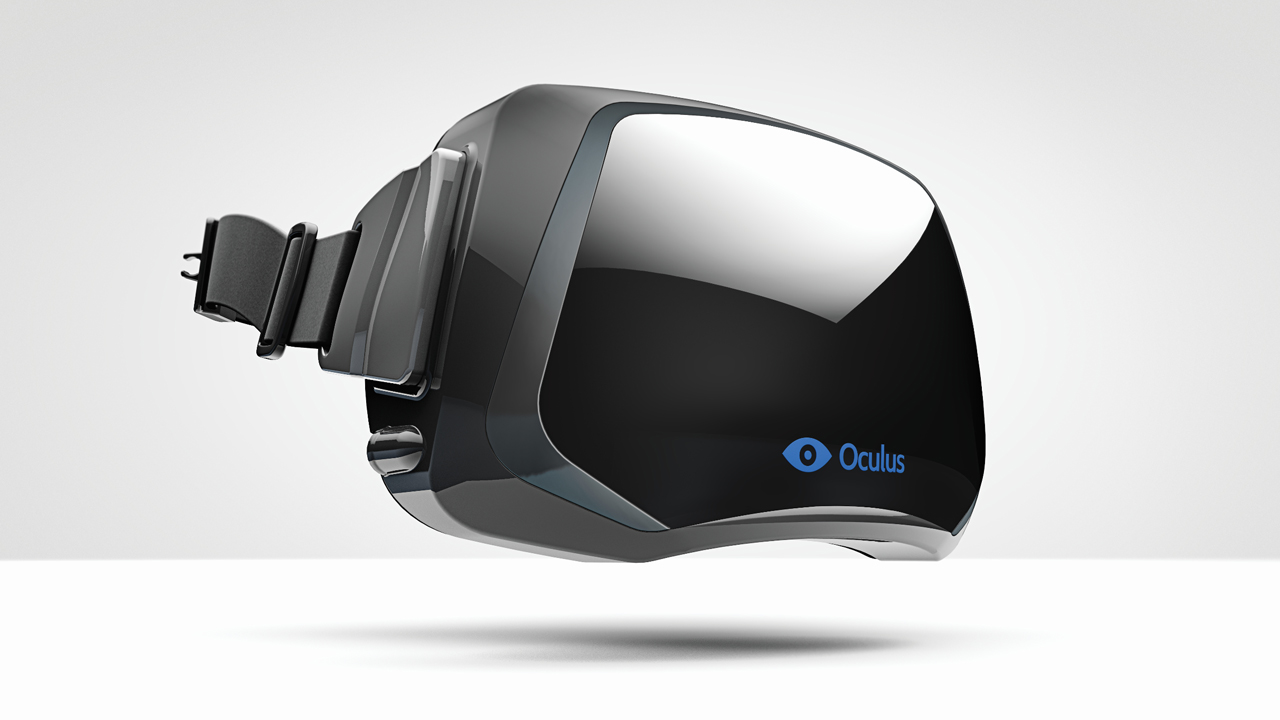
When Facebook acquired Oculus Rift for a price of $2 Billion, we had a feeling it has something big planned for it. Virtual Reality(VR) is a budding market that is growing at a slow and steady pace. Facebook sees huge potential for these devices and is now on a hiring spree to get Oculus Rift up and running in the consumer space.
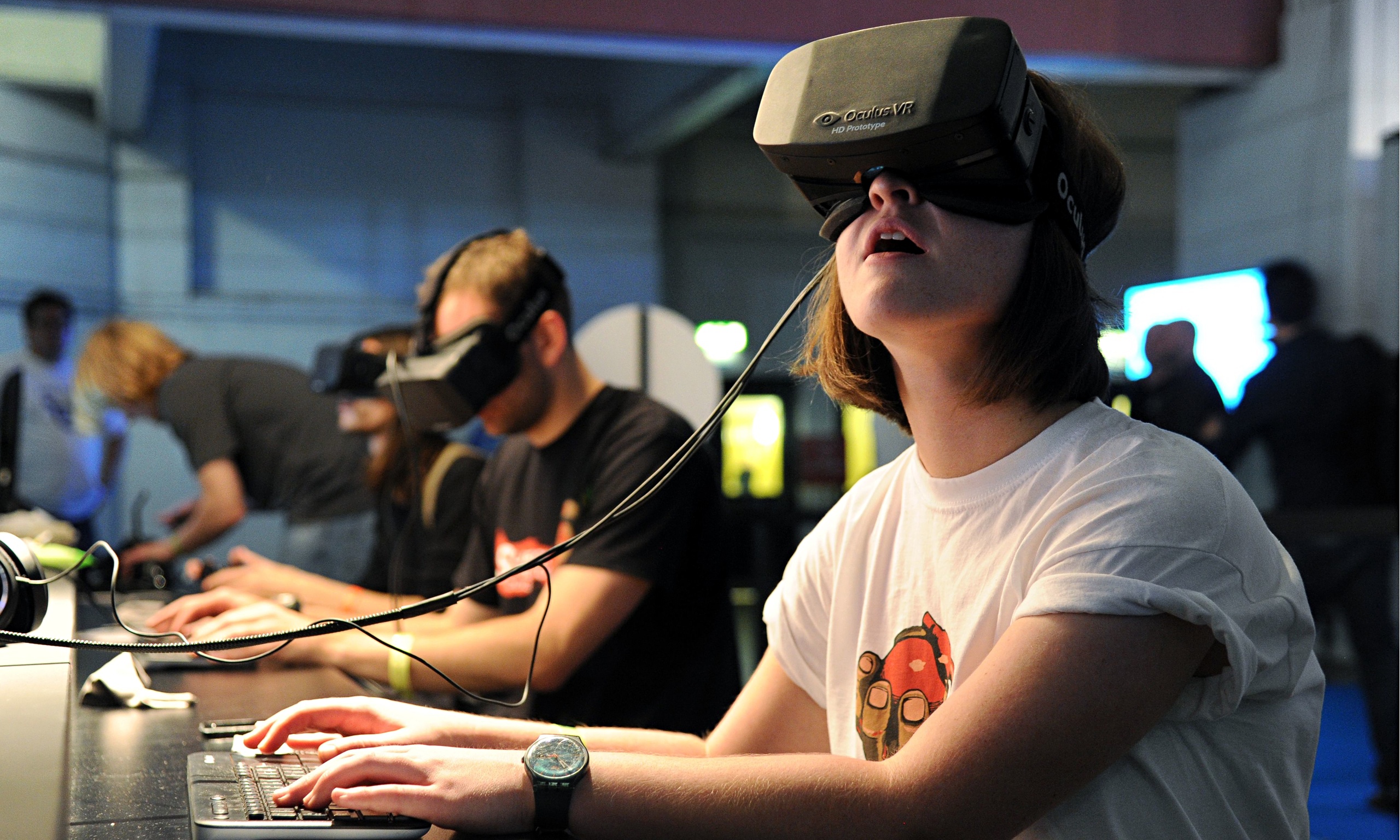
Oculus can be credit for bringing Virtual Reality back from the dead. Using the increased processing might of this generation chipset has helped these device give an authentic VR experience. The graphics quality has gotten better and there are now multiple headset options in the market that promise an immersive experience. While devices like Gear VR from Samsung are already in the market, Oculus Rift’s consumer version is still in the development stage.
Facebook acquired Oculus last year for a sum of $2 Billion
Facebook has listed 54 jobs on its website that seem to directly focus on it VR division. The jobs listed include managers to oversee logistics, procurement and global supply chain planning. Analysts believe this hints that the company is ready to bring the consumer version in the market.
If you want to test out the Oculus Rift, the company offers a Developers Kit that supports over 188 game titles. Other players in the VR market include Sony with its Project Morpheus, Google with the low-cost headset called the Cardboard project and Avegant Glyph. There are also some start-up projects working on their VR headsets too, like ANTVR.
We hope the wait for the consumer version of the Oculus Rift is coming to an end. It may be only a while before VR would be the way to game because of its immersive advantage.
Virtual Reality (VR) headsets are fast gaining ground in the consumer electronics market. This year’s edition of CES saw many players showcasing their versions of VR headsets. They came in all shapes and sizes and offered different features. One such headset was the Avegant Glyph, which takes a new approach to providing a VR experience.
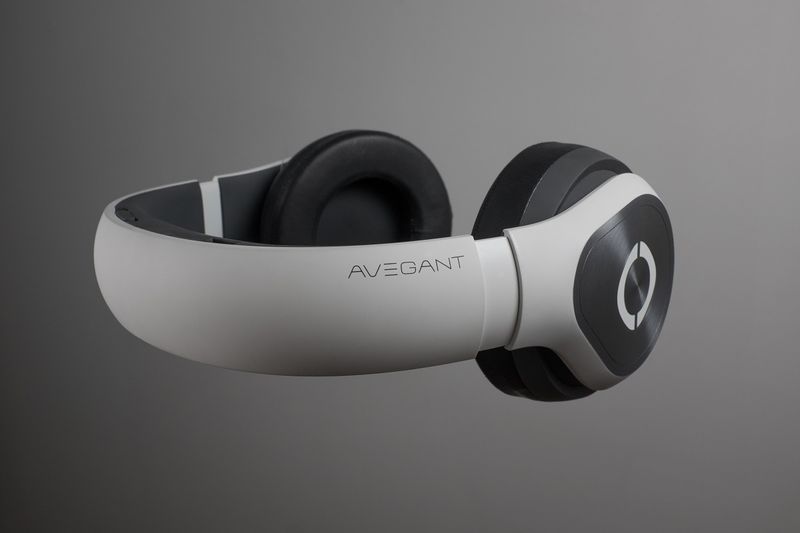
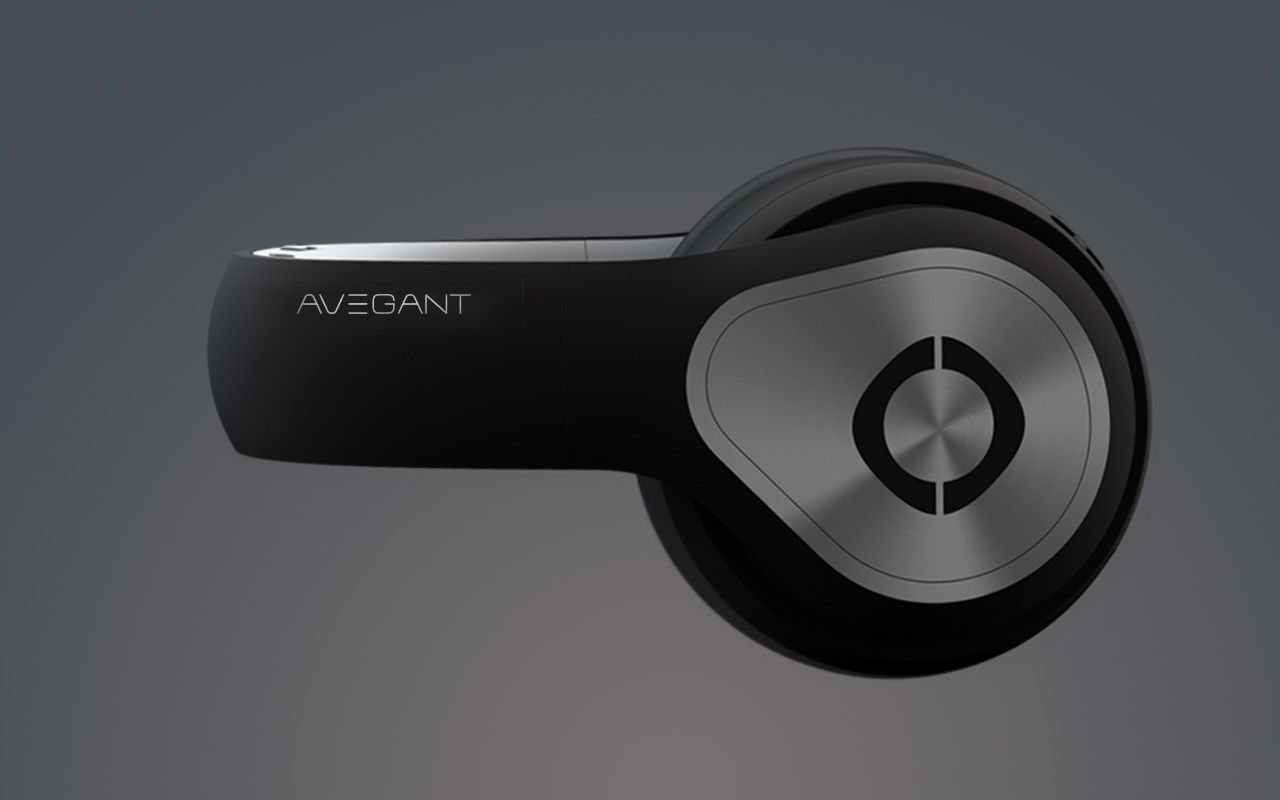
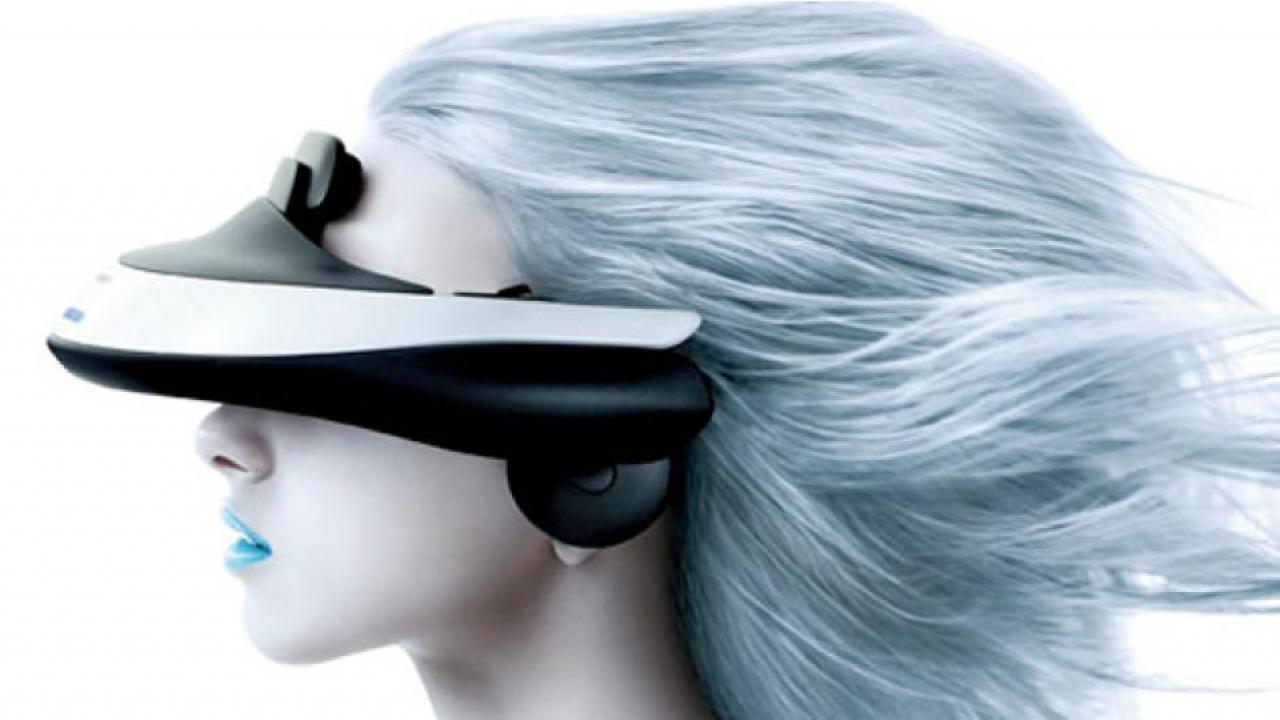
Avegant Glyph arrived last year at CES and presented a unique device. It was a bit bulky and had massive earphones. This time around, the device gets a lot sleeker and sexier. On the first look, the device looks like a headphone that slipped off your head and is now sitting in front of your eyes. It almost makes you feel like Cyclops from X-men.
The device is available in White and Grey color variants.
The device uses Virtual Retinal Display technology which is presented without any screens. The device projects an image that is directly formed on the retina of the user’s eyes. The developers say that their intention is to mimic natural vision and thus brings down the eye strain that is felt in most of the VR headsets after continual use.
One other aspect, in which the Glyph is different from its competition, is its 45-degree field of view. According to the developers, this will help the users to start playing content they already own instead of trying to find content made specifically for the VR headsets. When you have the headset on, you’ll get the experience of sitting in a movie theatre with your giant displays. It even runs 3D videos, so it’s an all-round visual entertainment option. It plays almost all your content and connects to your smartphone so you could actually be engaged in your virtual big screen on the move. So now, instead of watching Avatar or Gravity on your tiny display, you can watch on a giant virtual display in your own time.
The device is up for preorder at a price of $524 which might be a bit steep but it sure gets style points. The deliveries are supposed to begin for Kickstarter backers from the fall of 2015 and will be available for the general public by the end of this year. So if you are looking for a movie theatre experience that you can enjoy on the move, the Avegant Glyph maybe an option for you. Just be ready to attract a lot of stares wherever you wear it.
In the year 2014 Virtual Reality(VR) took a giant leap. From the hands of a limited few, the technology has now seeped into the consumer market. Oculus can be credited for bringing the technology to the mainstream. Taking cues from Oculus, several new devices have arrived in the market. Sony got its Project Morpheus and Samsung got the Gear VR headsets. There were also some independent attempts into making VR headsets including Google’s Cardboard project. The question remains – is this just a mere fad or is this technology here to stay? We delve into the past, present and future of VR Headsets today.
What is Virtual Reality?
According to a popular online encyclopedia, virtual reality is a computer simulated environment that can simulate physical presence in places in the real world or imagined worlds. It, in essence, creates a world that creates the perception of being in a whole new place. Using various other techniques, VR can create sensory perceptions of touch, smell, sounds and even taste.
The Journey to Now…
It’s not really a recent phenomenon in any sense of the word. There have been efforts to create an artificial environment for manipulating the senses since the 1800s. In 1860’s there were art installations that used a 360-degree panoramic mural to create an artificial reality. One of the most prominent examples of this is Sala delle Prospettive by Baldassare Peruzzi.
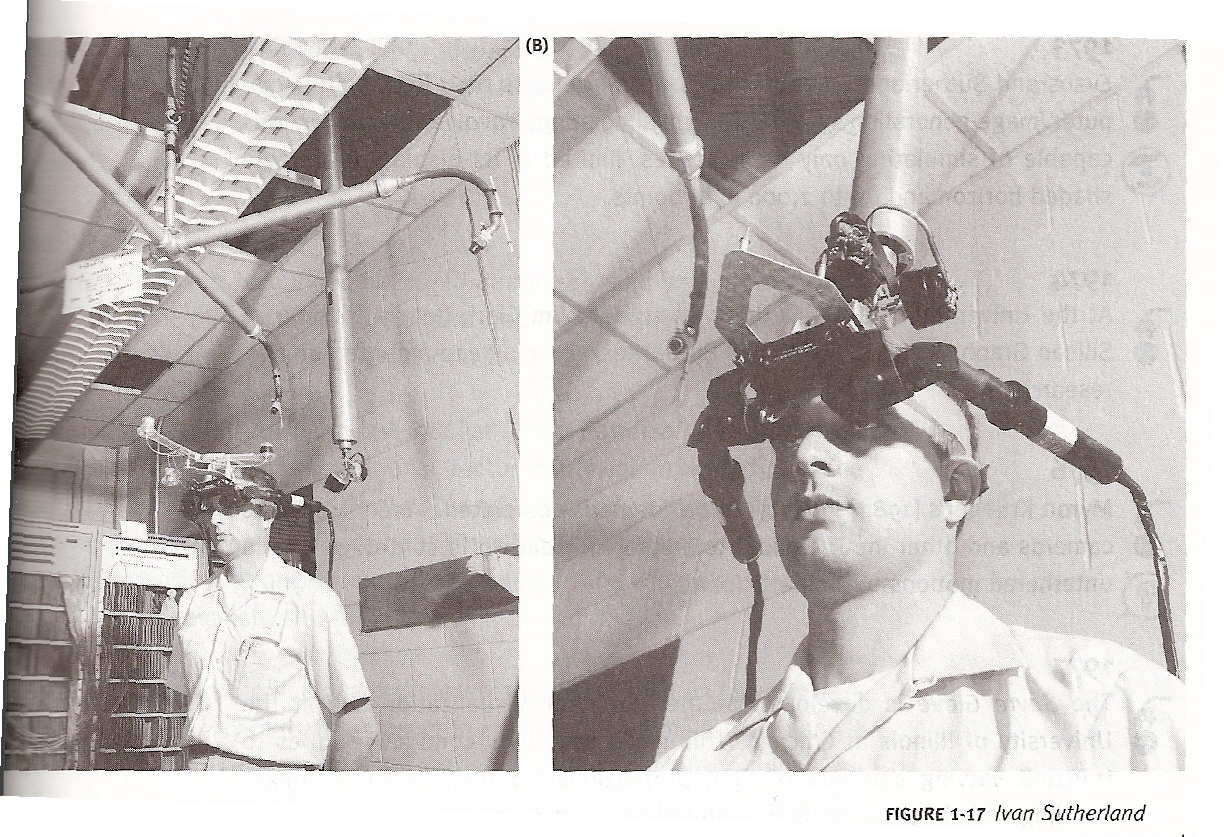
Since then, there have been multiple efforts to artistically take the audience into a perceived reality. But in 1968 the first computer artificial reality headsets came to become a reality. Dubbed the Sword of Damocles that was created by computer scientists Ivan Sutherland. It was archaic in every sense of the word. It only displayed wire-frame models and was so heavy that it needed to be suspended from the ceiling, thus getting its name.
Sword of Damocles was the first computer aided VR headset.
In 1991, Sega arrived with the first VR headsets for the consumers. Though it got a tepid response from the press, and there were fears that they could spoil the eyesight of children, this prevented it from getting to the shelves.
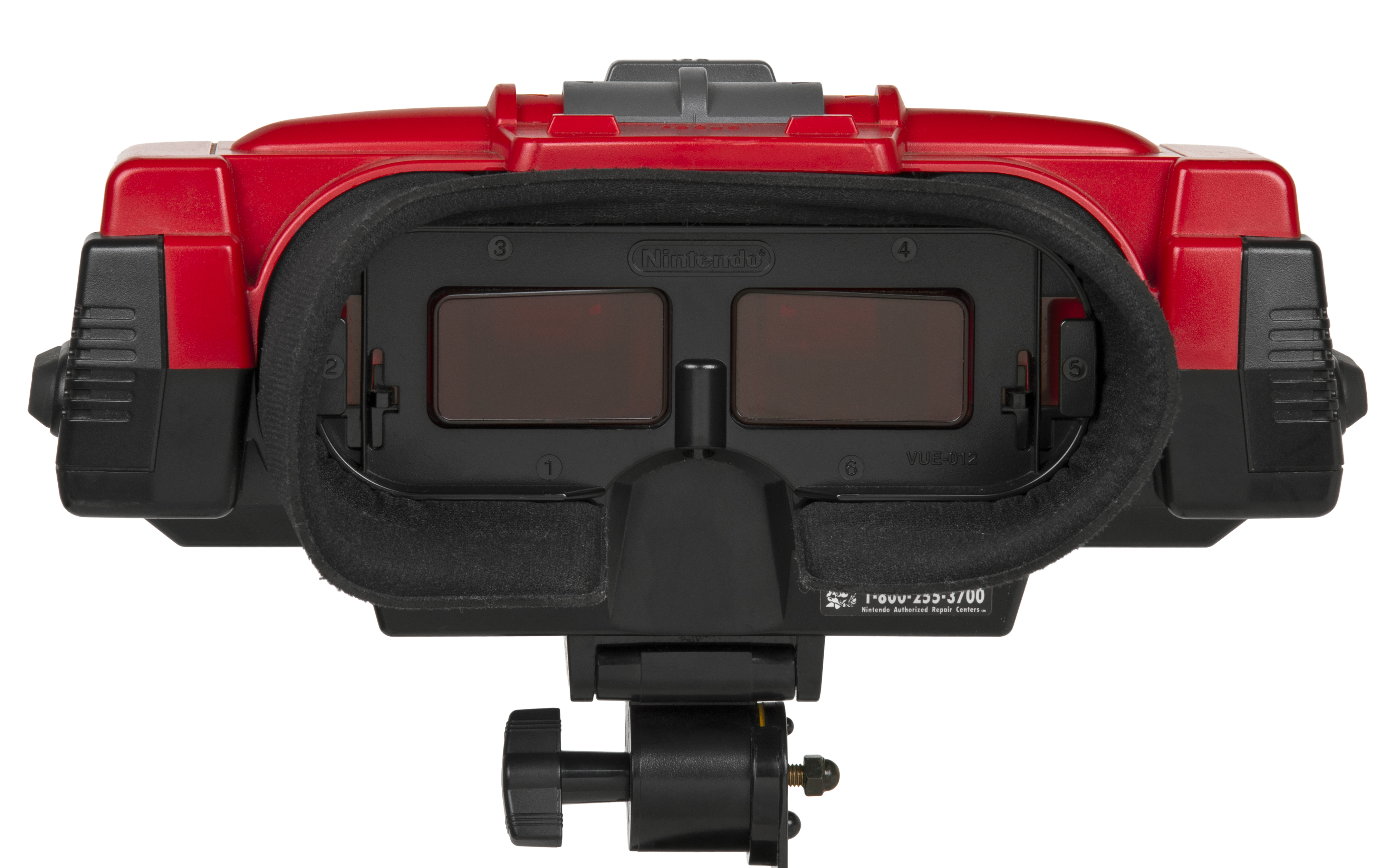
Nintendo tried its hand at VR headsets when it came out with the Virtual Boy in 1995. This device too was a commercial failure, and the users faced discomforts like dizziness, nausea, and headaches after extended use. The device was also lamented for the lack of a head tracking feature and color graphics.
Virtual Boy by Nintendo released in 1995
Fast forward to 2014, and we see a return with a vengeance of the VR technology. Aided by high processing power of modern day devices and the phenomenal breakthroughs in the mobile technology, it seems like VR has finally found its moment in time. The race was intensified with the purchase of Oculus VR by Facebook. Sony and Samsung soon followed with their own designs. Google tried to bring the technology in the grasps of everyone with the cardboard project, a DIY project through which you can create a stereoscopic VR headsets using cheap ingredients which costs just about $20.
How do VR Headsets work?
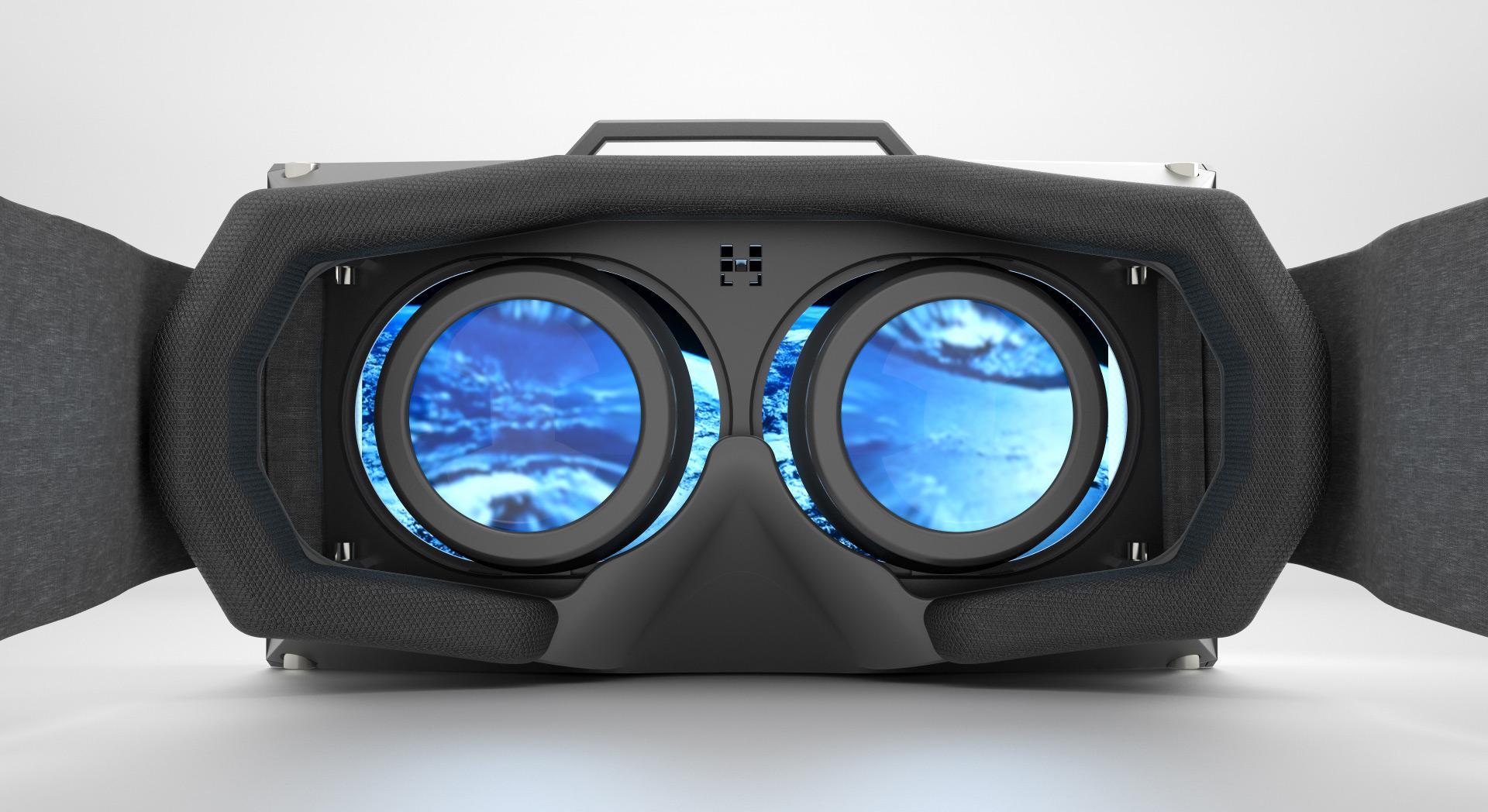
VR headsets pretty much use the concept of 3D glasses. On the displays, there are two images, one for each eye. These images, when viewed through a stereoscopic lens system, gives a perception of depth in the images. The brain brings together the two images as one and that creates the depth that immerses the user into the artificial world. Advanced VR systems like the Oculus have motion tracking system that responds to the user’s movement. Using hardware like the Omni treadmill, you feel like you are really moving around in the virtual environment.
The emergence of mobile-based portable headsets has made it a lot easier to access the technology. Devices like the Gear VR, Google cardboard, and ANTVR make it a lot easier to use. These even allow you to look at your movies with a perception of watching them on a big screen. This could possibly mean the end of movie theaters and the expensive popcorn that comes with it.
The other potential uses of the technology
There are a wide range of uses of VR technology.
Virtual Reality is not just limited to providing quality entertainment and gaming, it has many real world applications too. It can come in handy in multiple fields such as:
Virtual field Trips
The best way to learn about a new place is to go there and travel around. It can often be educational to travel. But if you cannot afford the trip, you have virtual reality to your rescue. The virtual tour can show you around the place and using complementary technologies like haptic mediums; you can get to touch and smell your new environment too. It can be a complete immersive experience that you wouldn’t want to come out of.
Education
Learning by doing is the best way to acquire knowledge. Using the tools provided by gaming advancements in VR, students can learn to interact with their future workplace. For example, an architect can learn to create buildings and manipulate it in real time, almost like Ariadne in Inception. It can even come handy to school children to bring lessons to them in a more interactive immersive fashion.
Training
Several military professionals are trained on VR surfaces. It is a lot more economical than creating real world environments and also decreases the chance of injury while training. It gives the chance to practice their lessons as many times as needed. Pilots are also trained on simulators that actively recreate the flying environment. VR can come handy to train drivers who work in specialized environments such as high terrains or ice roads.
Medicine
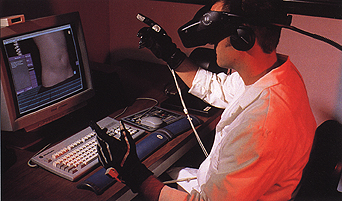
The technology can be used to train doctors.
Doctors can benefit from some virtual simulations too. Specialized surgeries that require immense precision require constant practice. In an artificially created environment, the surgeon can constantly train on the simulated body to perfect his/her skills that could someday come handy to save real lives.
Challenges with VR Devices
VR though has been in development for quite a while, but there are some limitations to the technology to make it more palatable to a mass audience. The confines of graphics and the tracking systems even in the best headsets results in various discomfort for the users. The industry needs to really work on the VR tracking systems.
The audio too is an important element of an immersive experience. The disconnect between the audio and visuals or low quality audio can also lead to motion sickness and other discomforts. The audio industry is being encouraged to fix the gap to create a more natural environment for the users.
There are also some issues with the content that can be created for consumption in the virtual world. Some psychologists say that the VR can create a generation of sociopaths who have gotten so used to first person violence that they are desensitized to it. To counter this, there is a need for regulation and codification of content meant for VR headsets. There should also be instruction and education on how to use the technology right so that it benefits all.
Virtual Reality has come a long way, but there still is long way ahead for the technology to grow.
A Long journey begins now.
With the processing power up to the mark and graphical interfaces replicating reality better than ever, this is the right time for VR to come out of its cocoon. The smartphone revolution has brought the VR technology in the grasps of everyone. Google’s cardboard project literally makes this technology universal. There is a long way to go with the potential applications of the technology, but its mainstream visibility will speed up its adoption in various fields. There is a lot the technology can offer us, and it’s just the beginning of the access to the virtual world. The immense potential of the technology is still up for unlocking. We’re excited about the prospects of VR, are you?