Author: Anand Kapre

  • Liquid Robotics to Launch Wave Gliders to collect Oceanographic Data

    Liquid Robotics to Launch Wave Gliders to collect Oceanographic Data

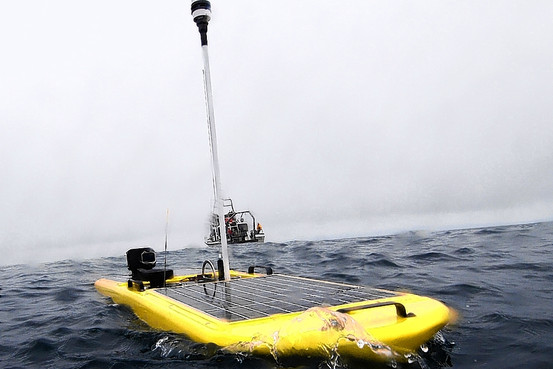
    Liquid Robotics, a Silicon Valley startup, makes remote controlled robots that cruise the open ocean and gather data. The company plans to collect this data and offer it up to consumers on the web. The machines, called Wave Gliders, can keep track of all sorts of data including whale songs, wave heights and the presence of nearby ships. The company plans to sell these robots to governments, research institutions and energy companies for between $1,50,000 and $5,00,000 a piece depending on the included components.

    The wave glider features a 6-foot, 10-inch-long floating section equipped with solar panels, a battery and sensors. Tethered 23 feet below the float in the water is a similarly sized glider with metal wings and a rudder that propel and steer the device.

    The inventor of the device, Robert Hine, originally made the device for a friend who wished to study whale songs off the coast of Hawaii. He started designing and fabricating the machines in 2005, taking every other week off from his job as a semiconductor engineer. He experimented with different Electric Engine designs, but they all failed. After much research, he came up with a design that harnesses the natural energy in waves, like a sailboat harnesses the wind.

    The gliders ‘wings’ use the up and down motion of the waves to propel the device forward at a pace of around 1.5 miles per hour. Operators are able to map out a route and have waypoints transmitted to the robot via satellite. It then uses GPS signals to follow the programmed route. The robot is unable to remain still but can criss-cross the same area.

    Because the gliders are essentially floating platforms that can be programmed to go anywhere, there are many possible uses. They can measure ocean and air temperature to help predict storms and water currents and wave height for shippers trying to determine the safest route for their vessels. They also can help oceanographers monitor whales and other aquatic life. In crowded areas like the Gulf of Mexico, gliders could collect location, speed and destination information for ships—information that now is sent through radio signals—and display the information on a map. There are less obvious uses as well. Mr. Vass imagines equipping gliders with cellular towers to provide coverage in the middle of oceans. Also, gliders could be programmed to dispense fish food, creating fish farms that move around at sea.

    Liquid Robotics isn’t the only company that makes unmanned sea vehicles for data collection. iRobot Corp., creator of the Roomba vacuum cleaner, makes a glider that collects information up to 3,000 feet under water, surfacing from time to time to transmit its findings and collect new instructions. The Slocum glider from Teledyne Technologies Inc. works in a similar way. Both gliders can collect information from far deeper in the ocean than the one from Liquid Robotics, but aren’t able to transmit data continuously.


  • Realm of the Mad God

    Realm of the Mad God

    Realm of the Mad God, created for the TIG Assemblee competition, is ‘a massively co-op fantasy adventure’ featuring a remarkably large world to roam and explore (inhabited by thousands of monsters), real-time battling, a full leveling up system, lots of different equipment and magic spells to experiment with and different classes to choose from.

    At first look the game reminds us of the 8-bit days of yore. What the game lacks in graphics it definatly makes up for in usability. The game is browser based and its so simple to play, just log in and go. Even though it already has so much content, the game is still being built. When you join, you’ll be placed into the world alongside every other connected player.
    A major difference from most games of the genre is that death is permanent. It doesnt matter if your level 1 or level 100. If you die, you loose all progress that you made in the game, and you have to start over. You may get a respectable level, but one tiny slip up and its all gone.

    Go and give it a try here.

  • Convert 2D display to a 3D display with the Pic3D Film

    Convert 2D display to a 3D display with the Pic3D Film

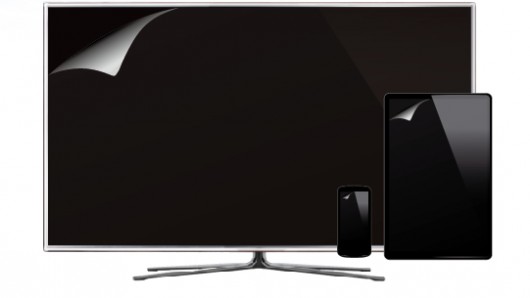
    Japanese company Global Wave, has come up with a technology that can convert a 2D display into a 3D display. They have developed a film that can be stuck onto any display, which allows you to enjoy 3D content. The film works on all devices including smartphones, Monitors and even the iPhone and iPad.

    The film is called the Pic3D and is based on a lenticular lens system which basically creates 2 serperate images, one for the left eye and one for the right, at slightly different perspectives, which creates the illusion of depth. The film was designed to be used with stereoscopic content. In case you have regular 2D content, you can download the software from the company’s website and it allows you to view the regular 2D content in 3D.

    The film allows 90% of the screens brightness through with viewing angles as wide as 120o. The film will be available from the Global Wave website in August with prices ranging from $25 for the iPhone and iPod Touch to $189 for a 23″ display film.


  • Toshiba Launches the World’s First Glasses Free 3D Laptop

    Toshiba Launches the World’s First Glasses Free 3D Laptop

    Glasses free 3D is taking over the mobile world one device at a time. In February 2011, Nintendo launched the worlds first glasses free 3D console , the Nintendo 3DS, with a autostereoscopic screen. Then came the worlds first glasses free 3D smart-phone, the HTC EVO 3D. Now, Toshiba has launched the worlds first glasses free 3D laptop, the Qosmio F750. The laptop sports a 15.6″ full HD (1920×1080) lenticular lens screen which sends images of a slightly different perspective to the left and right eye of the user. There is a very definite view angle on the device so you cant sit and watch a 3D movie with your friends yet. The laptop’s web-cam is used to track your eyes so the image can be adjusted to your exact perspective so that you see in 3D.

    The F750 3D is a powerhouse of a laptop. It has an Intel Core i7 processor, NVIDIA GeForce GT 540M graphics card (up to 2GB), 640GB (5400rpm) SATA hard drive, 6GB DDR3 (1333MHz) RAM, 3 USB 2.0 ports and 1 USB 3.0, Blu-ray XL drive, Wi-Fi 802.11 b/g/n and Bluetooth 3.0 and a HD Web-cam.

    It remains to be seen how the market will respond to this new display technology. The laptop will be available for purchase in August 2011.

  • How much would You pay for a Google+ Invite?

    How much would You pay for a Google+ Invite?

    Do you wish that you were a part of Google’s new Social Network Google+? Well your not alone. A lot of people all over the world have the desire to test Google’s new offering and some of those people have seen an opportunity to make some money. Google+ is currently in the testing phase so Google has restricted access to the service.

    While joining Google+ will be free, people who are already on the service have started selling invites on E-Bay. A quick search on E-Bay gives a number of results ranging from $0.99 an invite all the way to $99.99 for one.

    The downside to a purchase is that you still won’t be able to join the Google+ service. Google announced that the interest in Google+ was so great that the company had decided to stop accepting new users. A Google spoksperson said that they will be accepting new users in periodically as the company readies for its big public debut.

  • iPad Responsible For One Percent Of All Internet Browsing

    iPad Responsible For One Percent Of All Internet Browsing

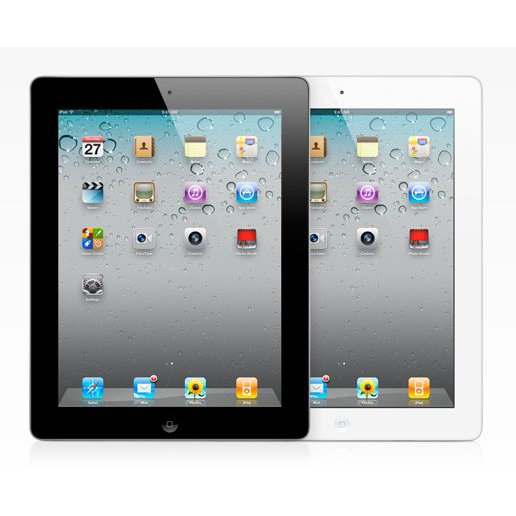
    Within a year of its launch, Apple’s iPad now holds over 1% share of global web browsing and a 2% share of all browsing in the US. Reports from analytics firm Net Applications’ NetMarketShare Report show that the iPad had 53 times the usage share of its nearest competitor, Samsung’s Galaxy Tab and 76 times the usage share of the Motorola Xoom. When compared with the Research In Motion’s PlayBook, the iPad leaves it in the dust with a 306 times greater market share.

    In the US mobile browser market, the iPad takes has a moderate 25.5% share, only trailing Android, which has a 31.6% share, and the iPhone, which has a 35.2% share. When you combine the share of the iPhone and the iPad, they come in with a 60.7% share of the US mobile browsing market. That’s almost twice the market share of Android. Blackberry came in at 6.9 percent, while Symbian, Windows Mobile and webOS are left far behind, accounting for less than 0.5 percent.

    With the launch of iOS 5 and the addition of tabbed browsing in Mobile Safari, the user’s browsing experience will be brought closer to that of the Mac. This should help the iPad become more acceptable as a mobile browsing platform and gain it higher market share than it holds today.

  • Huge Deposit of Rare Earth Metals Found in the Pacific

    Huge Deposit of Rare Earth Metals Found in the Pacific

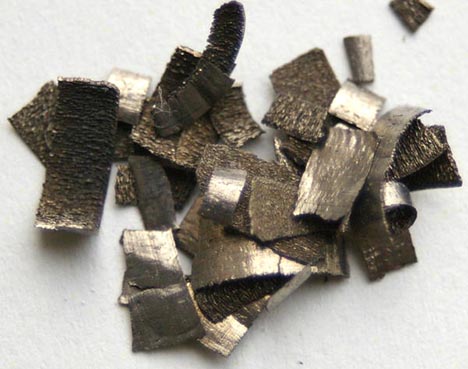
    Rare earth metals are used in the production of everything from iPods to flat screen TV’s. China was the worlds leading source of these metals till today when scientists from Japan announced that they had located a huge cache of these metals in the Pacific Ocean. China accounts for 97 per cent of the world’s production of 17 rare-earth elements, whose unique electrical, magnetic, optical and thermal properties make them vital ingredients for some of the most technologically advanced products.

    According to the journal Nature Geoscience, a team of scientists led by Yasuhiro Kato, found an estimated 100 billion tonnes of the minerals in mud at 78 locations on the Pacific seabed. To give an idea of just how much that is, the current reserves of rare earth metals amount to 110 million tons which are found mostly in China, Russia and other Soviet countries and the US. The commercial viability of procuring these metals has yet to be worked out as they are located deep in the ocean, at approximately 13,000ft and 16,250ft.

    China’s commerce ministry said that between January and November last year, the country exported 35,000 tonnes of rare-earth minerals, up 14.5 per cent on 2009. About a third of China’s reserves have already been used up, leaving about 15 years’ worth at the current rate of depletion.

  • Keyless Entry – Keys a Thing of the Past

    Keyless Entry – Keys a Thing of the Past

    The key has been one of mankind’s constant companions for ages. Now it is being swallowed by the cellphone. New technology lets phones unlock hotel, office and house doors. The same technology can also be used to provide key-less entry to your car and start it remotely as well. How it works is that the phone sends a data packet over the Internet to a converter box connected to a door or a deadbolt. Other systems use internal company networks, like General Motors’ OnStar system, to unlock car doors.

    Since nearly everyone today has a cellphone, quite a few start-ups, lock companies and car manufacturers are getting on board to provide broad acceptance of the technology. Schlage, a major lock maker, markets a system that lets homeowners use their mobile phones to unlock their doors from miles away, and manage their home heating and air-conditioning, lights and security cameras.

    The public is yet to come to terms with the new technology. It still does not feel safe to start a car with your cellphone. If you have a dead battery or no Internet connection, you might just end up stranded. Keys wont be gone for another few years still but in the future, we may just see a more refined version of this technology that addresses all these issues.

  • Spice Popkorn – M9000 Cinema Projector Phone Full Review

    Spice Popkorn – M9000 Cinema Projector Phone Full Review

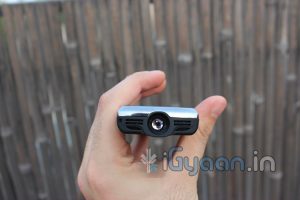
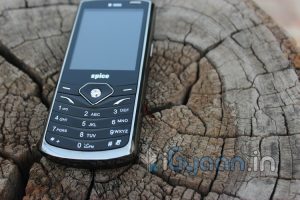
    The Spice Popkorn is the first phone in India to have a built in projector and as such sets the standard for all future devices with this technology. Lets find out how it fared at the iGyaan Lab.


    Build Quality, Hardware & Design

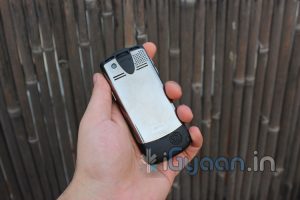
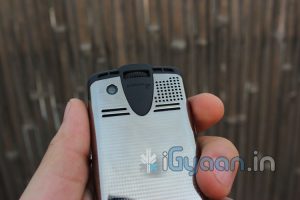
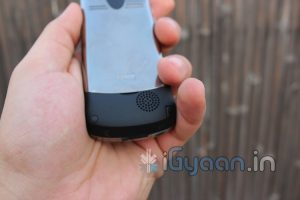
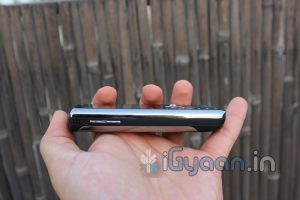
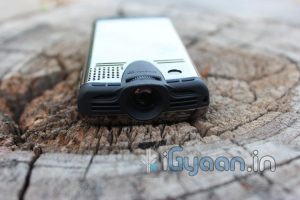
    The Popkorn has a standard candybar design that is much thicker than a regular candybar phone due to the inbuilt projector. It feels quite solid and is comfortable to hold with its metal and rubberized plastic body. The phone weighs 123g and is quite a bit heavier than phones of a similar design, but due to its form factor, it still feels quite comfortable in the pocket.

    One feature that we thought was a little delicate was the telescopic antenna. Its quite thin and fells like it will bend if a little too much pressure is applied. Be careful when expanding and retracting the antenna as you use this device.

    The screen on the Popkorn is a 6cm 320x240px QVGA display which is quite vivid and displays good contrast in colours. Its nothing to boast about, but then its not the only display the phone has. The device has Dual SIM capabilities and supports GPRS and WAP connectivity. It also has built in bluetooth to allow you to connect your phone to a bluetooth device. It does not support 3G or WiFi.

    Included Accessories

    The phone comes with a tripod and a tripod mount. We felt that the quality of the tripod could be improved as  it feels like it might tip over with the weight of the phone, but such is not the case. The tripod mount holds the phone securely and keeps it nicely balanced on top of the tripod.

    Overall, the build quality of this device is exceptional, when you consider the fact that Spice has managed to stuff a projector into a device that weighs only 123g.

    Camera and Multimedia

    The Popkorn has a 3.2MP rear facing fixed focus camera that can capture images upto 2048 x 1536 px. It can also record video at a maximum of 15fps and also comes with a 4x digital zoom.The camera can be used as a webcam as well, once you plug it into your computer via the included USB cable.

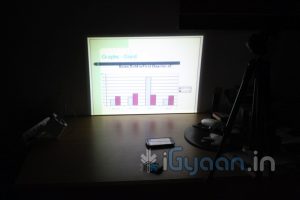
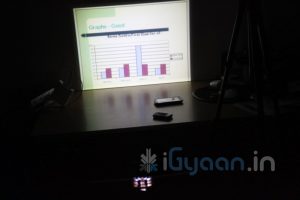
    The projector on the device, in our tests, has given a readable display of approximately 40 inches at its largest and 2″ at the smallest. That’s a HUGE screen from a tiny device. We recommend that the phone be setup so that the display is approximately 27″ to 30″ large as this gives the best picture quality. However, the projector is not extremely bright so using it in a well lit room is not advisable. Keep the lights off and the curtains drawn when using the projector. With many air vents around the phone, we did not notice any significant heating of the device, even after extensive use of the projector.

    Another great use of the projector is to watch TV. The Popkorn catches analog TV signals from its telescopic antenna. Channels can be programmed and saved to the device so that you can view them at your leisure. While watching TV is a nice recreational activity, the phone also has a feature that can come in handy while at work. It has the ability to playback PowerPoint Presentations, and with the included laser pointer, you can make excellent professional presentations. You no longer need to carry your laptop to your meetings. Simply copy your ppt onto the memory card and carry the phone.

    The phone also has built a built in FM radio, and with the telescopic antenna, you do not require headphones to catch a signal. It also has the ability to schedule and record FM radio so you can catch all your shows at your pleasure. The speaker phone is very loud and gives sufficient sound to be clearly heard in a large room. Spice has also included an external speaker which increases the audio output of the device many-fold. The speaker also has a built-in battery so it does not drain the battery on the phone while in use. A few cables have been included to connect as well as charge the speaker.


    Phone and Messaging

    The Popkorn supports Dual SIM cards. It also has a standard numpad which makes dialing and placing calls a breeze. The microphone and earpiece perform as expected and we have no complaints. As stated, the loudspeaker is really loud and provides a good hands free experience.

    Typing on the phone is also easy as the keypad is quite responsive and the keys are easy to press.


    Data & Internet

    The Popkorn supports GPRS and WAP. It has a browser that leaves a lot to be desired. One feature we found lacking was WiFI. It would have been great if we could use WiFi to browse the internet on the projector or even stream videos directly to the device via our desktops/laptops. Maybe they will include this feature in the next version of the device.


    Conclusion

    When we got this device, we had low expectations of its performance. However, after using it for a while, we were, quite literally, blown away. The phone by itself is comparable to any number of Dual SIM phones that are on the market today, but the other features that it packs set it a world apart. The Projector with its Video playback, Analog TV and Presentation capabilities left us in awe. For its price, it is possibly the most inexpensive projector on the market today. The fact that its a phone and can fit in your pocket just adds icing to the cake.

    MRP: Rs. 6699/-

    [xrr rating=3.75/5 label=”We Rate it : ” imageset=shiny_yellow_star display_as=fraction_stars]


    Unboxing Video

    Full Review


  • EPIC – $0.99 EA Sale on the App Store

    EPIC – $0.99 EA Sale on the App Store

    Electronic Arts is having a mega sale on the app store. Most games that were priced at $4.99 are now priced at $0.99 for a limited time. Purchase your games today from the links below.


    App Name

    Indian App Store

    US App Store

    Tetris TETRIS® - Electronic Arts TETRIS® - Electronic Arts
    The Game of Life THE GAME OF LIFE Classic Edition - Electronic Arts Nederland B.V. THE GAME OF LIFE Classic Edition - Electronic Arts
    Monopoly MONOPOLY - Electronic Arts Nederland B.V. MONOPOLY - Electronic Arts
    Monopoly Here & Now: The World Edition MONOPOLY Here & Now: The World Edition - Electronic Arts Nederland B.V. MONOPOLY Here & Now: The World Edition - Electronic Arts
    Battleship BATTLESHIP - Electronic Arts Nederland B.V. BATTLESHIP - Electronic Arts
    Scrabble Scrabble® - Electronic Arts Nederland B.V. SCRABBLE - Electronic Arts
    Boggle Boggle - Electronic Arts Nederland B.V. Boggle - Electronic Arts
    The Sims 3 The Sims 3 - Electronic Arts Nederland B.V. The Sims 3 - Electronic Arts
    The Sims 3 Ambitions The Sims 3 Ambitions - Electronic Arts Nederland B.V. The Sims 3 Ambitions - Electronic Arts
    The Sims 3 World Adventures The Sims 3 World Adventures - Electronic Arts Nederland B.V. The Sims 3 World Adventures - Electronic Arts
    Need for Speed™ Hot Pursuit Need for Speed™ Hot Pursuit - Electronic Arts Nederland B.V. Need for Speed™ Hot Pursuit - Electronic Arts
    Need For Speed™ Undercover Need For Speed™ Undercover - Electronic Arts Nederland B.V. Need For Speed™ Undercover - Electronic Arts
    Need For Speed™ Shift Need for Speed Shift - Electronic Arts Nederland B.V. Need for Speed Shift - Electronic Arts
    Tiger Woods PGA TOUR® 12 Tiger Woods PGA TOUR® 12 - Electronic Arts Nederland B.V. Tiger Woods PGA TOUR® 12 - Electronic Arts
    NBA JAM by EA SPORTS™ NBA JAM by EA SPORTS™ - Electronic Arts Nederland B.V. NBA JAM by EA SPORTS™ - Electronic Arts
    FIFA 11 by EA SPORTS™ FIFA 11 by EA SPORTS™ - Electronic Arts Nederland B.V. FIFA 11 by EA SPORTS™ - Electronic Arts
    FIFA 10 by EA SPORTS™ FIFA 10 by EA SPORTS™ - Electronic Arts Nederland B.V. FIFA 10 by EA SPORTS™ - Electronic Arts
    Fight Night Champion by EA Sports™ Fight Night Champion by EA Sports™ - Electronic Arts Nederland B.V. Fight Night Champion by EA Sports™ - Electronic Arts
    SimCity™ Deluxe SimCity™ Deluxe - Electronic Arts Nederland B.V. SimCity™ Deluxe - Electronic Arts
    Spore™ Origins Spore™ Origins - Electronic Arts Spore™ Origins - Electronic Arts
    Dead Space™ Dead Space™ - Electronic Arts Nederland B.V. Dead Space™ - Electronic Arts
    BATTLEFIELD: BAD COMPANY™ 2 BATTLEFIELD: BAD COMPANY™ 2 - Electronic Arts Nederland B.V. BATTLEFIELD: BAD COMPANY™ 2 - Electronic Arts
    Ultimate Mortal Kombat™ 3 Ultimate Mortal Kombat™ 3 - Electronic Arts Nederland B.V. Ultimate Mortal Kombat™ 3 - Electronic Arts
    TRANSFORMERS: DARK OF THE MOON TRANSFORMERS: DARK OF THE MOON - Electronic Arts Nederland B.V. TRANSFORMERS: DARK OF THE MOON - Electronic Arts
    The Simpsons Arcade The Simpsons Arcade - Electronic Arts Nederland B.V. The Simpsons Arcade - Electronic Arts
  • Google Releases a Preview of the New Gmail Look (PR)

    Google Releases a Preview of the New Gmail Look (PR)


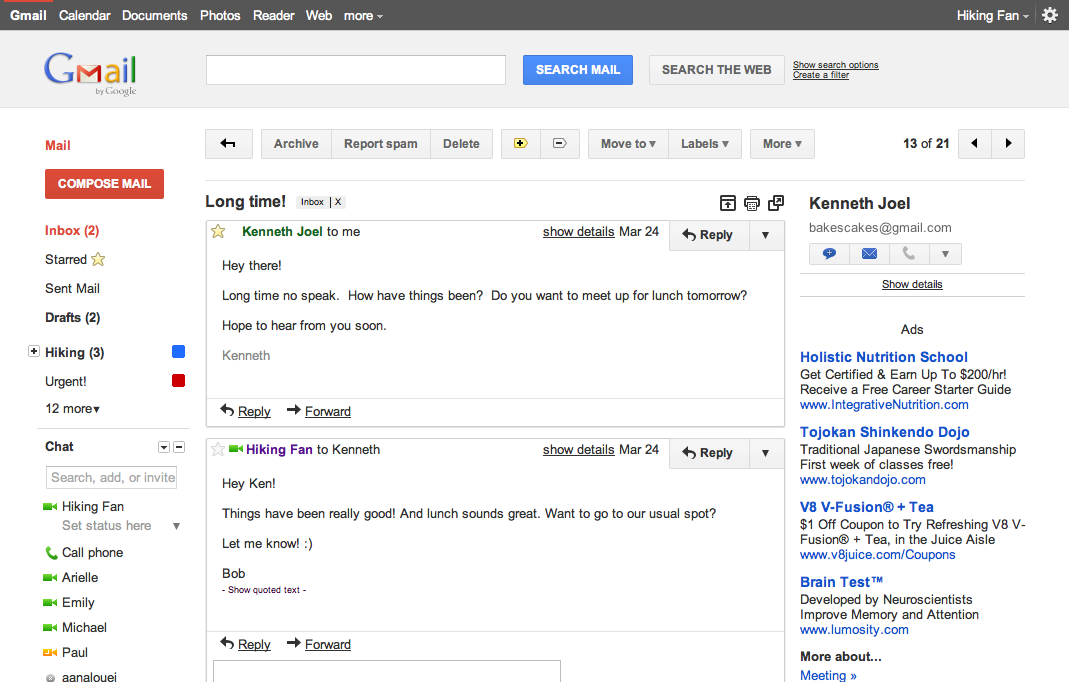
    Google has decided to update its offerings with a new look with the launch of its Google+ service. You would have already noticed the black bar above the Google search page. Adding multiple features over the years has made their Gmail interface more cluttered and complicated to use. They are attempting to clear it up as well as add some more features, however, they have scheduled to do it in phases, so not all features will work at this time. You can check out the new interface by logging into your gmail account and changing your theme. The new interface not only changes the colour scheme of the interface, but also introduces many UI enhancements such as changes in buttons and overall layout. Changes to the Google Calender are also coming soon. Read the Press Release for more info.


    [toggle title_open=”Collapse Press Release” title_closed=”Expand Press Release” hide=”yes” border=”yes” style=”default” excerpt_length=”0″ read_more_text=”Read More” read_less_text=”Read Less” include_excerpt_html=”no”]

    We get a lot of great feedback about how Gmail helps you be more efficient, keep in touch with family and friends, and get work done. We’ve saved you from forgetting attachments and made sure that you got the right Bob. Over the years, adding countless features to Gmail has made it an increasingly powerful communication hub, but along the way the interface has also become more cluttered and complex.

    That’s one of the reasons we’re embarking on a series of interface updates to help strip out unnecessary clutter and make Gmail as beautiful as it is powerful. This is part of a Google-wide effort to bring you an experience that’s more focused, elastic, and effortless across all of our products. The changes are not going to happen all at once. We know that you love and care about Gmail as much as we do, and we’ll be working on these upgrades gradually over the next few months to allow plenty of time to understand and incorporate your feedback into the evolving design.

    We’re kicking things off with two new themes for you to try out as a sort of sneak peek at what we’re up to. Starting today, you’ll see the “Preview” and “Preview (Dense)” themes in the Themes tab in Gmail Settings. Why two themes? Our new interface will eventually expand dynamically to accommodate different screen sizes and user preferences, but until then you can pick the information density that you prefer.

    Here’s what one of the new themes currently looks like:

    And in conversation view:

    If you poke around you’ll hopefully find a lot to like and a much cleaner, modern look but also few rough edges. In particular, some Labs features may look a little strange in the new themes. We plan to fix these issues as we roll out changes in the coming months. You can also expect some updated themes that embody the same design principles but are better suited to working in a dark environment, use a different color palette, or include the illustrations that we know many of you love to see around your inbox.

    Look out for these and other new features over the next few months. In the meantime, try out the new themes as a preview of the future of Gmail and let us know what you think.

    P.S. Like Gmail, Google Calendar is also getting a new look. You’ll see it automatically within the next few days so there’s no need to turn it on, and we’ll also continue to make improvements there in the coming months. Details about the current changes to Calendar can be found in the Calendar help center.

    [/toggle]

  • The T.27 – World’s Most Efficient Electric Automobile

    The T.27 – World’s Most Efficient Electric Automobile

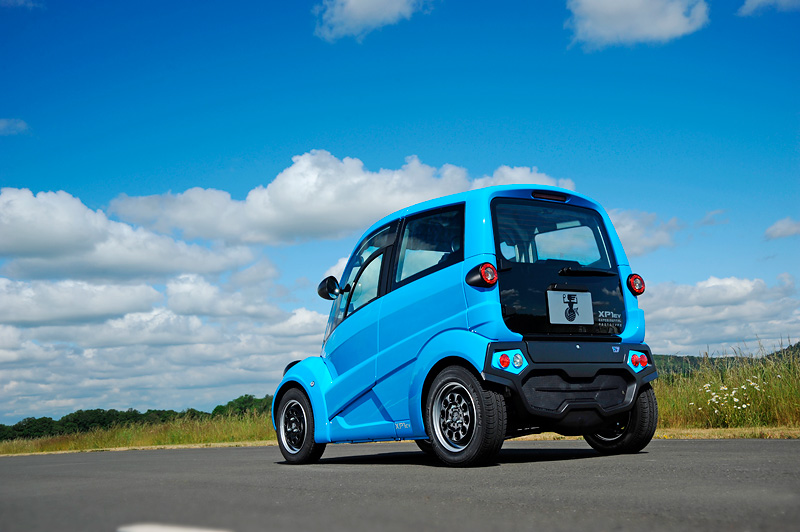
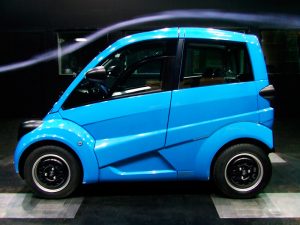
    UK based Gordon Murray Design has unveiled a new car designed for the urban environment which it has dubbed the T.27. The design and development program for the T.27 has cost £9 millionwas made possible through a £4.5 million investment from the government-backed Technology Strategy Board. From design to concept to working prototype, the car has taken just 17 months to come to life, including the design and build of a completely new electric powertrain by Zytek Automotive Ltd.

    T.27 specifically targets the urban city environment via a unique manufacturing process called ‘iStream’ developed Gordon Murray Design. It aims to significantly reduce lifecycle impacts and enable low cost, efficient manufacture within the UK. The electric car sets new standards in weight, footprint, small car dynamics, safety, packaging and efficiency whilst addressing full lifecycle CO2 emissions, congestion, parking and low cost motoring.

    Company CEO, Professor Gordon Murray, said at the unveiling of the car

    [quote]Lightweight is the most powerful tool we have in our armoury in the fight against emissions and fuel consumption.  This is true of all cars and especially so with electric vehicles! A lightweight car means a lightweight battery increasing the levels of safety and reducing the retail price dramatically.”  The T.27 represents a huge step forward in protecting our mobility and our environment.[/quote]

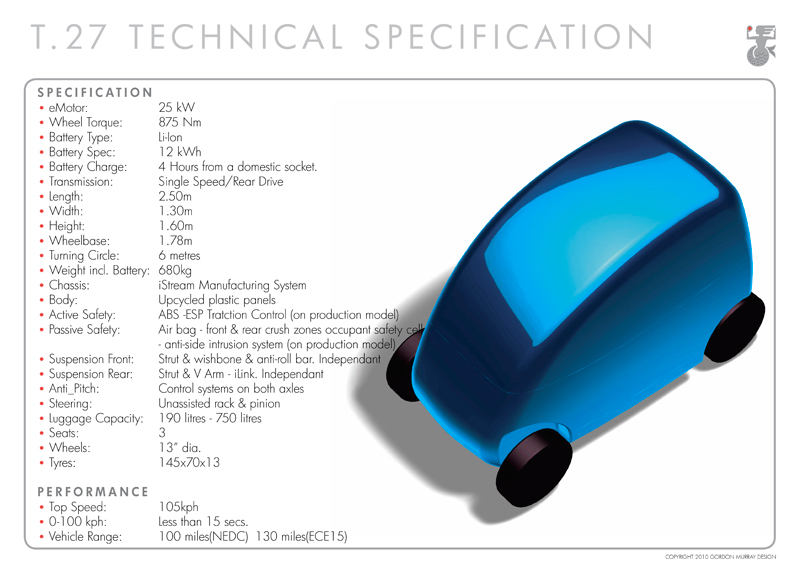
    The tech specs for the T.27 are as follows:

    In comparison to other electric cars the T.27 has much lower energy consumption per mile, the Smart EV uses 29% more energy per km, the Mitsubishi iMiEV uses 36% more energy per km, and the Mini-E uses 86% more energy per km, making the T.27 the most efficient electric car by some margin.

  • FaceBook to Earn $1 Billion from Social Gaming This Year

    FaceBook to Earn $1 Billion from Social Gaming This Year

    Kevin Ryan, an entrepreneur and ex-CEO of DoubleClick, predicted that Facebook will generate approximatly $1 billion from its social gaming services this year. He arrived at the figure with the help of his brother Sean Ryan, who is the director of social gaming partnerships for FaceBook.

    FaceBook however, as a private company, has no obligation to disclose such financial information and has refused to comment on the prediction. The company will be going public next year with a very high Initial Public Offering because its valuation has been predicted to be greater than $100 billion.

  • How to Shut Down a Nuclear Reactor

    How to Shut Down a Nuclear Reactor

    At the Torness nuclear power station in East Lothian, UK, seawater is taken in and filtered before it is used to cool down the reactor cores. It is not unusual for these inlets to be clogged with debris from the ocean, mainly seaweed and jellyfish. But on the 28th of June, the power plant faced a highly unusual situation.

    Clouds of jellyfish seemed to be pulled towards the plant and clogged its intake filters. This reduced the flow of cool seawater to the reactor cores. At first the plant engineers tried to reduce the load on the cores to reduce the amount of water required to cool them, but that was not sufficient and the cores had to eventually be shut down. Local fishermen were employed by the plant in the effort to clear up the jellyfish. They also used spotter planes to identify the large swarms or blooms of the sea creatures out in the open ocean. Large industrial vacuum cleaners (mounted on trucks) were also used to clear the water of any jellyfish that made it past the intake filters.

    The incident has been picked up by environmentalists to prove the unreliability of nuclear power, however the plant bosses claim that the public was never in any danger. The plant is regularly taken offline to ensure that its in good working order and this incident was no different. One of the plants cores was brought back online today while the other core is still being serviced.

    Why the jellyfish decided to make the sudden migration to the plant’s intake filters remains a mystery to experts and has stumped locals. So how many jellyfish did they end up catching? Over 600 tons!

  • Scientists Develop Robotic Skin

    Scientists Develop Robotic Skin

    The human skin is a magnificent sensory organ. It can detect the minutest gust of wind to a single touch. Robots however, are unable to sense the world around them in this fashion. Scientists at the Technical University of Munich (TUM), Germany, are developing an artificial skin for robots with a similar quality.

    The skin will provide important tactile feedback for the robot and augment its existing camera “eyes”, its infrared sensors and gripping tools. As with human skin, the way the artificial skin is touched could trigger different reactions from the robot. It could for example, run away when hit, or use its eyes to see what has touched it.

    The centrepiece of the new robotic skin is a five square cm hexagonal plate or circuit board. Each small circuit board contains four infrared sensors that detect anything closer than one cm. There are also six temperature sensors and an accelerometer, which allow the robot to accurately measure the movement of its limbs. The circuit board was designed keeping future expandability in mind, hence it can have more sensors attached as needed.

iGyaan Network
Privacy Overview

This website uses cookies so that we can provide you with the best user experience possible. Cookie information is stored in your browser and performs functions such as recognising you when you return to our website and helping our team to understand which sections of the website you find most interesting and useful.